The drive from Karakorum to Ongiin Khiid is one of the most interesting transitions in Mongolia because you gradually leave the lush heartland behind and enter the northern edge of the Gobi Desert. Over 6 hours (300km) we went from travelling through green valleys filled with herds of grazing horses through to a bare but incredible beautiful semi-arid landscape.
After an hour on the road heading out of the Orkhon Valley (that also included a stop at the local bakery to grab lunch, the local supermarket to grab water and the local petrol station to fill each vans two tanks plus extra cannisters for the long drive into the Gobi). From now on we would be off-roading. Well it feels like its off roading and whilst there may not be any street signs or paths…the drivers know exactly where they are going.
The first 2 hours were brilliant as we travelled through lush green grasslands. I can’t even begin to count the number of birds of prey we saw both flying overhead and standing in the grasslands look for prey. The most fascinating thing we saw (that I annoyingly didn’t get a photo of) were sedge hummocks. The land has a bumpy, quilted appearance – with thousands of rounded mounds of about 20-80cm in diameter. I remember learning about this in high school geography! These hummocks are formed by sedges (a type of plant) and other wetland grasses. Over many years each plant grows from the same point, building up a raised mount of roots and dead vegetation. The spaces between the hummocks remain wetter so the landscape develops a ‘bobbly’ appearance. These areas are fed by snowmelt from the Khangai Mountains so the groundwater remains close to the surface.
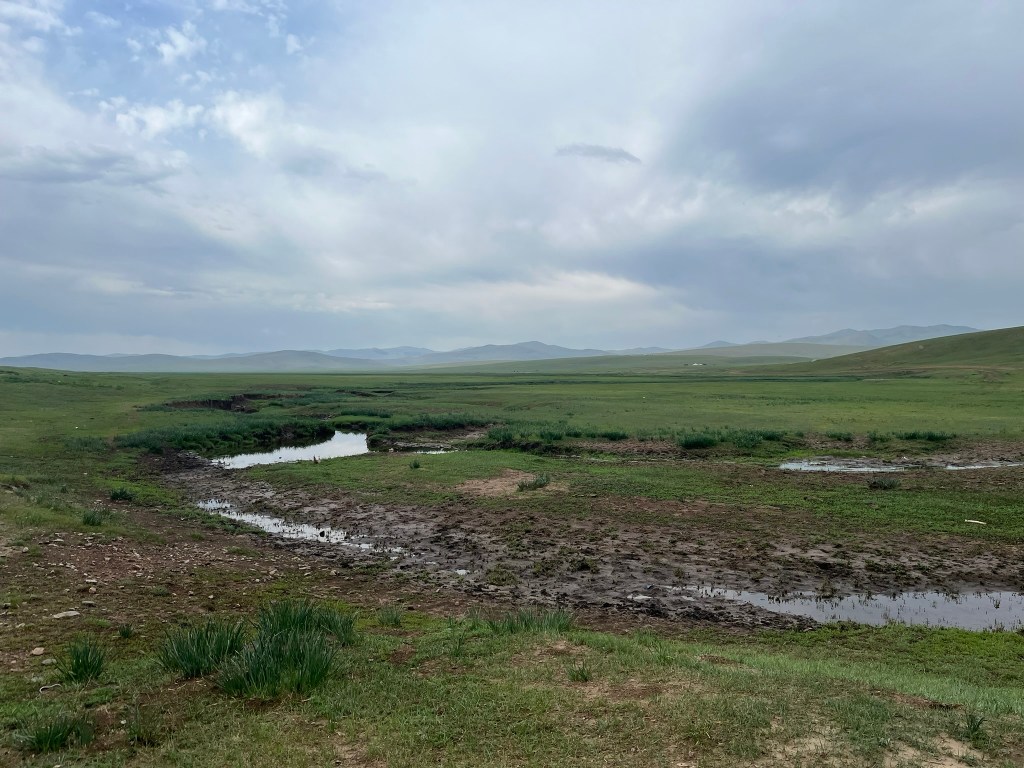
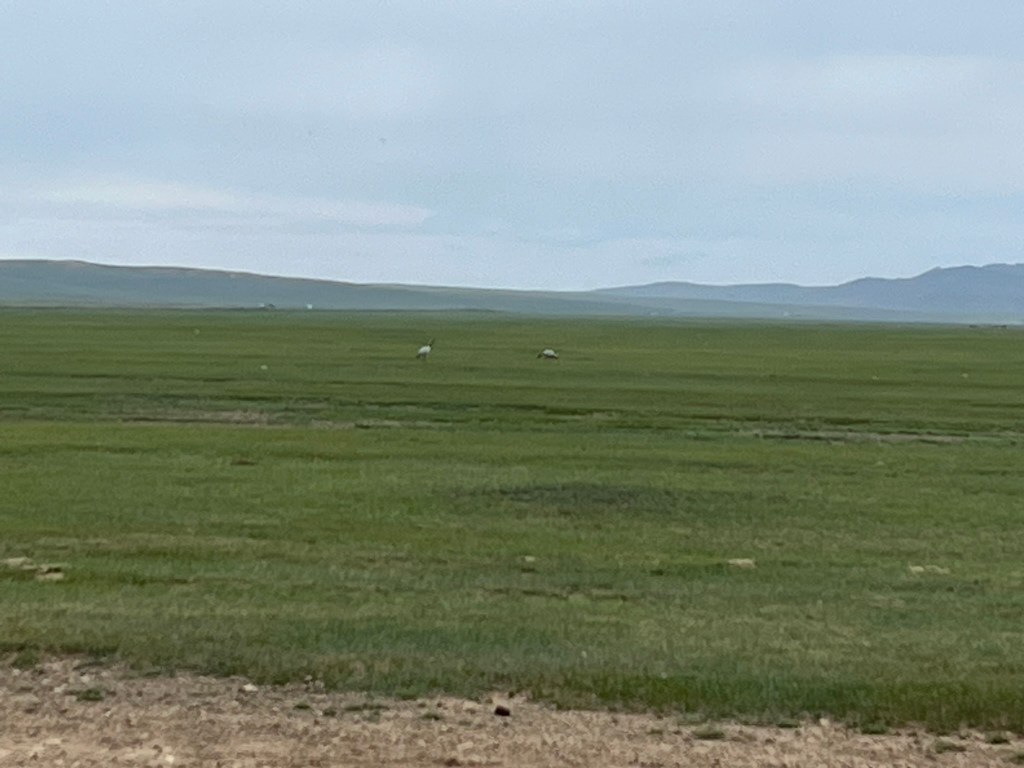
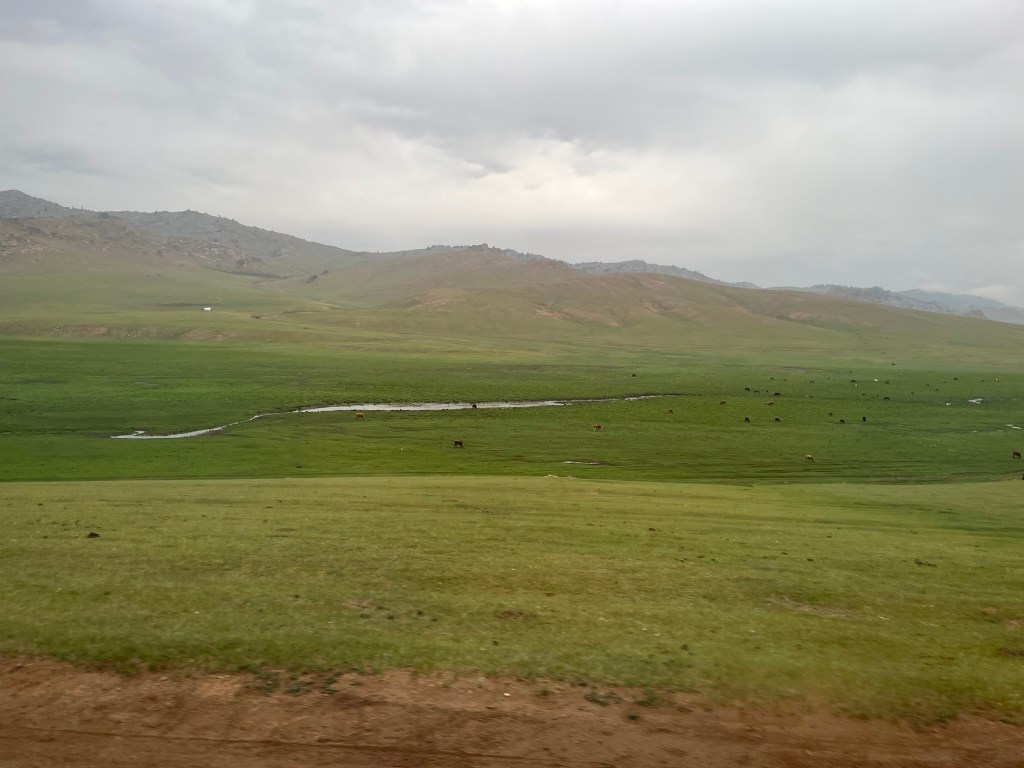
As we headed further south into the mountain steppe the ground becomes drier and the dominant vegetation changes to feather grasses. The grasses grow in individual clumps separated by patches of bare soil. The grasses become short, the spaces between the clumps more widely spaced and less intensely green. Low shrubs become more dominant. This is the dry grassland.
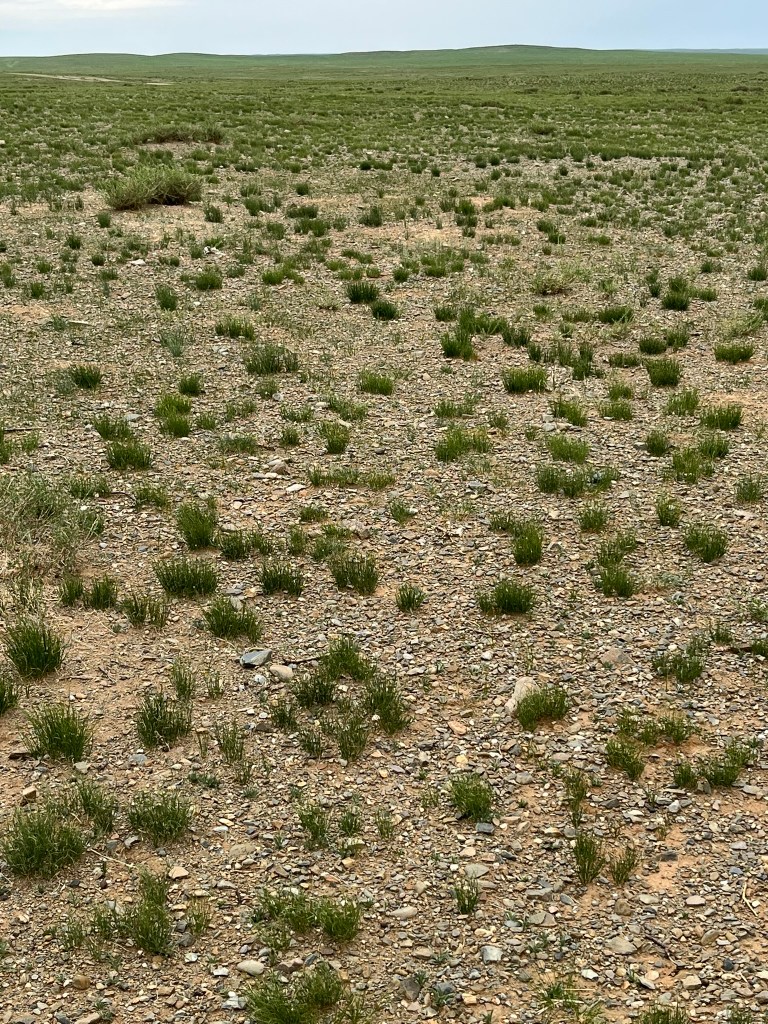
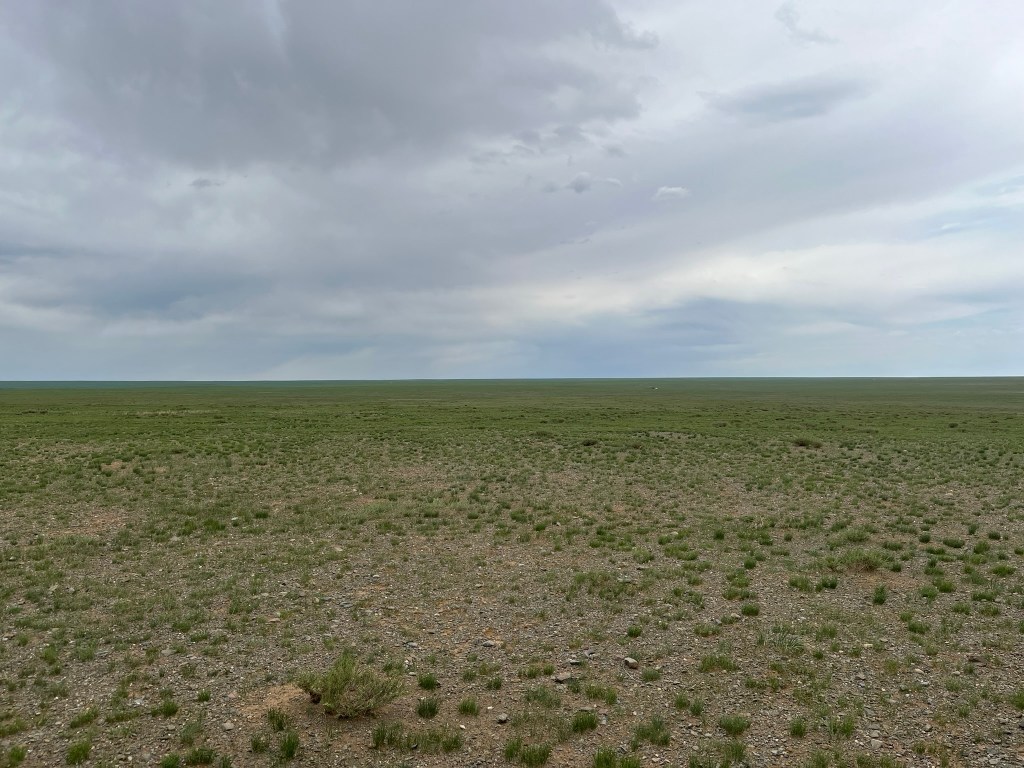
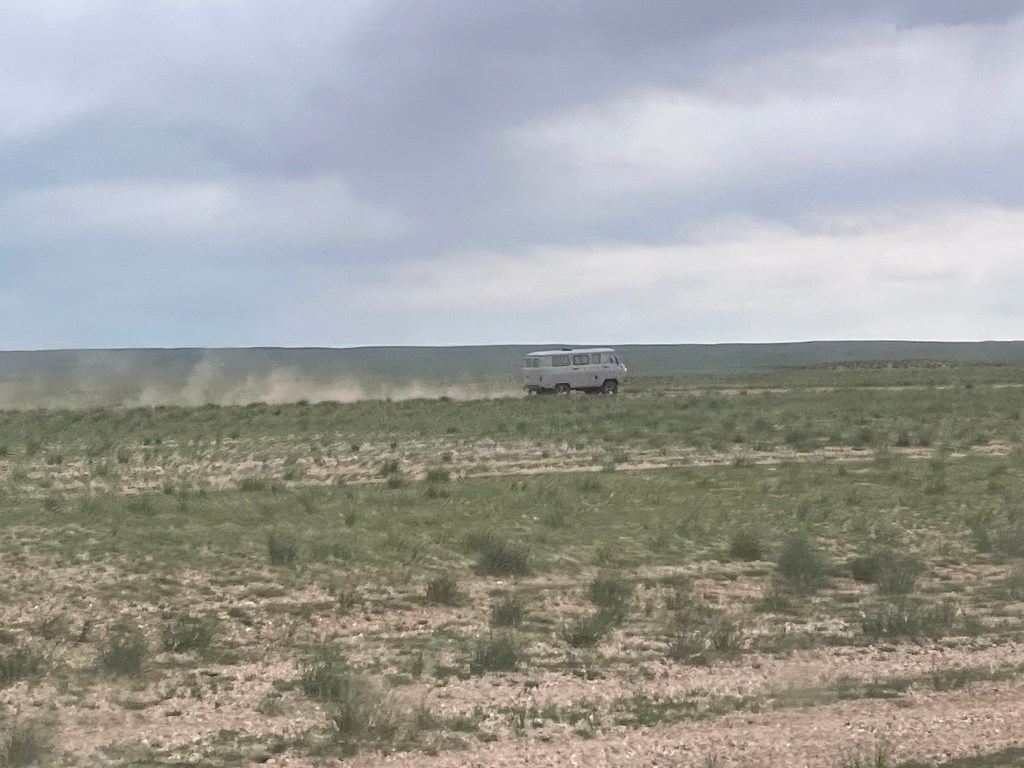
And then finally as we were approaching Ongiin Khiid we entered the desert steppe on the northern fringe on the Gobi ecosystem. This isn’t true sand desert (we’ll get there in a few days time). Its a mixture of bare gravel, sparse grasses and rocky outcrops and low rocky hills of all sorts of hues of color.
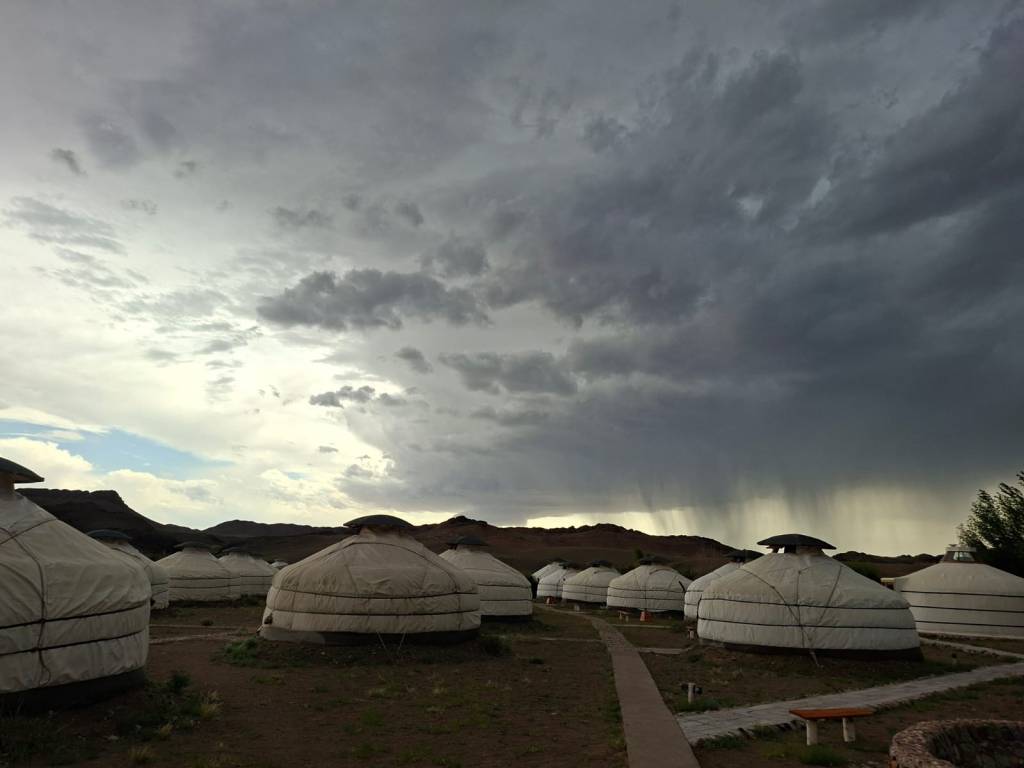
Over this 6-hour journey the annual rainfall roughly halves from around 350mm/year in Karakorum to about 200mm around Ongiin Khiid. Amazingly it actually rained that evening! It was a great day of driving and perfect for a geographer – there are no sharp boundaries between all the vegetation types and climate zones we had seen today – just slow but steady travel along a ecological gradient.
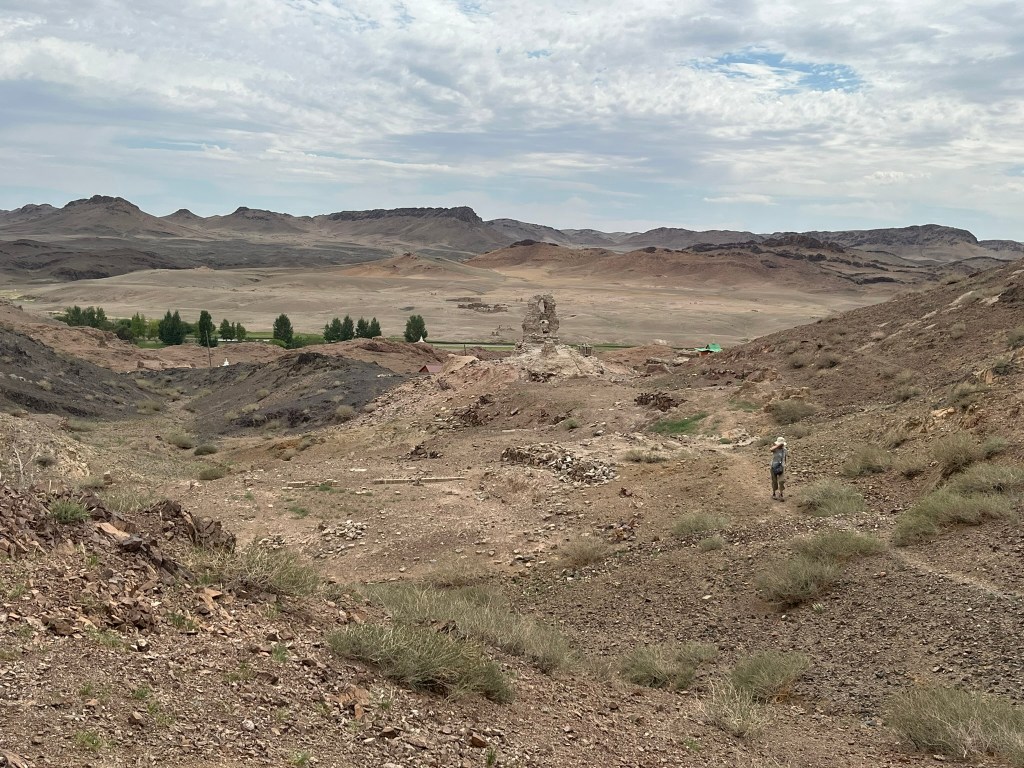
Our destination today was Ongiin Khiid, on the northern edge of the Gobi desert. It was founded around 1660 and grew into one of Mongolia’s largest Buddhist monastic complexes. It is actually two monasteries facing each other across the Ongi River, connected by a bridge. Together they contained around 30 temples, four Buddhist universities and housed more than 1000 monks. At first glance it seems an odd place for such an important monastery. It’s surrounded by dry steppe and the edge of the Gobi. The Ongi River was the key – it provided a reliable water source, pasture for nomads and provided a stopping point on caravan routes. It also offered enough isolation for monastic life.
In 1939, like most of the monasteries we have visited in Mongolia, Ongiin Khiid was devastated during the communist purges. The monastery was systematically demolished with temples blown up, statues and scripture destroyed and more than 200 monks executed. Survivors were imprisoned or forced into civilian life or the army.
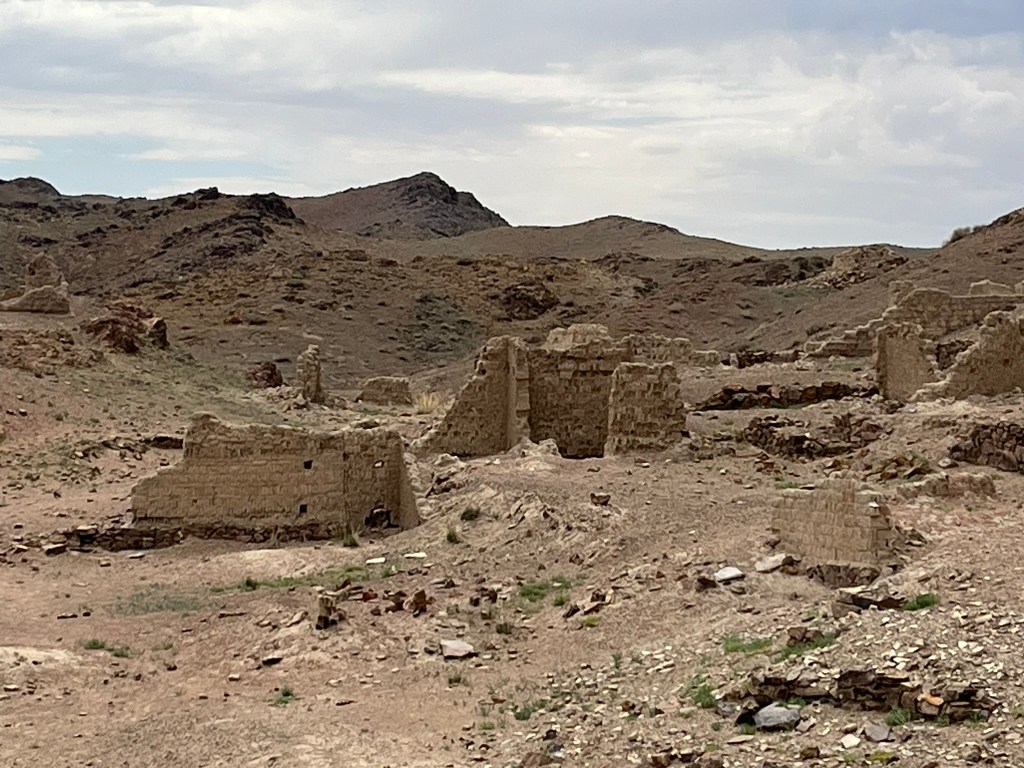
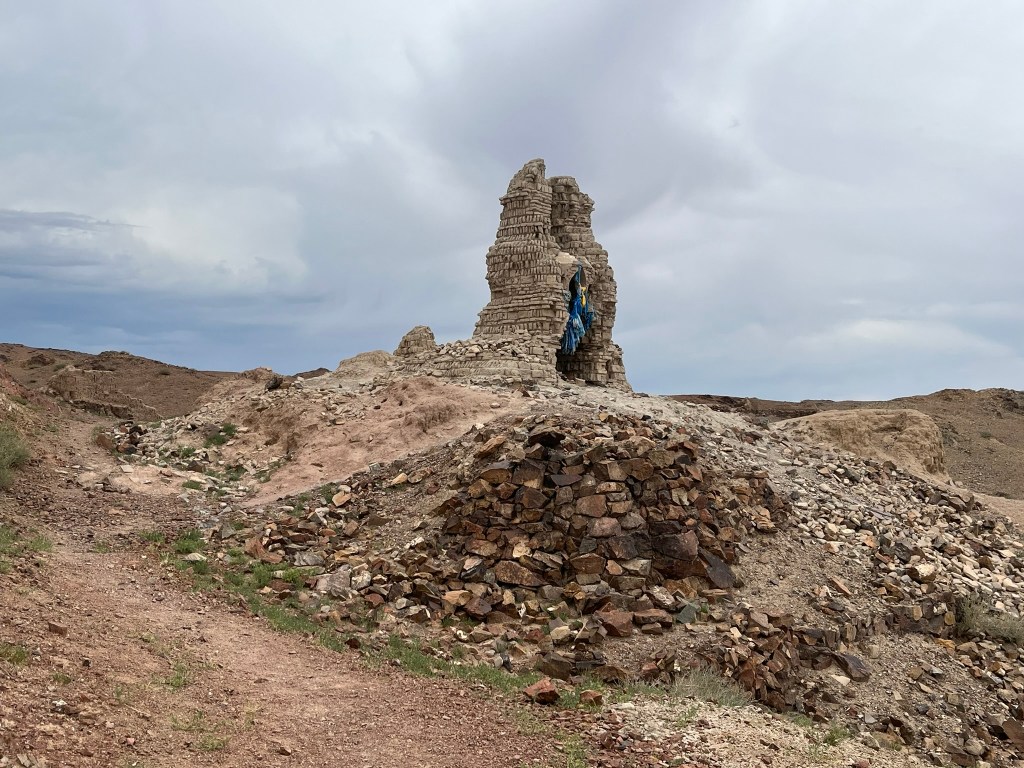
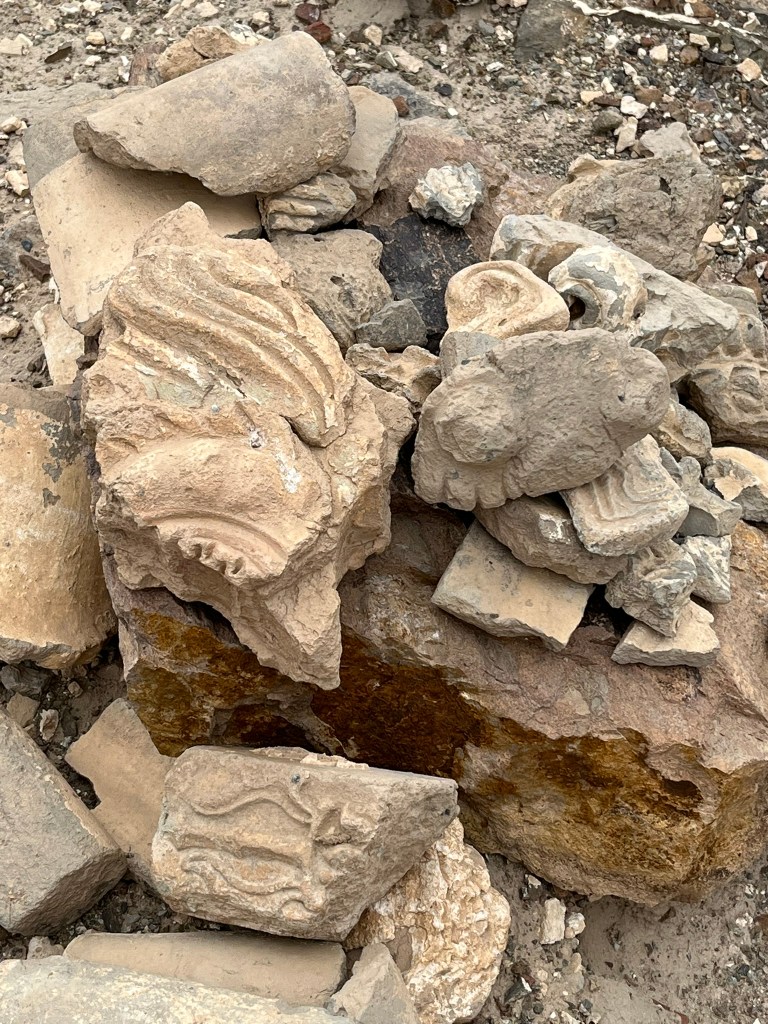
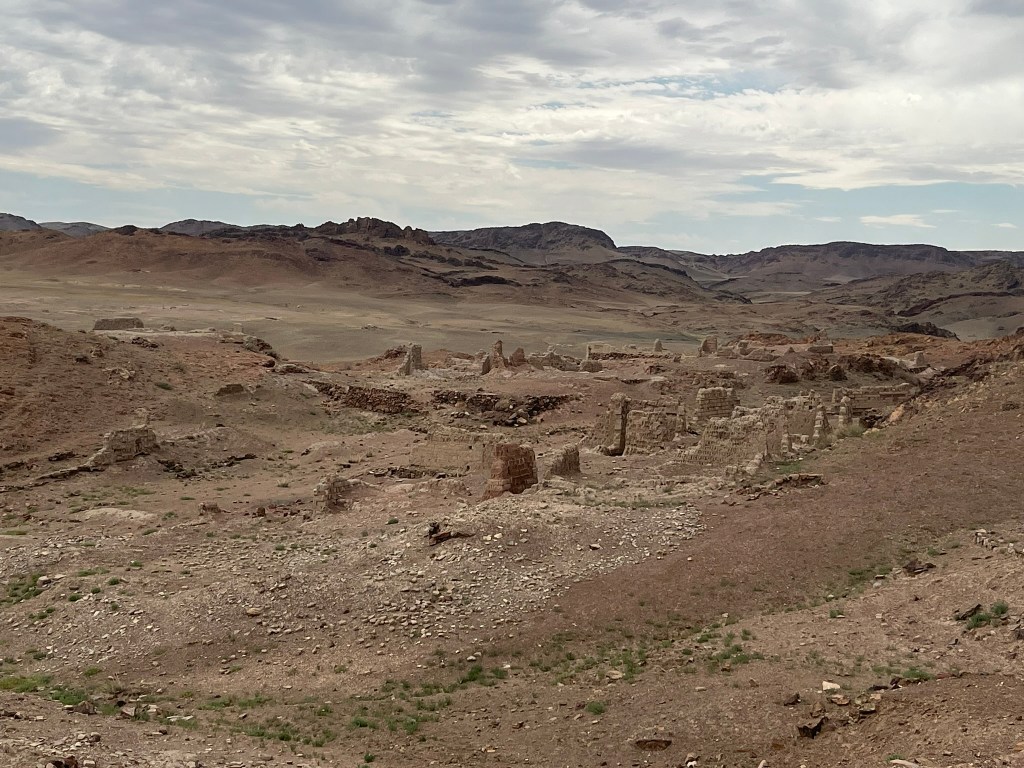
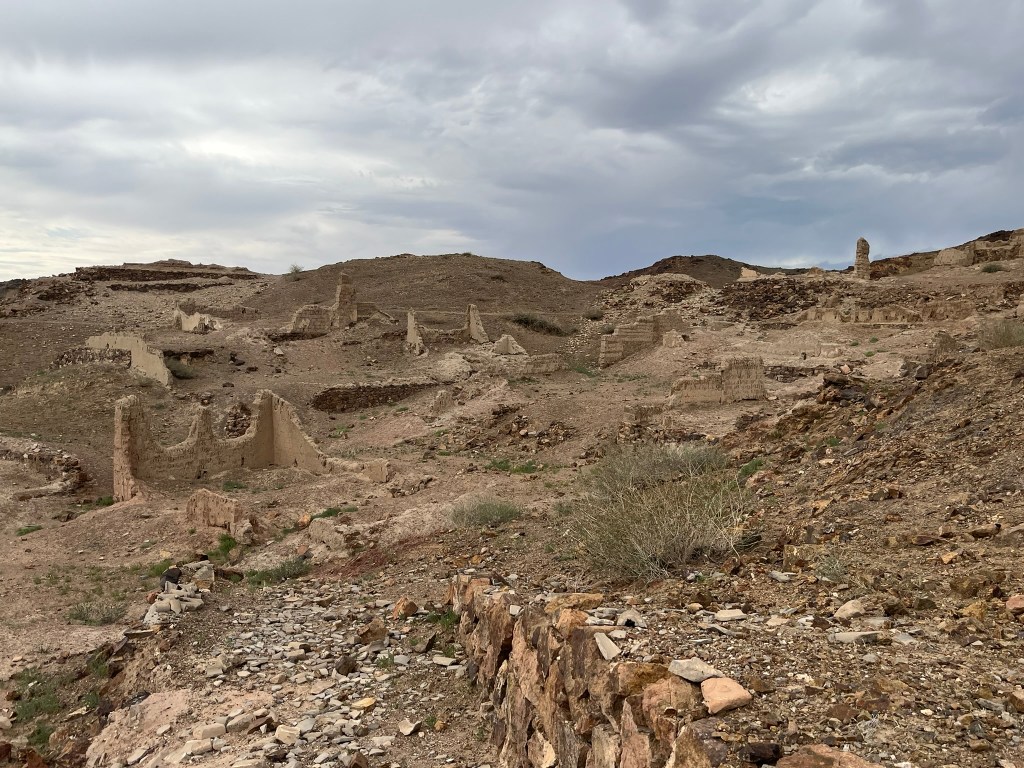
Today Ongiin Khiid is just the ruins of the monastery and has not been reconstructed bar one temple that currently houses a single monk. I’m actually happy they haven’t attempted to reconstruct it as the ruins provide a haunting atmosphere as you wander between the foundations of former temples, crumbling stone and adobe walls and the remains of stupas.
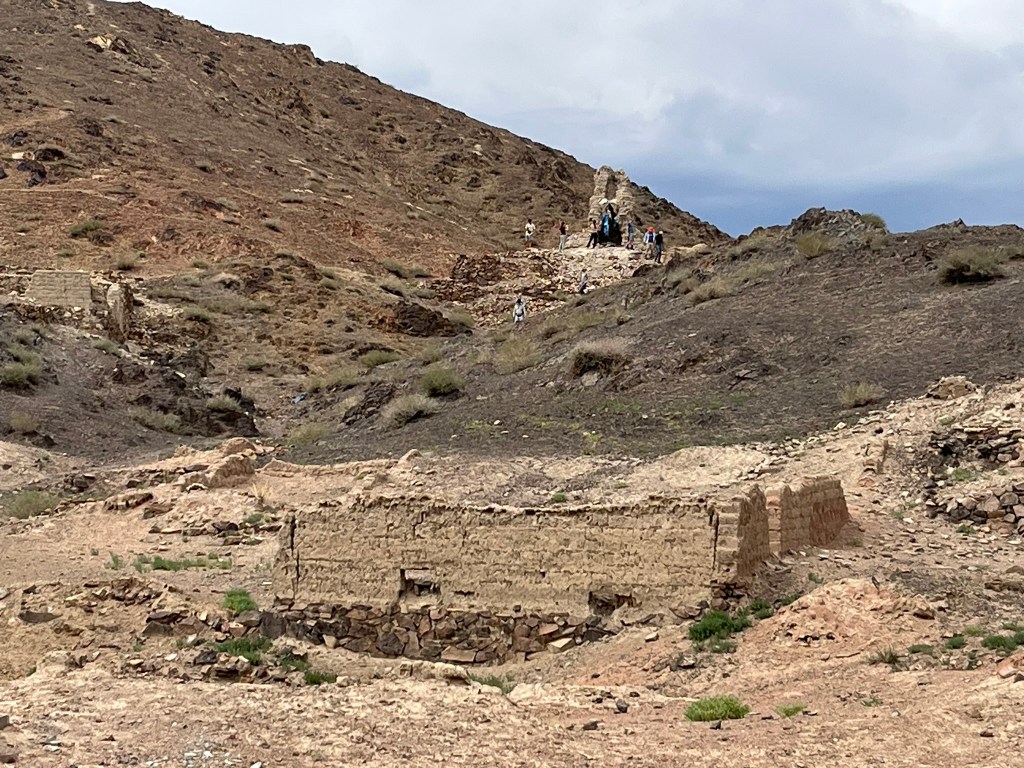
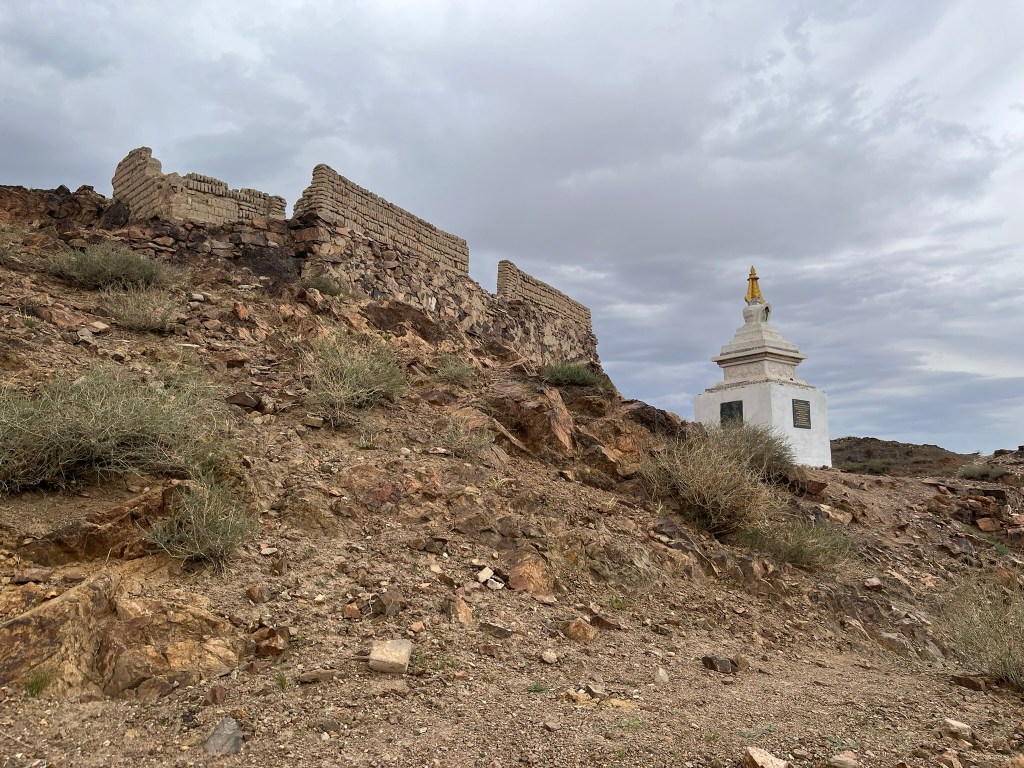
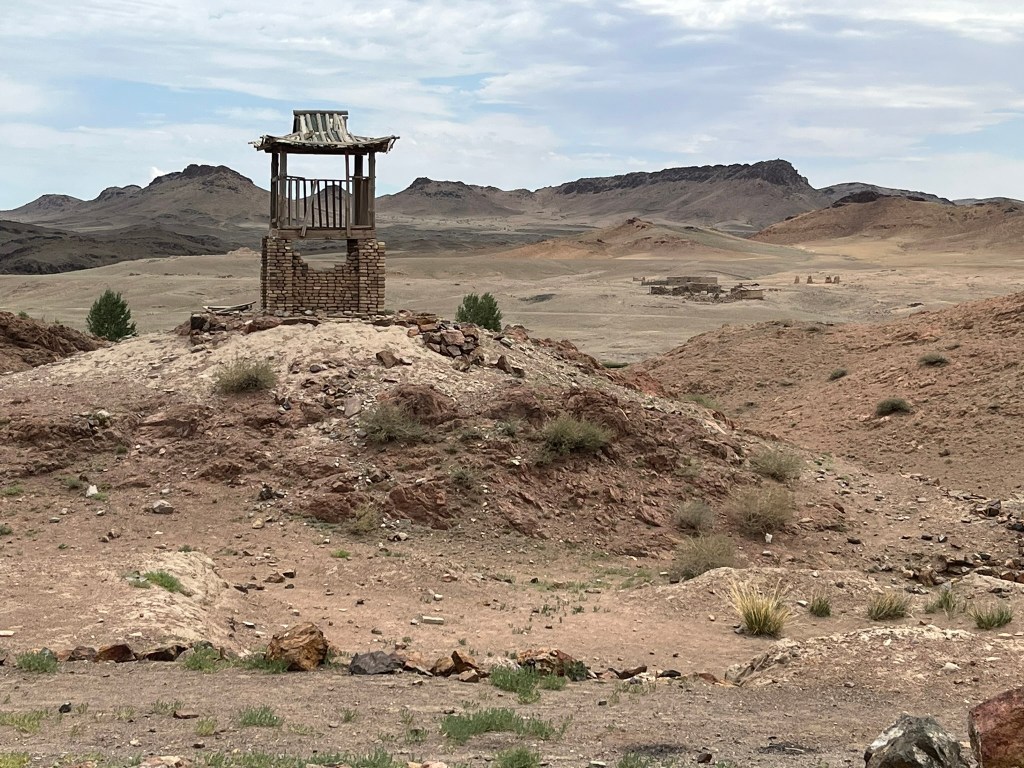
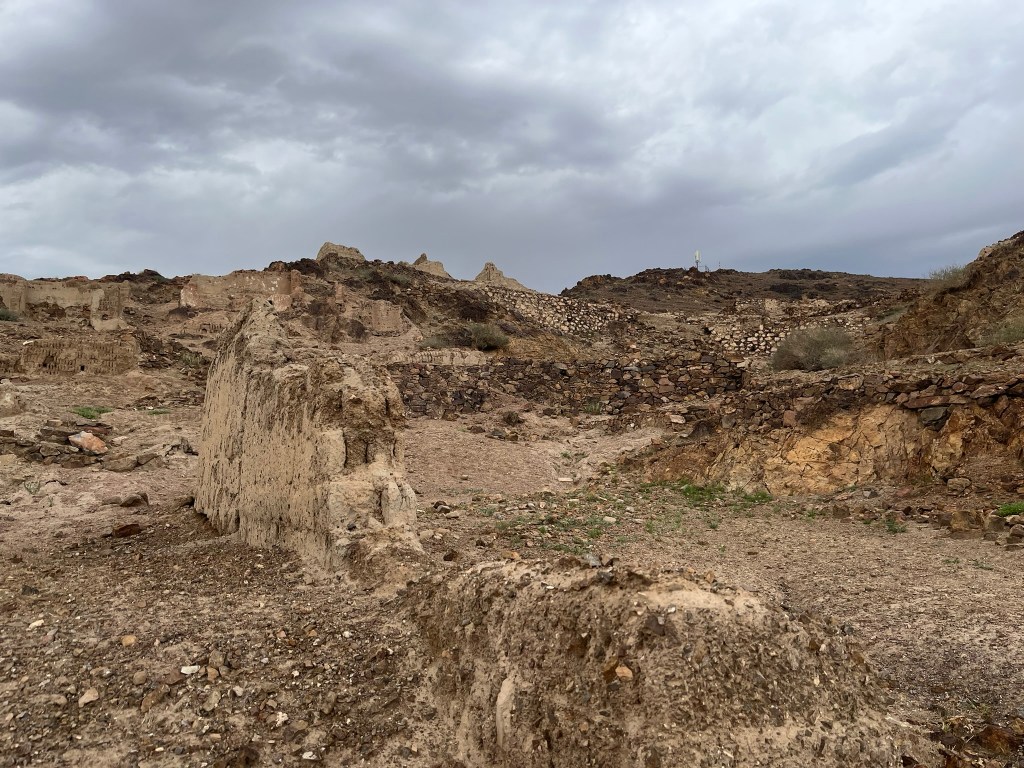
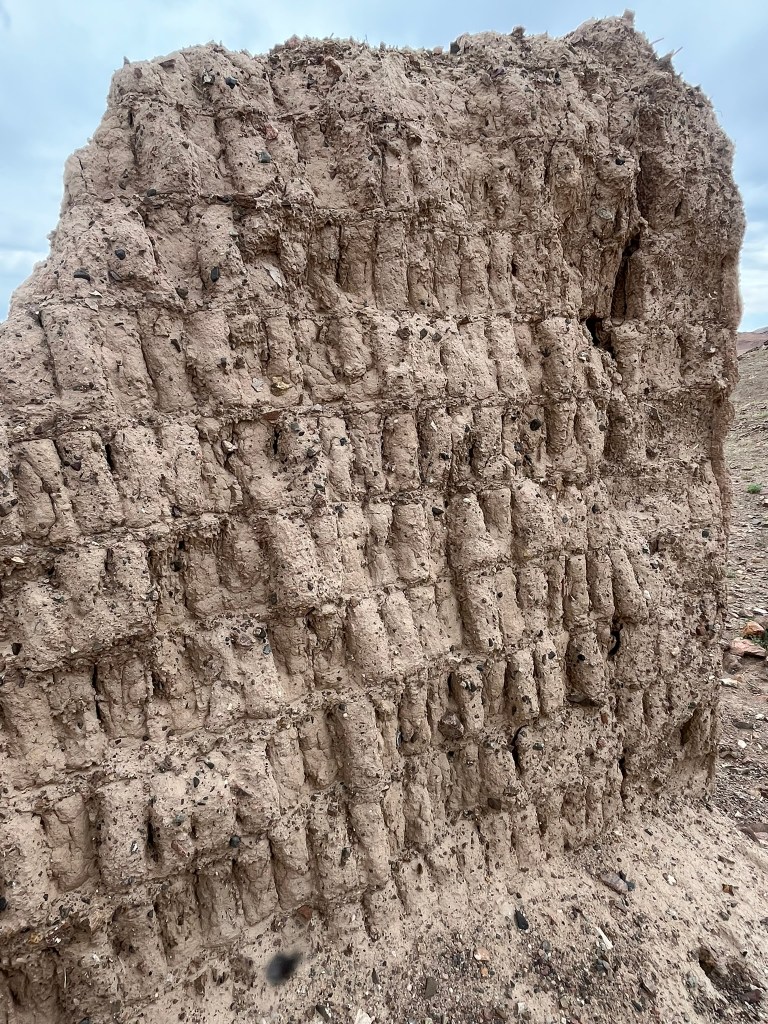
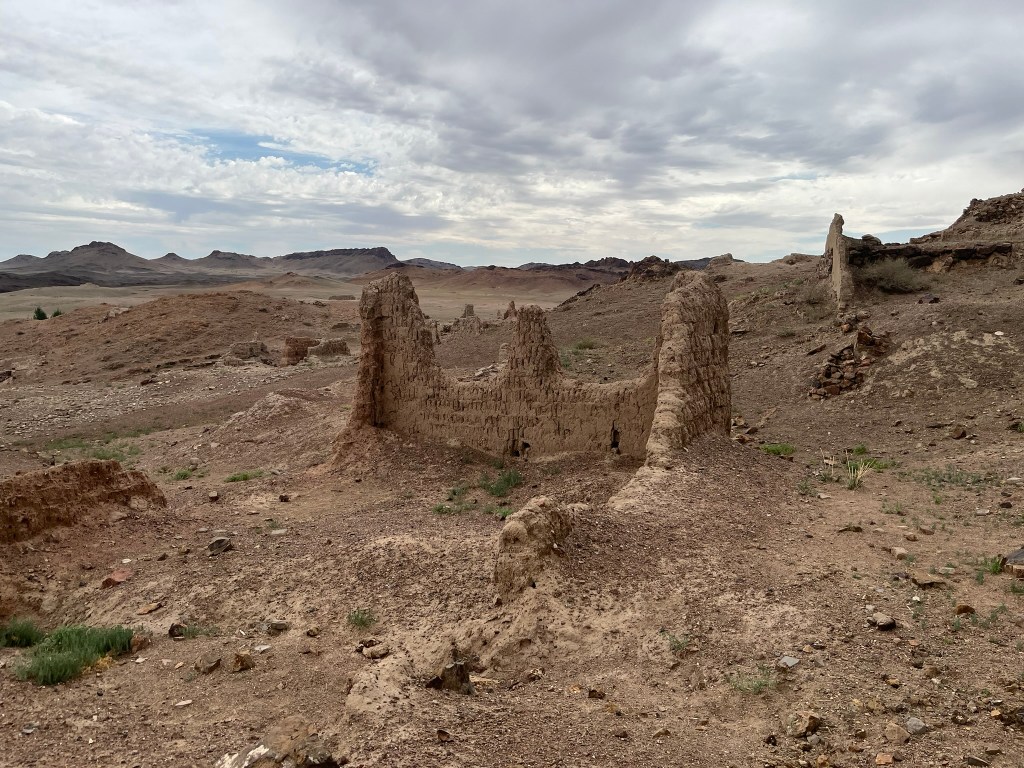
Just outside of the monastery entrance there is an ‘Antiques Shop’ which I expected to be full of tacky souvenirs…but was actually genuinely full of artifacts that the shop owner explained were from the monastery. I assume these have been found over the years in the rubble of the ruins. There was everything from statues to centuries-old horse riding equipment, scriptures and metal work. Pretty incredible and not something you see in many places anymore.
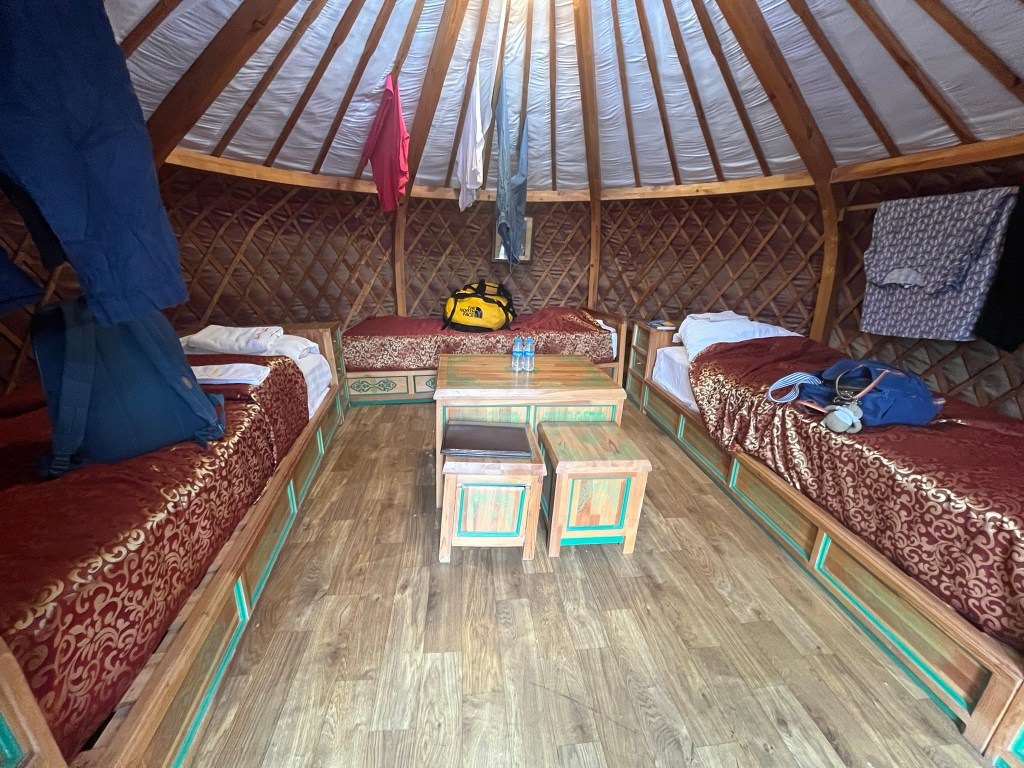
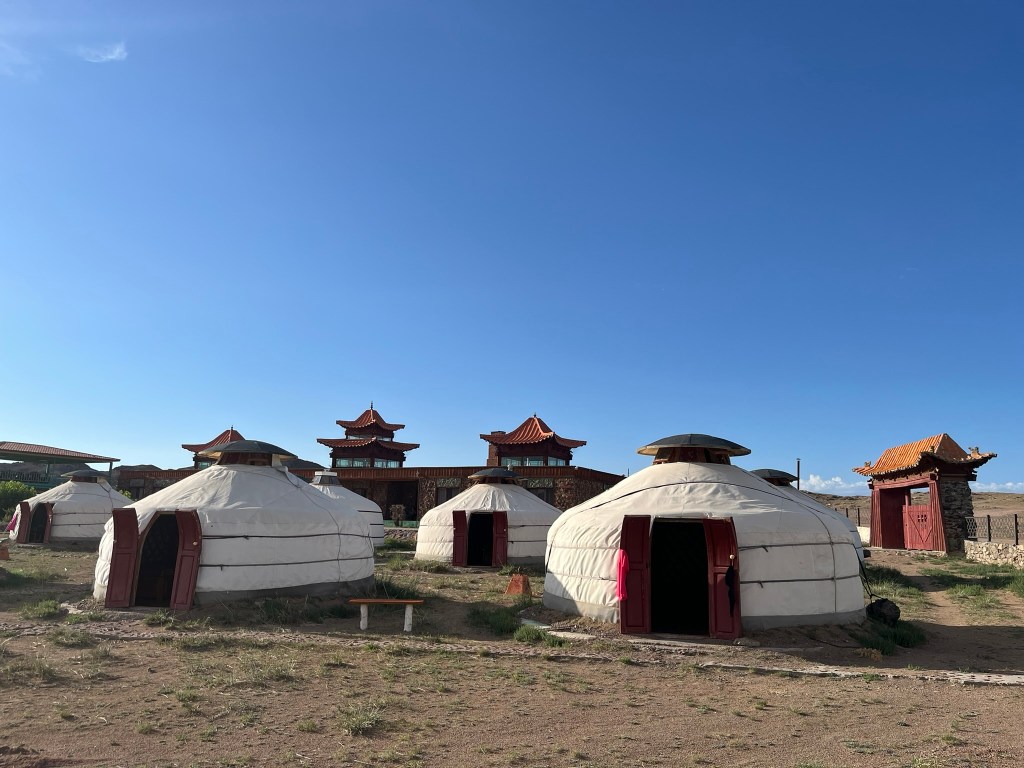
Our tourist ger camp for the night was about 5 minutes drive away, just by the river. This is the biggest camp we have visited so far with a big main building housing the restrooms, showers and restaurant.


Leave a Reply