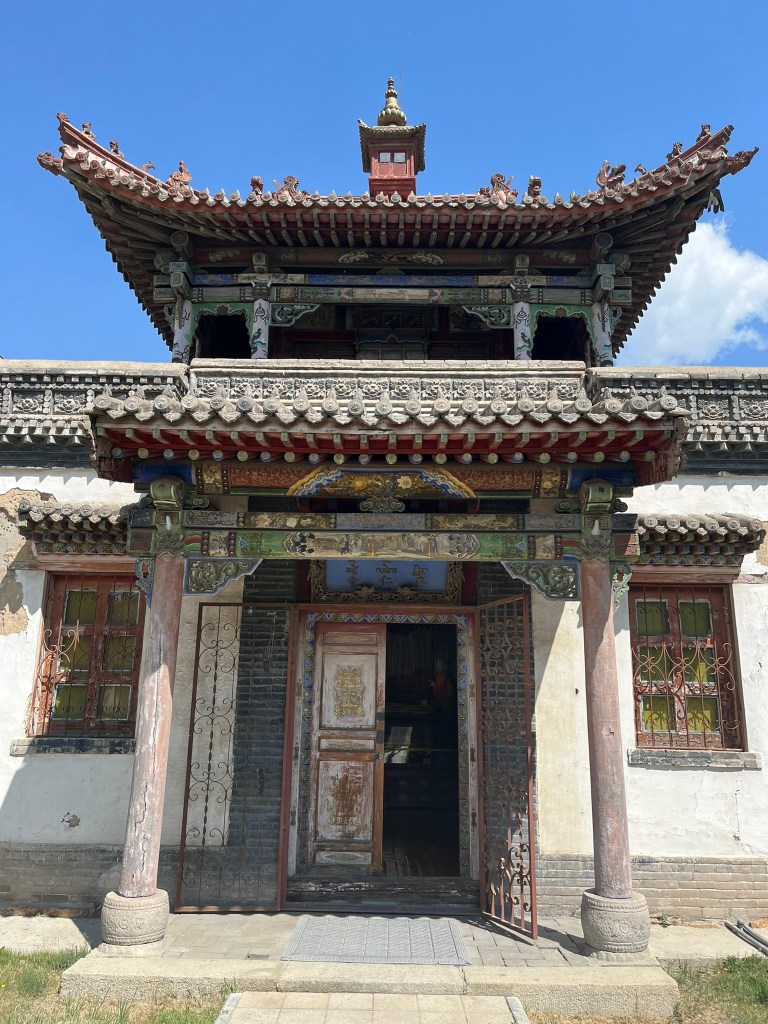
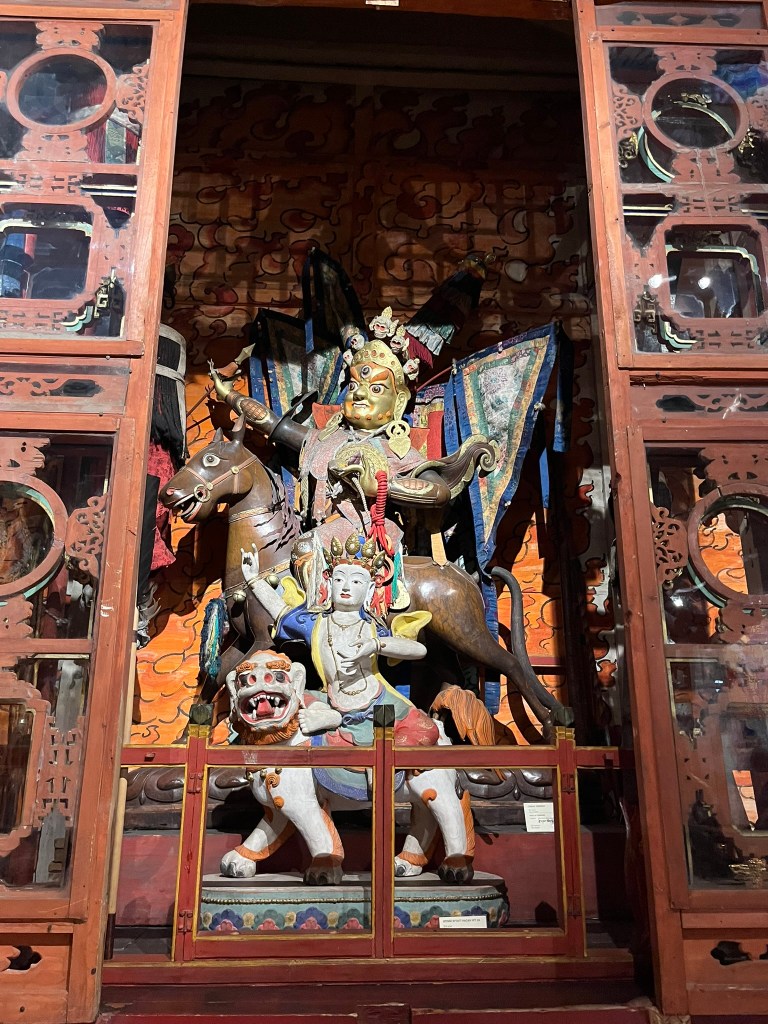
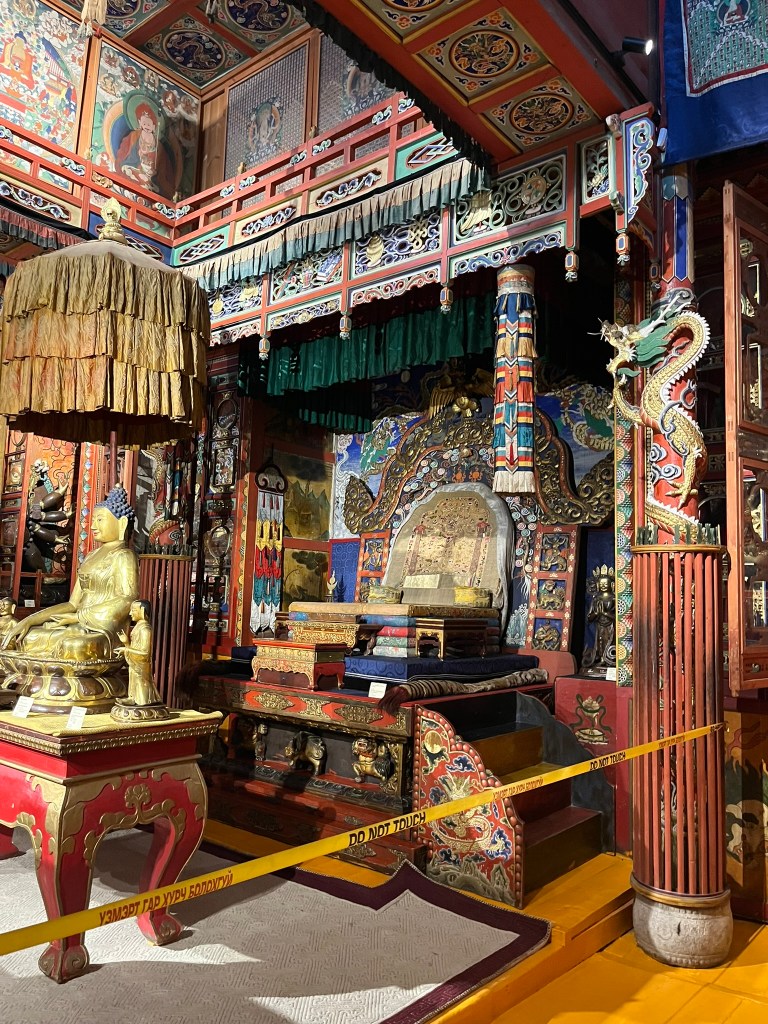
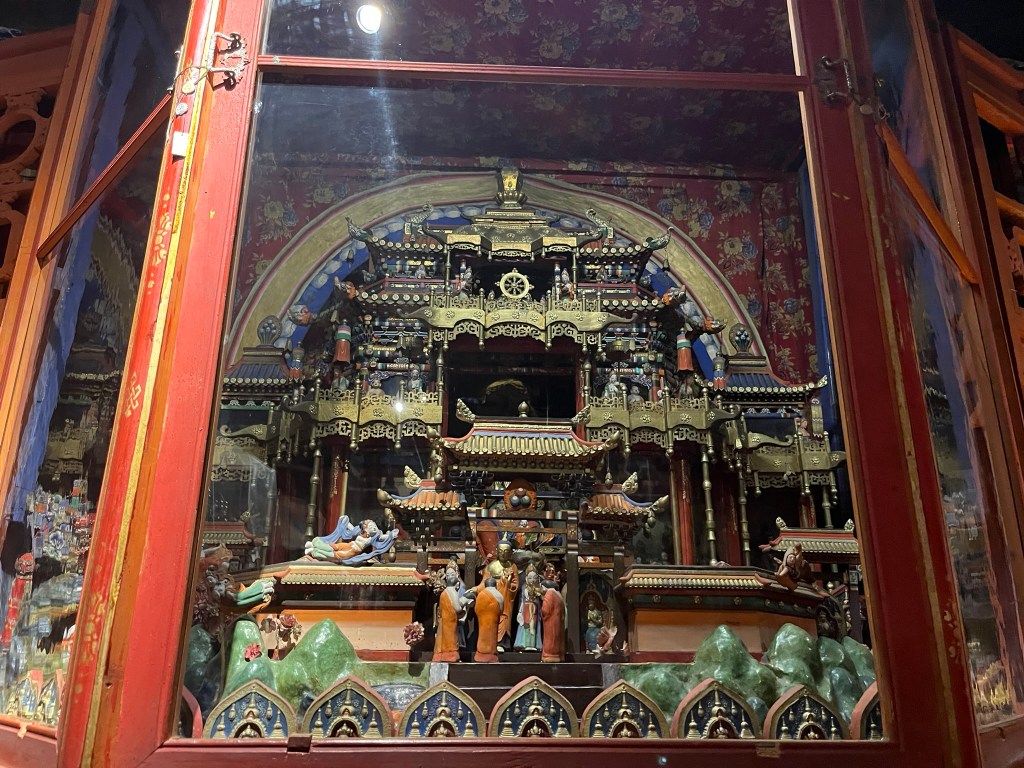
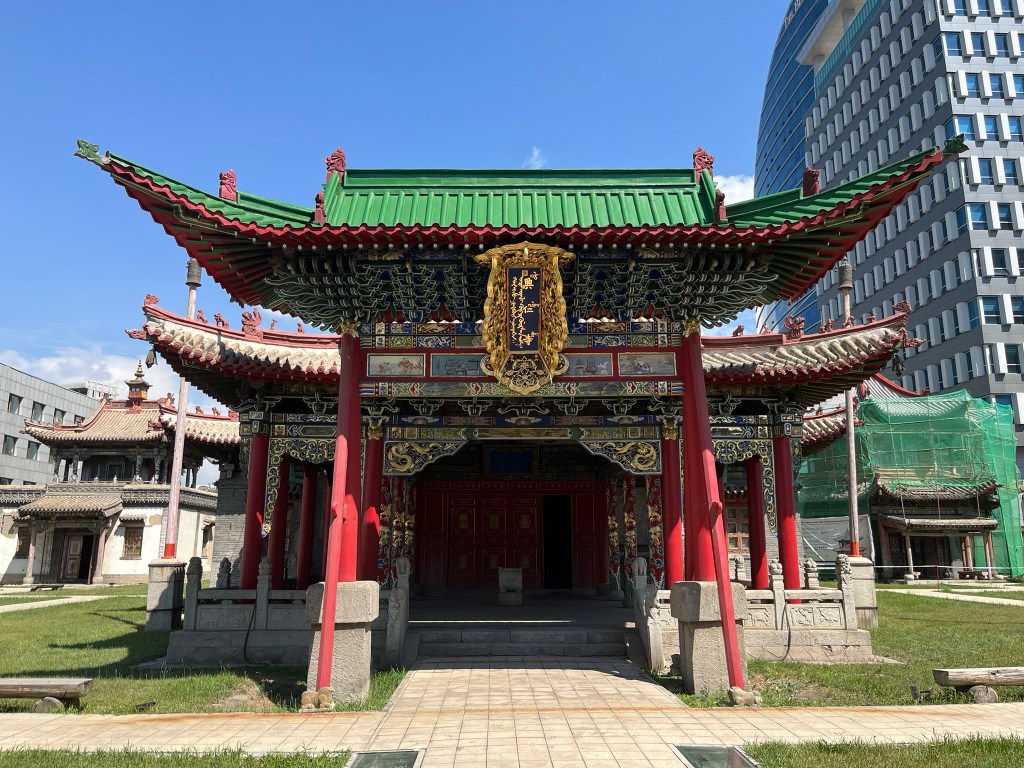
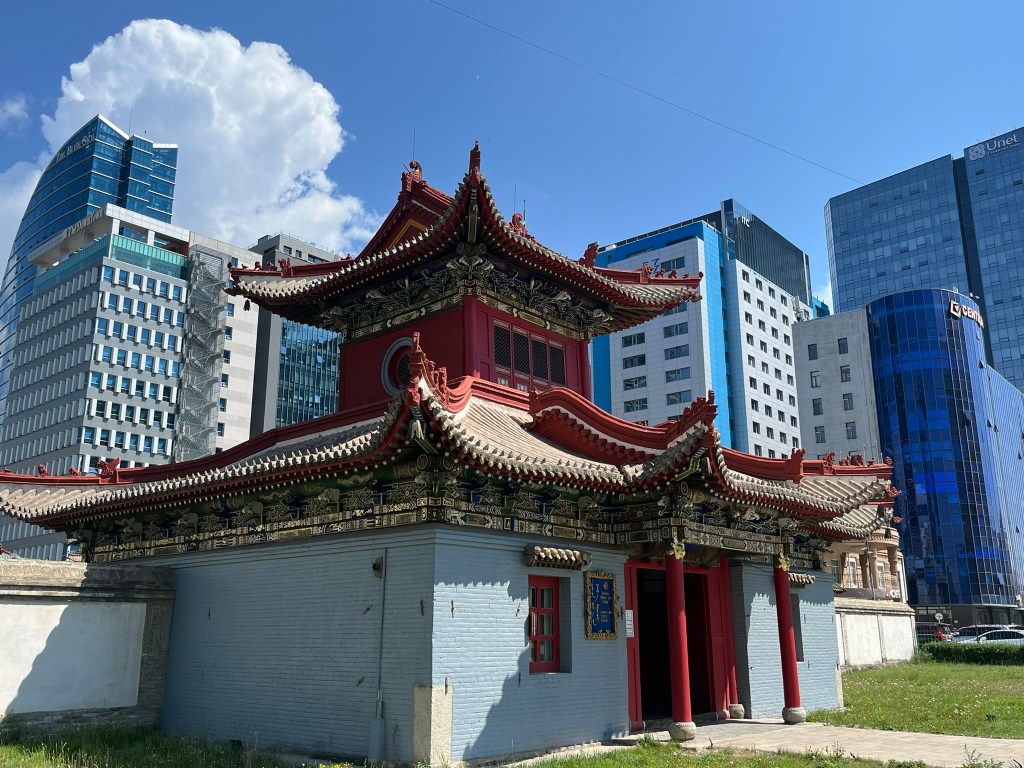
For our second day in Ulaanbaatar we opted to explore the city independently. There is quite a lot to see in the center of the city all within walking distance of the main square. After a western breakfast in a highly recommended cafe called ‘Millie’s Espresso’ we headed next door into Choijin Lama Temple. This historic temple is right in the heart of the modern city and is now a museum rather than a living monastery.
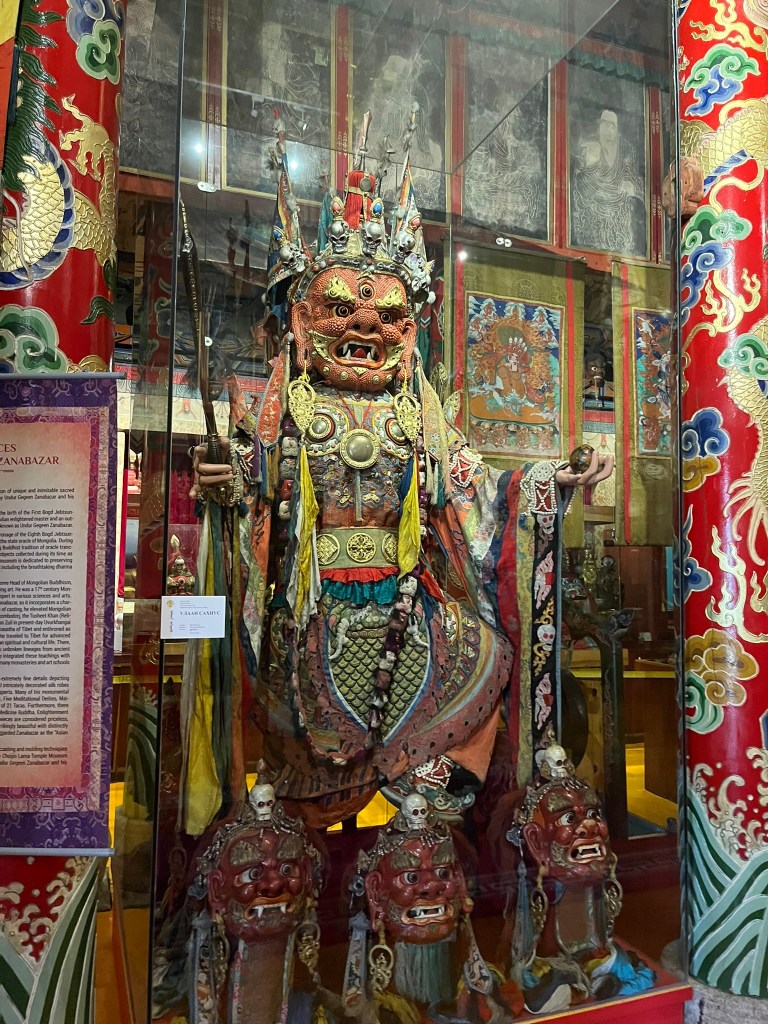
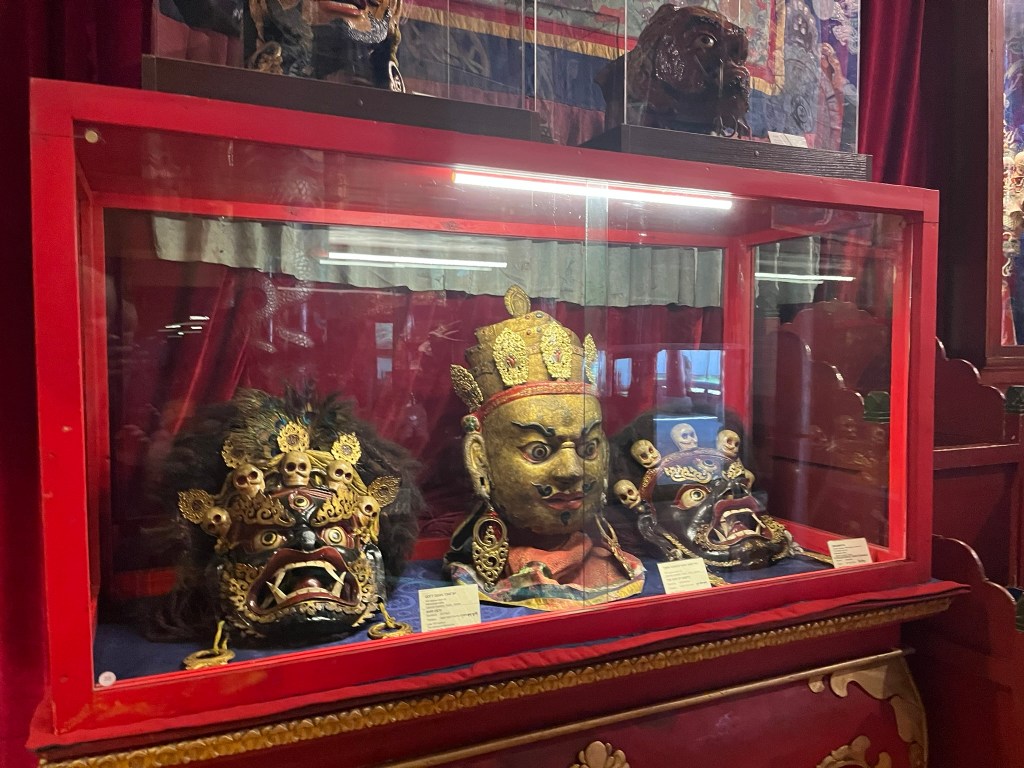
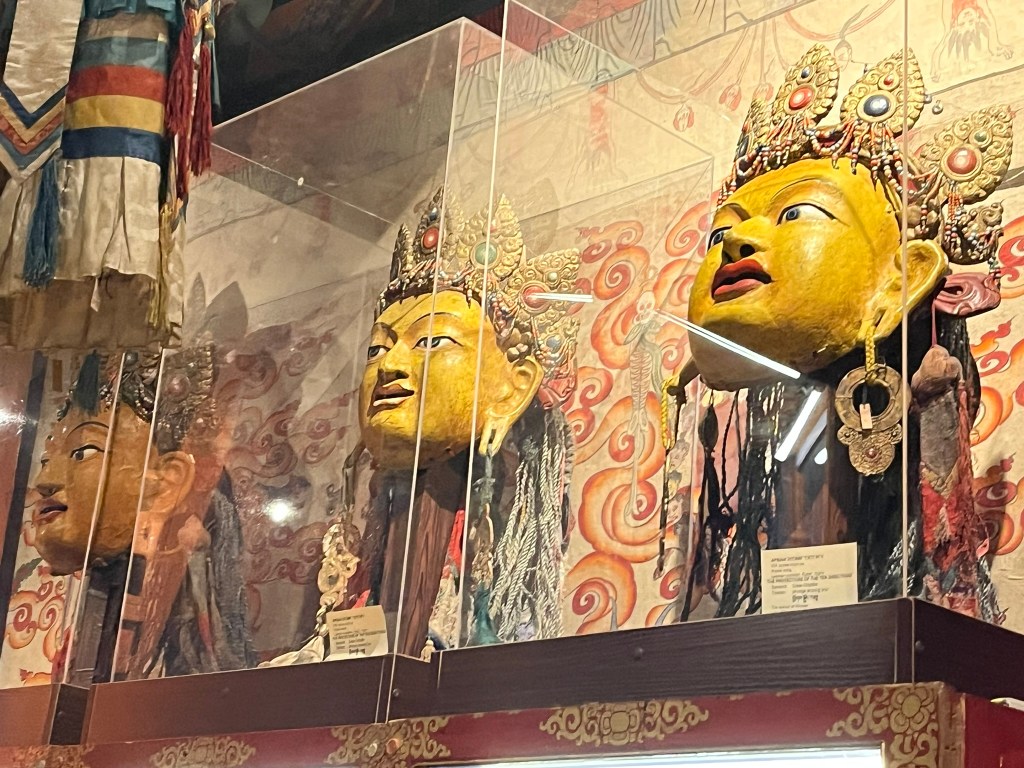
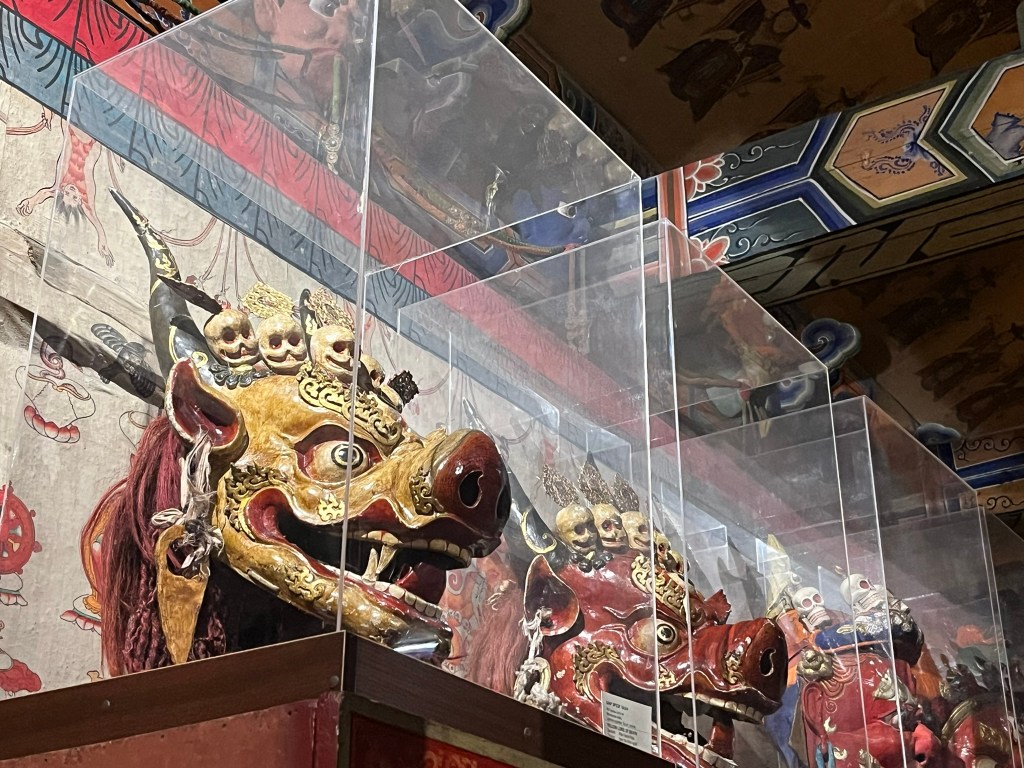
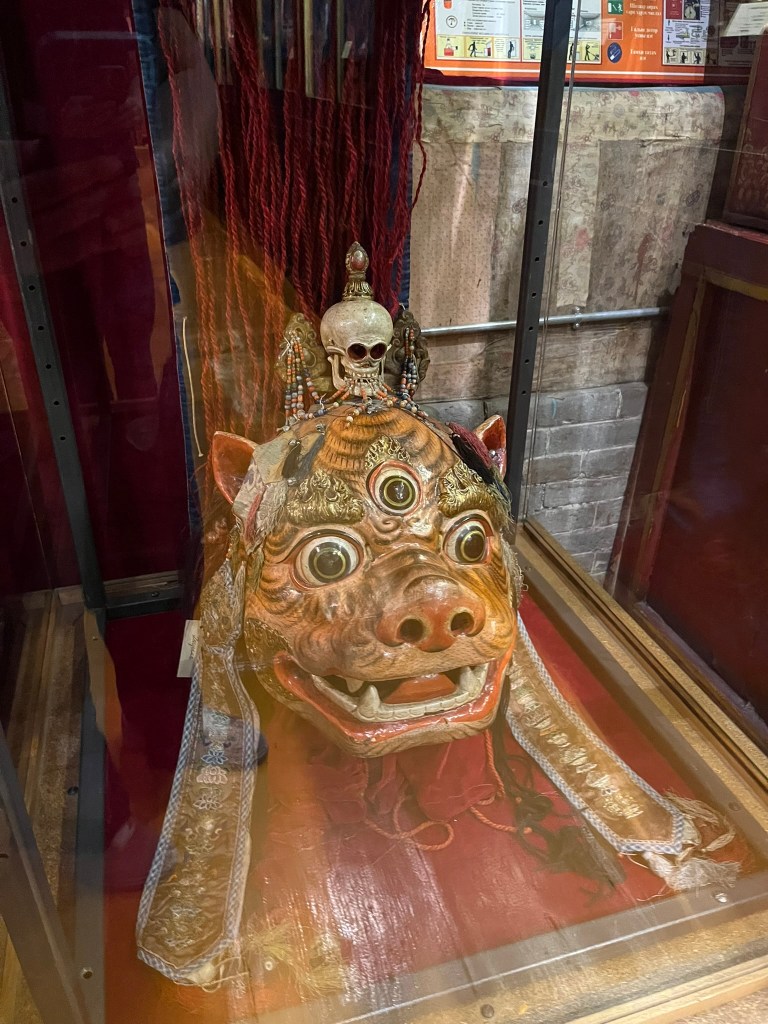
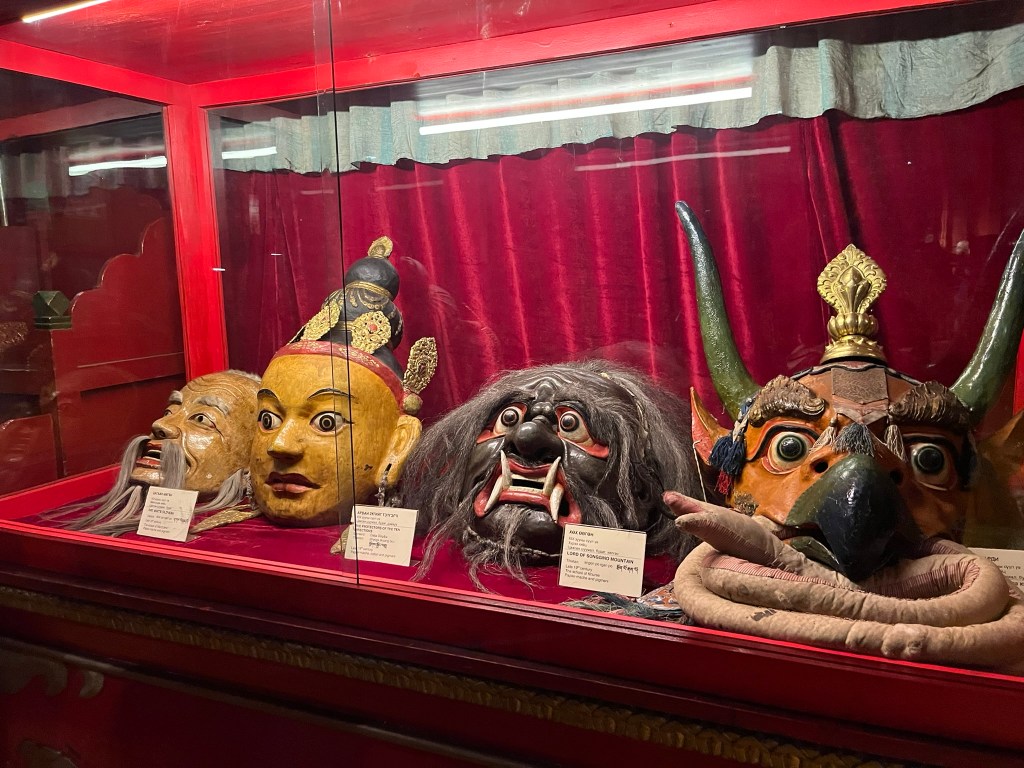
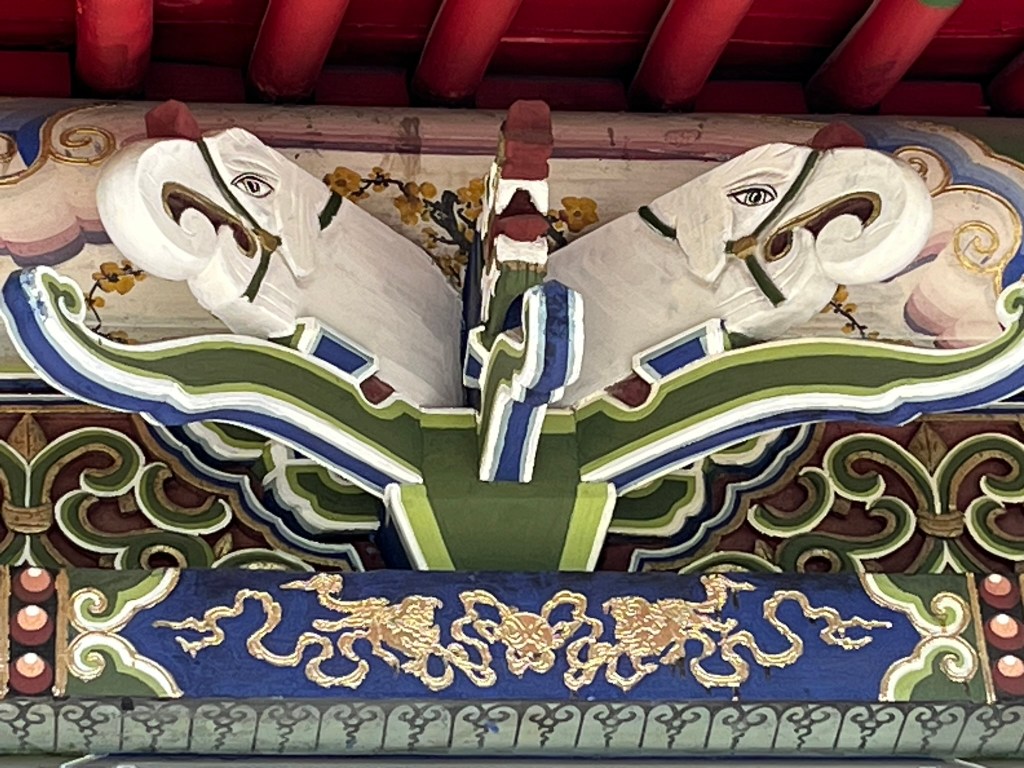
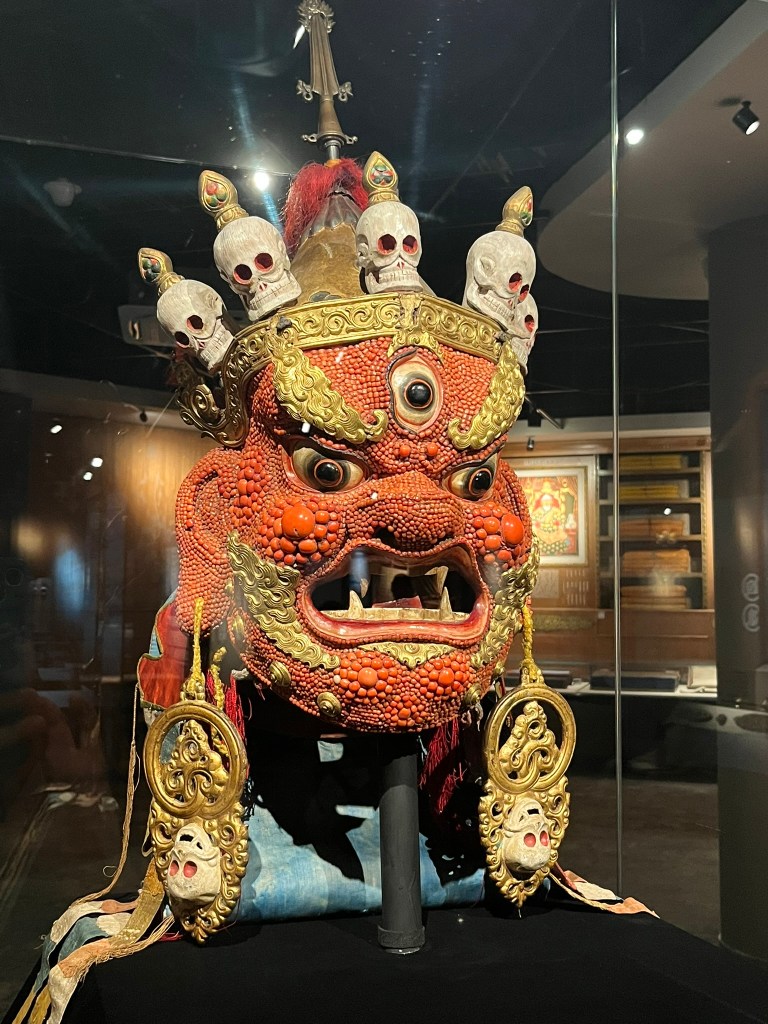
The temple is actually not very old – built between 1904 and 1908 for the younger brother of Bogd Khan named Luvsankhaidav. He served as the State Oracle, entering ritual trances to advise the government on important religious and political matters. The complex consists of six richly-decorated temples with the highlight being the amazing collection of Cham dance masks, used in Buddhist festivals to represent wrathful deities and protective spirits. The temple survived the anti-religious campaigns of 1937-38 when hundreds of monasteries across Mongolia were destroyed, because influential scholars persuaded the authorities to preserve it as a museum of art and architecture. The dance masks alone make this temple worth visiting.
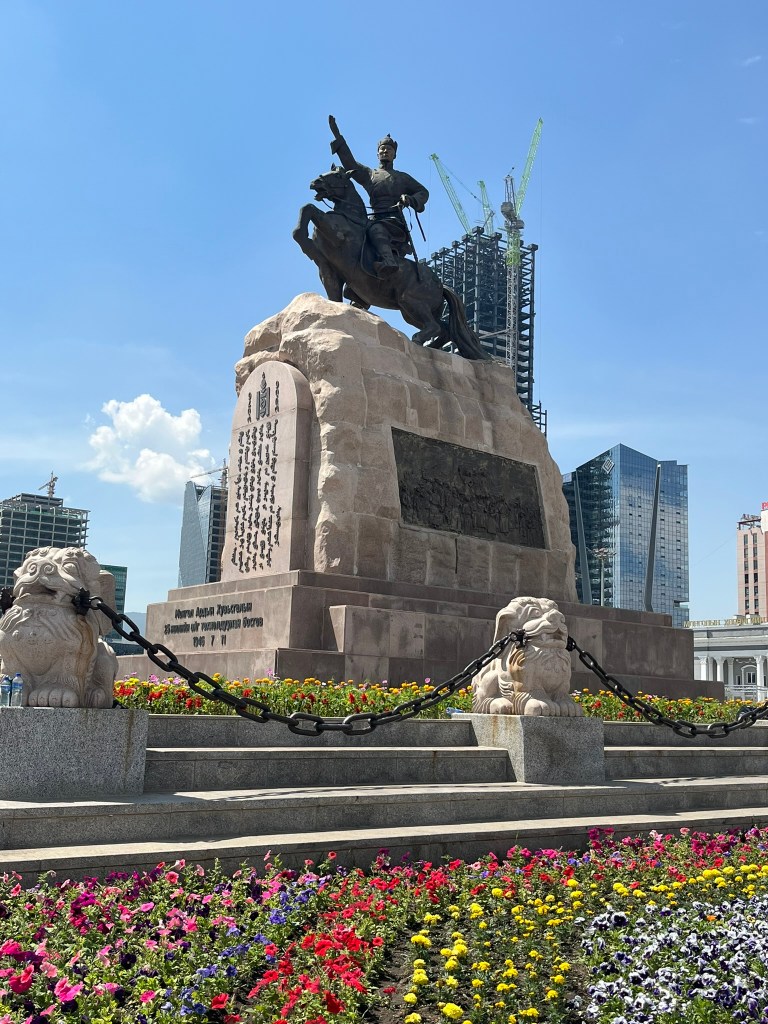
Sukhbaatar Square is about 10 minutes walk from the temple and is where the country celebrates, protests, and holds concerts and state ceremonies. It is named after Damdin Sukhbaatar who led the 1921 revolution that ended Chinese occupation and paved the way for modern Mongolian independence. A bronze statue of him stands at the center of the square commemorating the location where revolutionary forces celebrated their victory.
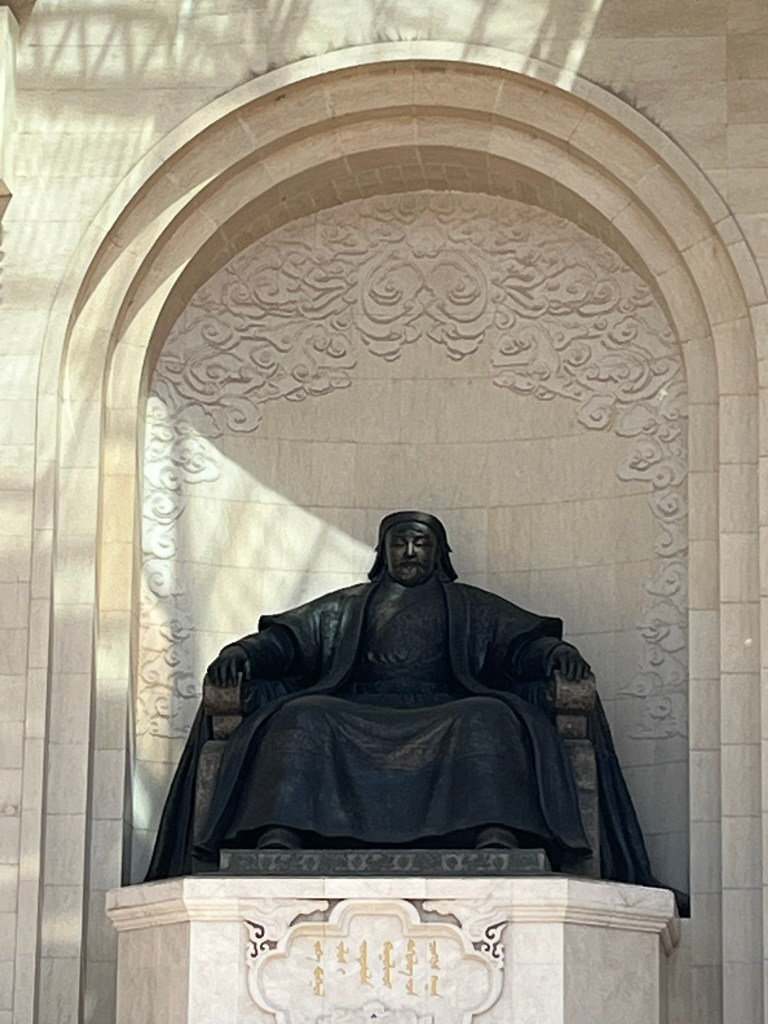
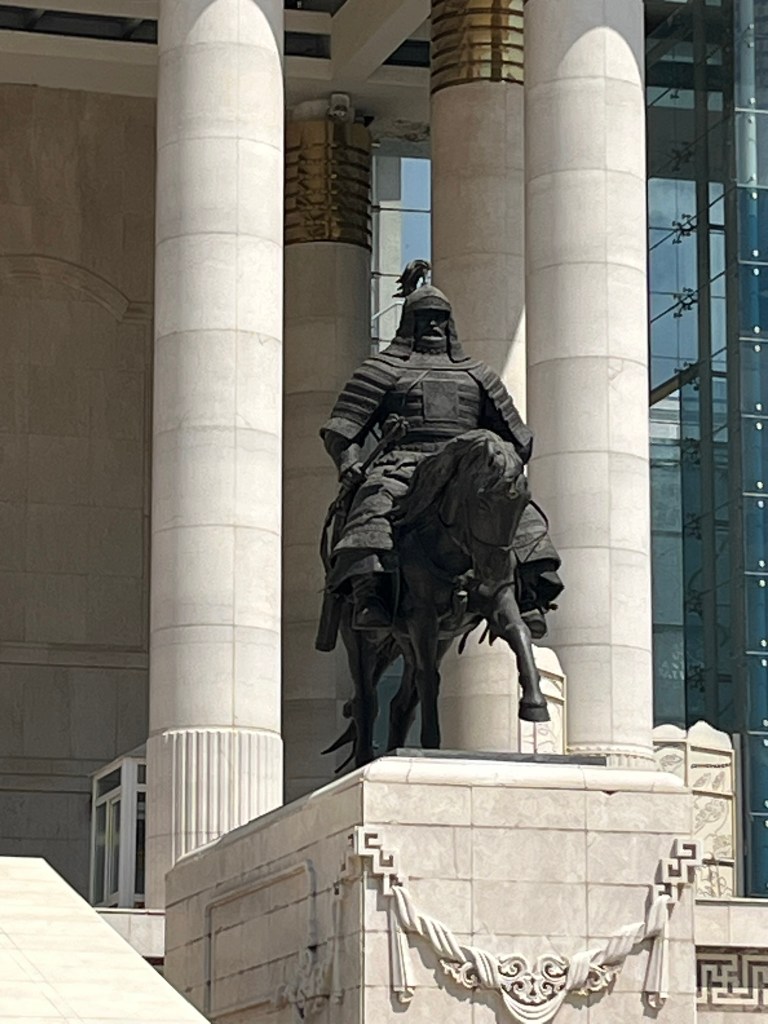
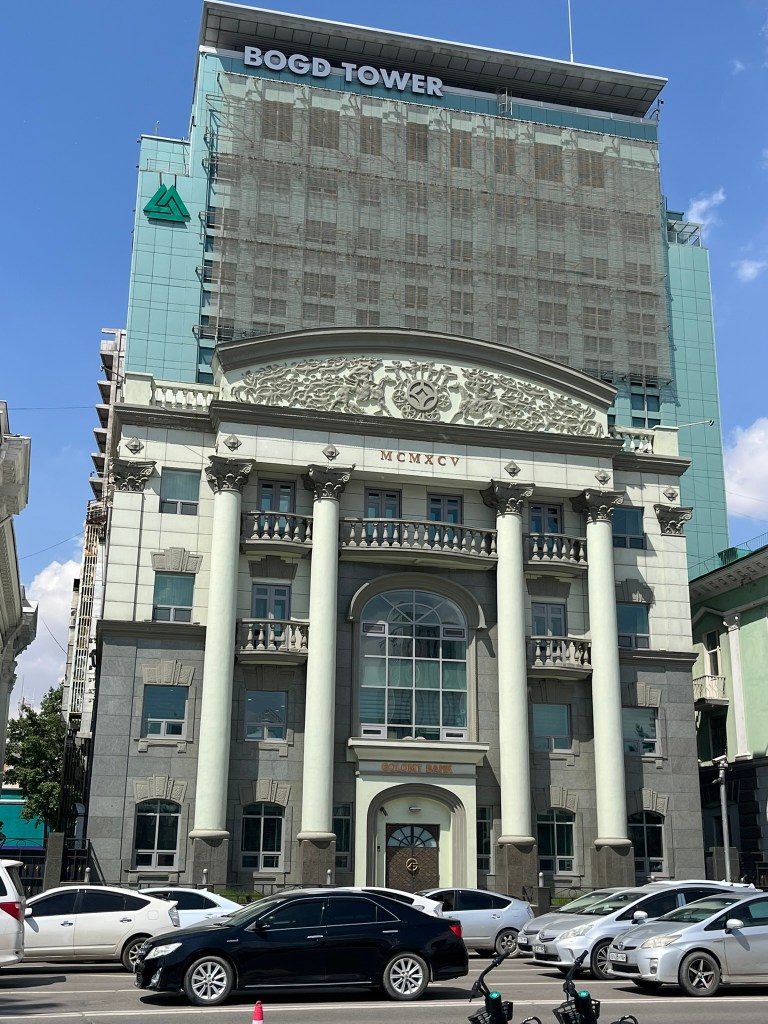
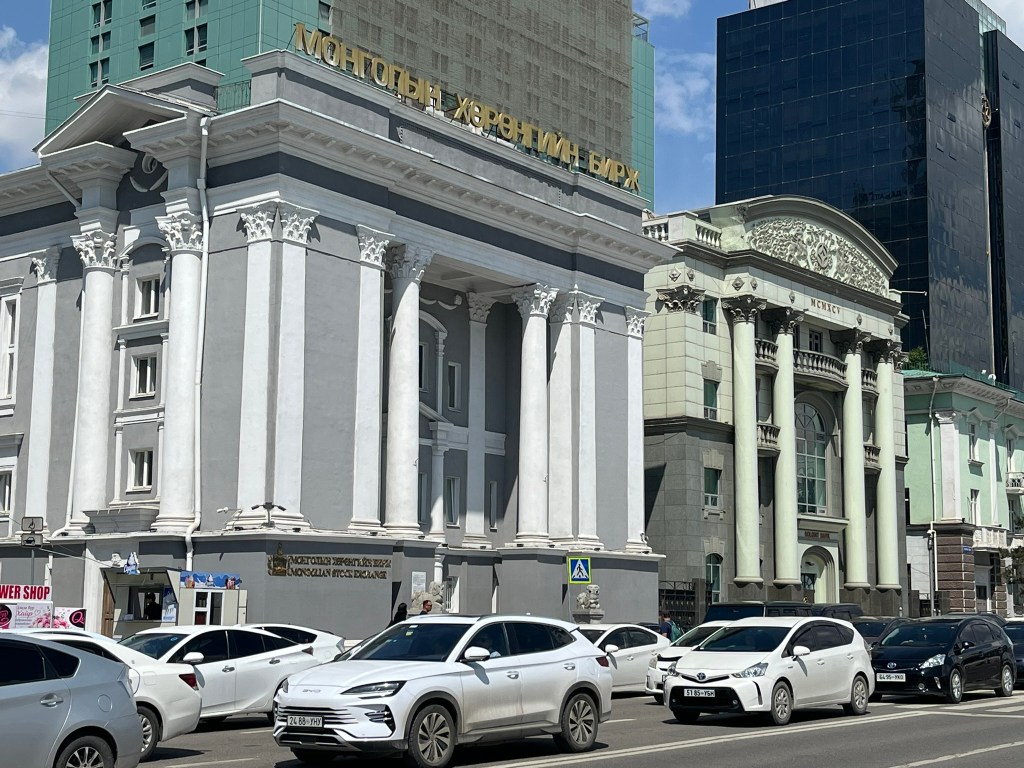
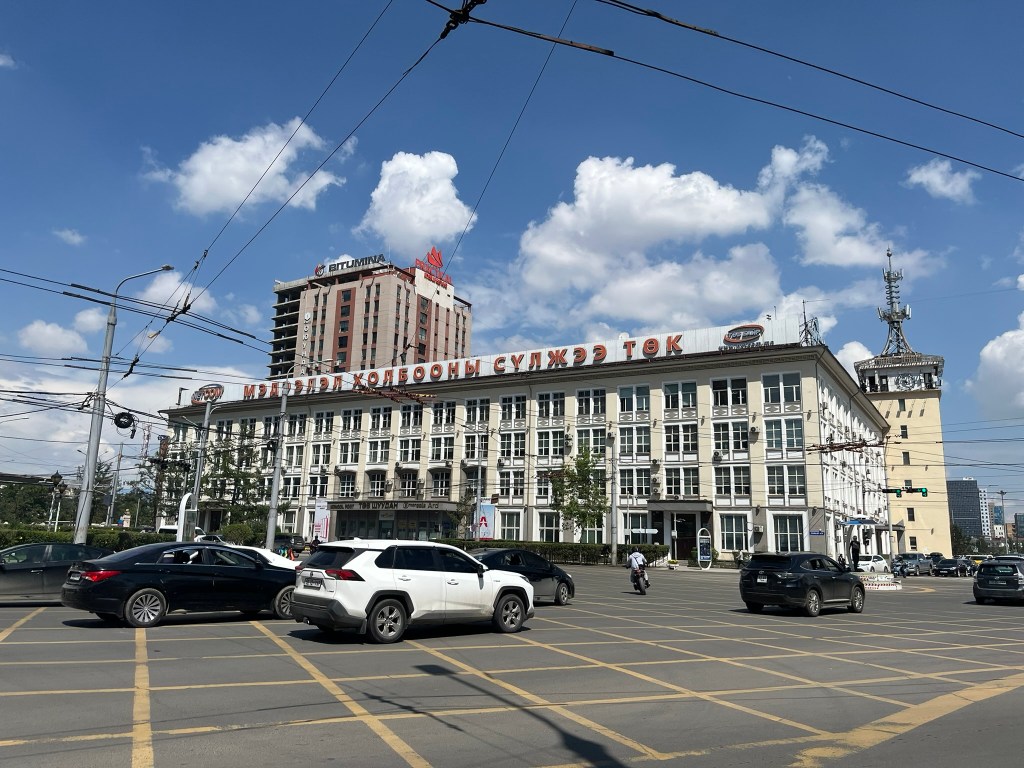
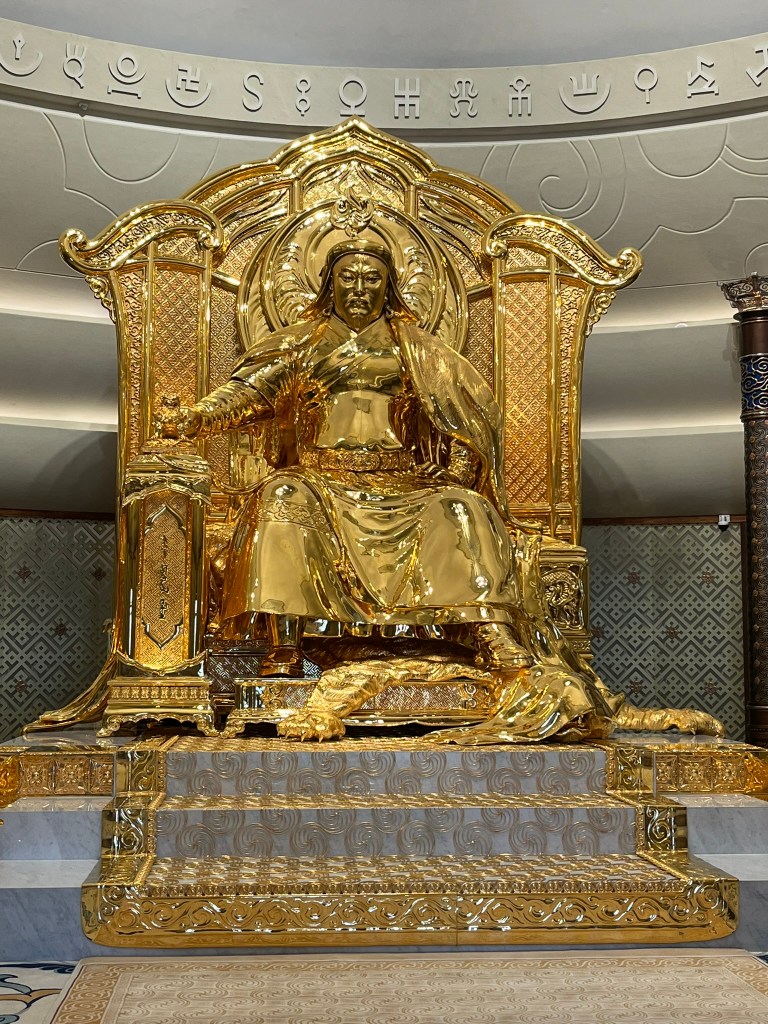
On the north side is the Government Palace with a monumental seated statue of Chinggis Khan and statues of his sons and famous generals on each side of him. Surrounding the square there a buildings that showcase Mongolia’s evolution from Buddhist capital, to a Soviet-style socialist state to a modern democracy. To the east sit the Central Cultural Palace and State Academic Theatre of Opera and Ballet, and to the west are the Mongolian Stock Exchange housed in a former cinema, the Central Post Office and the headquarters of many major Mongolian banks – most housed in old soviet-style buildings. Interesting before the communist period, the square is where the Ikh Khuree monastery complex would have been and if it had survived the center of Ulaanbaatar would probably have resembled the temple district of Lhasa rather than the broad Soviet-style civic square that is seen today.
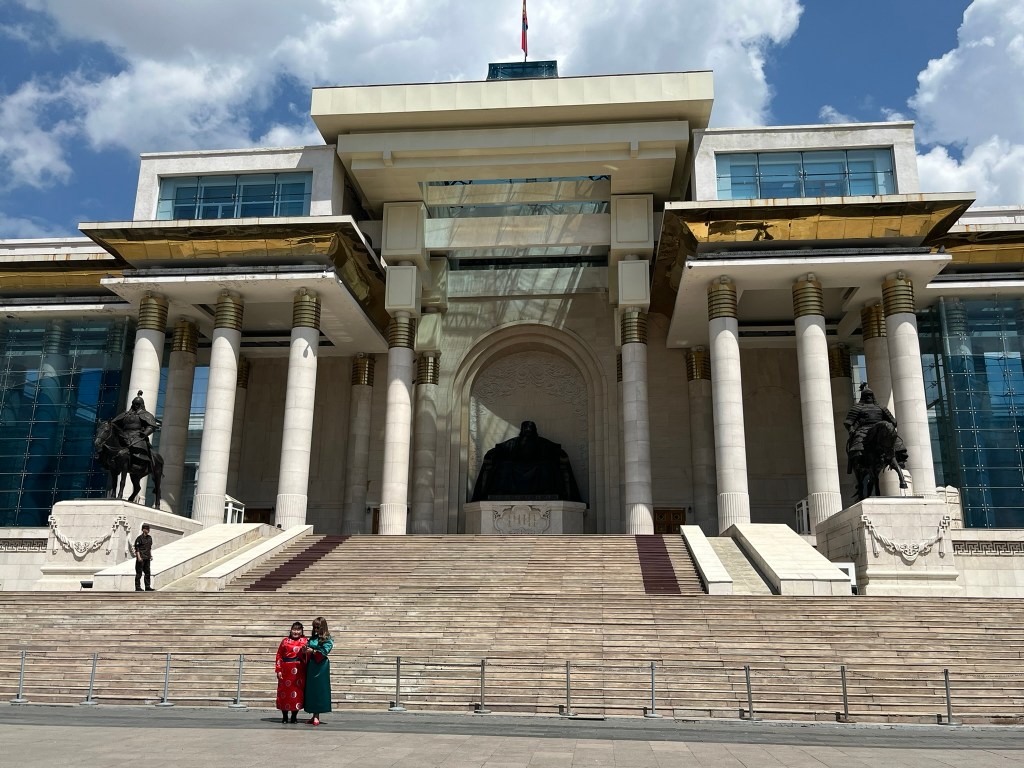
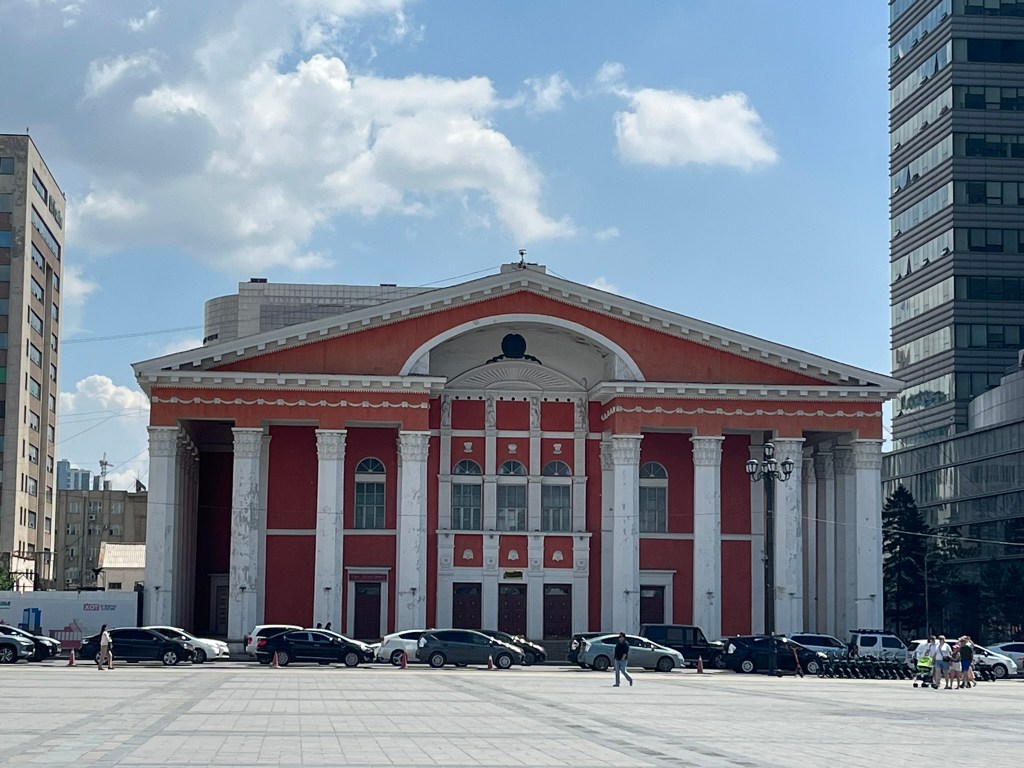
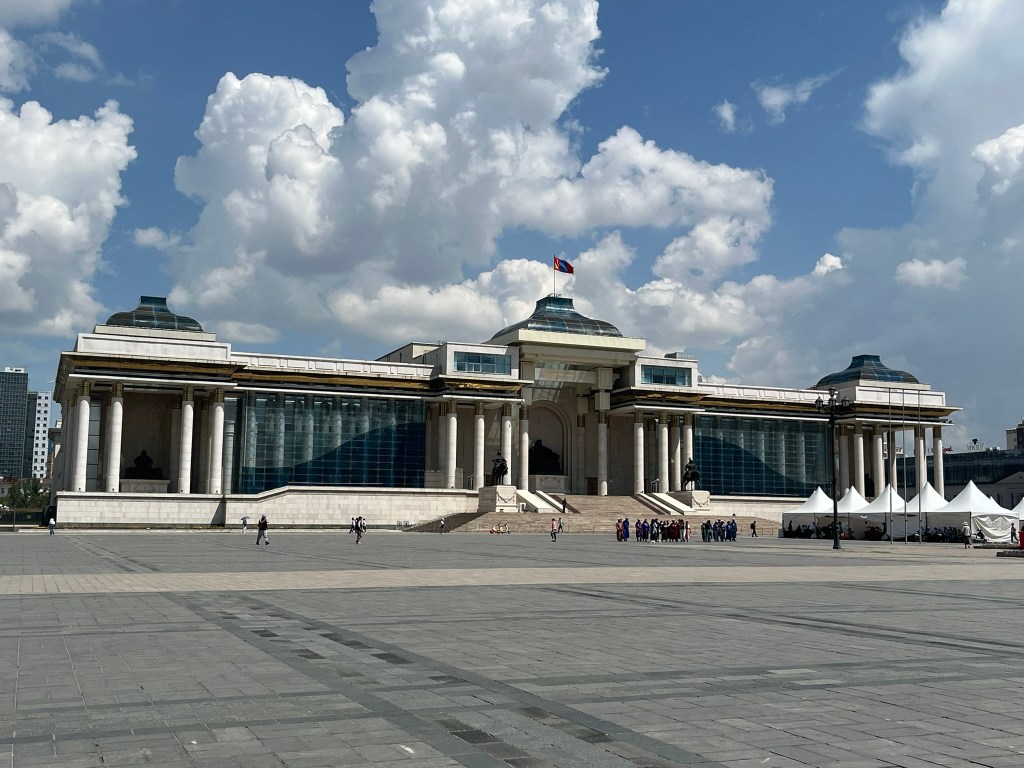
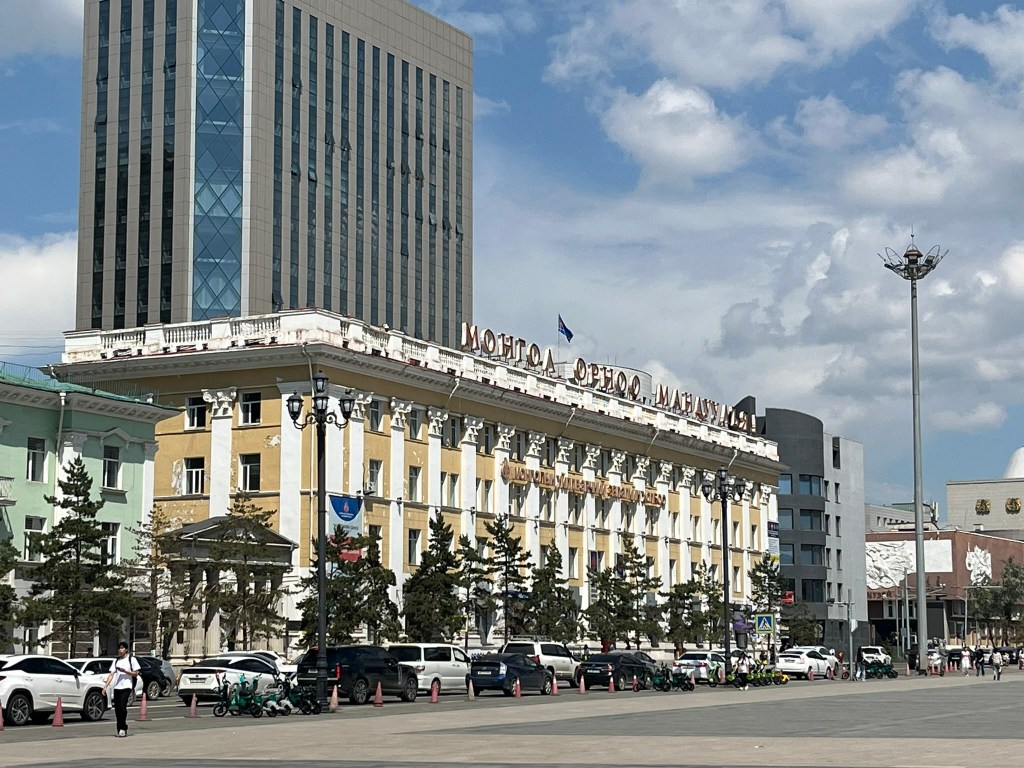
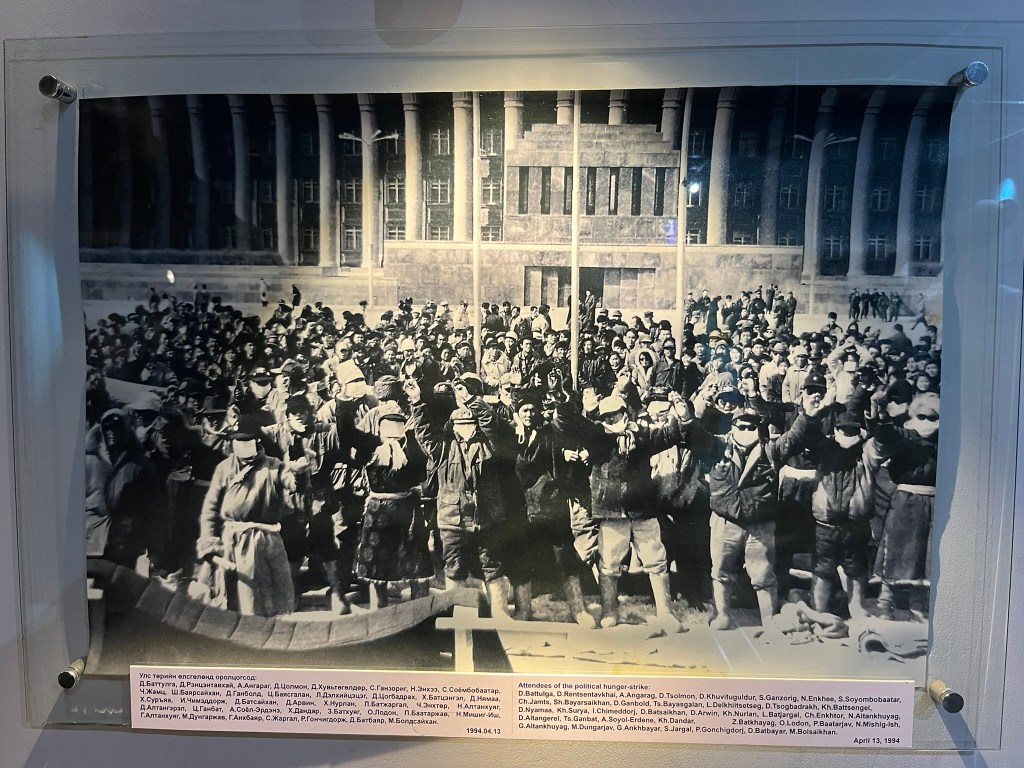
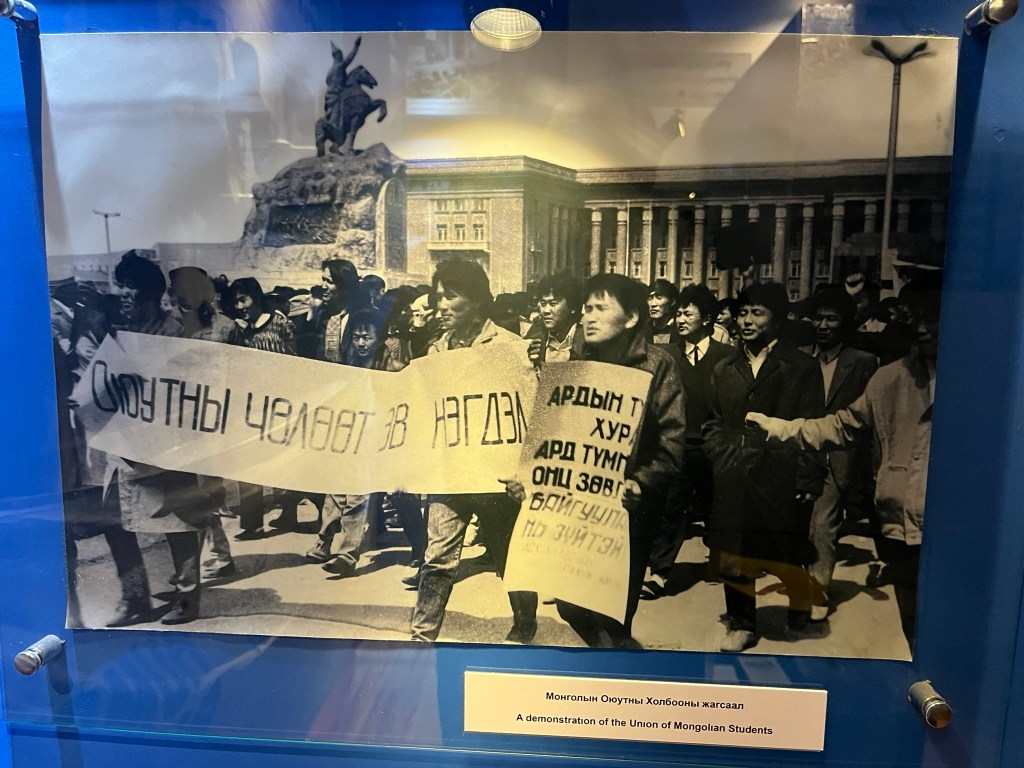
In more recent history the square was where peaceful demonstration and hunger strikes in 1989-90 were held as the country transitioned towards democracy. And it continues to be the country’s principal gathering place whenever people celebrate or protest. During Naadam this will be where military parades, ceremonial guards, musicians and thousands of spectators will gather before moving to the stadium for the opening ceremony.
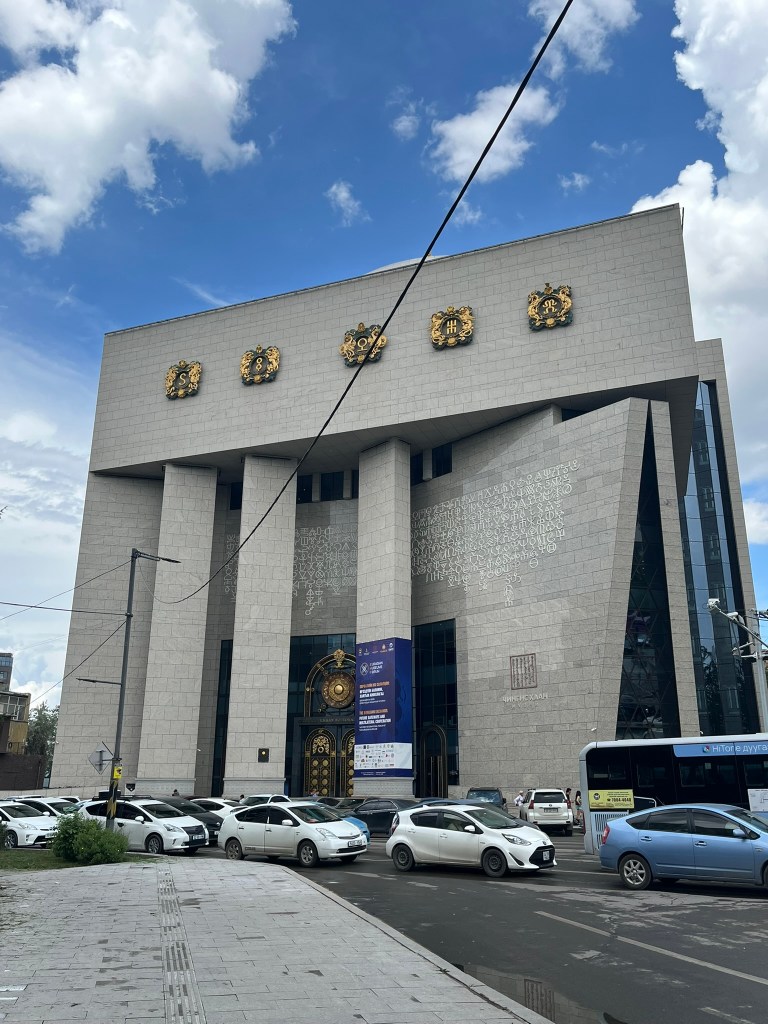
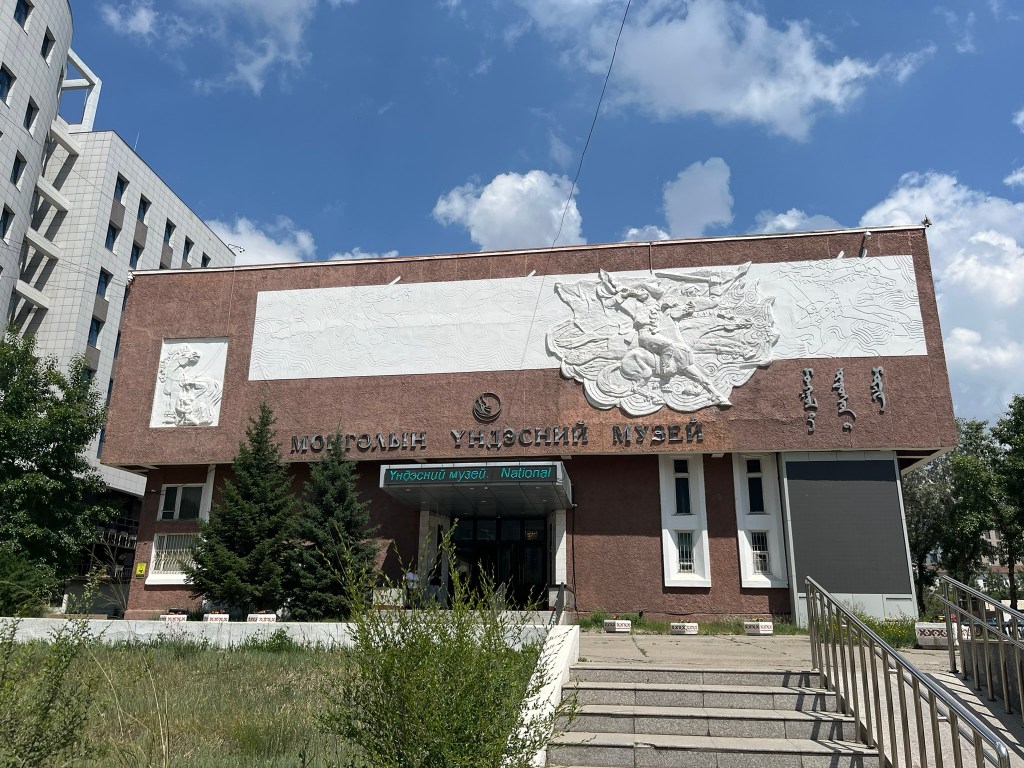
Just to one side of the square lie the city’s 2 best museums – the National History Museum and the Chinggis Khan Museum – both excellent and both worth visiting. For me the highlight of the museums was the traditional costume and jewellery gallery, showcasing over 20 ethnic groups. Every costume is based around a deel – a long wraparound robe (the national garment of Mongolia). The deel evolved over centuries to work perfectly for a nomadic life – it keeps out the wind, can be loosened in Summer, layered in Winter and when belted creates a pouch for riders traditionally used to carry small items.
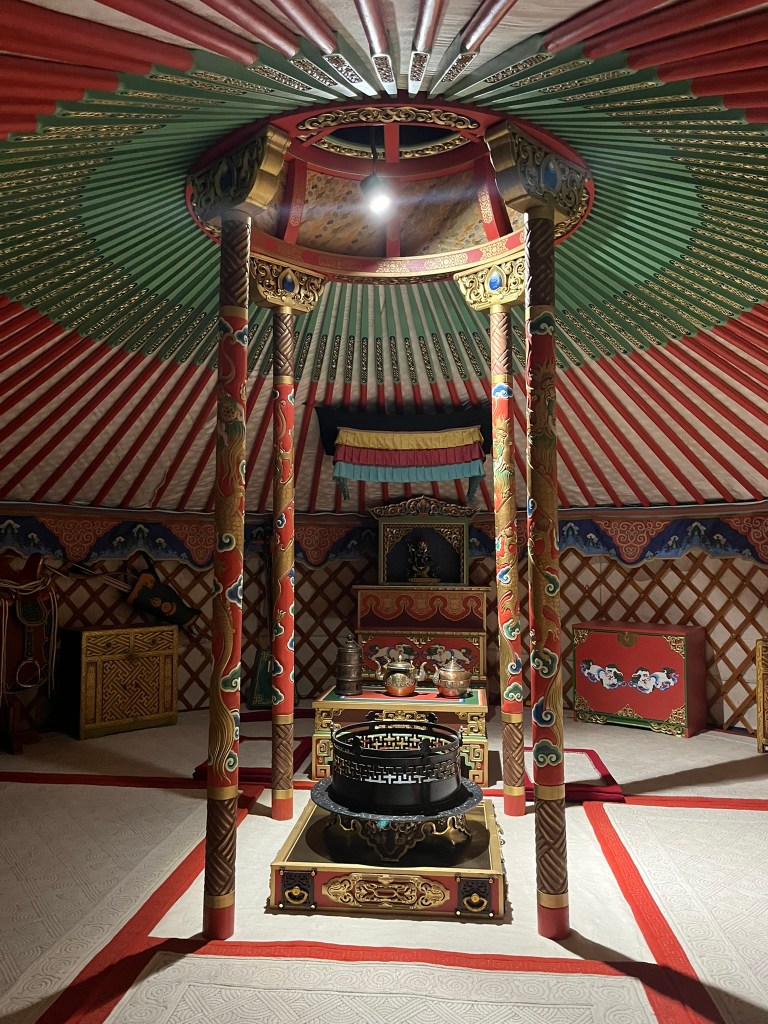
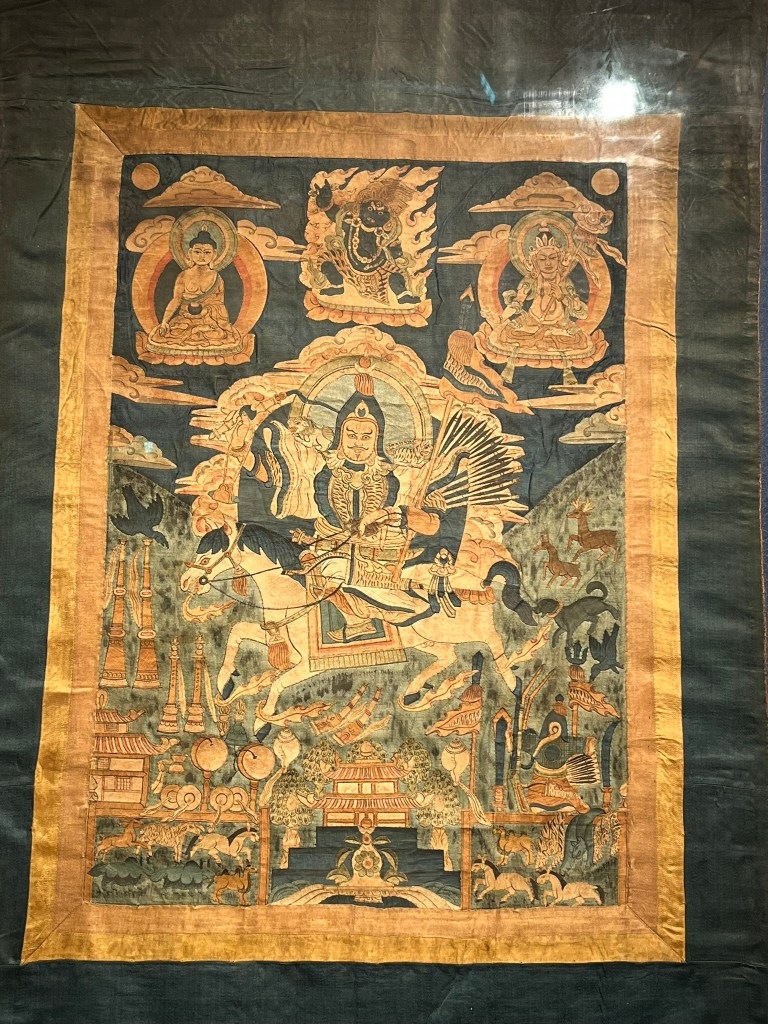
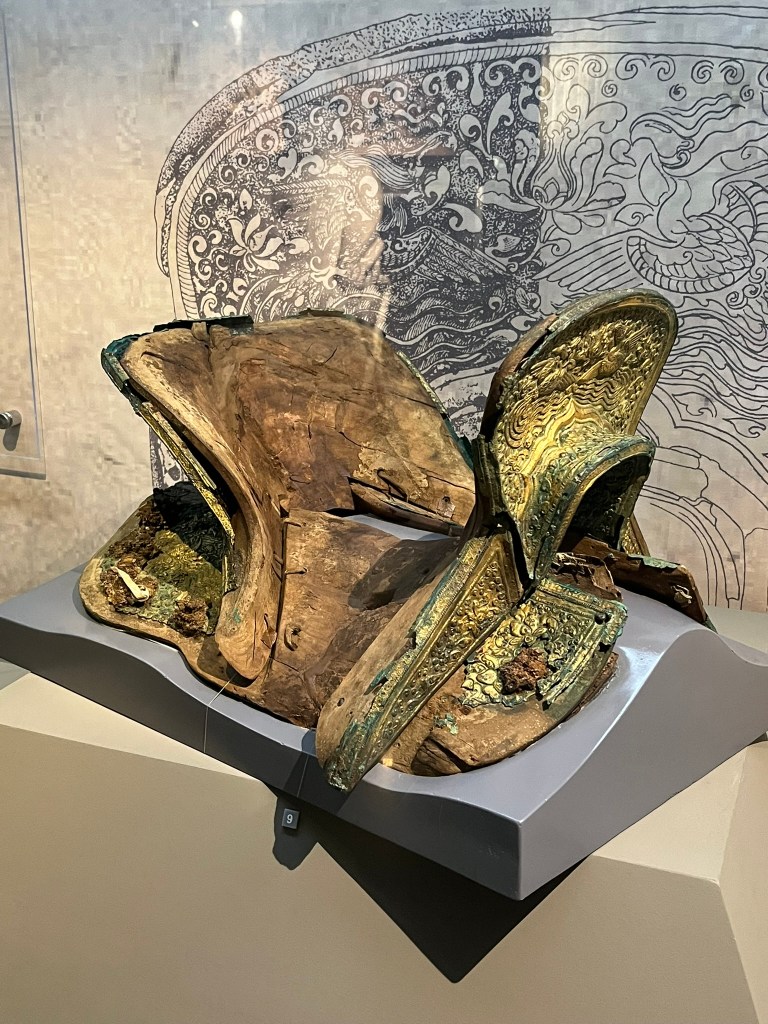
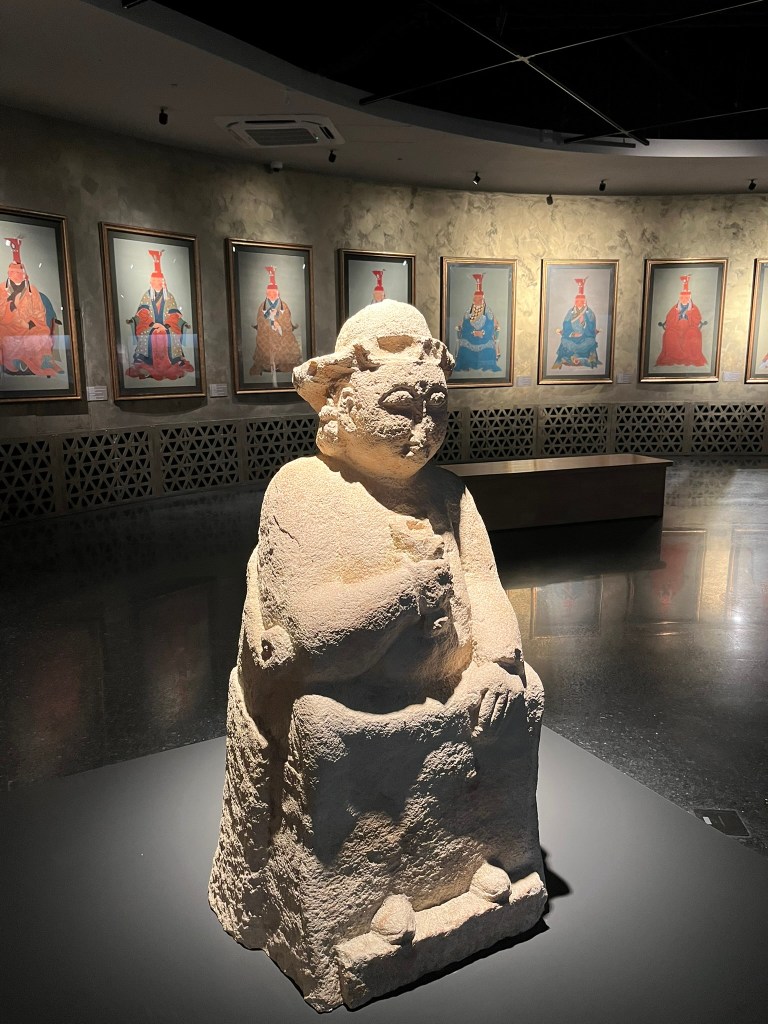
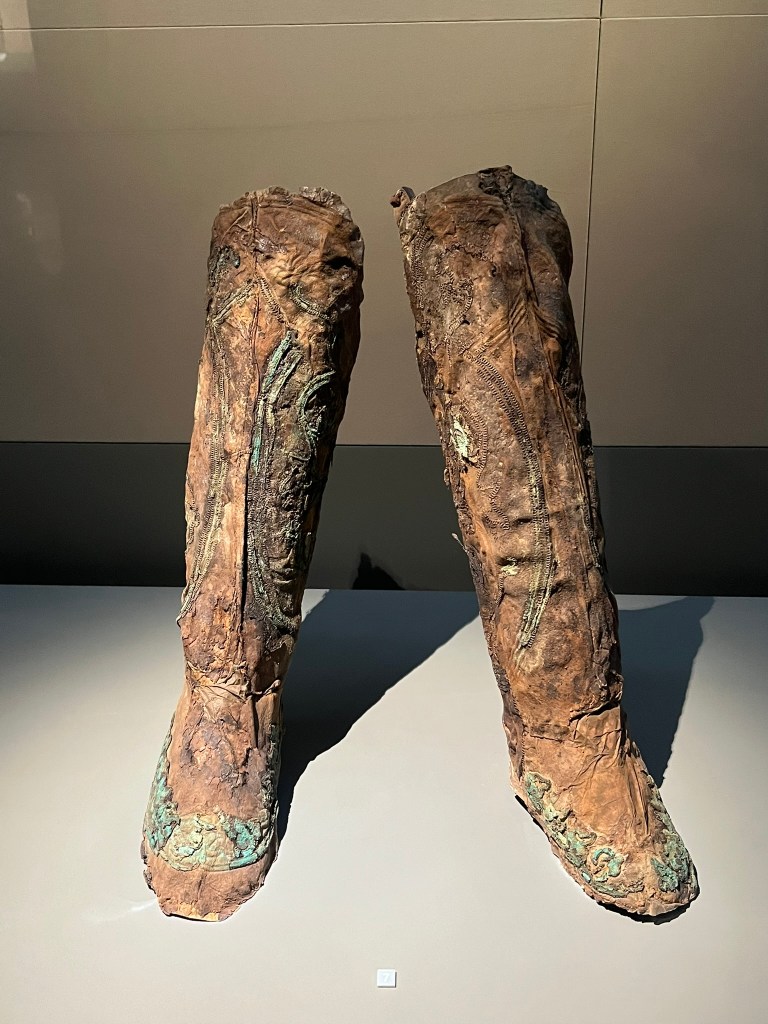
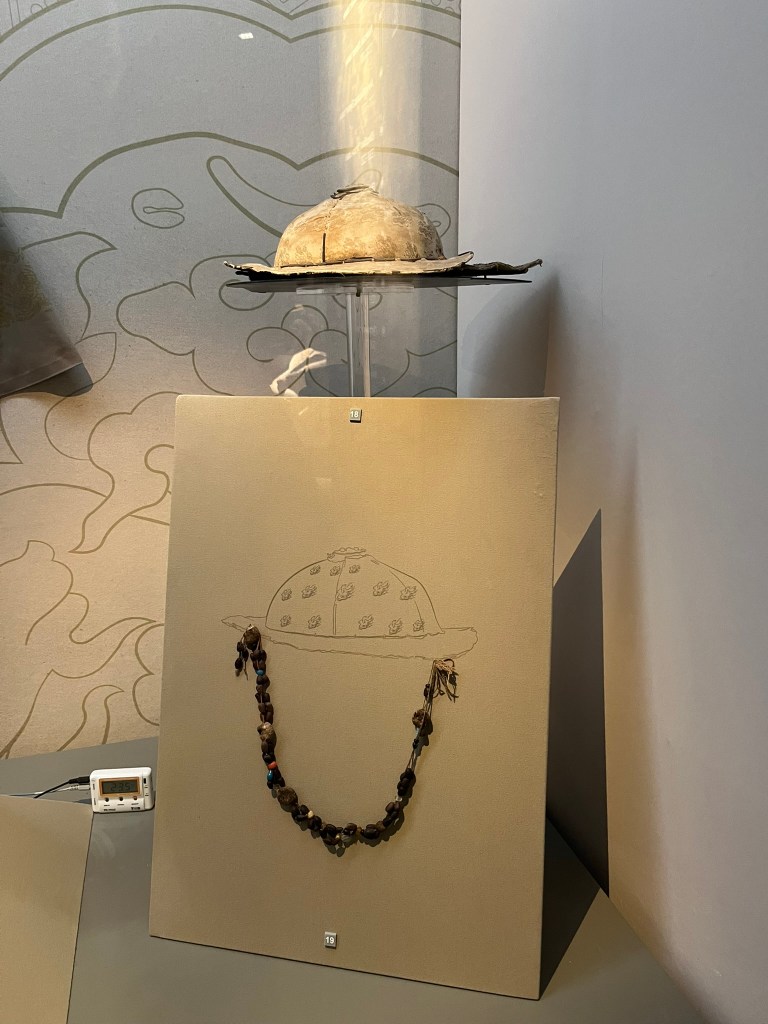
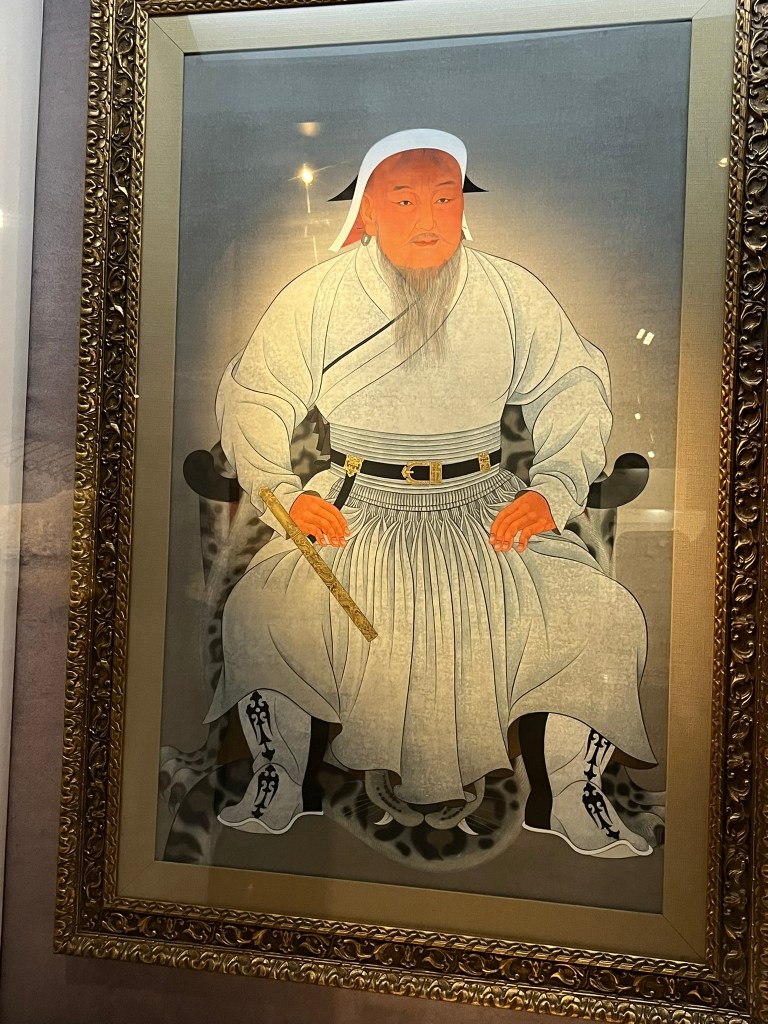
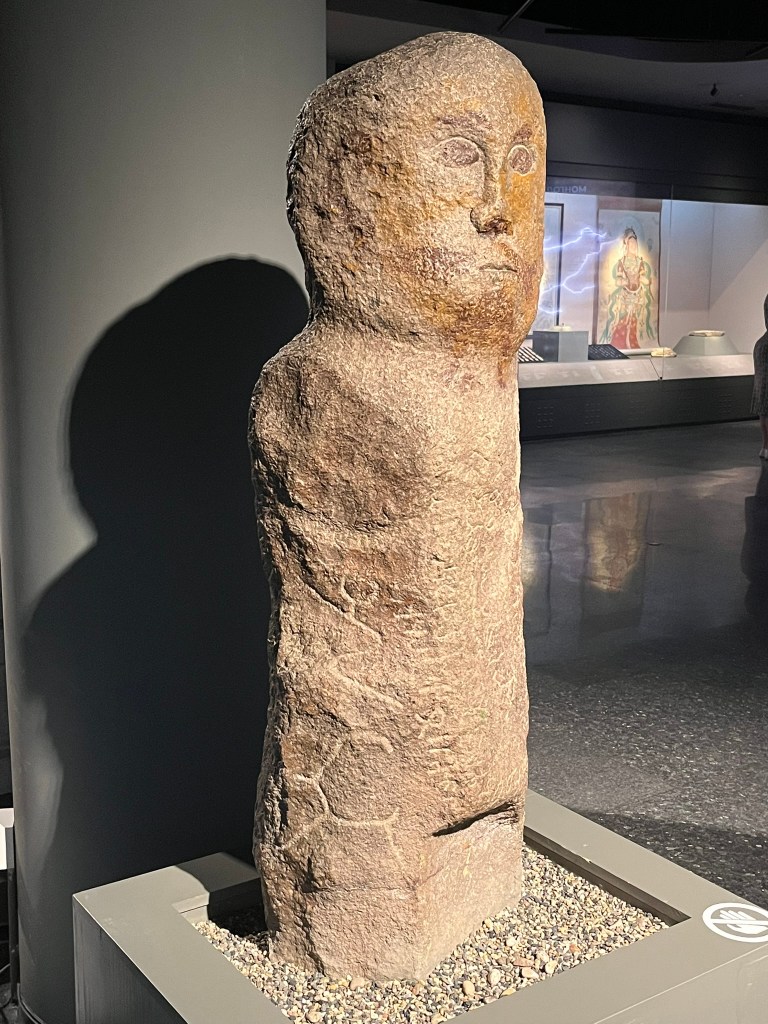
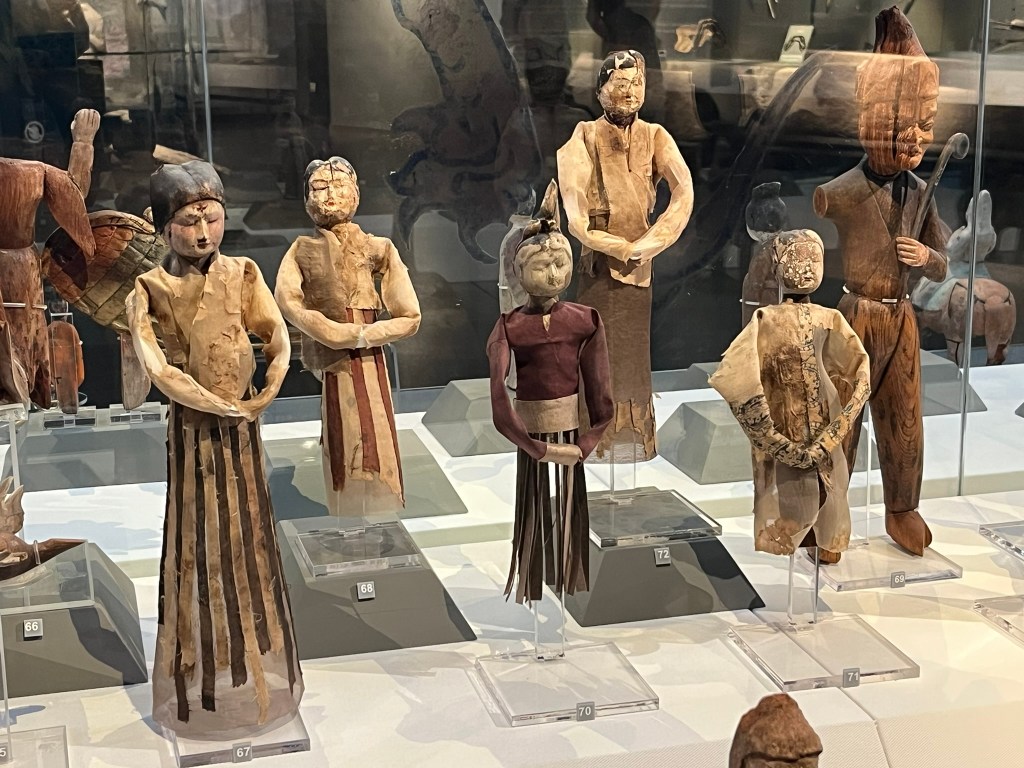
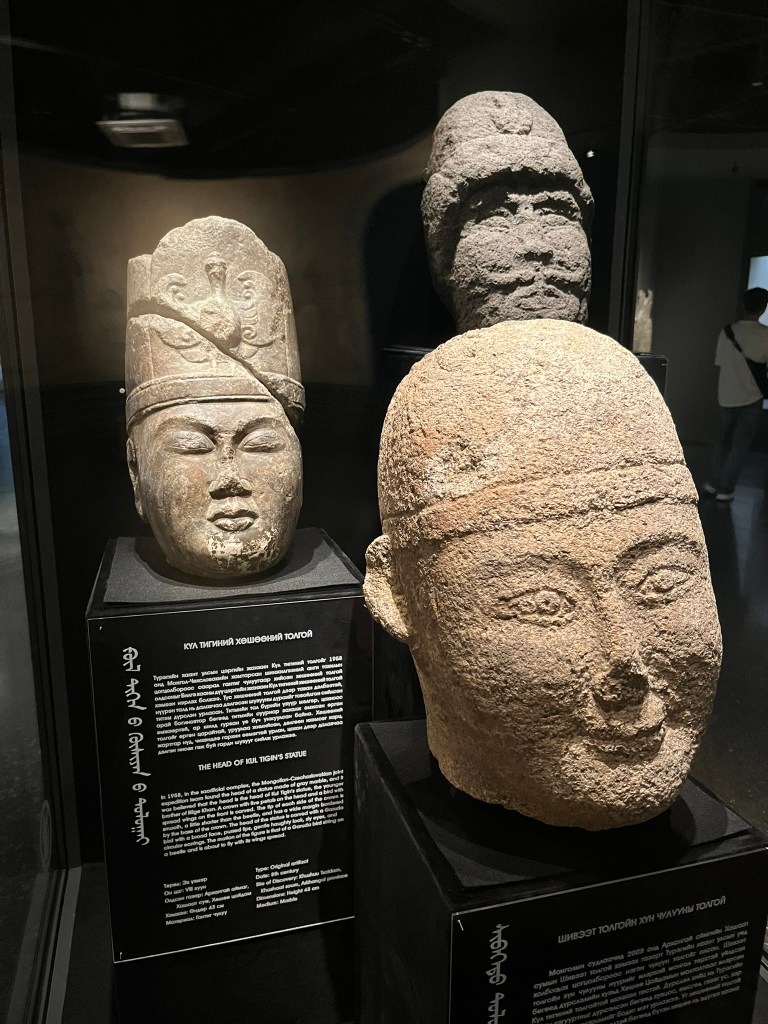
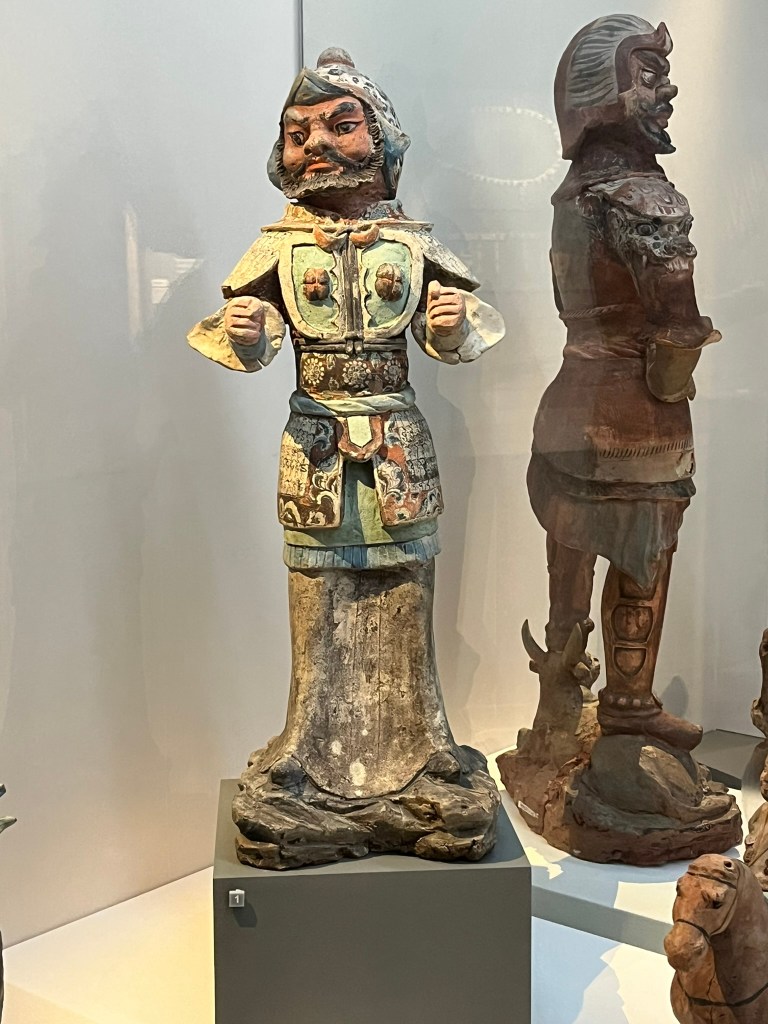
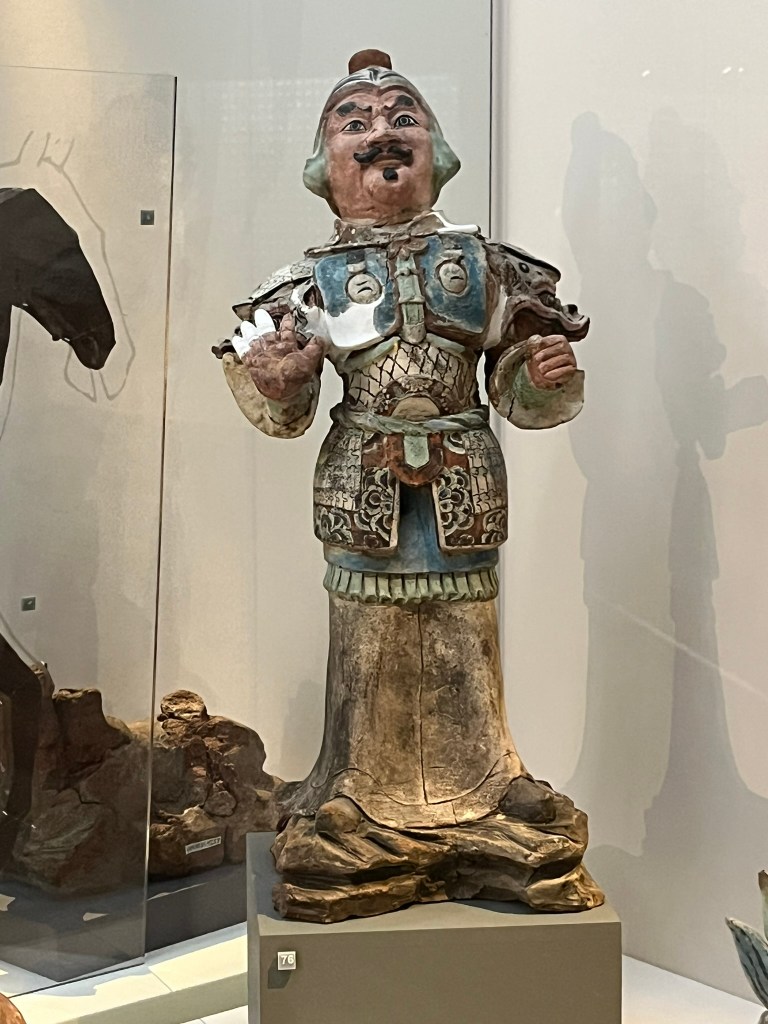
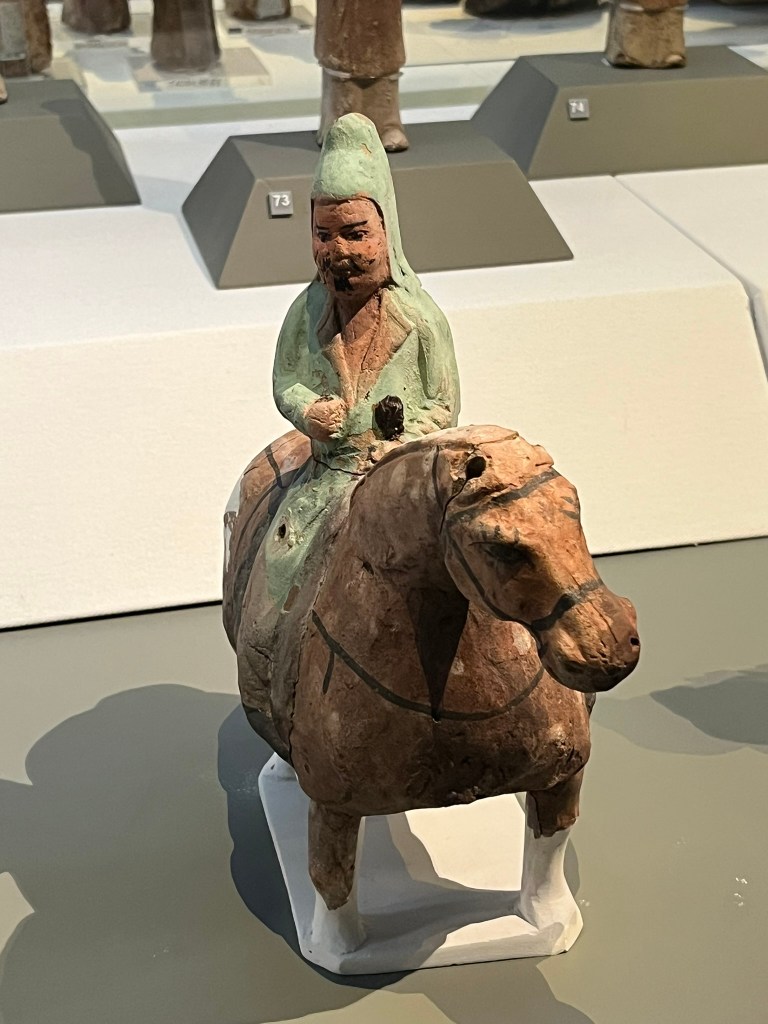
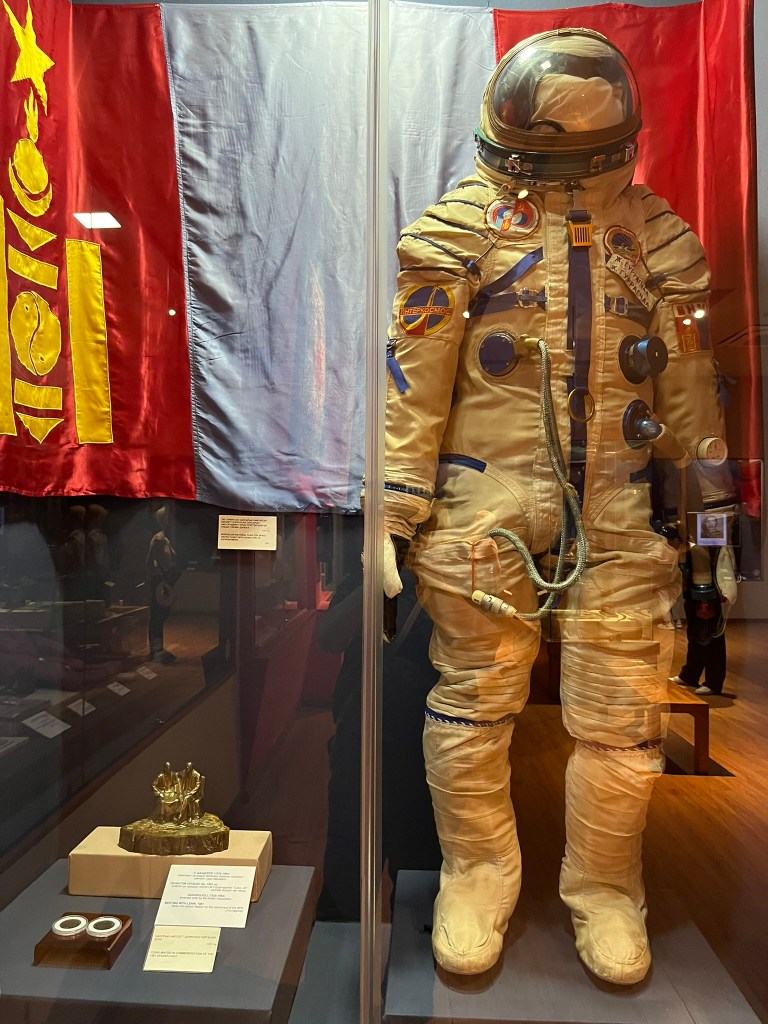
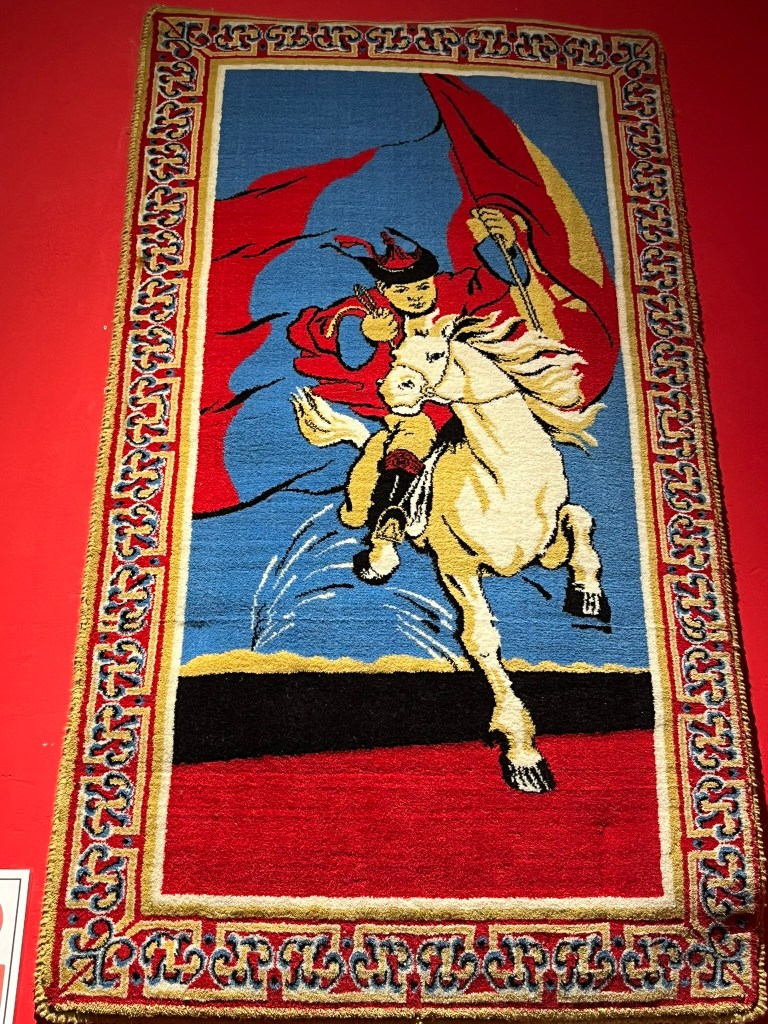
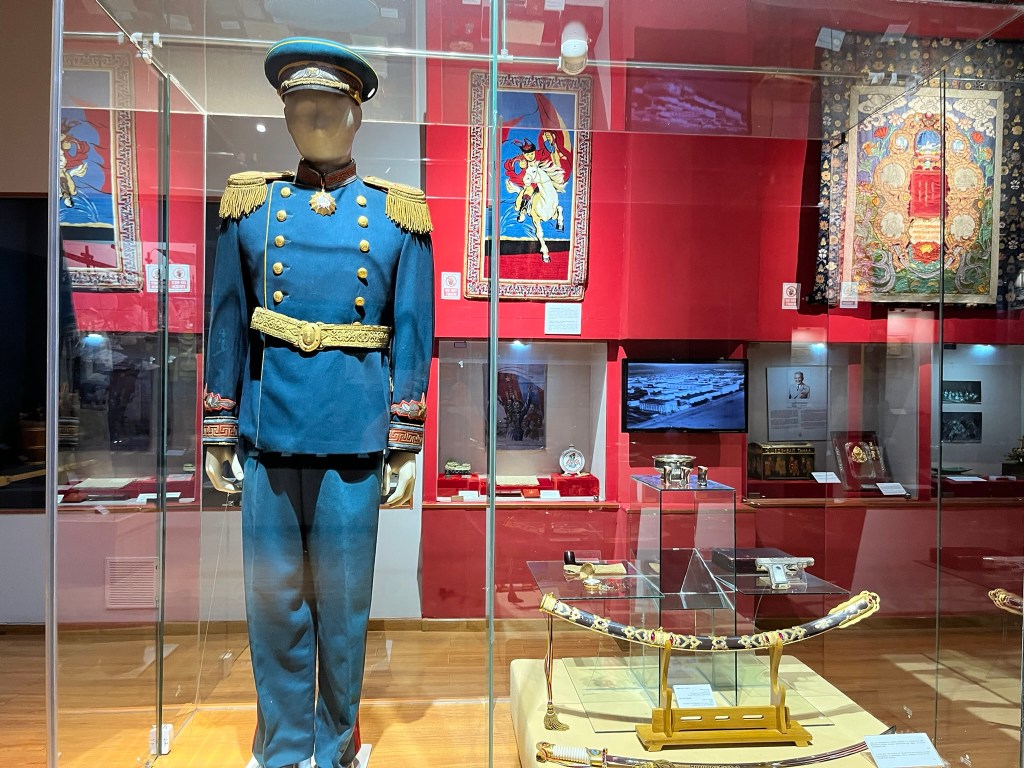
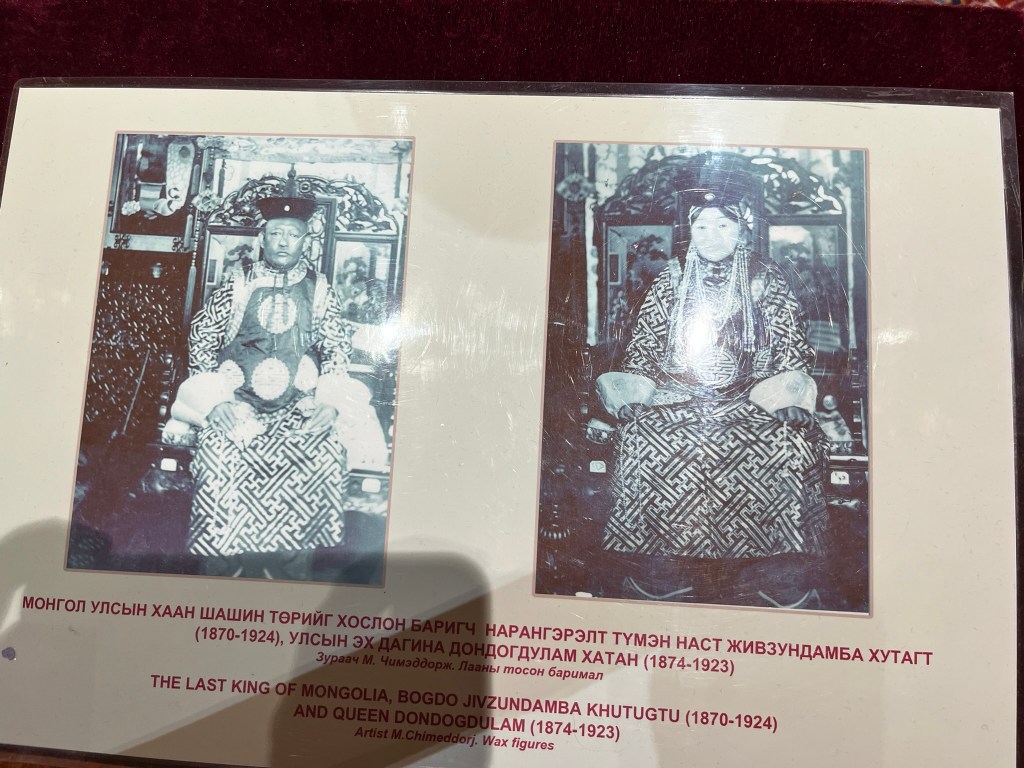
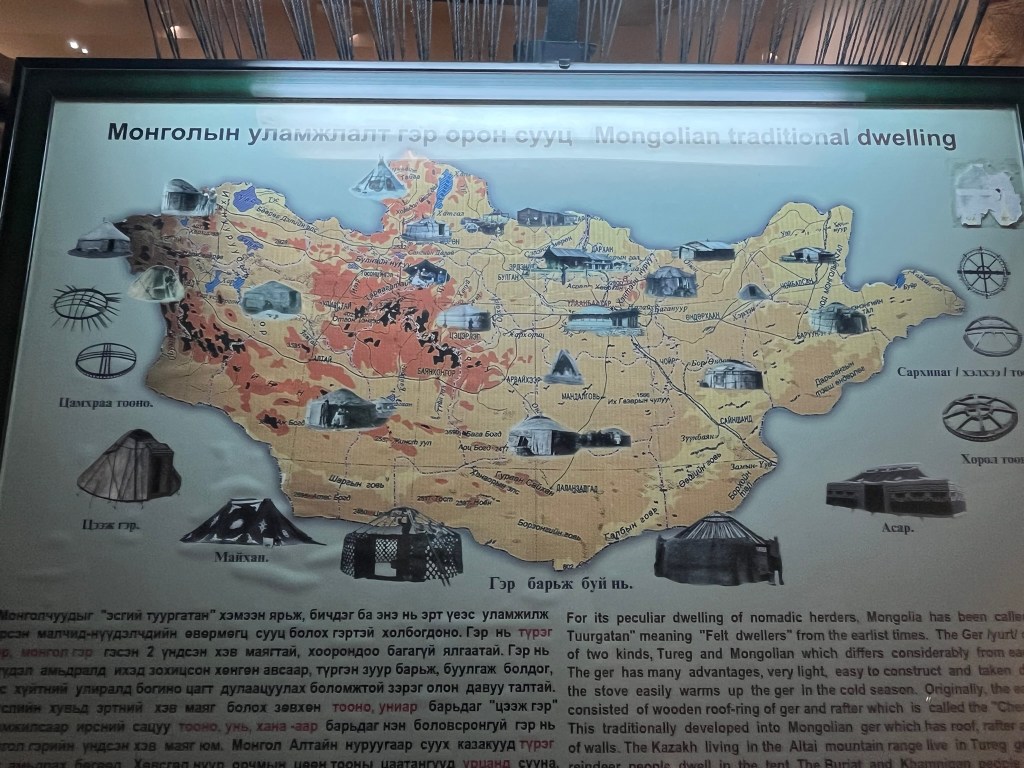
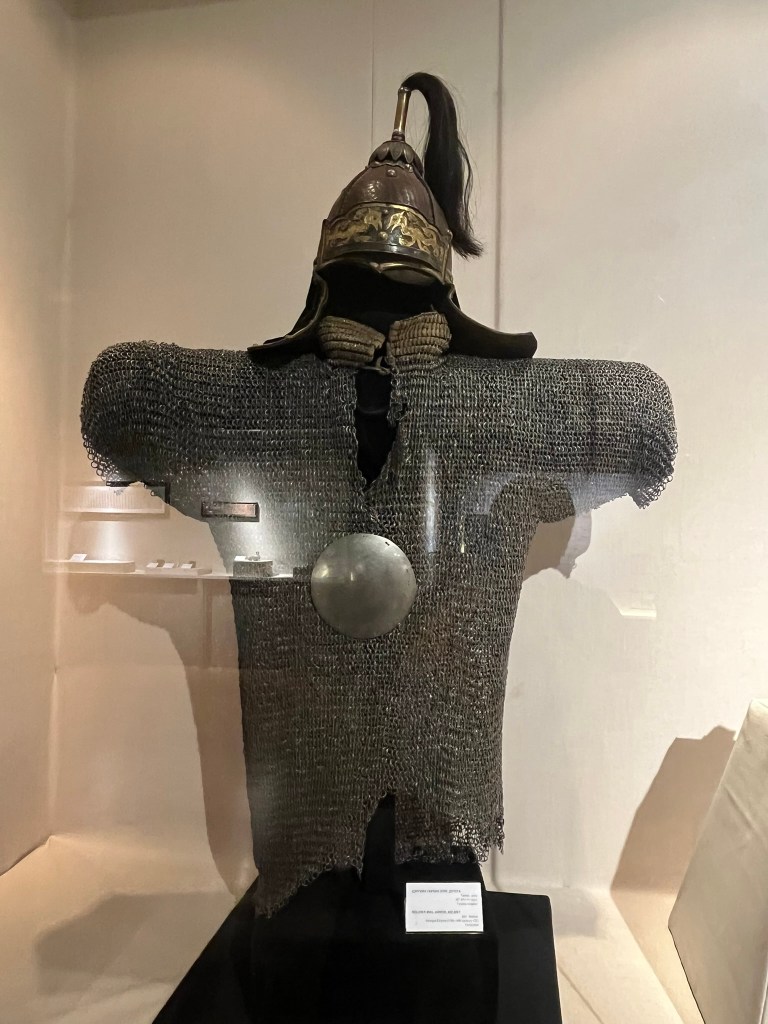
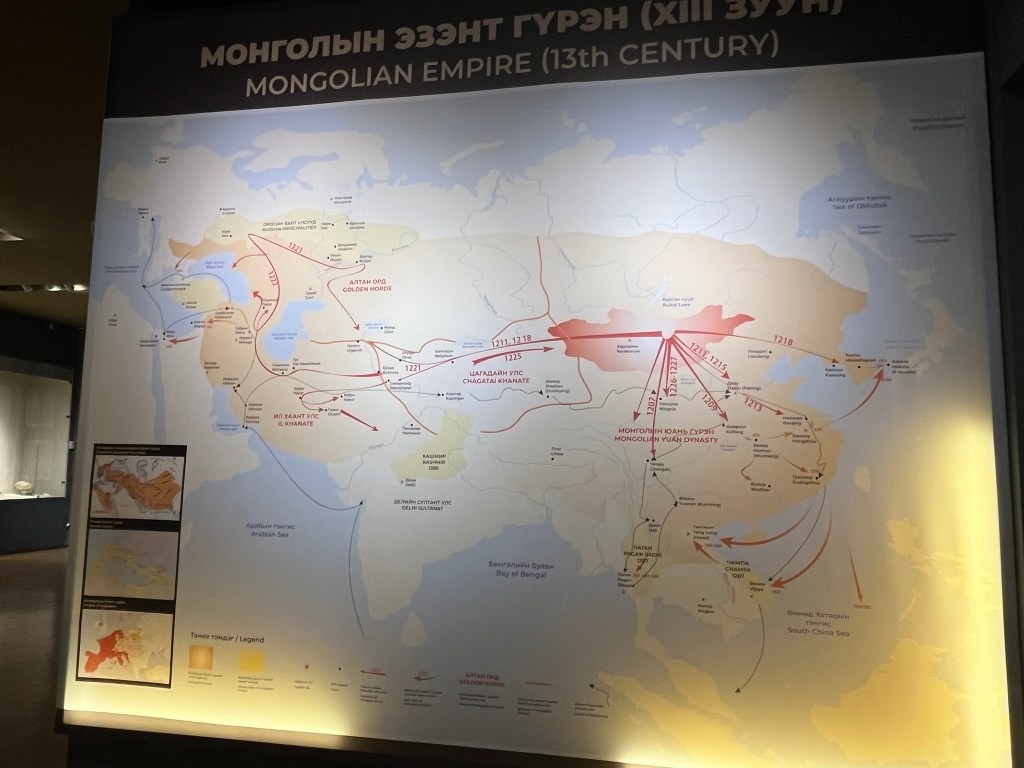
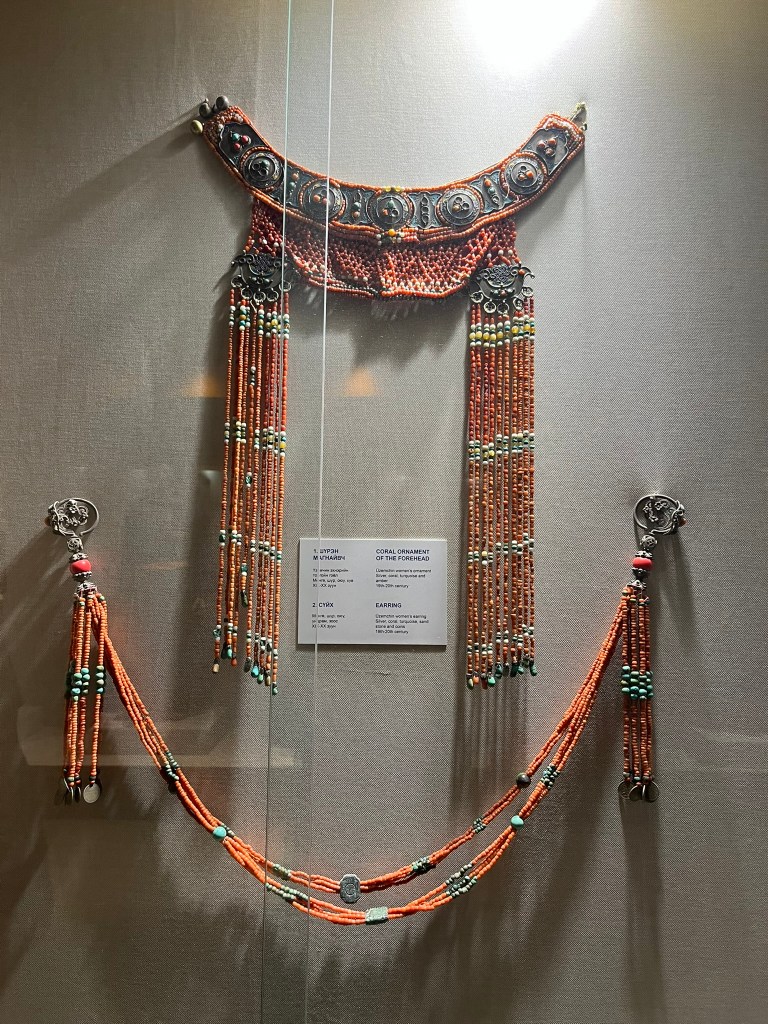
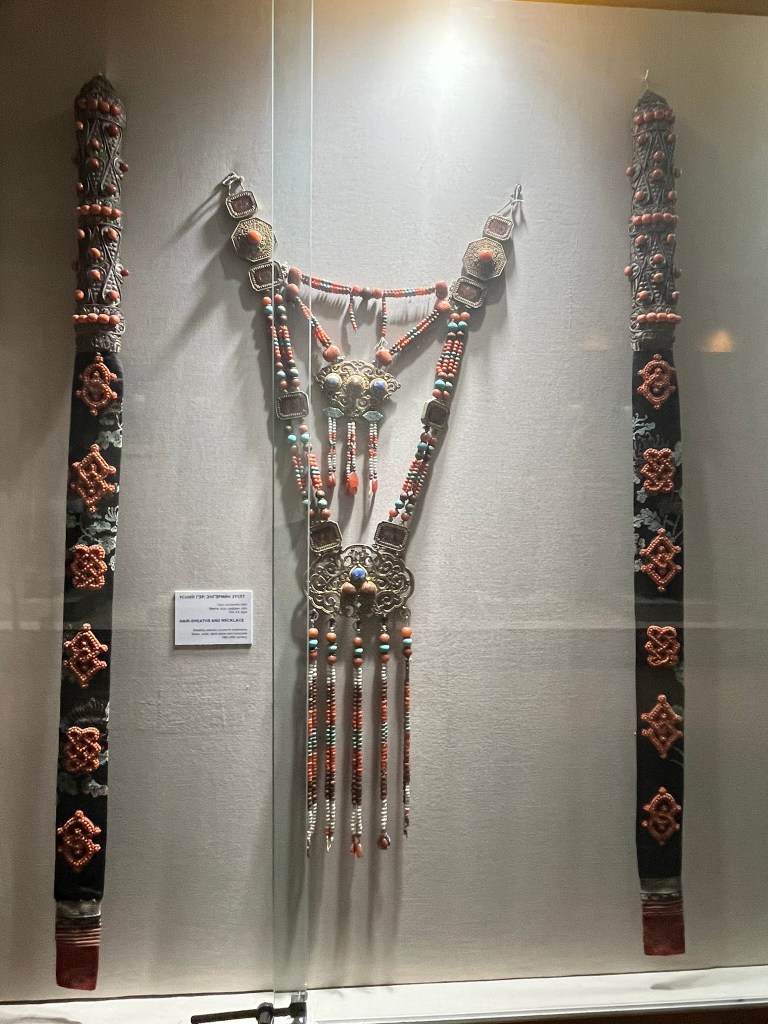
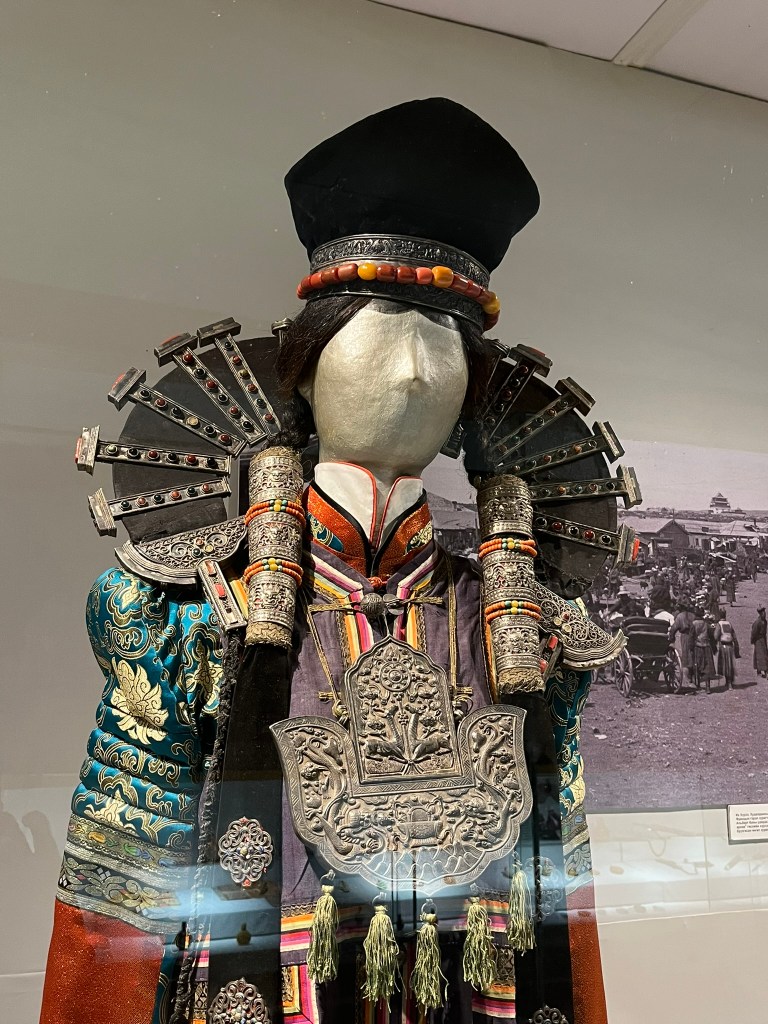
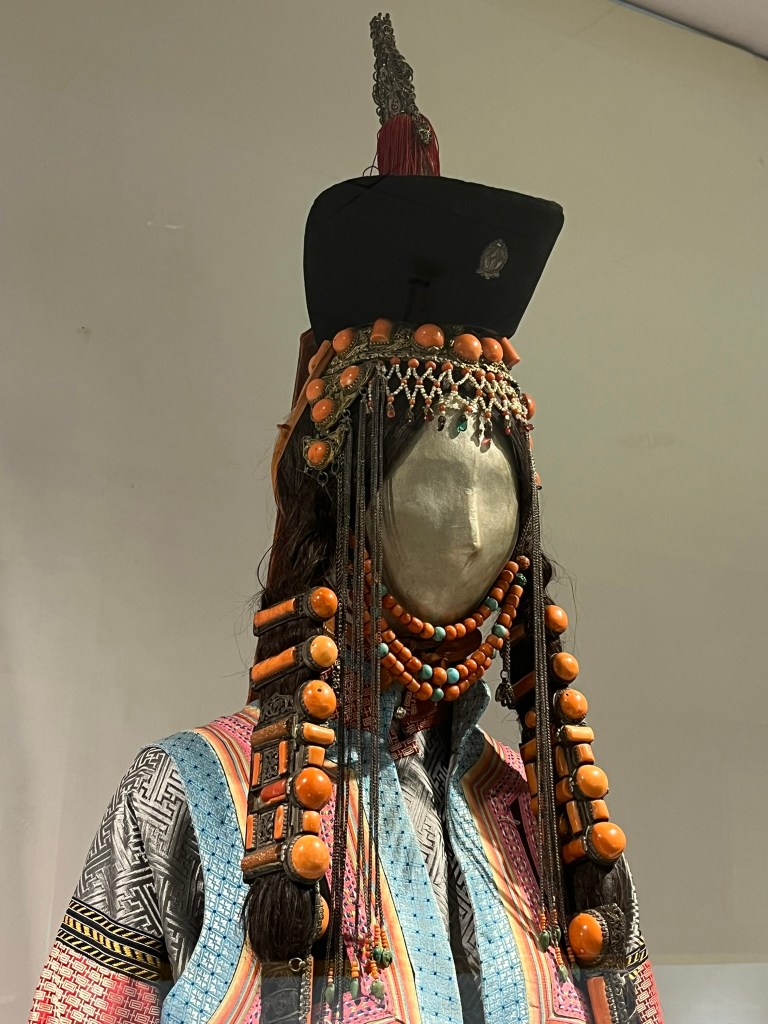
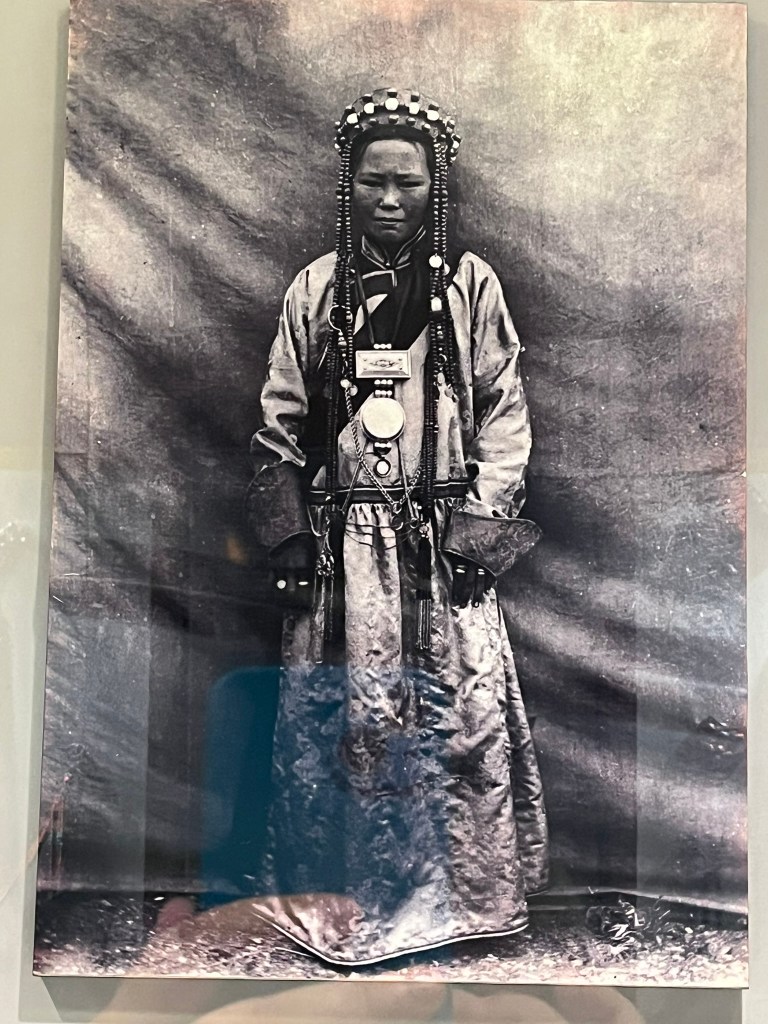
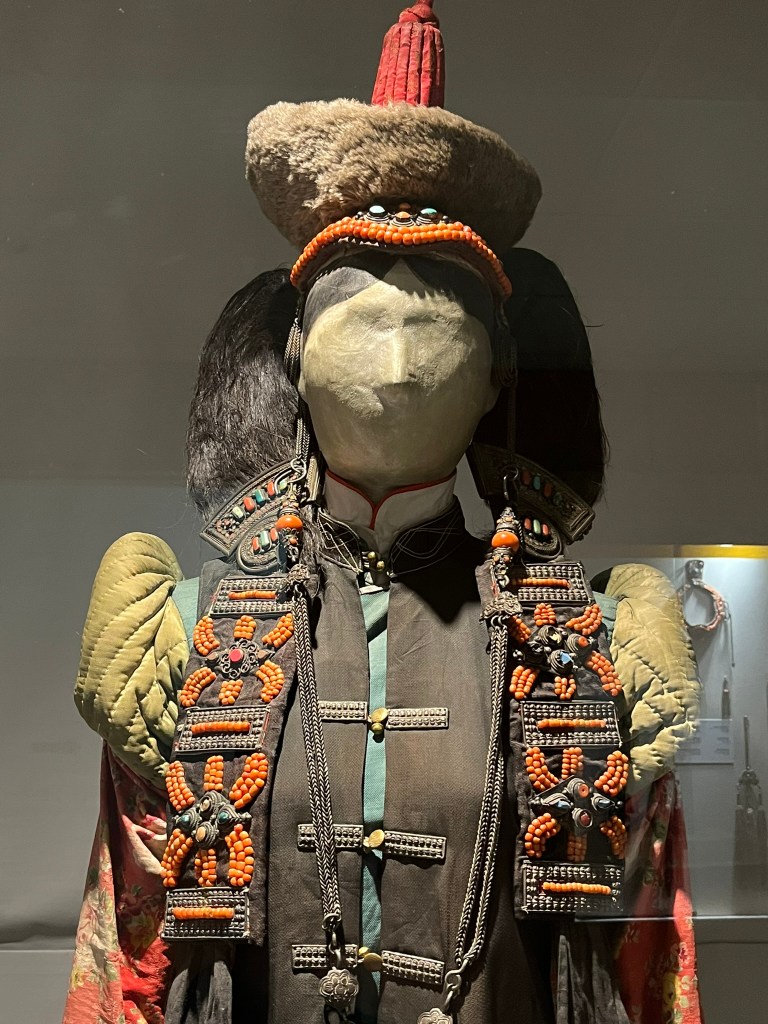
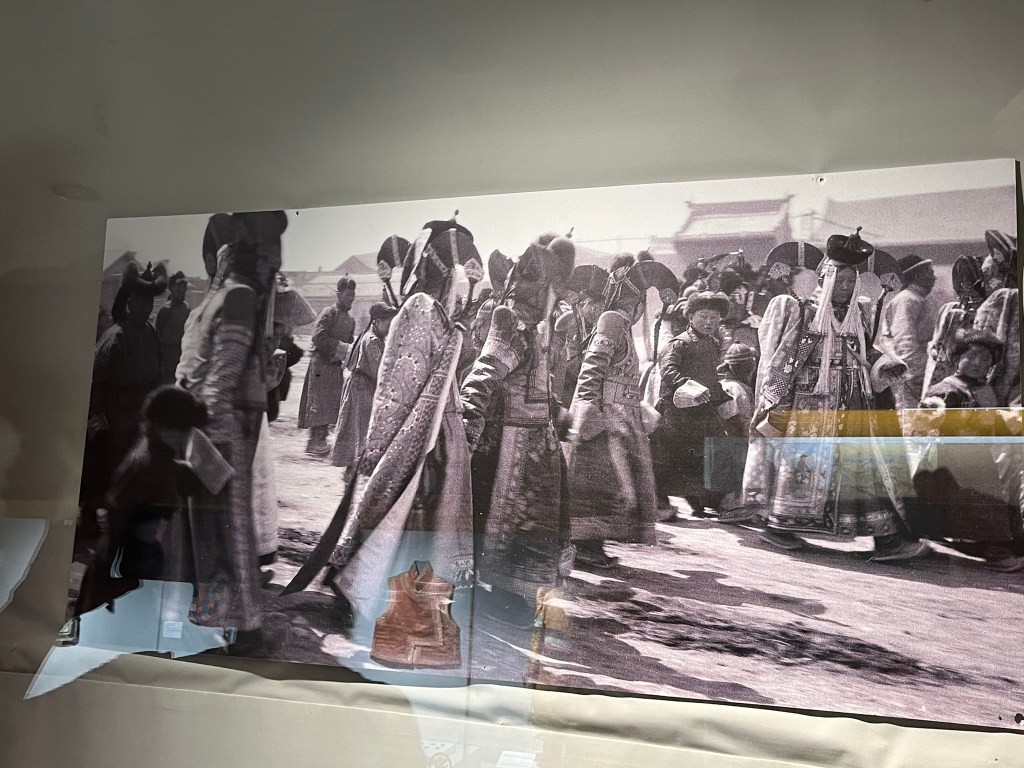
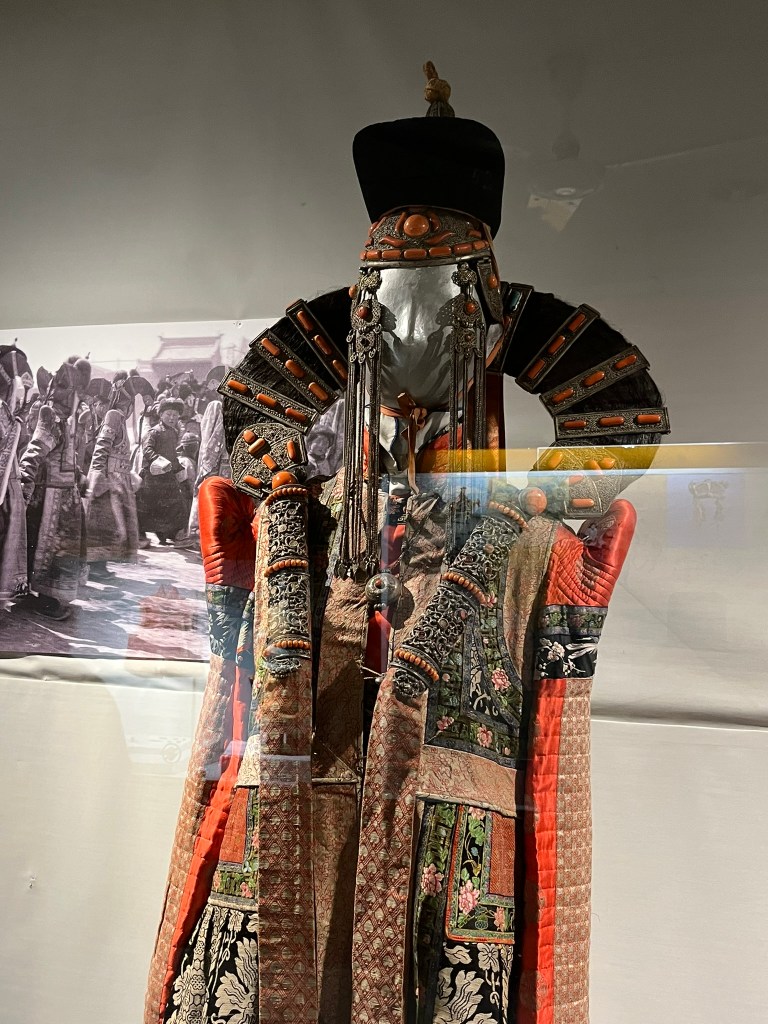
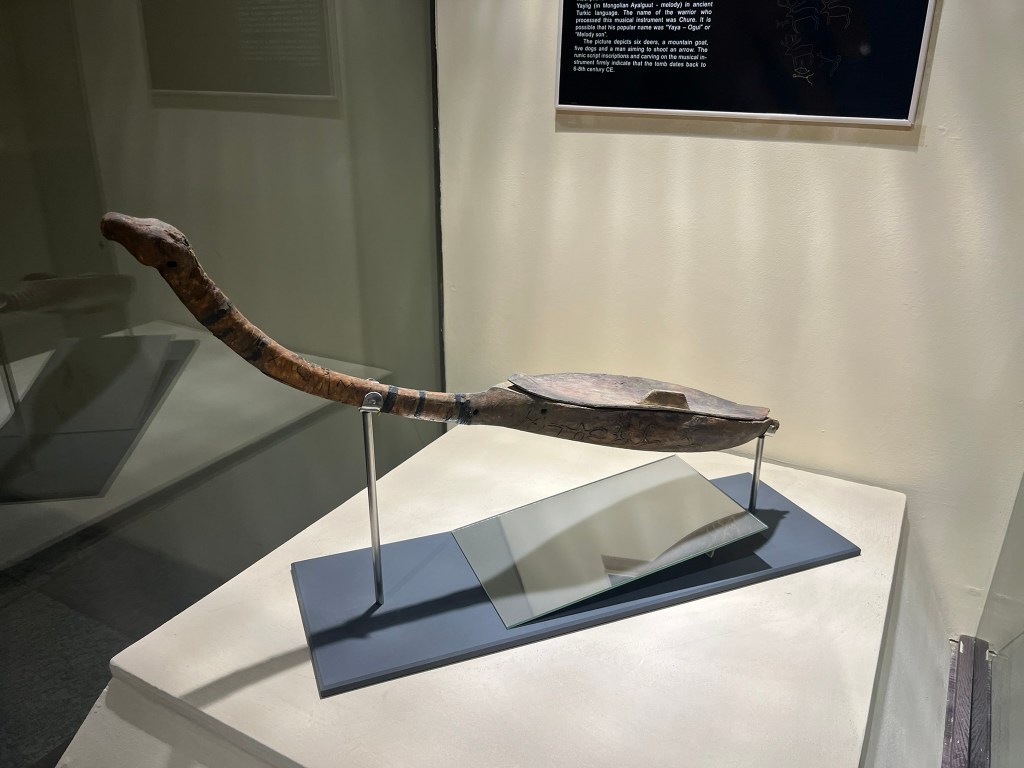
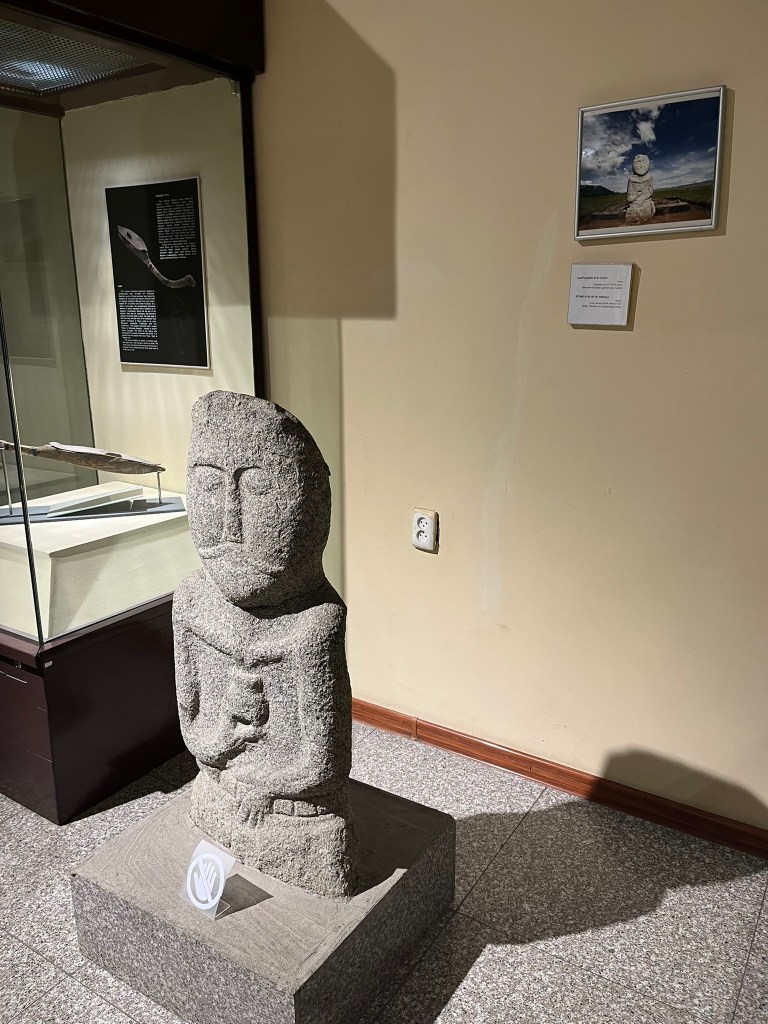
The best fact about these costumes is that they went some way to inspiring some of the outfits in Star Wars. Costumer designer John Mollo, who won an Academy Award for the costumes of the first film, drew inspiration from a wide range of historical cultures including Mongolian.
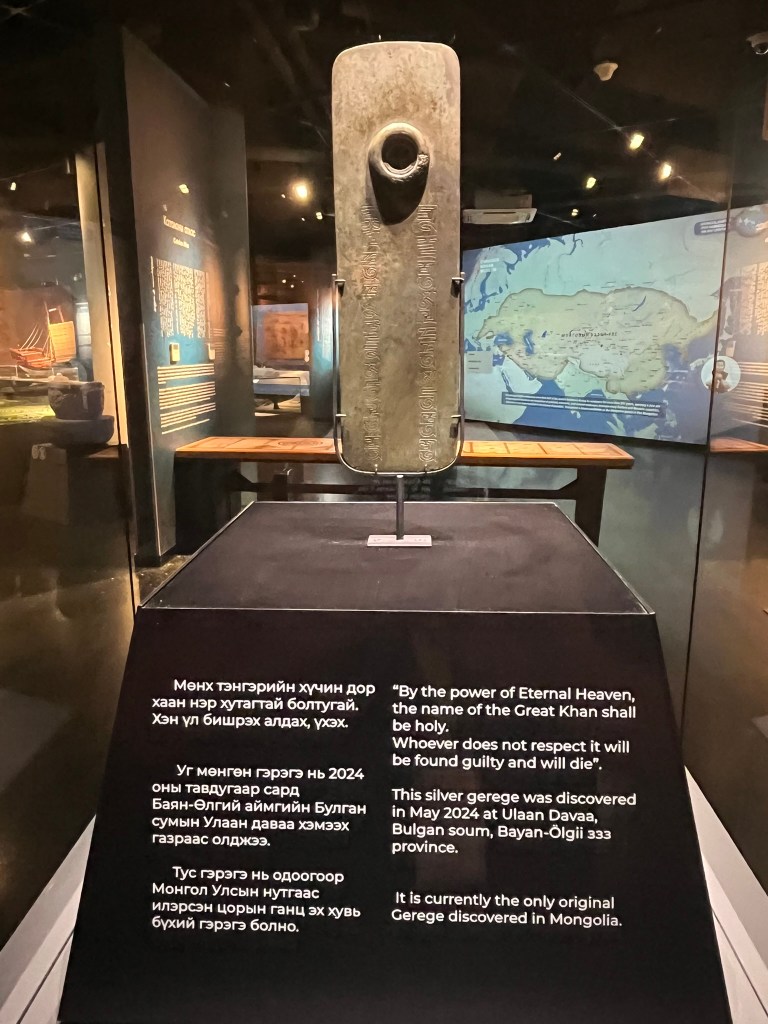
The other item I particularly liked was the gerege. This is one of the most famous objects from the Mongol Empire. It served a similar purpose as the modern passport. It was a tablet of authority issued by the Great Khan or senior officials. Usually made of gold, silver or bronze, with the material reflecting the rank of its holder, it effectively told everyone in the empire that this purpose was travelling on official business, that they should be provided food, accommodation and fresh horses and that their journey should not be obstructed. All under the authority granted by the Great Khan. This was revolutionary in an empire that stretched from Korea to Eastern Europe. Combined with the Mongol postal relay system, a courier could cover hundreds of kms a day by changing horses at relay stations.
After lunch our final stop was Beatles Square. The Beatles have a surprising role in the history of Mongolia. During the communist period, Western culture was discouraged and Beatles records were difficult to obtain. Despite this, young Mongolians managed to get hold of bootleg records from Eastern Europe, Japan and elsewhere. They gathered in apartment stairwells to listen to Beatles sings, play guitar and talk, not just about music, but about freedom, individuality and the outside world. Over time, these informal gatherings became associated with broader aspirations for political openness.
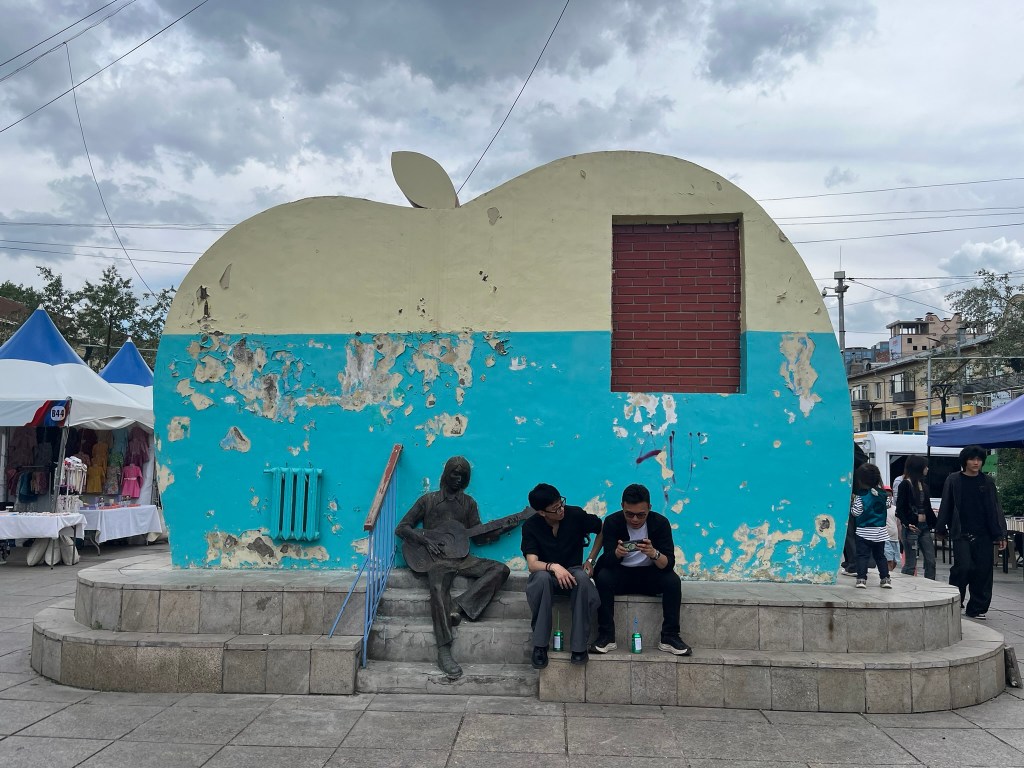
There is a small monument in the square meant to represent less about the Beatles themselves and more about what they symbolised. On the other side of the statue a young Mongolian man is playing a guitar on the staircase, representing the teenagers who secretly gathered all those years ago. Unfortunately we had not looked up what the Beatles statue actually looked like and so when we cam across the reverse side with the young Mongolian we thought that was it and were a bit confused….we didn’t think to look on the other side for the actual statue. So no photo of the Beatles. The square was also hosting an local arts and crafts market in the lead up to the Naadam – which bodes well for the shopping opportunities during the Naadam itself!
So that was it for 2 days of sightseeing in the city – this evening we meet the Intrepid group and tomorrow we head out of the city and start our adventure in Mongolia.


Leave a Reply