Barrio Lastarria is a small but lively neighbourhood of Santiago, just east of the historic center. It’s a great place to base yourself whilst visiting the city, with lots of cafes and restaurants and is the perfect aerea to explore whilst waiting to check in to your hotel. After dropping our bags off at Hotel Cumbras Lastarria, we headed to the coffee shop across the street to make a rough plan for the afternoon.
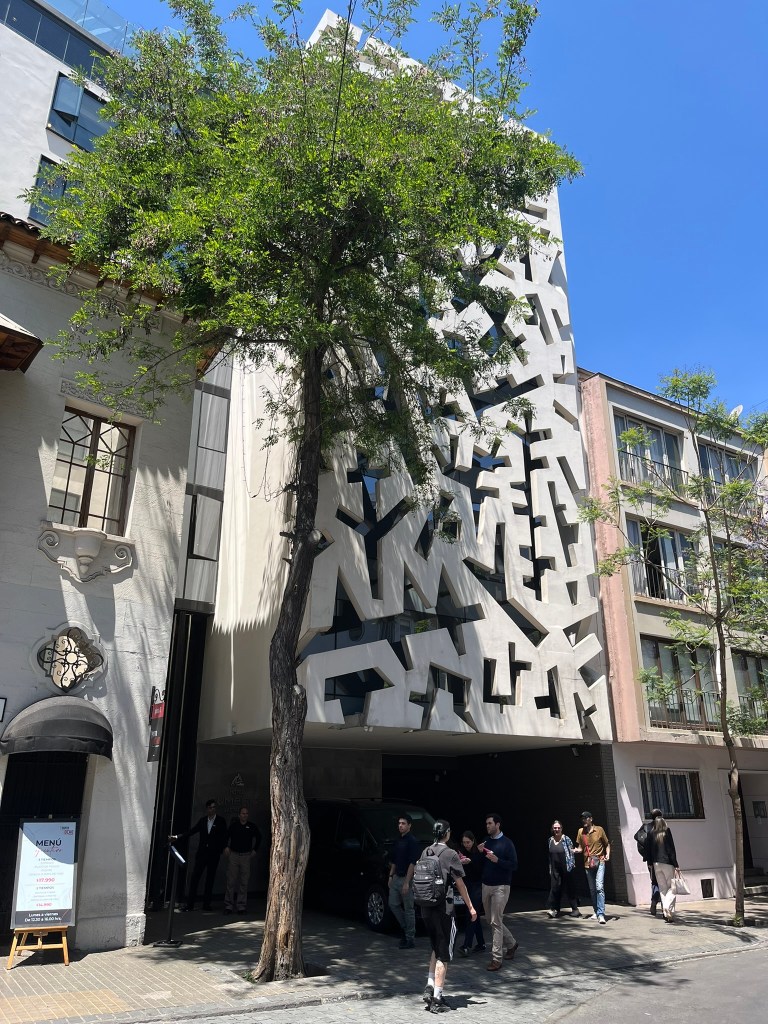
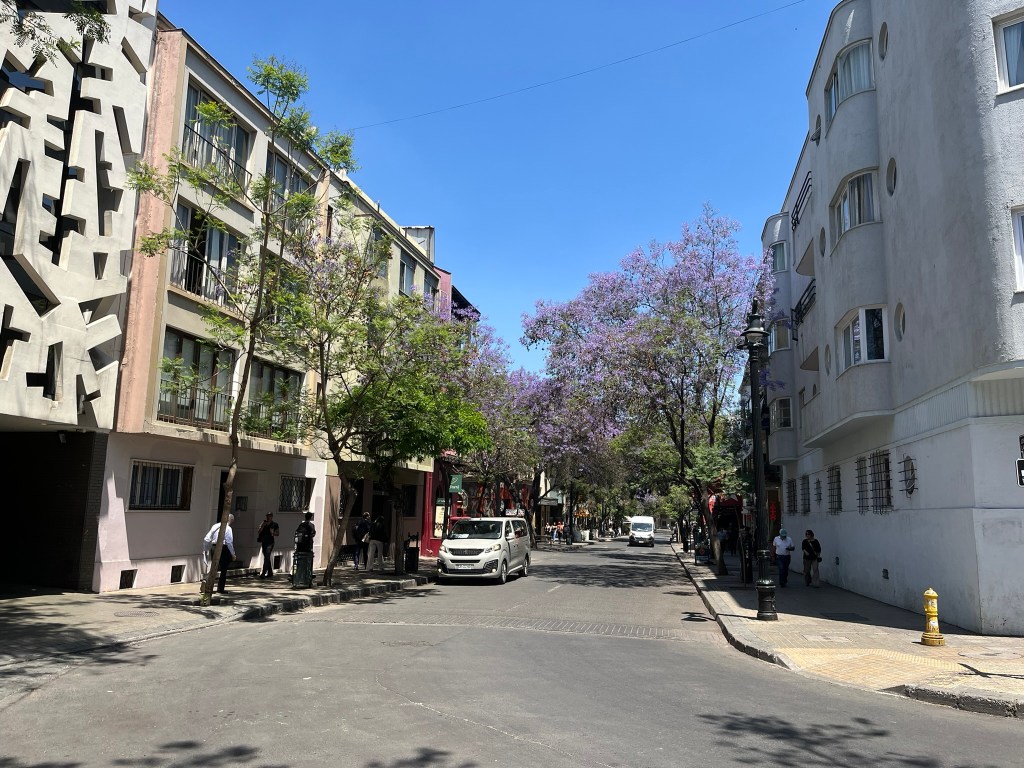
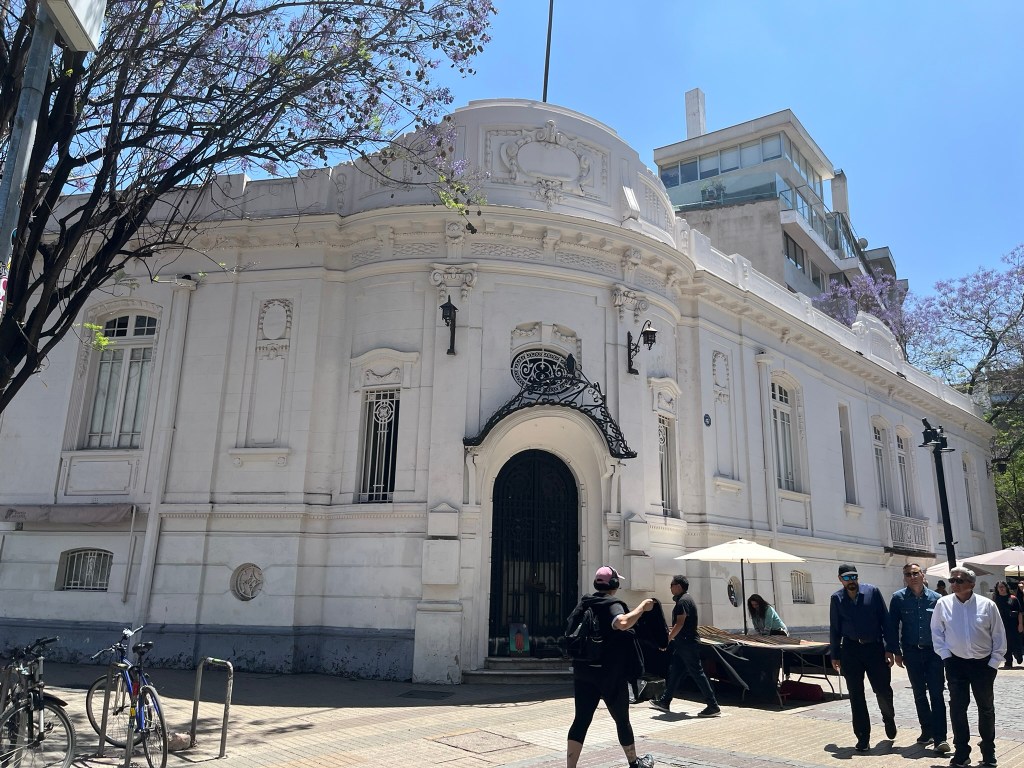
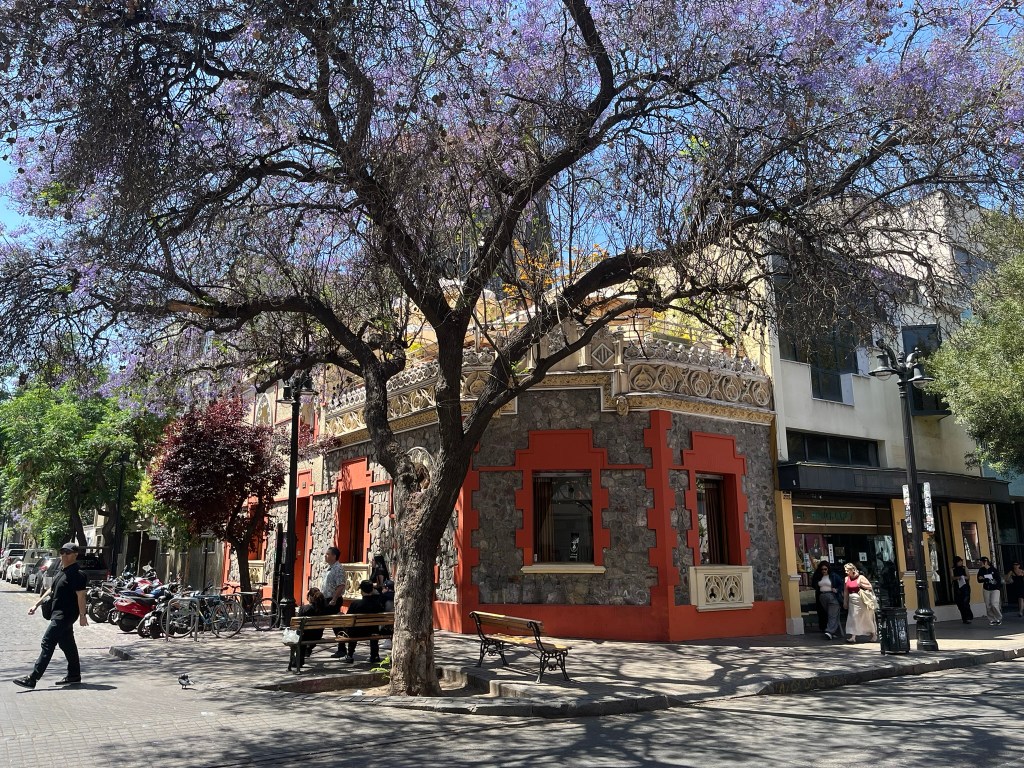
Barrio Lastarria was developed in the late 19th century as Santiago’s ‘intellectual quarter’, home to writers, artists and professors from the nearby Universidad Catolica. It’s a collection of narrow streets, some now pedestrianised with neo-Gothic, Art Nouveau and Beaux-Arts townhouses, many of which have been restored and turned into cafes and restaurants. The neighbourhood is named after Jose Victorino Lastarria, a 19th century, Chilean writer. politician and intellectual associated with liberal reform. Today it is a popular place for tourists to stay when visiting Santiago.
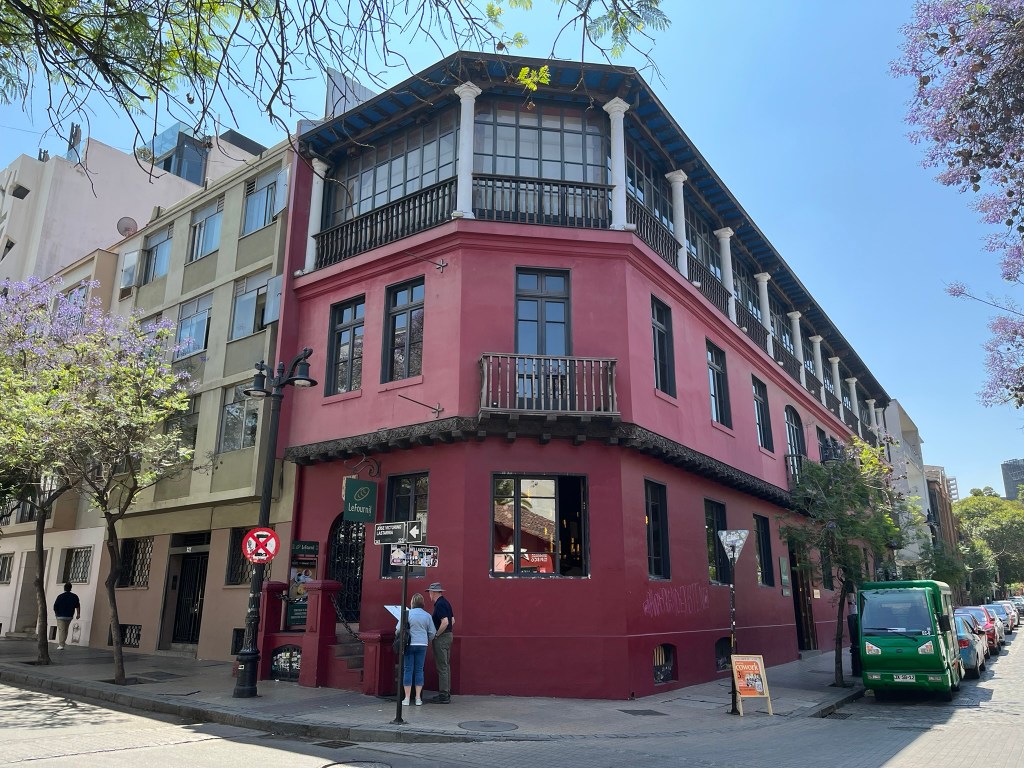
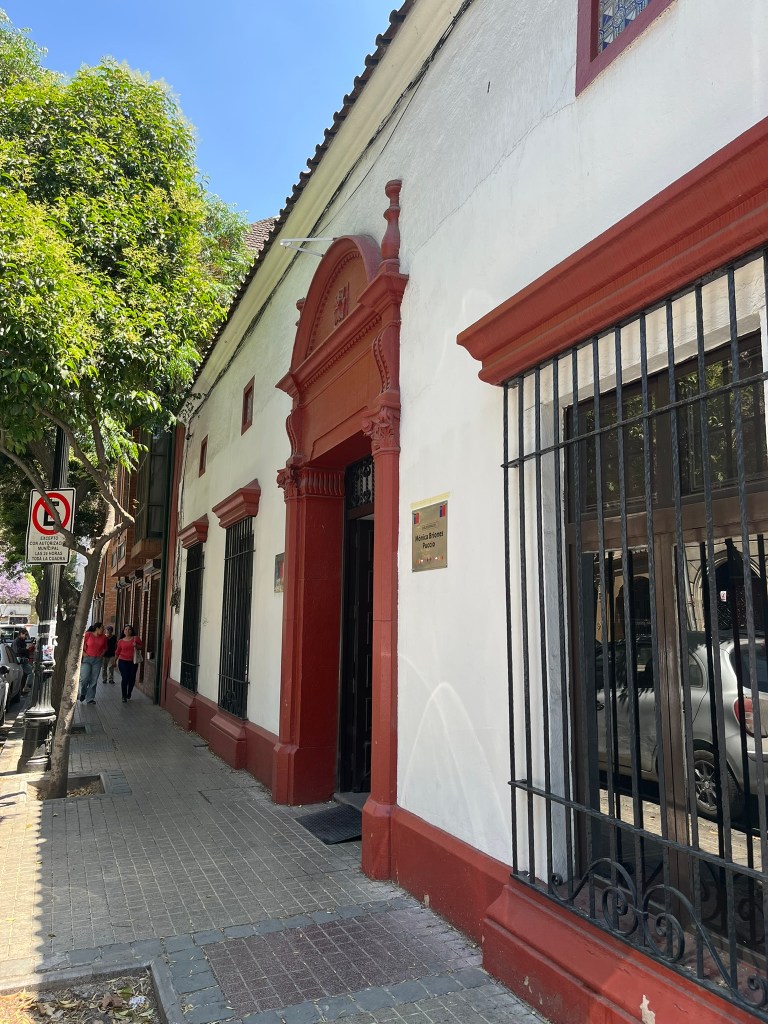
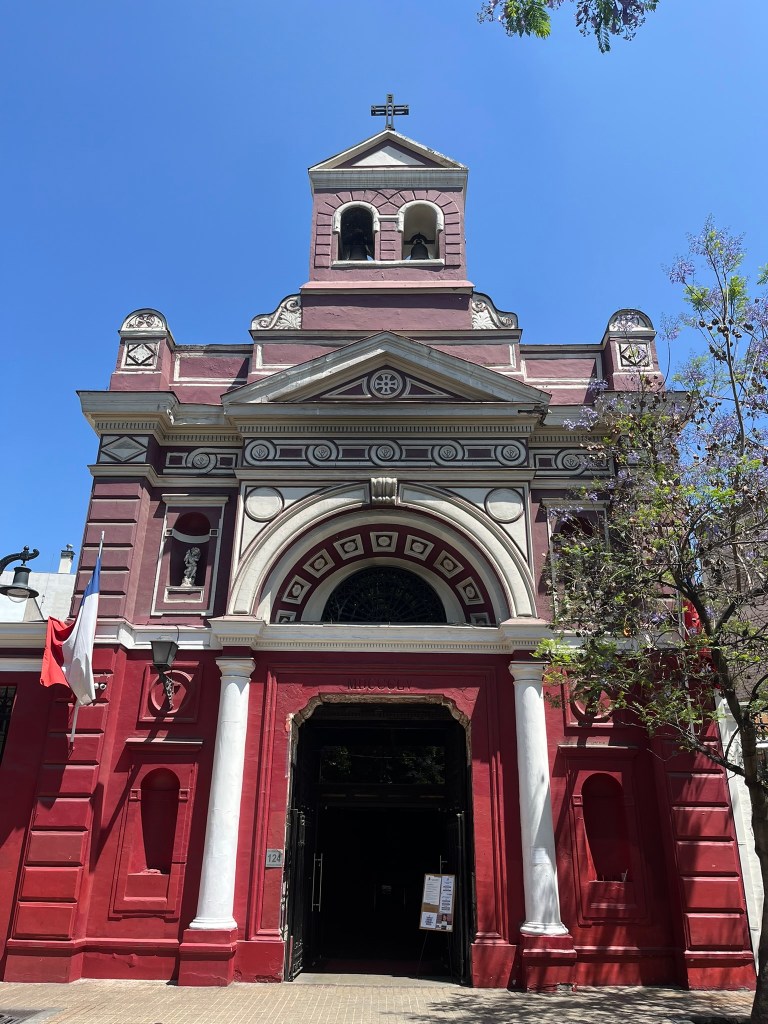
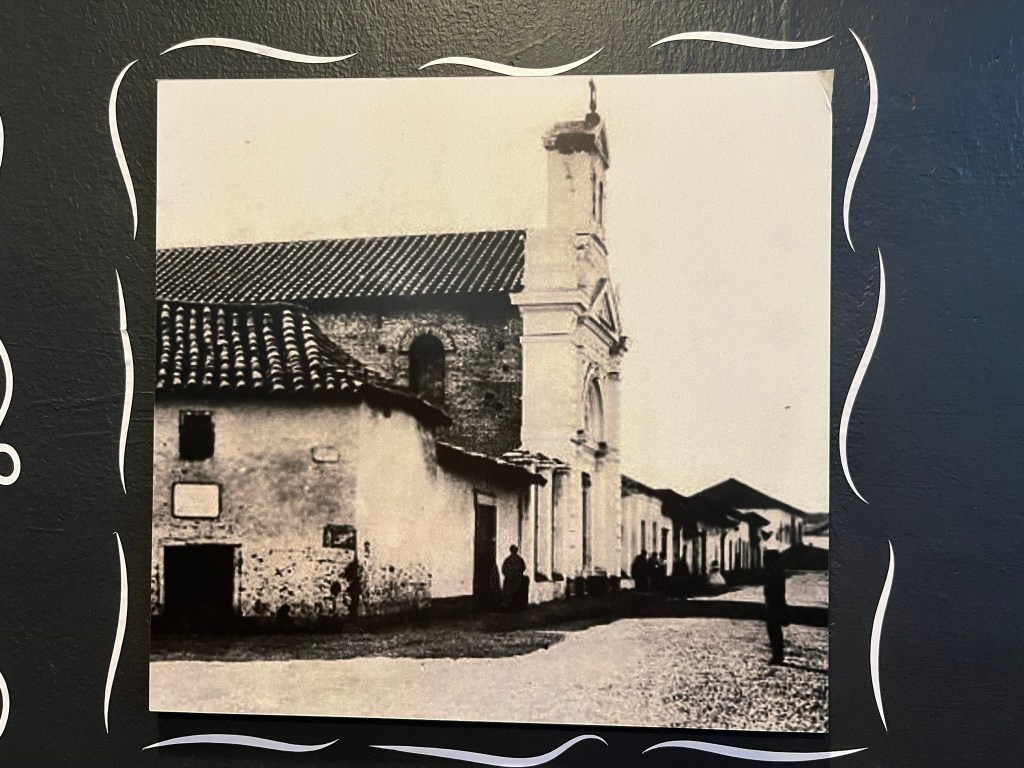
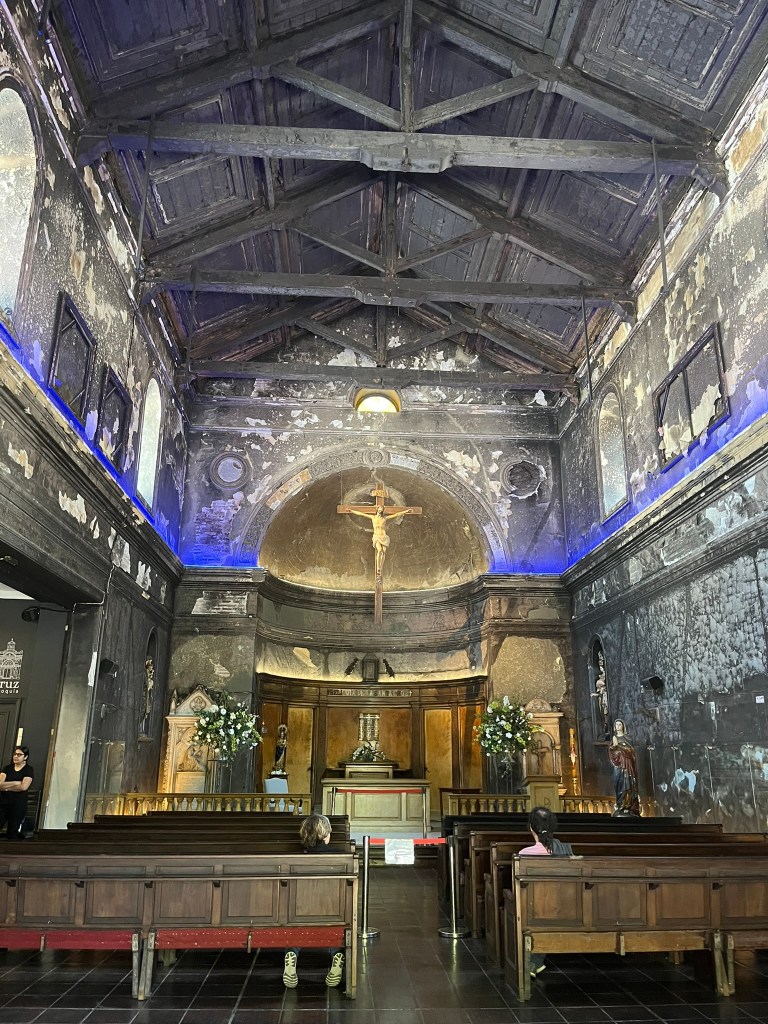
Just 50m down from our hotel was the first stop on the short self-guided walking tour that I had quickly created in the coffee shop. Iglesia de la Vera Cruz was built in the mid-19th century in a neo-classical style but was unfortunately set on fire in 2019 during social protests in the city. Today it has been restored enough that you can go inside but the walls and ceiling remain blackened with fire damage, left as it stands as a visible reminder of the social tensions and cultural shifts the city is undergoing.
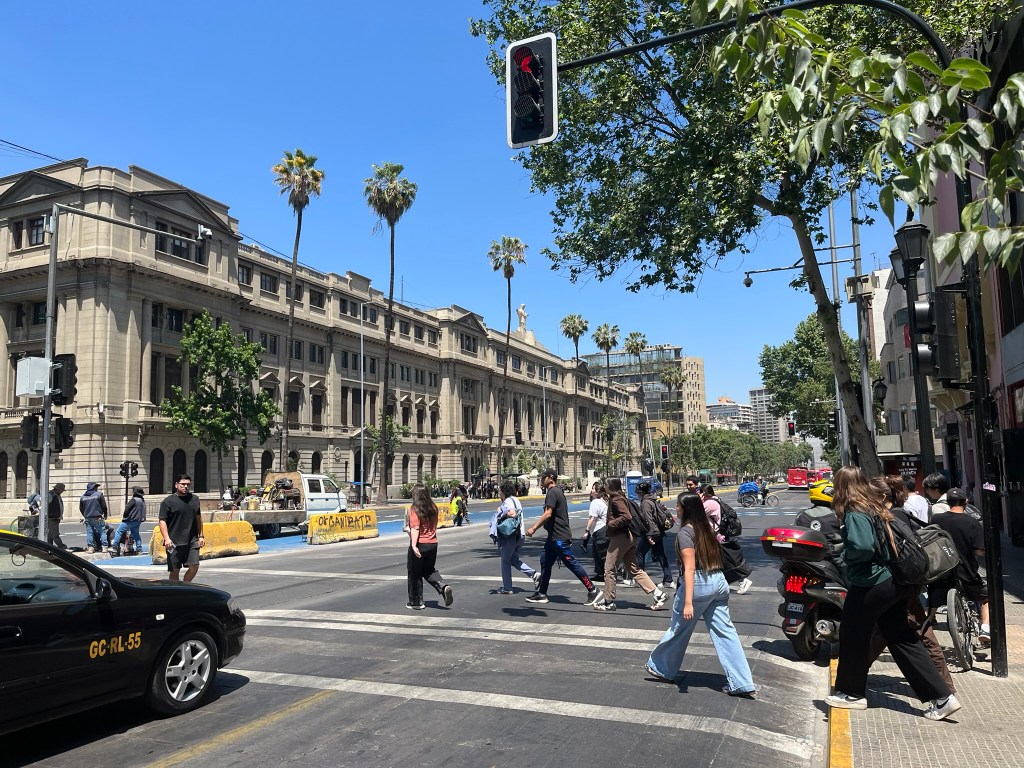
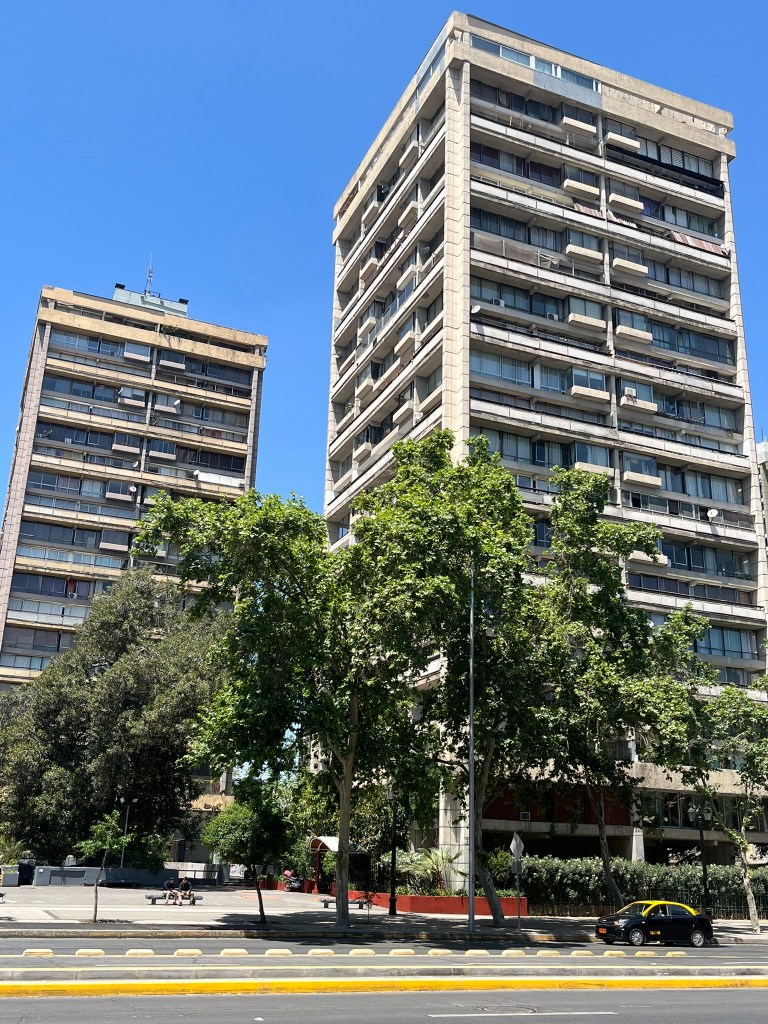
The streets of Lastarria are lined with shady and brilliantly purple Jacaranda trees and the buildings are a hodge podge of brightly painted older style buildings in contrast to newer apartment blocks. Overall it gives a relaxed and bohemiam vibe and you don’t feel like you are in the center of a big city at all. After a lunch pitstop of empanaditas (small stuffed pocked of pastry dough with fillings such as ham and cheese) we continued our wandering, passing by the modern Centro Cultural Gabriela Mistral on to one of the main avenues of the city. The city is full of energy with electric buses whizzing by filled with commuters and folks heading down into the city’s subway system.
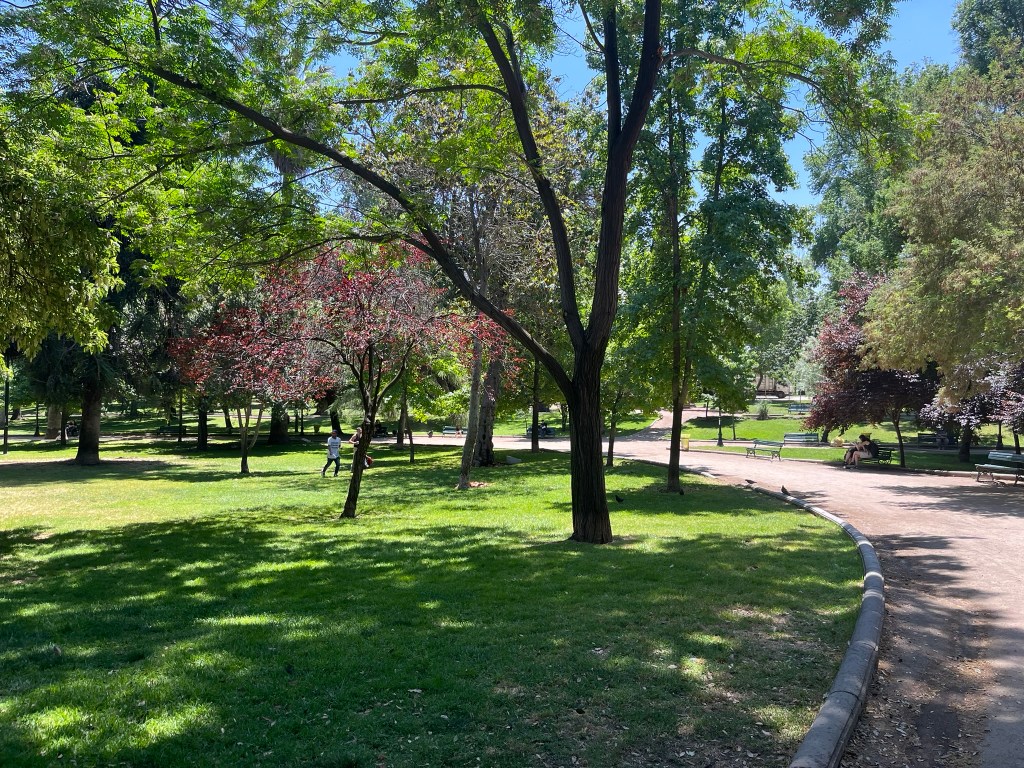
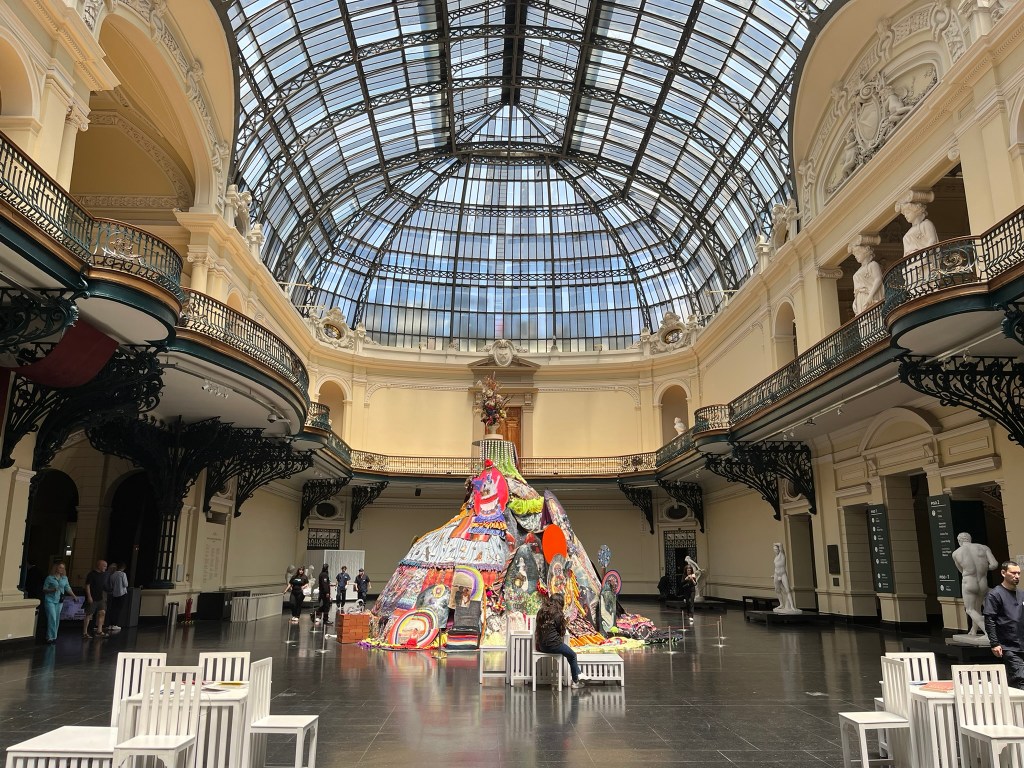
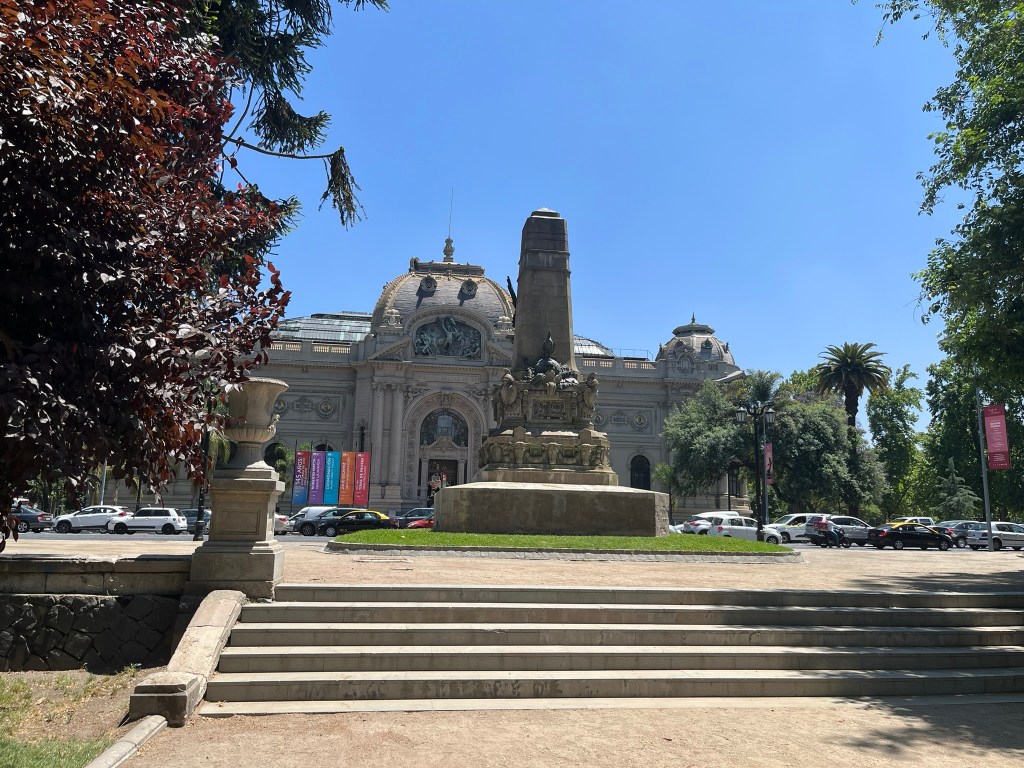
Lastarria is located on the edge of Parque Forestal, a long ribbon of parkland running parallel to the Mapocho River and leading us to the Museum Nacional de Bellas Artes. The building is worth visiting, even if you are not interested in art. It was built in the early 20th century during Chile’s ‘Belle Epoque’ period when Santiago was seeking to modernize and align culturally with Europe, and has a Beaux-Arts design of classical columns and sculptural ornamentation on its facade. Inside reveals a fantastic iron-and-glass domed roof, designed and fabricated in Belgium and shipped to Chile. This fills the central atrium of the museum with natural light, and rooms lead off of the atrium to the galleries.
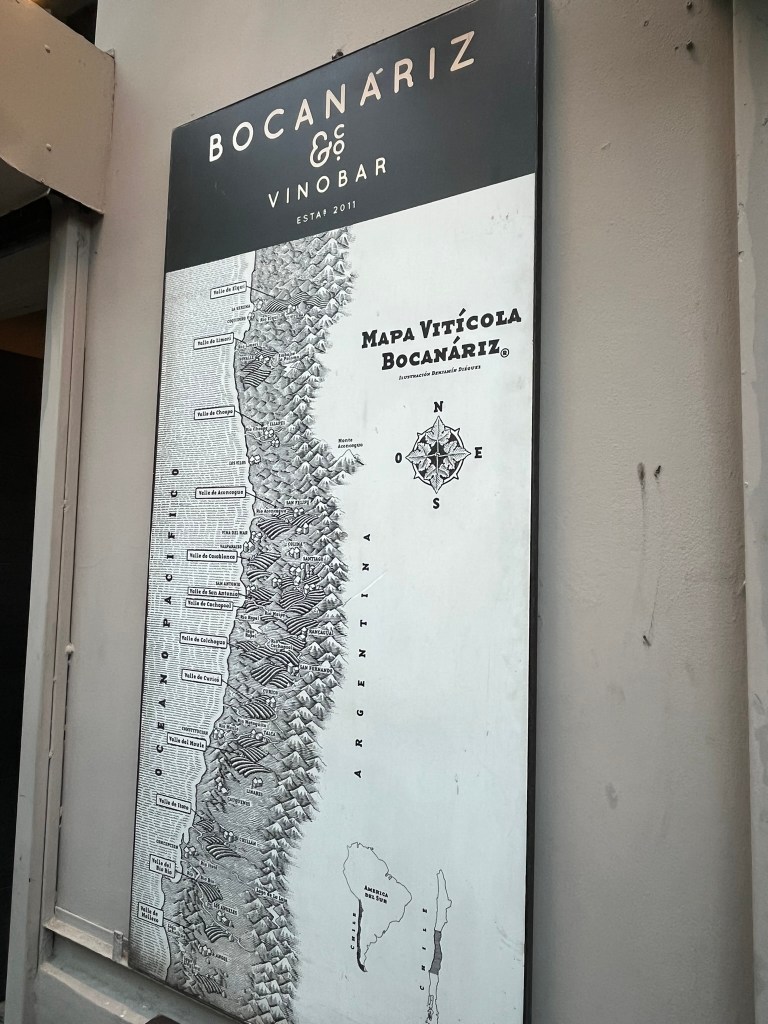
To cap off a first successful afternoon of sightseeing we headed to a well-reviewed restaurant and wine bar, just 2 minutes walk from our hotel, called Bocanariz and got our first taste of the incredible seafood and wine that Chile is famed for.


Leave a Reply