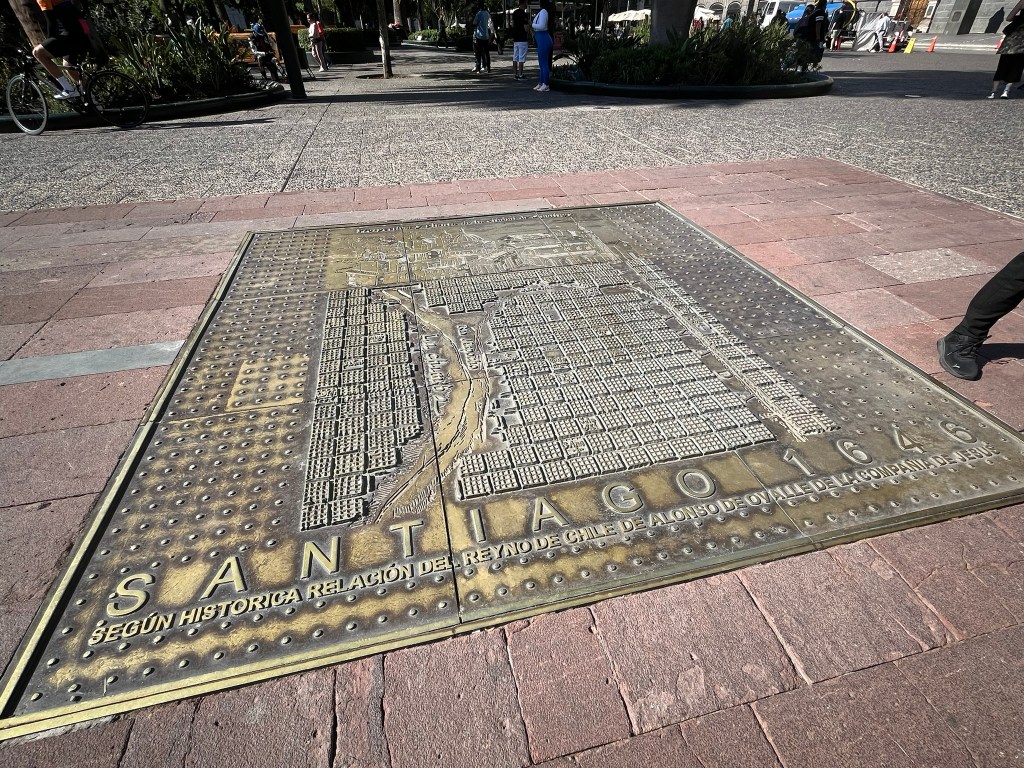
On our first full day in Chile, we headed out on a walking tour of the historical center of Santiago. Often referred to as ‘El Centro’, this is the heart and birthplace of Chile’s capital city, where layers of colonial, republican and modern history meet. Santiago was founded by Pedro de Valdivia in 1541 on behalf of the Spanish crown. The city’s location was chosen for its strategic geography, lying between the Mapocho River (giving access to fresh water) and Santa Lucia hill which served as a natural lookout and defensive point. The city’s original plan followed the Spanish colonial grid system with Plaza de Armas at its center. This layout is still visible today.
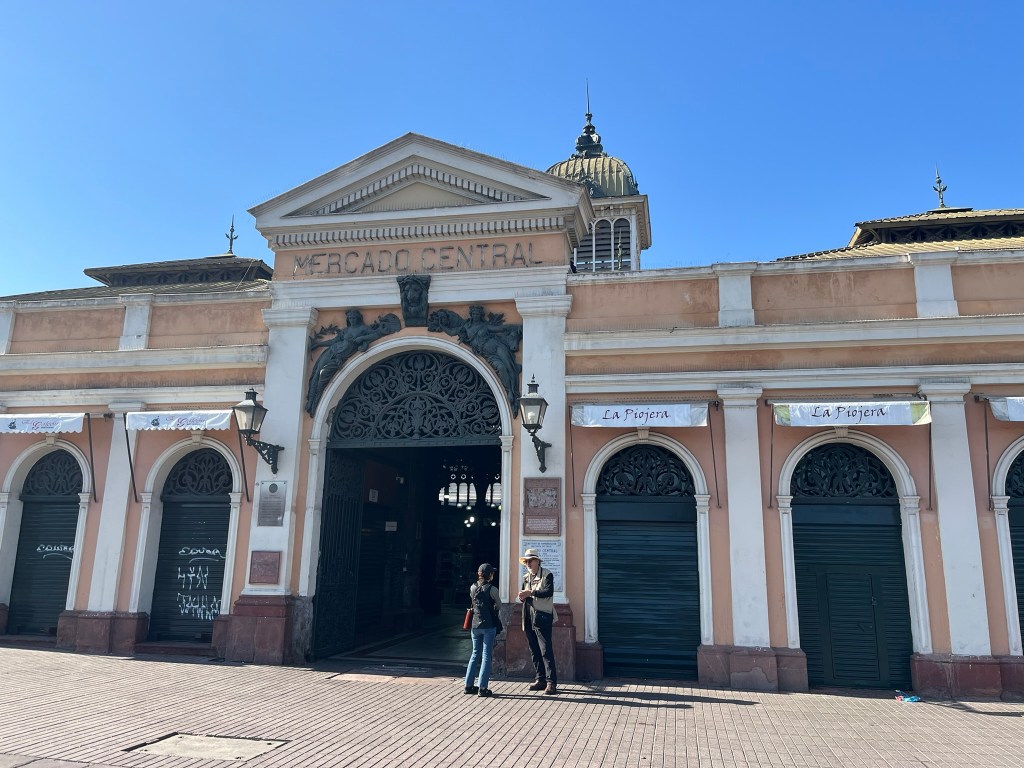
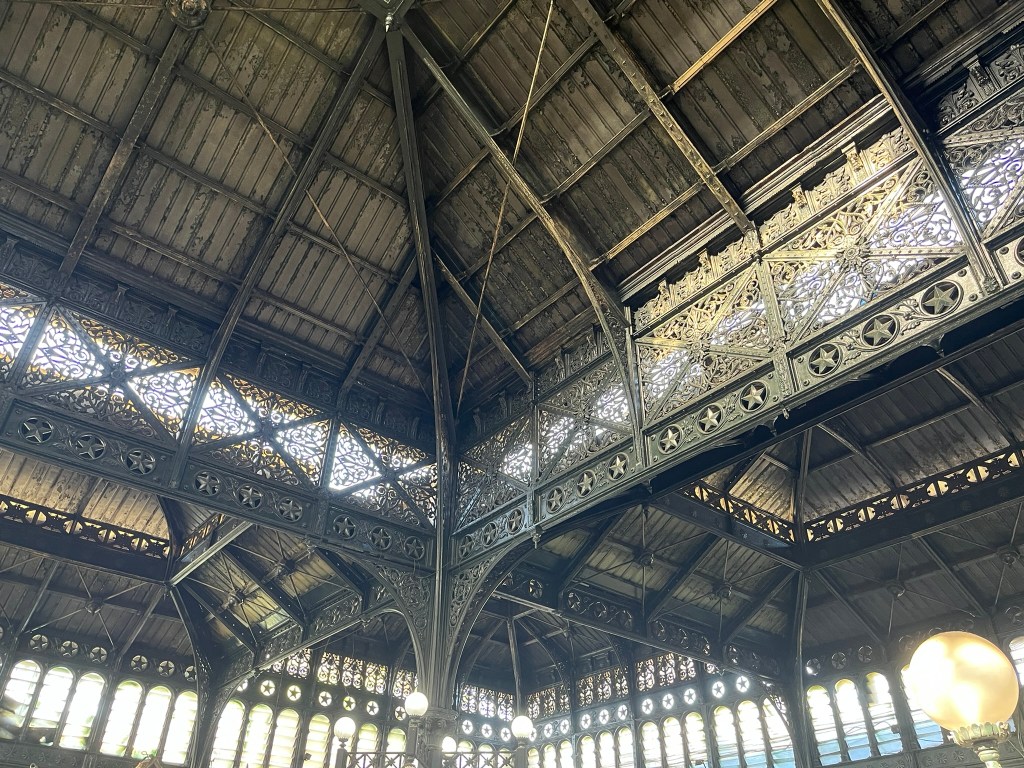
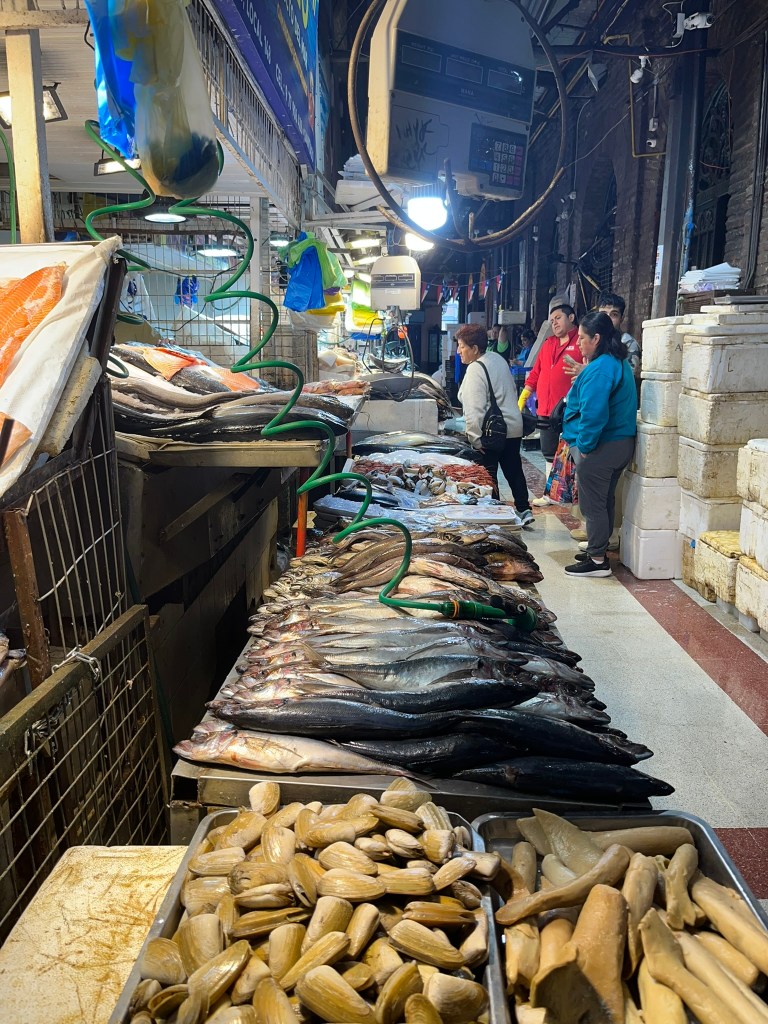
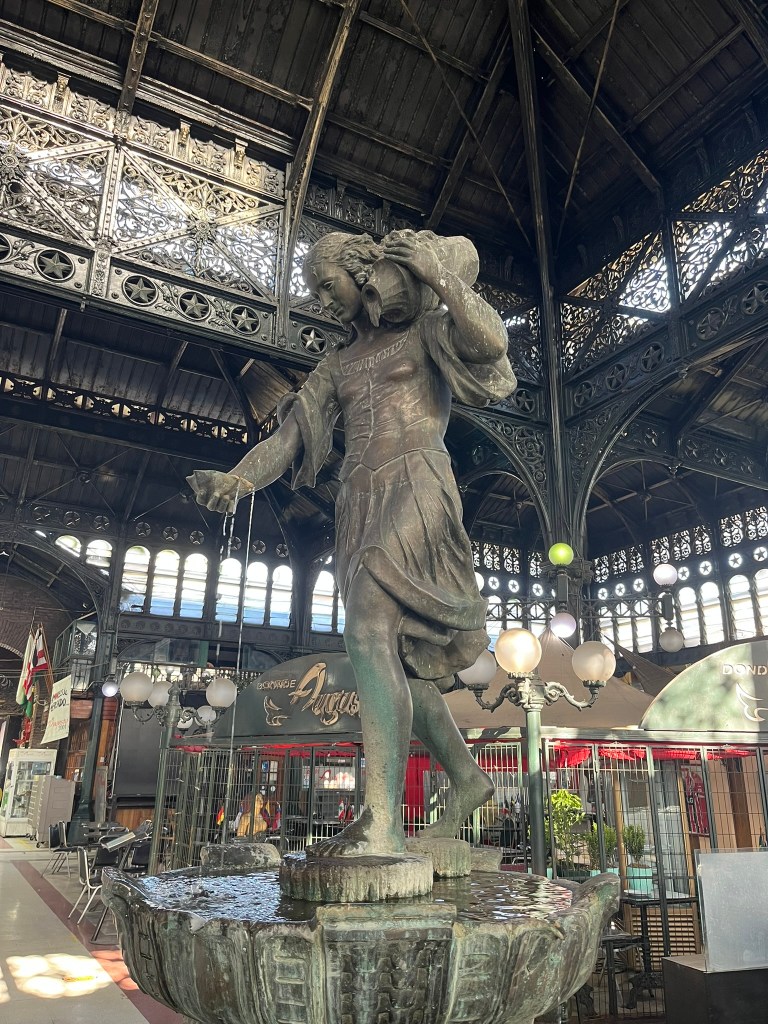
We started our morning walking tour at the city’s historic fish market, about a 10 minutes drive from our hotel in Barrio Lastarria. Originally the central food market of Santiago, it was located near the old train station, to make it easy to sell food arriving from the port city of Valparaiso. The building is a national monument, with an ornate wrought-iron roof supported by iron columns and arches with floral and marine motifs. The entire structure was fabricated in Glasgow in the late 19th century and shipped to Chile in pieces and assembled on site. It has a Victorian look, reminiscent of London’s Convent Garden. Today it houses a number of well-regarded fresh seafood restaurants and the fish market itself sits to one side of the old building in a modern extension.
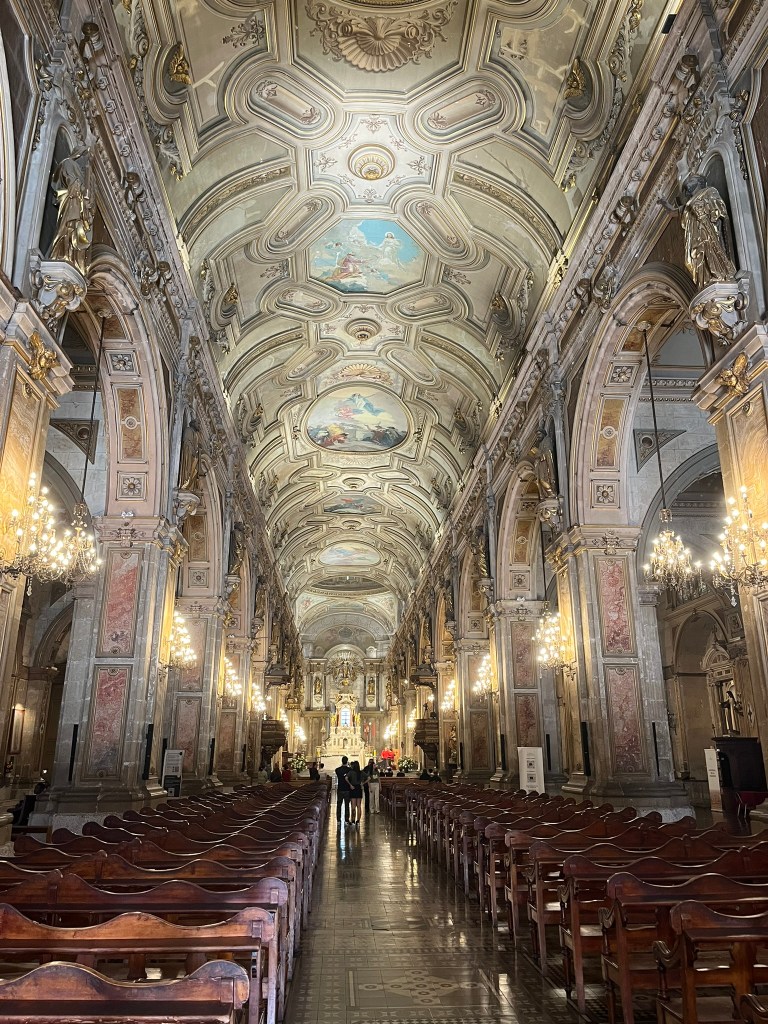
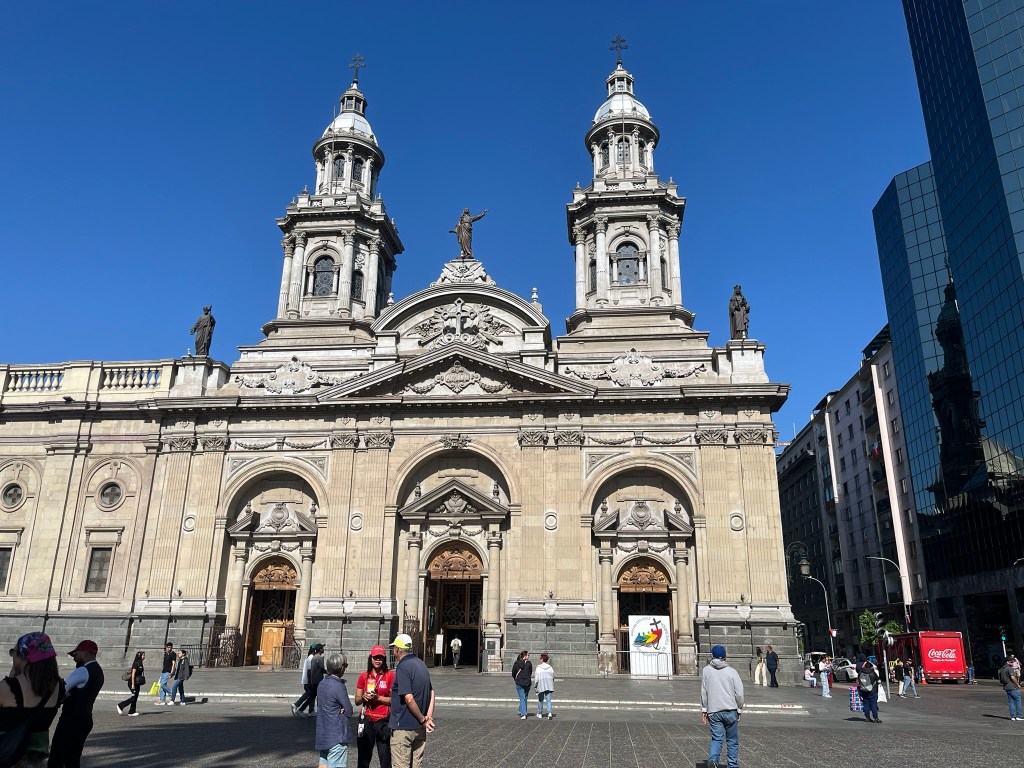
We then slowly walked the center of the city, admiring the broad range of architectural styles that pepper the city. Plaza de Armas is the city’s symbolic and geographical center. This square is filled with palm trees and fountains and has a lively atmosphere. Surrounding the square you will find many of the most historical significant buildings of Chile. The Metropolitan Cathedral of Santiago takes up the entire western side of the Plaza, and was built in the 18th century in a combination of Baroque and Neoclassical styles. Churches have been built on this same site many times over but all were destroyed by earthquakes.
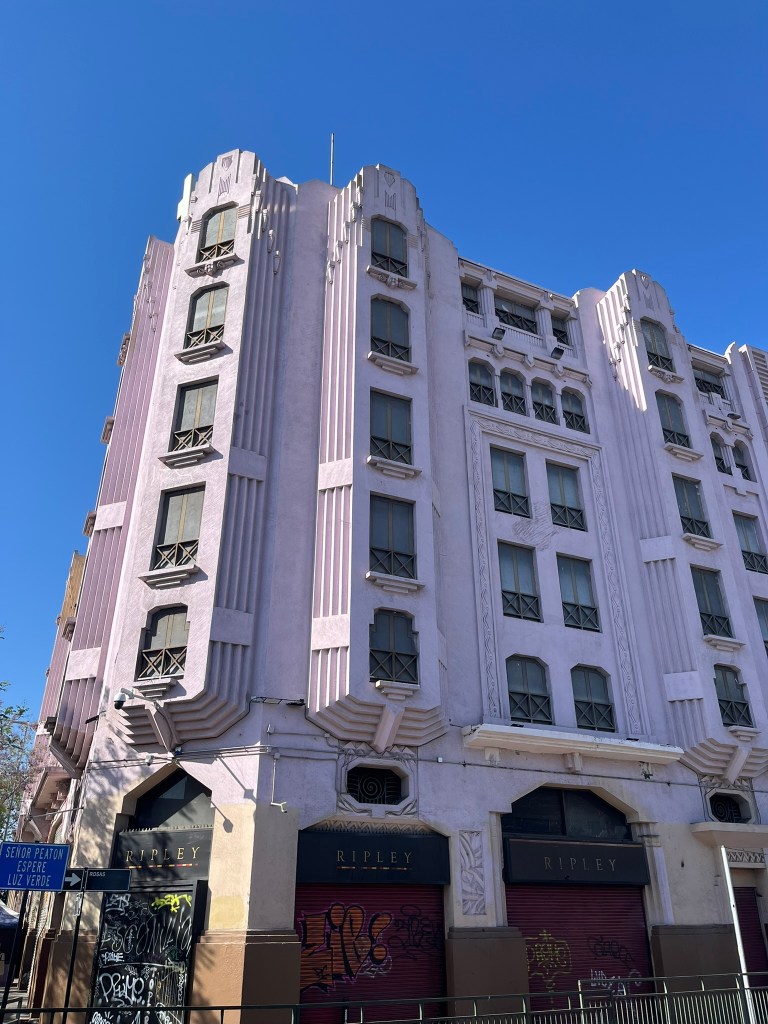
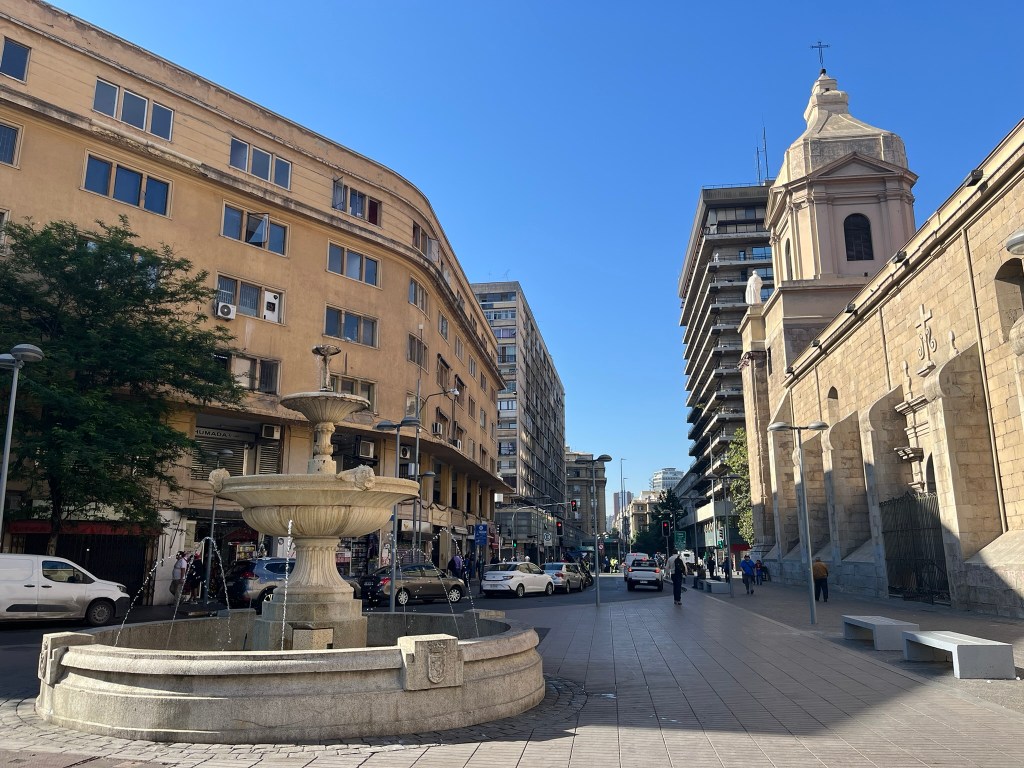
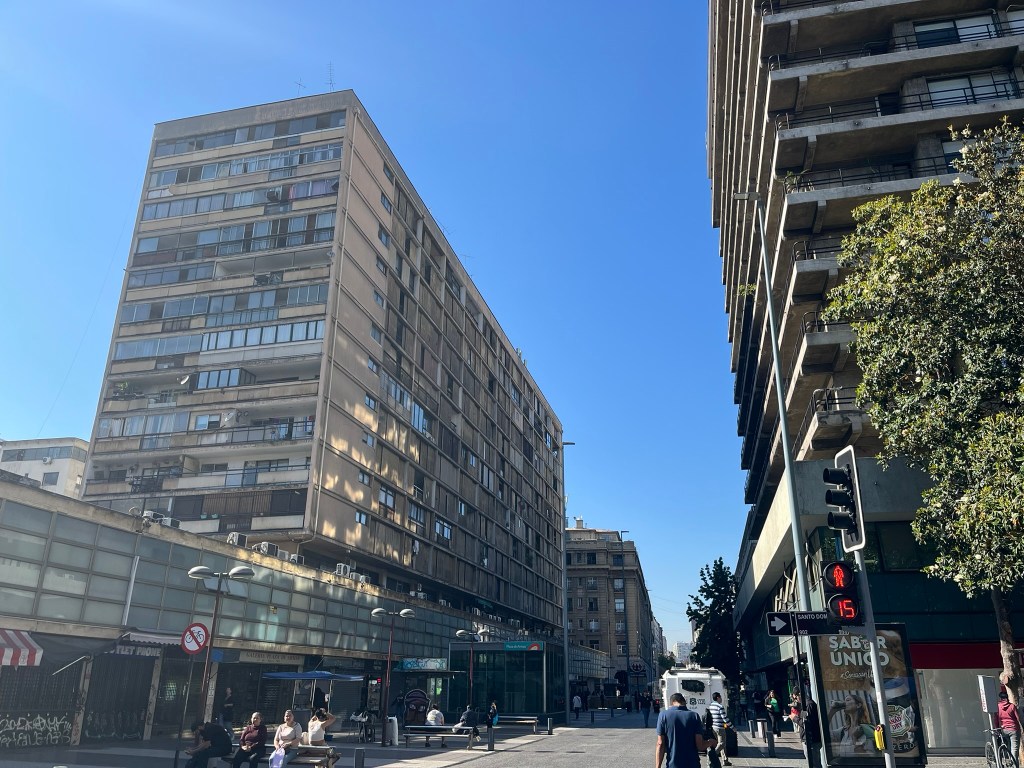
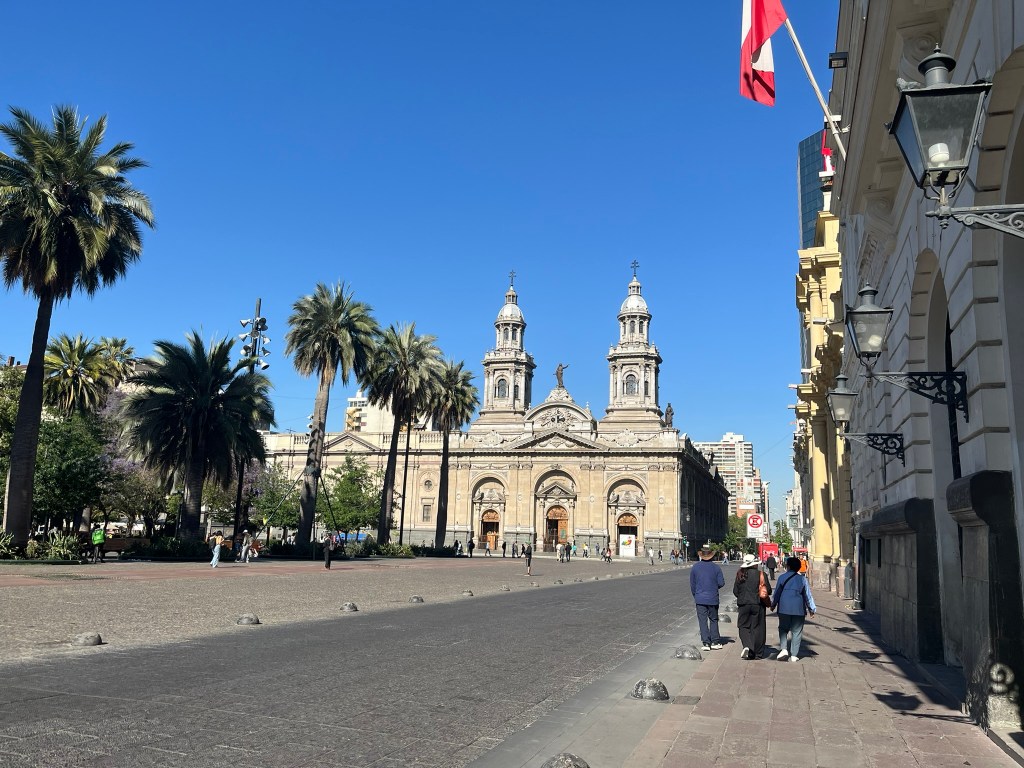
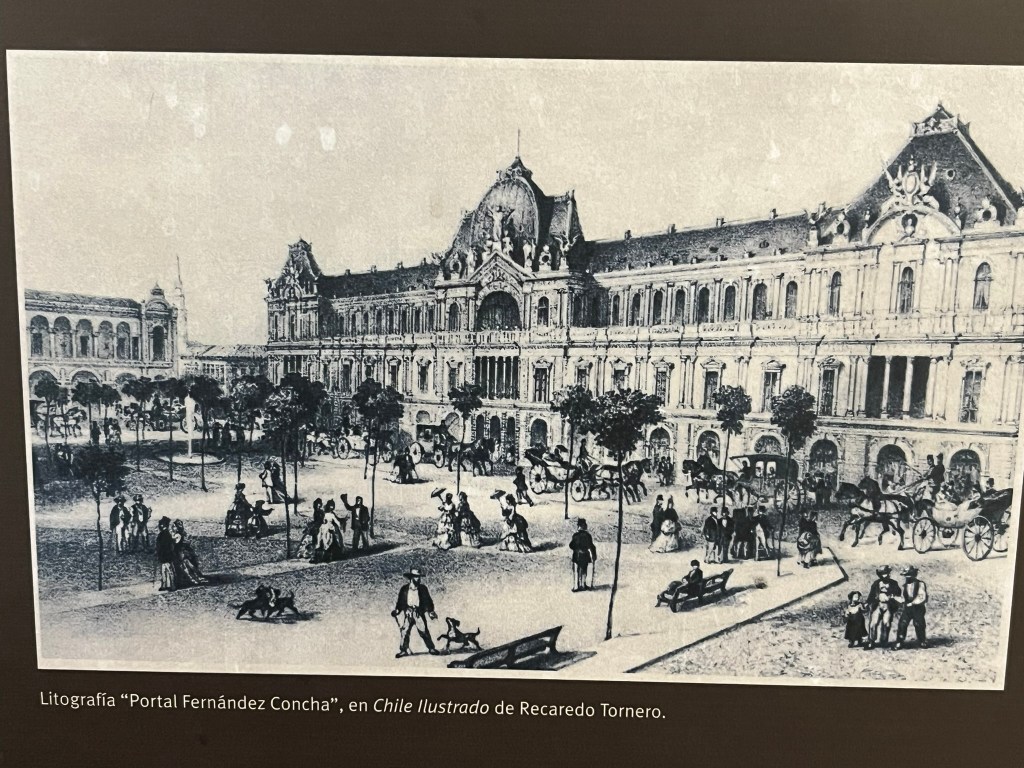
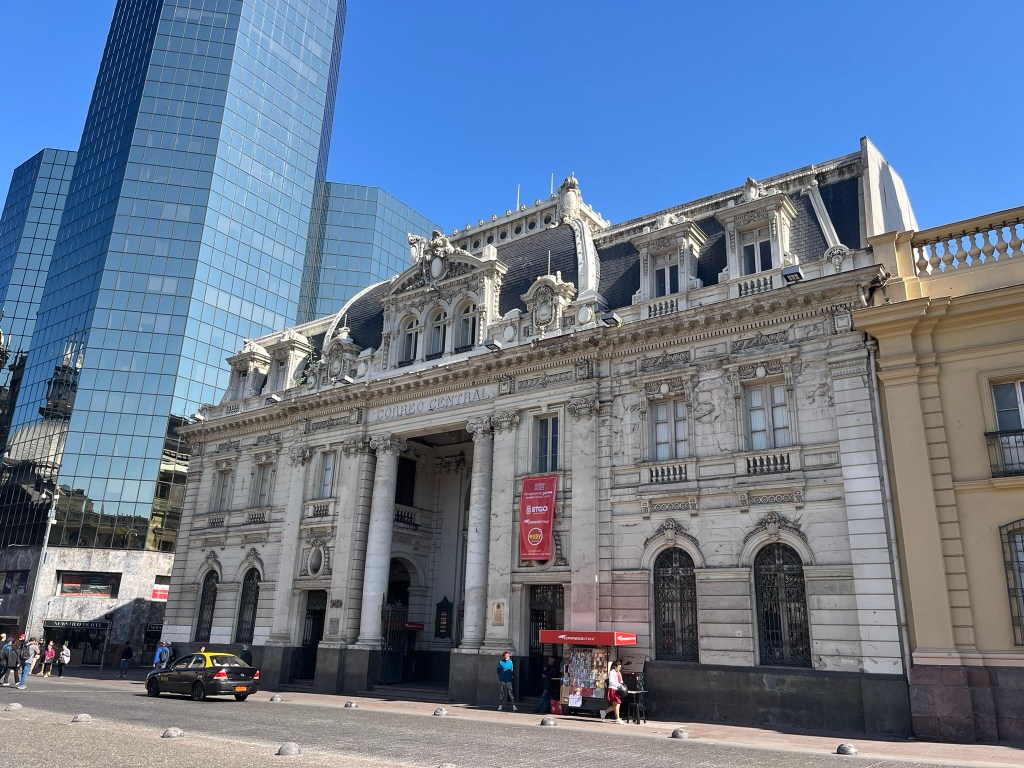
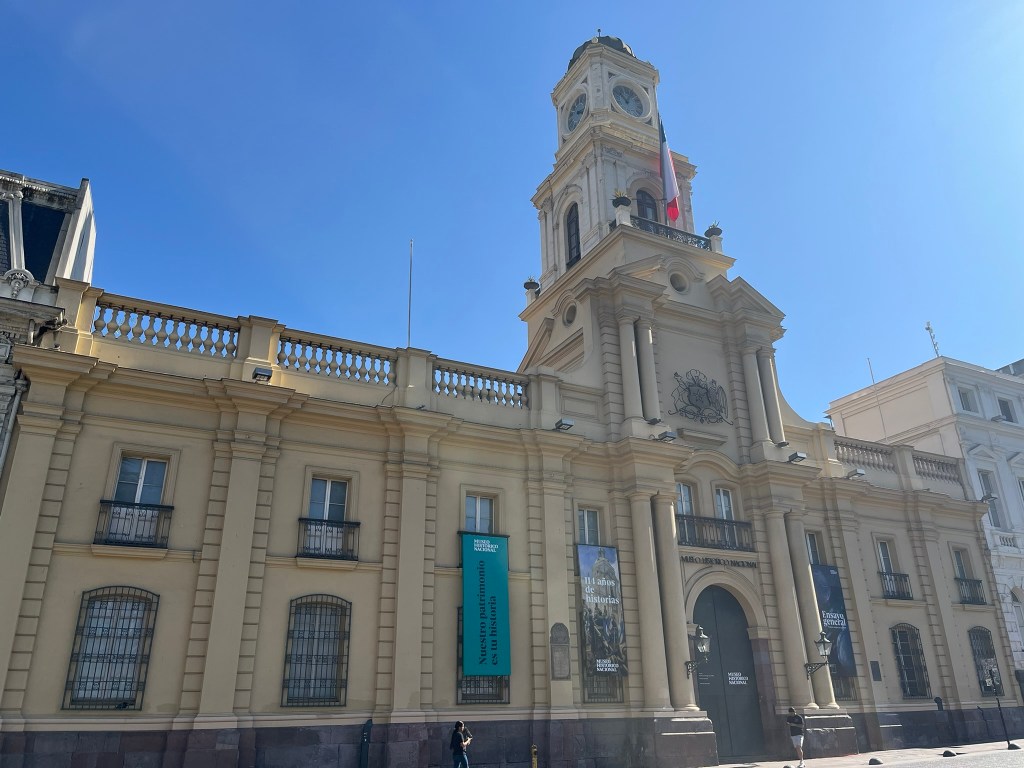
On the northern side of the plaza, lies the Central Post Office, with a distinct white facade, and was previously the site of Pedro de Valdivia’s home. And adjacent sits the National Historical Museum, which originally housed the Royal Court and subsequently served as a colonial court, congress building and presidential office. It became a museum in 1982, and is free to enter.
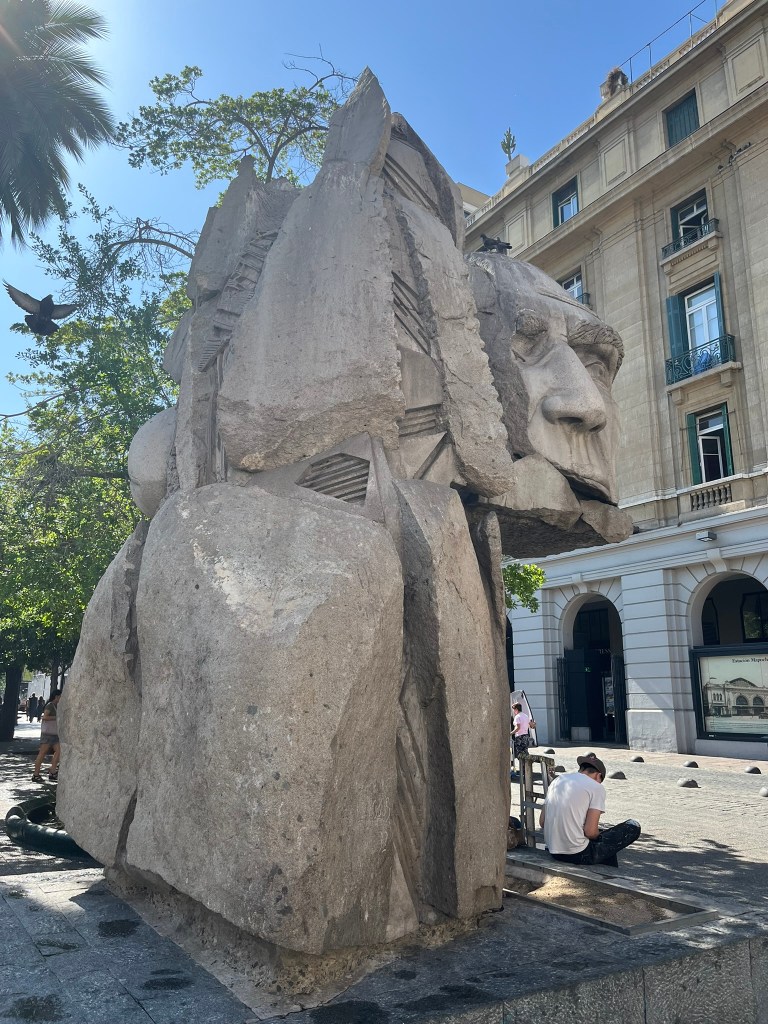
In the center of the square lies a bronze monument of Pedro de Valdivida on horseback in his full 16th century conquistador armor, gazing towards Saint Lucia Hill. More interesting though is the monument dedicated to the indigenous people of the region, installed to mark 500 years since Colombus’ arrival. The monument depicts a large bronze head, split down the middle, with half the face missing. It’s quite a harsh looking monument, but I suppose that’s precisely the point, demonstrating the erasure of the indigenous identity during colonization.
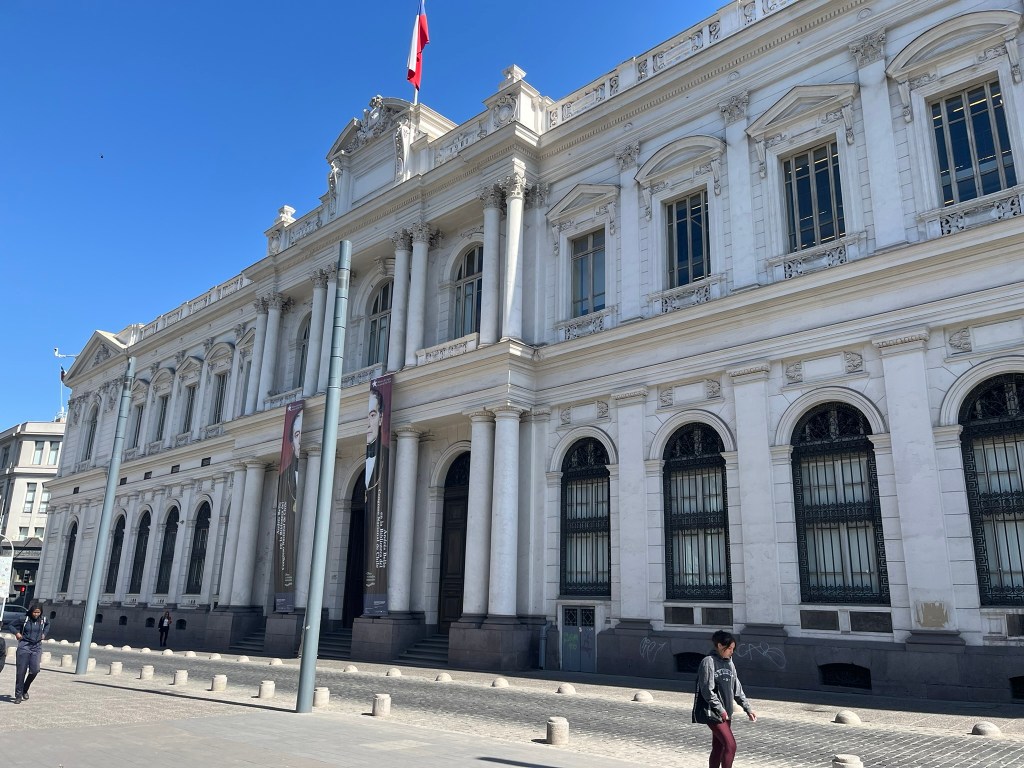
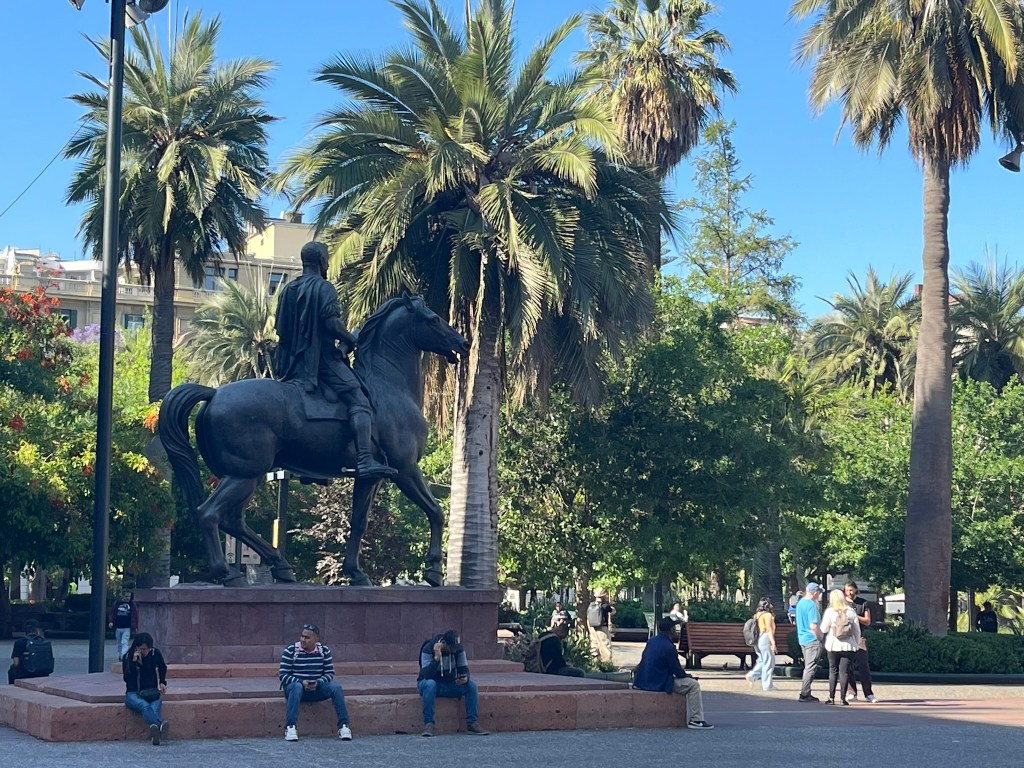
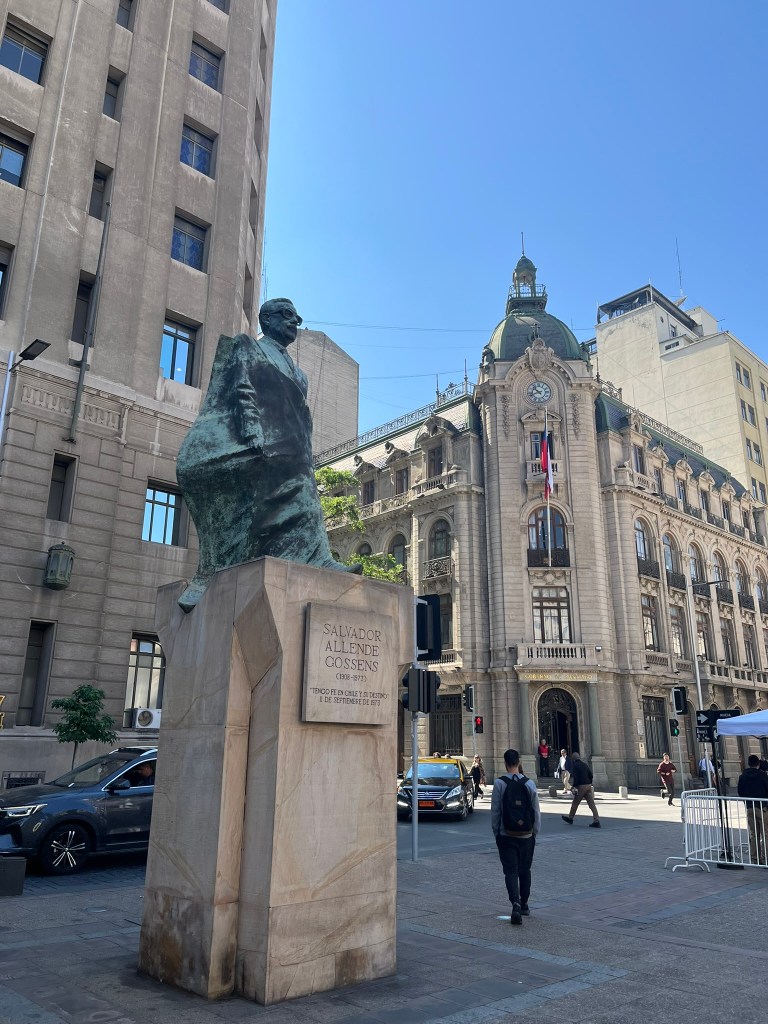
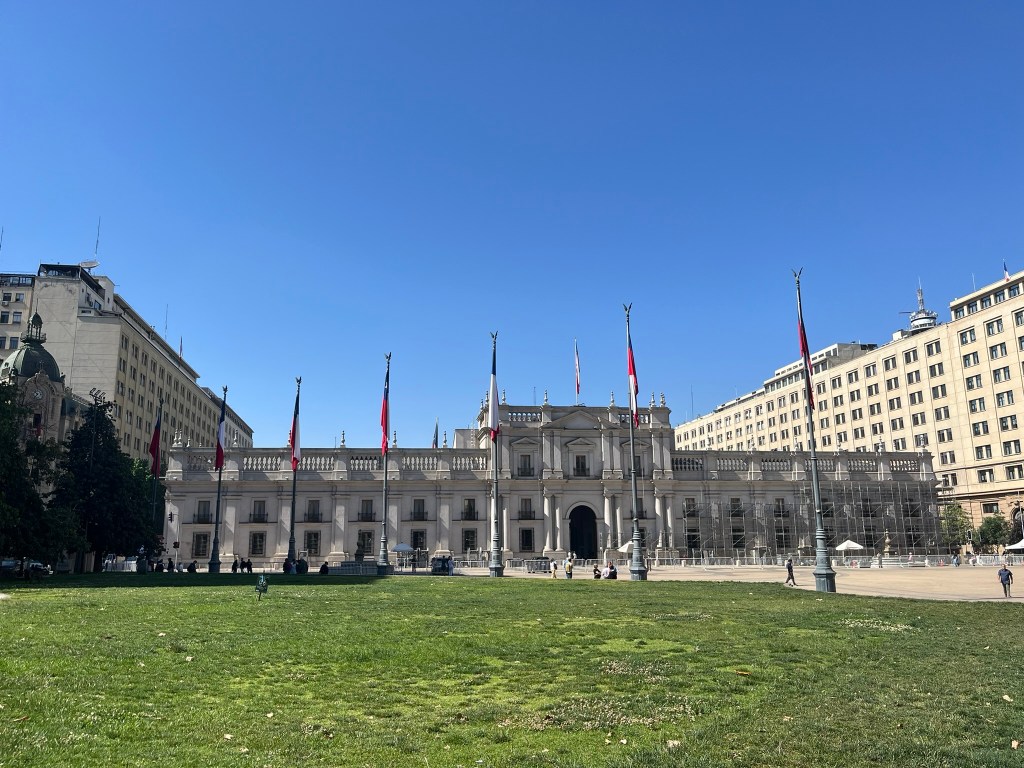
A few blocks away, Palacio de La Moneda serves as Chile’s political identity. It was originally built in the late 18th century to house Chile’s Royal Mint, responsible for producing colonial coins for the Spanish Crown. The mint operated until 1845, after which it was repurposed as the Presidential Palace of the Republic of Chile. The most defining moment of this building’s history was when on September 11th 1973 the Chilean Air Force bombed La Moneda during the military coup that overthrew President Salvador Allende, resulting in the installation of General Pinochet and decades of violent dictatorship. Allende refused to surrender, and died inside the Palace. Today the palace functions as both the working seat of government and a public heritage site.
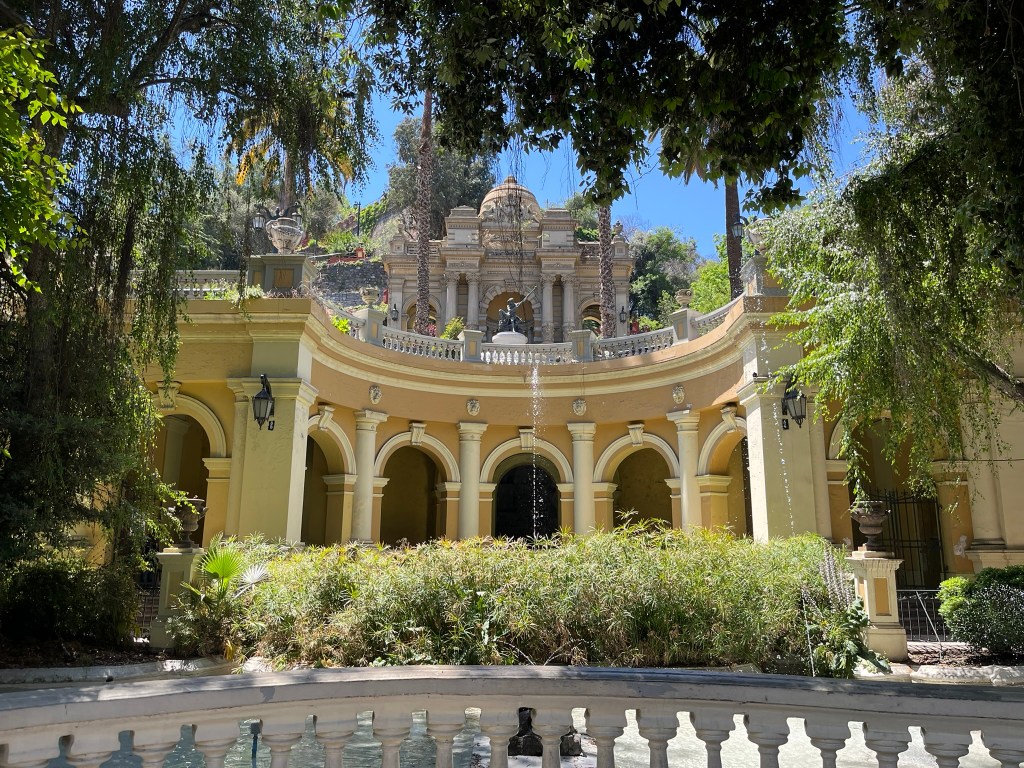
From the palace we jumped into our transport heading to San Cristobal hill, which houses the Metropolitan Park of Santiago. The park is huge (twice the size of New York’s Central Park) and today houses a variety of attractions. Our plan today was to head up to the summit via the cable car, to admire the 360 degree views of the city and the snow-capped Andes that surround it.
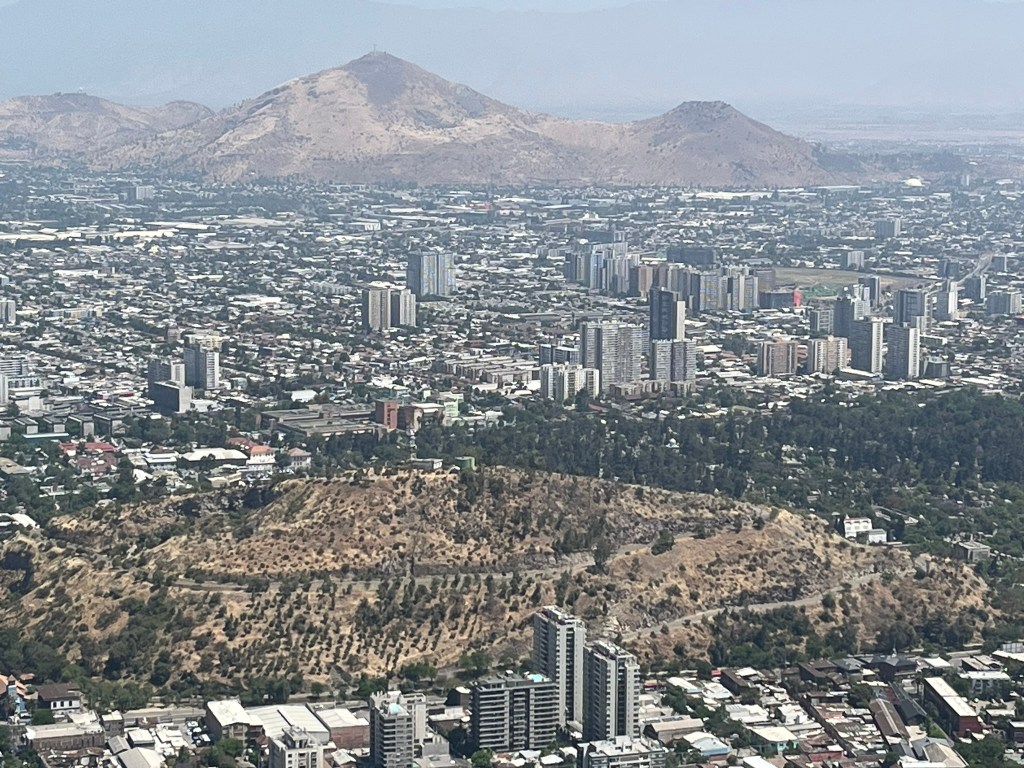
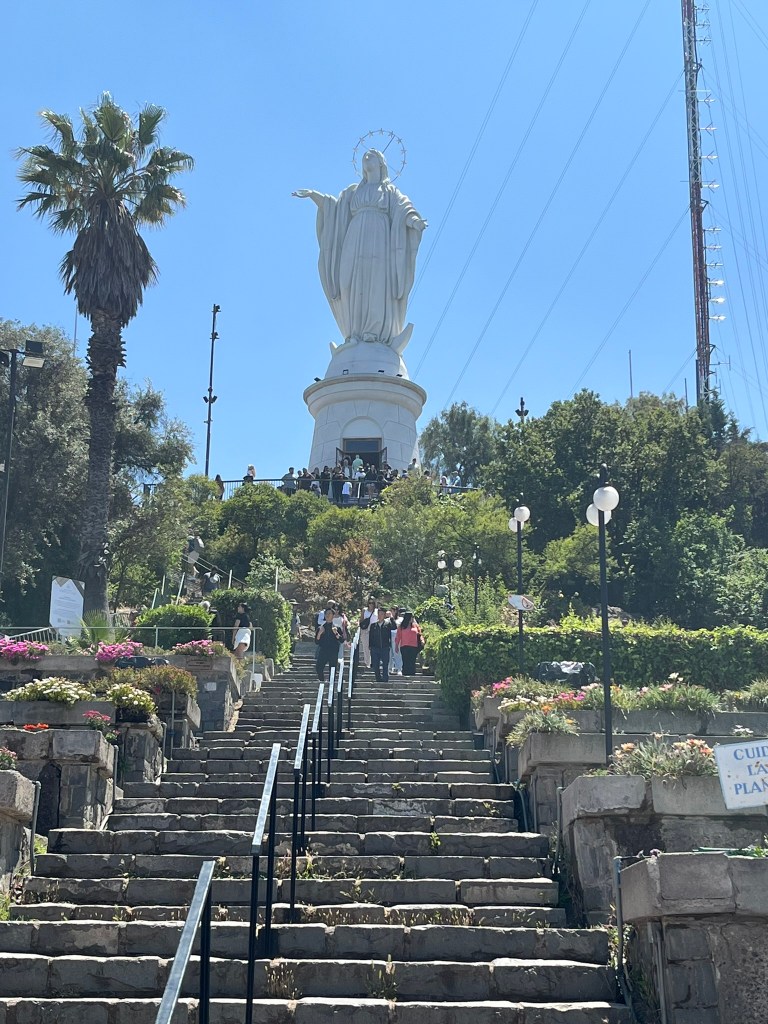
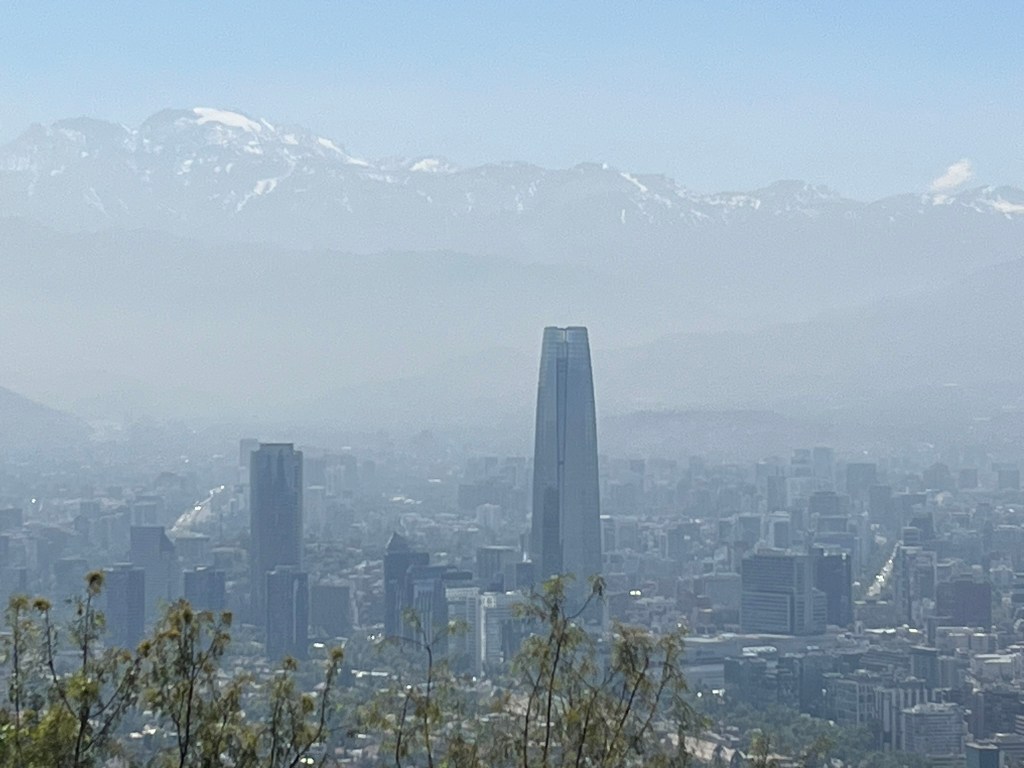
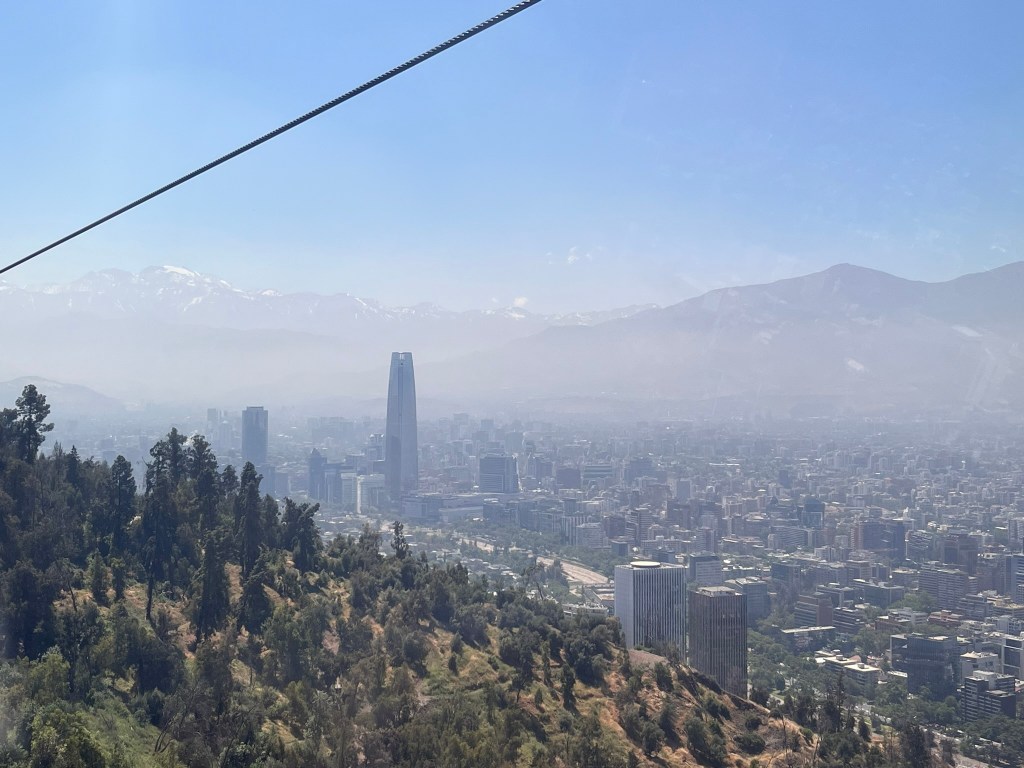
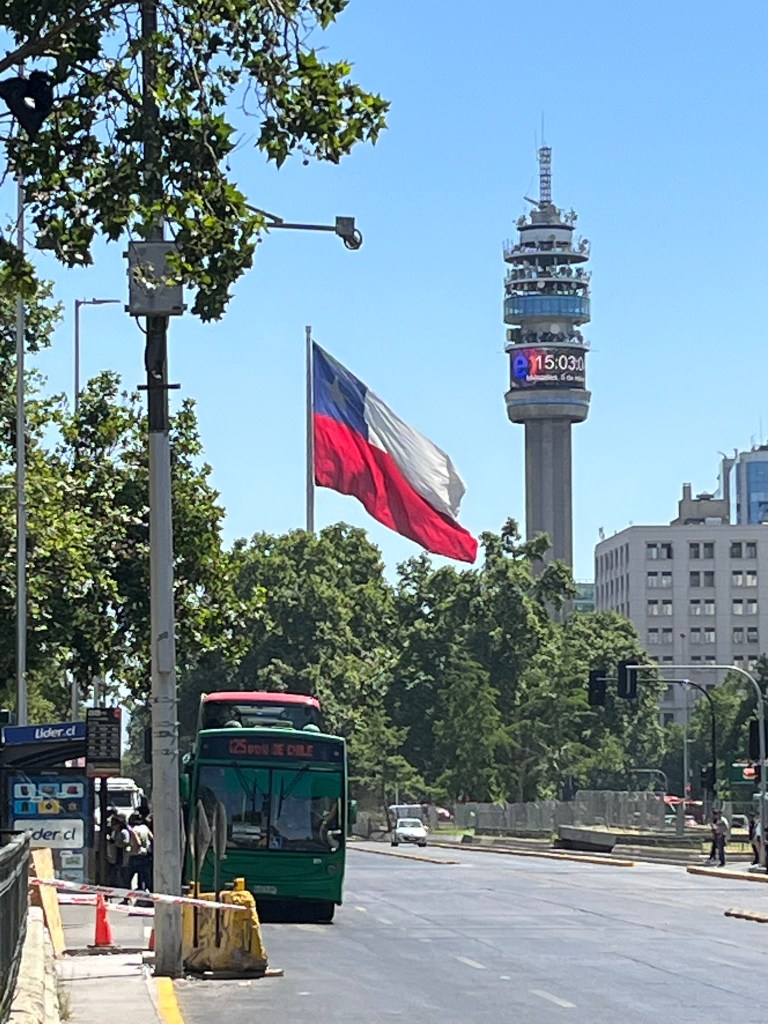
A couple of things struck me at the top. Firstly, Santiago has a very unique geography, sitting in a bowl-shaped depression surrounded by 3000+ m mountain ranges. Secondly, there is a very distinct divide between the much less developed east of the city, that sits on the other side of San Cristobal hill, serving as a predominantly working class residential area, and the west side with the historic center and much more upmarket areas. And thirdly, the Costanera tower, South America’s tallest skyscraper, is significantly taller than any other building in the city.
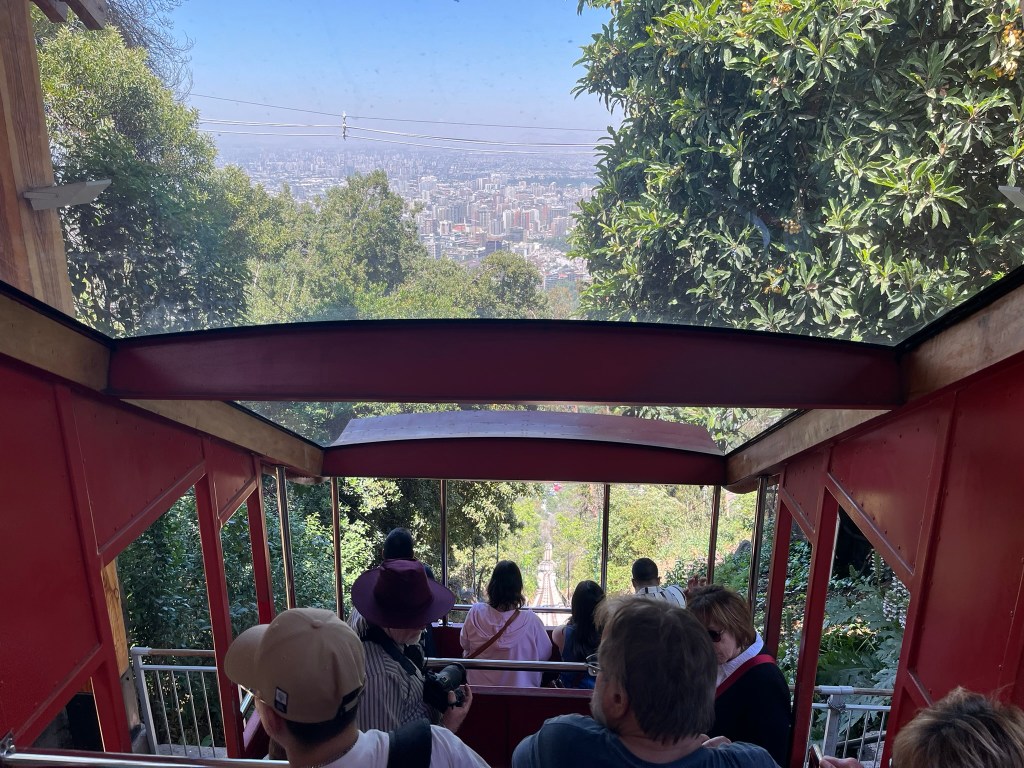
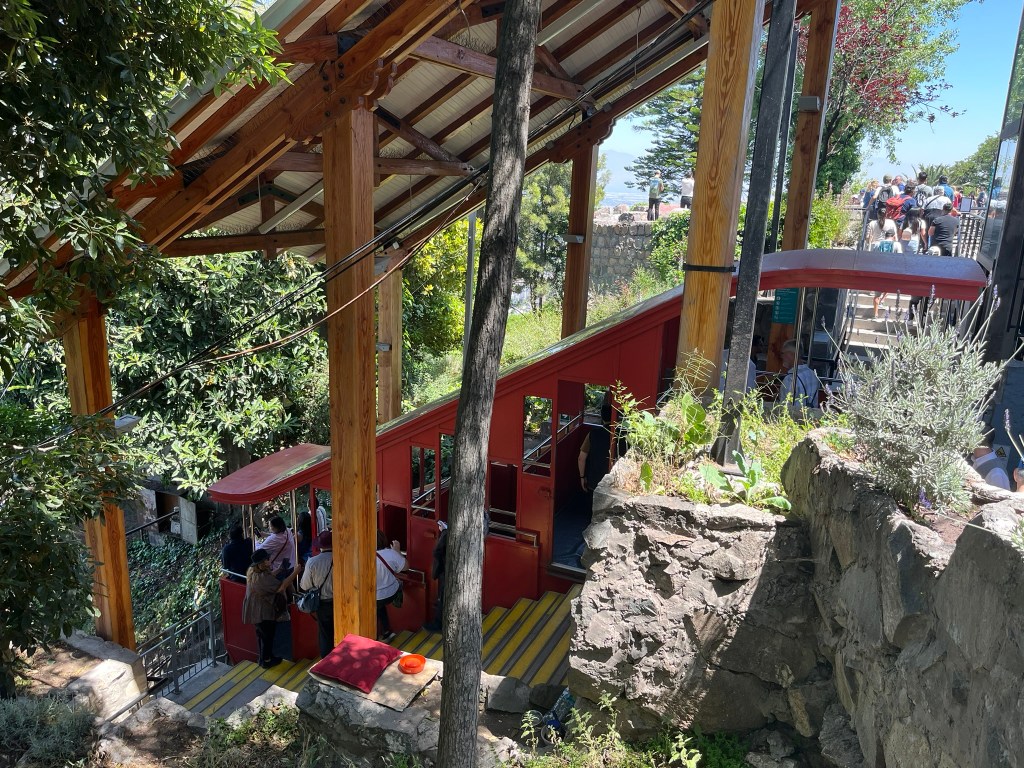
To descend San Cristobal Hill we hopped on the funicular, which takes you from the summit, down to Barrio Bellevista. It was built in 1925, and operates with two counterbalanced wooden-and-steel carriages. As one carriage ascends the other descends, with a single track that briefly splits in the middle to allow the carriages to pass each other.
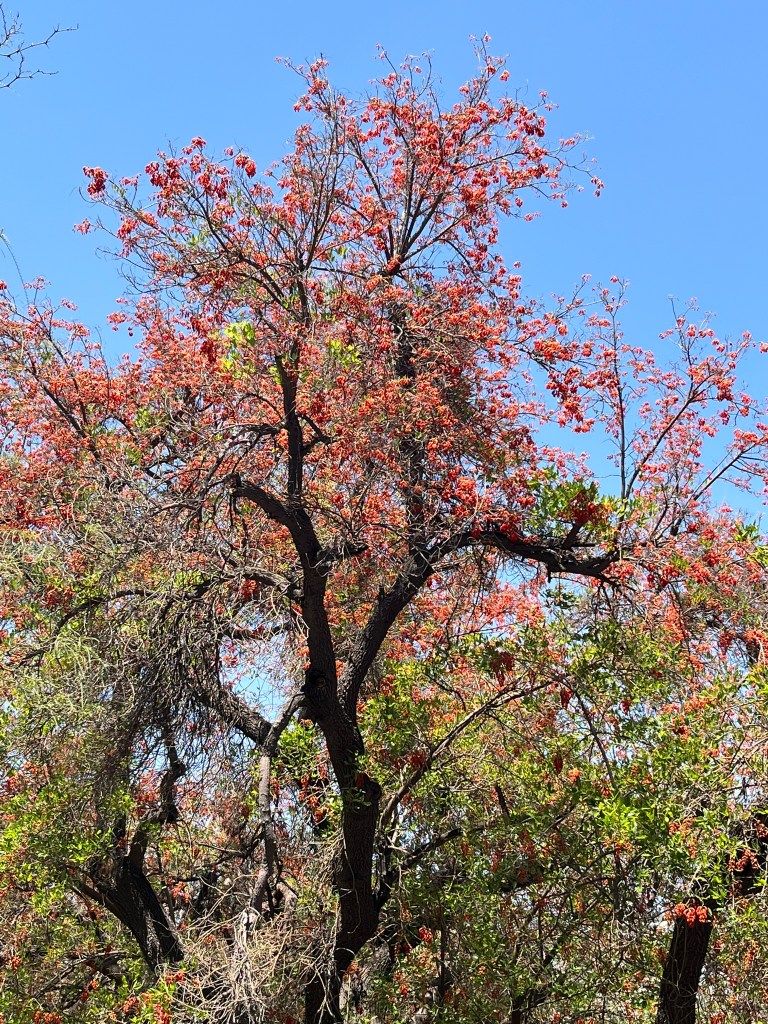
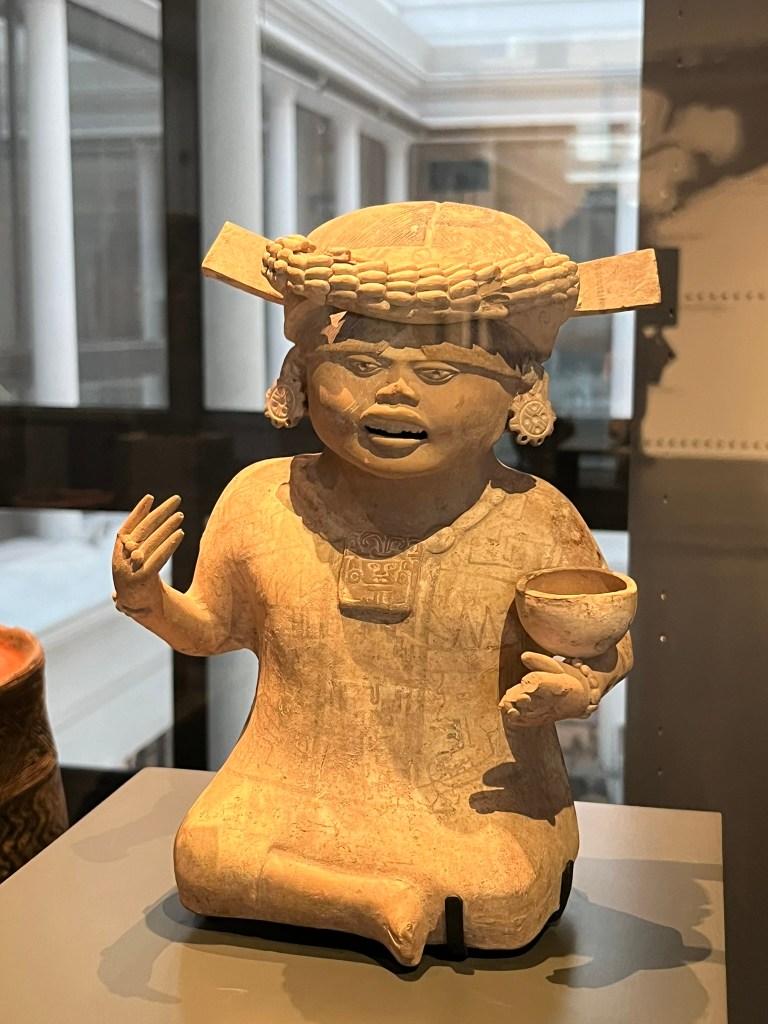
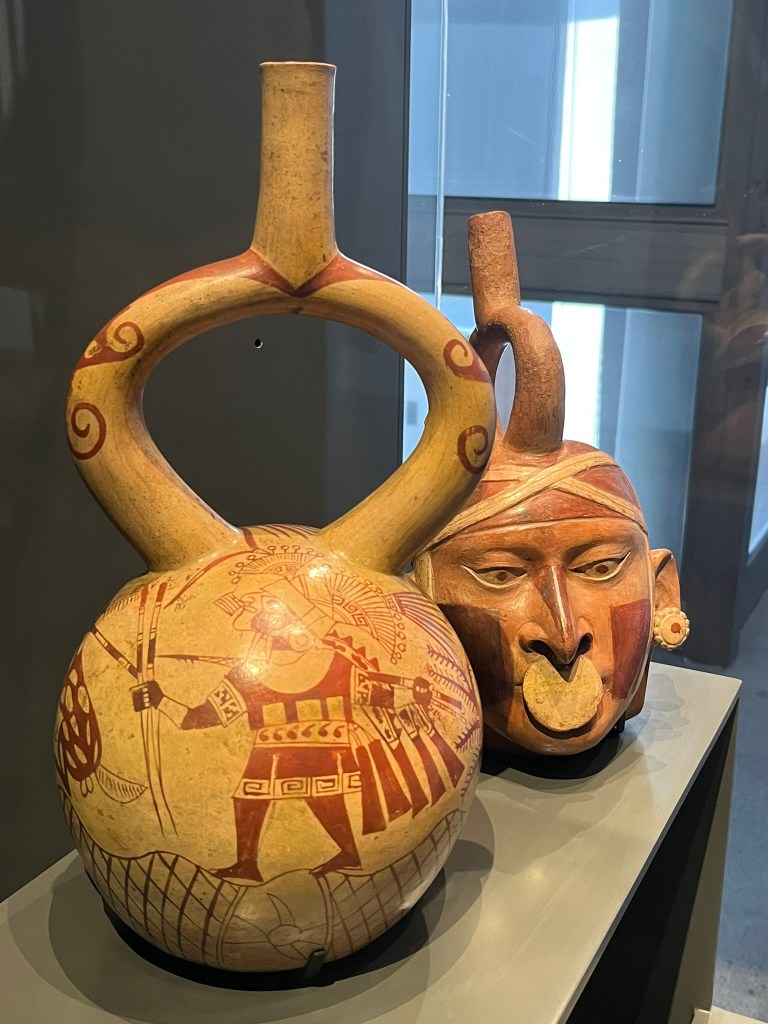
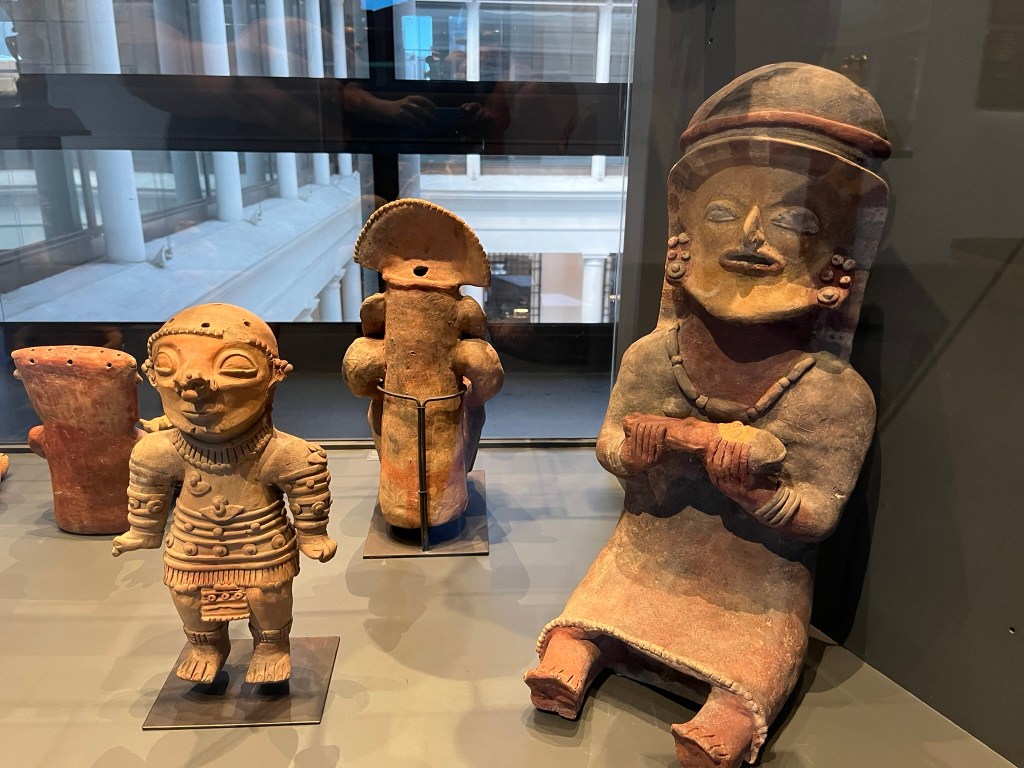
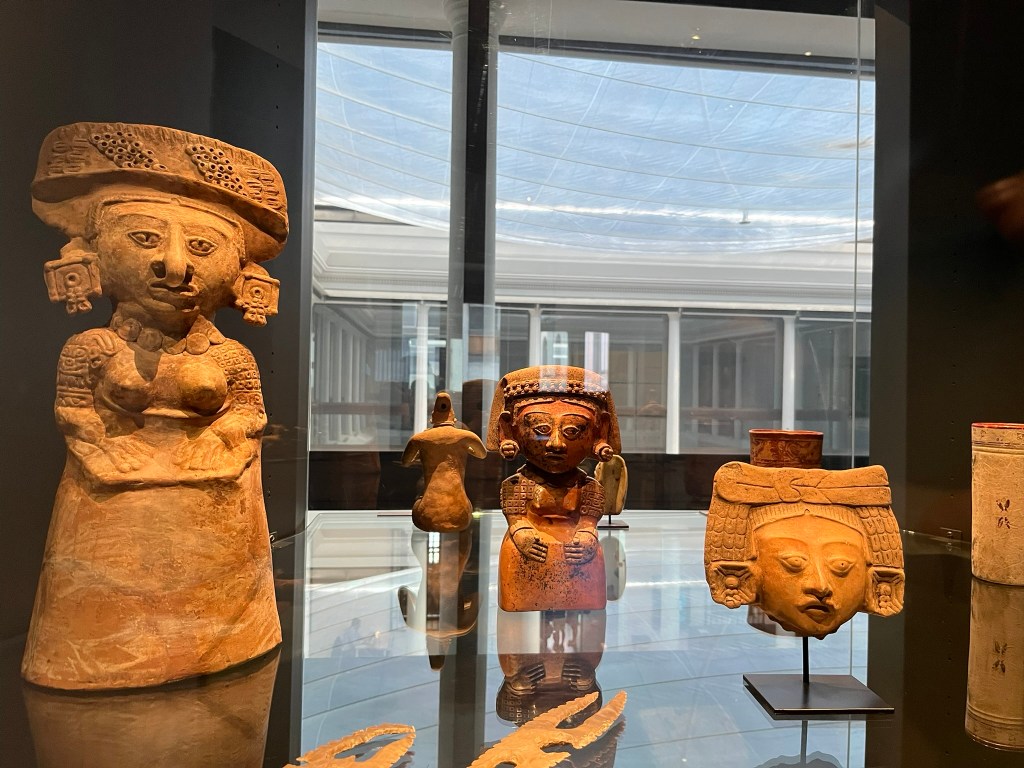
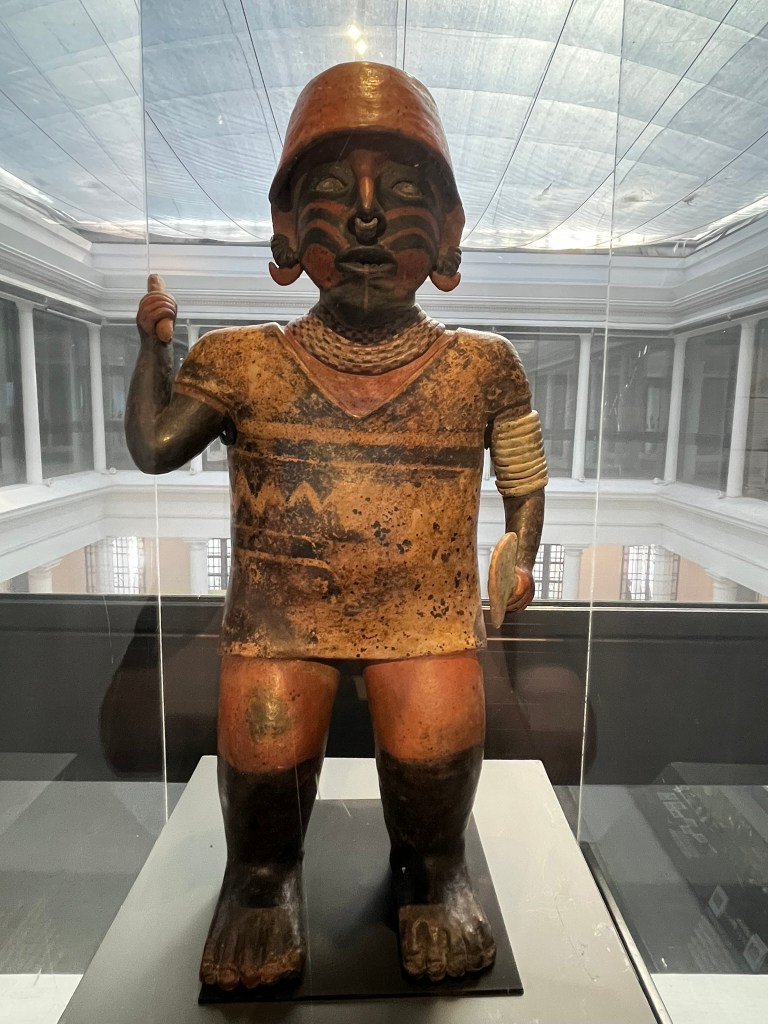
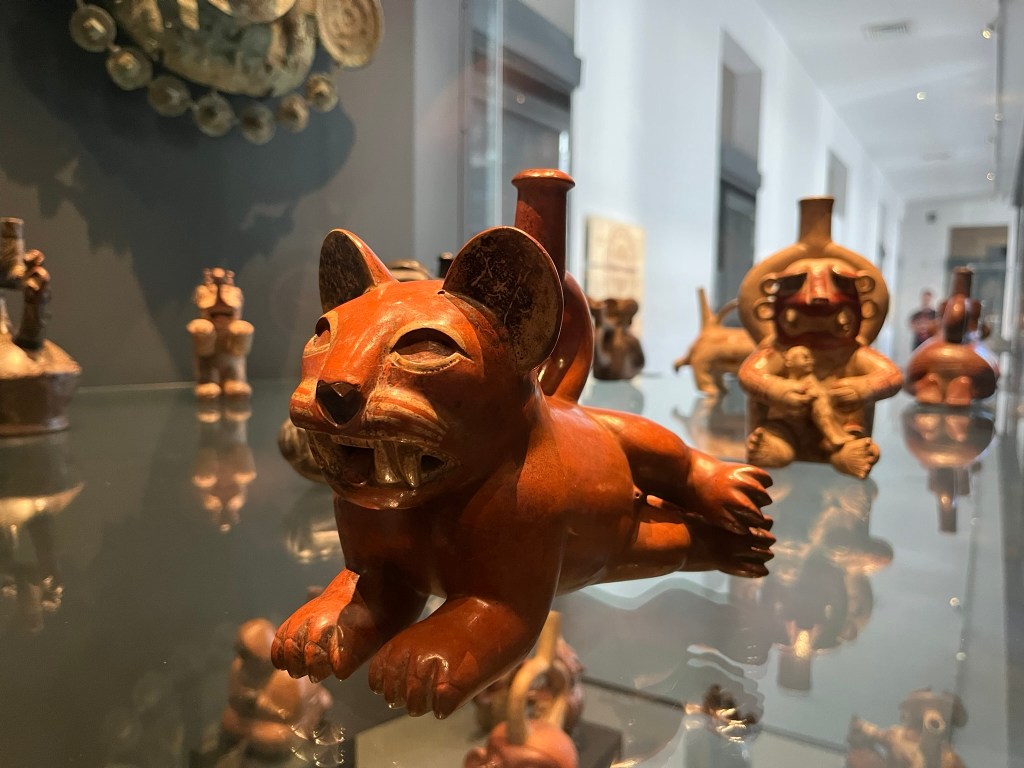
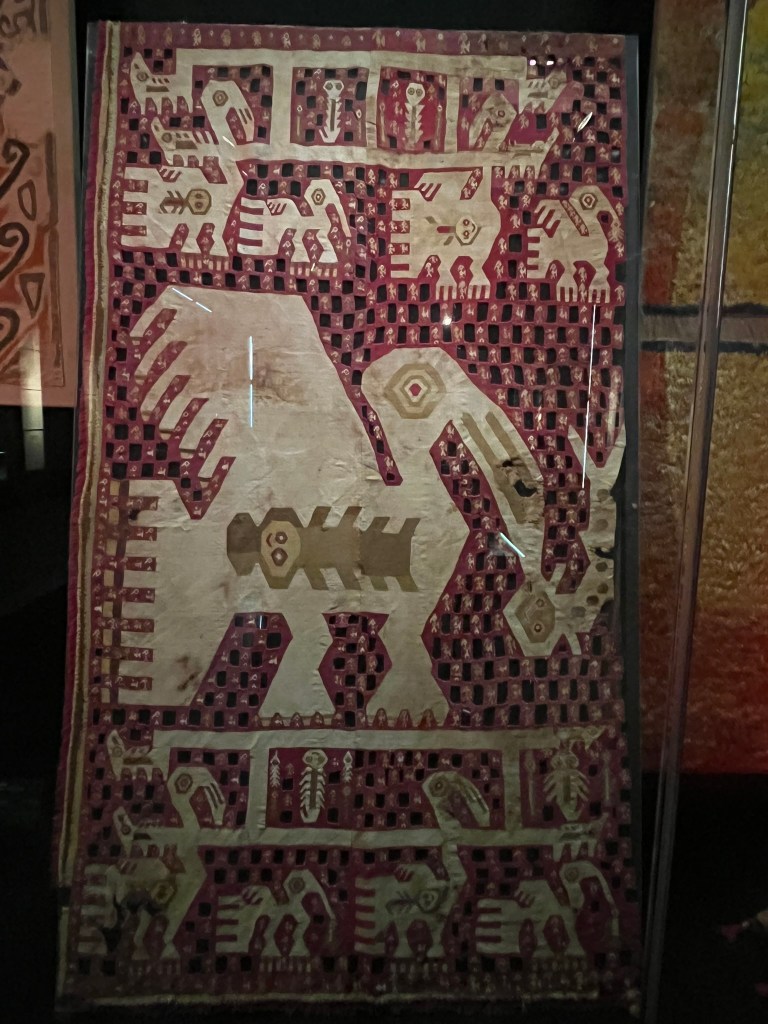
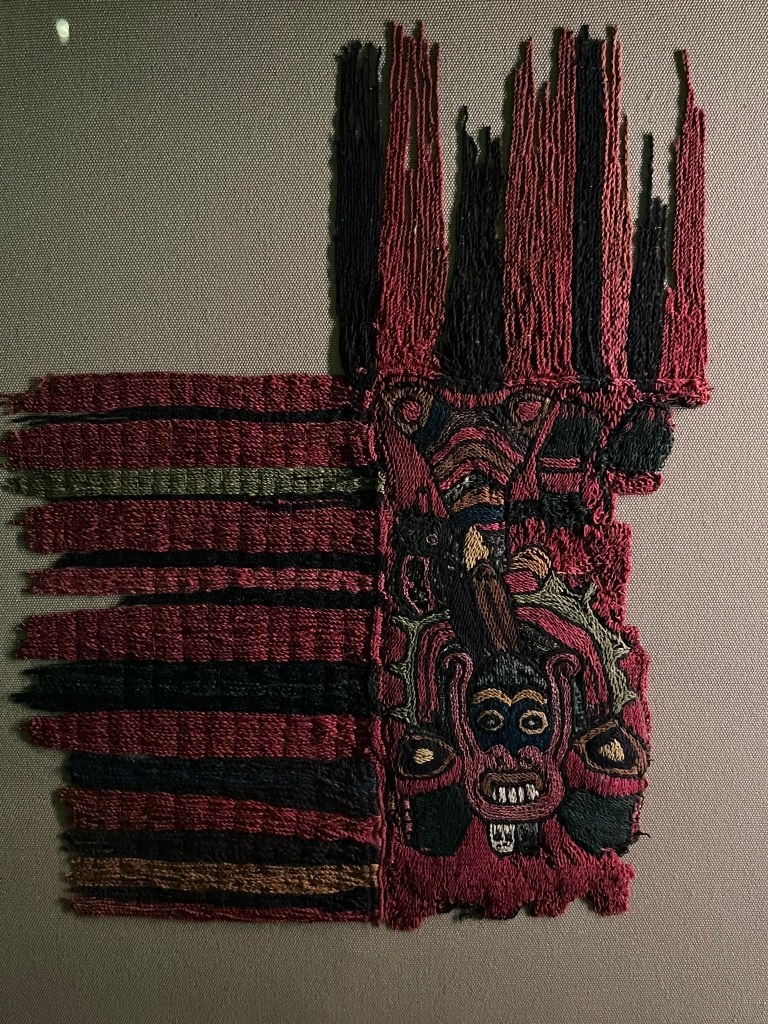
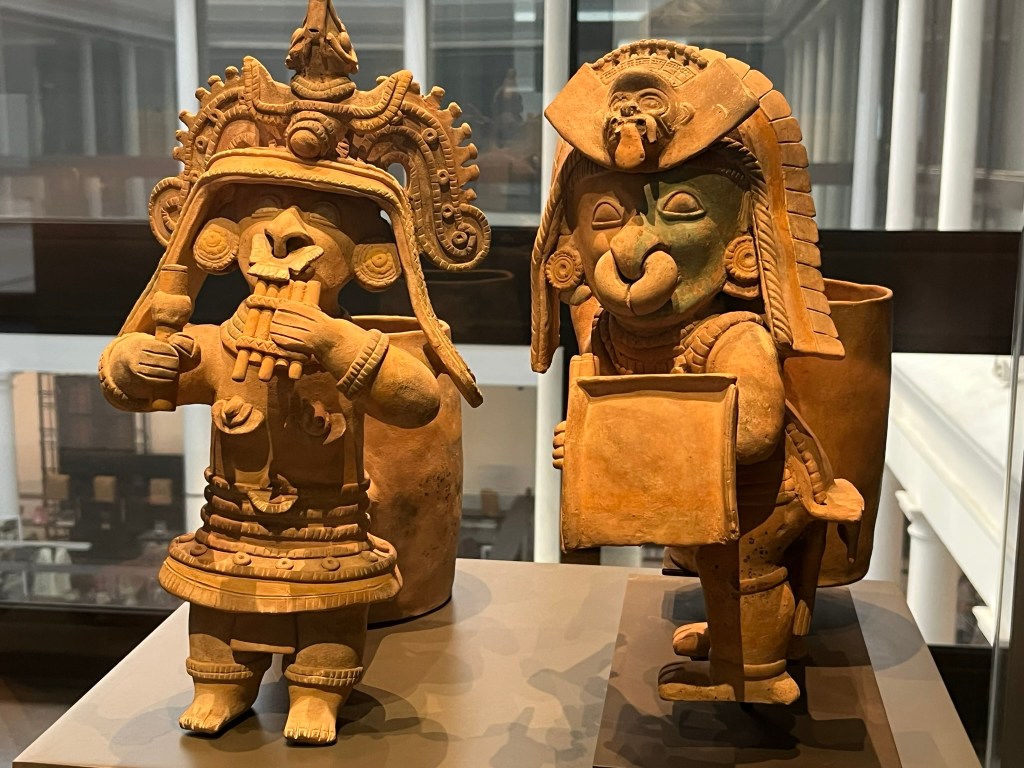
After being dropped back at our hotel and a quick bit to eat, we headed back to the historical center to explore more of the area. One block away from the plaza, lies the Museum of Pre-Colombian Art, housed in the former 18th century Royal Customs House, and although this is a private collection and there is an entry fee, it is an excellent museum and a must-visit in the city.
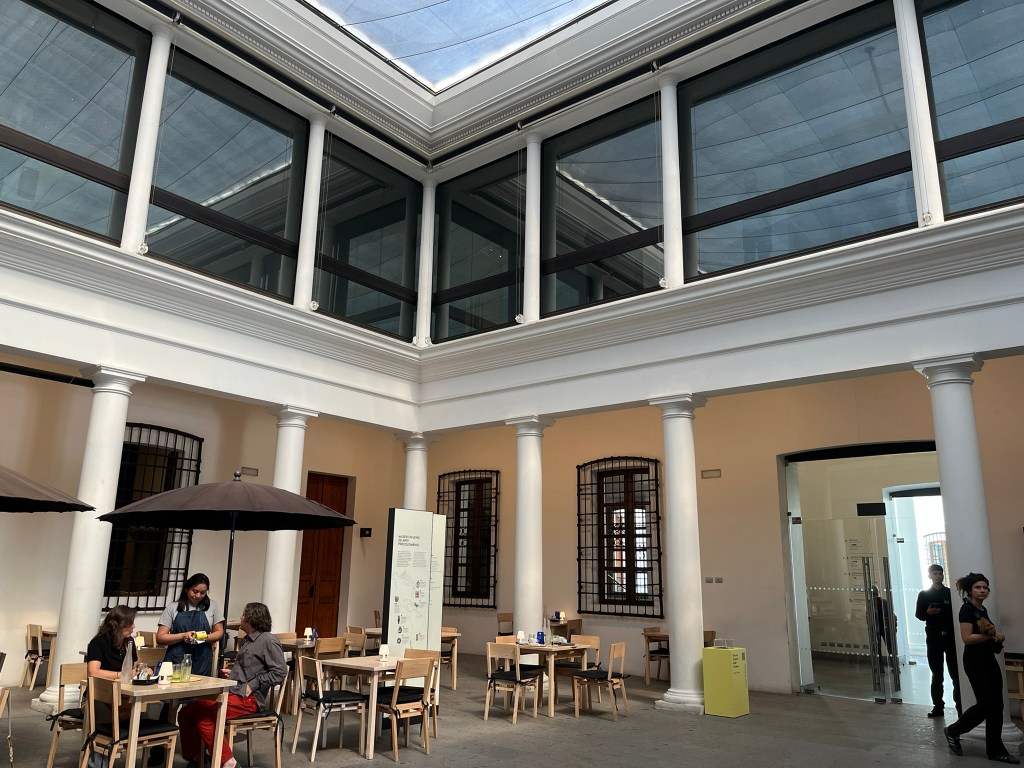
The collection of artifacts is exceptional, and descriptions are provided in English. In the basement sits the ‘Chile before Chile’ exhibit that focuses on the early cultures of Chile, such as the Mapuche. There are fantastic examples of silver jewerly, woodwork, pottery, ceremonial masks, and wooden effegies.
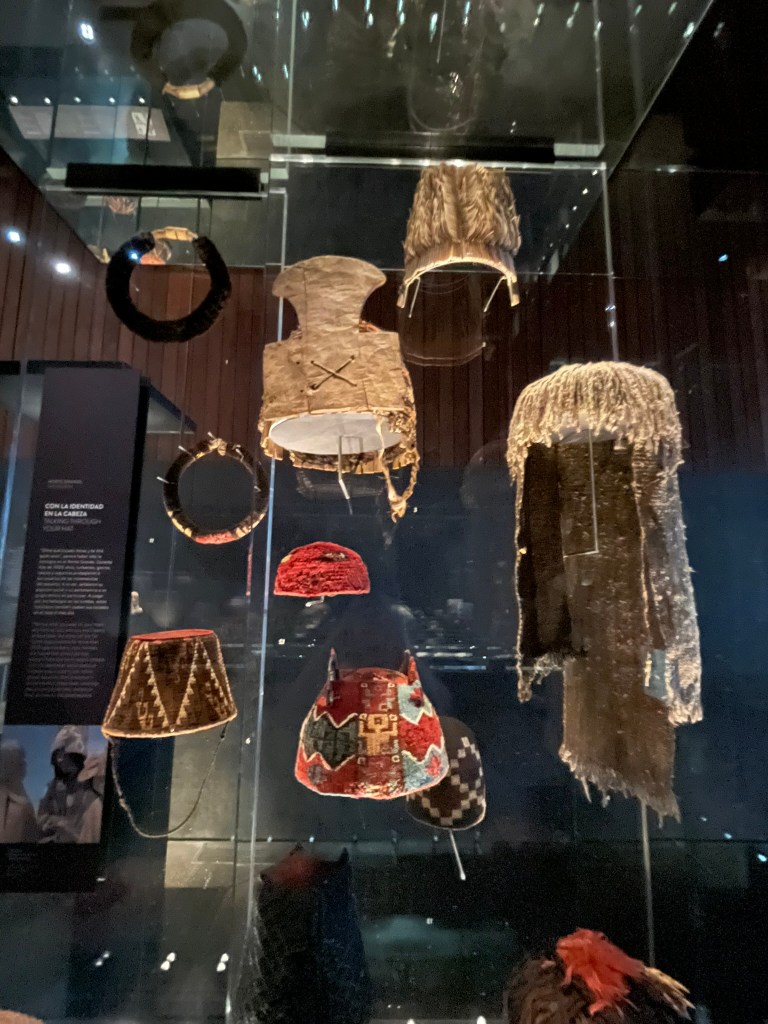
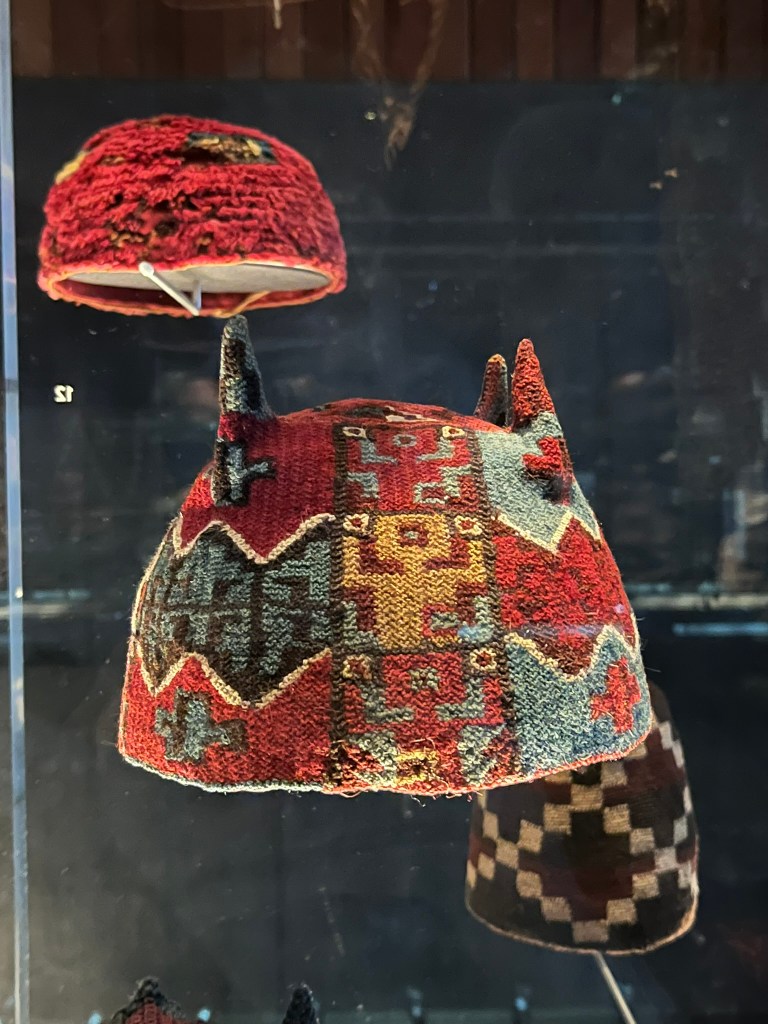
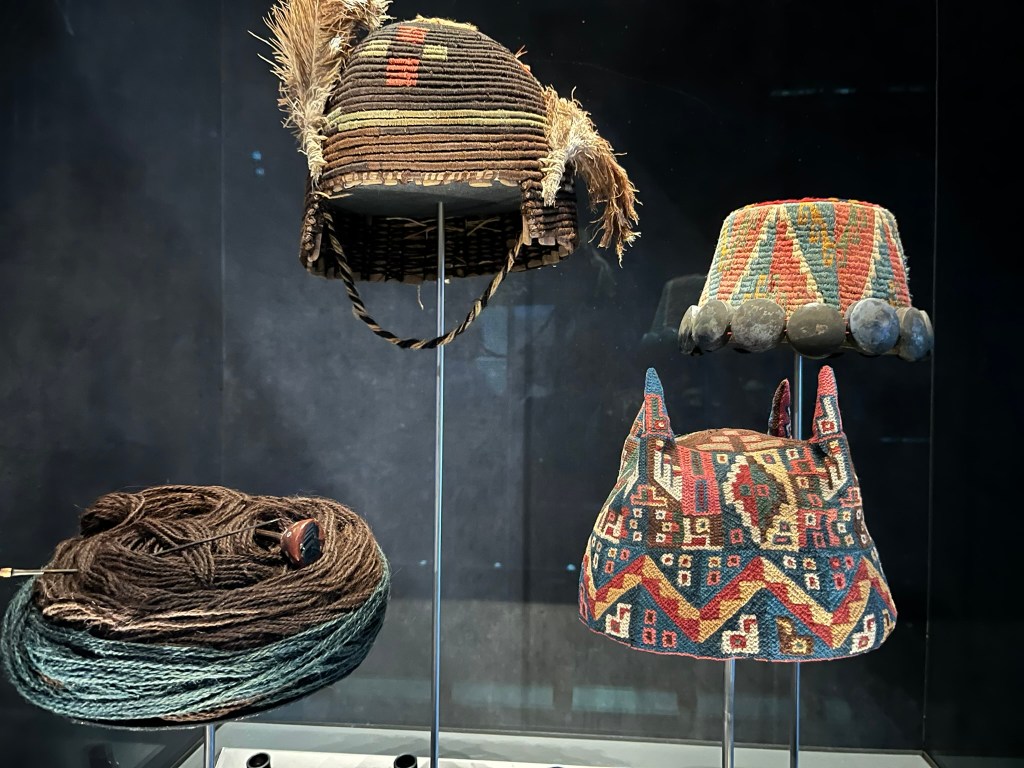
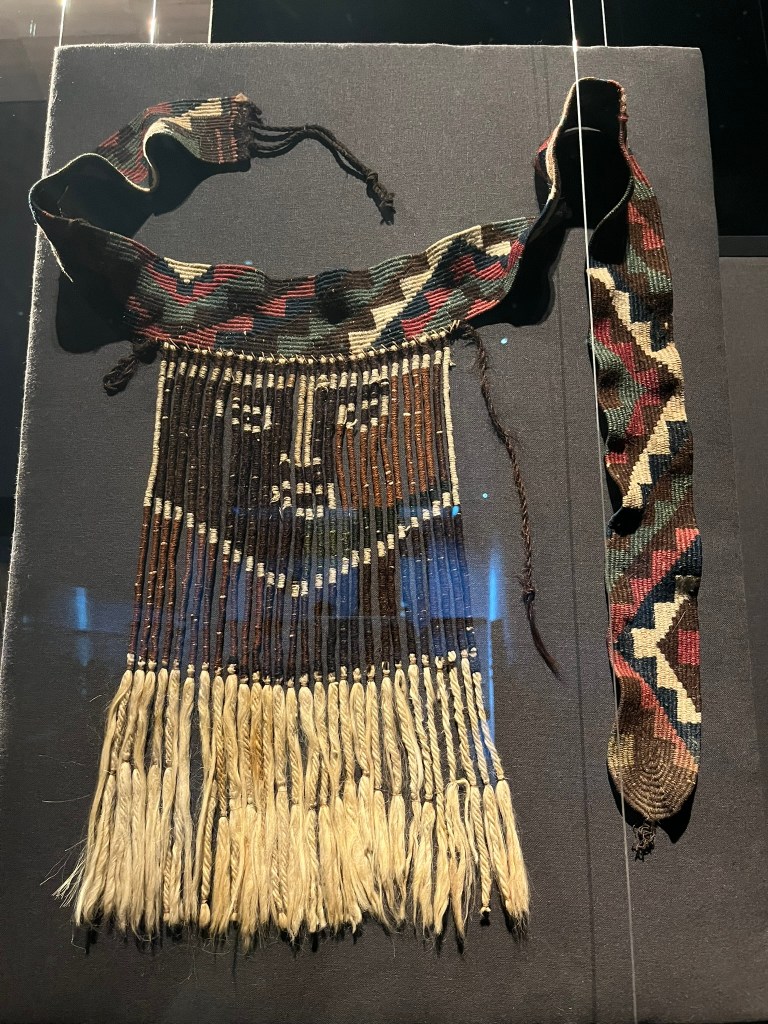
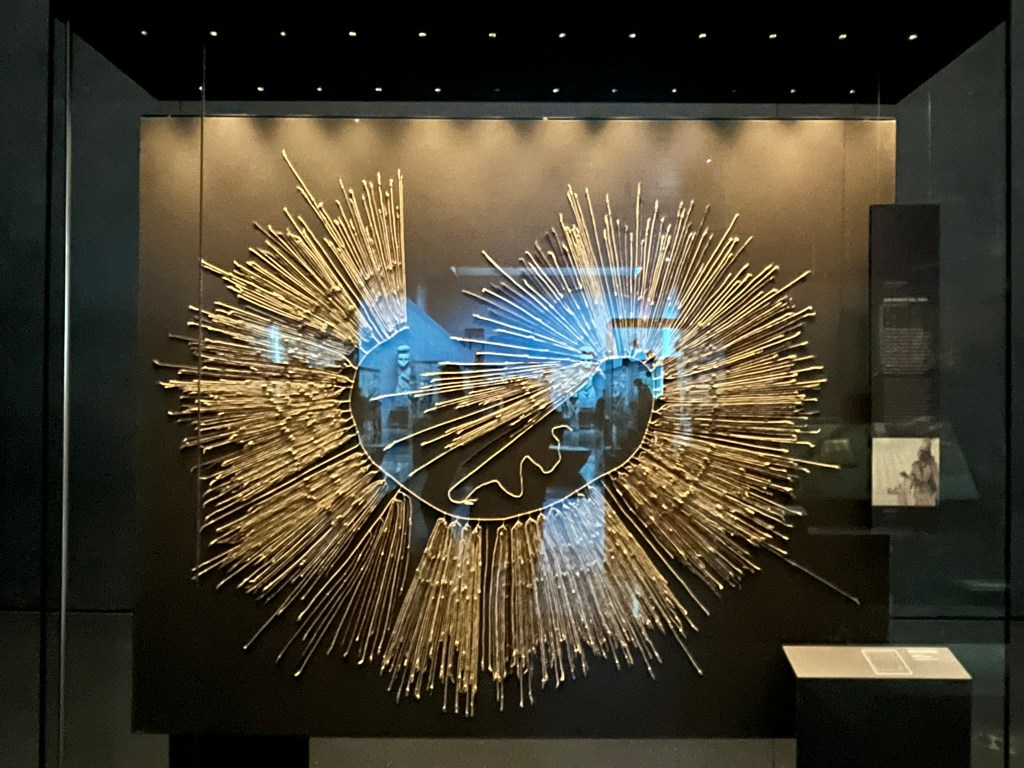
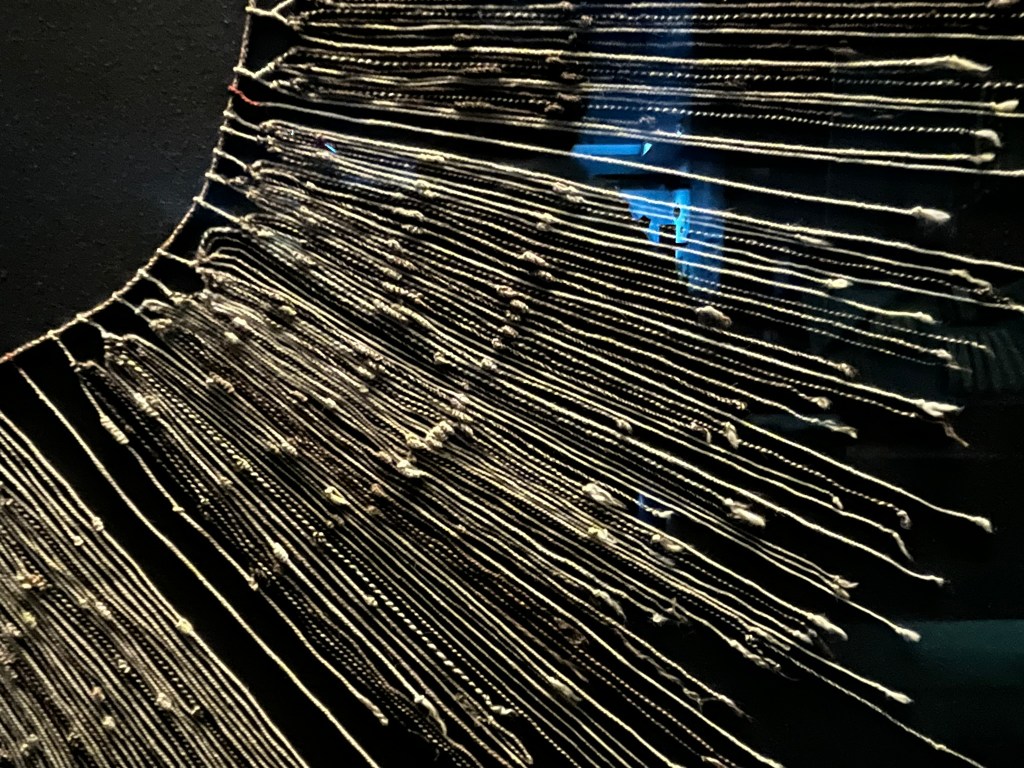
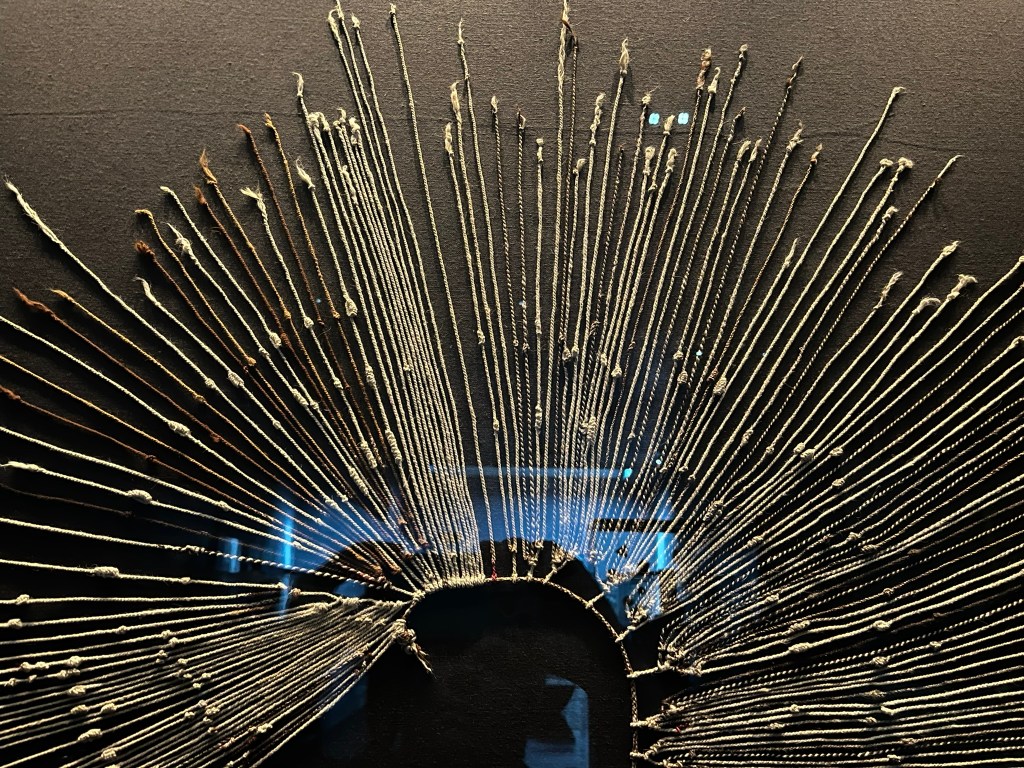

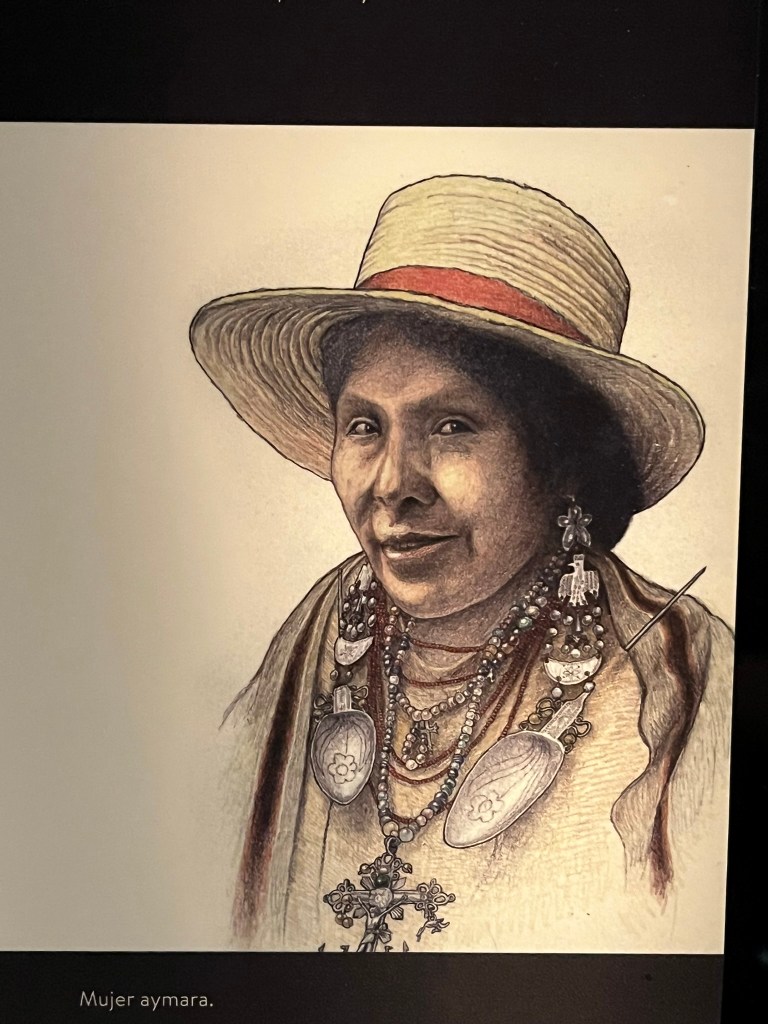
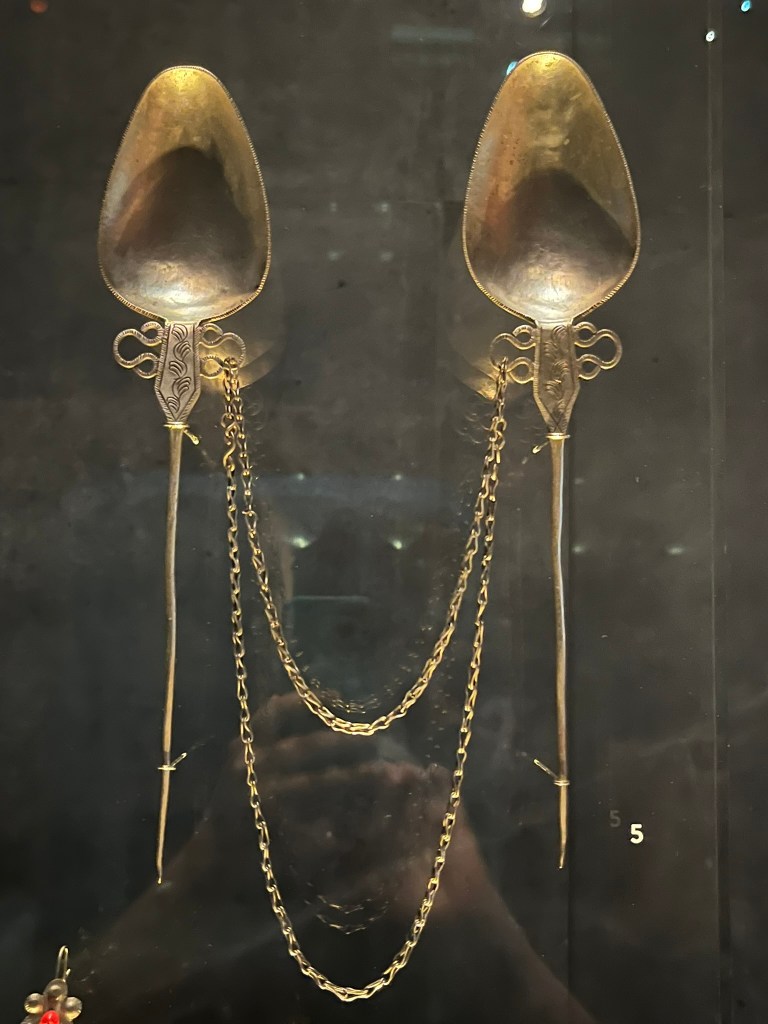
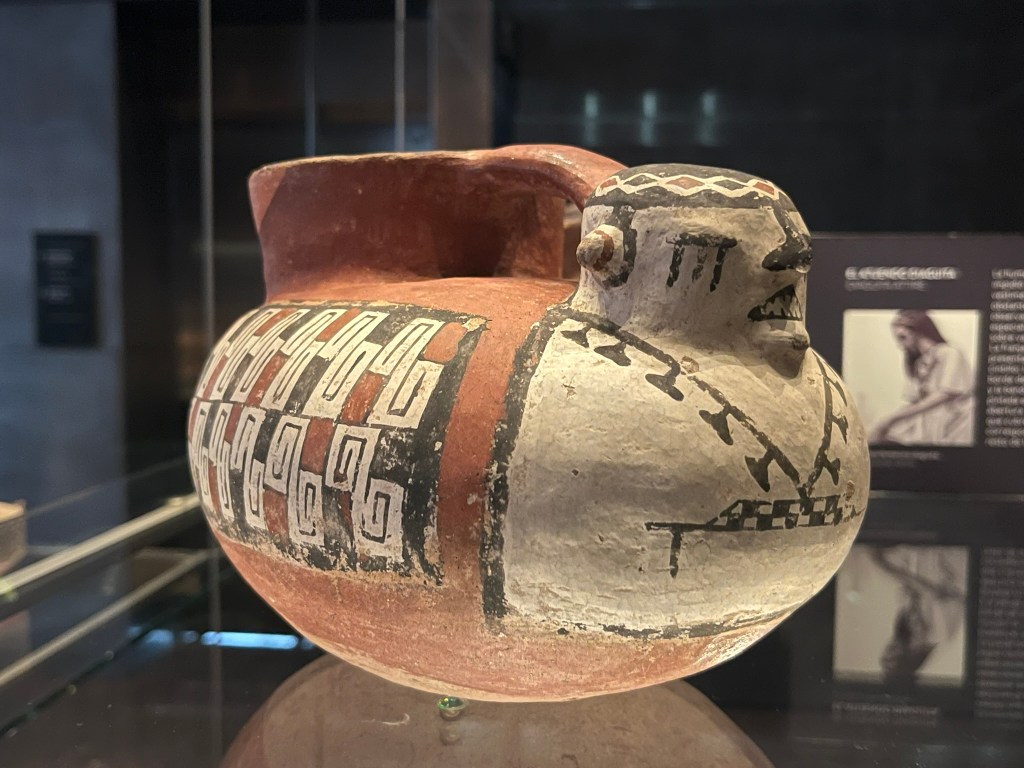
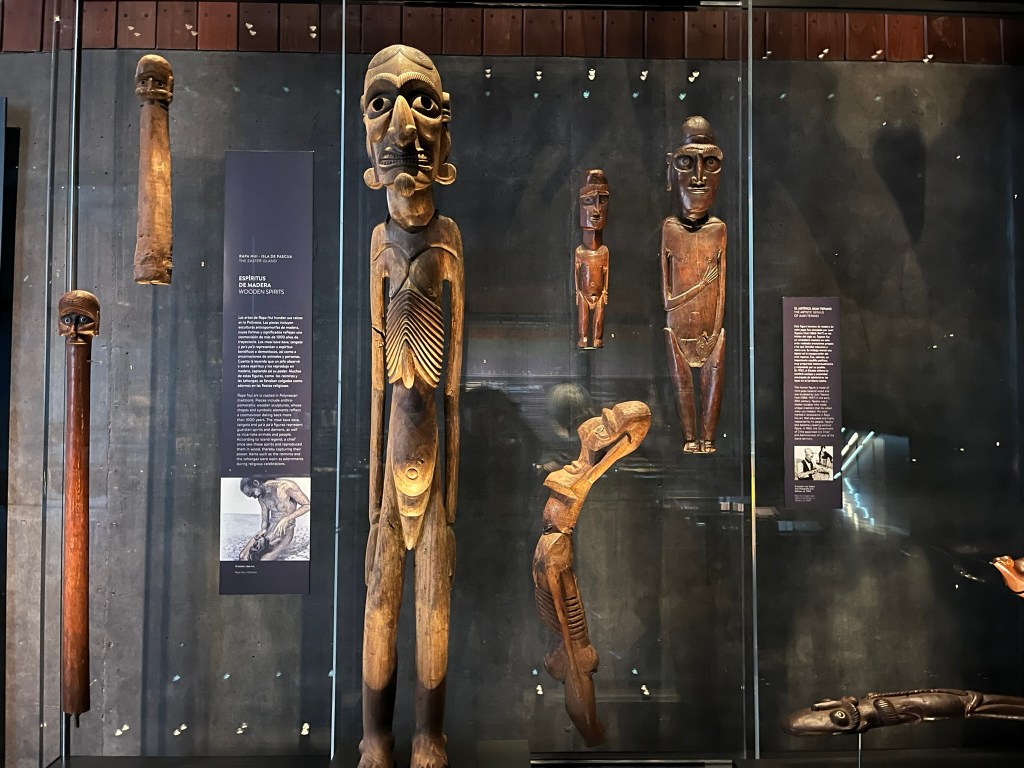

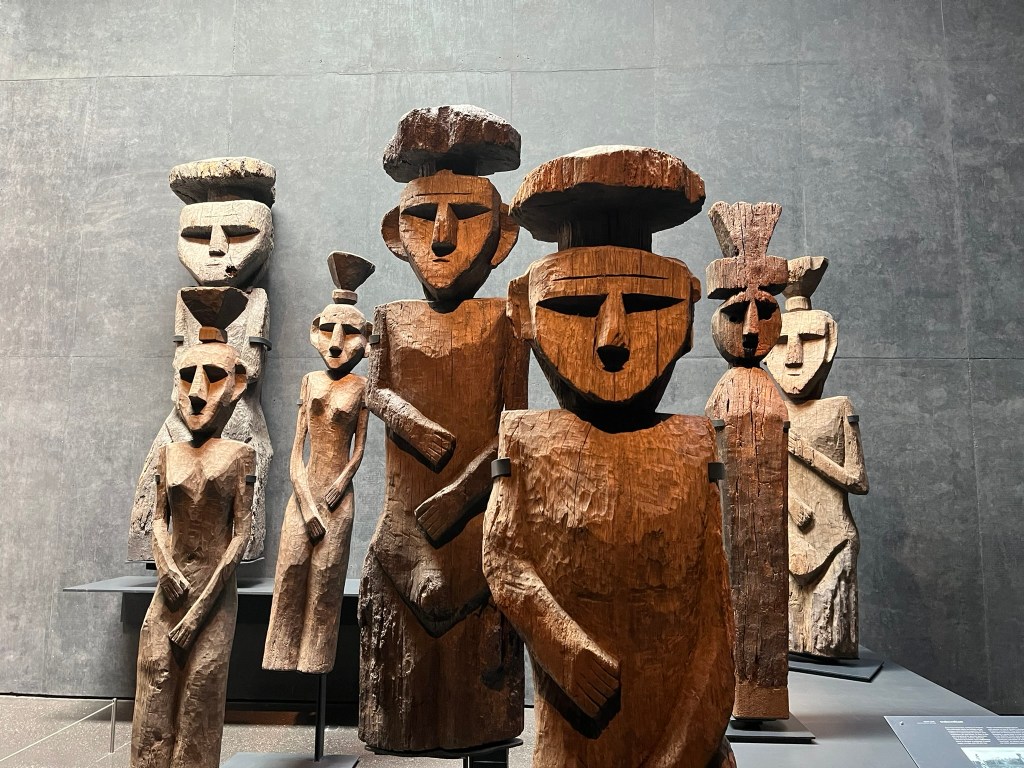
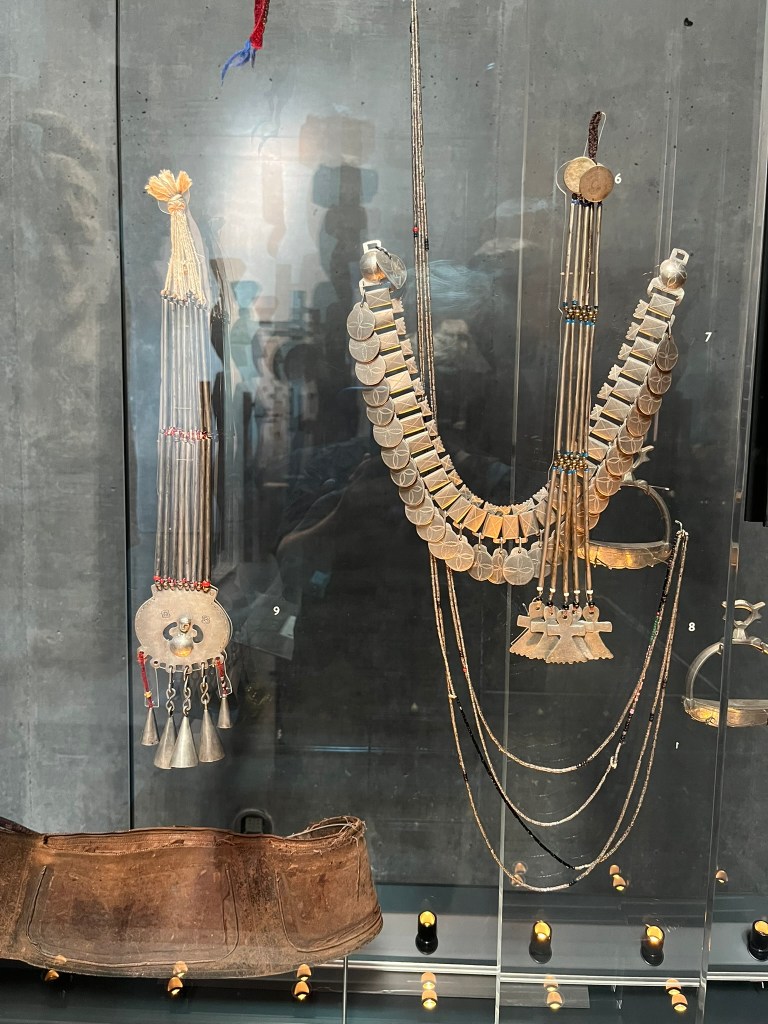
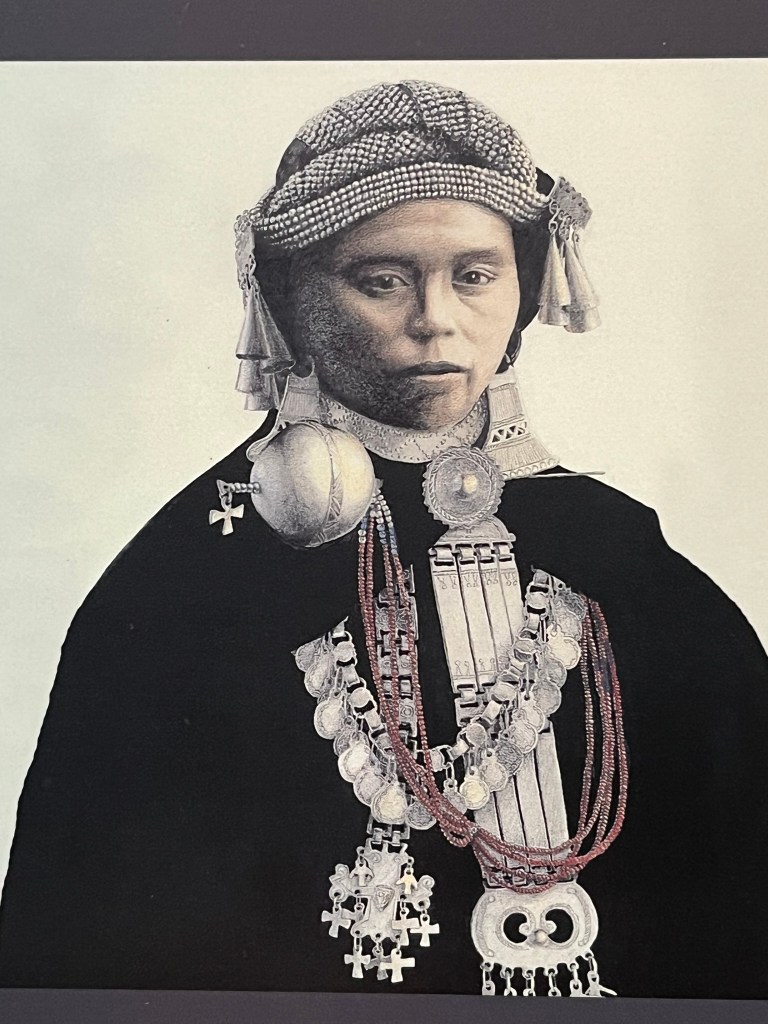
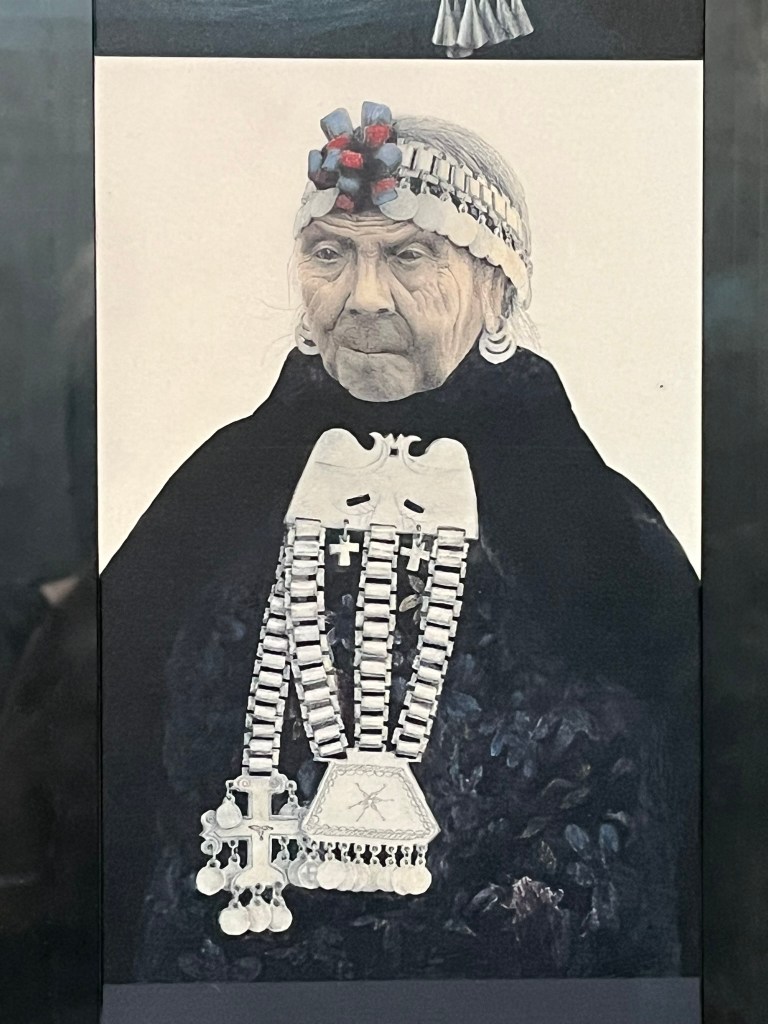
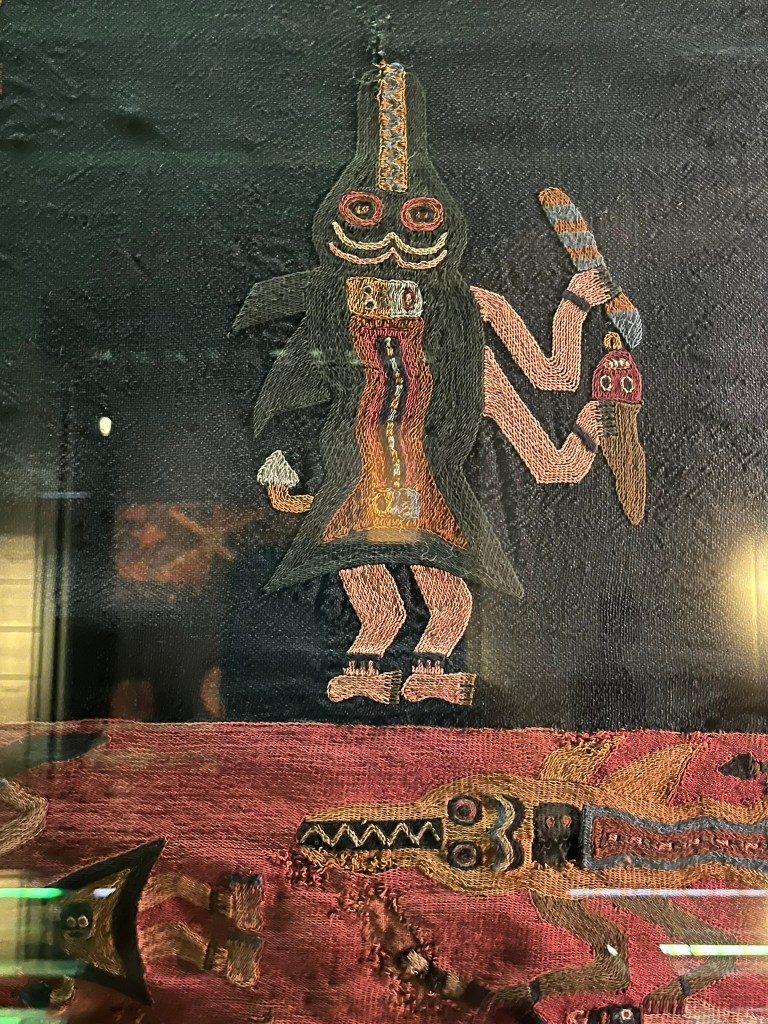
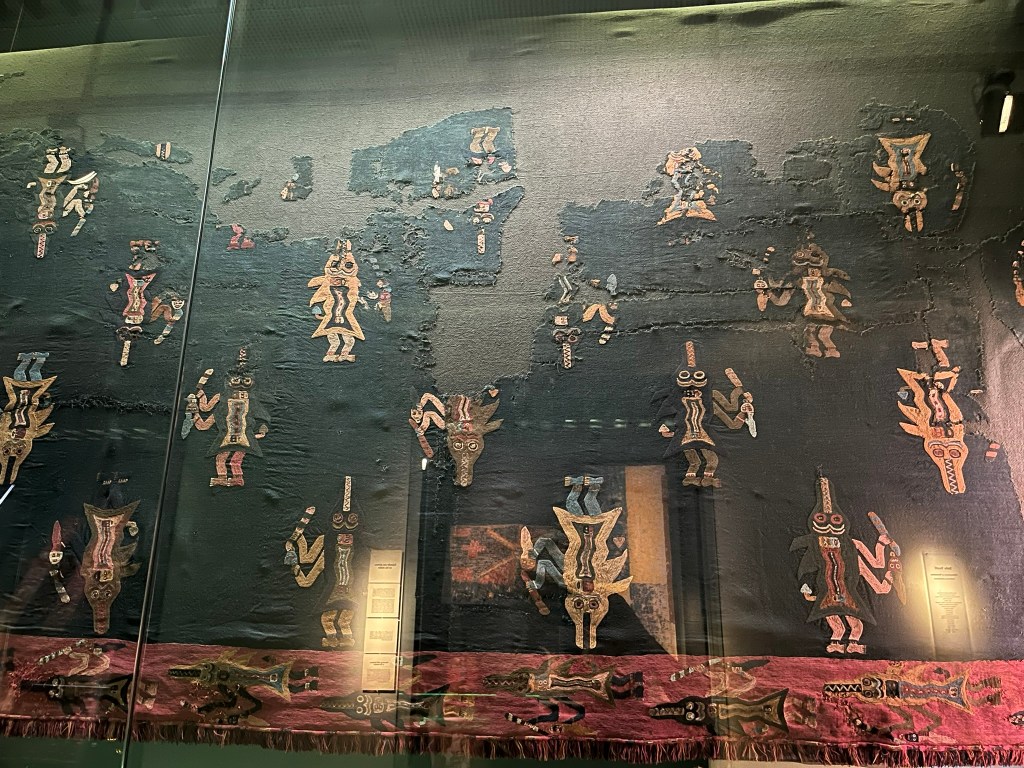
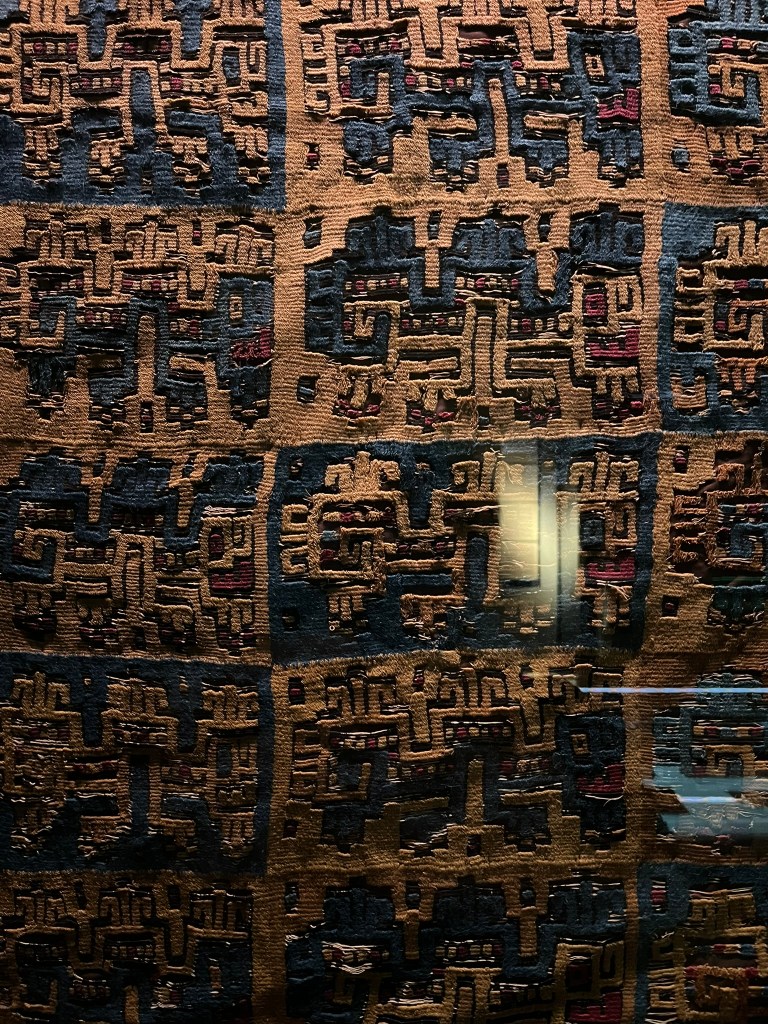
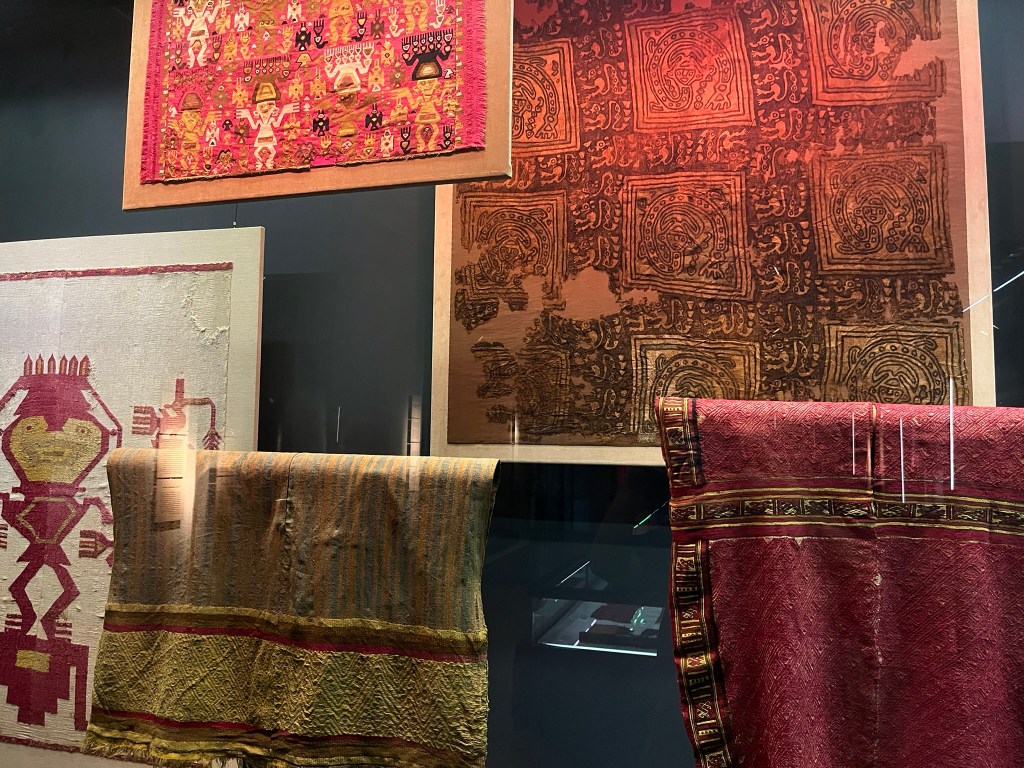
On the upper floor, the rest of South and Central America is represented. The highlights are the intricate ceramics, huge Inca quipus (knotted record-keeping chords) and a incredible range of antique textiles.
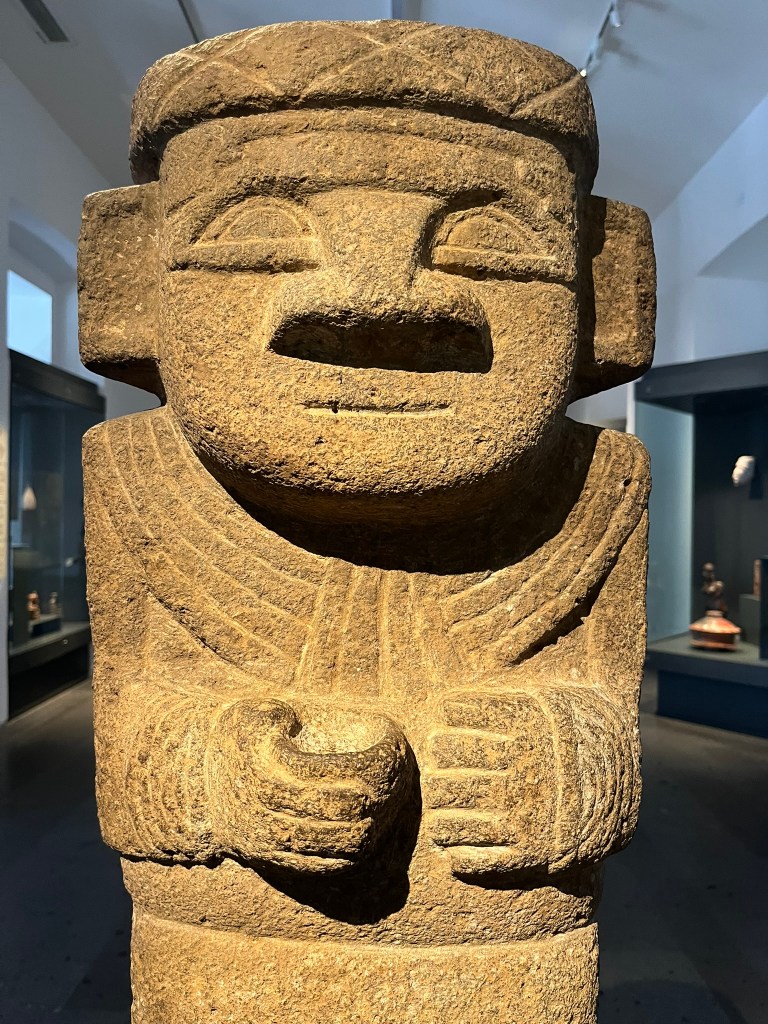
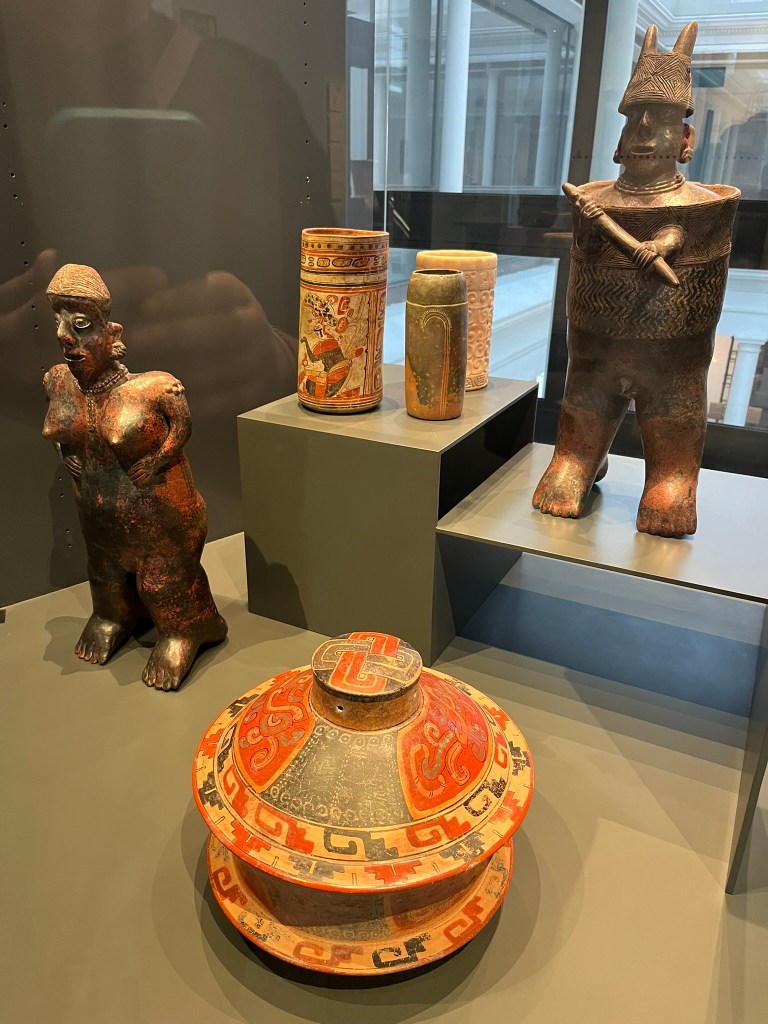
Around 10 minutes walk from the museum, through a busy pedestrian area, full of shops, buskers and cafes lies Iglesia San Francisco. This church is the oldest surviving colonial building in Santiago, built in the late 16th century, and has a striking red facade, right along one of the main avenues of the city – Avenida Libertador Bernardo O’Higgins.
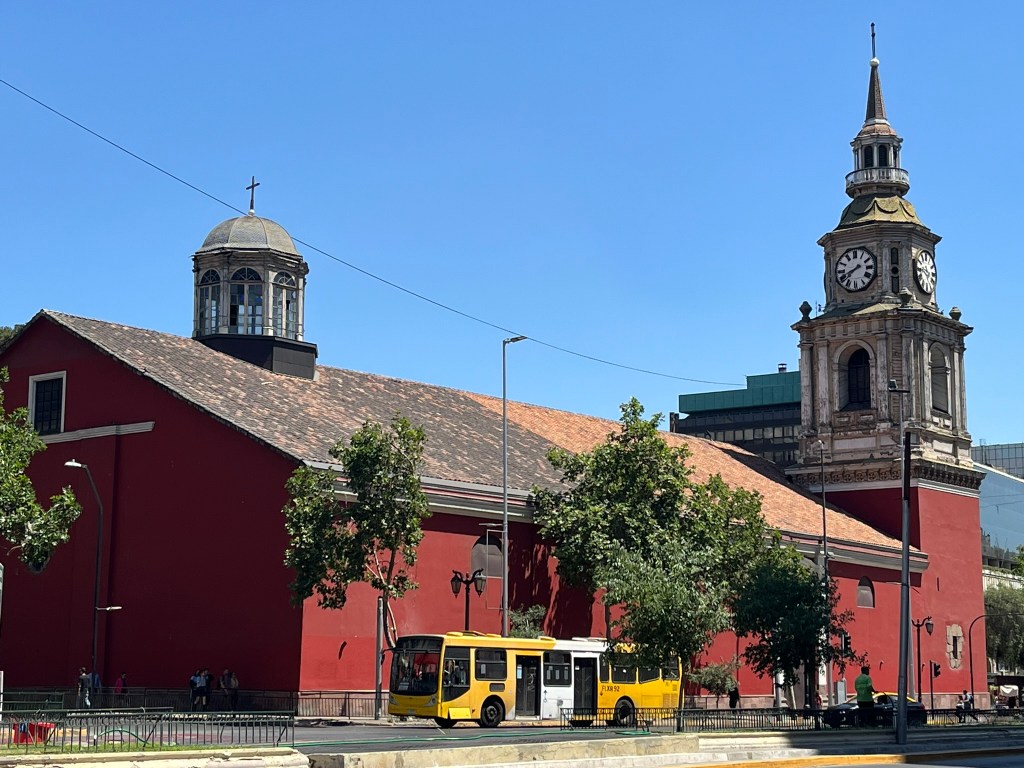
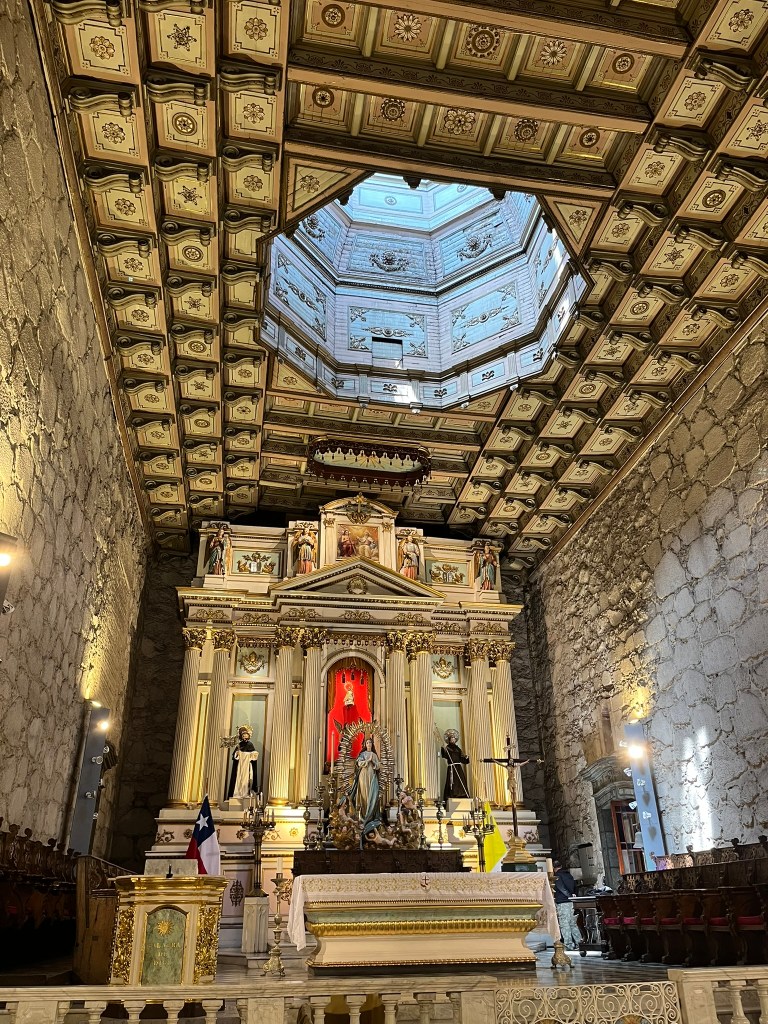
It was founded by the Franciscan Order, who arrived soon after Pedro de Valdivia’s conquest, with the goal to evangelize the Mapuche. Remarkably, the church, with its thick adobe and brick walls has survived every major earthquake in the region since the 16th century. The inside of the church is quite striking with its painted wooden ceiling and bare stone walls.
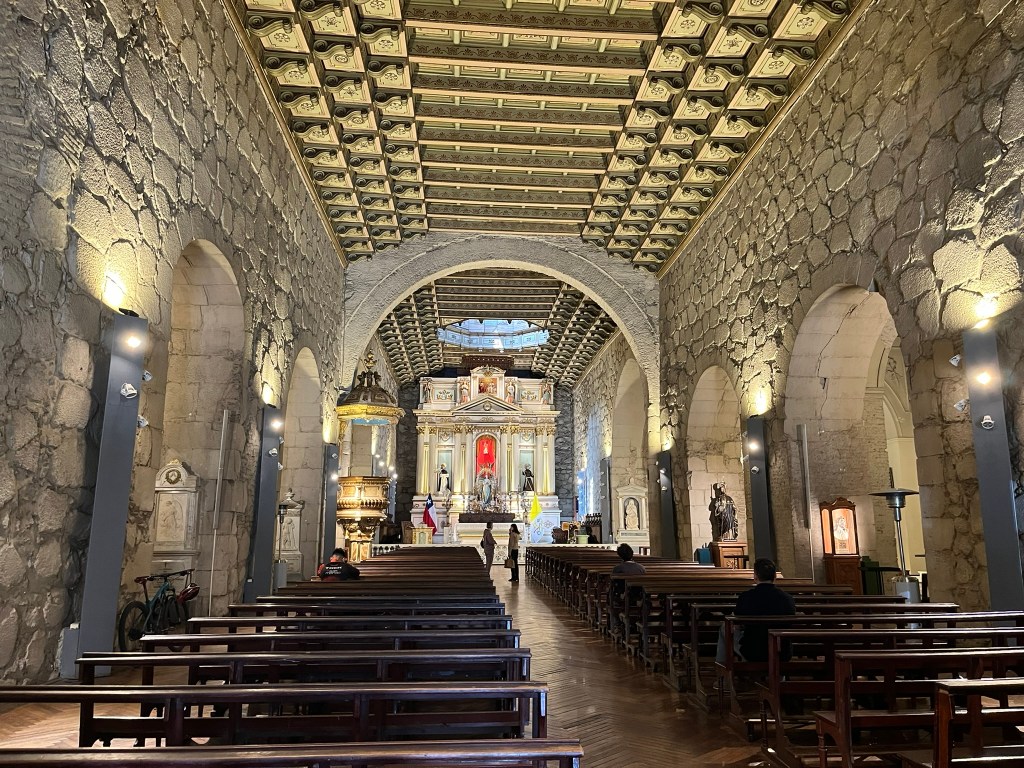
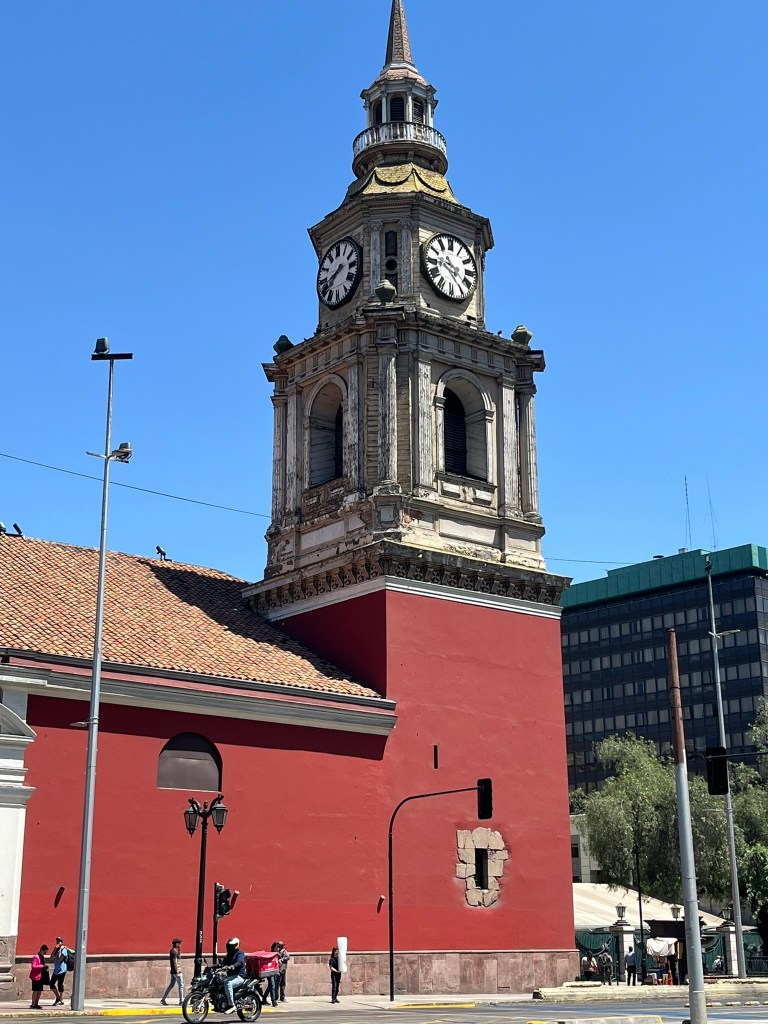
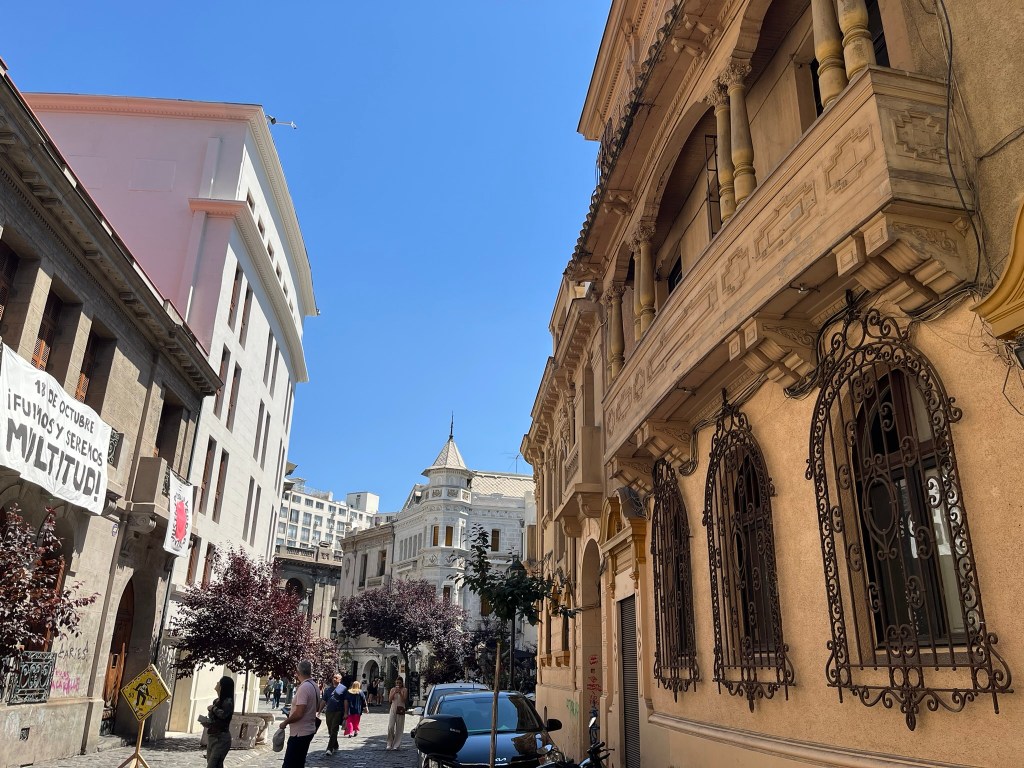
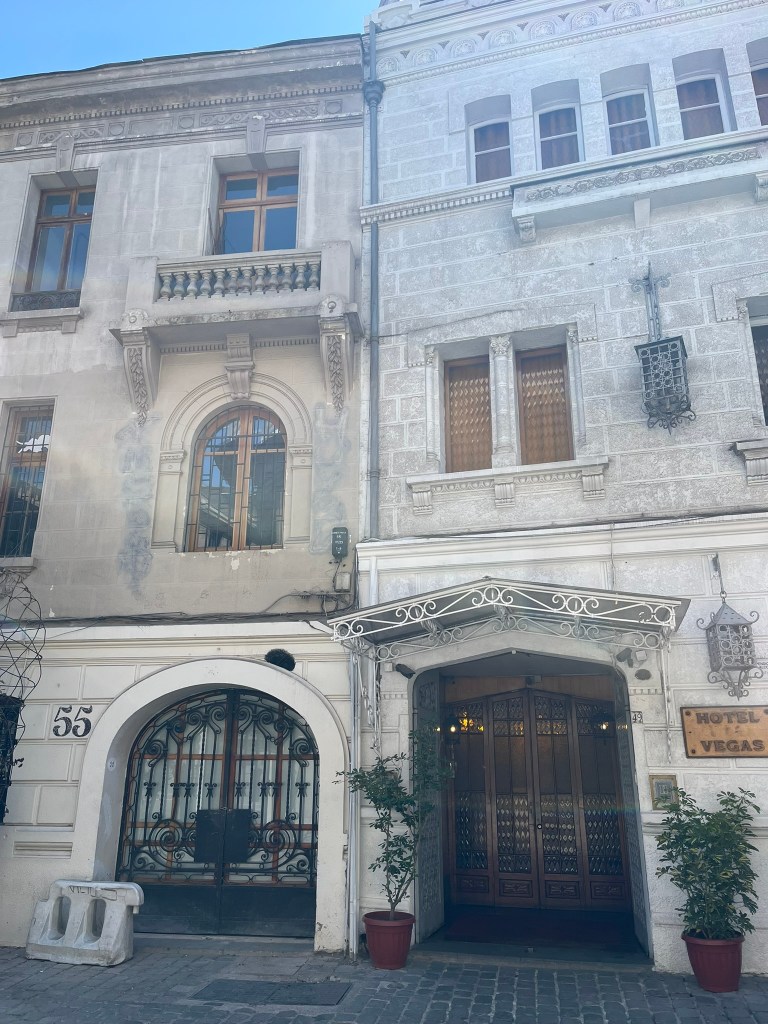
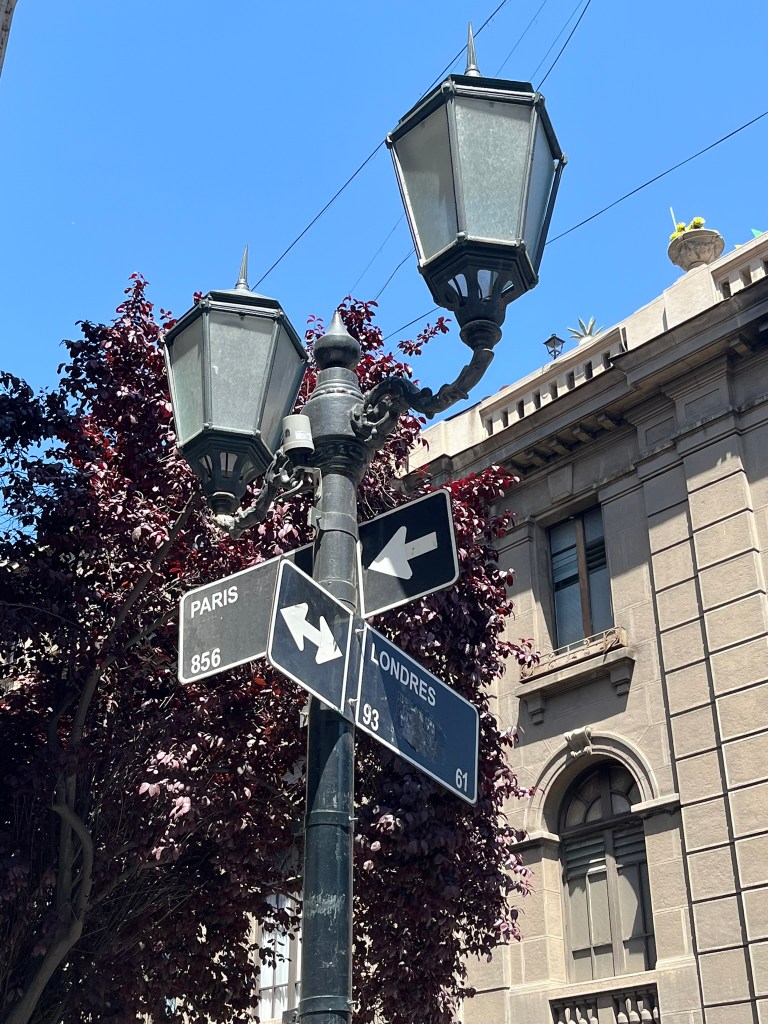
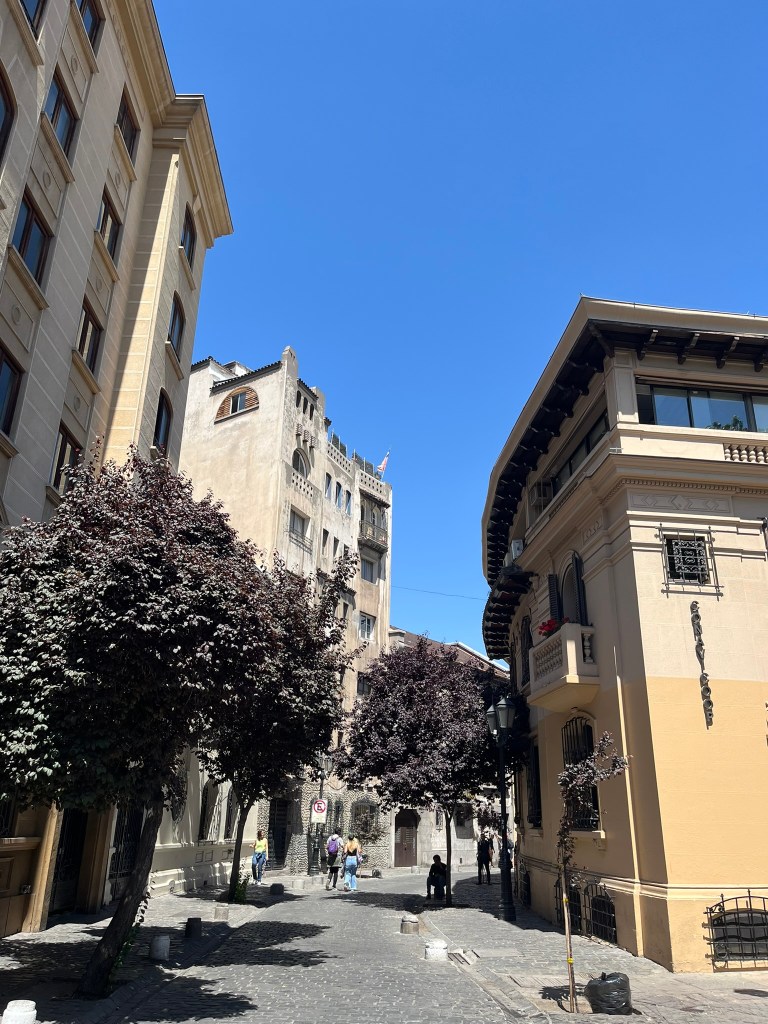
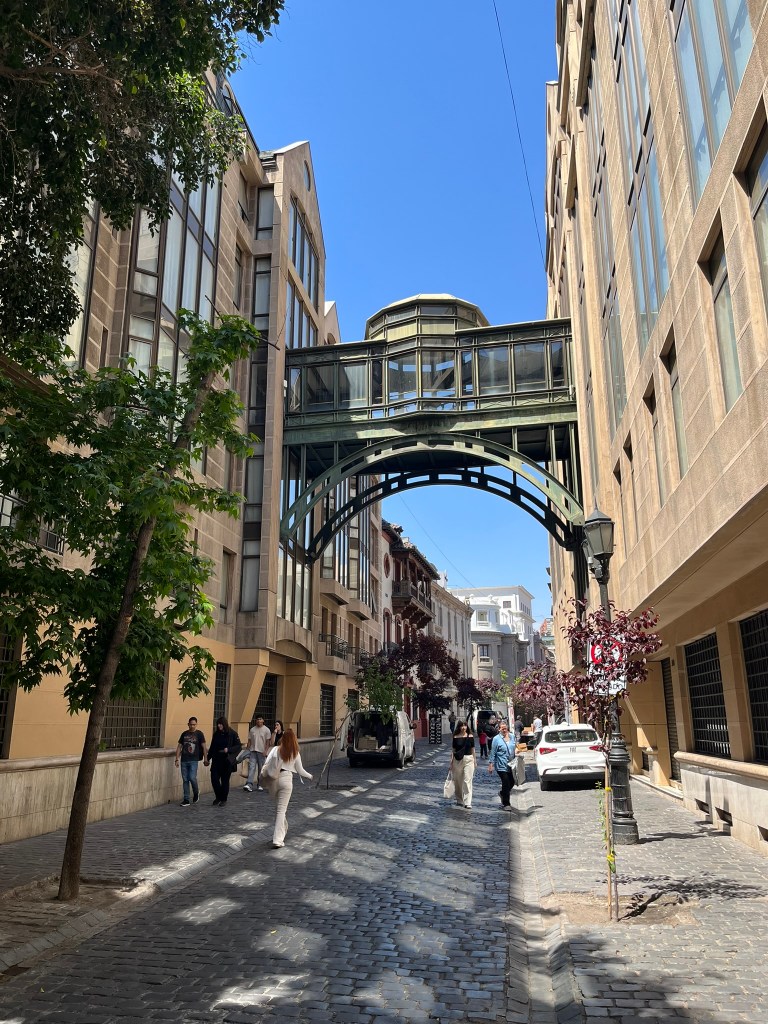
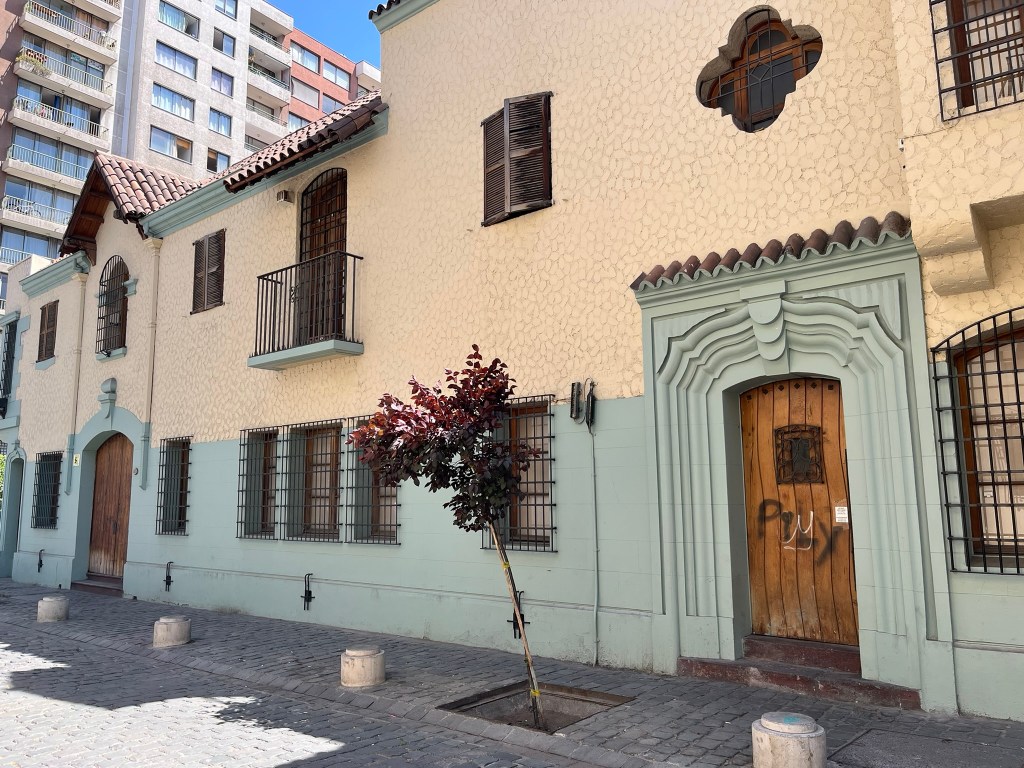
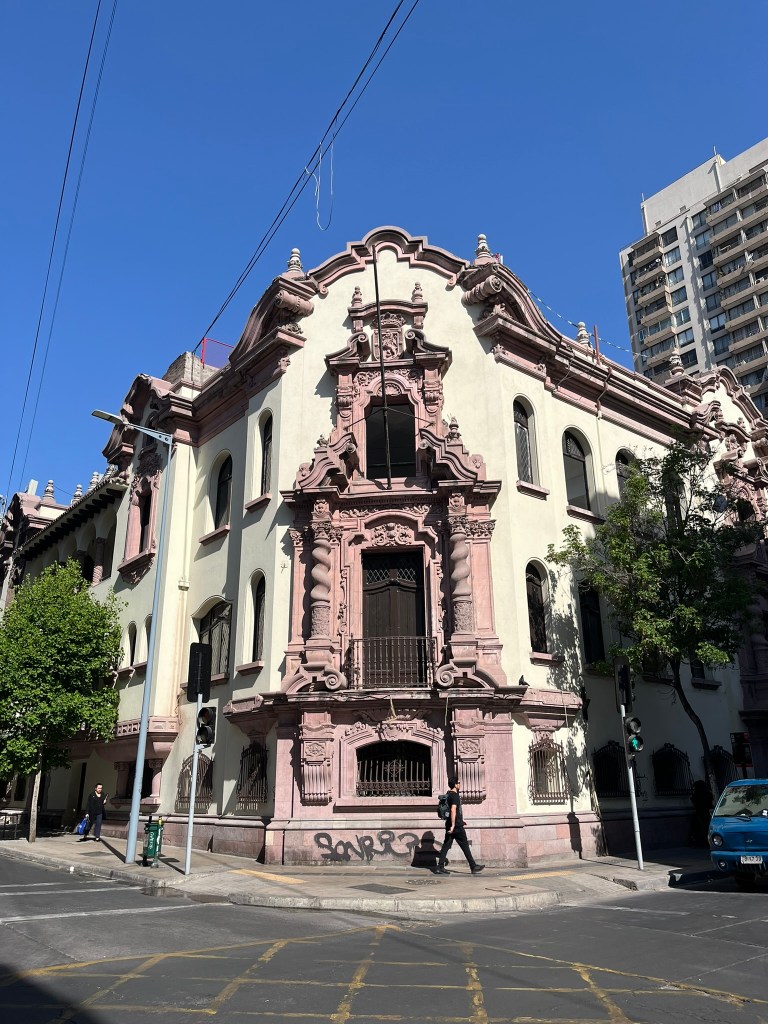
Just beside the church is a small road that leads to Barrio Londres-Paris. This tiny two-block corner of the city center, contains cobblestoned streets, wrought-iron balconies, and a mix of neo-gothic, art deco and French beaux-arts architectural styles, inspired by urban planning of Paris and London. It was planned in the 1920s on land that once belonged to the Franciscan convent next door, and was imagined as an artistic residential enclave for Chile’s professional class, doctors, lawyers and intellectuals seeking a European-style address in the heart of Santiago.
You need a full day to explore the historic center of Santiago. And I would recommend spending one additional day in the city to give you time to visit some of the different neighbourhoods and go up to the viewing platform of the Costanera tower. It is also a good base to do day trips to Valparaiso and Vina del Mar or the surrounding wine region from.


Leave a Reply