The Tharu and Kumal people are two of the oldest and most distinctive ethnic groups in Nepal’s lowland region bordering India, known as the Terai region. Both groups have deep connections to the land and forest ecology of the plains and their lifestyles reflect an adaptation to the hot, malaria-prone environment that once kept outsiders away. Each night a dance troupe from either the Tharu or Kumal community visit the Bahari Jungle Lodge in Chitwan to showcase their traditional dances, songs and attire.
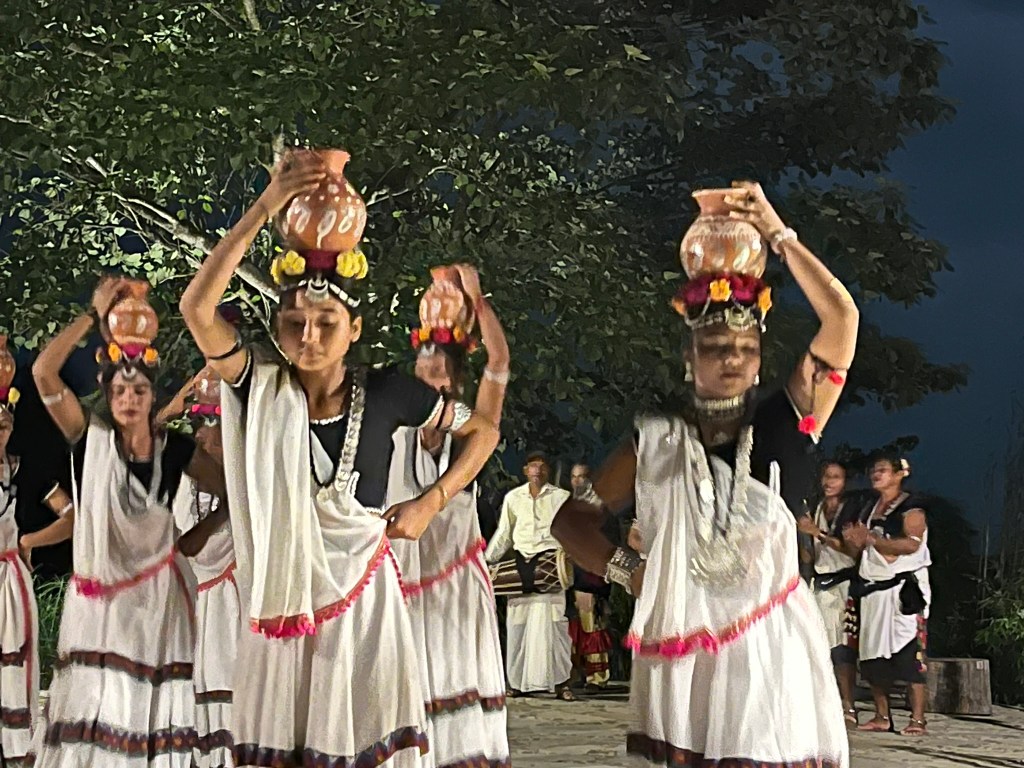
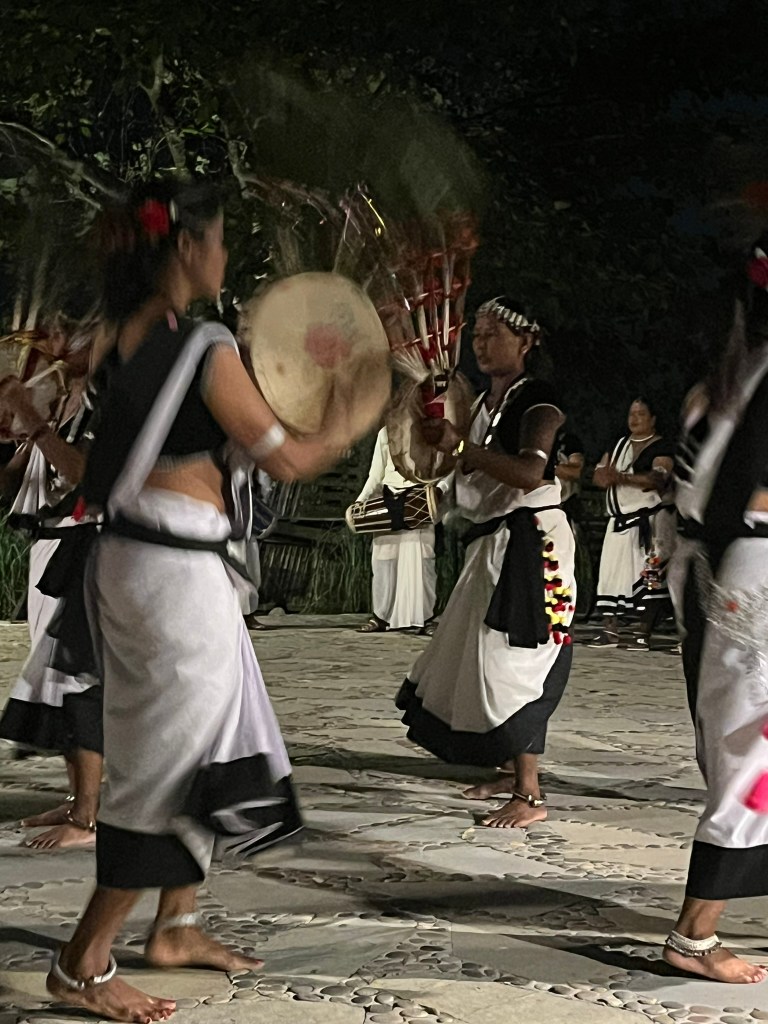
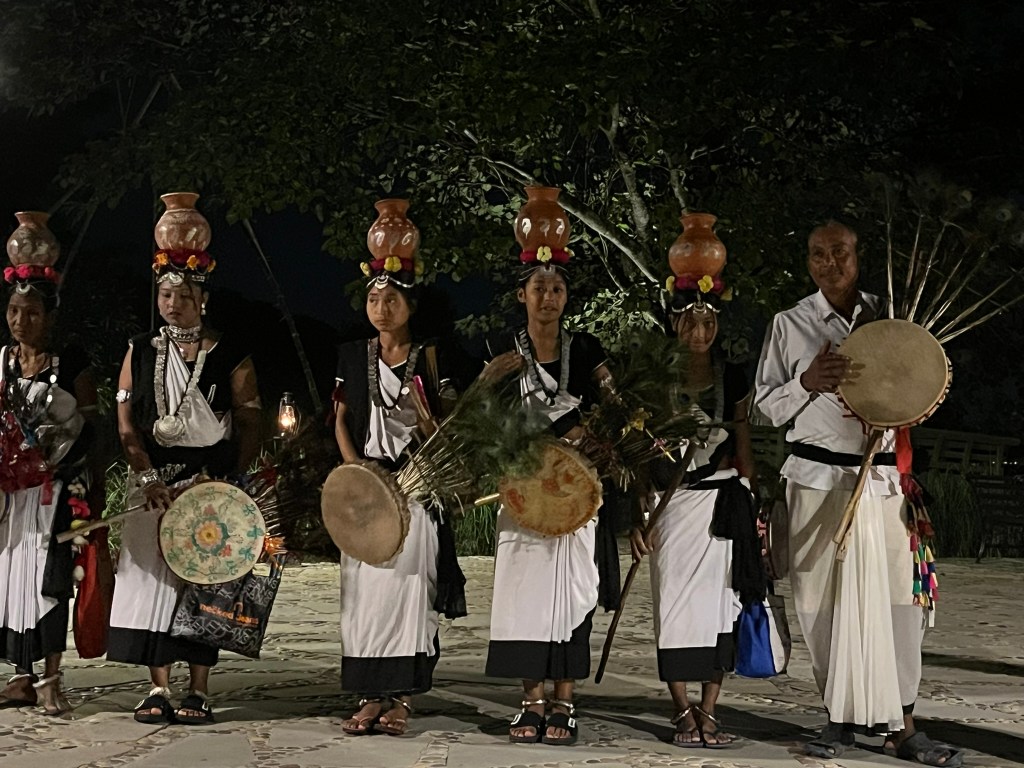
The Tharu are considered the indigenous inhabitants of the western and central Terai. They describe themselves as the ‘sons and daughters of the forest’ and genetic studies suggest that the Tharu have ancient South Asian ancestry. The community has developed an immunity to malaria from centuries of living in the dense Terai forests, semi-isolated and living in areas that others avoided. For centuries the Tharu lived in small communities living off subsistence rice farming, fishing and forest gathering. They practiced animism and were deeply tied to natural spirits. Their housing is made of mud, clay and grass. And their social structure is egalitarian, with the women historically playing a big role in farming and household decision-making. On our last day in Chitwan we briefly visited a Tharu village called Meghauli, and had the opportunity to walk around and see their traditional homes and lifestyles.
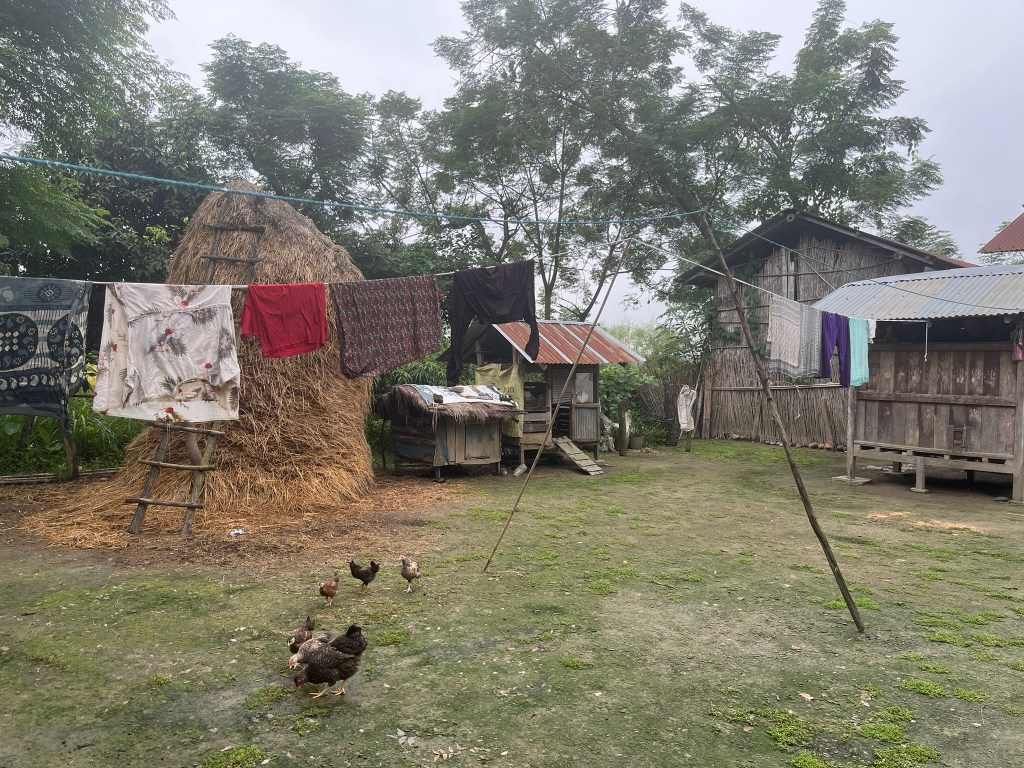
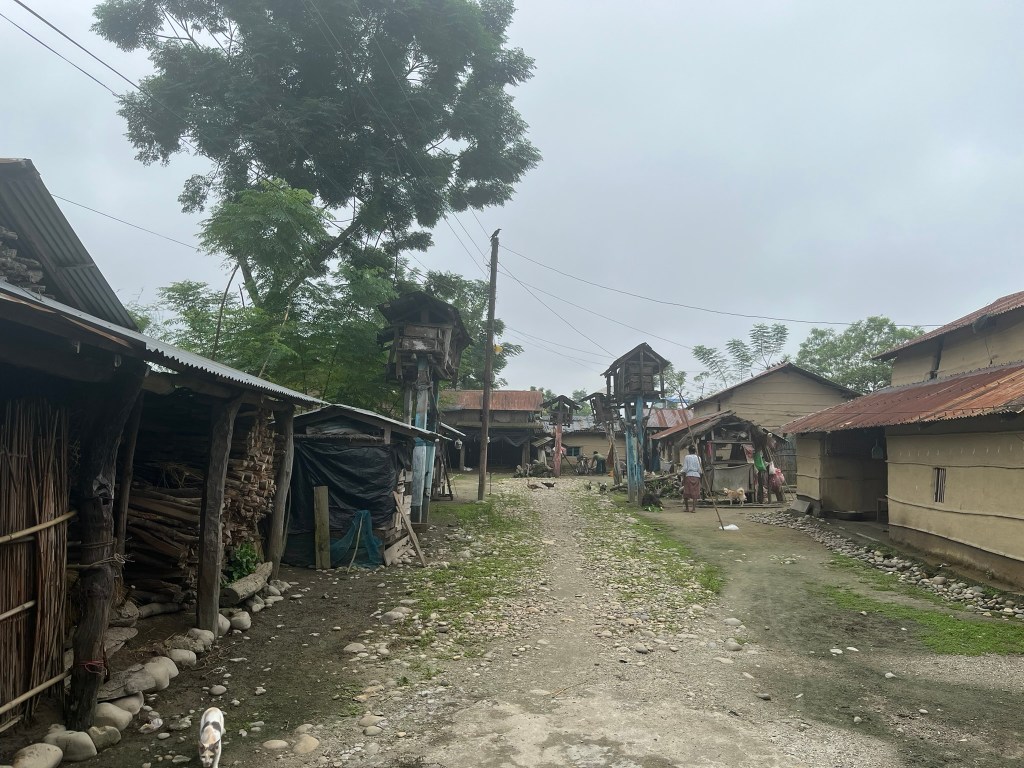
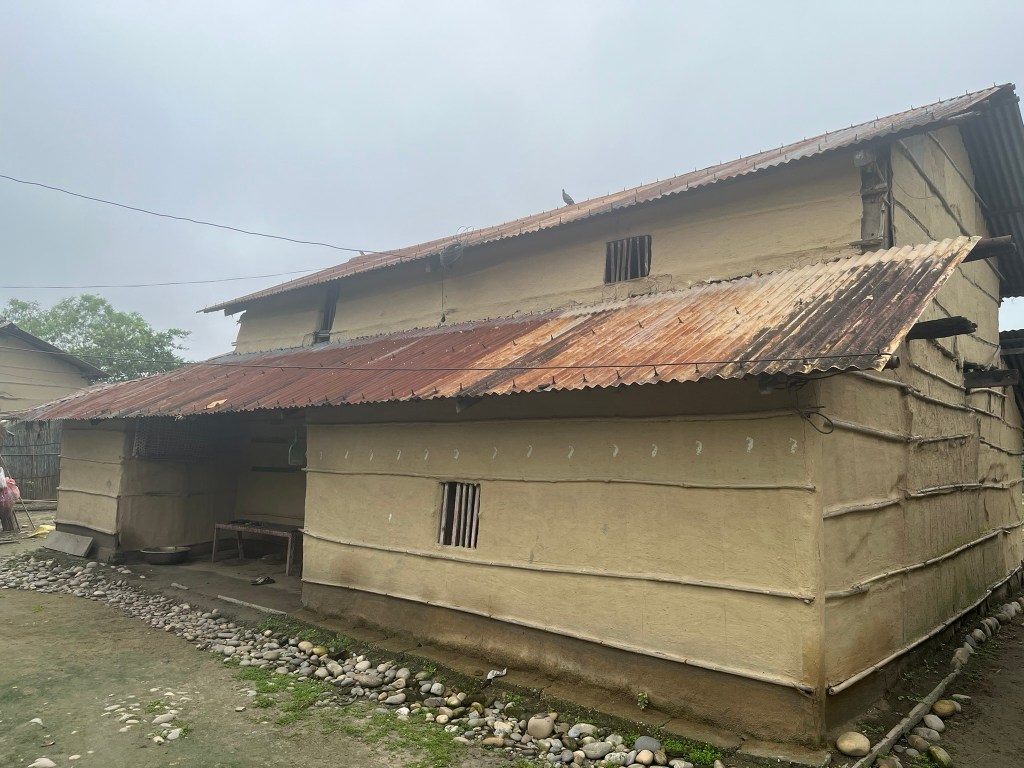
Until the 1950s, the Terai remained a malarial zone that deterred outsiders. This isolation allowed the communities to preserve their language, customs and social patterns. The eradication of malaria in the 50s marked a turning point, with the government encouraging hill migration into the Terai for resettlement and agriculture. They lost a lot of land because they did not have formal title deeds and faced cultural marginalisation and discriminations from the hill migrants. The early 2000s saw the rise of a Tharuhat movement, seeking recognition of Tharu ancestral territory as an autonomous province.
Today the Tharu community is around 1.7 million people in size, making up around 7% of Nepal’s population. In recent times, Tharu museums have been opened to celebrate art, architecture and daily life. Tharu language is now taught in local schools and their annual Maghi festival is now a national public holiday. The Tharu, whilst still facing challenges are increasingly visible as a proud indigenous group.
The Kumal people are another ancient ethnic Terai group, traditionally spread across the western and central lowlands, particularly along rivers. Their name is thought to derive from the word ‘kumhar’ which means potter, and reflects their main craft. They are renowned clay artisans, producing household items, ritual vessels and decorative pottery. Unlike the Tharu, who primarily worked in agriculture, the Kumal combined small-scale farming with pottery. Their skills have been passed down through generations, using local clay and hand-turning techniques. They blend Hinduism with animist beliefs, like the Tharu.
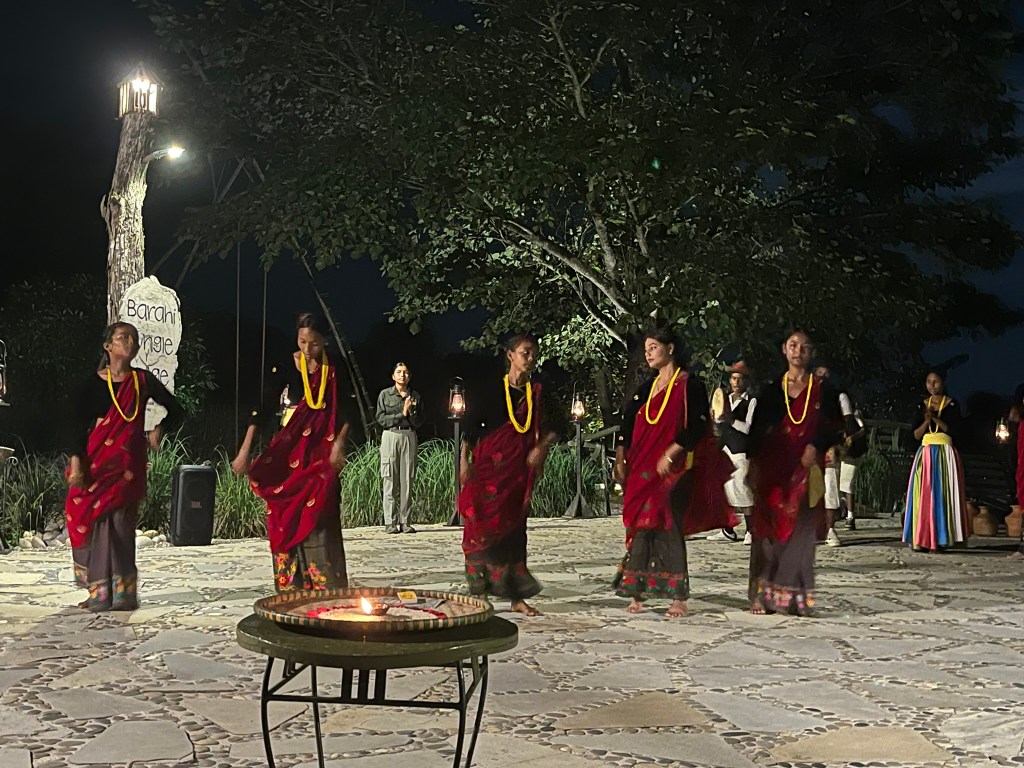
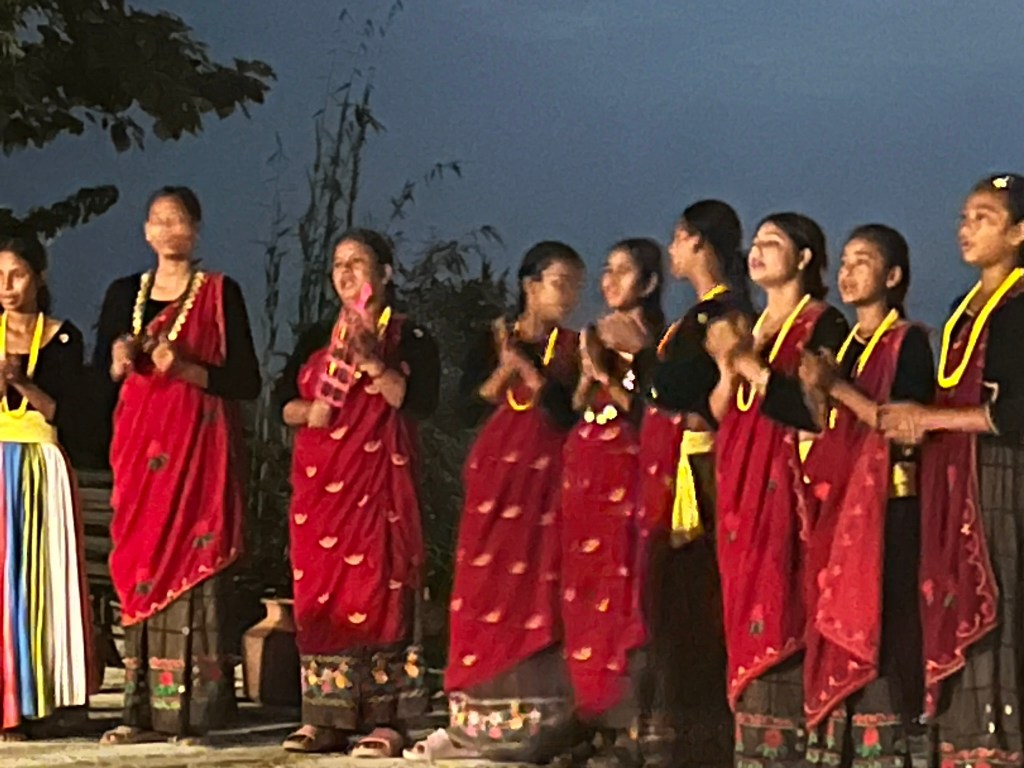
Today, there are around 120,000 Kumal people across the country, with the largest concentration in Chitwan. The demand for traditional pottery has greatly diminished, with the emergence of industrial production and plastic alternatives, which has caused economic hardship and migration to the cities. Nepal’s ‘one language, one culture’ policy up until 1990, marginalised indigenous languages and the Kumal language is now considered endangered with only a small number still speaking it fluently. The Kumal are among Nepal’s most economically disadvantaged groups with declining literacy and landownership, forcing many to work as daily wage laborers. However, cultural revival is gathering momentum. For examples, NGOs and the government are encouraging heritage pottery workshops to revive traditional methods, a Kumal cultural museum has been opened


Leave a Reply