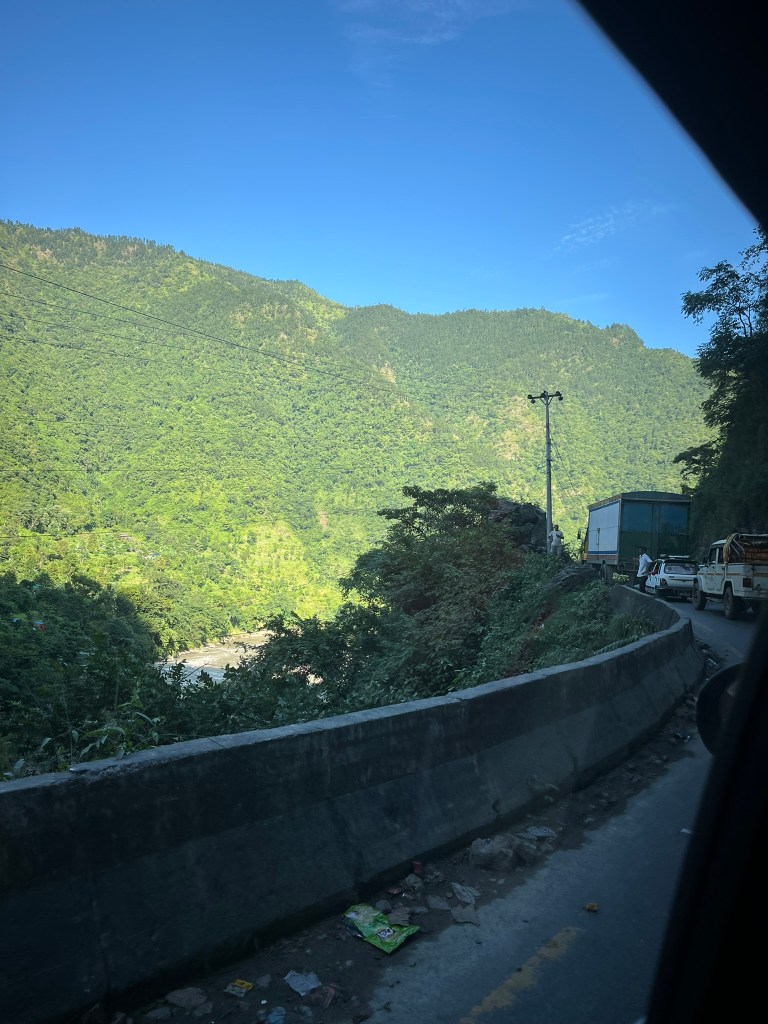
Chitwan National Park was established in 1973 and lies in the subtropical lowlands of south-central Nepal. If the traffic is good, it takes about 5 hours to drive here from Pokhara, although our journey took a little longer as we had to pass a section of the road where the outer lane had collapsed down the side of the valley, reducing a 2-lane highway to single lane traffic and creating a bottleneck.
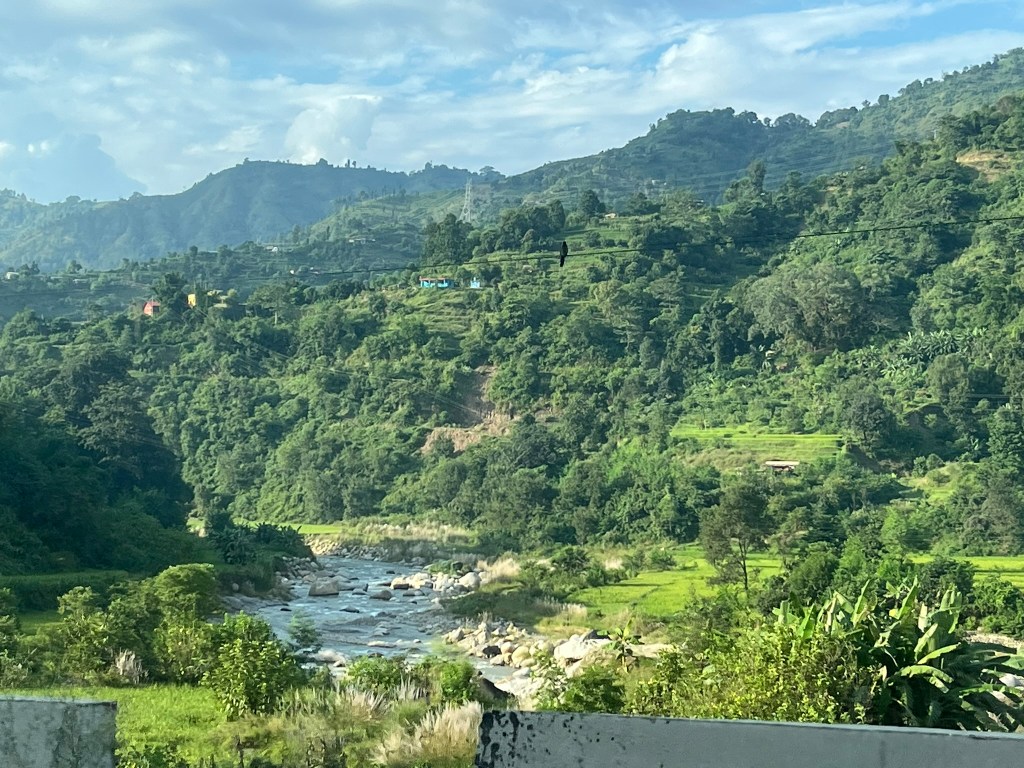
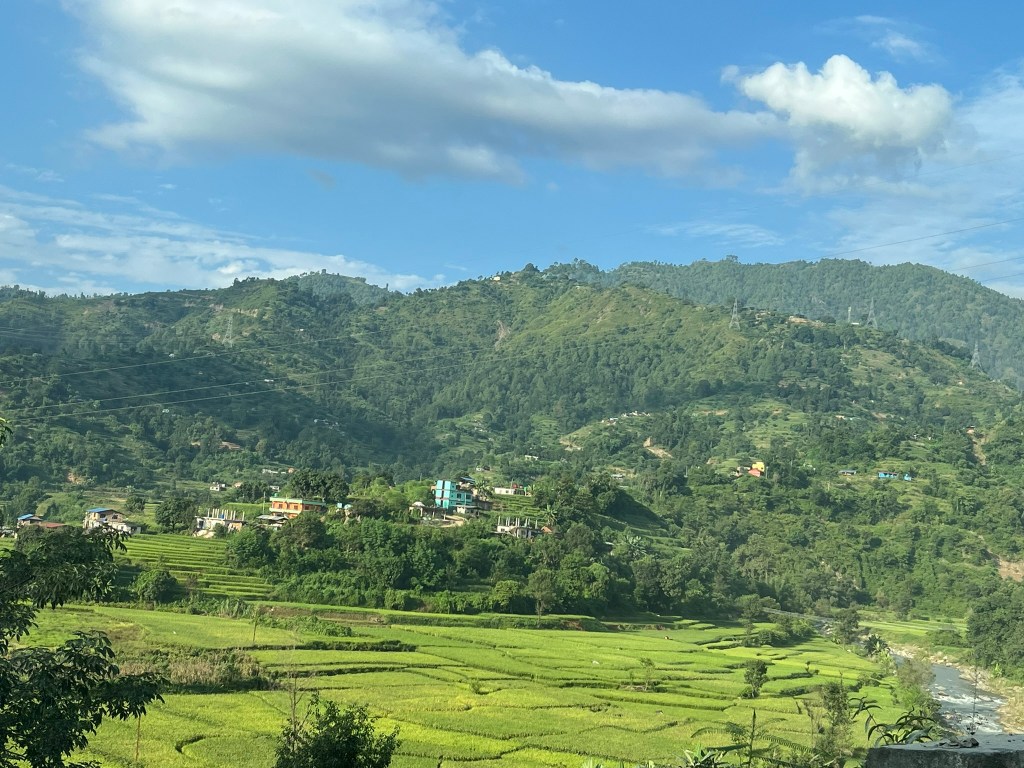
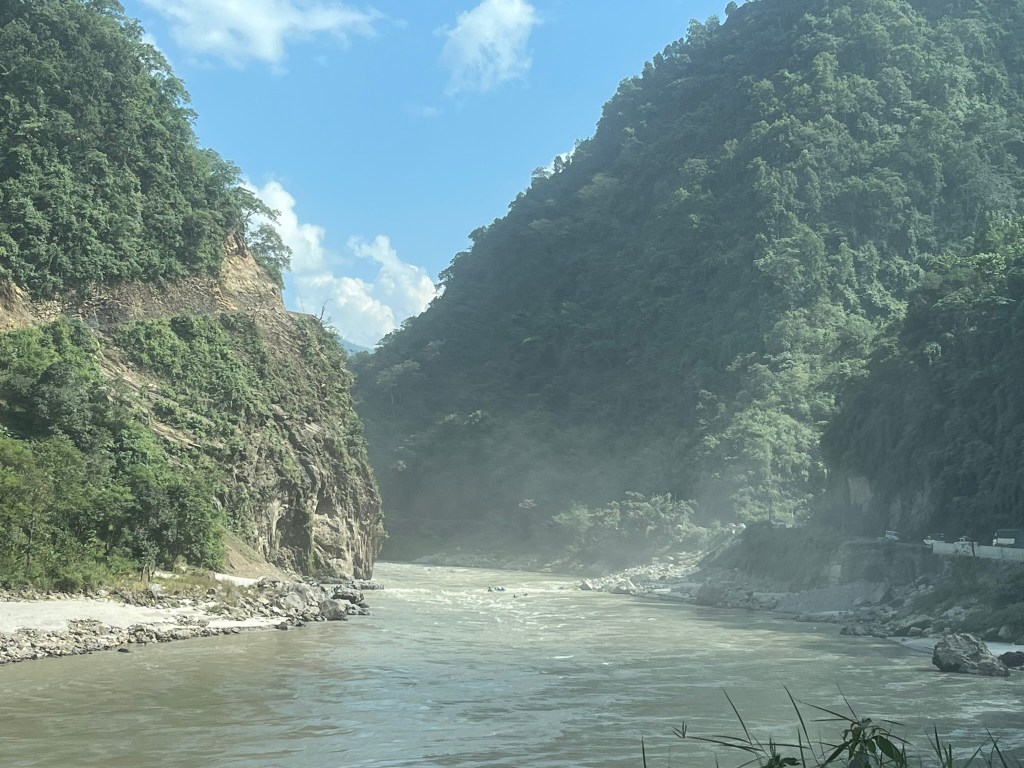
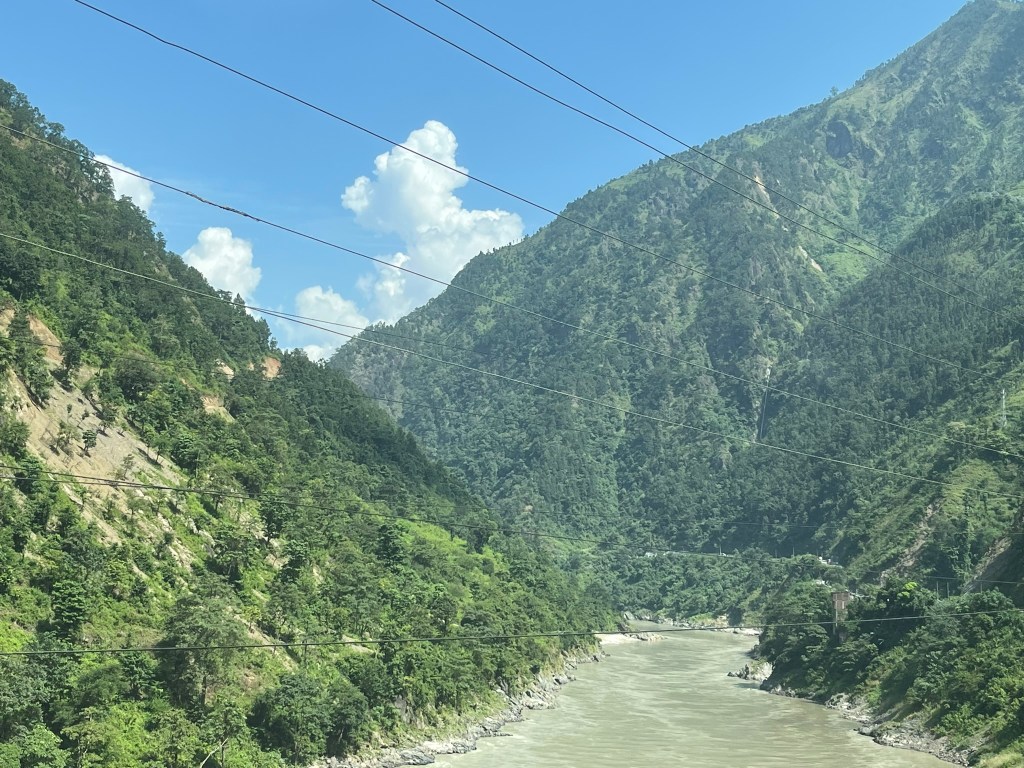
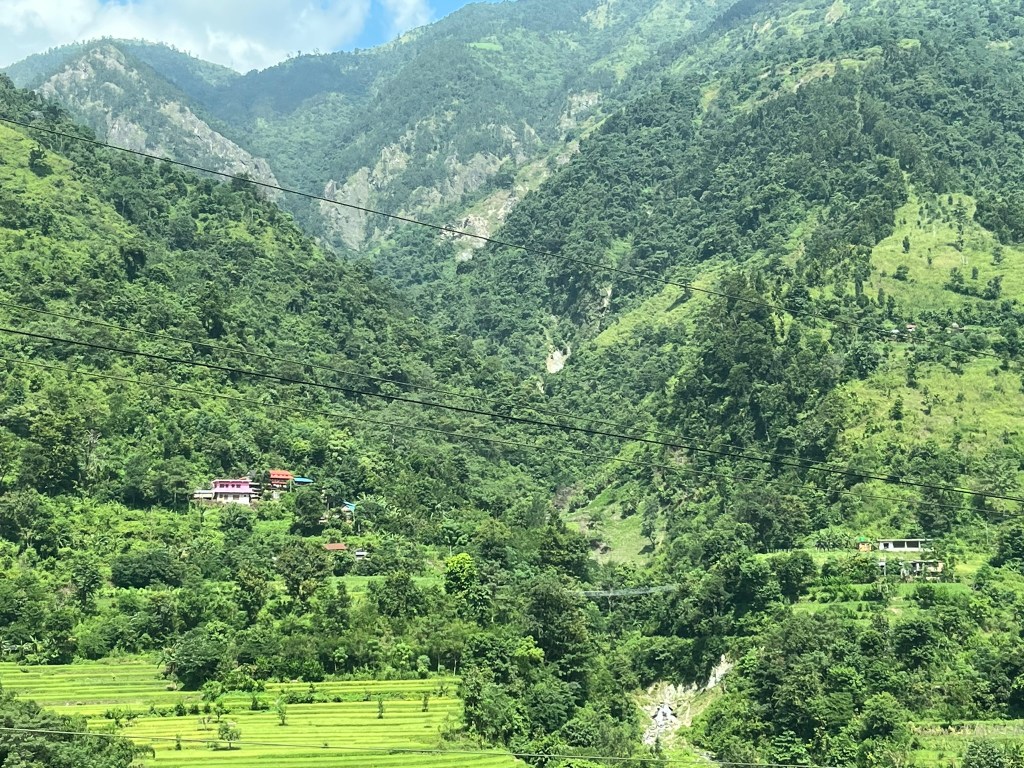
The drive is exceptionally scenic, and follows various rivers as you wind through a series of narrow gorges and descend in altitude almost to sea level to the flat terai lowland region of Nepal. As you peer down from the roadside, you will often see hanging bridges, connecting small terraced farming communities on the other side of the valley to the main road. The road to Chitwan is critical to Nepal as it is the main route through which goods come to India from. If this route is effected by, for example a large landslide that takes multiple days to be cleared, prices of certain good go up in Kathmandu due to shortages. That is how critical a road it is. And it is in average to poor condition, with some sections not tarmacked and others full on pot holes. That said, it certainly isn’t as bad as the road we experienced from the border with Tibet to Kathmandu.
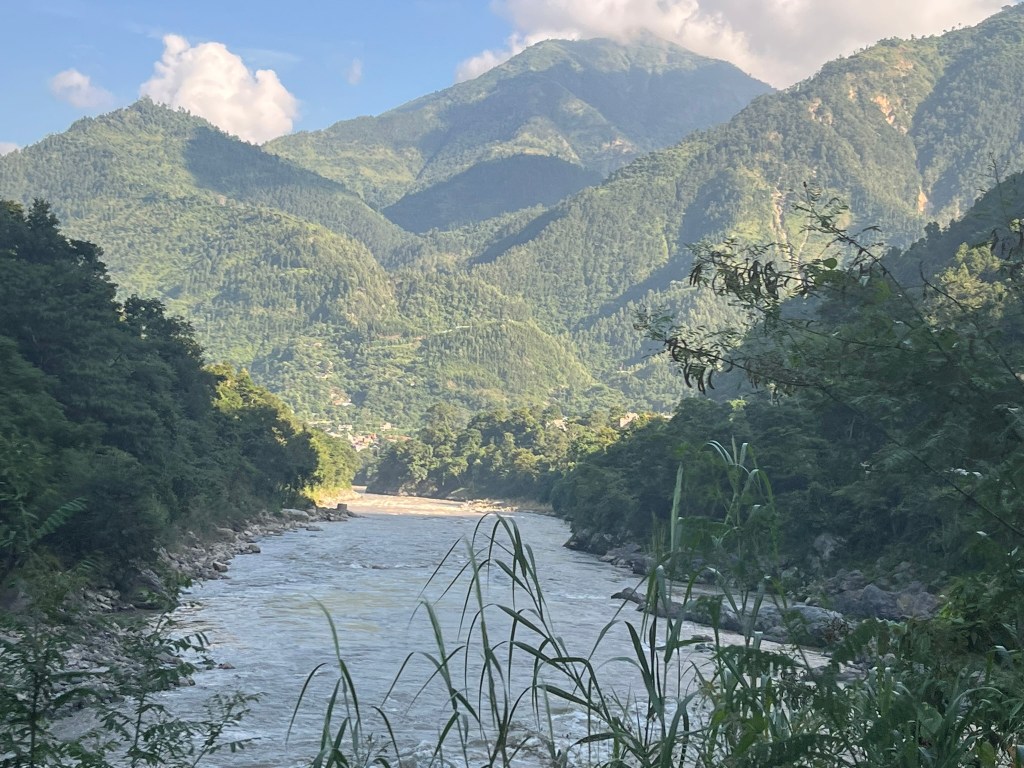
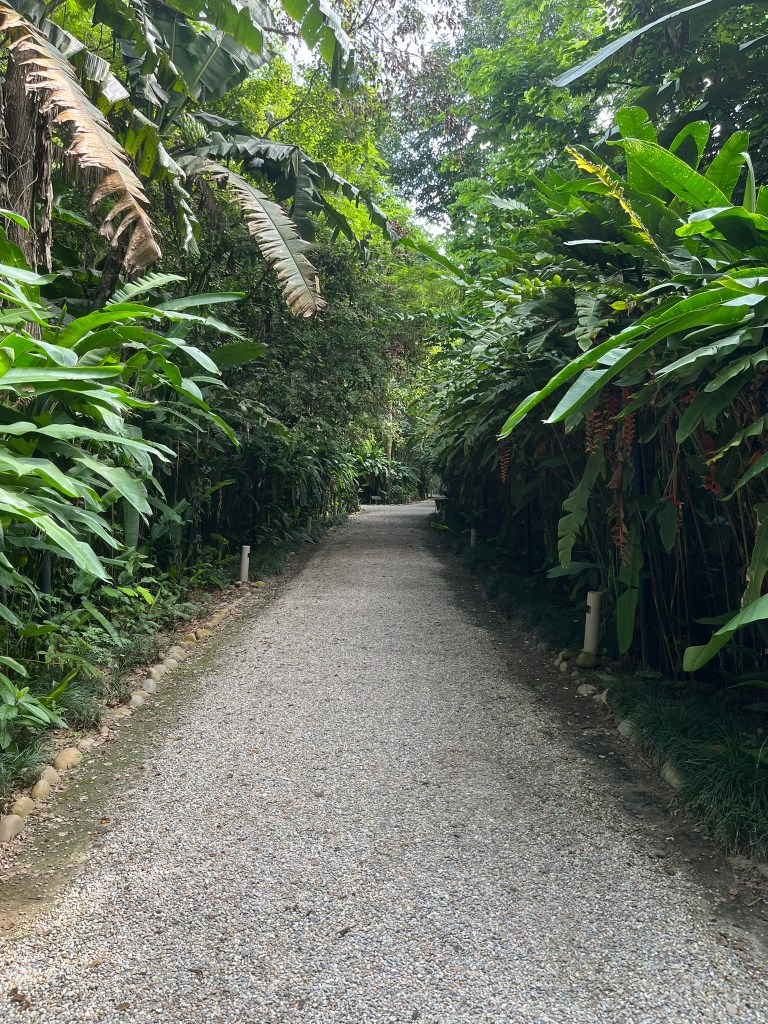
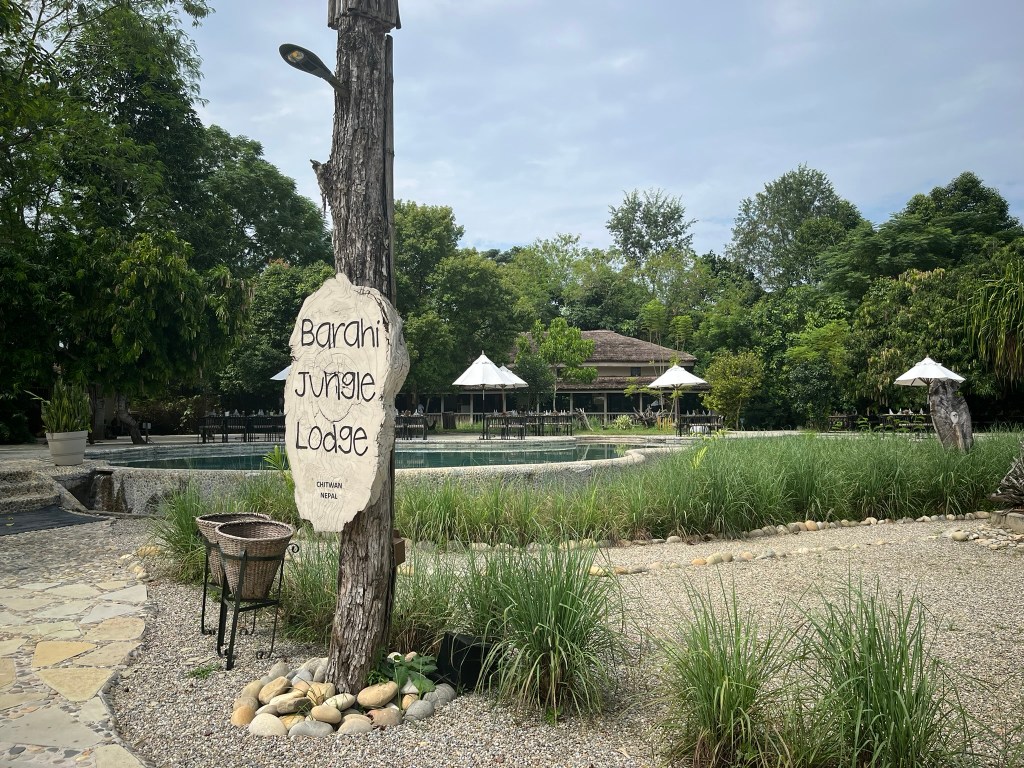
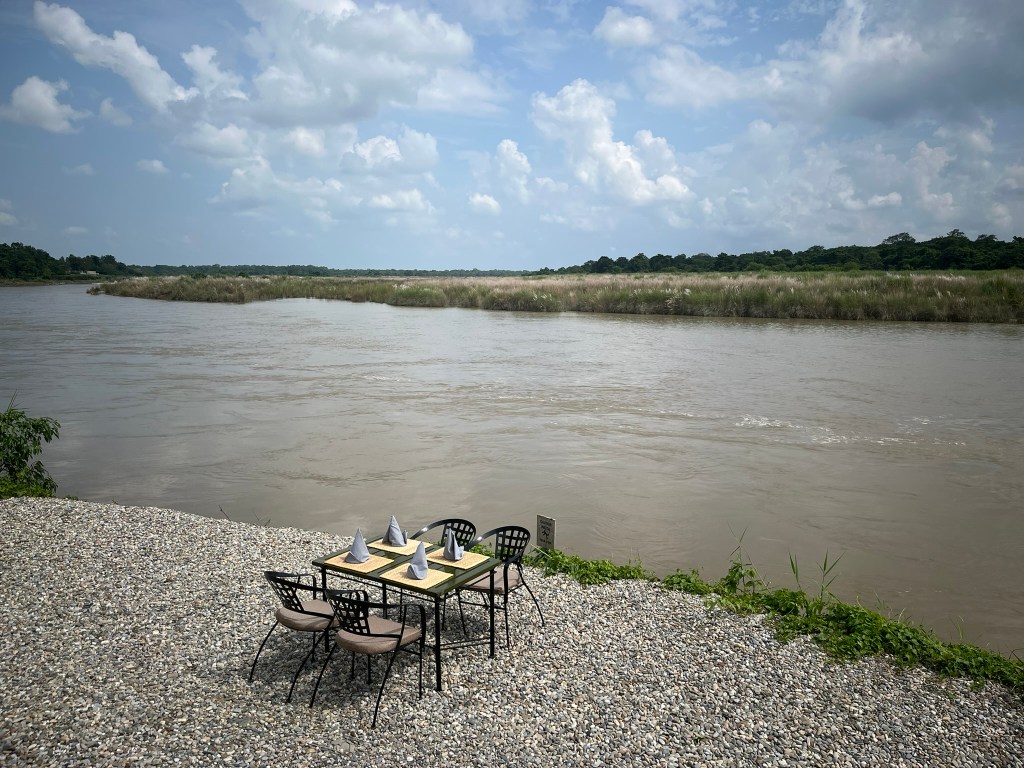
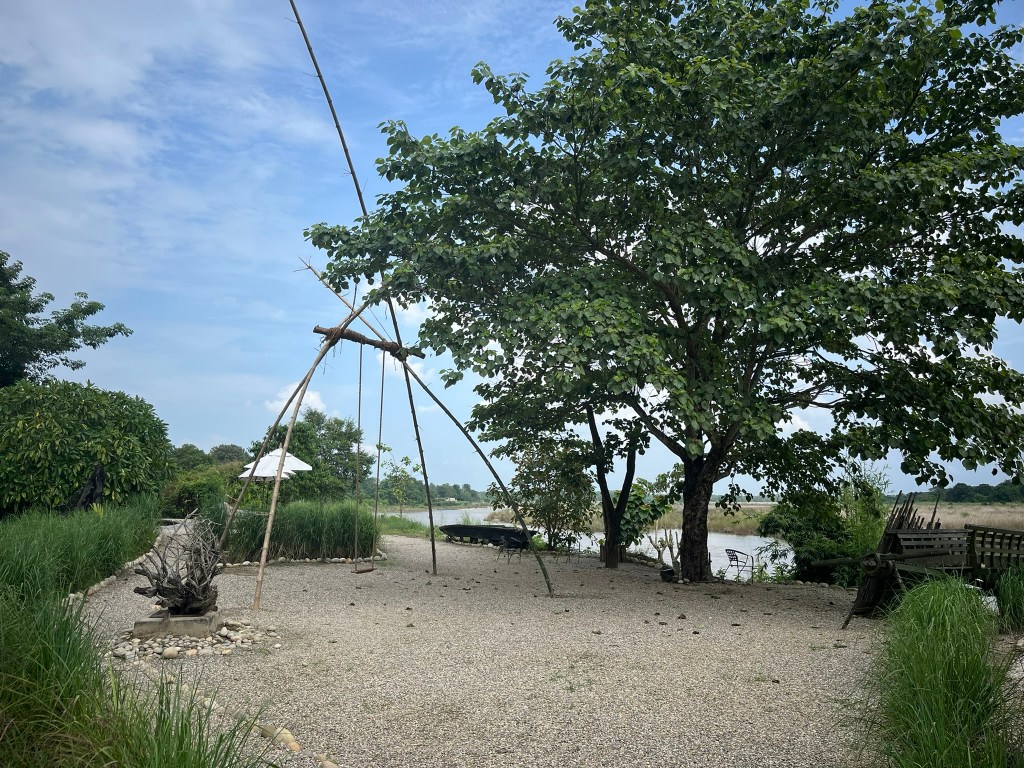
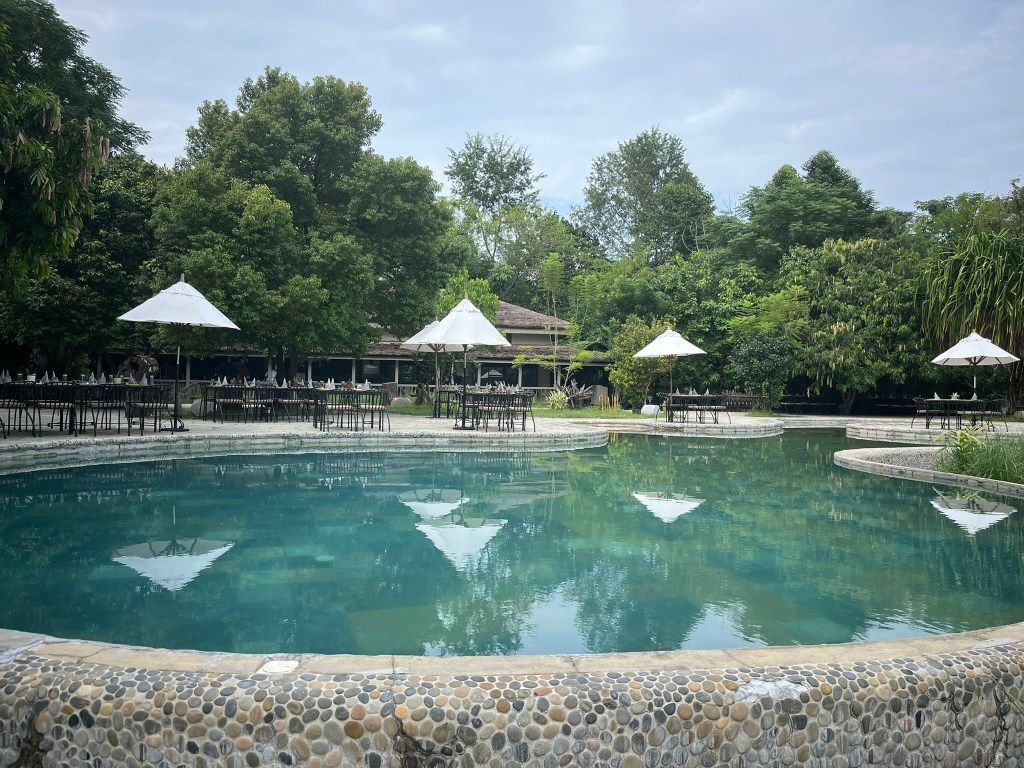
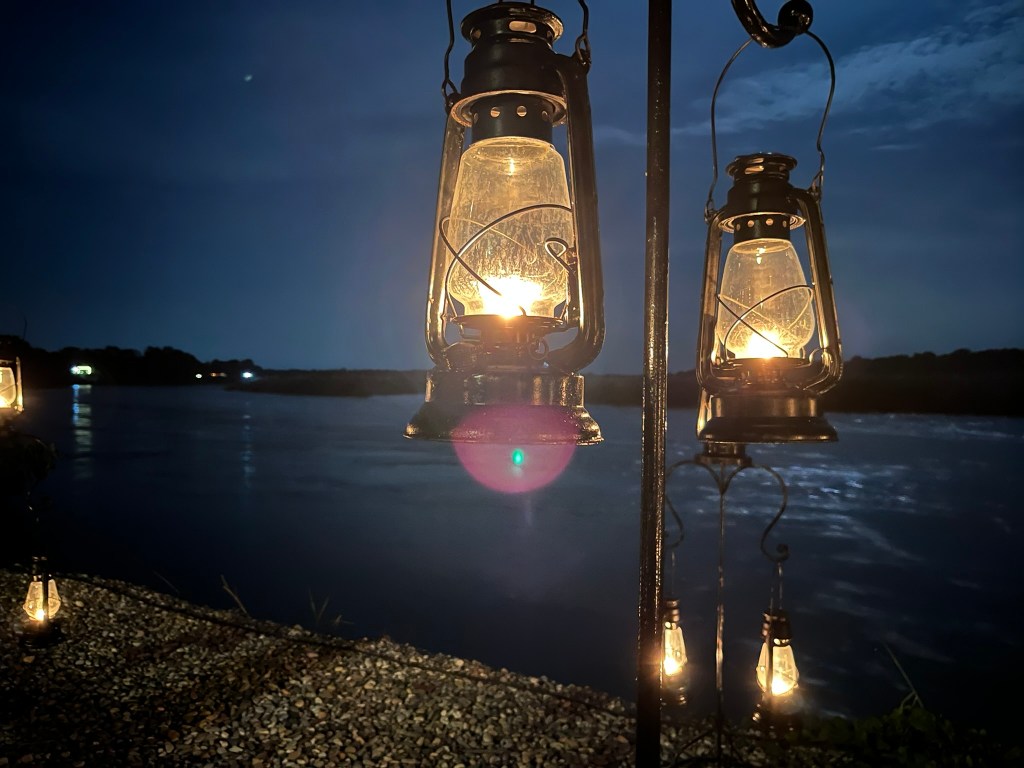
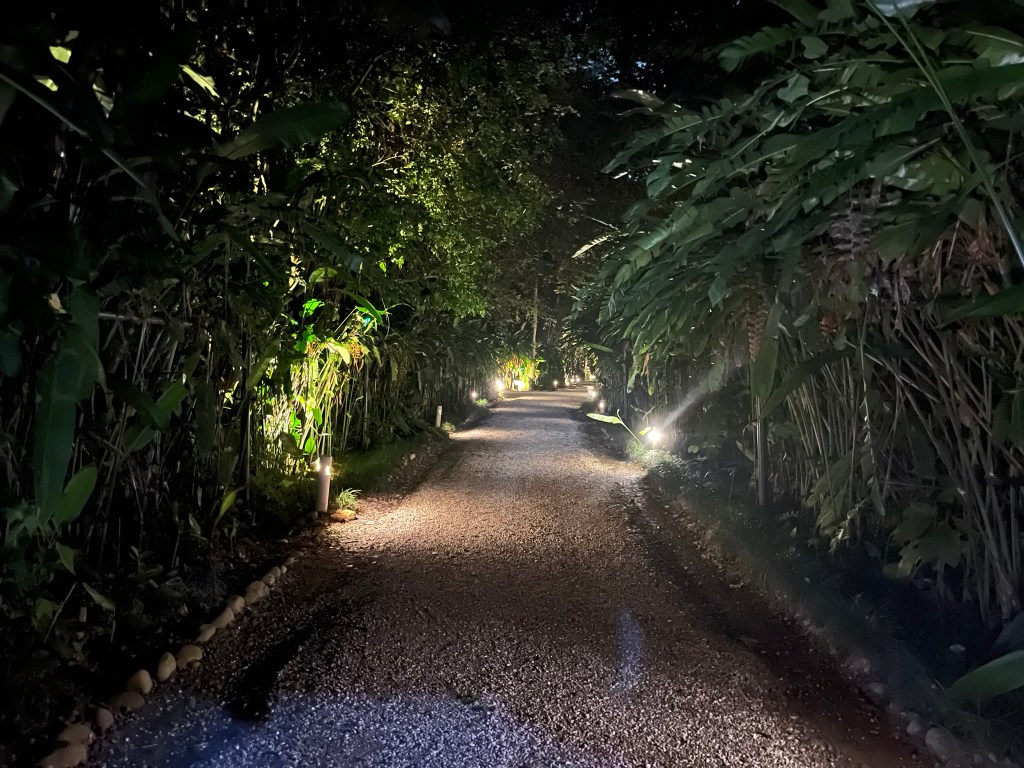
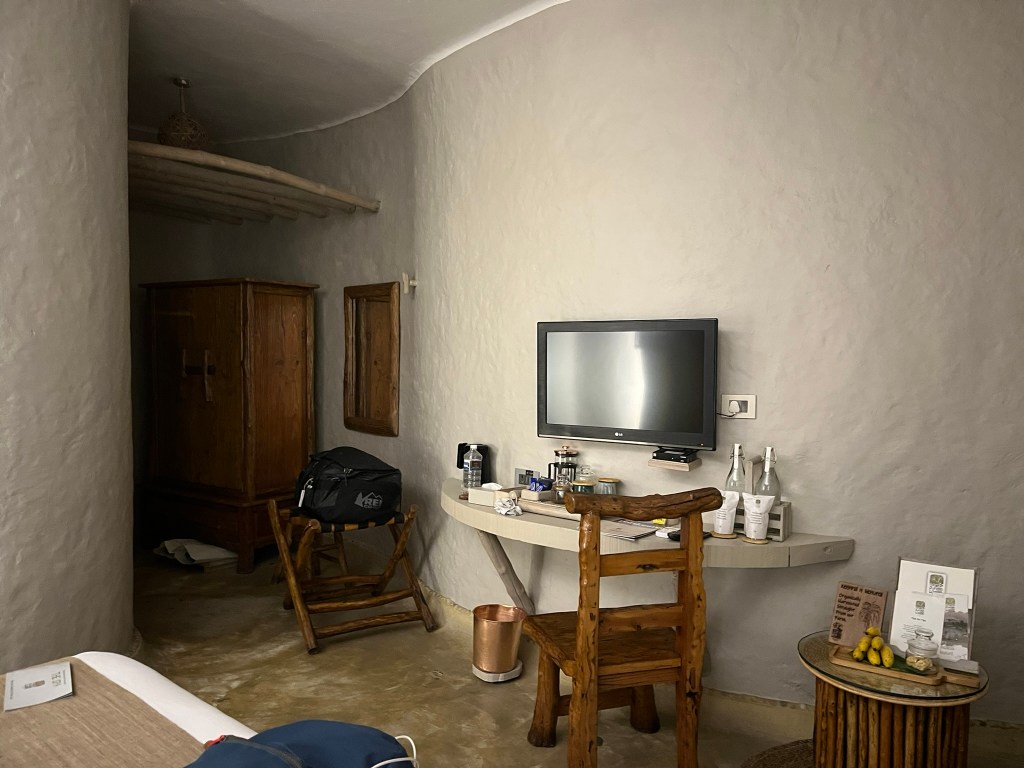
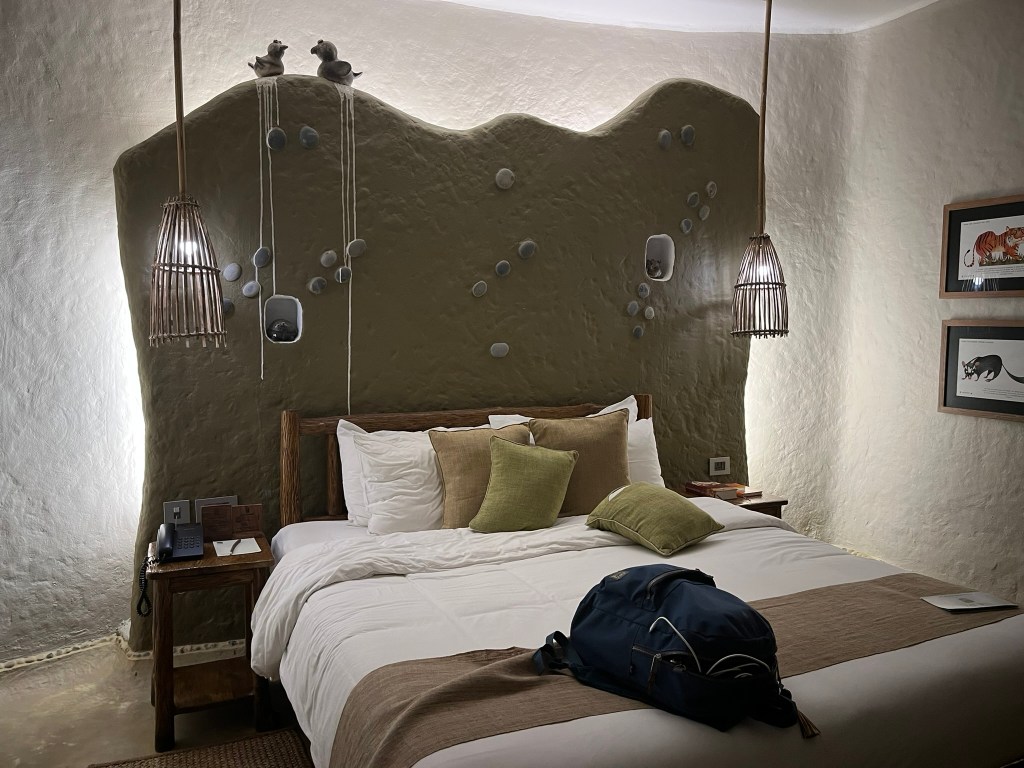
Chitwan National Park would be our home for the next 2 days and we were staying in the fabulous Bahari Jungle Lodge, positioned right at the edge of the park (there are no lodges inside the park itself) along the Rapti River. You can’t fault this hotel, the service, rooms, food and nature guides were brilliant and the staff went above and beyond to make our stay memorable. On our first night we had a private bush dinner right alongside the river lit by candlelight, after enjoying a dance performance from the local Tharu community. And each guest gets there own beautifully decorated cabin, facing the Rapti River.
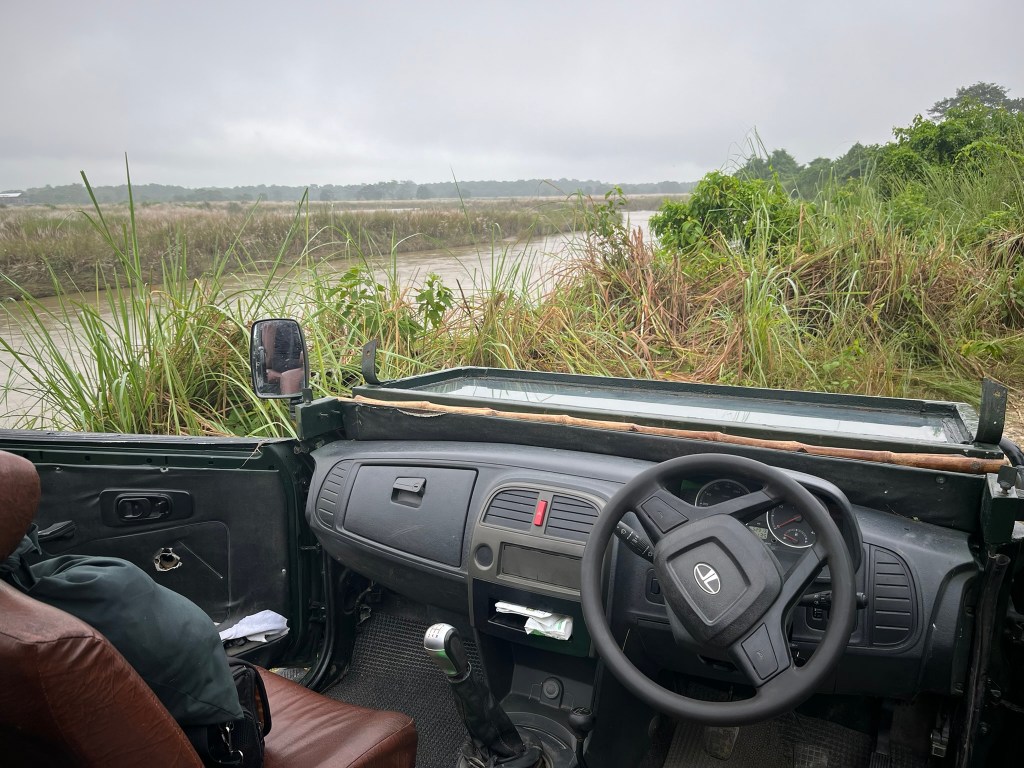
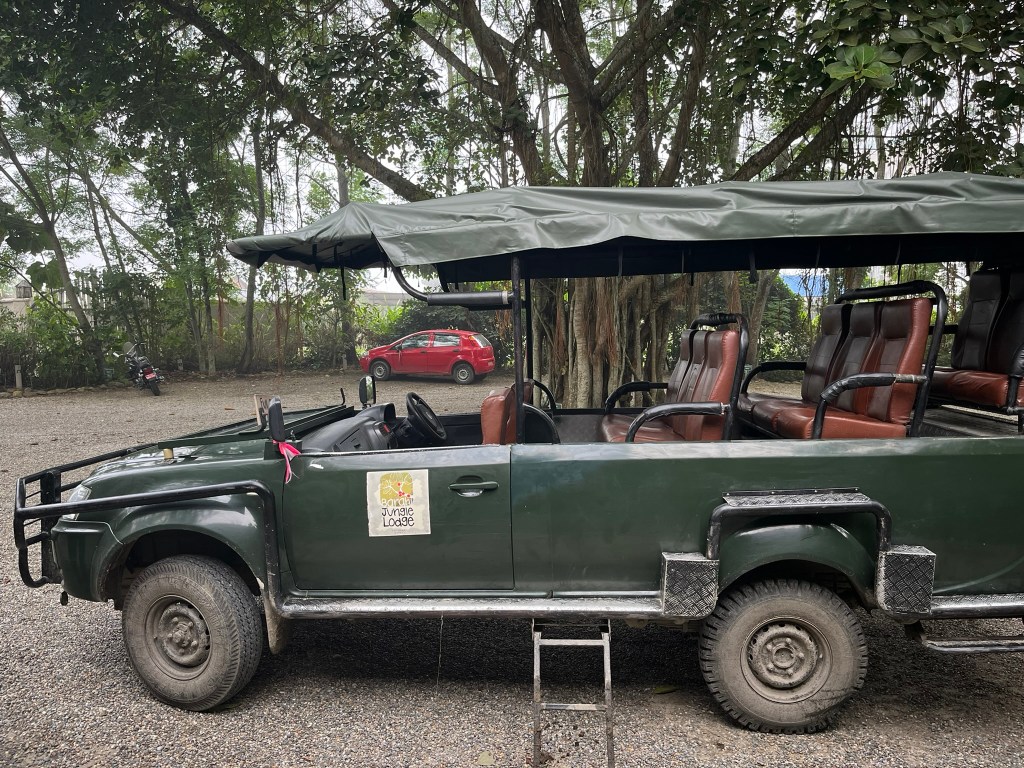
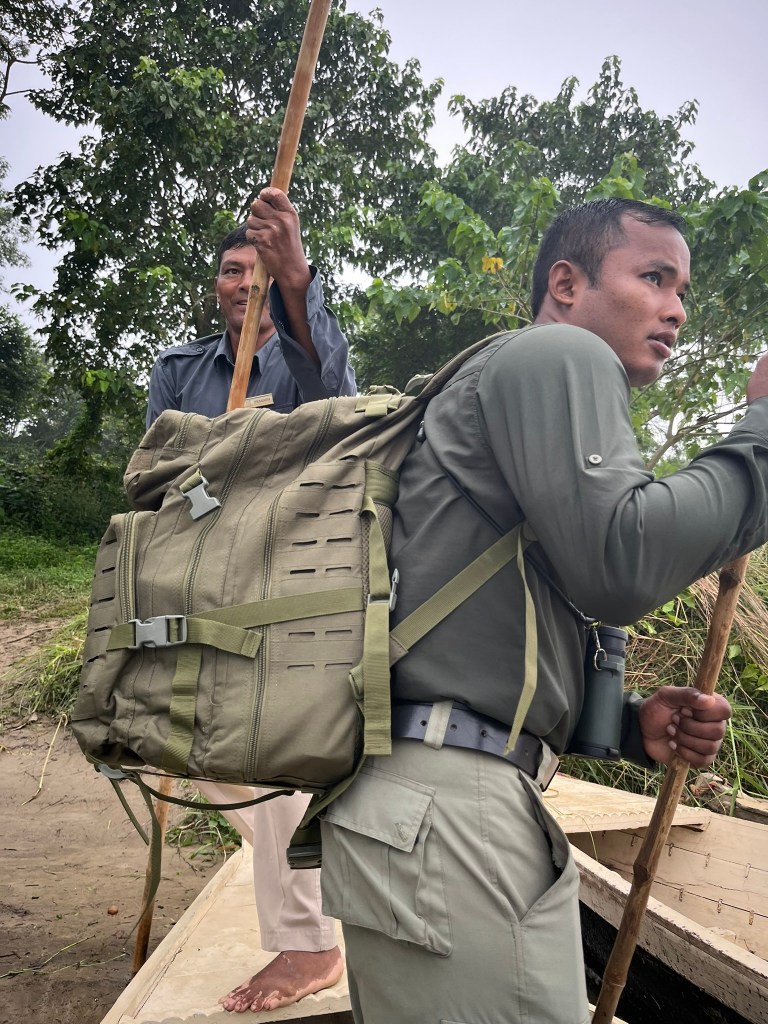
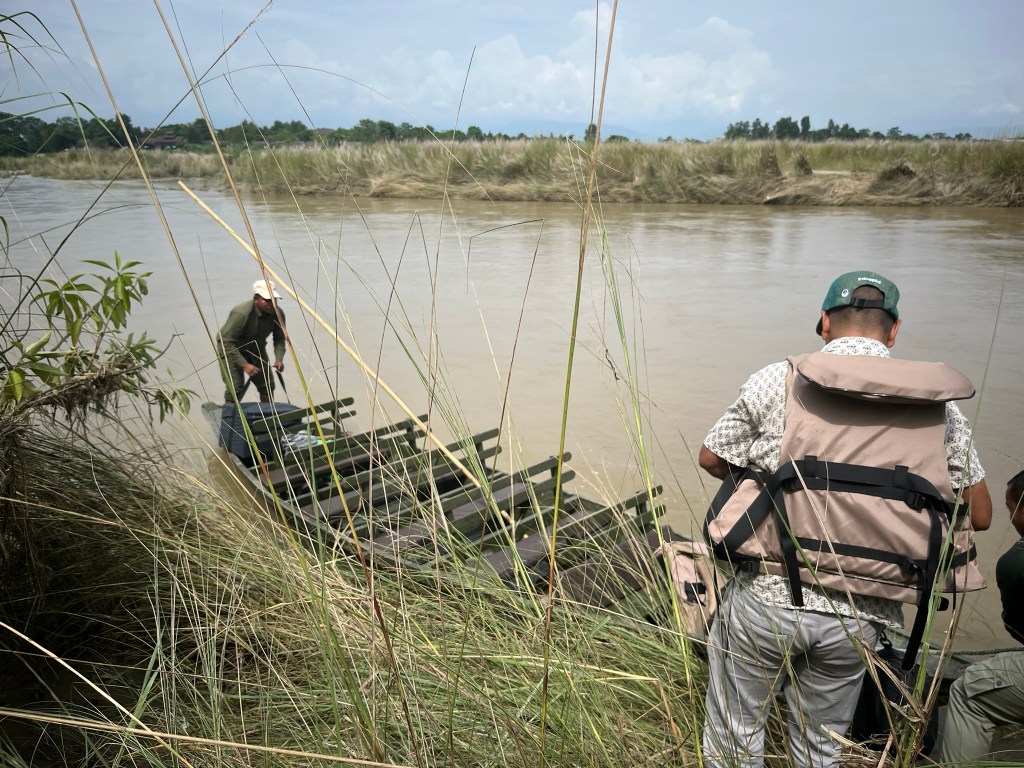
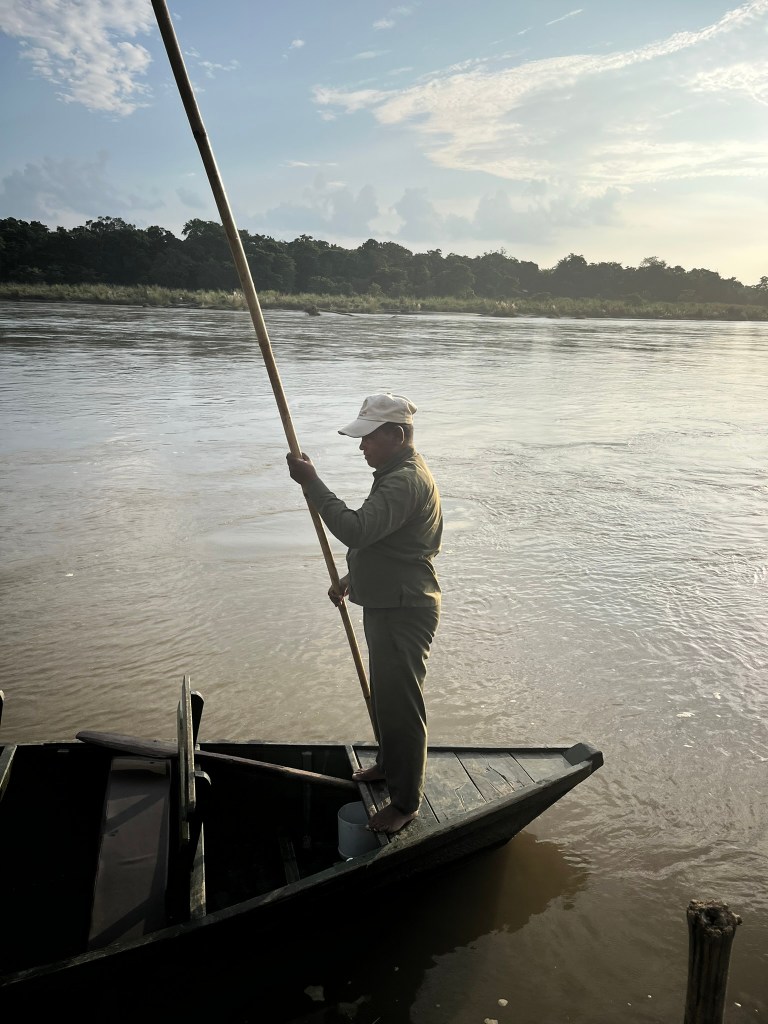
Our nature guide for our stay, Tek, planned for us to do a morning jeep safari and afternoon river safari. Our vehicle was on the other side of the river, and because the river was running so high we had to have a mini adventure just to get our safari started. We drove upriver to another resort and jumped in a small boat, powered only by 2 men with long sticks who had to carefully maneuver the boat along the fast flowing river to the other side, and then literally get out of the boat and pull us up a smaller and more quiet branch of the river until we reached a spot where we could safely disembark. We then clambered up the side of a steep muddy bank and finally we were ready to set off. The benefit of this short little adventure was that we landed right in the heart of the park, avoiding a 3 hour drive just to get to the same spot.
The park is one of Nepal’s key protected areas for wildlife and was made a UNESCO World Heritage Site in 1984 to reflect the importance of its biodiversity. The park supports 68 species of mammal, over 500 species of birds, 56 species of amphibians and reptiles and 126 species of fish. They key species are the greater one-horned rhinoceros, Royal Bengal tiger, Asian elephant, leopard and sloth bear. There are also the endangered Gharial and Mugger crocodiles along and in the river.
The most iconic species of Chitwan is the rhinoceros and was the main animal I was hoping to see on our adventure. It’s so difficult to spot animals like tigers and leopards in a jungle safari environment, but there was a good chance of finding a rhino. As of 2021, Chitwan was home to 694 one-horned rhinos, whilst the total national populated is estimated at just 752 rhinos, so Chitwan homes the vast majority of them. This is one of the largest rhino populations anywhere in the world, and the park has had great success with their conservation efforts, restoring a species that was on the brink of extinction and recording zero poaching last year.

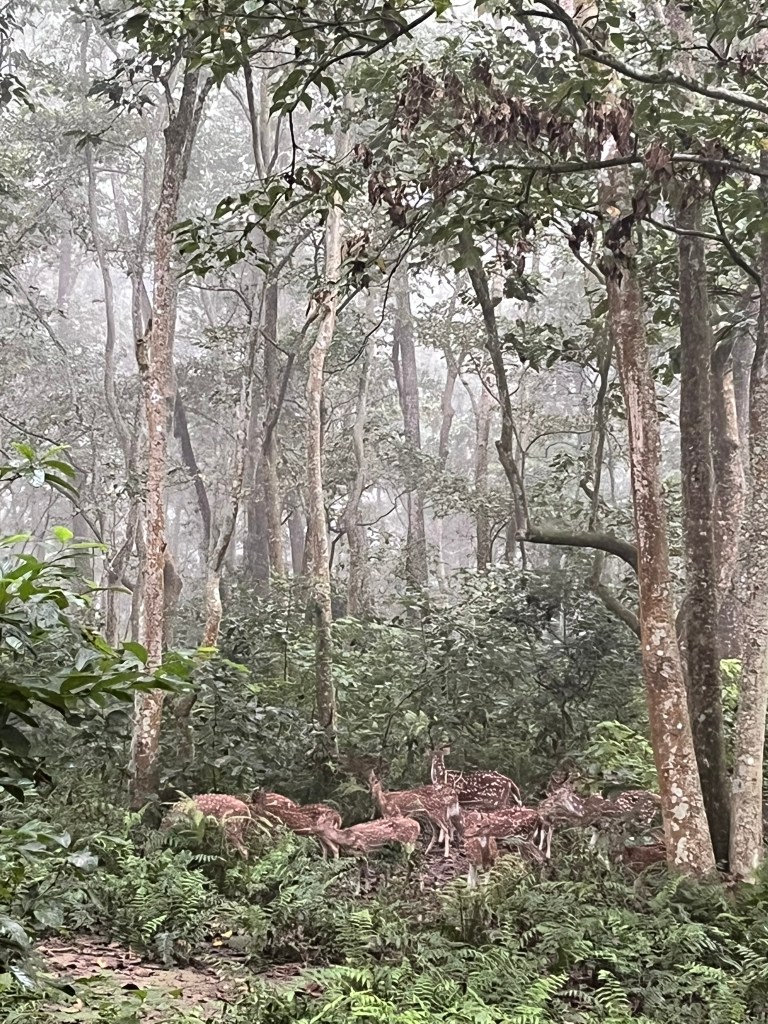
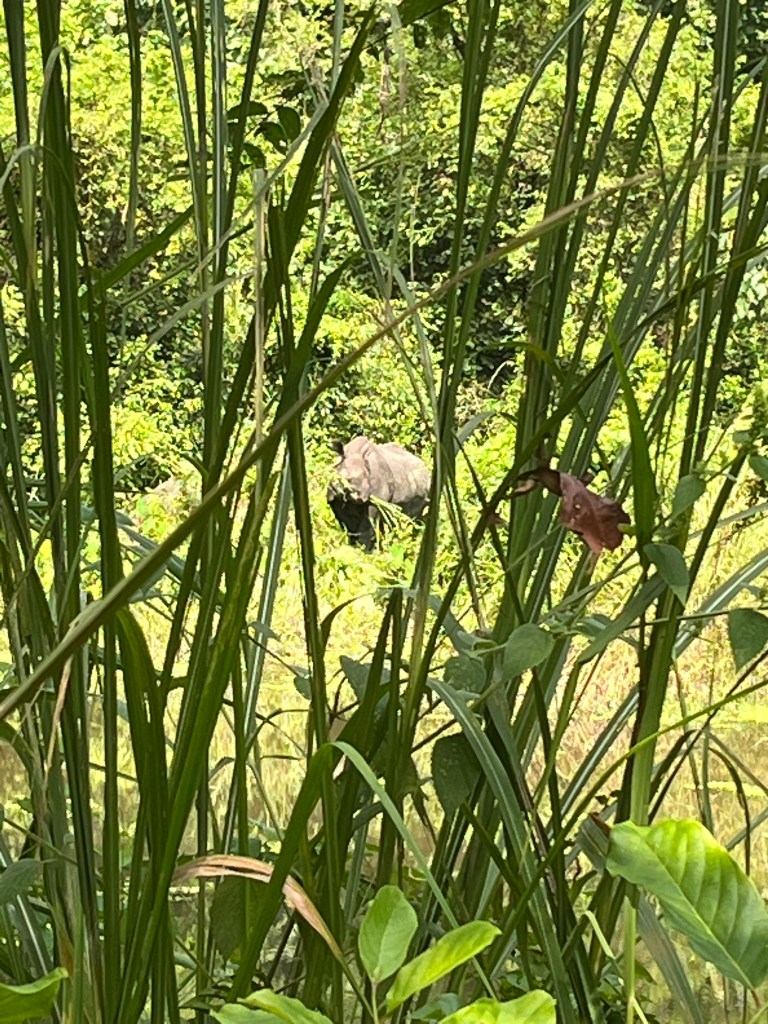
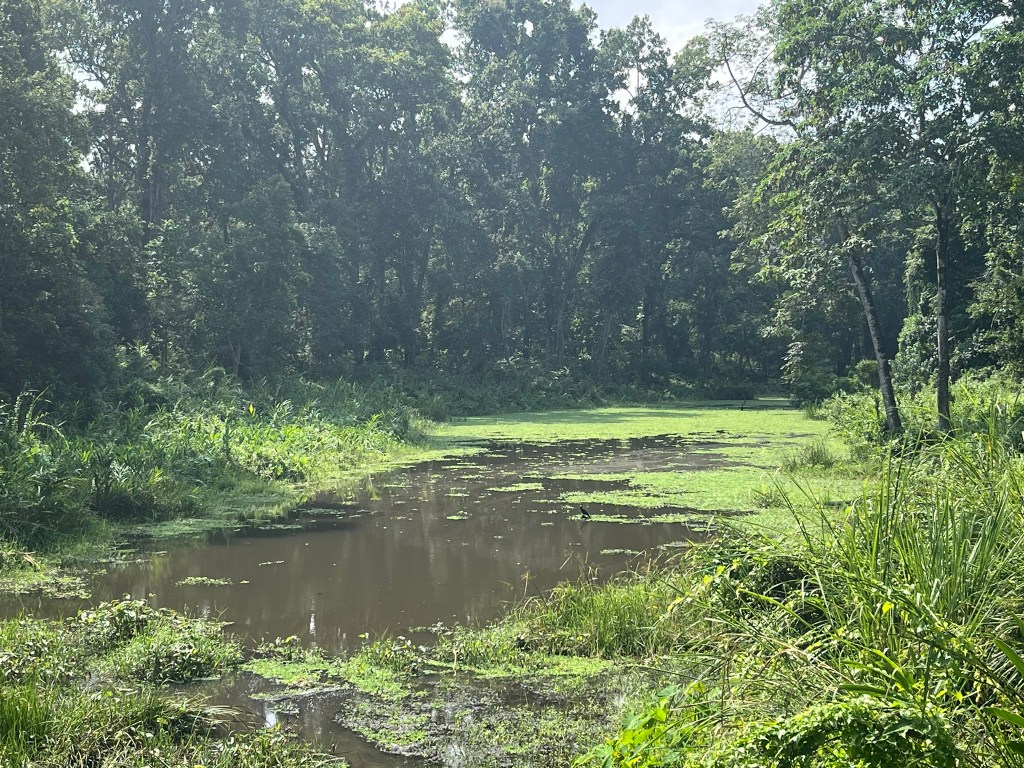
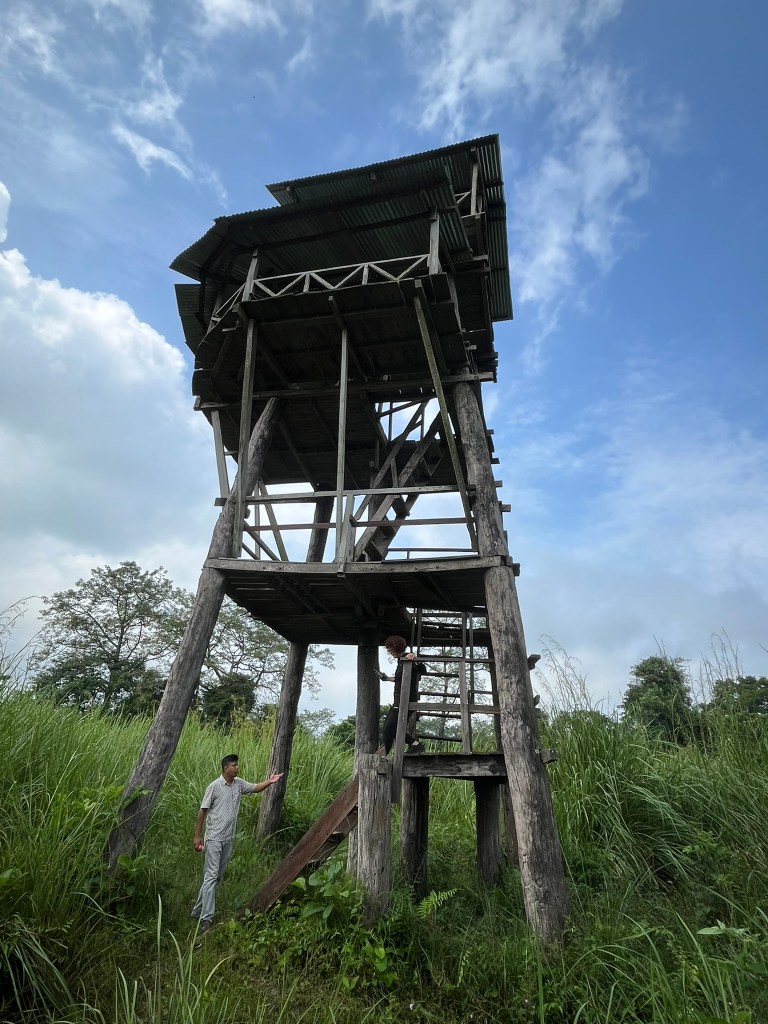
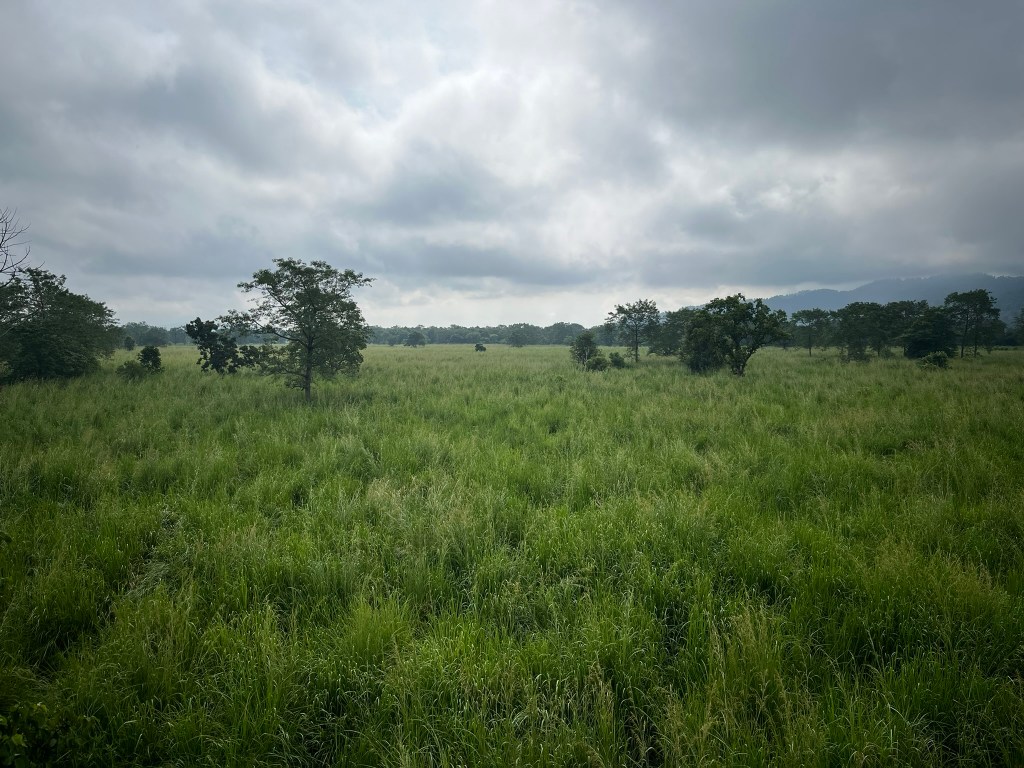
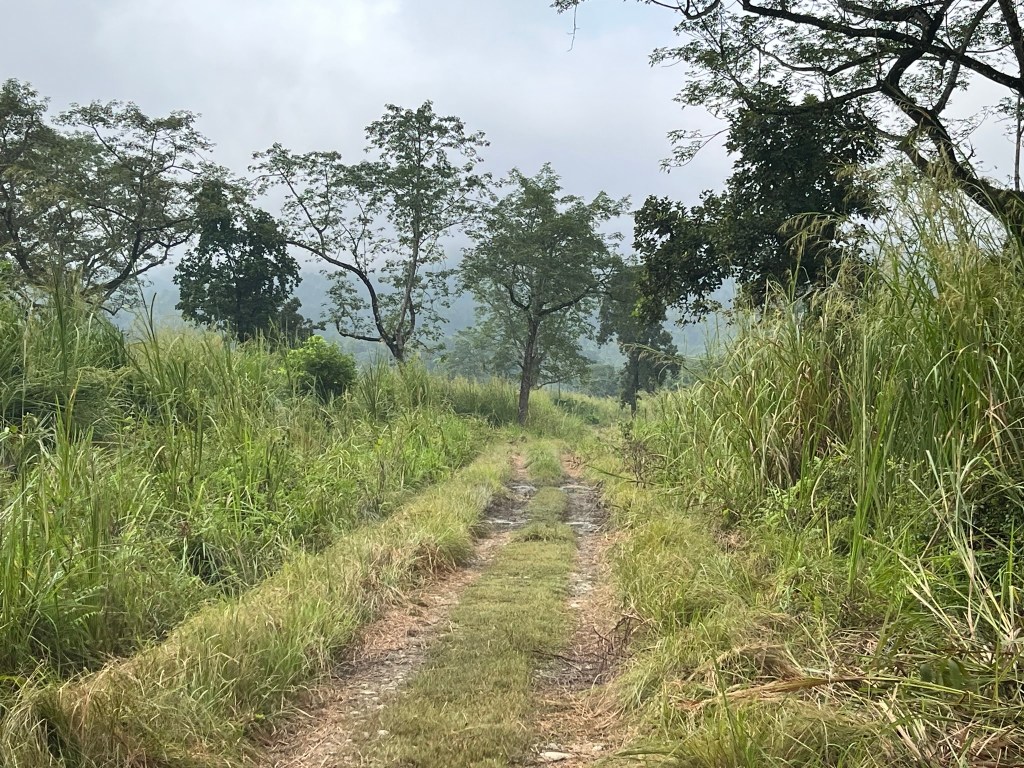
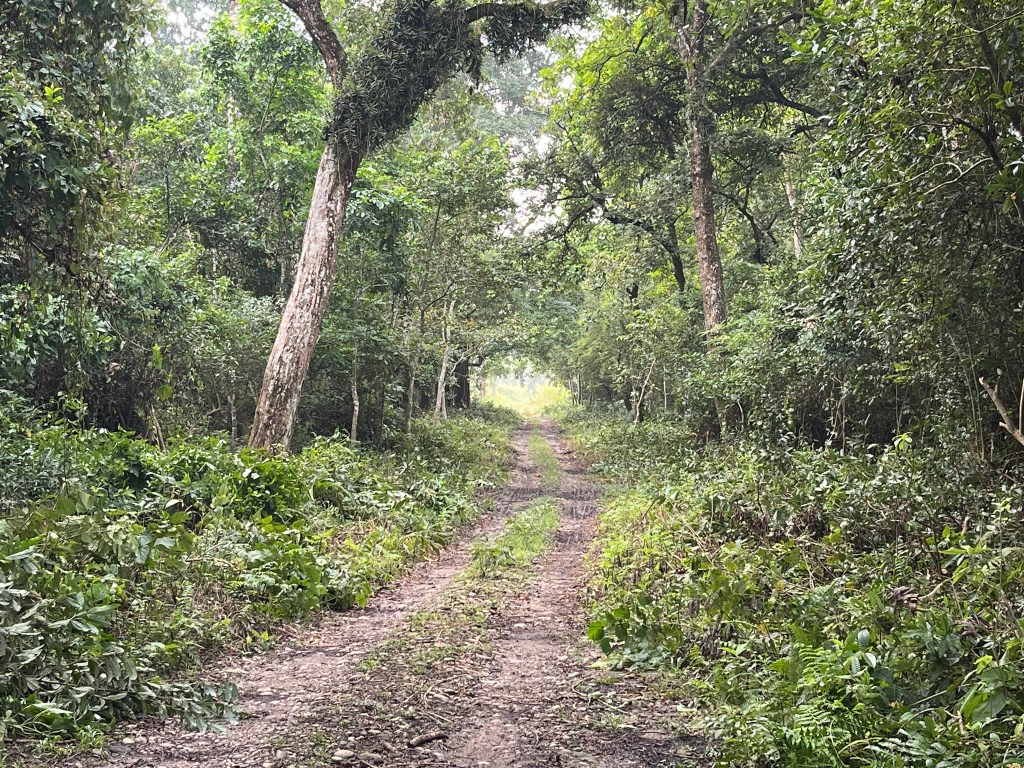
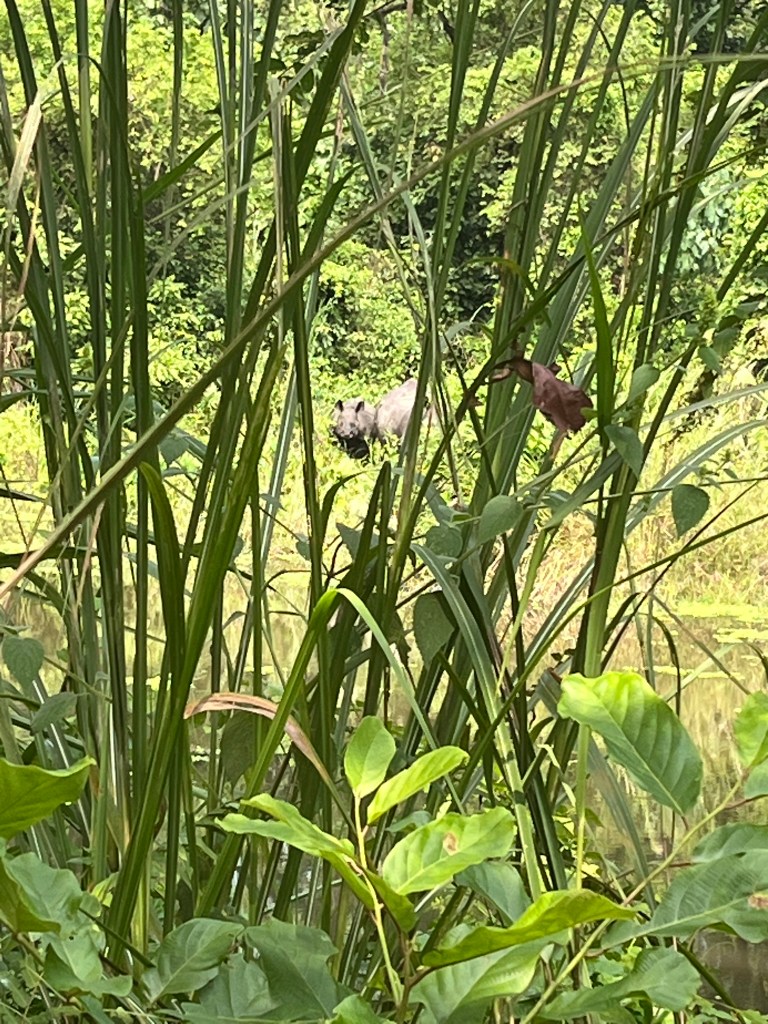
We explored the park for about 4 hours on our morning safari, travelling through wetlands, marshy areas and grassland. These all have very dense vegetation, even the grassland is full of 10 feet tall elephant grass, meaning you have to keep a keen eye out for any wild life. We saw lots of groups of spotted deer travelling through the foliage and tons of different bird species. And we knew there were tigers in the area as we found a number of fresh footprints in the mud. At around 10am we stopped for coffee on top of a watch tower and got a birds eye view of the habitat. And then finally at around 11am we stumbled upon a mother rhino with her baby munching on food by one of the swampy ponds. We got to watch and enjoy for about 20 minutes before we had to start heading back to the lodge. It was a brilliant first sighting of such an incredible animal.
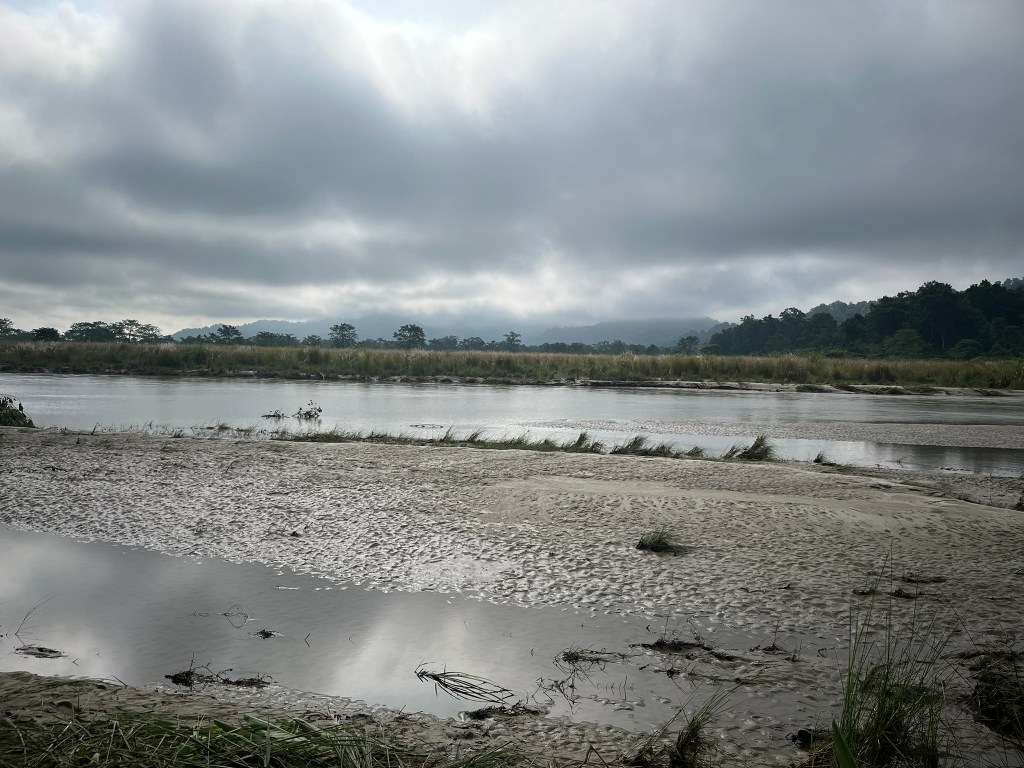
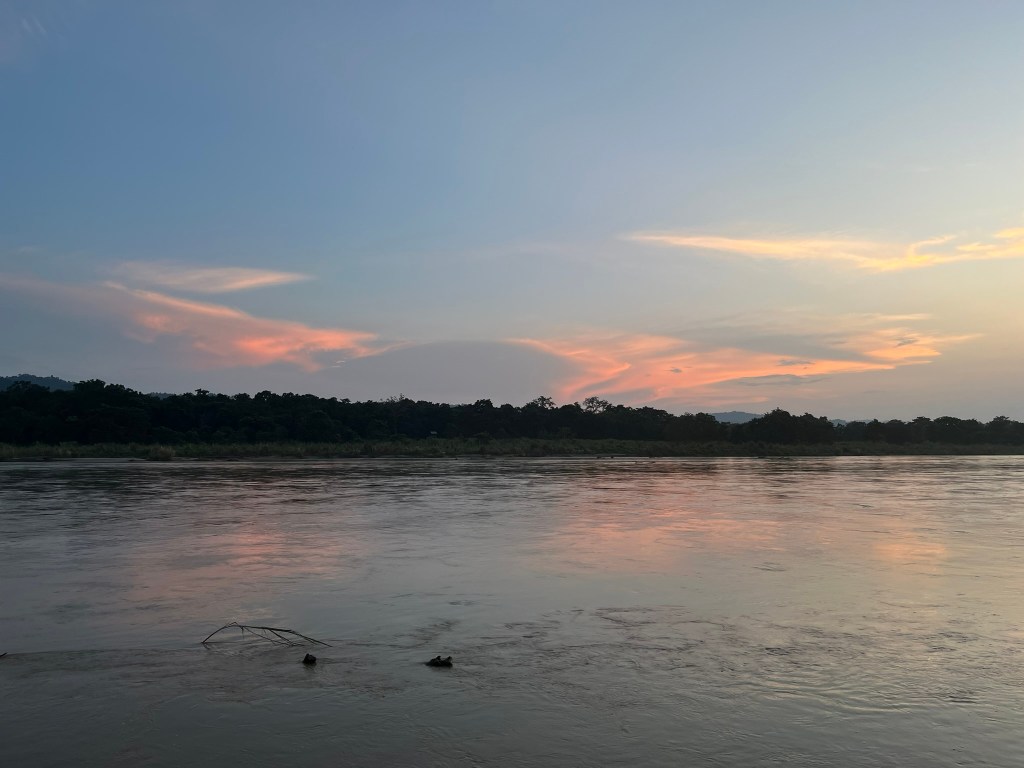
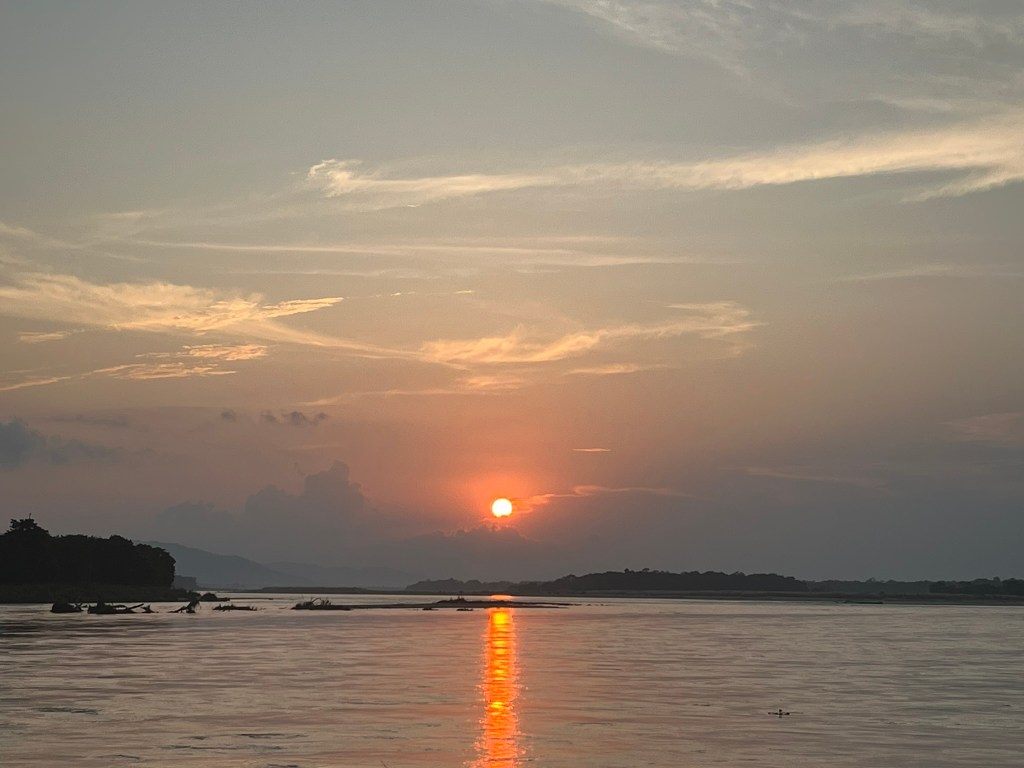
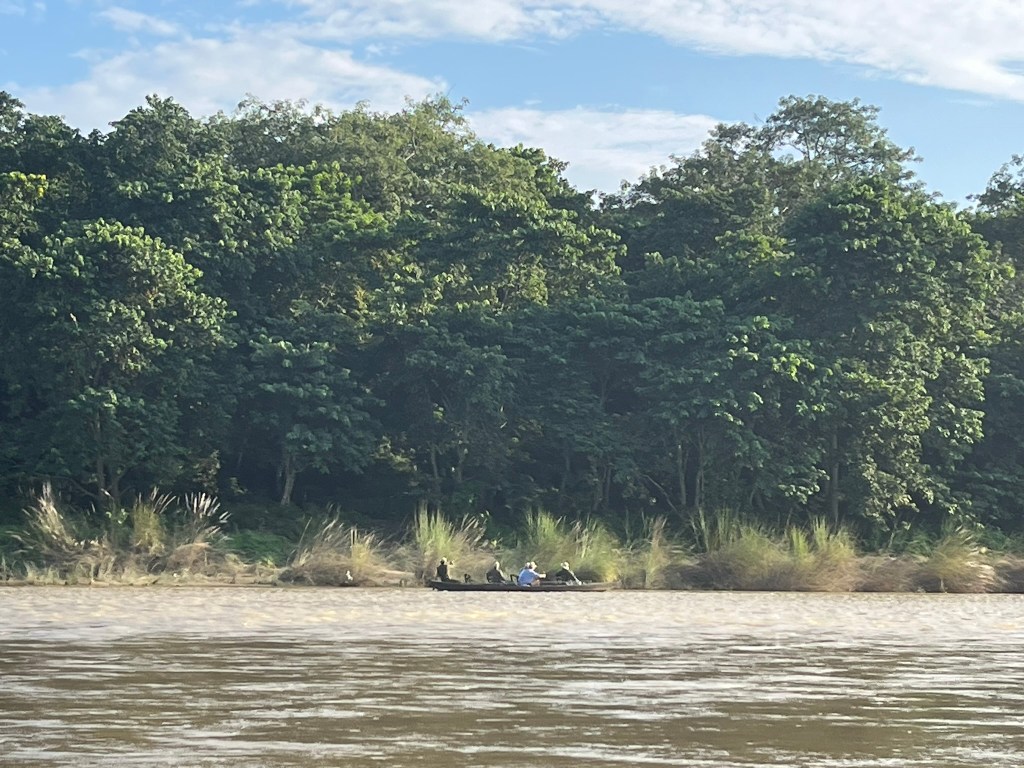
In the afternoon we took a peaceful boat safari down the Rapti River exploring the river banks and spotting lots of bird species and crocodiles. There is actually a river dolphin species that lives in the river, but it is very hard to see. And then at the end of the boat ride we had a great surprise of sundowners set up on the river bank for us to enjoy. After all the rain we had experienced over the last couple of days it was actually the first dry sunset we were able to enjoy of the trip! After the sun had set we jumped into jeeps and drove through the villages and rice fields back to the lodge to catch another cultural show, this time by a different local ethnic group, the Kumal.
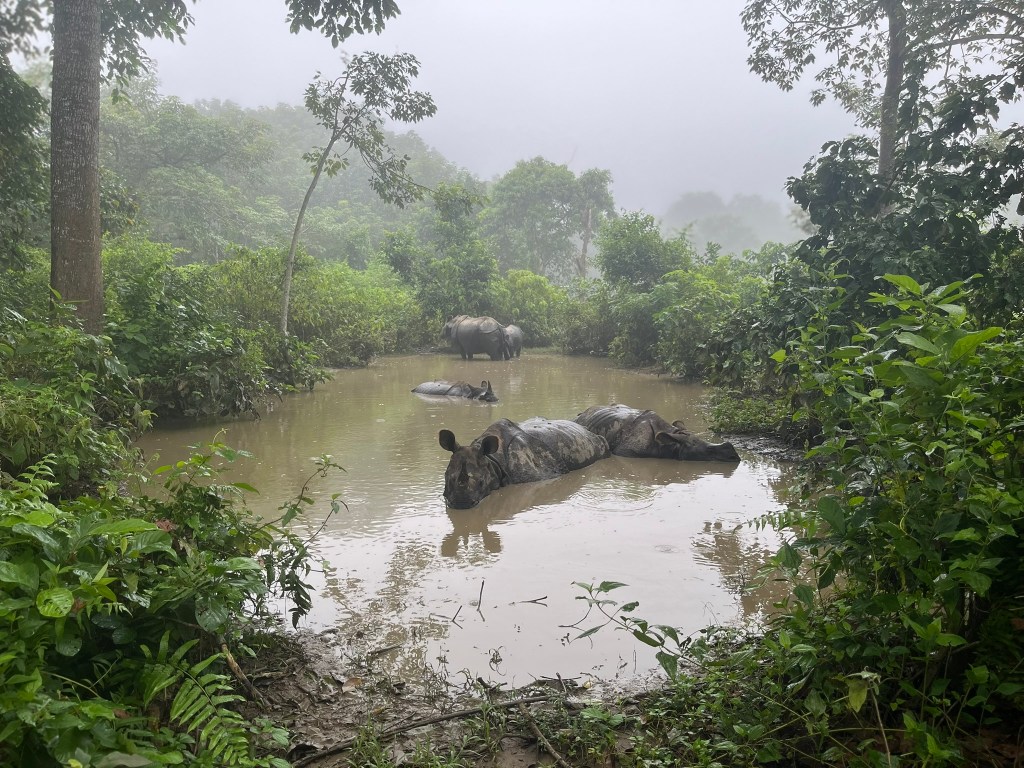
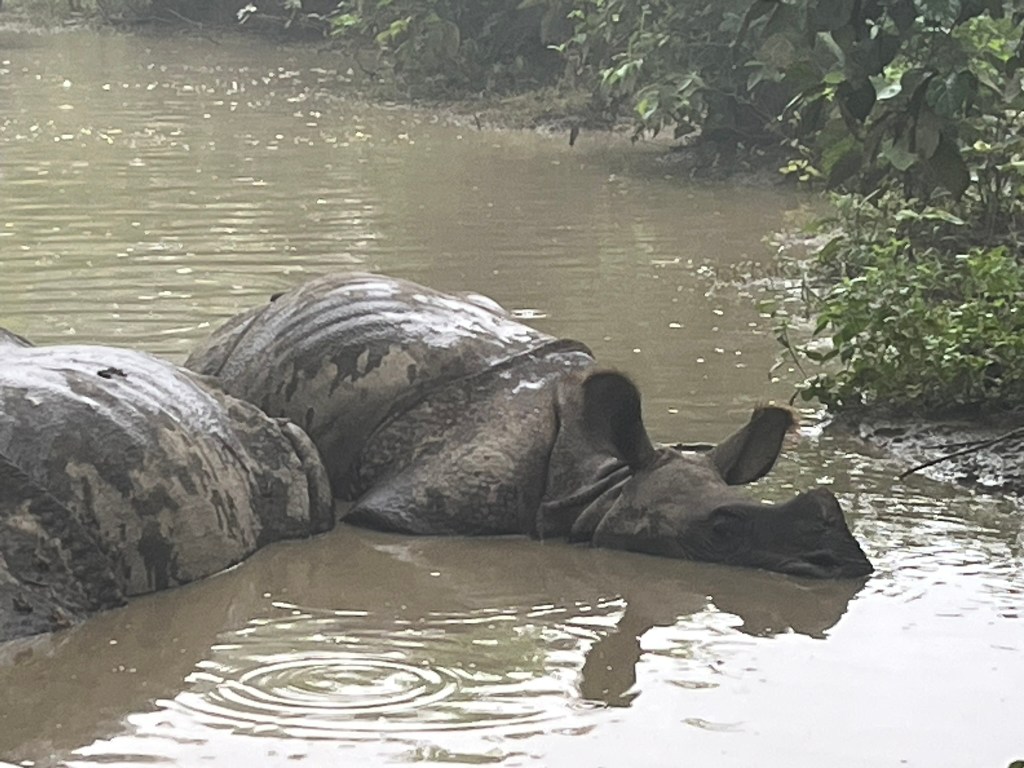
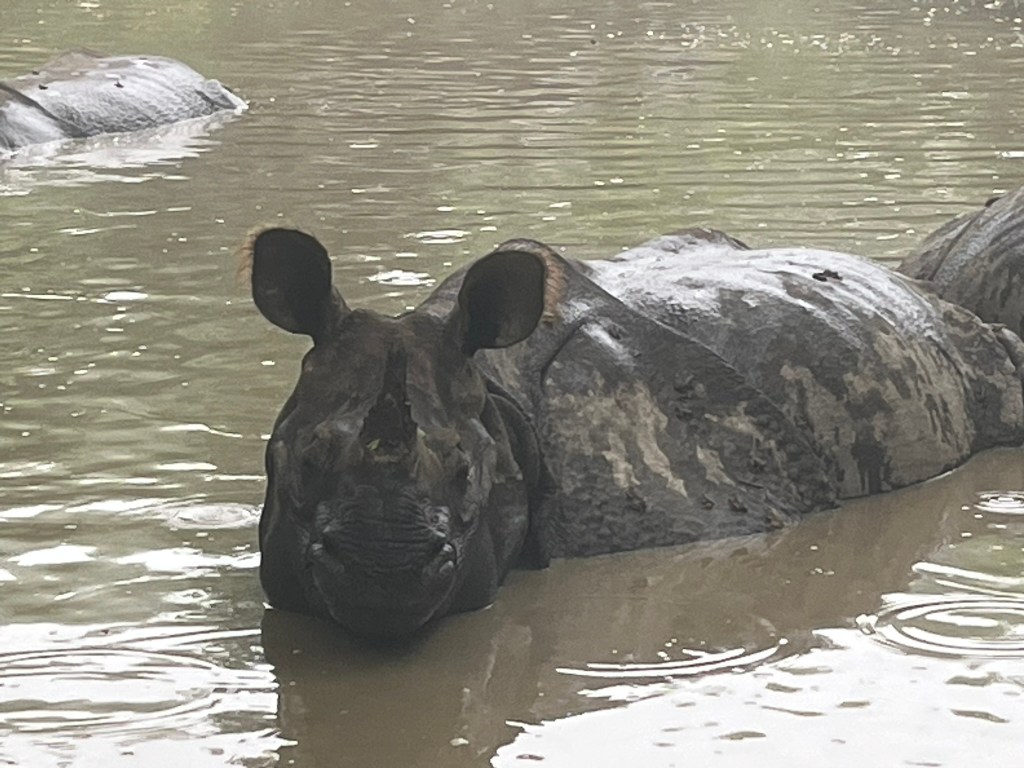
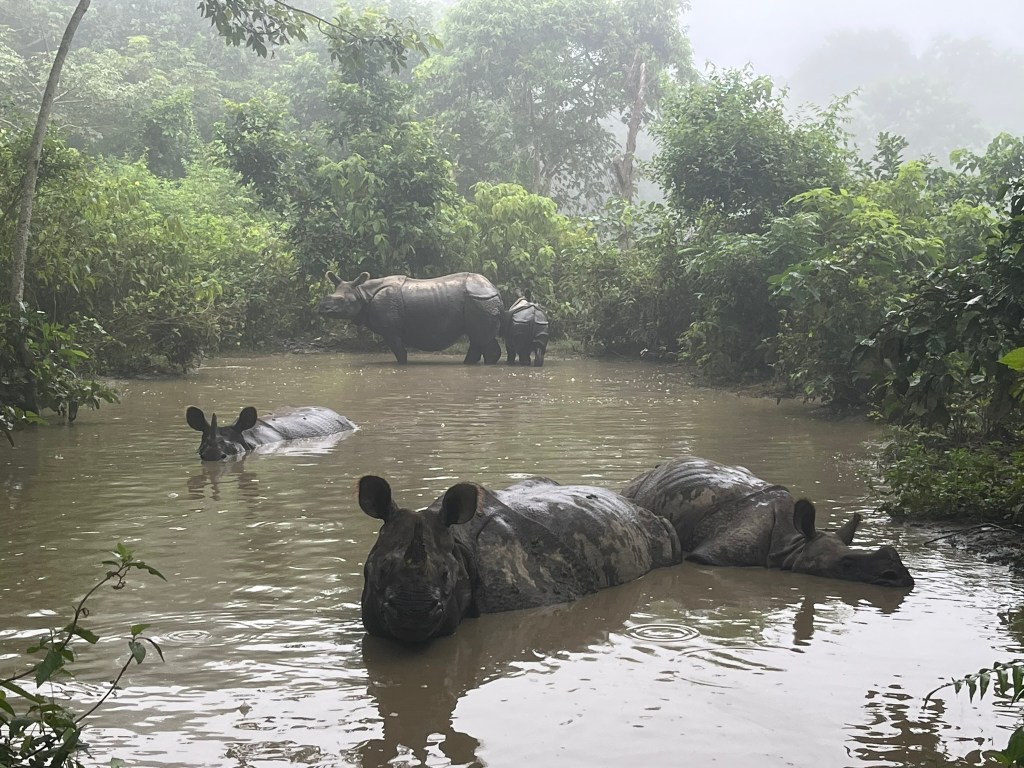
The lodge was very generous and offered us an additional morning safari before we had to return to Kathmandu, which of course we jumped at the chance to do. We set off very early the next morning, to a different part of the park, this time without having the excitement of crossing the river. And this time we were super lucky and quickly found 5 rhinos wallowing in a pool together. We were so close, just maybe 2 meters from the closest rhino in the water and we were able to watch them for about 20 minutes. There were 3 rhinos fully submerged in the water and then a mother and her baby standing up in the back. I’m so glad we were able to go out again for another chance to see them.

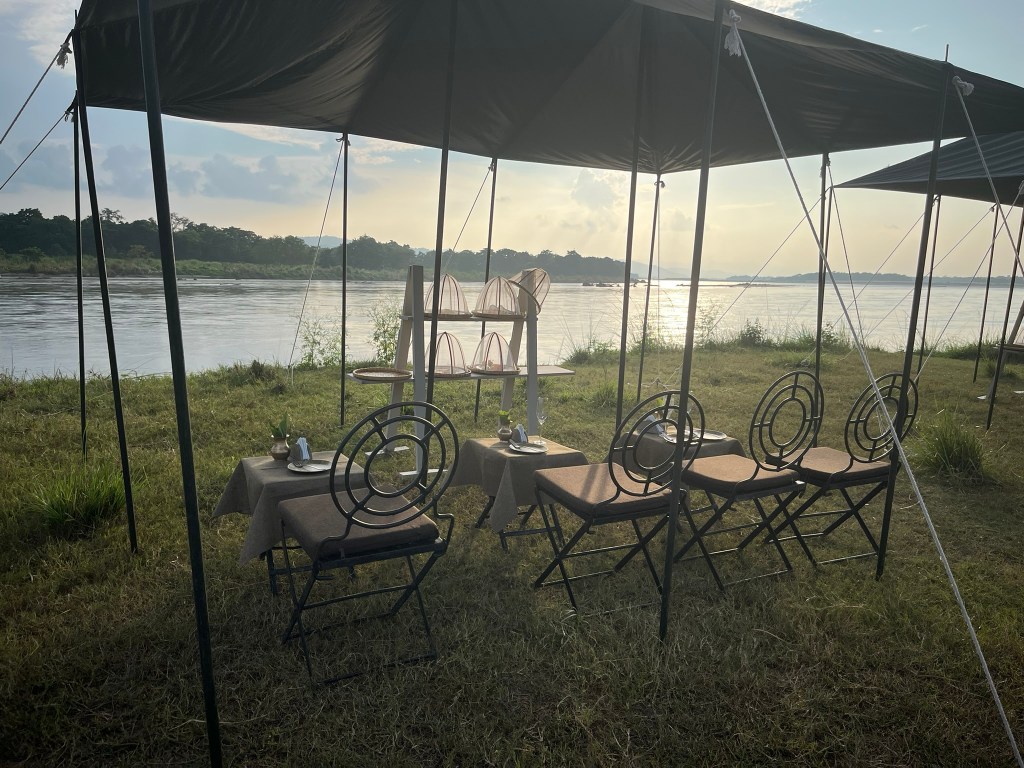
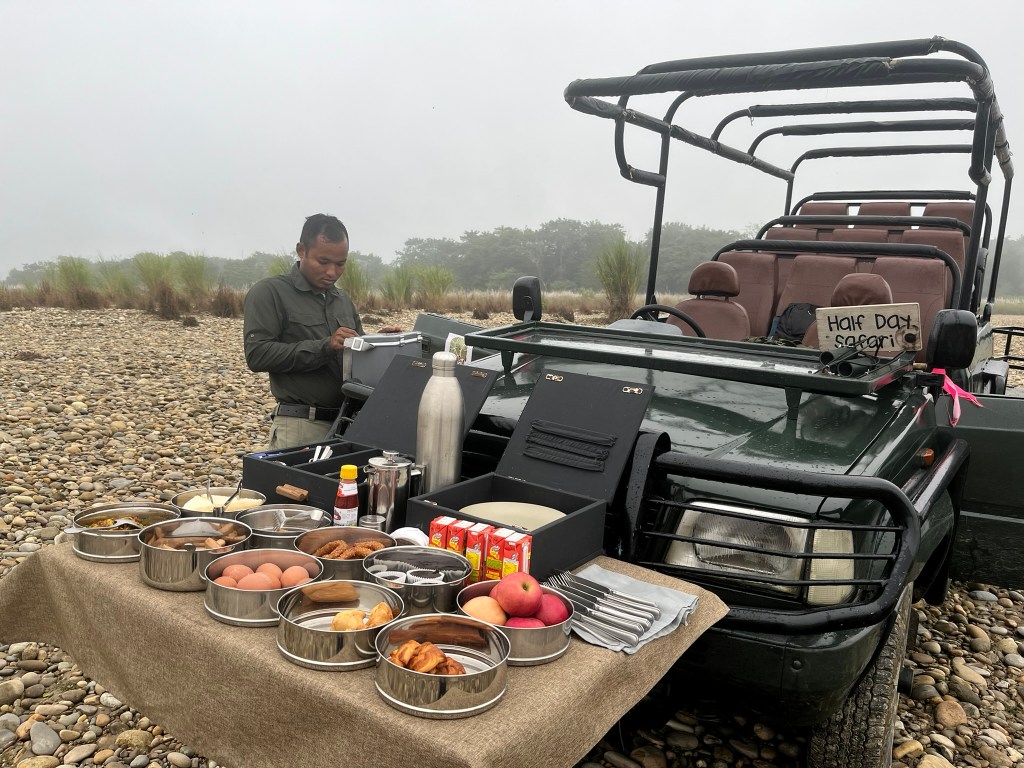
And then we had one final surprise, a full breakfast laid out for us on the river bank, for us to enjoy the scenery of this wonderful national park one last time. For anyone considering a safari in Nepal, I would 100% recommend Chitwan and I would definitely book Bahari Jungle Lodge. The whole place is a great set up and the team that runs the place is excellent. The guides are extremely knowledgeable and enthusiastic to share the park with their guests.

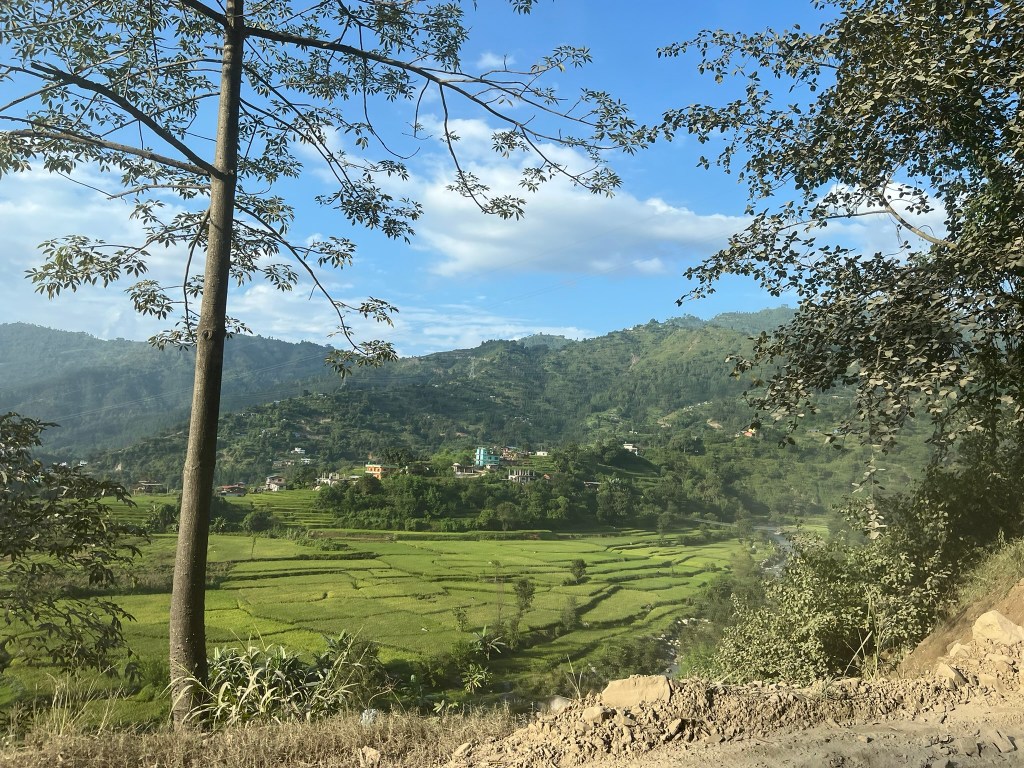
Our drive back to the Kathmandu took us along the main highway that runs between Pokhara and the capital and is another great scenic journey, full of terraced valleys, hanging bridges and small villages dotted across the landscape. It takes about 6 hours to do the drive, but it is worth it to see what life is like in Nepal outside of the big cities.


 Colette's Grand Detour
Leave a comment