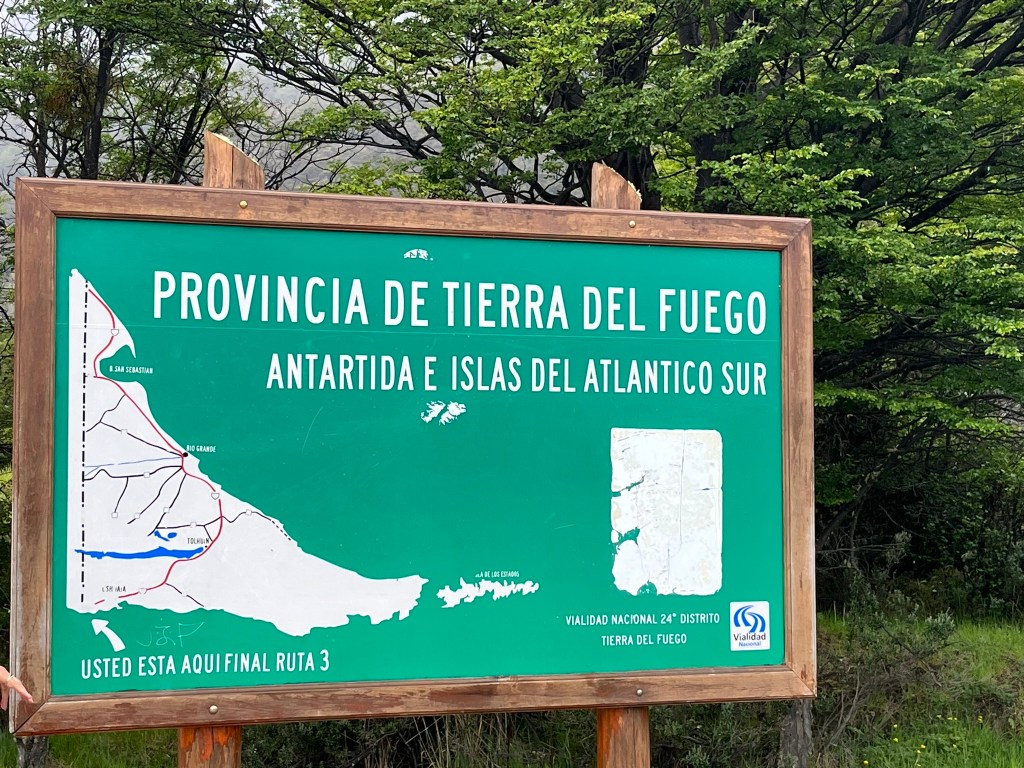
Tierra del Fuego, or the ‘Land of Fire’, is a windswept, glacially carved archipelago at the extreme southern tip of South America. It is split between Argentina and Chile. The Argentinian side is dominated by the last foothills of the Andes, which twist into jagged ridges, U-shaped glacial valleys, peat bogs and fjord-like channels. The Chilean side is mostly islands and dense evergreen subpolar forest and almost uninhabited. The name Tierra del Fuego comes from the explorer, Magellan, who saw the fires lit along the shores by the indigenous communities.

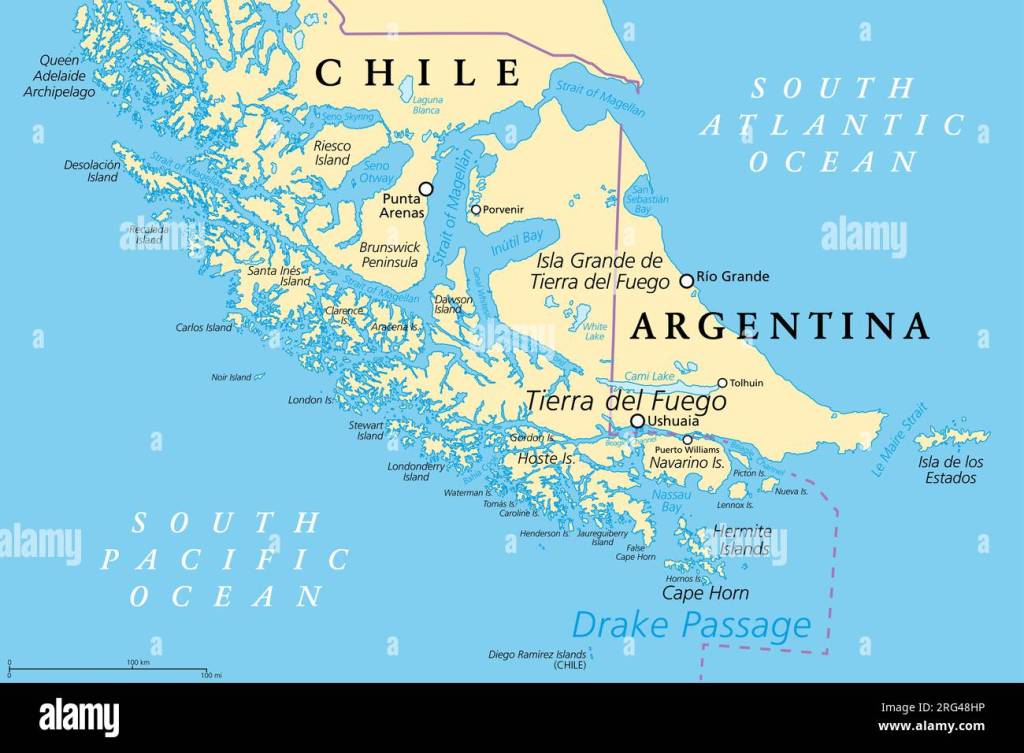

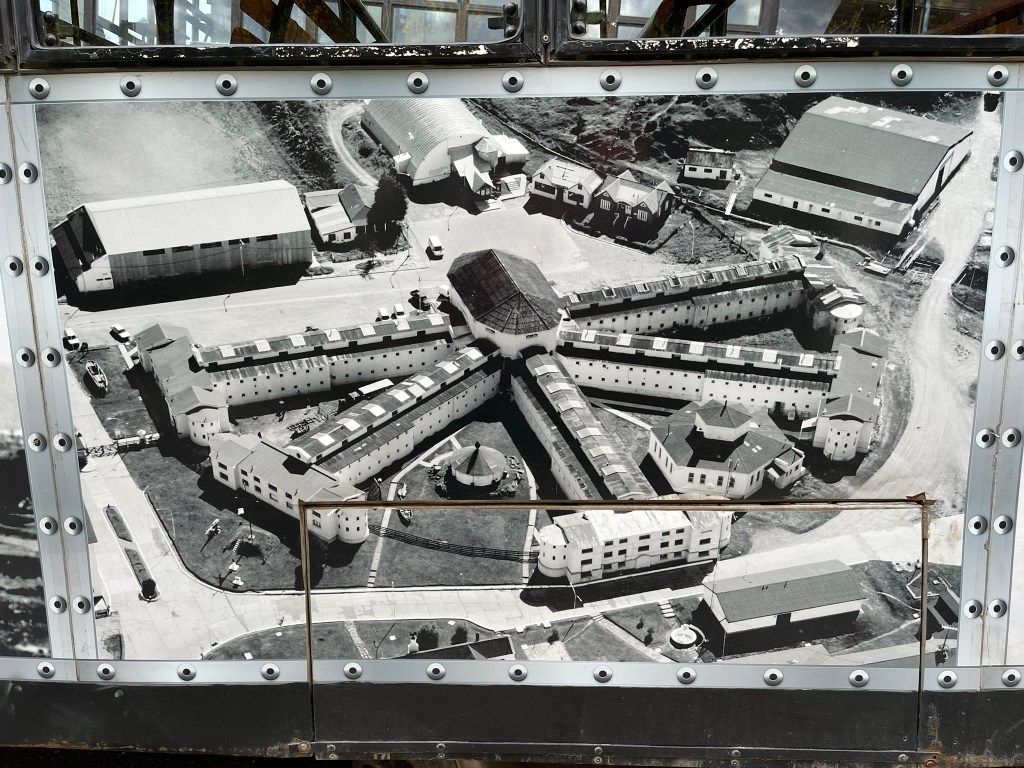
Ushuaia is the southernmost city in the world and often branded as the ‘End of World’. It sits on a narrow corridor between the sharp Andean peaks and the Beagle channel and feels like a frontier town. It was founded in 1884 as an Argentina outpost to secure sovereignty in the south and developed around a penal colony. Its size grew with fishing, naval presence, wool exports and later tourism and Antarctic logistics. Today it is a bustling port with colorful corrugated buildings, great seafood restaurants and a constant flow of Antarctica-bound tourists. The town is small and you do get the sense of isolation from the rest of the world.
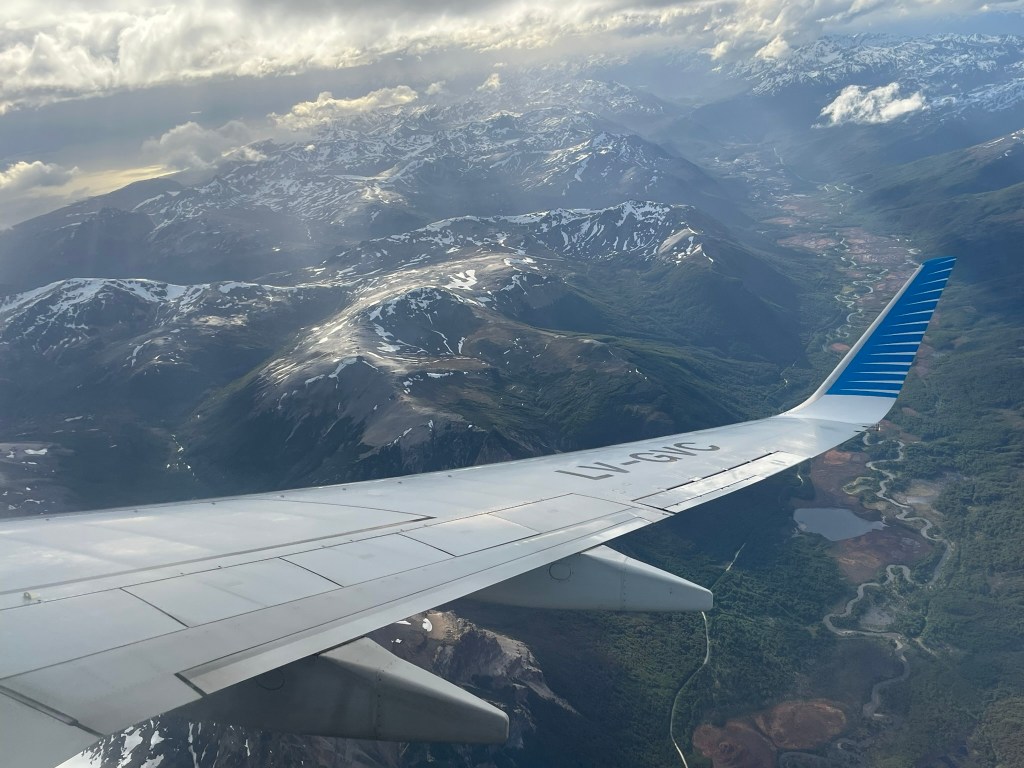
As we flew into Ushuaia from El Calafate, it certainly did feel like the end of the world. We would have 1 full day here with 3 activities planned – exploring Tierra del Fuego National Park, riding the End of World prison train and heading out for an afternoon cruise on the Beagle Channel.

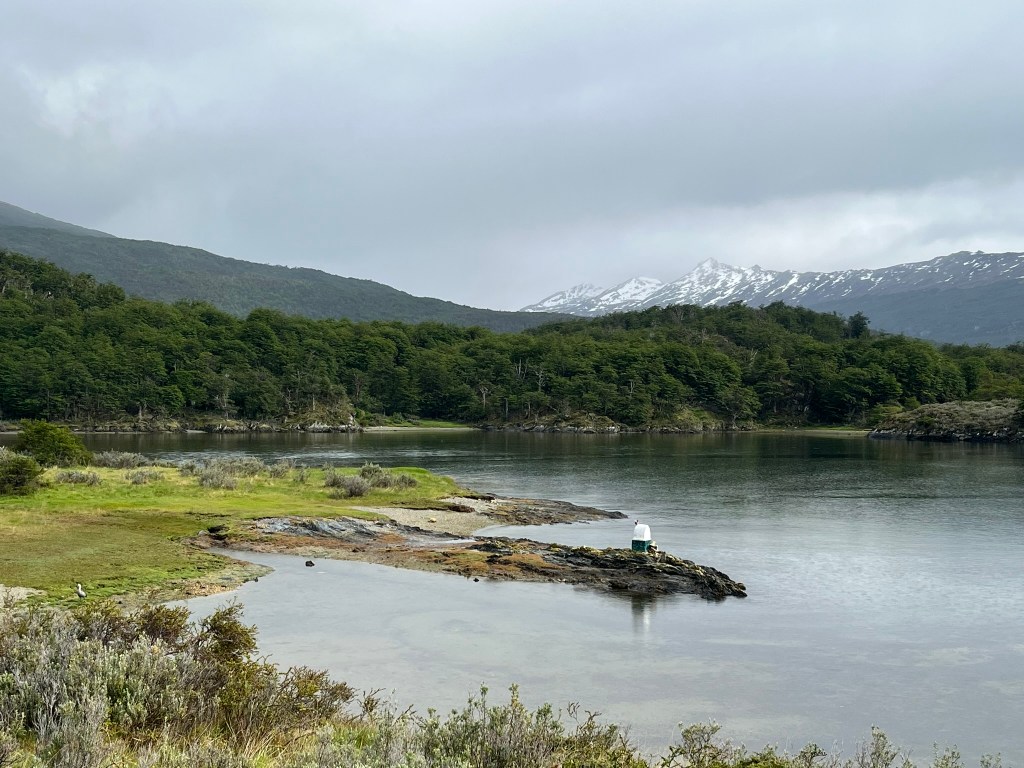
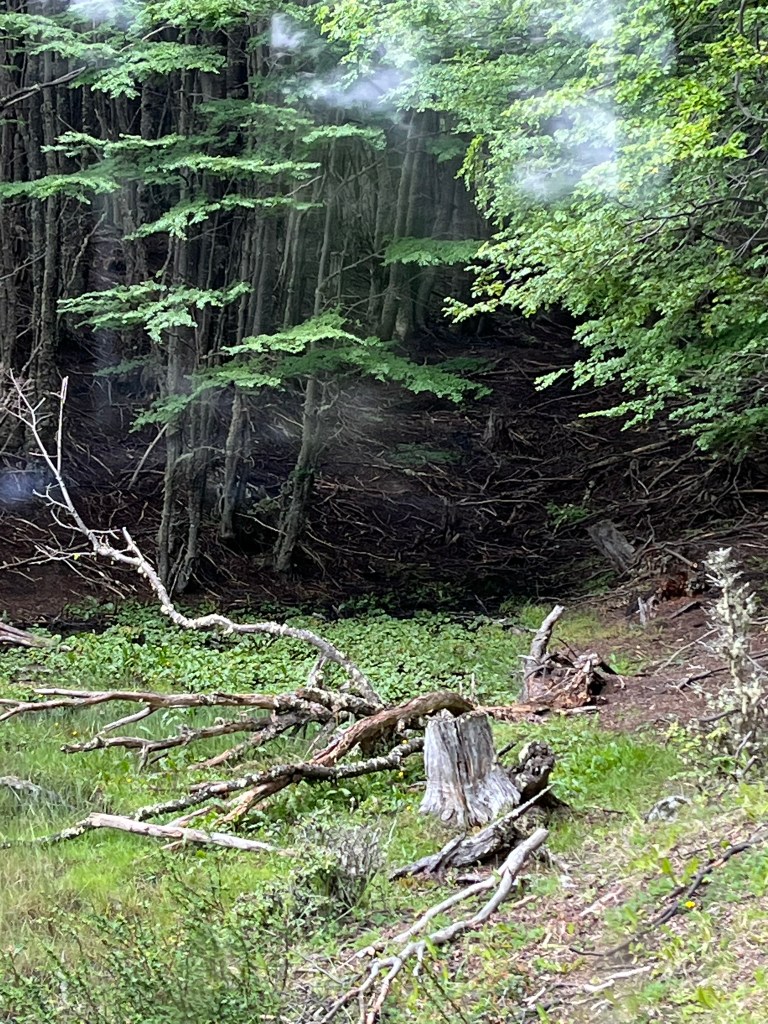
The Tierra del Fuego National Park lies just west of Ushuaia, a 20 minute drive, and protects an area of Andean peaks, sub-Antarctic forest, peat bogs, fjords and glacial lakes. It is Argentina’s only coastal national park, sitting right on the Beagle Channel. It is several ecosystems compressed together and shaped by glaciers and covered in Southern beech forests, dominated by lenga, nire and guindo tree species. For thousands of years, the Yamana lived along the shores, navigating the Beagle Channel in bark canoes and relying on shellfish, birds and sea lions for food.
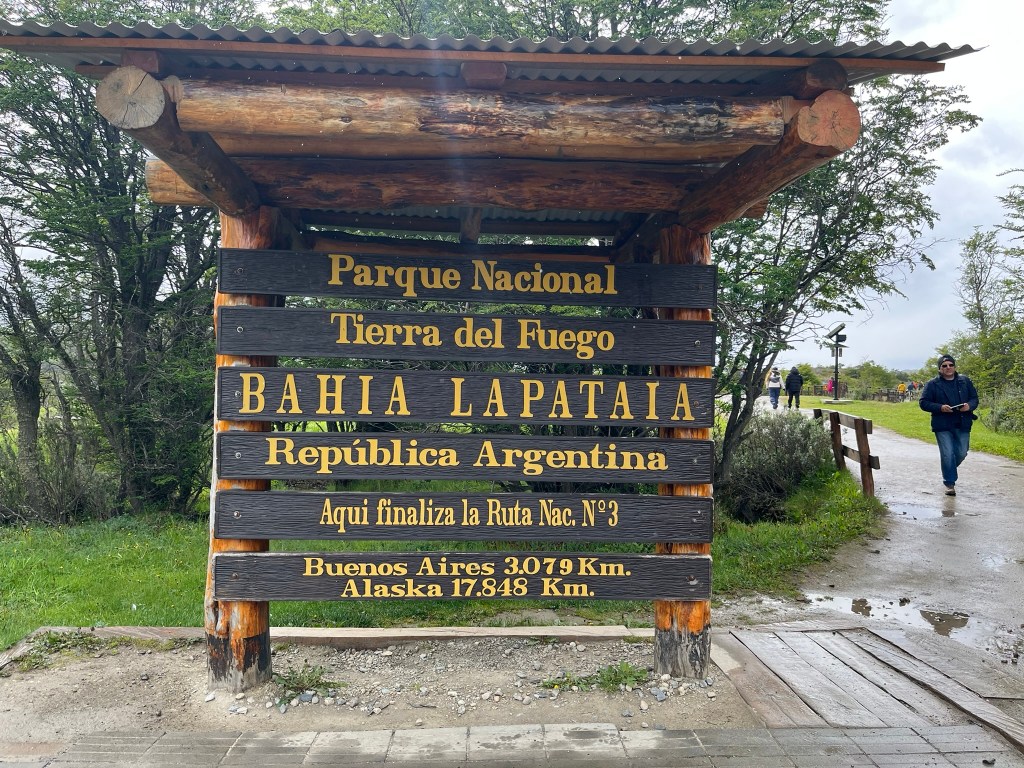
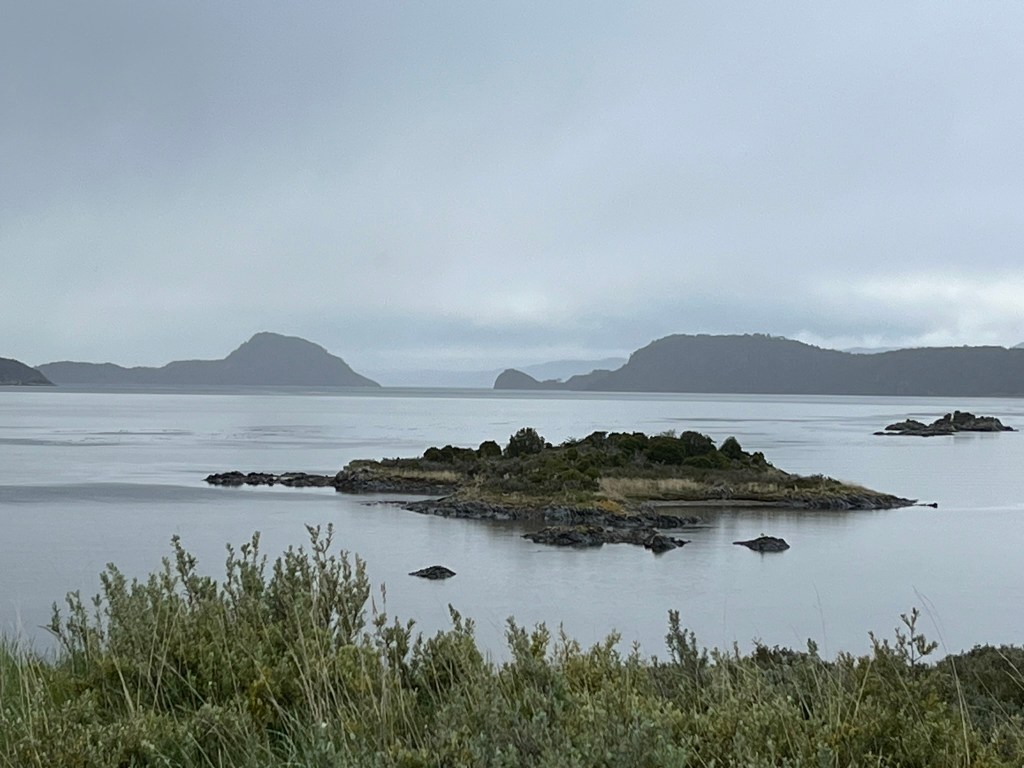
We started our tour around the park at Bahia Lapataia at the end of Route 3, which is the southern terminus of the Pan-American Highway that starts in Alaska. Wood walkways lead out to panoramic views of the bay with Chilean mountains in the background. Next we headed to Lago Roca, a glacial lake that straddles the border with Chile.


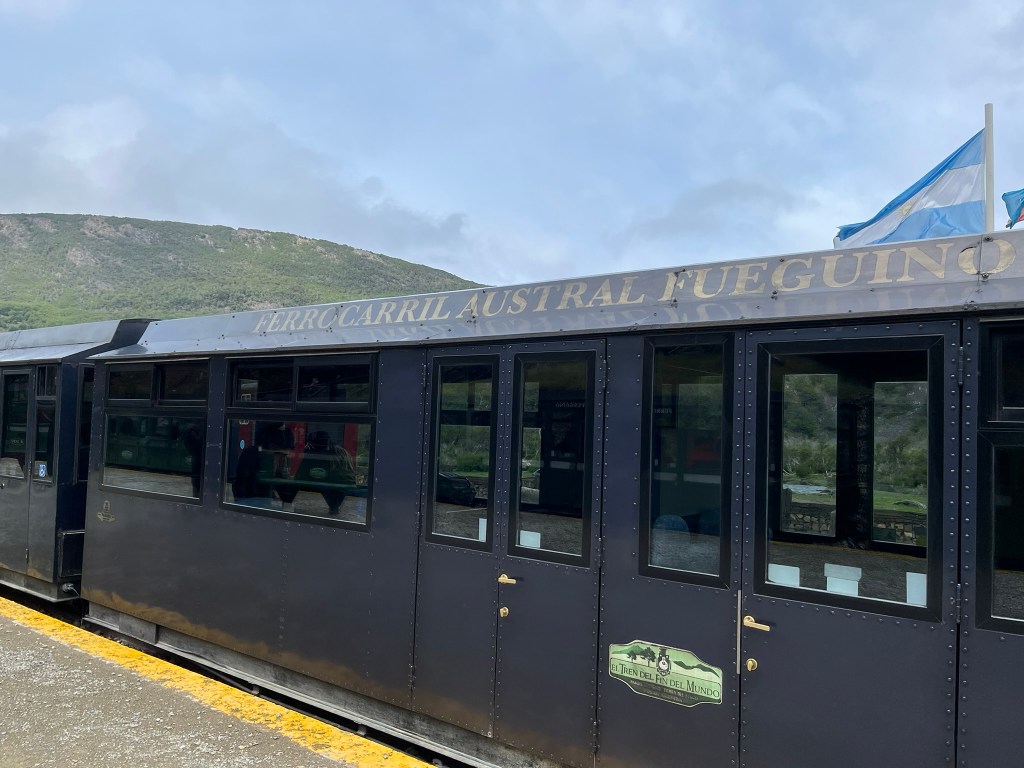
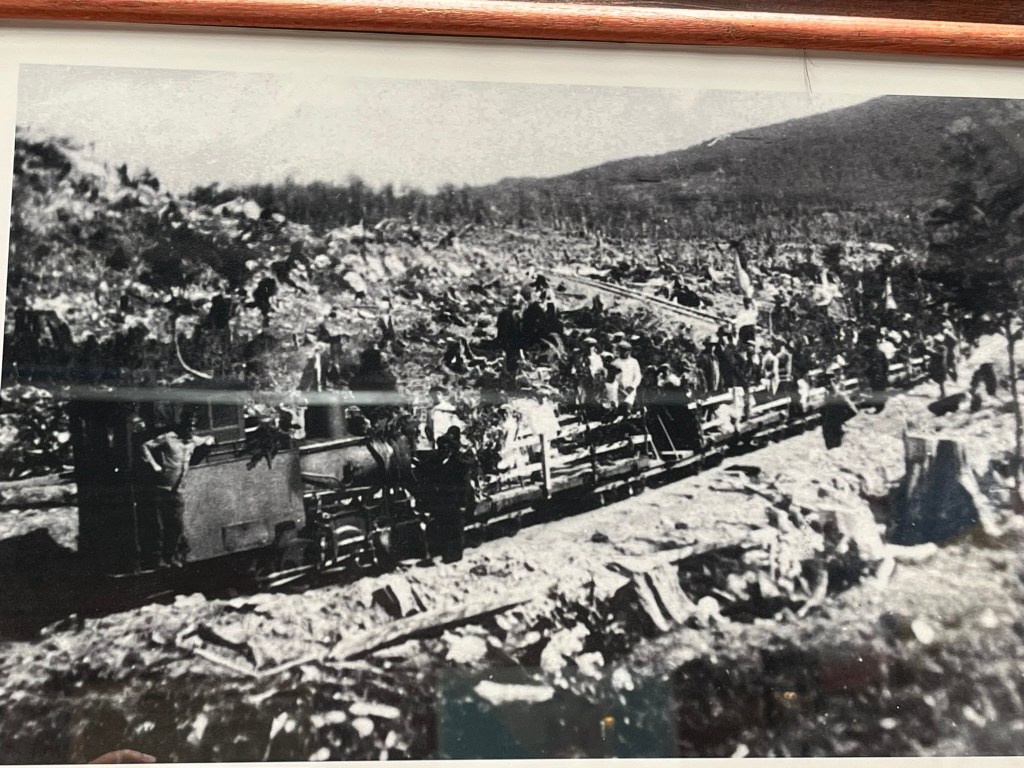
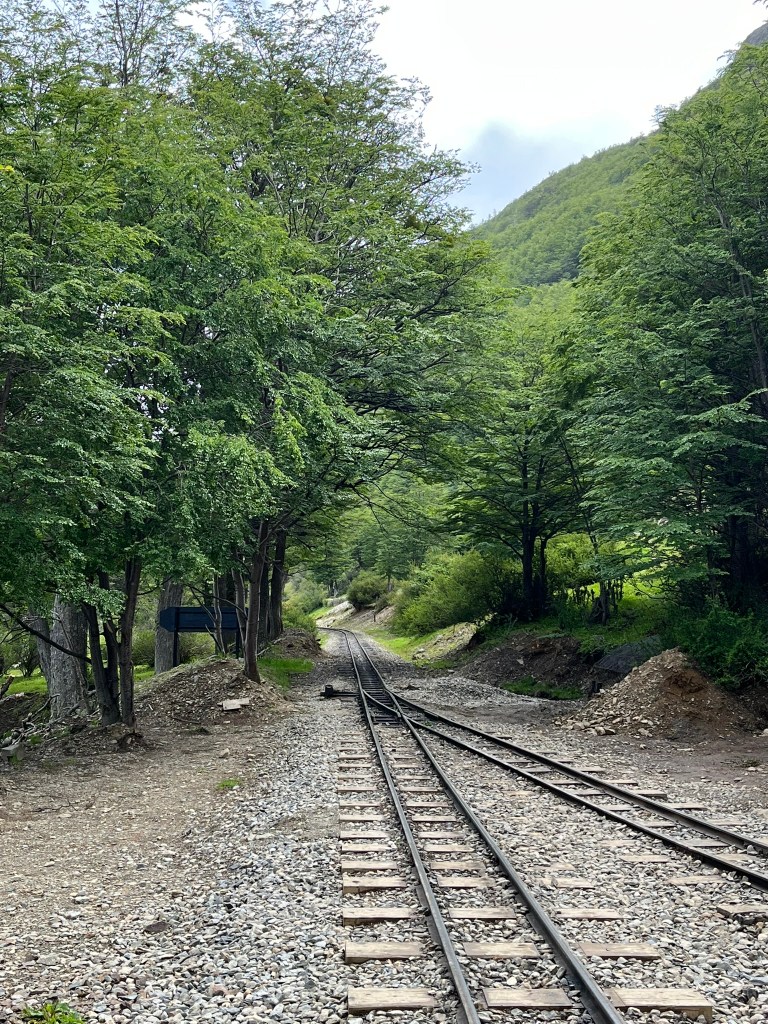
Then we headed to the End of the World train – a short, atmospheric heritage railway running along the foothills of Tierra del Fuego National Park. Now a scenic tourist experience, it was once the prison train for Ushuaia’s penal colony. Ushuaia’s notorious prison, that operated in the first half of the 20th century, needed vast quantities of wood for heating and construction.


Convicts were forced to march into the forest and fell trees, loading them onto a narrow-gauge timber railway. The track was originally built by prisoners themselves under harsh conditions. When the prison closed in 1947, the railway fell into disuse and quickly decayed.
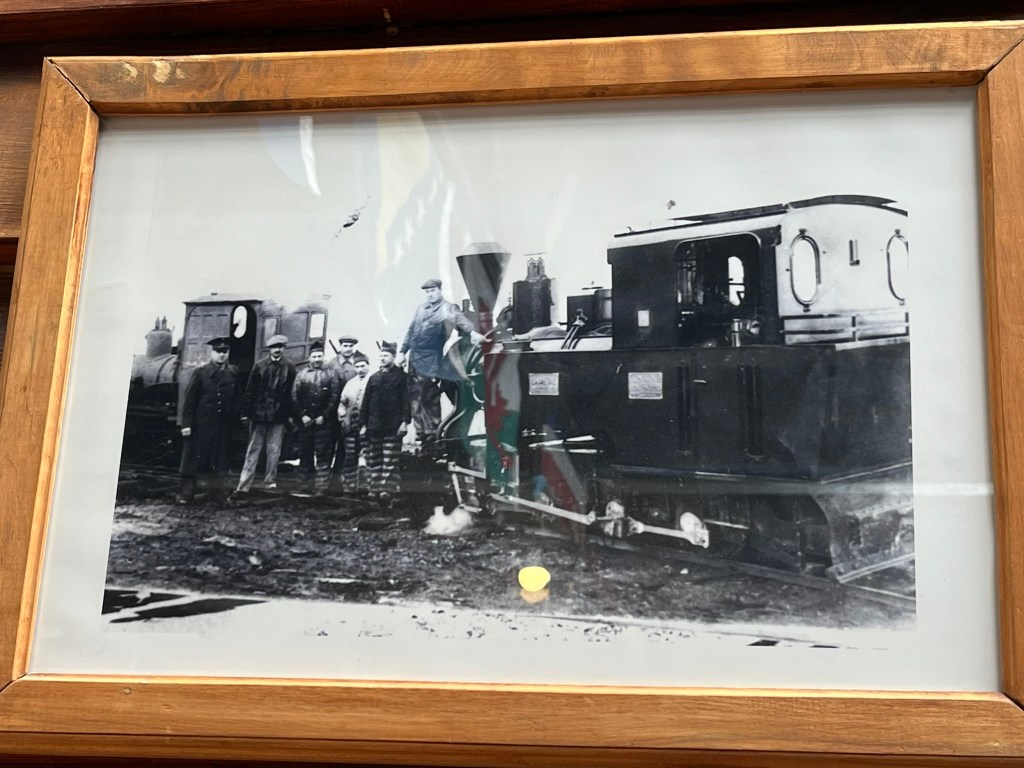


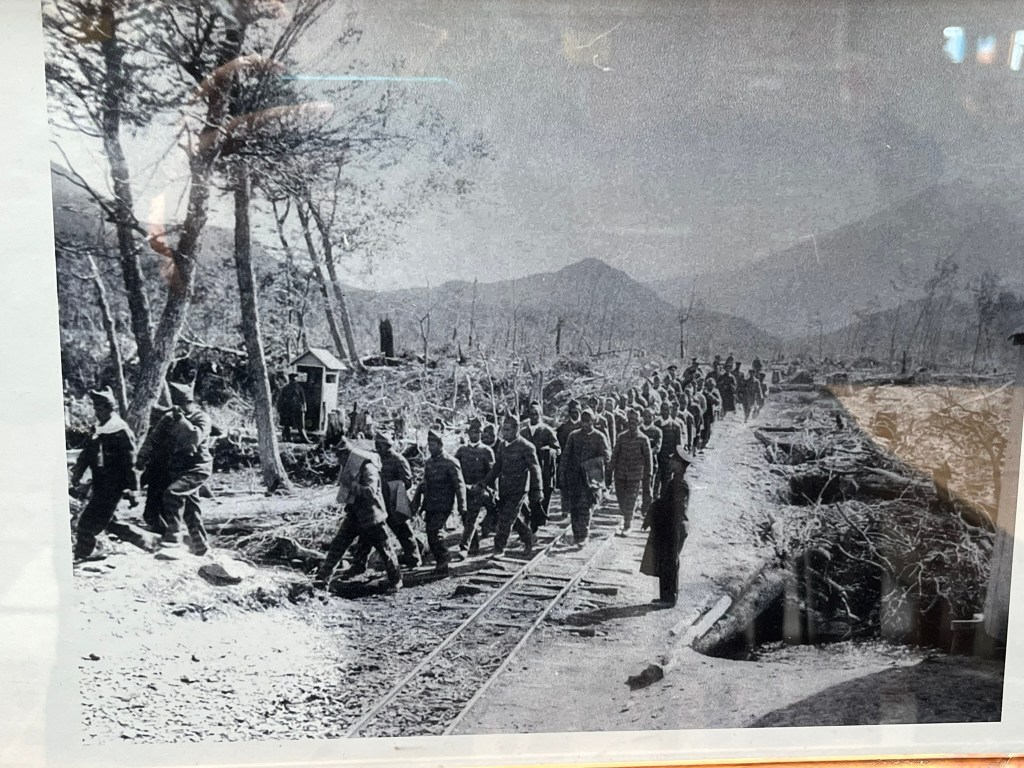
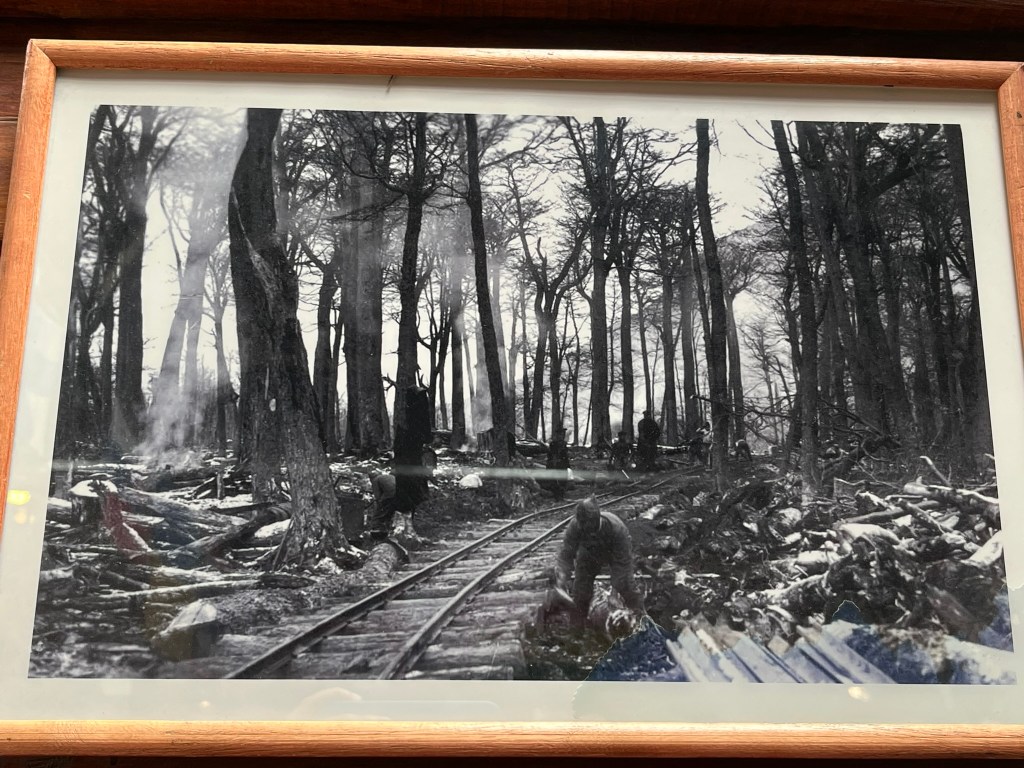

In the 90s, the original railway bed was cleared and a new narrow-gauge line was built over part of the old route. Today it is the southernmost functioning railway system in the world. The route takes about an hour 1-way and is a short but beautiful ride. You pass through the tree cemetery, scars left from the prisoners aggressive logging and the River Pipo Valley, the same route that the prisoners marched through. The scenery is not grand like the sweeping landscapes of El Calafate or Torres del Paine. But it is atmospheric and very ‘end of worldy’.


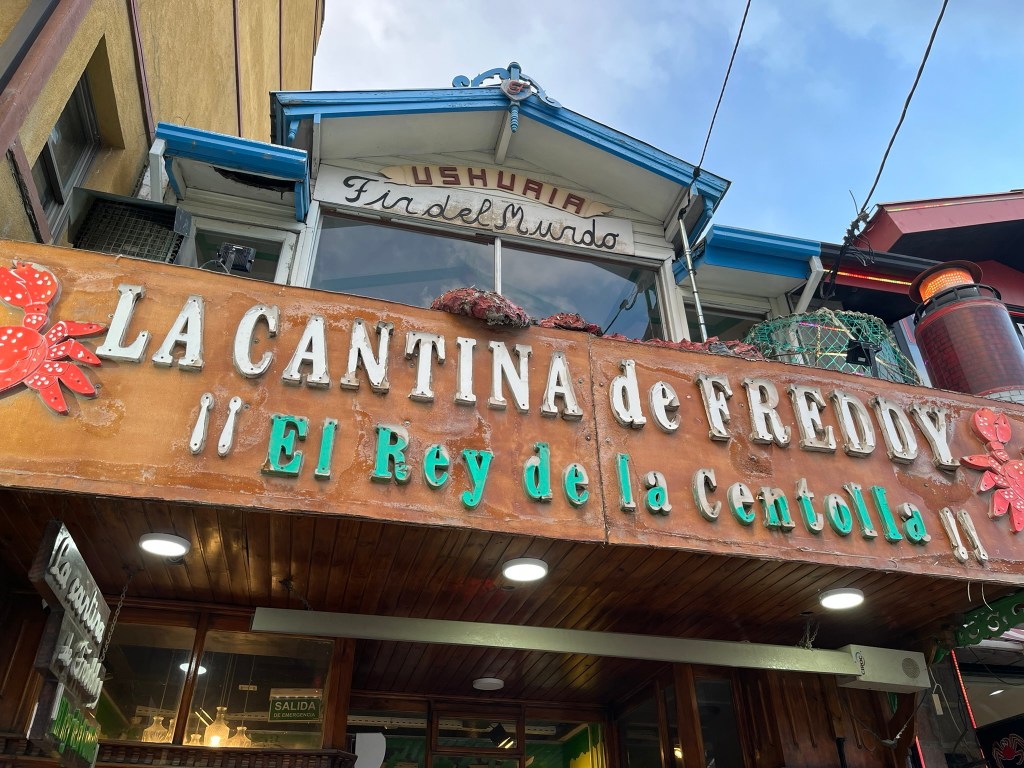
After lunch at La Cantina de Eddy, which we accidently stumbled upon, but does fantastic crab dishes, we headed to the port to join our boat tour out onto the Beagle. The Beagle Channel is a long-narrow maritime passage separating the main island of Tierra del Fuego from smaller islands to the south. It is one of the three great routes around the tip of South America, alongside the Strait of Magellan and the Drake Passage. It was named after HMS Beagle, the ship that carried Charles Darwin and is historically important for navigation, territorial disputes and exploration.

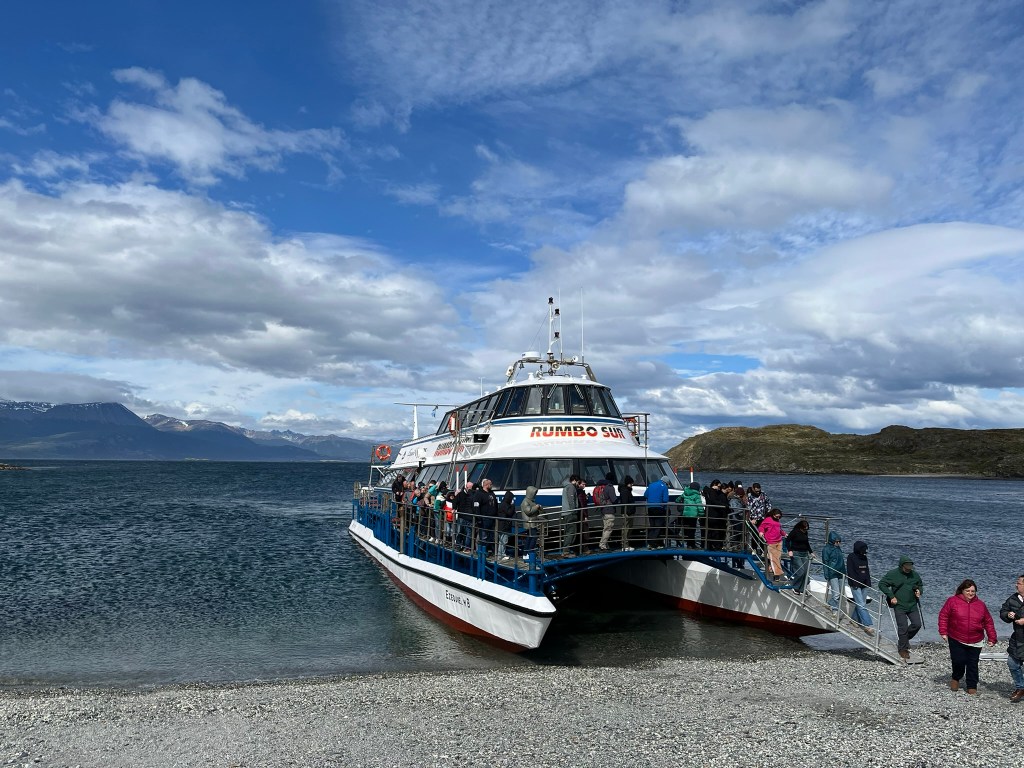
Our boat tour was 3.5 hours long and stopped at Cormorant nests, Sea lion colonies, Bridges Island and Les Eclaireurs Lighthouse. The channel was carved by the retreat of the last Ice Age glaciers. The Cormorants were fantastic to watch, although the smell was pretty terrible as we got closer to the islands that they congregate on. I love how they fly so close to the water and dive in to catch fish.
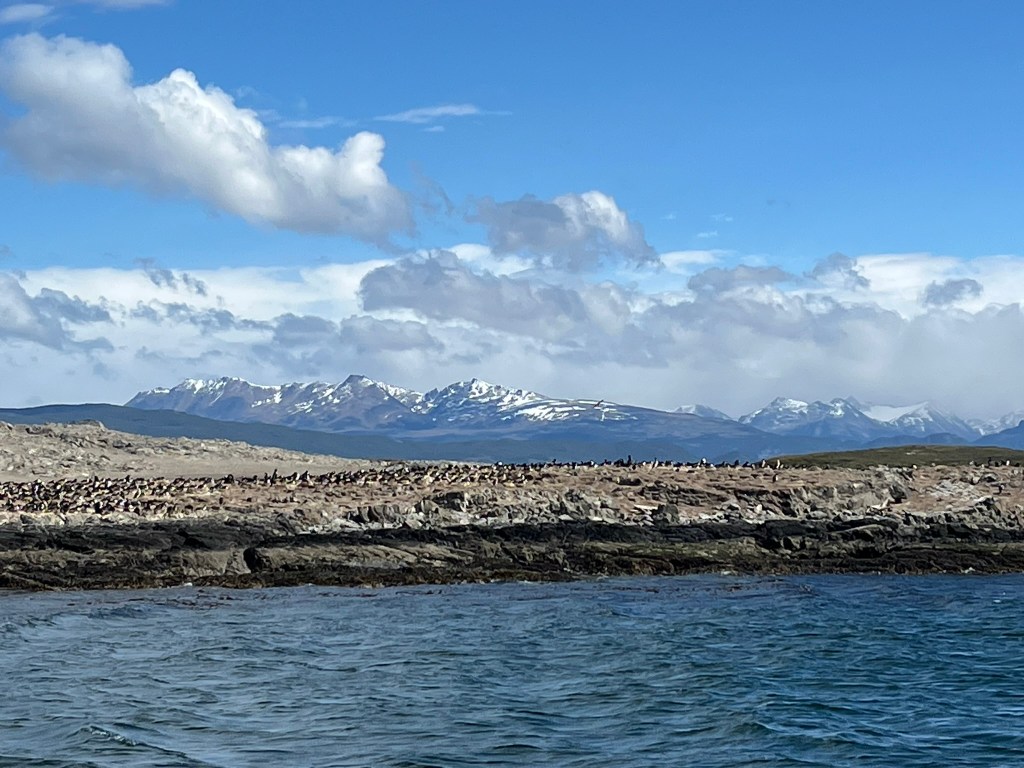
At Bridges Island we had the chance to get off the boat and walk a couple of minutes up to a viewing area that lets you really experience being out on the channel. The island is also culturally significant, with ancient Yamana shell middens, mounds of mussel and shell deposits showing centuries of life along the channel.
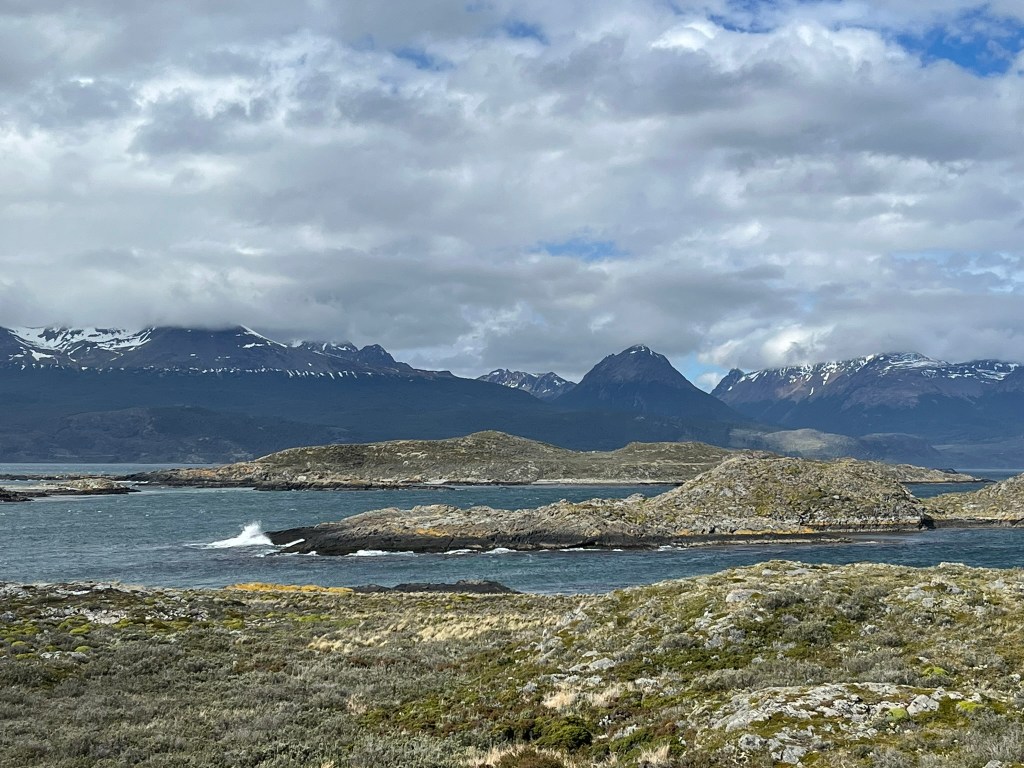

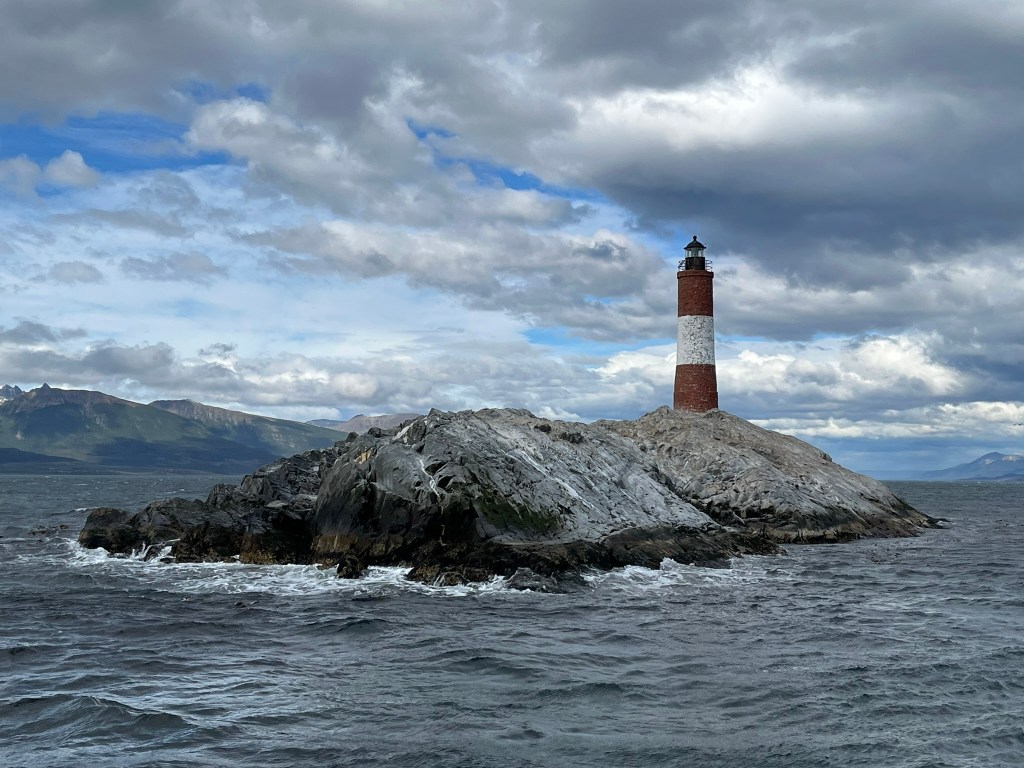
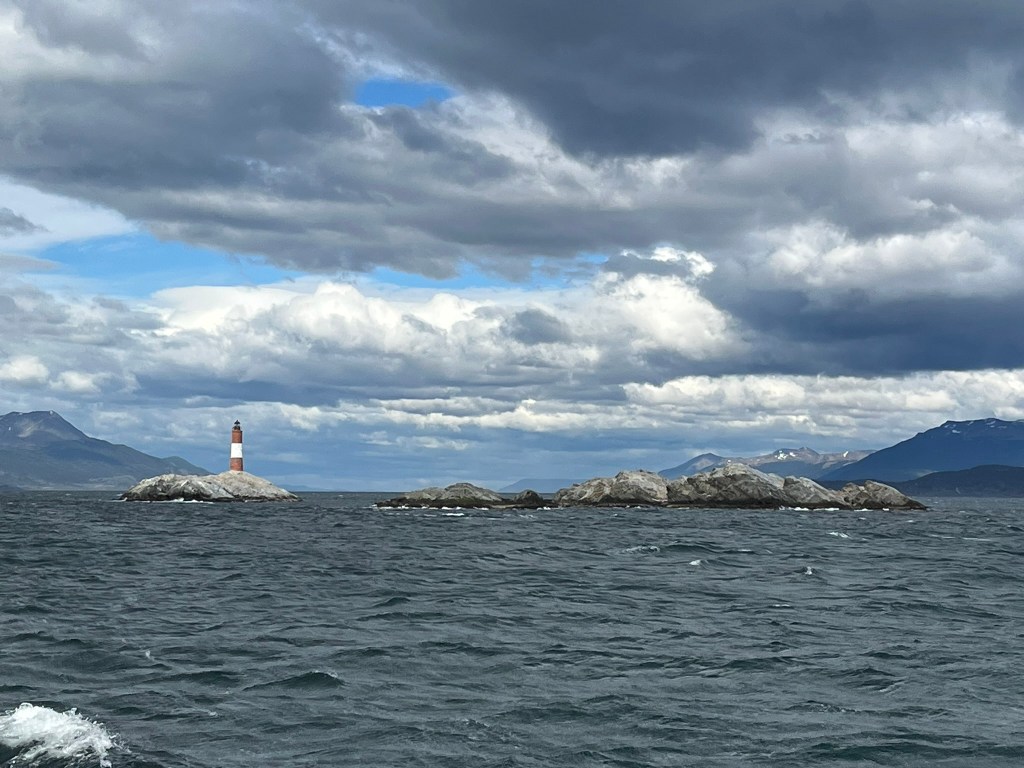
Next we headed to the lighthouse. The weather of the channel is not as windy as you expect it to be, as it is fairly protected from the worst of the wind by the surrounding mountains. Les Eclaireurs lighthouse, perched on a rocky outlet in the channel was built in 1920 by the Argentine Navy to improve safety for ships navigating the tight eastern Beagle Channel and is still operational today. It is a cylindrical brick tower, painted red and white. On the surrounding rocks there are also some large sea lion colonies which was great to enjoy.

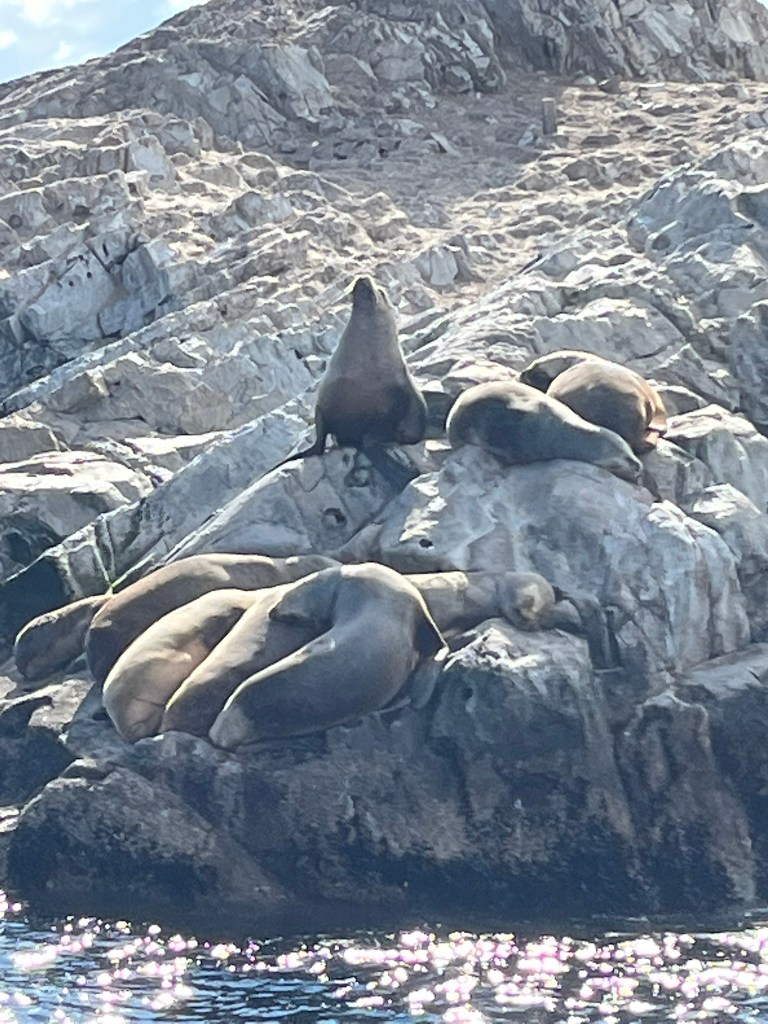

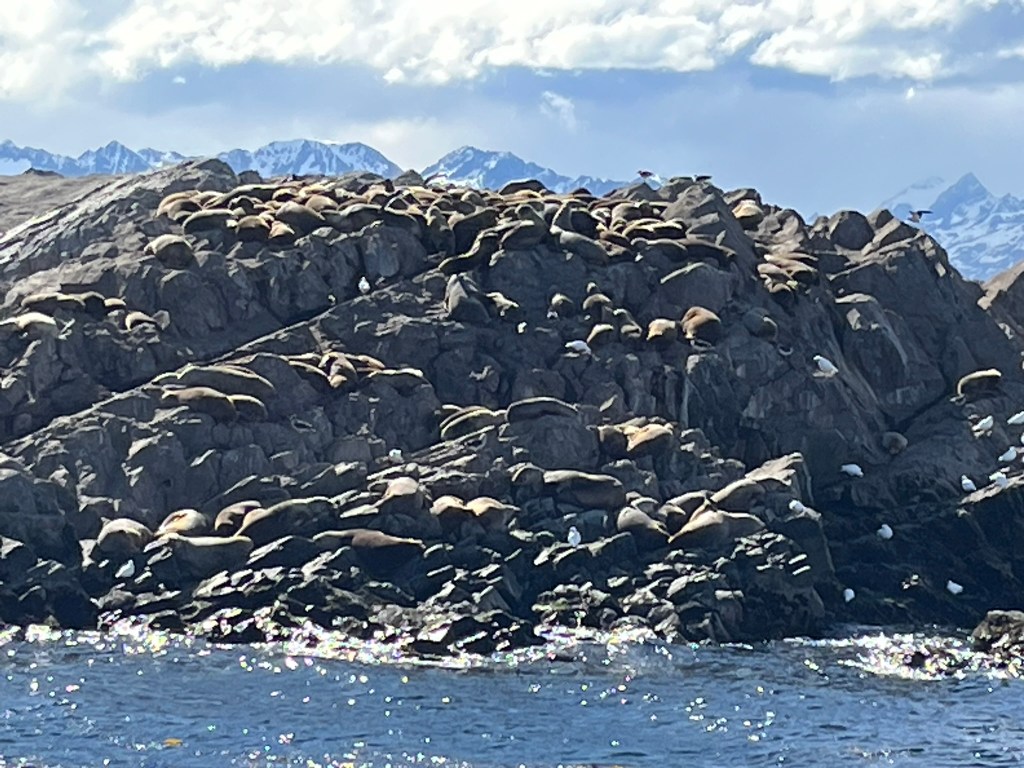
Heading out on the Beagle felt like we were explorers at the end of the earth. Another great day in Patagonia! I hope I can come back one day to join one of the cruises to Antarctica.
 Colette's Grand Detour
Leave a comment