The Atacama is one of the best meteor-hunting regions in the world and tens of thousands of meteorite fragments have been recorded here. Meteorites found here can be millions of years old.
Why is the Atacama such a good place to find meteorites?
- One of the driest places on the planet, meaning meteorites do not rust or weather away quickly
- There is almost no plant cover or soil development, so meteorites sit on the surface and are highly visible
- The stable landscape, with no glaciers, rivers or sand dune migrations means that a meteorite can sit in the same place for thousands of years without being buried
- The desert and salt flats create a high contrast with the dark stones, making them easy to spot by colour or texture
- The desert is over 100,000km^2 – it’s enormous, making it more likely to get meteorite hits
All of the above means that meteorites in this region are often, old, perfectly preserved, unusual or rare and found in large concentrations. Because the landscape has changed so little over the last 10,000 years, scientific teams and private collectors still actively go in search of ancient and rare meteorites.
The Museum of Meteorites, on the southern edge of San Pedro is a small, but extremely well laid out exhibit inside 2 geodesic domes. A series of around 10 exhibits, presented in both English and Spanish, with an audio-guide and videos, takes you through how the solar system formed, how meteorites originate and how they are classified. There are about 100 meteorites on display, most found in the Atacama by the owners of the museum.
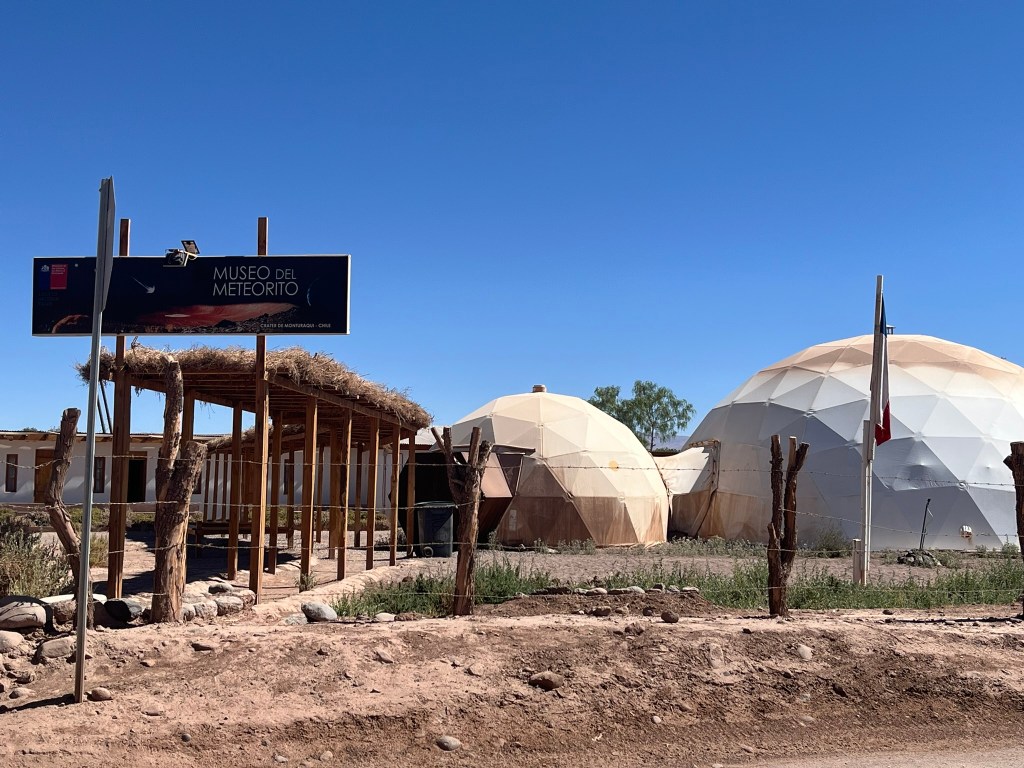
One of the most interesting things explained in the exhibits is how we can tell how the earth formed from studying them. Scientists have looked at meteorites that got big enough and hot enough to separate into layers with a metal core, silicate mantle and a basaltic crust. This explains how the Earth’s interior differentiated into an iron-nickel core, silicate mantle and crust.
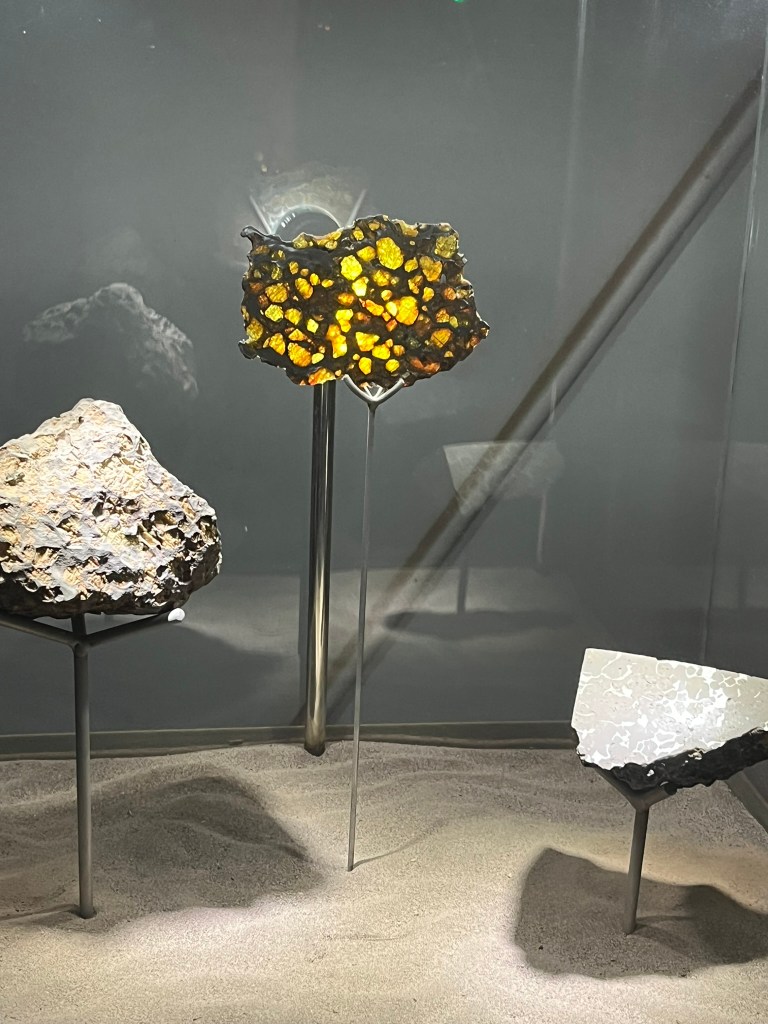
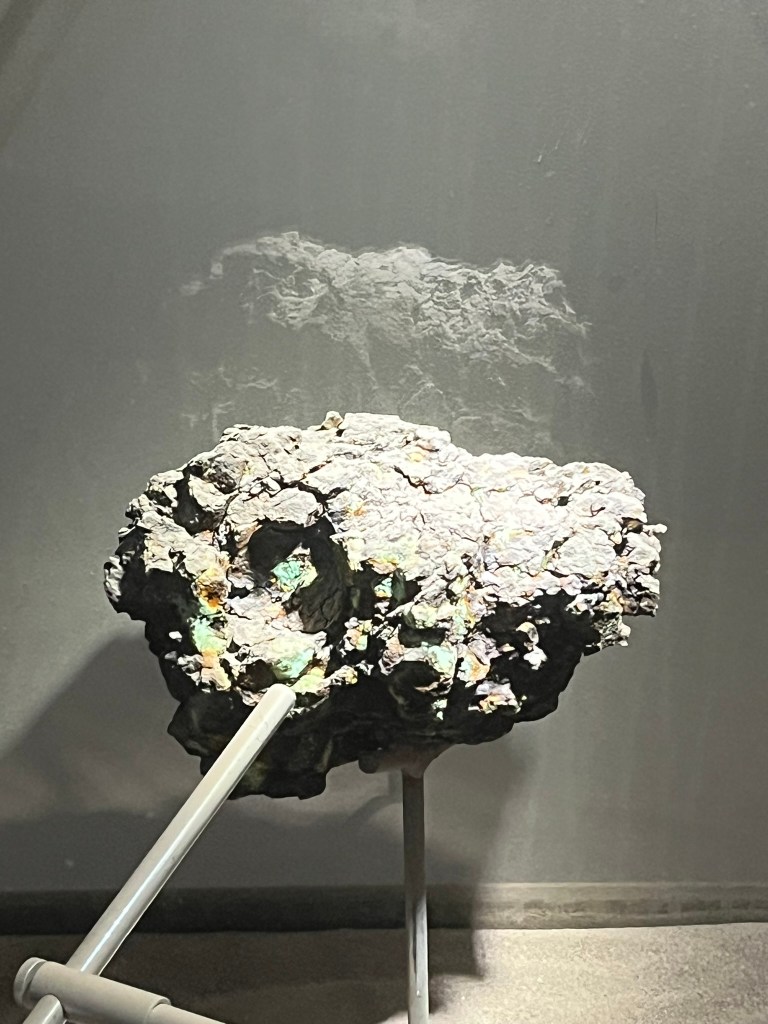
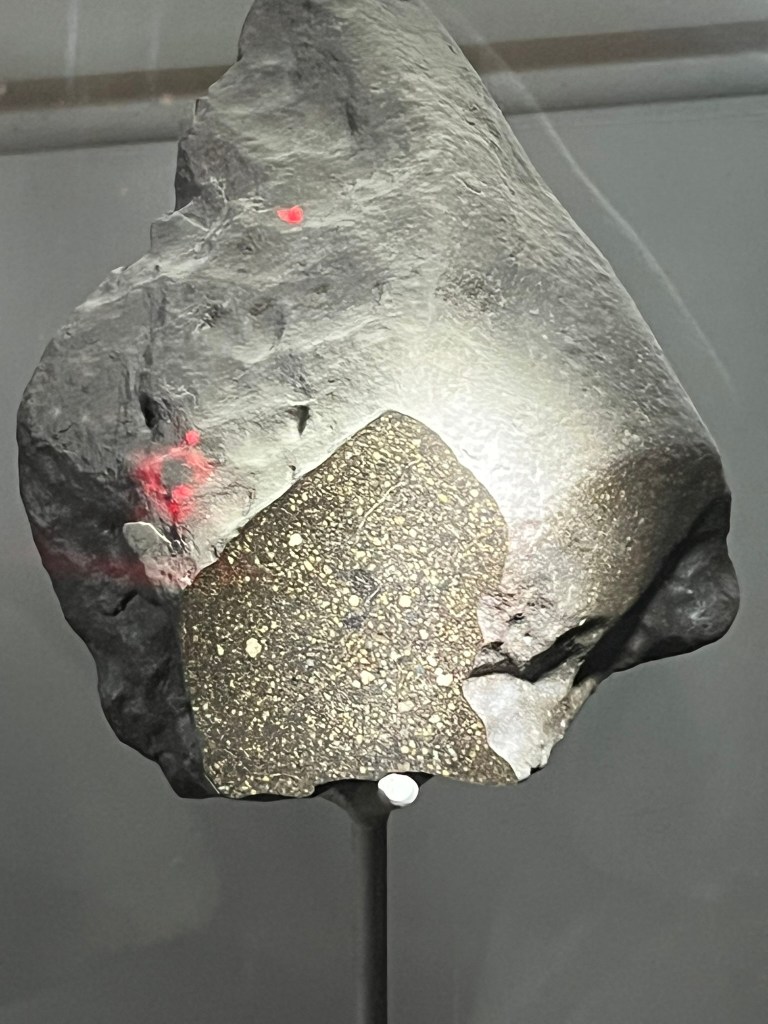
The highlight of the museum is the center three exhibits, where you are allowed to touch and feel a number of meteorites. During this part of the museum, a guide will join you, showing you how to recognize the difference between a volcanic rock and a metallic meteorite, by looking at whether there are oxygen particles present in the rock (there is not oxygen in space). And how to identify a chondrite, which is the most primitive type of meteorite, unchanged from the creation of our solar system versus an achondrite meteorite, which is one that has melted and differentiated to have a metal core.
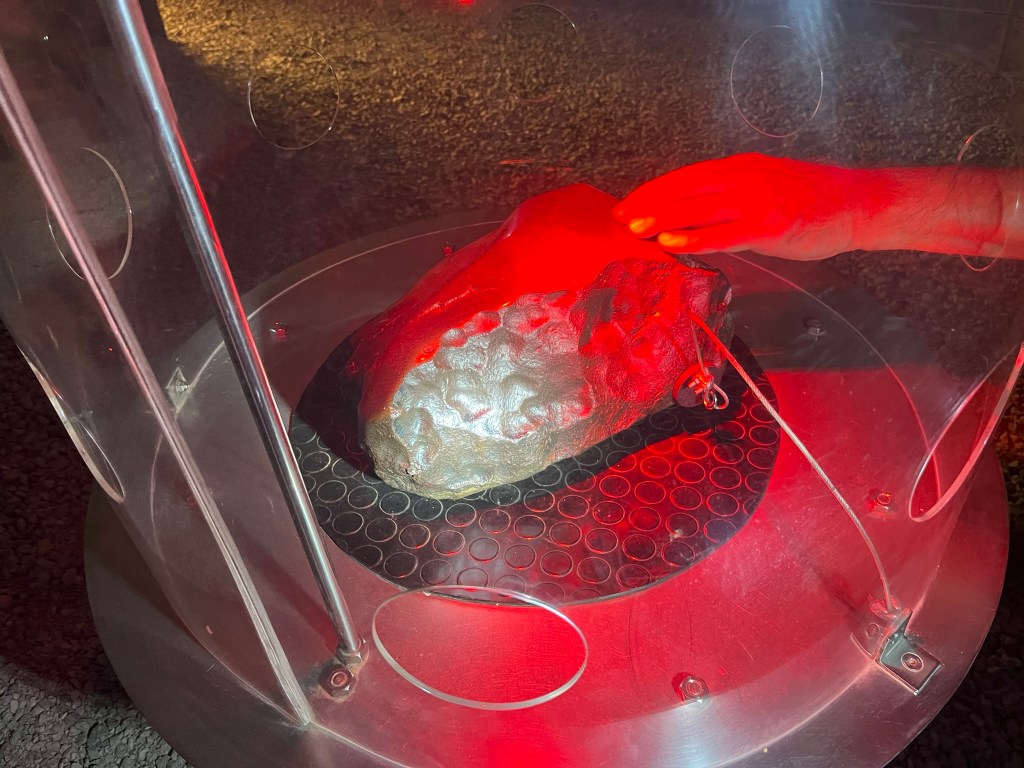
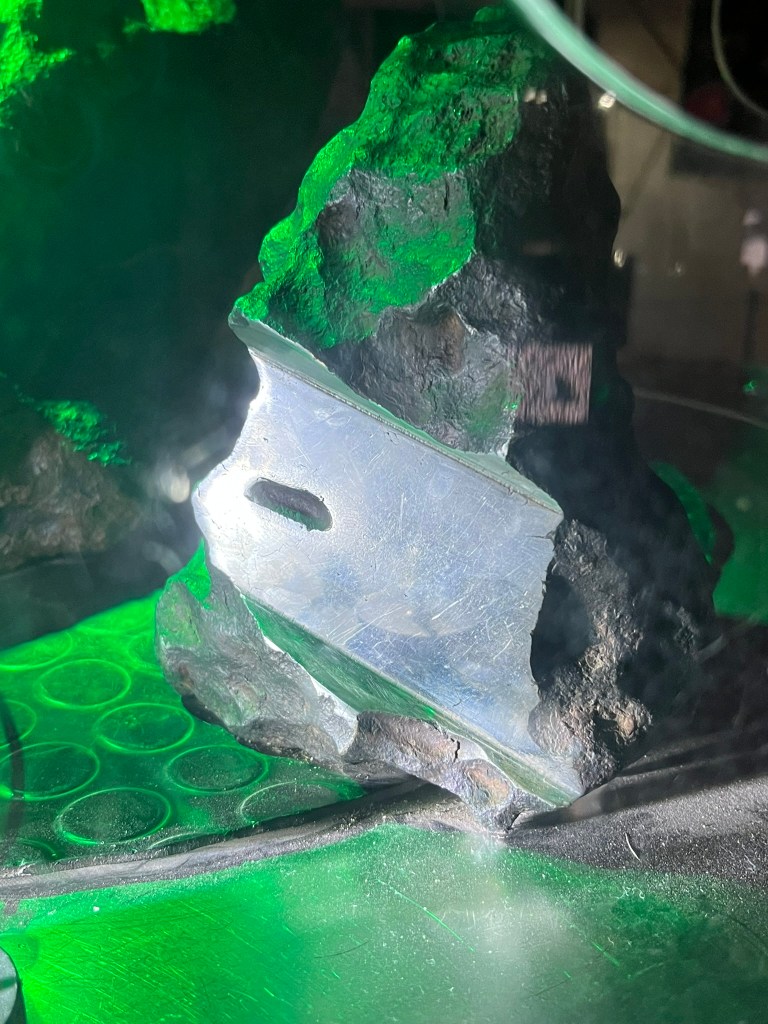
The best part of the whole experience was that I came away with and incredible souvenirs – a real actual chondrite meteorite called Los Vientos 014! Along with the the record details about when, where and how it was found. Chondrites are a type of stony meteorite that has not undergone significant melting since they were formed 4.5 billion years ago! They are characterized by the presence of chondrules which are small, round particles formed from molten droplets in the early solar nebula. Whilst chondrites are the most common type of meteorite found on earth – I think its pretty amazing to own something that is 4.5 billion years old.
Top tip – If you visit and plan to buy something, make sure you bring cash as they not have bank card facilities.
 Colette's Grand Detour
Leave a comment