We met our guide for the morning, Elias, at Quinta Normal metro station. Santiago currently has 5 metro lines with 2 more currently being built and luckily there was a stop near our hotel – Universidad Catolica that we could easily get to. The metro is clean, relatively cheap (for tourists but perhaps not locals) and a fast way to get around the city during rush hour. Our plan for the morning was for Elias to take us around 2 neighbourhoods adjacent to the historic center of the city – Barrio Yungay and Barrio Concha y Toro.
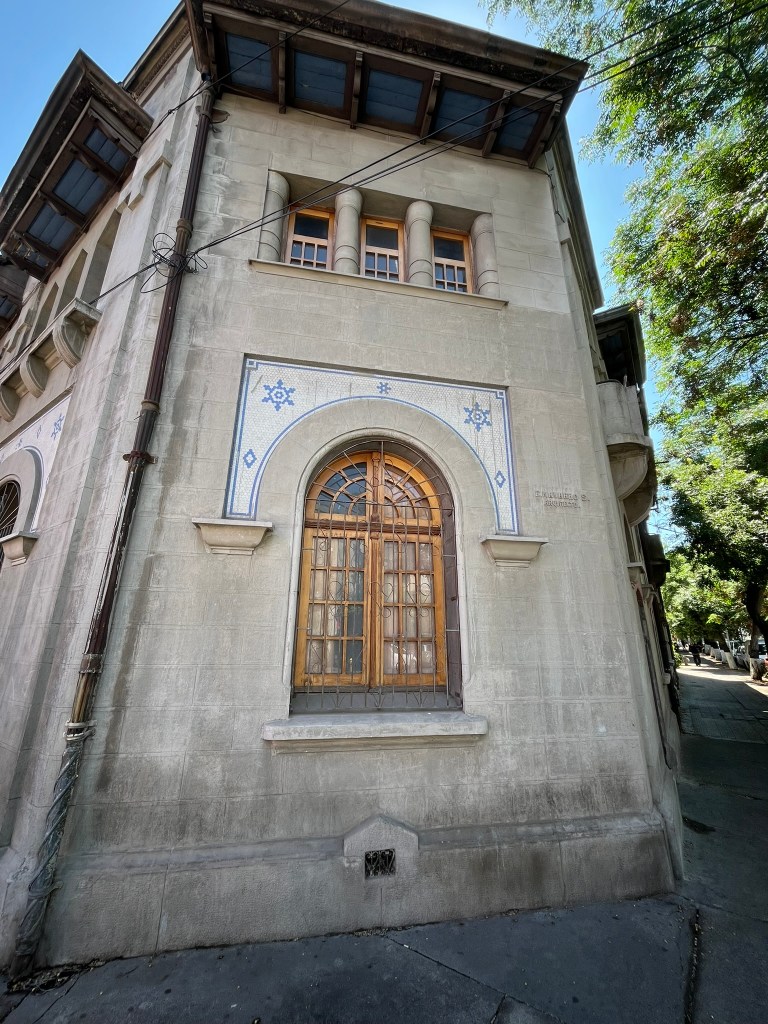
Barrio Yungay is a historic neighbourhood in the city. It was one of the first planned-grid neighbourhoods, and was mostly built in the mid-19th century. It was once home to affluent families, then to workers and artisans from the late 19th century into the 20th century. It is a designated heritage zone in the city and is described as a living museum of Santiago. The broad range of architectural styles is enhanced by the murals and street art that cover the neighbourhood.


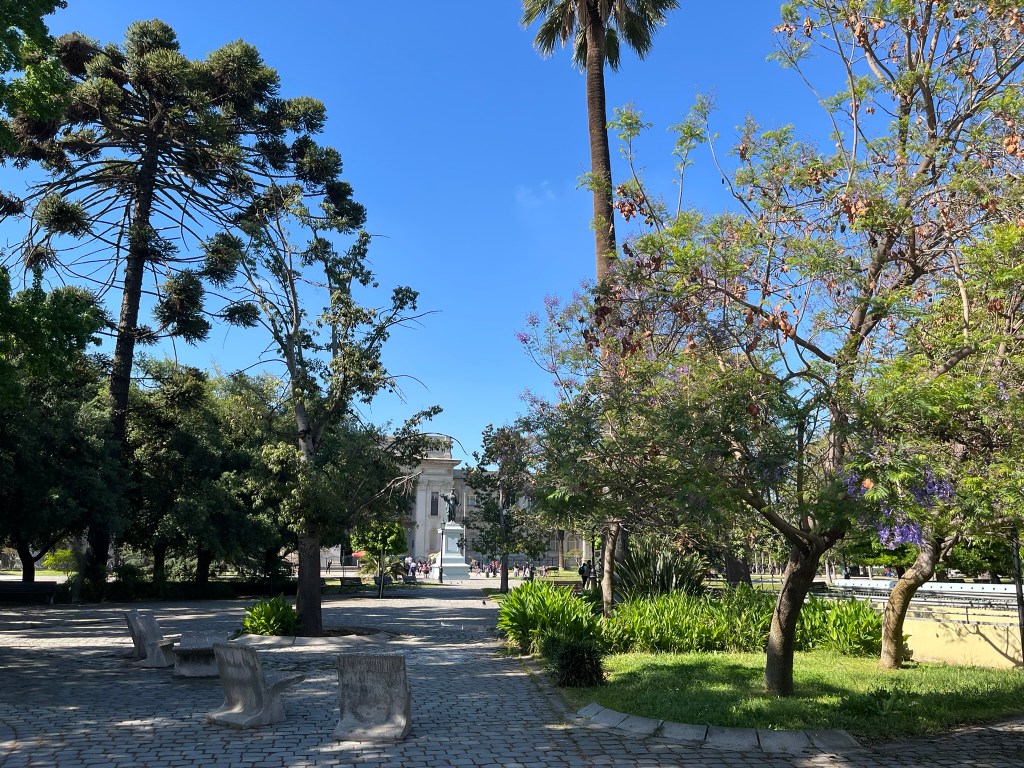
We started our walking tour in Parque Quinta Normal, full of tree-lined avenues and ornamental ponds. It was created in 1841 as Chile’s first public park. There are many museums in the park including the National Museum of Natural History, designed by a French architect in the late 19th century.
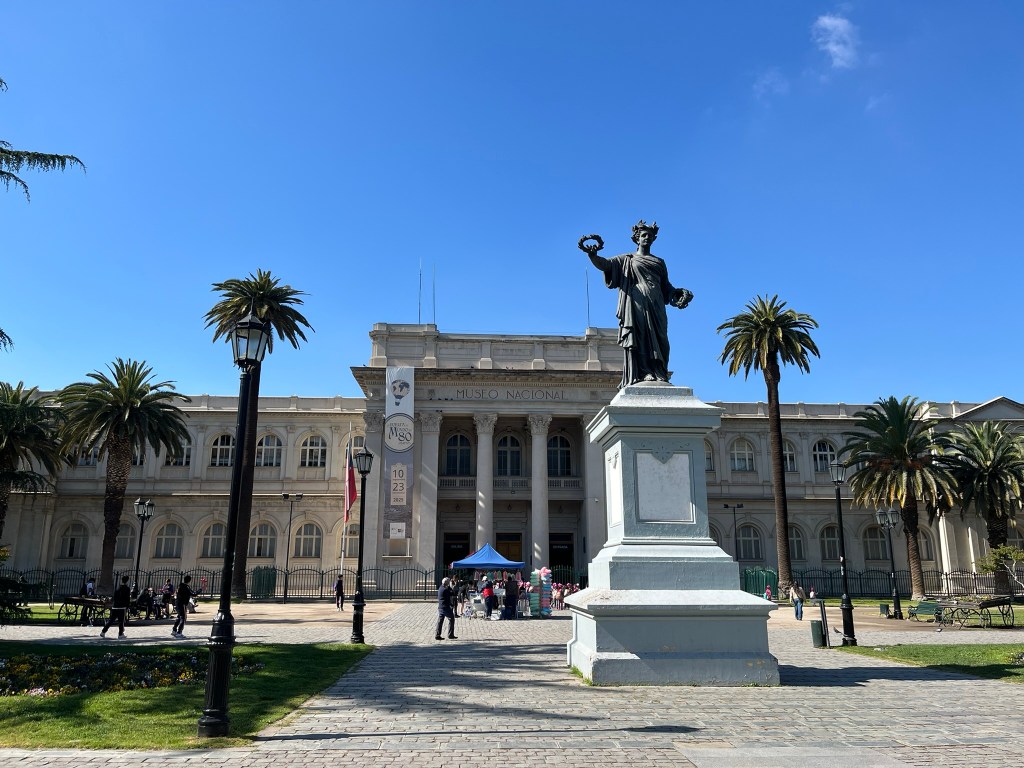
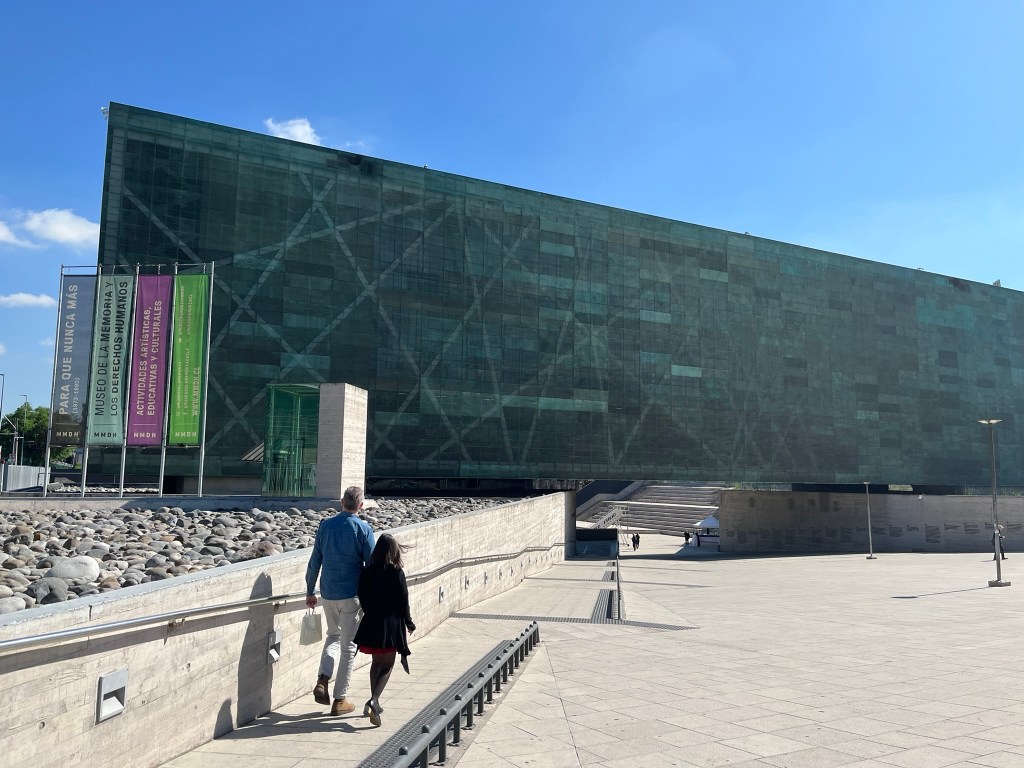
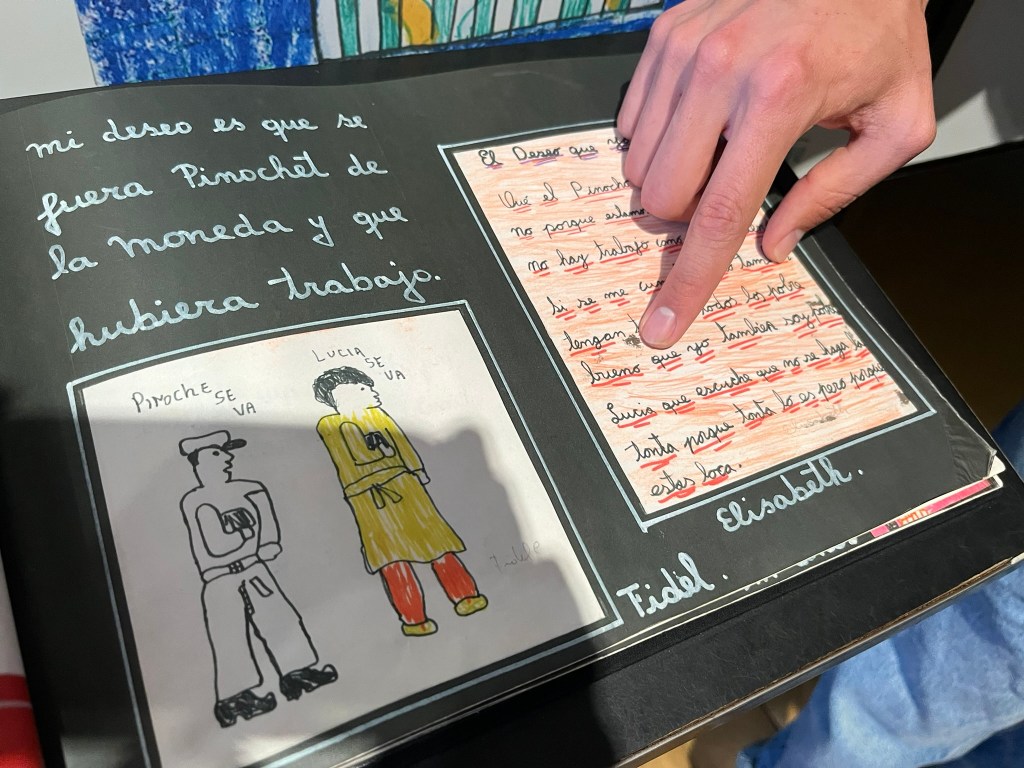
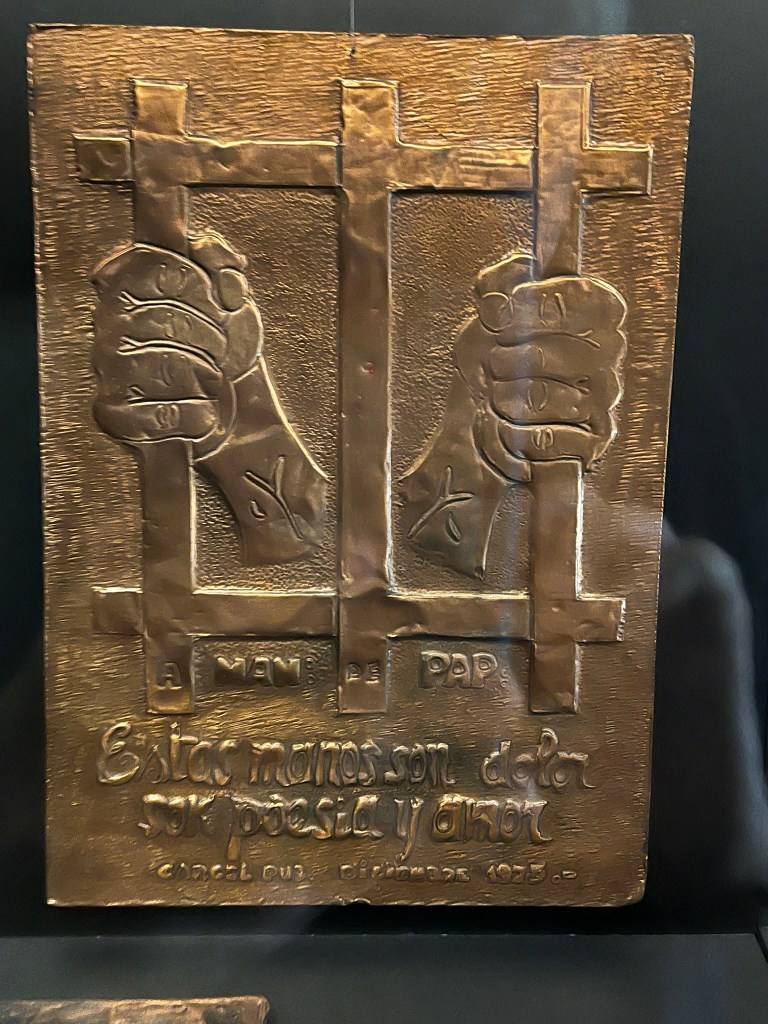
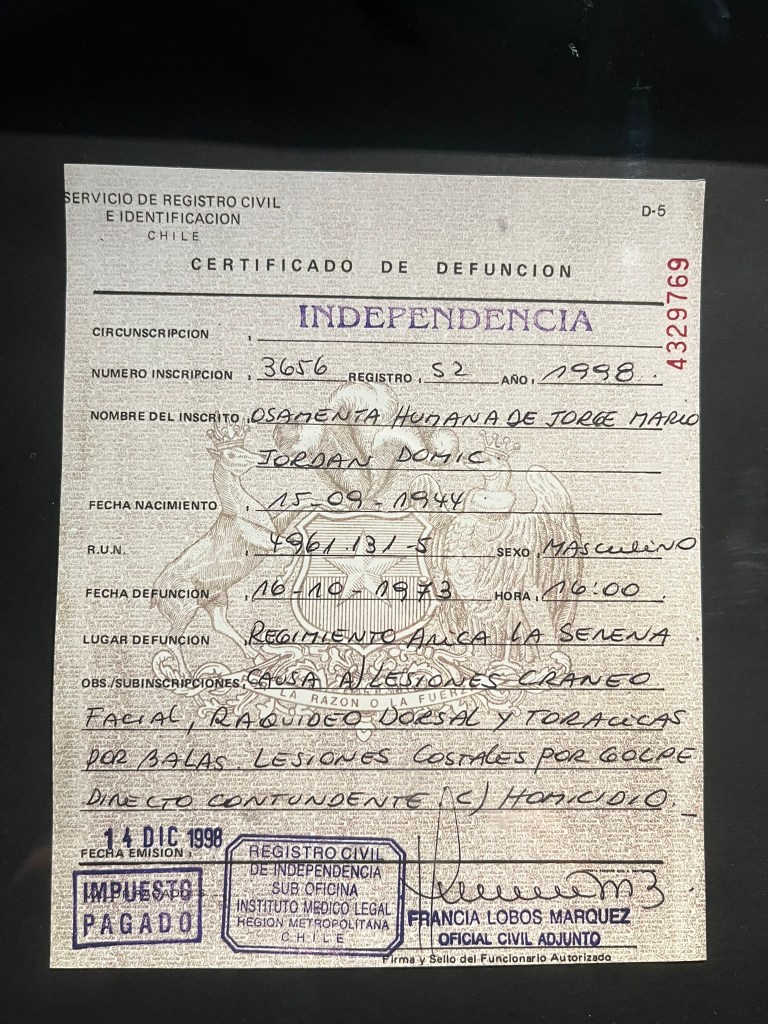
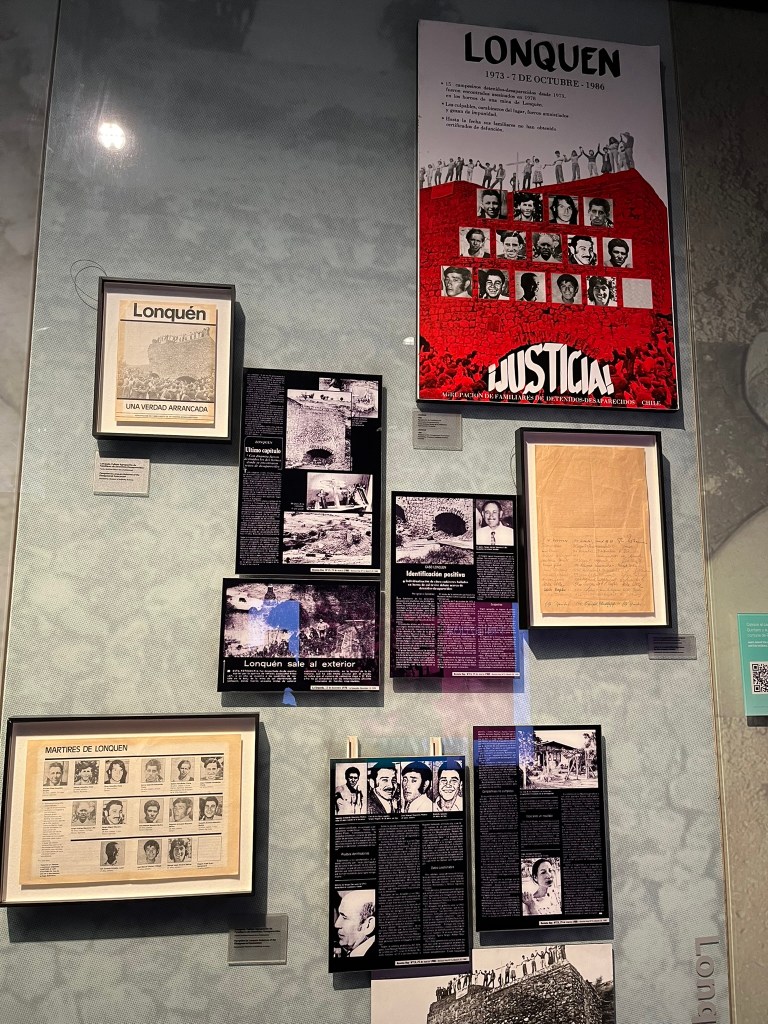
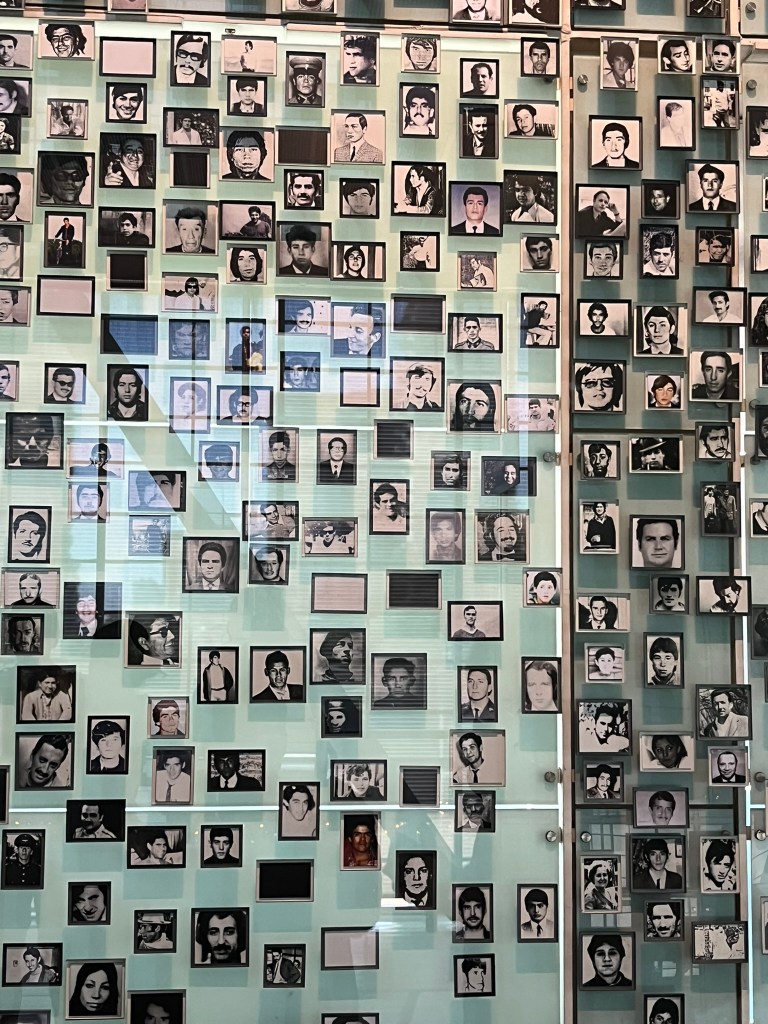
Located just outside the park, lies the Museum of Memory and Human Rights. Opened in 2010, it commemorates victims of human rights violations during the Pinochet dictatorship from 1973 to 1990. It is housed in a striking and modern glass-and-copper structure and inside there are photographs, letters and evidence of the repression and atrocities committed. All of the exhibits are in Spanish, so it was great to have Elias with us to explain the key messages.

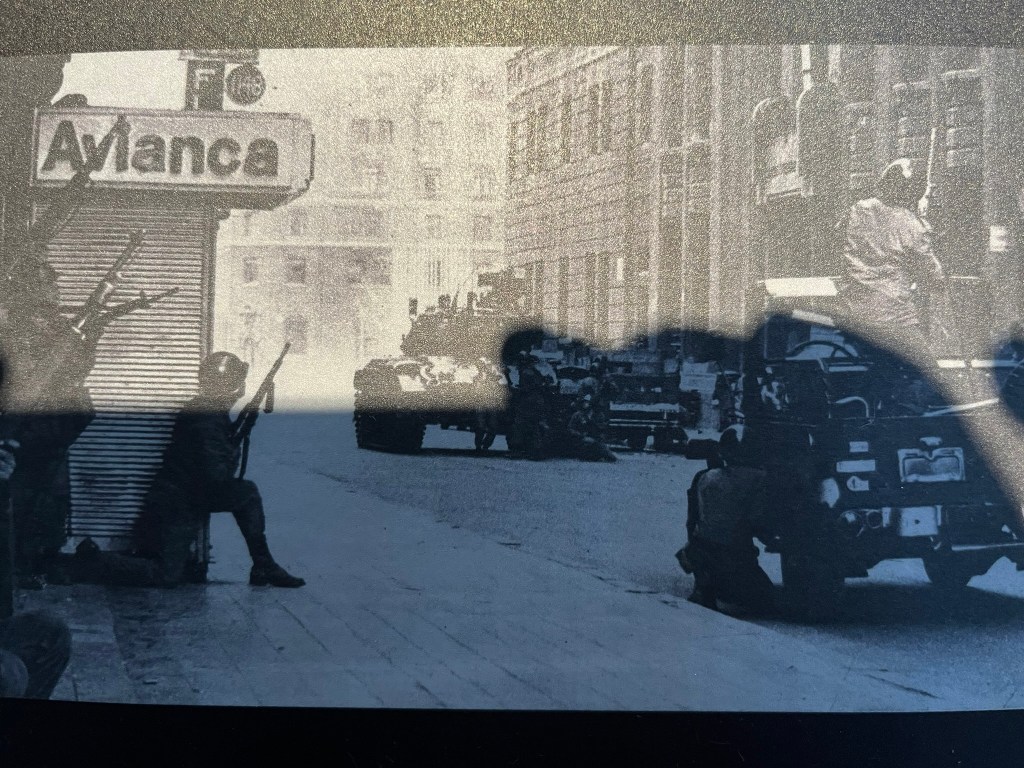
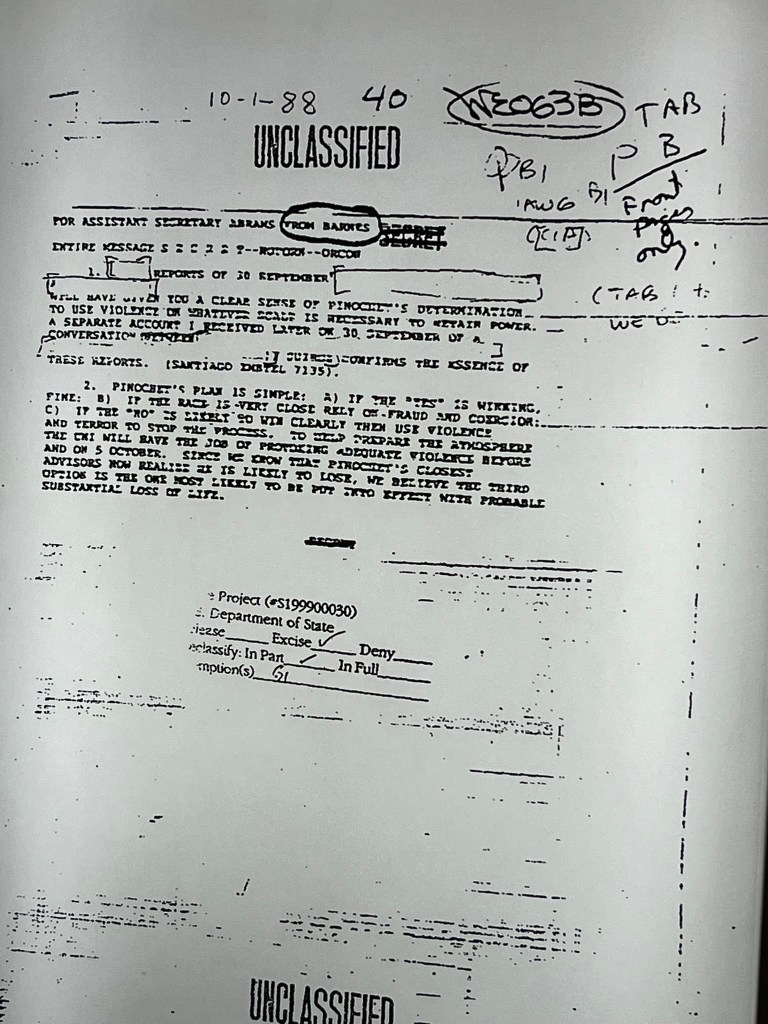
I think the one thing that will stick with me for a long time is the declassified documents that outline the CIAs direct role in Pinochet’s dictatorship, particularly how they interfered when national votes were not going the way of Pinochet and were aware (and encouraging) violence. It’s a somber place, but it gives you an upfront overview of the terrible things that happened during Pinochet’s reign of terror. Incredibly, Elias shared that this critical and recent part of Chile’s history is not part of the national curriculum and is not taught in schools.
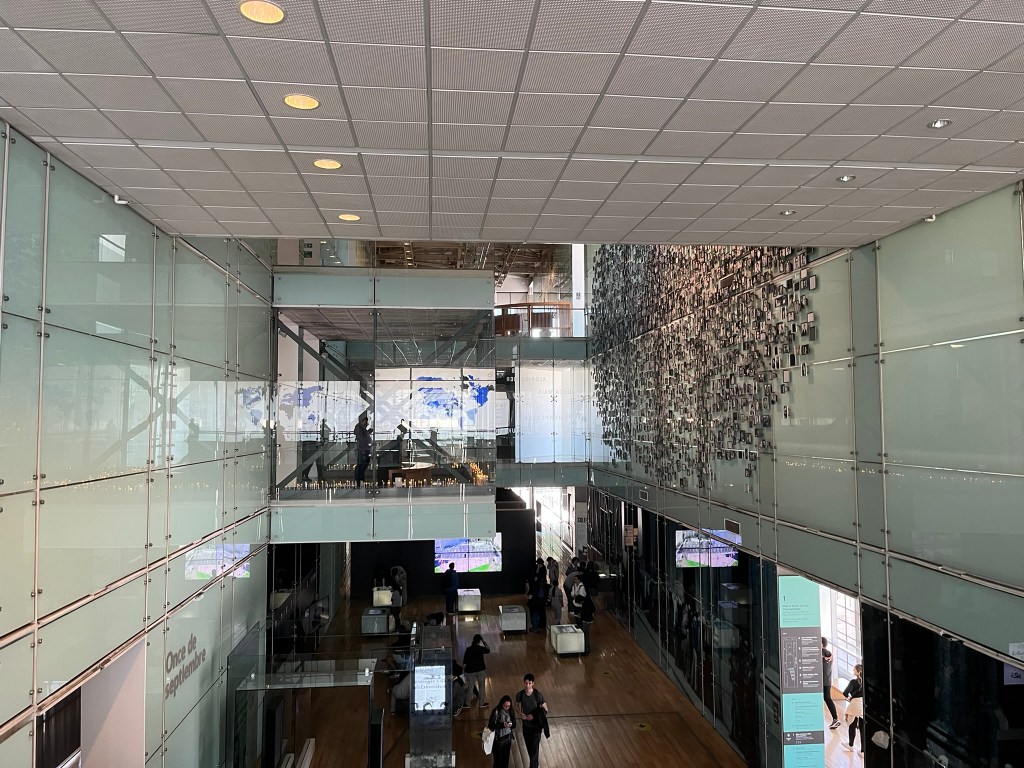

After spending an hour in the museum, we headed into Barrio Yungay to explore the architecture and street art. Historically this neighbourhood has been a little dodgy to walk around for tourists. But the current President of Chile has decided to make this neighbourhood his home in Santiago and rents a modest house in the middle of the barrio. This means that this is now one of the safest neighbourhoods in the city!
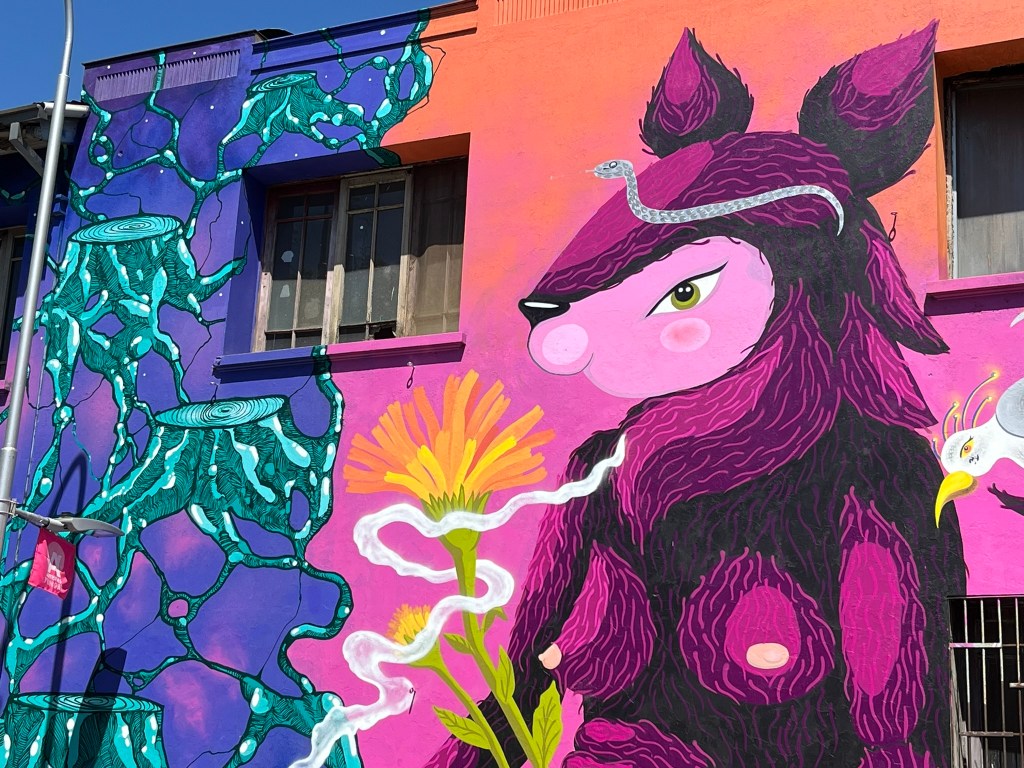
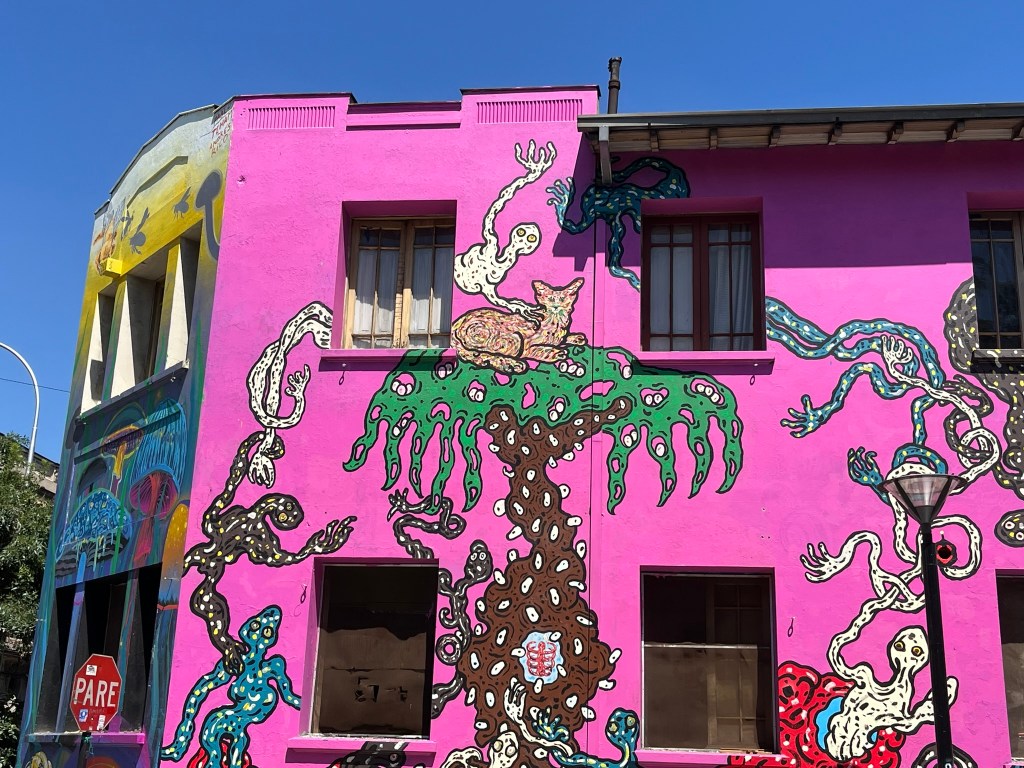
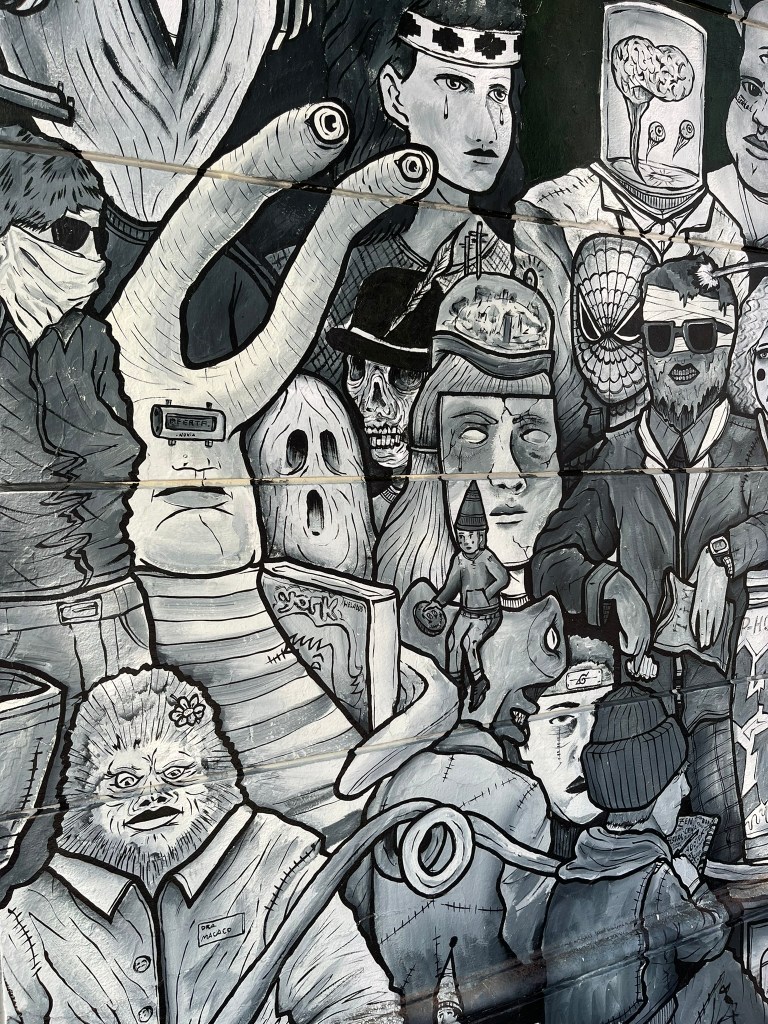
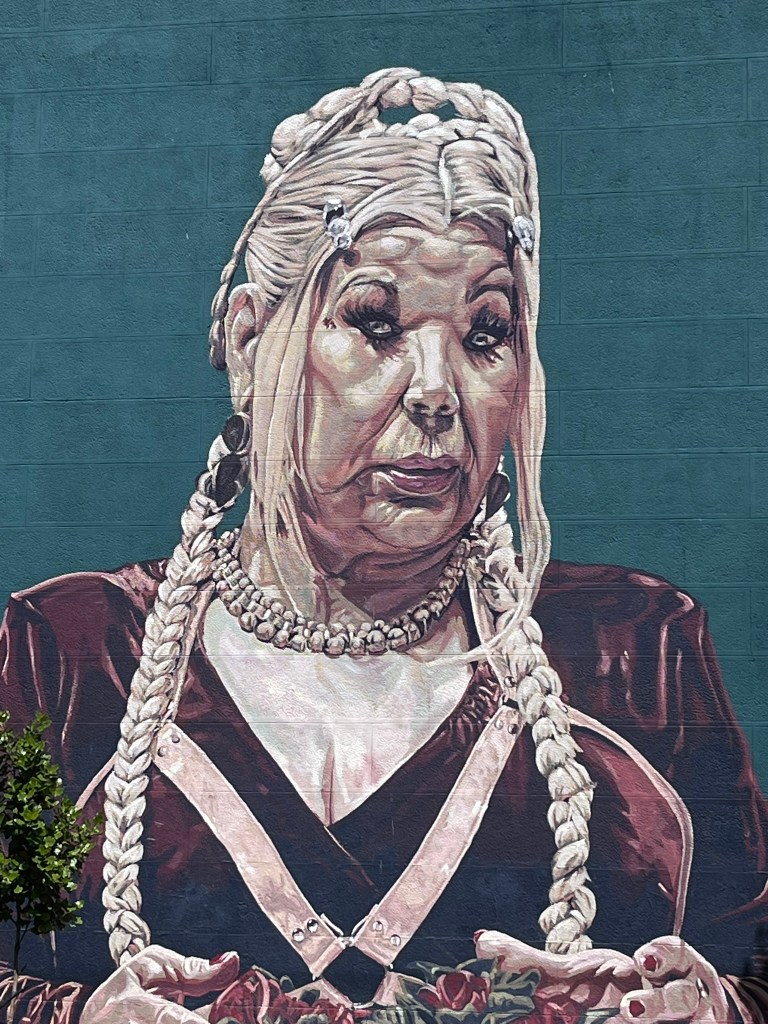
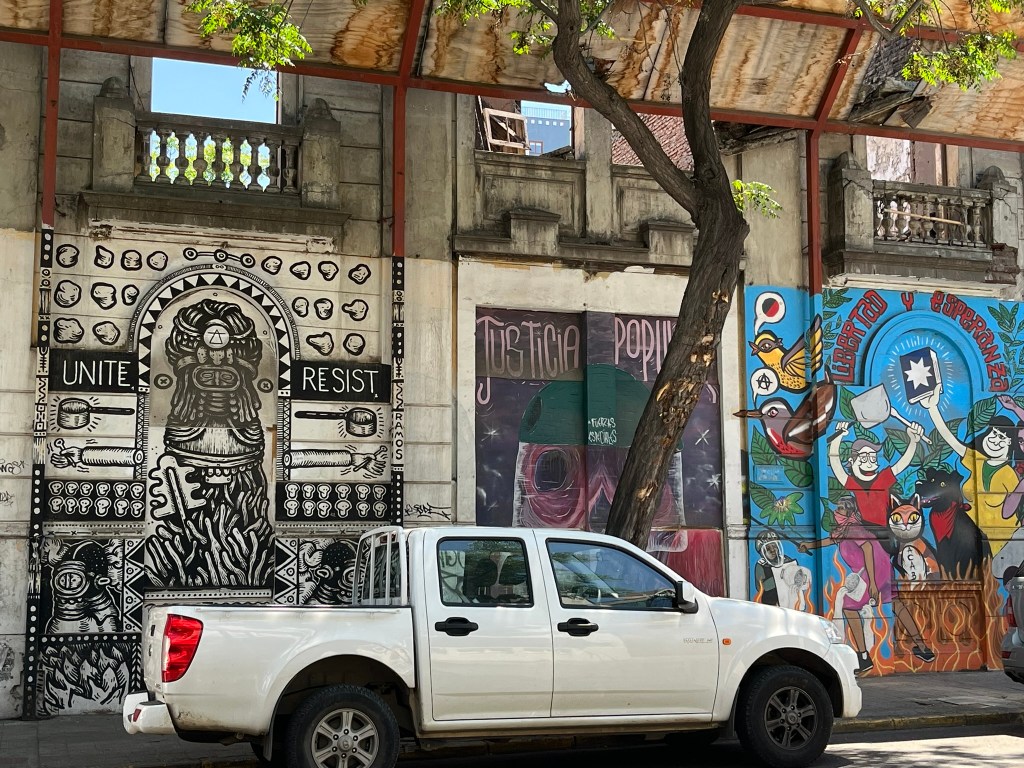
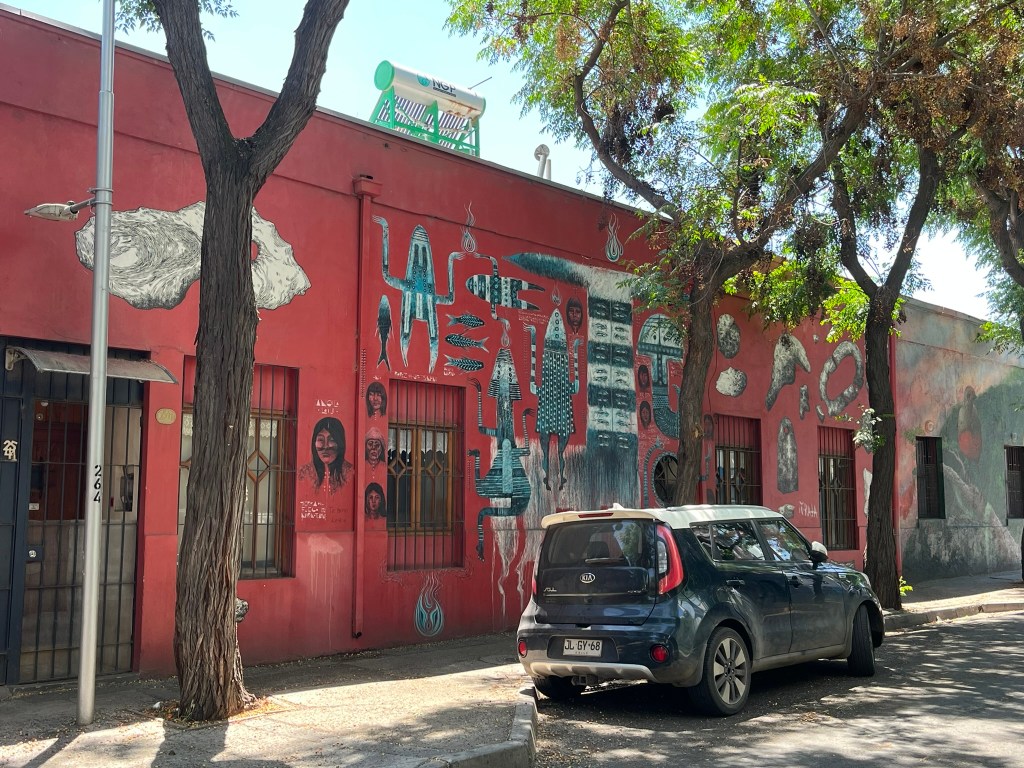
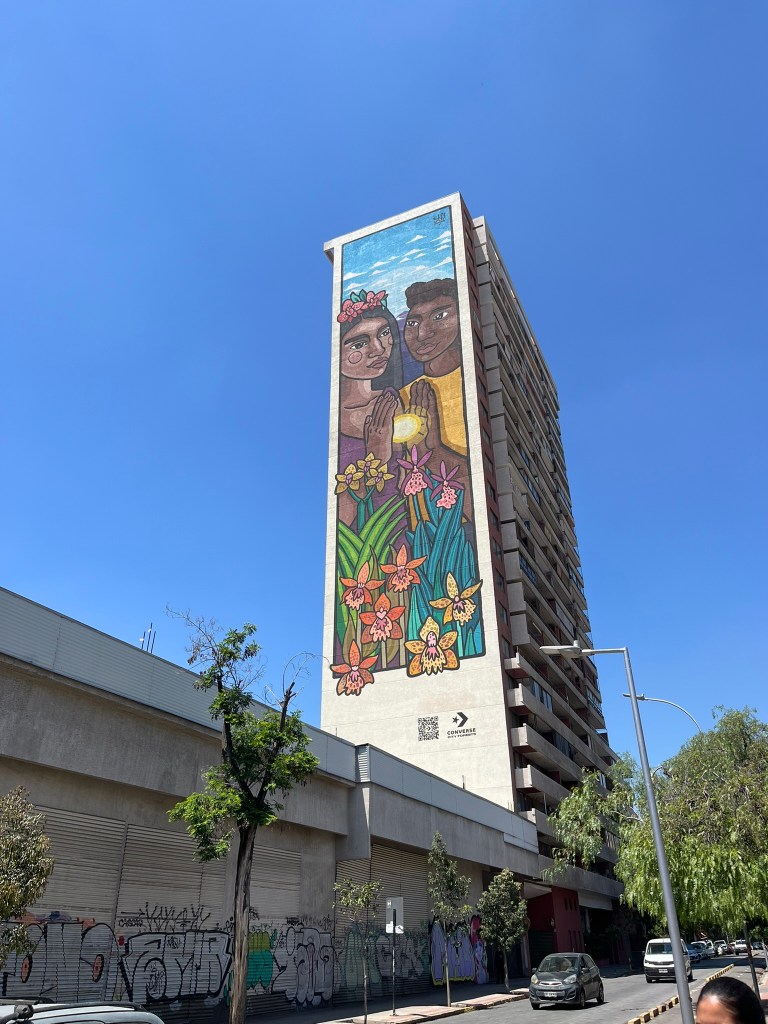
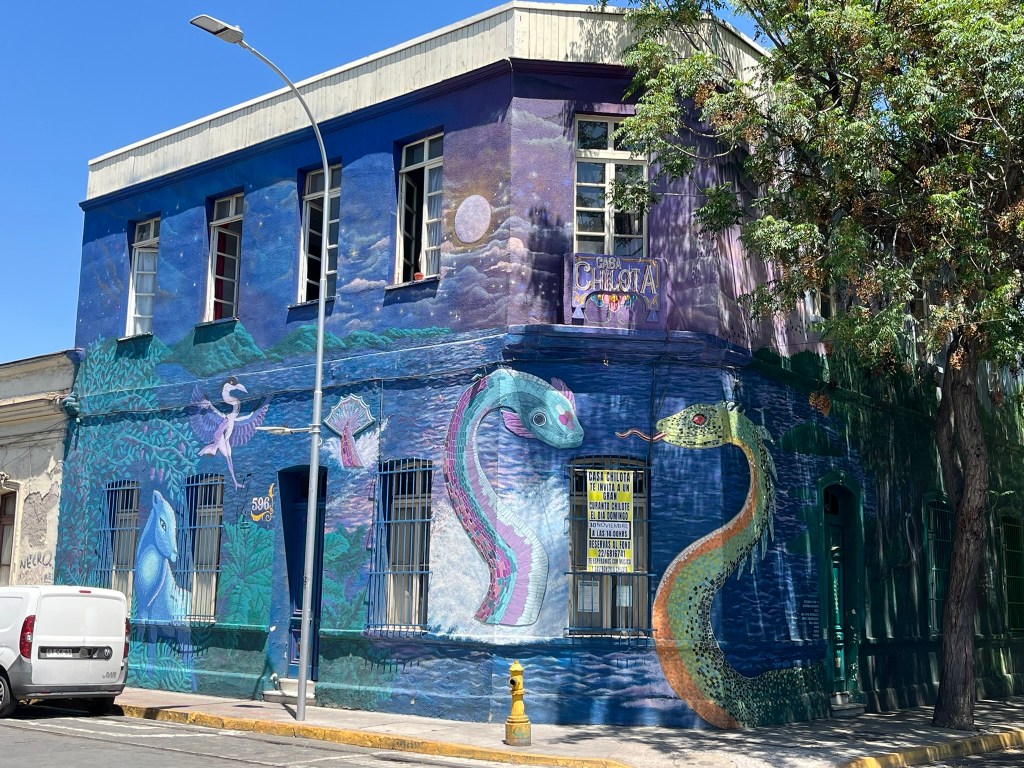
The street art is a mixture of murals with a political or social justice theme and murals that are simply beautiful to look at. Similar to Valparaiso, a huge range of artists are represented in the area, having been invited into the community to paint the murals.

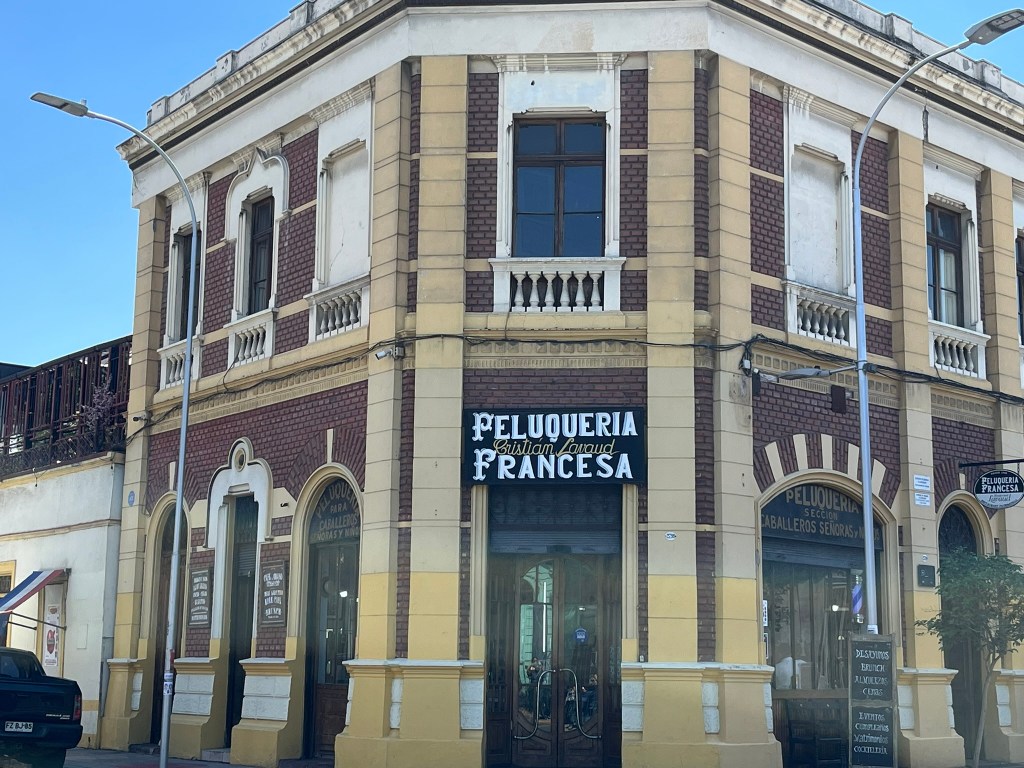
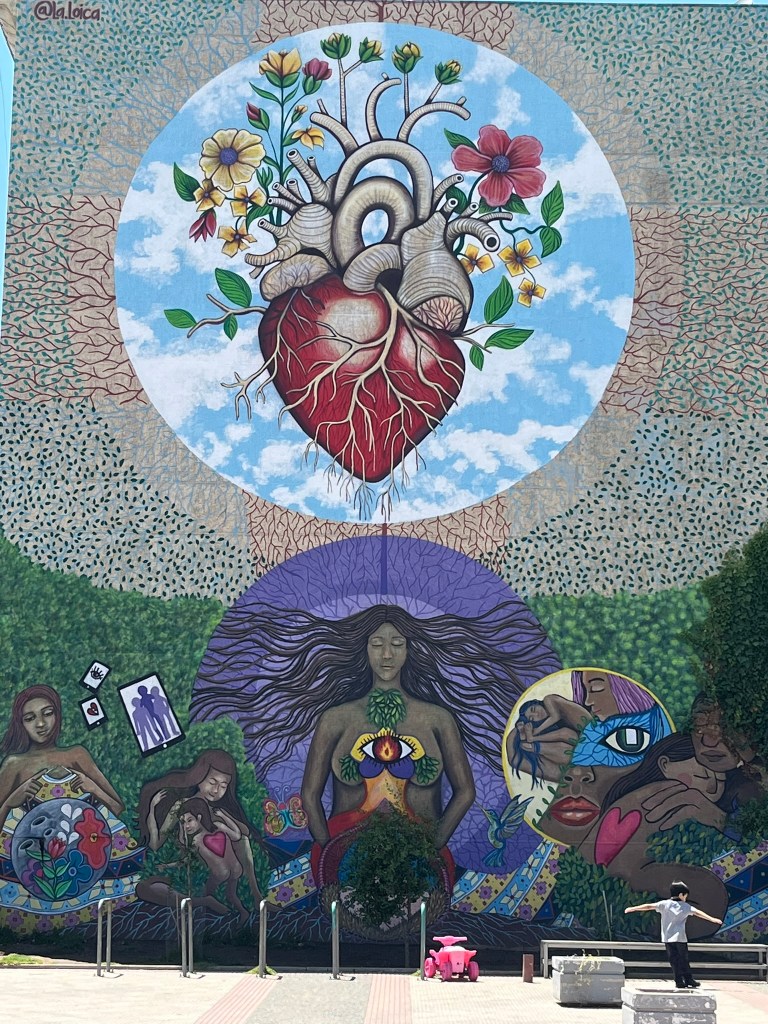
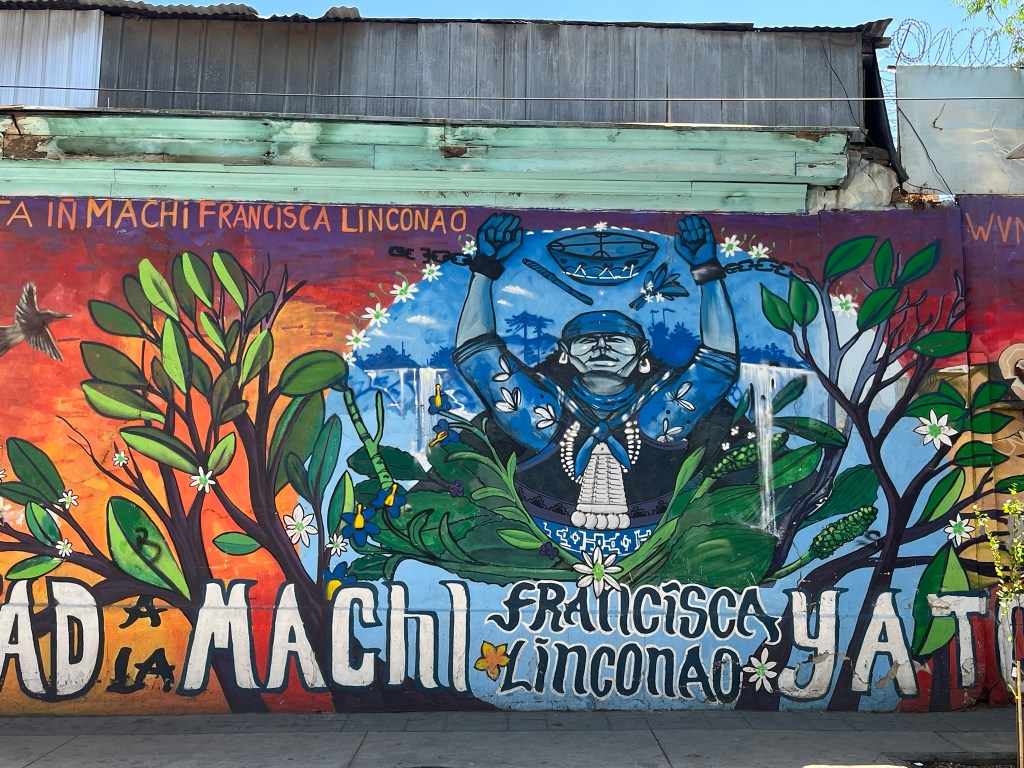
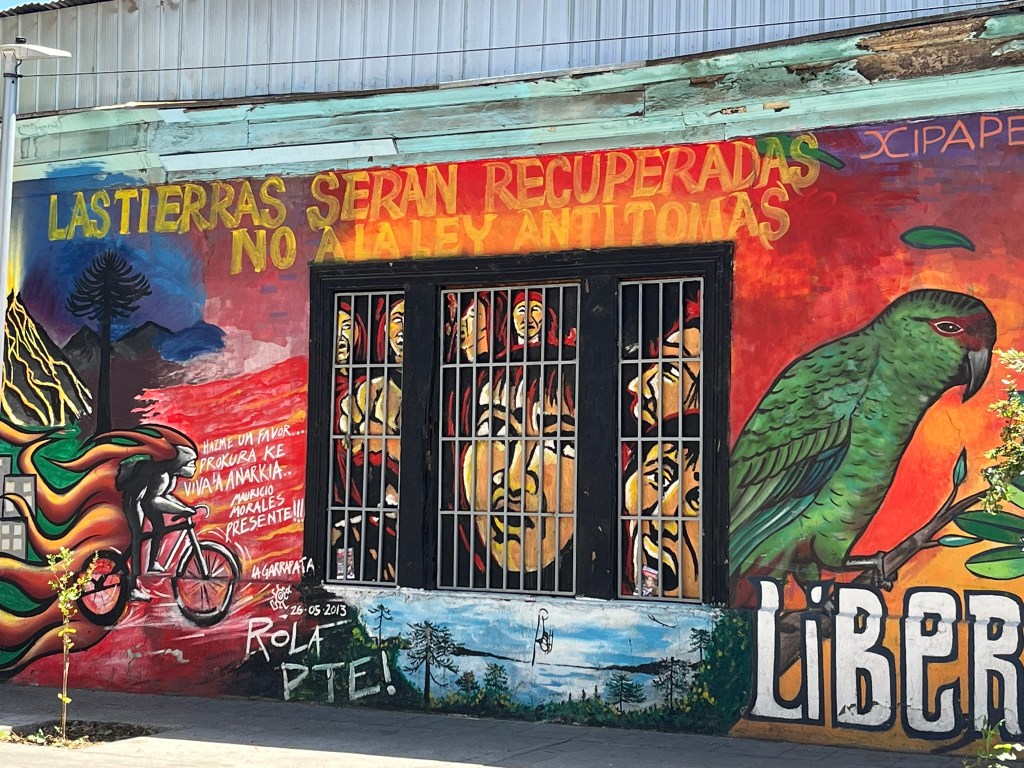
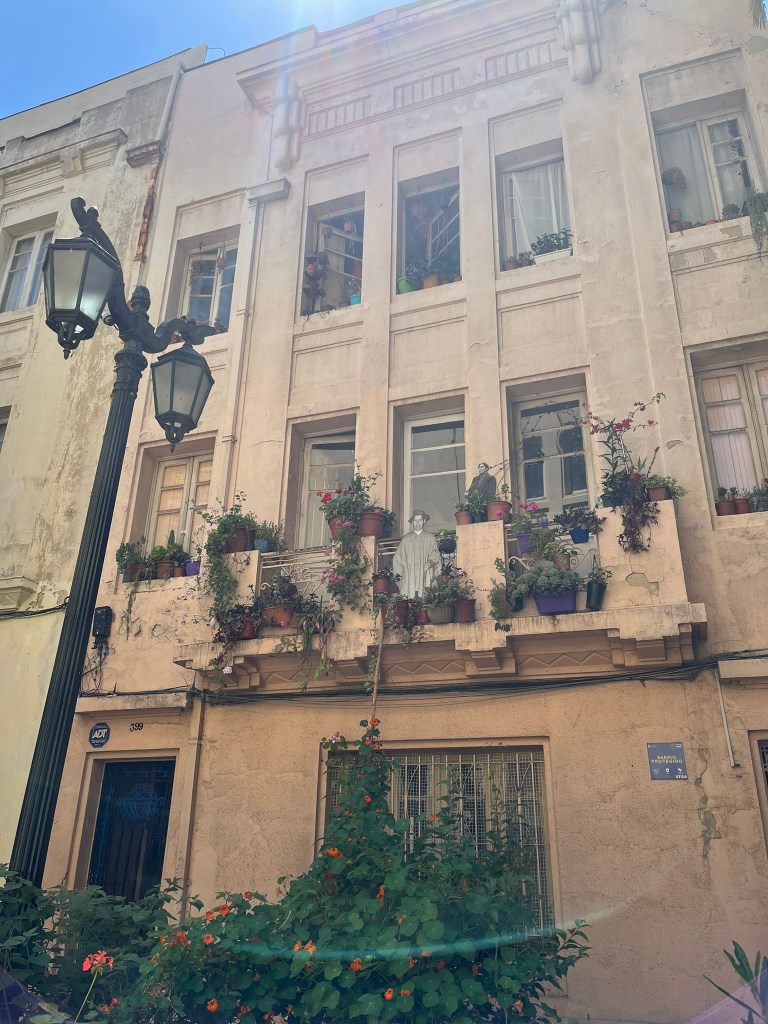
One of the barrio’s most enchanting features are its narrow residential lanes that have shared inner gardens running through them, creating a semi-private communal worlds. Today on of the most famous of these narrow streets is also known for its cat bridges, that connect the upper floors of the buildings to trees, allowing homeowners cats the ability to come and go as they please.

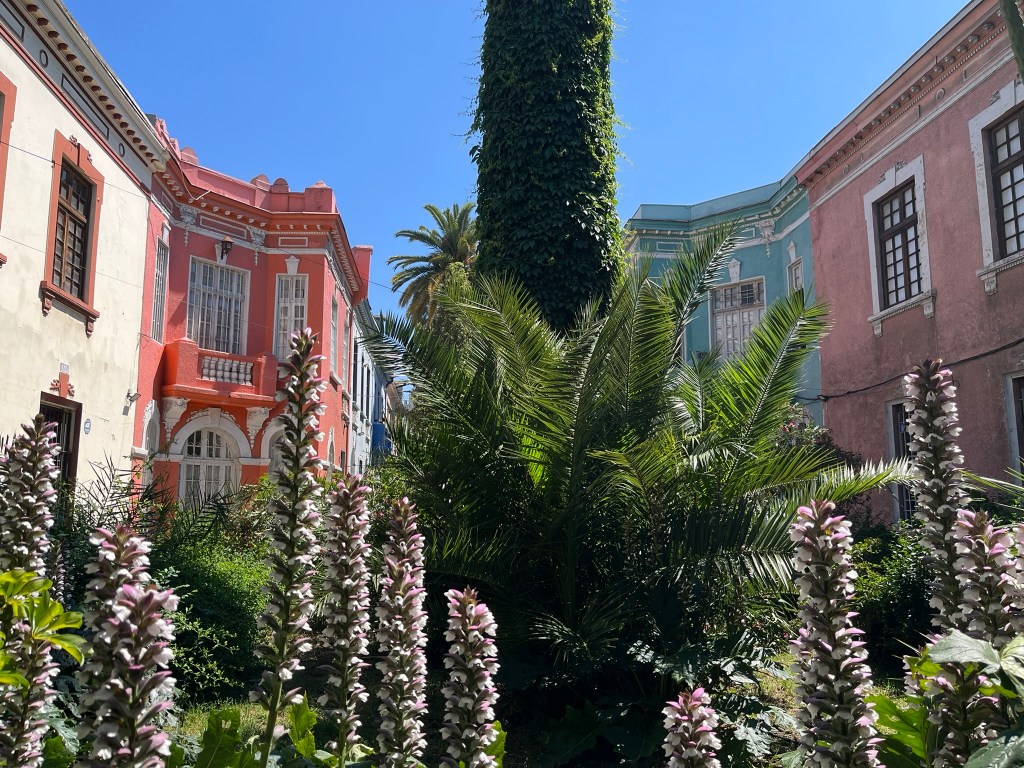
Plaza Yungay sits at the heart of the barrio, and was established to commemorate Chile’s victory in the Battle of Yungay in 1839, winning the War of the Pacific against the Peri-Bolivian Confederation, which went on to become a symbol of national unity. Unlike the grand civic plazas like Plaza de Armas, Yungay’s a local and lived in plaza with locals gathering and socialising on the benches.
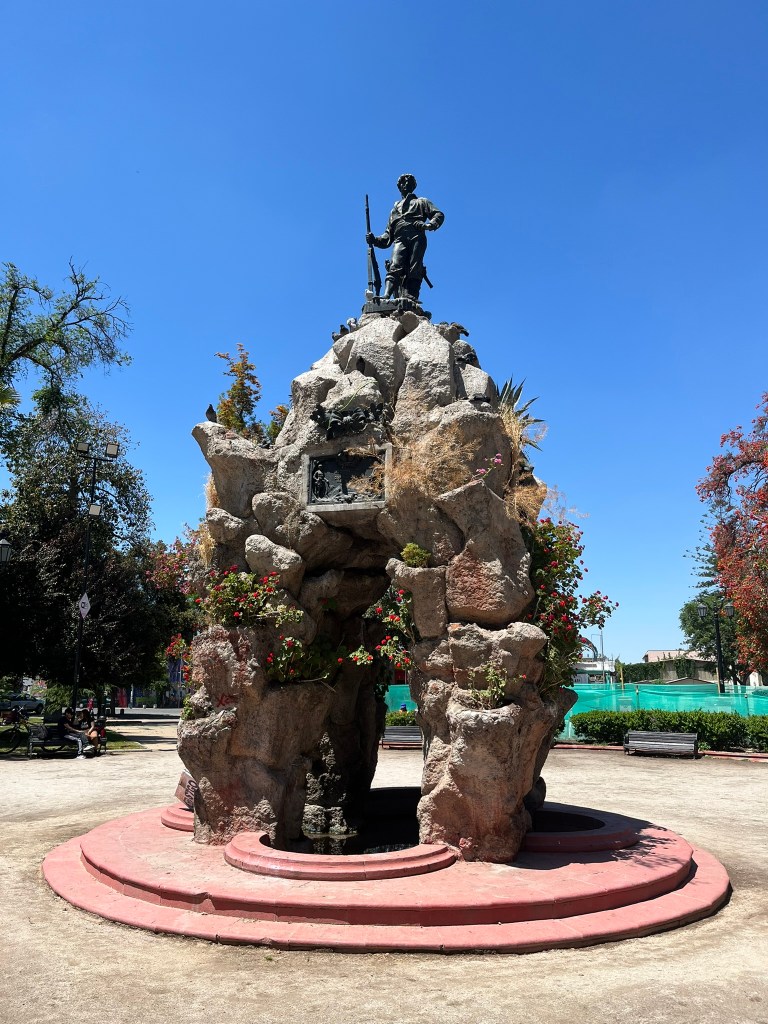
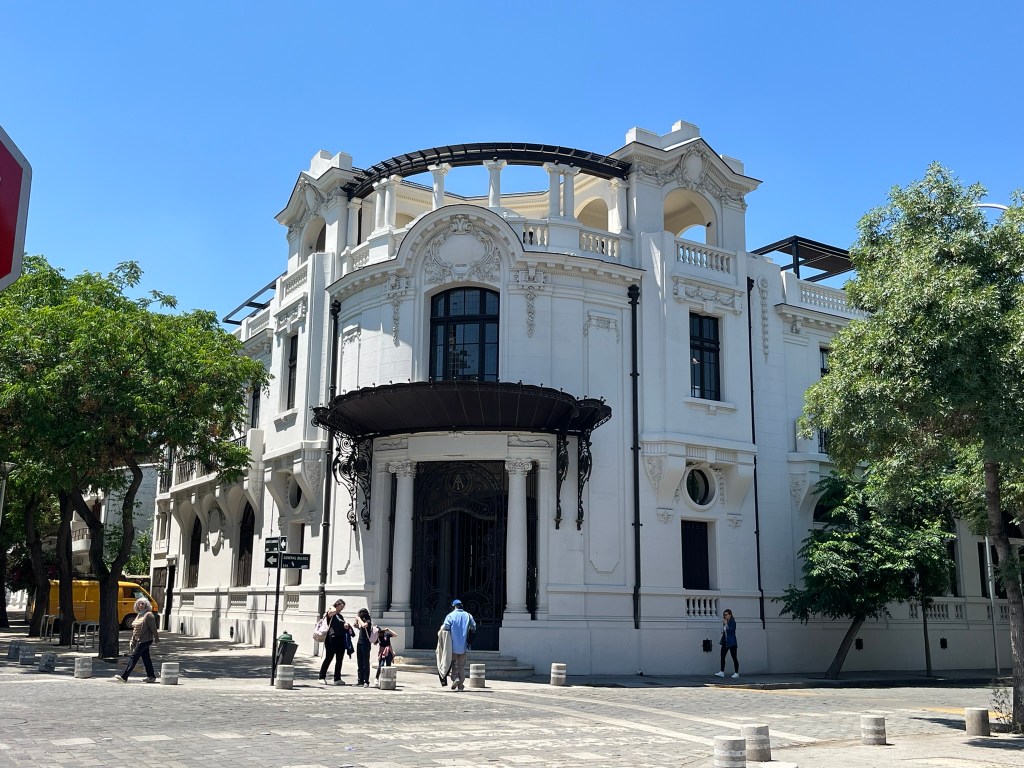
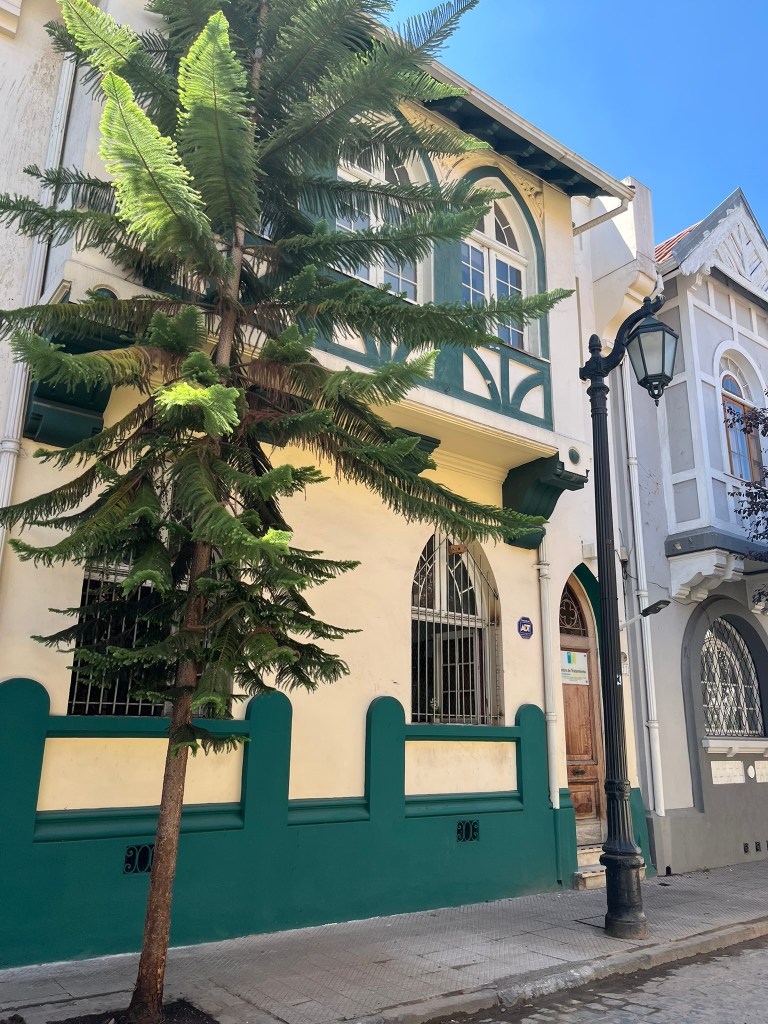
Adjacent to Barrio Yungay lies the five city blocks that make up the small Barrio Concha y Toro. This is a pocket of neo-medieval architecture, cobbled lanes and bohemian spirit. It was developed in the 1920s by the Concha y Toro family, one of Chile’s most influential dynasties and the same family who founded the Concha y Toro wine estate. The family wanted to establish a modern residential enclave for Santiago’s upper-middle class and drew inspiration from European urbanism, especially Parisian and medieval revival styles that were popular in Europe after WWI. The layout is irregular, deliberately avoiding Santiago’s grid-system and centers on a small round plaza surrounded by mansions and with a centerpiece fountain. Later in the mid-20th century, Santiago’s elite moved westward and the area’s prestige decline. This decline has meant that the architecture from this period was preserved and the area was never redeveloped. Today, the area is a heritage zone, but is also in urgent need of major repair, with many buildings are beginning to crumble and lose their ornamental features.


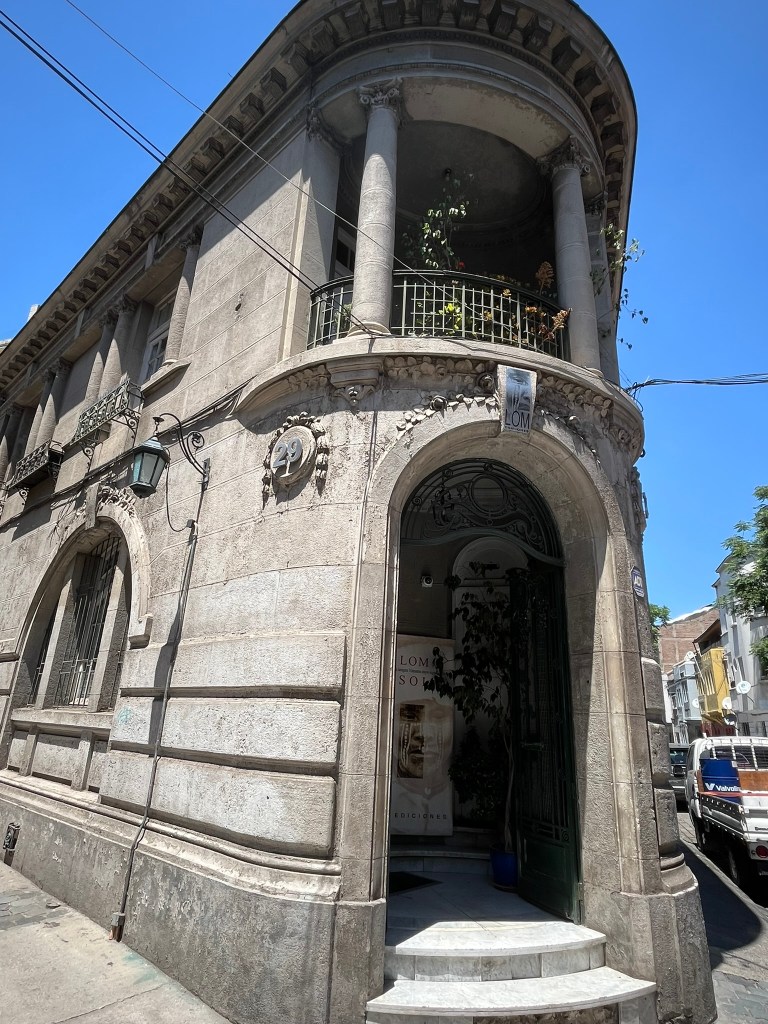

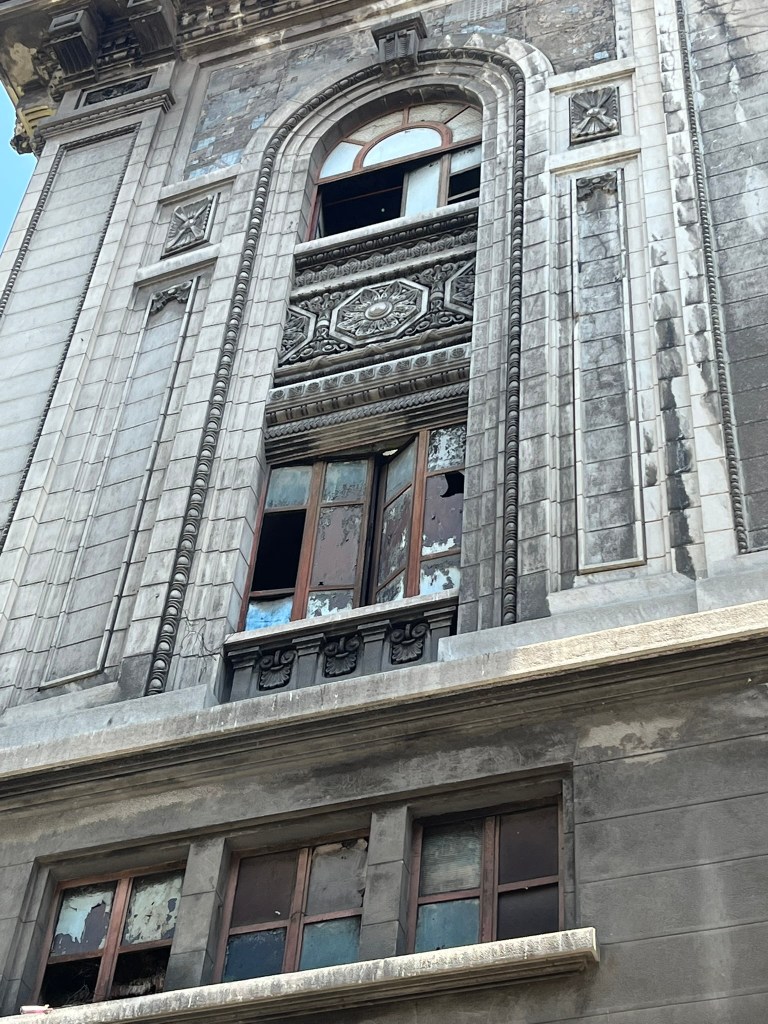
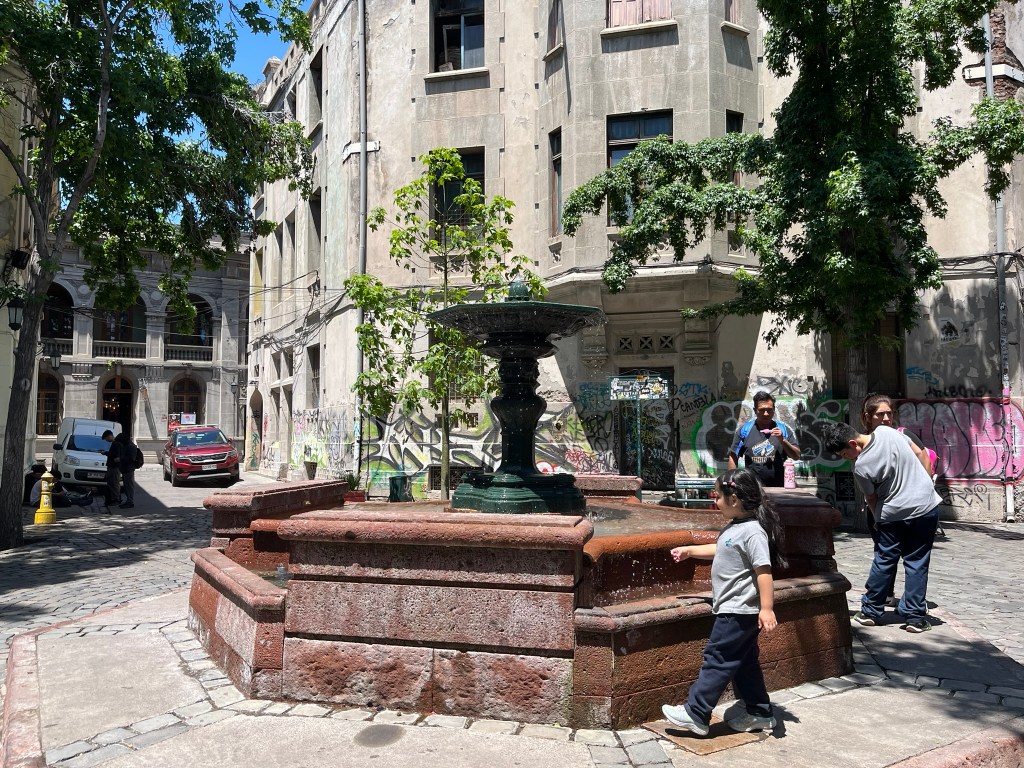
This morning’s tour was a great way to see the more residential side of Santiago with a local who knew his way around and could share the history of the people who have lived here.
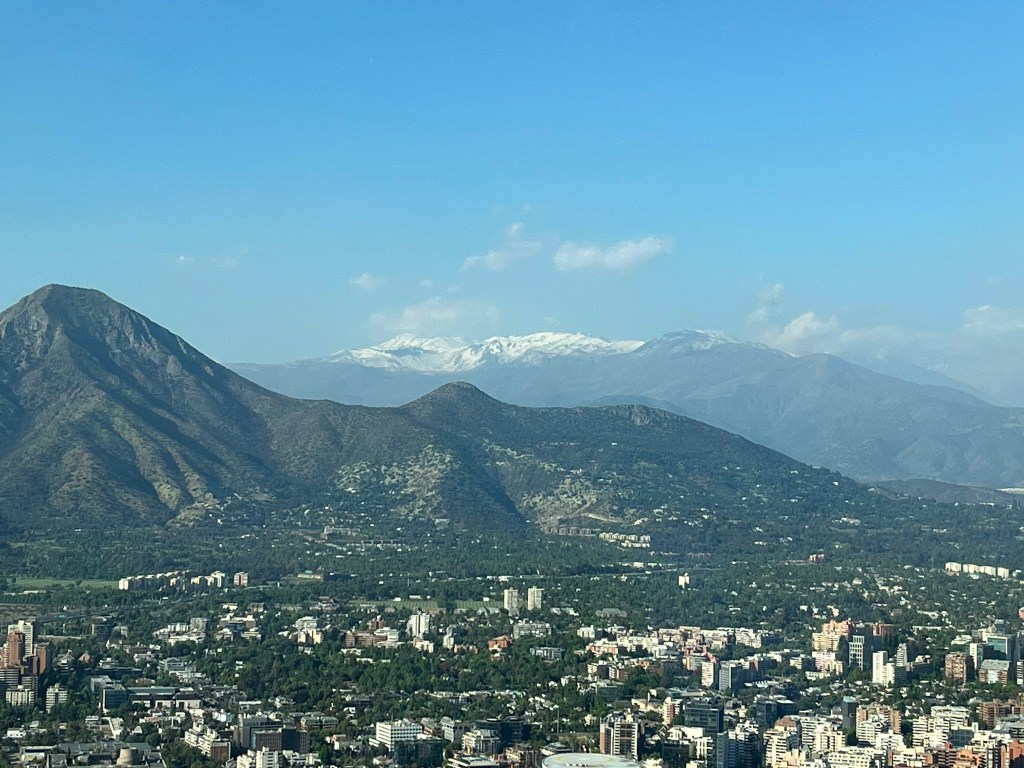
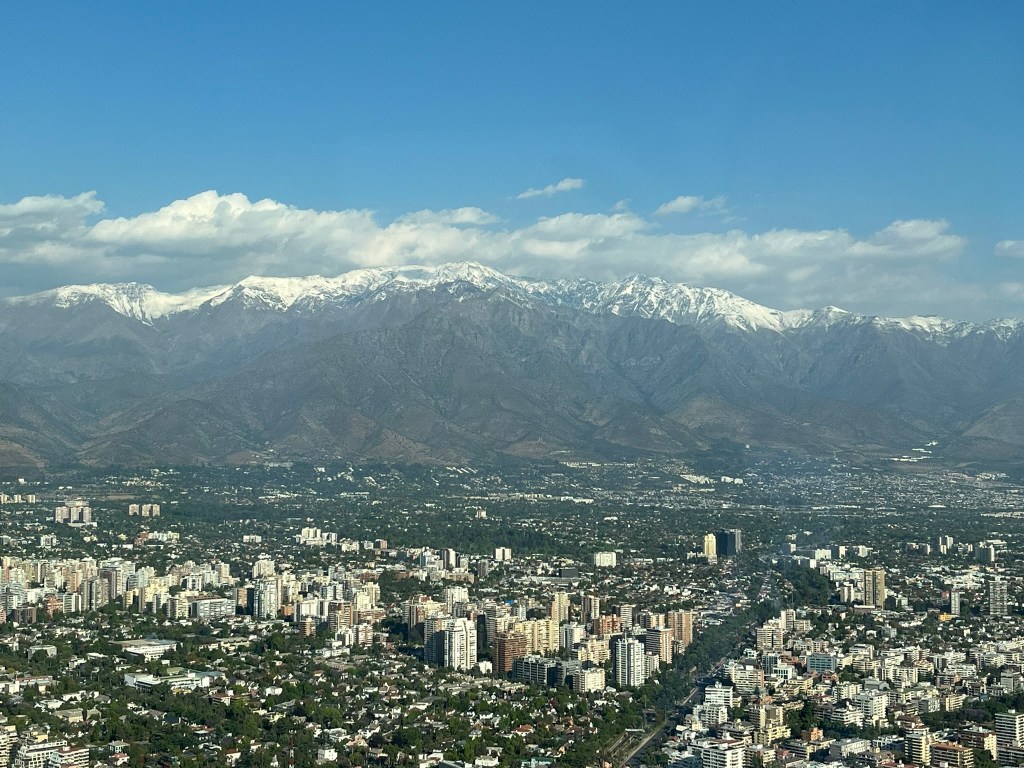
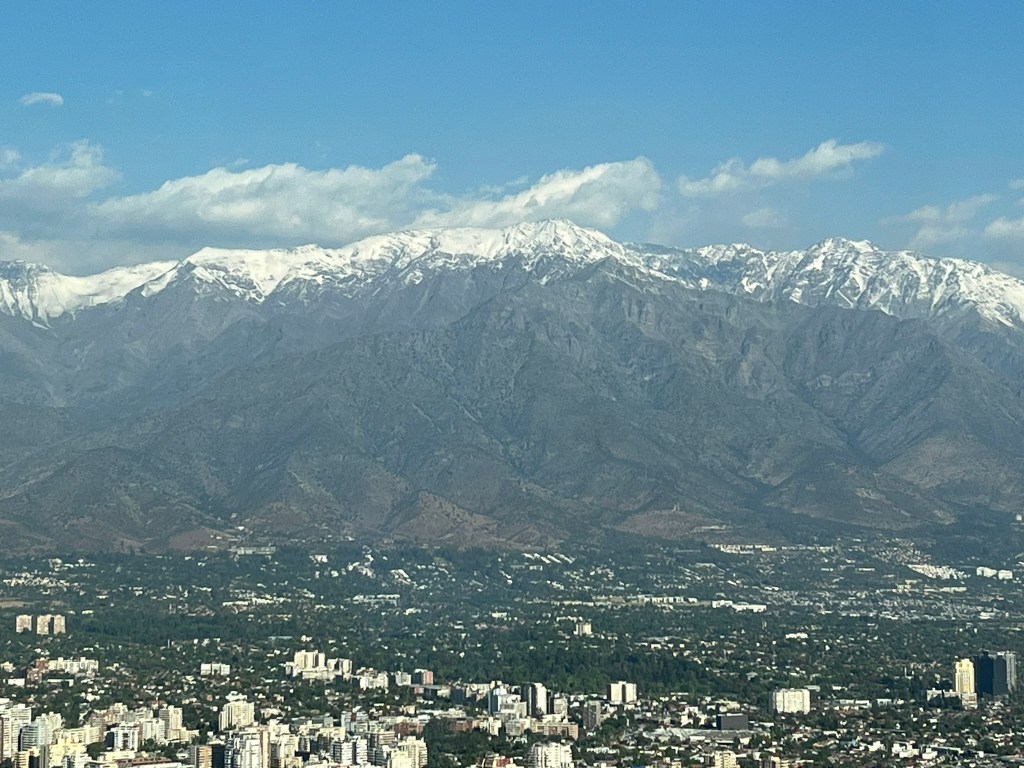
We finished our time in Santiago by visiting the viewing platform at the top of South America’s tallest skyscraper – the Costanera tower. You get great views of the whole city and really get a better sense of the urban sprawl surrounding the historic center of the city. You quickly realise how little of Santiago you have really seen. And how close the Andes surround the city. Sunset is supposed to be fantastic at the viewing platform, particularly when the last golden rays of the day land on the bright white snow of the mountains. However we had to skip the sunset for a reservation we had been looking forward to for months at a Peruvian restaurant called La Mar. We ate in the original La Mar in Lima, when we travelled to Peru in 2017, so we knew how fantastic the food was and were super happy to find out it had opened a branch in Santiago.

So that draw’s a close to our adventures in Central Valley region of Chile. Tomorrow we are heading to Easter Island, a 5 hour flight out into the Pacific Ocean but still part of Chile.
 Colette's Grand Detour
Leave a comment