The word dzong means fortress in Bhutan’s national language, Dzongka. Most dzongs were founded in the 17th century during Bhutan’s unification under Ngawang Namgyal, who built or rebuilt many of them to consolidate power and defend against Tibetan invasions.
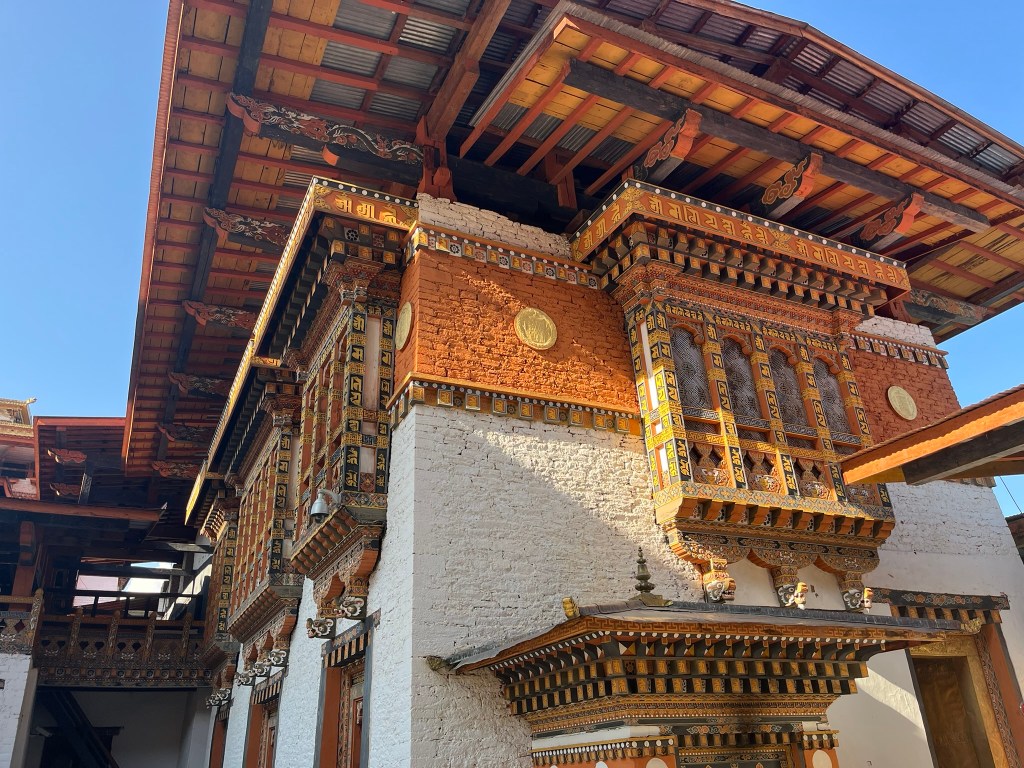
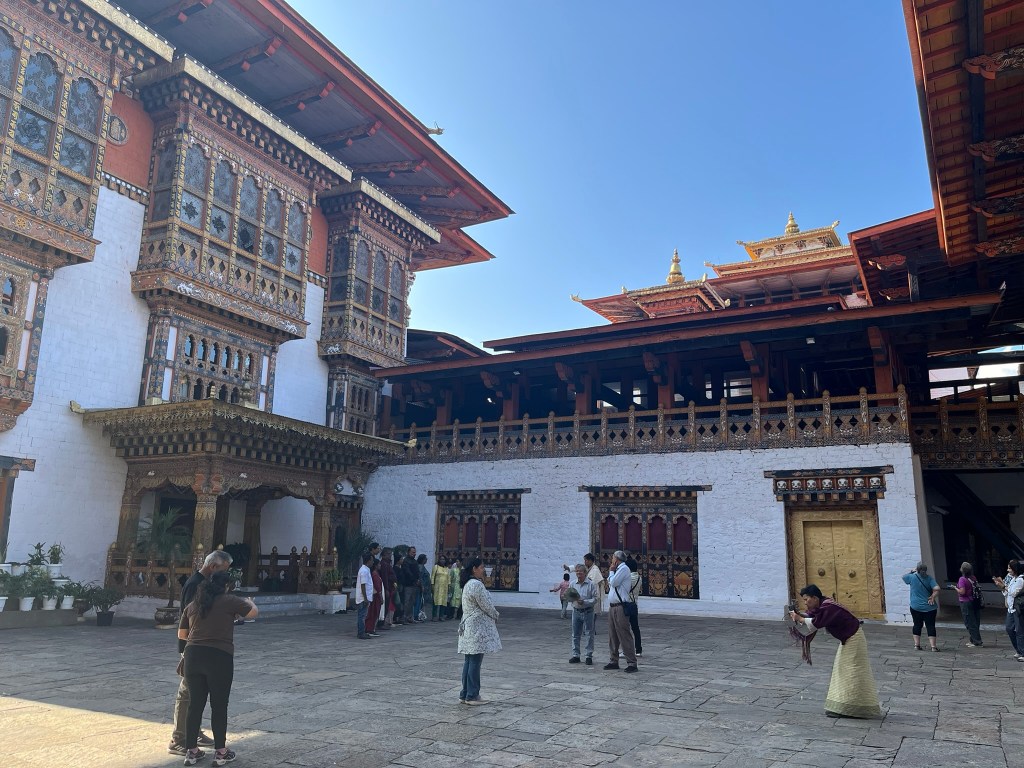
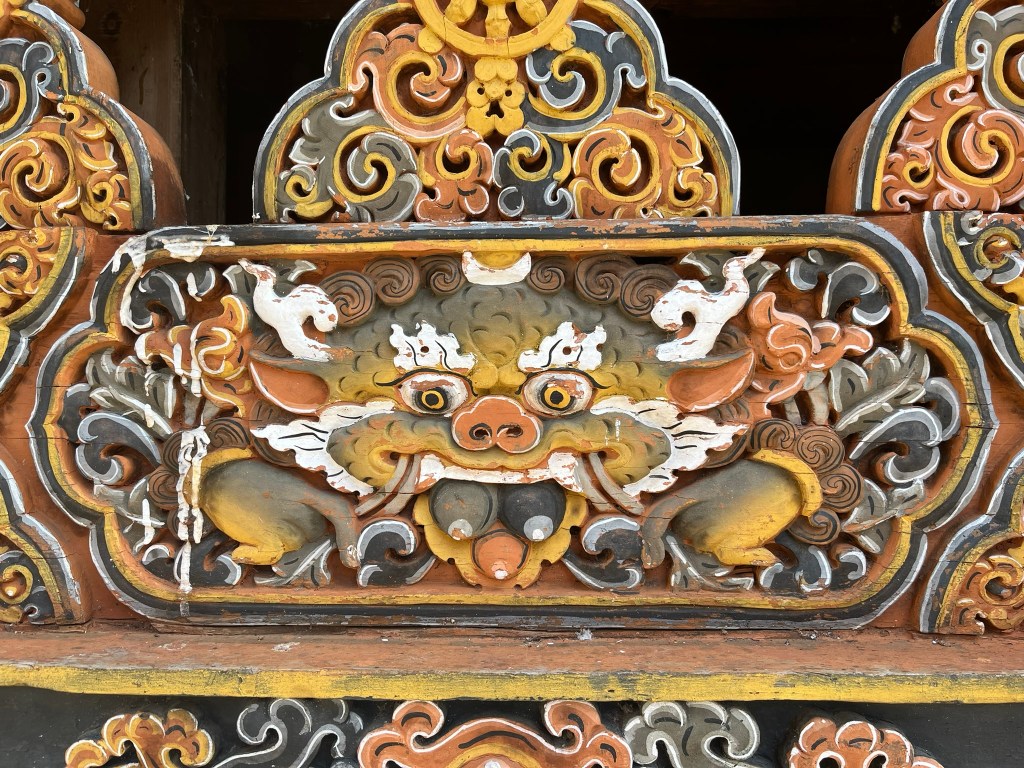
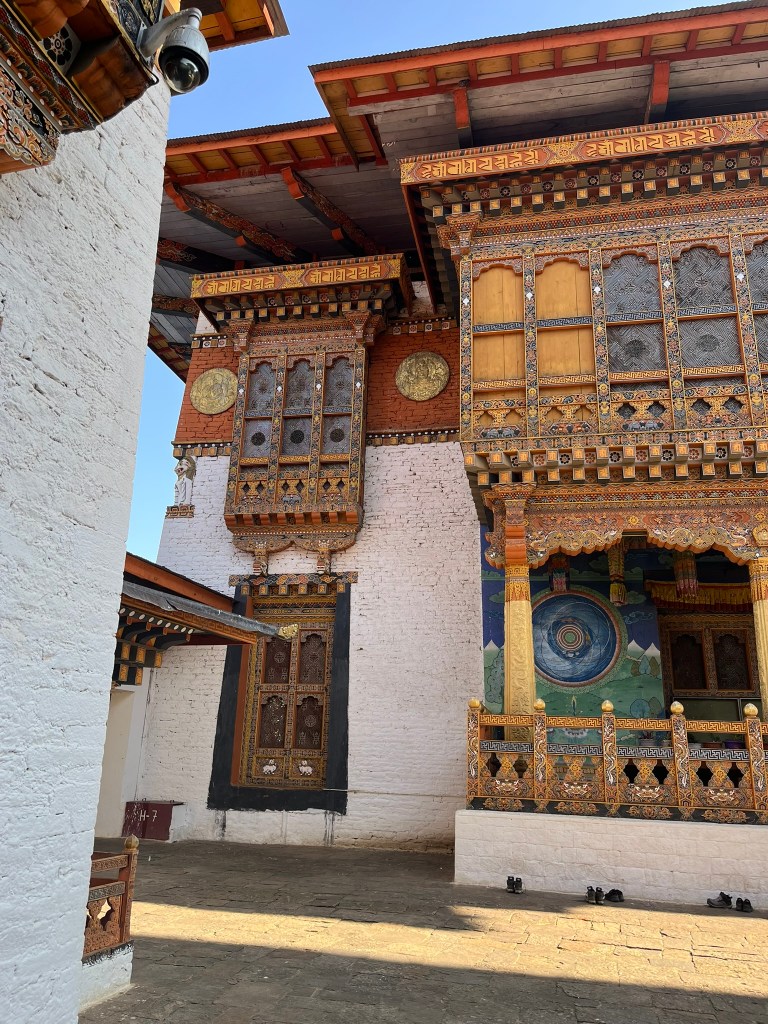
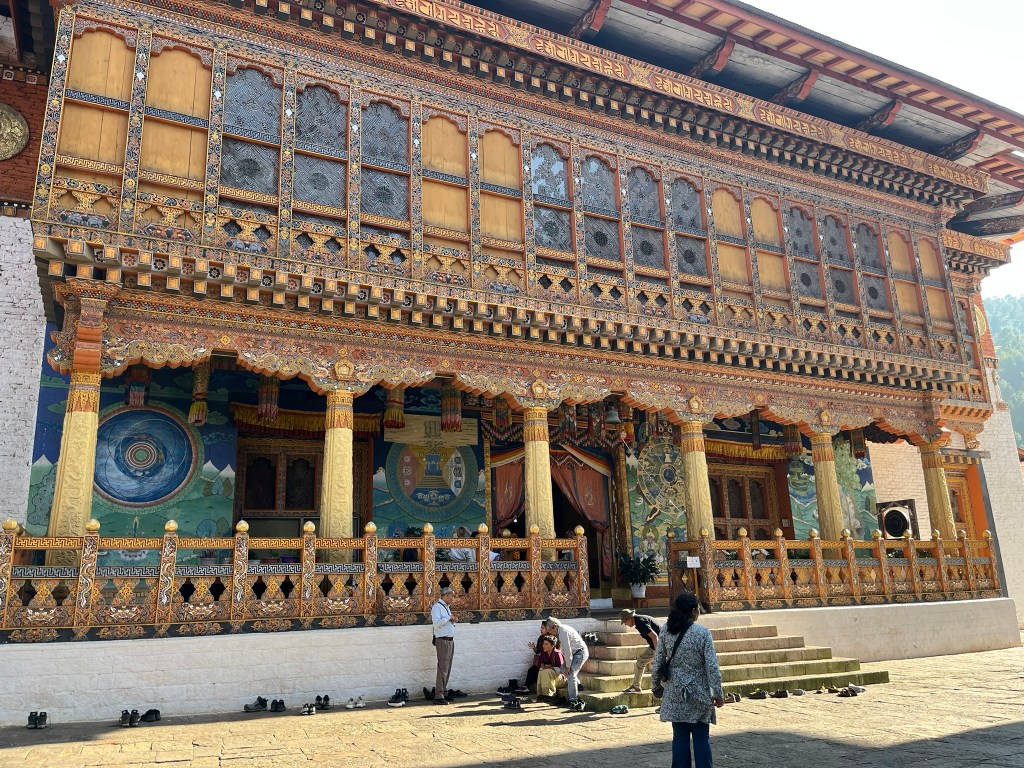
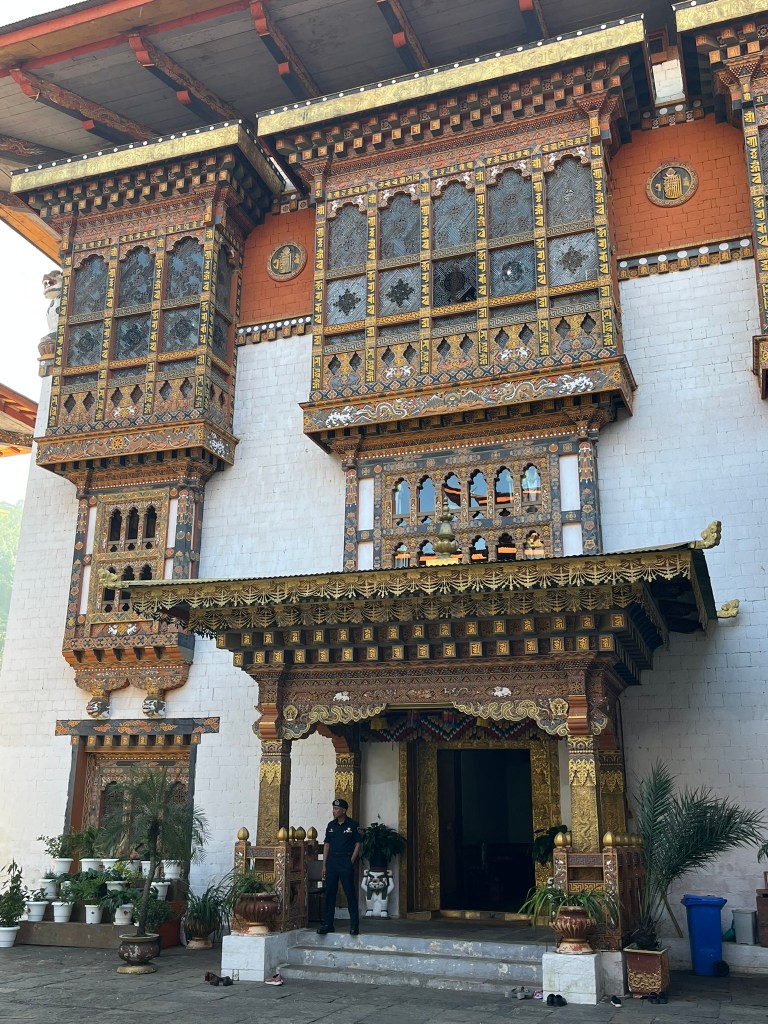
Every district in Bhutan has at least one major dzong that houses both the secular administrative offices of that district alongside the monastic headquarters of the local Buddhist clergy. During my time in Bhutan we have seen a total of 6 dzongs, all brilliantly decorated and beautifully located. 4 we visited (including a watchtower that doubles as the National Museum of Bhutan) and 3 we took took pictures from outside. They all have similar architectural features (since they were all built around the same time period). Massive whitewashed stone walls dominate the outside of each dzong, enhanced by decorated windows featuring traditional motifs such as clouds, lotus flowers and mythical animals. They are set out in a U-shaped layout, enclosing vast courtyards that separate the administrative function from the monastic function. And there is always a central temple that rises above all other structures and symbolizes spiritual strength. They are always built at strategic locations, either on hill tops or river confluences to guard trade routes and borders.
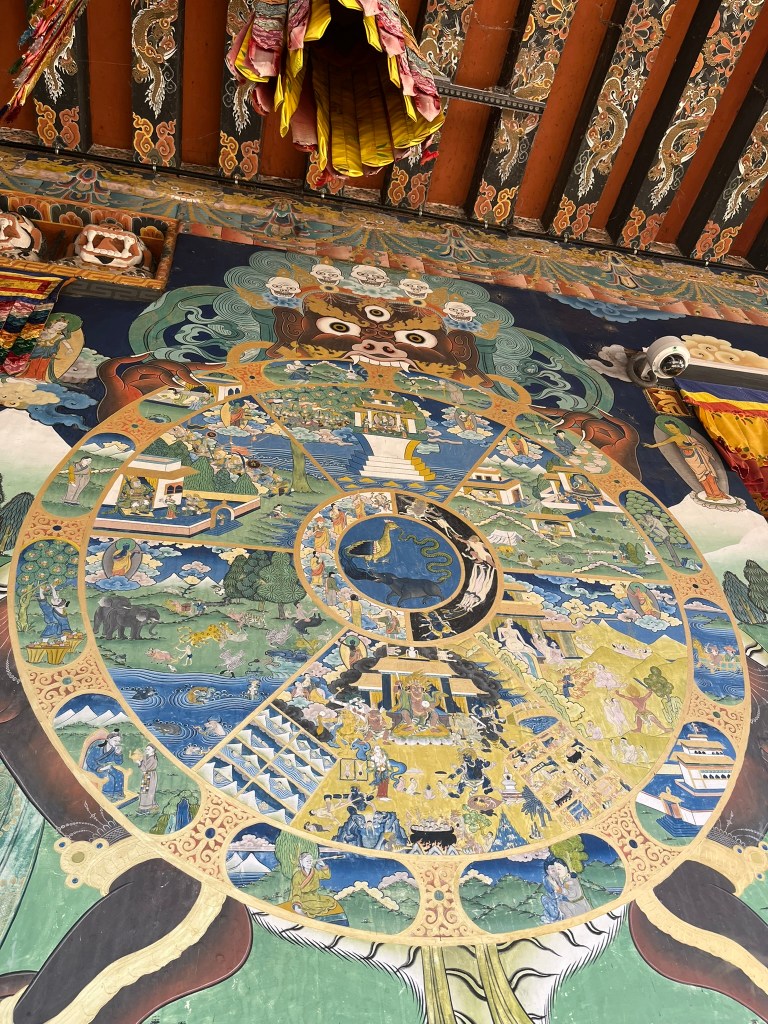
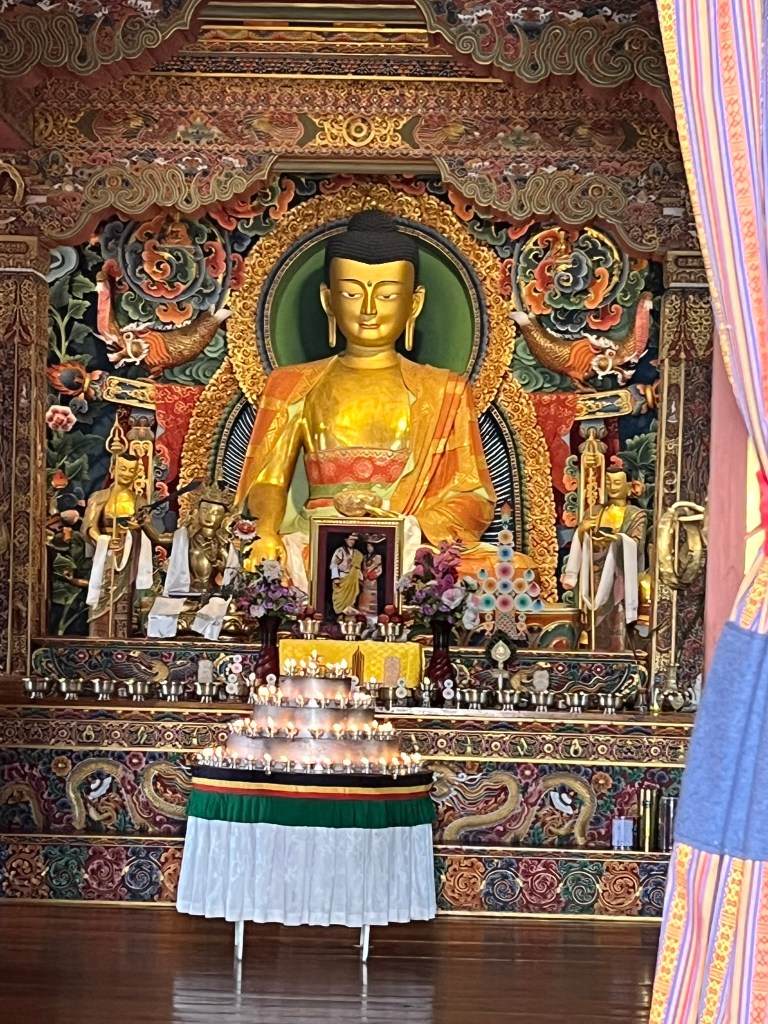
Simtokha Dzong is generally considered the first dzong established in Bhutan. It was built in 1629 by Ngawang Namgyal and is also the oldest dzong still standing in the country. I wrote about this monastery-fortress in the blog earlier this week describing our journey to Punakha. The most highly decorated part of each dzong is inside the main temple, with floor-to-ceiling wall paintings, large statues, and butter lamps and butter sculptures everywhere. However, you are not allowed to take photos inside.
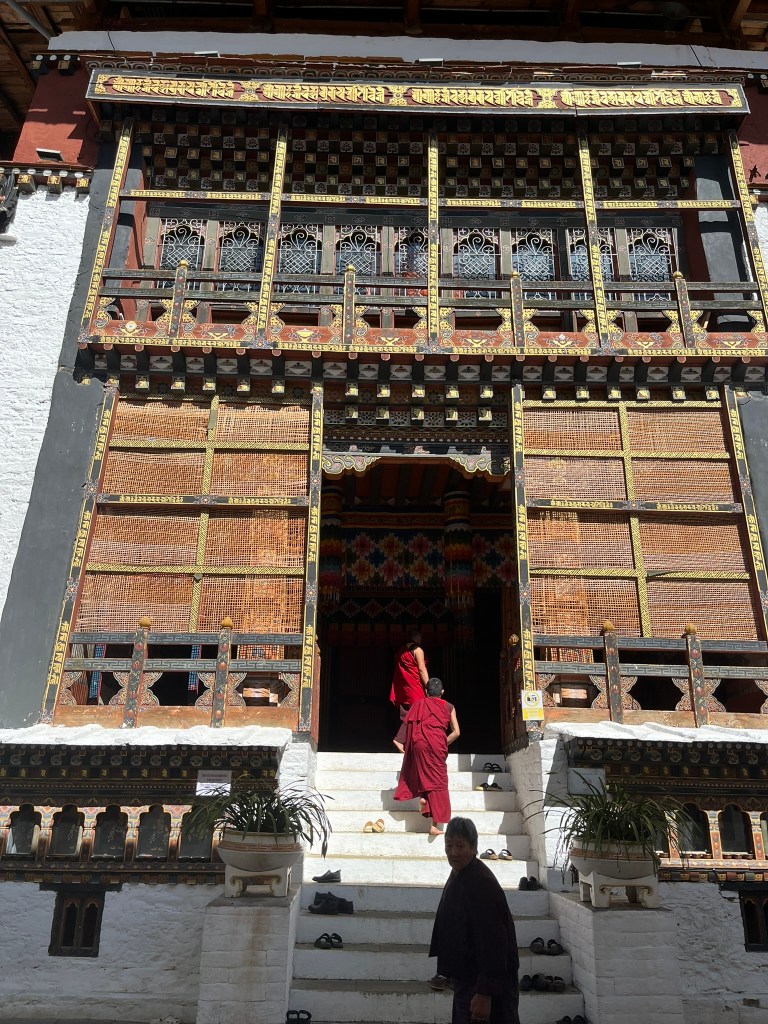
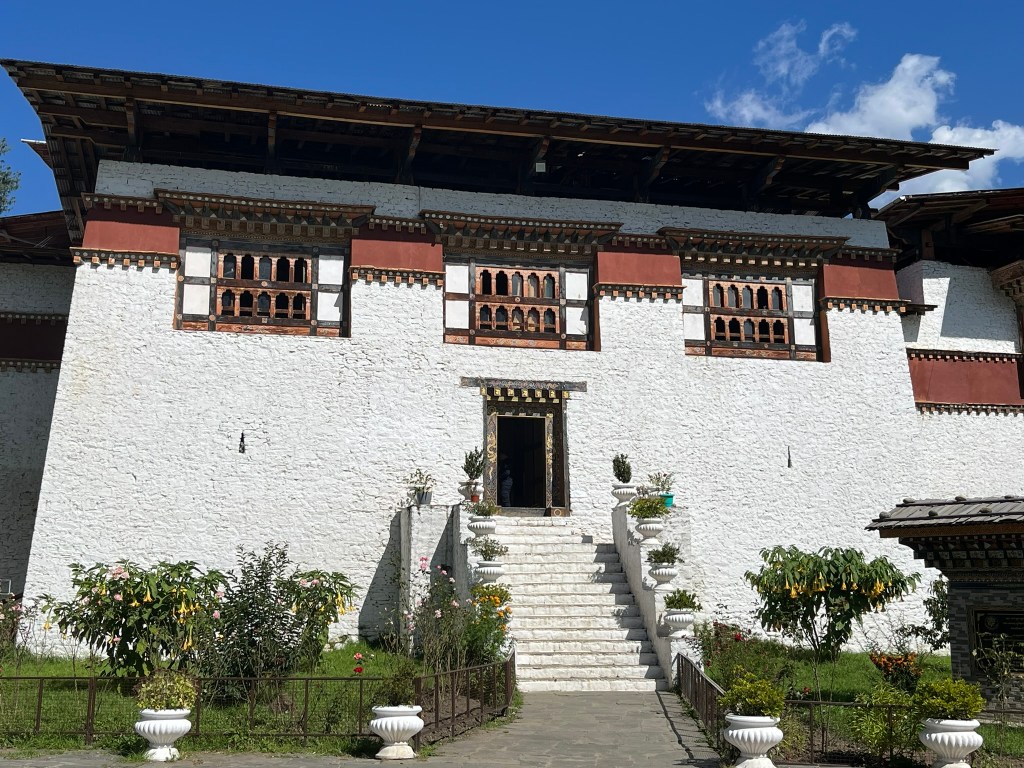
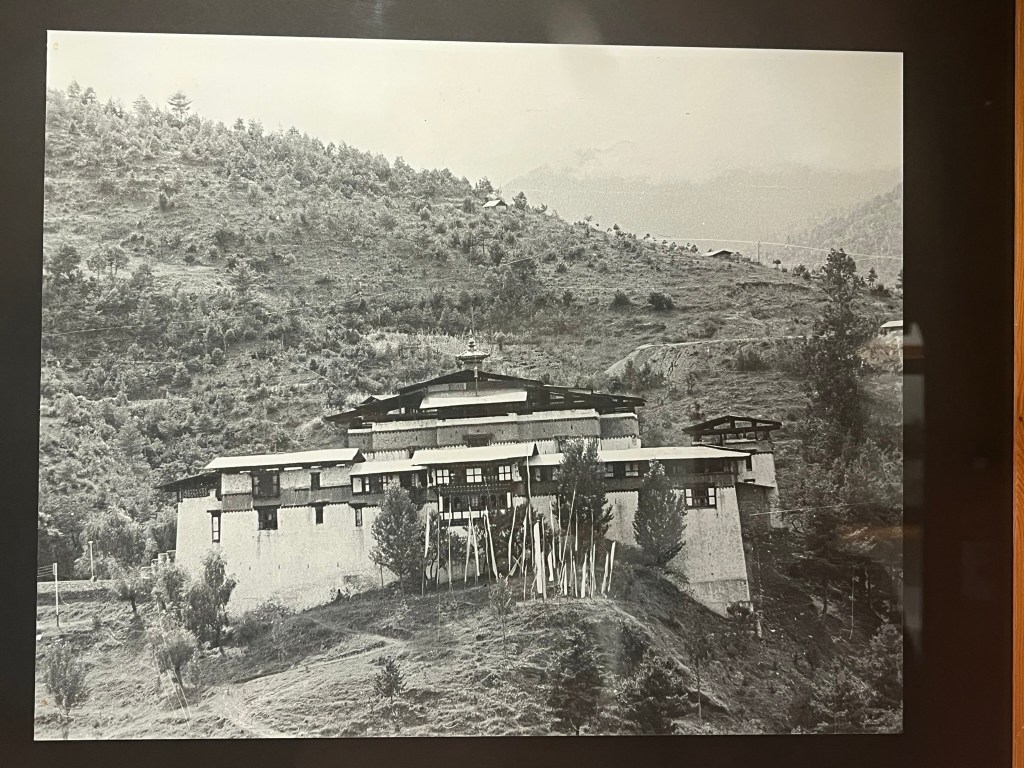
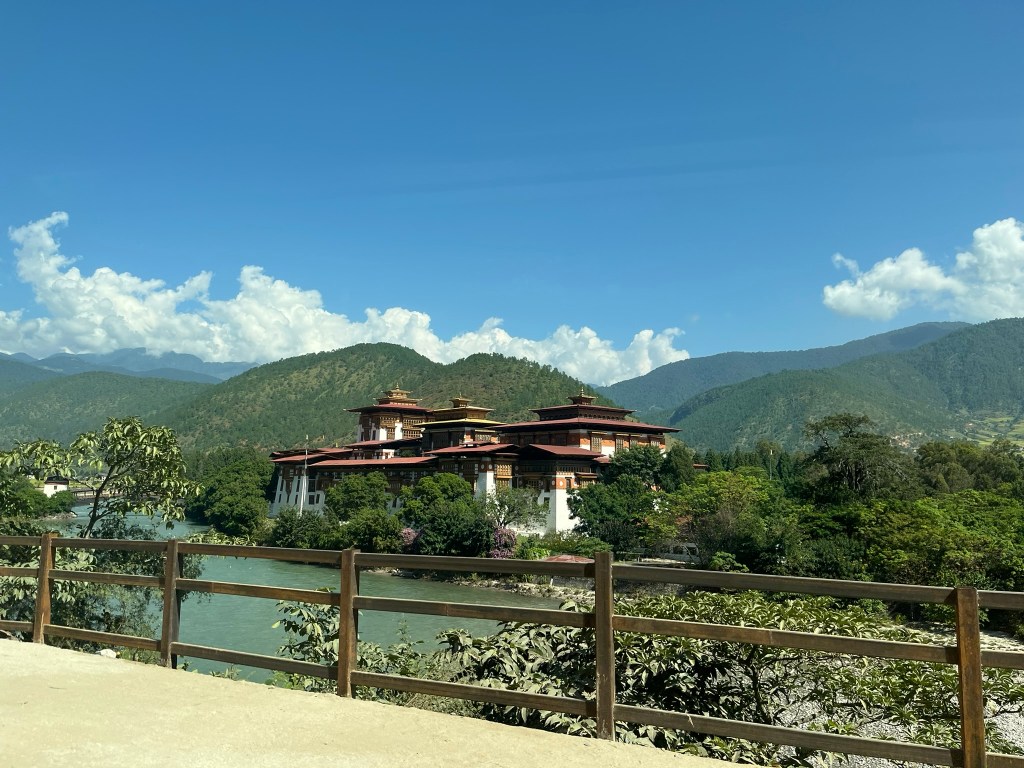
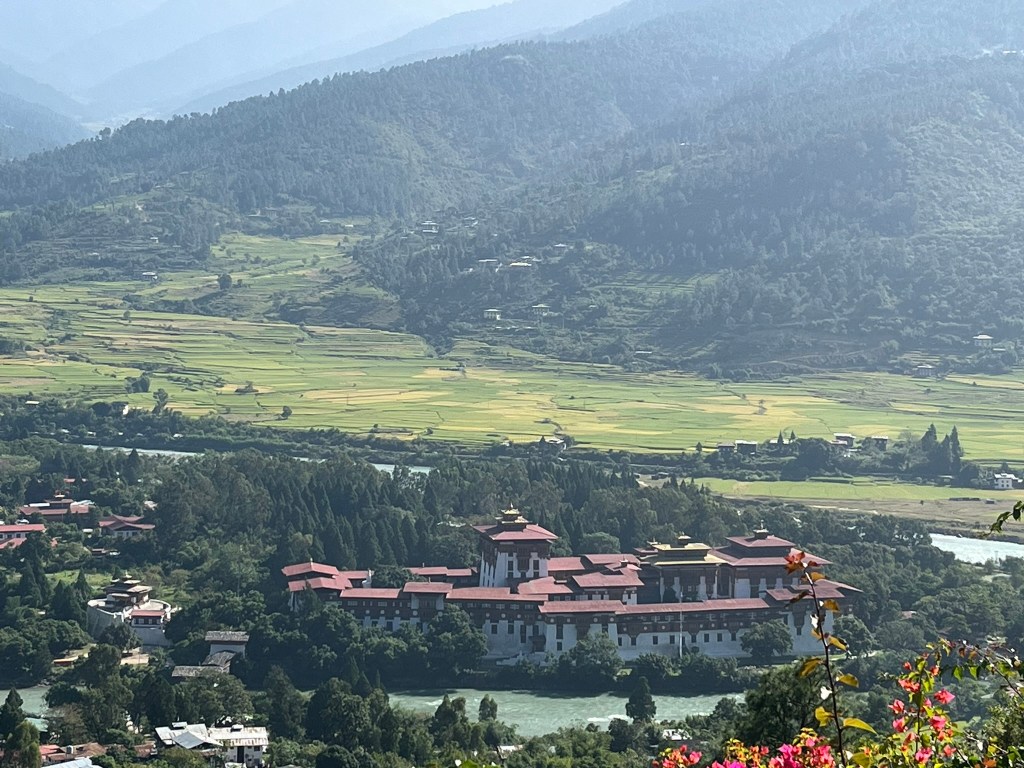
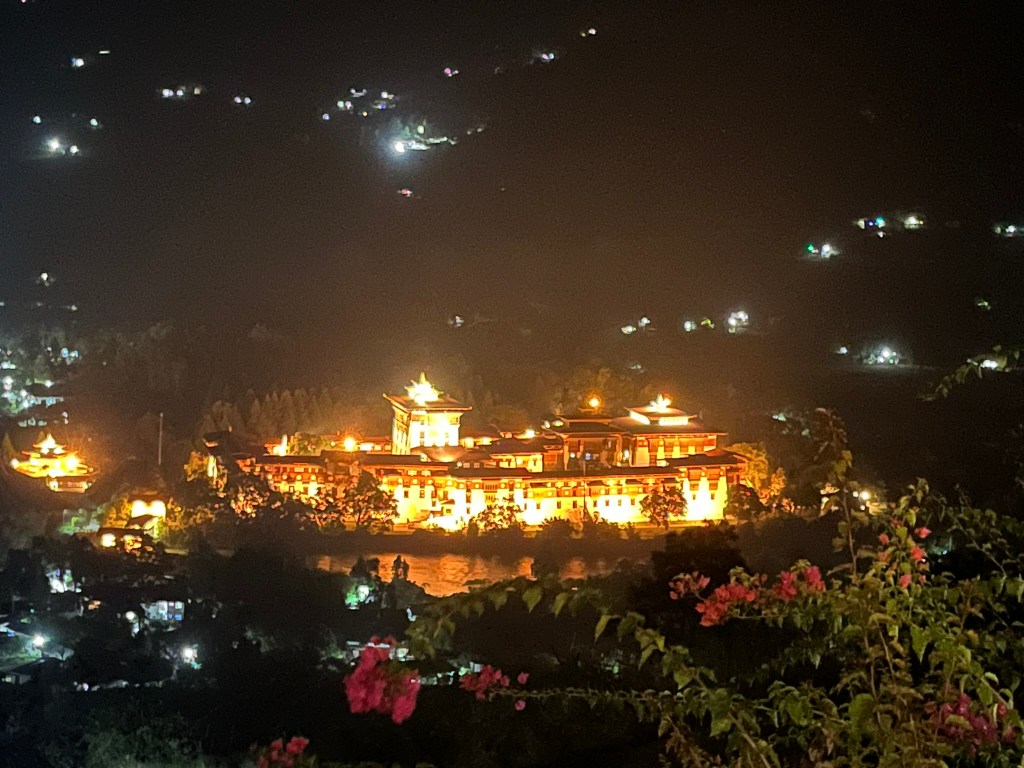
Punakha Dzong is located at the confluence of the river Pho and Mo Chu rivers and is the site used for Bhutan’s coronations and weddings. It is also the winter home of the central monastic body of Bhutan. Our hotel had a fantastic view looking down on the dzong, which is particularly beautiful at night when it is fully lit up. This was the biggest dzong we visited and you need around an hour to fully explore.
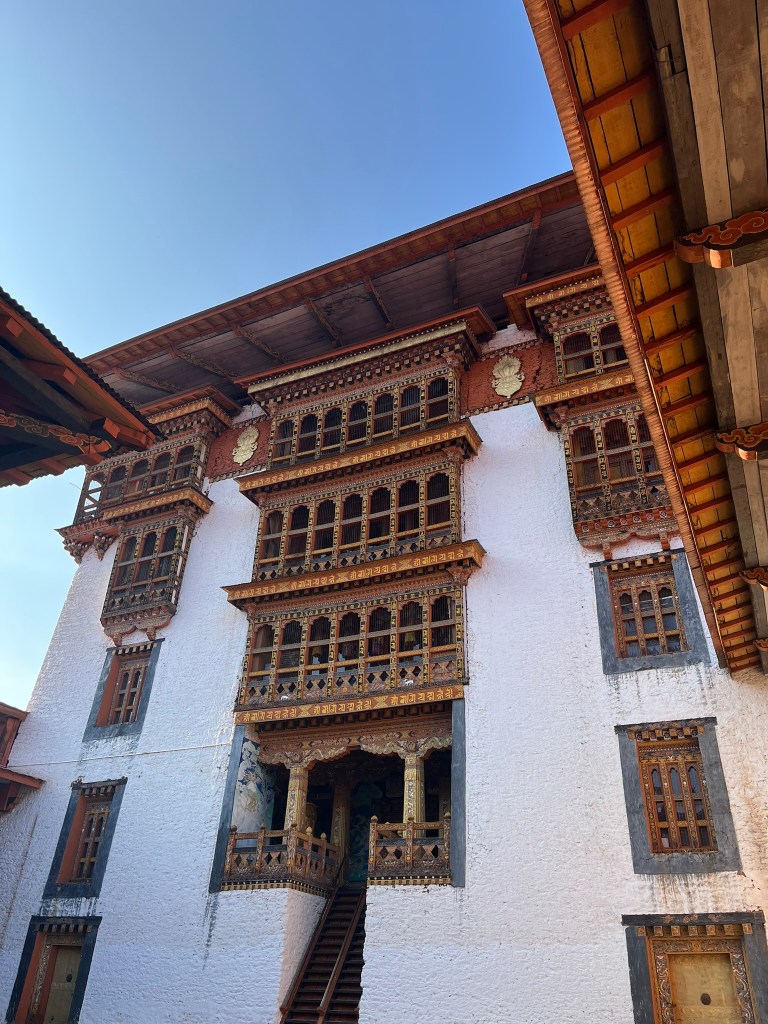
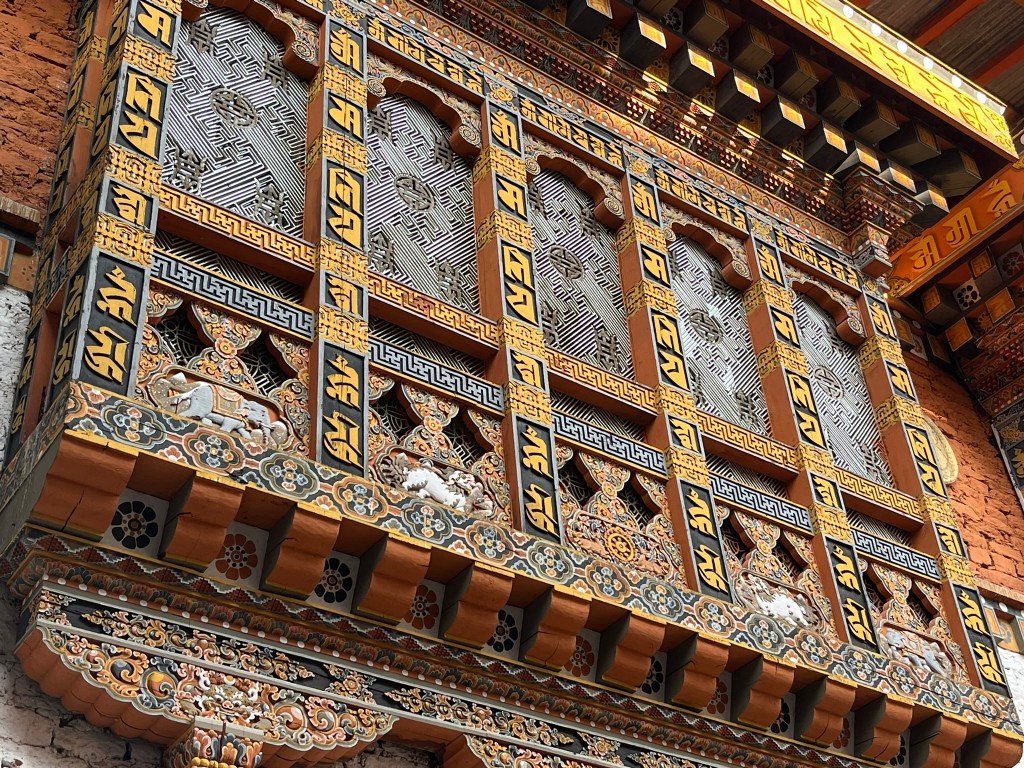
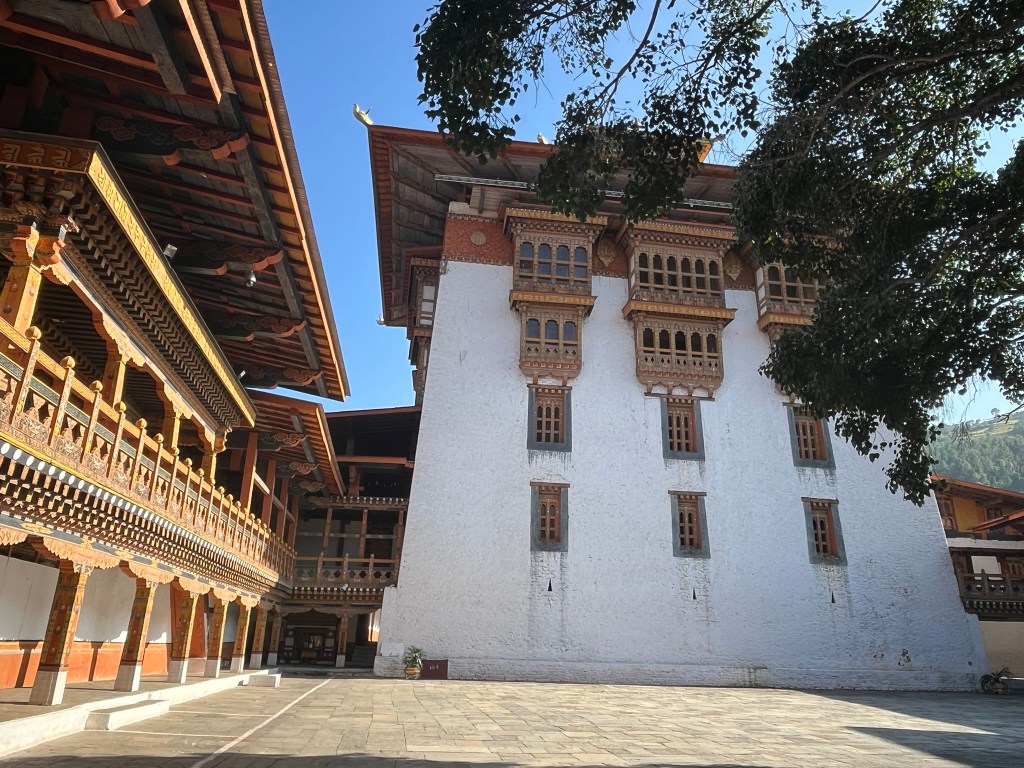
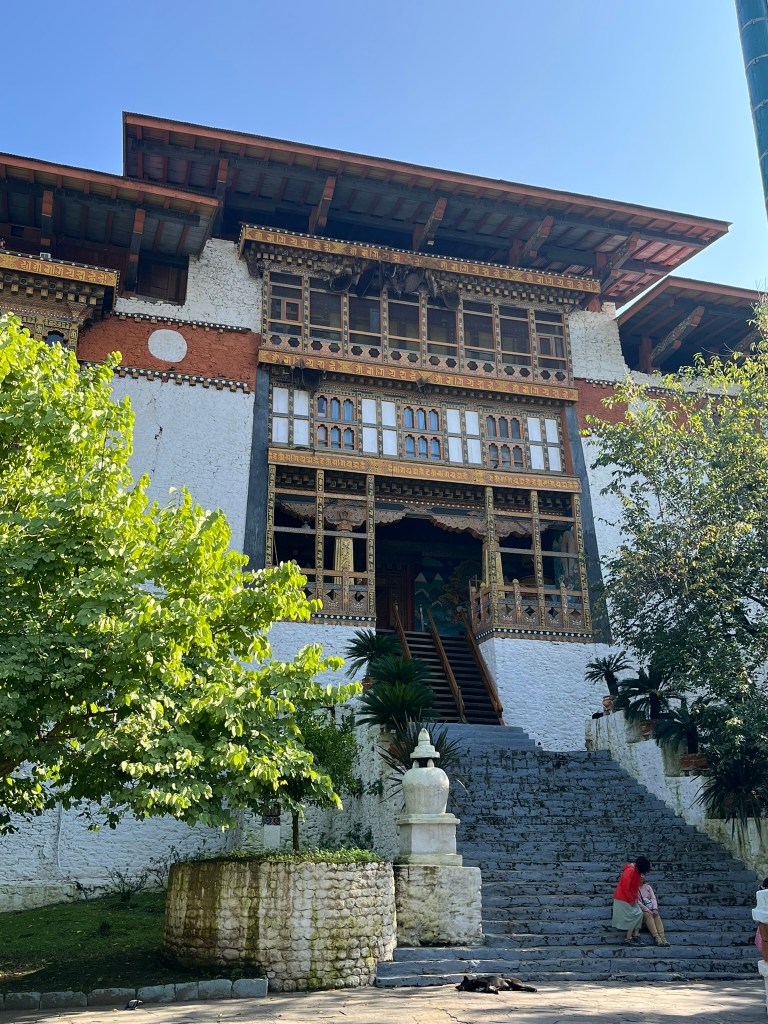
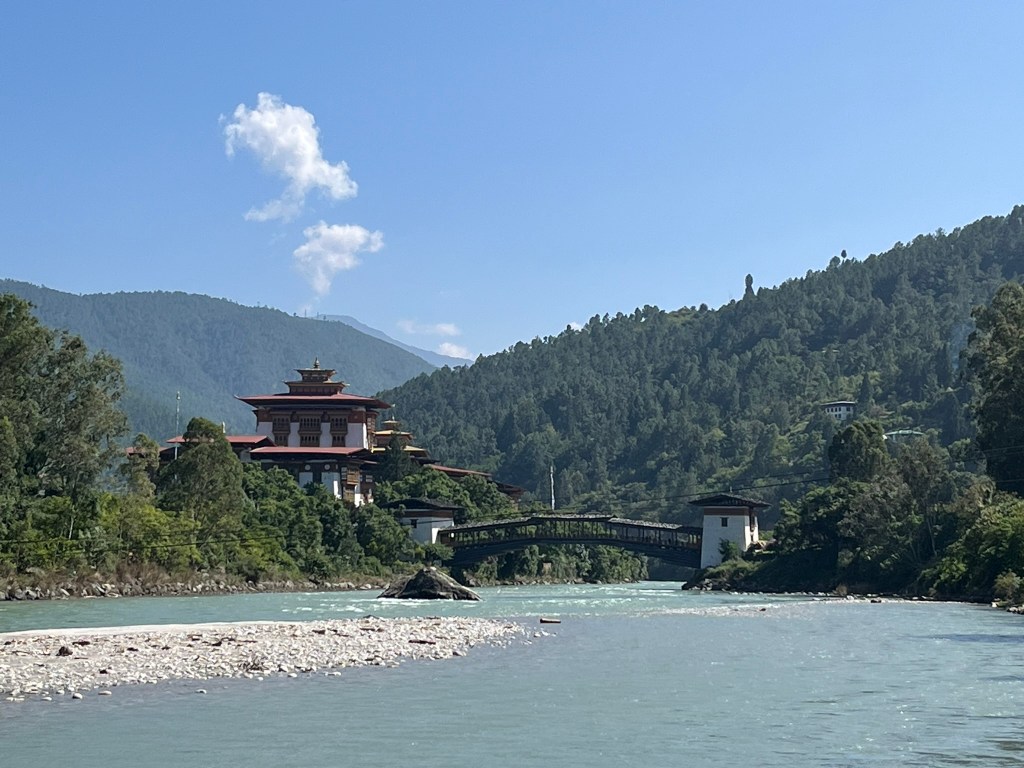

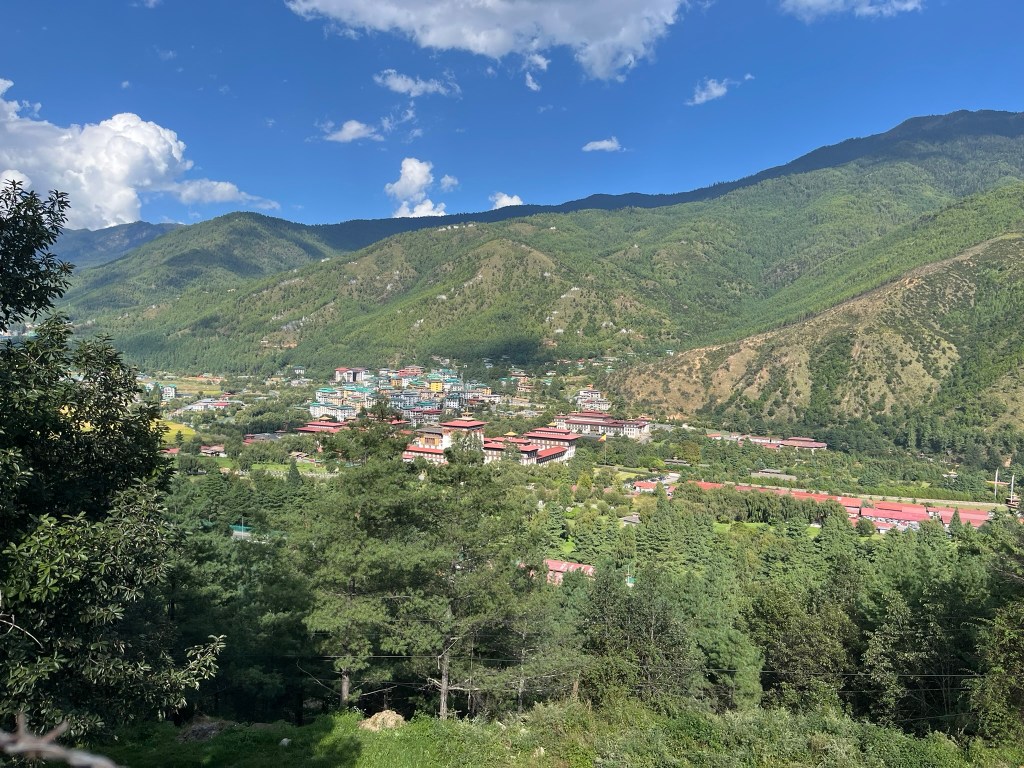
Tashiccho Dzong, located in the capital Thimphu, houses the King’s offices and the central monastic body of Bhutan during the Summer. It was originally built in 1641, but reconstructed in the 60s by the Third King when he moved the capital from Punakha to Thimphu. We didn’t visit this dzong, but got a great view of it from the nunnery we visited on our tour around Thimphu.
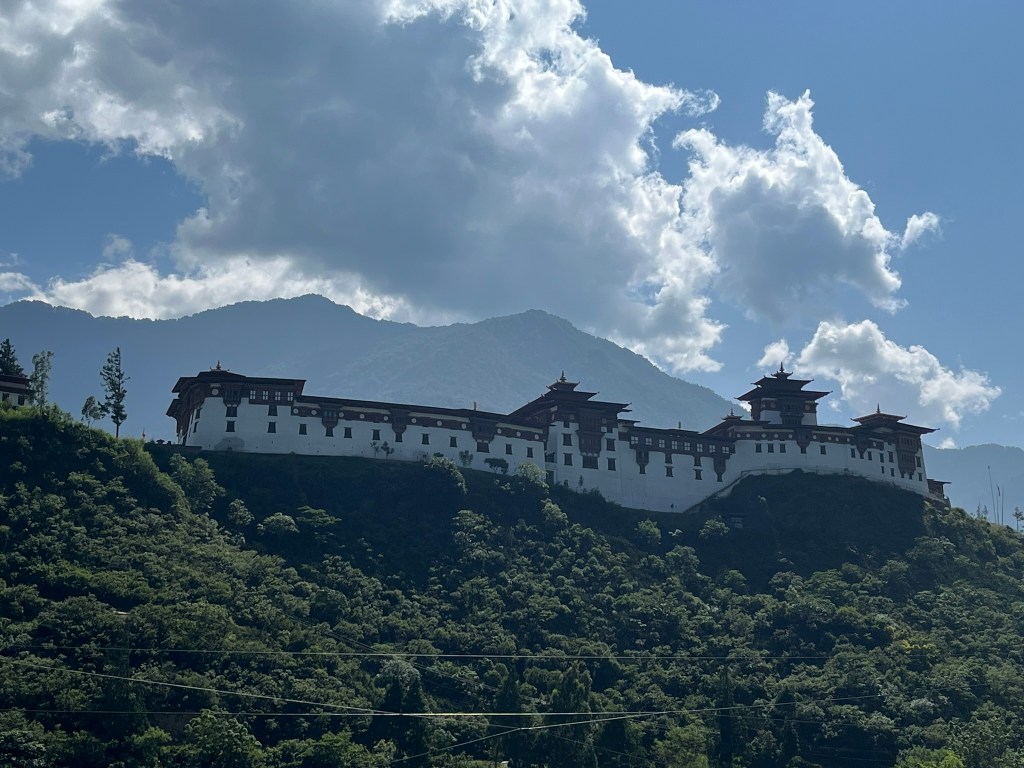
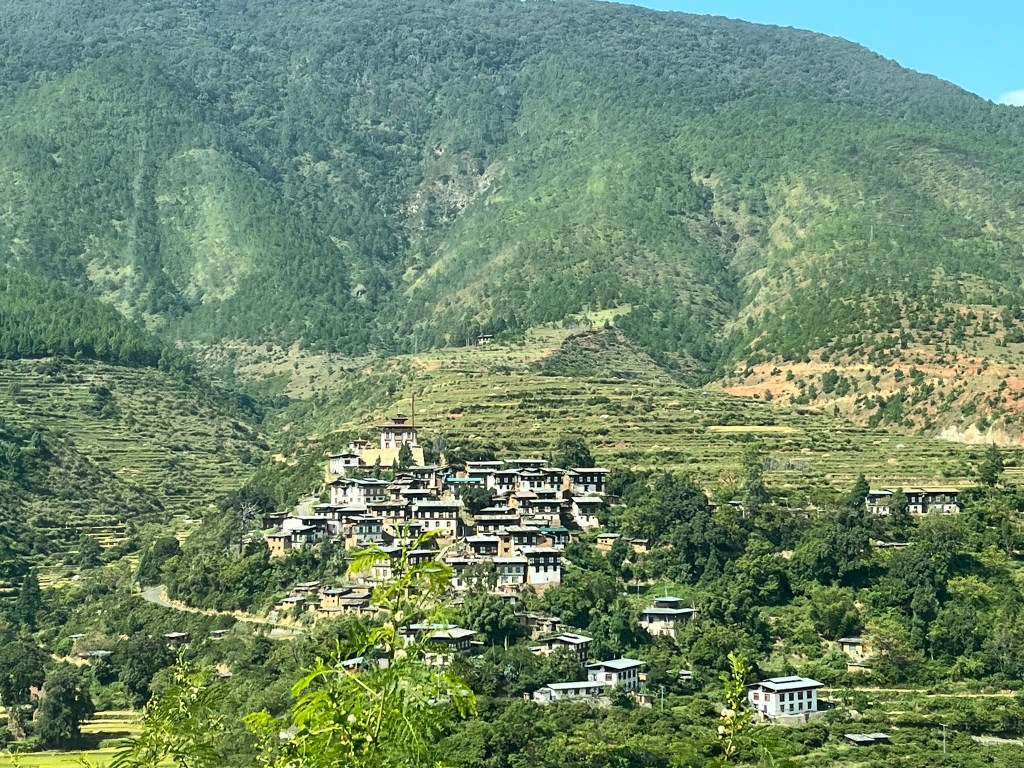
Wangdue Dzong sits on a spur overlooking the Puntatsangchu river, and whilst originally built in 1638, it has be recently reconstructed after a devastating fire in 2012. We visited this monastery-fortress on our drive from Punakha to Phobjikha. Across the valley from the dzong you can also see an ancient village where the workers’ who originally constructed the fortress lived.

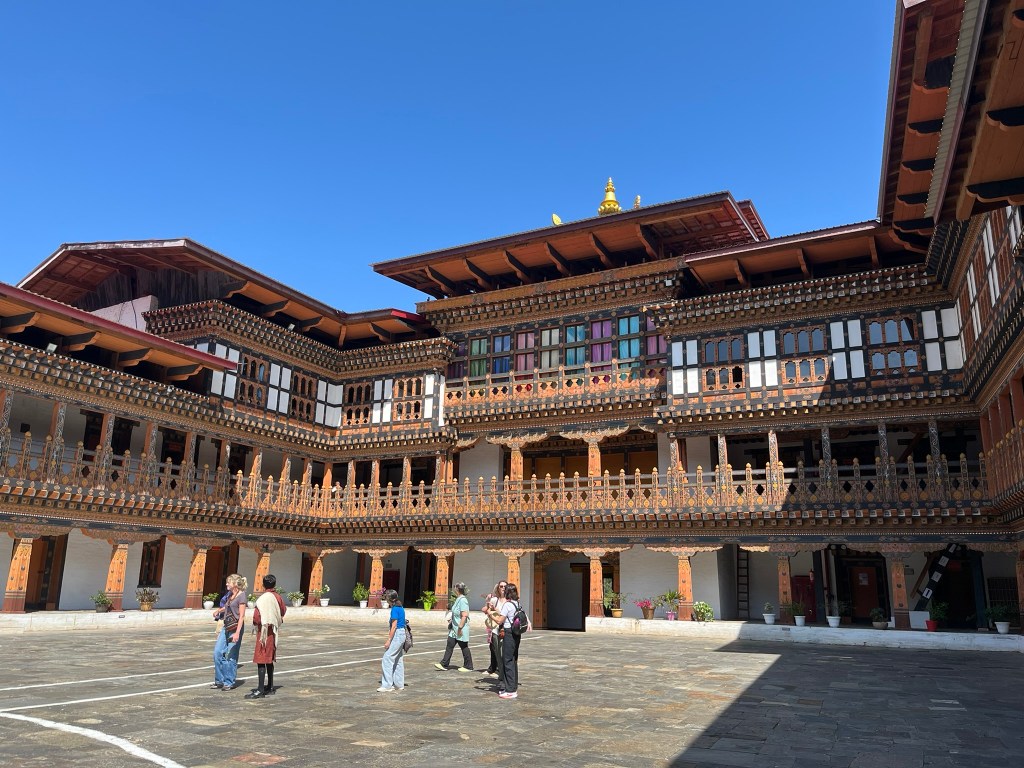
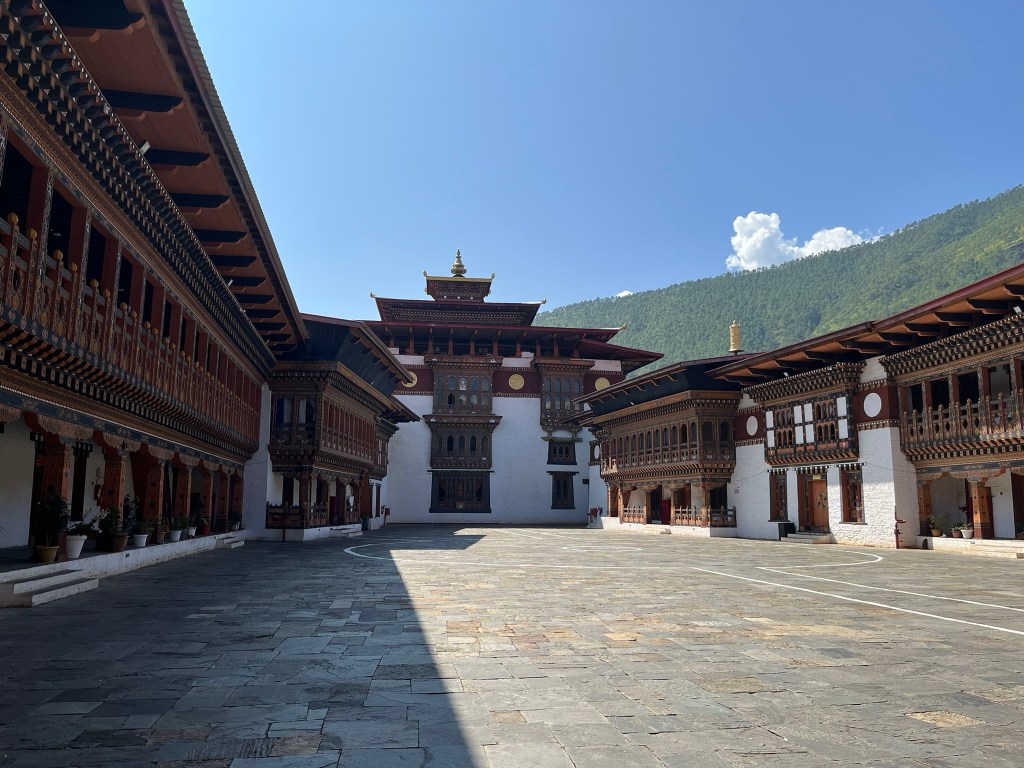
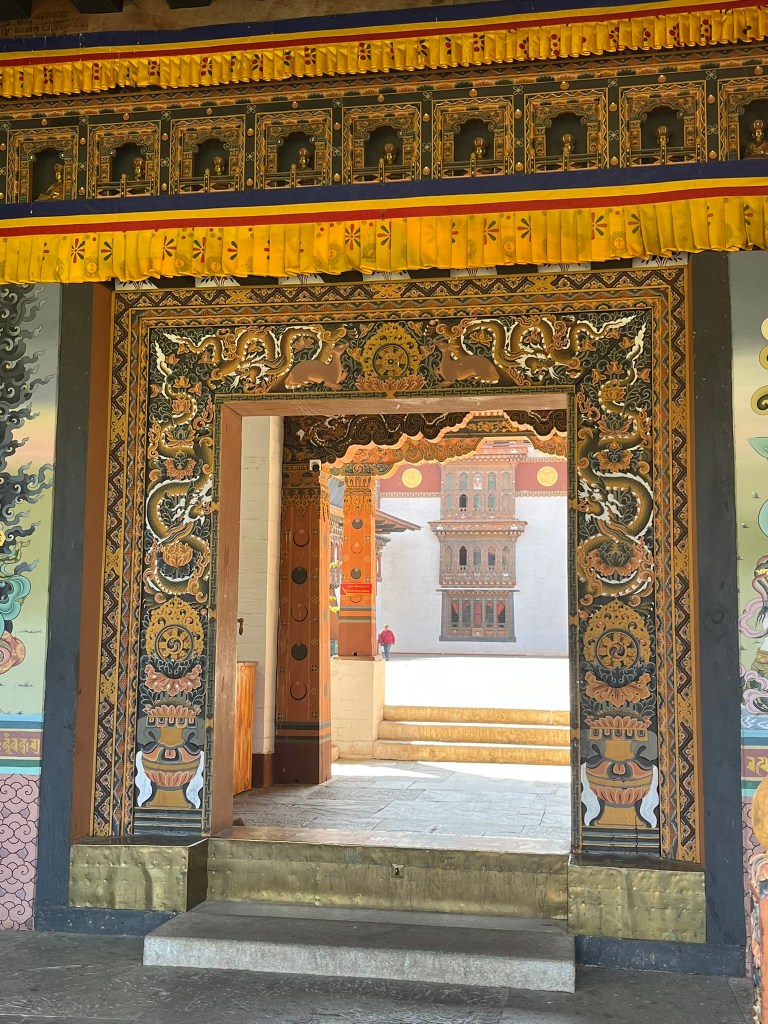
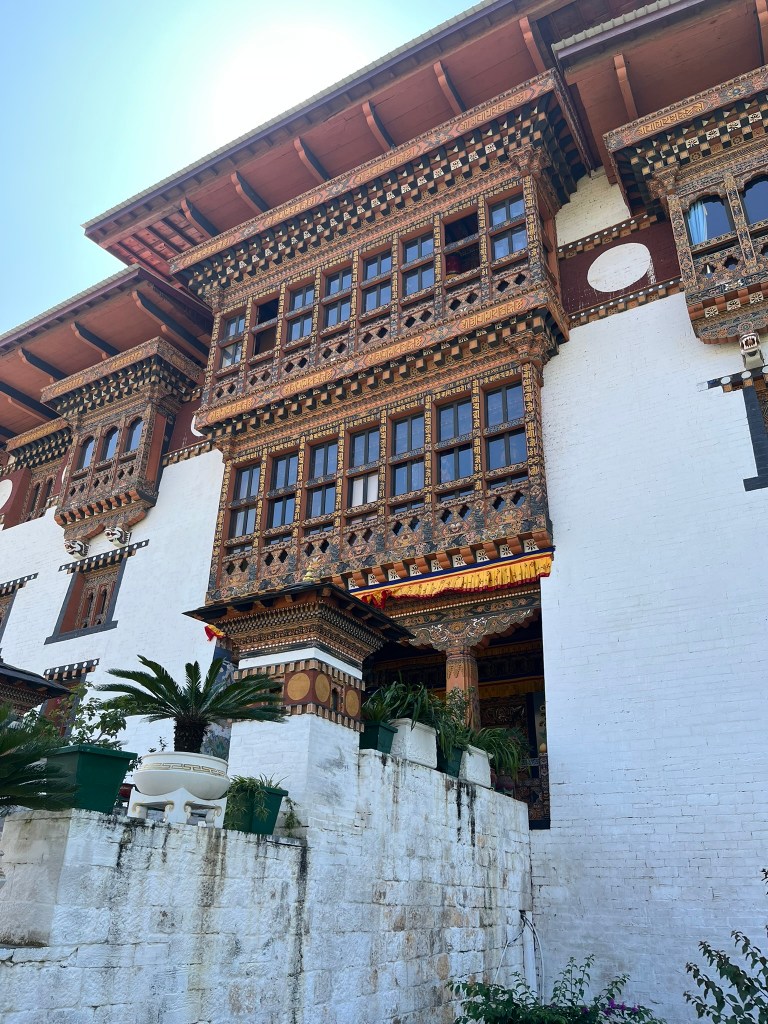

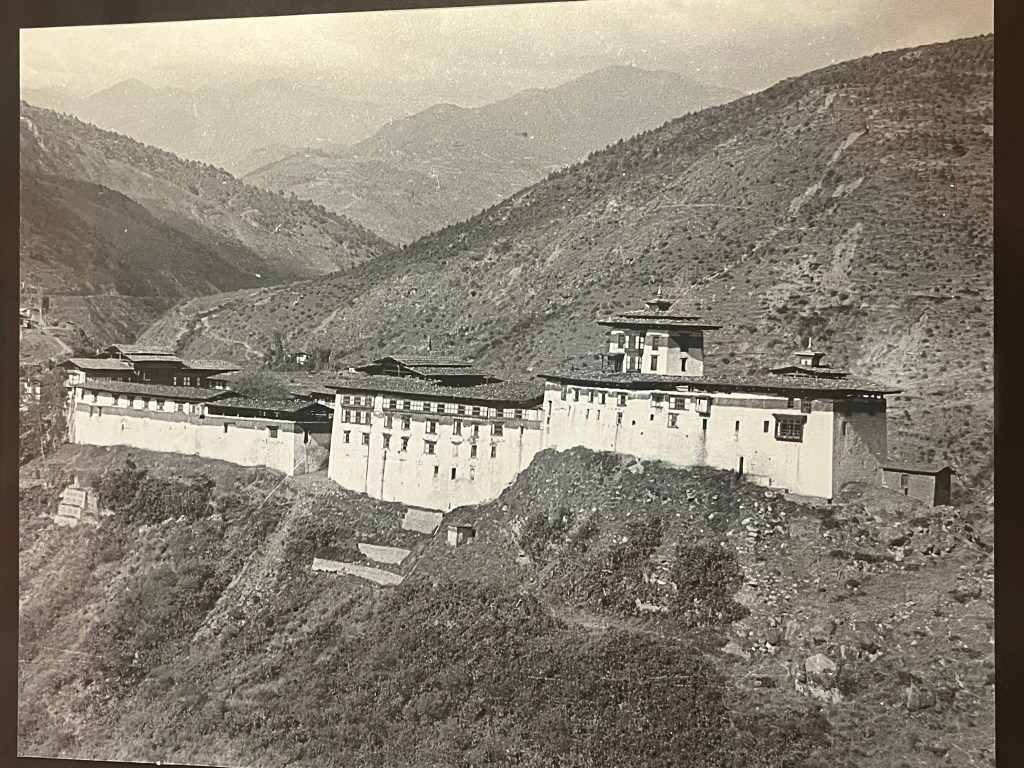
Drukgyel Dzong overlooks upper Paro Valley, about 20 minutes drive from town. It was also devastated by a fire in 1951, caused accidently by a butter lamp and was left in ruins until 2016, when to mark the birth of the Crown Prince, the government launched a major restoration project. Work is largely complete now but its not yet open to visit inside.
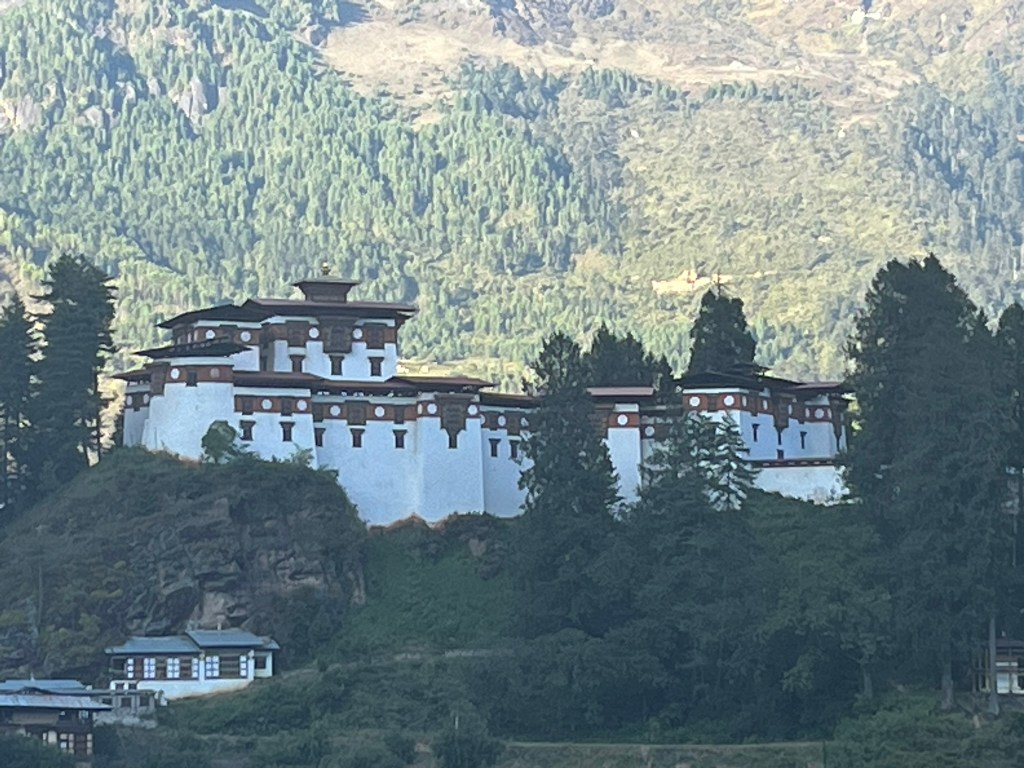
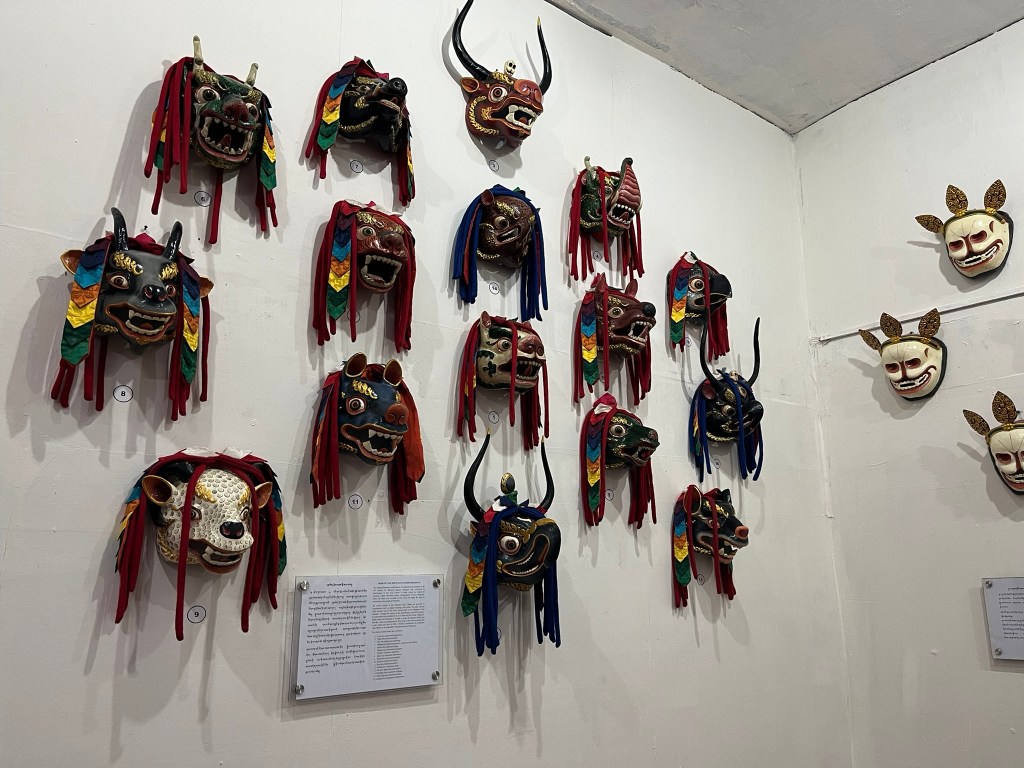
Paro Rinpung Dzong is a little older than the other dzongs we saw with the original structure built in the 15th century by a local lama of the Nyingma school. It was then greatly expanded in the 1640s by Ngawang Namgyal. It has a spectacular watchtower that stands on a ridge above the dzong, overlooking Paro Valley. Today the watchtower also serves as the National Museum of Bhutan but the real highlight is the building itself, a circular, multi-storied tower with 3m+ thick walls. And fantastic views down to the dzong and across the valley. A bonus is that this is a great spot to watch planes make the hairpin turn as they arrive in Paro Valley down to the close by international airport.

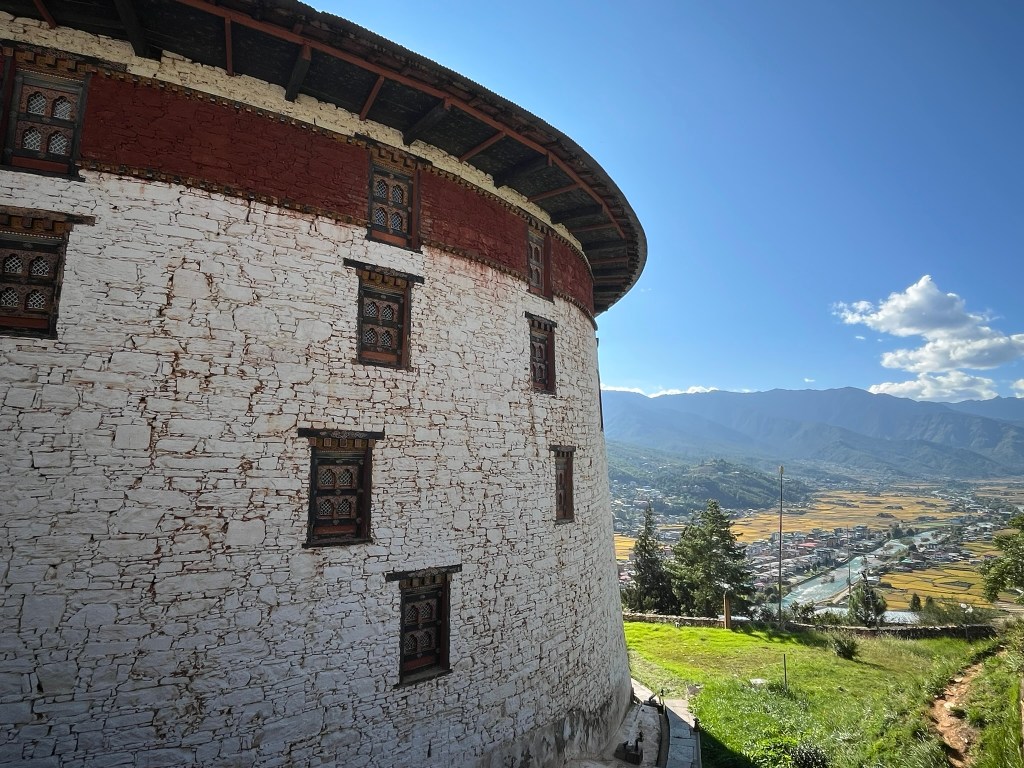
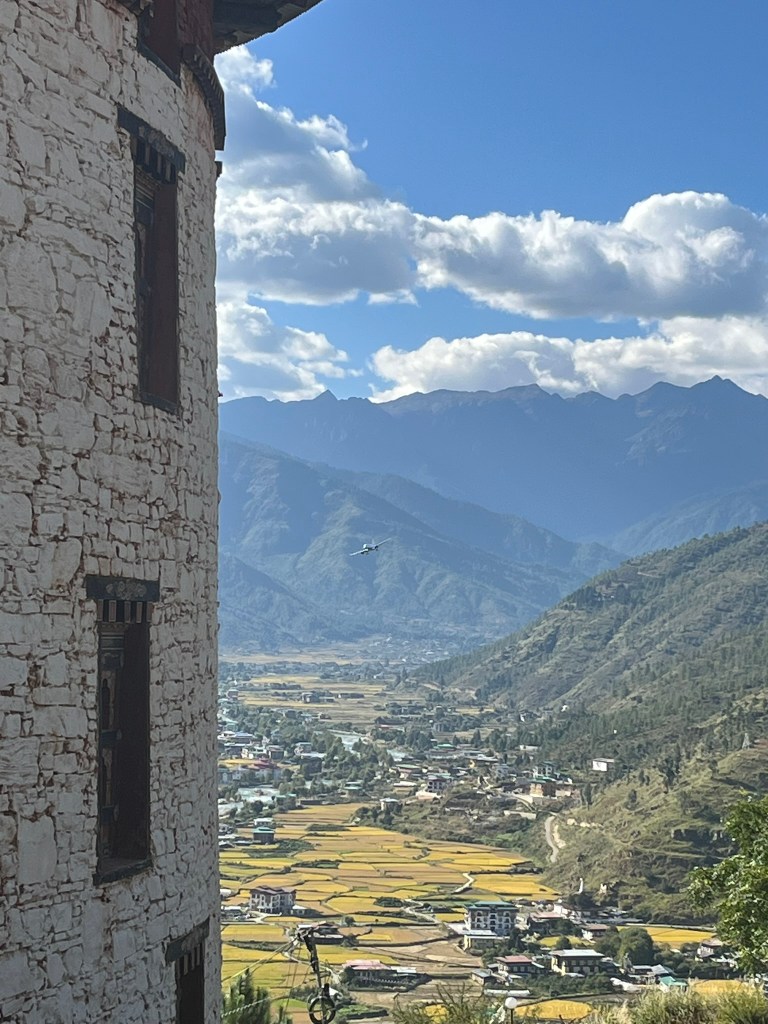

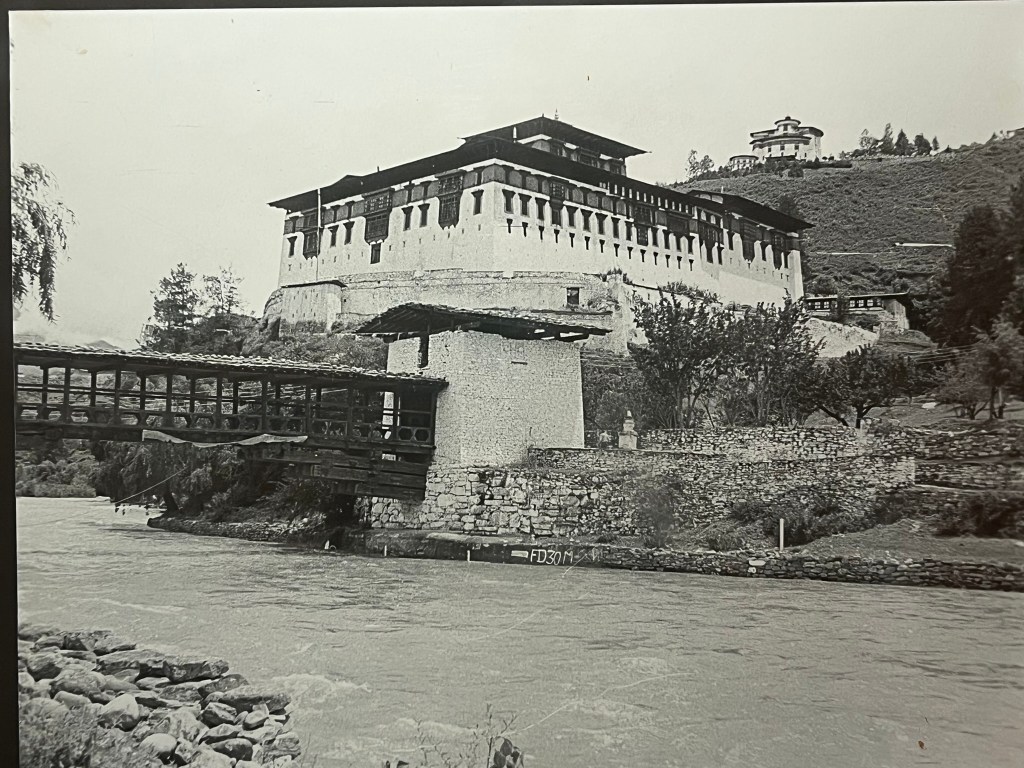
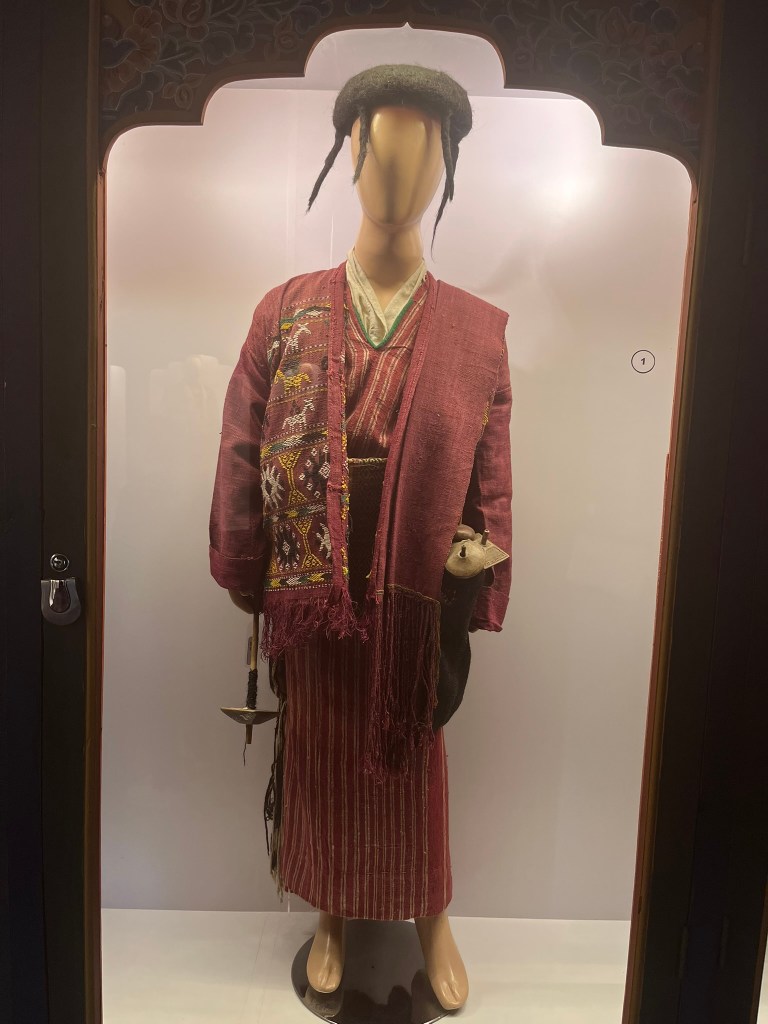
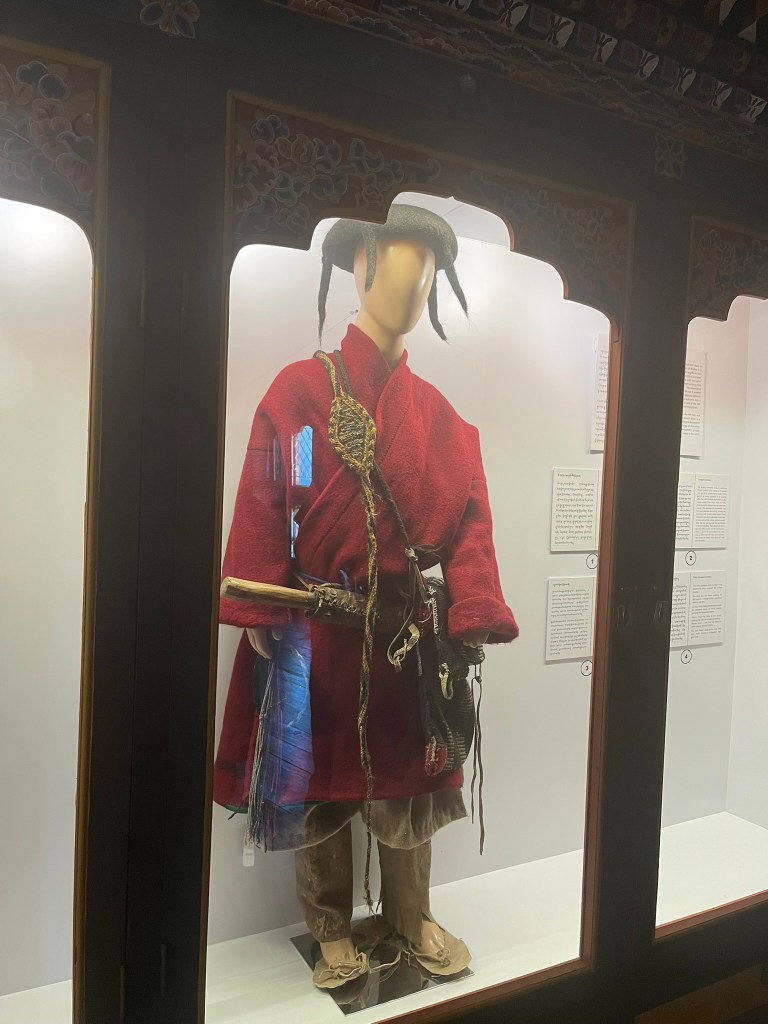

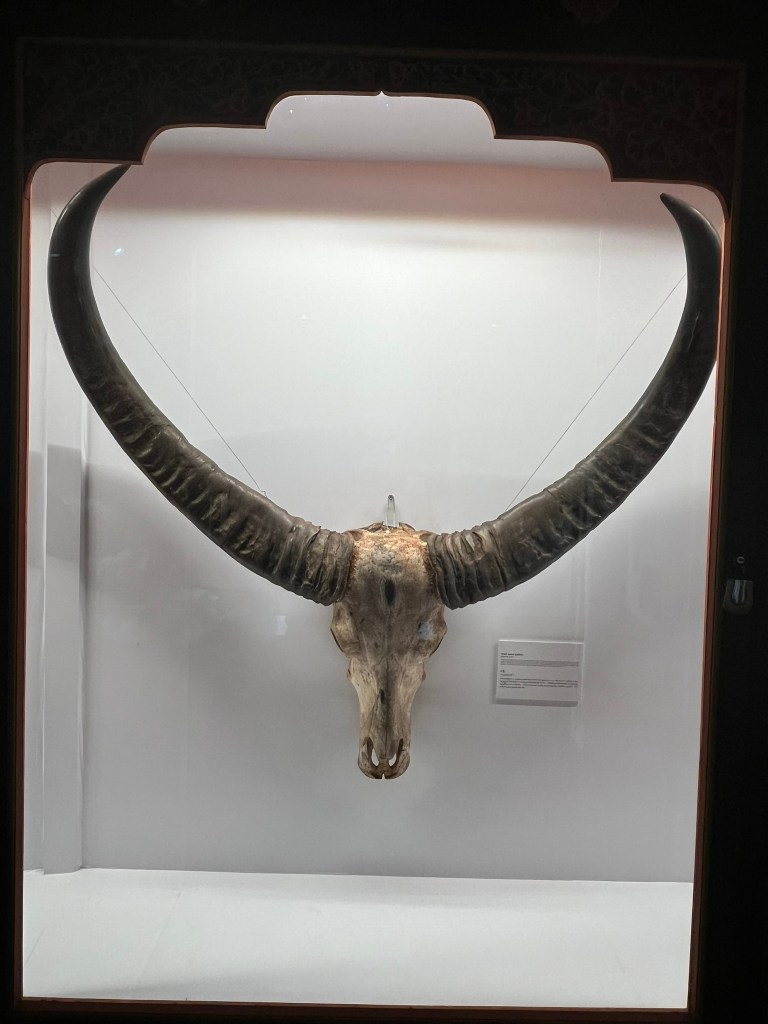
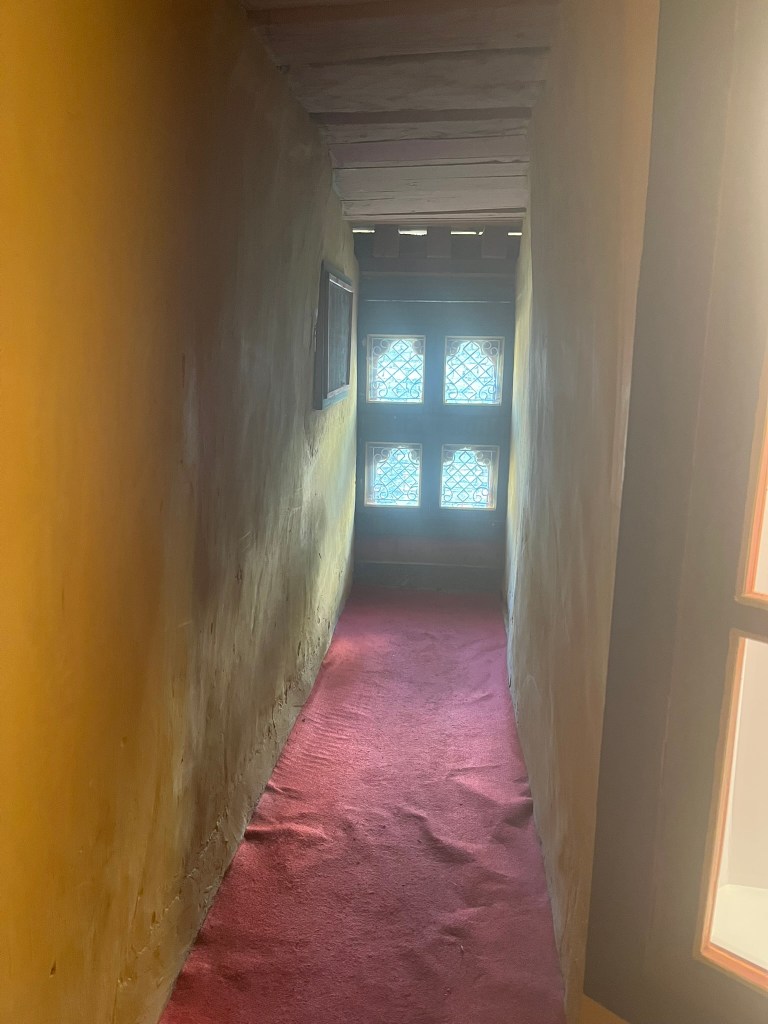
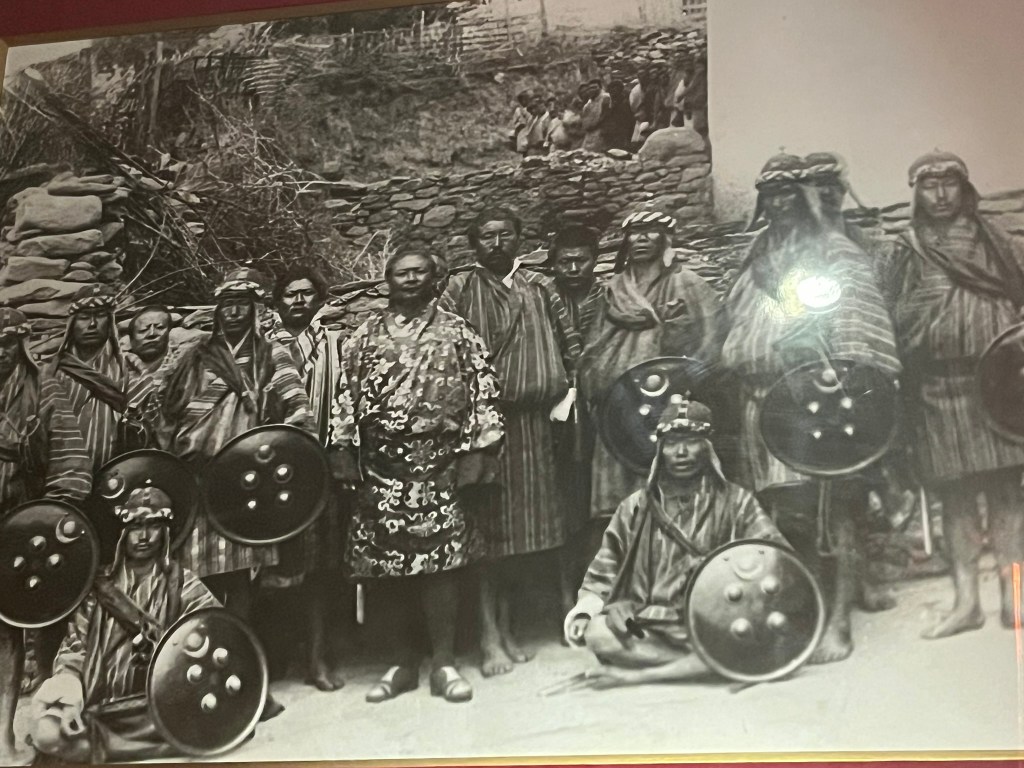

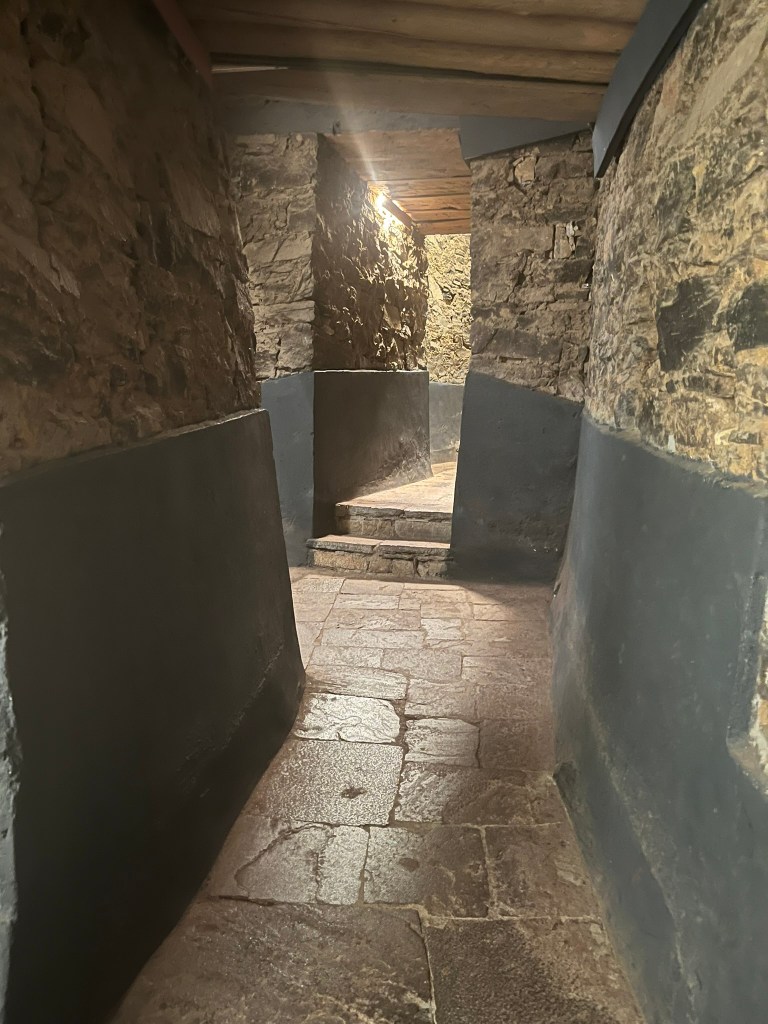
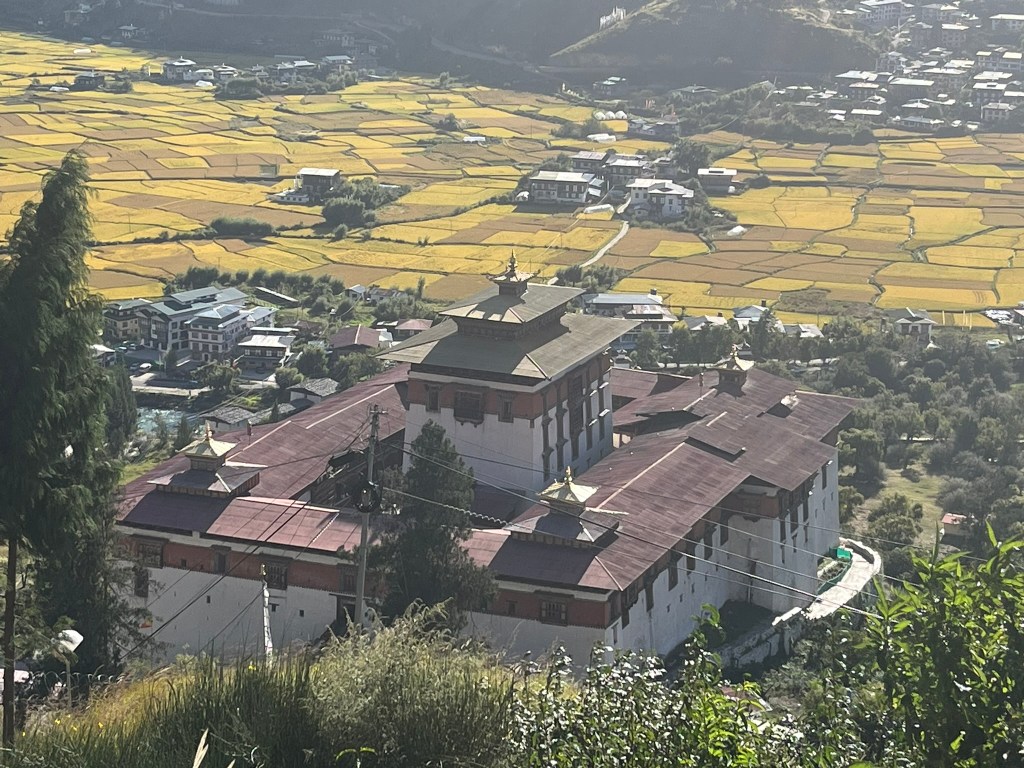
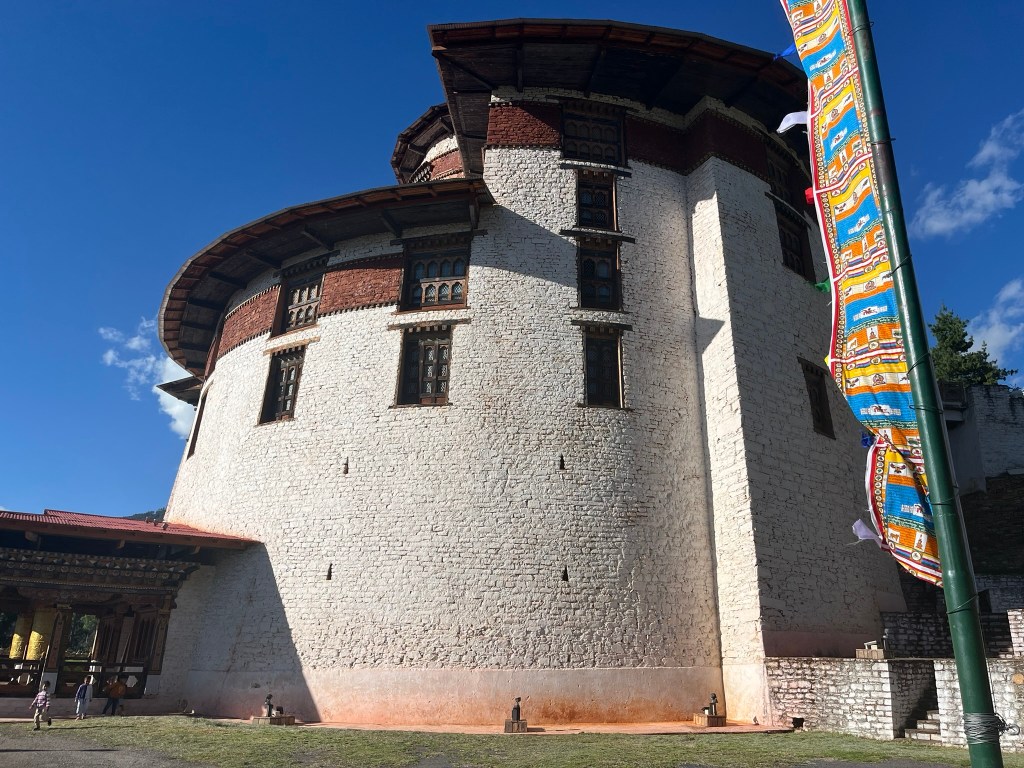
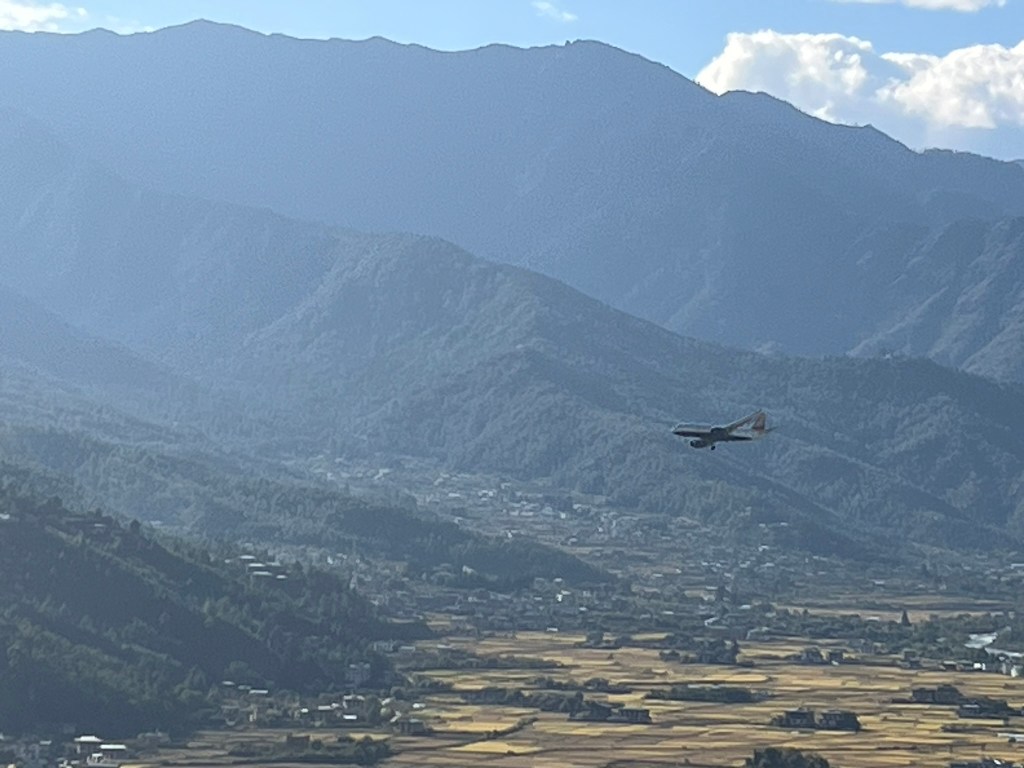

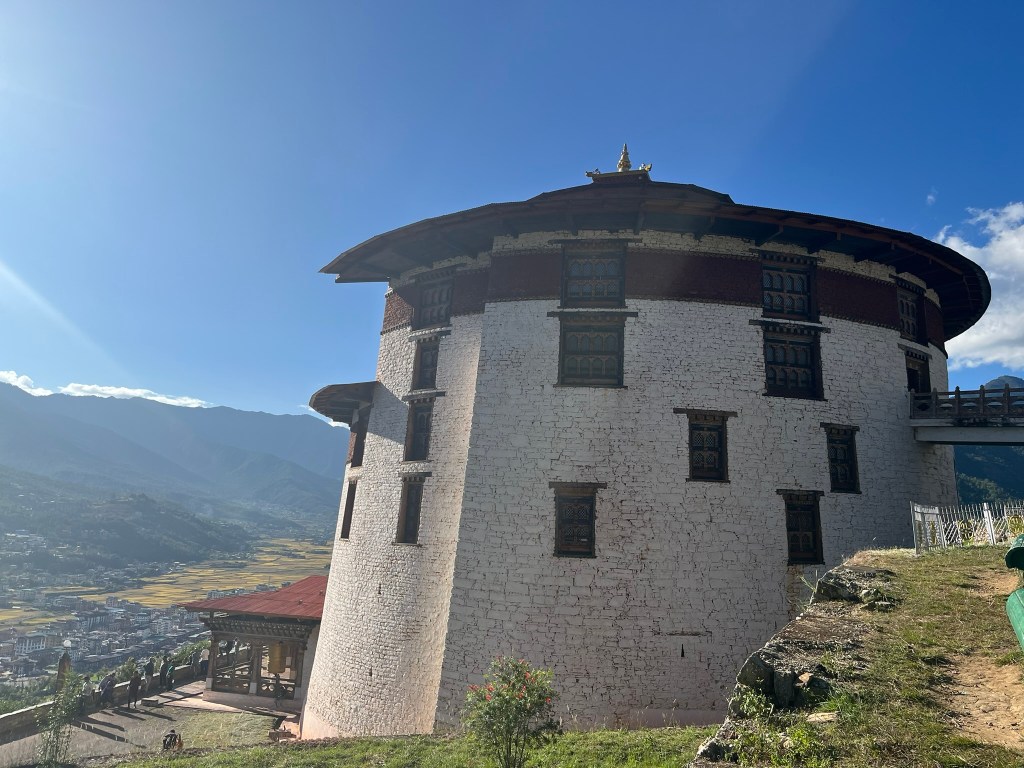
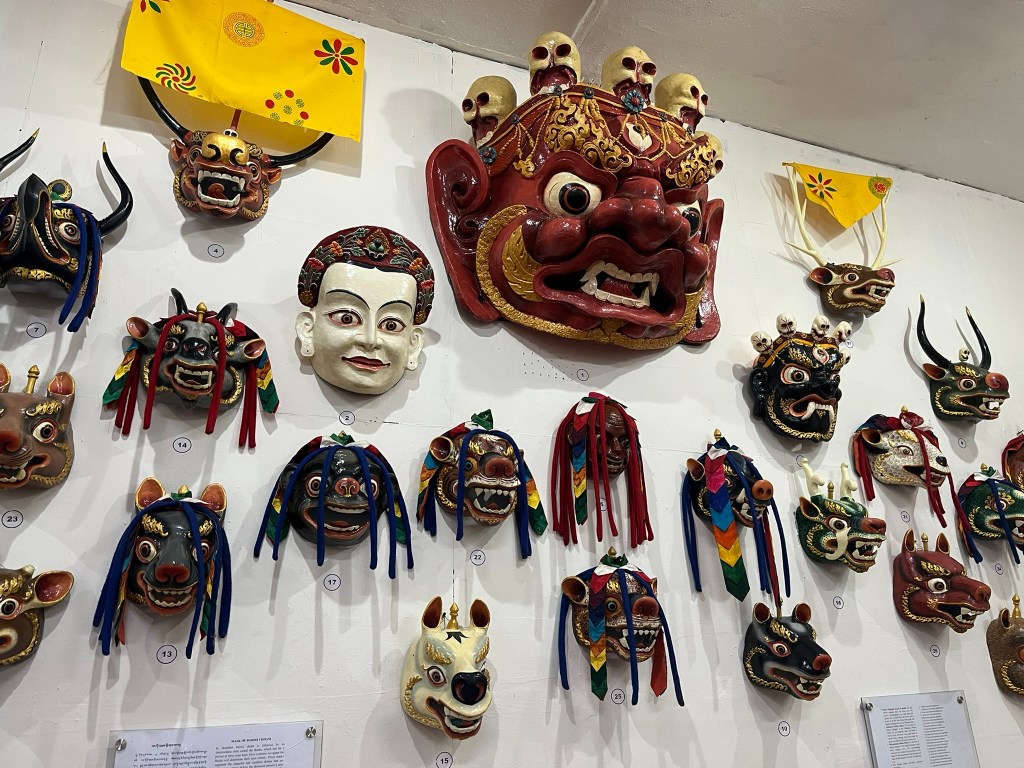
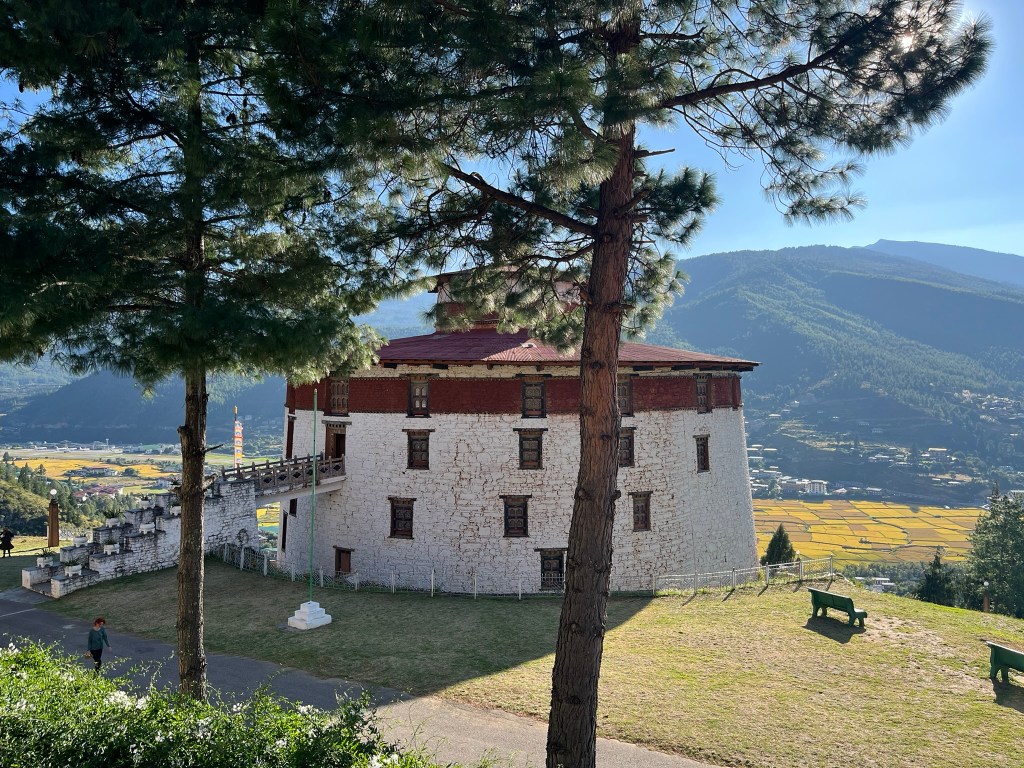
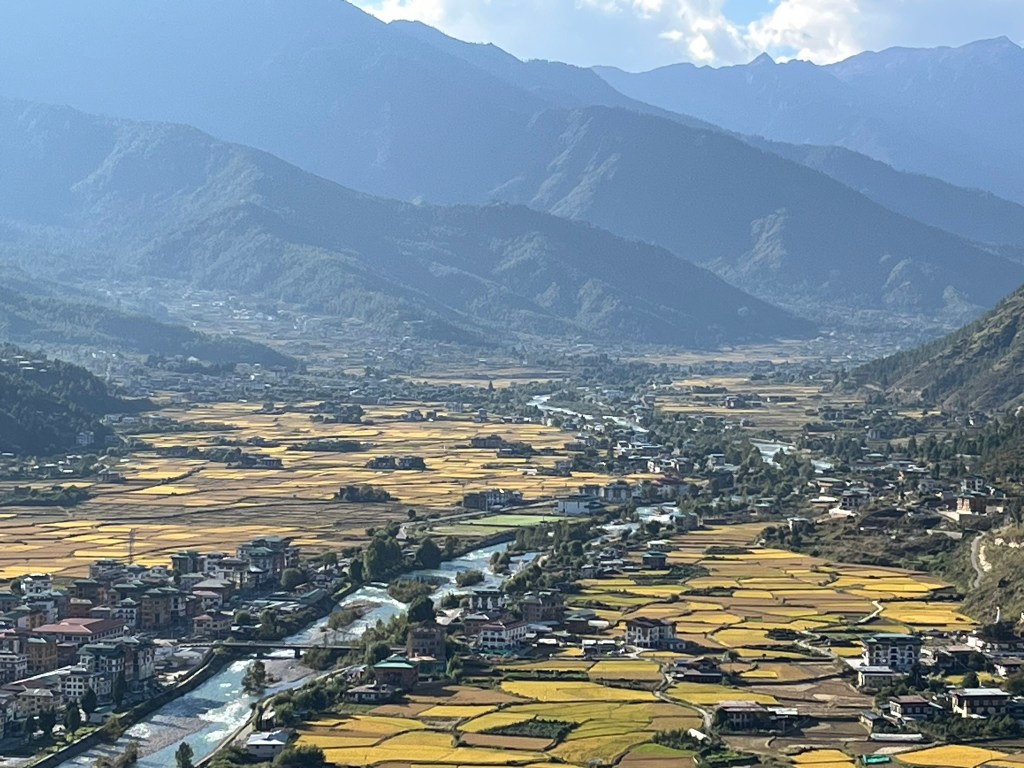
Each dzong we visited had its own charm. Some were busy with monks reciting mantras in the main assembly halls others were deadly quiet and we were virtually the only people around. My favourite was Punakha Dzong, simply because seeing it lit up at night from our hotel was such an epic view. A close second is the views from the Paro Dzong watchtower, with the golden rice fields below and the river running through town. For the Bhutanese dzongs represent their spiritual, cultural and political identity. They represent the birth of a nation in the 17th century and its long-preserved sovereignty. Visiting the dzongs of Bhutan is a quintessential part of any trip to Bhutan to understand its history and people.
 Colette's Grand Detour
Leave a comment