Bhutan recognises thirteen traditional arts and crafts, known collectively as Zorig Chusum. They form the foundation of Bhutanese material culture and aesthetic tradition, blending spiritual symbolism with practical purpose. We visited the Institute of Zorig Chusum in Thimphu where these arts and crafts are still taught and had the chance to walk around the classrooms to see what the students were learning that day. These skills have been passed through generations, reflecting the country’s Buddhist philosophy, self-sufficiency and a respect for craftsmanship.

The Zorig Chusum has 2 main campuses, one in Thimphu and another in eastern Bhutan. The institute was founded in 1971 to ensure that Bhutan’s ancient crafts would survive modernization. Courses typically take 4-6 years of intense study and entry is competitive with students selected from across the country. Selected students receive free tuition, accommodation and a stipend. Once the students graduate, many are recruited by the government for restoration work of dzongs, monasteries and temples. Others join artistic co-ops or family workshops, or are employed in the tourism sector.
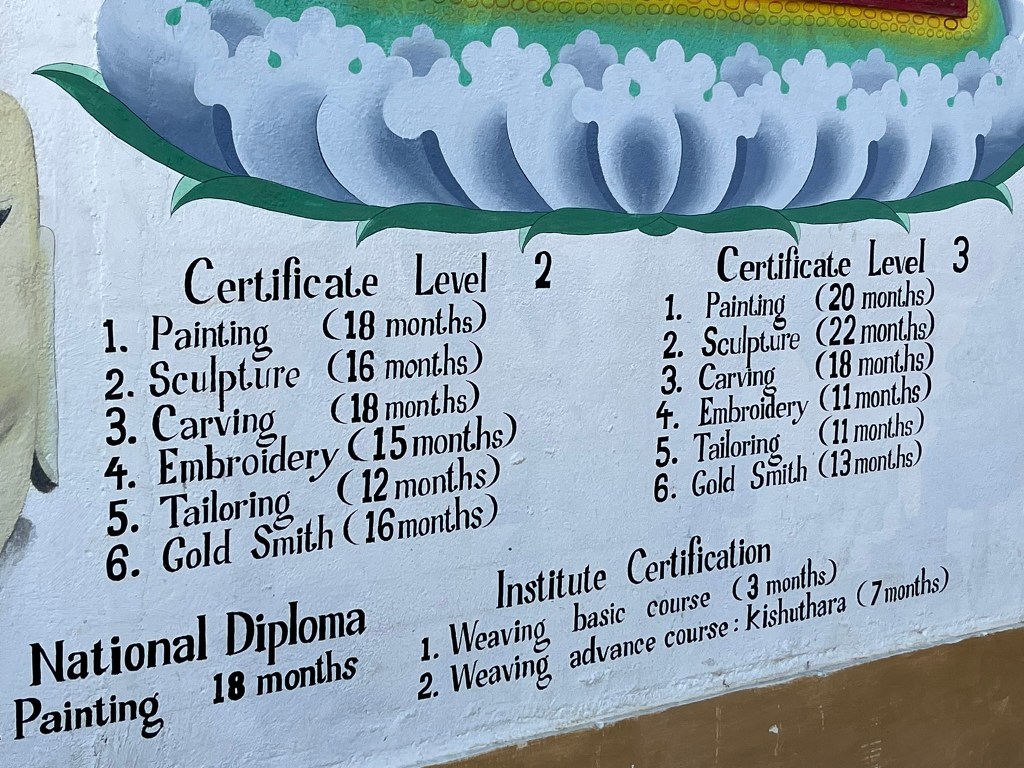
The thirteen arts and crafts are:
- Woodwork – this includes the intricate work seen in the dzongs, monasteries and traditional houses
- Stonework
- Carving – on wood, slate and stone, including temple decorations and alter pieces
- Painting – including thangka paintings and wall murals
- Clay sculpture
- Weaving – to produce textiles like the kira and gho national dress in vibrant patterns that vary by region
- Embroidery and tailoring
- Metal work
- Blacksmithing – forging tools, weapons and ritual objects
- Bamboo and cane work
- Wood turning – to make wooden bowls and cups
- Paper making
- Pottery
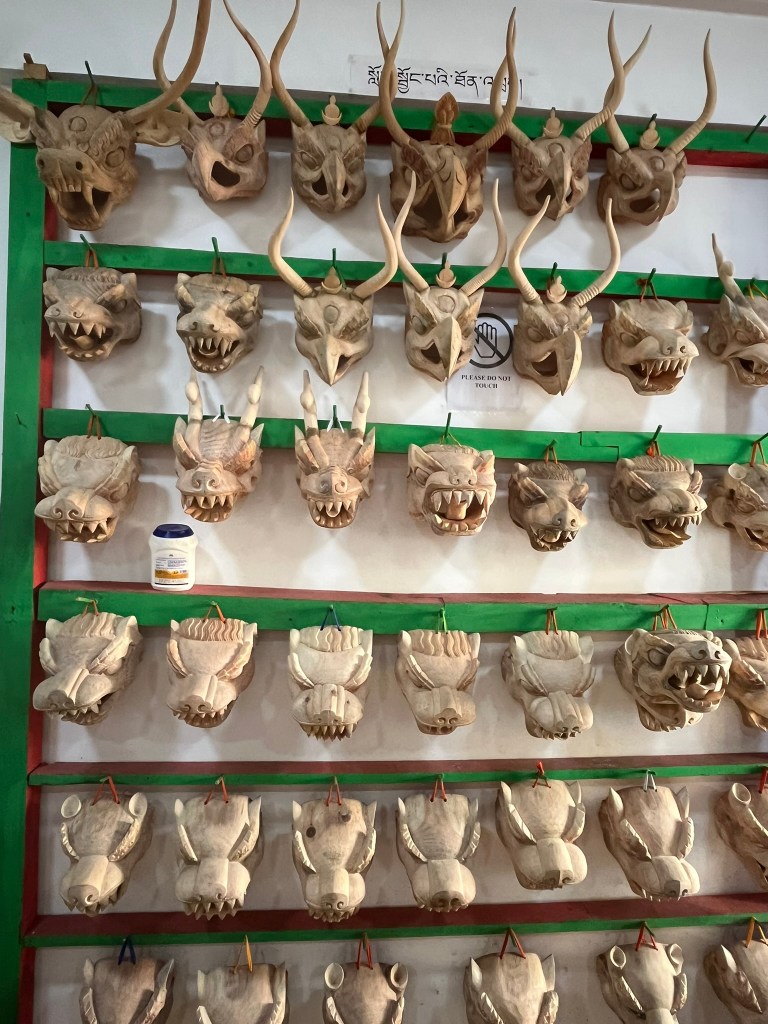
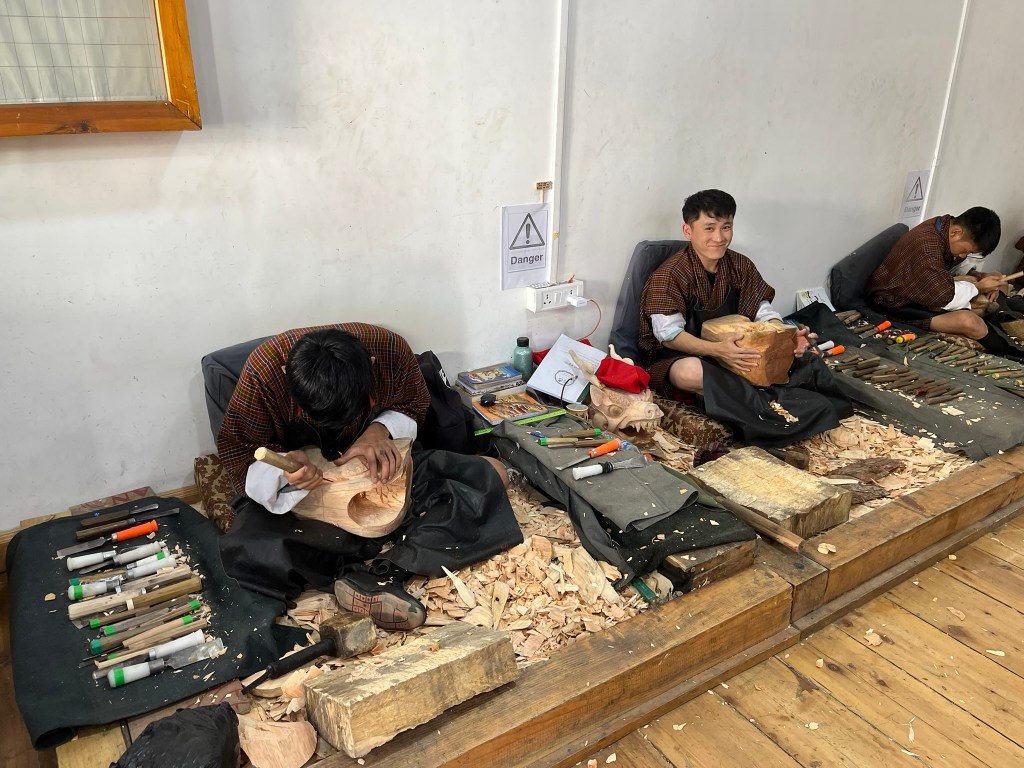
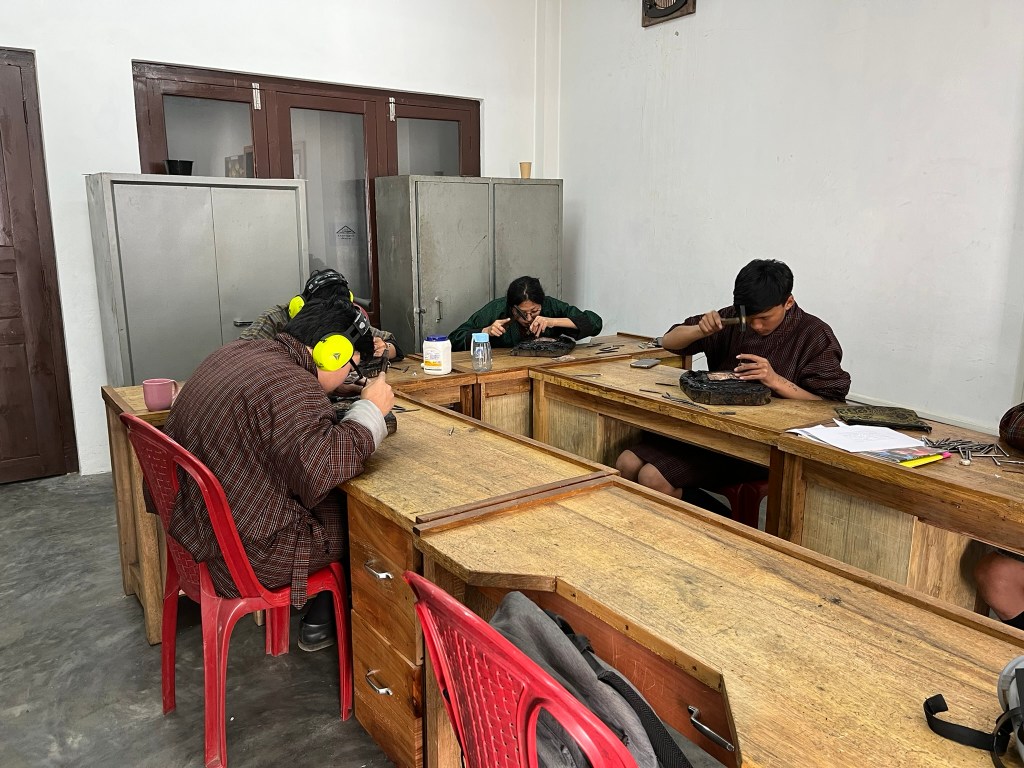

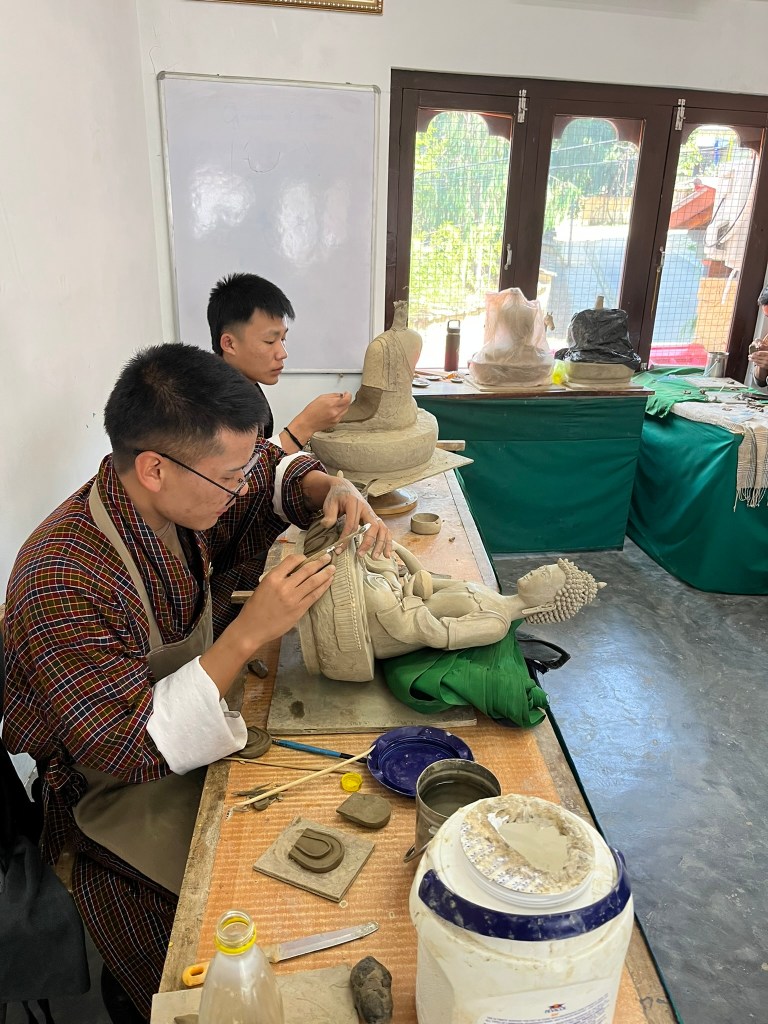
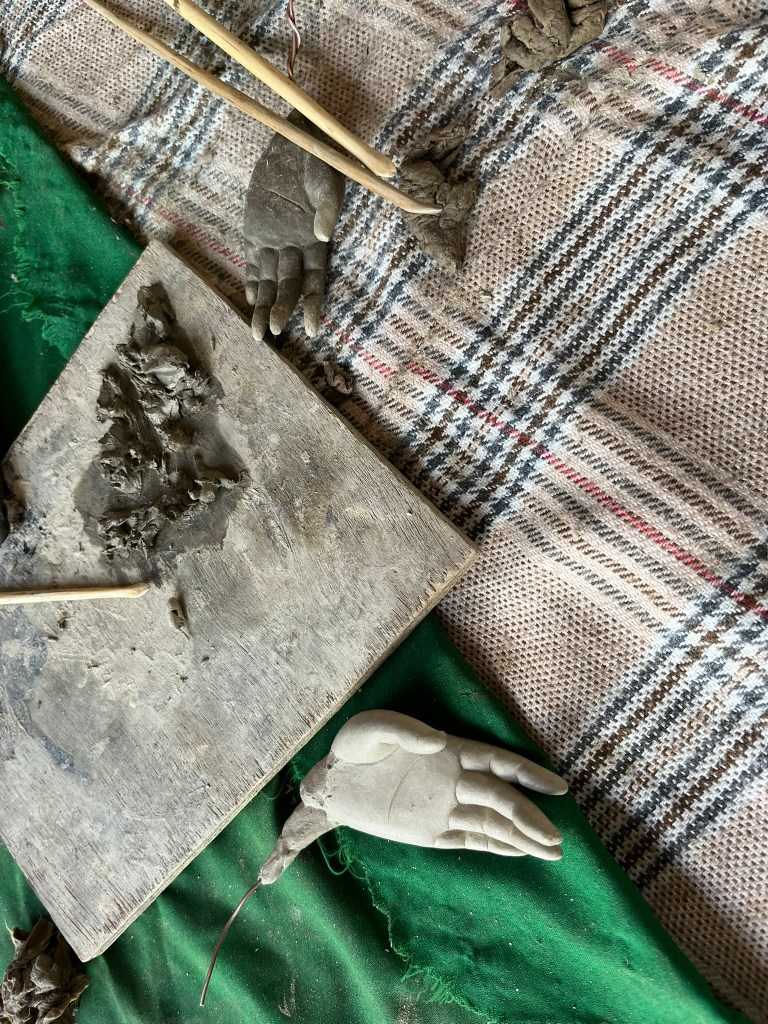
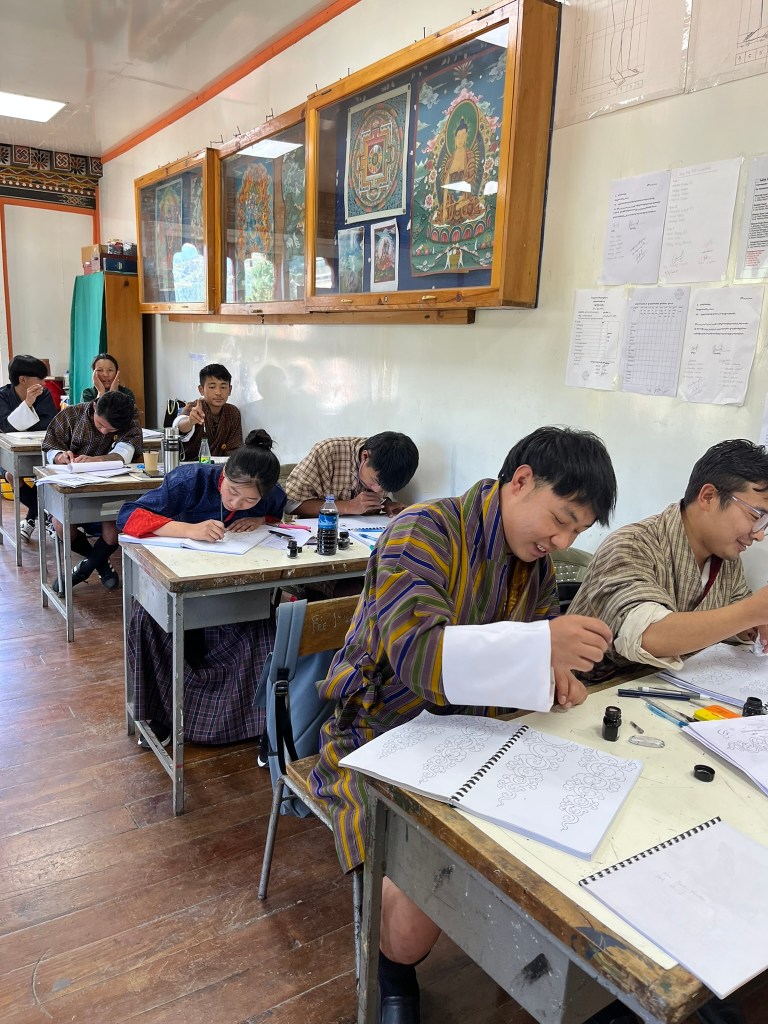


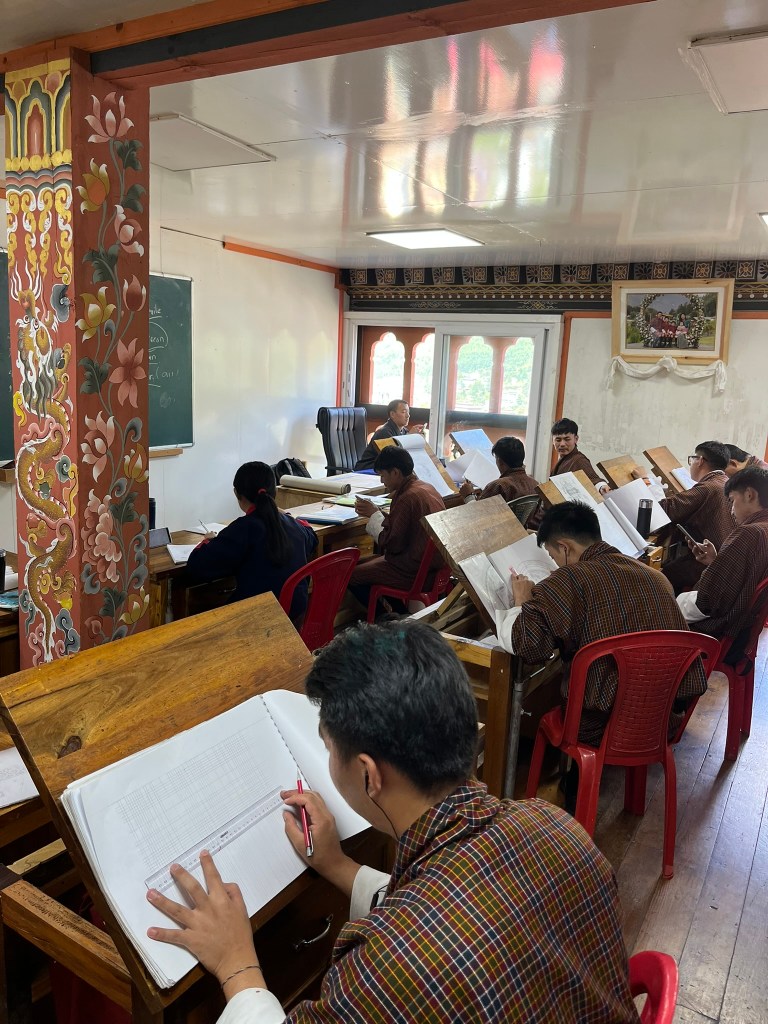

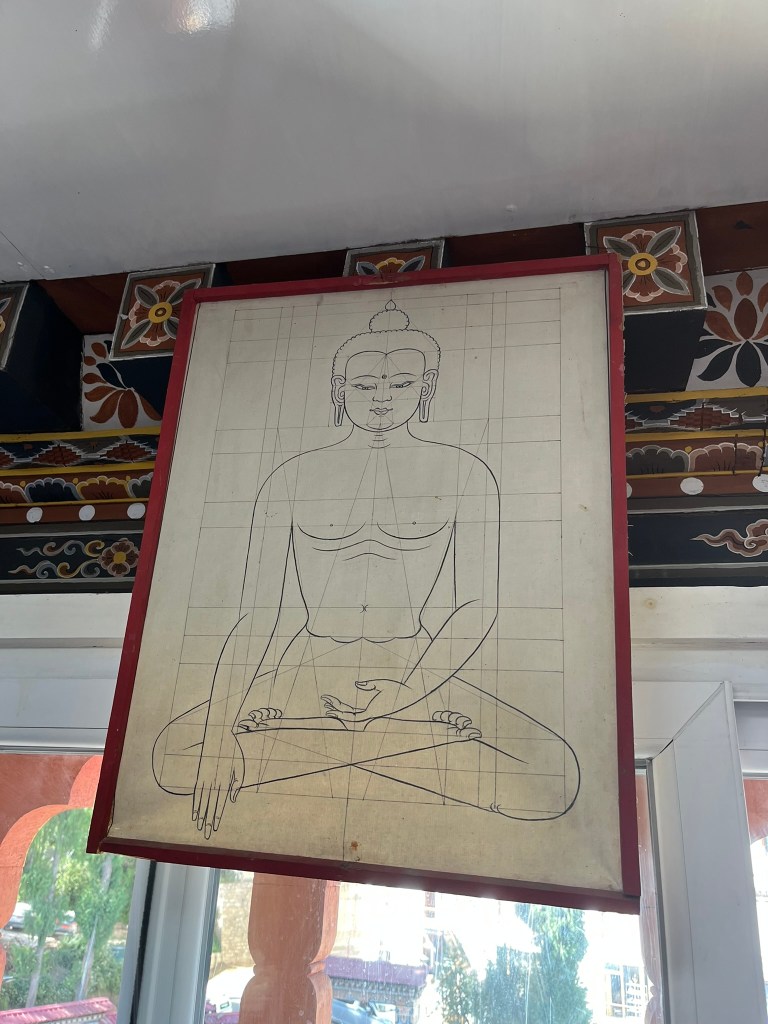

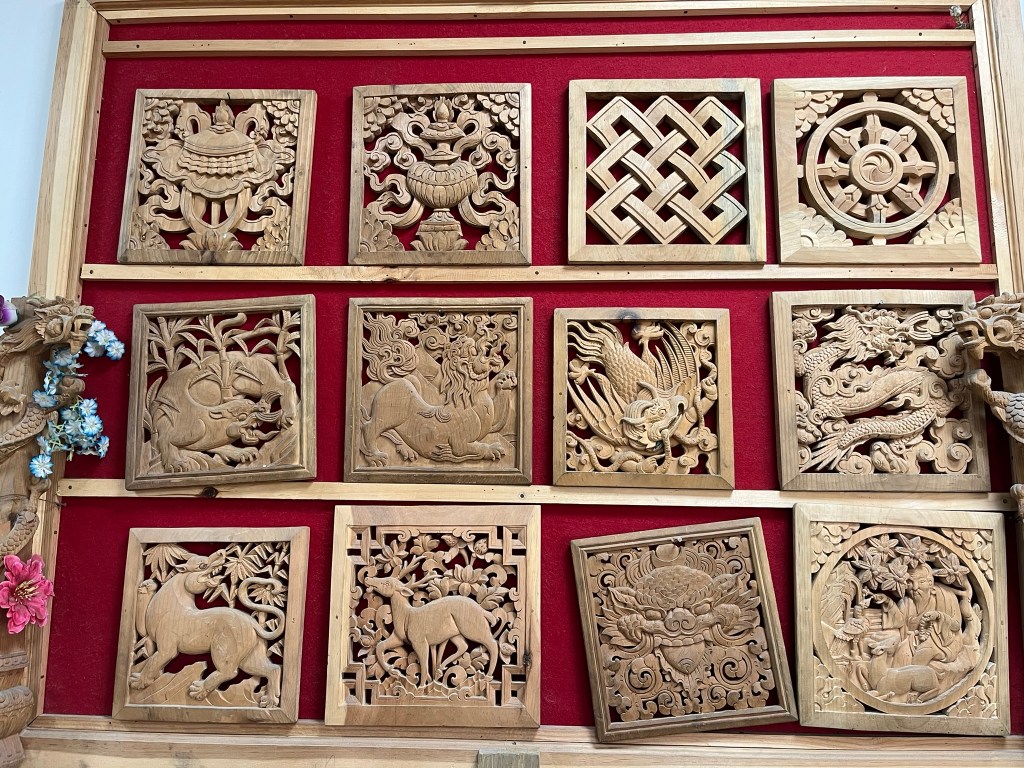
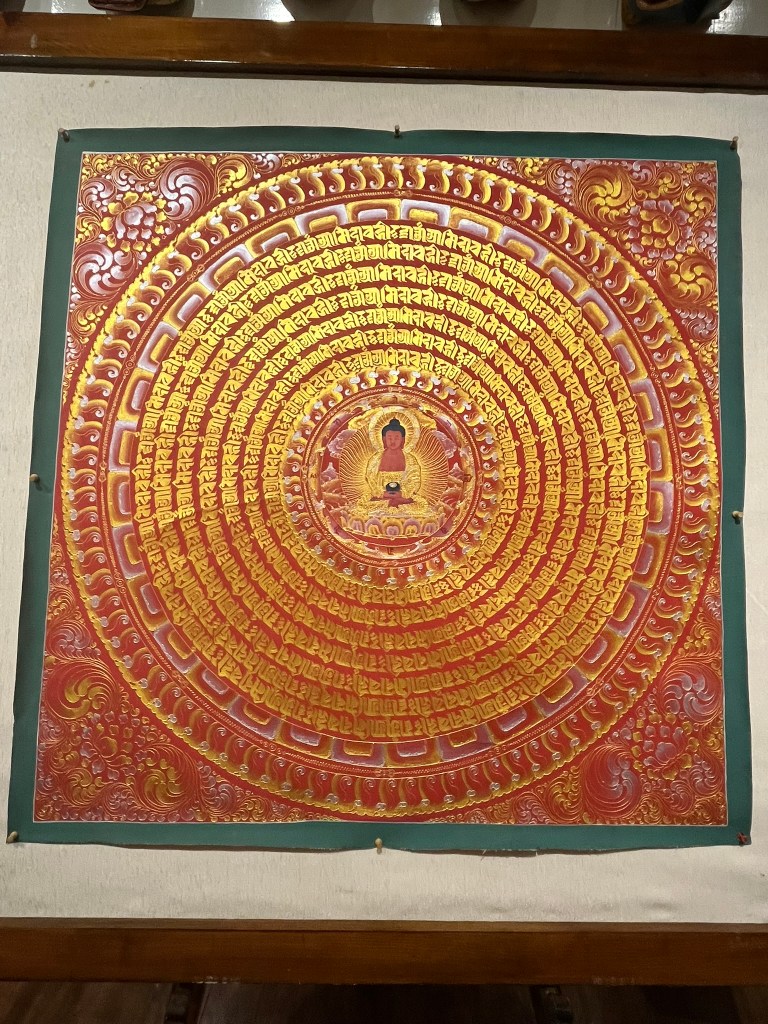
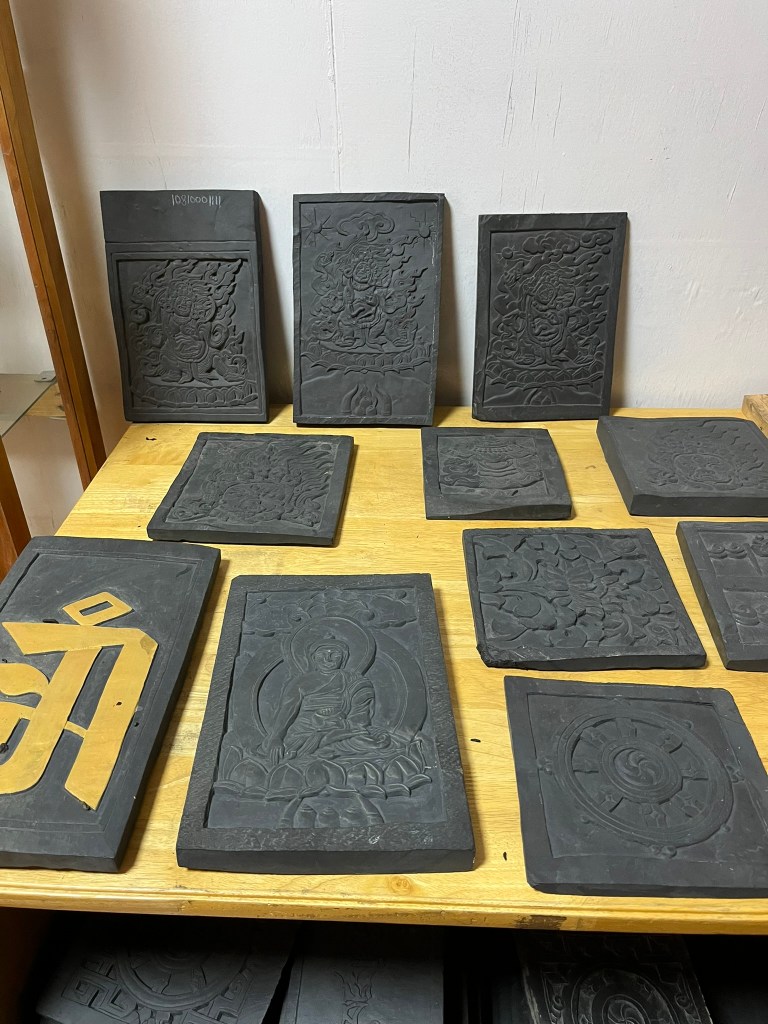
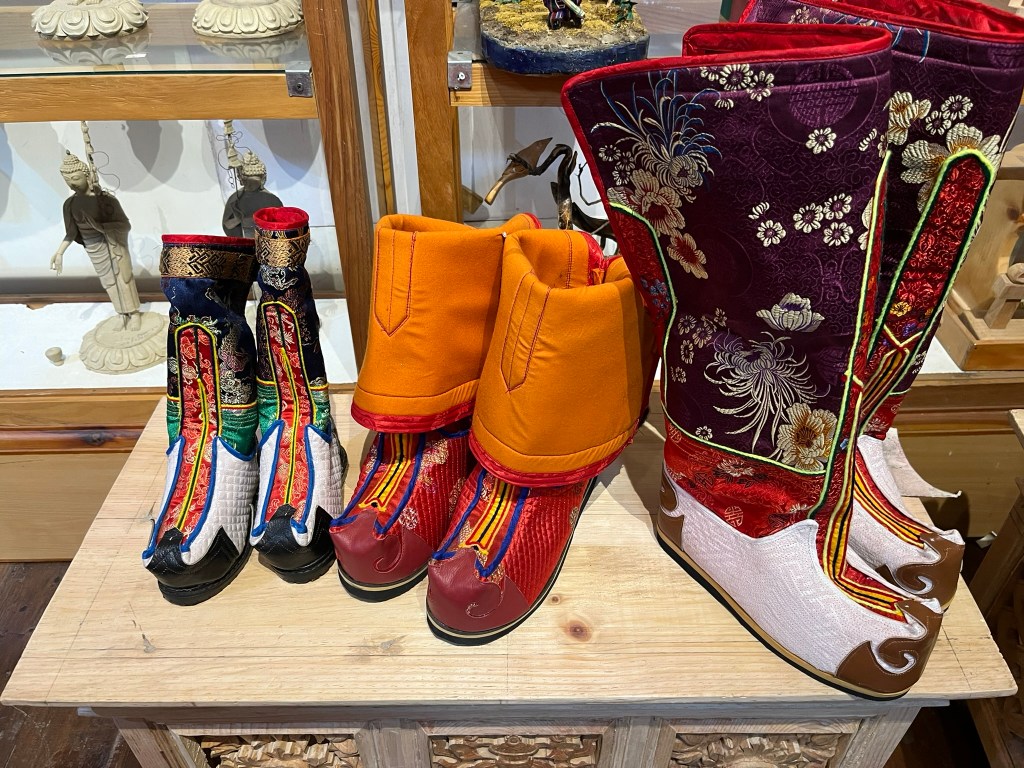
Something that was easy to see during my time in Bhutan was the quality of the arts and crafts available to purchase by tourists. Almost everywhere we went there were shops selling beautiful and high quality souvenirs. Even on our walk in Phobjikha valley we came across a man with a small thangka painting shop pretty much in the middle of nowhere, sitting outside working on a new painting that had taken him 3 months so far and had lots more work to do. However, the craft work is not just done for the sake of tourists. It is part of Bhutan’s national identity. Arts and crafts forms an integral part of Bhutanese culture and it gives an extra level of depth to exploring Bhutan’s cultural heritage because the craftsmanship you see in the dzongs and monasteries is still thriving across the country.
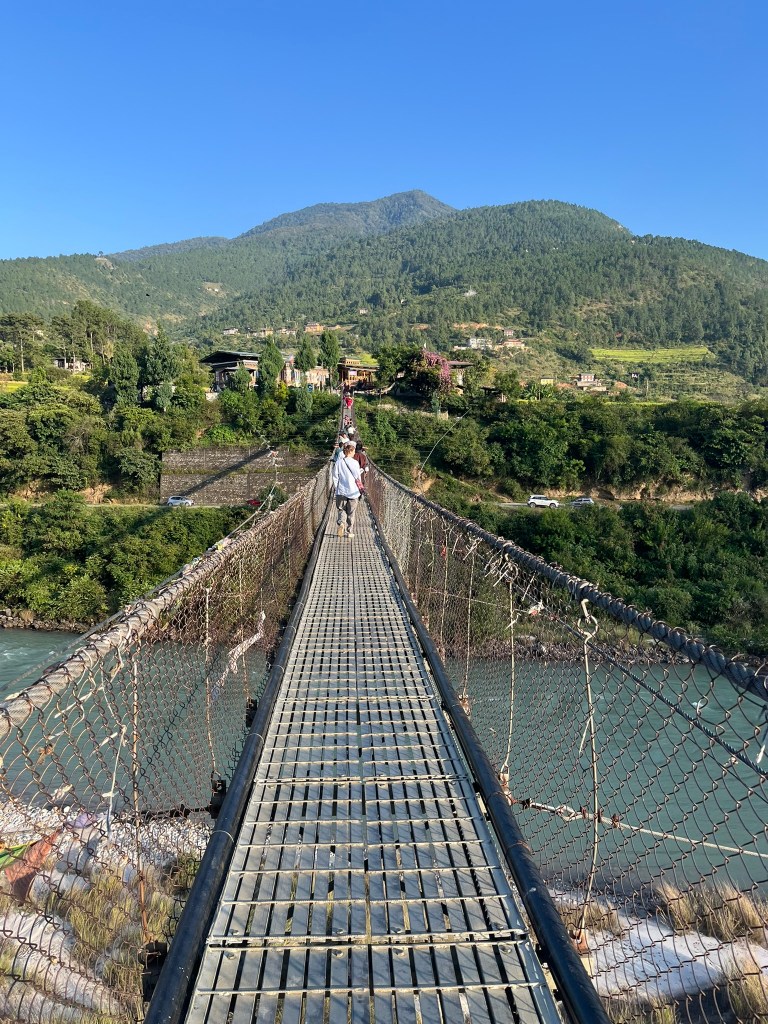
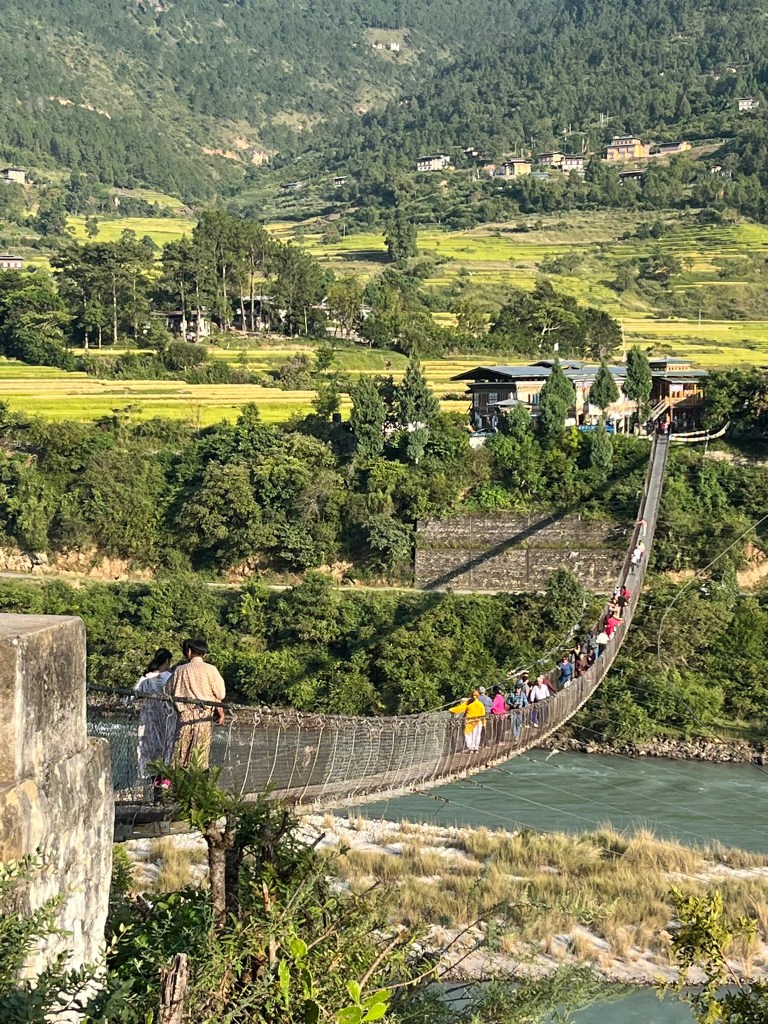
Something else that forms part of Bhutan’s cultural heritage are its hanging suspension bridges, linking remote communities across steep gorges and rivers. Although not an ‘art’ or ‘craft’ I thought they deserved a mention as they are truly feats of engineering. The bridges typically use metal cables or iron chains anchored into large concrete blocks and are often narrow, for foot traffic only, decorated with the ubiquitous colorful prayer flags. We got the chance to cross one of the most famous bridges in Bhutan, crossing the Pho Chhu river in Punakha Valley, linking Punakha dzong to villages on the opposite side of the river. It is 180m in length, making it one of the longest in the country and is said to date back to 1637, although today’s bridge is definitely more modern than that. Experiencing walking across one of these bridges is a must-do activity in Bhutan.

 Colette's Grand Detour
Leave a comment