Thimphu is the capital of Bhutan and is located in a high-altitude valley in western Bhutan along the Wang Chhu river, surrounded by pine and oak-covered hills. The valley was inhabited for centuries by farming and herding communities with scattered hamlets and monasteries. The valley has a mild climate and fertile terraces making it suitable for barley and buckwheat cultivation, both important in Bhutan’s subsistence economy.
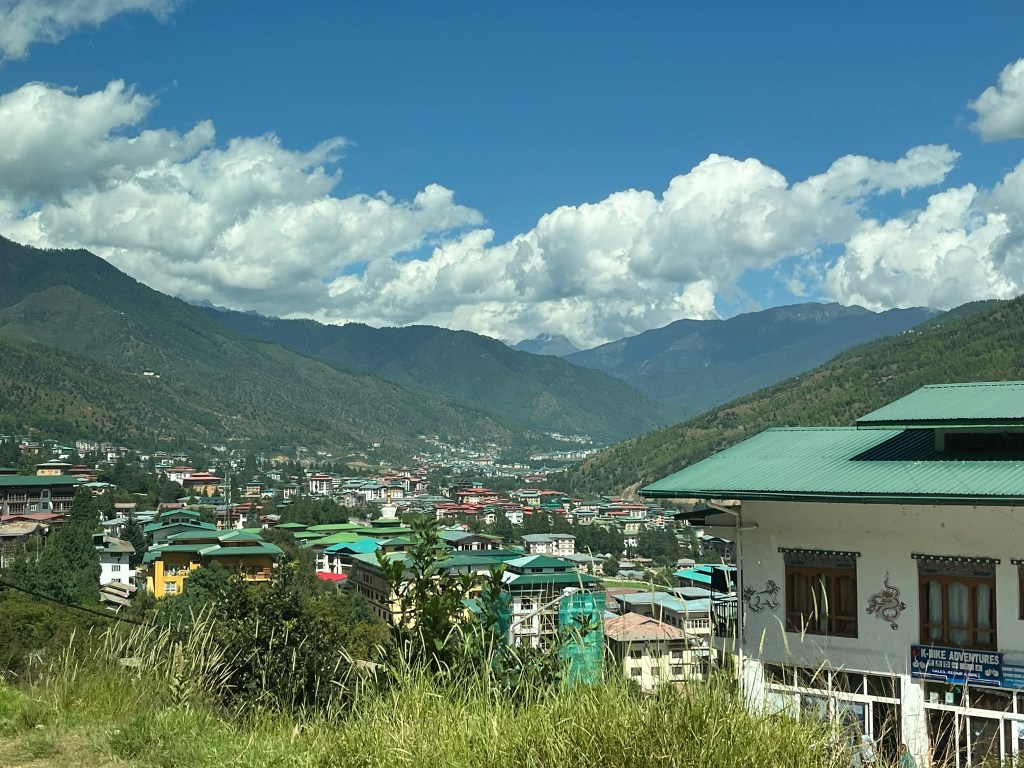

In 1952, the King officially moved the royal court and national government permanently to Thimphu. Before that the capital was Punakha. From the 50s onwards it began to transform from a cluster of villages into a planned town. In the 50s and 60 the first modern infrastructure appeared such as roads, schools, hospitals and government offices. In 1961 Bhutan’s first 5-year plan put emphasis on developing Thimphu as the administrative heart of the country. And Tashiccho Dzong, which was originally built in 1641, was completely renovated to serve as the seat of government and the central monastic body.
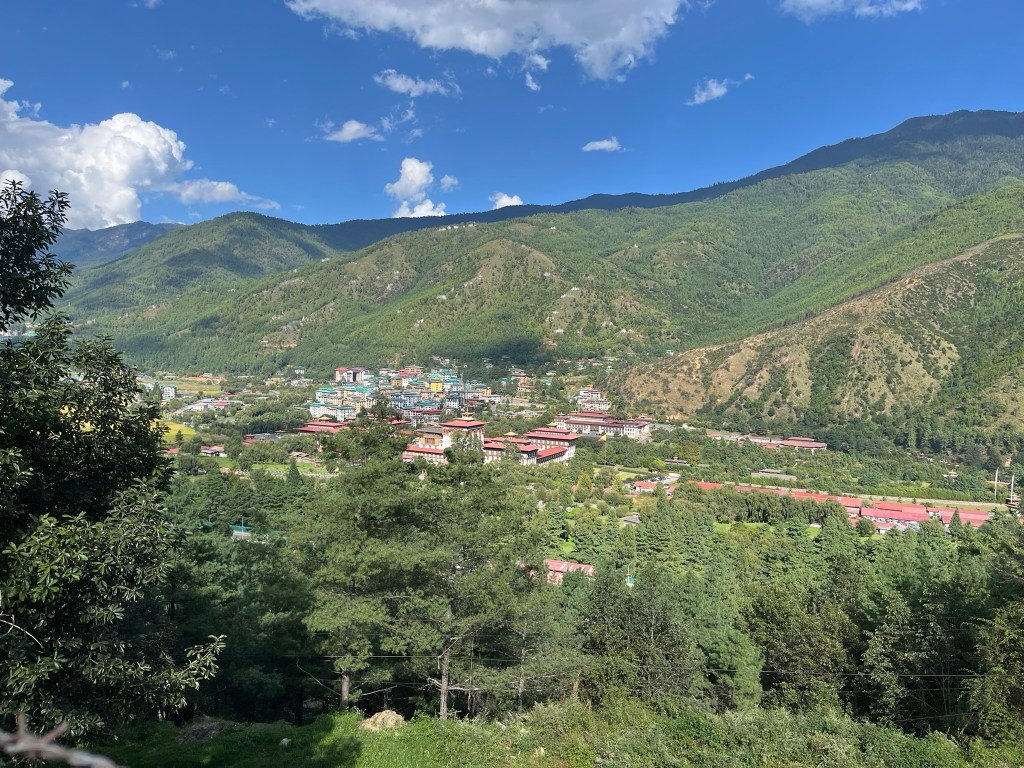
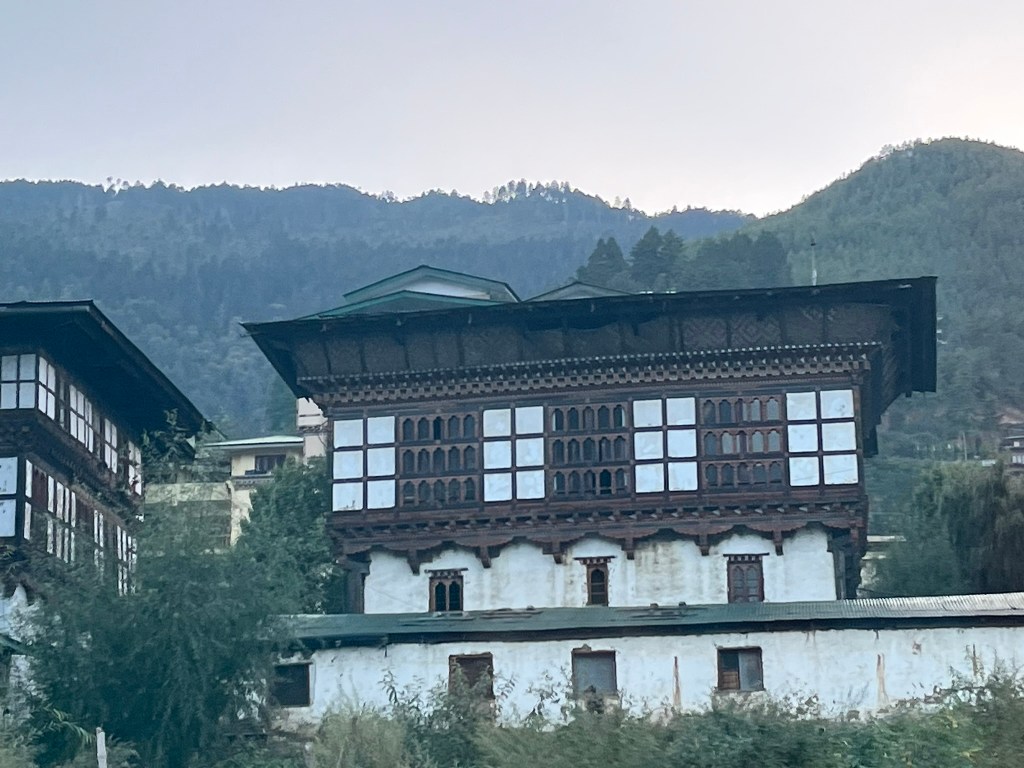
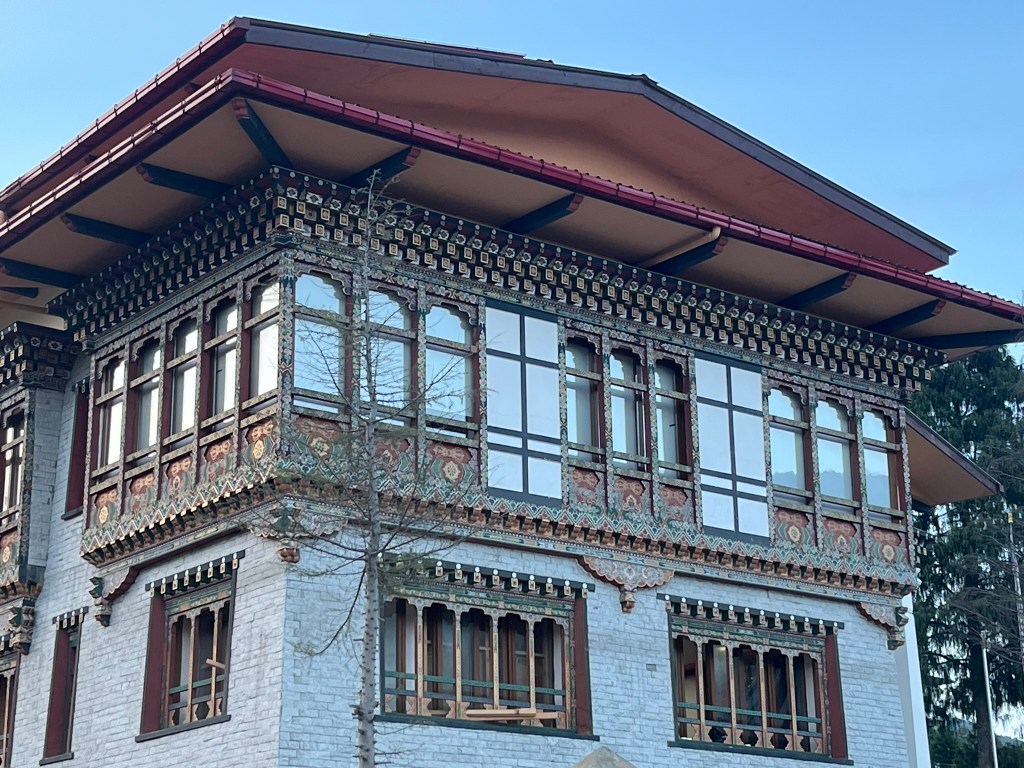
Today, Thimphu remains Bhutan’s largest city, yet it preserves its unique Bhutanese character. There are no traffic lights, and traditional architecture is mandated by law and new buildings must follow dzong-style motifs. The city also serves as Bhutan’s cultural capital with many national institutions and hosts major festivals such as the annual masked dance celebration.
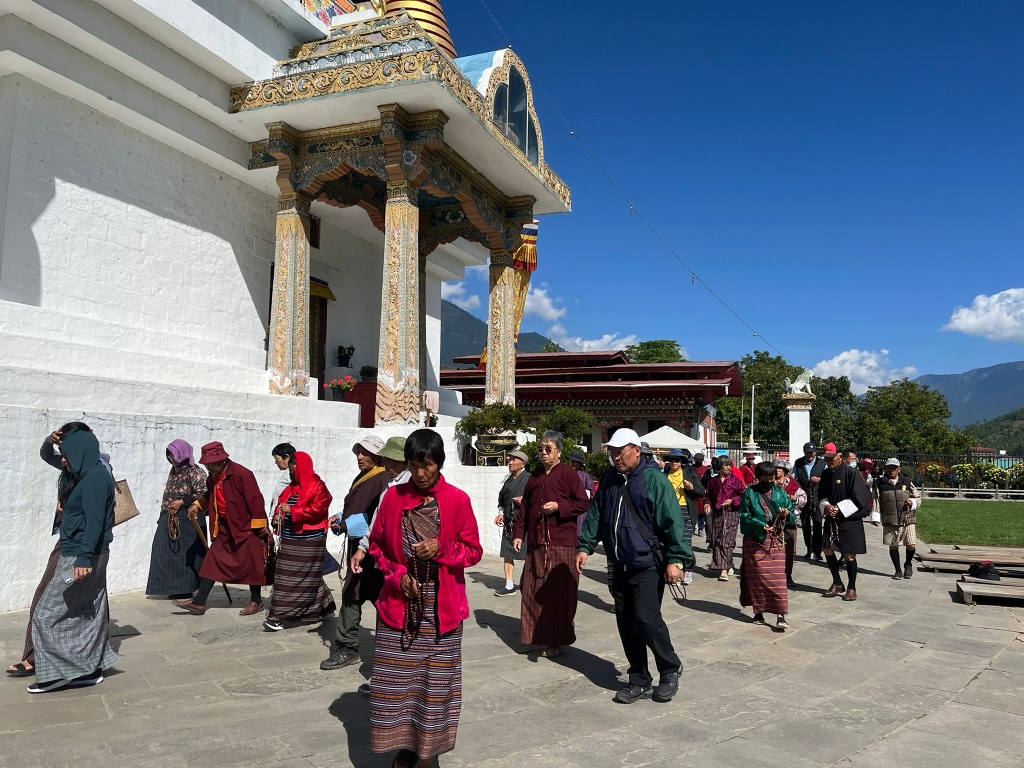
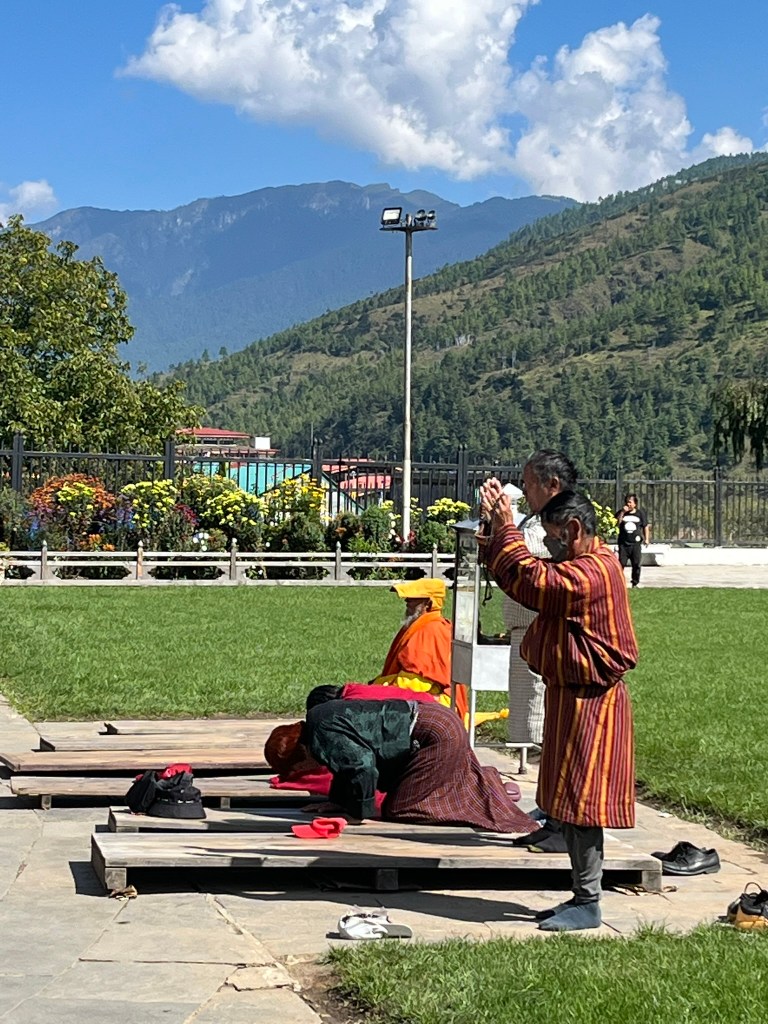
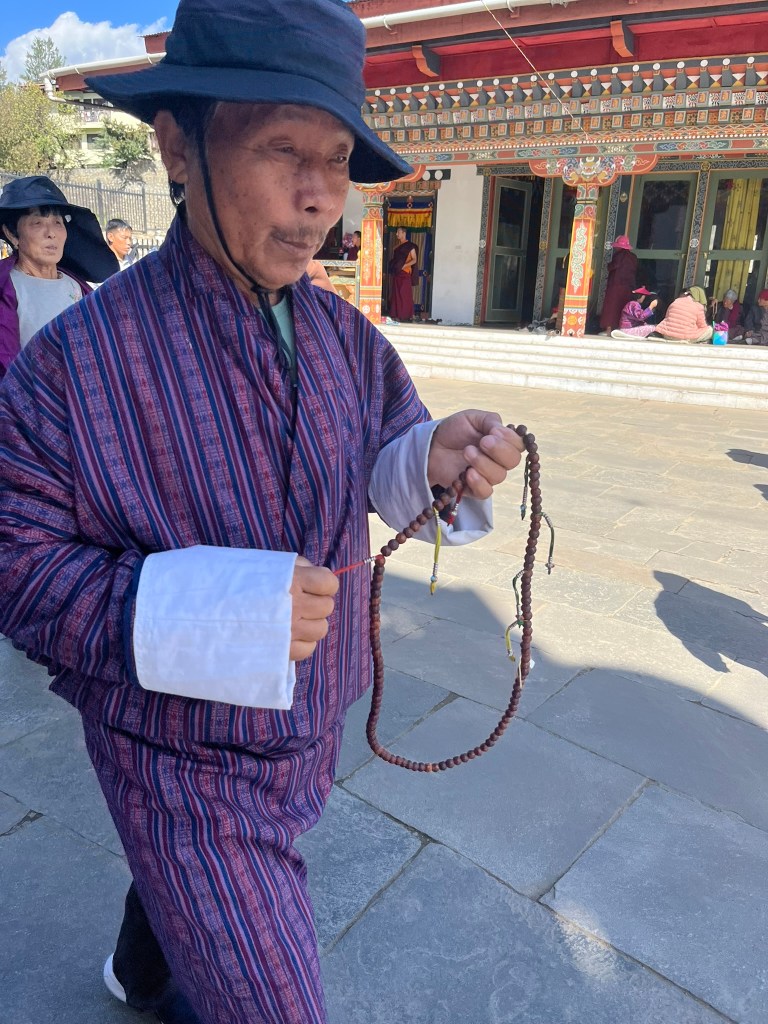
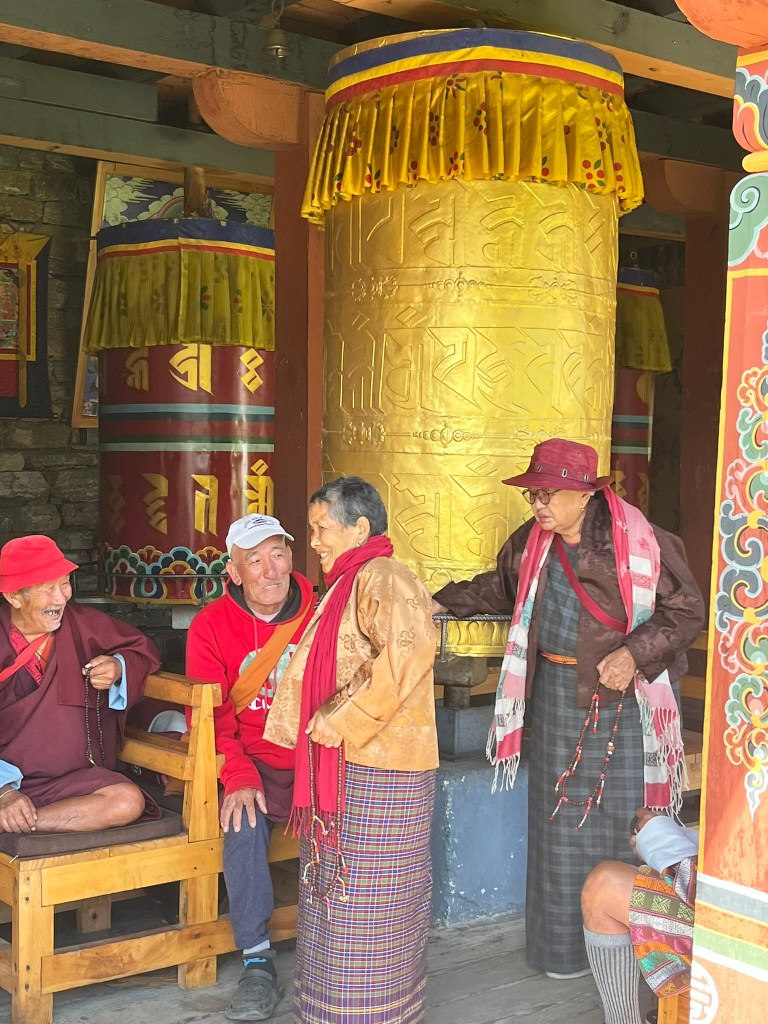
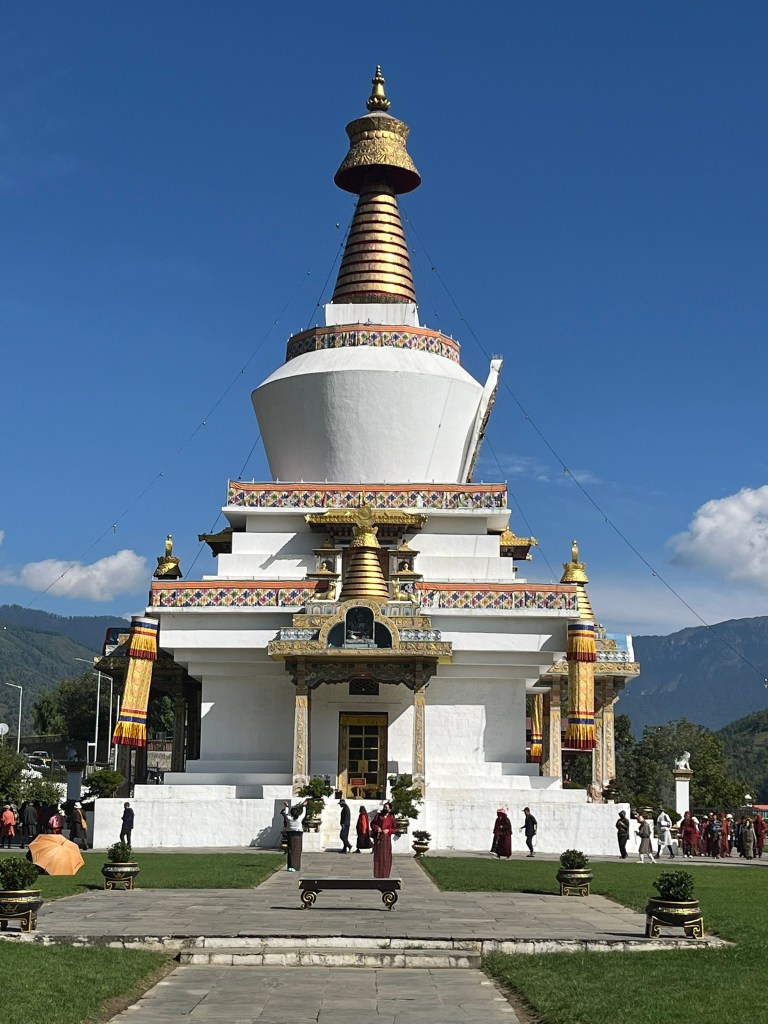
We had a lot of things to see on our full-day tour of Thimphu. We started our morning at the National Memorial Chorten which is a multi-level stupa built in memory of the third King of Bhutan in 1974. It is a prominent landmark in the city and very busy with locals doing koras around the stupa, spinning prayer wheels and all beautifully dressed in their national dress. Inside there are 3 floors, each with big dramatic statues at the center and monks sitting around the edge of each room either reciting prayers or playing the very loud horns that are distinctive to Buddhist chanting.

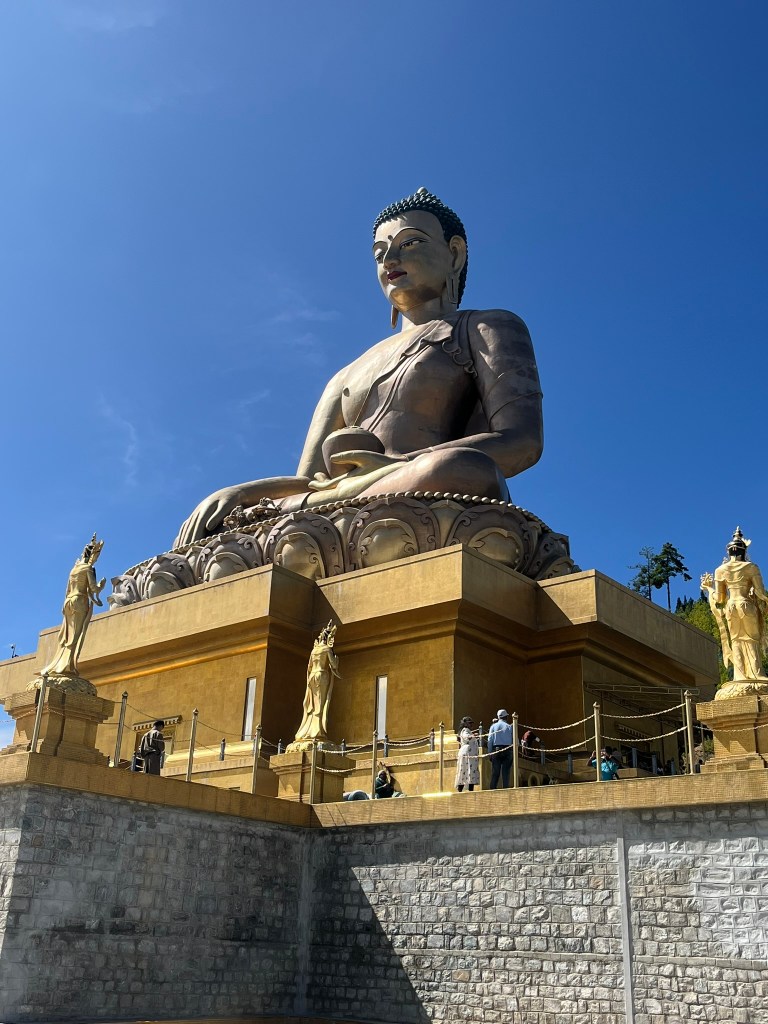
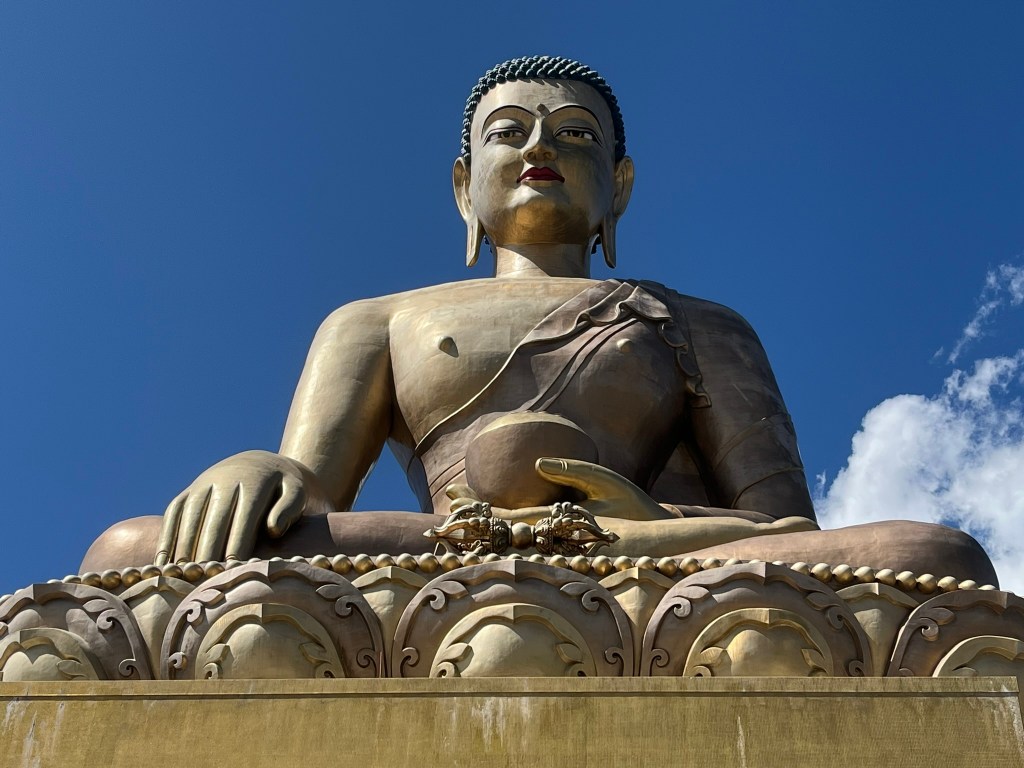
We then drove up to a hill overlooking Thimphu to a newly-built, absolutely massive statue of Buddha, that is a modern landmark of the city. It is bronze and gold gilded and houses over 100,000 smaller Buddha statues inside of it. It symbolizes peace, prosperity and protection for Bhutan and the world. Our guide shared that it cost over $100 million USD to build and was funded primarily by a non-profit religious organisation based in Hong Kong which is headed up by a Bhutanese lama who has strong links to China and the Tibetan Buddhist communities. Inside the statue there are 2 floors of statues and every single part of the walls inside are painted with Buddhist stories. It is very impressive, however I’m not as interested in new stuff to be honest.
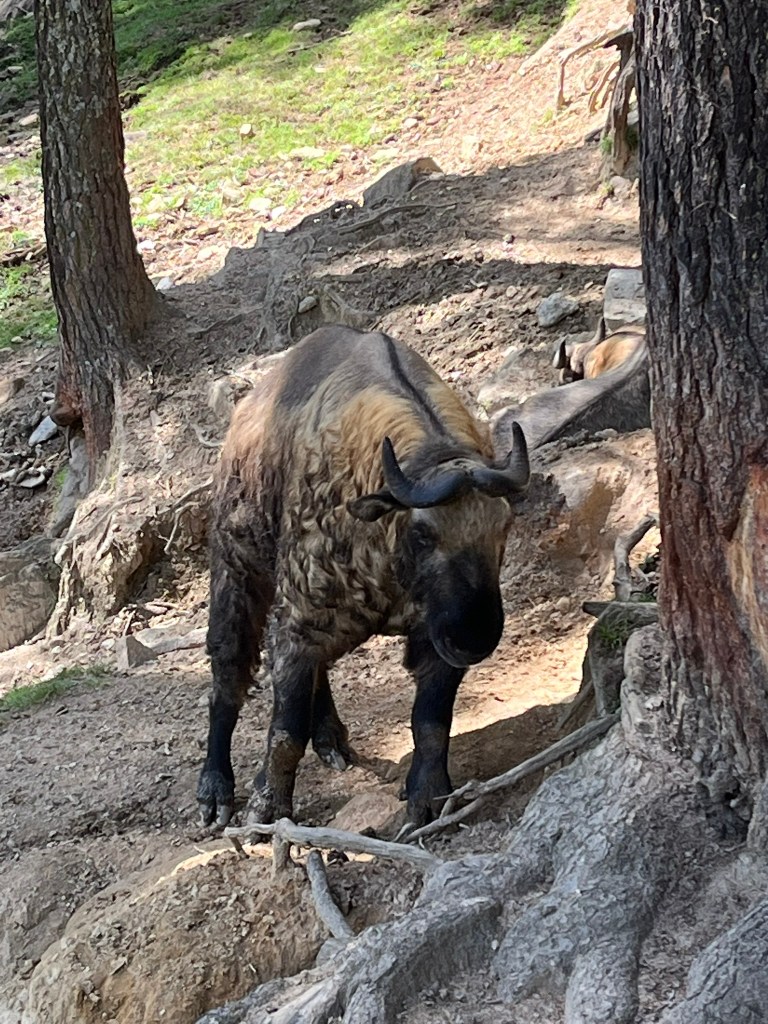
Our last stop before lunch was to a Takin Sanctuary. This is a small wildlife reserve in the forested hills above the city that is home to Bhutan’s national animal – the takin. This is a bizarre looking animal that looks as if a goat, antelope and cow have been stitched together. There is a legend that says the Takin was created by the divine madman, Lama Drukpa Kunley (more on him in the coming days), known for his eccentric teaching of Buddhism. Locals demanded he perform a miracle and so he ate an entire goat and cow, then pressed their bones together and with a snap of his fingers, a living creature appeared with the head of a goat and the body of a cow. The animals typically live in alpine meadows and bamboo thickets above 3000m so this was probably our only chance to see the animal.

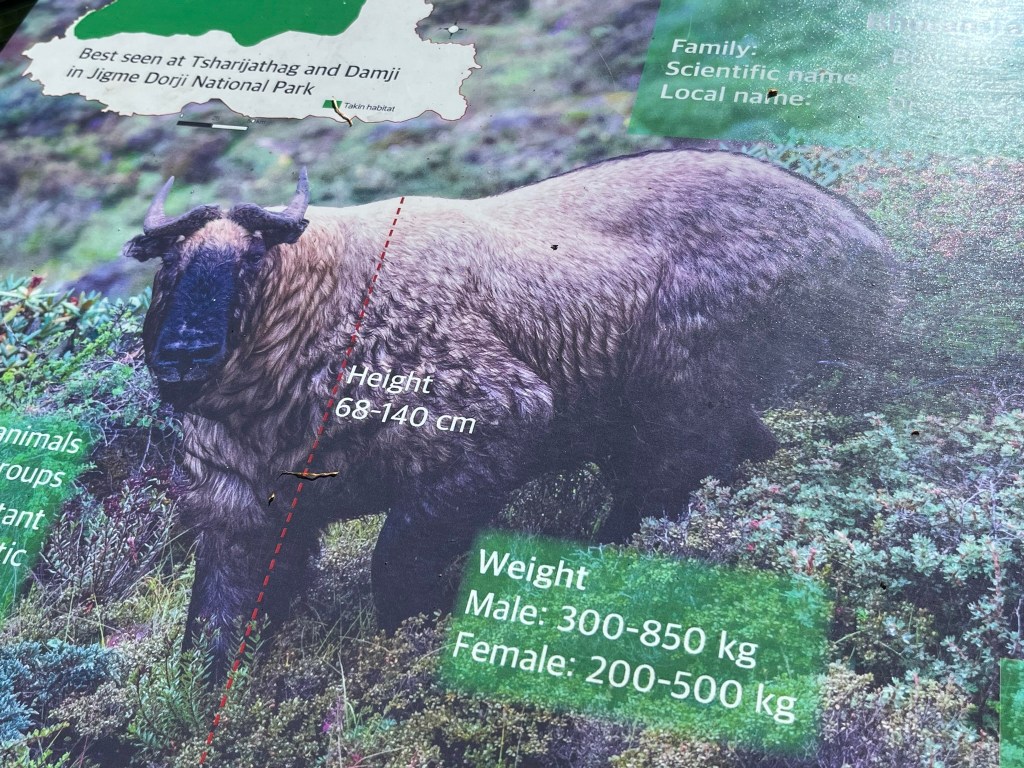
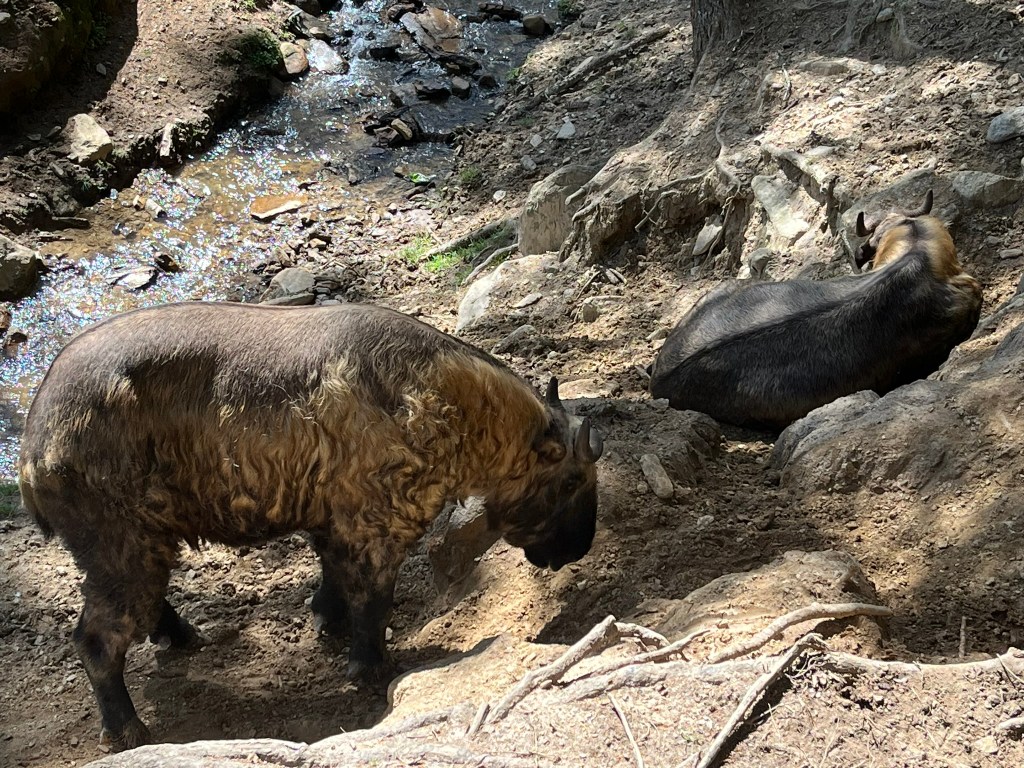
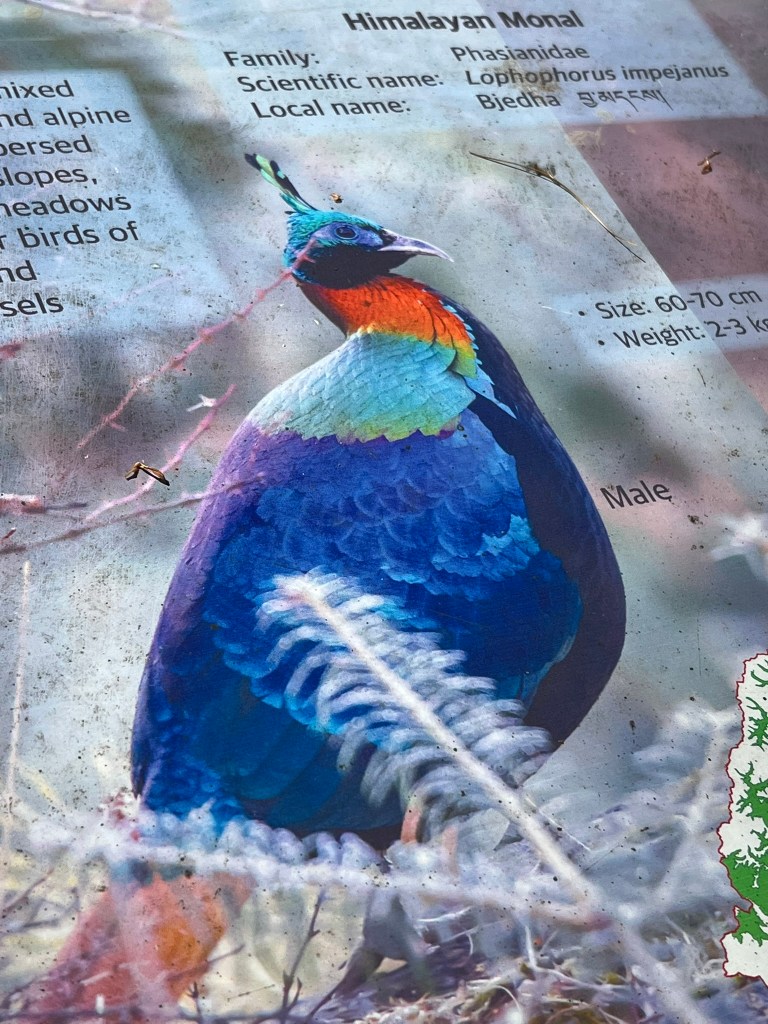
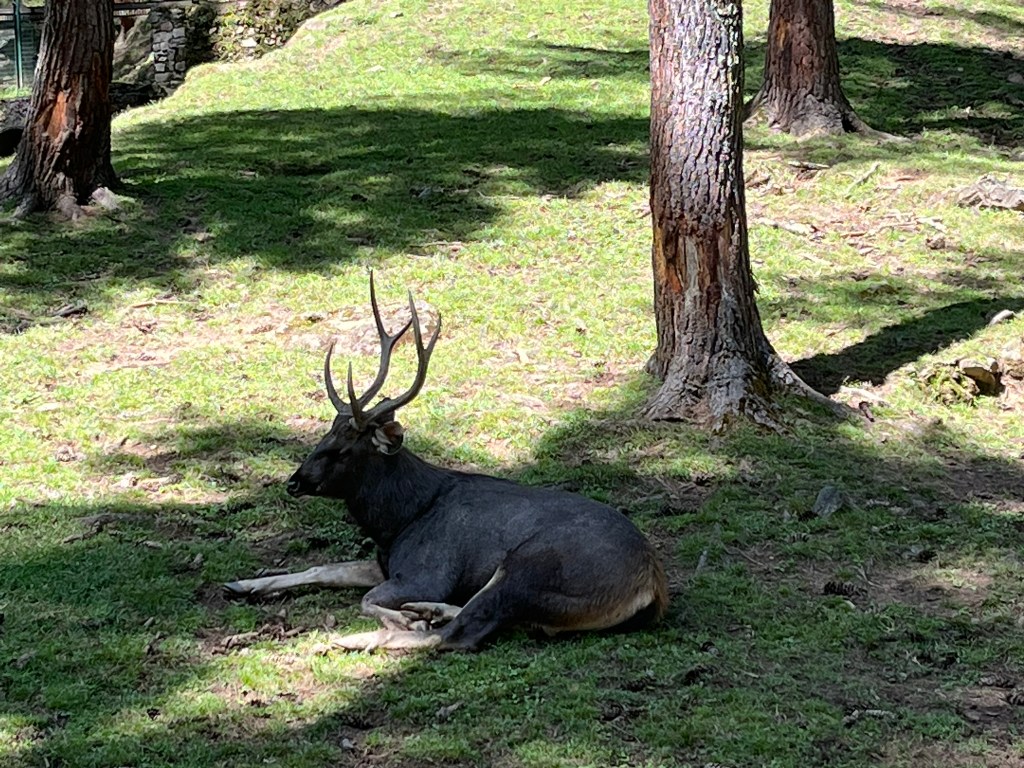
The wildlife reserve also has Samba deer, barking deer and the brightly colored Himalayan Monal. It was super hard to get a good picture of this bird, so I had to take a photo from the information plaque. The reserve is really nicely laid out, with raised walkways passing over the space the animals have to roam. It takes about 45 minutes to do a circuit of the reserve and there is a nice coffee shop at the top to take a break.

After lunch, we started at the National Library and Archives of Bhutan which is housed in a beautiful example of Bhutanese architecture. The structure is 4 stories and built entirely in the dzong-style and looks like a small fortress. Inside, the library holds some of Bhutan’s oldest and most important written works, including thousands of Kangyur (translated words of the Buddha) hand-printed on Dehsho paper using wooden blocks. On the ground floor there are some nice examples of how these wooden blocks were made as well as the world’s official biggest book.
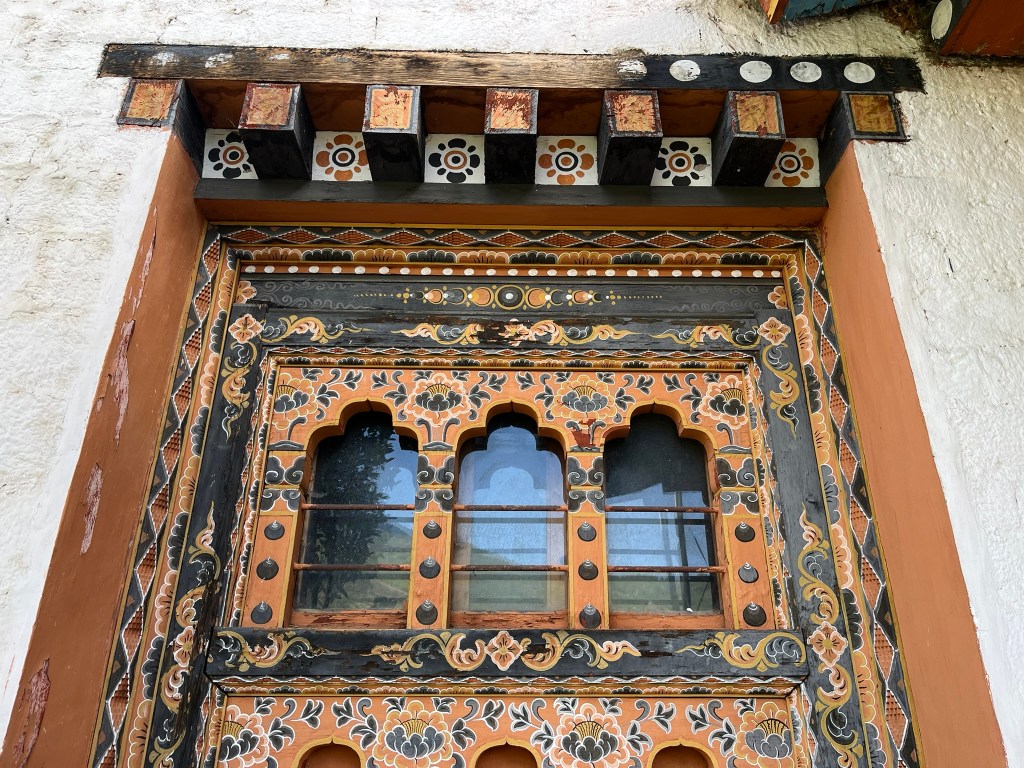
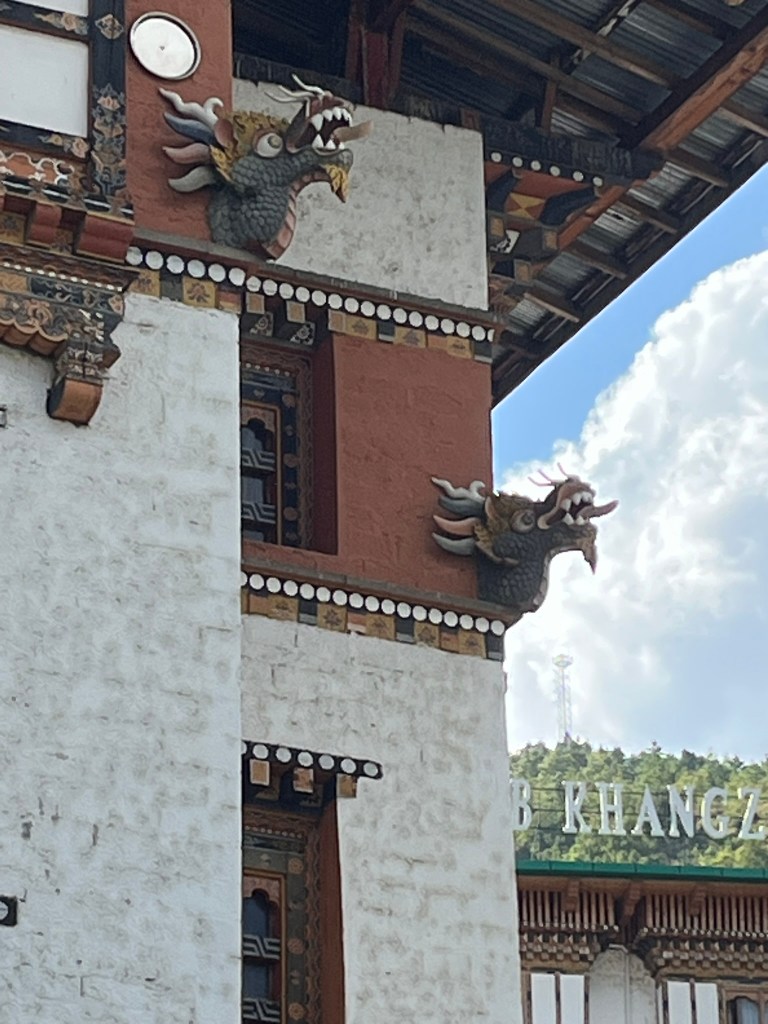

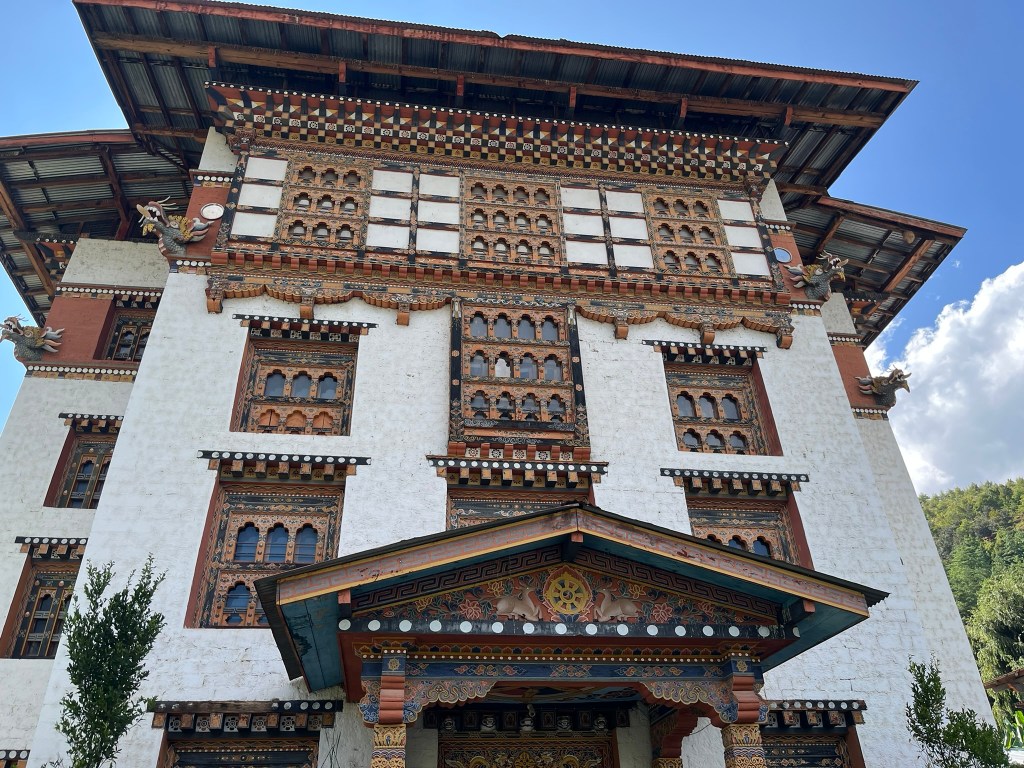
We made a brief stop in Thangtong Dewachen nunnery, which houses around 70 nuns currently. We entered the main assembly hall as prayers were on-going, which felt very special to hear the chanting, although it did feel like we were intruding on a private gathering. And the views down to Tashiccho Dzong (the seat of the government) were great.

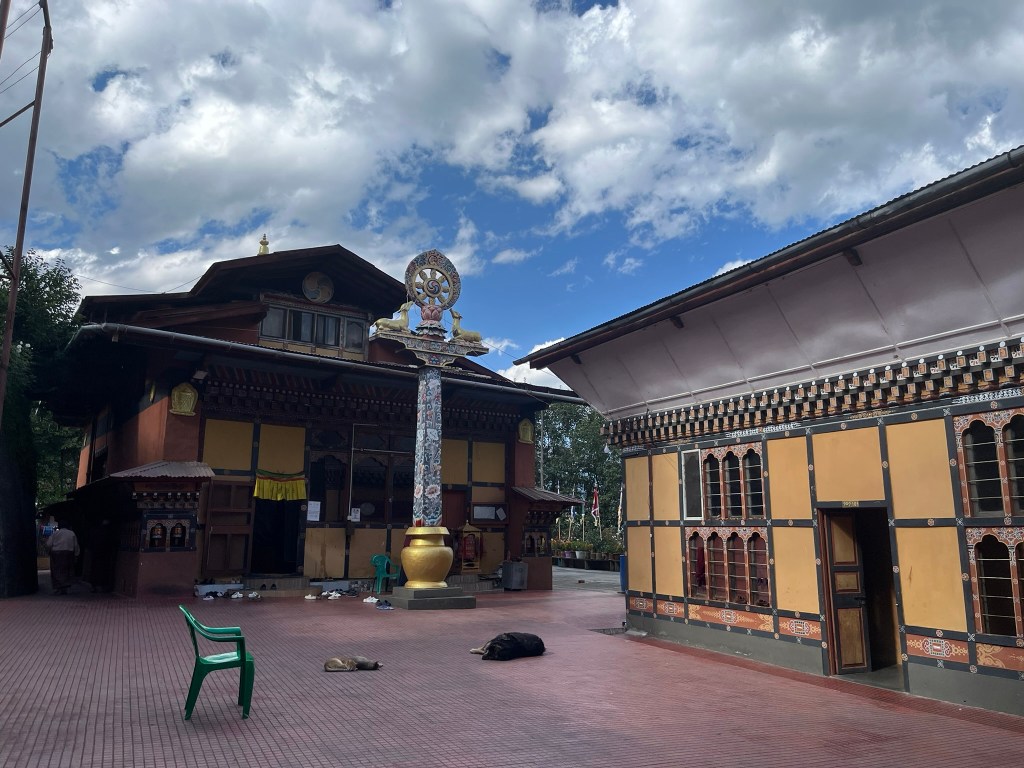
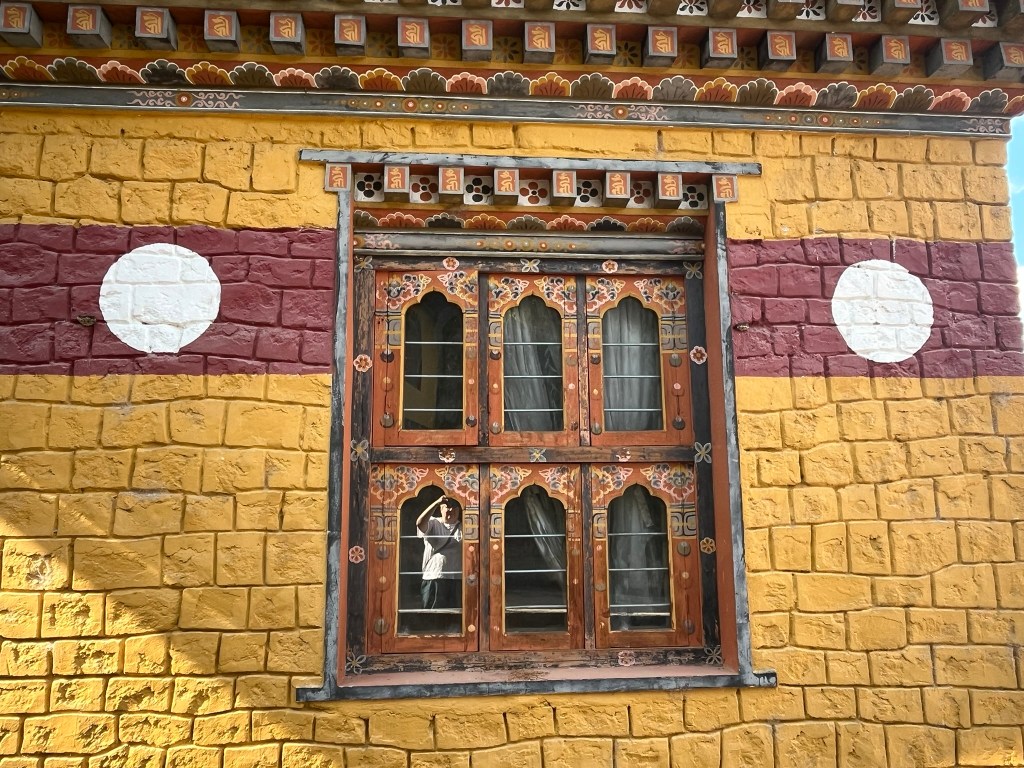
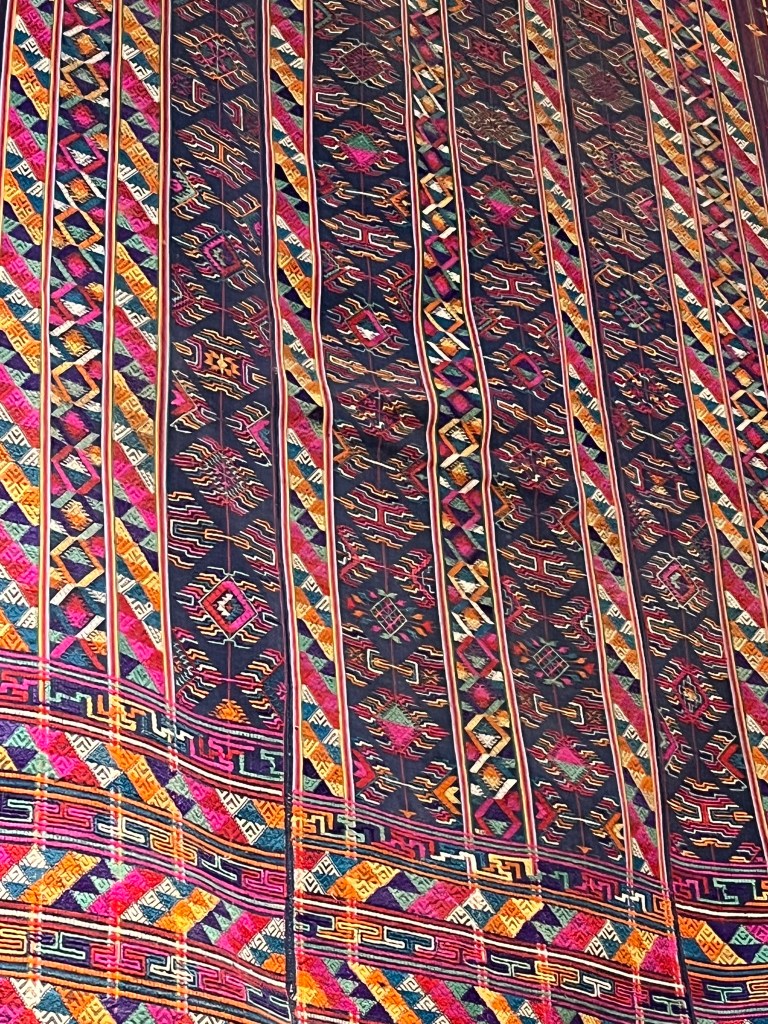
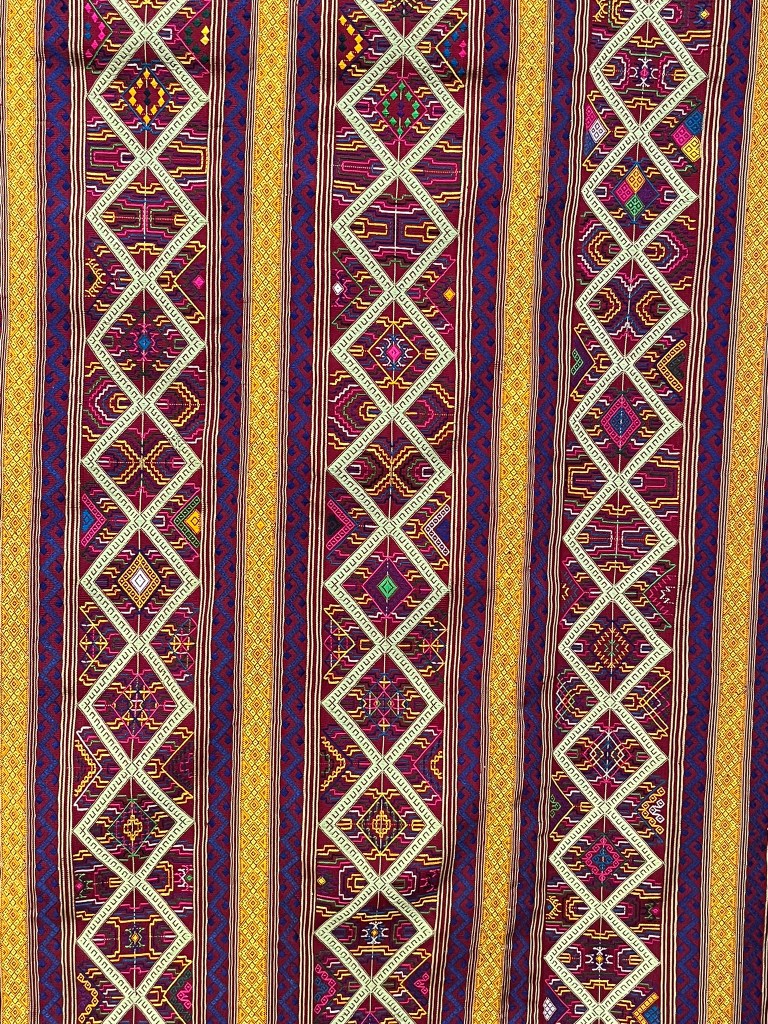
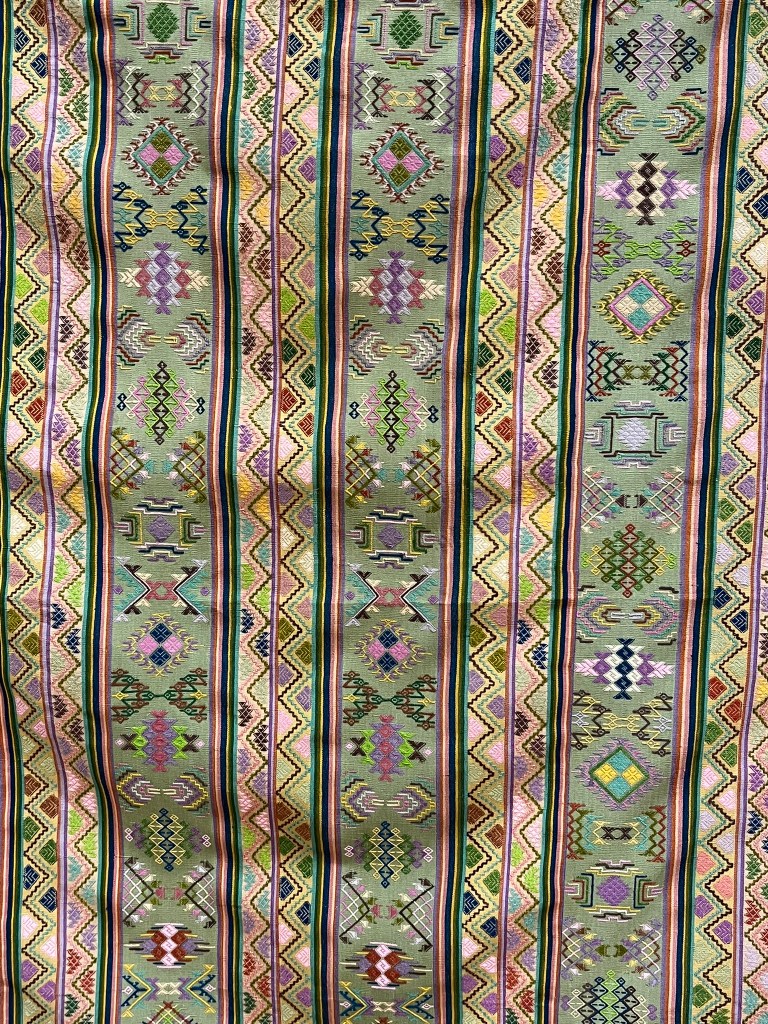
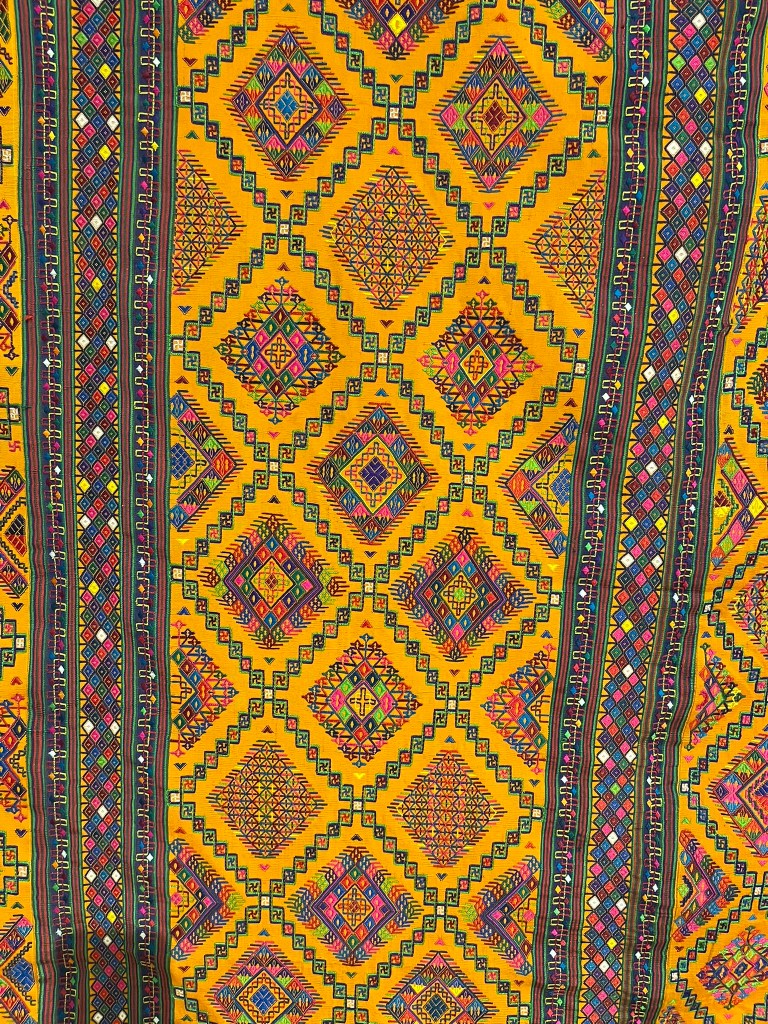
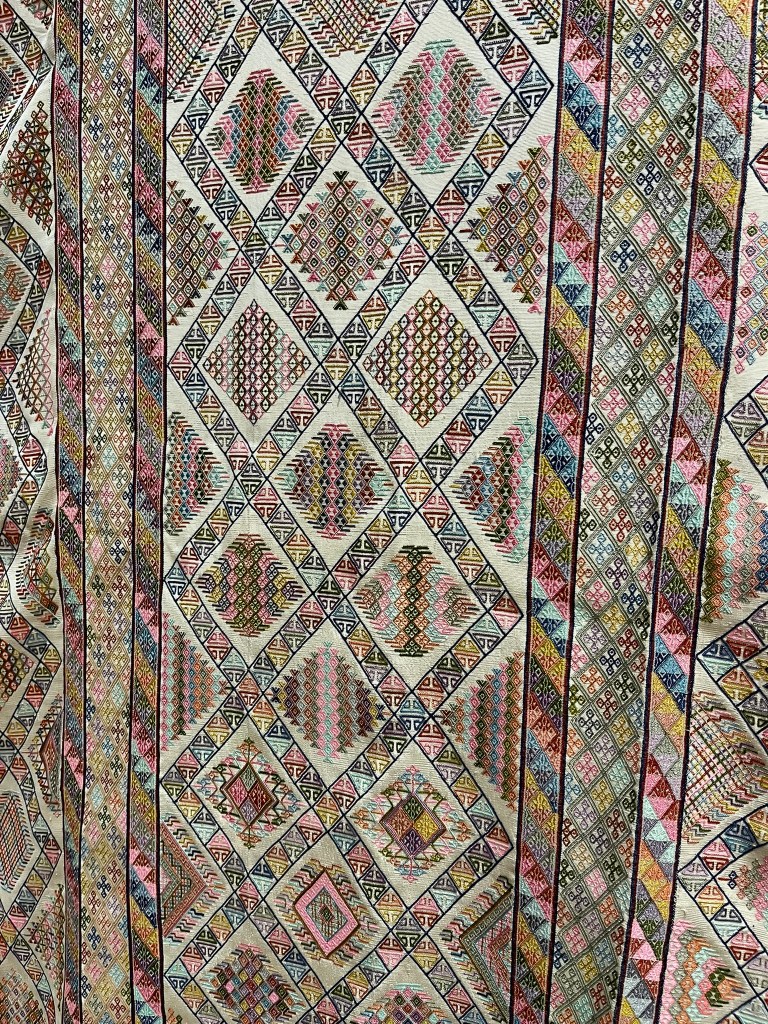
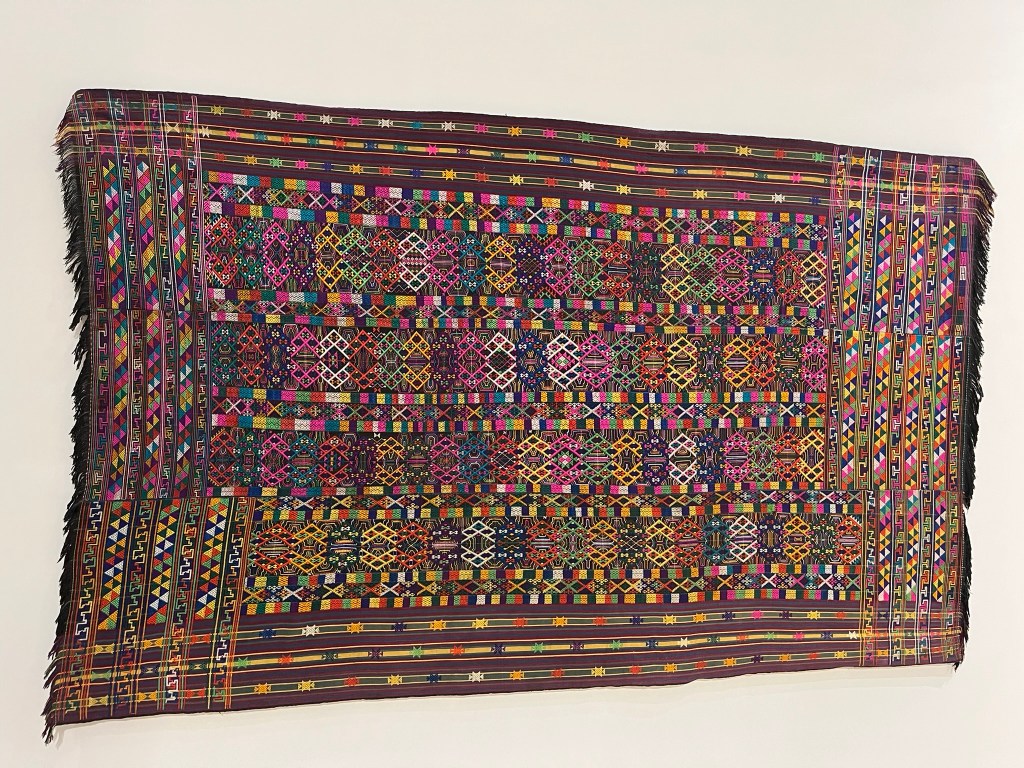
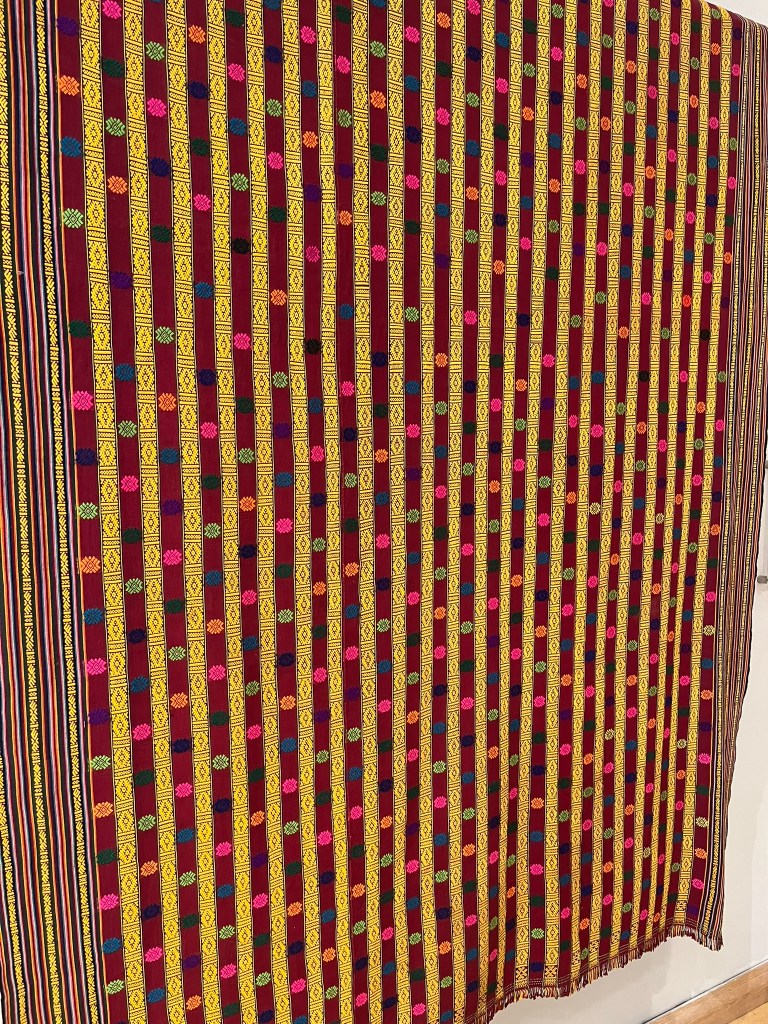
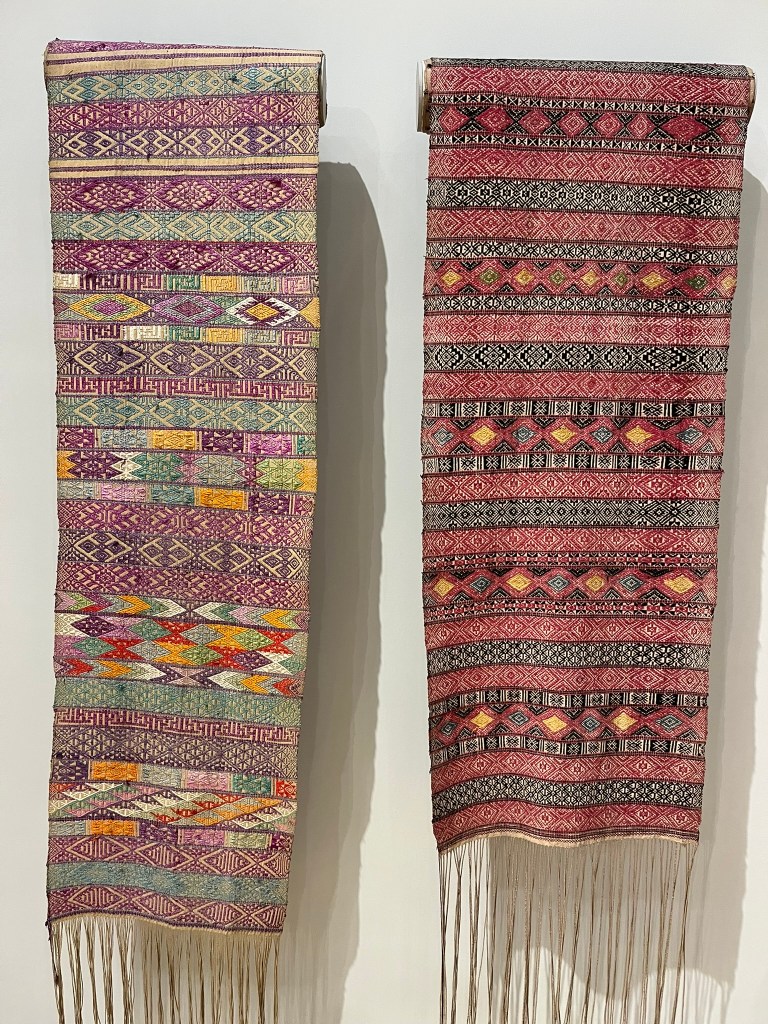
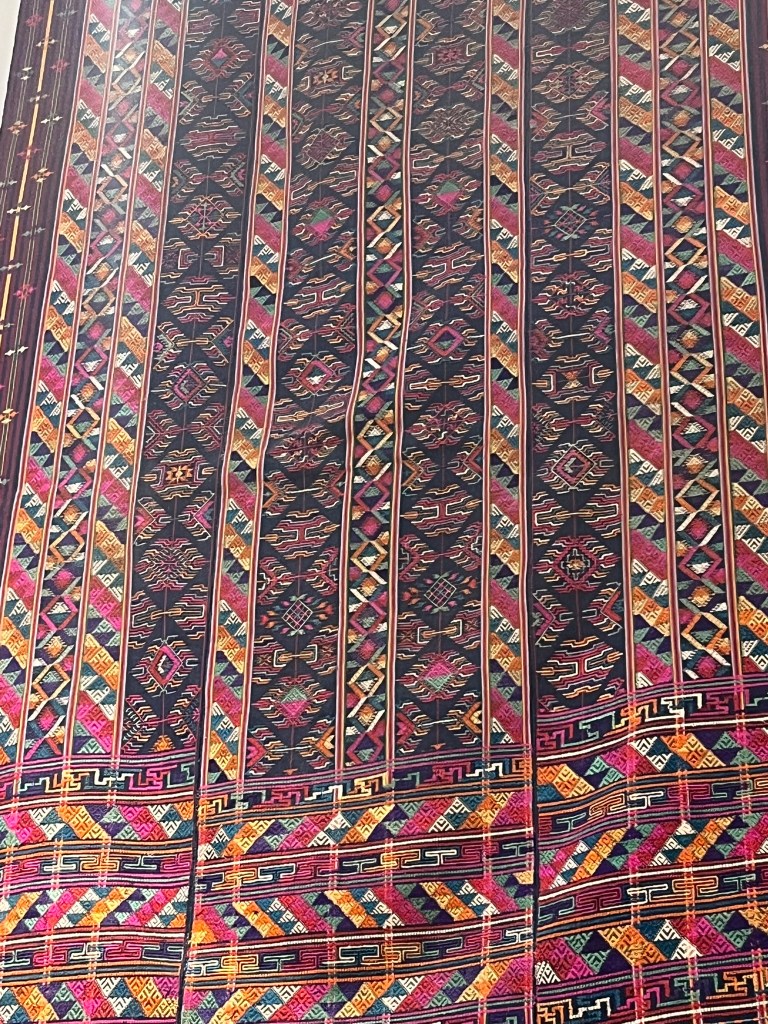
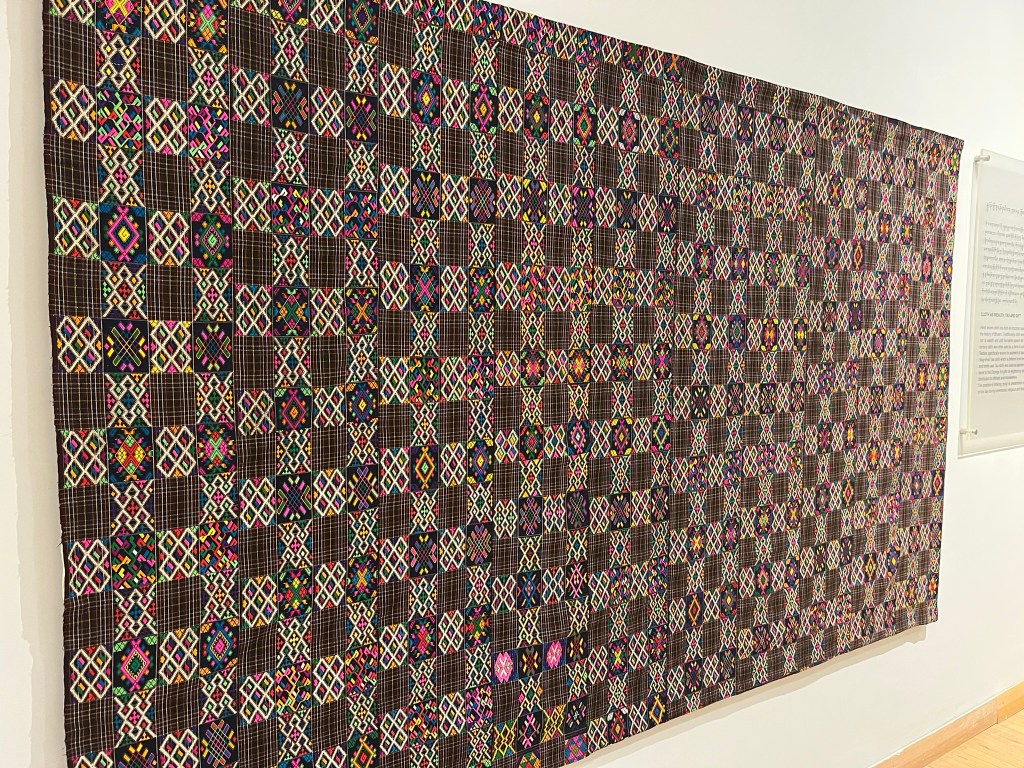
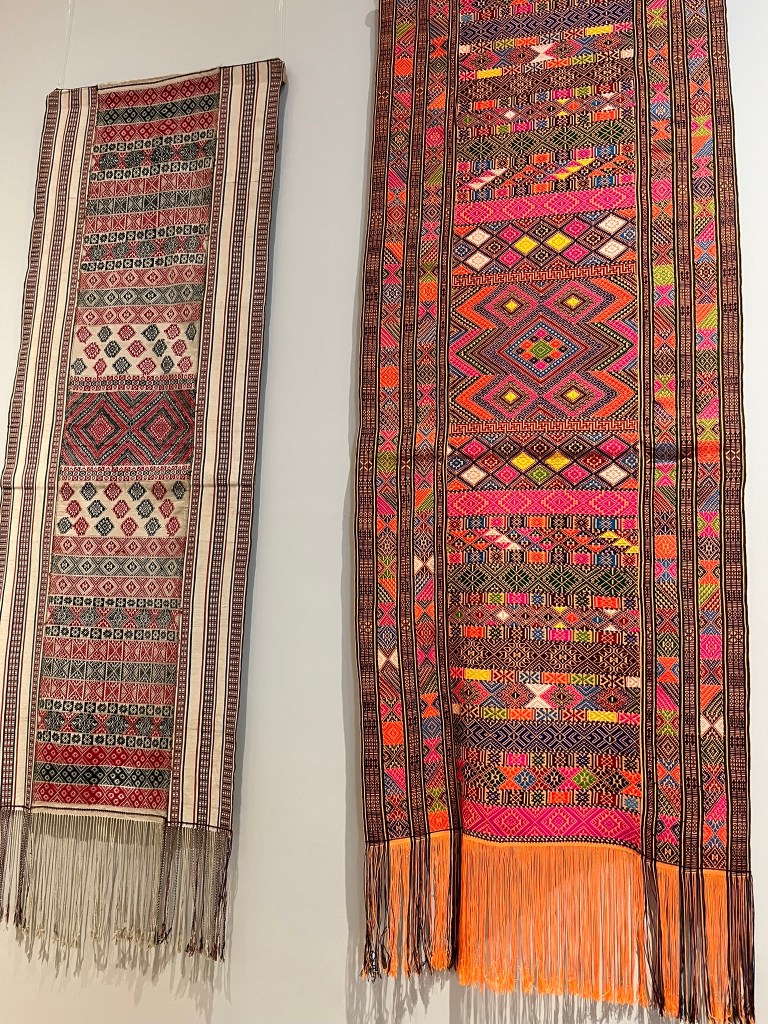
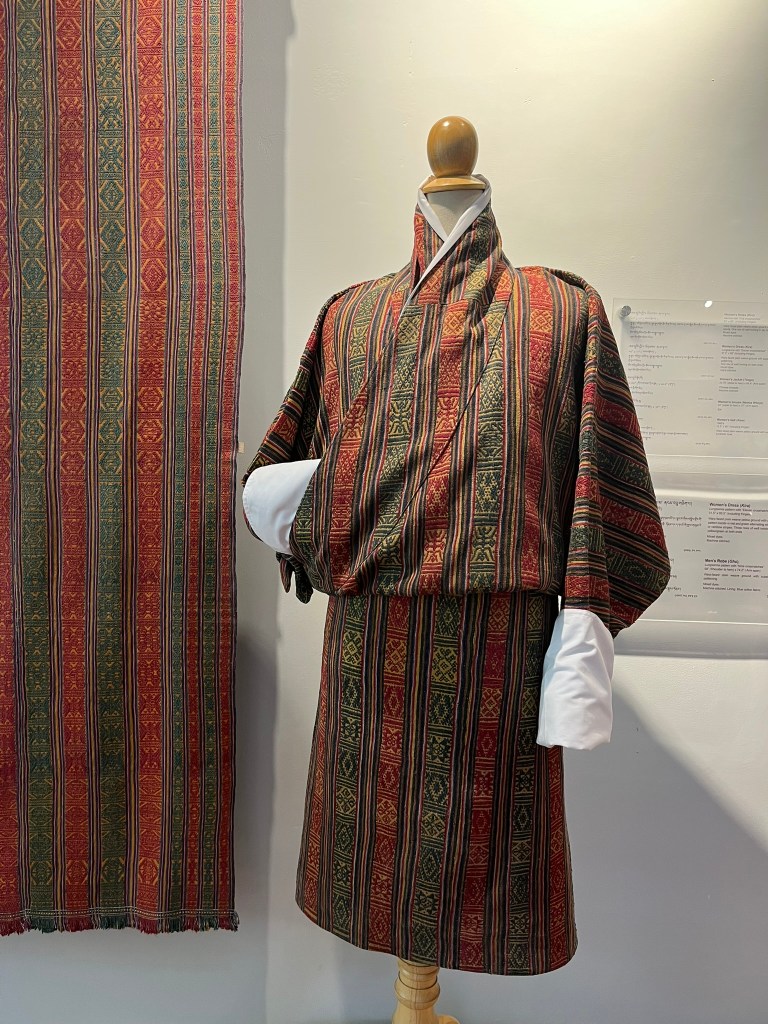
Then we headed to the National Textiles Museum which is a highlight of Thimphu. A video at the beginning did a great job of explaining the supplementary weft weaving technique that is heavily used in Bhutanese textiles and there is an incredible collection of fabric from across Bhutan. Every district in Bhutan has its own weaving patterns, dyes and motifs. The national dress is the gho for men and the kira for women and is worn with great pride by everyone on a daily basis. There was a good video explaining how each garment is worn. And an incredible shop that had beautiful hand woven textiles to buy.

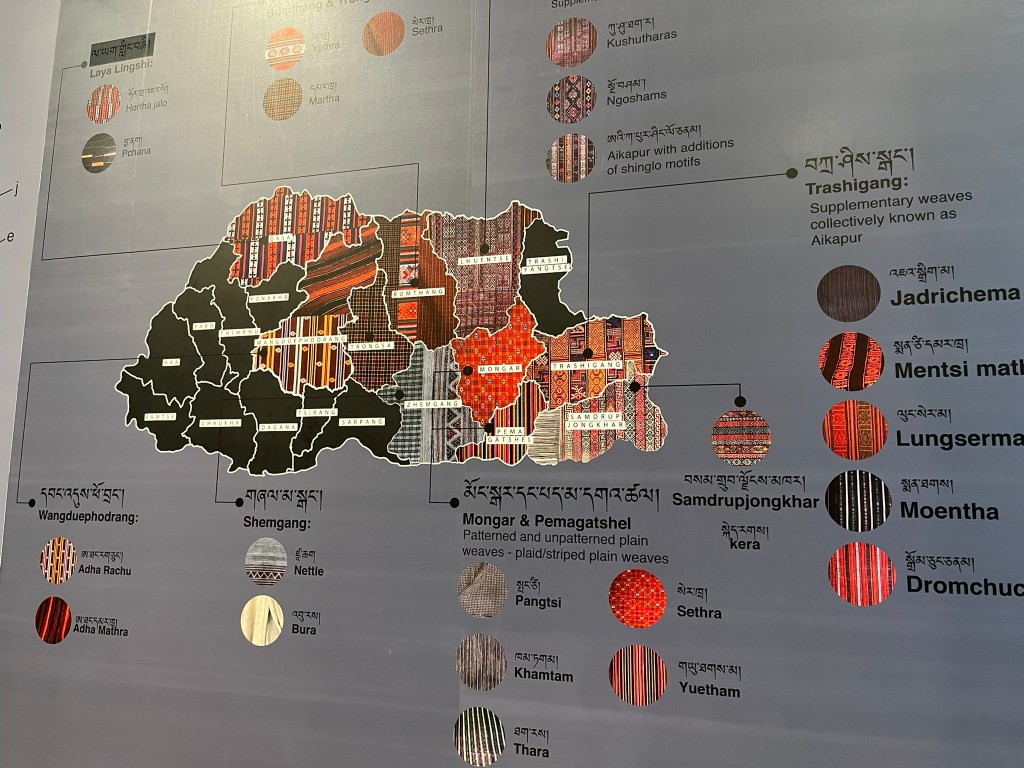
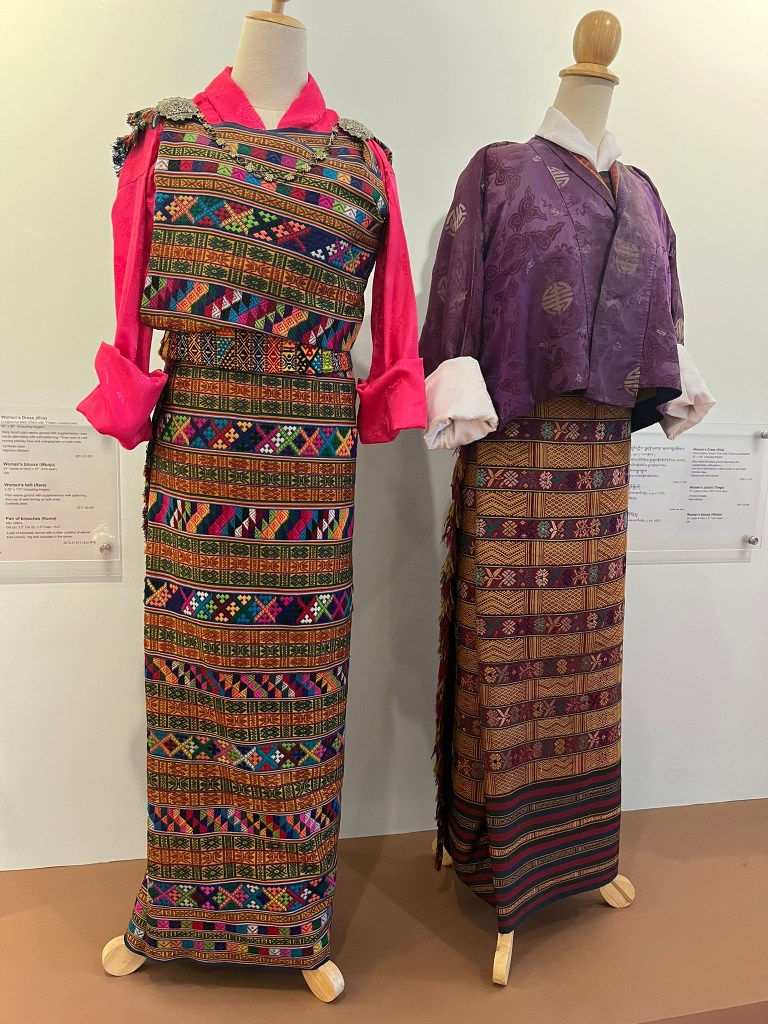

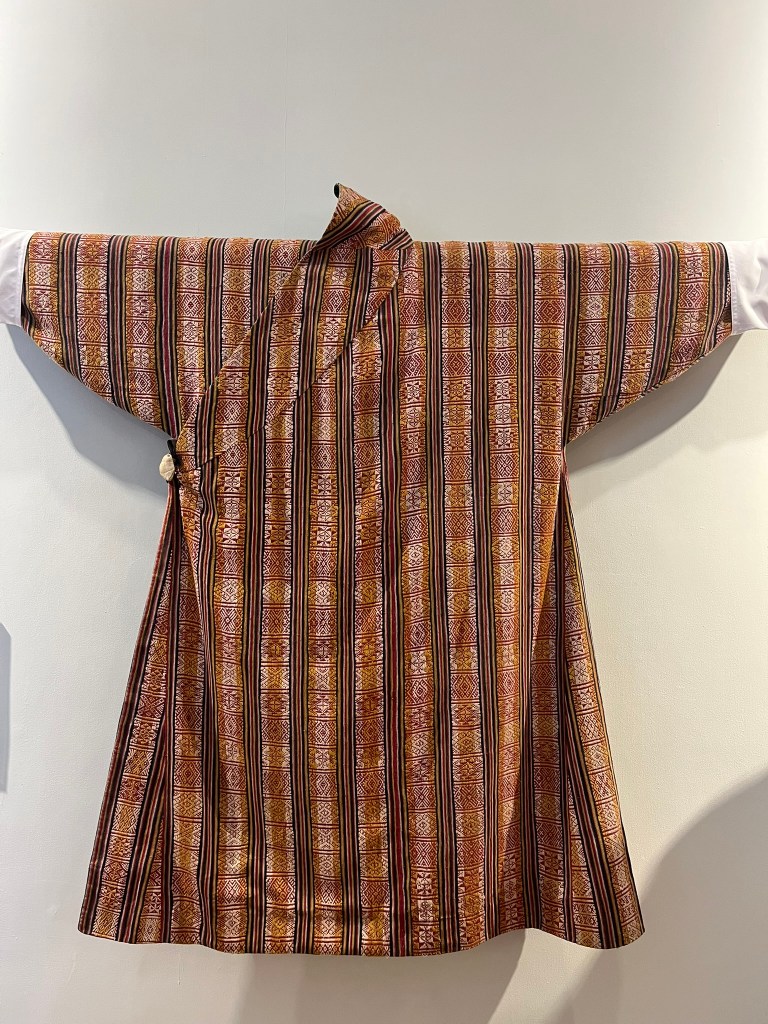
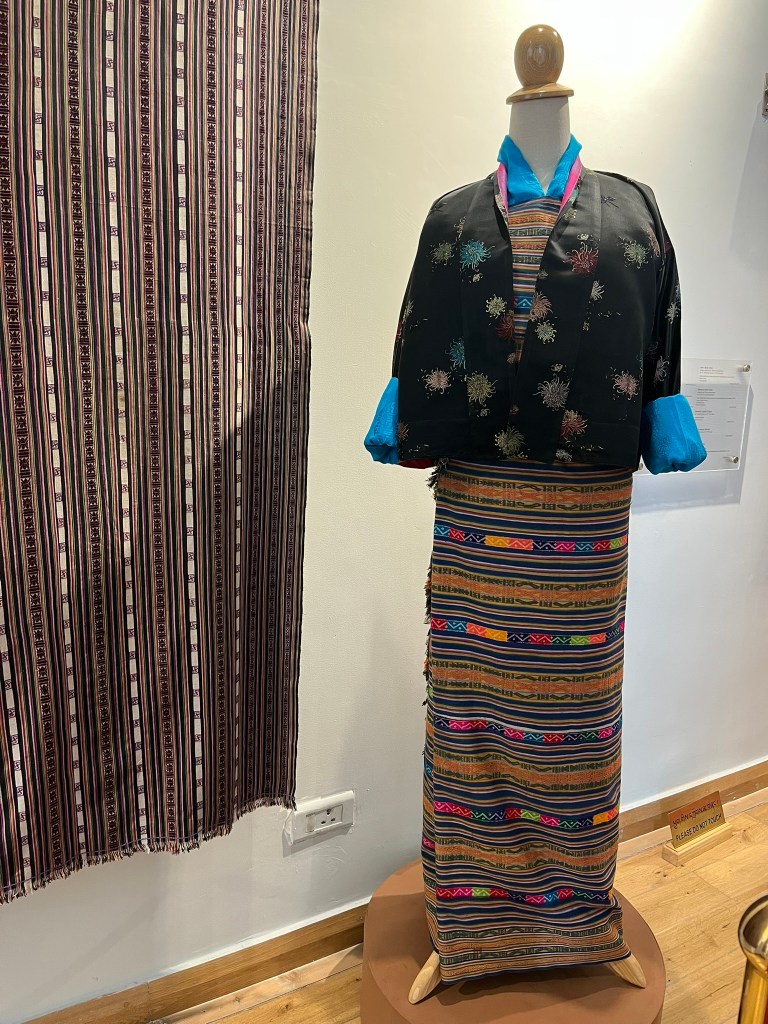
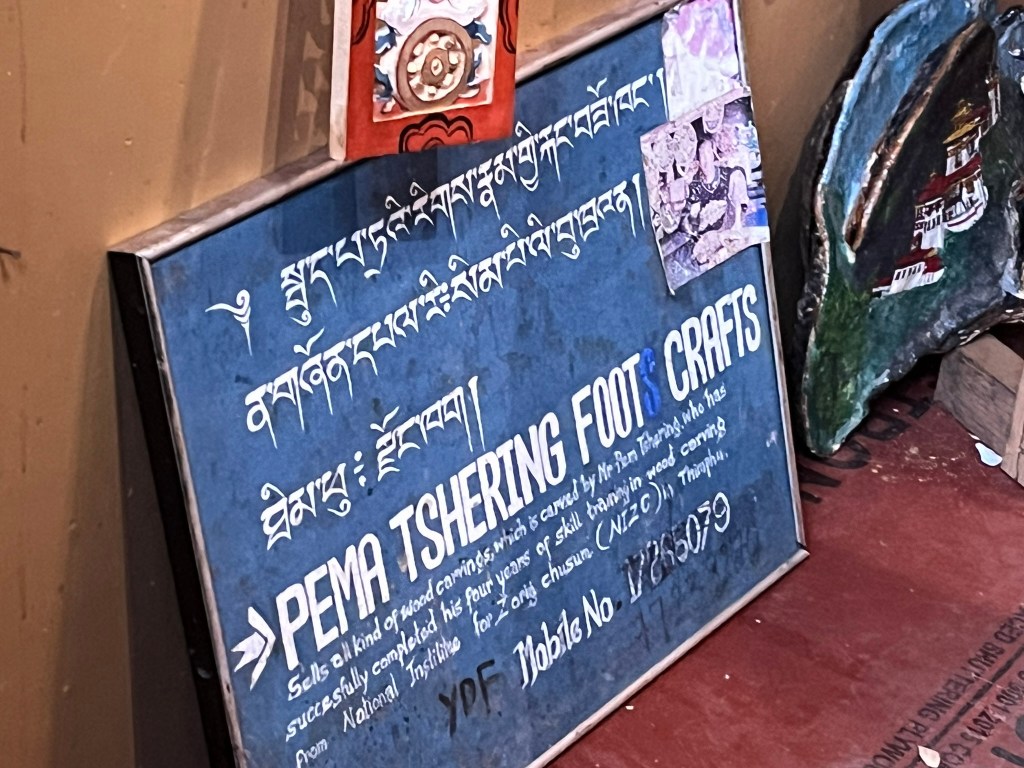
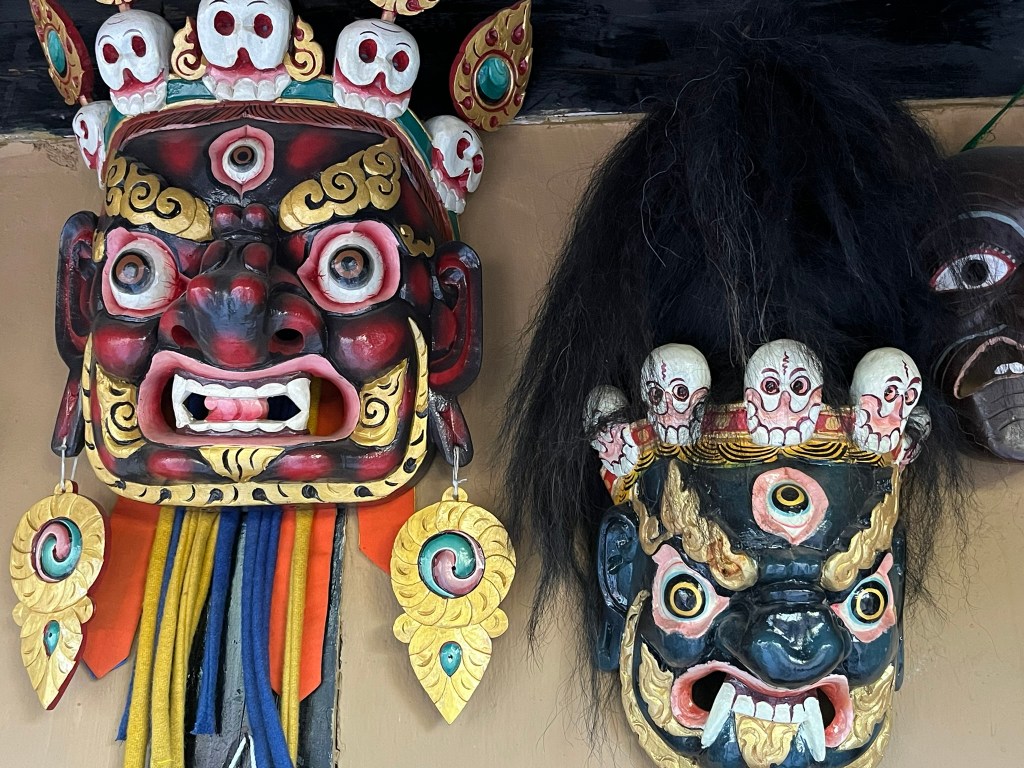
At this point, everyone was quite tired but we had 1 more place to visit today – Simply Bhutan. This is a living museum meant to provide an immersive insight into Bhutanese rural life, architecture, music and food. We began by being offered some Bhutanese wine, something that is always offered when you enter someone’s home in Bhutan. And we blessed the wine before drinking it. It was more like a sake I would say than a wine. We then watched 3 men perform a song and dance that is traditional done during the building of a house. We looked at local music instruments and the masks used during religious festivals. And then we moved into a traditional kitchen and learnt how butter tea is made and what traditional utensils are used. An arts and crafts area allowed us to see traditional wood carving techniques and meet an artist called Pema Rigsel who has cerebral palsy and does incredible wood carving with just his feet. Even more incredibly, he is an amazing archer and has competed at the Paralympic Games.

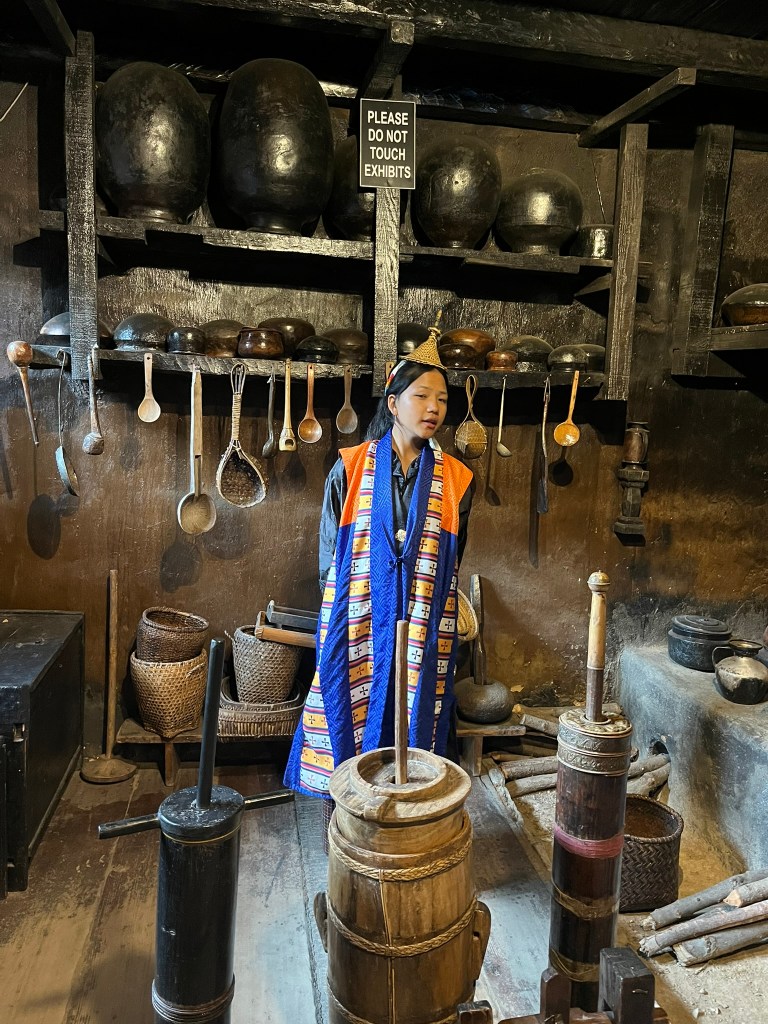
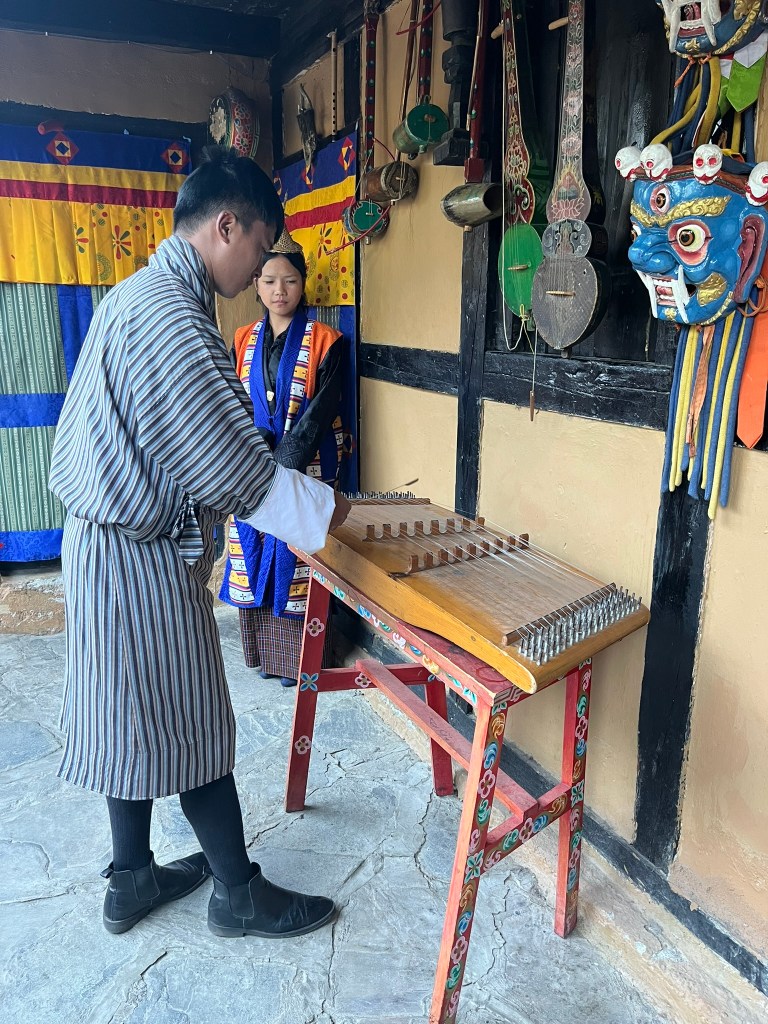
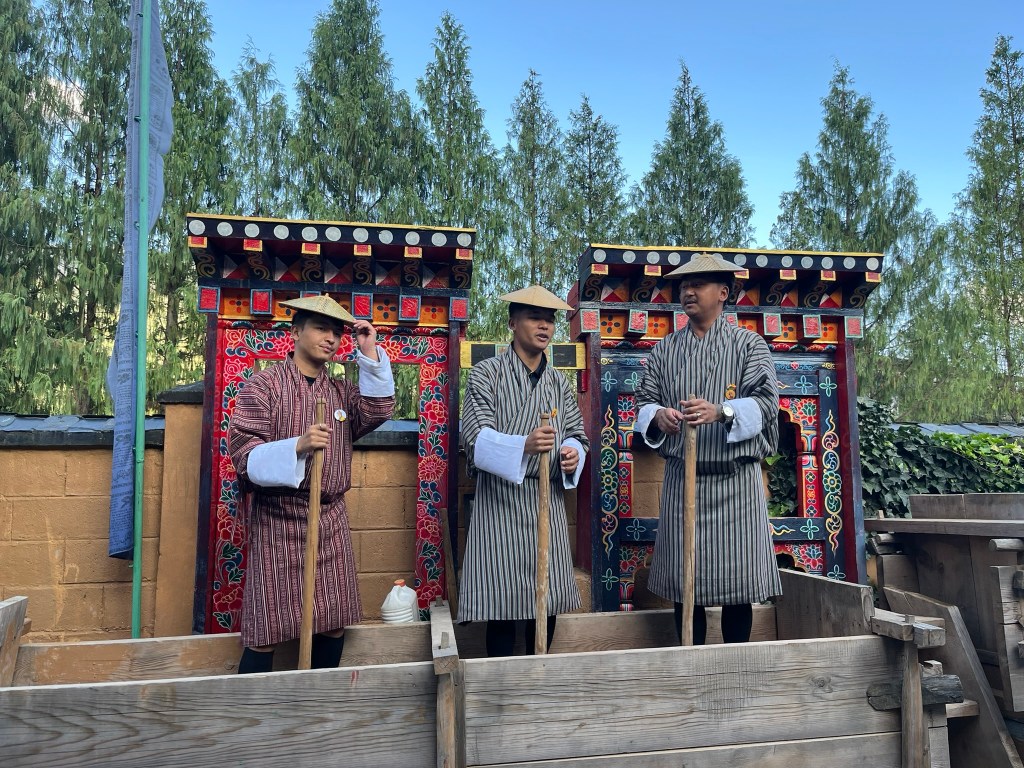
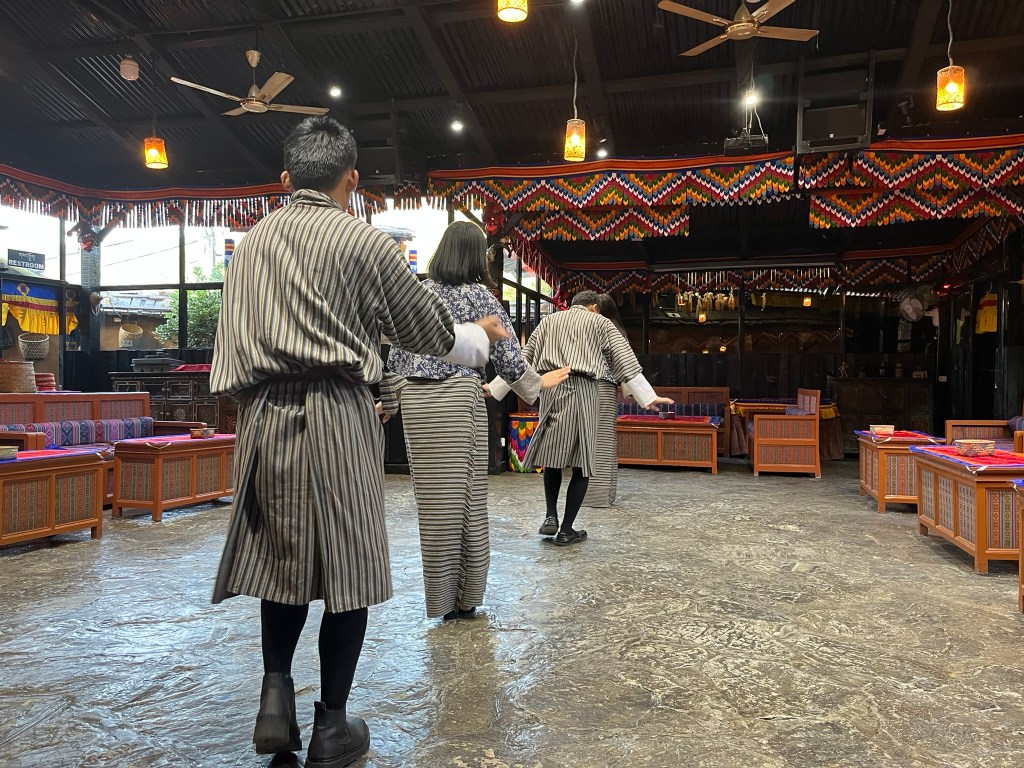
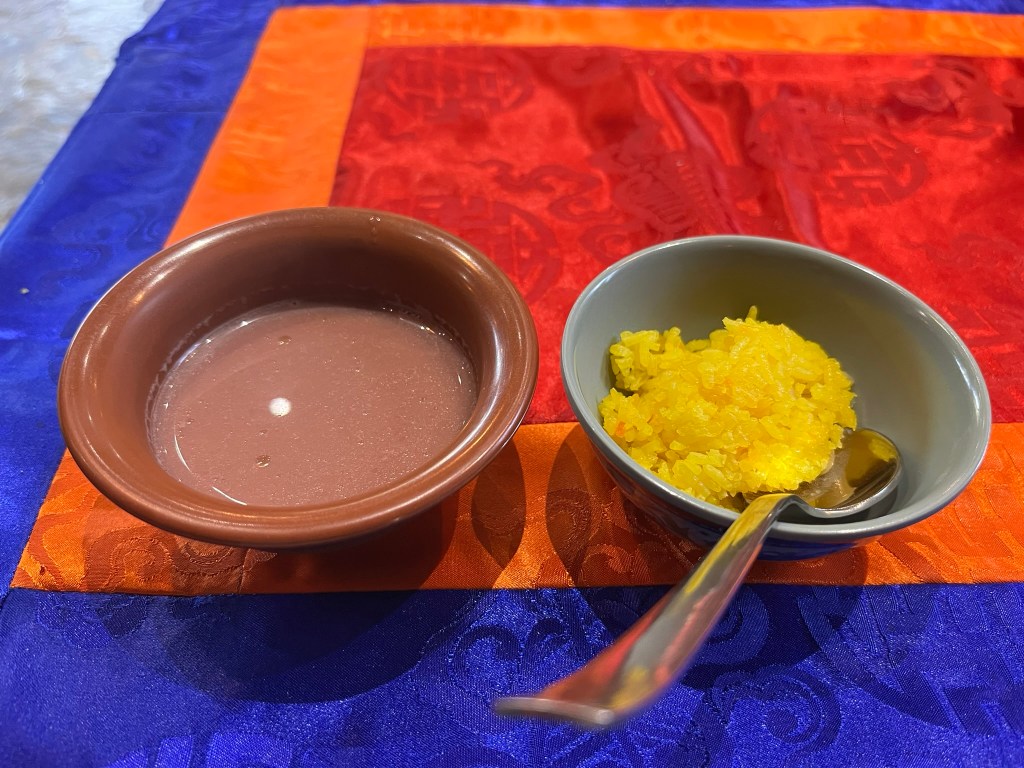
We sat and tried the butter tea we had seen be made, alongside a bowl of saffron-infused sweet rice known as Desi. Surprisingly, I liked this butter tea much more than ones I have had in the past, as in Bhutan they use cow’s milk rather than yak’s milk to make the butter. Whilst we sipped our tea we enjoyed 2 more local dances. To wrap up we tried the national sport of archery!
Day 1 in Bhutan was busy! But surprisingly it didn’t feel rushed and between all of these activities we had plenty of time to shop and enjoy the city. It was a good combination of historical sights and cultural experiences, that started to give an idea of the character and unique identity of the Bhutanese people.
 Colette's Grand Detour
Leave a comment