Our time in Pokhara was a bit of a short whirlwind, but we managed to pack in almost all the activities that were supposed to spread across 1.5 days into one morning, before leaving the city to head to Chitwan National Park.
Pokhara is about 200km west of Kathmandu and lies along the Phewa Lake. It takes around 7 hours drive along the Prithi Highway, winding along the edge of the Trishuli river, or a quick 25 minute flight to reach the city from Kathmandu. It is Nepal’s second largest city and around 600,000 live here and sits at a lower altitude than the capital, giving it a mild subtropical climate. Pokhara is a popular tourist destination, even for Nepalese people, who come here to relax, take a boat road on the lake and shop. And if the weather is good, Annapurna and Fish Tail Mountain provide a stunning backdrop to the city.
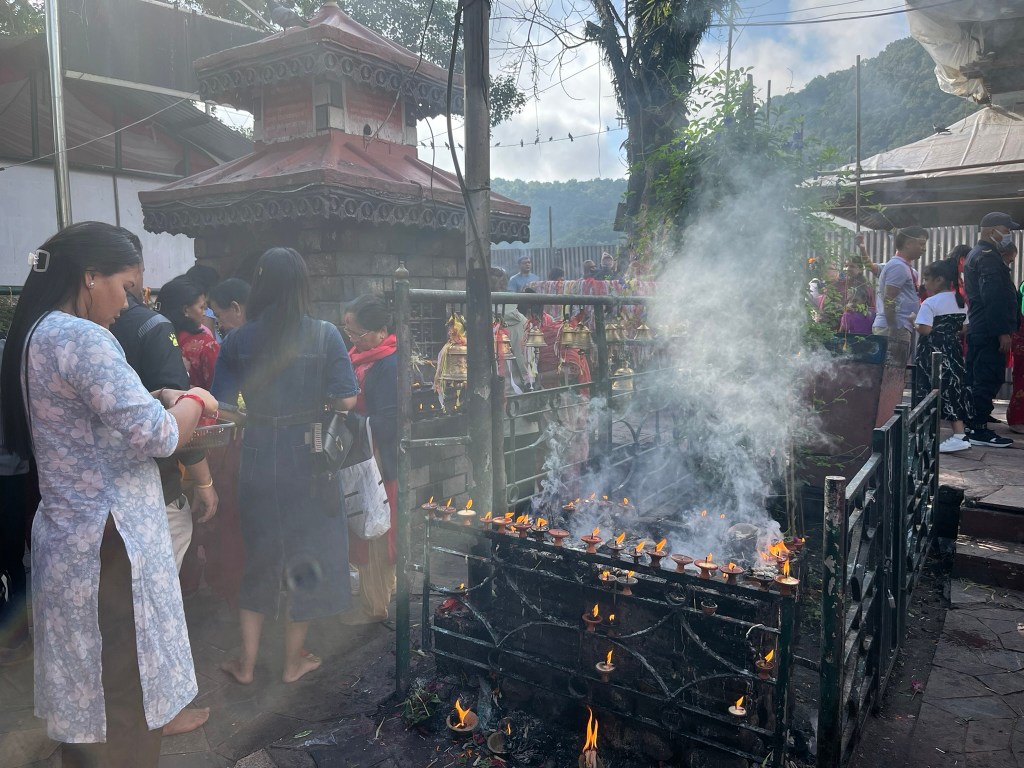
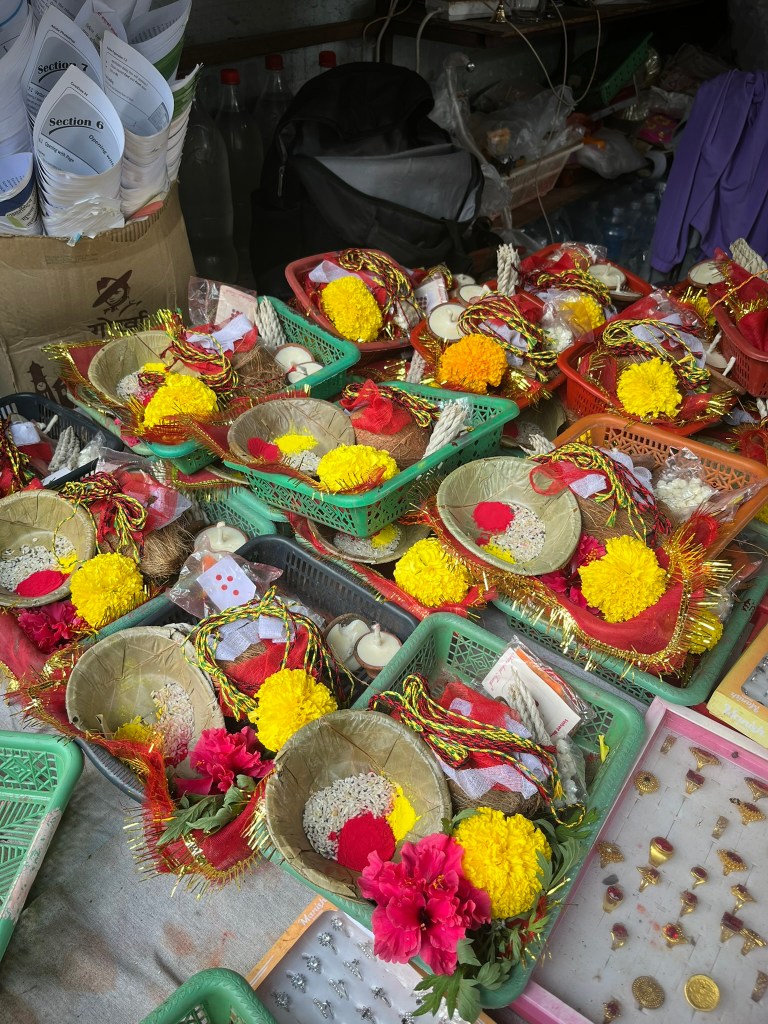
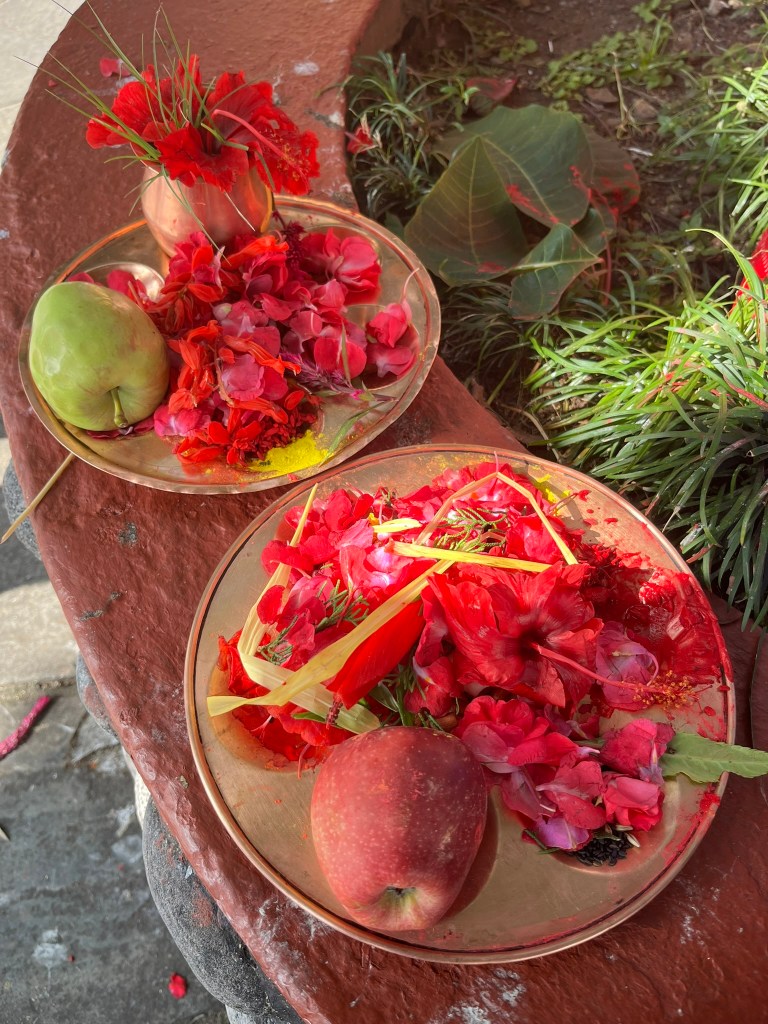
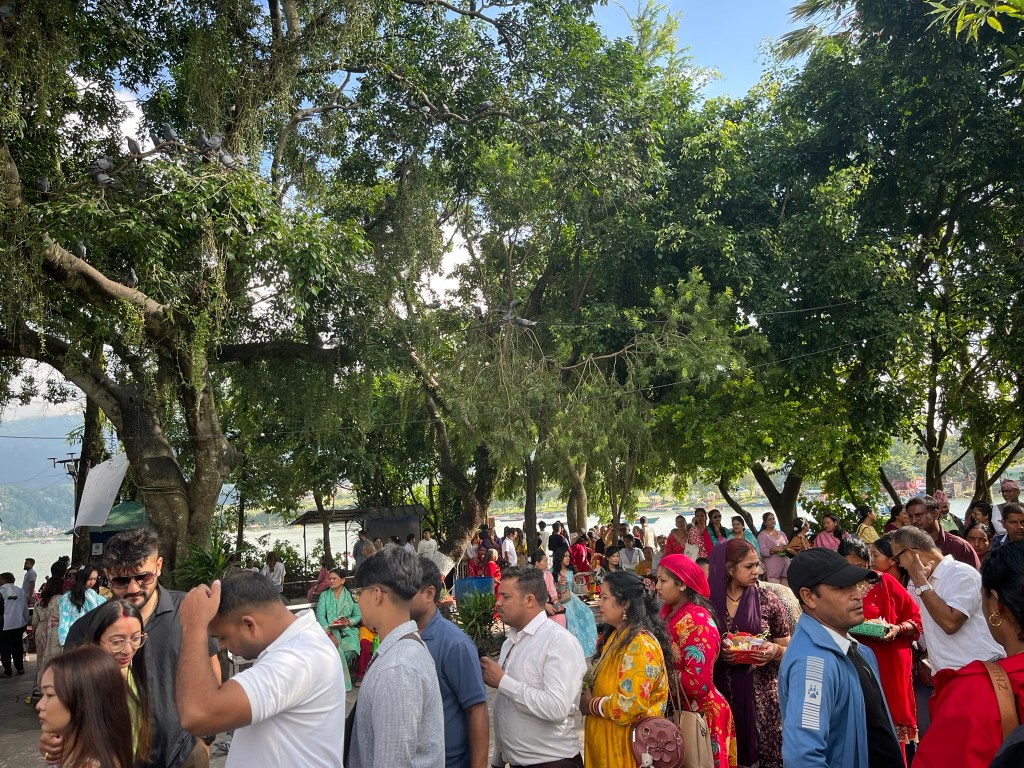
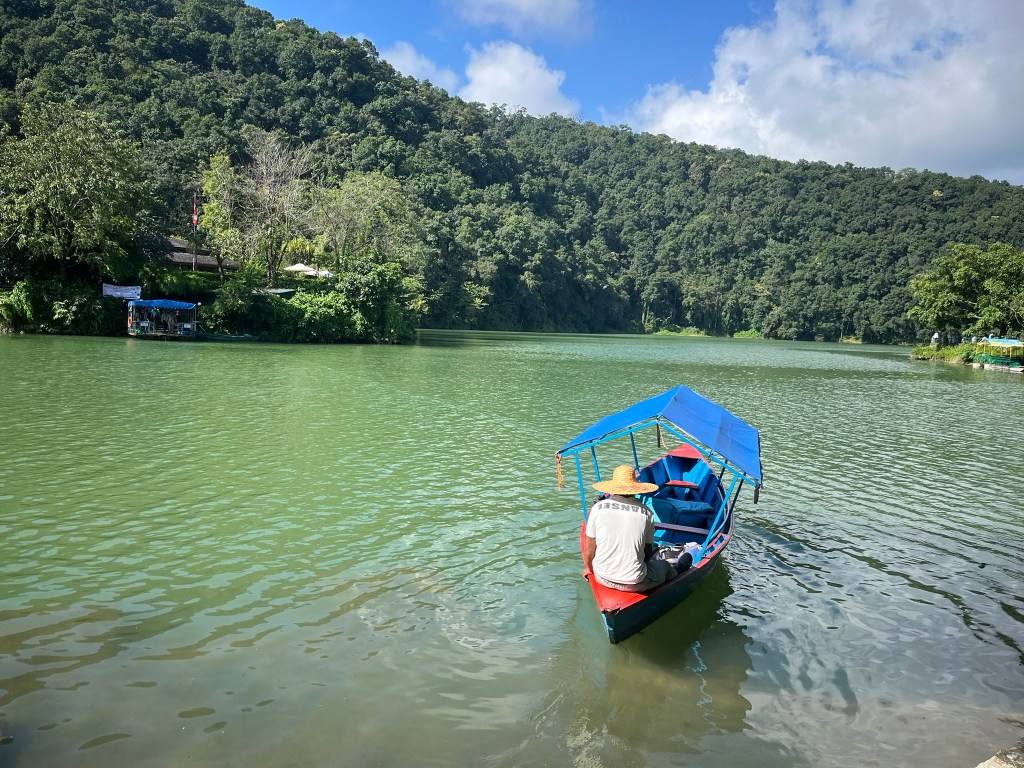
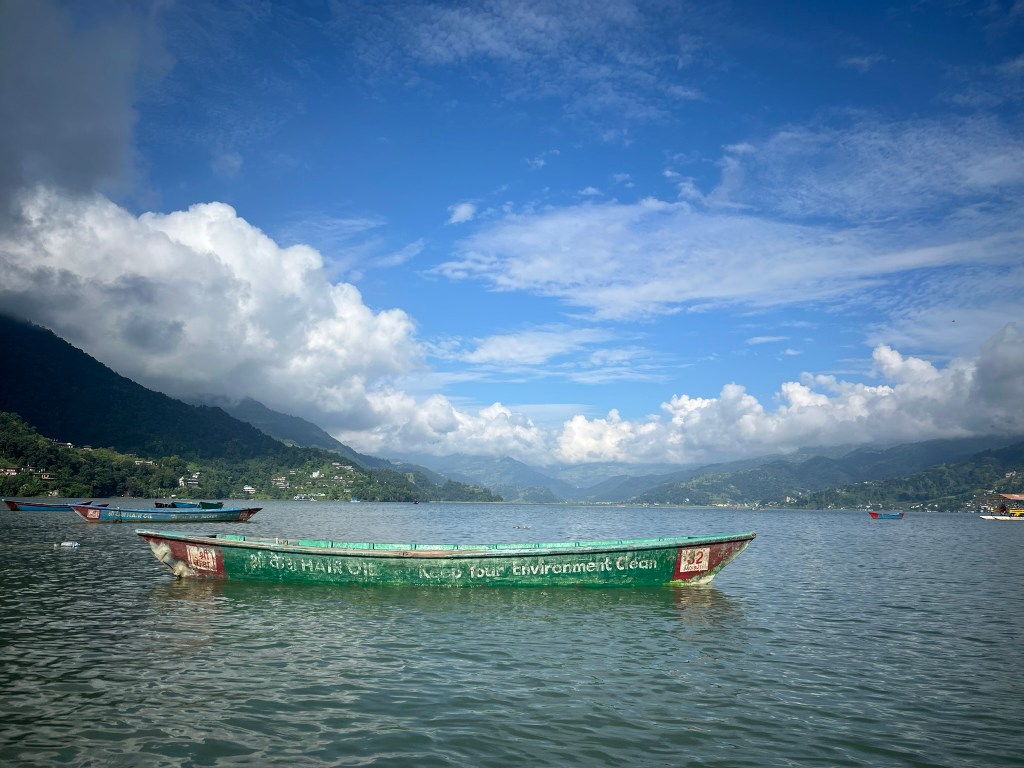
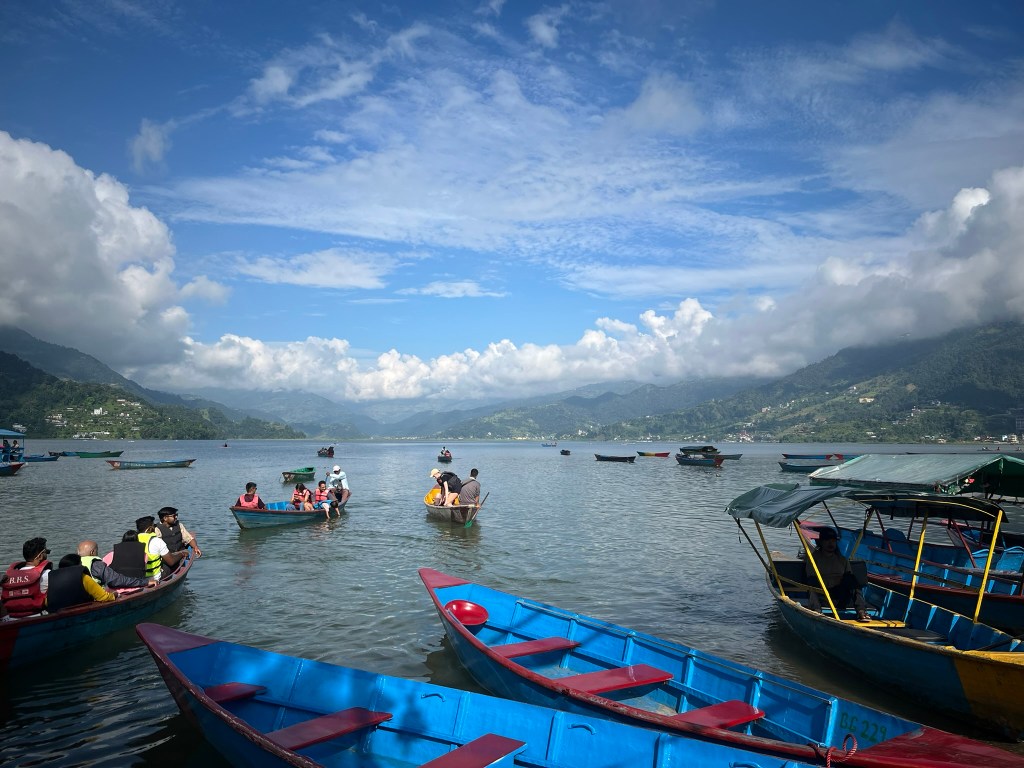
We had a lot of activities to catch up on, due to our delayed arrival. So we started early and headed to Phewa Lake to take a scenic boat ride and visit a small island at the lake’s center where the Barahi Temple is. The island was full of locals queuing up to provide offerings at the temple and our guide joked that if you want a place to become popular in Nepal, just build a temple and people will come. After a quick stop here we headed back out onto the lake away from the crowds to enjoy the scenery.
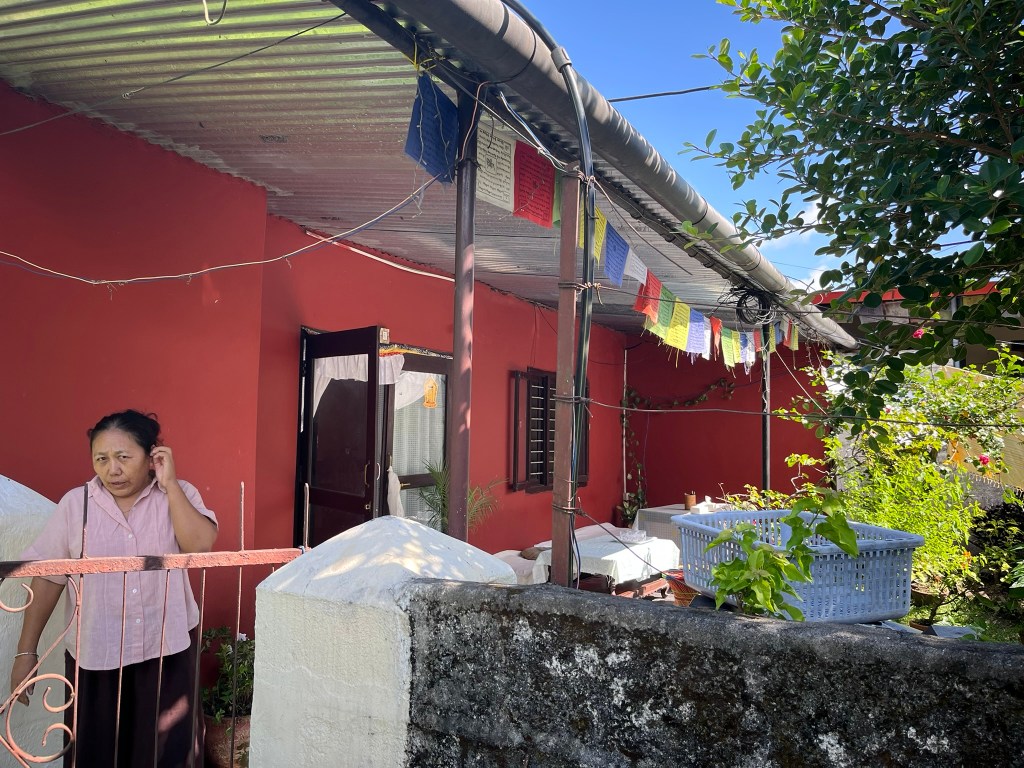
Next up we visited one of the Tibetan refugee villages that has been established in Pokhara since the 60’s when Tibetans fled over the Himalayas into Nepal after the 1959 uprising. Over the decades Nepal has established refugee settlements all over the country to house and support the community. The villages aim to preserve the Tibetan’s cultural identity and even the houses in the village are built in a Tibetan style rather than the apartment blocks that the Nepalese favor. We spent some time in the small museum and carpet weaving shop and then visited the lady who we were supposed to have a momo cooking class with the day before, before the weather changed our plans. We sat and chatted with her for a little while as she prepared the ingredients for a group that would be having a cooking class with her later that afternoon.
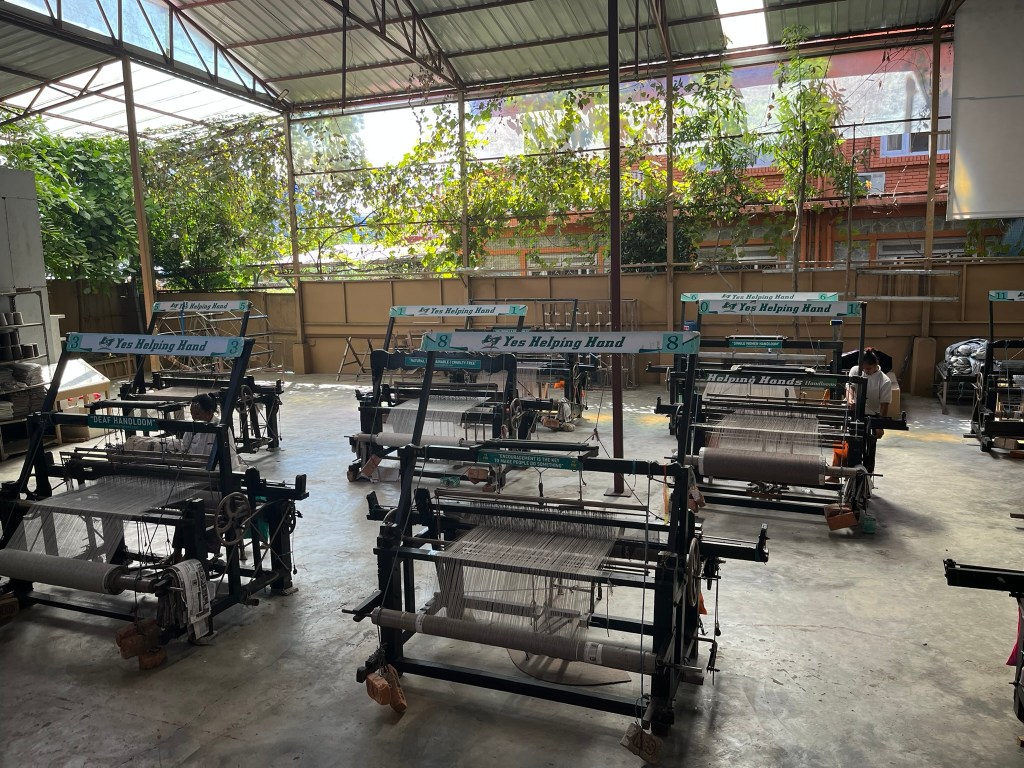
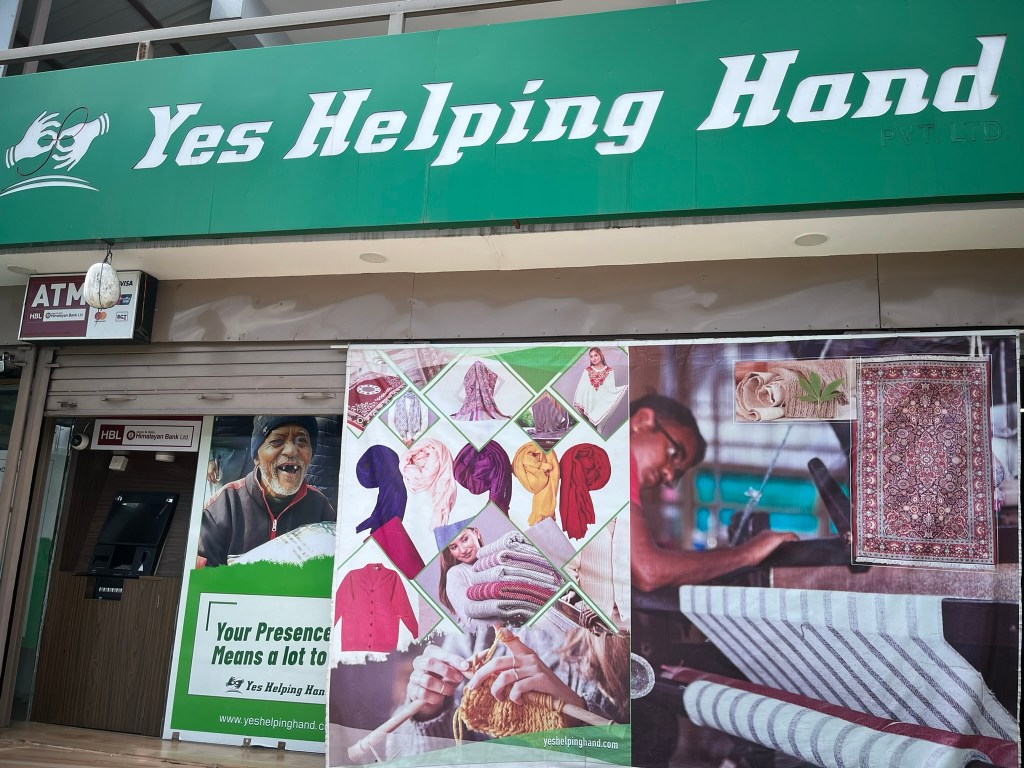
We then headed to a local social enterprise called Yes Helping Hands that supports marginalised communities to become economically independent. The enterprise produces handicrafts like cashmere products using locally sourced materials. They train and hire differently-abled individuals including deaf and blind people as well as single mothers, providing shelter, food and a safe environment whilst they are being trained. The individuals can then choose whether to go out and start their own business with their new skills or work within the Yes Helping Hands organisation. Inside the center they had looms for weaving textiles and carpets. Sewing stations for constructing garments. And areas for handicrafts and paintings. I love places like this as when you buy products from the shop you know you are directly helping sustain someone’s livelihood.
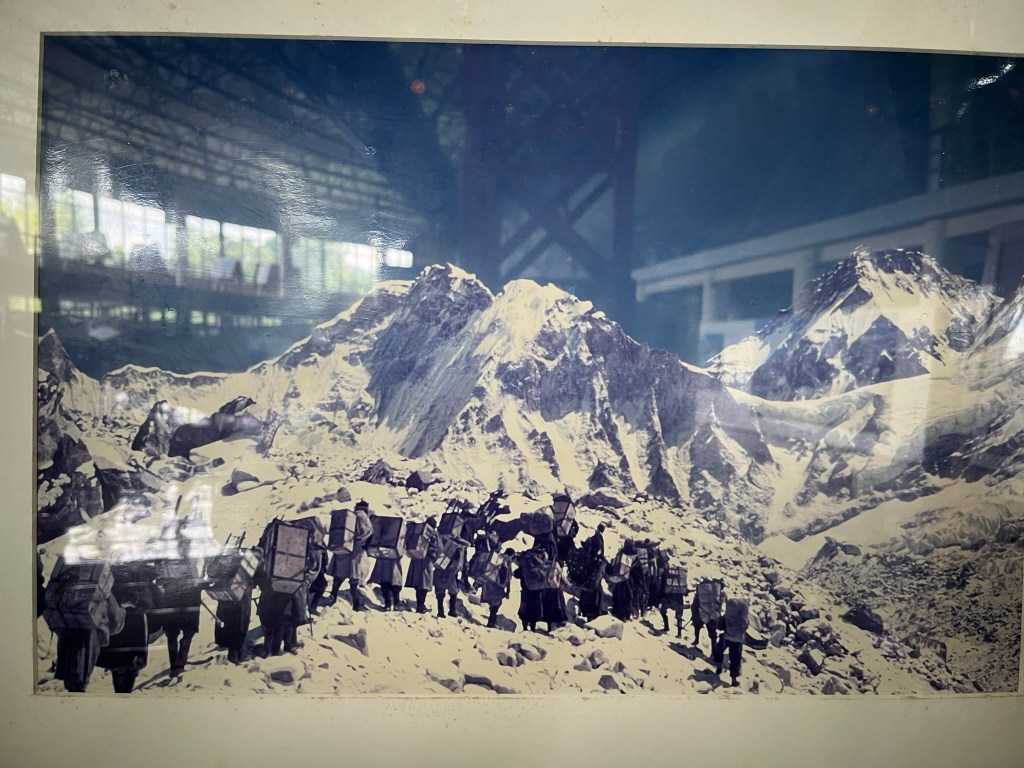
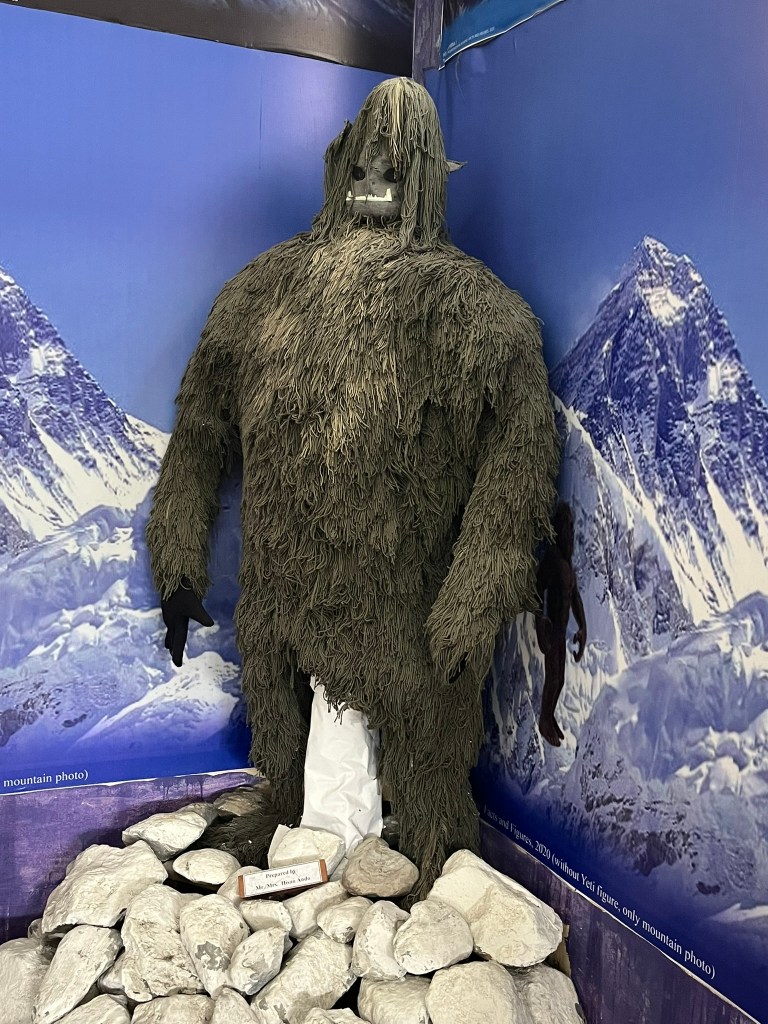
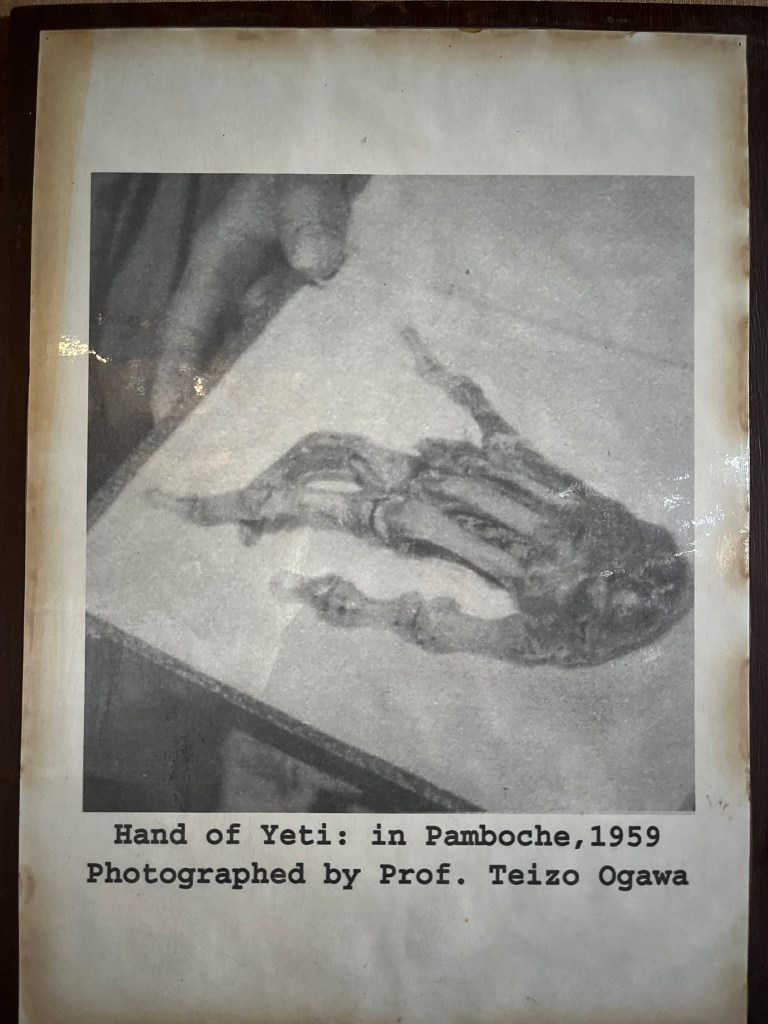
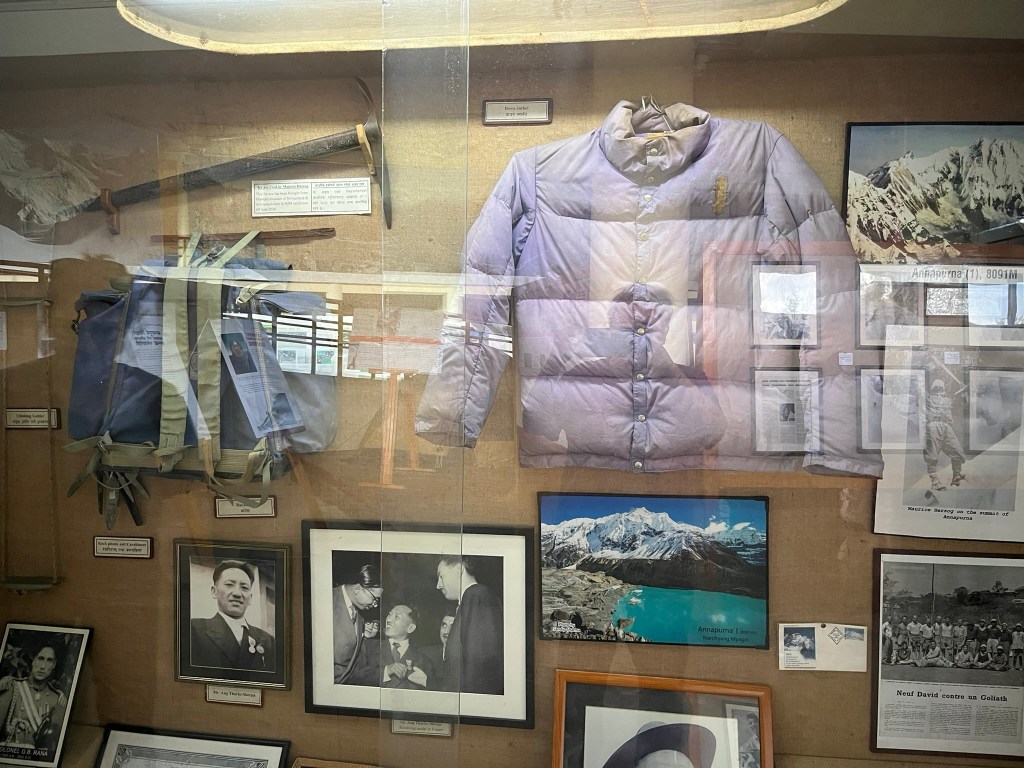
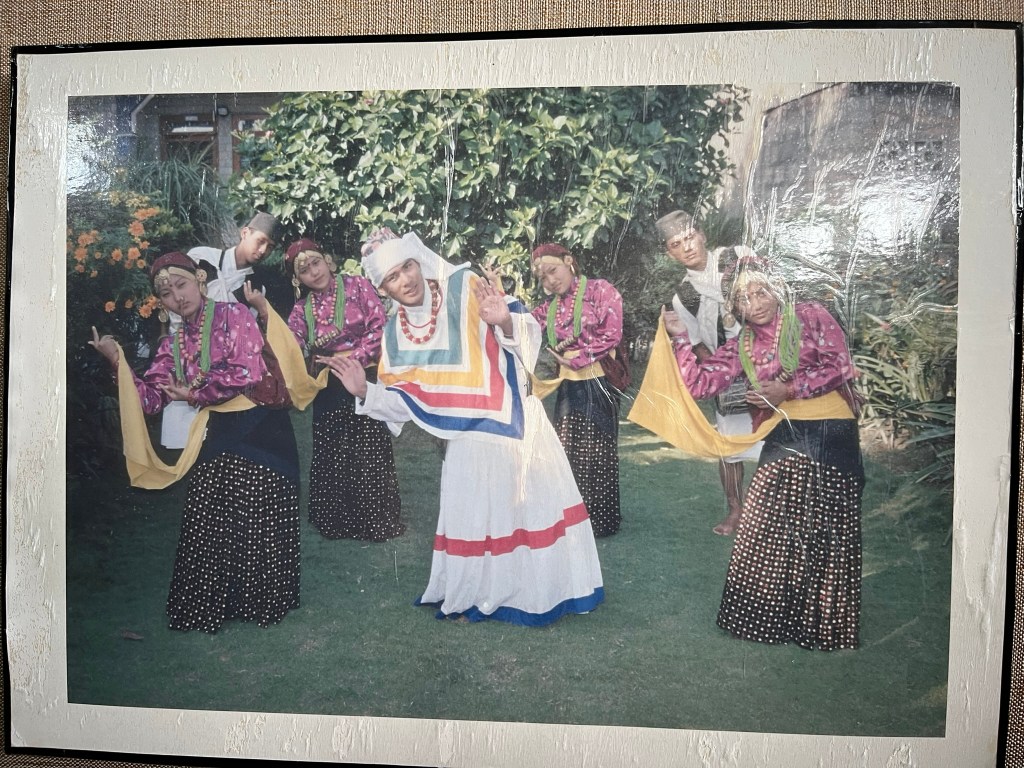
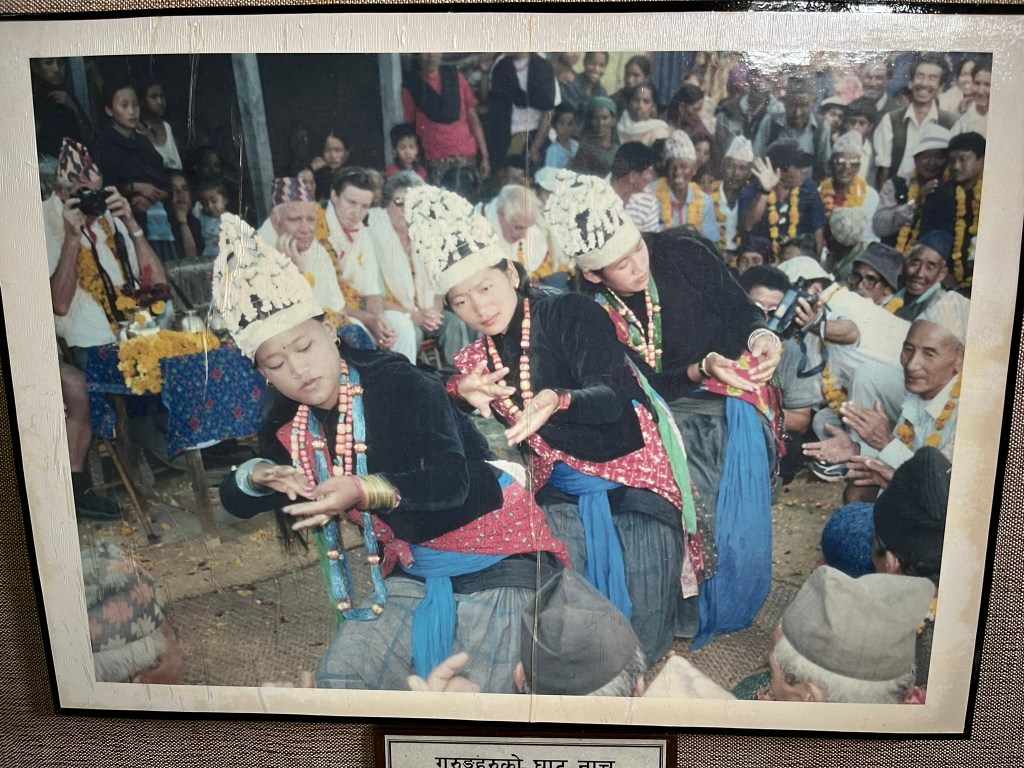
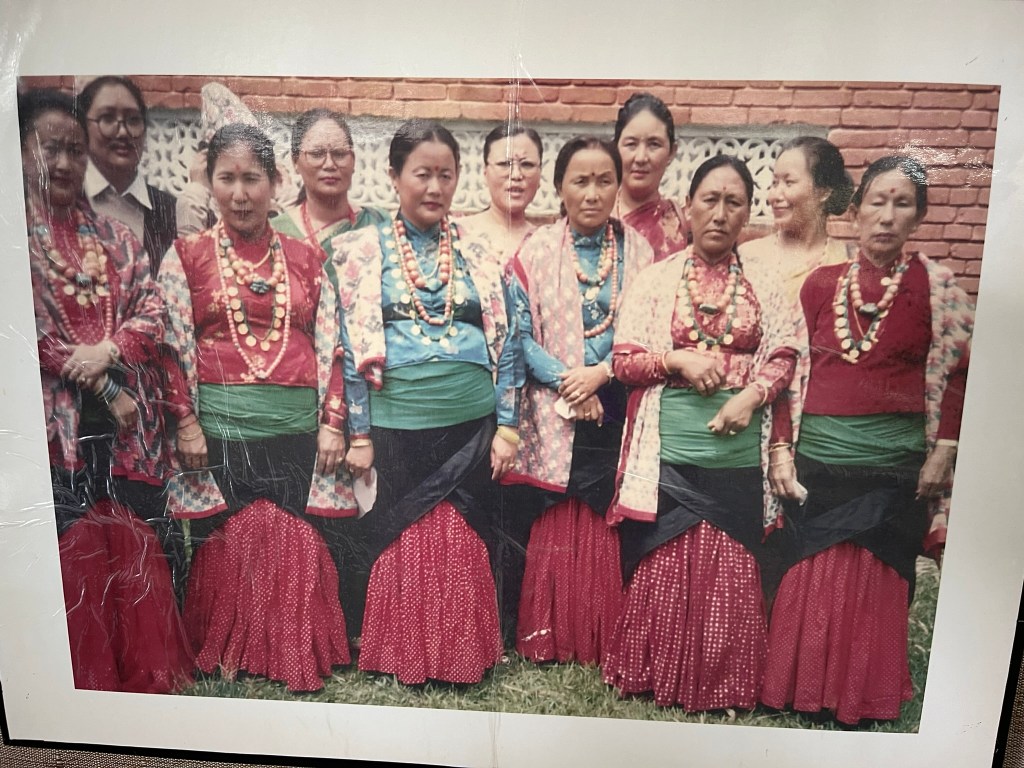
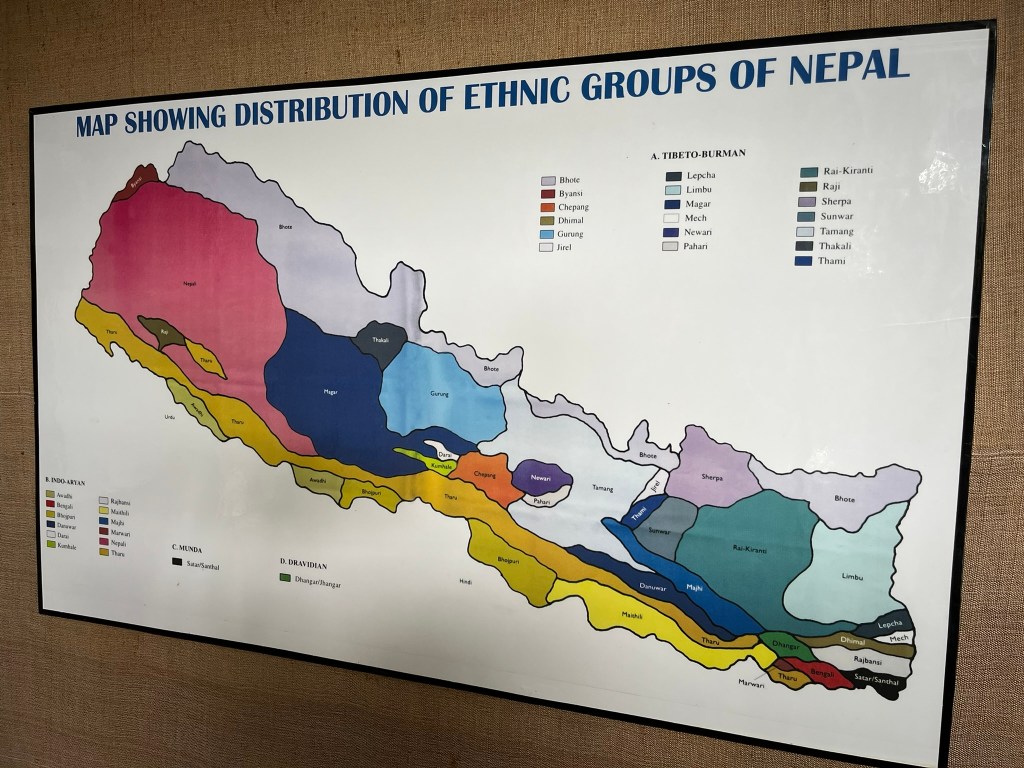
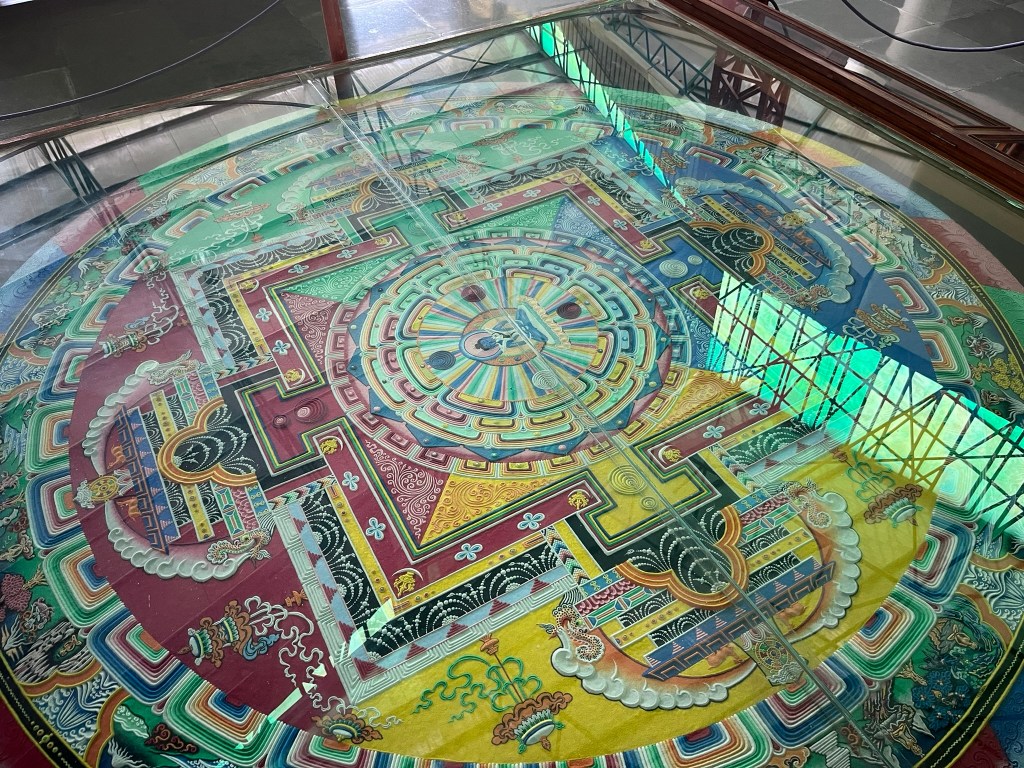
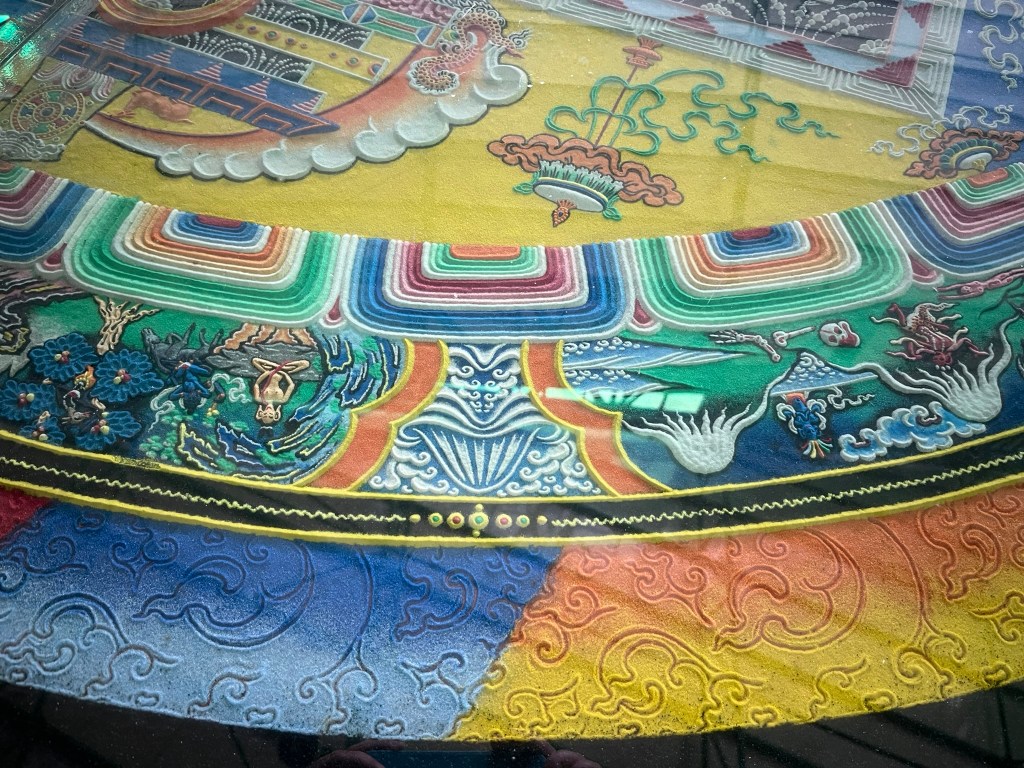
Our final stop in Pokhara was the International Mountain Museum, which is dedicated to showcasing the history, culture, environment and mountaineering heritage of the Himalayas. Its quite a big museum, with an interesting section on the ethnic groups that live in the mountains, a section on the geography of the region and of particular interest historical incidents like floods and glacial outbursts and even a section on evidence of the Yeti, including a terrible model of what it might look like. At the entrance it had an exceptional example of a sand mandala, with some crazy detail.



So that wrapped up our very short time in Pokhara. I think I am actually glad we had extra time in Kathmandu as I found spending more time in Bhaktapur and the chance to visit Patan more interesting than the places we visited in Pokhara. However, I think that is partly because I had already spent quite a bit of time in the mountains during my Tibet trip, so I didn’t feel like I was missing out on that part of the itinerary. If you were just coming to Nepal, getting a glimpse of the mountains that make the country so famous would understandably be high on the list of priorities.
 Colette's Grand Detour
Leave a comment