Today we hit UNESCO sites 5 and 6 of Kathmandu Valley; Bhaktapur Durbar Square and Changu Narayan Temple. Actually Changu was not on our itinerary but I was keen to see all 7 sites, so enquired if it would be possible to visit the temple on our way to our hotel, which tonight would be in the small town of Nargakot, perched high up on one of the hill stations surrounding Kathmandu Valley. The intention was to see the sunset in Nargakot and look down upon the three cities of the valley, however the cloudy weather suggested we would see very little and a bit of extra time taking in the cultural sites would be time well spent.
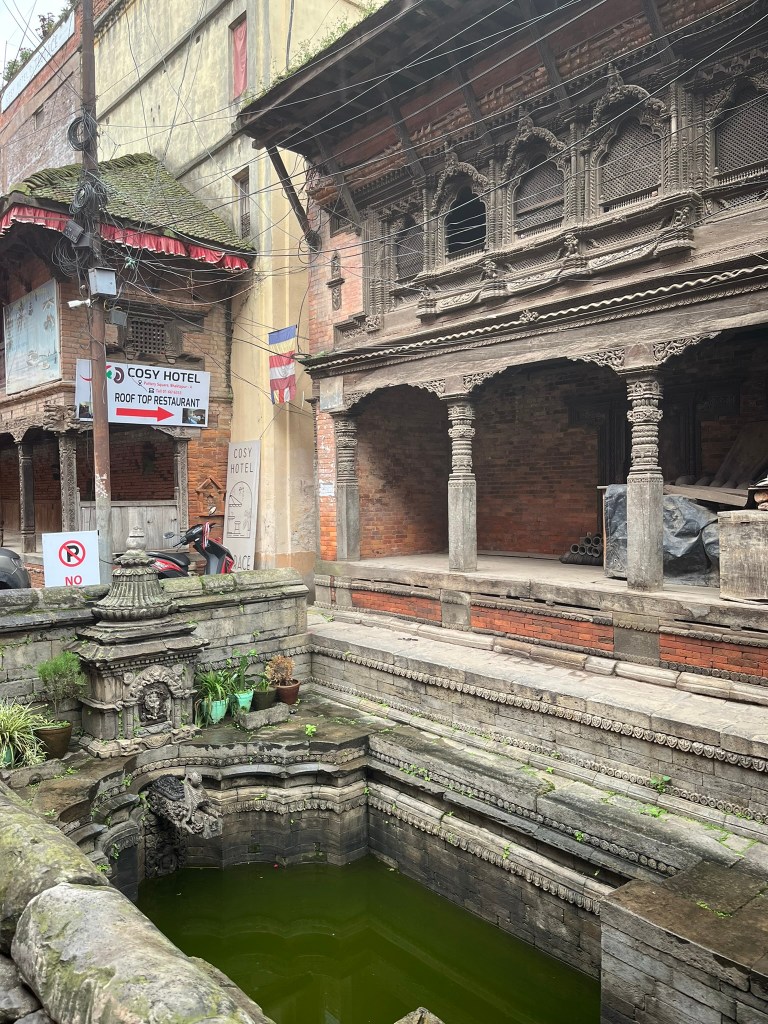
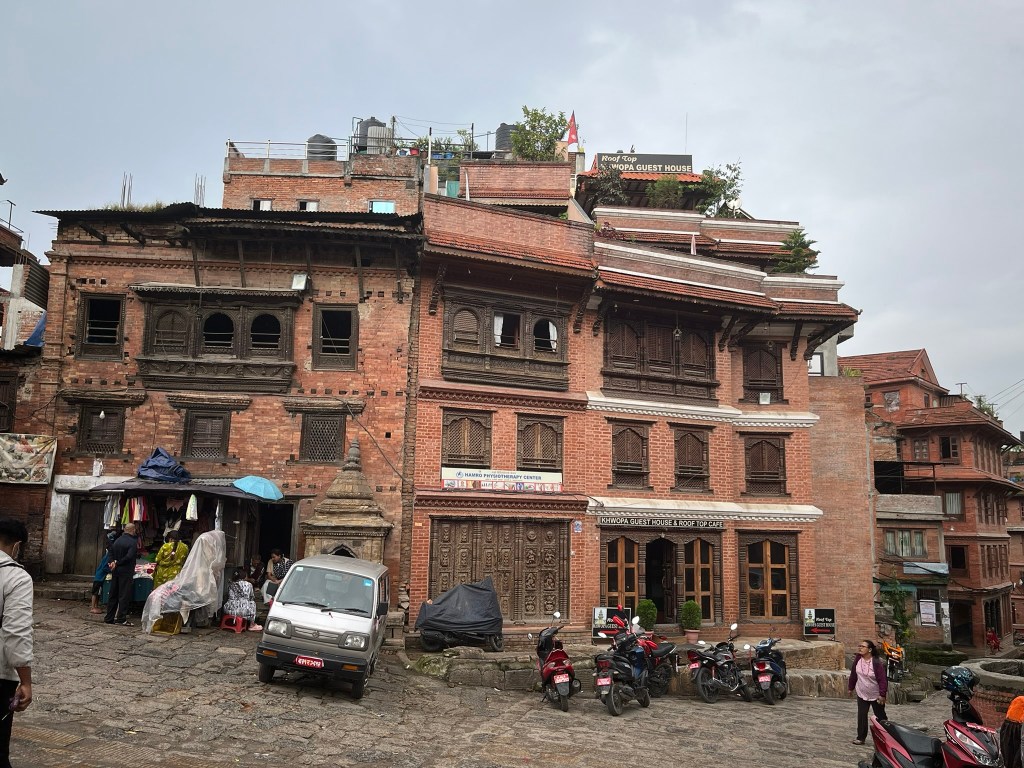
First up, Bhaktapur Durbar Square is absolutely stunning and I must say for anyone interested in visiting ancient cities, Kathmandu Valley is an absolute must-visit. All three Durbar Squares are brilliant. Bhaktapur is the best-preserved of the three cities and full of medieval Newari architecture and I think it was probably my favourite of the three. Bhaktapur means ‘City of Devotees’ and is called this because of its deep religious traditions. The entire old city is a living heritage site where locals still live, performing ancient rituals at temples, and going about their daily business.
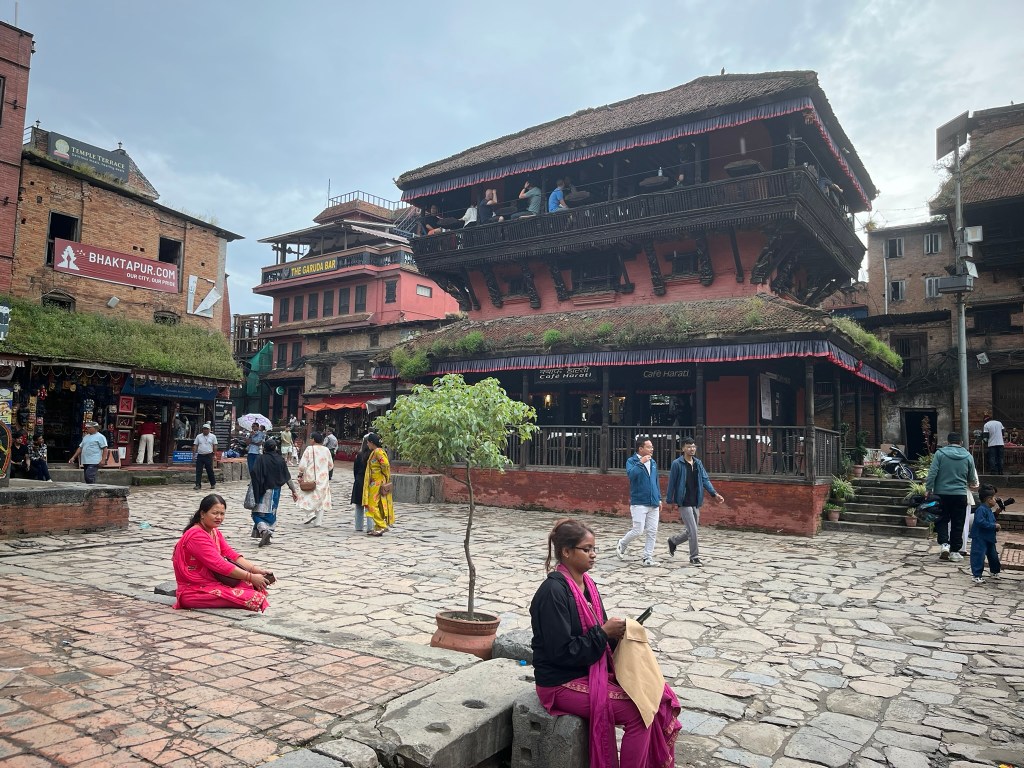
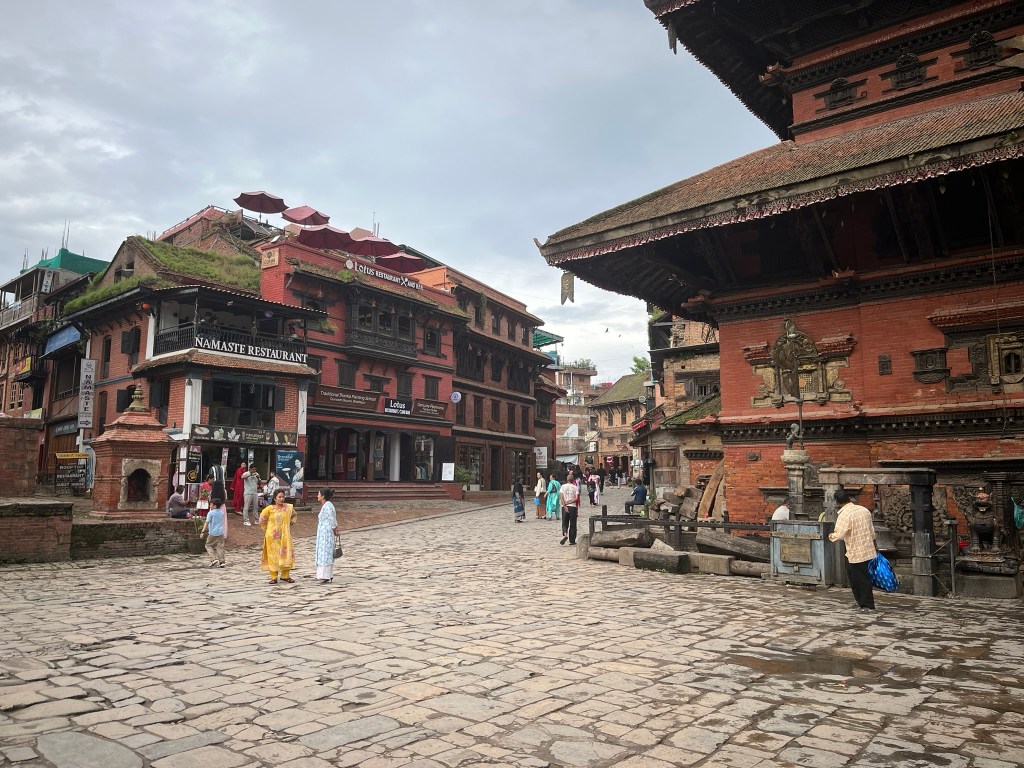

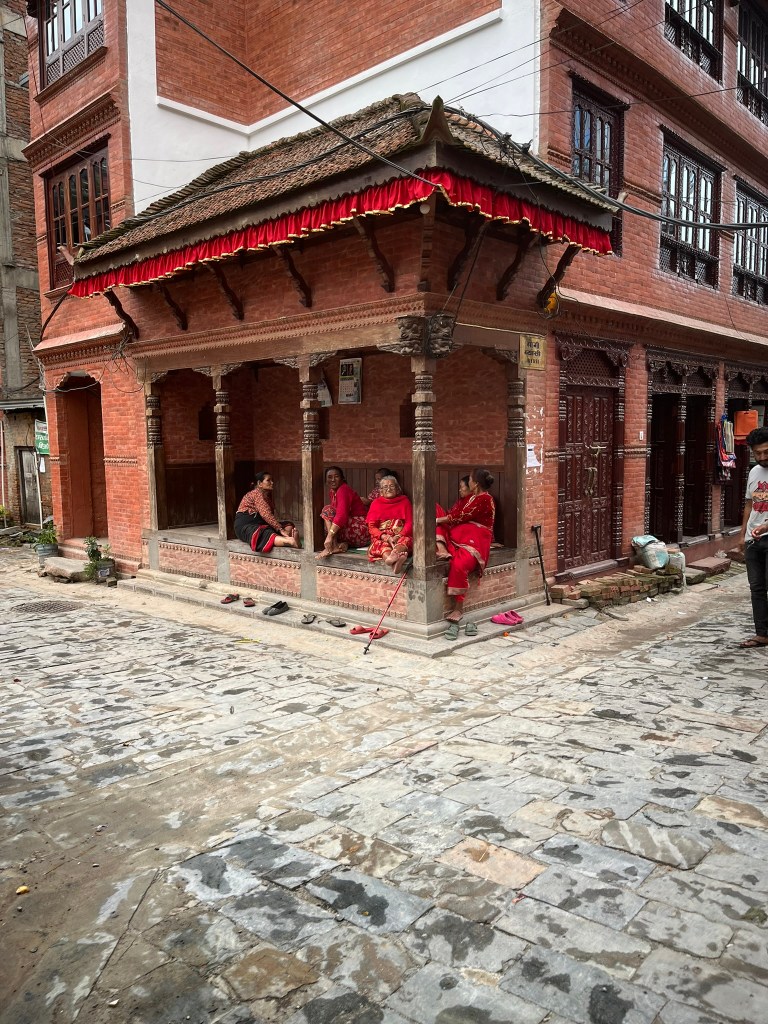
The Newar people of Bhaktapur have preserved many traditions including masked dances, elaborate woodcarvings and production of pottery using the local clay. Locals traditional begin their day, before they eat and go to work, by going to their local temple to ring bells and light oil lamps. The city has a different feeling to Kathmandu, which is more modern and outside of Kathmandu Durbar Square itself has lost all of its medieval buildings. Bhaktapur can be explored for hours, and around every corner you’ll stumble upon a new courtyard or small temple. There are also lots of sheltered areas where locals gather to play cards and games in the afternoon, shelter from the rain and gossip amongst each other.
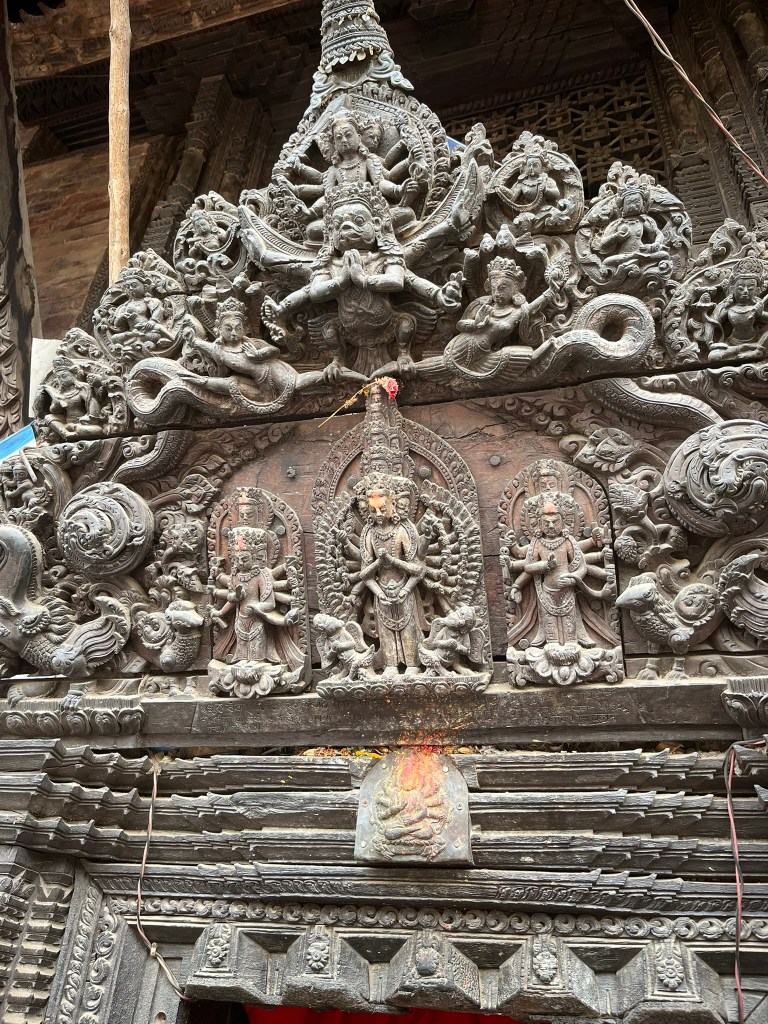
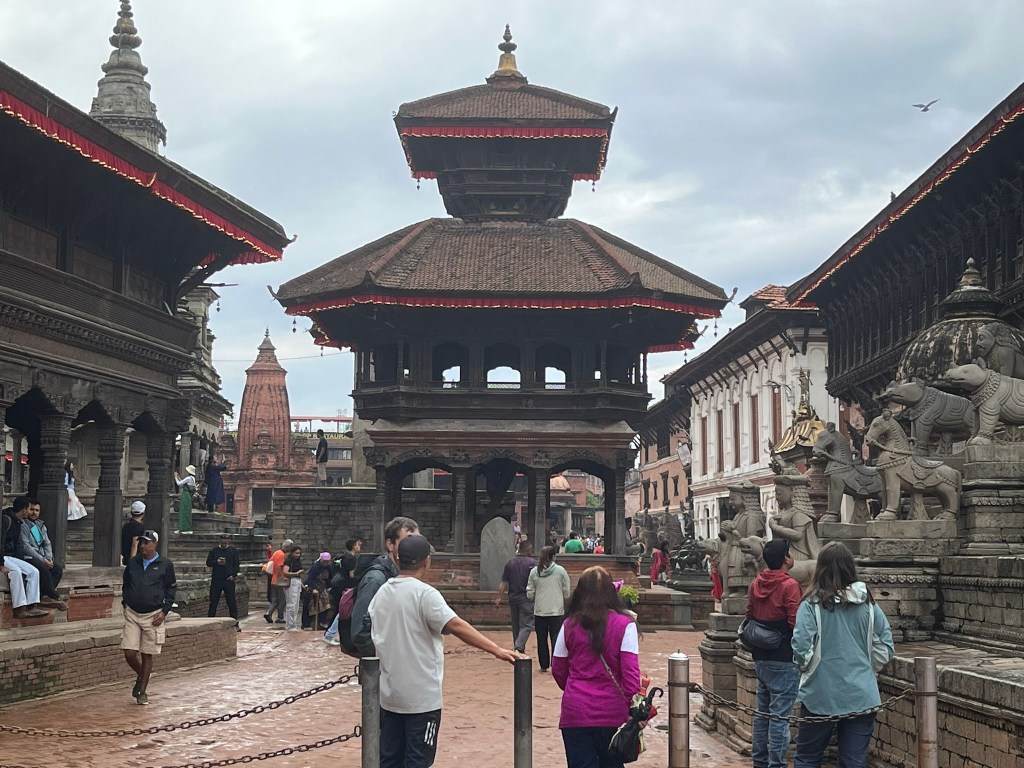
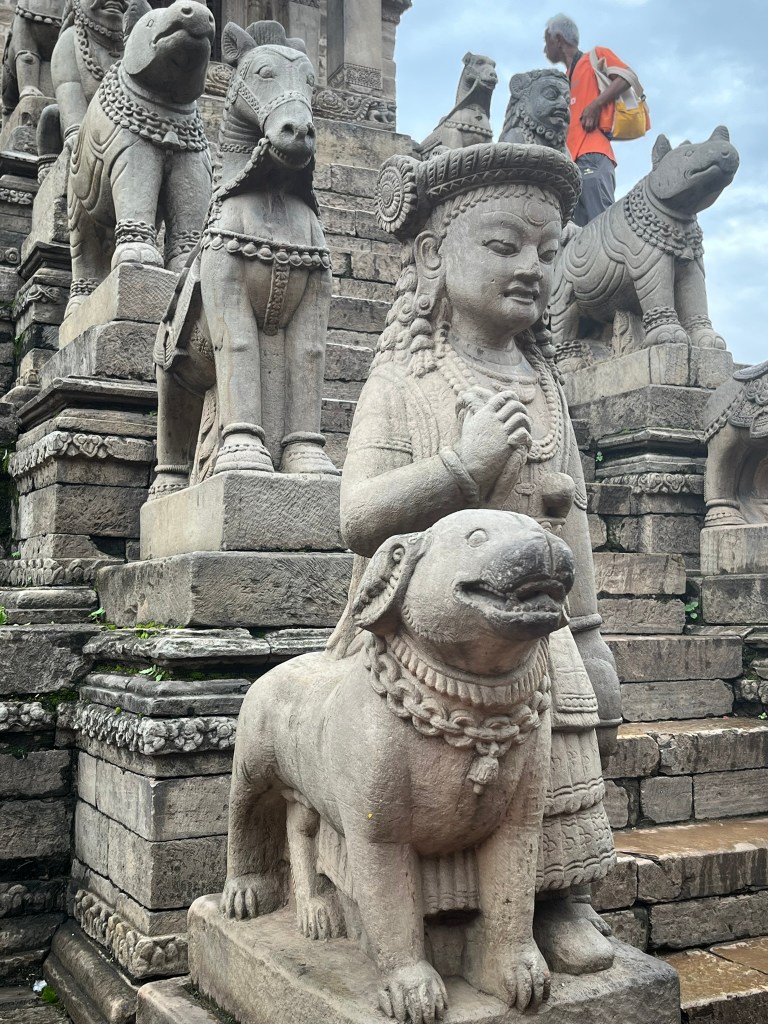
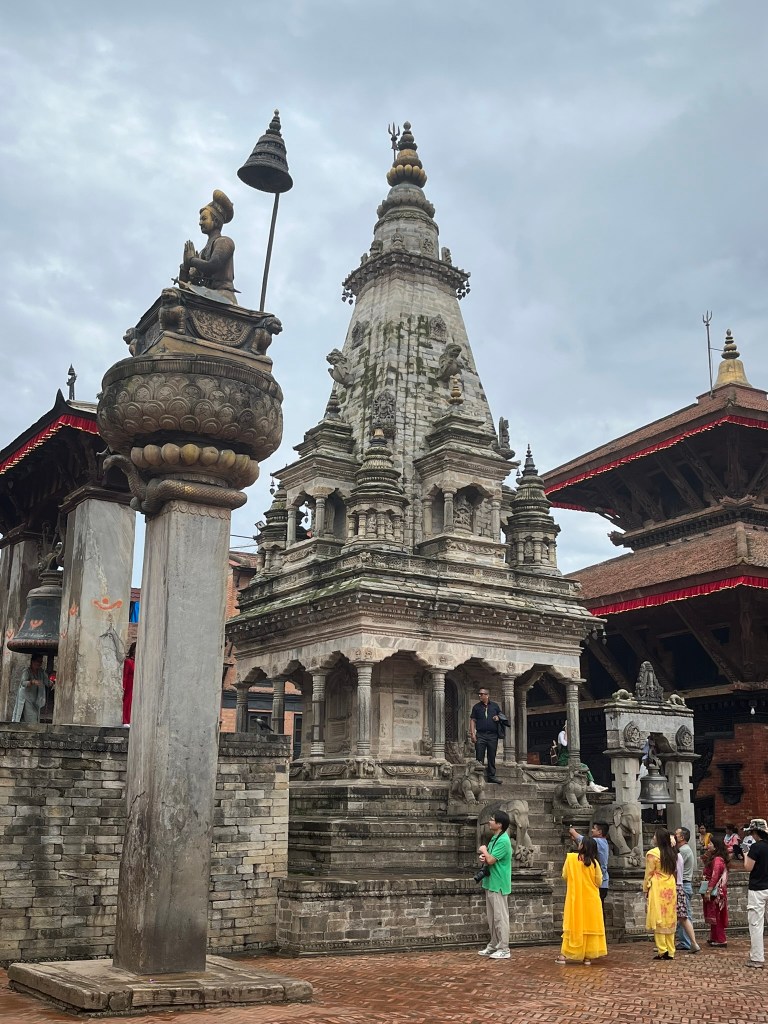
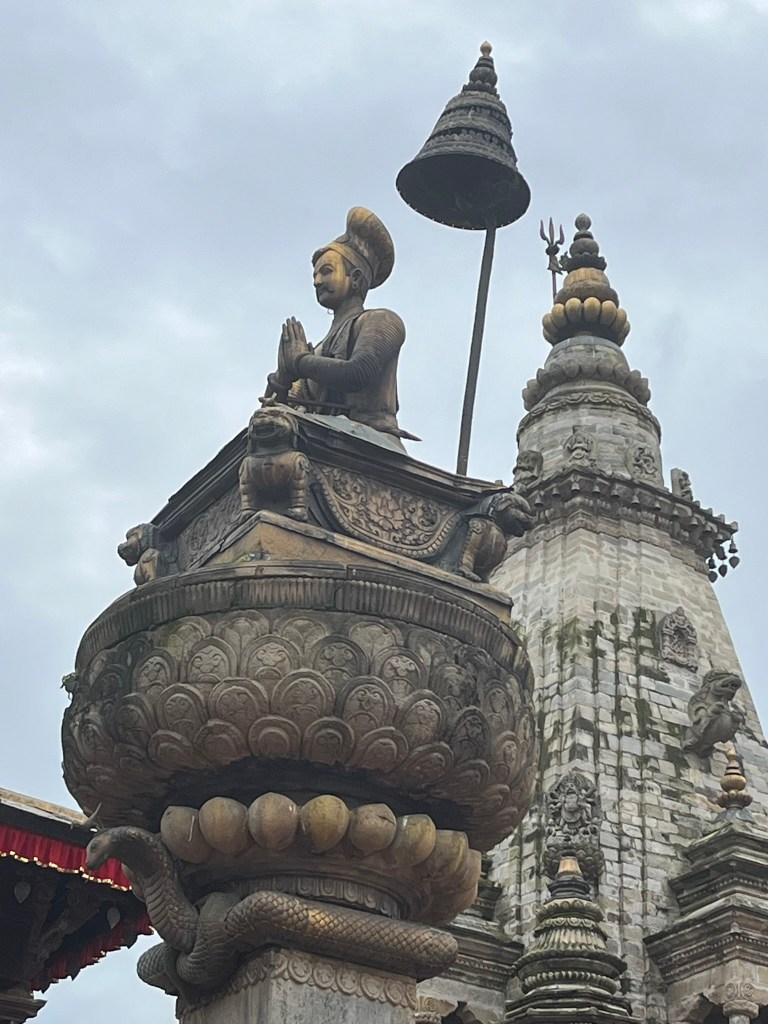
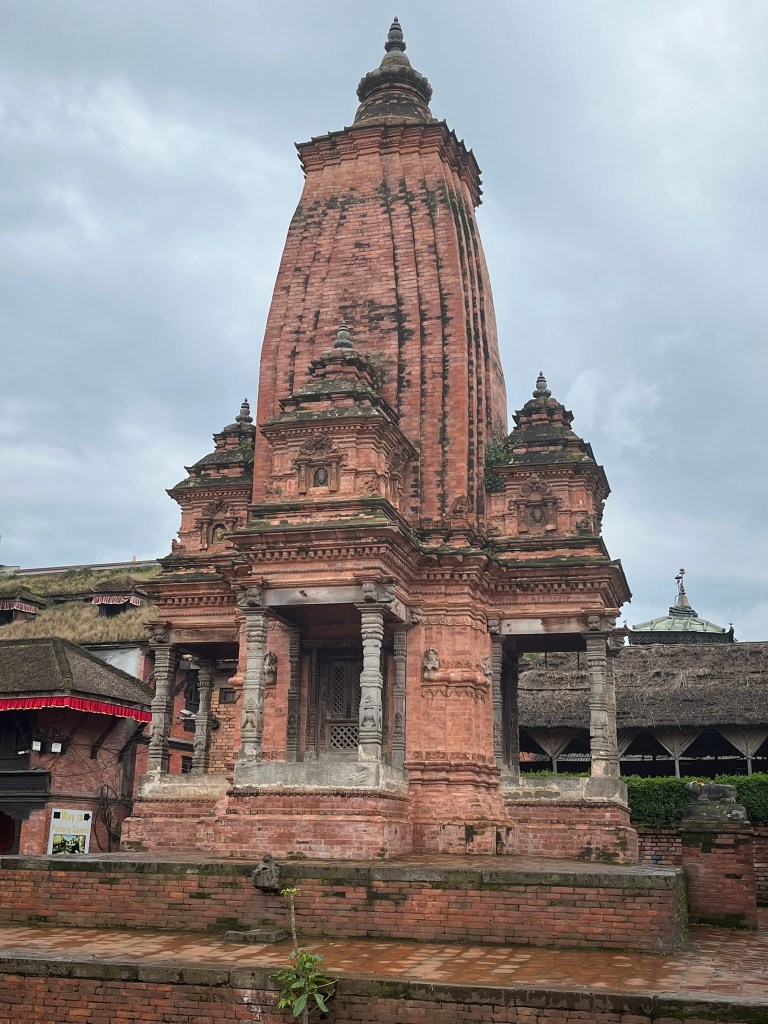
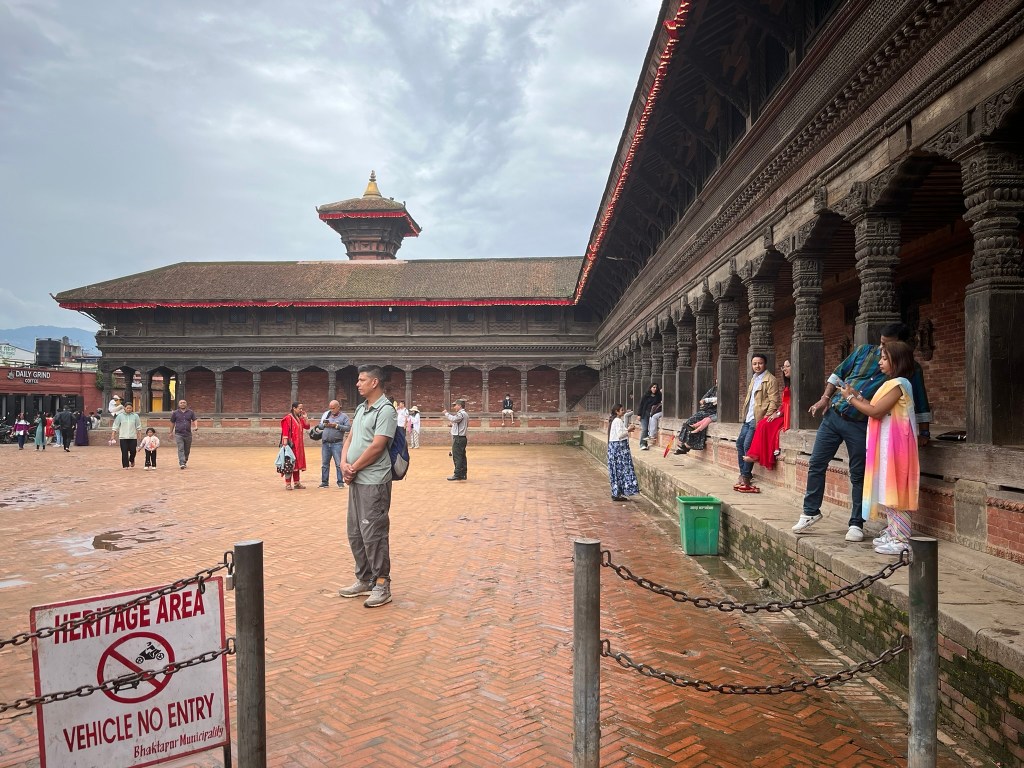
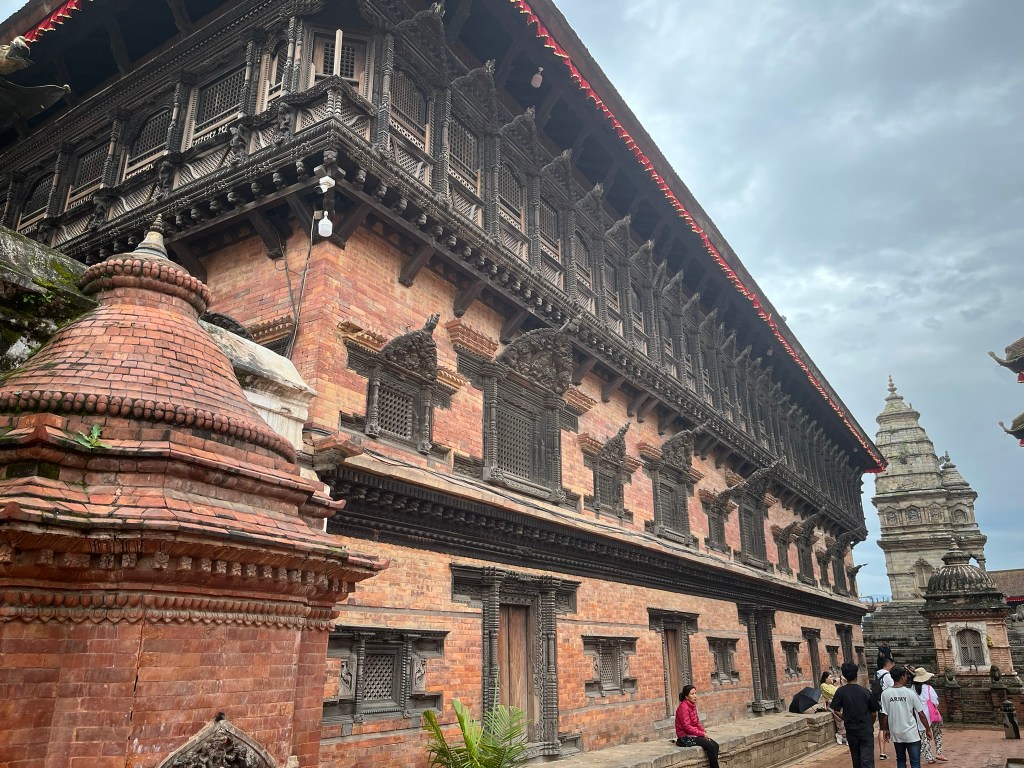
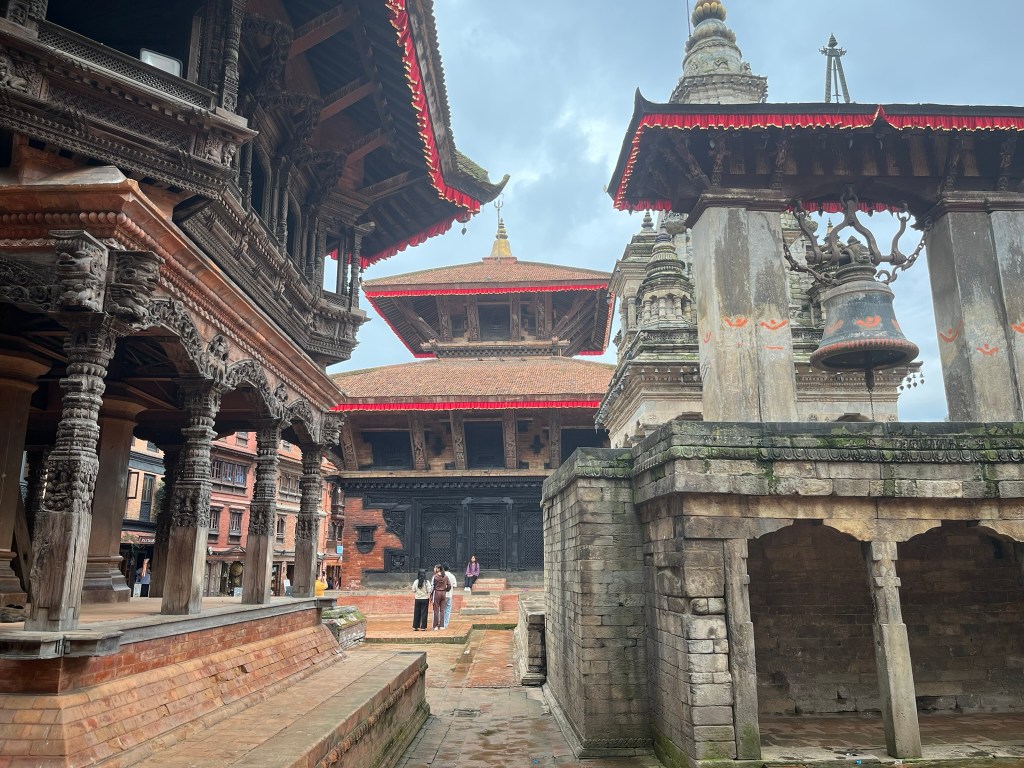
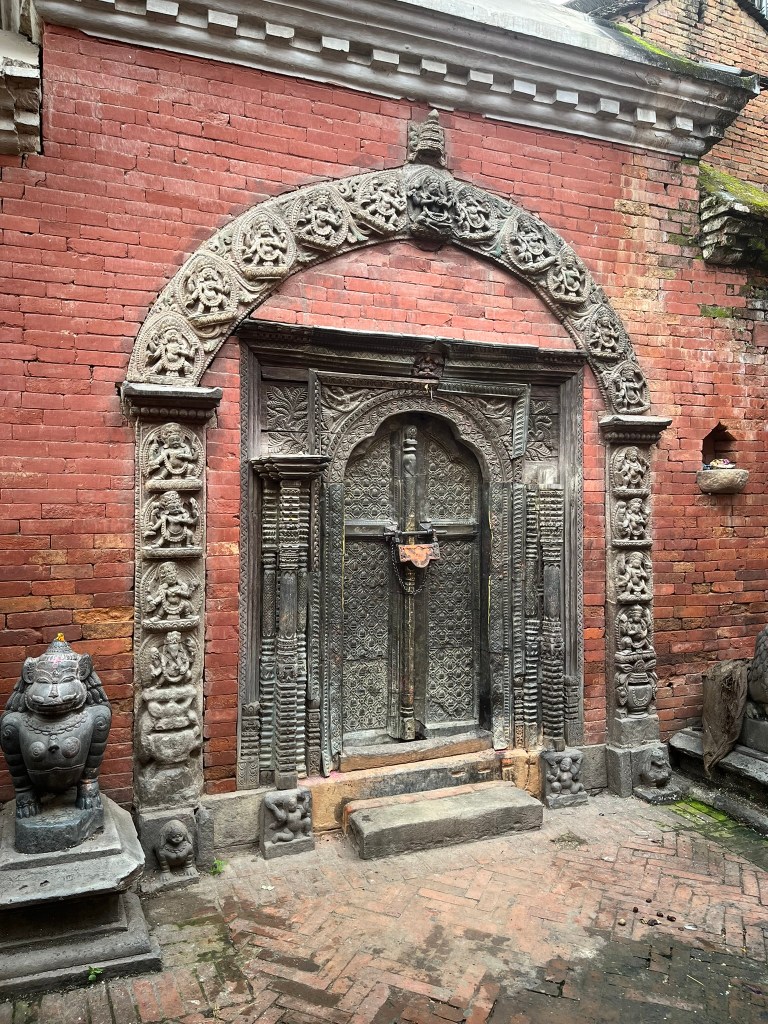
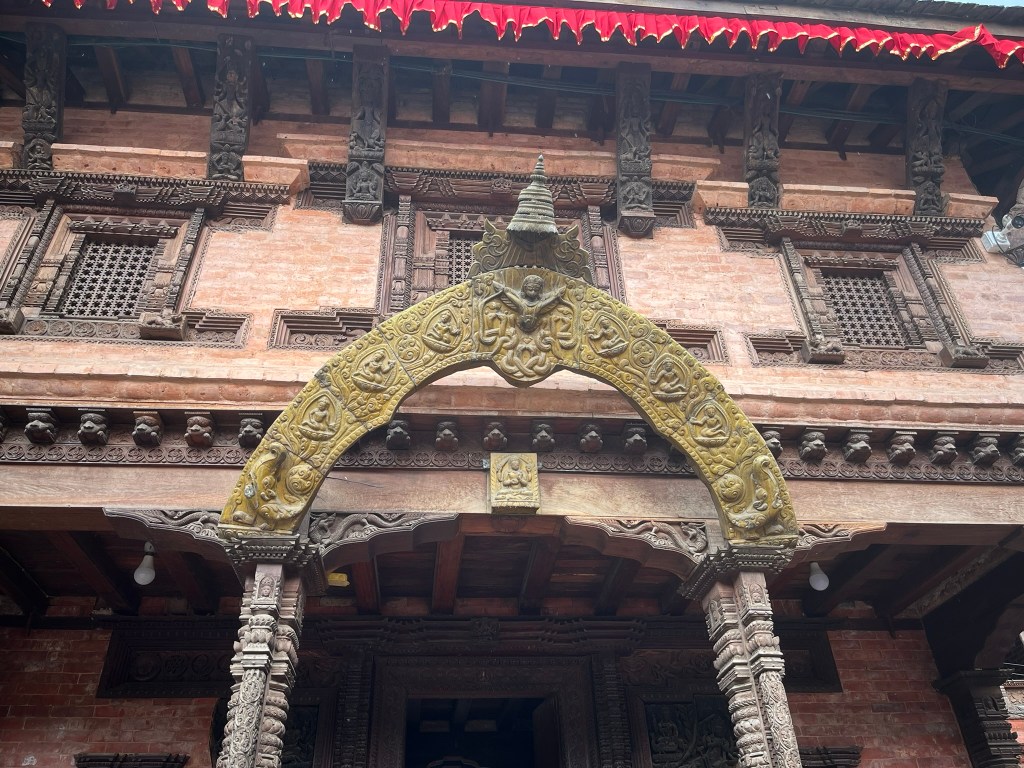
Bhaktapur Durbar Square contains the royal part of the city and includes the 55-window palace built in the 17th century and is covered in intricate wooden lattice windows, showcasing the best of Newar craftsmanship. This is where the royal family once lived. Attached to the palace is an incredible gilded gateway leading into Taleju Temple courtyard (which foreigners cannot visit) and is regarded as one of the most beautiful pieces of metalwork in Nepal. Surrounding this there are many temples, pagodas and squares, all in active use even today.



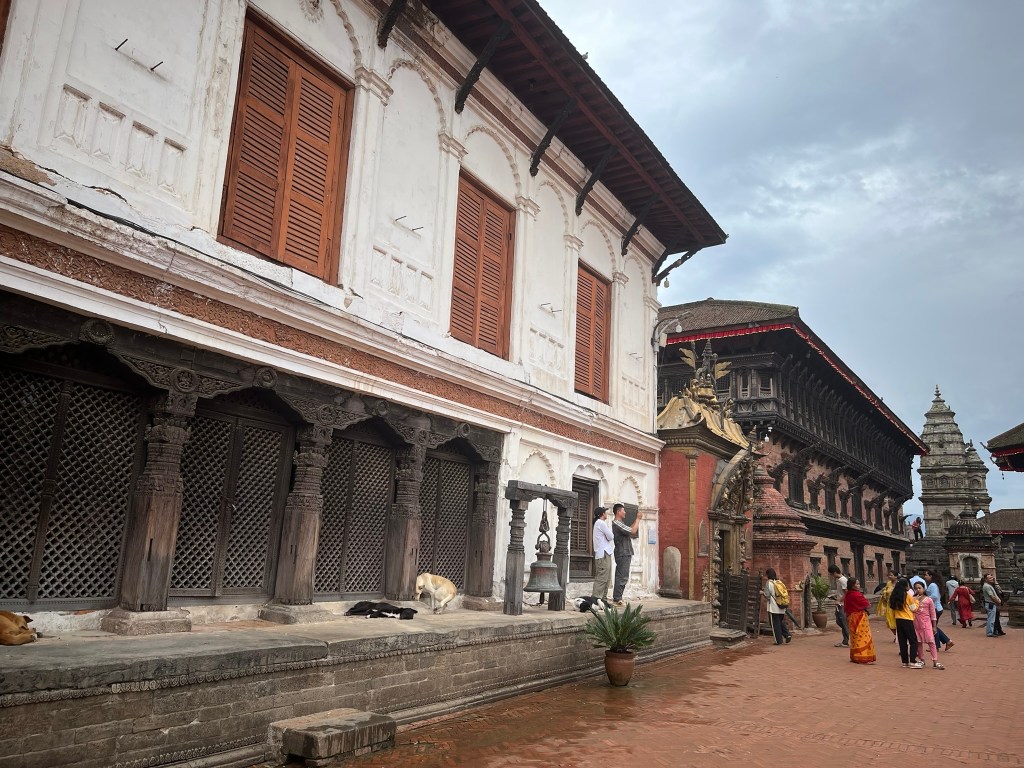
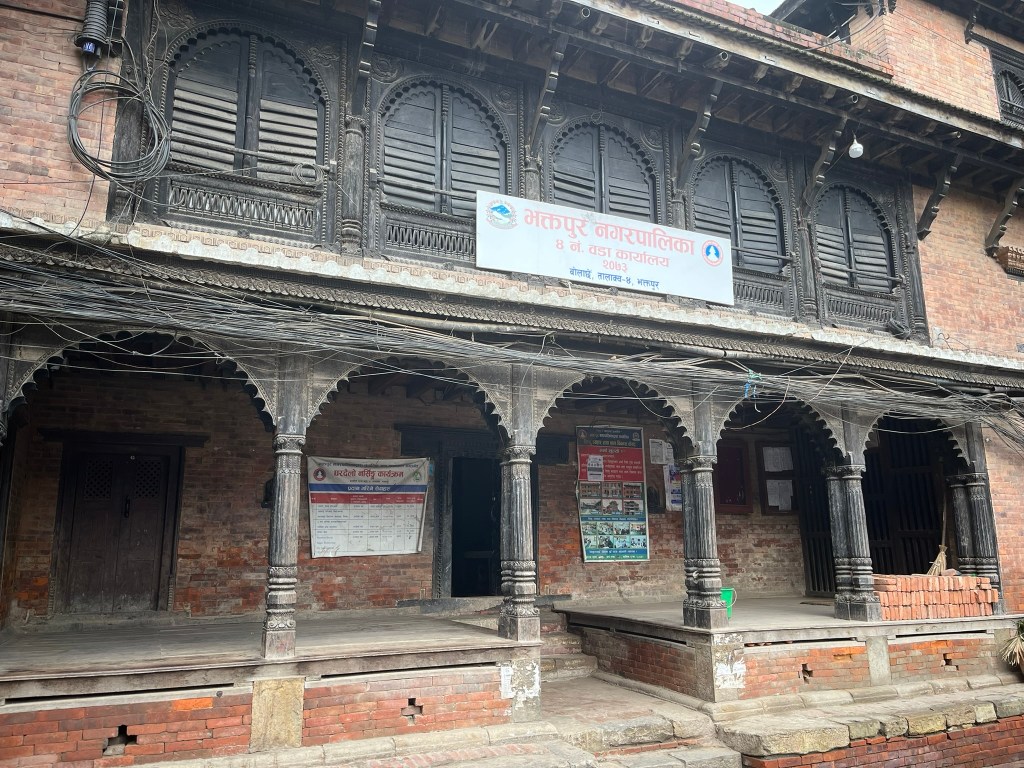
After exploring the main square we headed into the back streets to admire the residential houses, many of which still have their original wood-carved windows in. My trip in Kathmandu has coincided with the biggest festival of the year, Dashain, where the goddess Durga is celebrated and this meant that our guide suggested visiting his ancestral home right in the center of Bhaktapur to visit his father and receive a blessing. What a brilliant thing to experience! He grew up in this home, however they moved out after the 2015 earthquake but his father continues to run his small shop on the ground floor. His father unlocked the door to the upstairs and we climbed up 3 flights of steep stairs to the kitchen on the top floor, where we received a blessing from his father and got to admire a centuries old, original Newar architecture house from the inside.


We then headed to Pottery Square which is an open-air workshop where the ancient craft of pottery is still practiced just as it was centuries ago. Local craftsman lay out their creations to dry in the sun in the center of the square and just behind lie the hot furnaces that are shared amongst the pottery studios to fire their work. The surrounding shops all had wonderful items in them, from traditional all the way through to super modern styles that wouldn’t be a miss in a trendy London shop. Bhaktapur has so far been the highlight of Kathmandu Valley.
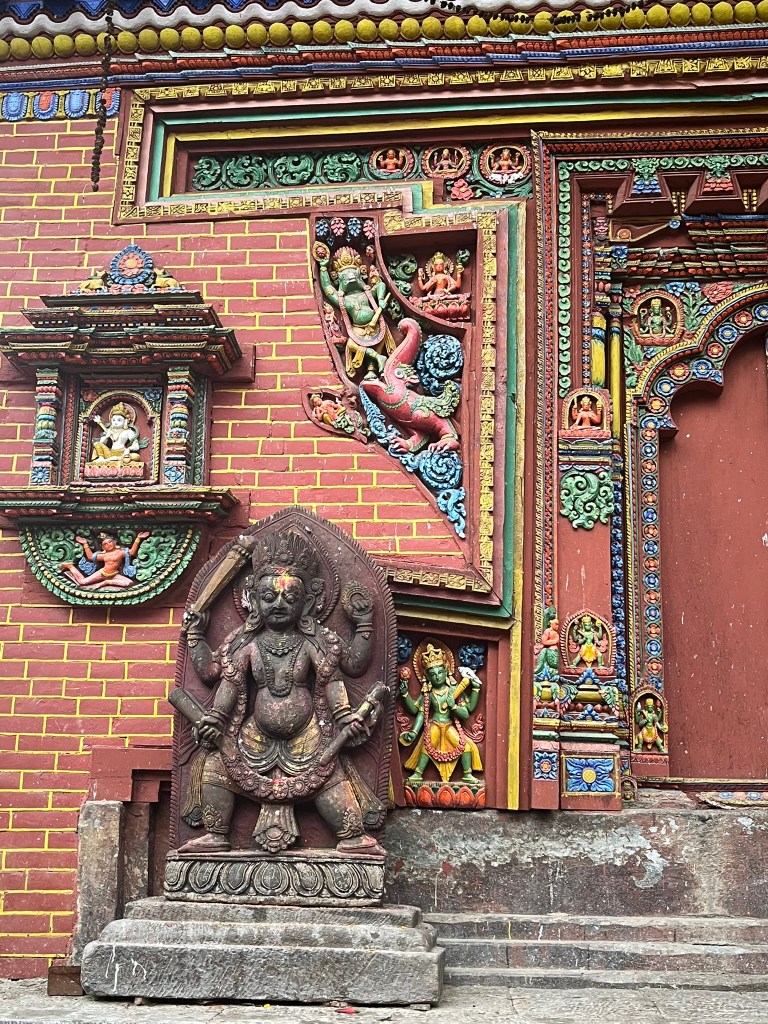
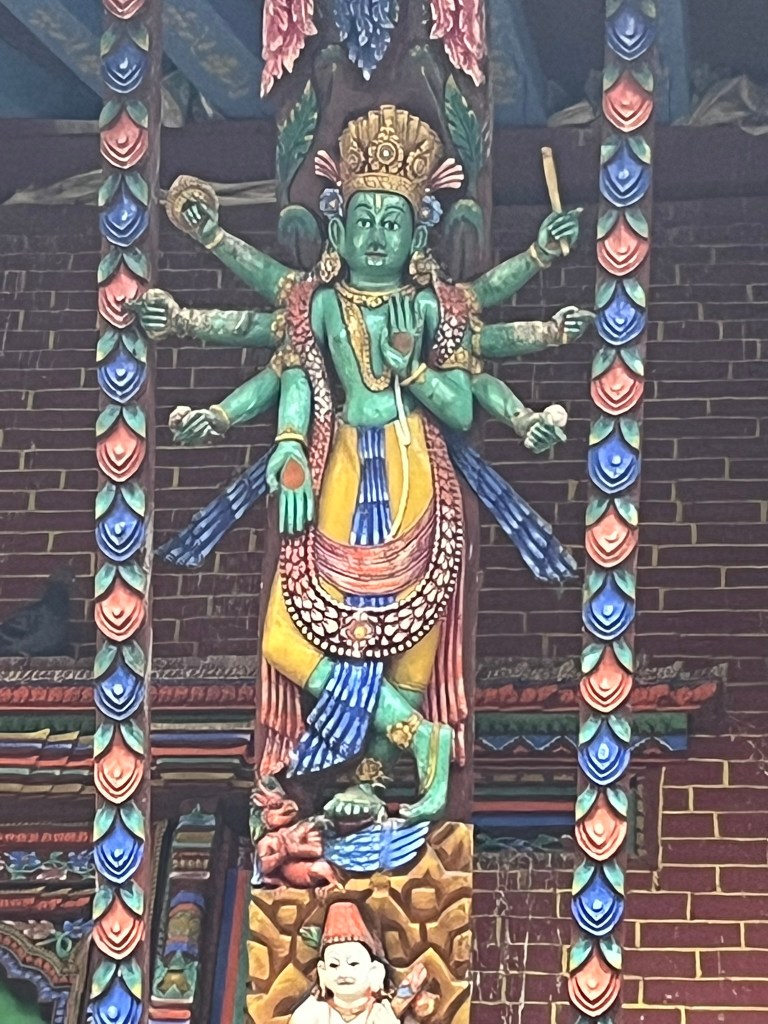
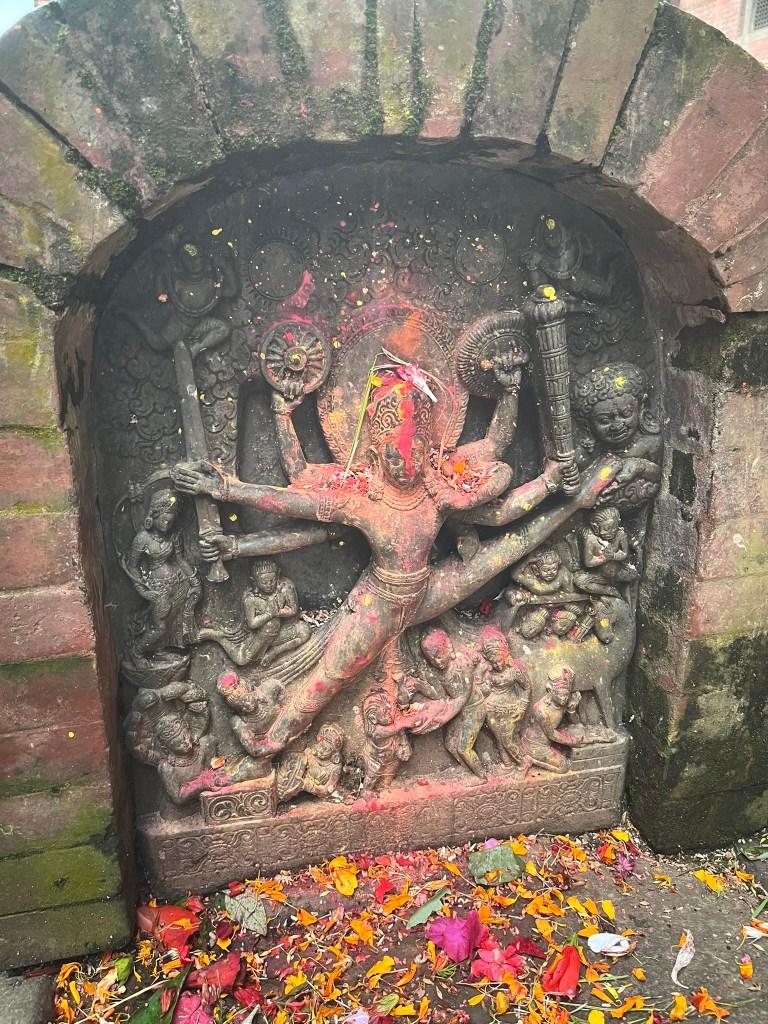
From the center of Bhaktapur to Changu Narayan Temple is about a 30 minute drive, and whilst it is the smallest of all the UNESCO World Heritage sites in the valley, it is one of Nepal’s most historically important temples. It is perched on a hilltop in east Bhaktapur and the oldest Hindu temple still in use within the valley. Its origins go back nearly 1,500 years and it was likely sacred in ancient times, pre-dating Hinduism. The oldest stone inscription in Nepal was discovered here dating back to the 5th century, during the Licchavi era. There are many small statues that also date back to this period, although the main temple has been rebuilt many times of the centuries.
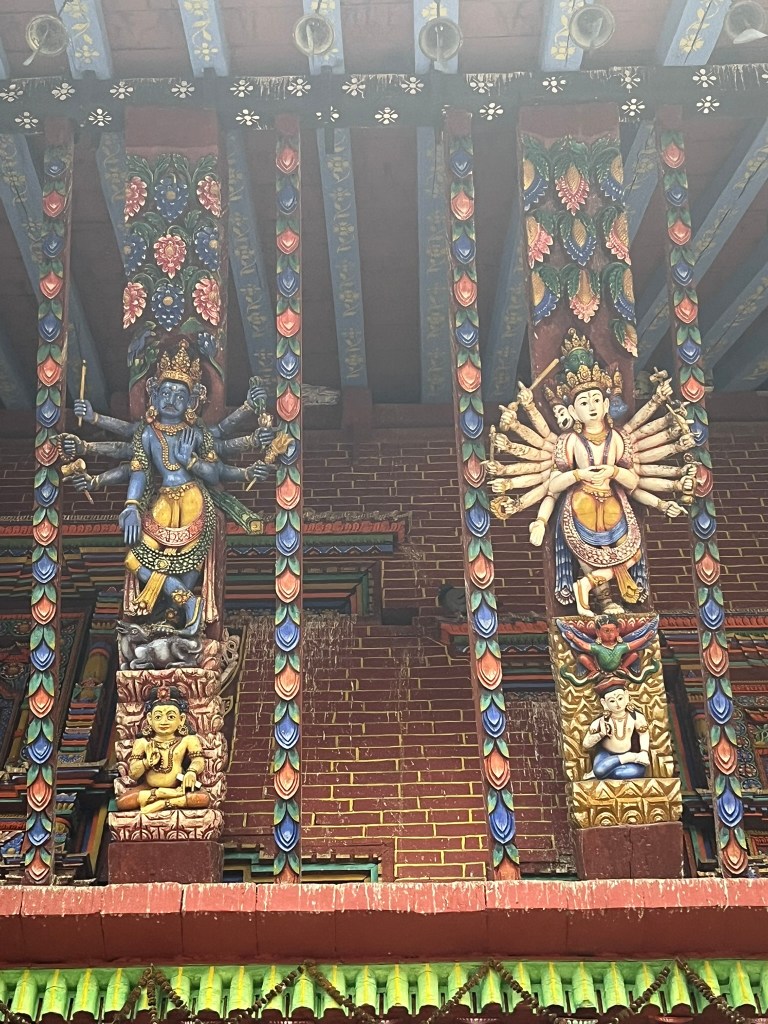
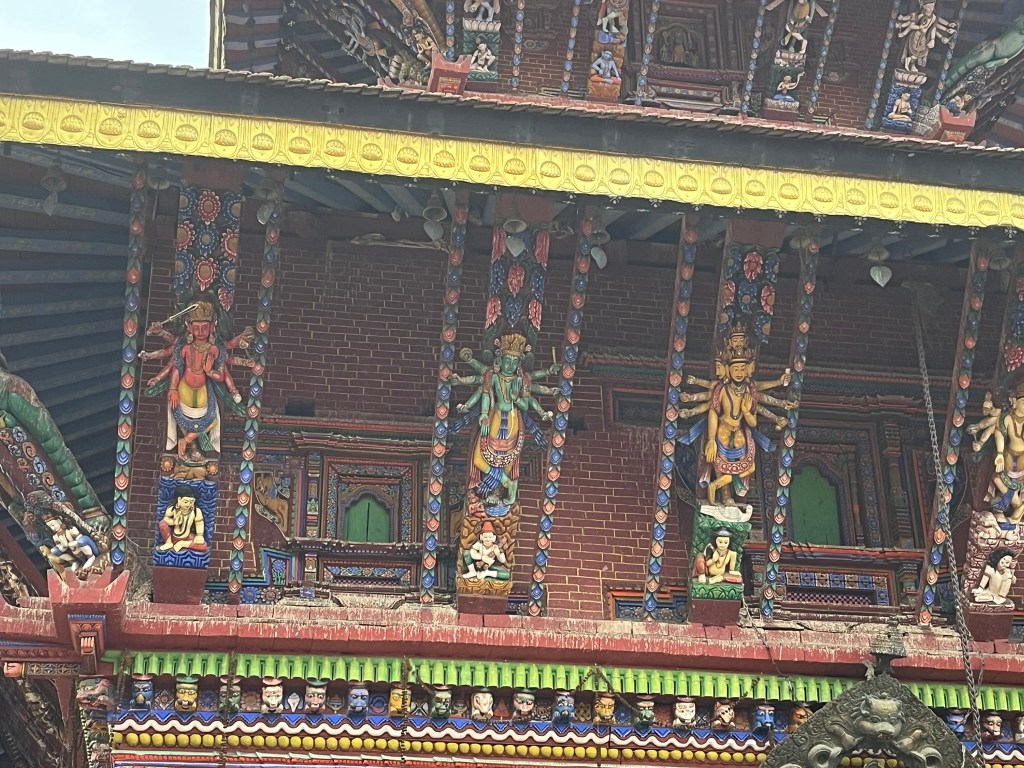
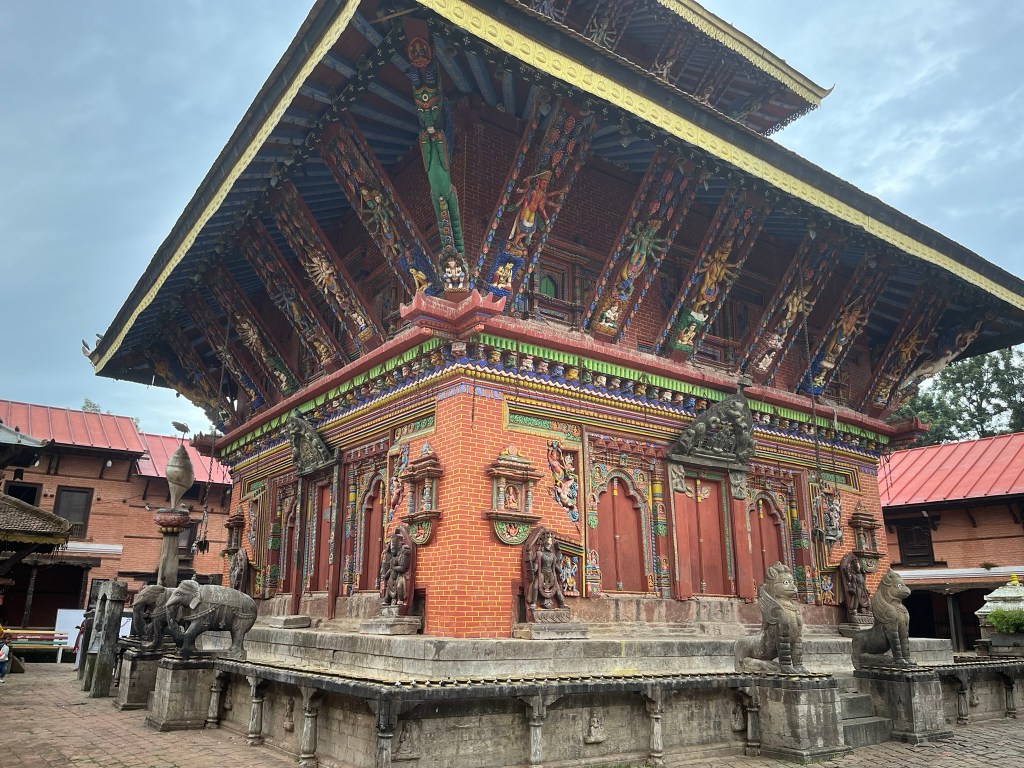
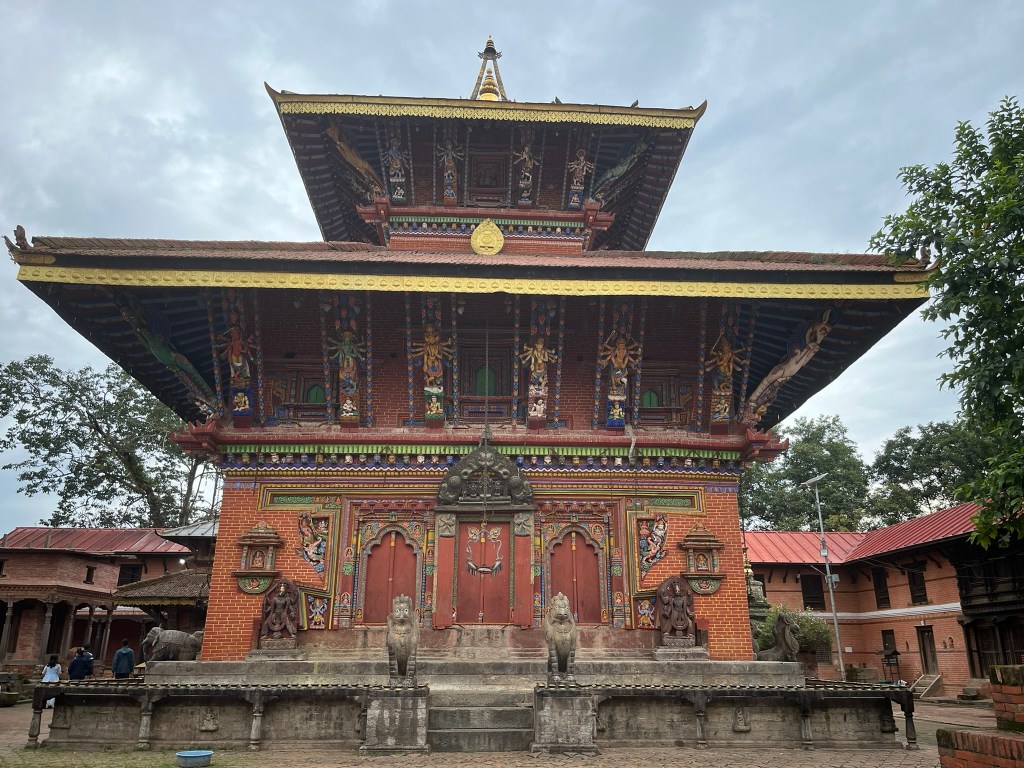
What I found particularly special about the temple is that it has recently be painted using natural pigments. None of the temples or pagodas we have seen so far have retained their ancient painting and it is very expensive to repaint using the natural pigments that would have been used centuries ago. So to see what all the temples and pagodas would have looked like in Kathmandu and Bhaktapur Durbar Square gave you a better sense of just how spectacular these palaces must have been.
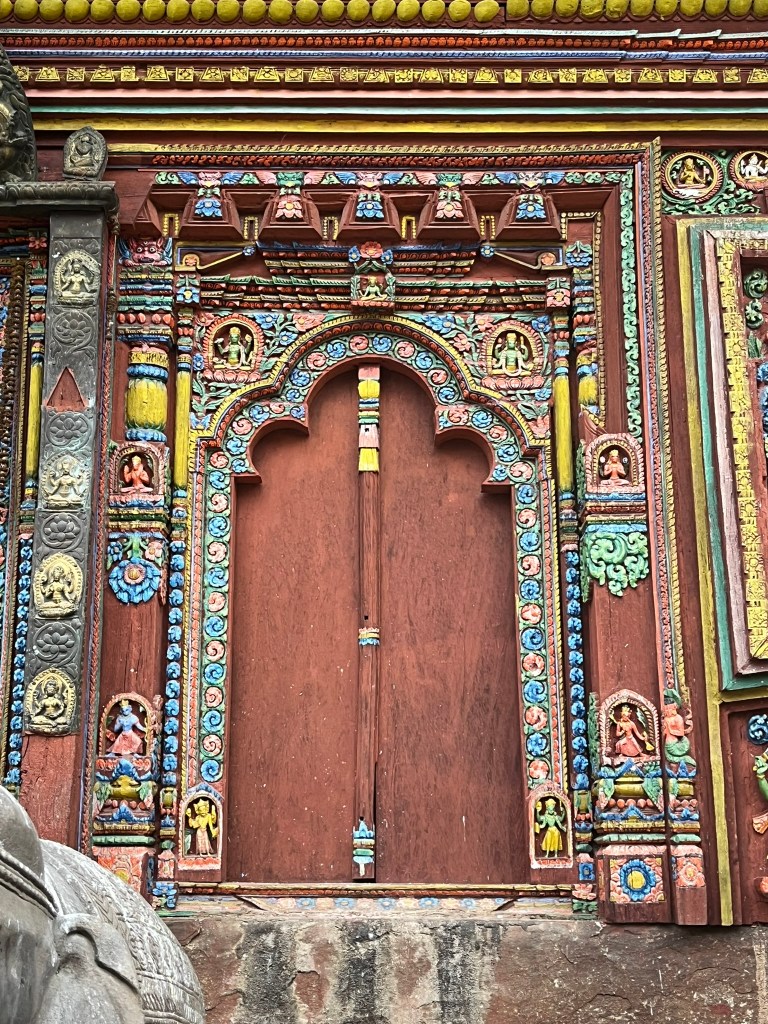
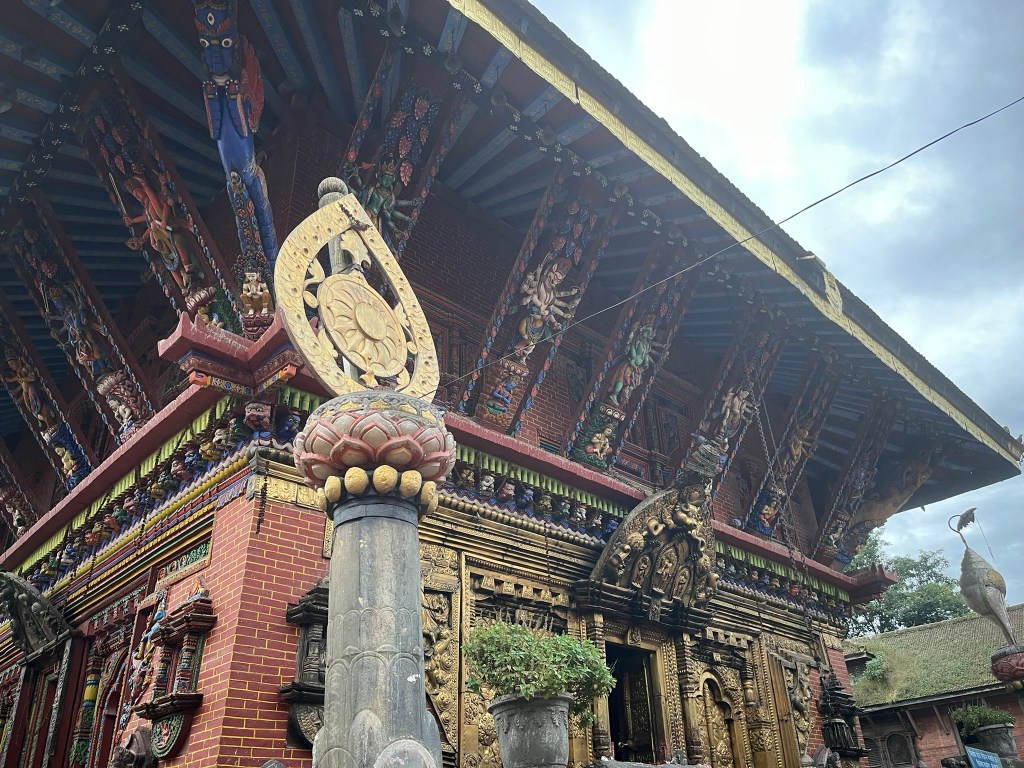

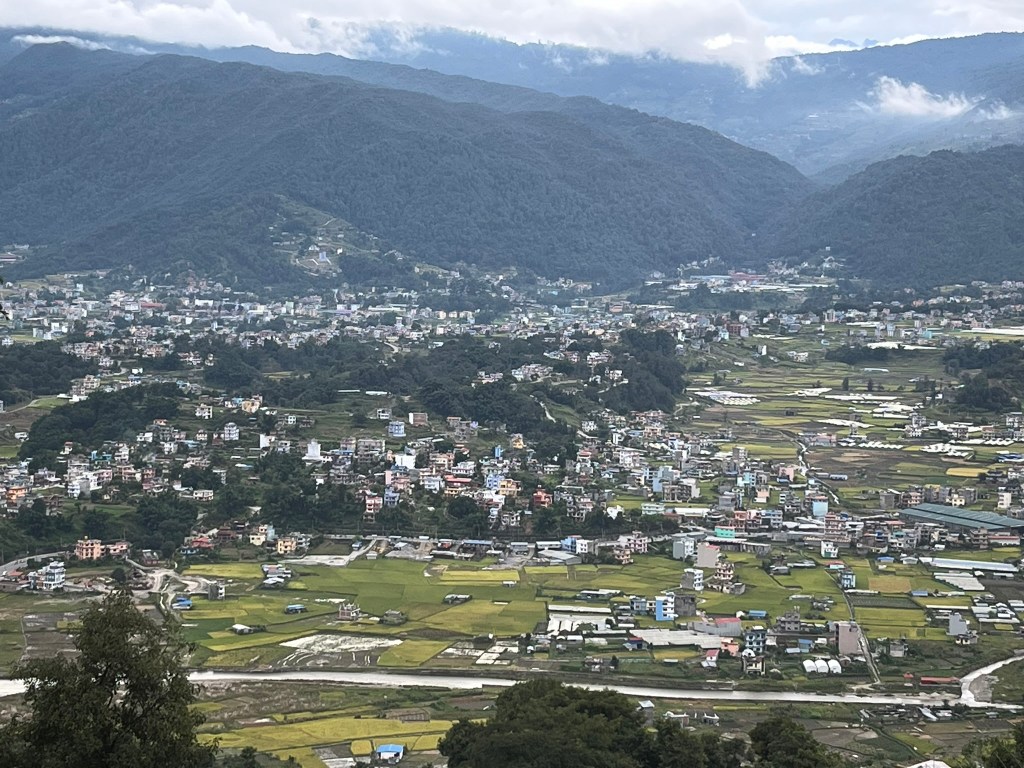
Our home for the night was in Nargakot up in the hills surrounding Kathmandu Valley, but by this point the heavy rain that would continue for the next 48 hours and delay our travels had started. There would be no sunset and no sunrise views to enjoy. But I was so pleased with how brilliant the sights we have seen so far have been I really didn’t mind.
 Colette's Grand Detour
Leave a comment