We woke up to torrential rain and our plans to fly to Pokhara at midday uncertain. Three days of intense non-stop monsoon rain was forecast and the government had stopped all but essential travel in and out of the valley by road. At this point our flight had not yet been cancelled, just delayed, so our guide suggested that we explore a different part of Bhaktapur old town.
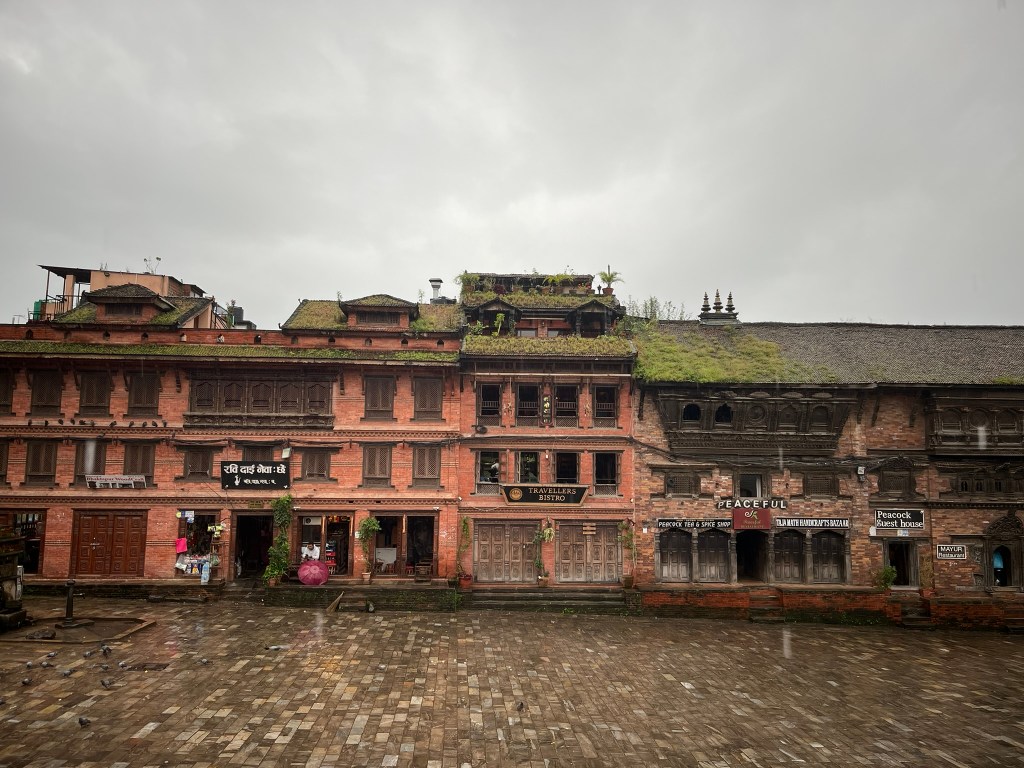
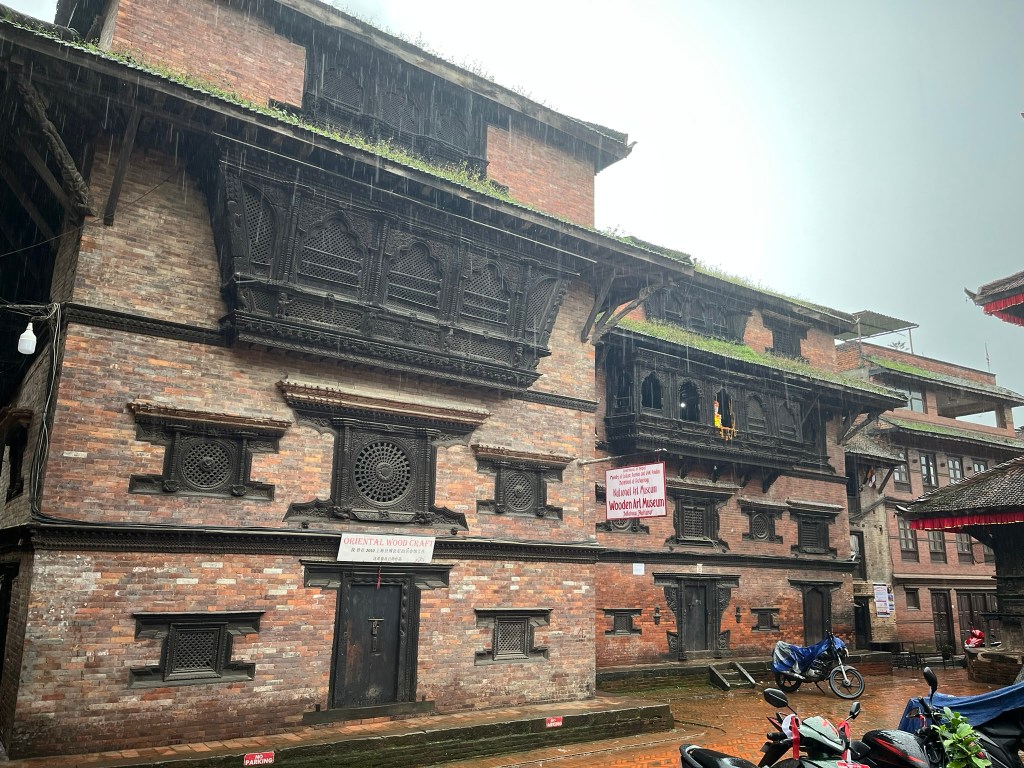
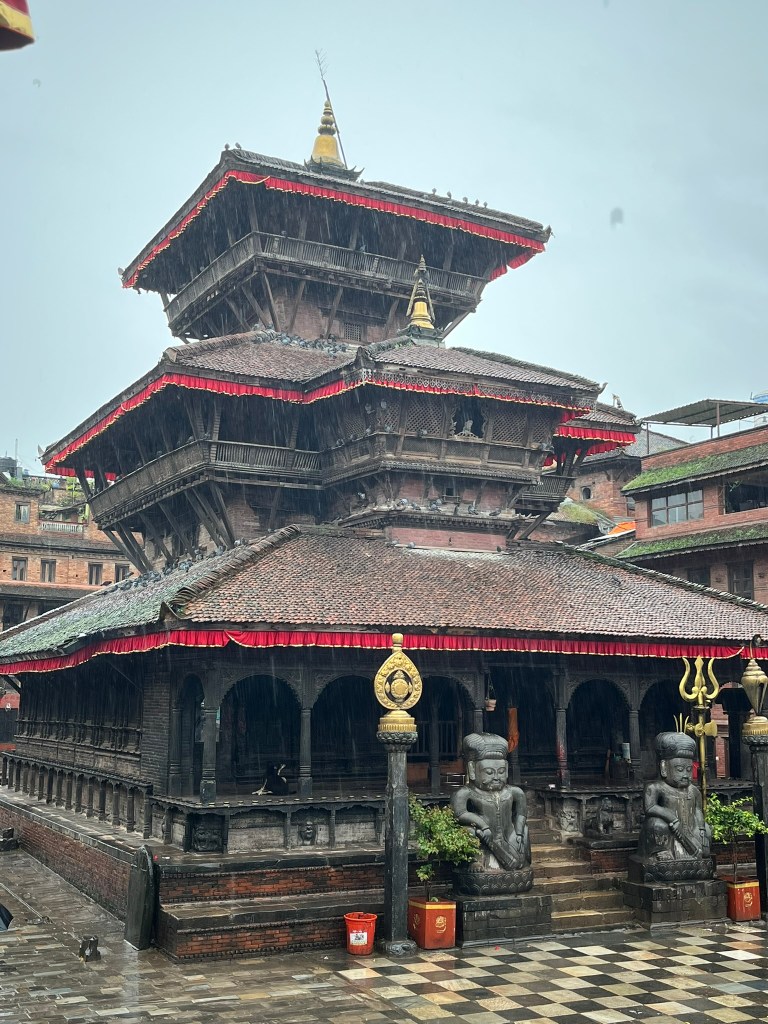
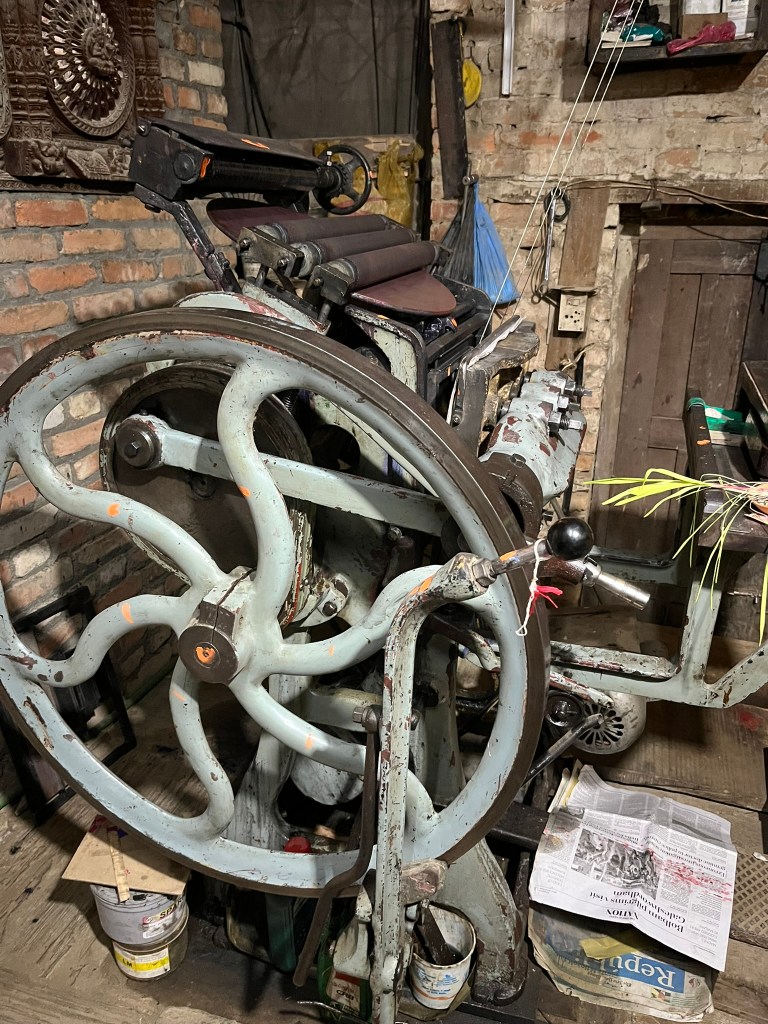
We entered the city through a different gate than we had entered yesterday and came across another magnificent square full of huge temples and pagodas. After spending some time here we headed to a traditional paper-making factory. Lokta paper is made from the bark of lokta bushes that can be found in Himalayan forests. The inner bark is harvested sustainably and processed into pulp, then formed into sheets, dried and pressed. The paper is extremely durable and resistant to insects, so usable for religious scrolls and manuscripts. The family who run the factory print amazing sketches and other art work onto the paper using a silk press and an old Gutenberg press which are available in their shop. This place is a real treasure and you can spend a lot of time in the shop digging through all the incredible prints they have.
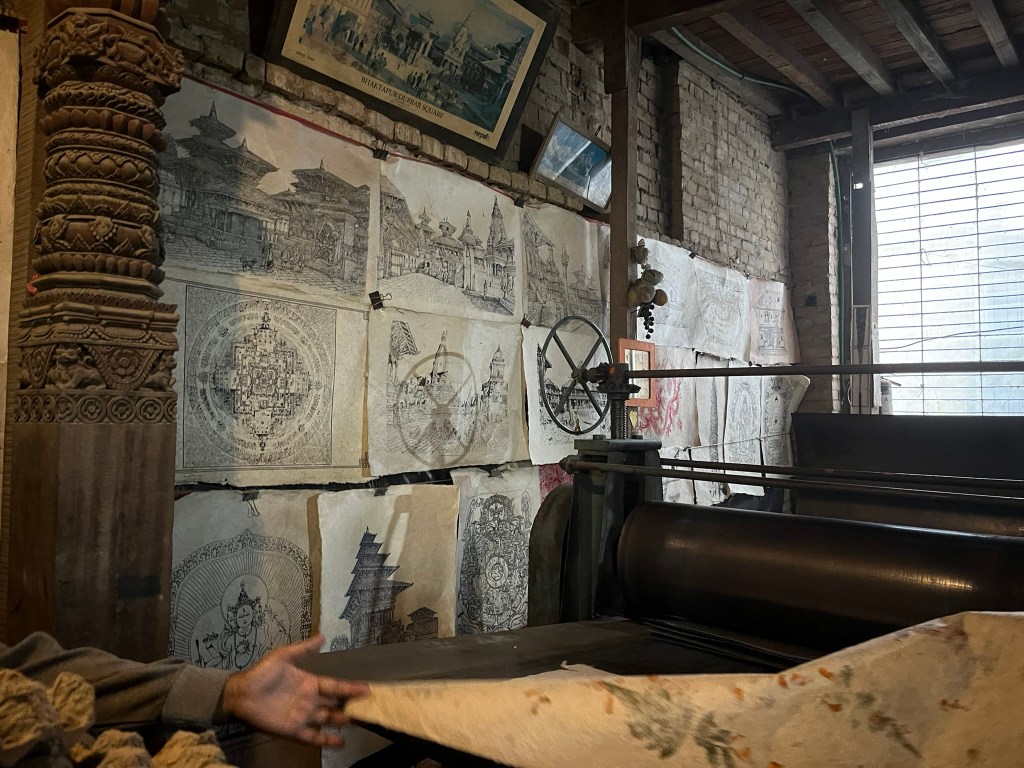

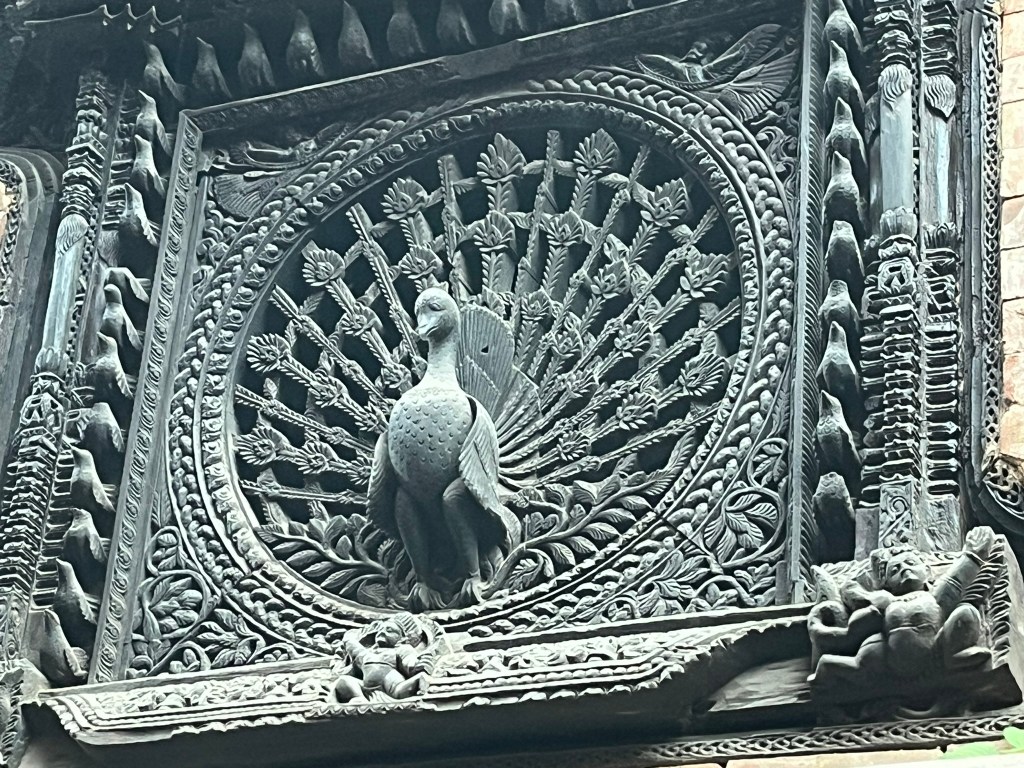
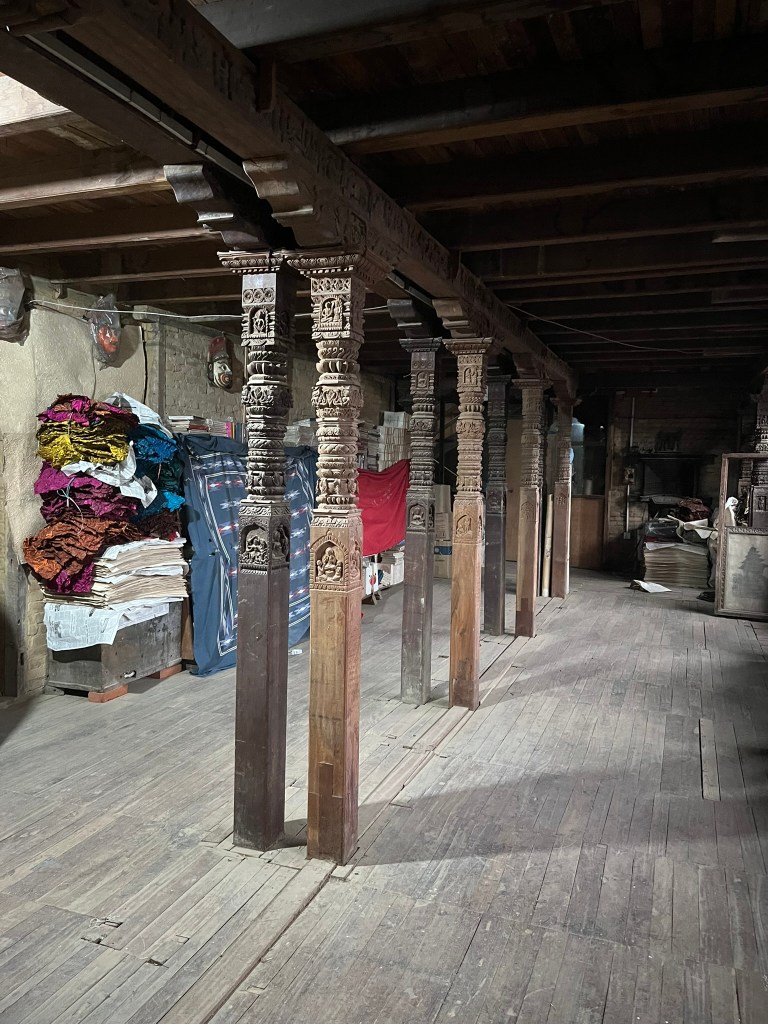
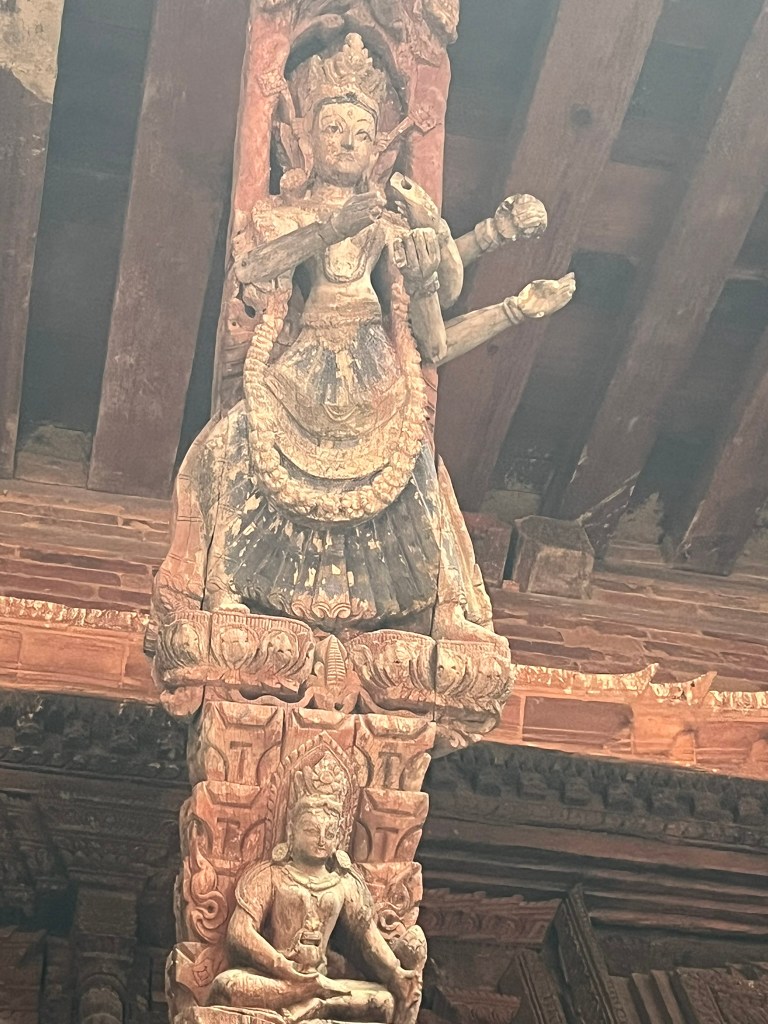
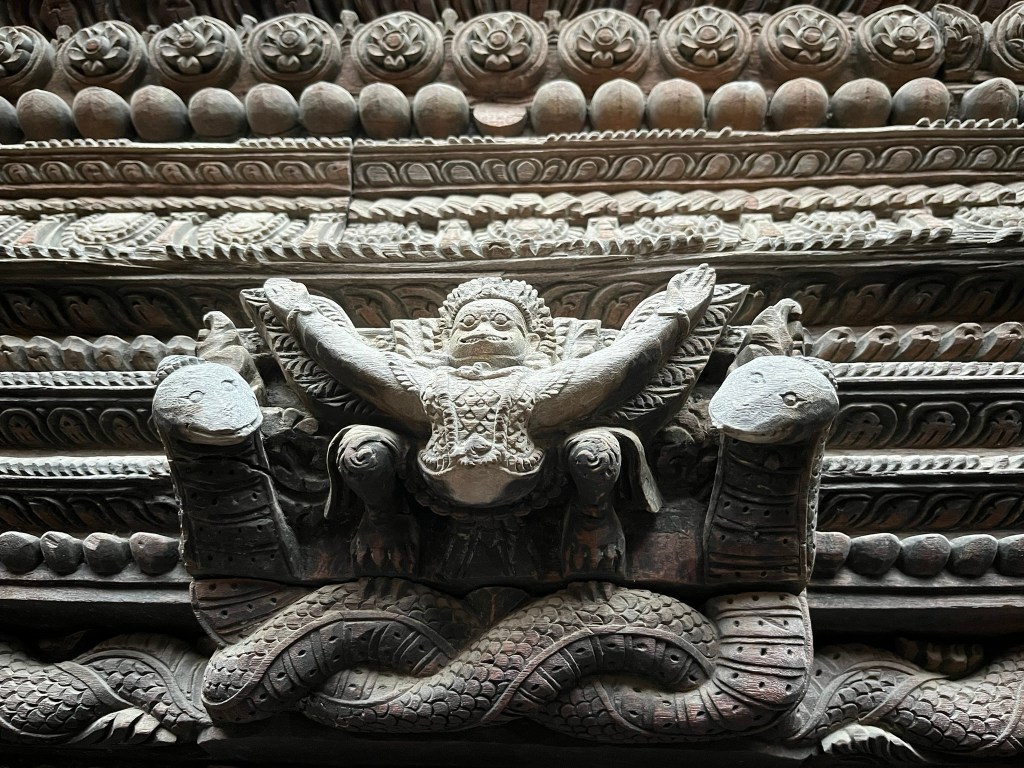
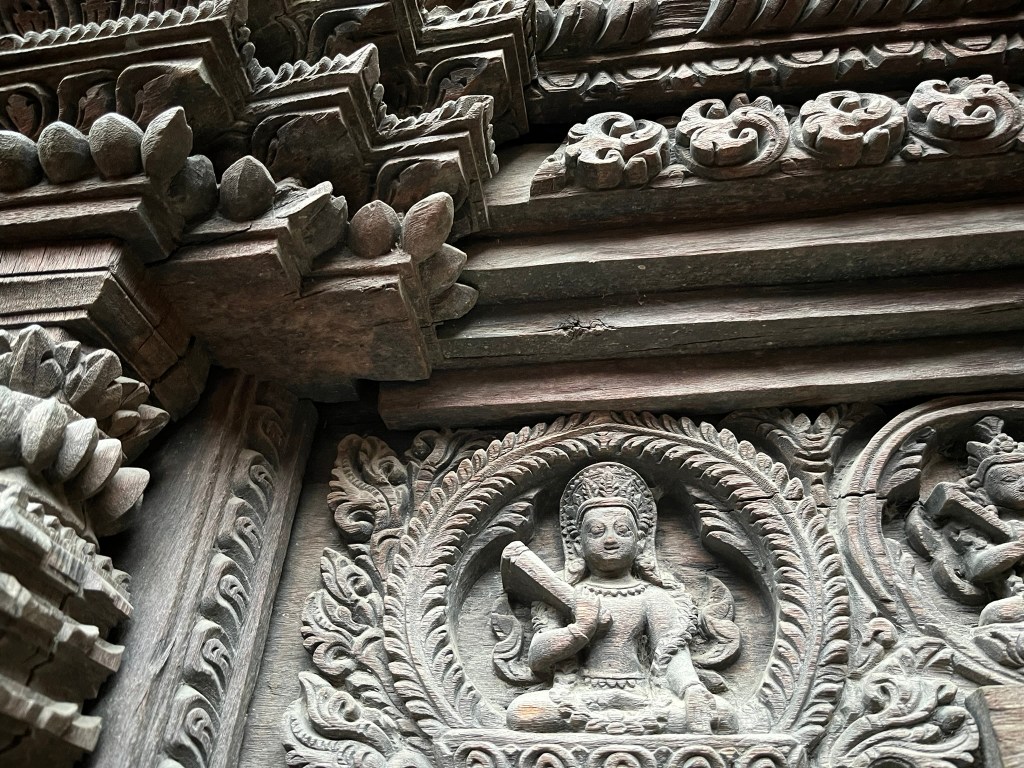
Even more interesting, is that the owner of the paper-making factory is restoring his ancestral home using ancient Newar wood-carving techniques and is having thousands of hand-carved scenes from Hinduism carved into every part of the building. Even the banisters leading up to the second and third floors are covered in intricate story-telling. His daughter took us around the home and explained that all the money made from the paper-making factory and shop goes into funding the wood-carvings that adorn the house. The work up to now must easily be in the tens and probably hundreds of thousands of dollars. But when he is finished, this place will be like a museum and a national treasure. Our guide said that a few of the wealthier residents of the neighbourhood are trying to restore old buildings, using traditional techniques but it is extremely expensive and something that few can afford.


At this point, we had to to head to the airport to wait for our flight to be cancelled. Just on the off chance that it suddenly wasn’t. But as expected and thankfully after only 30 minutes of waiting, the flight was officially cancelled and we could make plans for the rest of today. We decided we would take the opportunity to complete the 7 UNESCO World Heritage Sites of Kathmandu Valley and head to Patan Durbar Square in our raincoats.
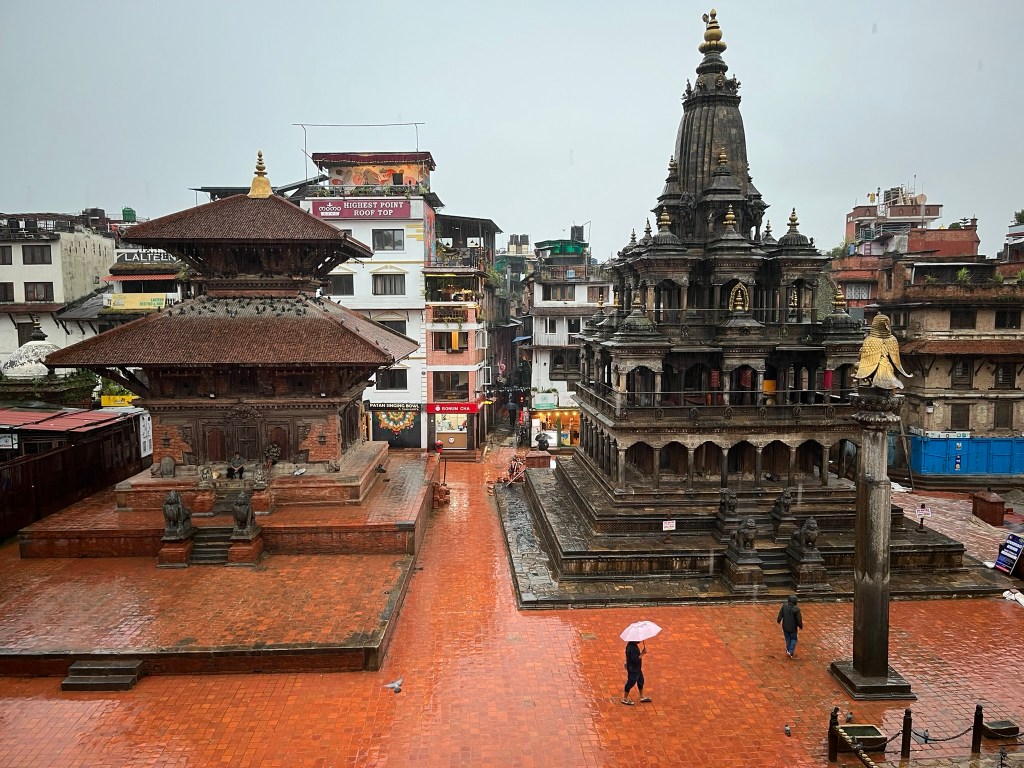
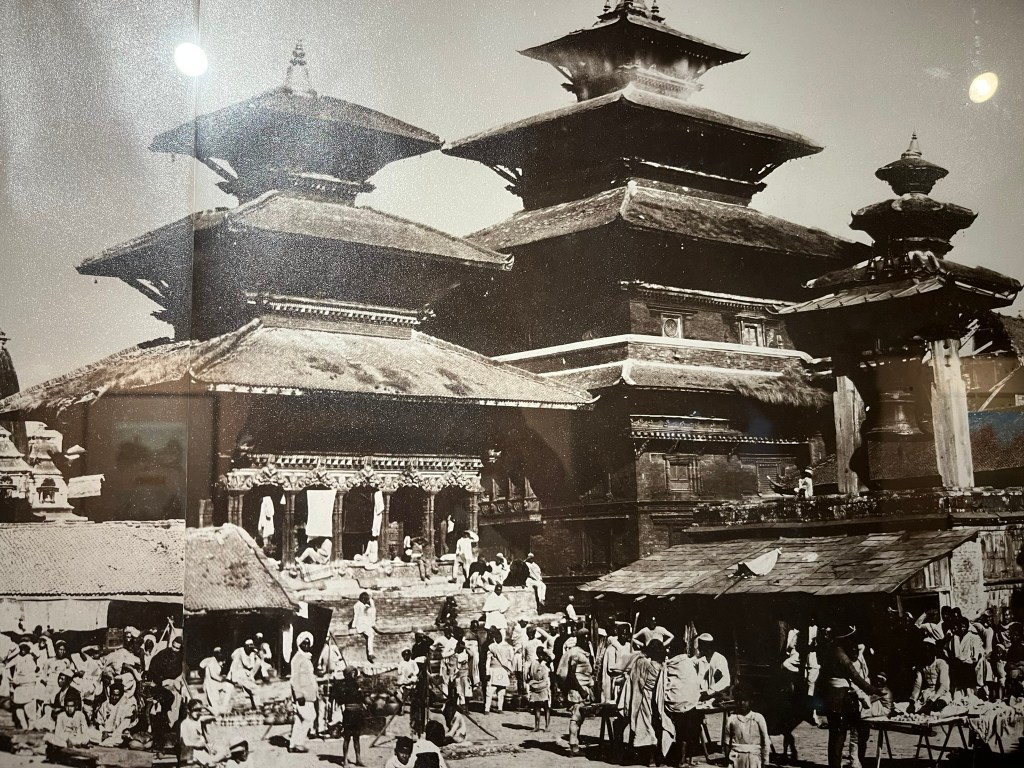
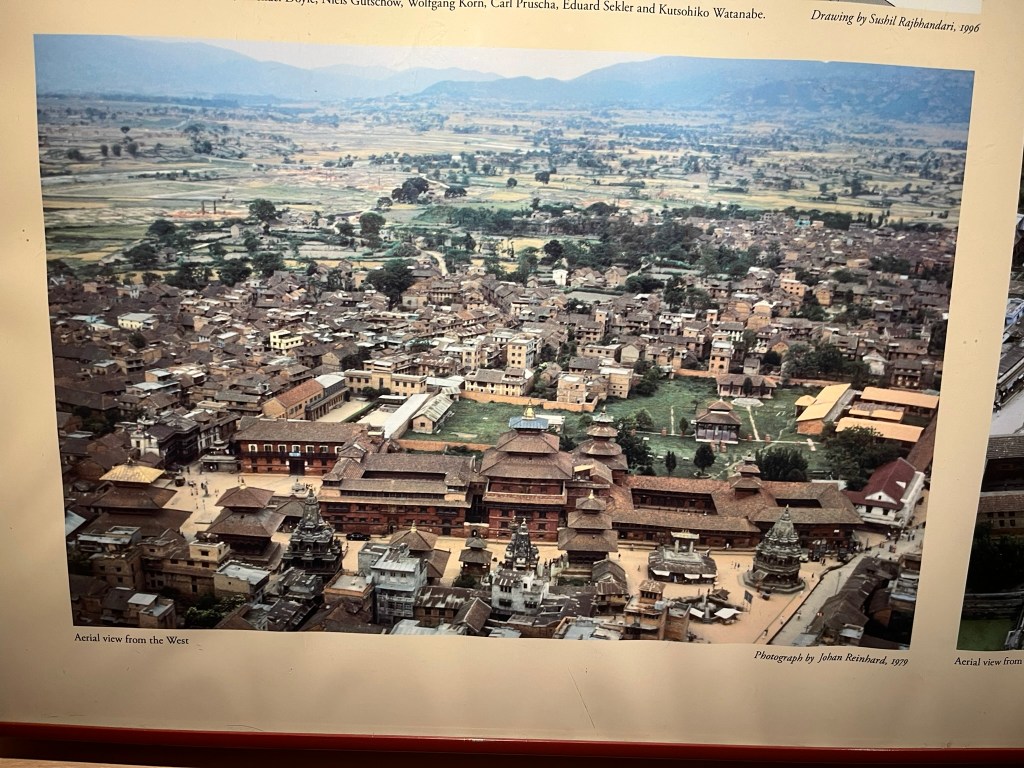
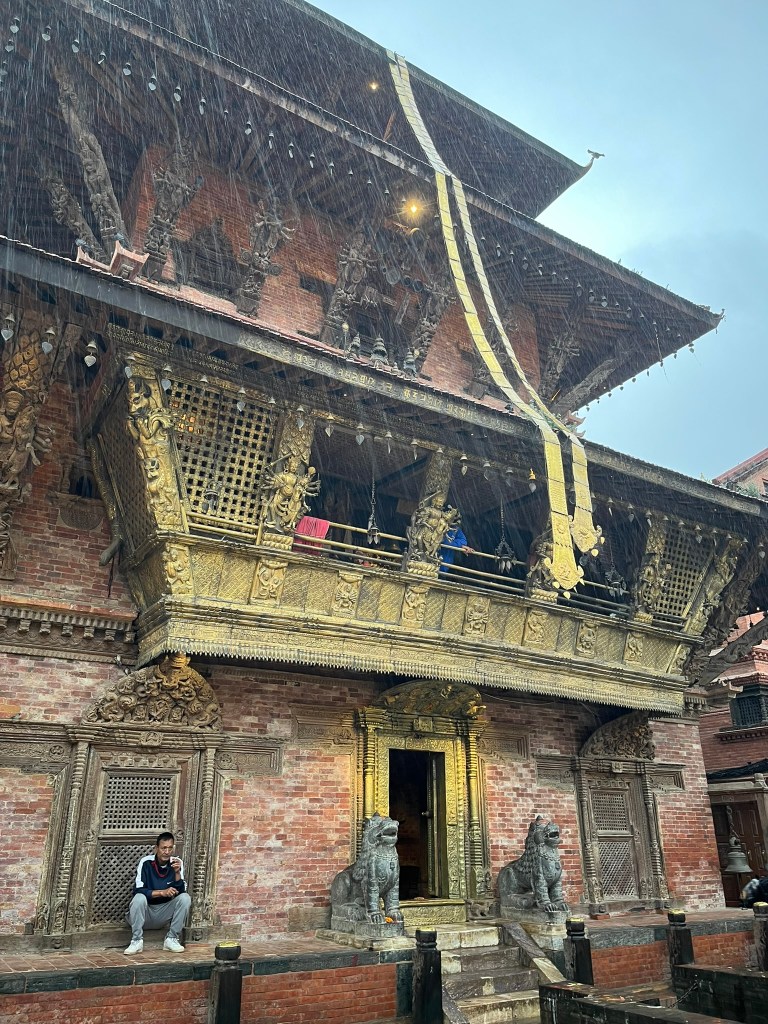
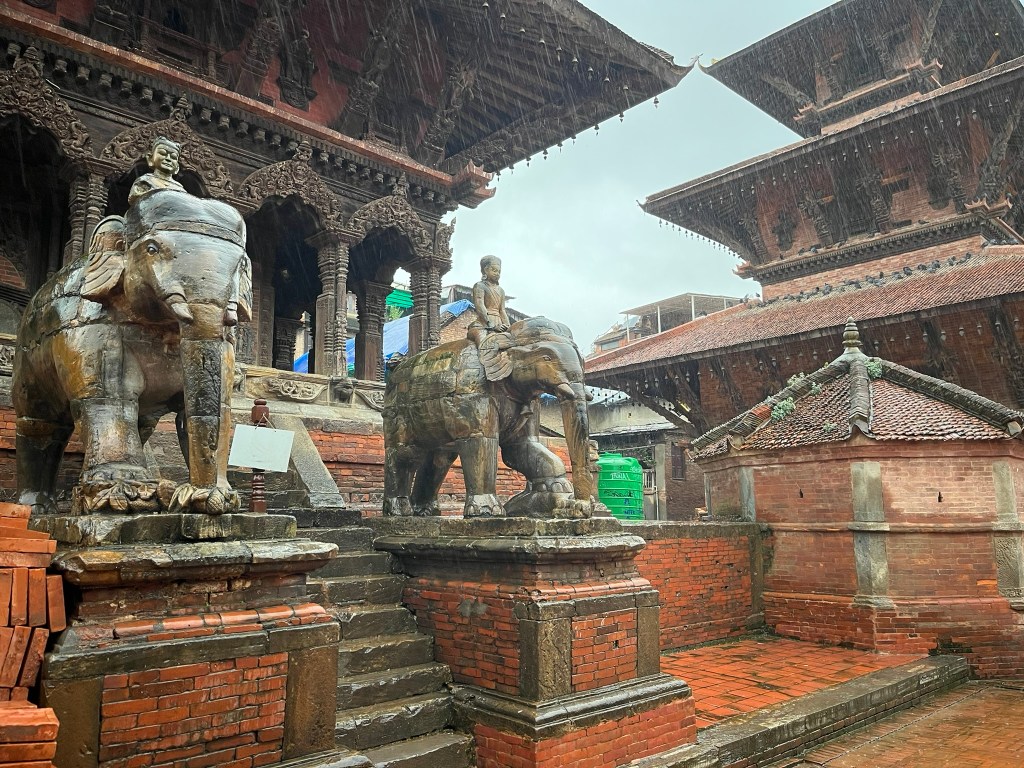
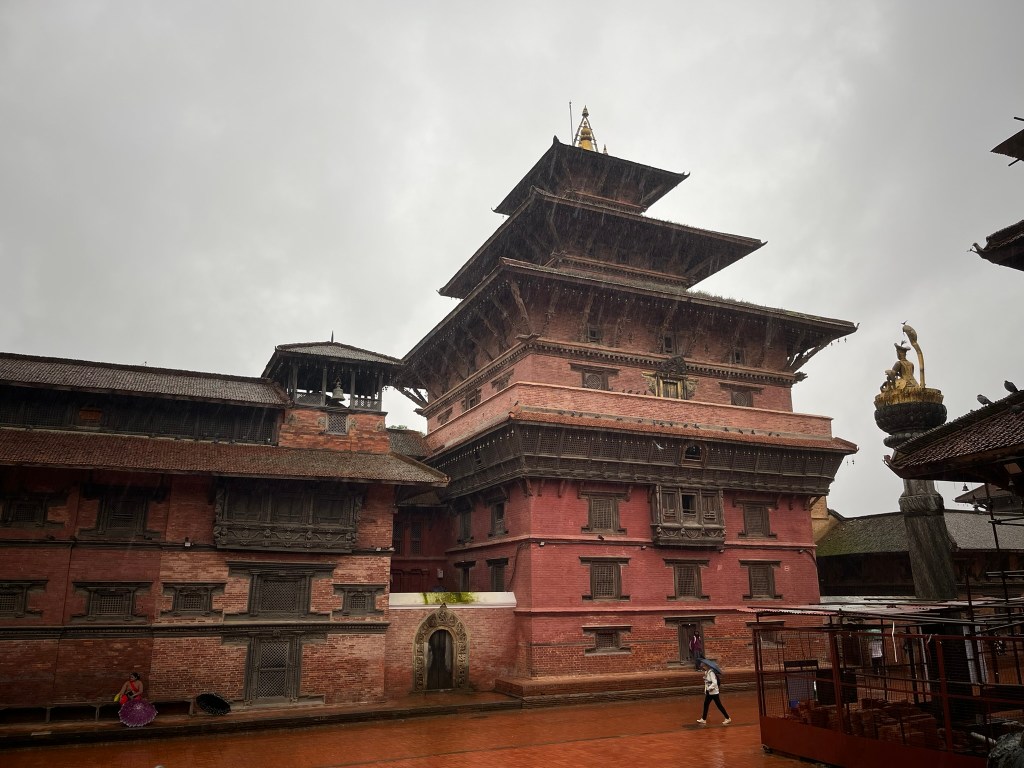
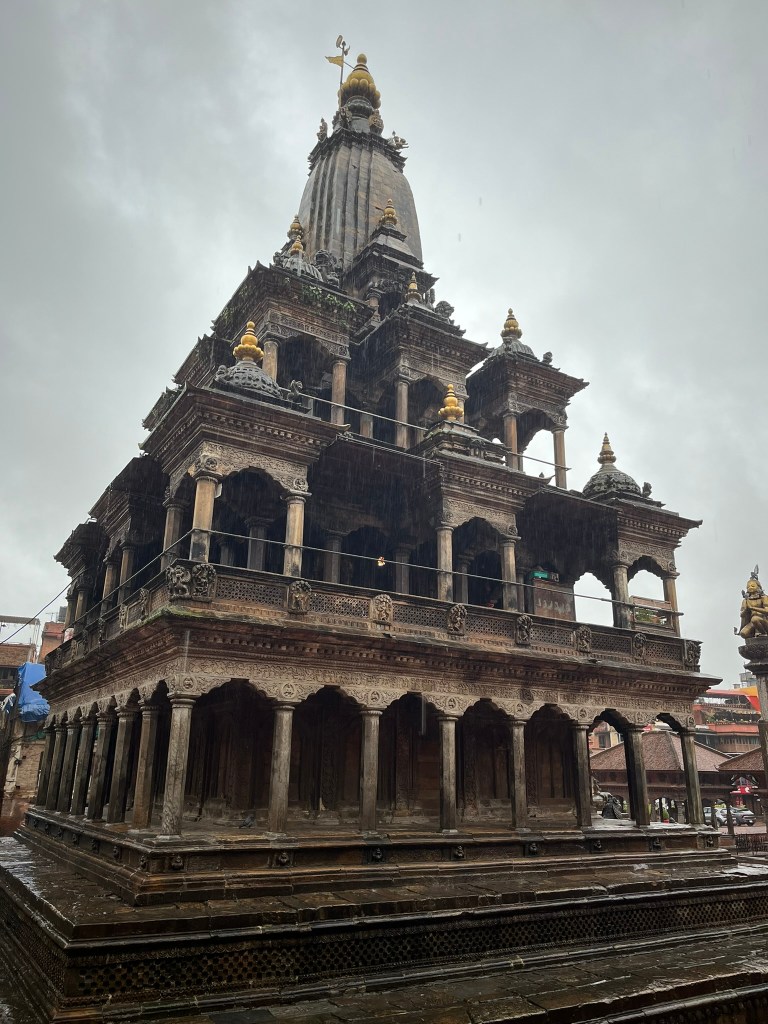
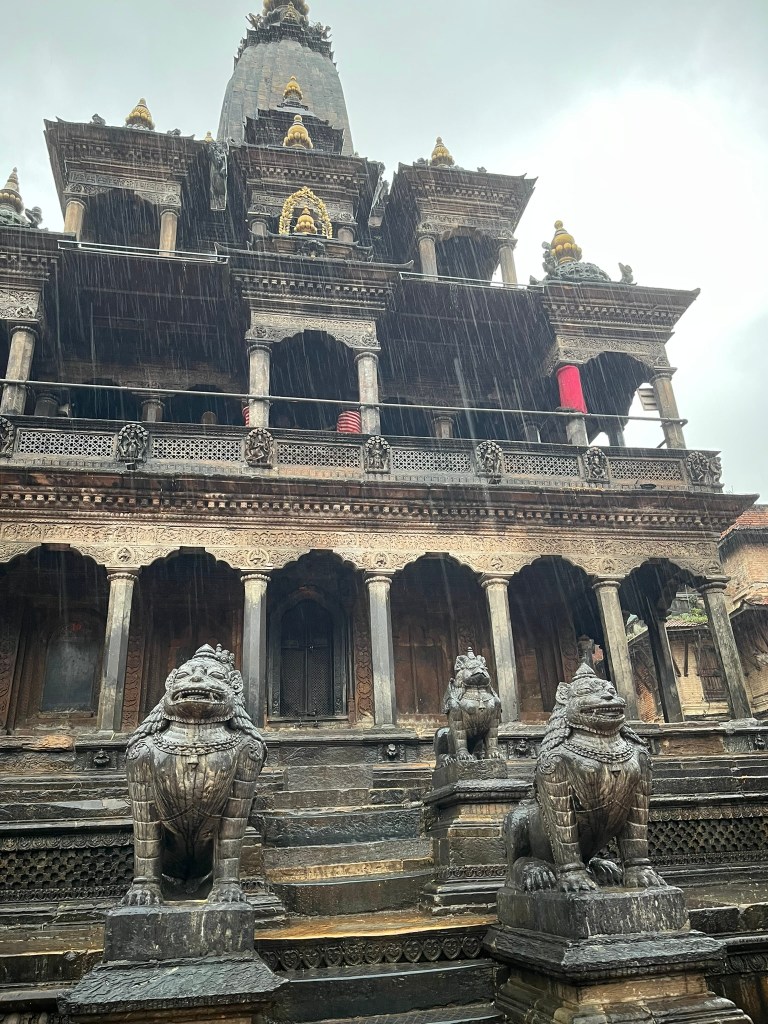


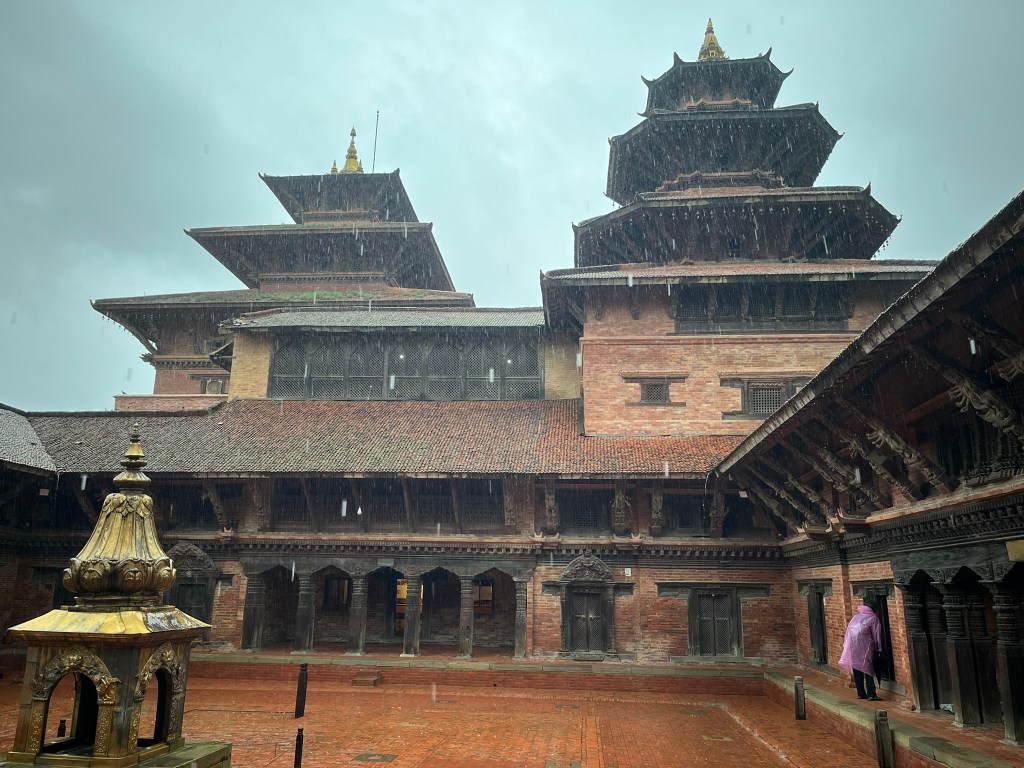
Patan Durbar Square is in Lalitpur, which means ‘City of Beauty’. Like the other durbar squares, it is more than a single plaza but rather a series of courtyards, temples and palaces. Although all three durbar squares share the same Newar architecture, Patan is little different in that whilst it is not the most intact medieval city like Bhaktapur, it is the artistic and intellectual center of the valley. It is also historically the most Buddhist of the three royal cities, whereas Kathmandu and Bhaktapur lean towards a strong Hindu influence.
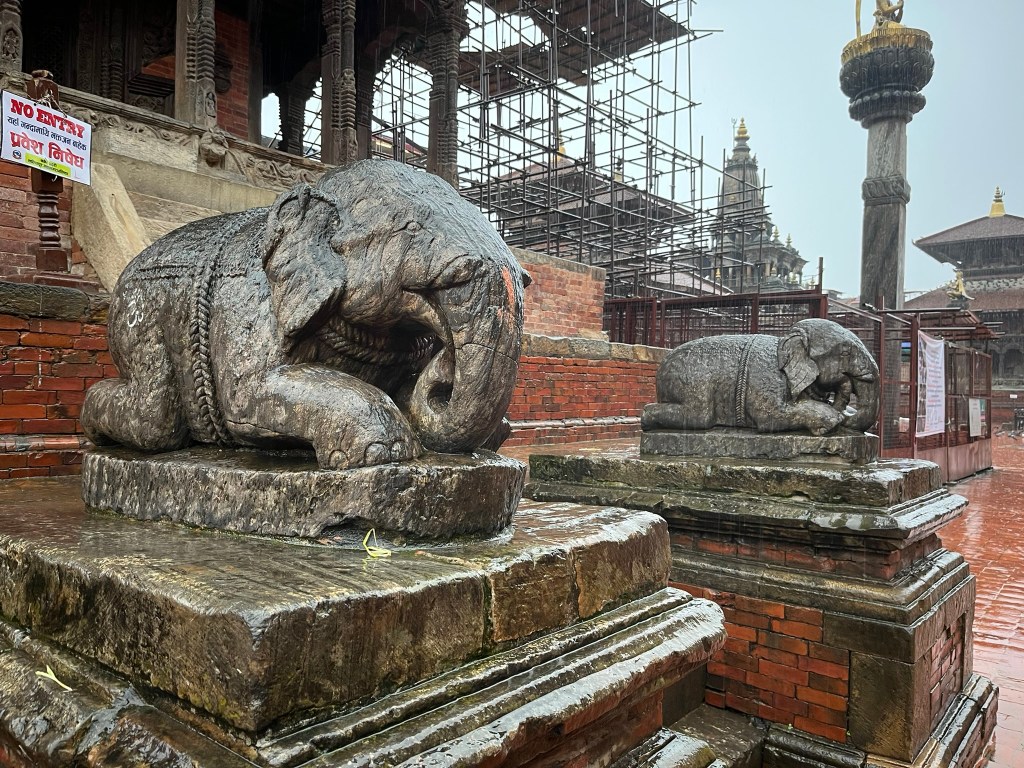
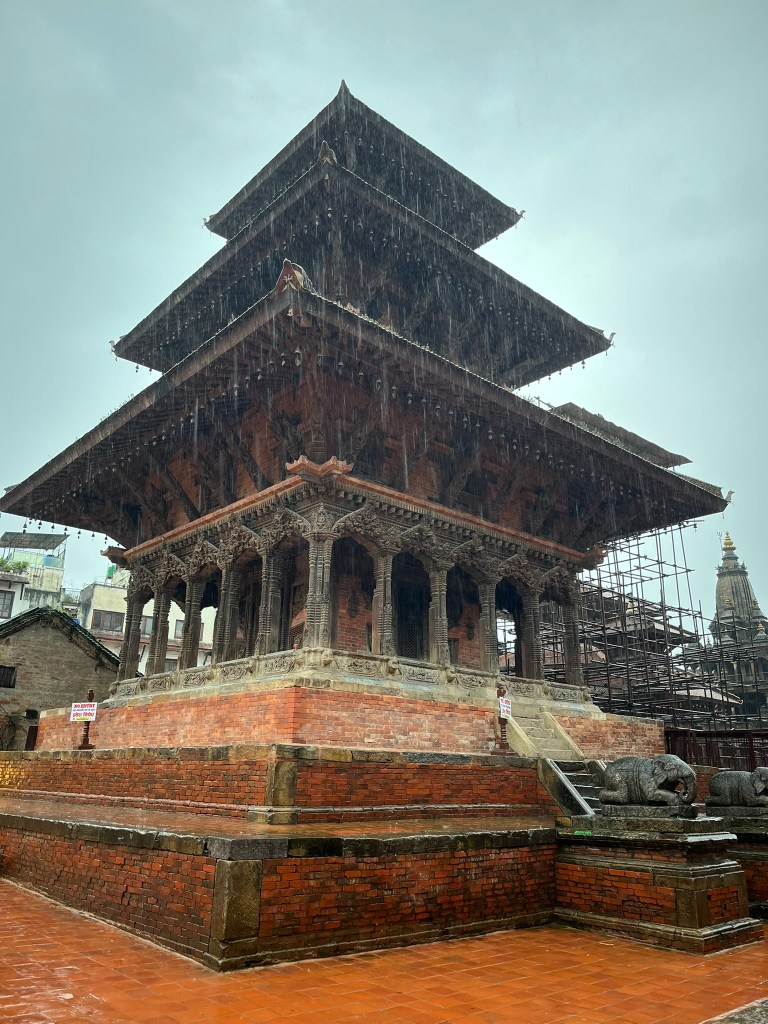
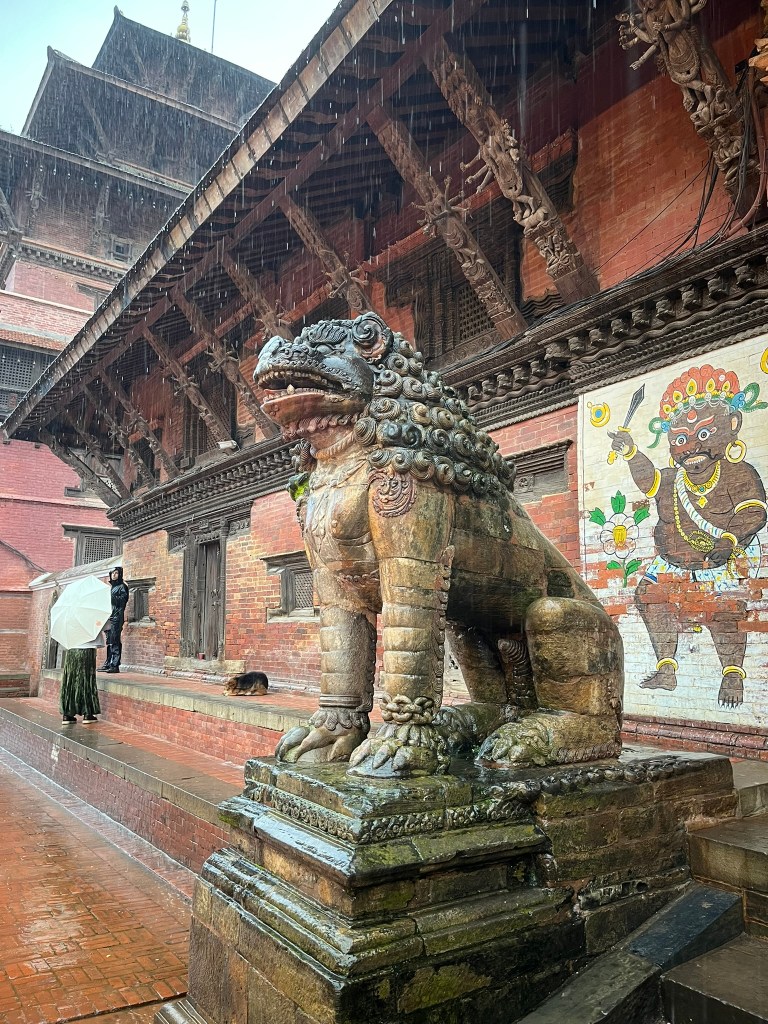
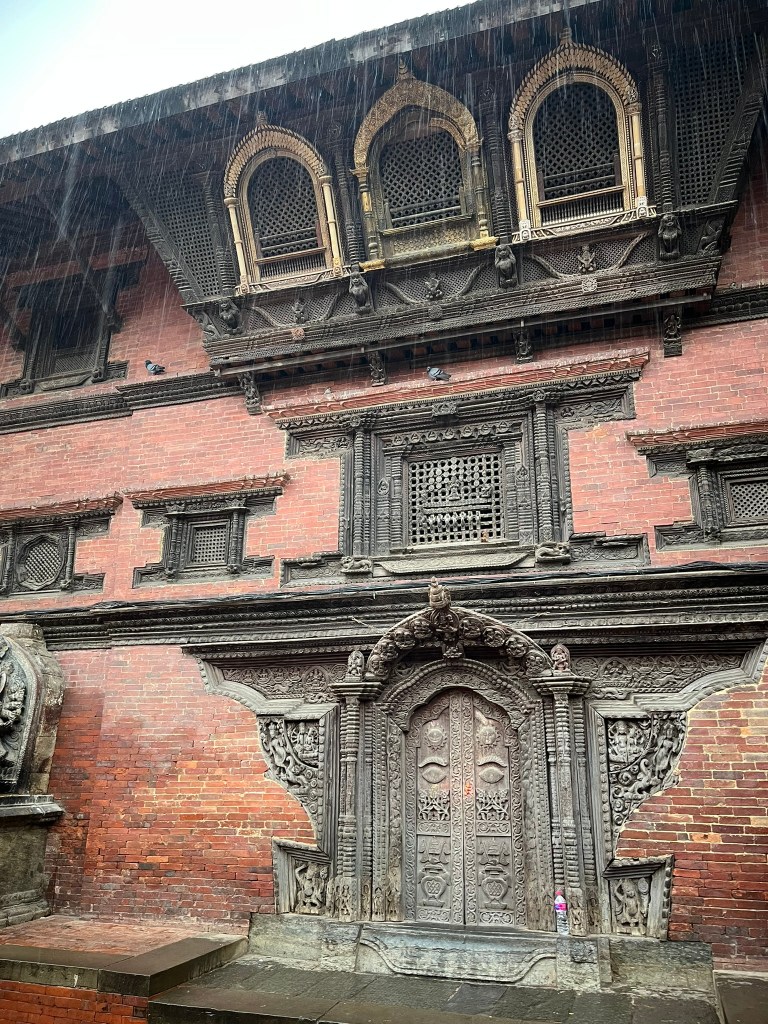
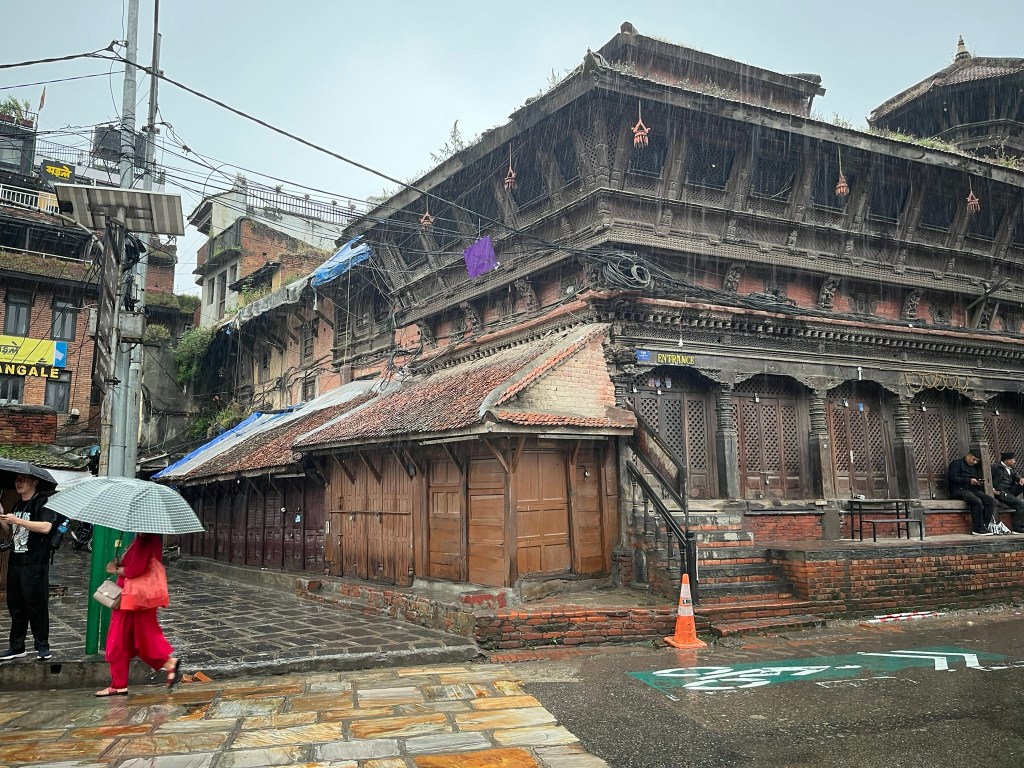
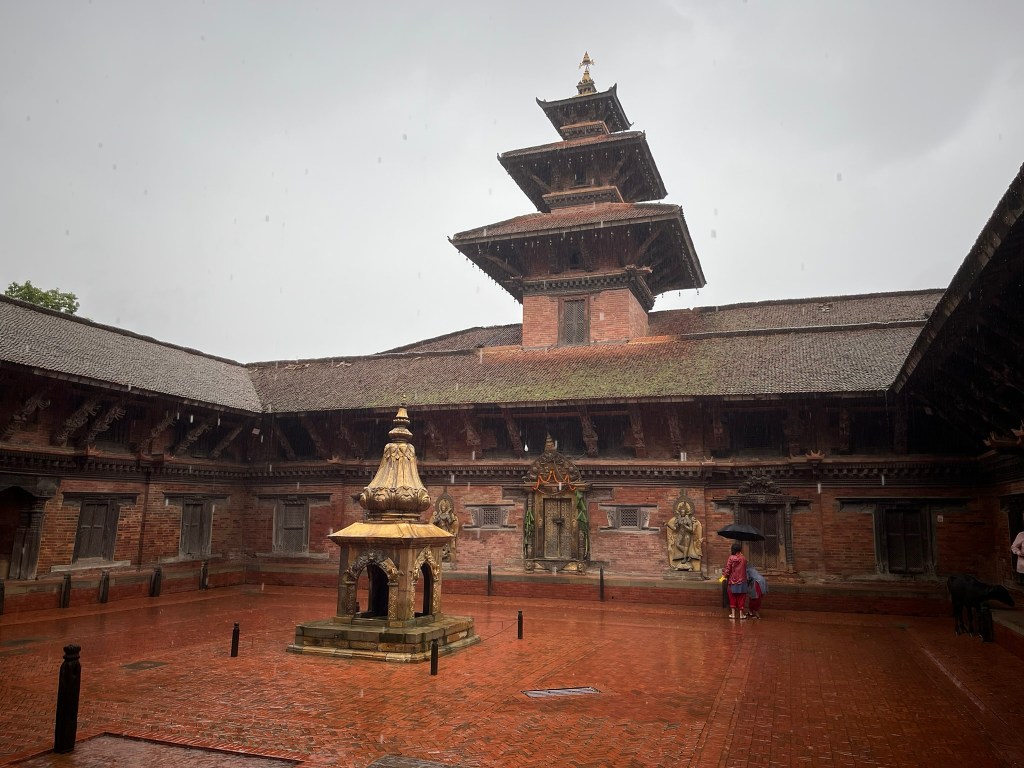
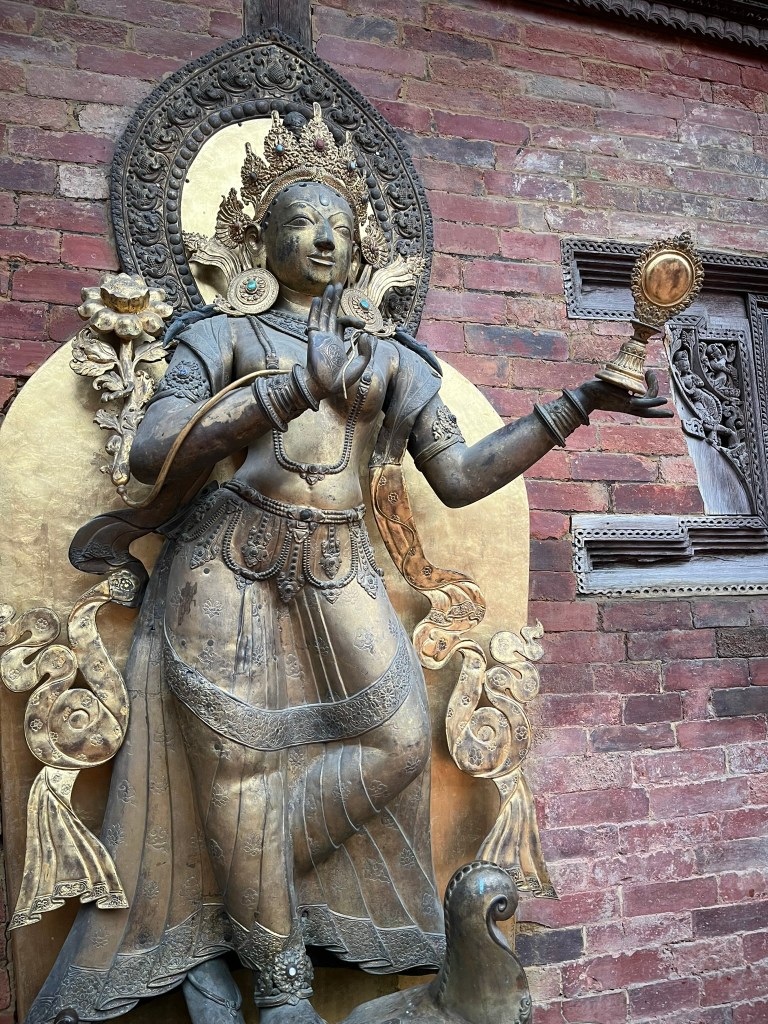
Patan produces the valleys finest bronze and gilt-copper statues in the valley using a lost-wax method, many of which are exported across the Himalayas. They also specialise in sheet-metal work, where beautiful three-dimension designs are hammered out of flat sheets of copper and bronze. We were able to see incredible examples of both of these in Patan Museum, which is housed within one wing of the palace.
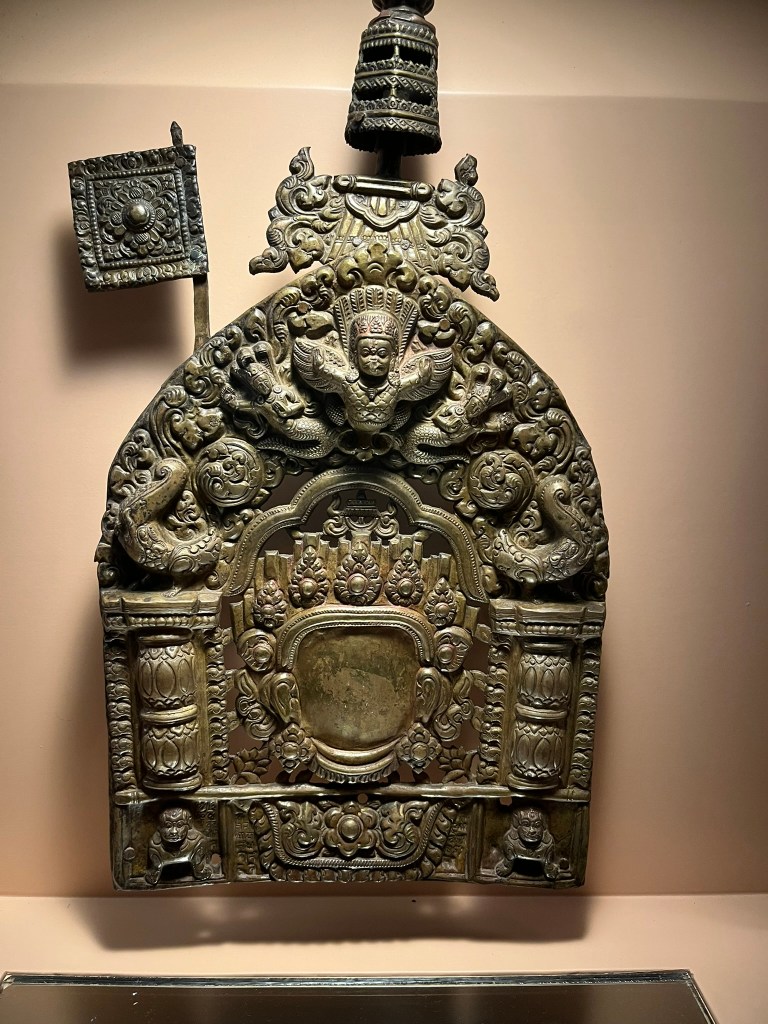
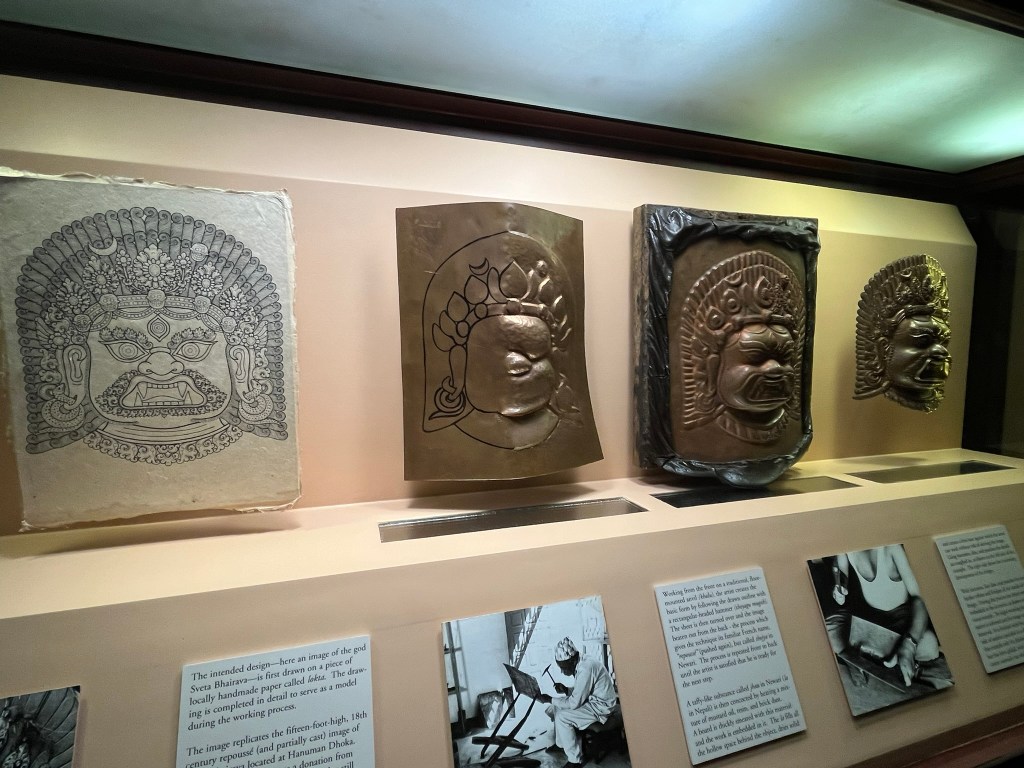
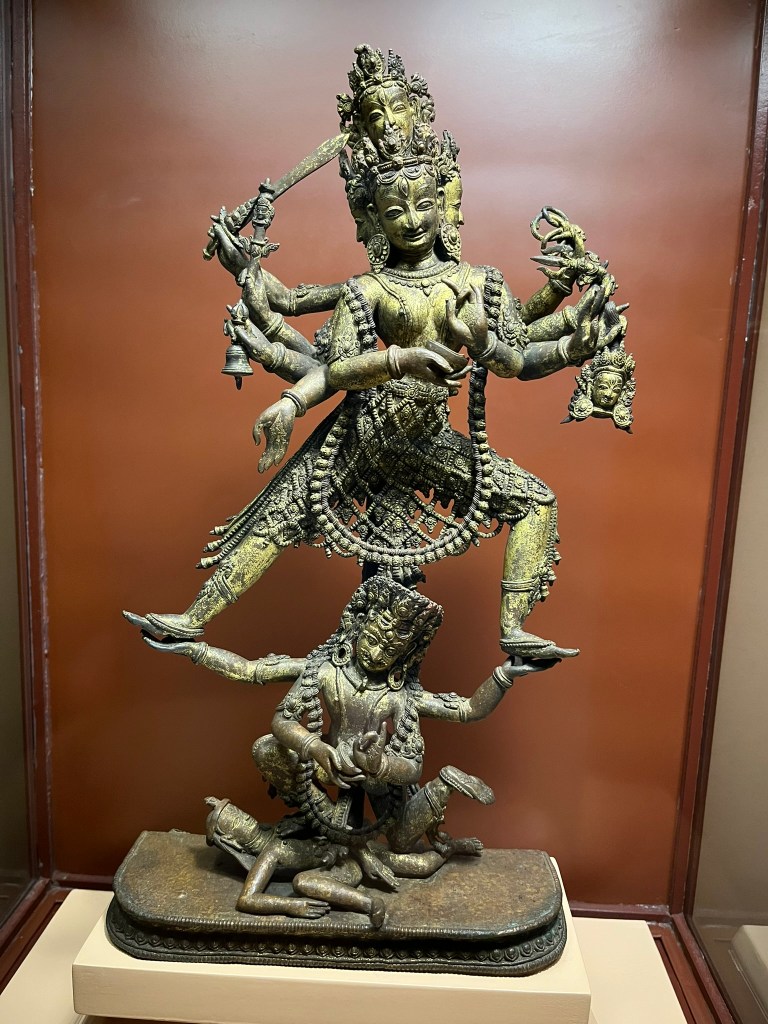
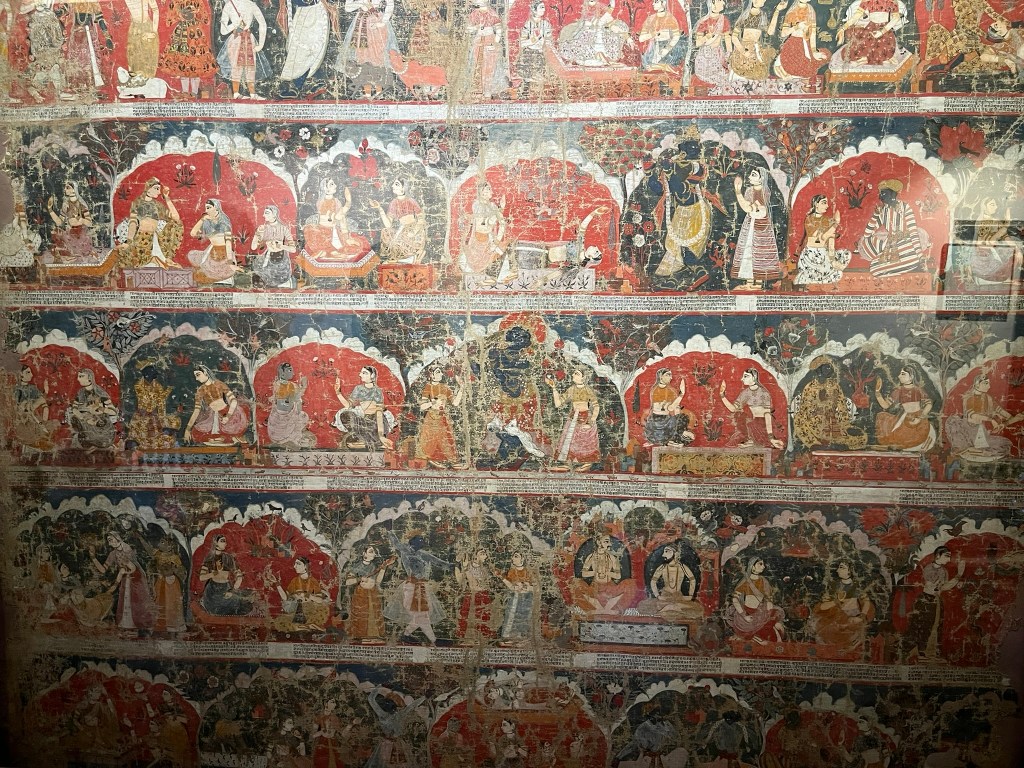

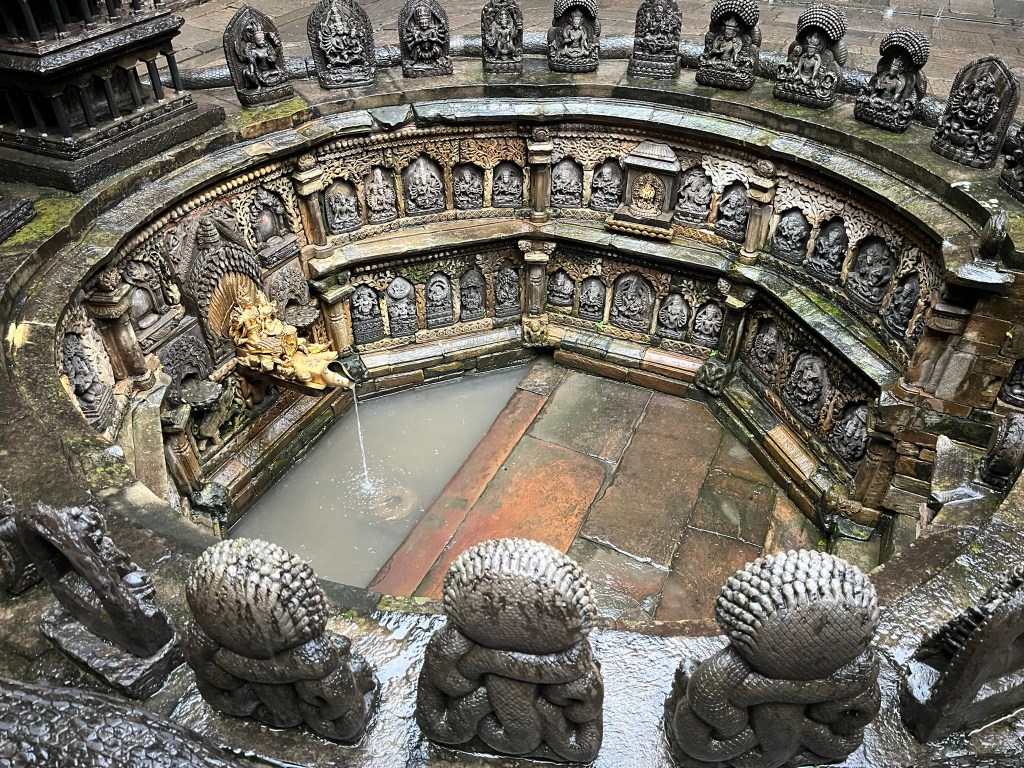
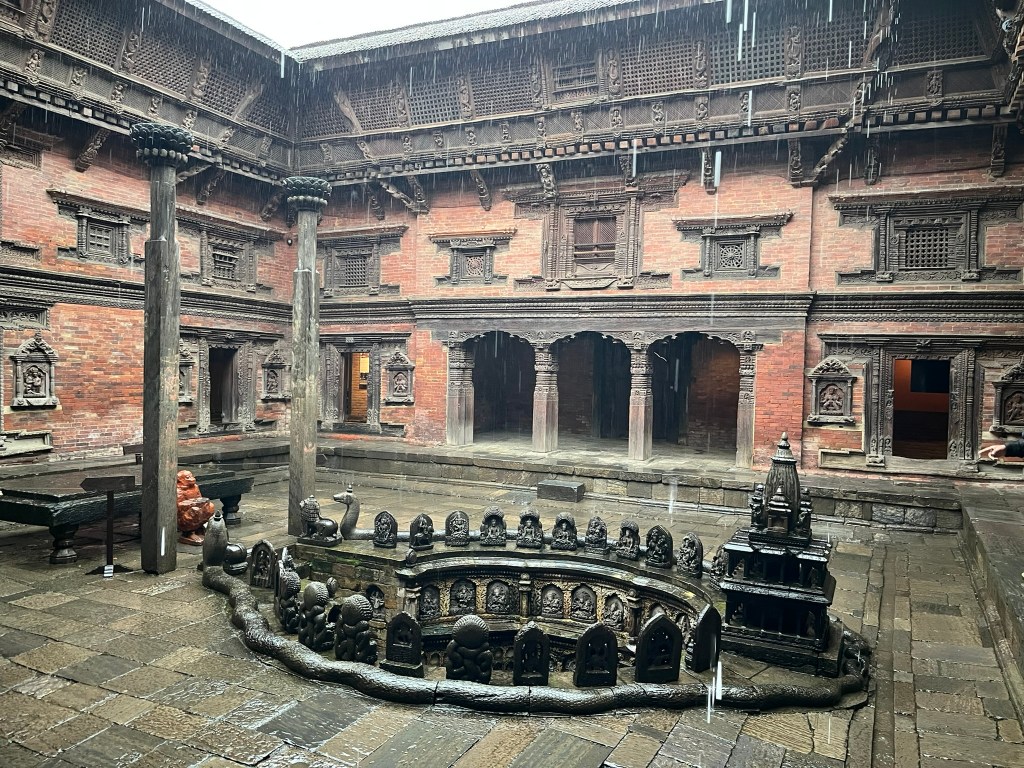
Whilst smaller in overall size, Patan Durbar Square is equally beautiful and so well-preserved. One of the highlights is the Sundari Chowk courtyard in which there is a royal sunken bath surrounding with images of deities, serpants and other sacred animals. It is said to be most the beautiful courtyard in Nepal and I could believe that.


As the rain continued, and the Bagmati river continued to rise we headed to quickly organised hotel in Bhaktapur for the night and hoped that we would be able to continue our journey to Pokhara tomorrow. Although not the day we expected, we salvaged what we could of the day!
 Colette's Grand Detour
Leave a comment