Over the last 2 days I have been visiting the major sights of Kathmandu. As I mentioned in an earlier blog, Kathmandu Valley has a high concentration of UNESCO World Heritage sites because historically there were 3 royal cities in the valley, each competing with each other for architectural and artistic dominance and thus building many temples, palaces and stupas. The 7 sites were selected to be part of UNESCO World Heritage in 1979 and consist of three Durbar (Palace) squares, two major Buddhist stupas and 2 Hindu temple complexes. The sites reflect the historic and artistic achievements of the Newar cultural tradition and the coexistence and interaction of Hindu, Buddhist and local animist practices in the valley.
We were also extremely lucky that we would be visiting on one of the most important days of the biggest religious festival in Nepal – Dashain. It meant we got to see locals out and about visiting the homes of their relatives to receive blessings and it provided a lively atmosphere.
First up we visited ‘the monkey temple’ (Swayambhunath Stupa) which lies on a hill in west Kathmandu and wasn’t far from our hotel. This is considered one of the oldest and most sacred pilgrimage sites in the valley. Legend says the Kathmandu Valley was once a vast lake and that a bodhisattva named Manjushri came from China, saw a lotus glowing with divine light on the lake and cut a gorge with his sword to drain the water. When the lotus settled, the hill of Swayambhunath arose and the stupa was built to enshrine the flame of enlightenment. It is not just a Buddhist shrine, but believed to radiate spiritual energy.
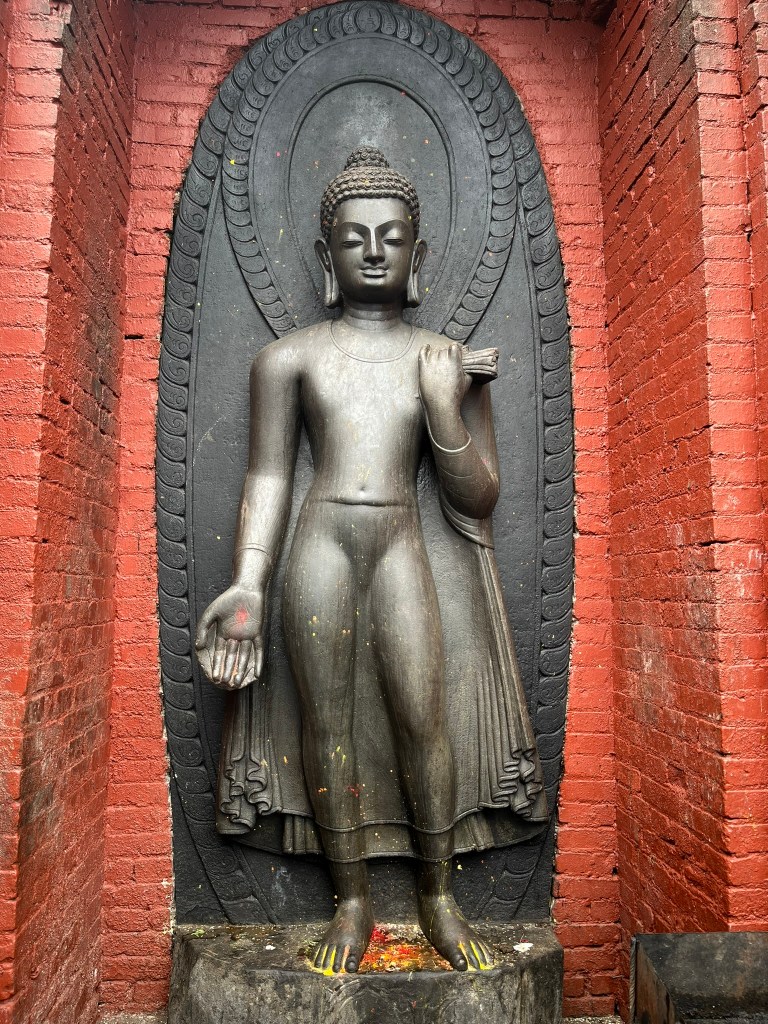
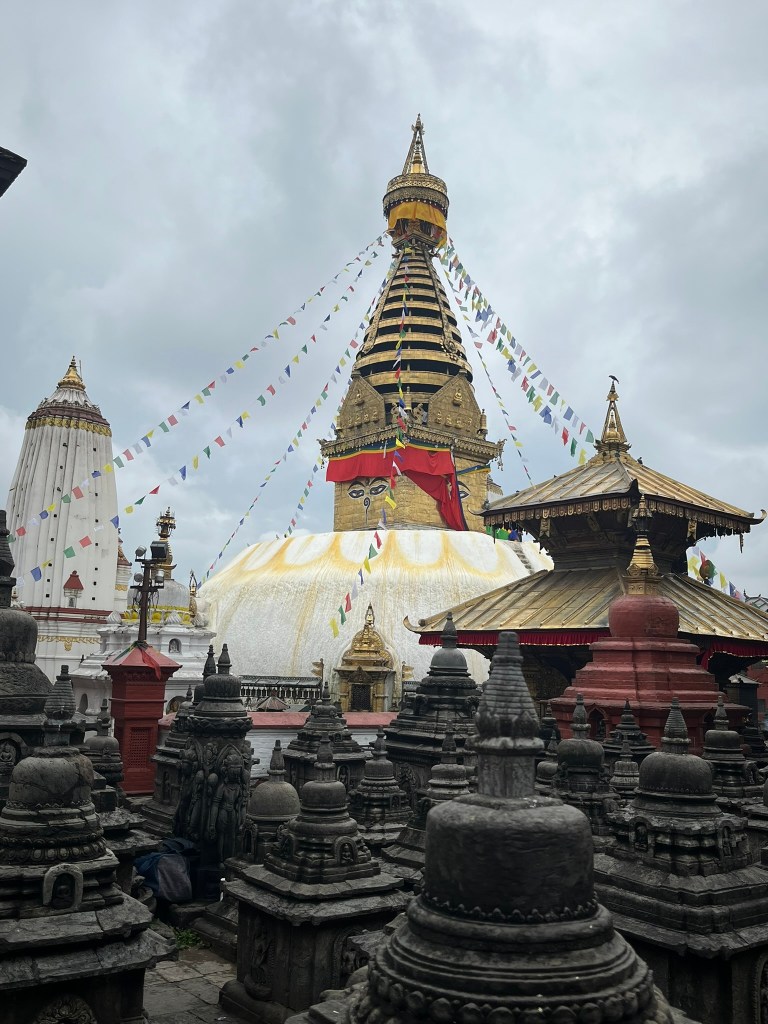
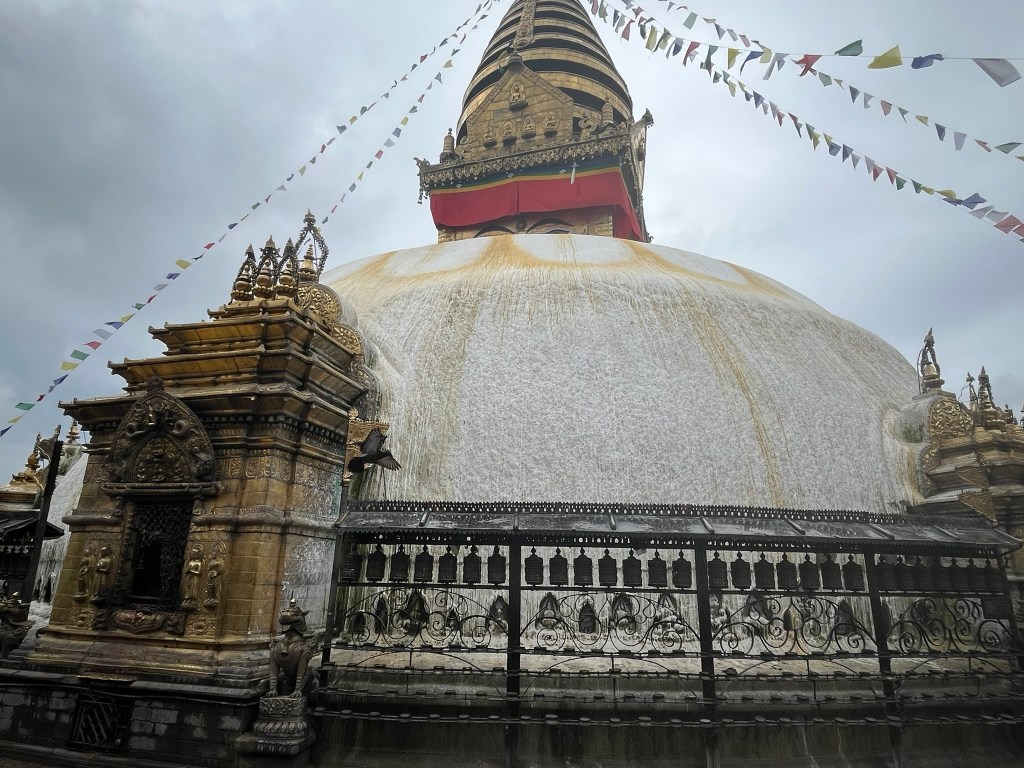
The earliest structure at the temple site dates back to around 5th century and over the years it has become a site visited by both Buddhists and Hindus. Buddhists honor it as a place to connect to the Buddha’s wisdom whilst Hindus associate it with the mother goddess who protects children. Over the centuries, and particularly in the golden Malla era from 12th-18th century, shrines, statues and monasteries have been built around the stupa.

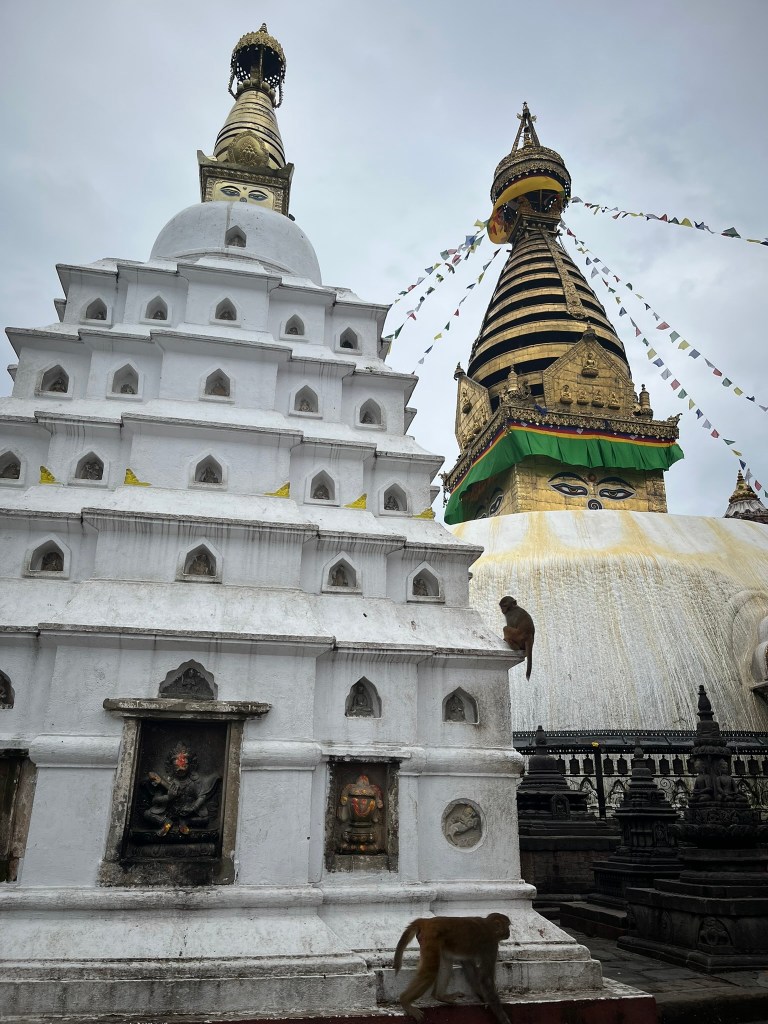
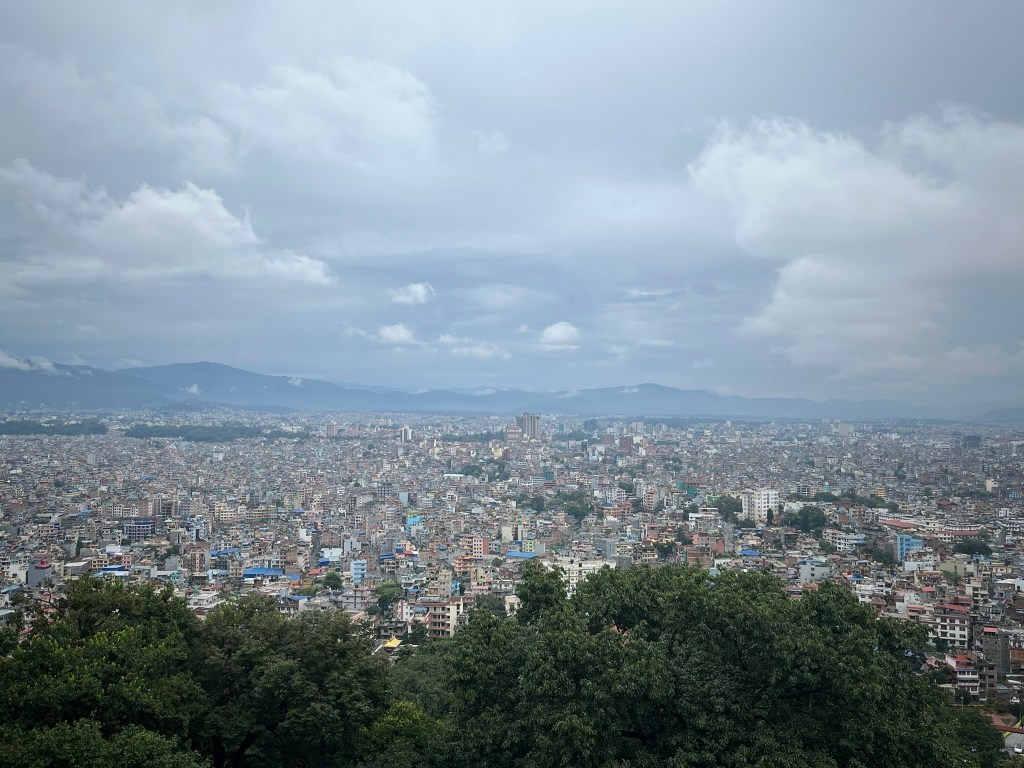
It is known as the Monkey Temple….because there are a lot of monkeys in the complex. They are literally climbing over everything and likely attracted by the offerings left by pilgrims. You need to climb up about 50 steps from the car park to reach the main area and from here you also get a great view of Kathmandu Valley. You need about 30-45 minutes here max to enjoy looking around.
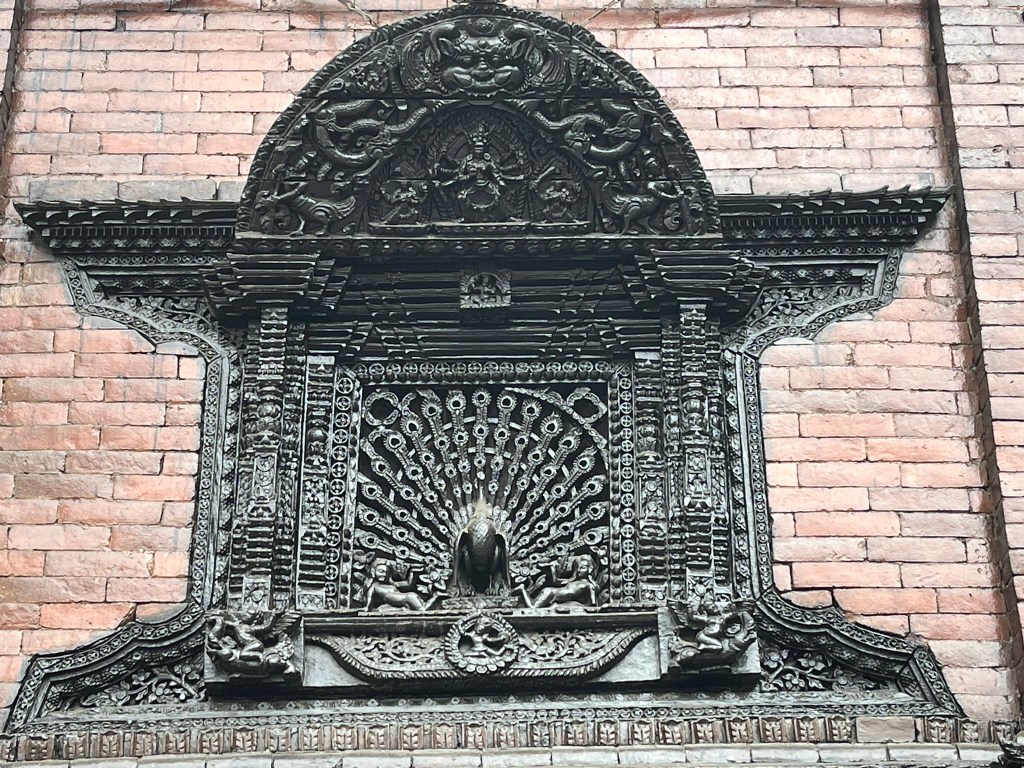
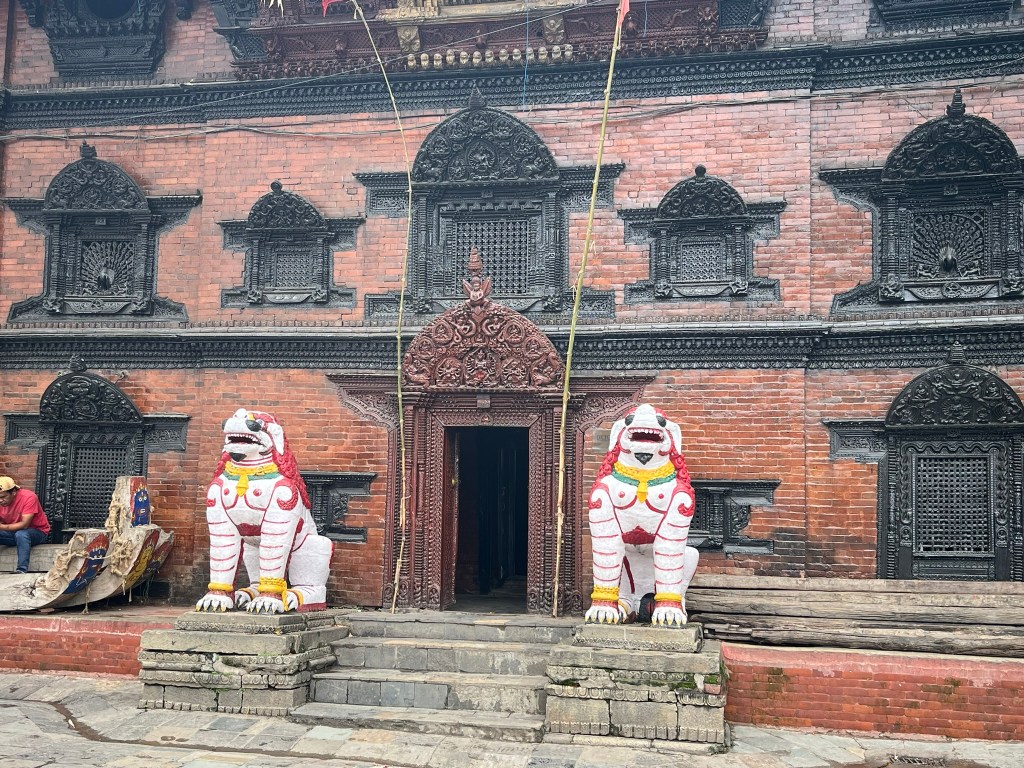
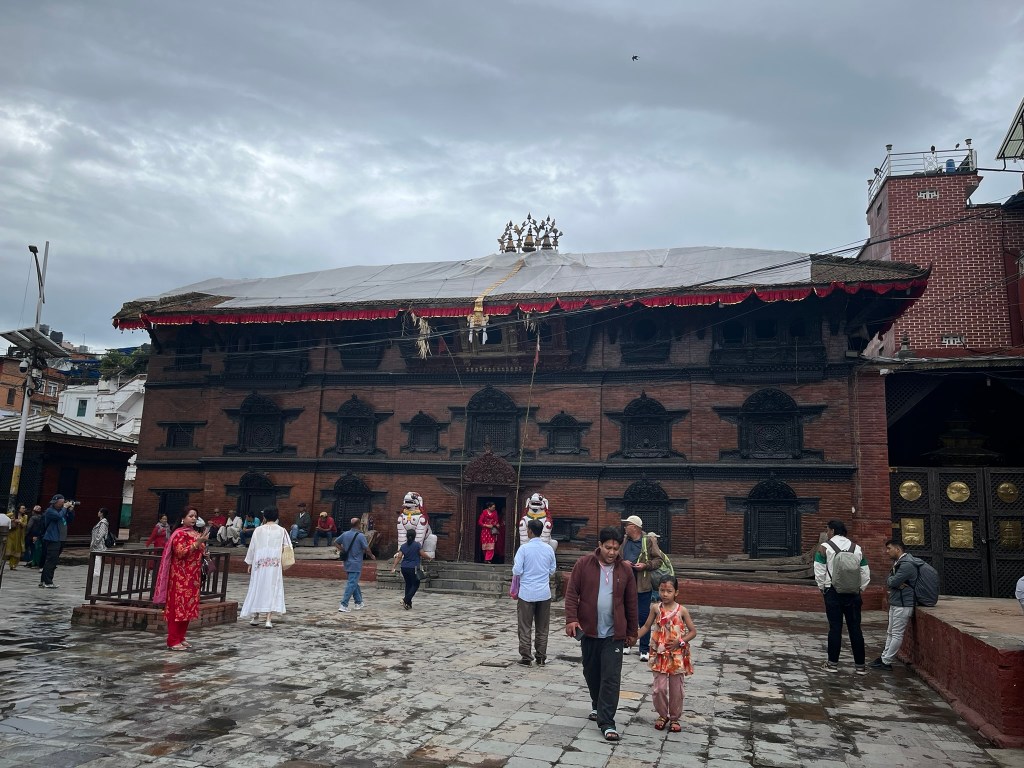
Next up was Kathmandu Durbar Square. The word durbar translates to palace, so what you are seeing when you visit is much more than a square, it is an entire palace complex and surrounding temples. I was really surprised at the size of the area and just how grand the whole place felt. In fact I thought we were in the main square and was very impressed, when I realised we were still in one of the side squares off the main palace area. The area was the seat of power and central to the political and ceremonial life of Kathmandu’s rulers. There are temples, courtyards, shrines, palaces, statues everywhere all in the traditional Newar architectural style, including incredible wood-carvings, especially the windows. It is much bigger than I imagined and you need at least an hour to enjoy wandering amongst and through all the different buildings. My favourite part was getting up close to the detailed wood-carving, particularly the peacocks which I had read were a special feature.


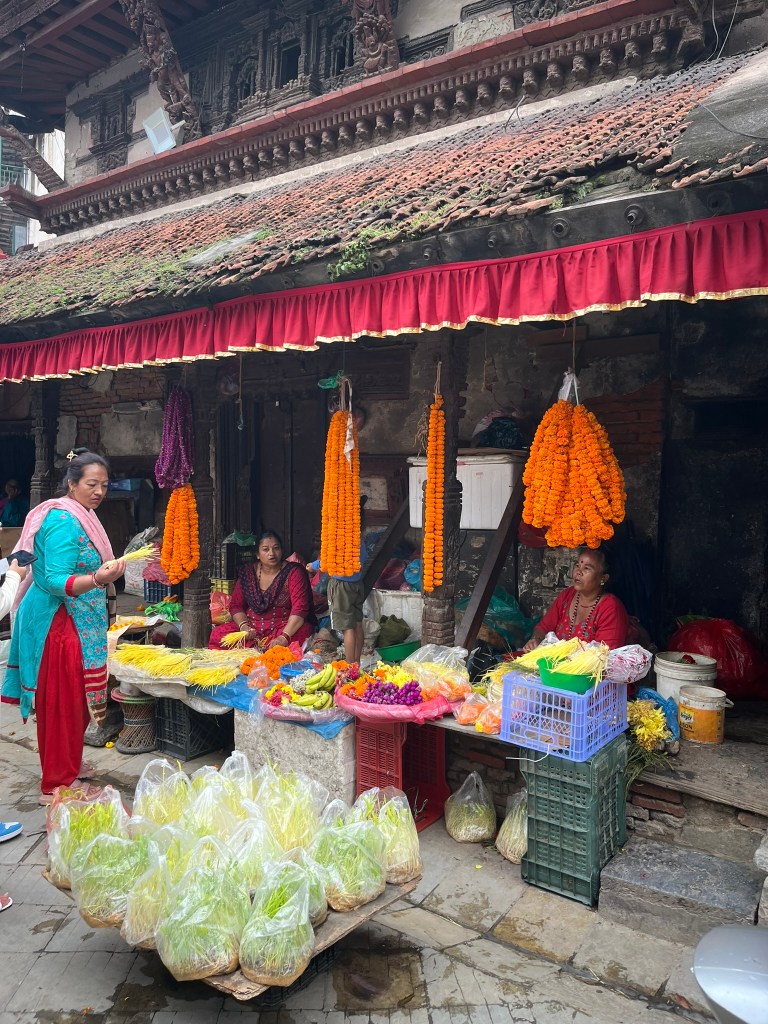
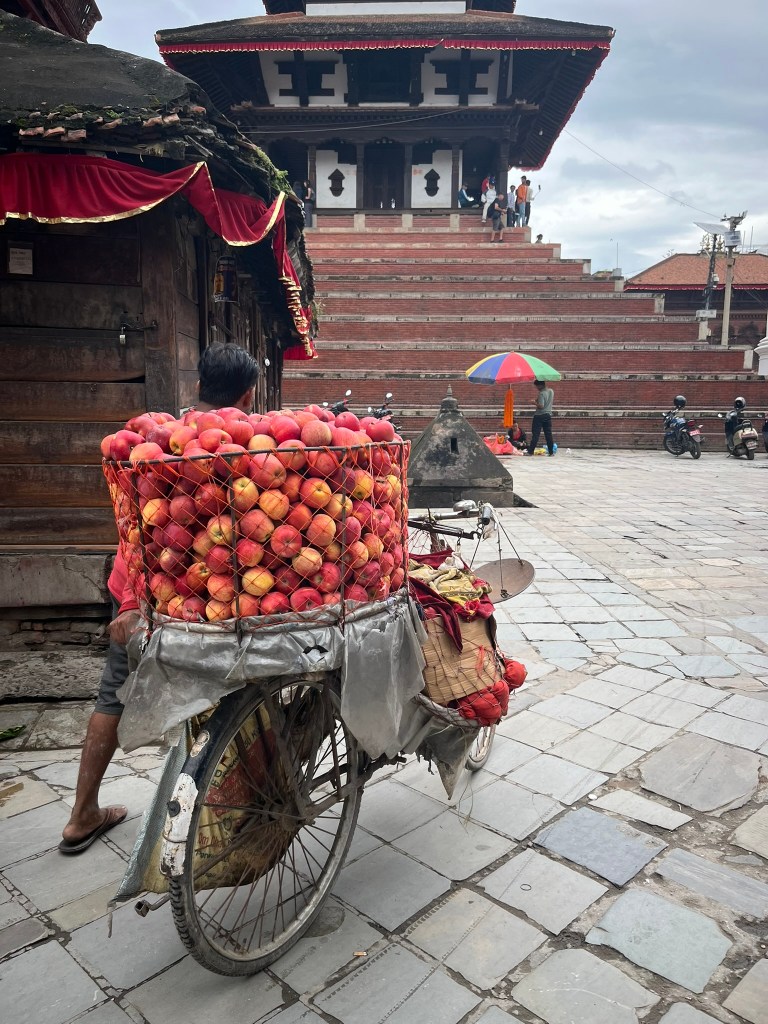
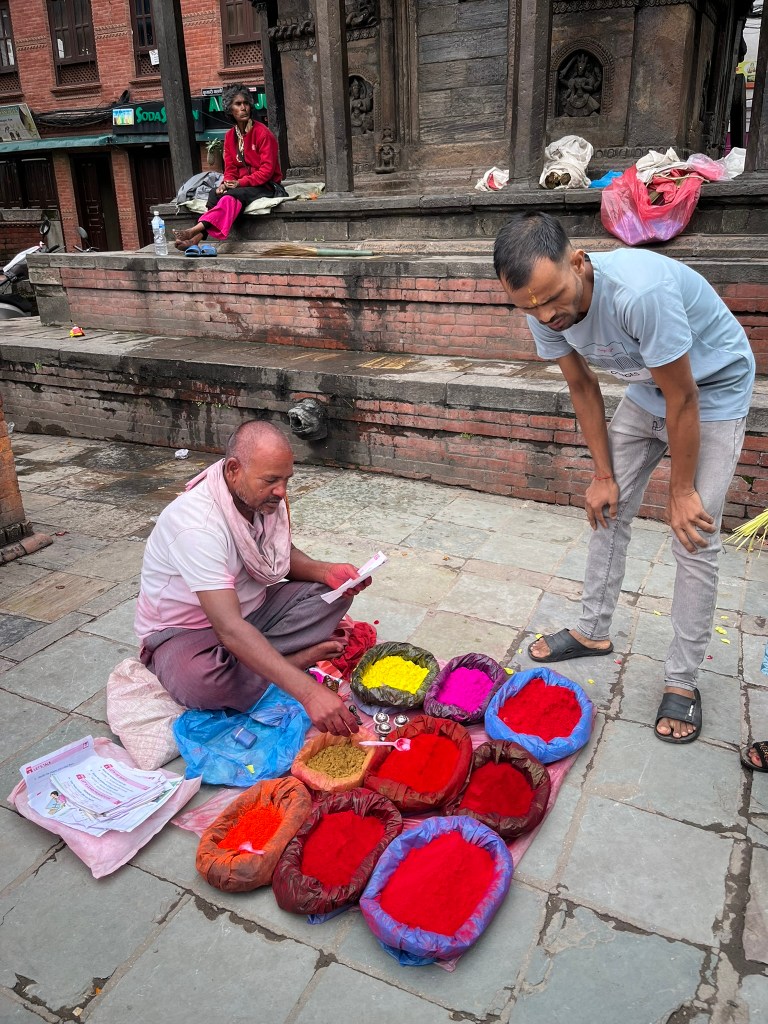
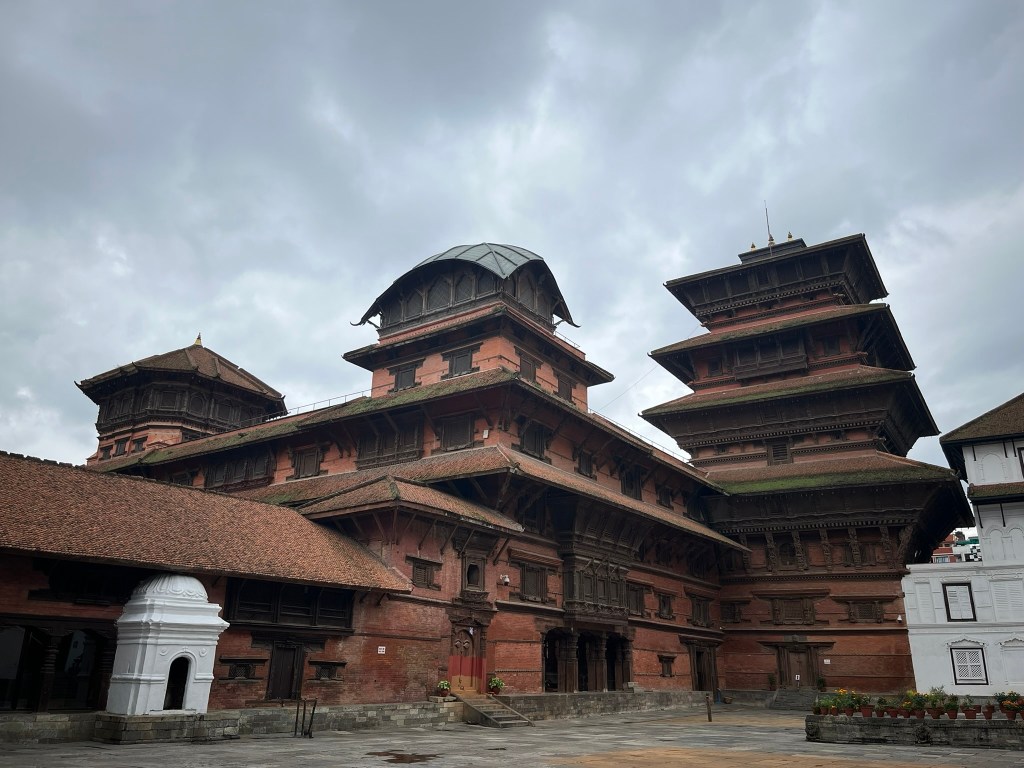
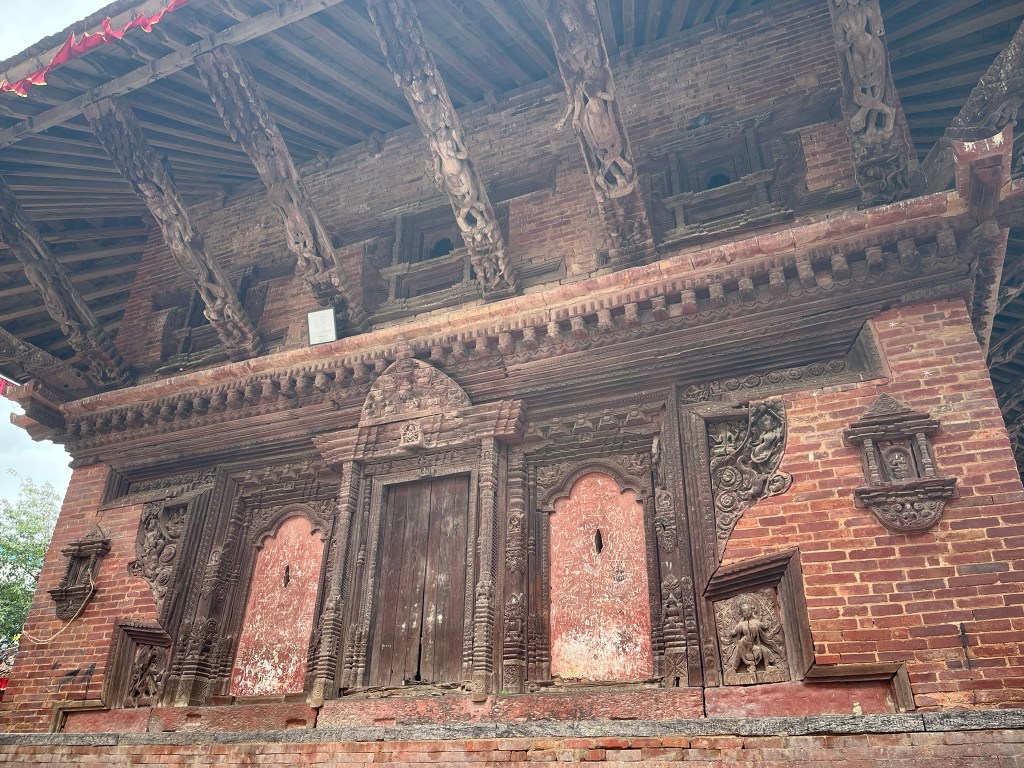
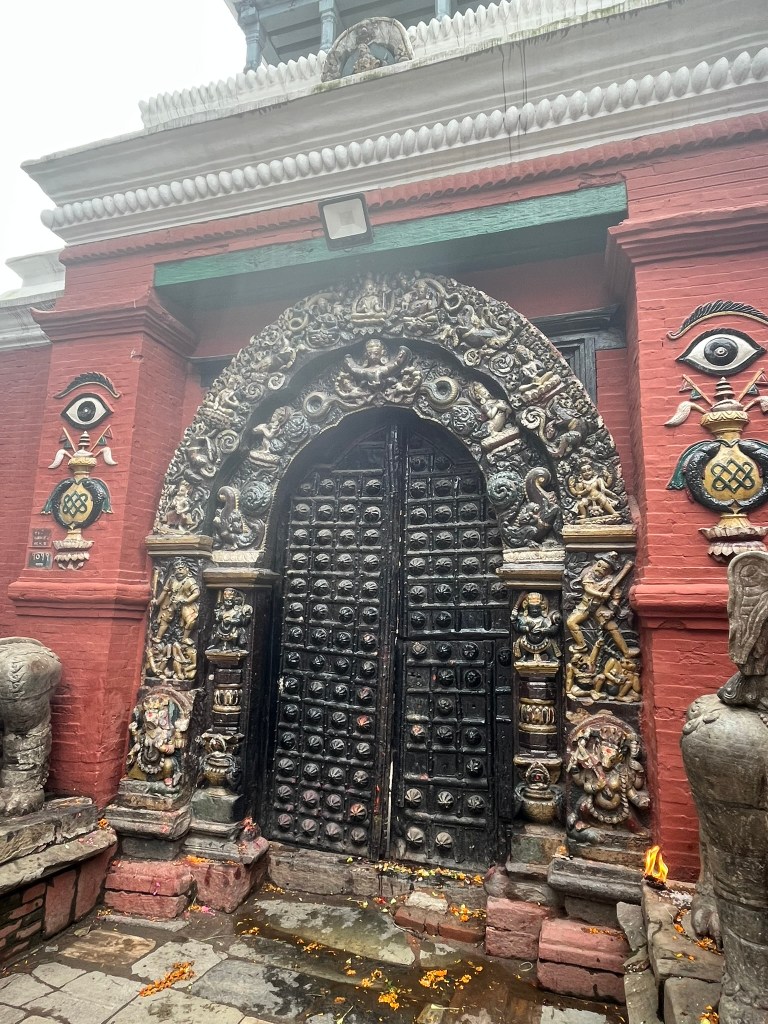
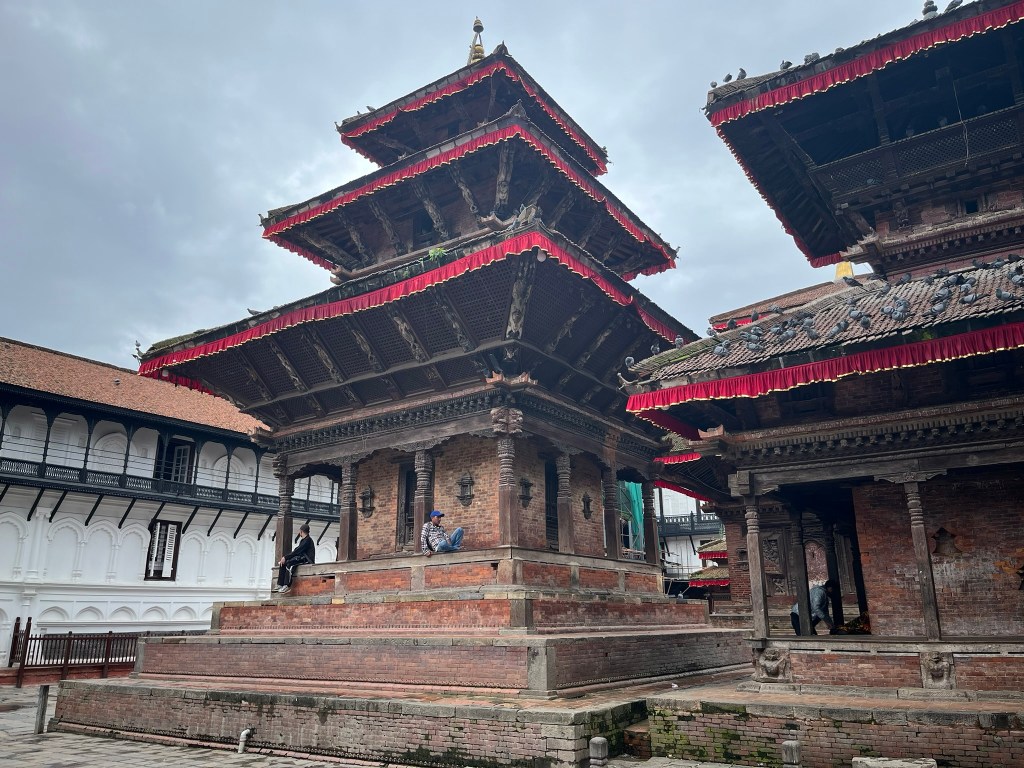
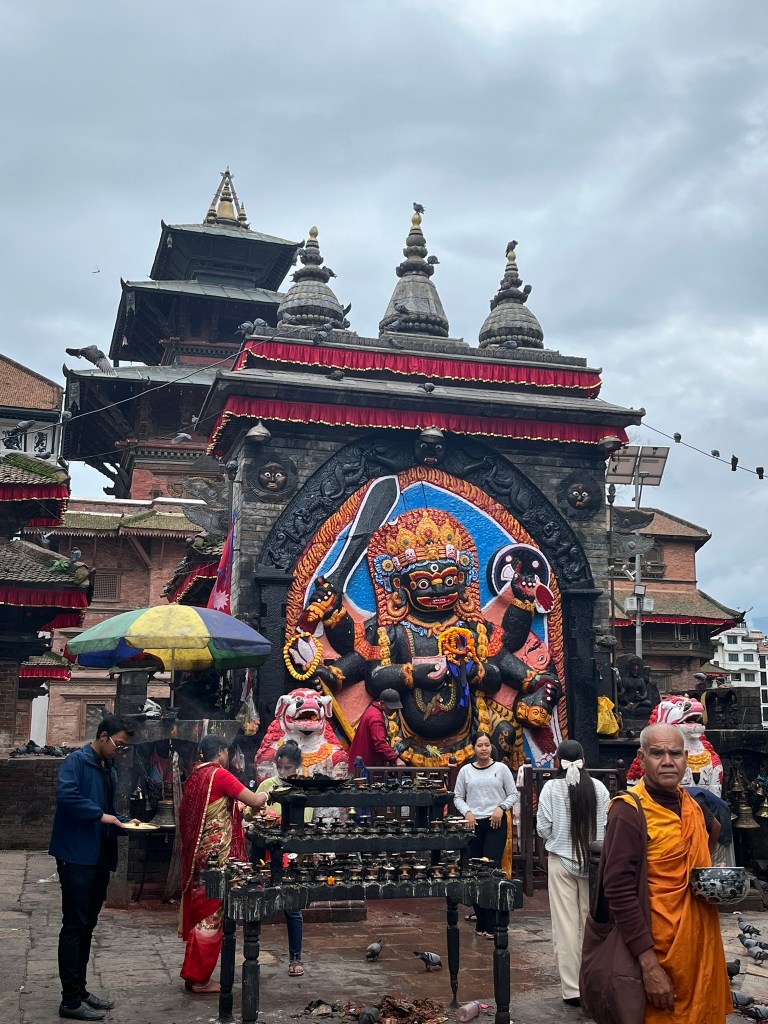
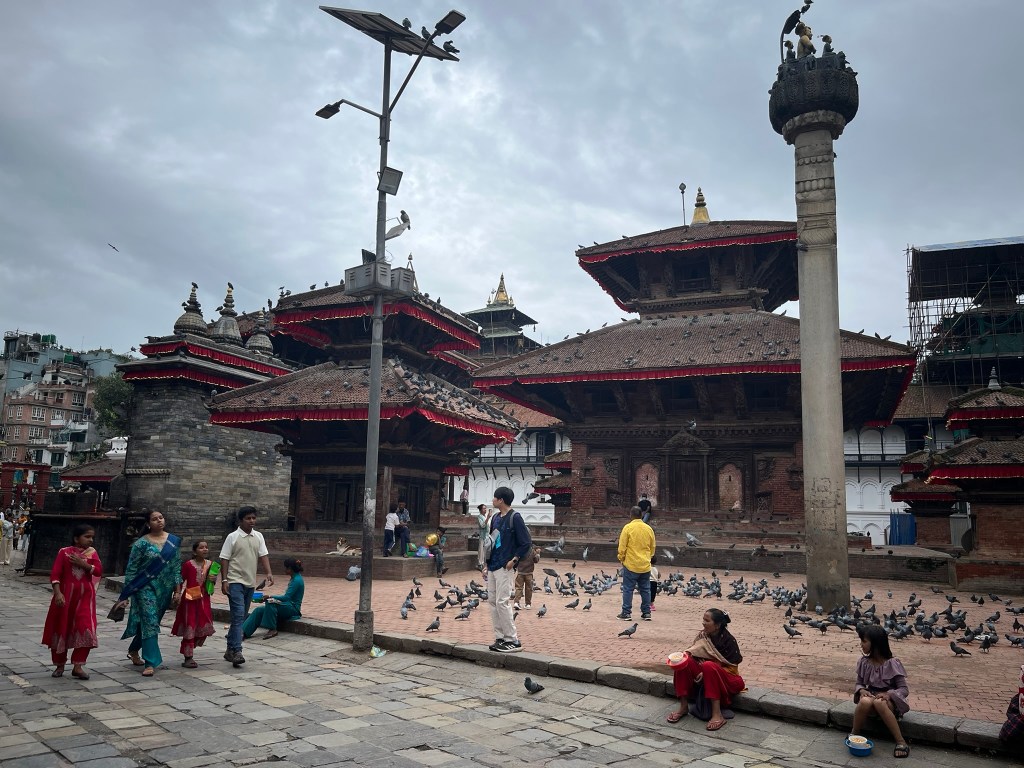
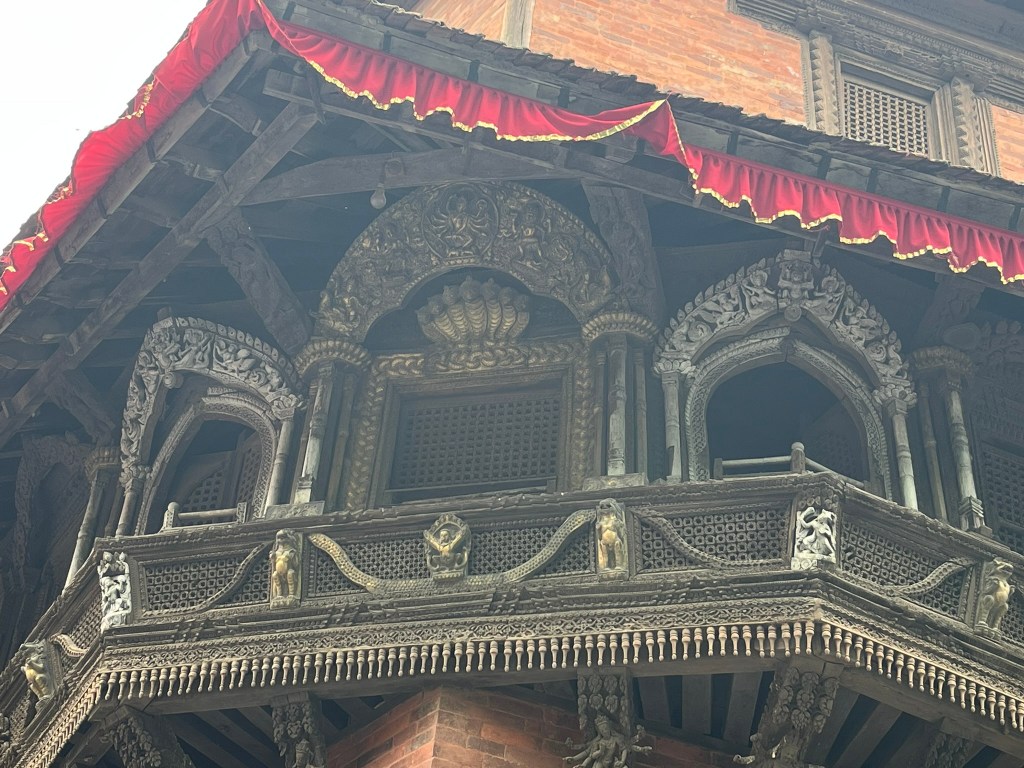
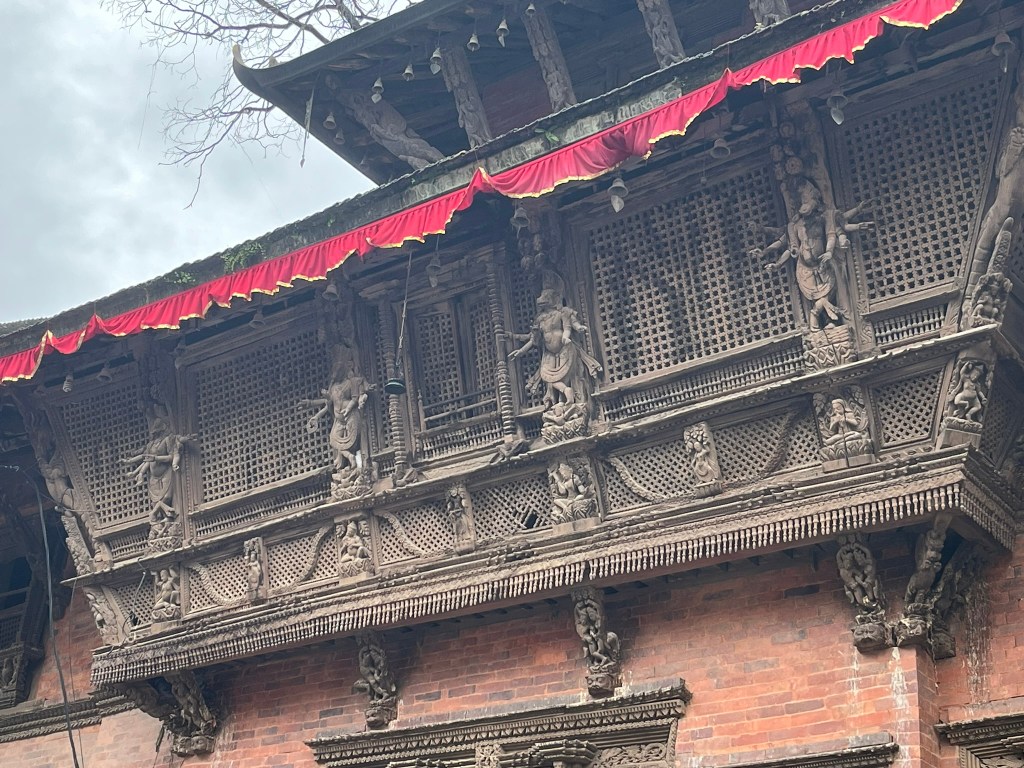
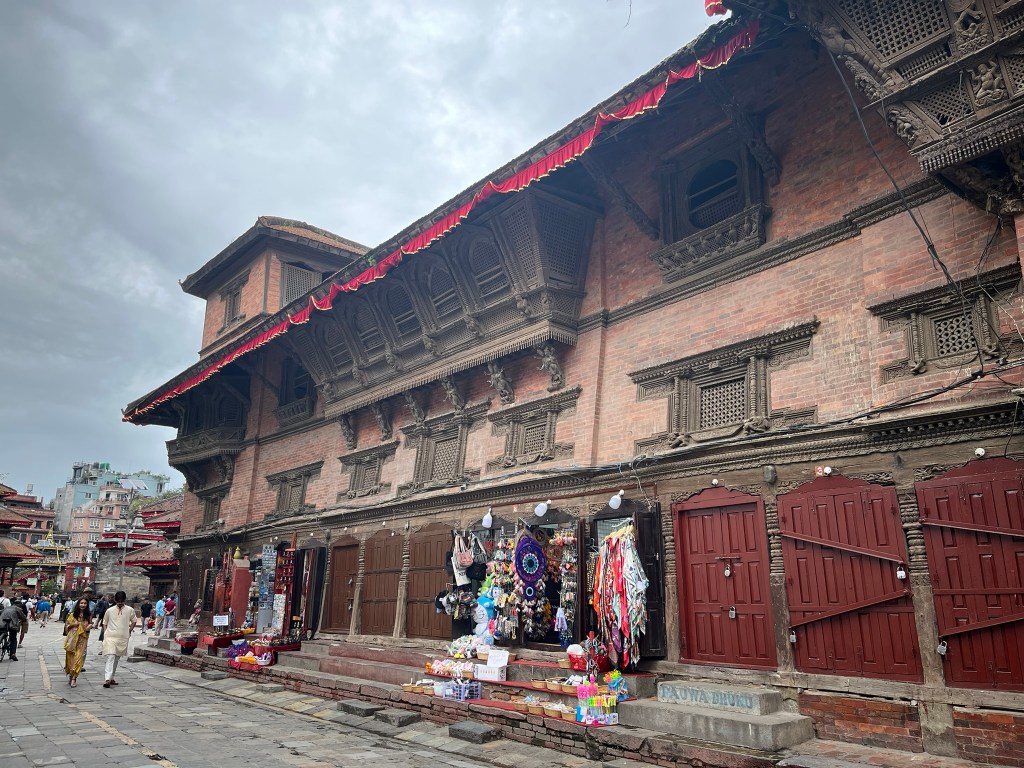
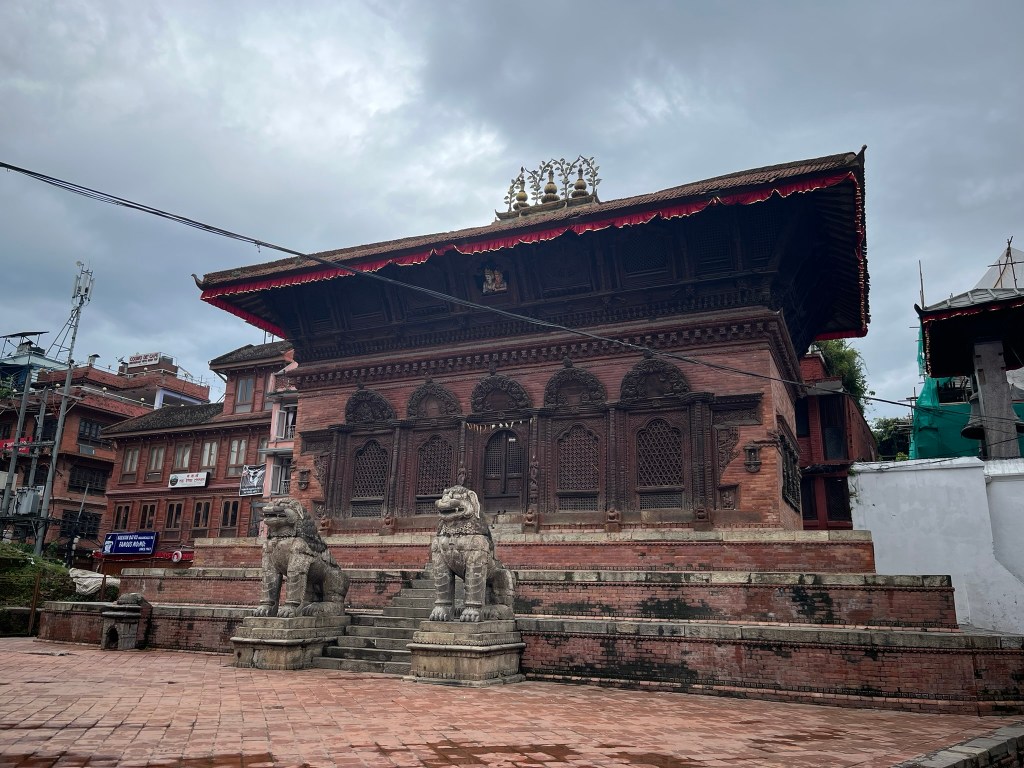
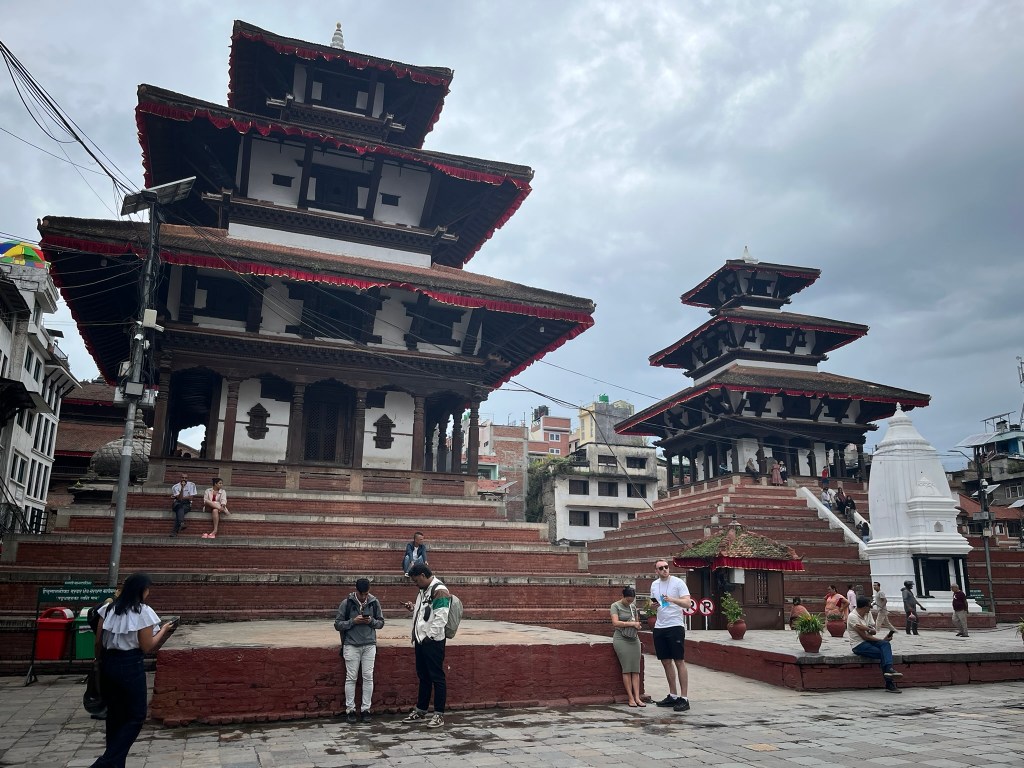
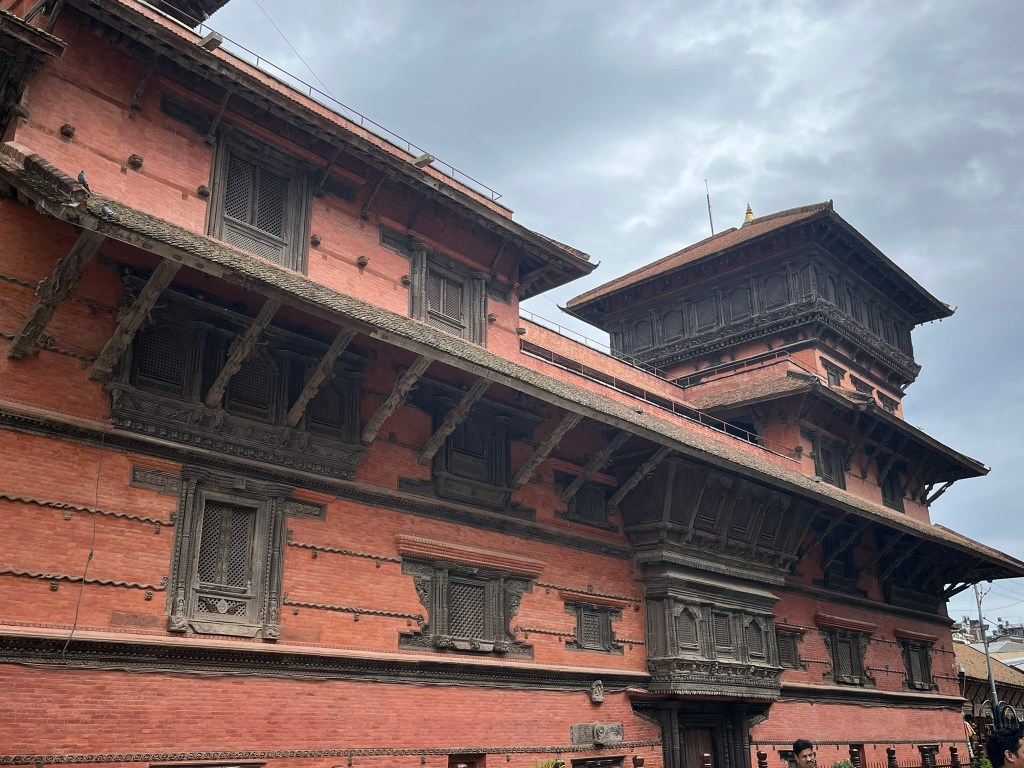
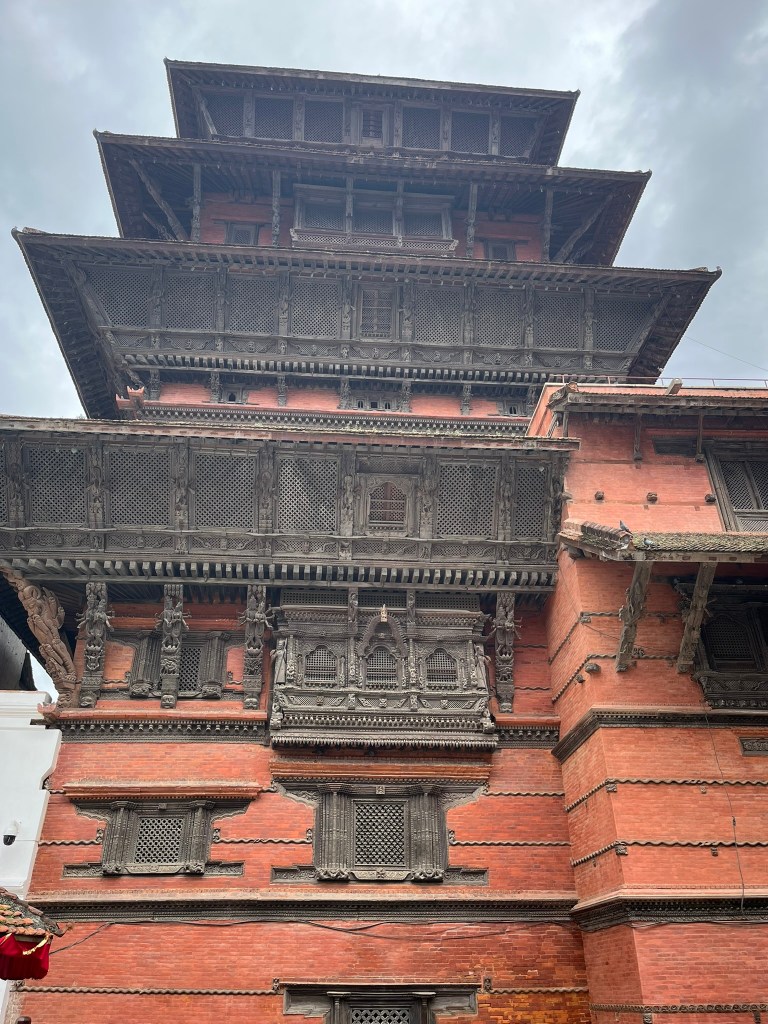
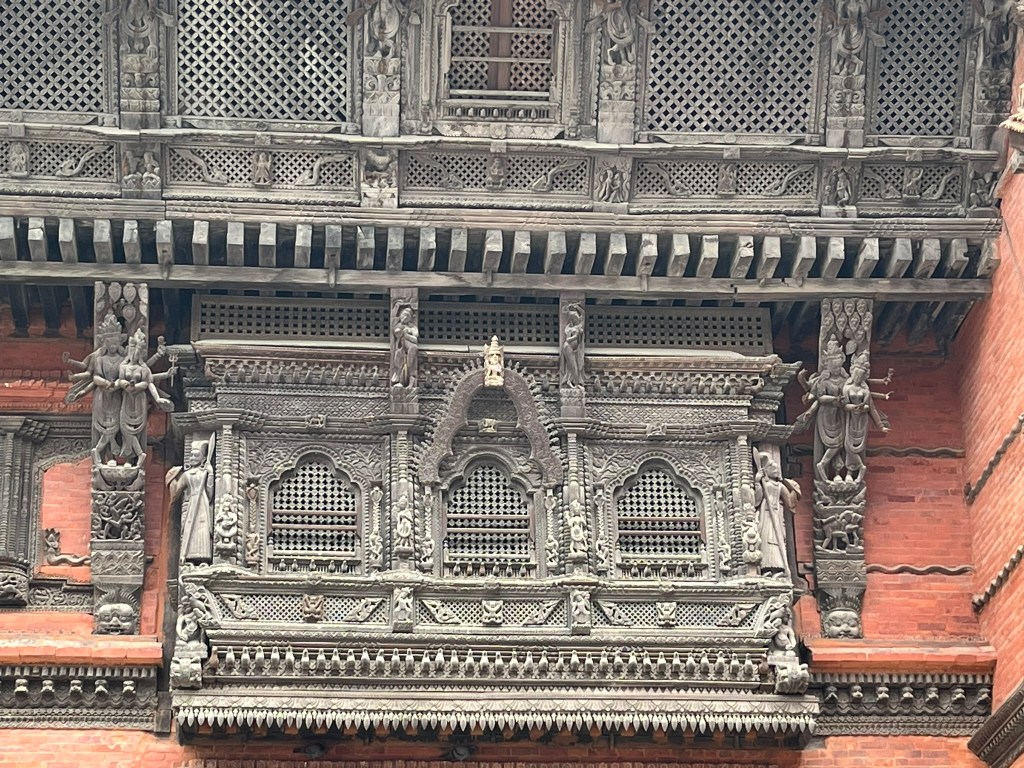
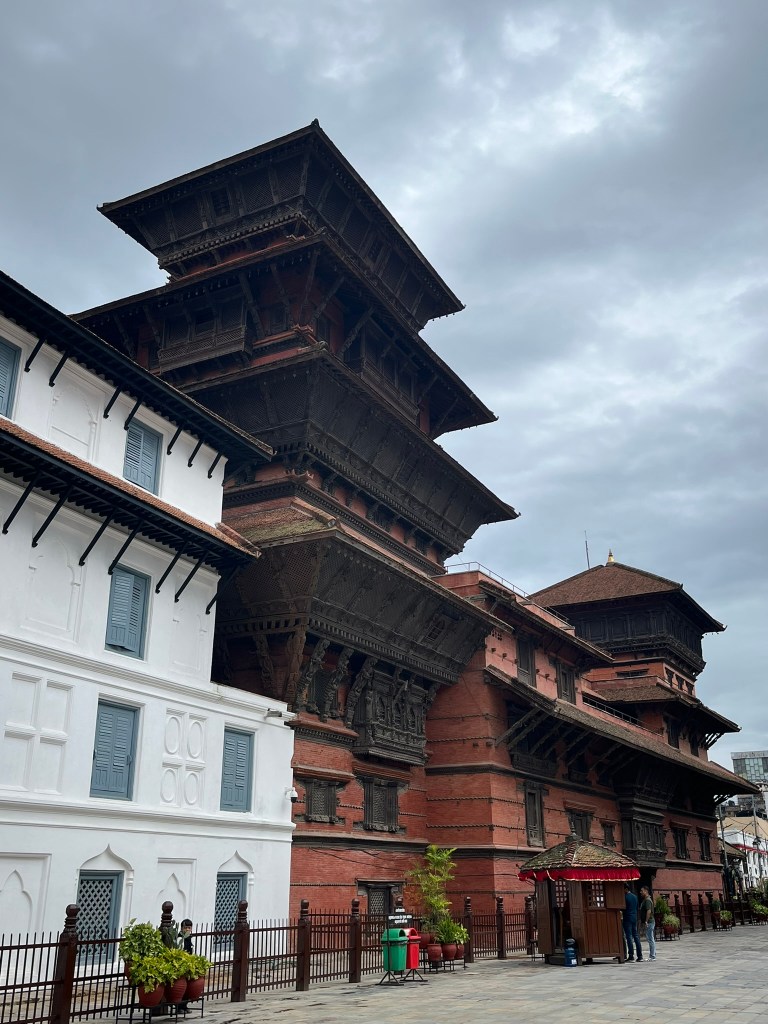
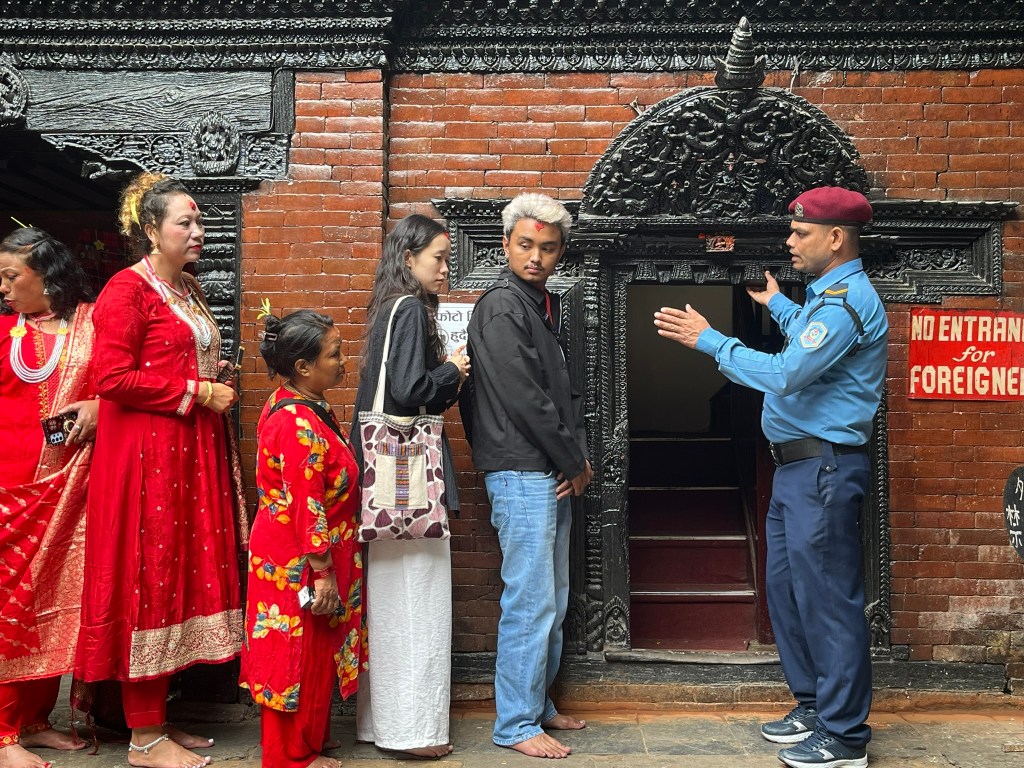
There is also a very curious smaller palace within the complex that houses ‘the living goddess’ or Kumari. This is a tradition in Nepal where a young girl is selected from the Newar community to be revered as an incarnate goddess and a form of Durga (the goddess that is being celebrated during Dashain). Most interestingly, a new Kumari had only been selected 2 days before hand, a young girl of just 2 and a half years old. The selection process is rigorous with physical and spiritual criteria. She would now live inside her palace, giving blessings and only coming out into public for specific ceremonies and festivals in her chariot. She would stay until she hit puberty at which time a new Kumari would be selected and the previous would go back to her regular life. Our guide explained, during her time in the palace, she would receive education, and have the opportunity to play with other children but that she would receive pilgrims for at least 2-3 hours a day which seems kind of crazy. As we visited the courtyard of the palace there was a growing line of locals to meet the new Kumari, but foreigners are not allowed.


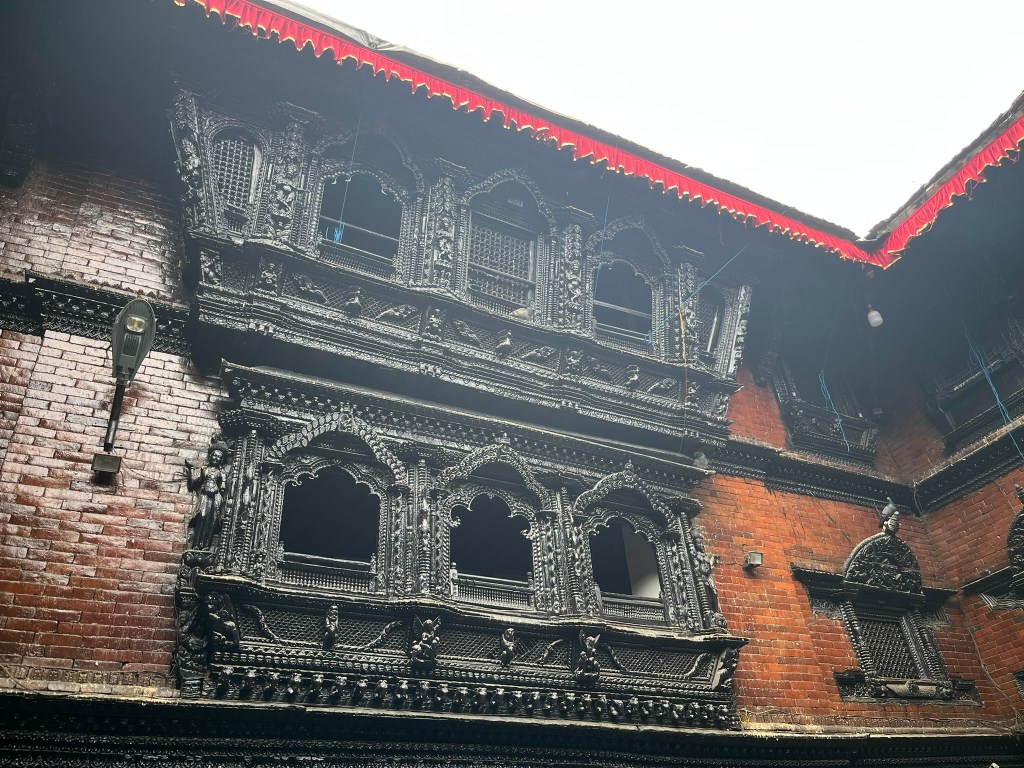
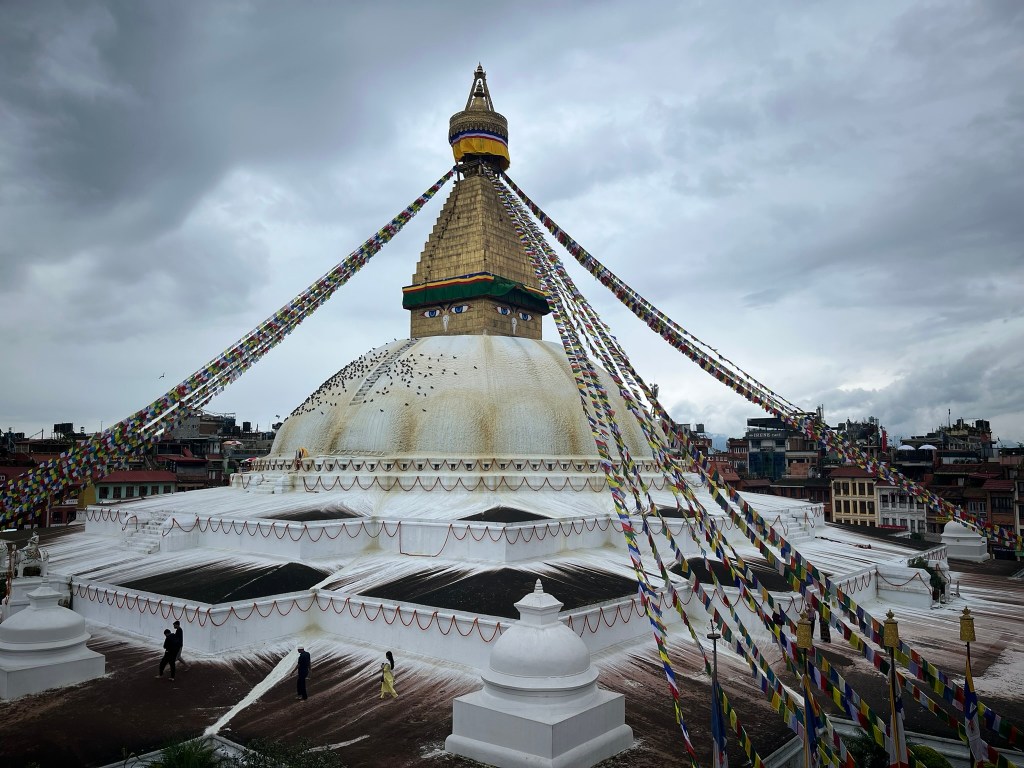
Our lunch stop was Boudhanath Stupa in northeast Kathmandu, one of the largest spherical stupas in the world, with a diameter of 120m and a major center for Tibetan Buddhists in Nepal. The stupa was built around the 14th century (although legend says there has been a stupa of some sort here since the 5th century) as it stood on an ancient caravan route linking Tibet with Kathmandu Valley and India. Merchants, pilgrims and travelers would rest here (back then the stupa was not in the middle of the city like it is today) and perform koras around the stupa, praying for safe onward journeys.
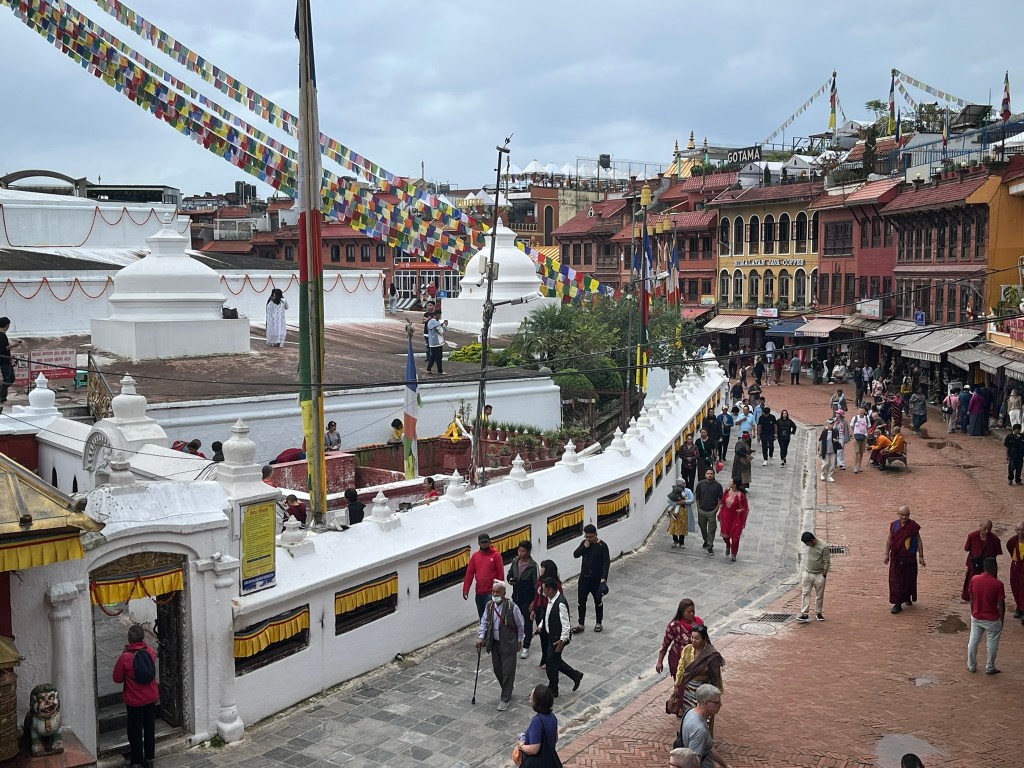


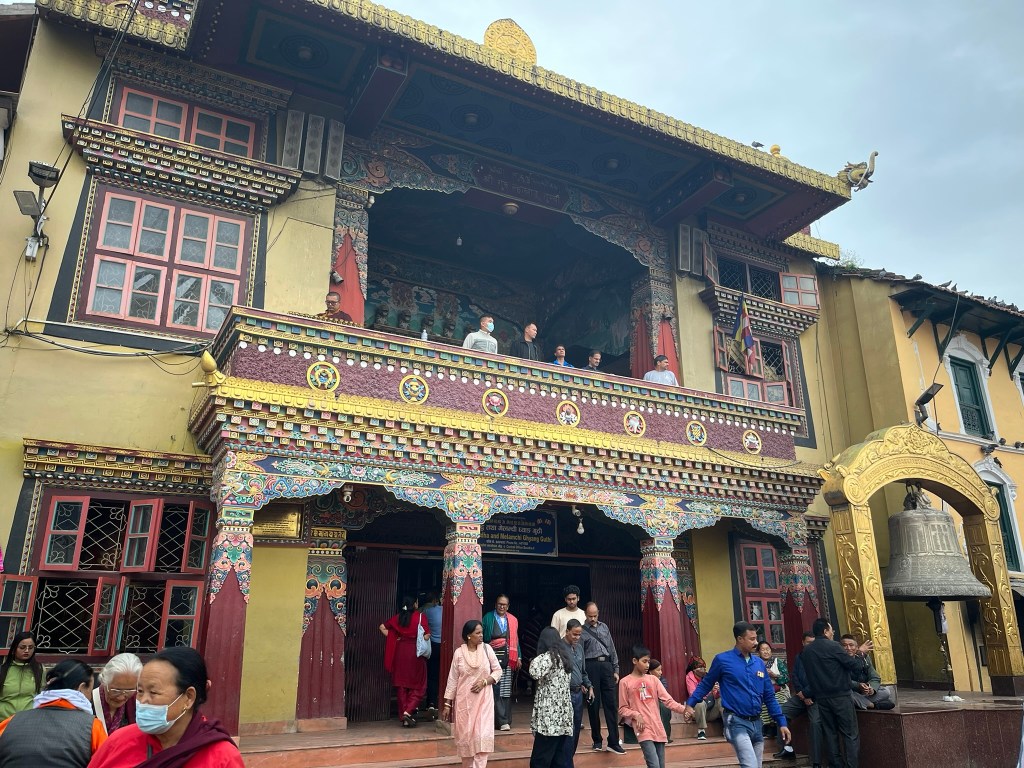
After the 1959 Tibetan Uprising, many Tibetans settled around Boudha, transforming the area into a vibrant Tibetan enclave. There were many Tibetan Buddhists performing kora’s in there colourful aprons when we visited. And around the edge of the stupa there are over 50 monasteries for each of the 4 schools of Tibetan Buddhism. We had lunch on one of the rooftop restaurants which gave us a great view of the huge white dome. The design of all stupas in Nepal is pretty similar, a white dome representing the element of earth and on top of this a square harmika with the all-seeing eyes of Buddha. And then on top of this 13 steps, representing the 13 stages to enlightenment, finally topped by the umbrella, or pinnacle which represents enlightenment itself. If you look from above it is designed like a giant mandala. Hindu’s also revere the site, reflecting the interwoven nature of religion in the valley.
There are many Tibetan artisans in the area and we visited a shop selling singing bowls, to listen to them be played and understand a bit more about their purpose. The bowls are traditionally made of seven sacred metals – gold, silver, copper, iron, tin, lead and mercury, symbolizing the seven planets of classical astrology. When struck or played around the rim they generate a deep bass-like resonance. The shop offered to show us how they are used for healing practices which was super interesting. They had us sit and close our eyes and then initially they struck the bowls near us in different positions and the sound waves washed over you. Then they actually place the bowls directly on our shoulders and head and struck them, so that the vibrations went straight through our body. It was a bit of an other-worldly sensation and not something I had experienced before. Very cool to try, but not something I would do regularly I don’t think!

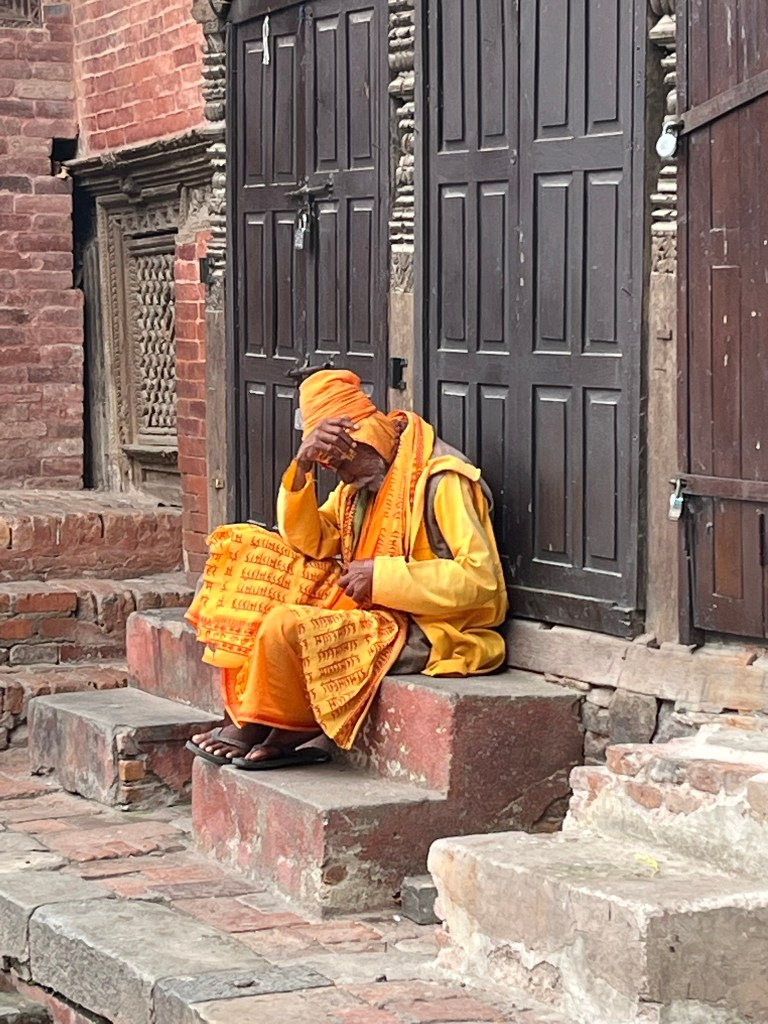
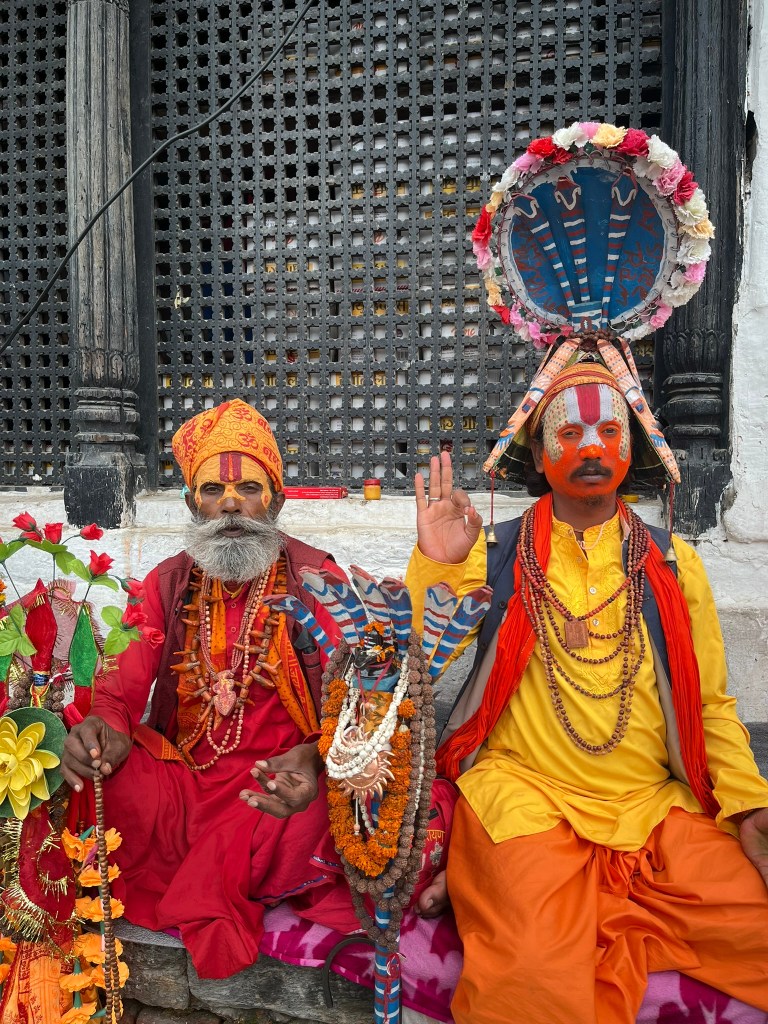
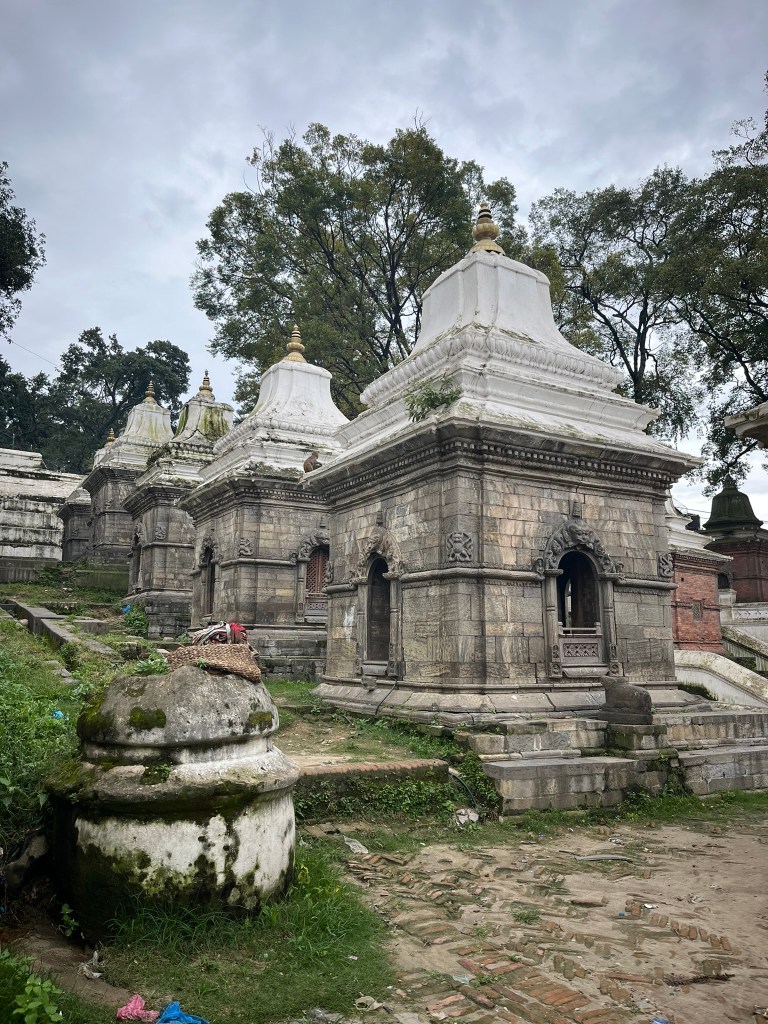
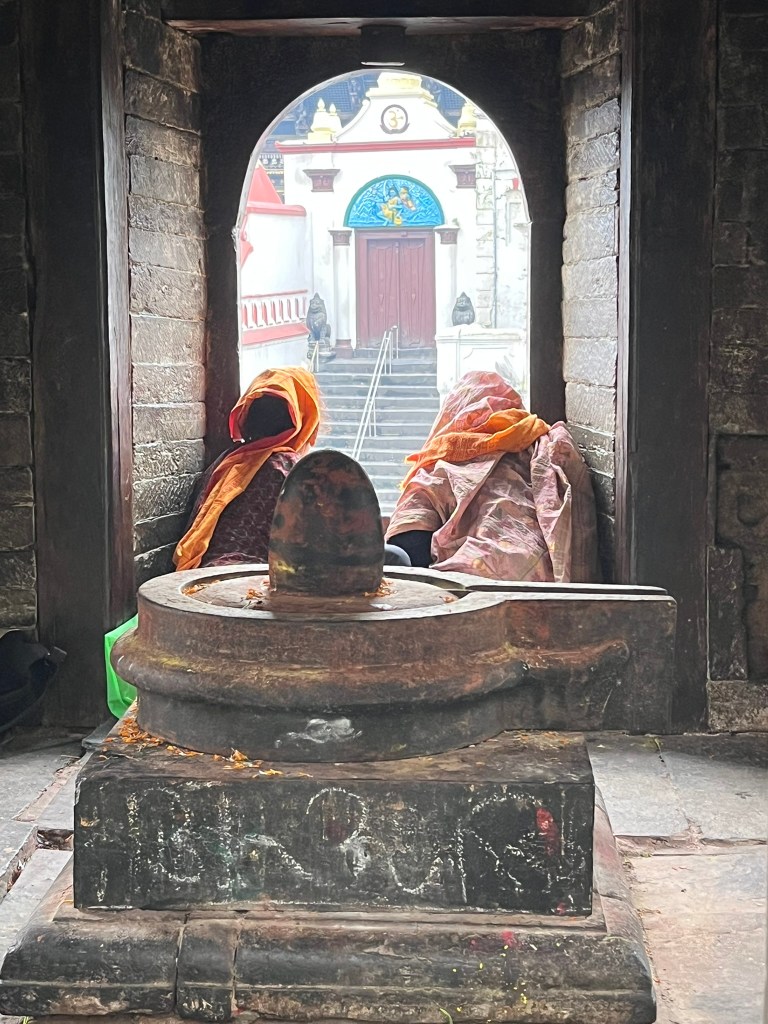
Our final stop of the day, was probably the one I least expected – Pashupatinath Temple. It sits on the bank of the Bagmati river that runs through Kathmandu. The temple itself is one of the most sacred Hindu sites in the country and dedicated to Shiva. During the Maha Shivrati festival held in February/March over a million pilgrims descend on this site, including thousands of sadhus from India and Nepal. There were a handful of sadhus (a wandering holy man) when we visited and we were able to take photos with their brilliant painted faces and bright clothing (for a small $1 donation).

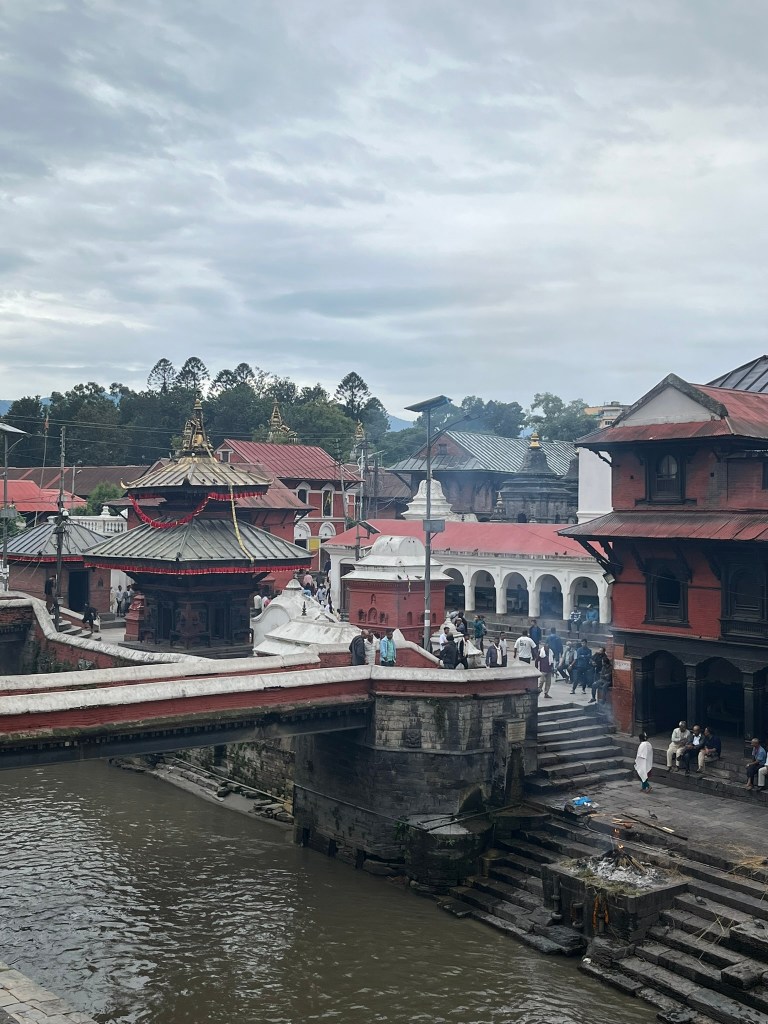
But it is the wider temple complex that is fascinating. The river is deemed holy, akin to the Ganges in India. And the ghats along the river are where open-air cremations take place. There are 10 ghats open to the public and one reserved for VIPs. And it is open 24/7, with a constant stream of families arriving to cremate their loved ones. Tradition in Nepal dictates that this must be done within 24 hours of someone passing. No pre-booking is necessary. Once the body arrives, the process starts, firstly for the body to be washed and the family to bless the body with water from the Bagmati river, then to be cremated on the open pyres with the smoke wafting through the temple complex and finally the ashes are placed in the river. This process can take up to 6 hours, depending on the rituals of that particular ethnic group. And it is used by both Buddhists and Hindus side-by-side.


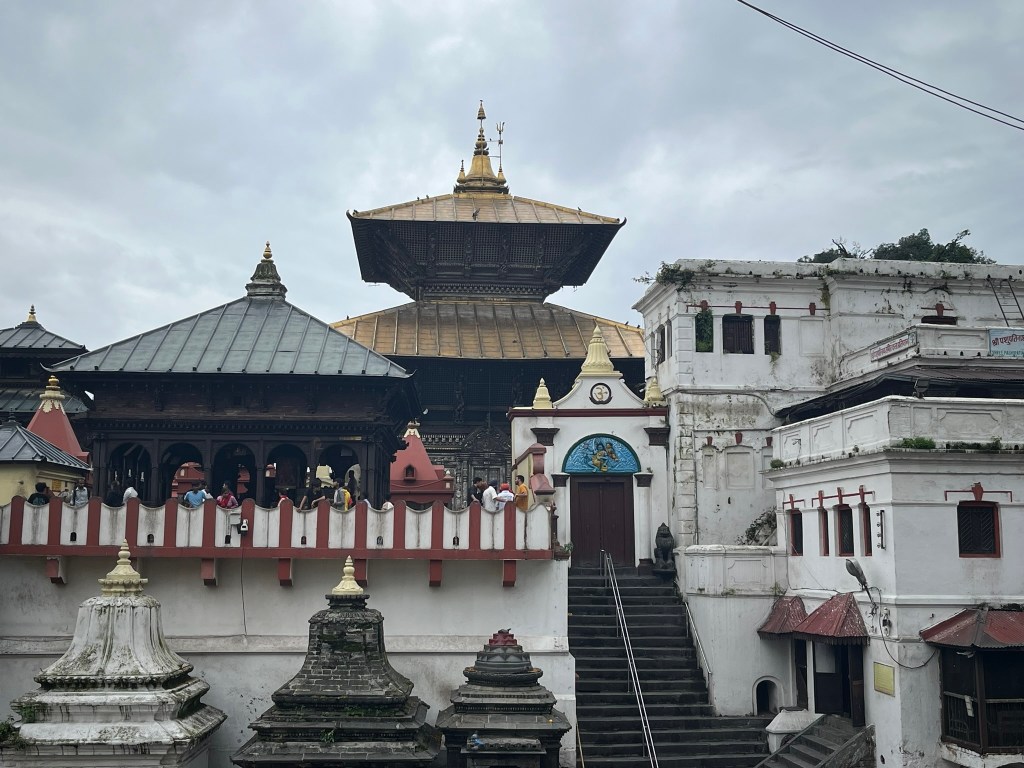
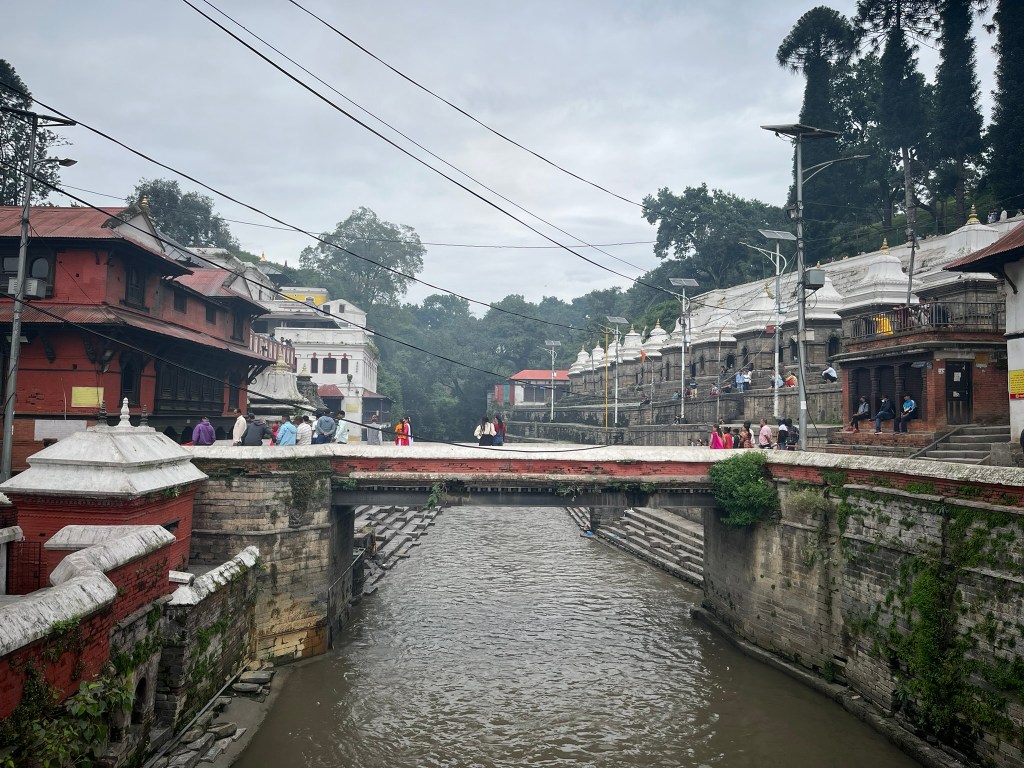
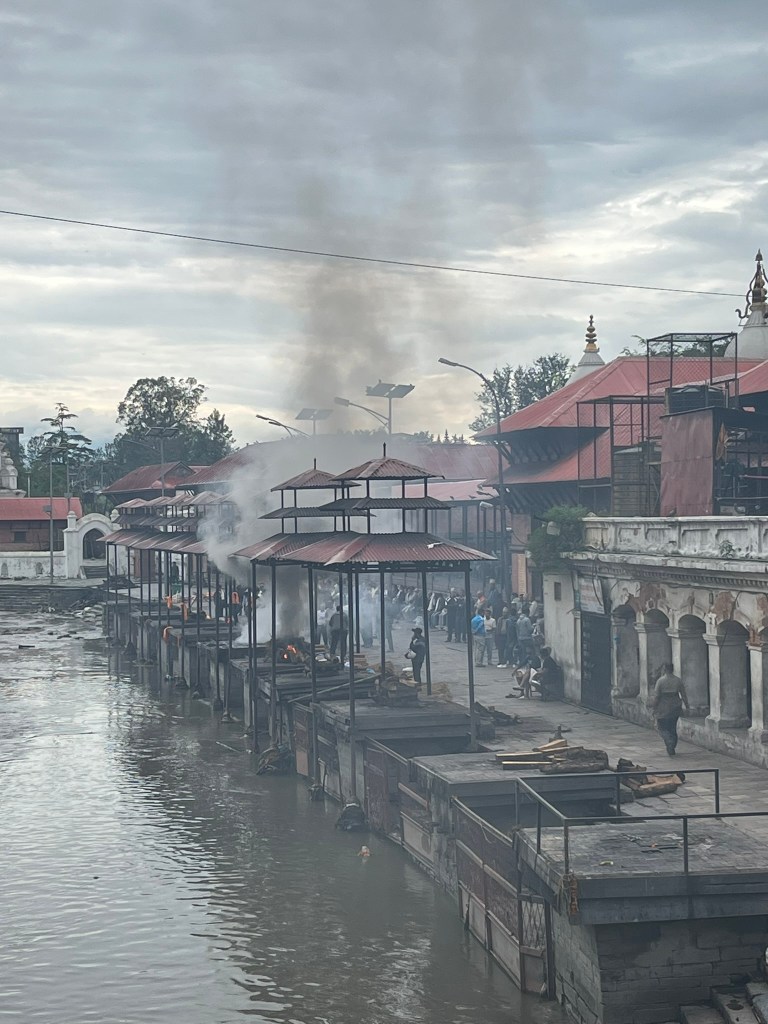
Our guide explained that typically groups of families will join together and outline the process and roles and responsibilities for a cremation. Roles will be assigned to each family and these will be rotated. And once a year a meeting will be held to go over the process and agree any changes. This means that the whole community helps each other so that the burden never falls on one family and there is always help. I thought this was pretty amazing.
The other thing that surprised me is that anyone can watch the cremations. We stood on the other side of the river from where the family and friends were starting the process of blessing a body with water from the Bagmati. But there must have been at least 50 local people sitting around where we were and I have no idea if they knew the deceased and were paying their respects, or if they were just curious. On top of this, pilgrims visit the temple, who may have nothing to do with the cremations and because we visited on a festival day, there were hundreds of people walking around the complex enjoying their day out, laughing and joking with their friends and family. It made for a very mixed up atmosphere!
So that was day 1 of touring Kathmandu and it did not disappoint. I had a few images in my head of what I thought we would see, based on the tv coverage from the 2015 earthquake, but the size and scale of the monuments far exceeded my expectation. Particularly Kathmandu Durbar square which was absolutely stunning.
 Colette's Grand Detour
Leave a comment