I have a few days before I start my 10-day trip around Nepal and will be staying in the Thamal area of Kathmandu. My plan is to relax, eat good food, participate in some arts and crafts classes and potentially take a scenic flight over Everest.
Thamal is the tourist district in central Kathmandu and as soon as you step out of your hotel there is no doubt that it is tourist central. After seeing almost no foreign tourists in Tibet, the volume of souvenir stores, western cafes and hiking gear shops ready to kit you out for one of the many multi-day treks available is a bit overwhelming. In some ways the neighbourhood has the same feeling as Chiang Mai in Thailand. Everything is geared towards tourists. That said I am not complaining. Last night I was ready to have steak and chips for dinner and today I was quite happy to plonk myself in ‘Pumpernickel Cafe’ and have a coffee and croissant for lunch. The atmosphere is lively, with a maze narrow streets clogged full of pedestrians, motorbikes and cars. The buildings are a mixture of old and new and there are thousands of electricity cables hanging in jumbled messes from every street corner.
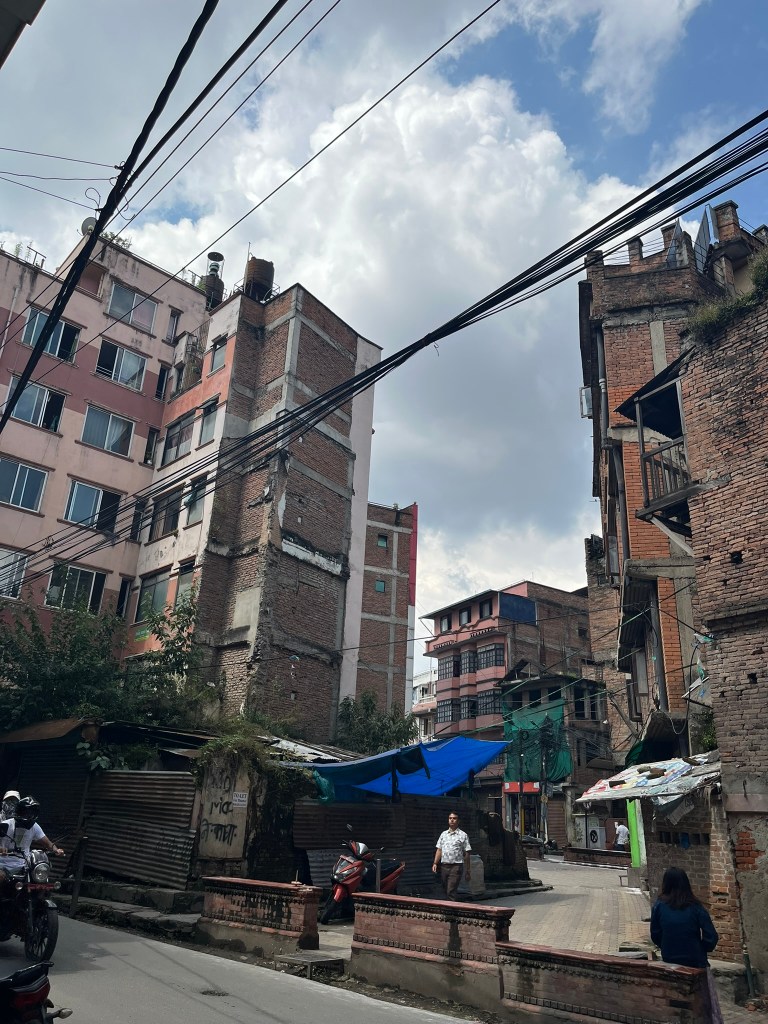

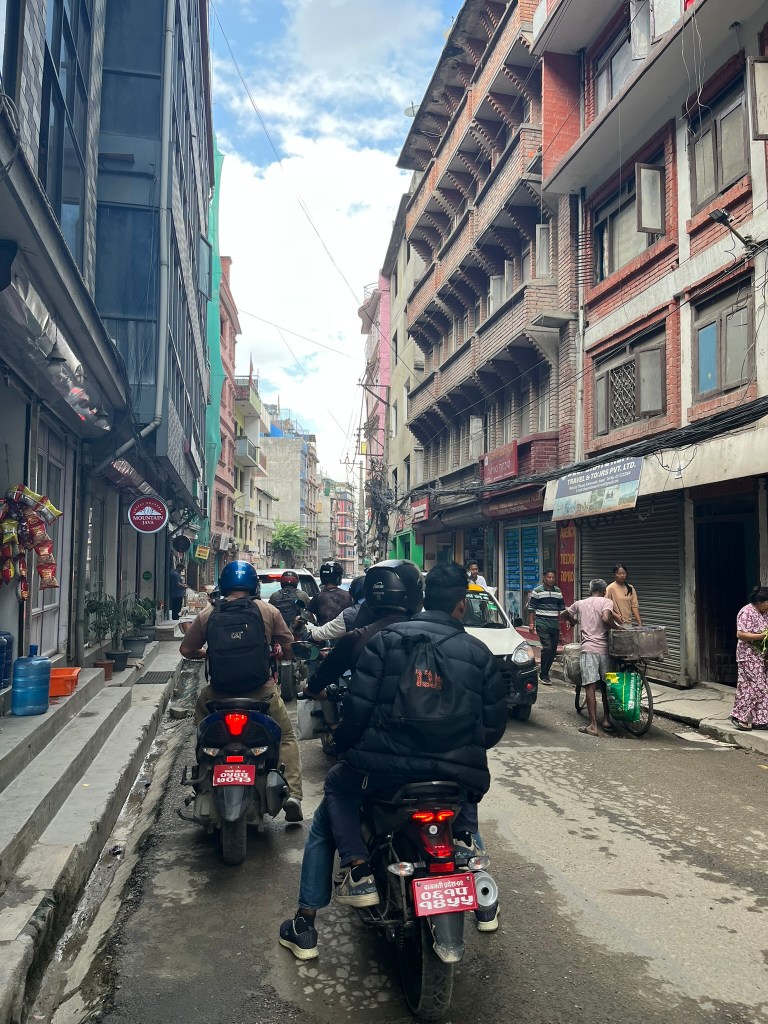
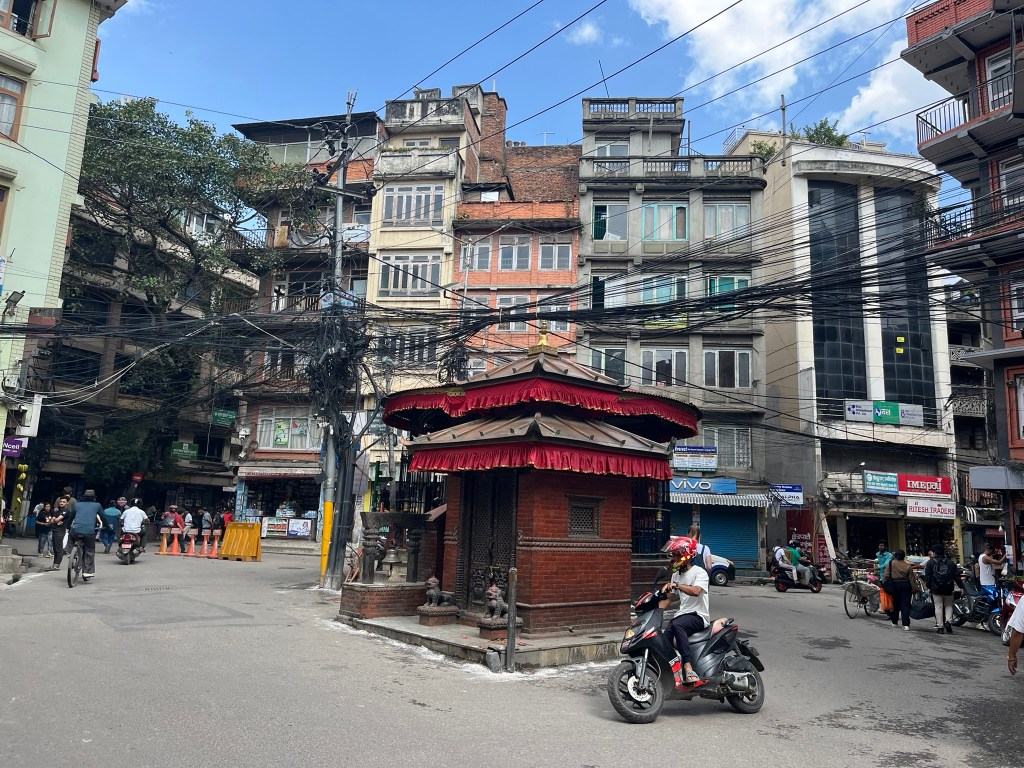
Thamal became the tourist hub of Kathmandu in the 60s and 70s after Nepal opened up to international visitors in the 1951 and Kathmandu became a stop on the Hippie Trail. By the 80s, Nepal had become a major trekking destination and Thamel became the starting point for planning expeditions. Today, it is the main tourist hub of the city regardless of whether you are planning a trekking trip or more cultural-focussed adventure in Nepal.
Kathmandu lies in the Kathmandu Valley in central Nepal and is surrounded by the Mahabharat Range (mid-level hills of the Himalayas). The Bagmati river runs through Kathmandu and it is a sub-tropical highland climate with warm summers, cool winters and monsoon rains from June through to September.
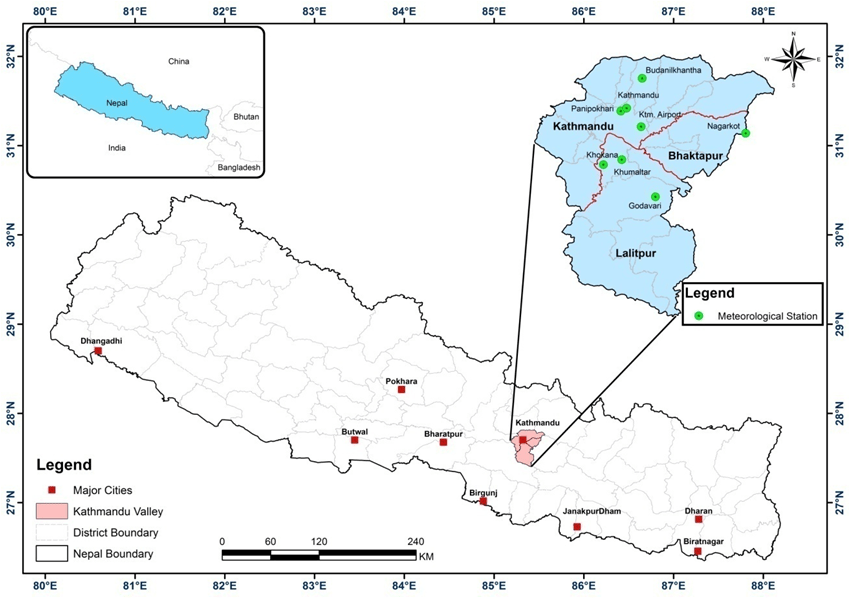
There are actually 3 cities in Kathmandu Valley, that over time have merged into modern Kathmandu. Historically these were 3 royal cities that had a rivalry between each other; Kathmandu, Patan and Bhaktapur. Each was its own kingdom , with its own king, palace and identity. They were only unified in the 18th century. I definitely didn’t know this!
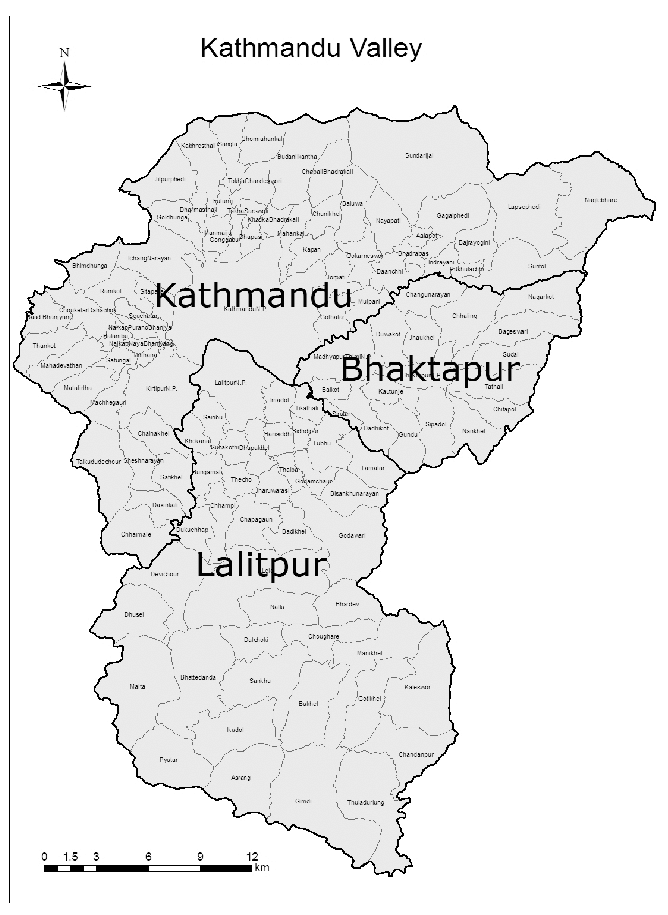
Kathmandu is today the largest city in Nepal and was historically known as Kantipur. It is the administrative and economic hub of the country. Patan lies just across the Bagmati river from Kathmandu and was historically known as Yala and then later Lalitpur. It is culturally more Buddhist compared to Kathmandu which has a stronger Hindu influence. Finally Bhaktapur is about 13km east from central Kathmandu and is a more conservative and traditional place that preserves an abundance of medieval architecture. Historically it was focussed on agriculture and supplied food throughout the valley.
During the Malla dynasty (13th to 18th century) each city was ruled by its own king. And the kings competed fiercely – particularly in temple building, art and festivals. This is why Kathmandu has such a huge density of UNESCO World Heritage Sites in one spot. It currently has 7 sites spread across the three cities. The cities sometimes fought wars, but it was more of a cultural rivalry where each city tried to outshine the others with more and more spectacular palaces and stupas. In 1769, King Prithvi Narayan Shah of Gorkha conquered all three cities when he unified Nepal and made Kathmandu the capital.
Even just this little bit of history about the capital is super interesting so I am looking forward to learning more about the history of Nepal over the next 2 weeks.
 Colette's Grand Detour
Leave a comment