Today we departed Lhasa on our way to Gyantse along one of the most scenic and historically important routes in Tibet. In total it is about 260km and takes about 8-9 hours when you include stops to enjoy the scenery. We would be travelling along the Friendship Highway for the next few days, the main route connecting Lhasa with Nepal.
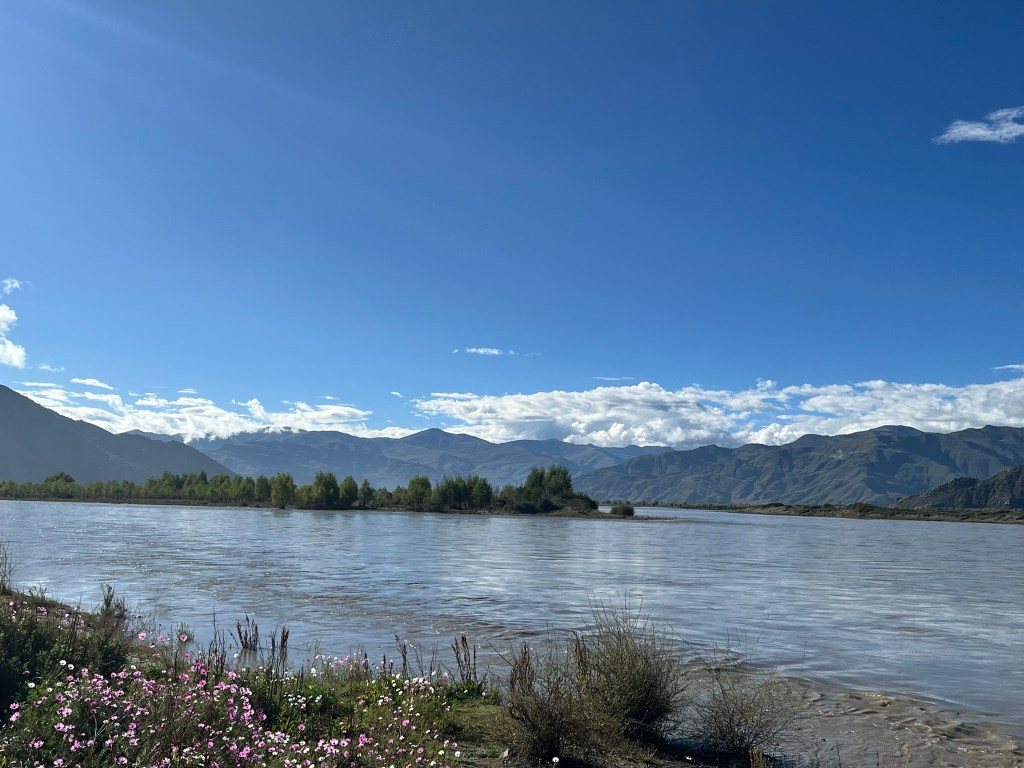
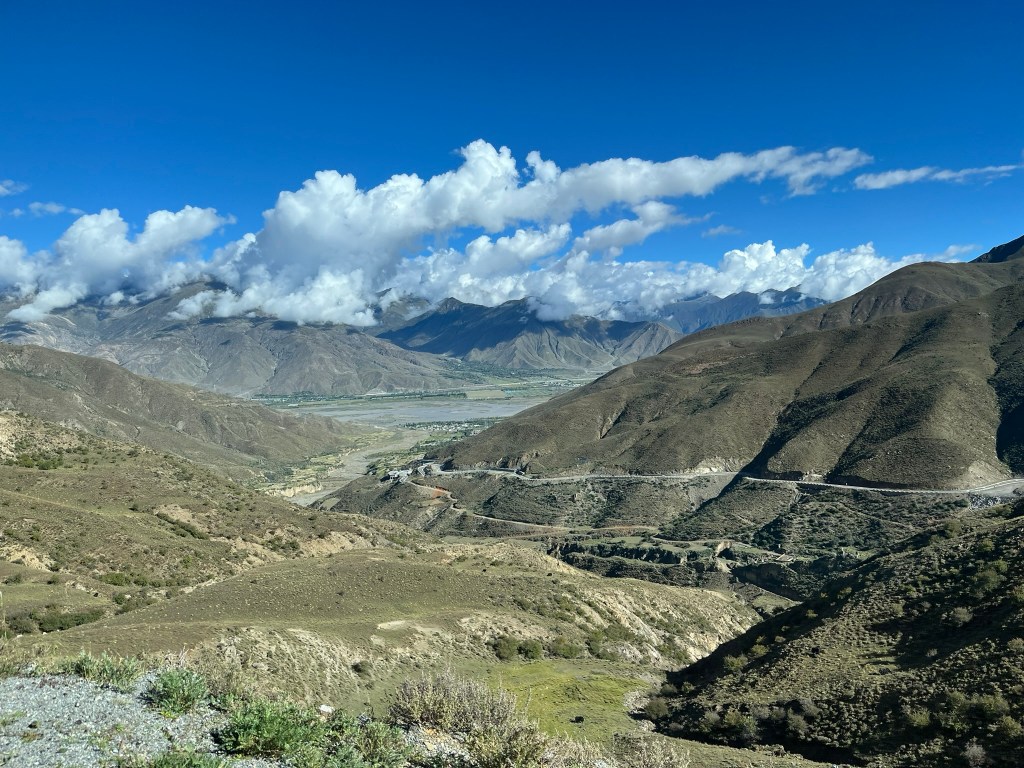
Departing Lhasa took a little longer than expected as there was a half-marathon and many of the main roads were closed for the event. But we eventually left the city and Lhasa Valley behind, crossing the Lhasa River and starting our ascent to Kamba La Pass at 4,794m. The road conditions were great as we slowly wound up along ten’s of switchbacks to the mountain pass and there was a distinct shift to a drier and rockier environment. The view from the top looking down to Lhasa Valley was fantastic.
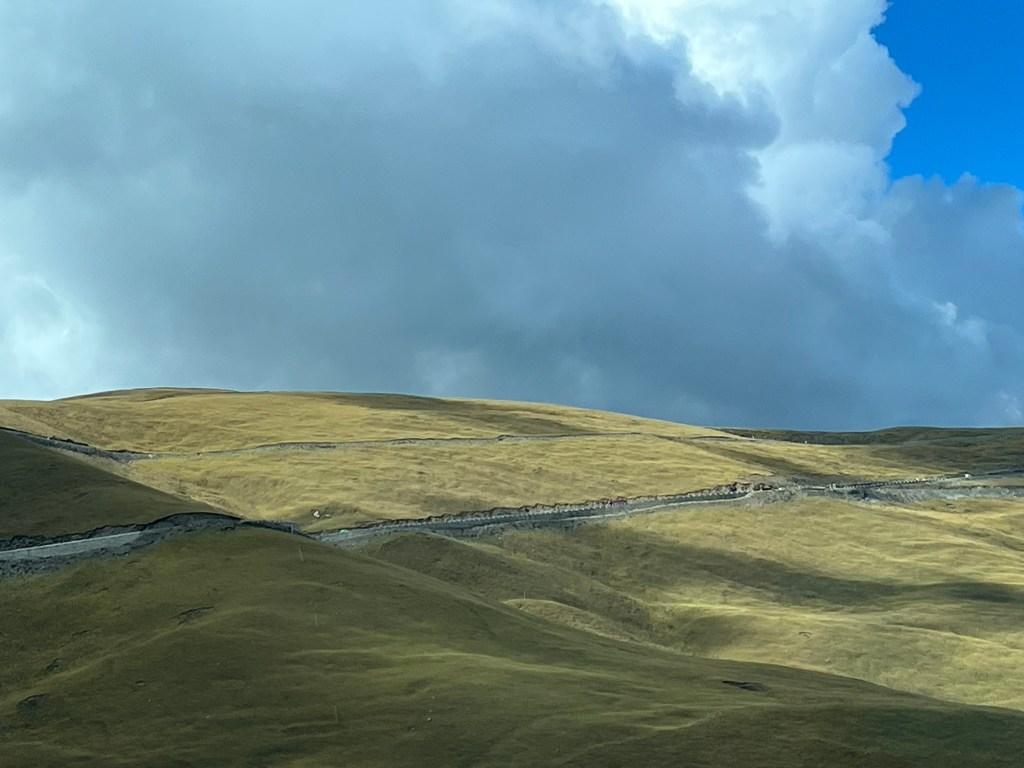
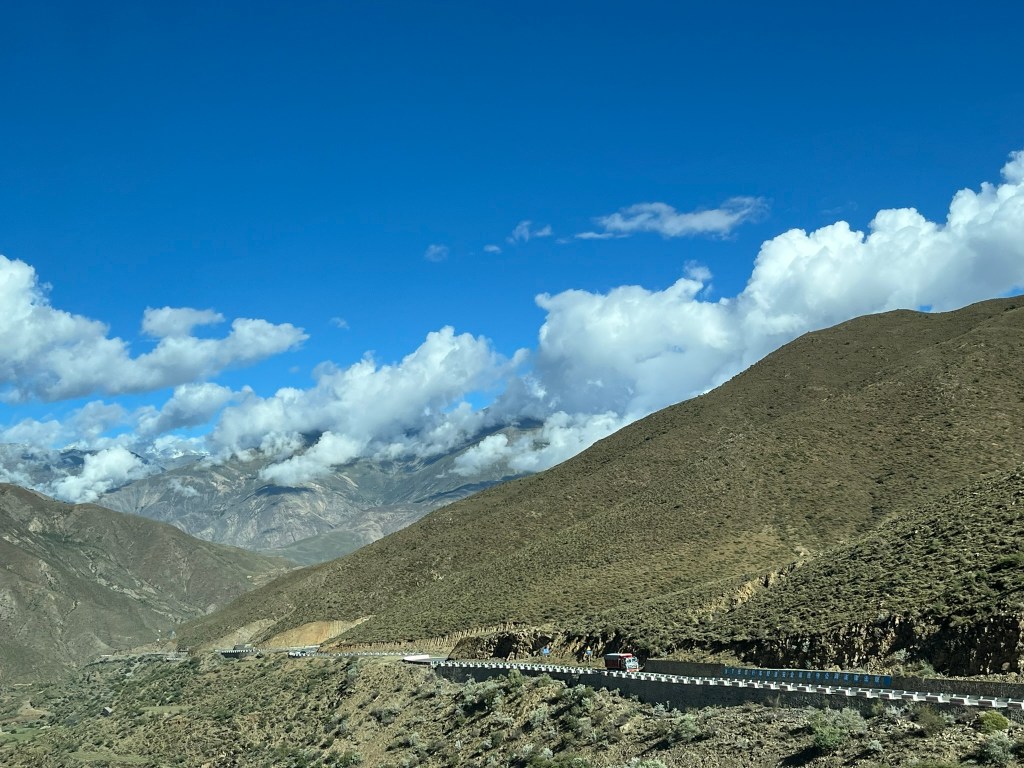
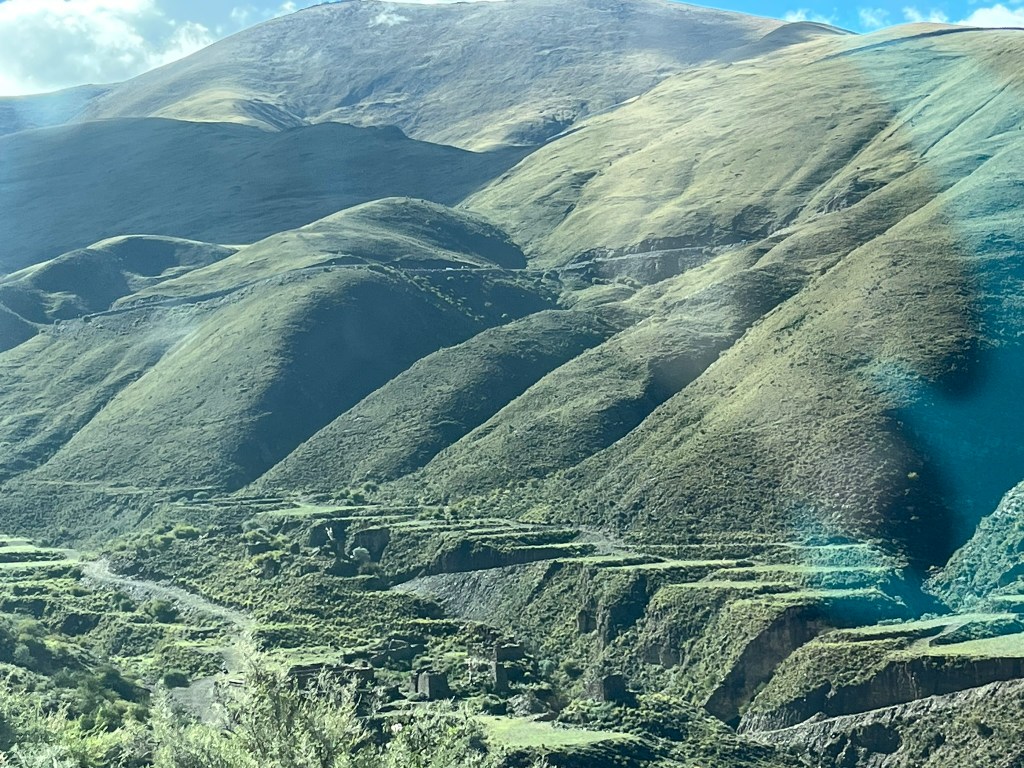
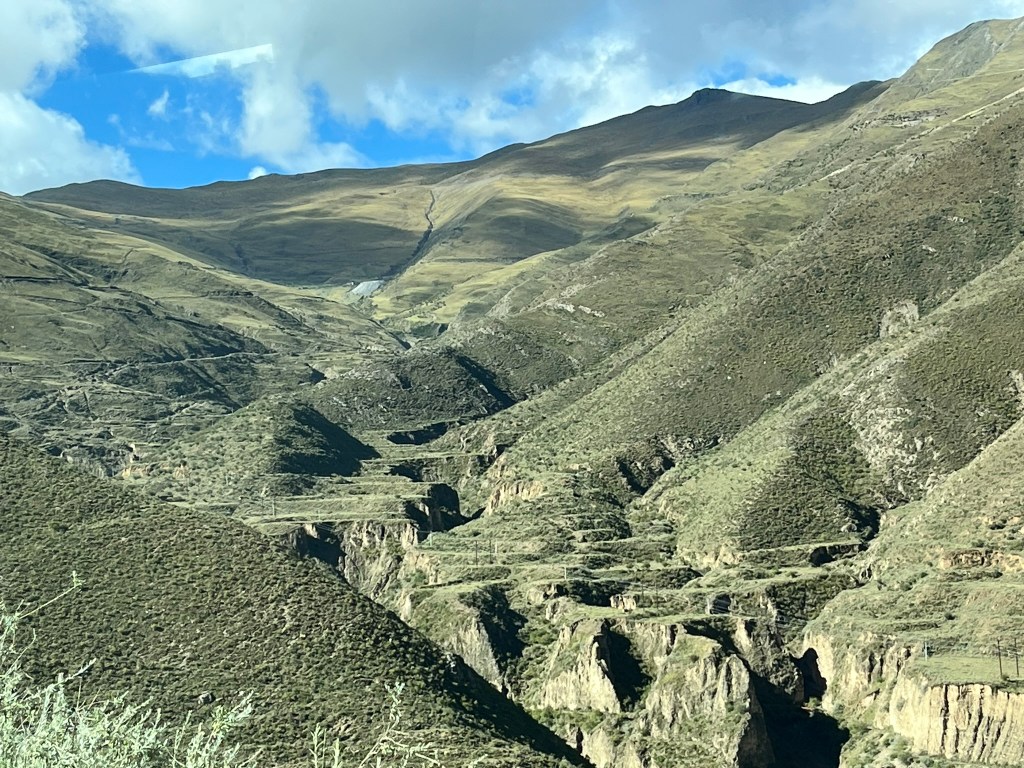
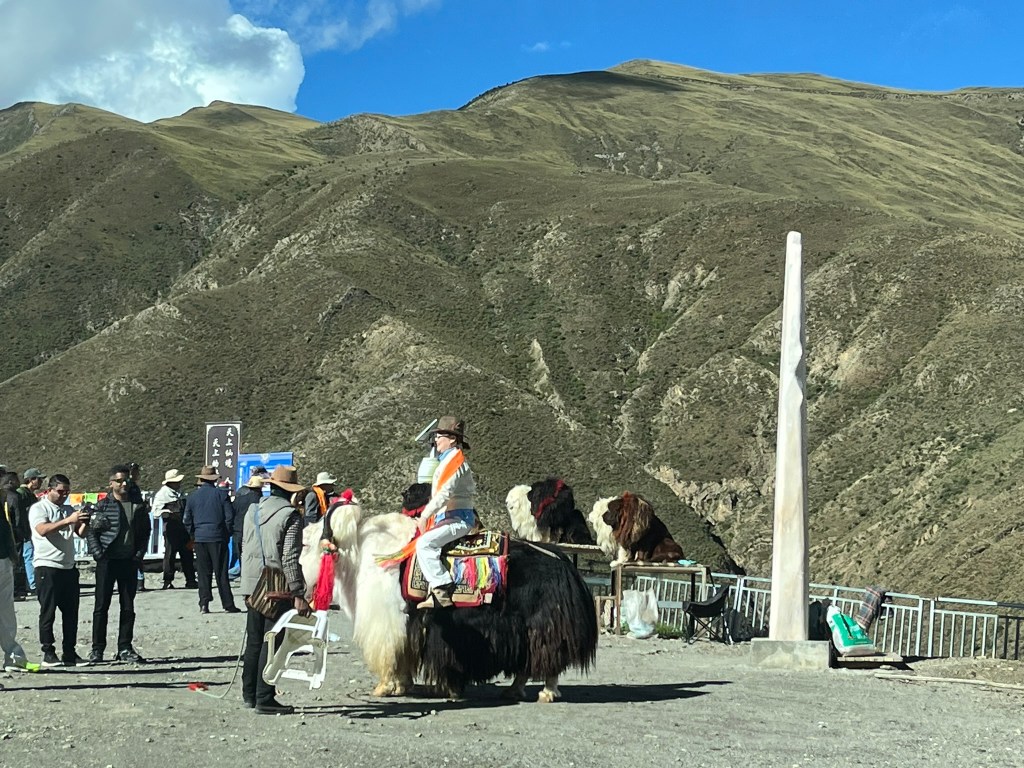
Along the drive, we saw many photo-stops where locals were offering tourists to take photos sitting on decorated yaks or sitting with the giant Tibetan Mastiff dogs, who oddly had sunglasses on. We didn’t participate in this as it’s a negative form of tourism. The dogs looked amazing and had really thick, gigantic fur. But you could see in their eyes how sad they were sitting on little pedestals waiting for photos to be taken of them. They are guard dogs by nature, used to looking after herds of yaks.
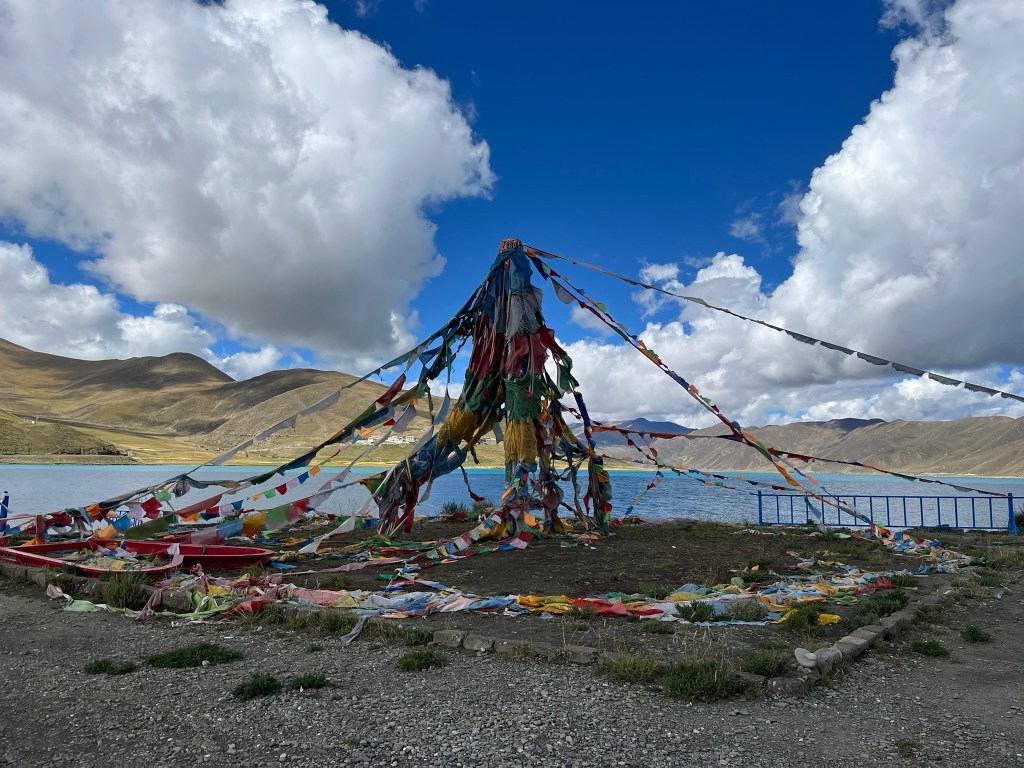
At the top of Kamba La Pass, we then started to head down to Yamdrok Tso lake, a huge sacred turquoise lake said to resemble a scorpion or the earring of a Buddha. We could only see a small part of it as we made our descent because its curved shape hid its full extent. It is believed to be the life-spirit of Tibet and if it were to dry up, then Tibet would become unhabitable. We drove down to a quiet spot on the lakeshore away and took a break from driving to have ginger-lemon tea and coffee.
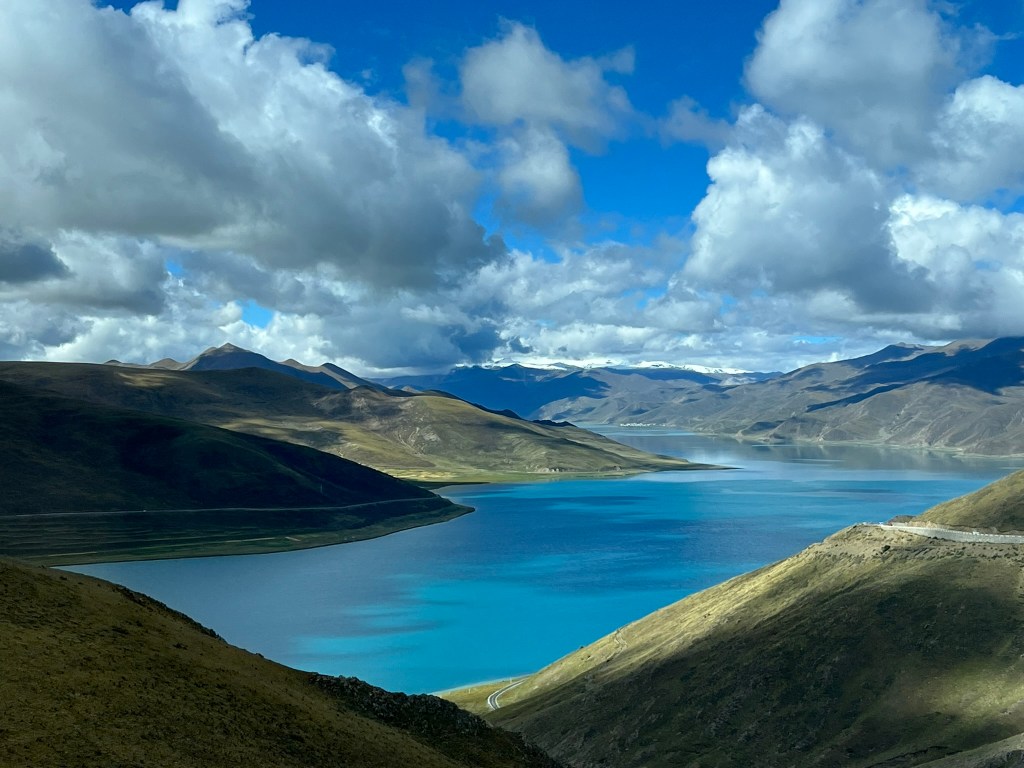
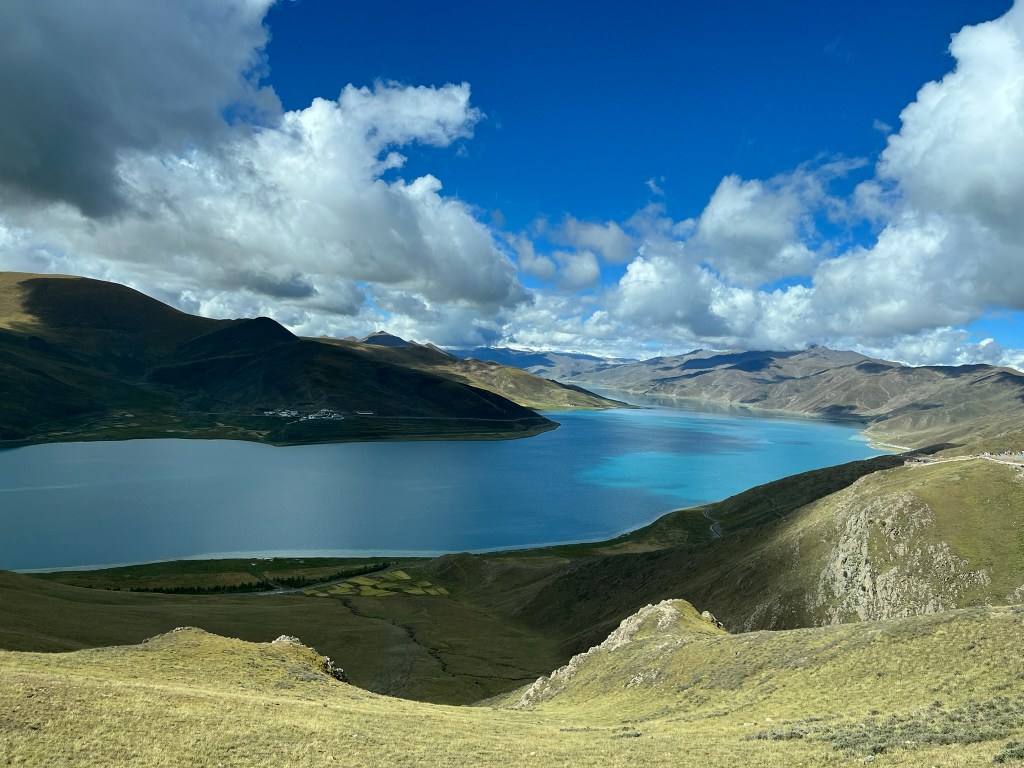
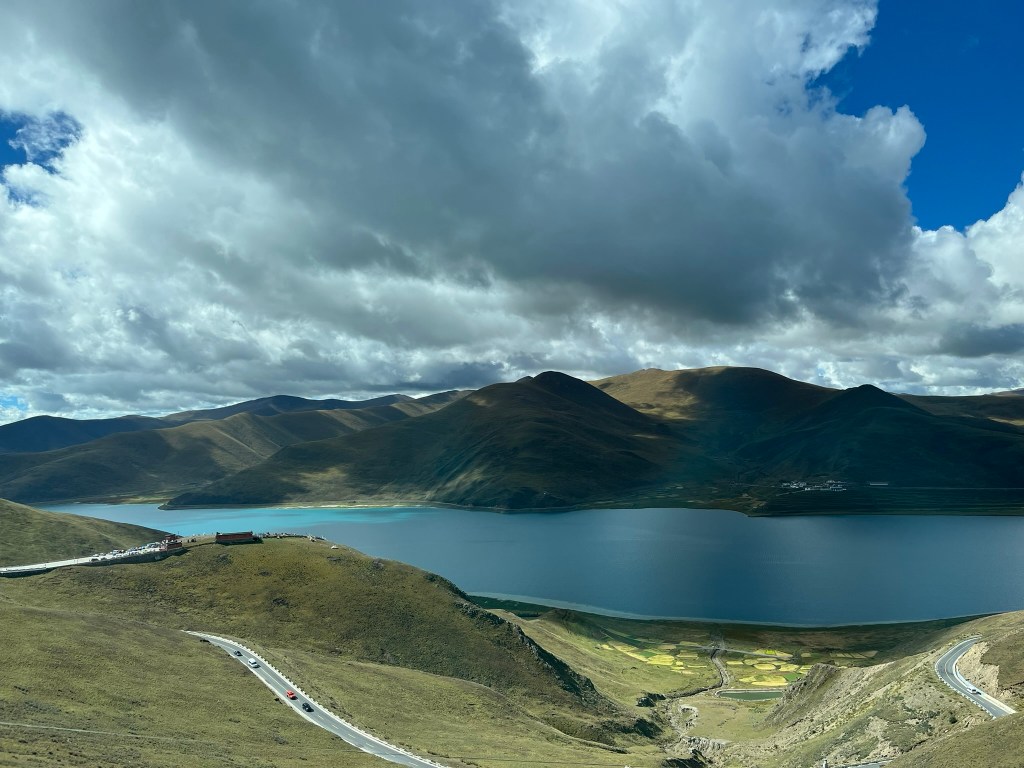
We then continued our journey to the small town of Nangartse, which most tourists on this route use as a lunch stop. All along the route we were seeing yaks and sheep, alongside traditional Tibetan herders. From lunch onwards, the scenery started to become even more dramatic, with snow-capped mountains with craggy, jagged peaks over 6000m altitude surrounding us. It was difficult to appreciate their size, because the valley we were in is already over 4000m in altitude.
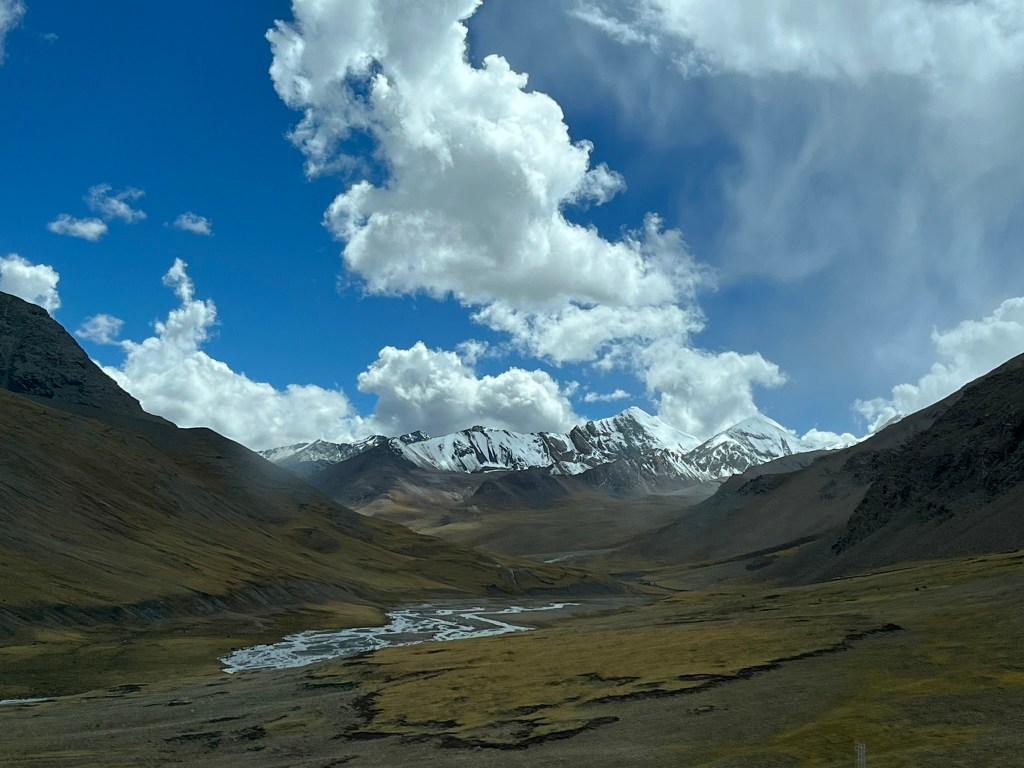
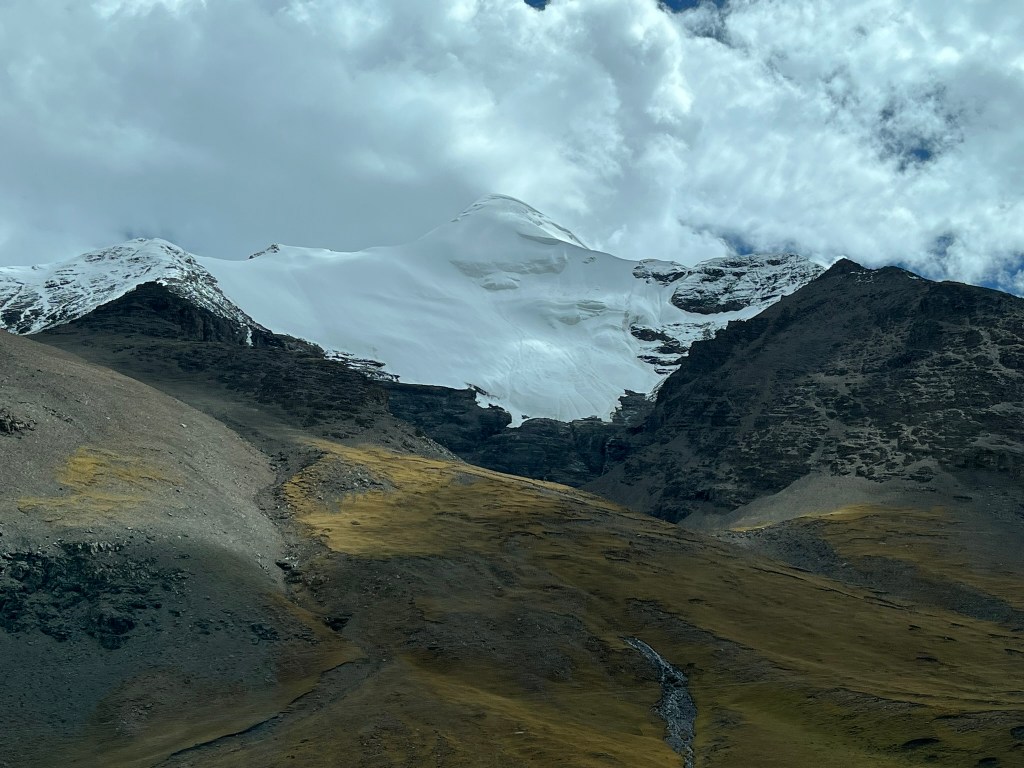
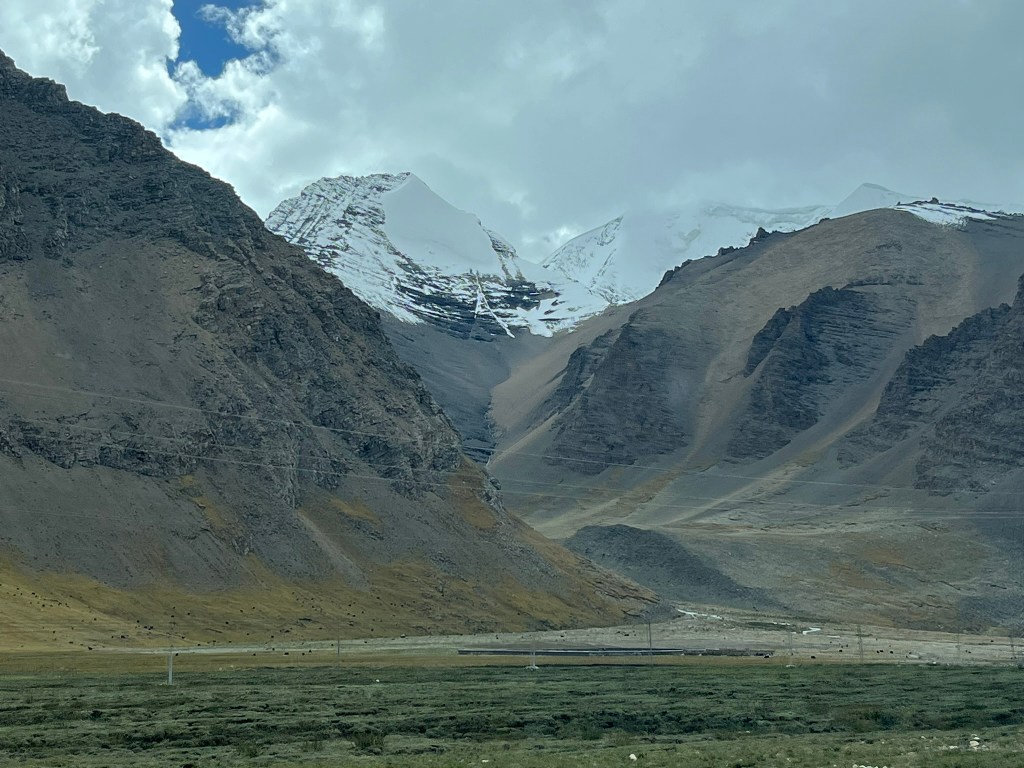
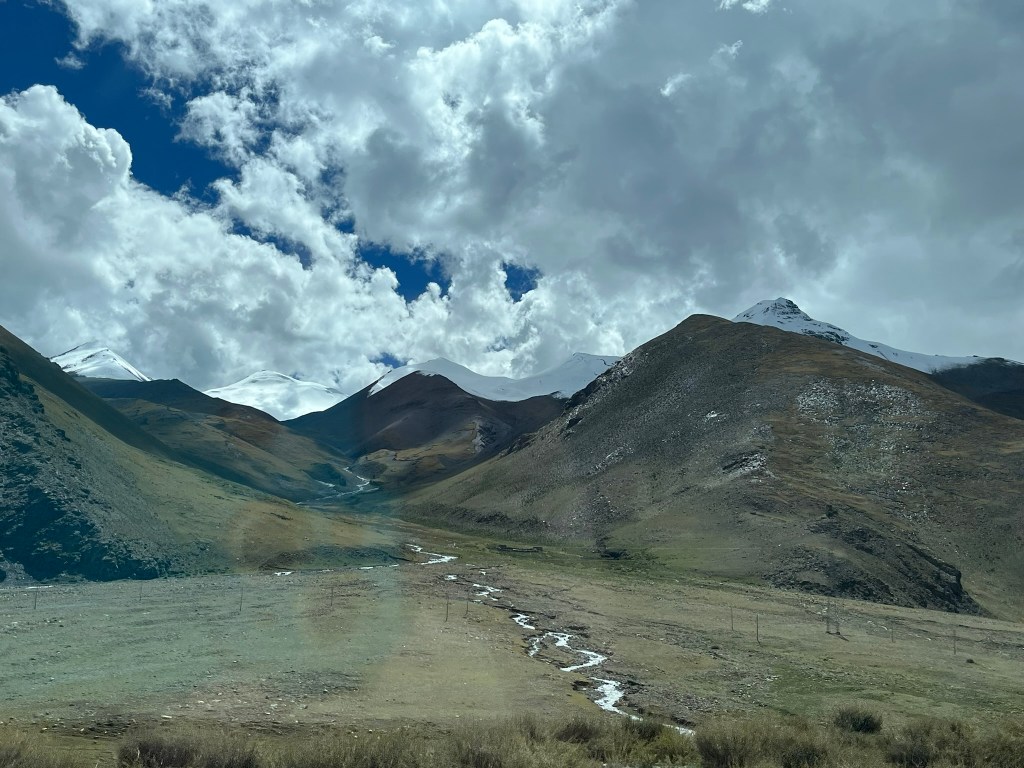
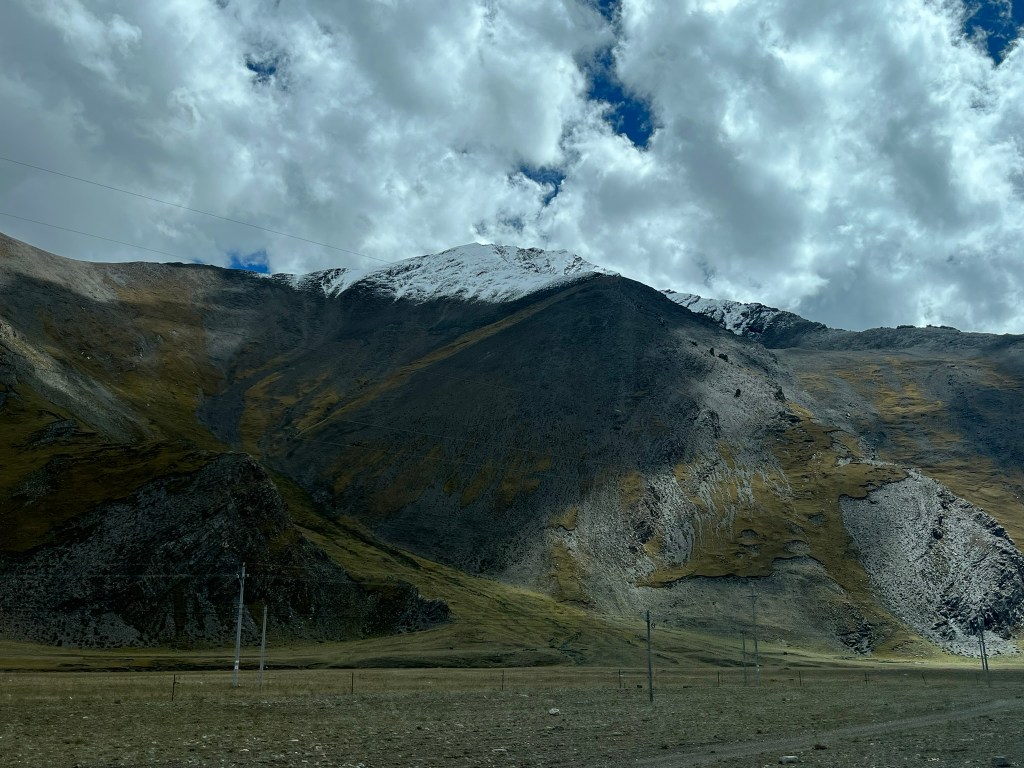
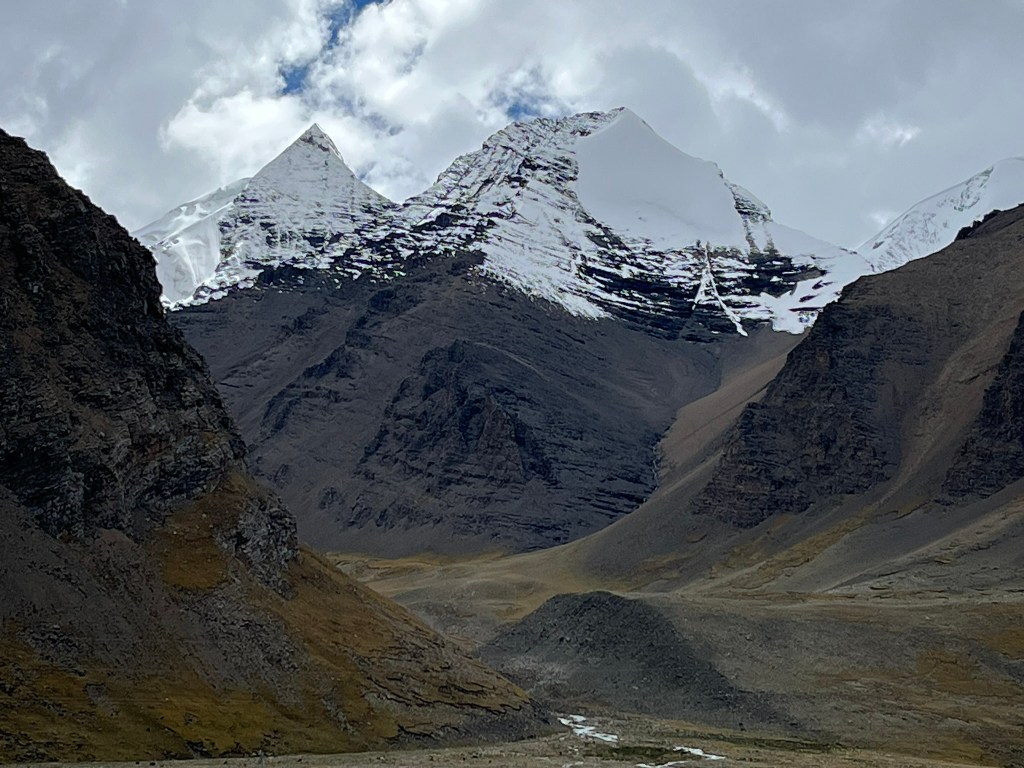
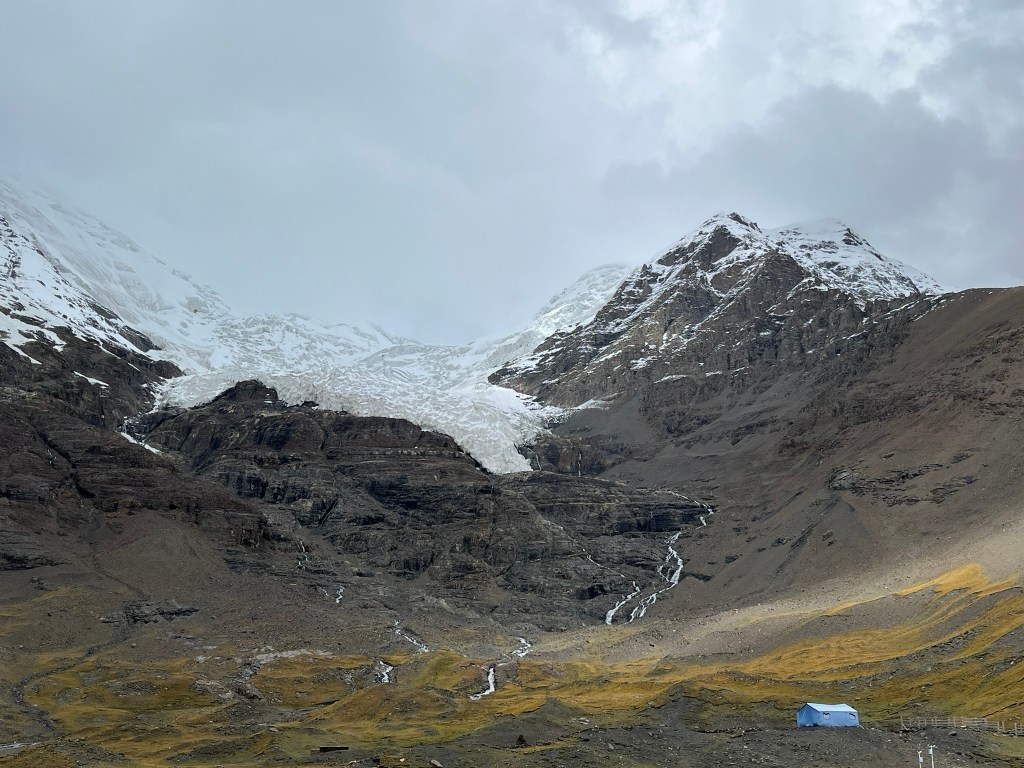
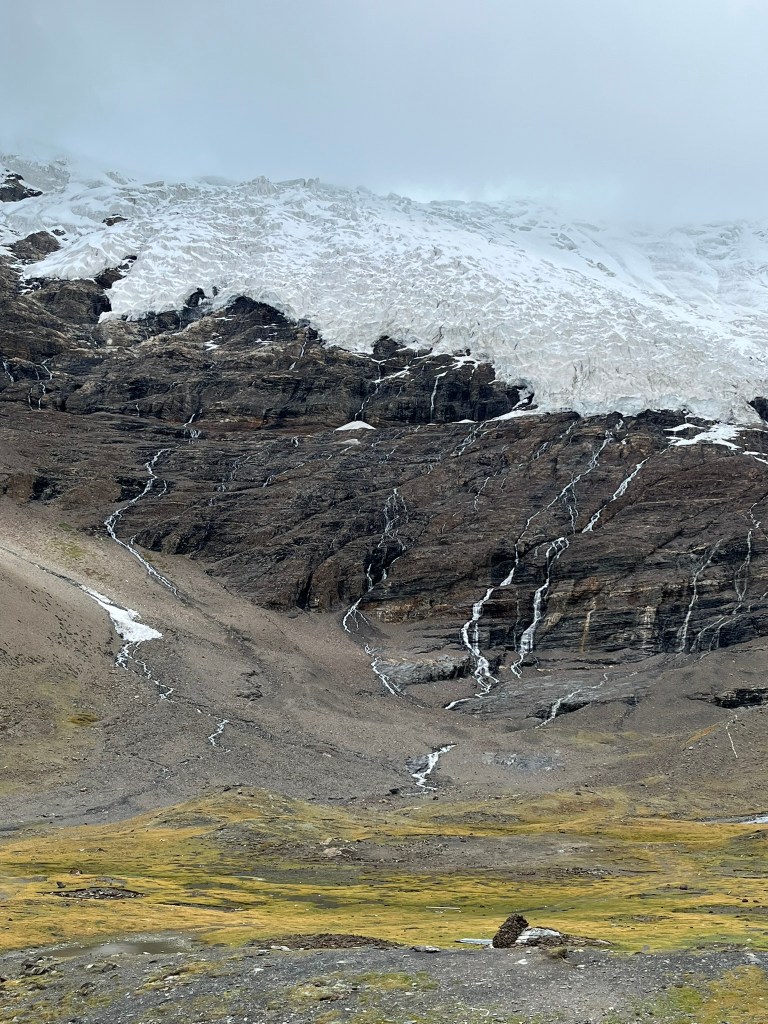
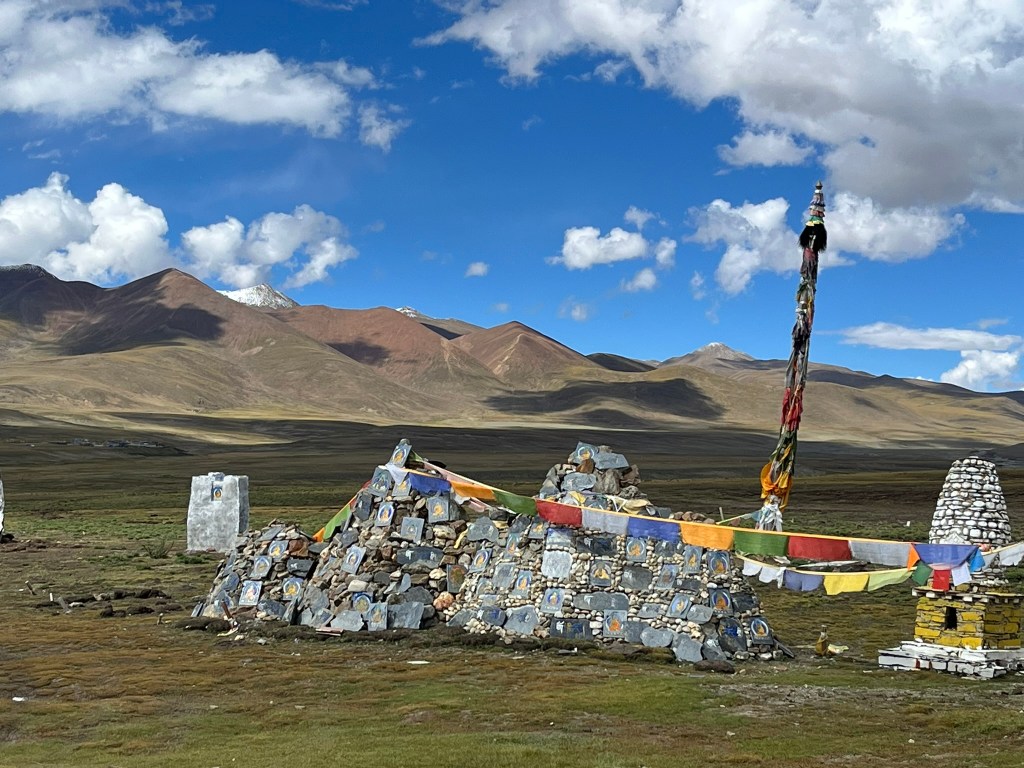
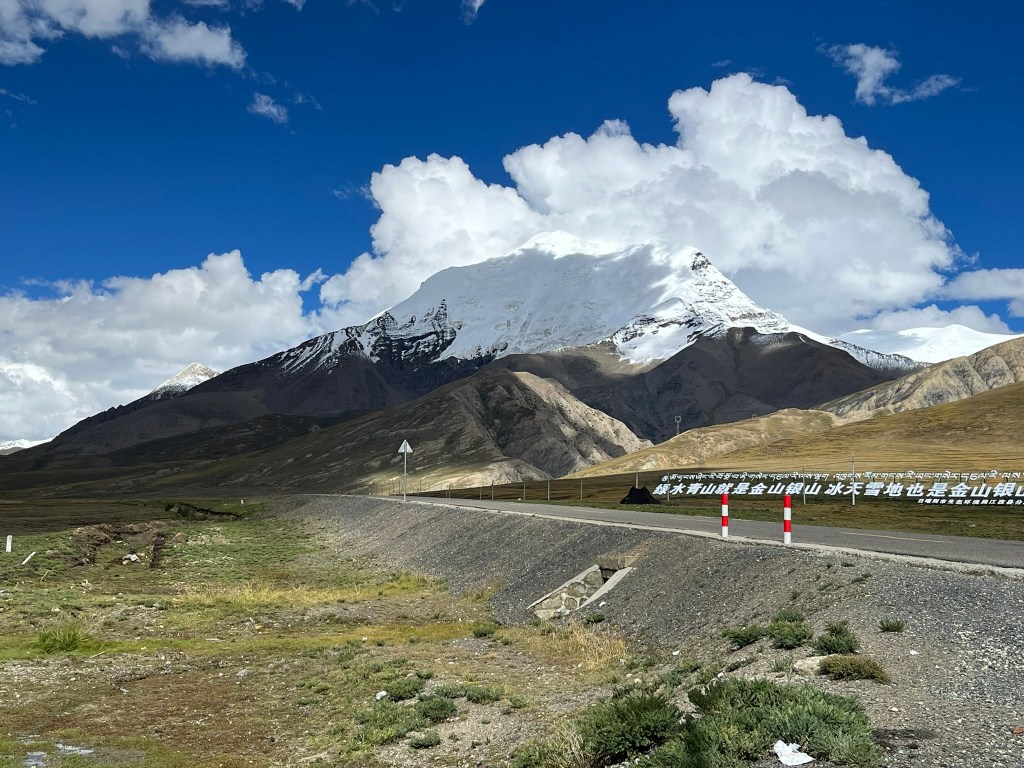
As we descended from our second pass of the day, this time the Karo La Pass at 5,045m, we were met with the sight of the hanging Karo Le Glacier tumbling steeply down the mountain literally almost onto the roadside, from Mount Nyenchen Khangsar. Both the glacier and the pass are considered spiritually significant, and there are stupa and prayer flags everywhere. Like many glaciers on the Tibetan plateau, this glacier has been retreating due to climate change, and visitors say that since the 80’s and 90’s the edge of the glacier is much further from the road than it used to be.

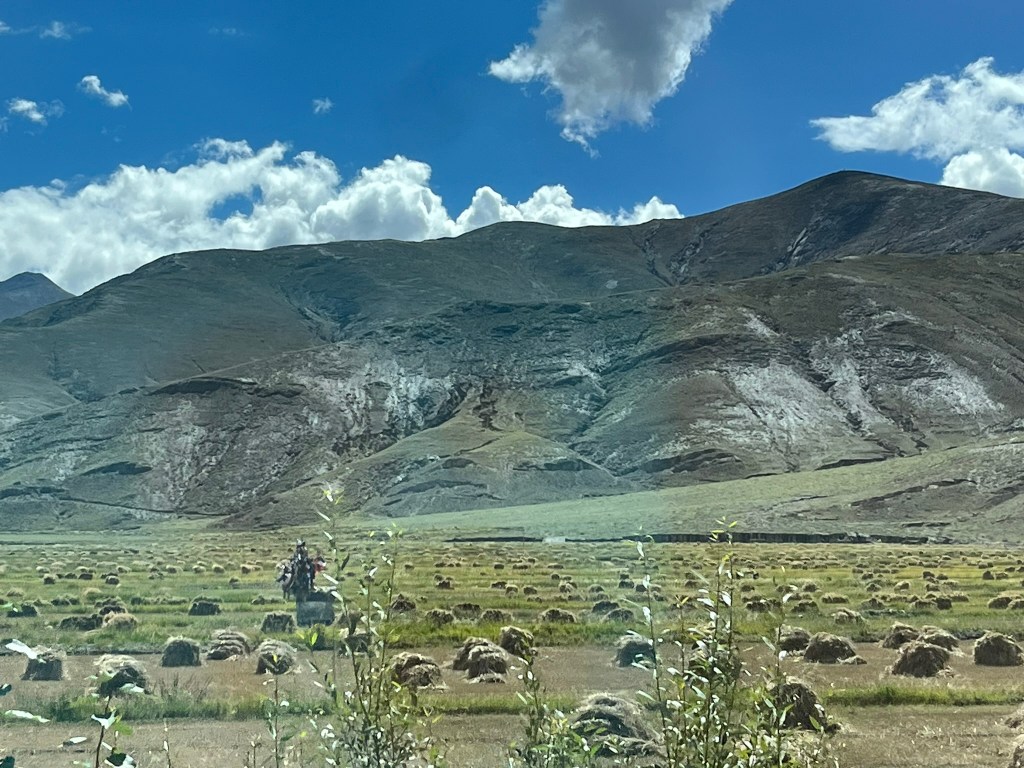
In the final leg from the glacier to Gyantse, the harsh and rugged landscape opens up to a wide river valley regarded as the ‘World’s Home of Barley’. It is harvest season so every field was covered in golden barley, cut and placed into piles to dry before it is processed.
A few days before, there had been a very controversial fireworks show here with the backdrop of the snowy mountains. It was an advertisement collaboration between a famous Chinese fireworks master and the outdoor brand, Arc’teryx with the fireworks meant to be in the shape of a dragon. Unfortunately, this was a terrible idea, both environmentally and culturally. There has been a lot of damage to the remote and pristine ecosystem. And culturally, the surrounding mountains are deemed sacred. There has been outrage across China. It is especially ironic since just right by where the fireworks were set off there is a big sign in Mandarin, stating how important it is to keep our natural environment clean and pristine.
Gyantse is a small city, surrounded by barley fields and historically a strategic crossroads along the Tea and Horse Road. From the 14th century onwards it would have been a bustling trade post for wool, salt and grain. Unfortunately I struggled a bit with the altitude during the time we had in Gyantse and missed the visit to the Kumbum Chorten, the largest stupa in Tibet. Built in 1427, the stupa is 9-levels and is said to contain over 100,000 images of Buddha.
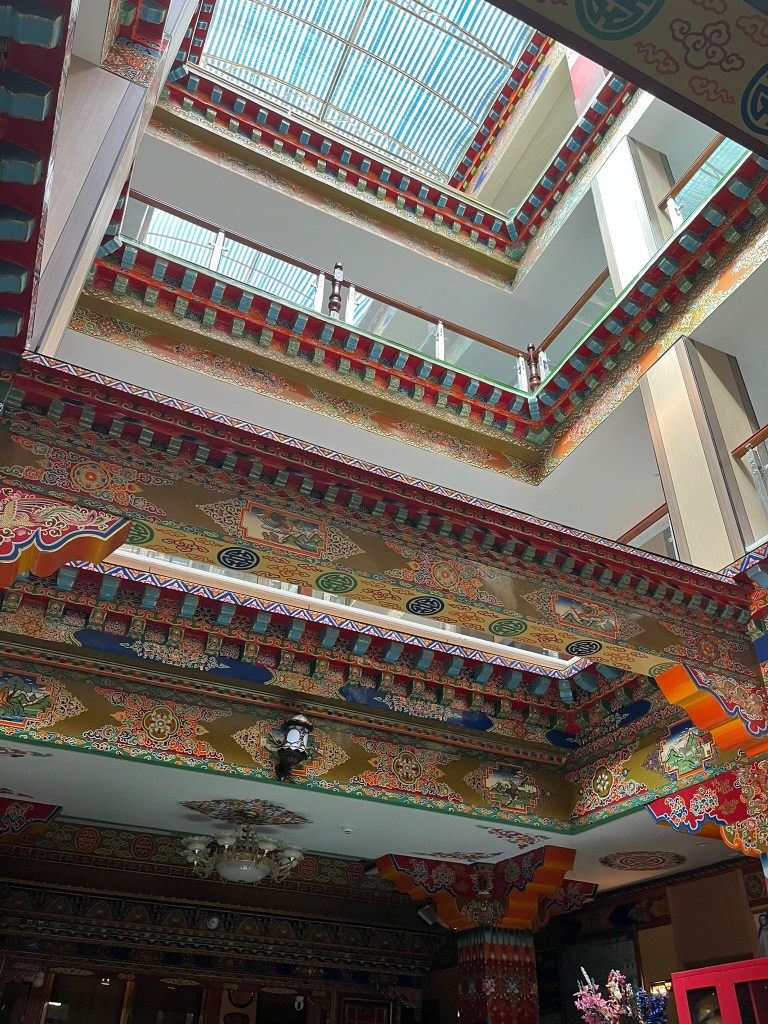
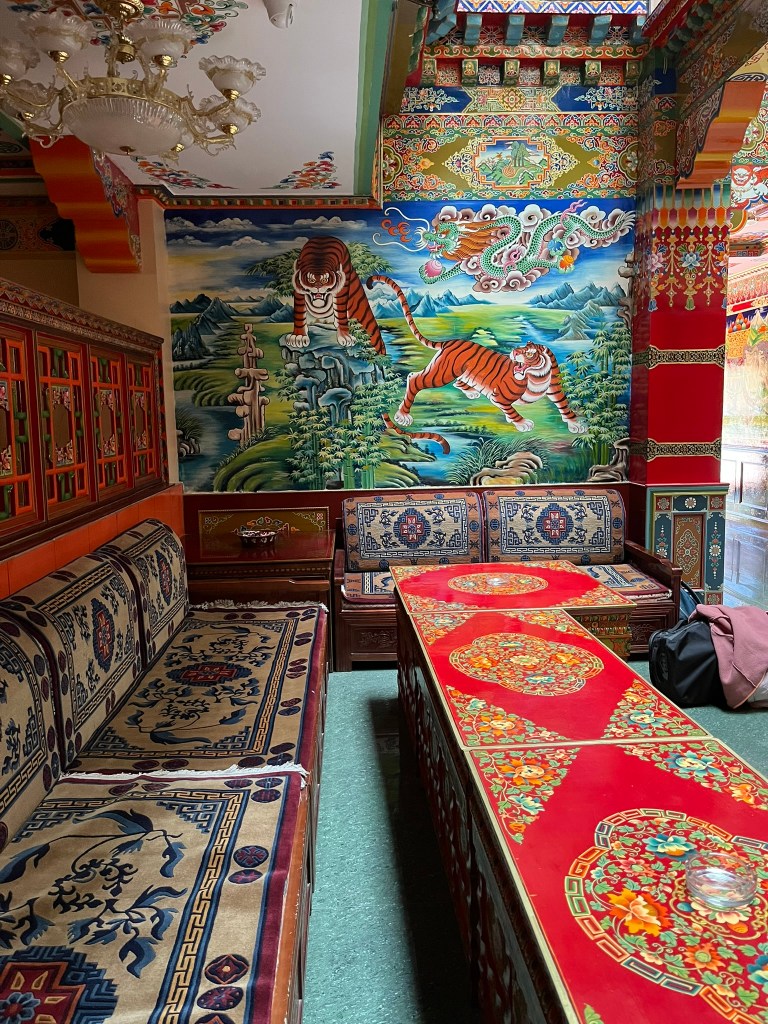
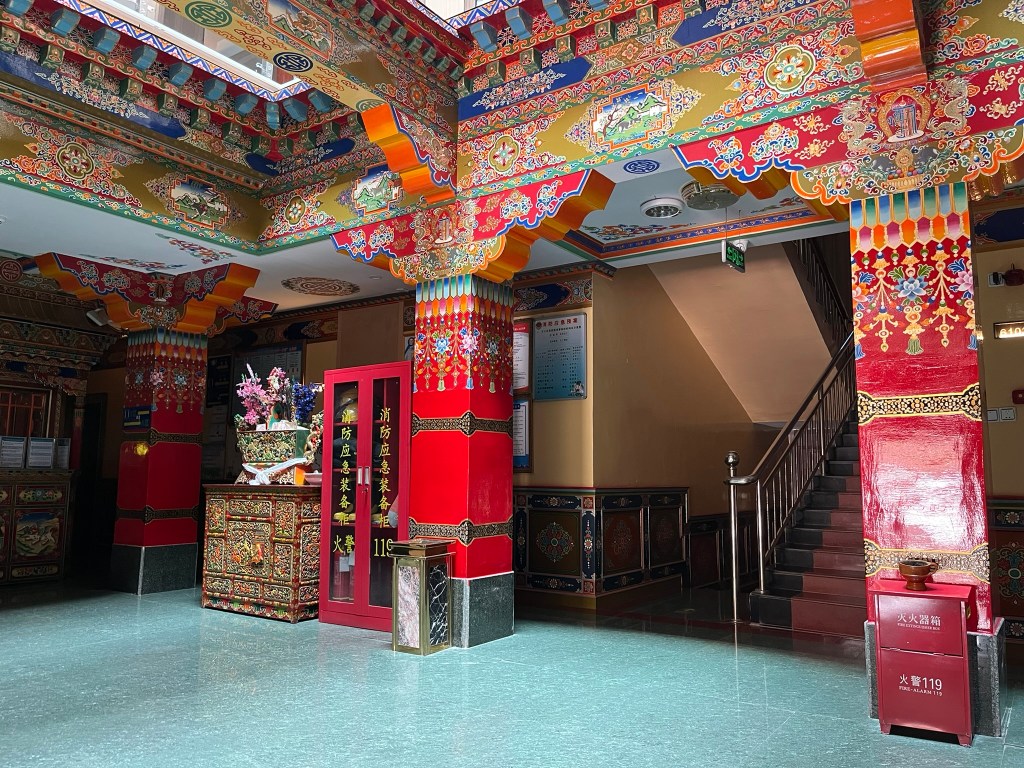
With just one overnight stay in Gyantse in an incredibly decorated hotel, we headed to our next destination, Tibet’s second largest city – Shigatse.
 Colette's Grand Detour
Leave a comment