I saved the most interesting part of exploring Pingyao ancient city for its own deserved post. Pingyao is famed as the birthplace of modern Chinese banking, from the piaohao (draft banks) that emerged in the Qing dynasty to serve Shanxi’s wealthy merchants. At its peak in the 19th century Pingyao had over 20 major banks controlling nearly half of China’s financial market.
Banks emerged in Pingyao because of a mix of economic, geographic and social factors. Shanxi merchants were already amongst the most powerful trading groups in China by the Ming dynasty, controlling salt distribution and trading in tea, silk and grain. They frequently ran caravans across northern China, Mongolia and Central Asia. In the late Ming dynasty, trade still ran using silver ingots though and moving this was dangerous and costly, requiring armed escorts. Merchants were looking for a cheaper and safer alternative.
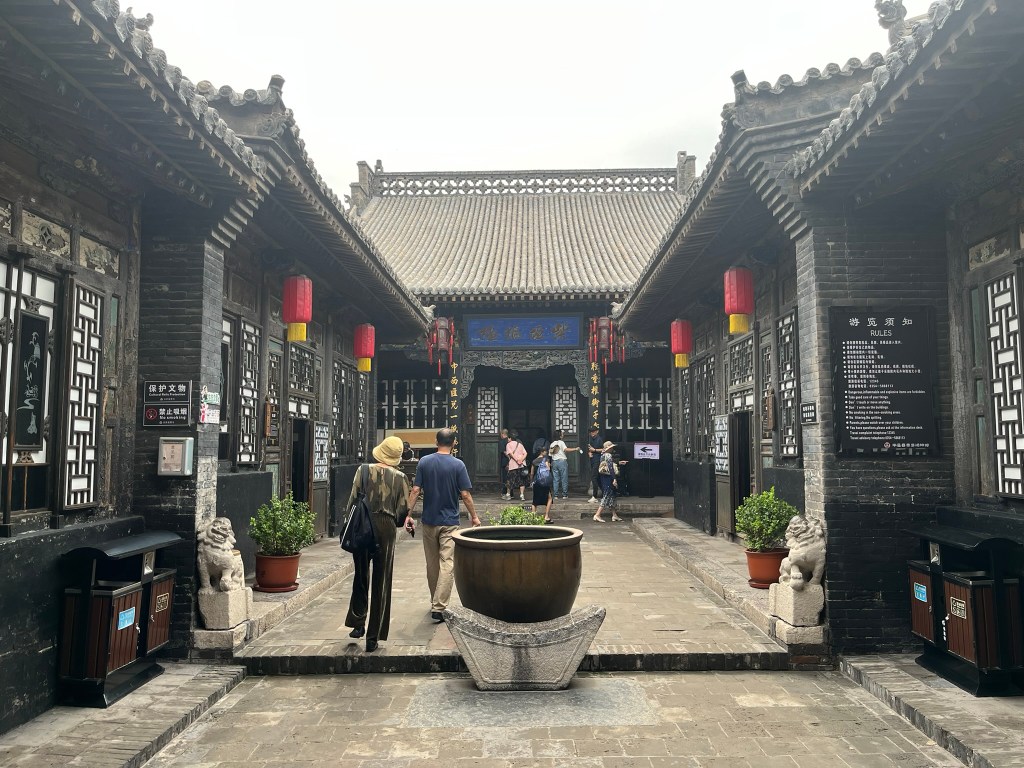
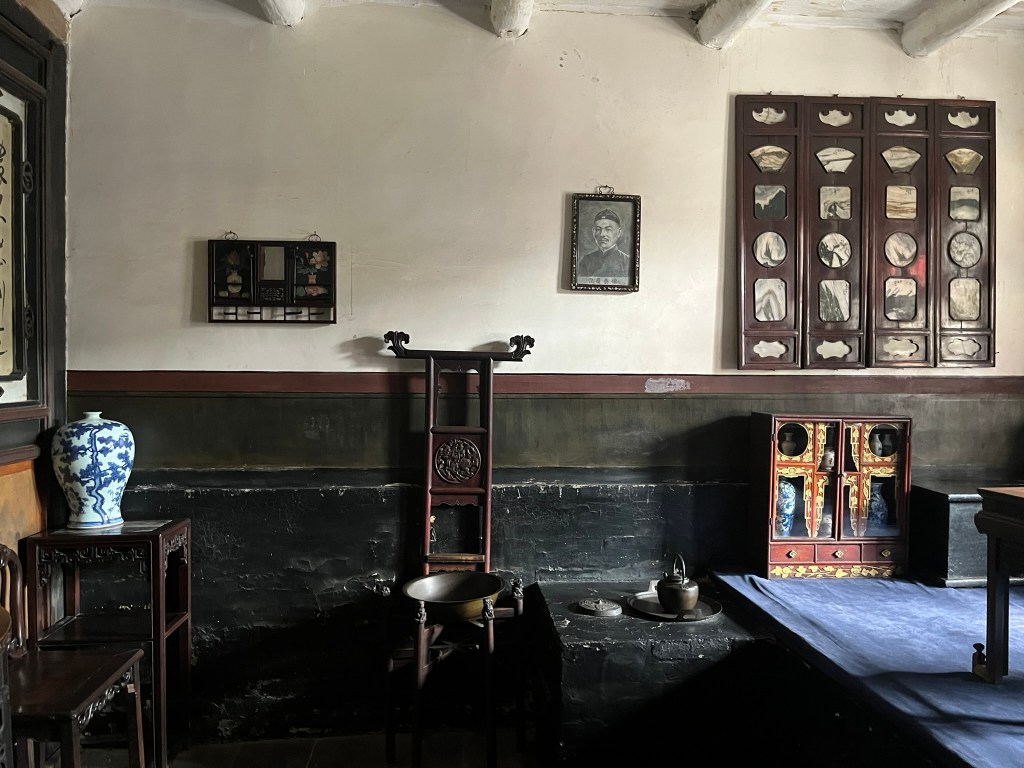
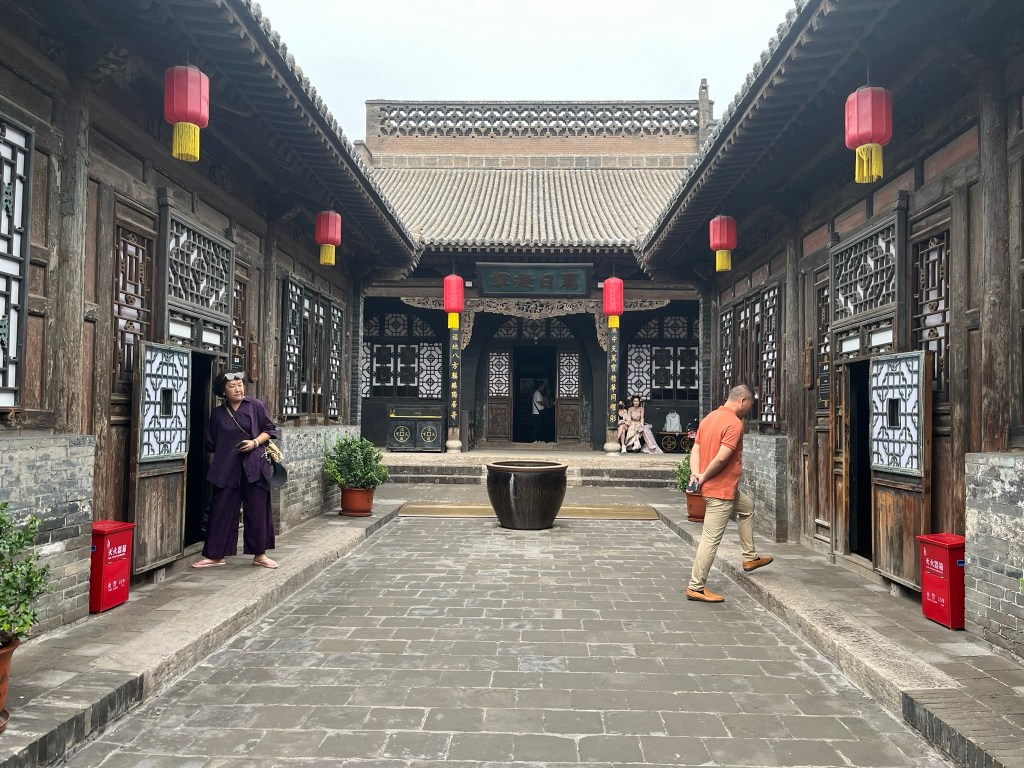
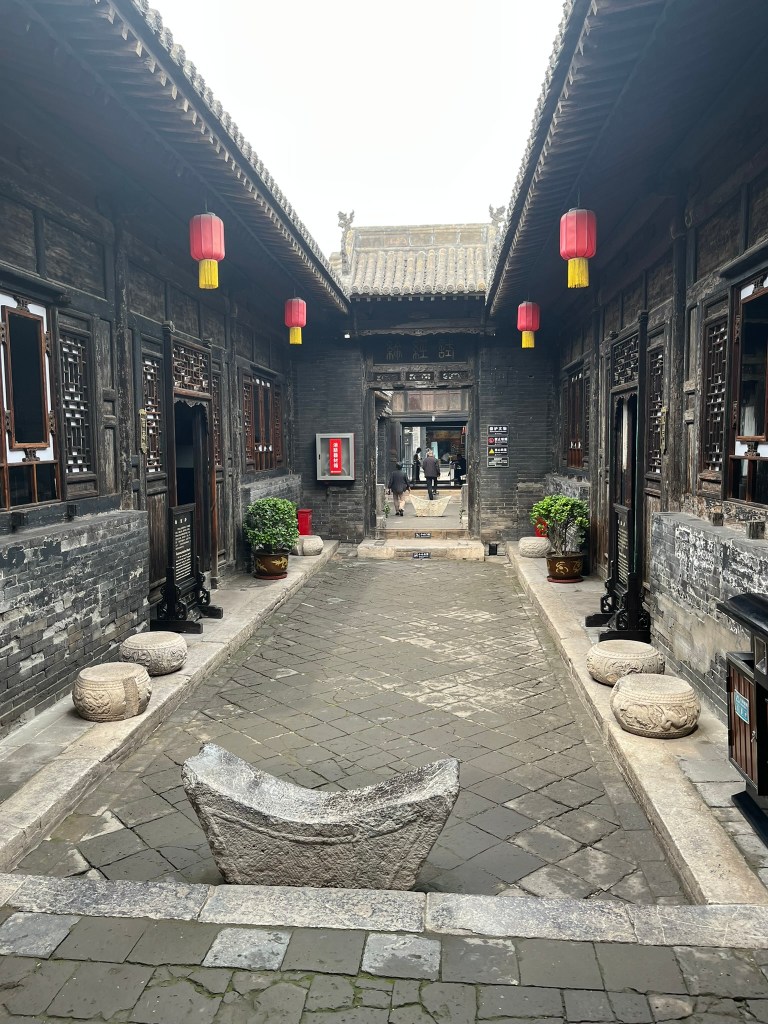
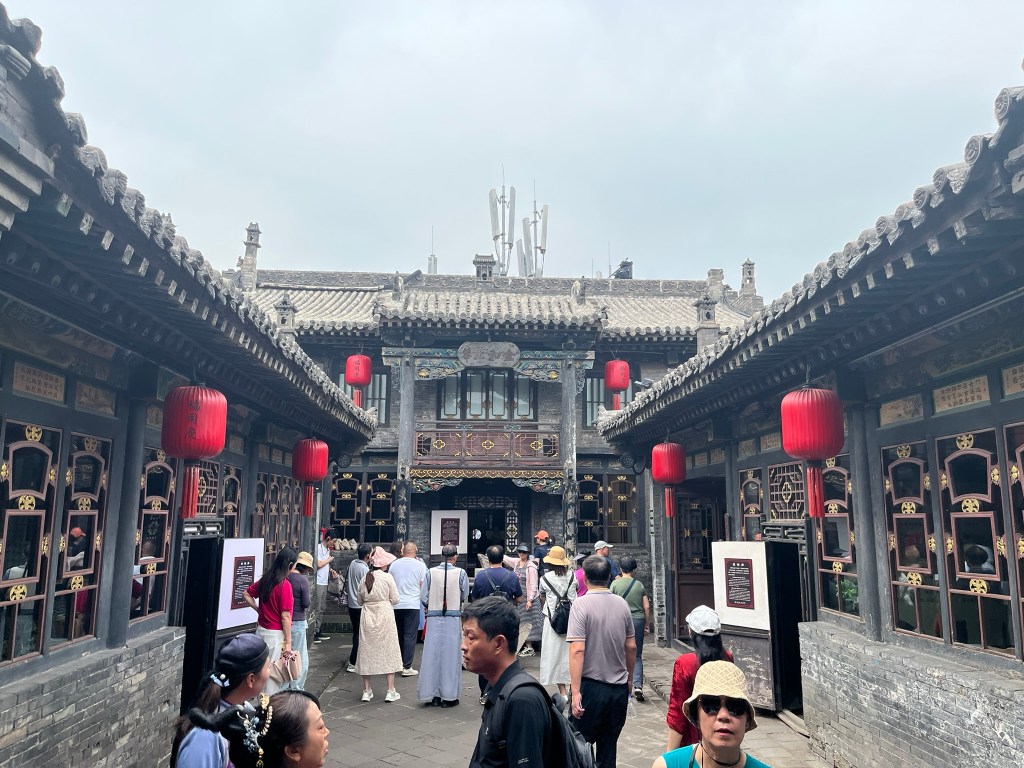
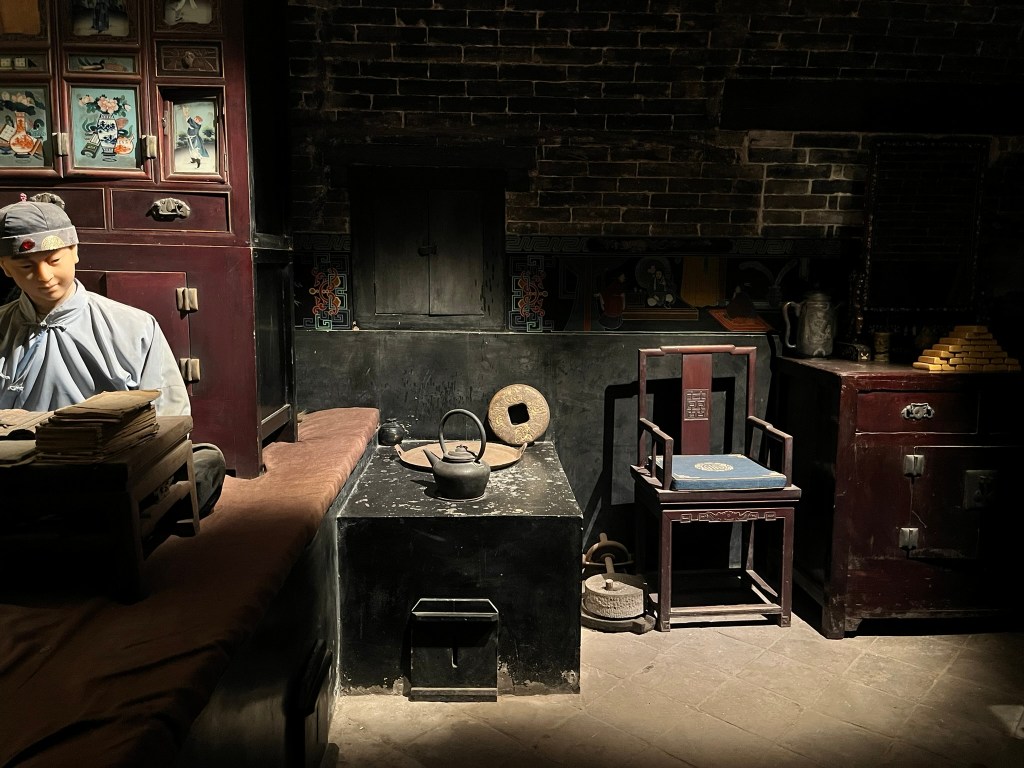
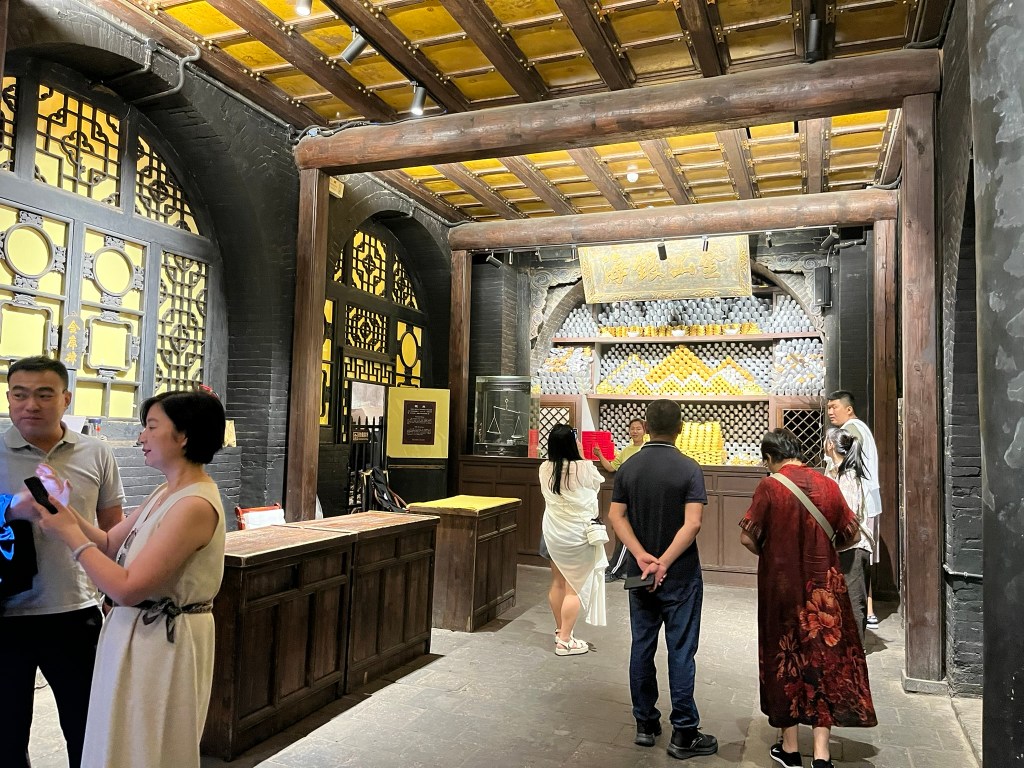
During my time in Pingyao I visited 2 banks, but there were many more that you could visit, all included in the ancient town tourist ticket. The first bank I visited was the Rishengchang Draft Bank, founded in 1823 by a wealthy merchant called Lei Lutai. This is considered the first true ‘bank’ in China and is what earned Pingyao its strong financial reputation. It was headquartered on West Street and eventually had branches across China and even in Russia. It provided services such as currency exchange, loans, deposit-taking and remittances. The size of the shop-front of the bank is deceptive as the courtyard compounds behind the streets are extensive, with front courtyards housing counters and reception halls and the rear courtyards used as living quarters, accounting rooms and vaults.
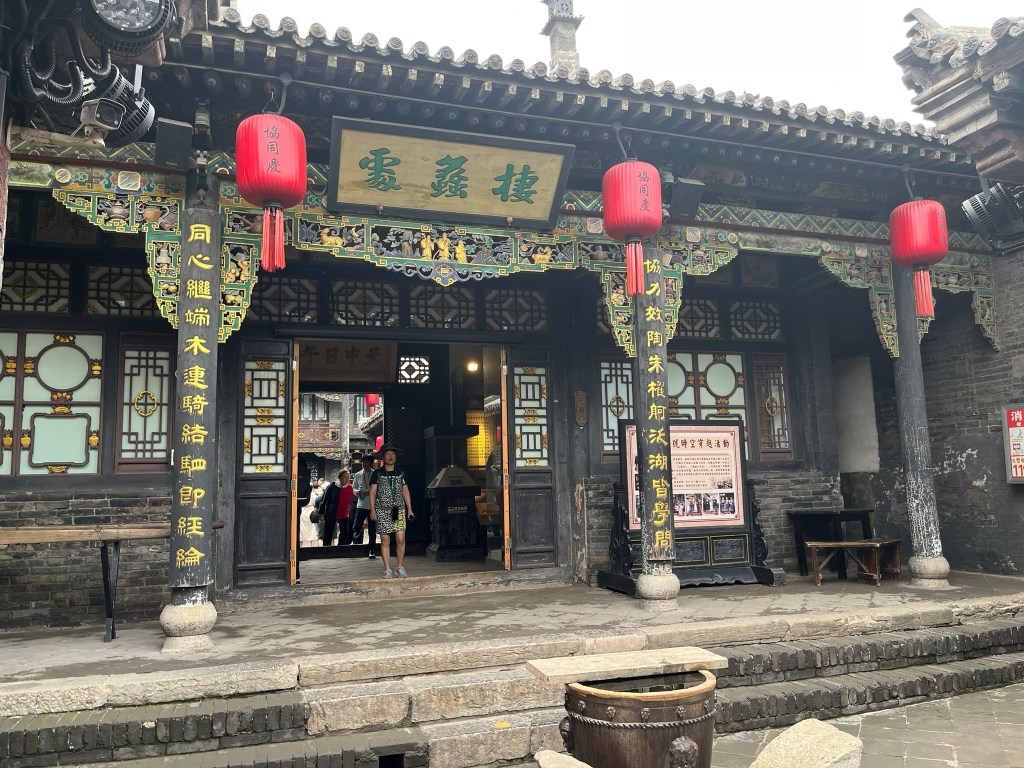
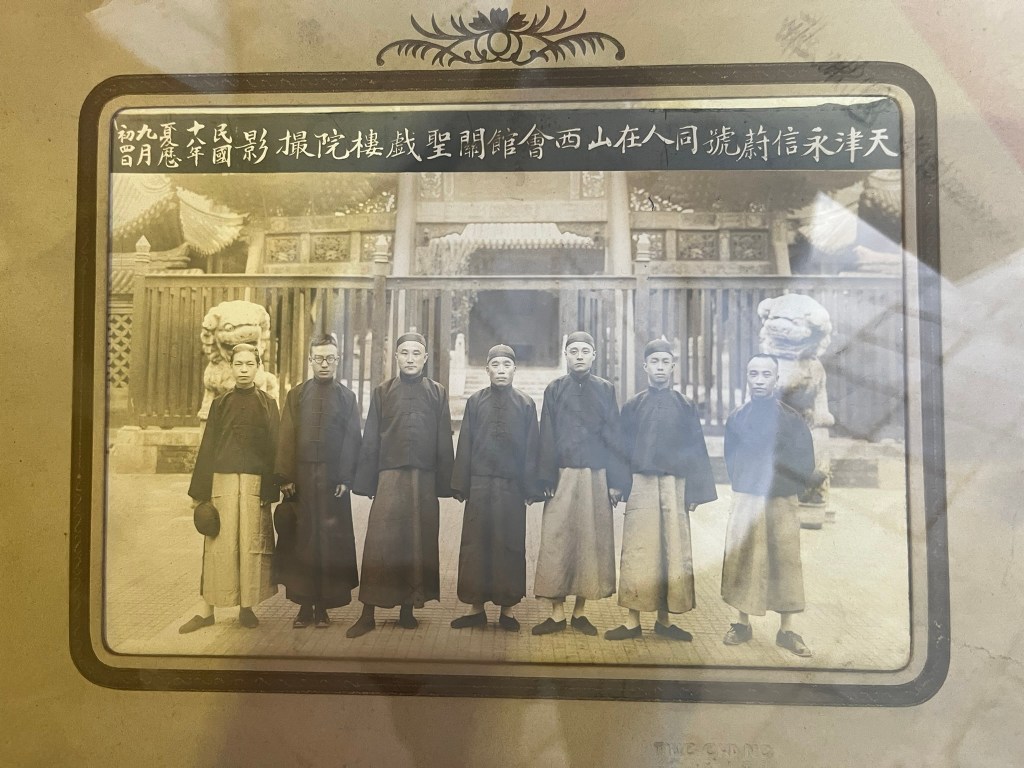
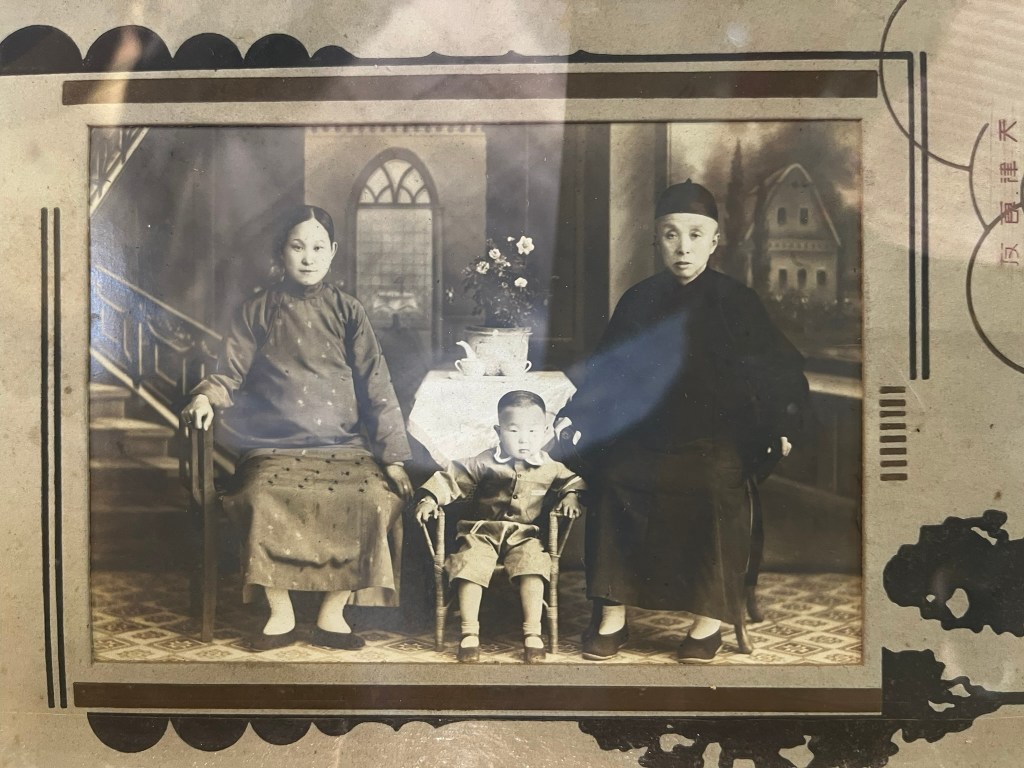

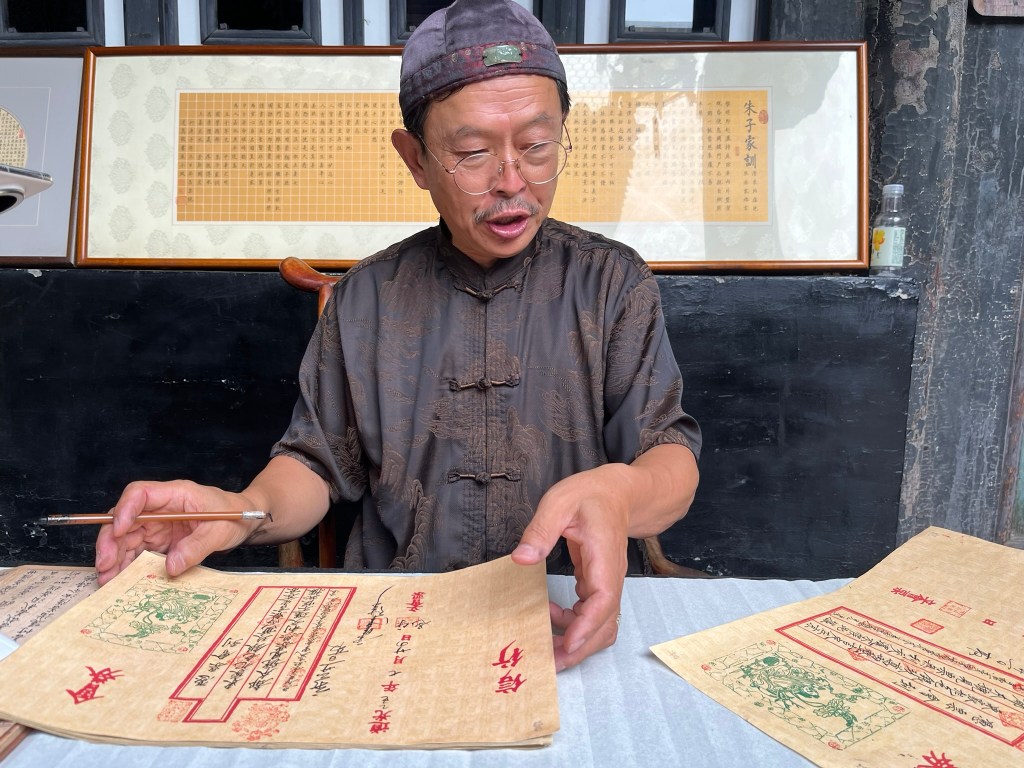
The core innovation of the Rishengchang Draft Bank was the use of draft notes, which allowed merchants to move large sums of money securely without physically carrying silver. The notes were written in Chinese calligraphy and contained watermarks and unique stamps that were hard to forge, ensuring authenticity. There were also hidden verification codes on the notes only known to the clerks of the bank. These notes could be redeemed at any branch across China. Whilst visiting you could have your own draft notes written with your name, which was a fun souvenir to get.


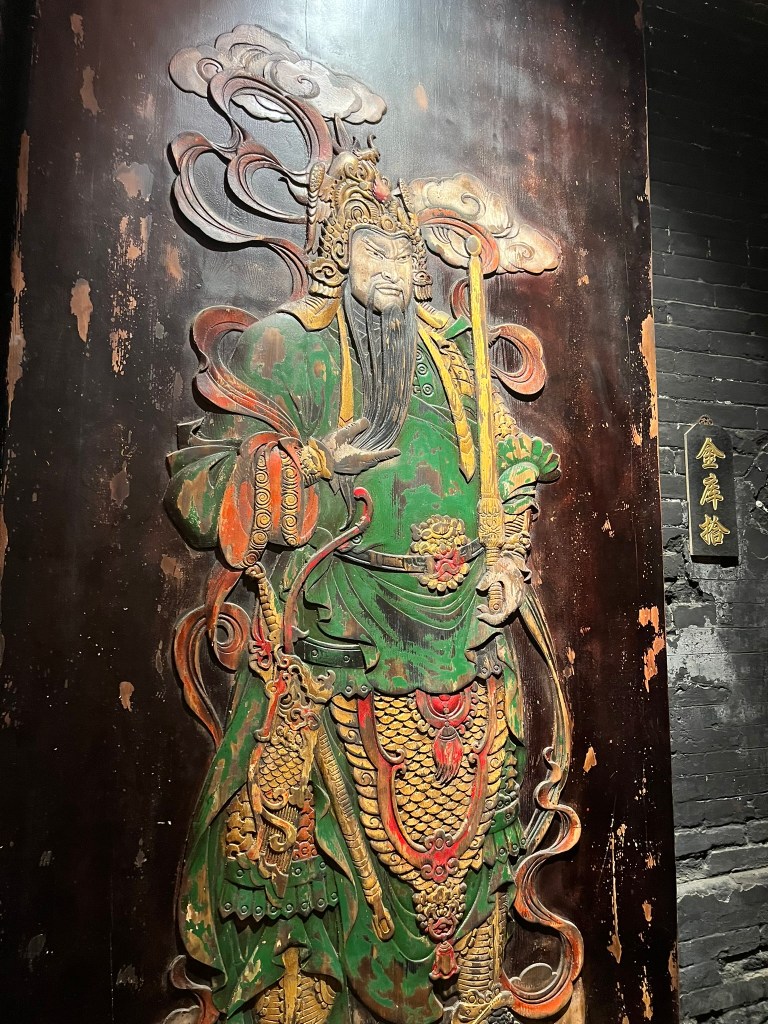
The second bank we visited was the Xiyucheng Draft bank, established in the mid-19th century and specialised in handling trade with China’s western regions. Here we were able to climb down into the vault, with thick wooden doors and guarded at all times by martial artists.


By the late 19th century, the family-based and traditional Pingyao banks couldn’t keep up with modern corporate finances and they fell into decline. Foreign banks such as HSBC, Standard Chartered and Russo-China Bank began operating in treaty ports like Xiamen and modern Chinese banks introduced Western accounting, credit and larger capital pools.
I didn’t expect to find visiting a bank so interesting, but the history combined with the well-preserved buildings that you could walk around and explore made it a really good part of my visit to Pingyao.
 Colette's Grand Detour
Leave a comment