The Xuankong Hanging Temple is a remarkable architectural and religious site that clings to the side of a cliff at Mount Heng Shan. It is from the late Northern Wei dynasty in the 5th century making it over 1500 years old.
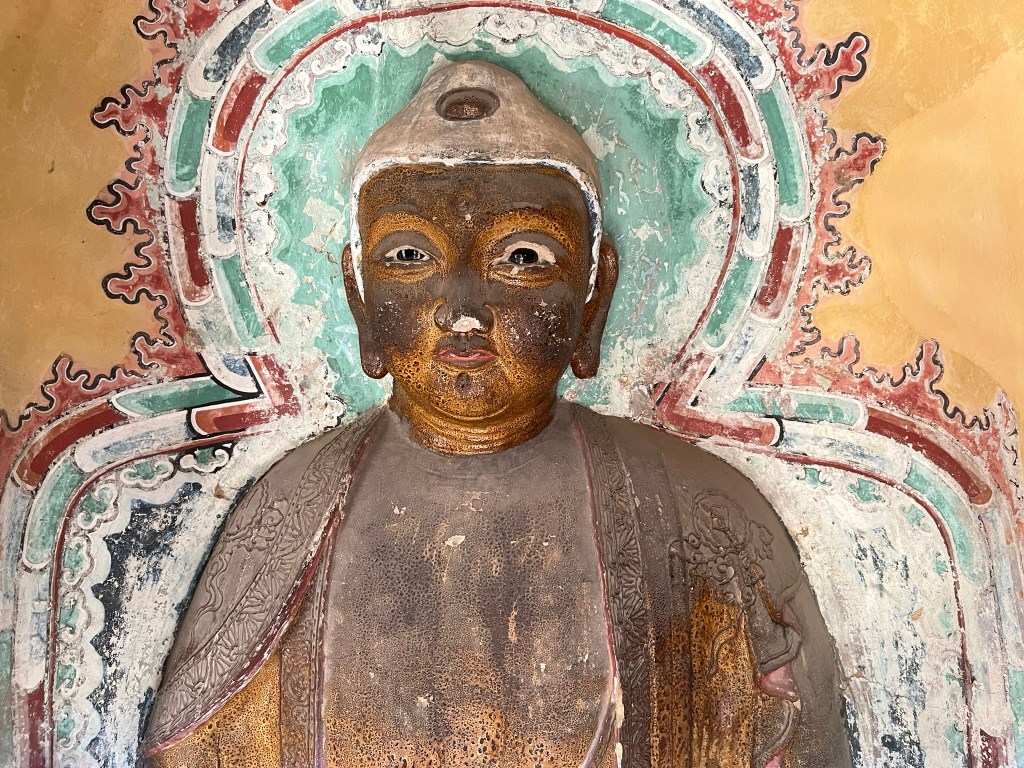
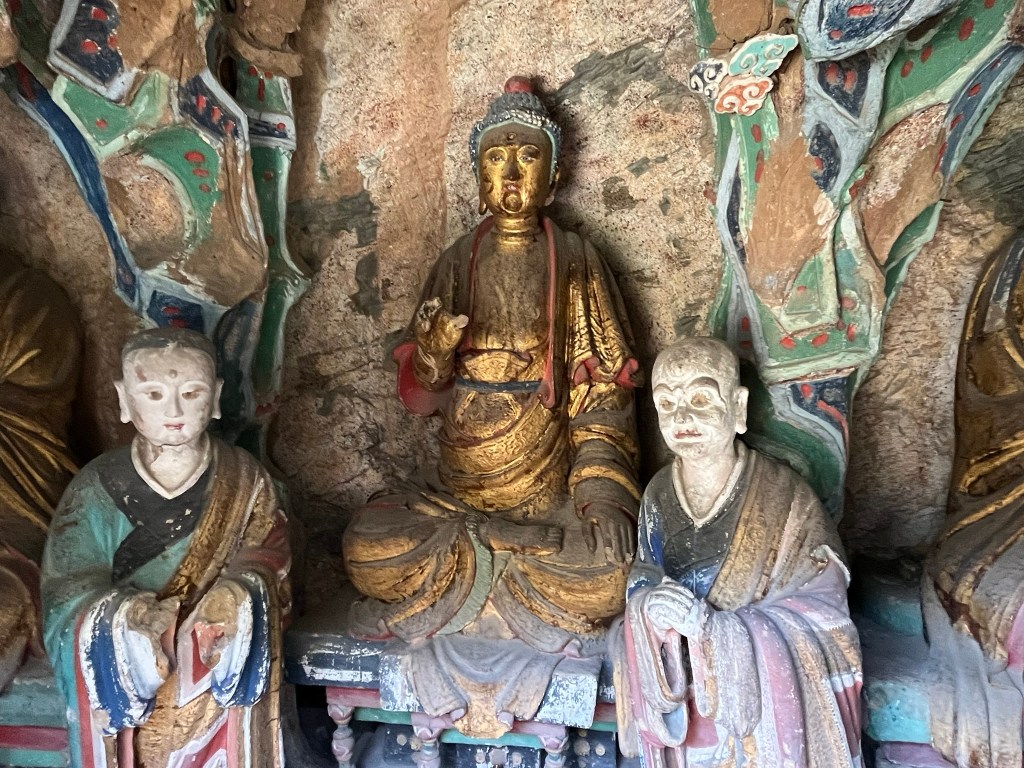
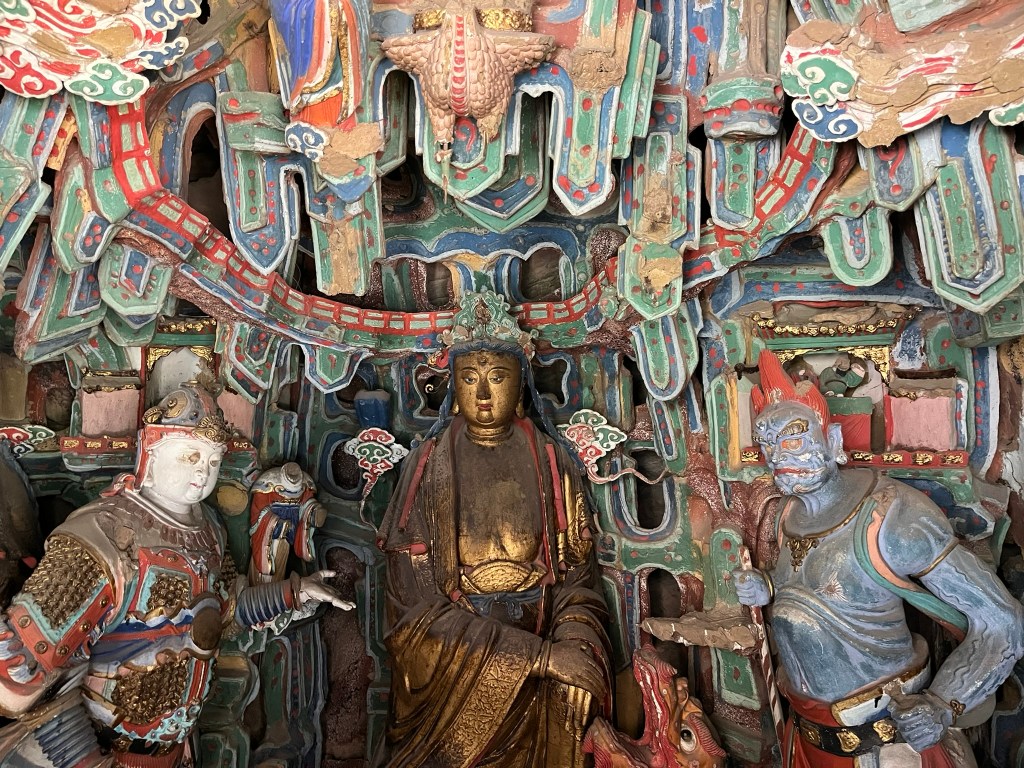
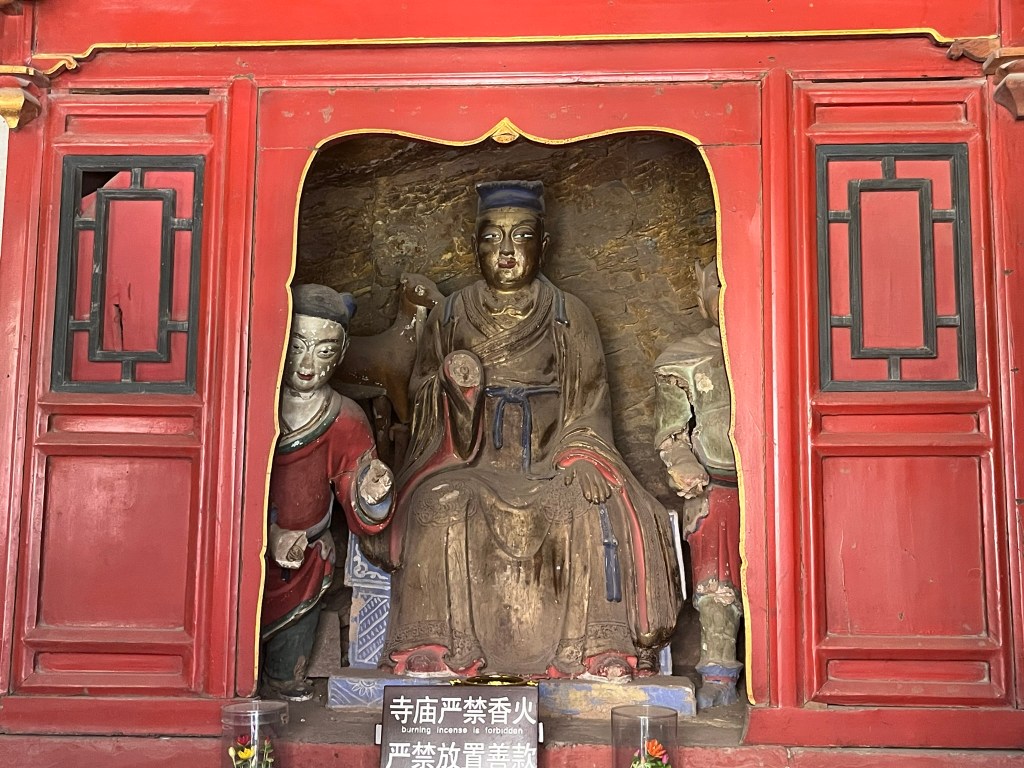
The temple hangs 60-75m above the gorge below and is shaped like a dragon. And it houses elements from three major Chinese religions; Buddhism, Taoism and Confucianism. As you walk along the narrow balconies you can peer into small rooms that house statues and prayer halls from all three religions. The reason for this fusion is attributed to the concept of ‘Three Teachings Harmonious as One’ which is a recurring cultural philosophy throughout Chinese history.
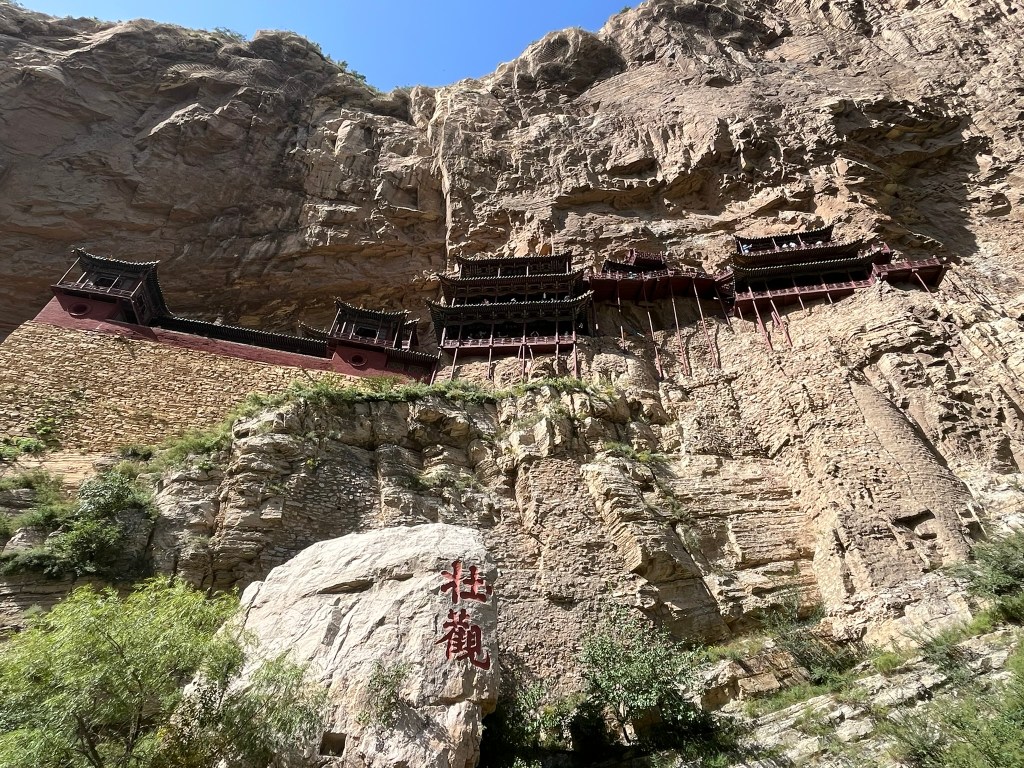
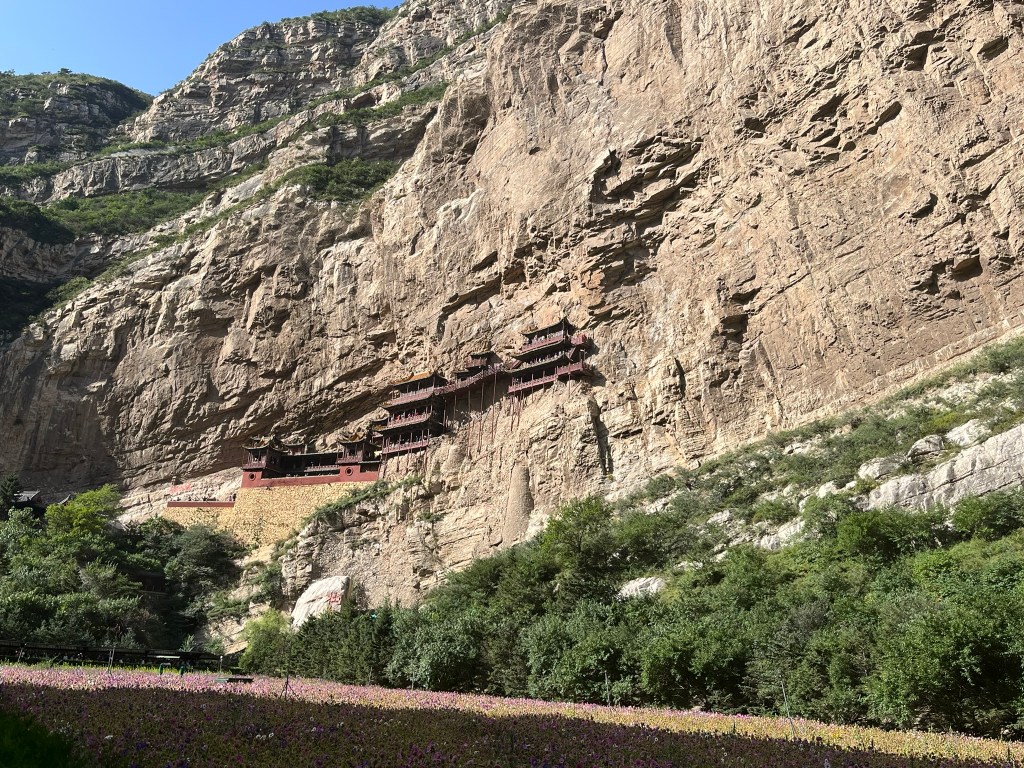
Traditional legend says that it was built by a hermit called Liao Ran who sought a quiet place to practice meditation. And that later dynasties (Ming, Tang, Qing) enlarged and repaired it. The temple hangs precariously on the cliff and looks like it is floating between the earth and the sky. This design was intentional, as a way for monks to reach closer to heaven – a physical metaphor for their spiritual goals.
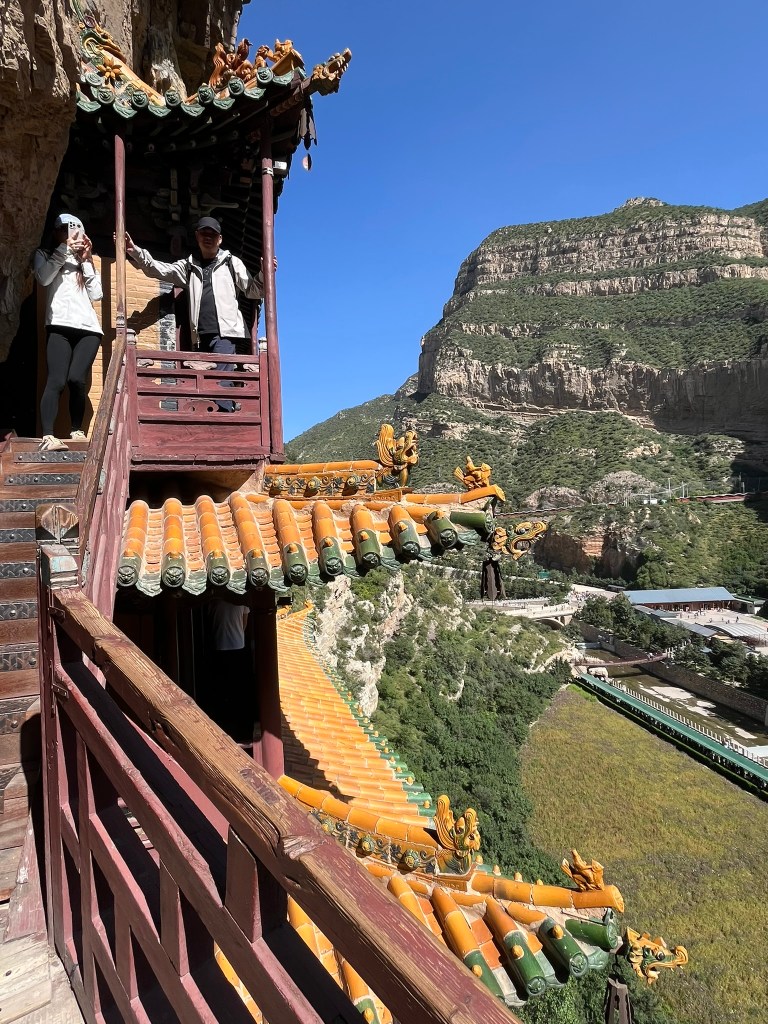
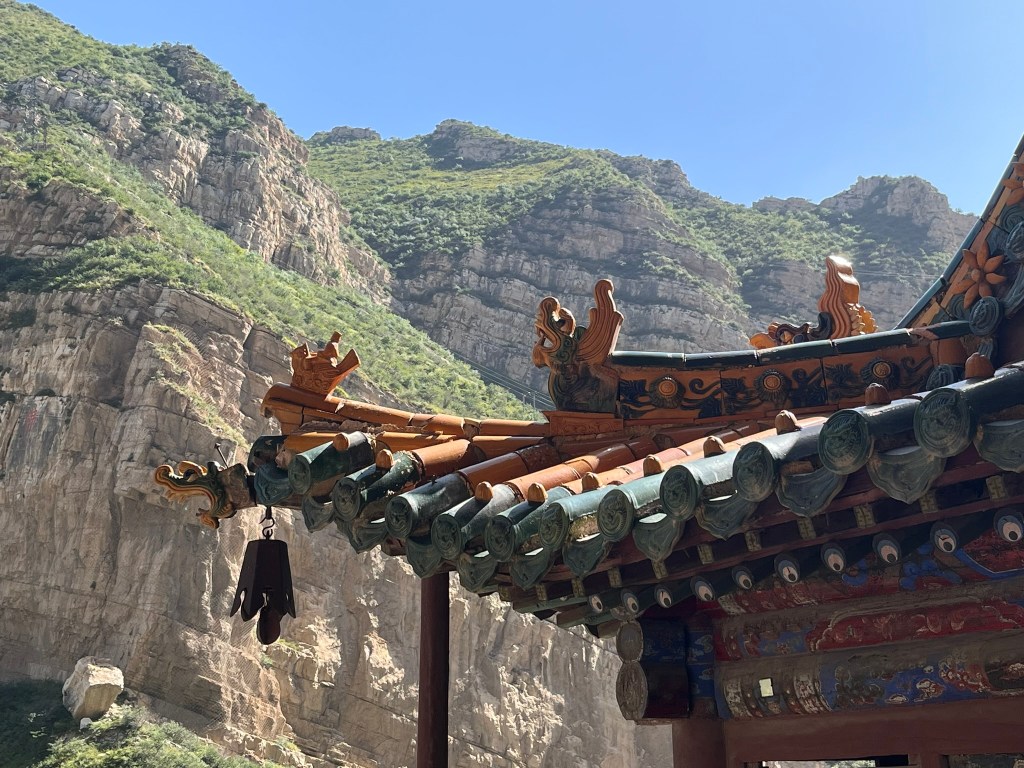
My guide shared a different story about it being commissioned by Emperor Taiwu after he banished Buddhism, which apparently was due to not enough tax was being raised in the empire because monks were exempt from paying. Instead he endorsed Taoism as the favored religion of the state and requested that the hanging temple be built in his honor. This does make sense since the temple is covered in yellow tiles, only used for buildings built by the Emperor and no one else. But google says nothing about this.

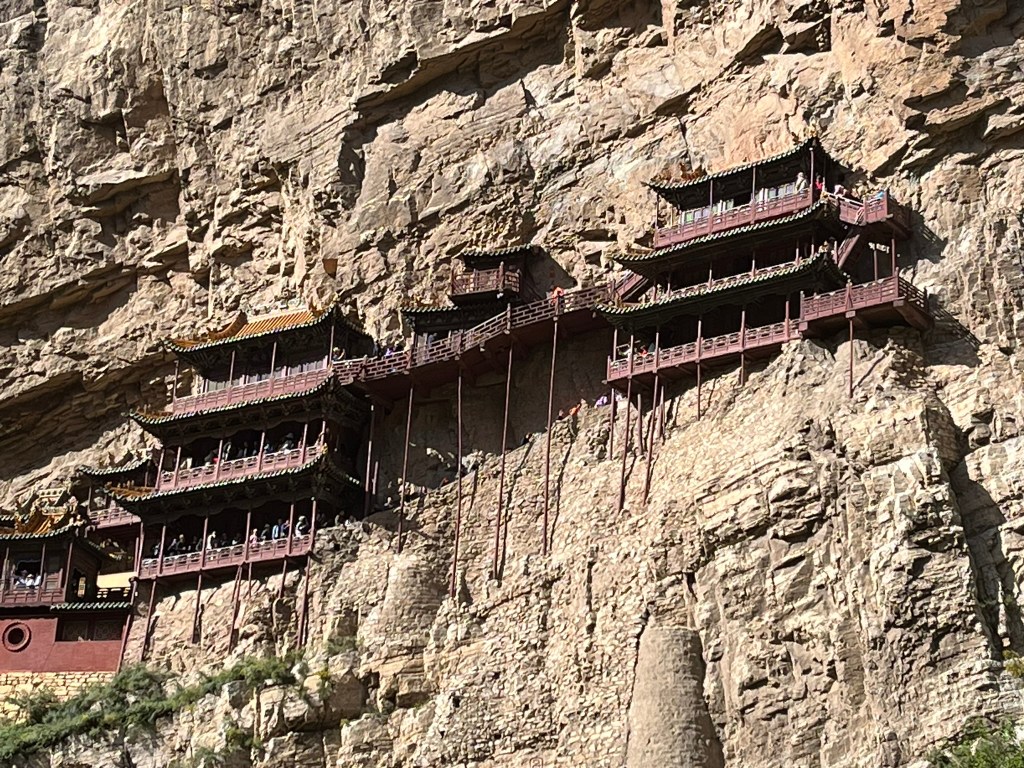
It is designed in a very clever way. A ledge was chiselled out from the cliff face and oak wooden beams inserted deeply into the rock, to act as cantilevers. These 27 beams bear the structural load of the temple. The thin beams you can see on the outside really don’t support much at all and are quite flimsy. The location of the temple has also been carefully selected. Most of the structure sits under a natural overhang, protecting it from rain and falling debris. And the gorge in which it sits has a slight bowl shape, protecting it from the harshest winds. Over the centuries various parts of the structure were renovated and strengthened, all the way up to the 19th century.
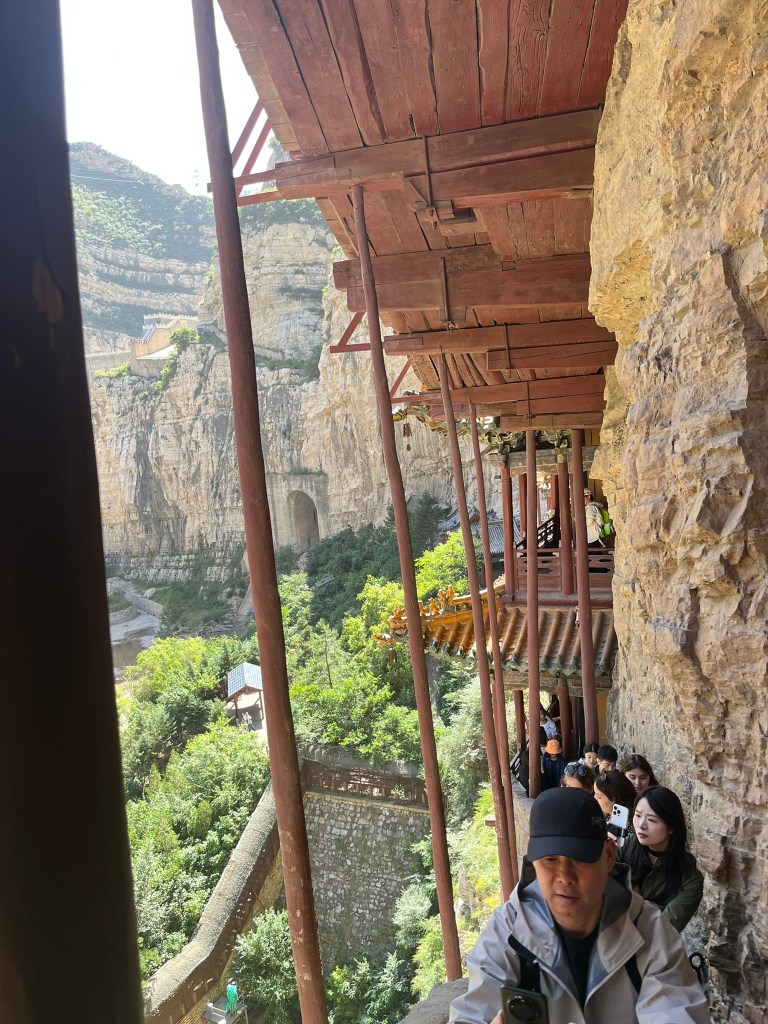
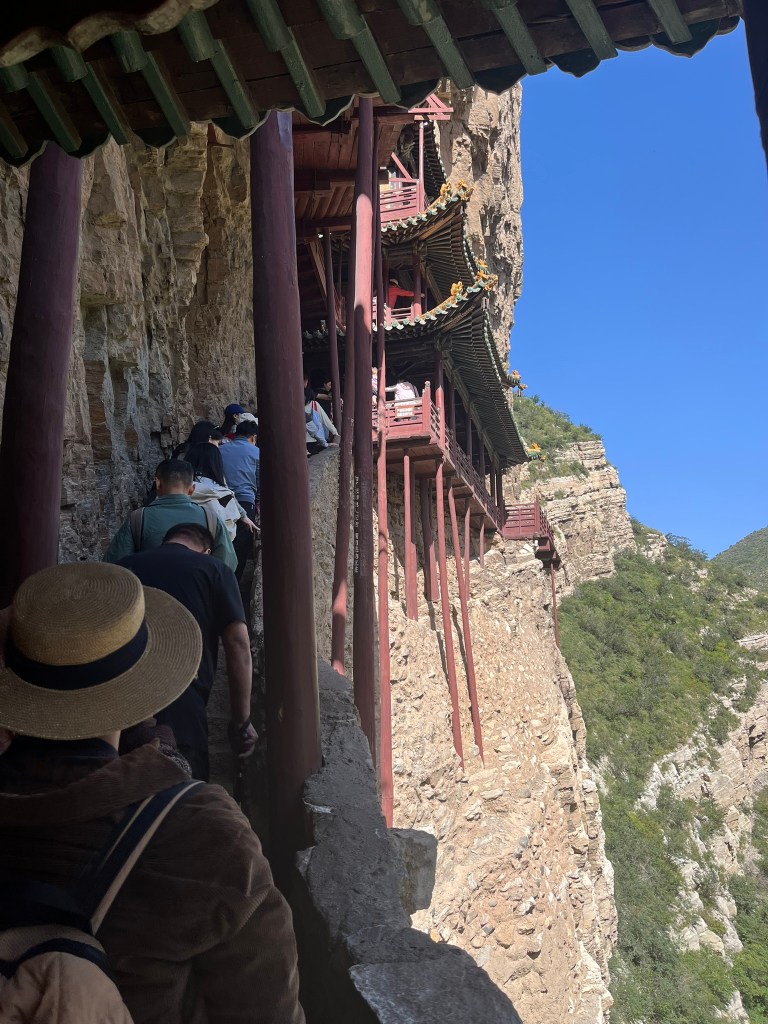
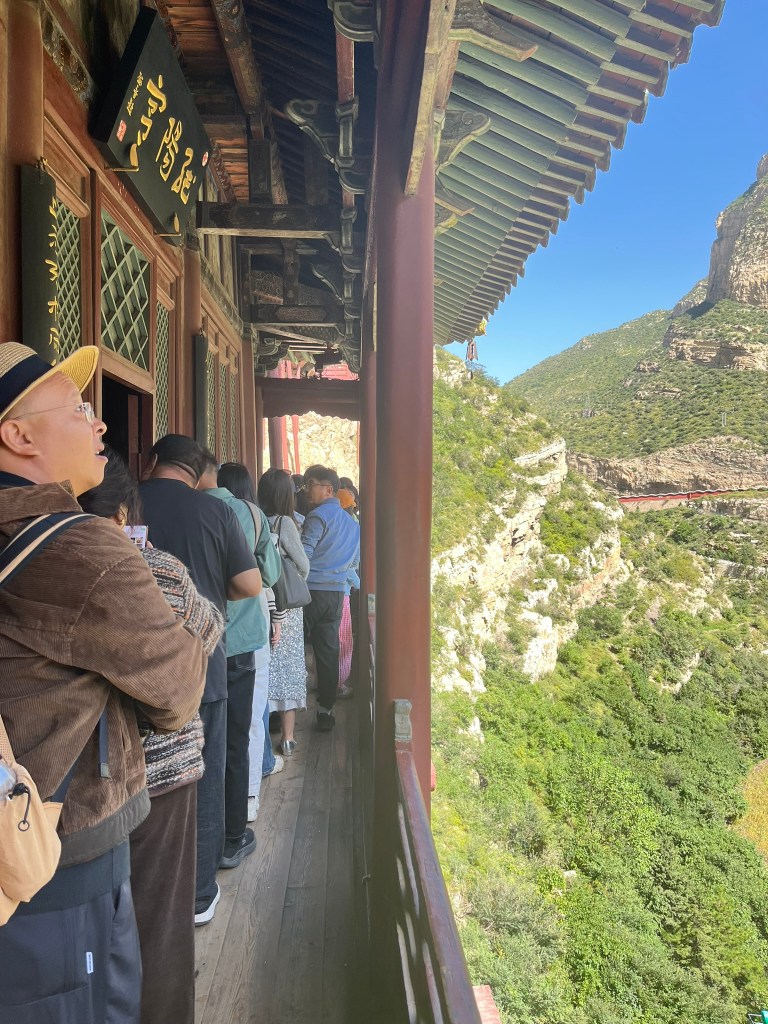
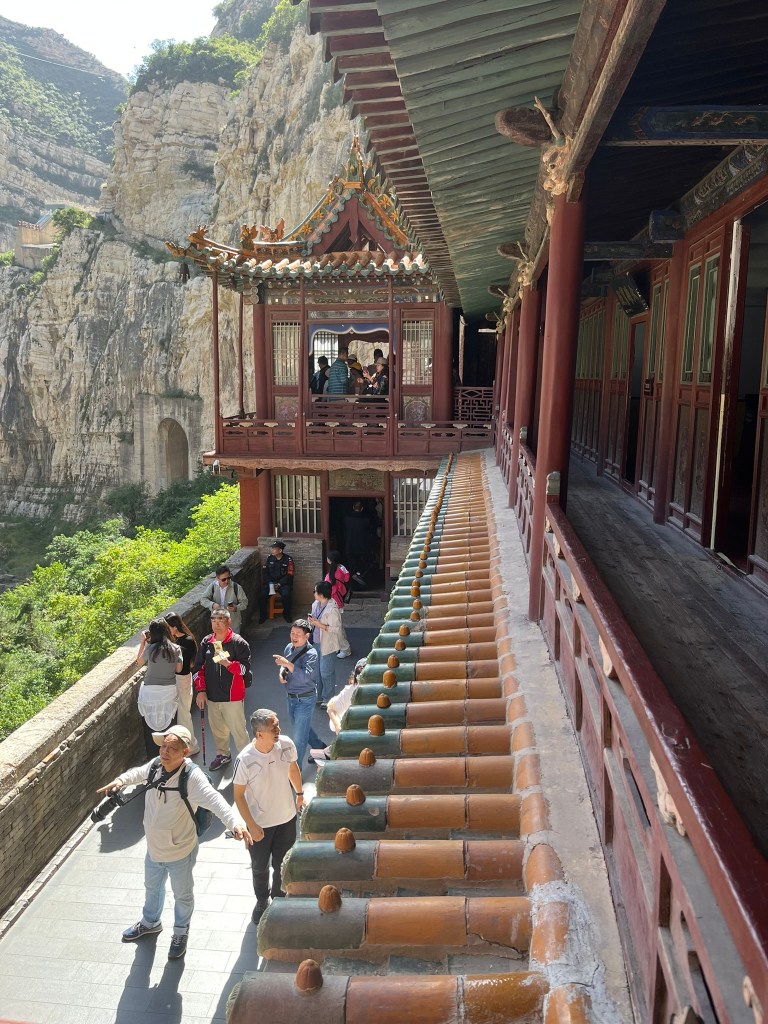
One of the best things about the temple is that you can actually climb up and walk around it. This is an extremely popular tourist site in Shanxi Province and I was warned we would need to queue. Getting to the temple is pretty straight forward but in classic China-style it involves a lot of people, a lot of walking and of course the obligatory shuttle bus. From Datong it’s about a 1hour 20 minute drive to the visitor center. From here you jump on a shuttle bus for 15 minutes that takes you up to gorge itself. Tickets sell out daily so it is advised to book in advance and arrive as early as possible to beat the crowds. From the bus it’s a 15 minute walk to the start of the queue to climb up to the temple. My guide indicated we would like wait 1.5 hours in the queue but that it could have been a lot longer so we were lucky. The queue moves steadily, as they let 50 people up every 15 minutes or so. And the climb is not too bad – just around 75 steps.
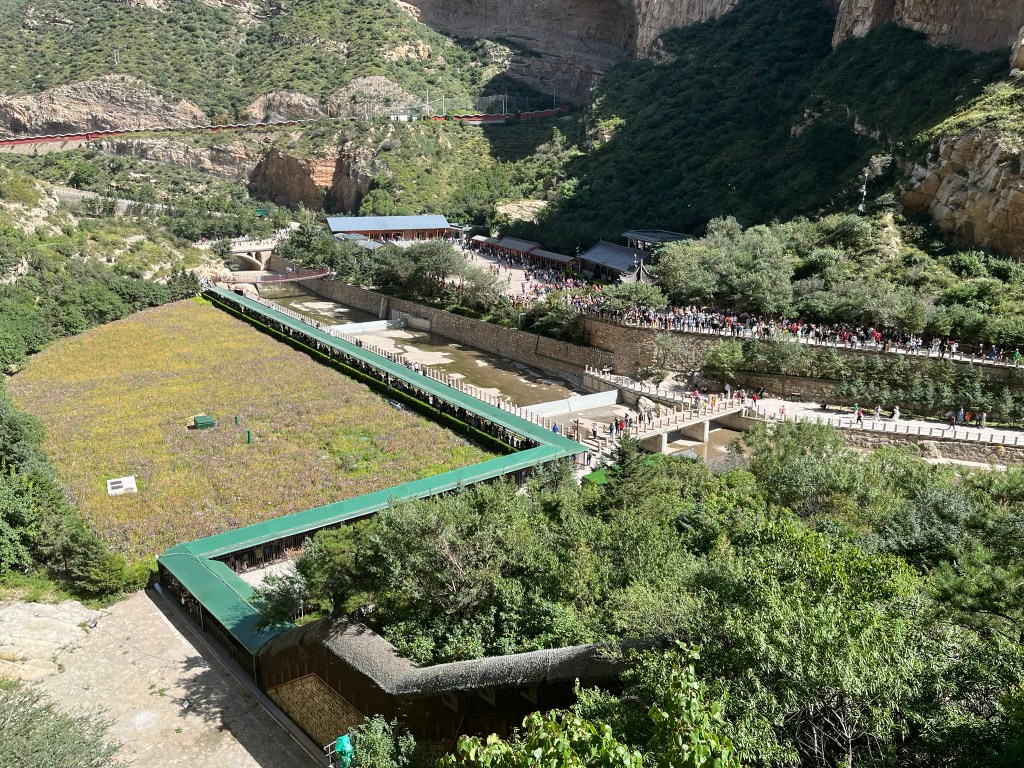
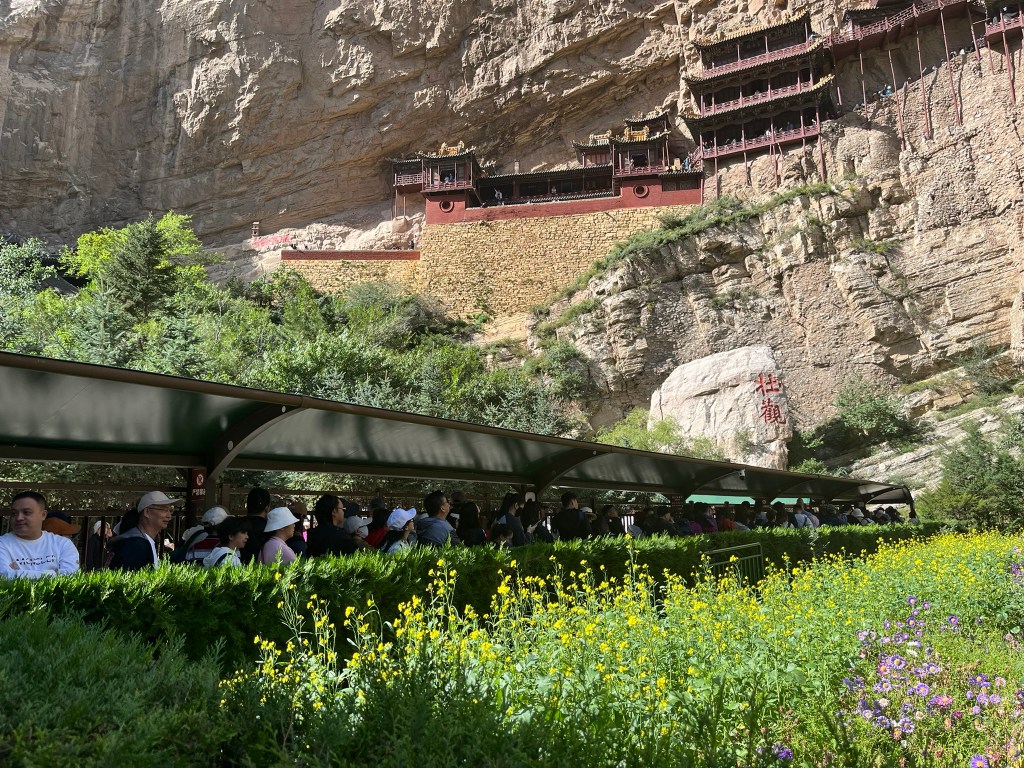
Once you are inside the temple, it is a one-way route and you climb up and down narrow and steep stairs that open up through small trapdoors to each level. The balconies are narrow with lots of warning signs asking you not to stand too close to the edge. But it’s a brilliant experience and 100% worth the wait time. And whilst it is busy, and security guards are barking down their megaphones to keep moving, the numbers actually in the temple at any one time are managed well and it has retained a magical feel to it.


 Colette's Grand Detour
Leave a comment