For centuries Datong was a frontier capital and fortress city. Most famously it was the capital of the Northern Wei dynasty in the 5th century before it was moved further south to Luoyang.
Before it was the Northern Wei capital, in the Han period it was a military outpost protecting against Xiongnu nomads. In the 3rd and 4th centuries in the Sixteen Kingdoms period it was fragmented under control by a variety of states that originated from the steppes. From the 5th century onwards, as dynasties came and went, Datong remained a fortress city, under Tang against Turks, Liao against Song, Jin and Ming against Mongols. It was only in the Qing dynasty (the last dynasty in China) that the city was no longer on the frontier and it became a sleepy backwater town.
Throughout this 1500 years of dynasty history, many palaces, fortifications, walls, monasteries and temples were built. But almost all of it is gone, destroyed over the centuries by fire, war and earthquakes. What, of significance, remains are the Yungang Grottoes from the Northern Wei period, the Huayan temple from the Liao period, and the skeleton of the massive city walls and Nine Dragon Screen from the Ming period.
From the early 20th century until now, Datong has grown into an important city for the coal mining and power plant industry. It was even referred to as the ‘coal capital’. It transformed from a sleepy town into one of China’s major industrial centers. The basin in which Datong sits, is rich in bituminous coal with relatively shallow seams that are easy to access. By the 18th century, mining on a small scale had started. However, with the arrival of the railway in the early 20th century, things ramped up quickly. From 1949 to 1978 it was one of the top three coal bases in China and massive state-owned mines were established. The coal from this region powered steel mills, locomotives and powerplants all over the country. The growth continued into the 2000’s but with a shift from underground to open-pit mining. Today the coal industry is still significant, but has declined since its hey-day. Millions of tons of coal are still moved annually to feed the needs of big cities like Beijing. Nowadays, the city has diversified, with increased focus on tourism and sustainable energy initiatives to reduce the economies reliance on coal.
Datong has recently undergone a huge investment in tourism and this is evidenced by the complete restoration of the huge Ming dynasty city walls in 2008, with four gates, and 71 towers and turrets. Within the city walls, the old city has been completely redeveloped to give the look and feel of an ancient city including a yet-to-be-opened brand new palace that will house nightly shows. This has all been done under a ‘one axis, two cities’ urban-planning concept where the old city is restored to attract more tourists and new modern districts are built around it. The scale of the development is huge. 70,000 people were moved or left the old city to make way for the reconstruction. 23,000 people were alone relocated just to restore the city walls. And there was widespread demolition across the district as it was ‘oldified’.
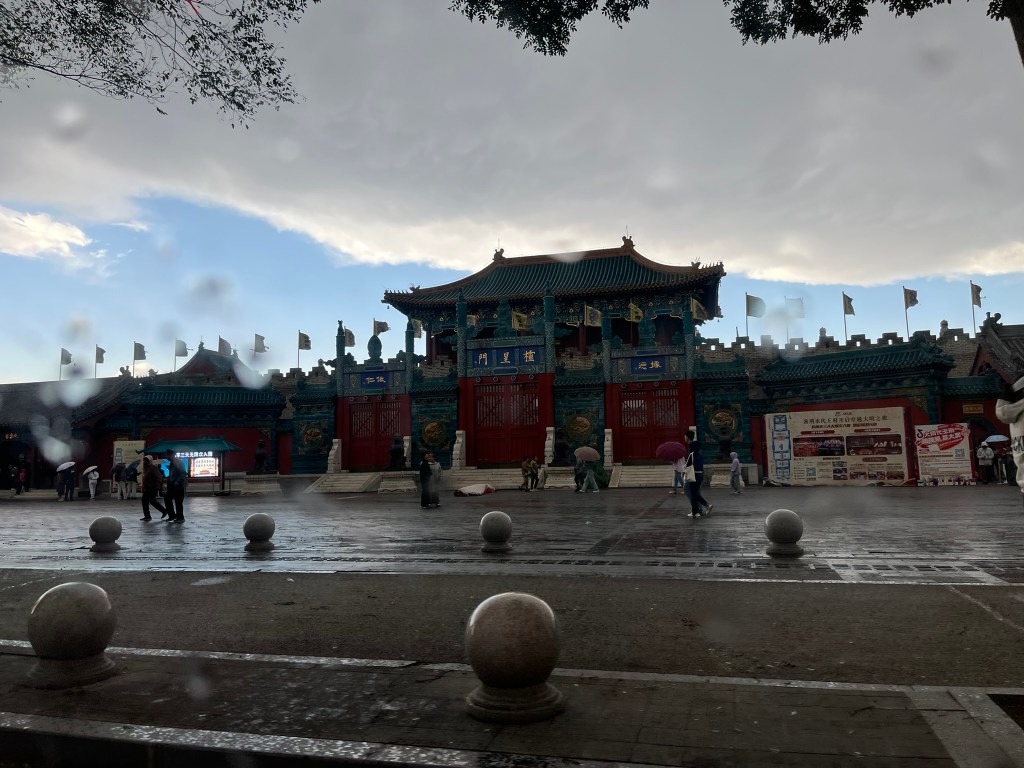
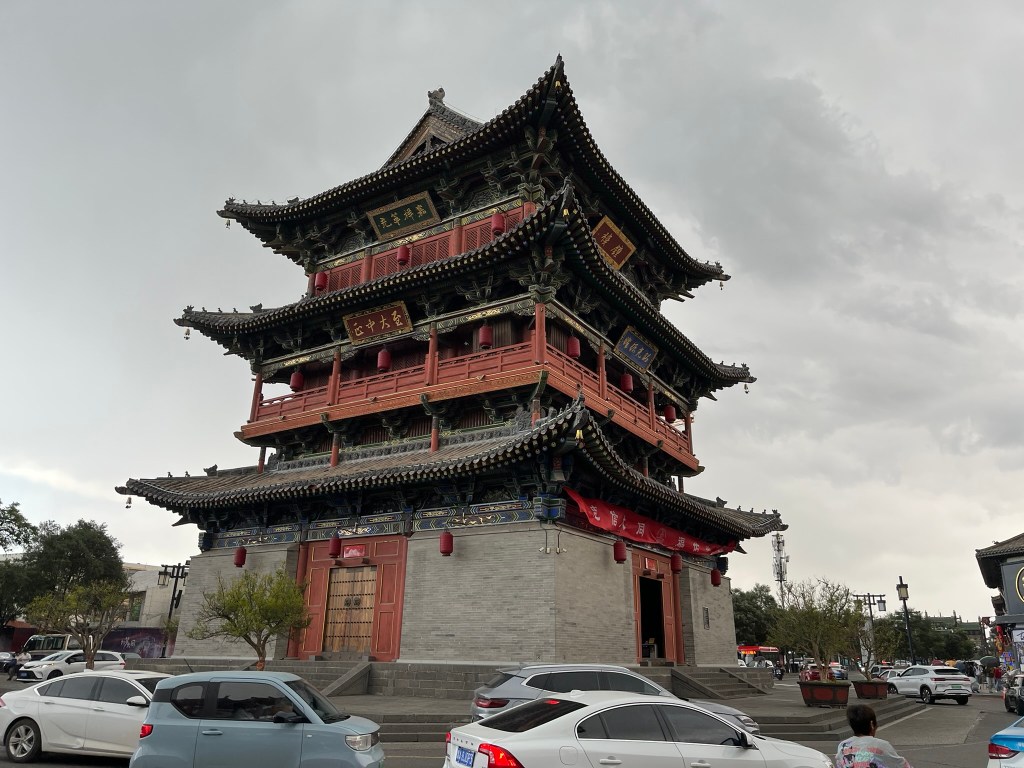
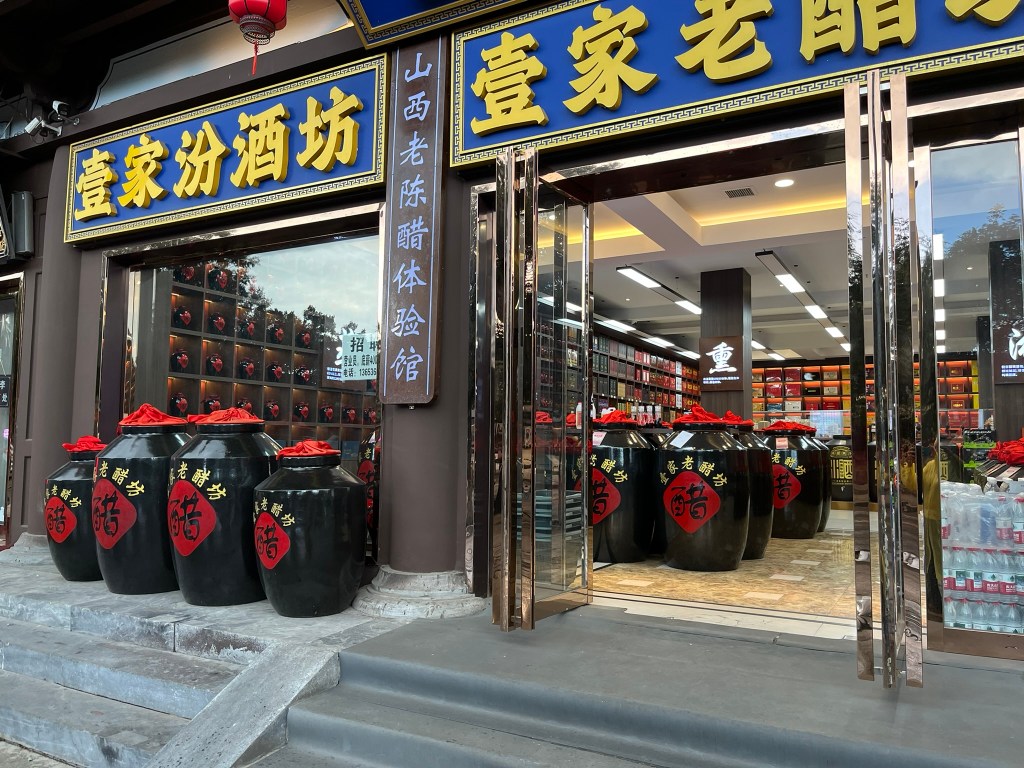
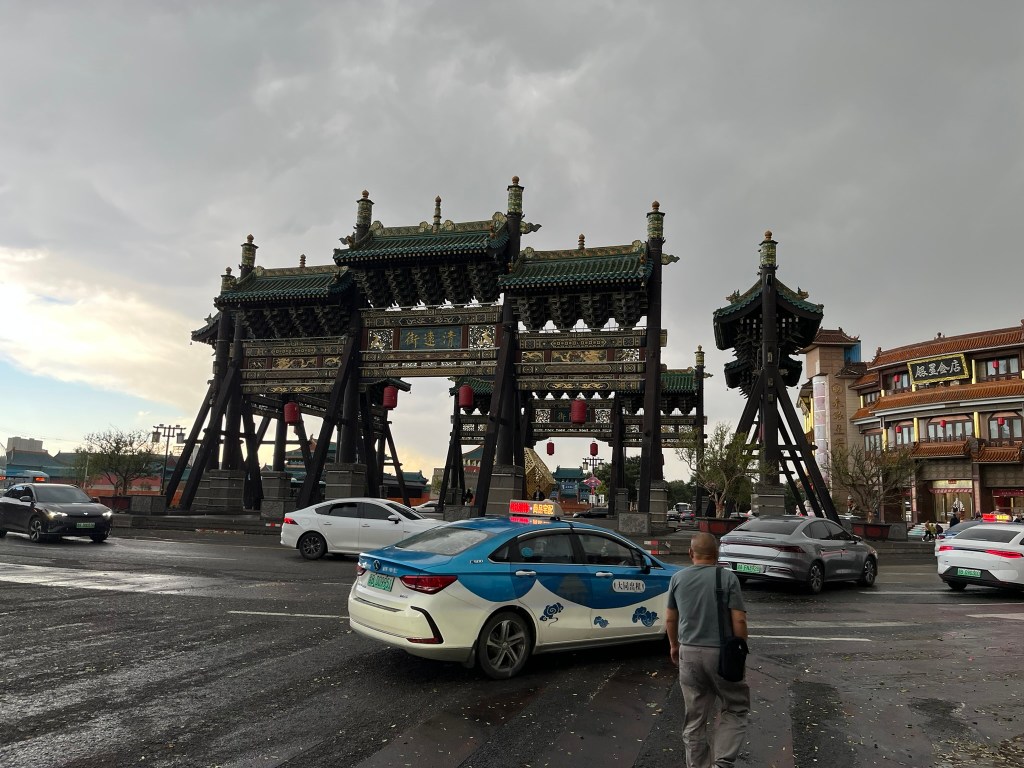

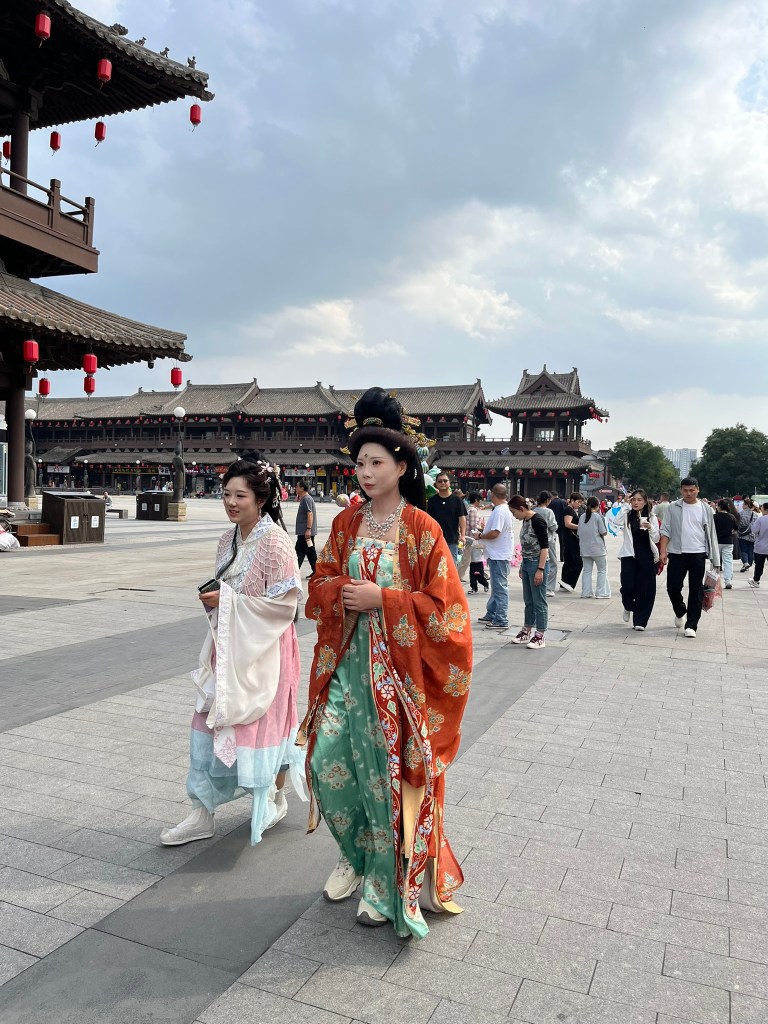
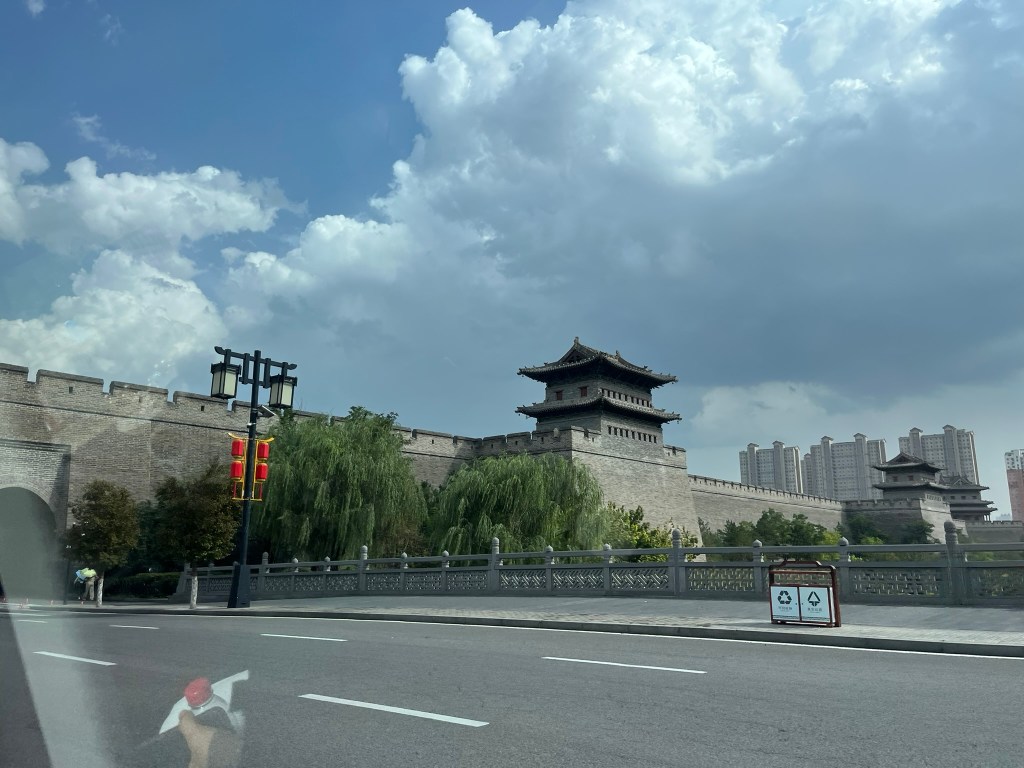
I’m personally not a fan of this kind of ‘Disneyfied’ tourism, but it is popular here in China. Everything (bar the Liao dynasty temple) is a reconstruction of what the city used to be like and not genuine. And the price that local residents and business pay to move out of their homes and neighbourhoods is high. That said, it is somewhat inevitable and the alternative is that these places disappear entirely. It does mean that real ancient sights get the funding they need to be properly maintained, as well as providing the infrastructure needed to attract tourists. This ultimately helps grow the city’s economy and brings in business. So who am I to judge.
 Colette's Grand Detour
Leave a comment