From Rishton we travelled 45 minutes down the road to the historic city of Kokond, located at the western edge of the Fergana Valley. It is most famous for being the capital of the Kokond Khanate in the 18th and 19th century, one of the major states of Central Asia at that time alongside Bukhara and Khiva. The land controlled by the Khanate was vast and stretched across the Fergana Valley into what is now Tajikistan, Kazakhstan and Kyrgyzstan. In 1876 after repeated wars and internal rebellions, the Khanate was annexed by the Russian Empire. Interestingly, the city was also briefly part of the attempt to create an independent Central Asia state known as Turkestan but this was crushed by the arrival of the Soviet Union.
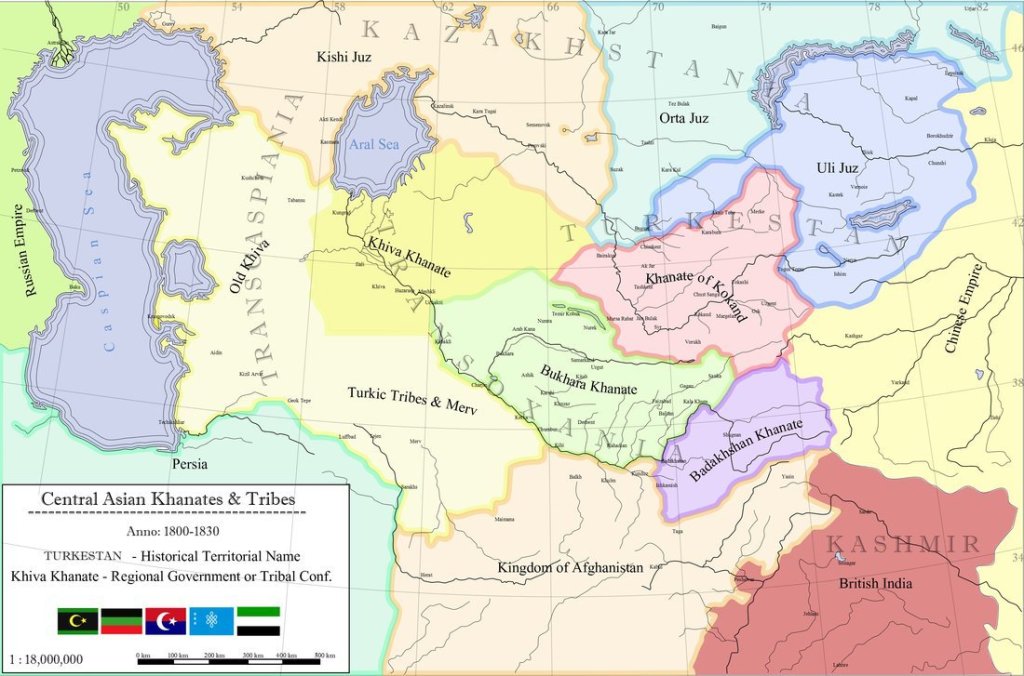
The Kokand Khanate was founded in 1709 when a local Uzbek tribal leader declared independence from the Bukharan Khanate and established Kokond as his capital. The location was ideal, with a fertile valley to grow crops and a mountain pass between them and the Bukharan Khanate. It became rich through silk road trading, agriculture and crafts. And it was a strong Islamic center with dozens of mosques and madrassas built.
There are three main sites to see in the city. Unfortunately during the Soviet Era much of the incredible Islamic architecture was destroyed. The Dahmai Shahon Mausoleum is the family necropolis of the Khans of Kokond. Nearby is the Modari Khan Mausoleum built for the mother of Umar Khan. Both of these had incredible tile work and more yellow and red colors used compared to other empires.
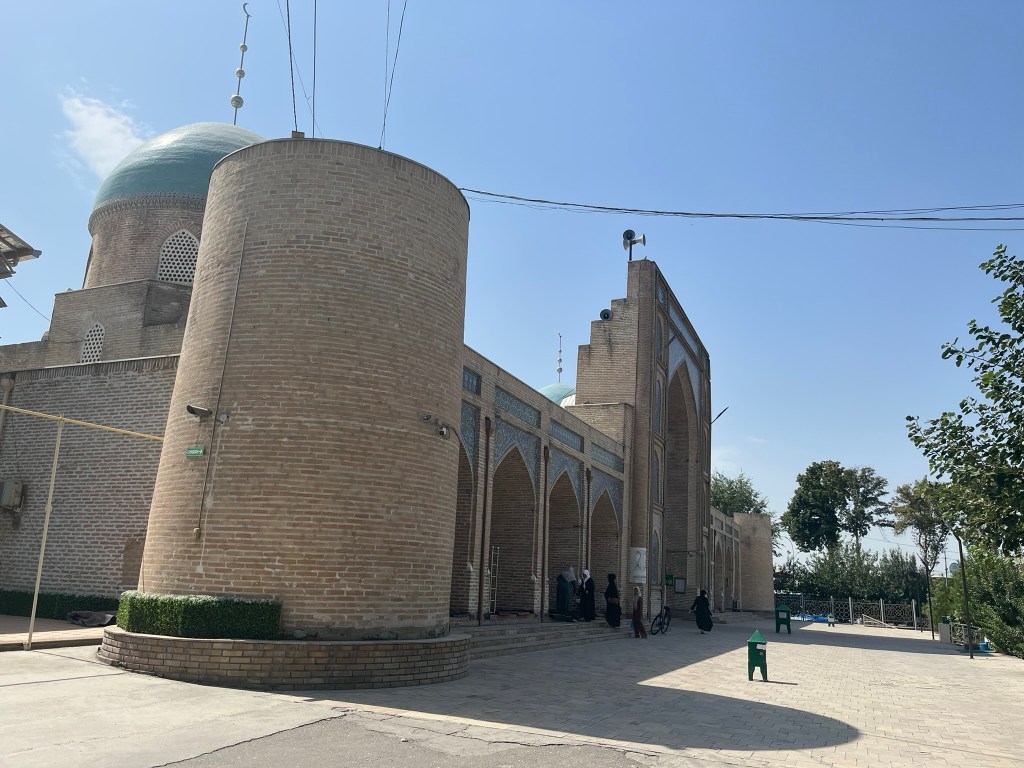
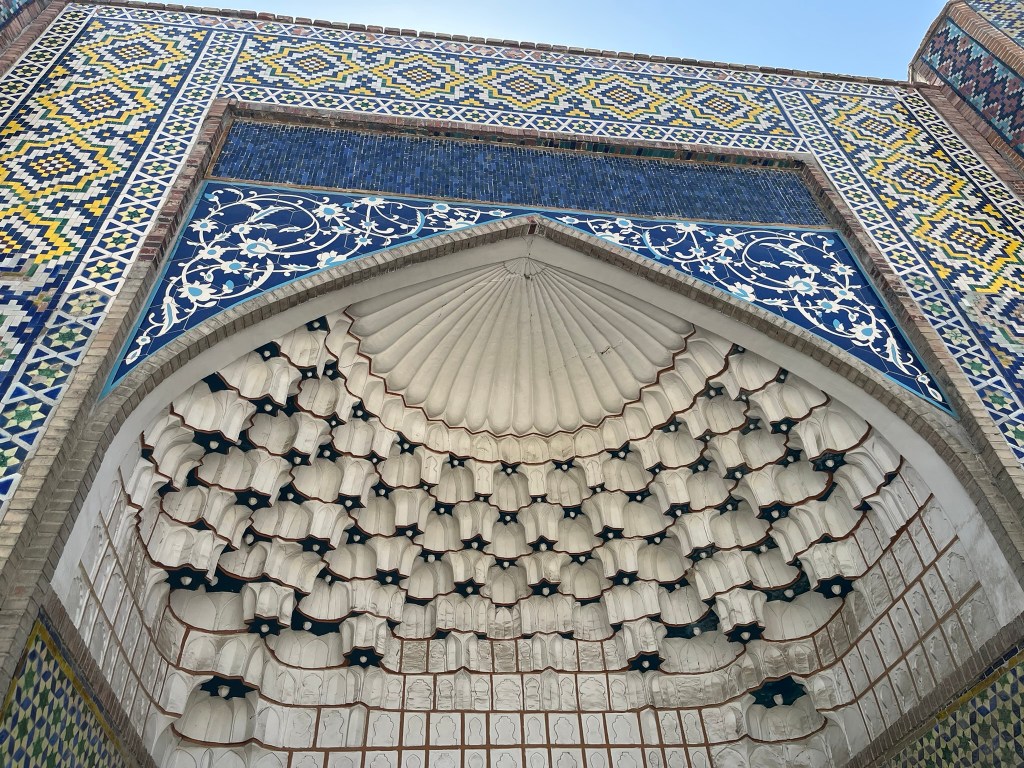
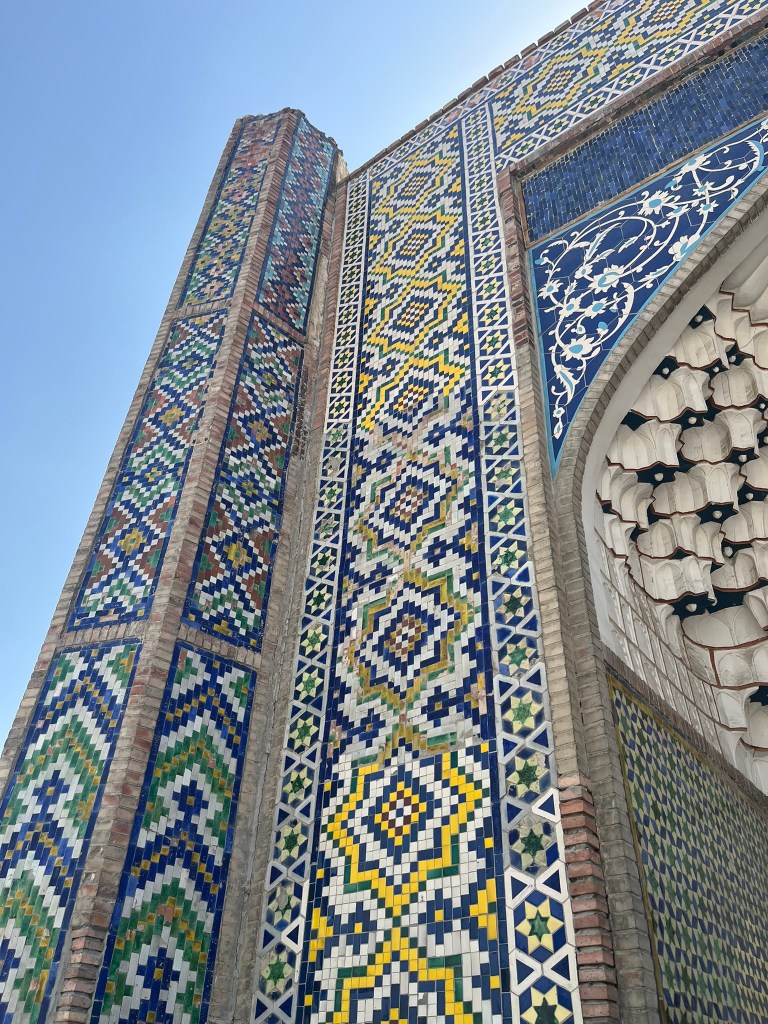
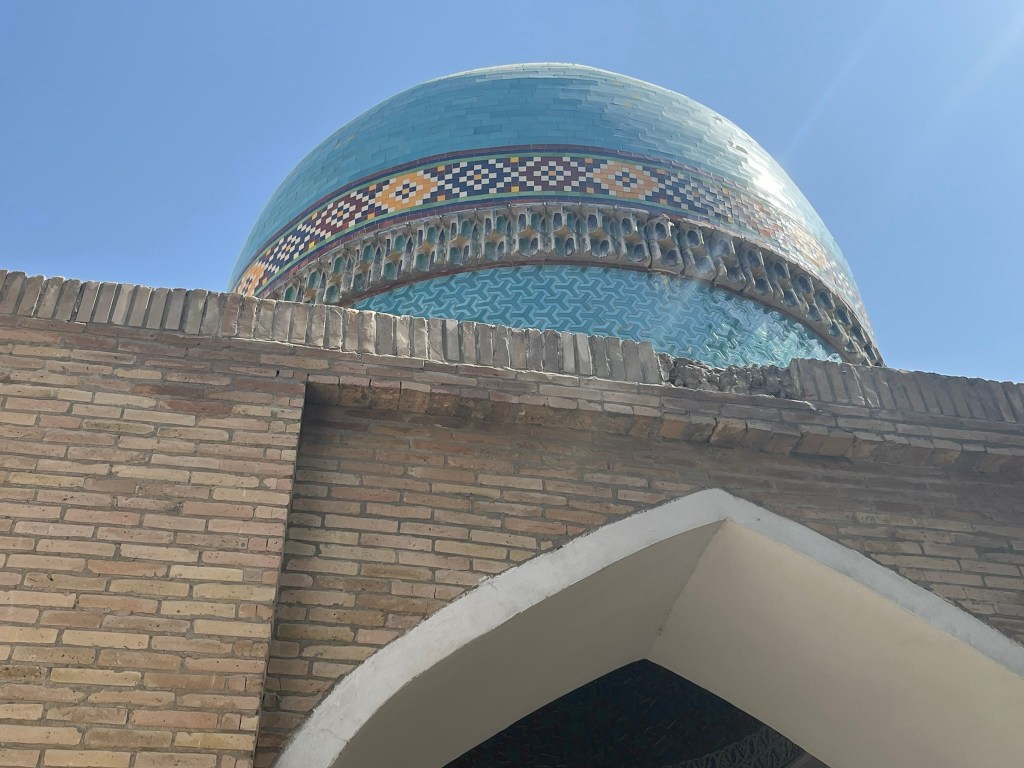
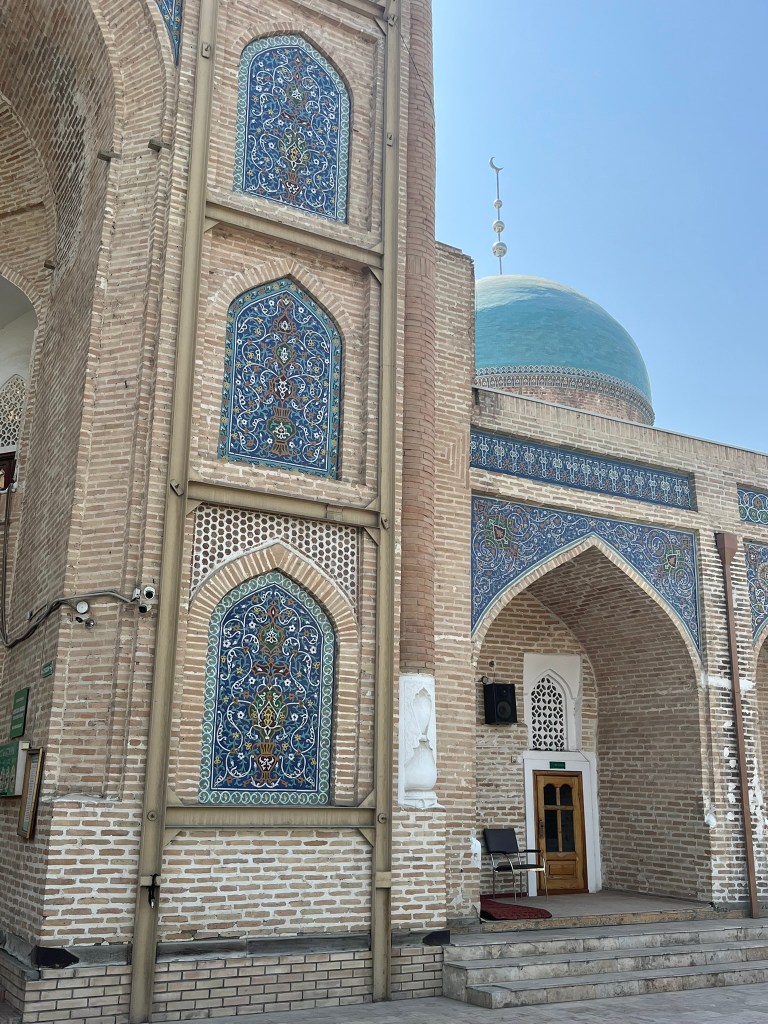
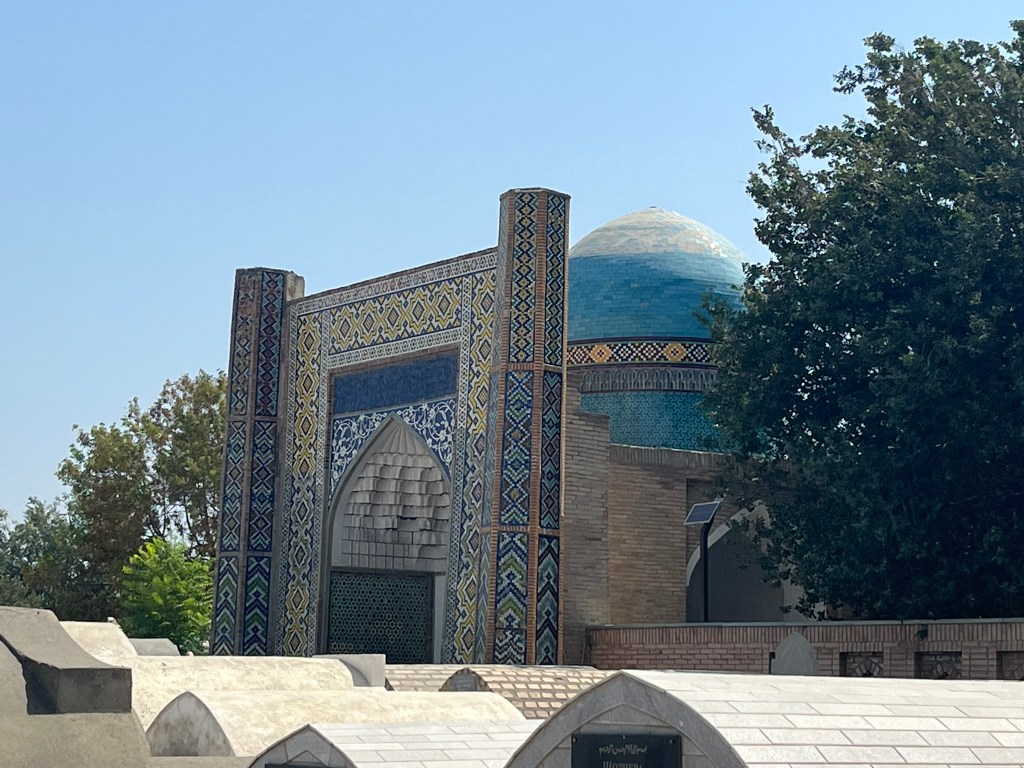
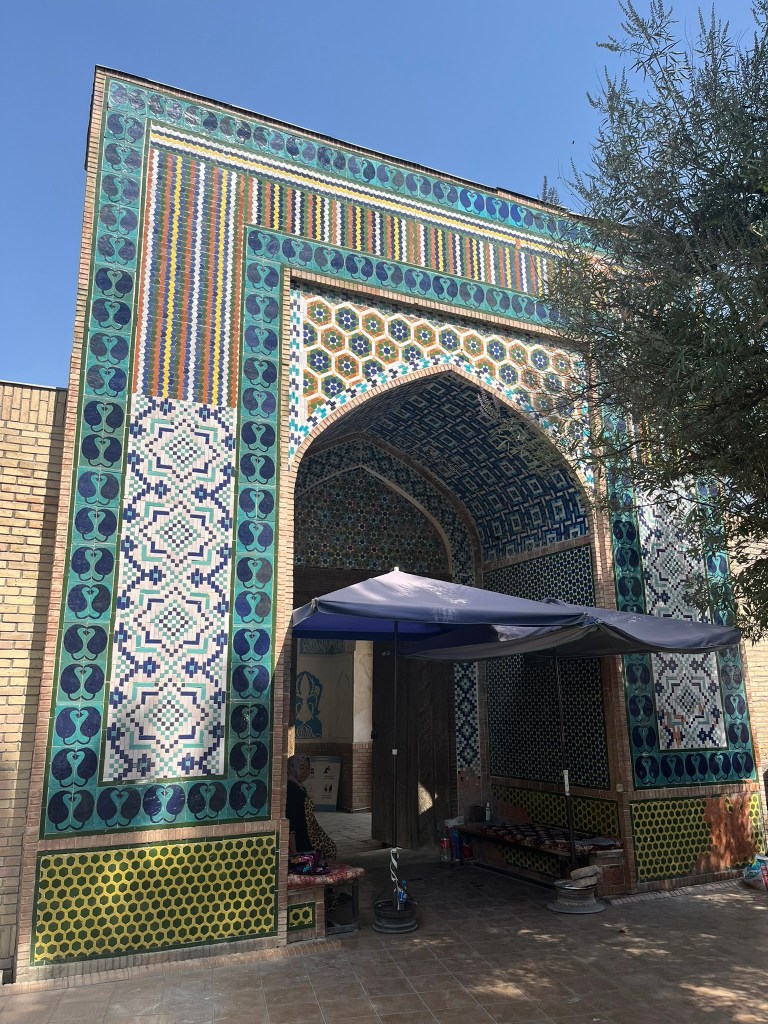
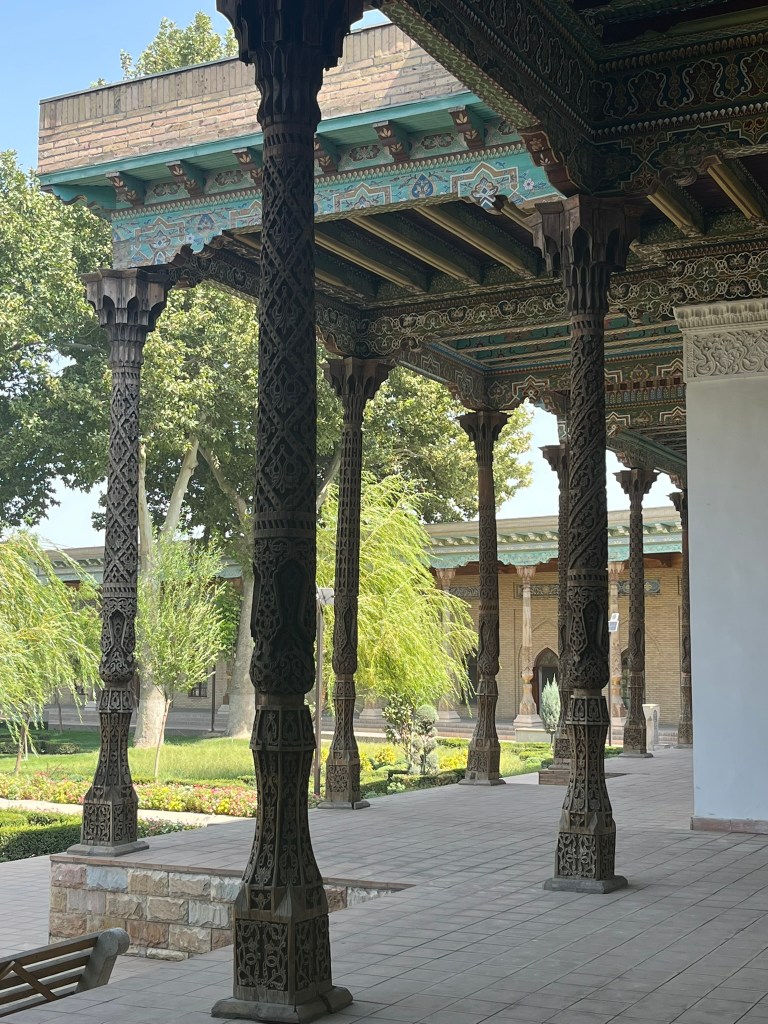
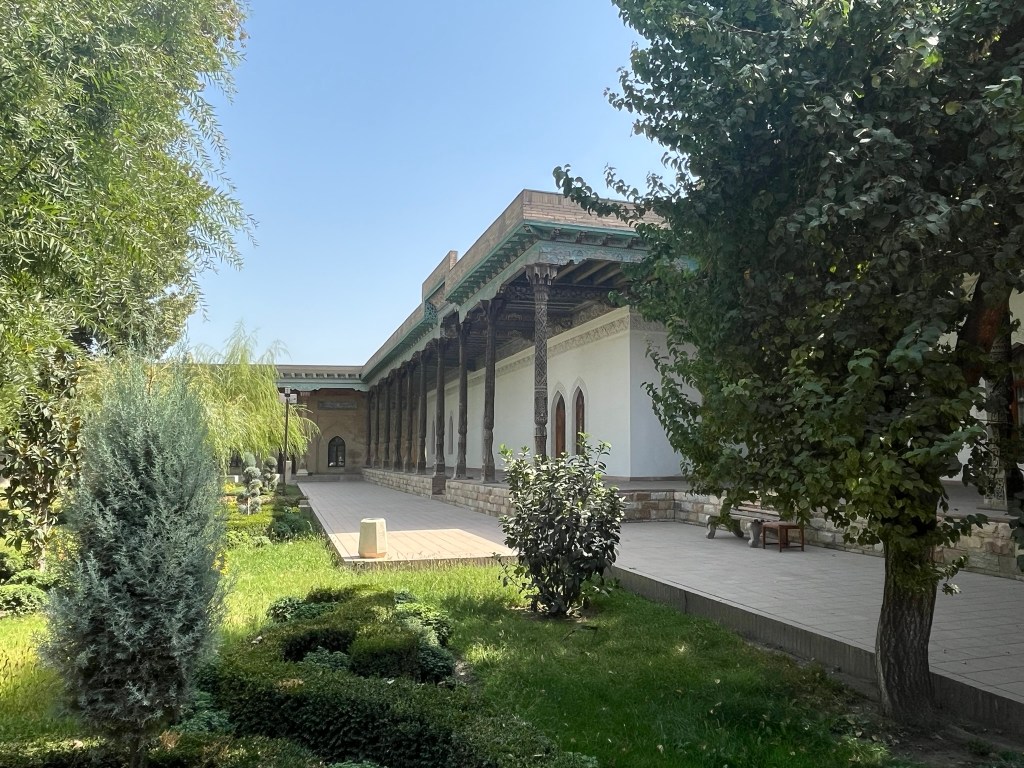
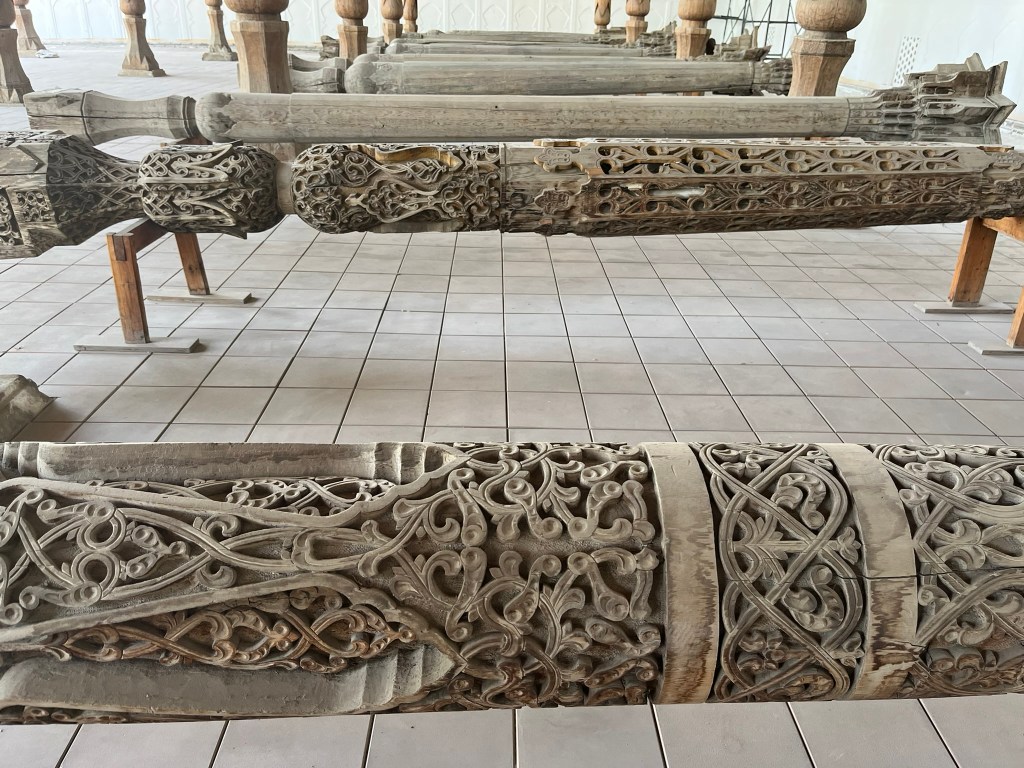
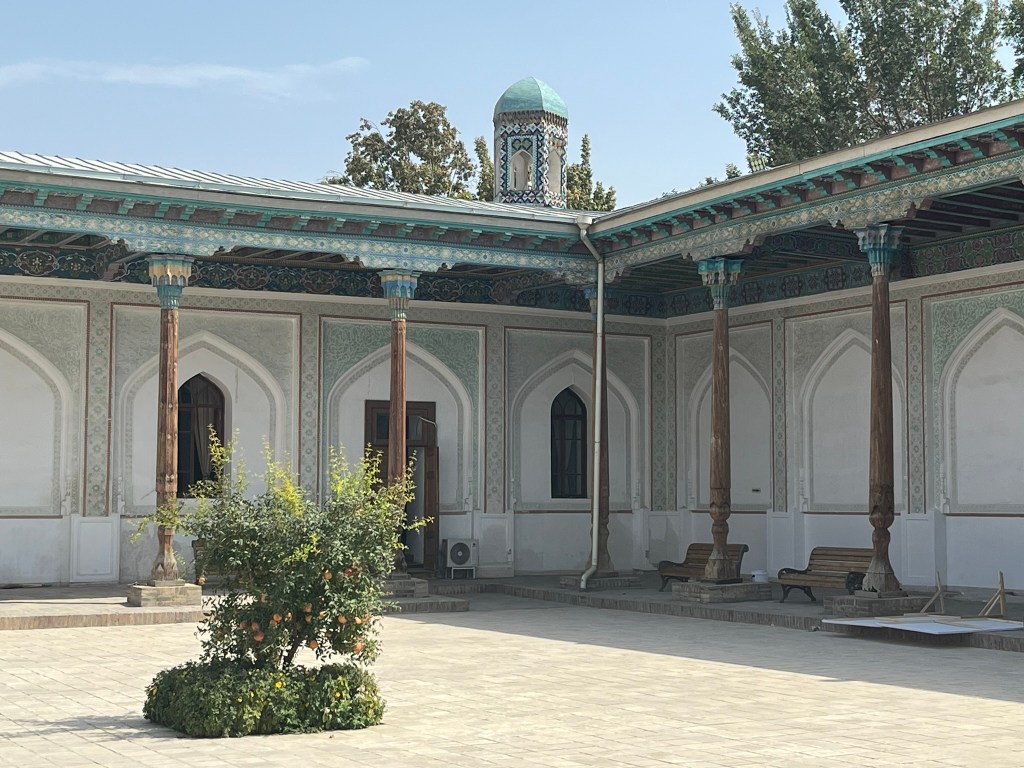
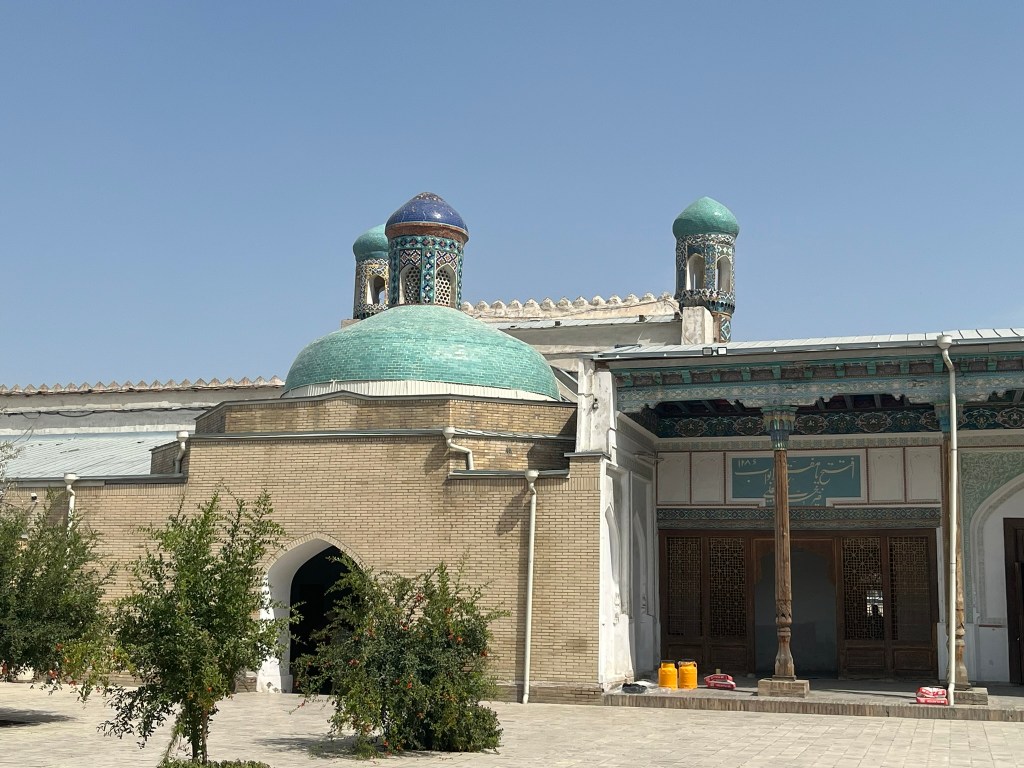
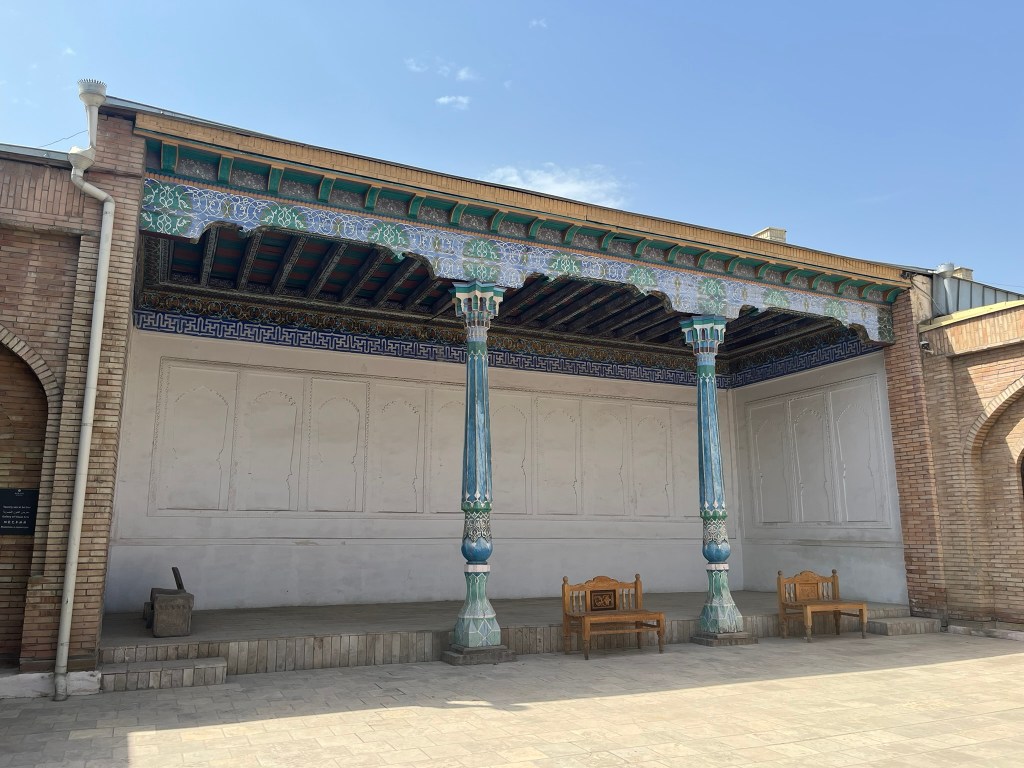
The Jami Mosque was built in the early 19th century and has a vast open courtyard with a minaret at its center. It was built by Umar Khan who wanted to make Kokond a spiritual capital in the Fergana Valley. The most striking feature of the mosque is the intricately carved wooden columns and the brightly painted ceiling. Again, the greens, yellows and reds dominate the color palette, typical of Fergana Valley and different from the blue-dominated Timurid style you see in Samarkand and Bukhara.
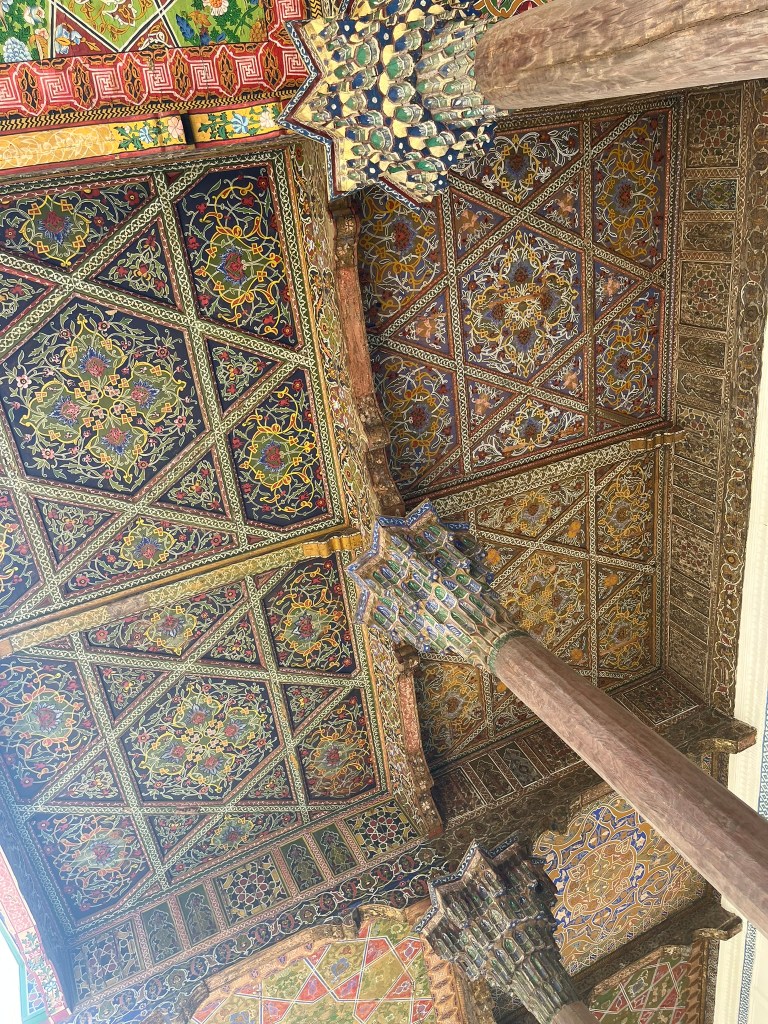
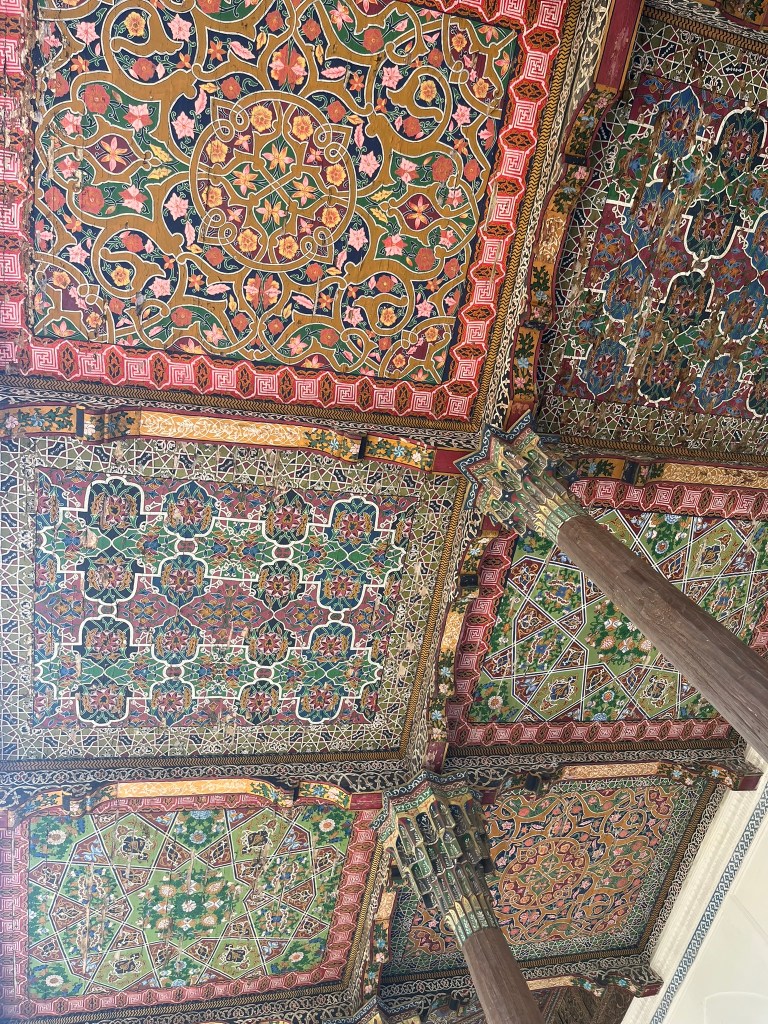
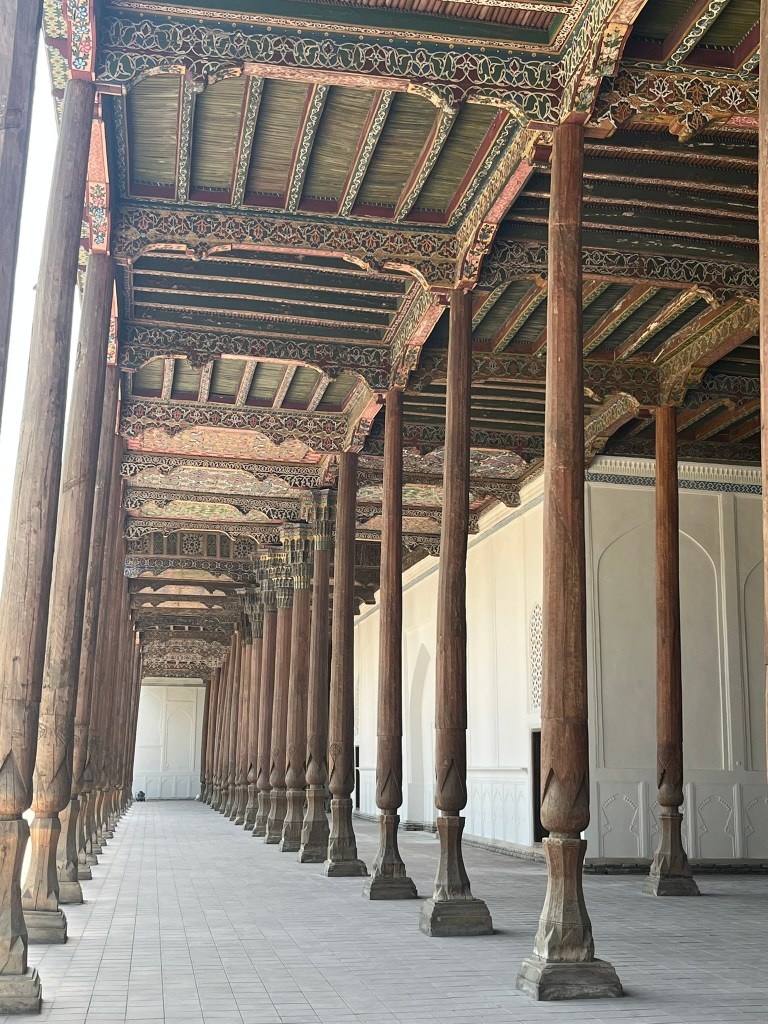
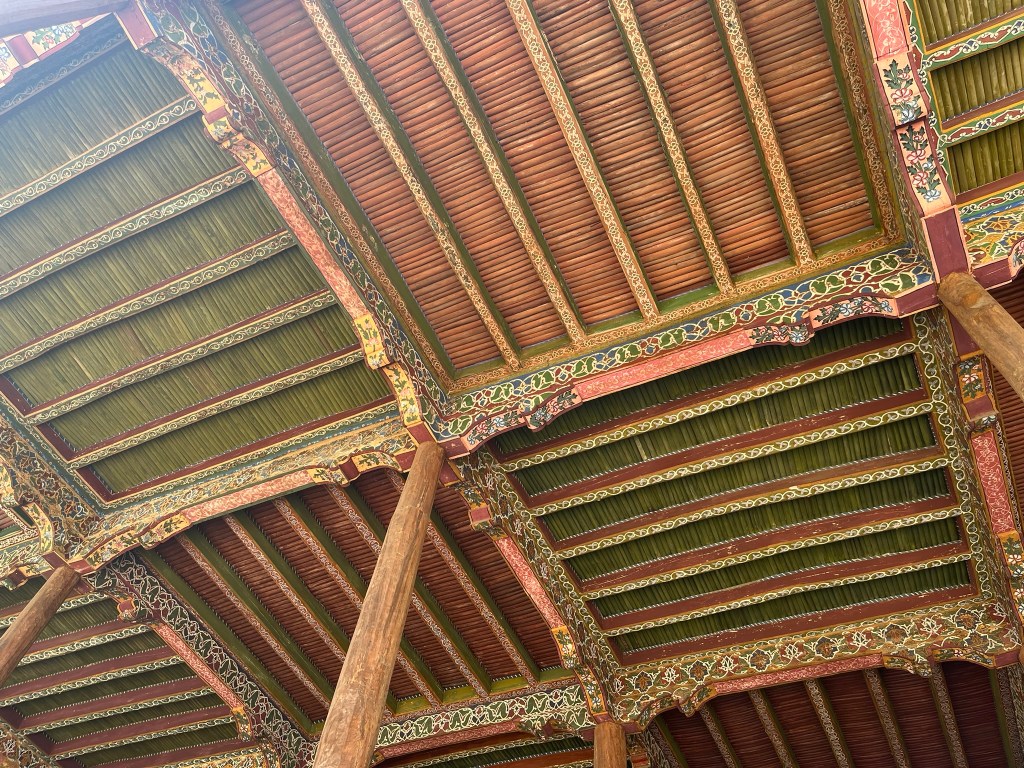
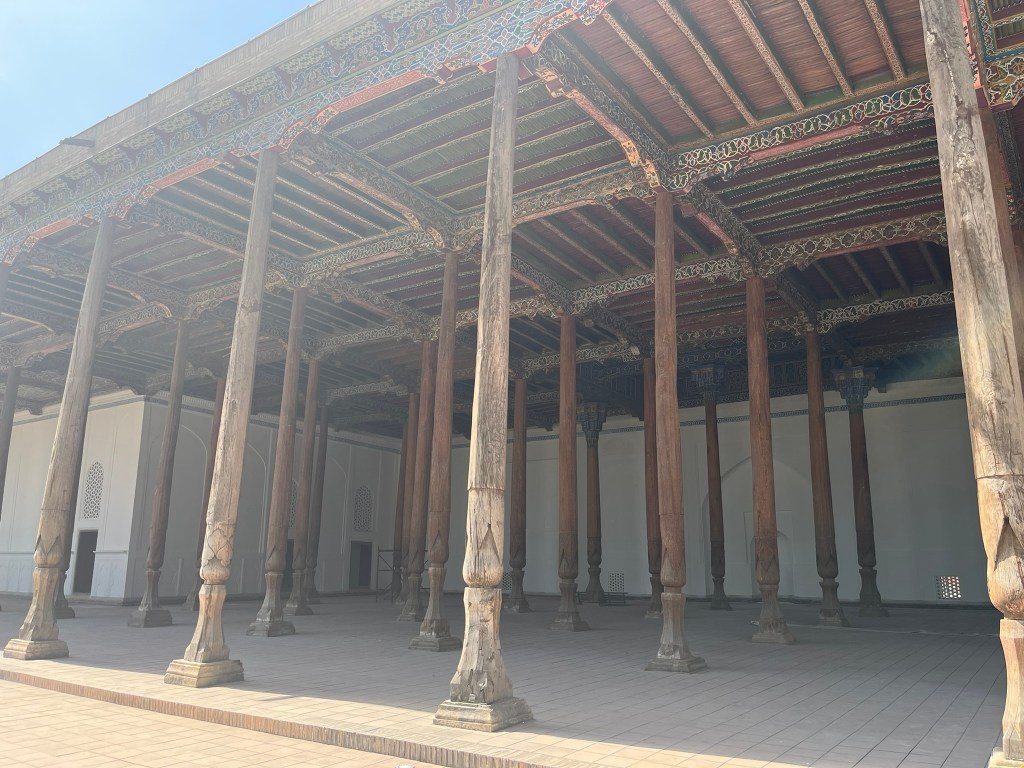
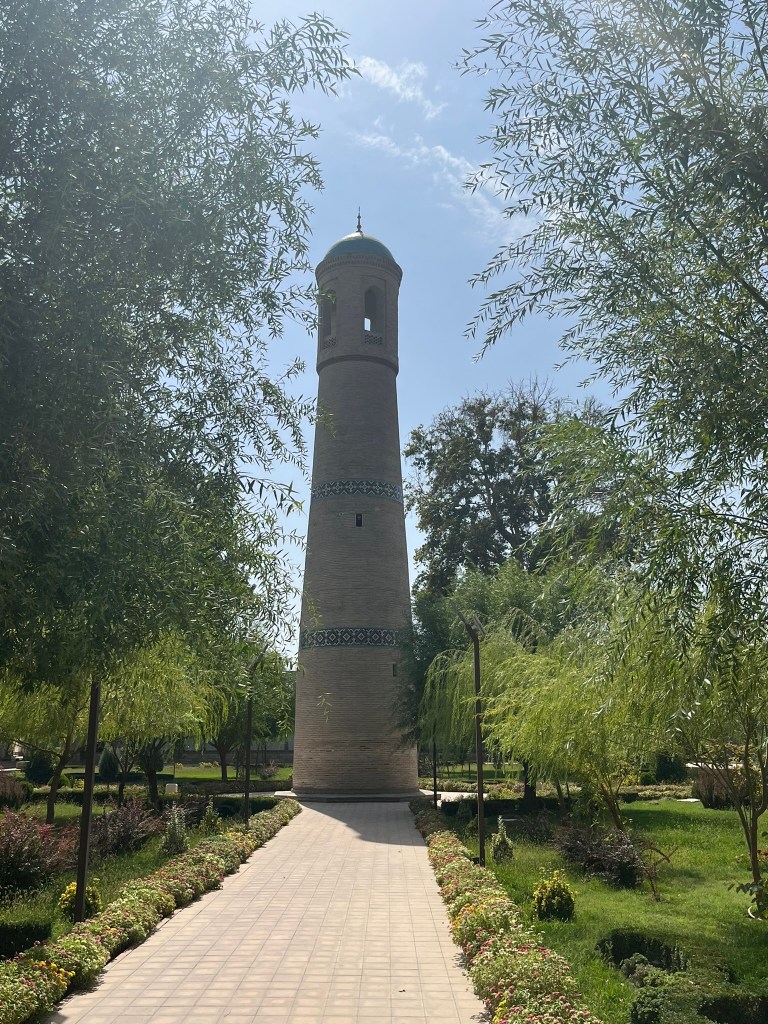
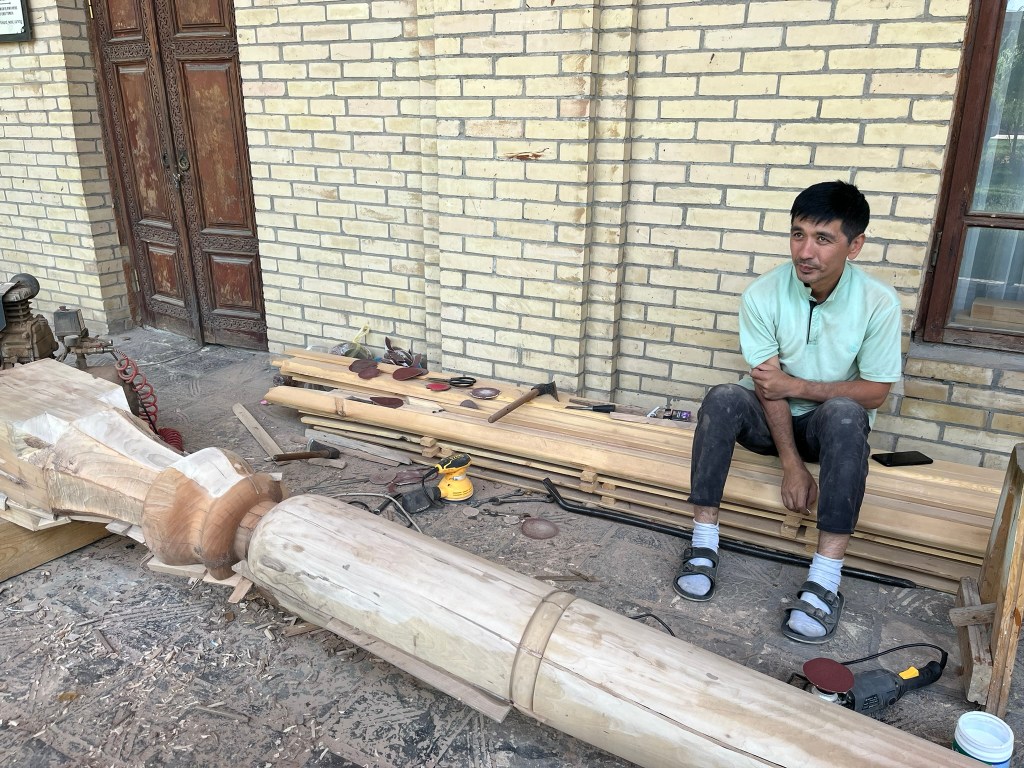
Today there is a lot of restoration working going on and part of the building has been re-purposed to house a Museum of Applied Arts.

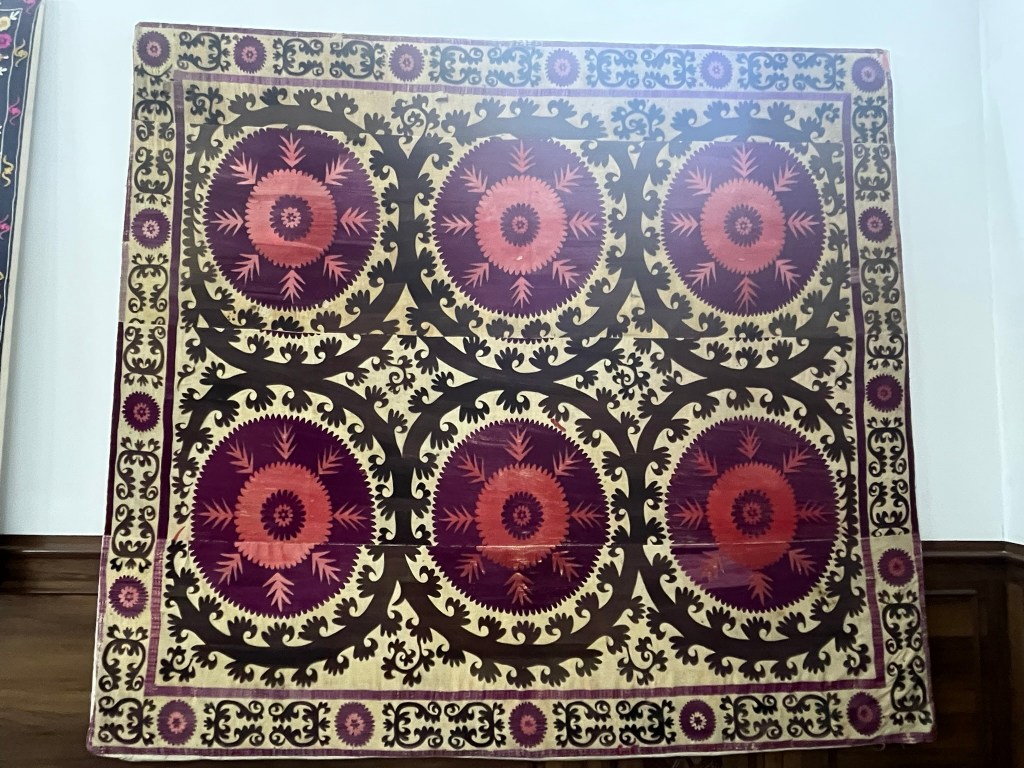

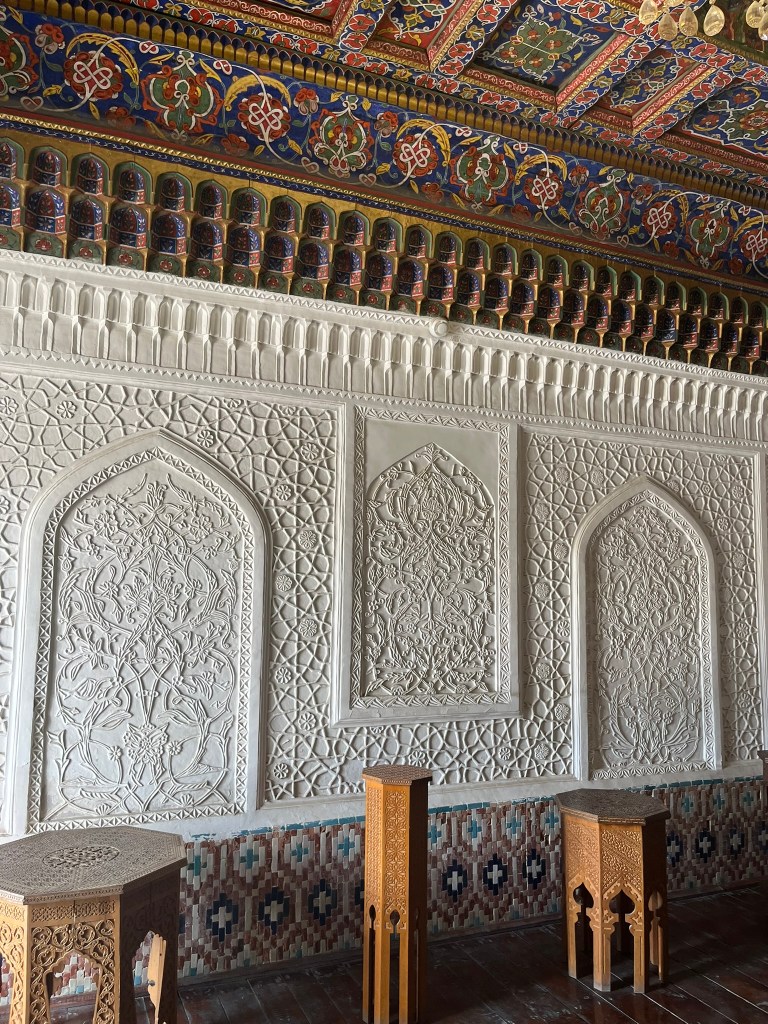
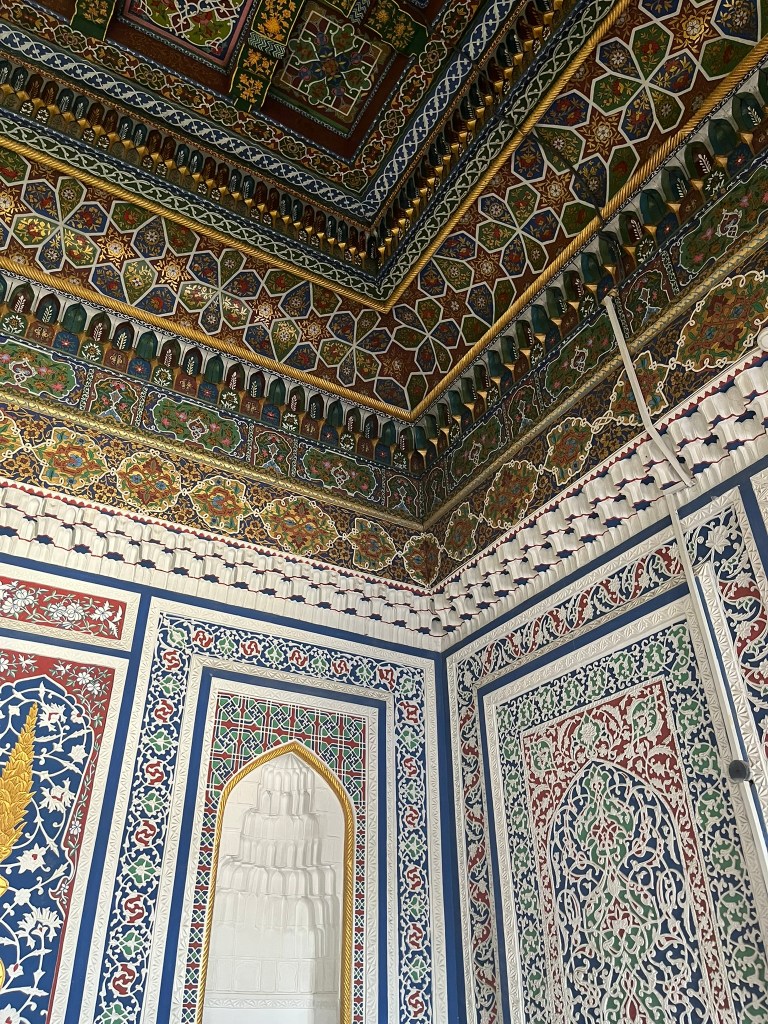
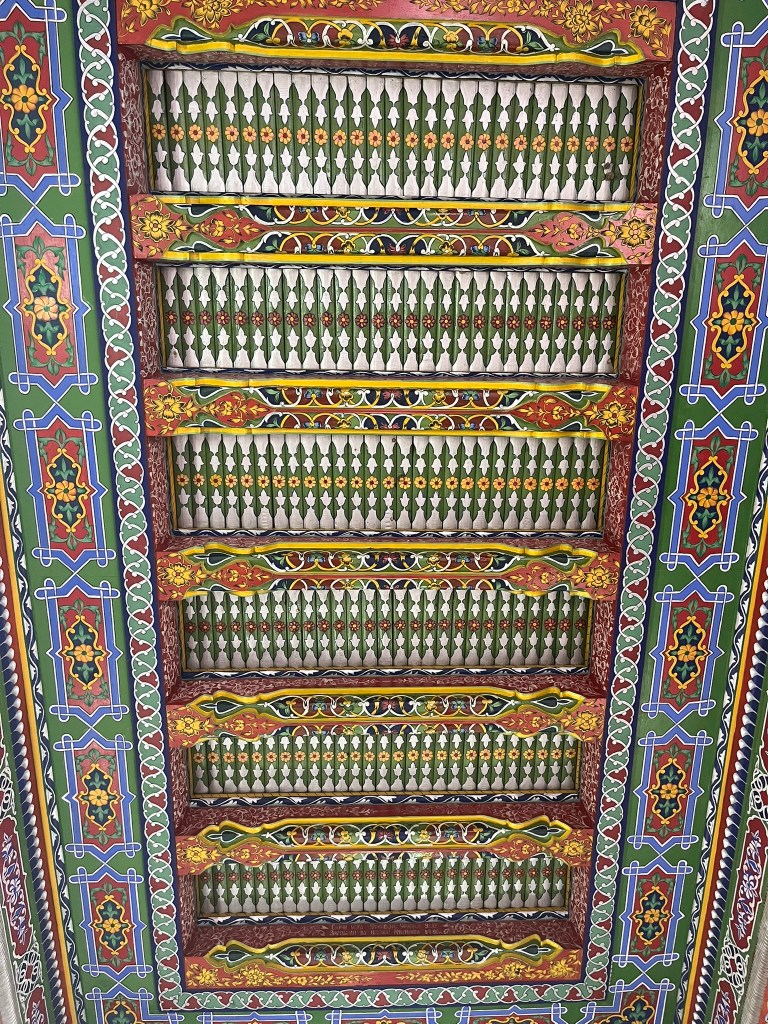
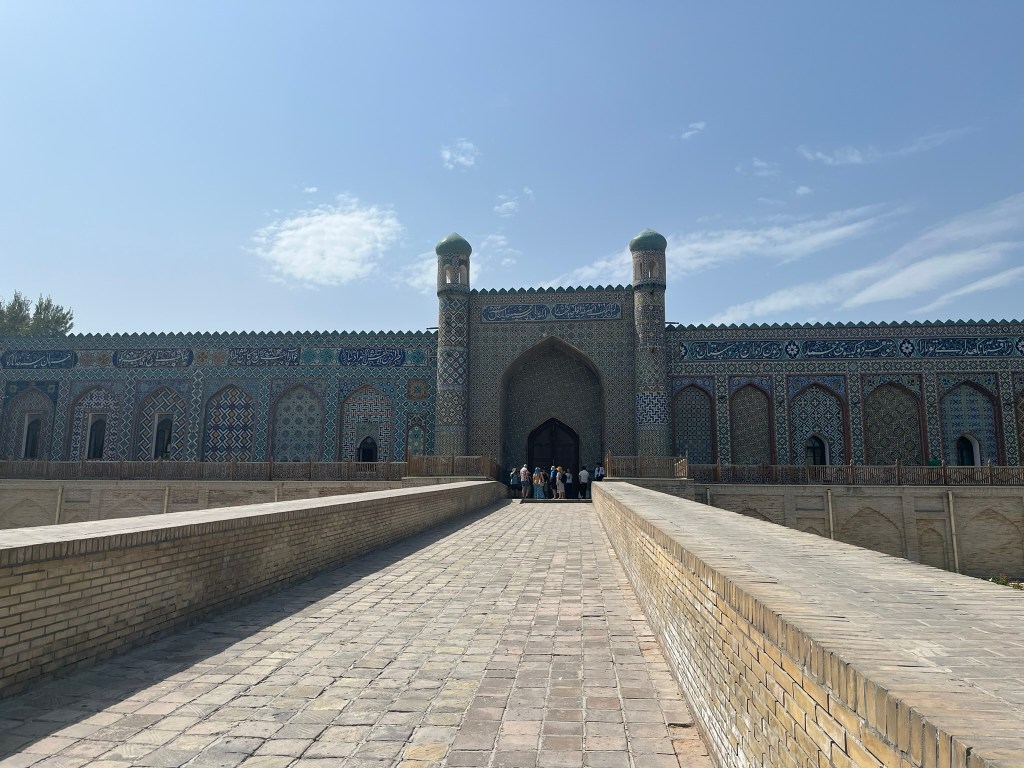
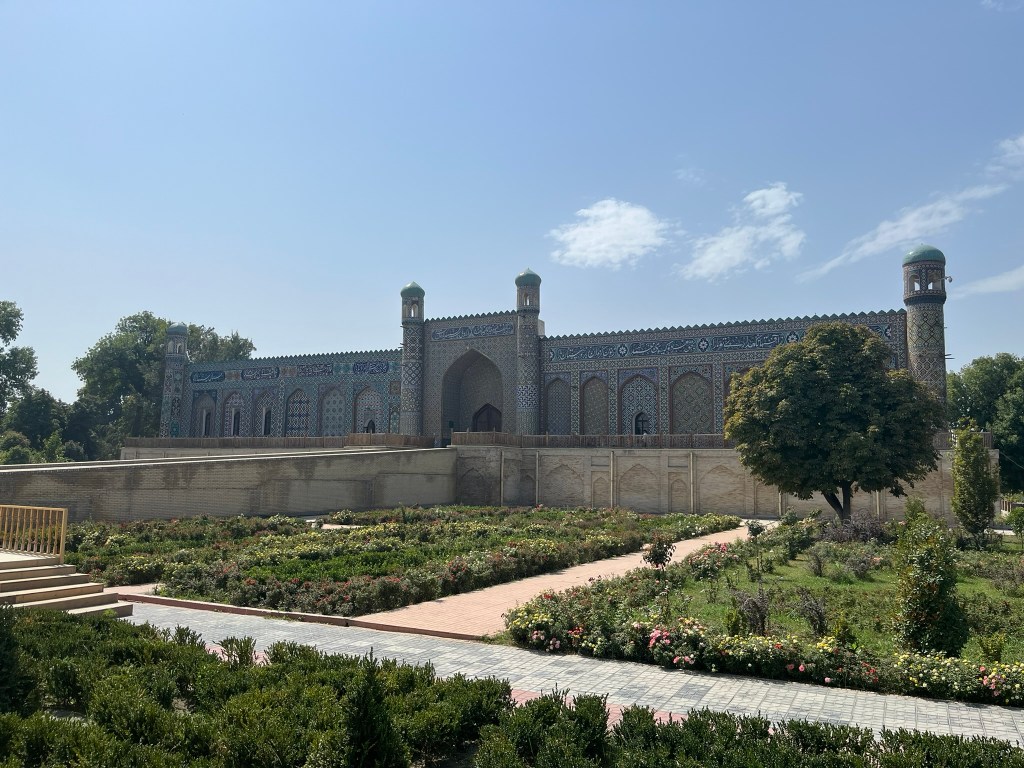
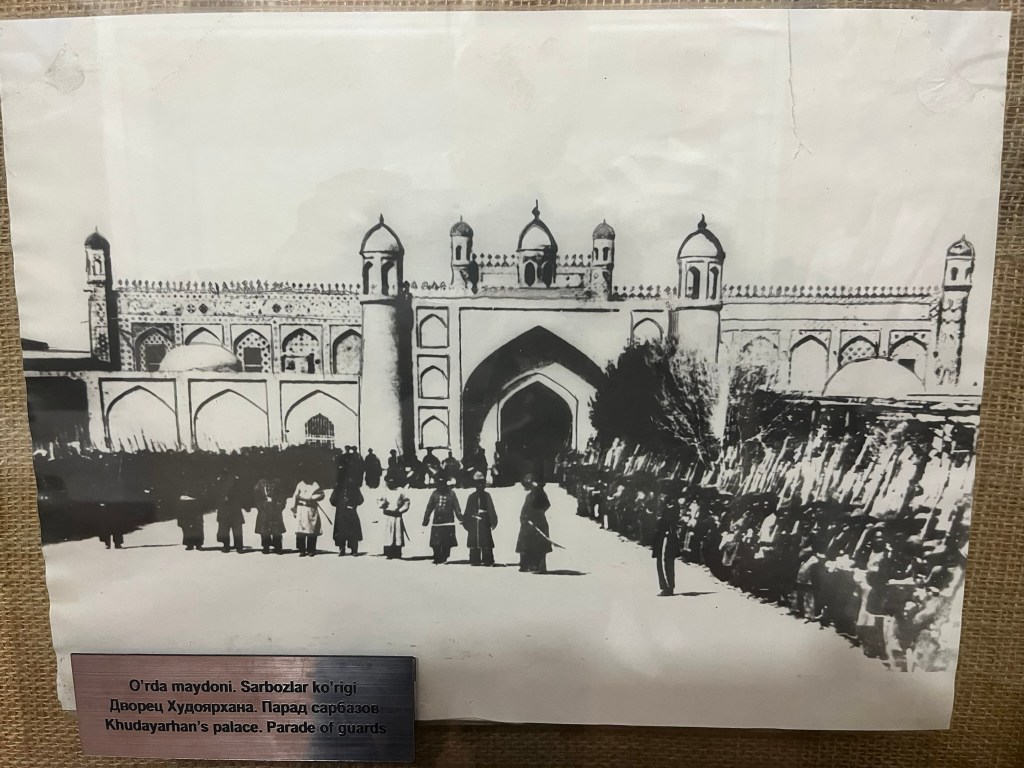
The final major sight to see is Khudayar Khan’s palace, built in the 1860’s and once one of the largest royal residences in Central Asia. Of the original 7 courtyards and 113 rooms, only 20 survive. The main entrance has spectacular tile work with each part having different designs and usage of color. I really liked how eclectic it was. And inside each of the rooms there is incredible stucco work on the walls, paintings on the ceiling and intricately carved wood work. I was actually quite surprised at just how good it was, as this city gets far far fewer visitors than those on the classic Uzbekistan loop.
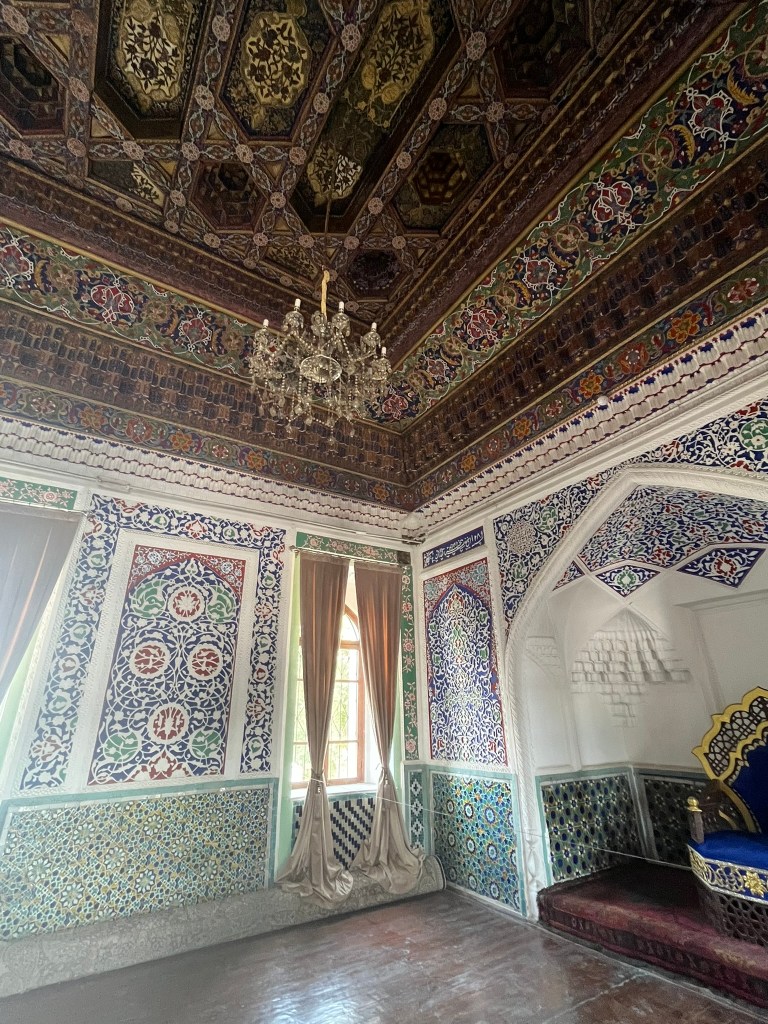
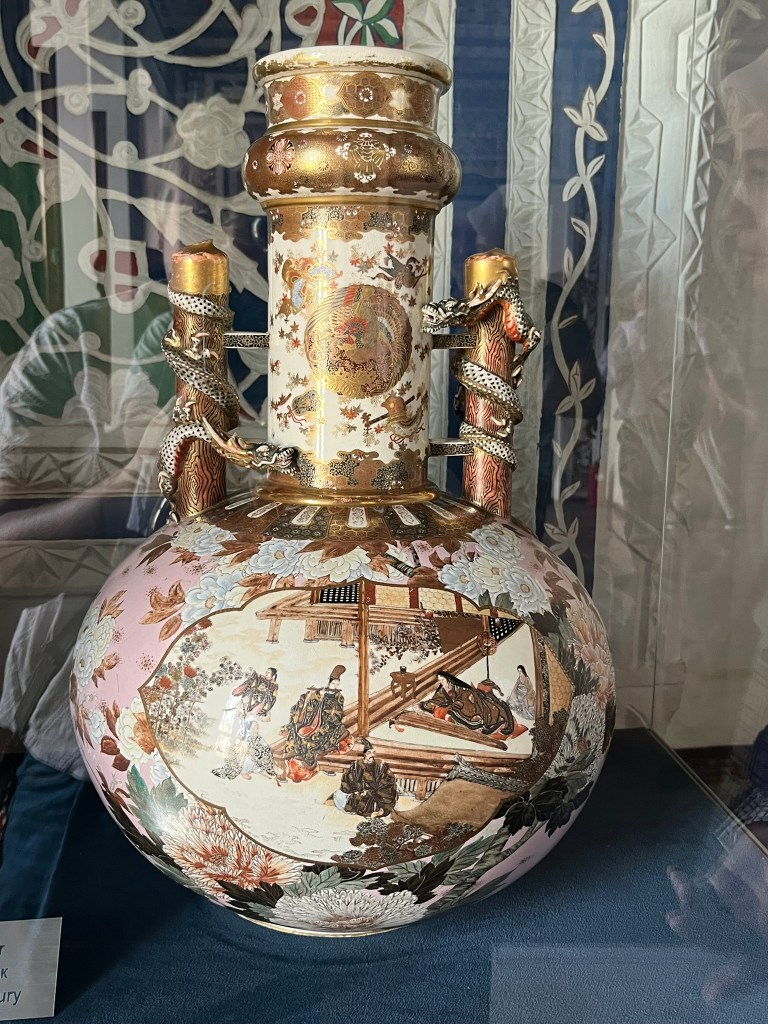
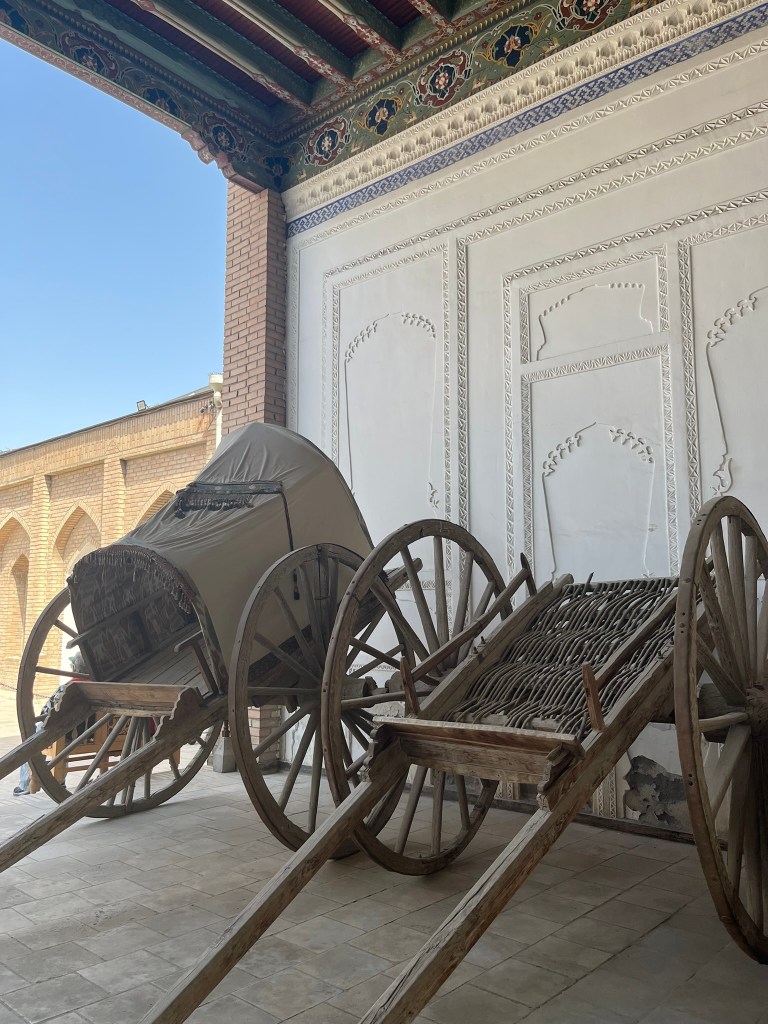

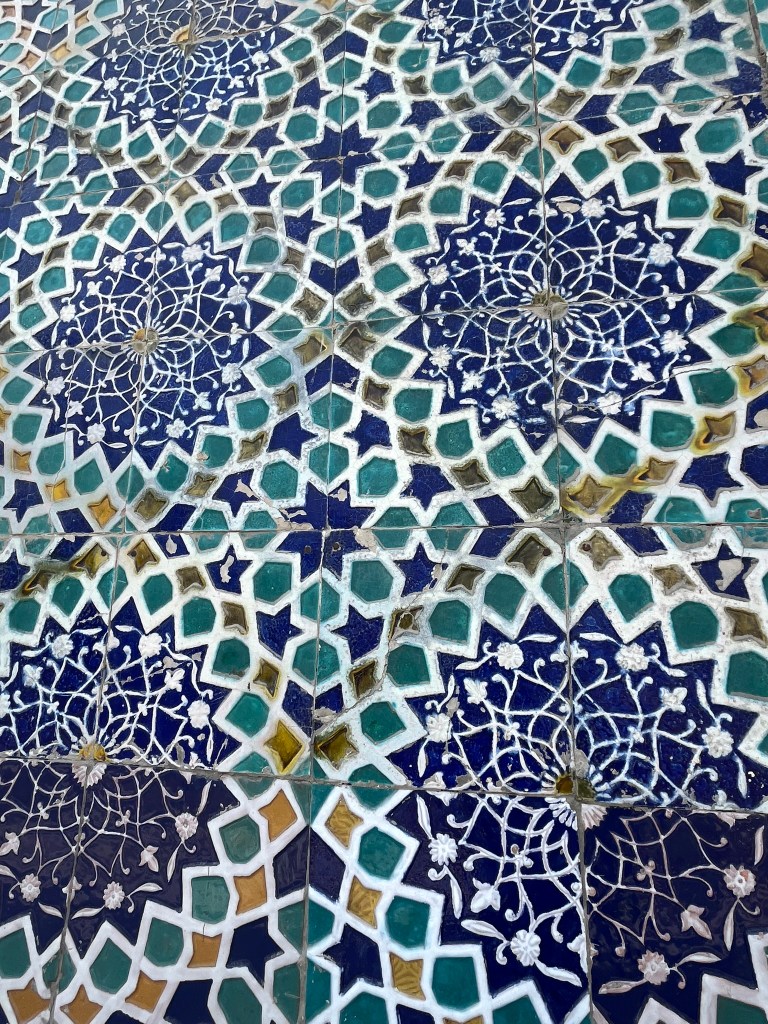
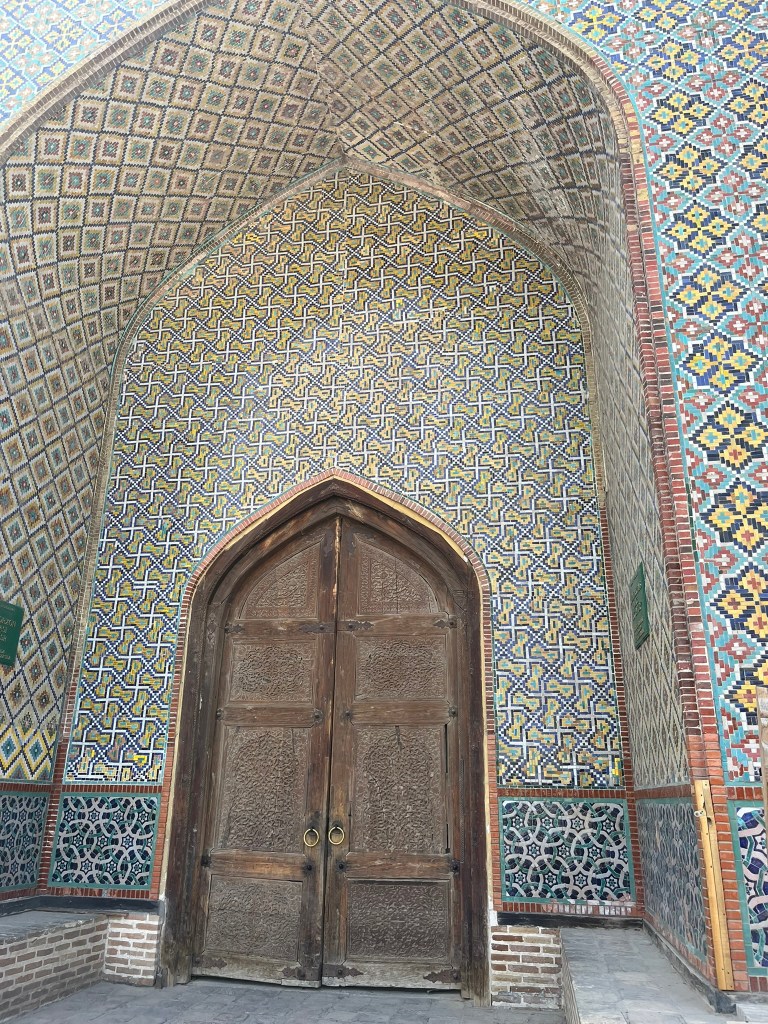
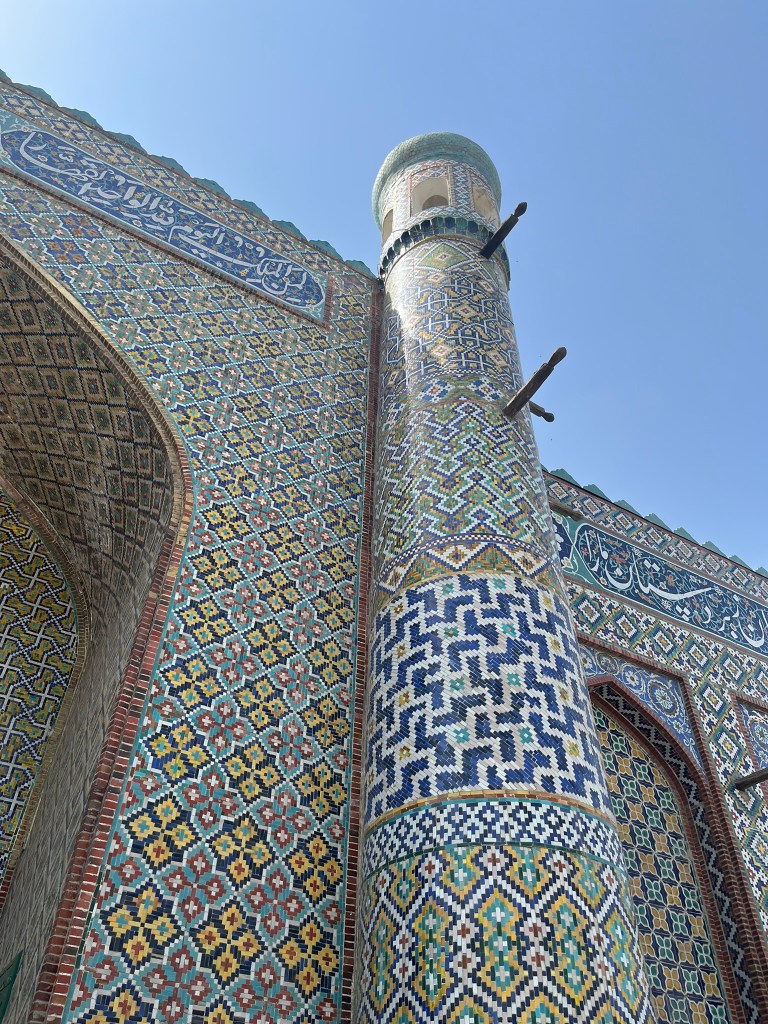
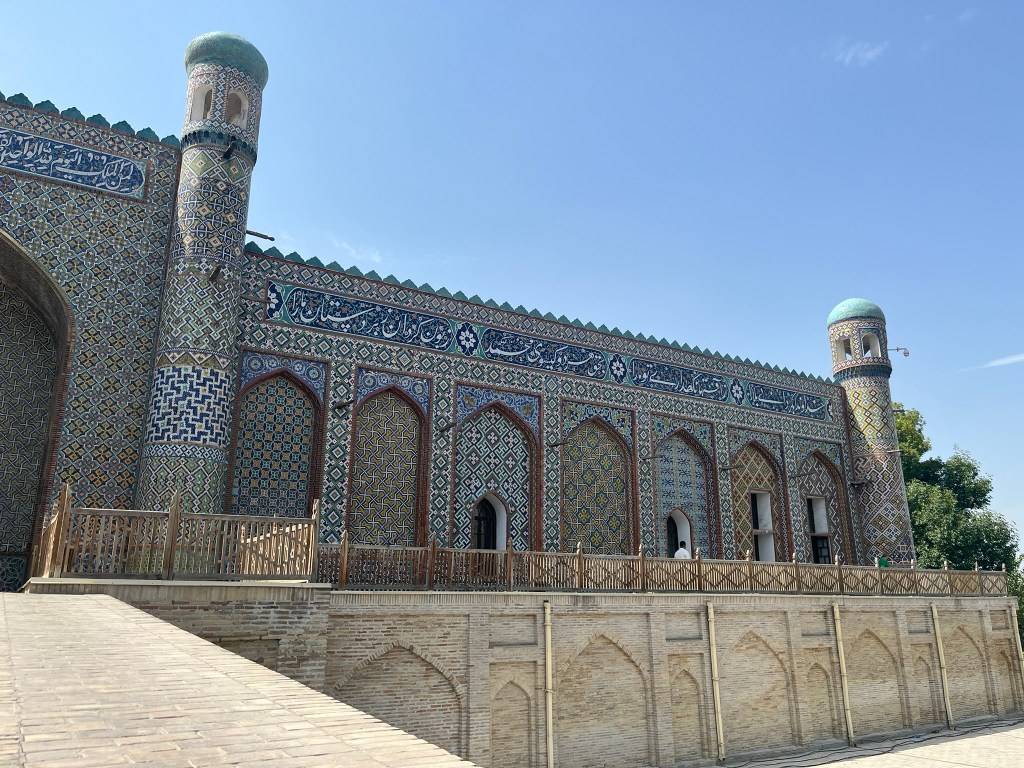
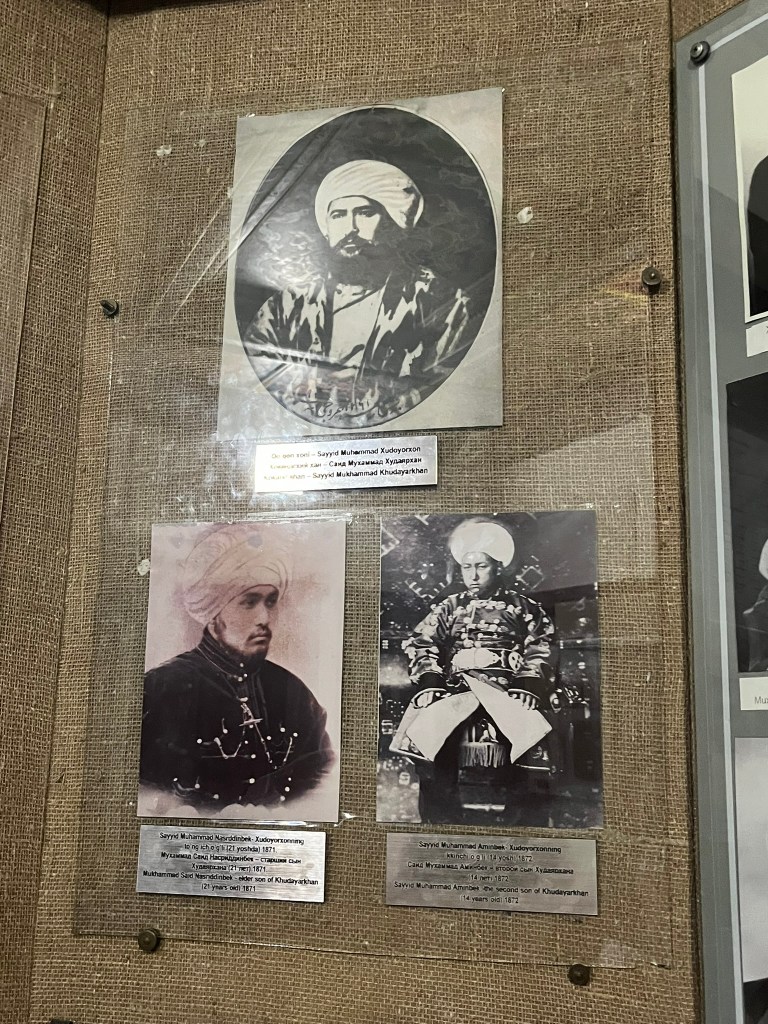
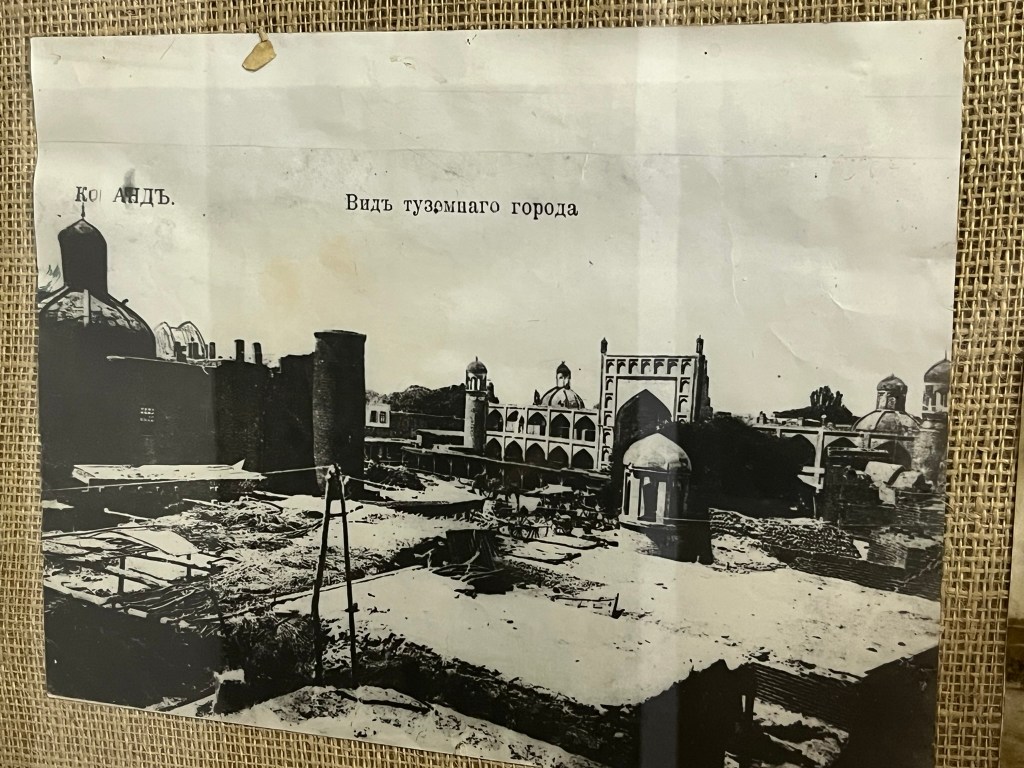
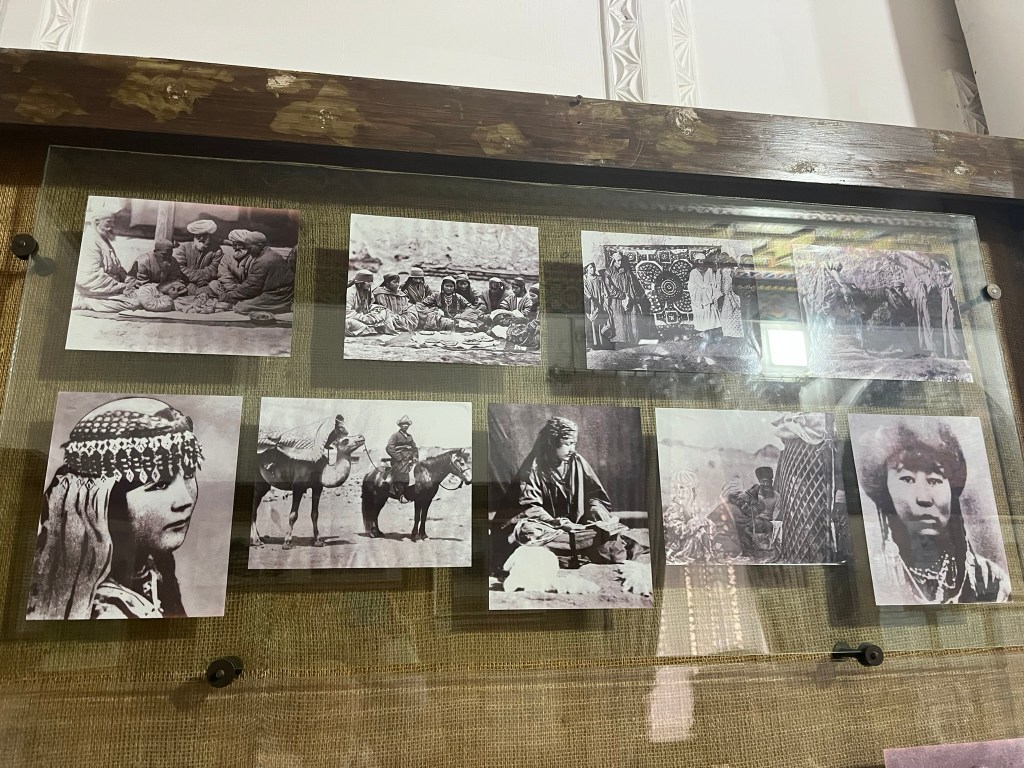
The inside houses a museum of Kokond history where there are some great photos of the Khan’s and how the buildings looked around the time the Russian Empire arrived. There is also a big collection of gifts the Khan received from far flung places like Japan demonstrating how the city must have seemed like the center of the world during its hey-day.


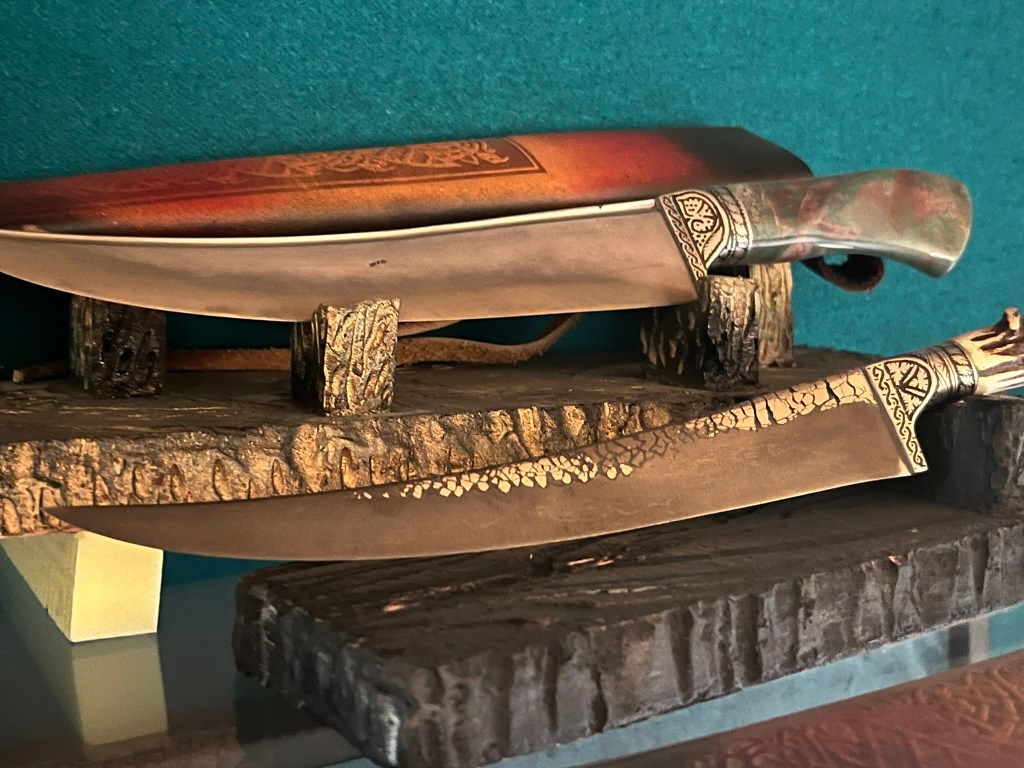
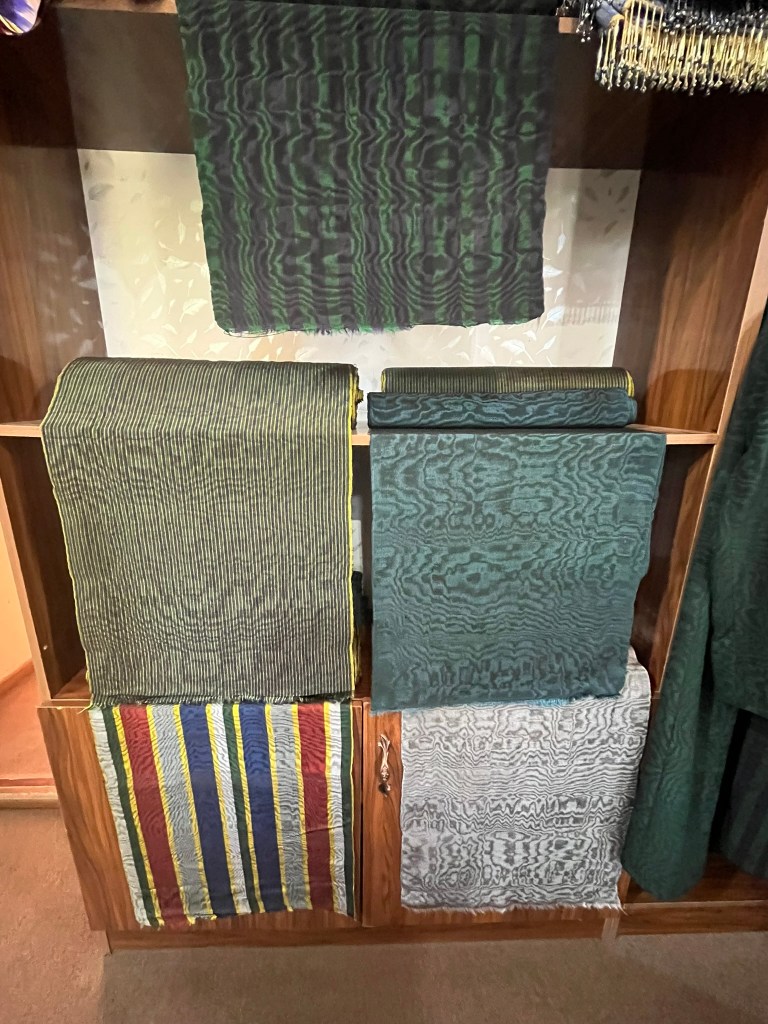
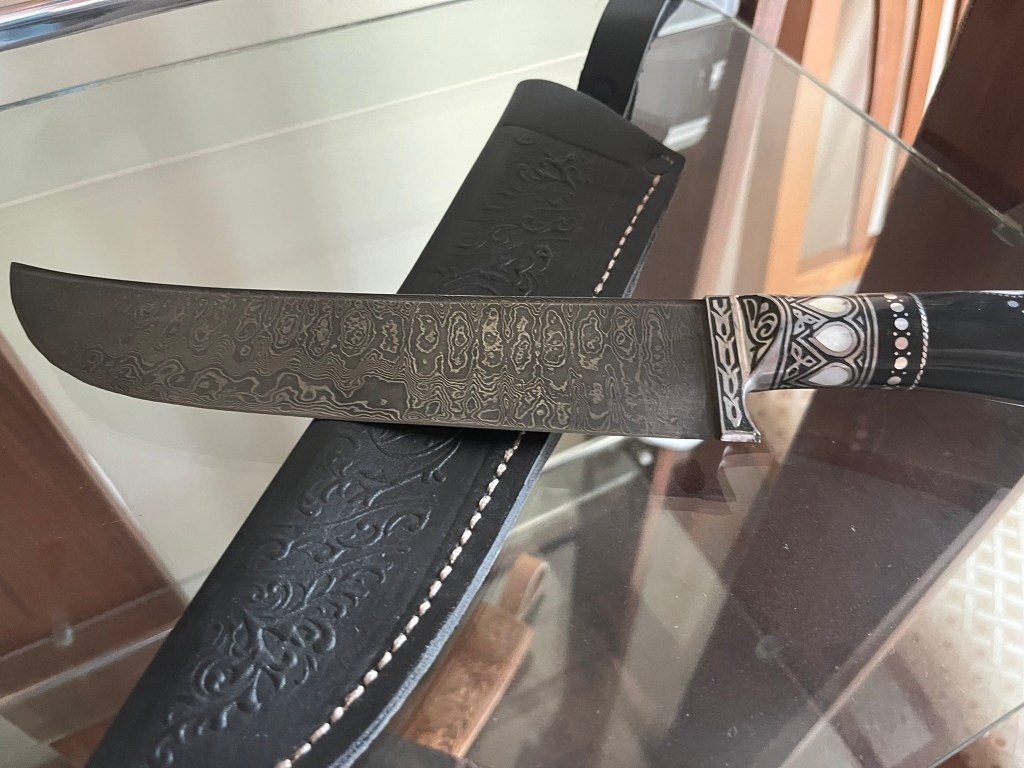
It’s a small city of just 250,000 people and far less touristy than Samarkand, Bukhara and Khiva but its the perfect place to see what is left of the capital of Kokond. At the time I was visiting it was preparing for the bi-annual International Festival of Handicrafters which I would have loved to go to. And at the Jami Mosque a big portion is now housing the Museum of Applied Arts, where master craftsman have small workshops where they can share with tourists their incredible skills. We met a master blacksmith who makes knives from Damascus steel and has travelled the world showing his creations at international craft fairs. And a master weaver who creates a special type of silk fabric that seems to have shimmering waves in it, that he sells to big fashion houses in France. After a little googling I think it was moire silk, but it was difficult to tell as he said his process was a secret!
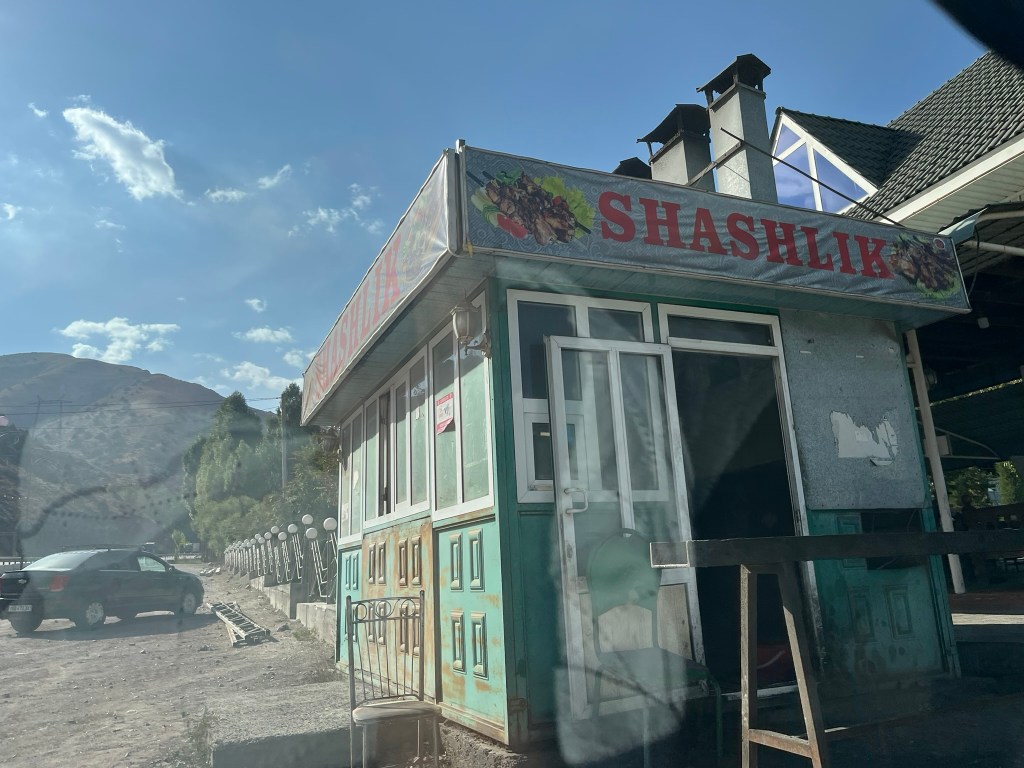
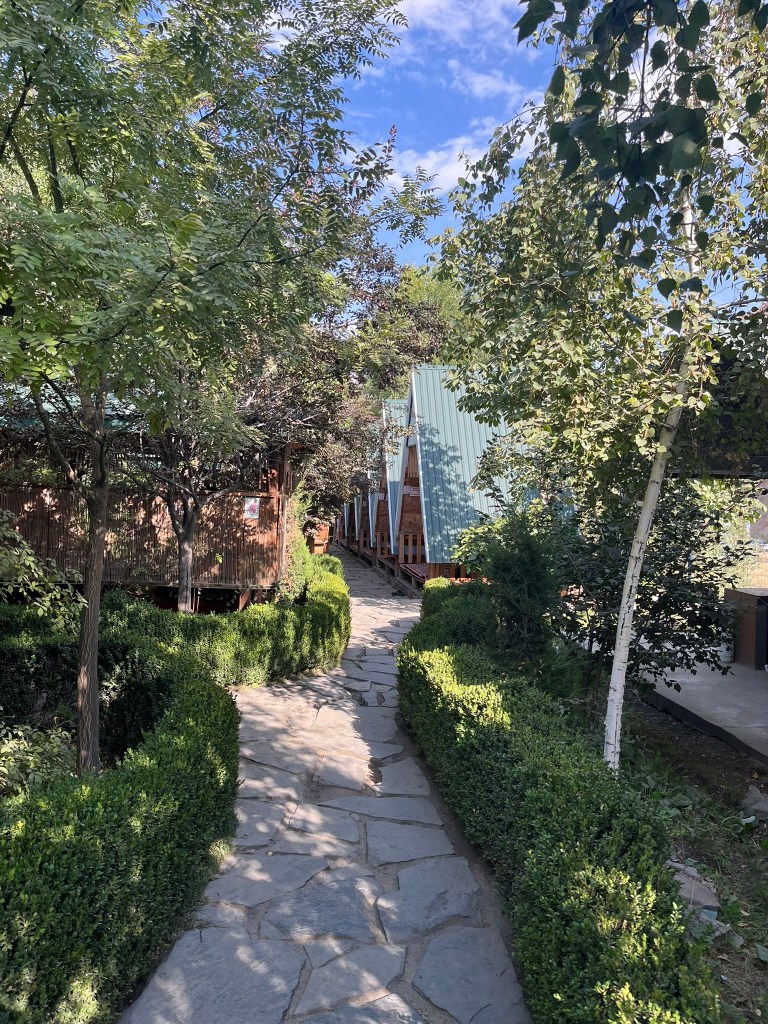
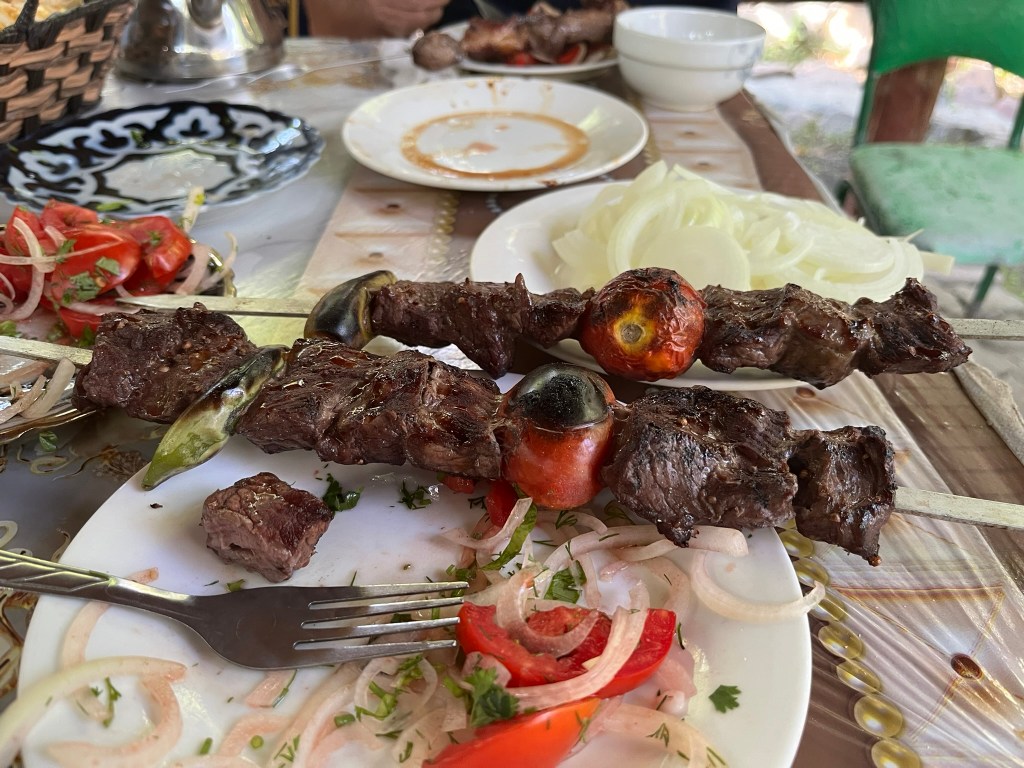
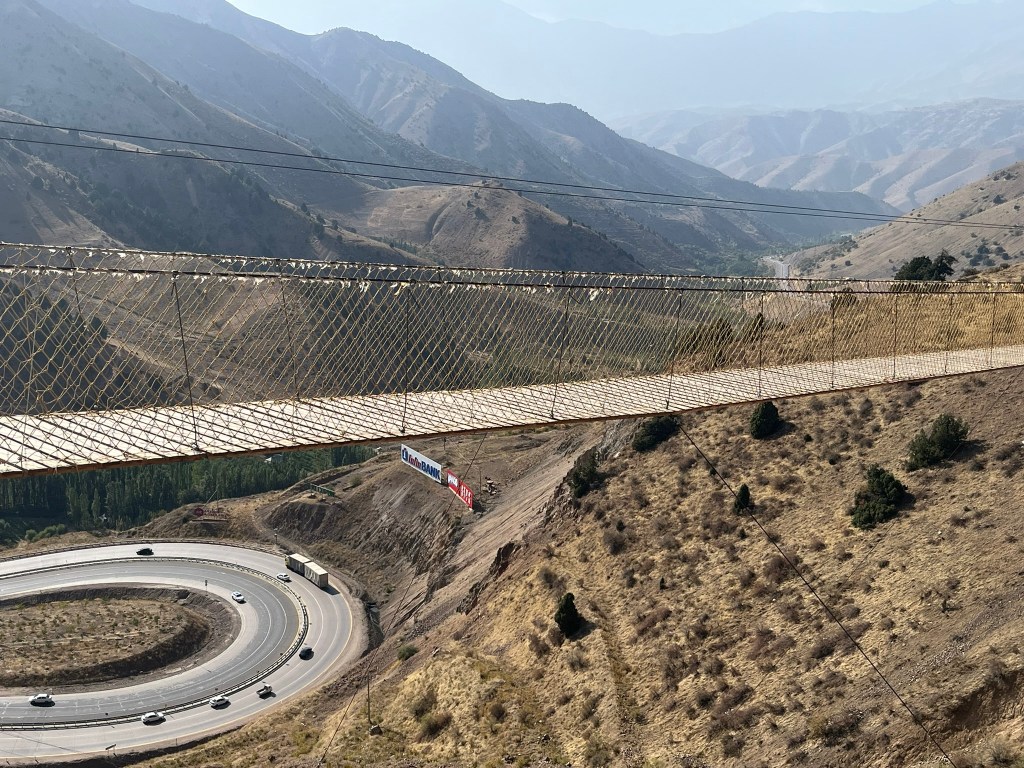
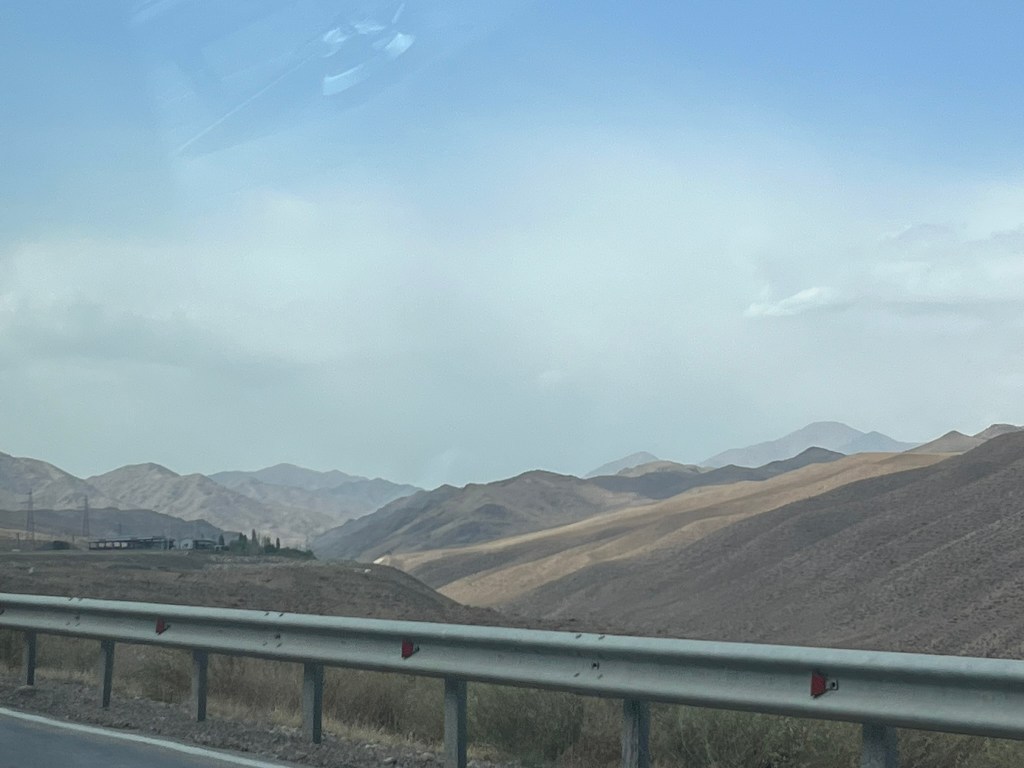
By lunch time we were ready to hit the road for a long drive through the Kurama range and over the Kamchik Pass. Historically this was a chokepoint between Fergana Valley and the rest of Uzkbekistan and it really isolated them. And its easy to see why. Even with a good road, winding switch backs and a few tunnels, the journey up and over the mountain range took a couple of hours. My driver took me to an awesome road side shishlak kebab restaurant where we sat in little huts just off the main road surrounded by greenery and enjoyed enormous beef kebabs and a pile of fresh onions and tomatoes.
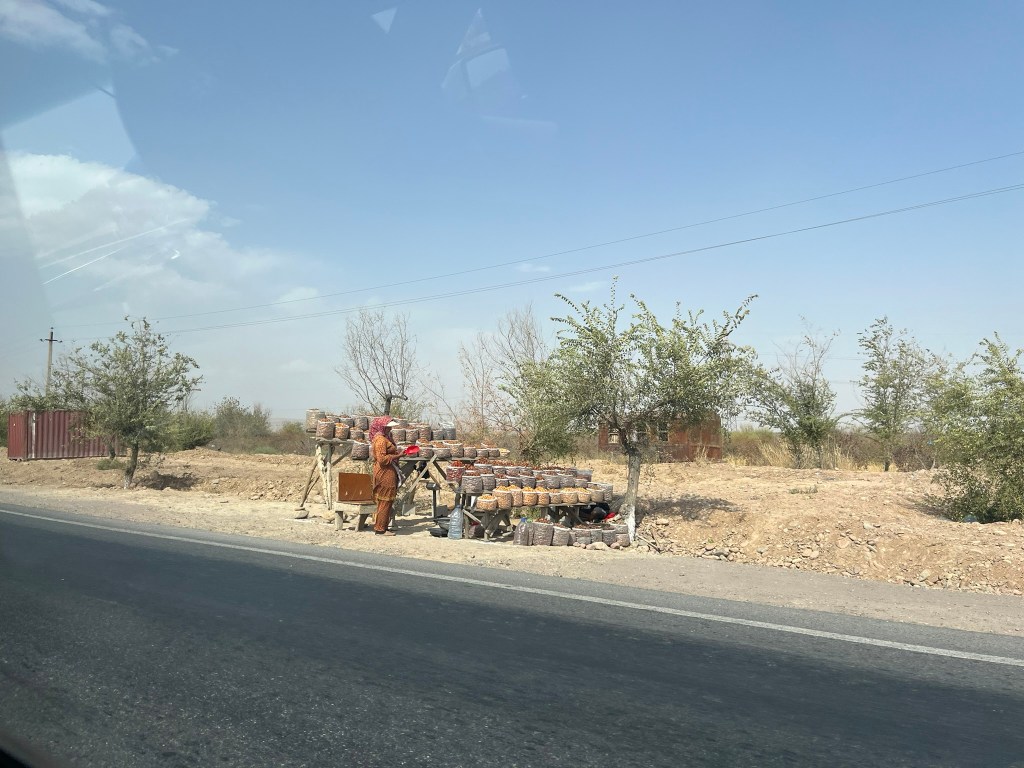

Don’t underestimate the time it will take to get between Tashkent and Kokond. It may not look far on the map, but its a good 6-hour drive (7 if you hit rush-hour Tashkent traffic). However, don’t be put off – its definitely worth exploring this part of Uzbekistan. I recommend a minimum of 2 days visiting Kokond, Rishton and Margilan.
 Colette's Grand Detour
Leave a comment