Osh was our home for 2 nights and is an easy location to make a pit-stop before crossing the border into Uzbekistan. It is Kyrgyzstan’s second largest city (after Bishkek) and often called ‘the southern capital’. Its population is around 300,000 and it is very ethnically diverse because of its Fergana Valley location, with large populations of Uzbeks and Tatars’. It sits at the foothills of the Alay mountains and right in the center of the city the Sulayman-Too Sacred mountain rises.
Evidence shows that Osh is an old city, with archaeological findings showing settlements were here over 3000 years ago. The fertile ground of the Fergana Valley makes it a natural place to encouragement settlement. During the times of the silk road it was a major trading post. Goods like silk, horses, jade, spices and silver passed through the city and with that came new religions, technologies and cultures. The city was particularly known for its textiles and horses. Apparently the ‘Heavenly horses’ of Fergana were coveted by Chinese Emperors.
As Islam spread across Central Asia between the 8th and 15th century, Osh became a strong Islamic center with many mosques and madrassas. Between the 16th and 19th centuries it shifted hands between various Khanates that ruled the area, until in 1876 the Russian Empire arrived and brought Osh into its territory. During the Soviet period, Osh became an industrial center producing cotton, silk and machinery. Like in other Soviet cities, concrete apartment blocks, broad boulevards and lots of Lenin statues were introduced. And whilst religion was oppressed the local community continued to make pilgrimages to Sulayman-Too Sacred Mountain.
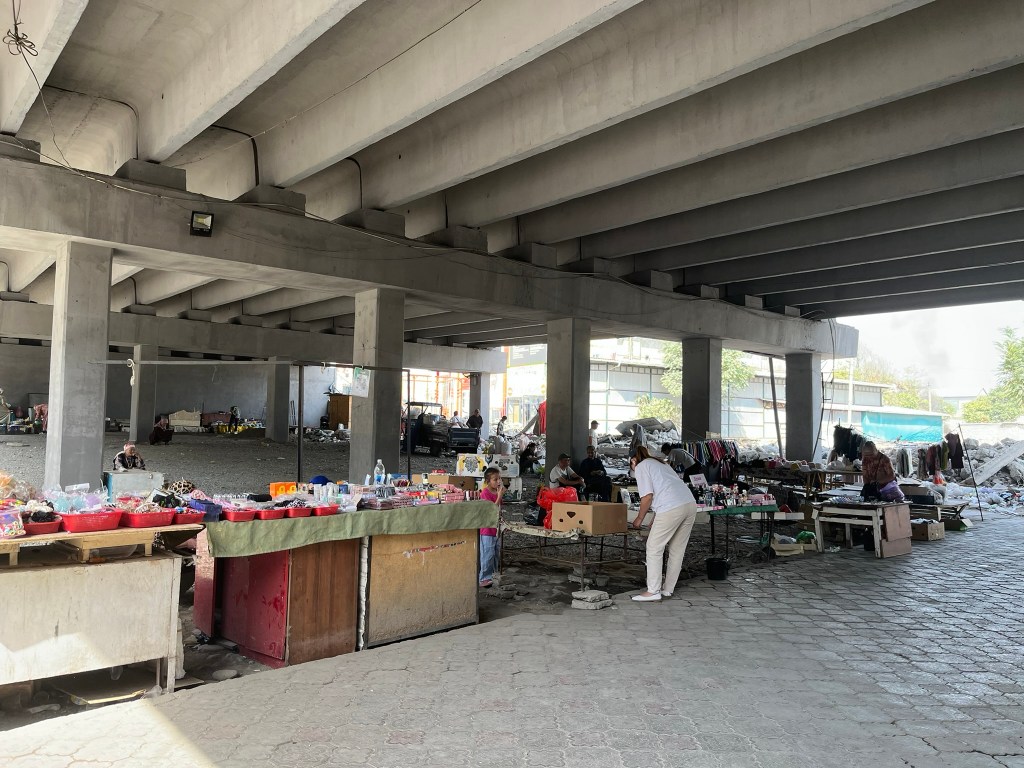
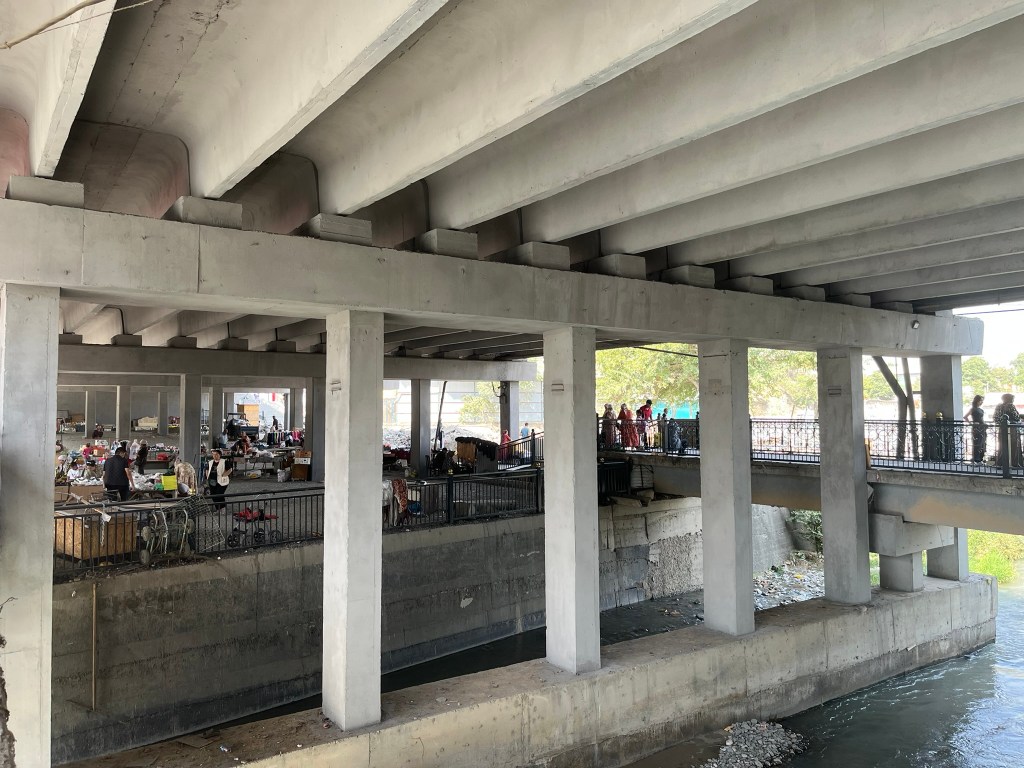
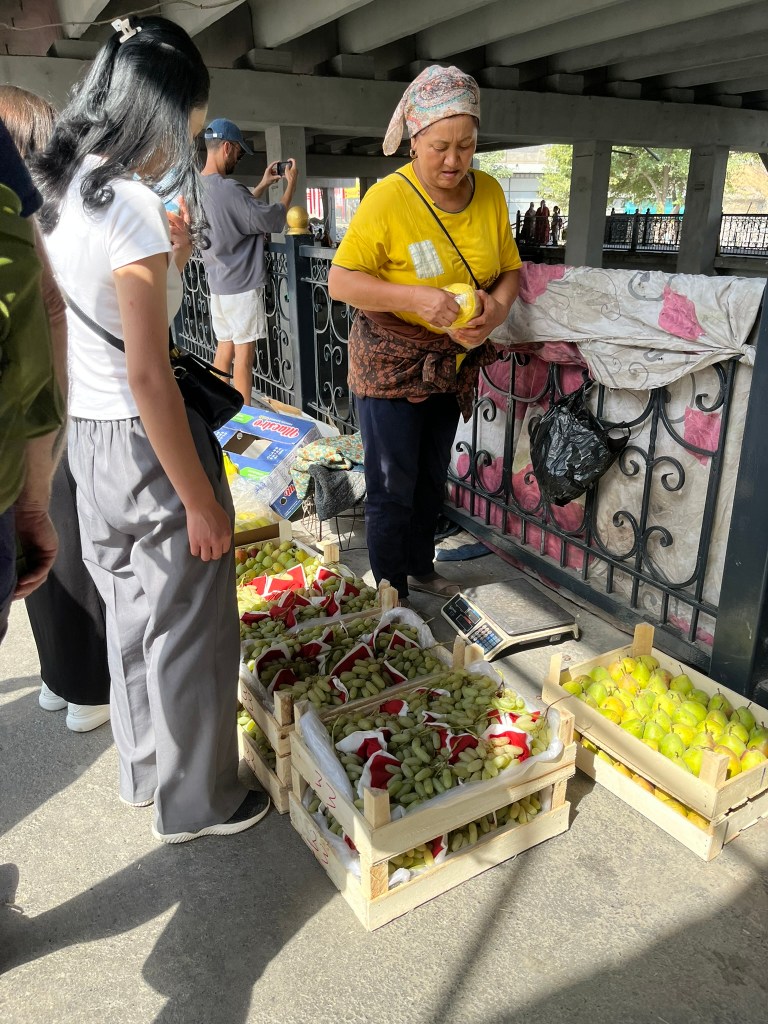
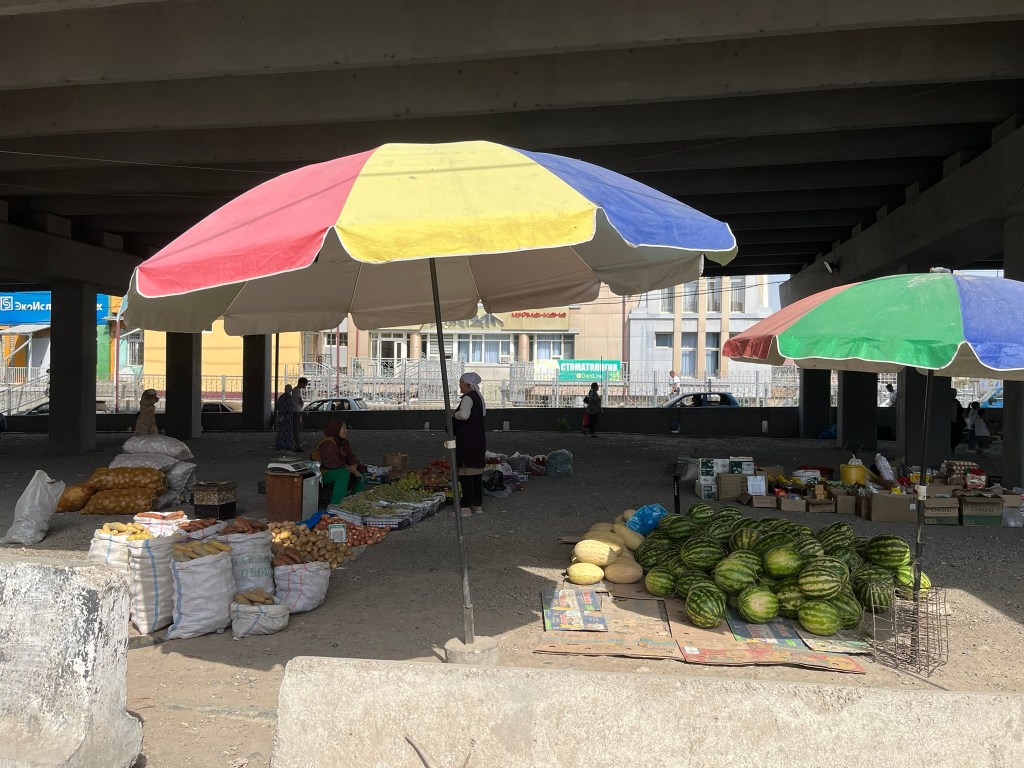
I was looking forward to visiting the Jayma Bazaar, one of the largest and oldest in Central Asia, with origins going back more than 2000 years and an important part of the silk road story. But sadly, just a month or so ago, the bazaar was demolished with plans to move it to a modern building. It used to stretch along the Ak-Buuru river that runs right through the middle of the city with multiple kilometers of stalls. Unfortunately all that is left is a few sellers still lingering under the highway that crosses the river.
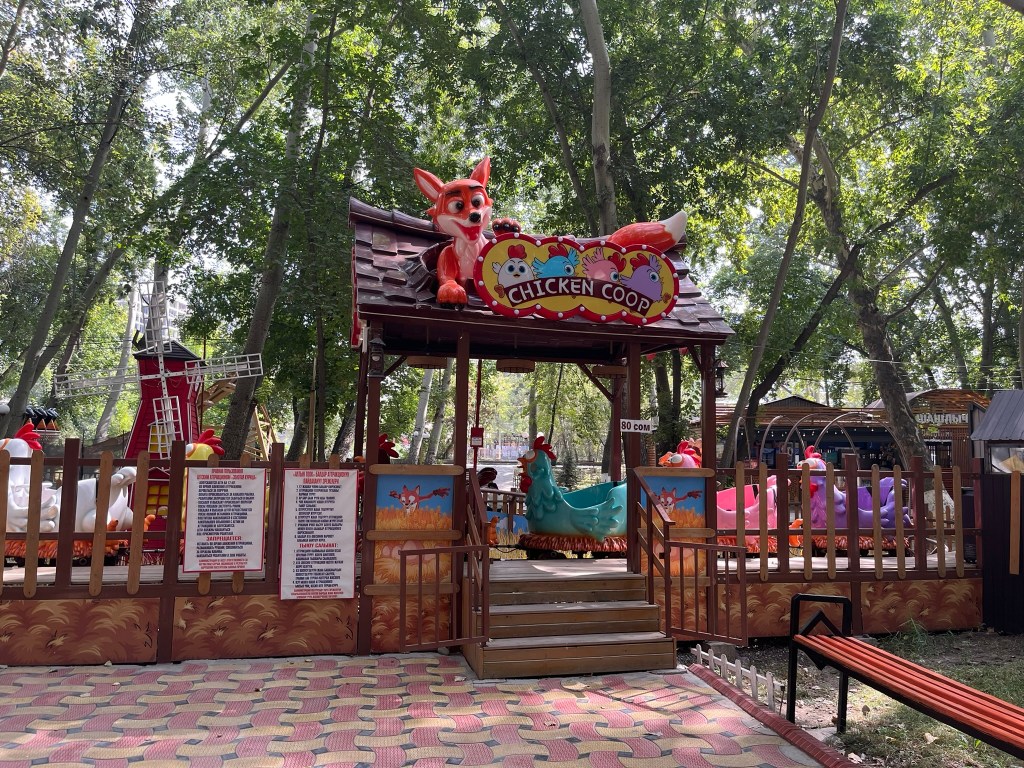
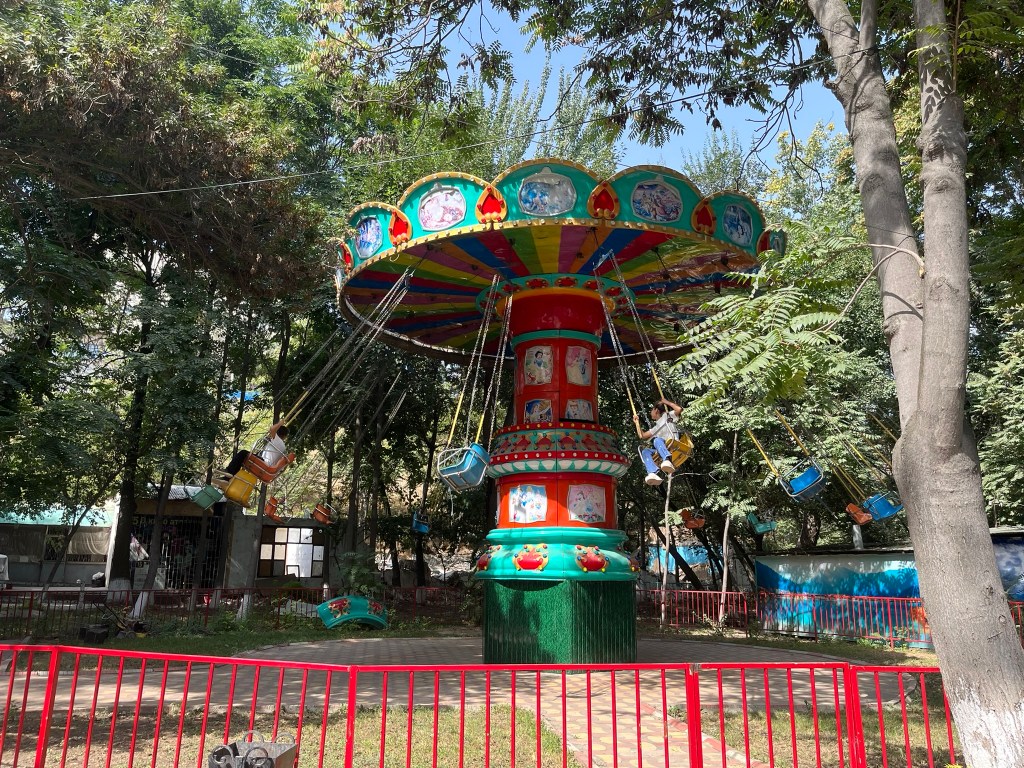
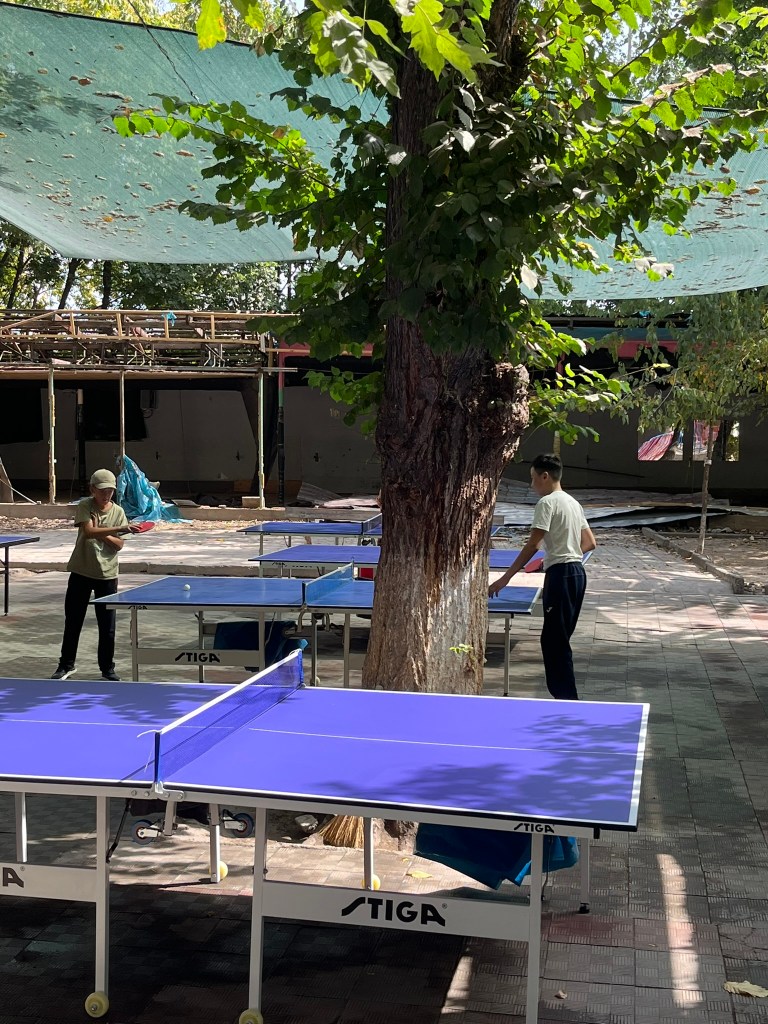
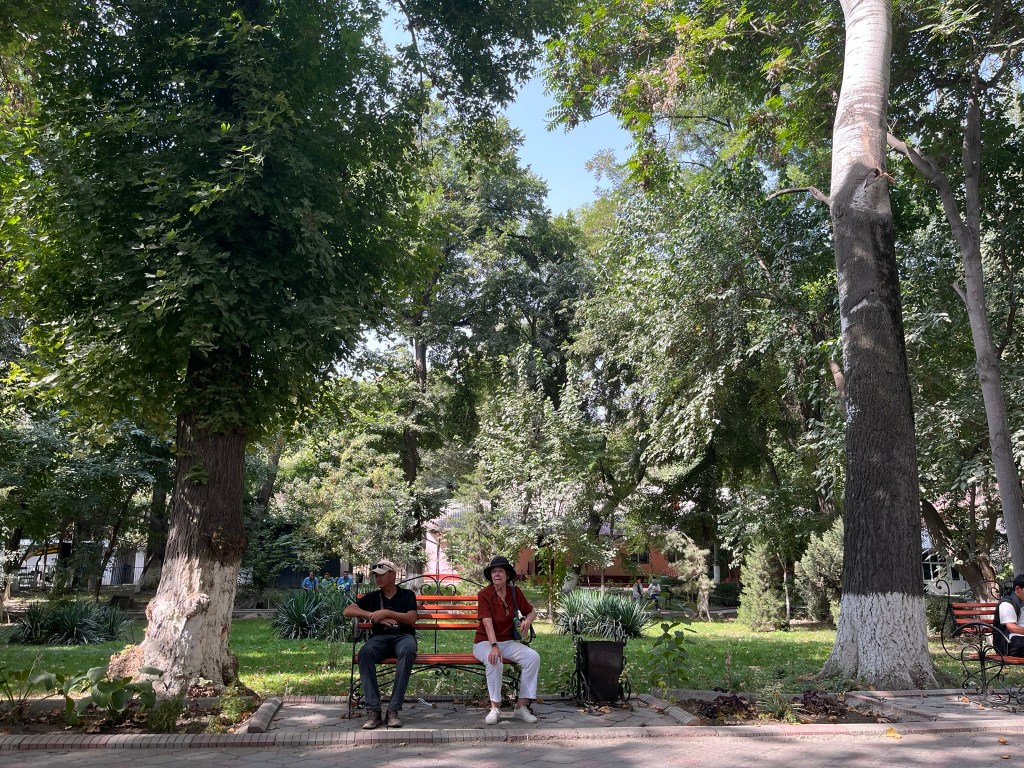
Instead we headed into Kurmanjan Datka Park which also runs along the Ak-Buura river. It is more amusement park than the traditional park I was expecting but it was interesting to see locals out on Saturday enjoying their free time. There were lots of small cafes and benches filled with older people out for a walk. And lots of different things for kids to try including roller blading, a haunted house, bouncy castles and even small roller coasters.
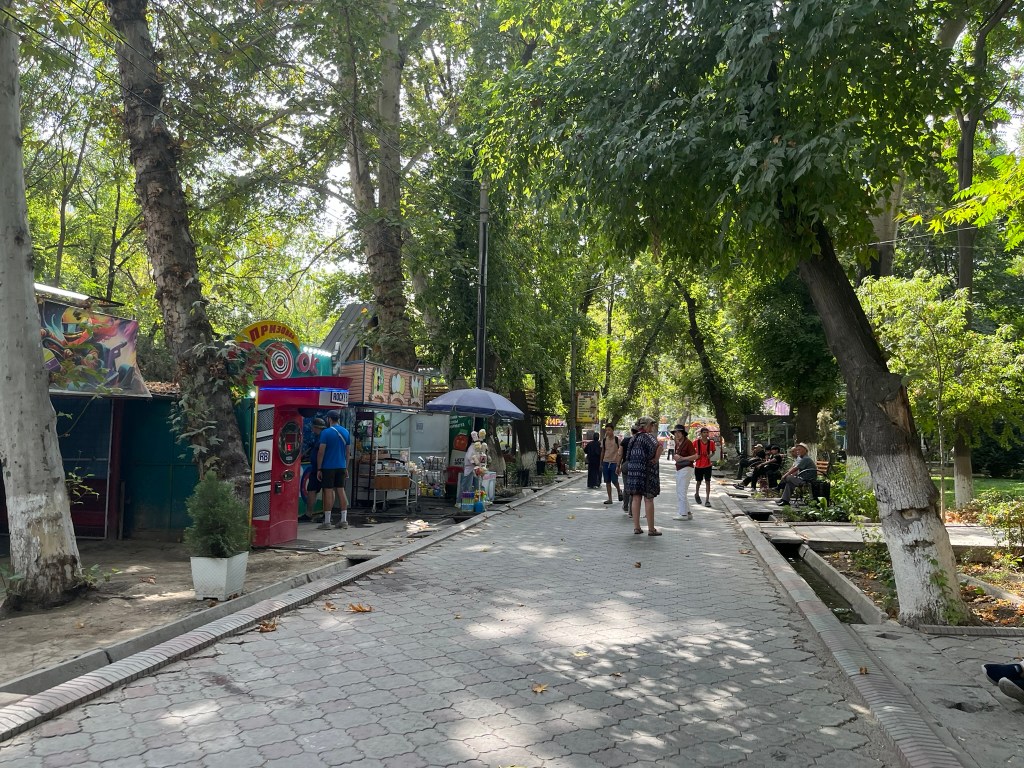
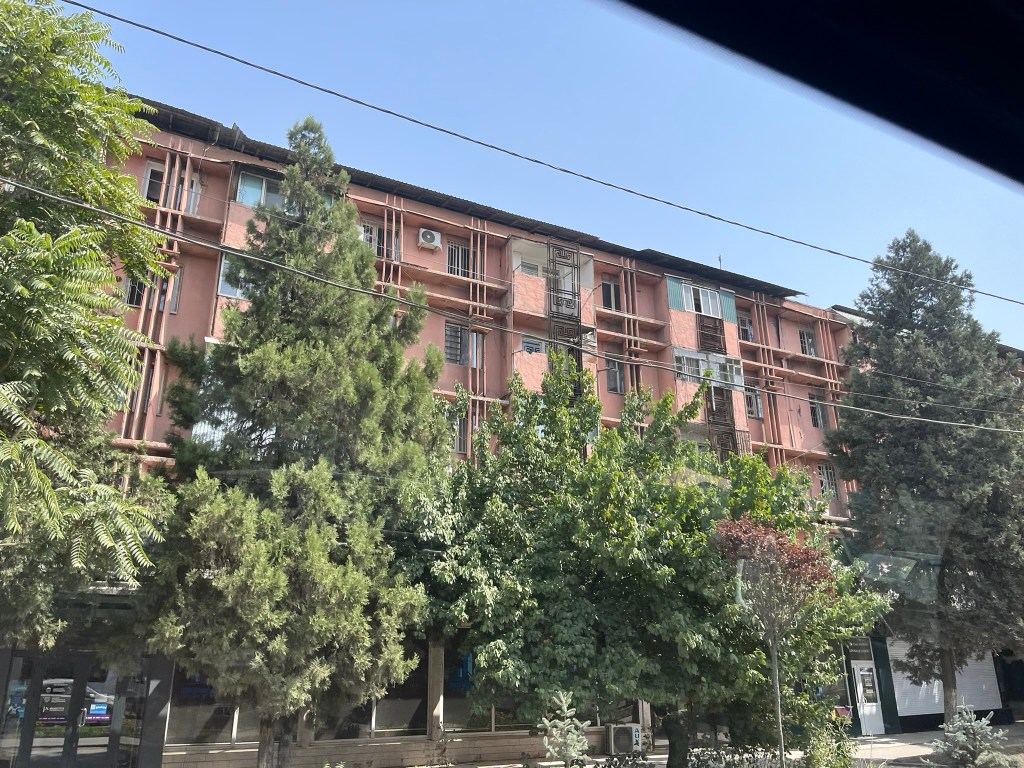
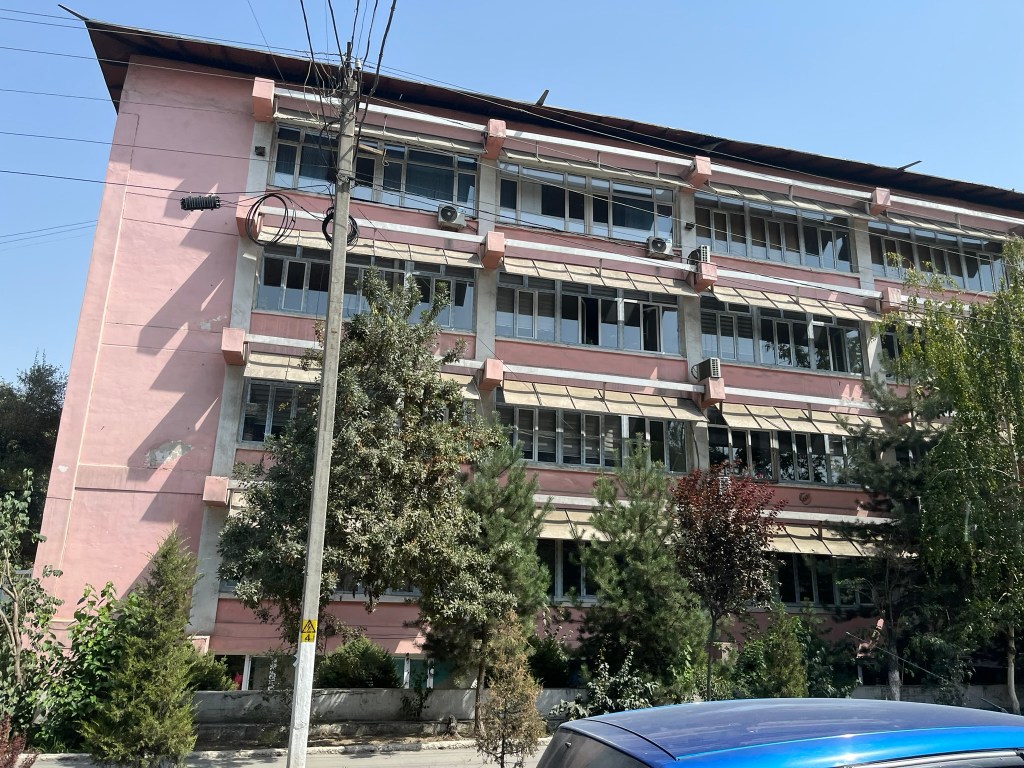
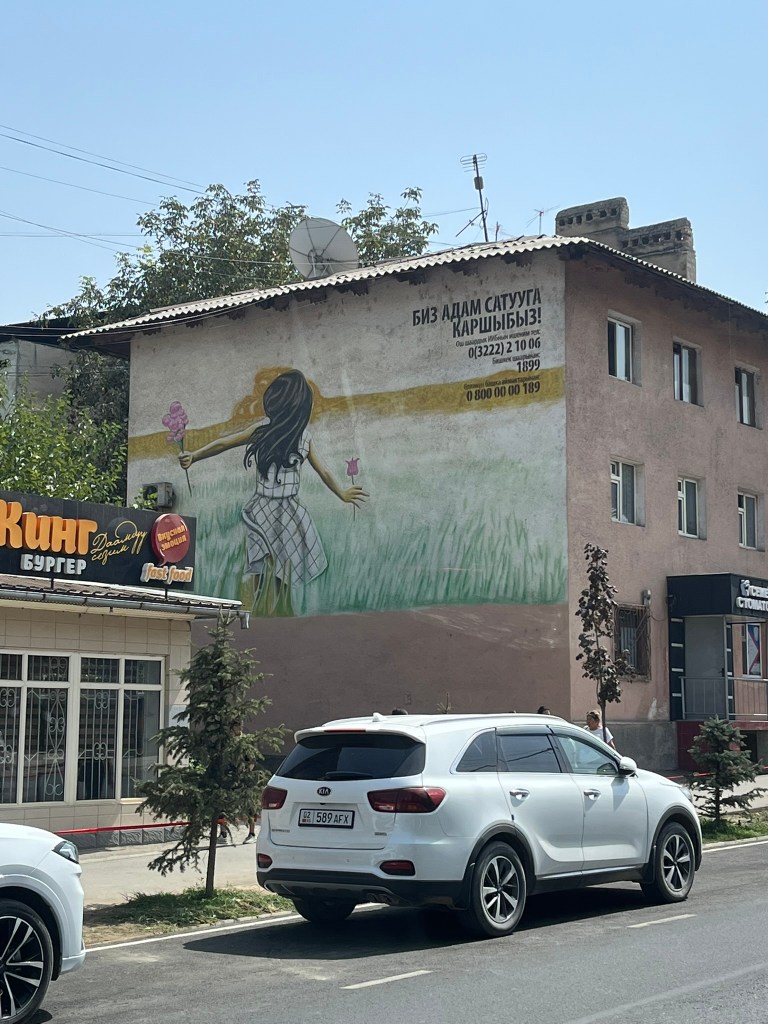
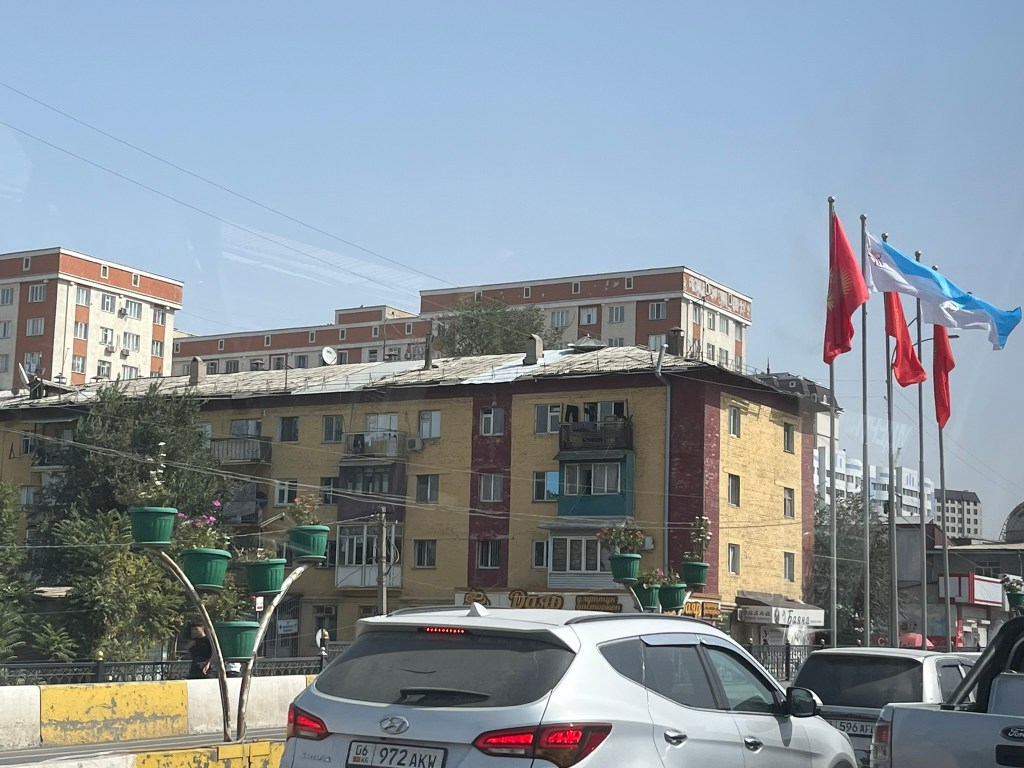
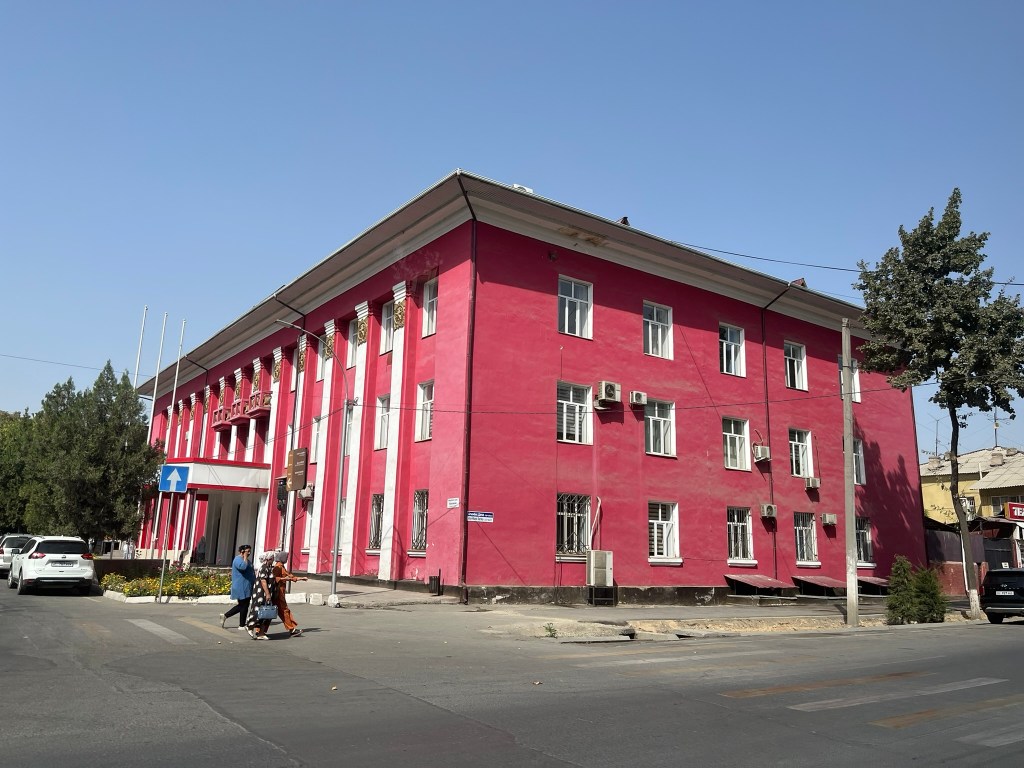
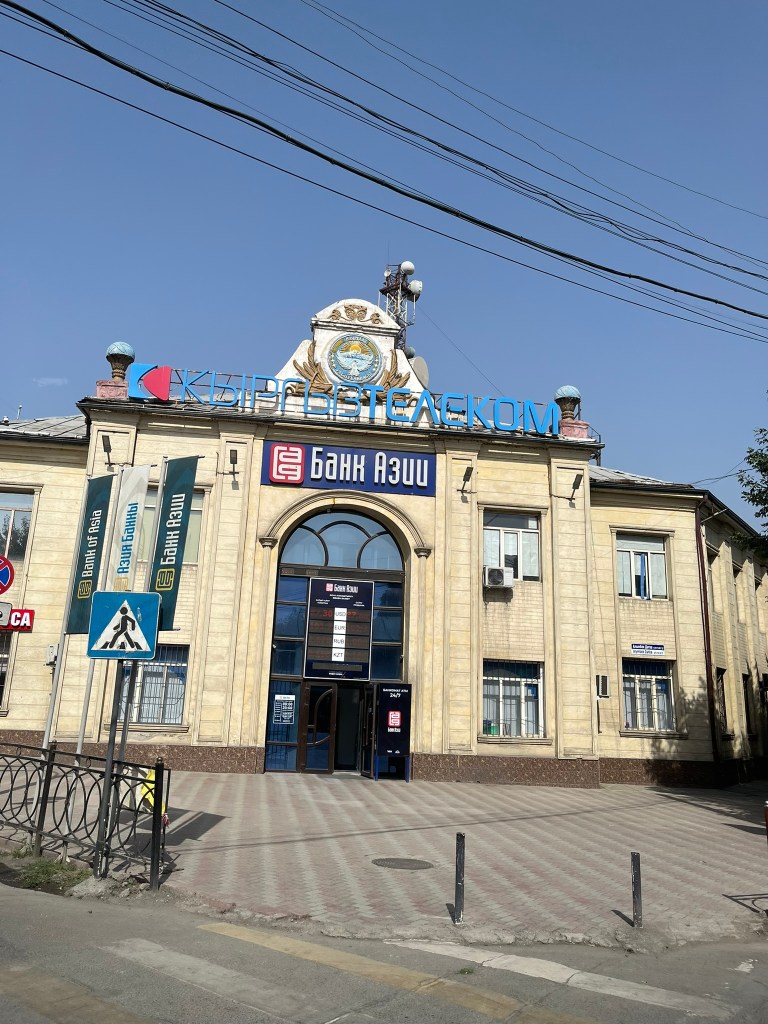
The heat and dustiness of the city made it generally less appealing to me than Bishkek and Almaty with their cooler temperatures and tree-lined boulevards. You can sense that this is a city in transition, with high-rise buildings popping up and a lot of demolition and construction work happening all over the city. And without being able to go to the market there wasn’t much to explore. I did like the mosaics and murals on various buildings and hope they don’t get taken down as the city develops.
 Colette's Grand Detour
Leave a comment