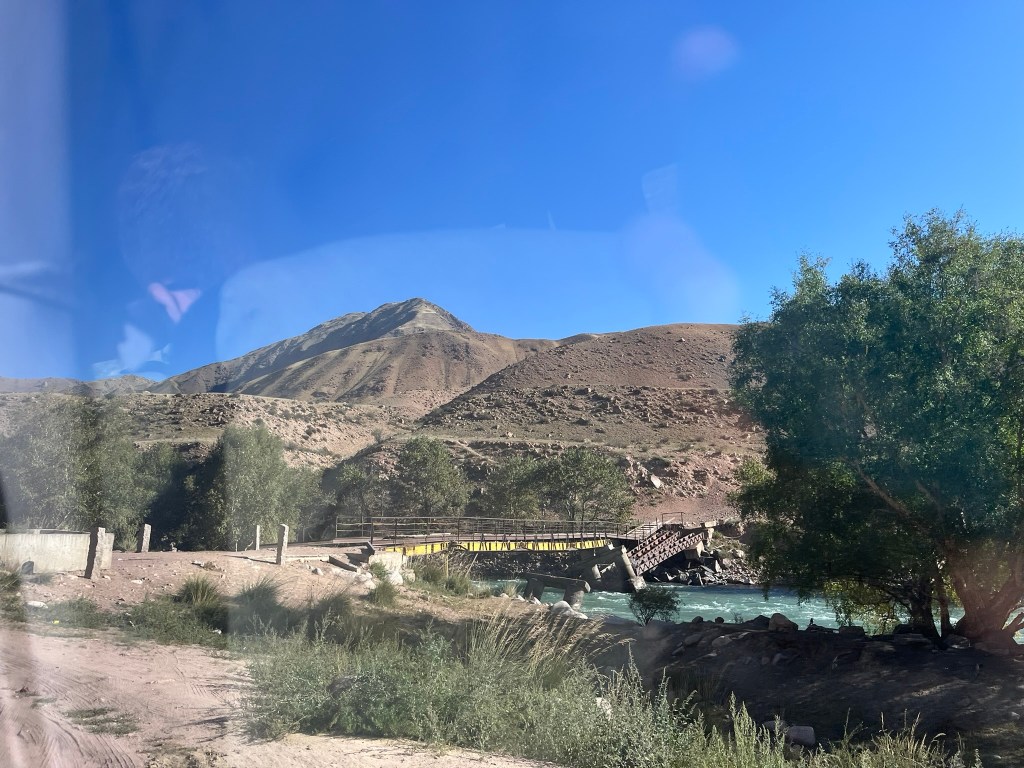
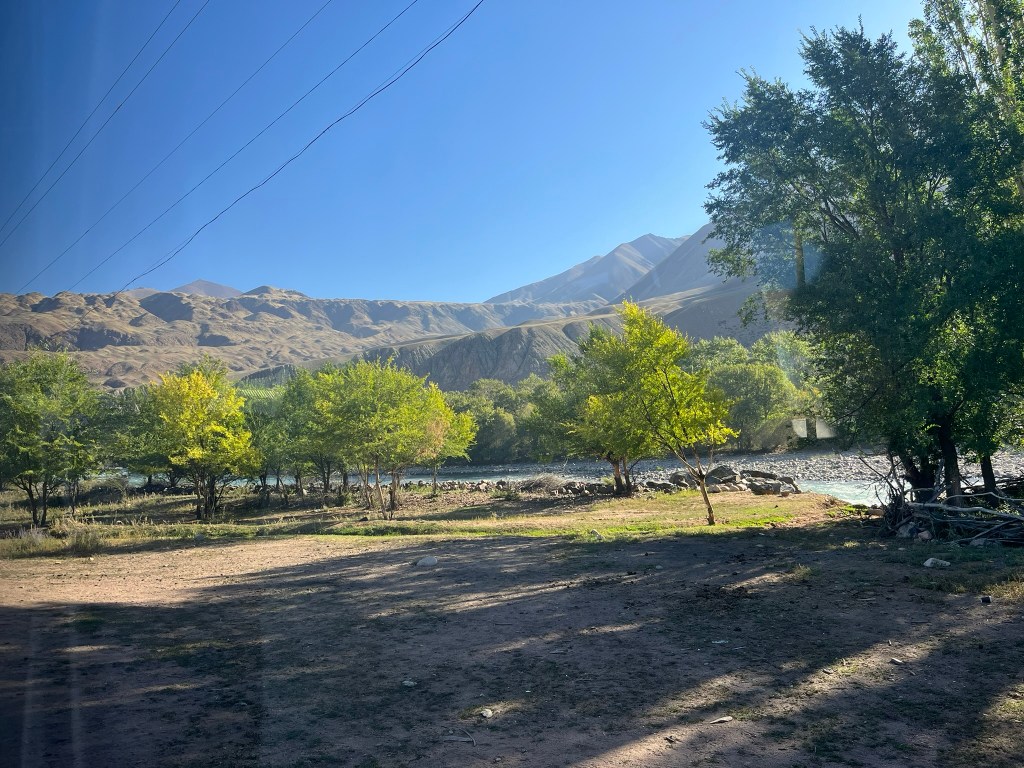
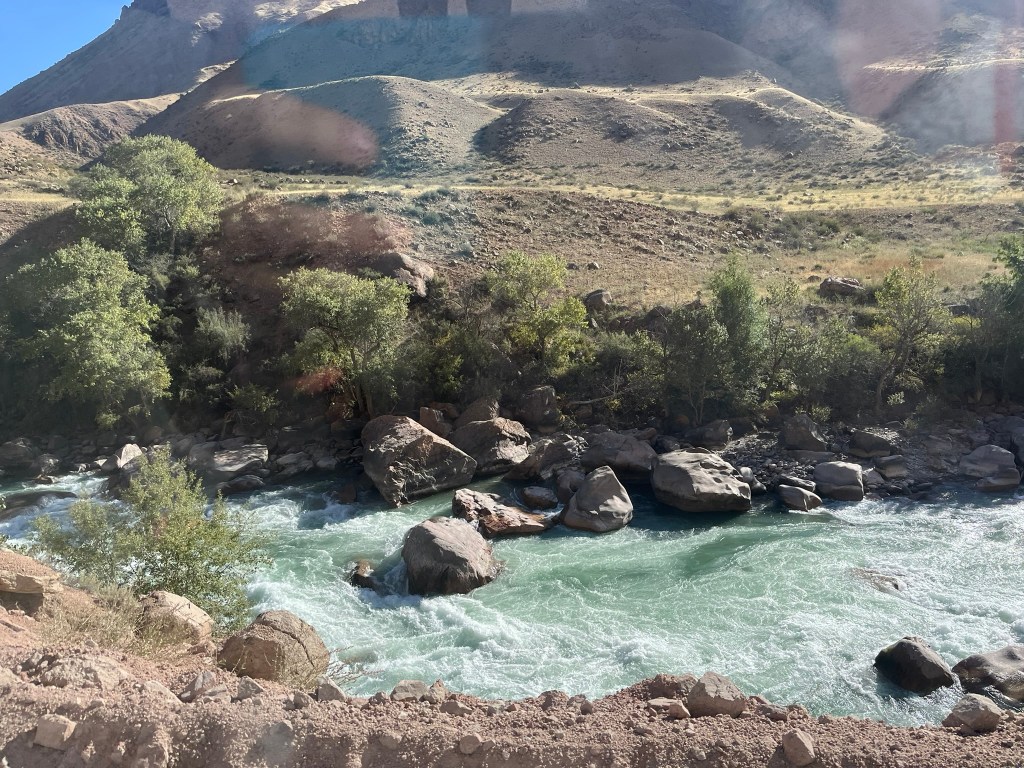
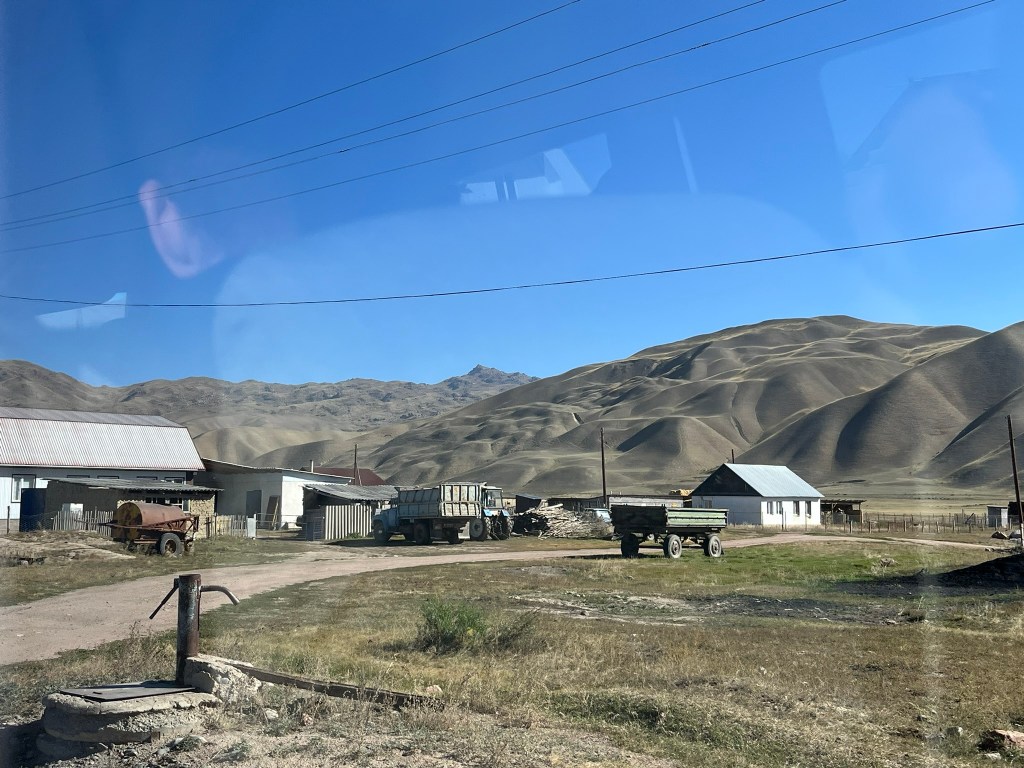
After a one night stop in Kyzyl-Oi we moved on heading towards the town of Toktogul. It took us around 6 hours including lots of stops for photos and coffee. As we left the village we followed the Kokomeren River along the narrow gorge, with steep red-rock cliffs towering over us on each side and the fast running rapids of the river churning below us.
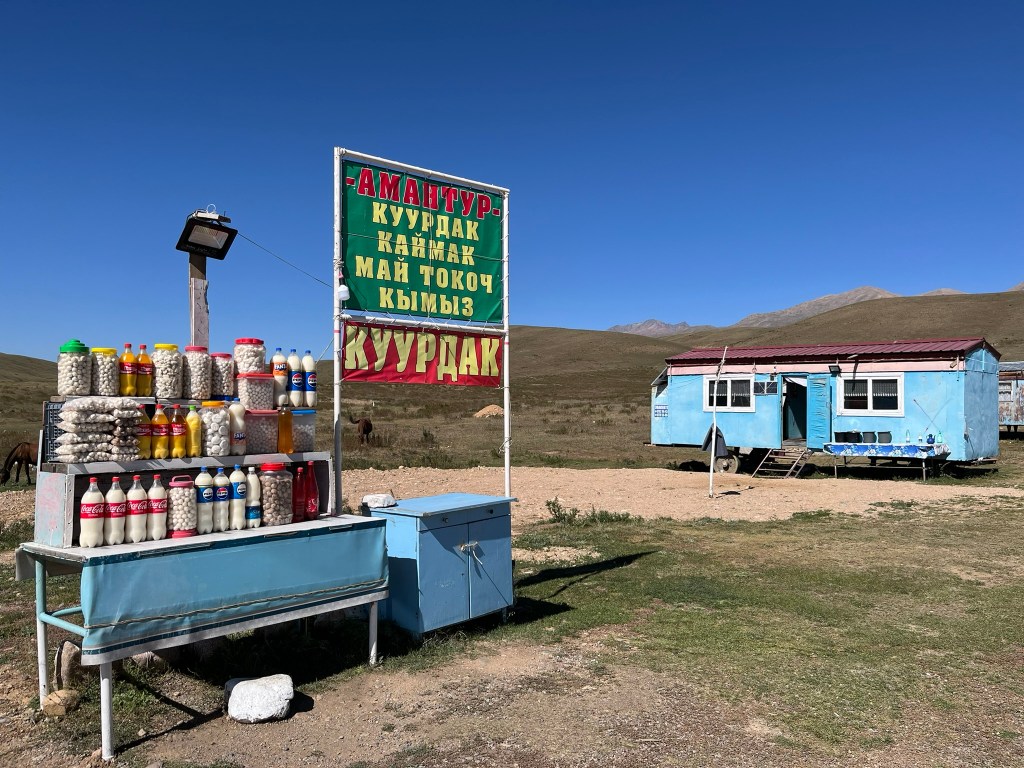
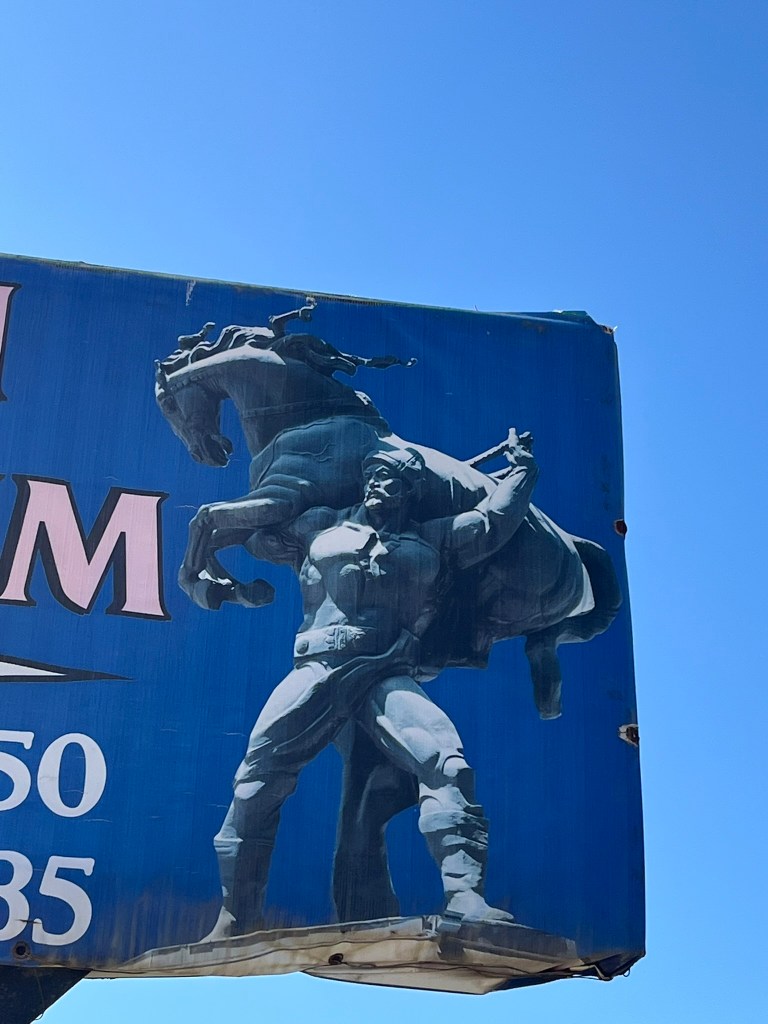
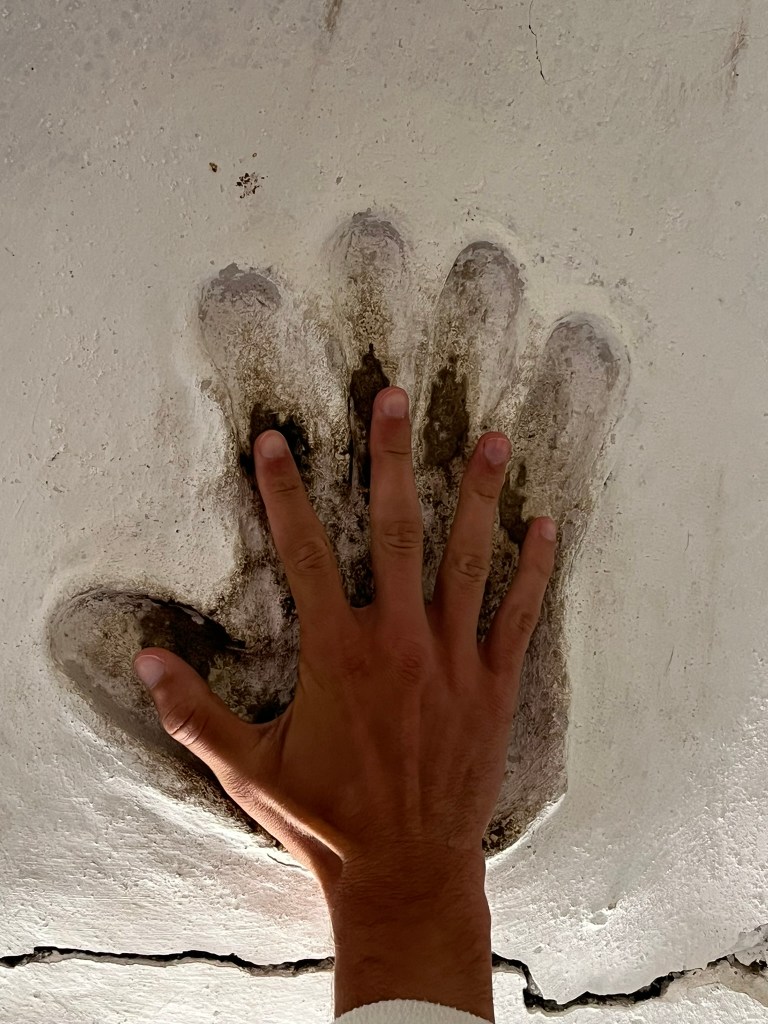
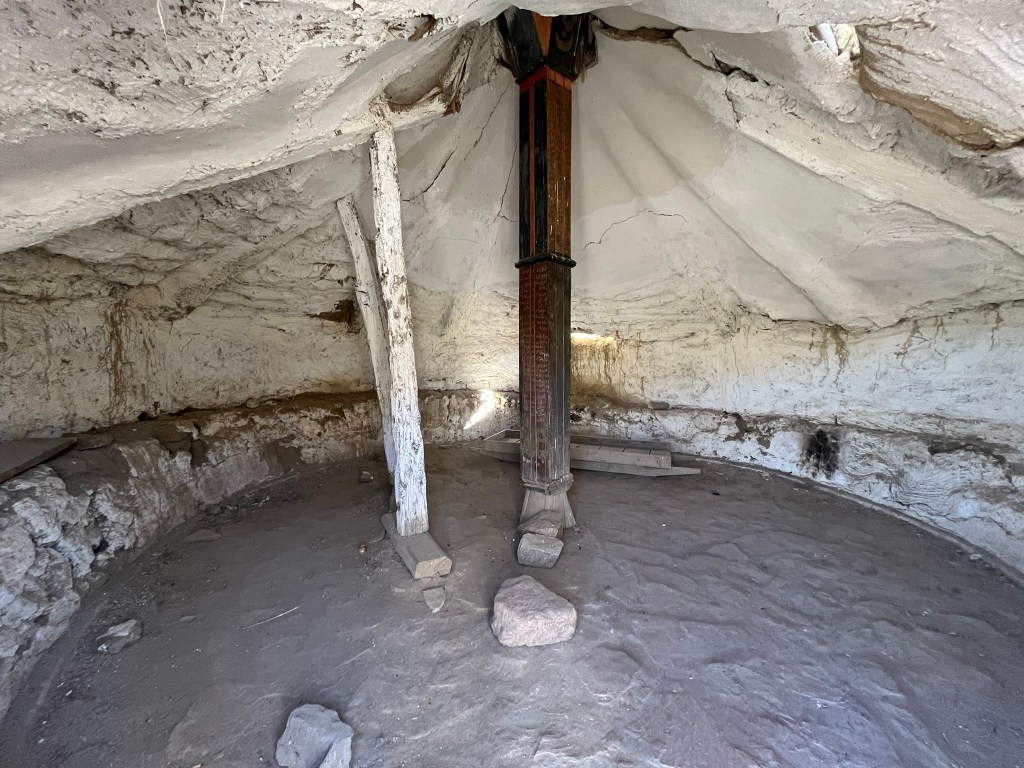
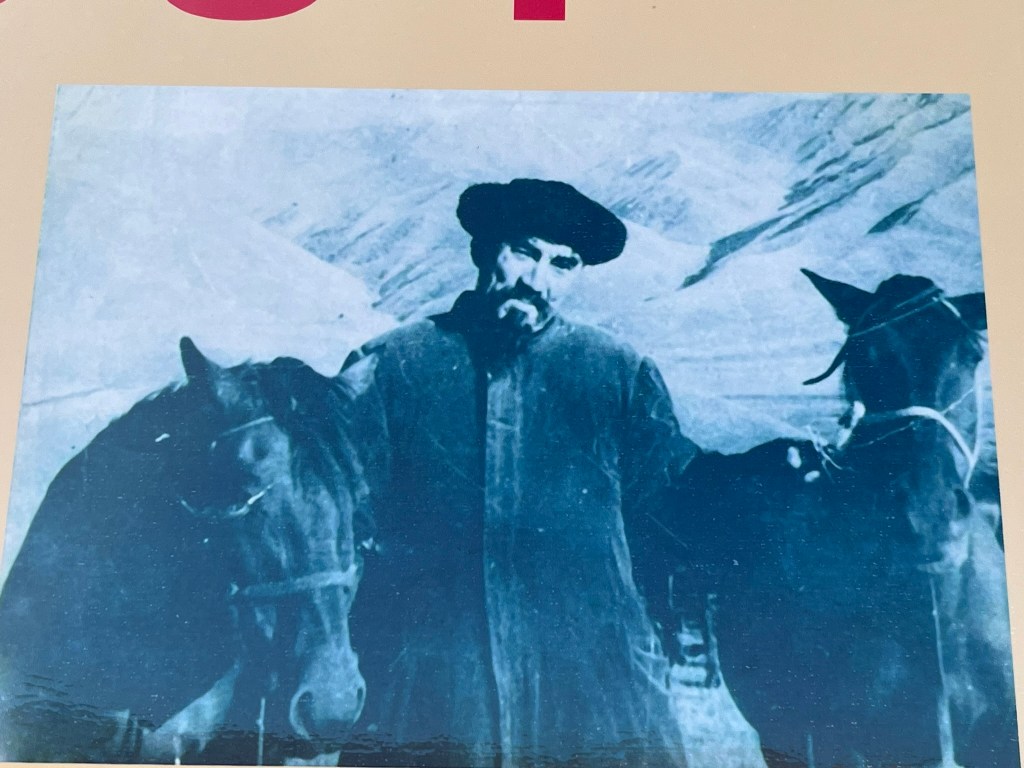
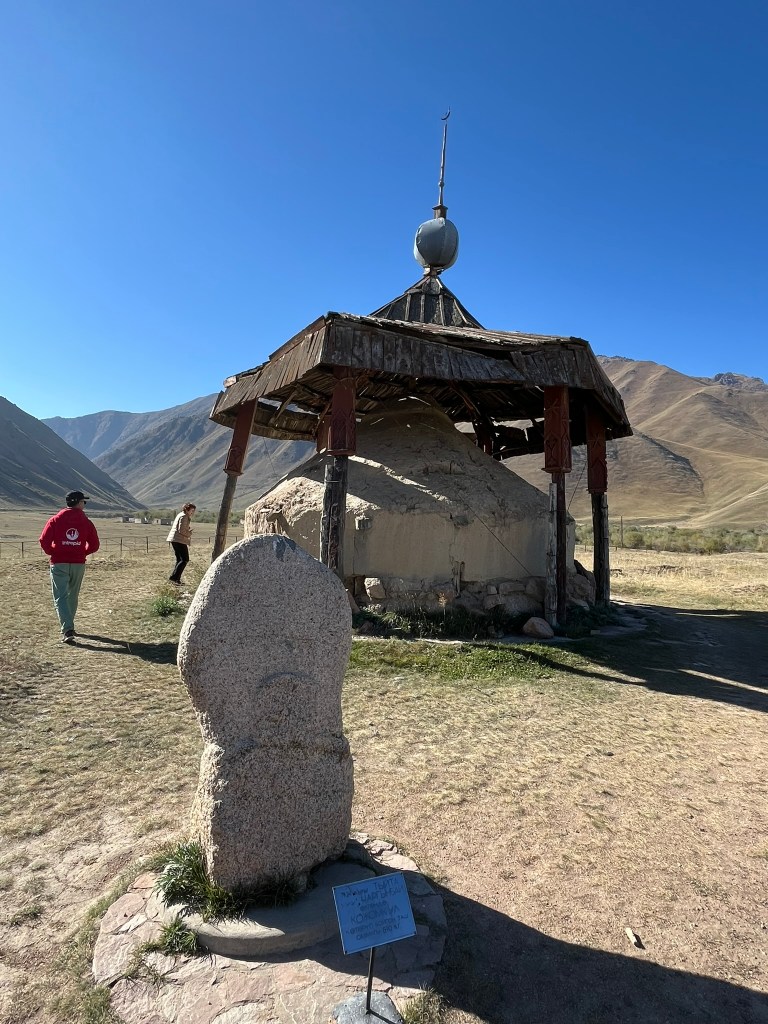
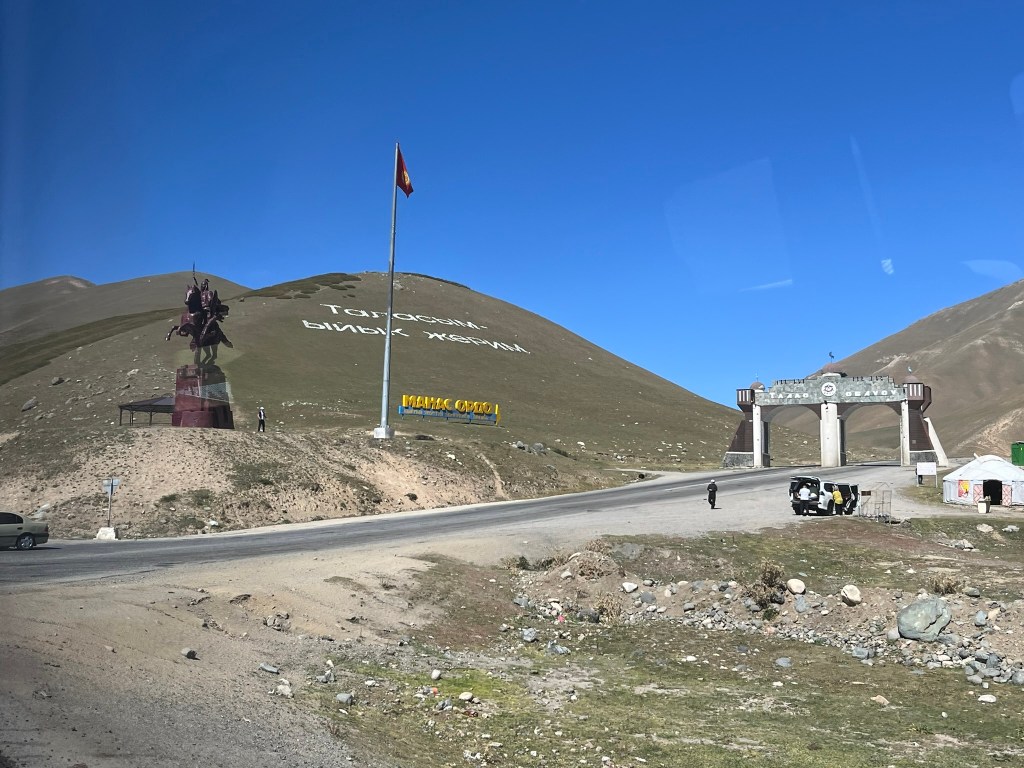
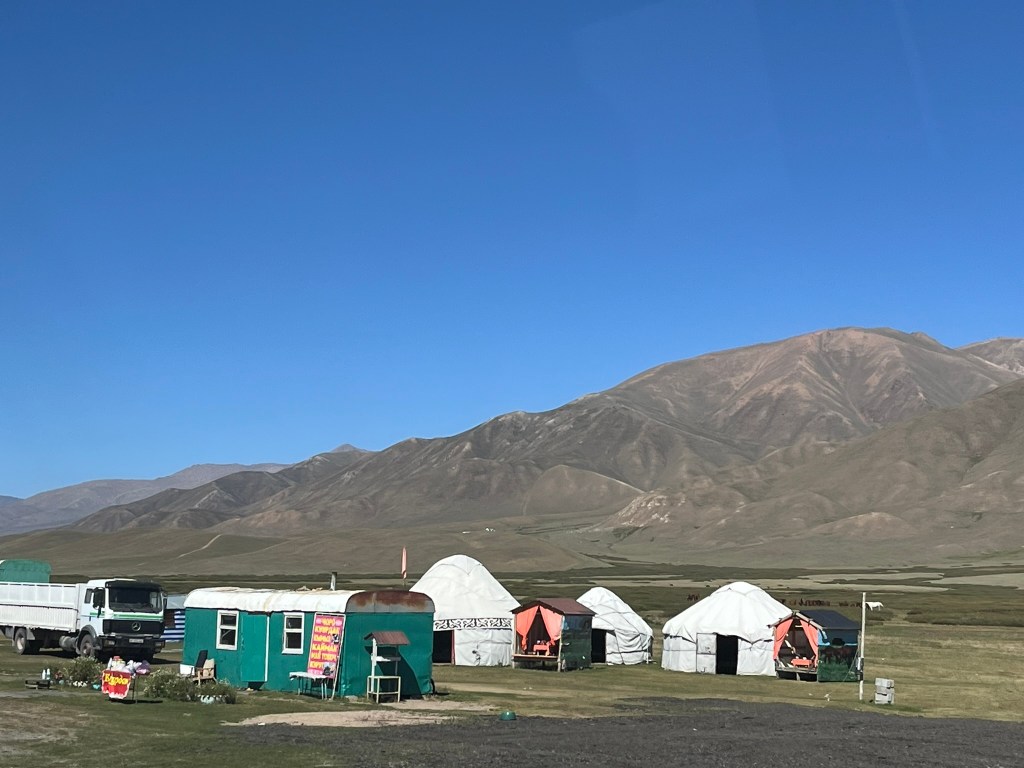
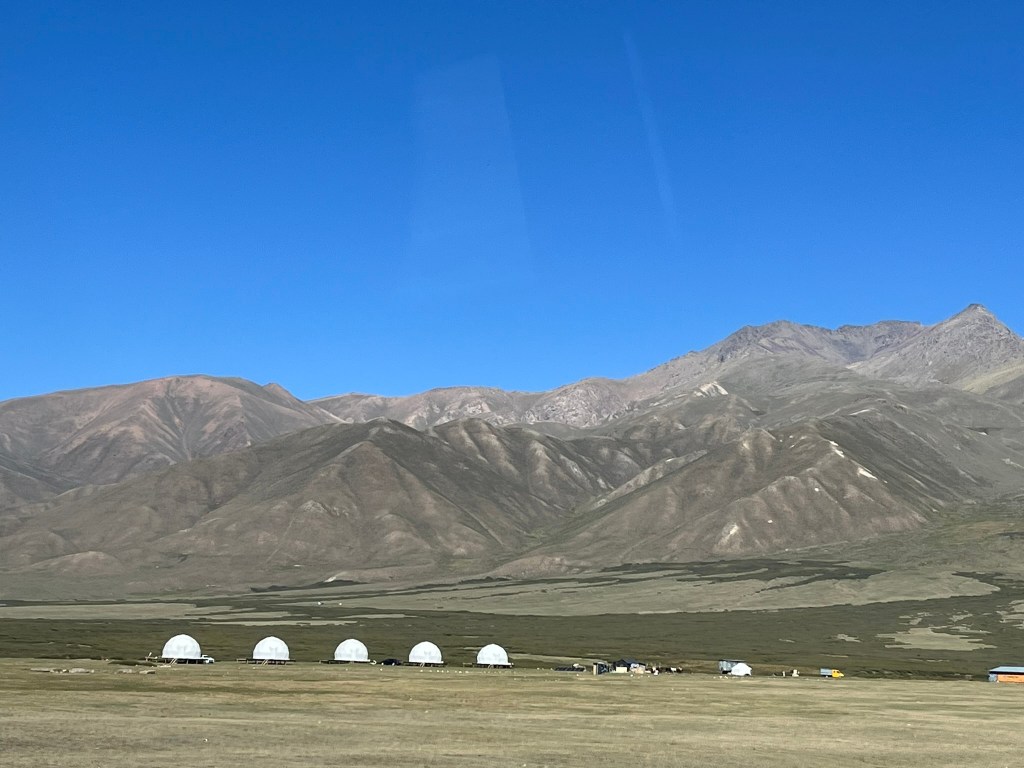
The road eventually opened out into the Suusamyr Valley, a wide high-altitude plateau. We made a couple of brief stops along the plateau. The obligatory service station stop for the toilets (which were given a minus 5* rating by the group) and to stock up on coffee and snacks. A lady selling a variety of dairy products baking in the sun, that I chose not to partake in tasting. And a small stone and mudbrick mausoleum for an individual called Baytik Baatyr. This mausoleum is not famous for the person who is buried there, but rather that he was friends with a legendary Kyrgyz strongman from the region called Kozhomkul. Reportedly he stood over 2.3 meters tall and legend says that he was able to carry a horse up a mountain with his bare hands. The 600kg stone that sits in from of Baytik Baatyr’s mausoleum was supposedly carried there by Kozhomkul to commemorate his friend. He is a folk hero for people in Kyrgyzstan.

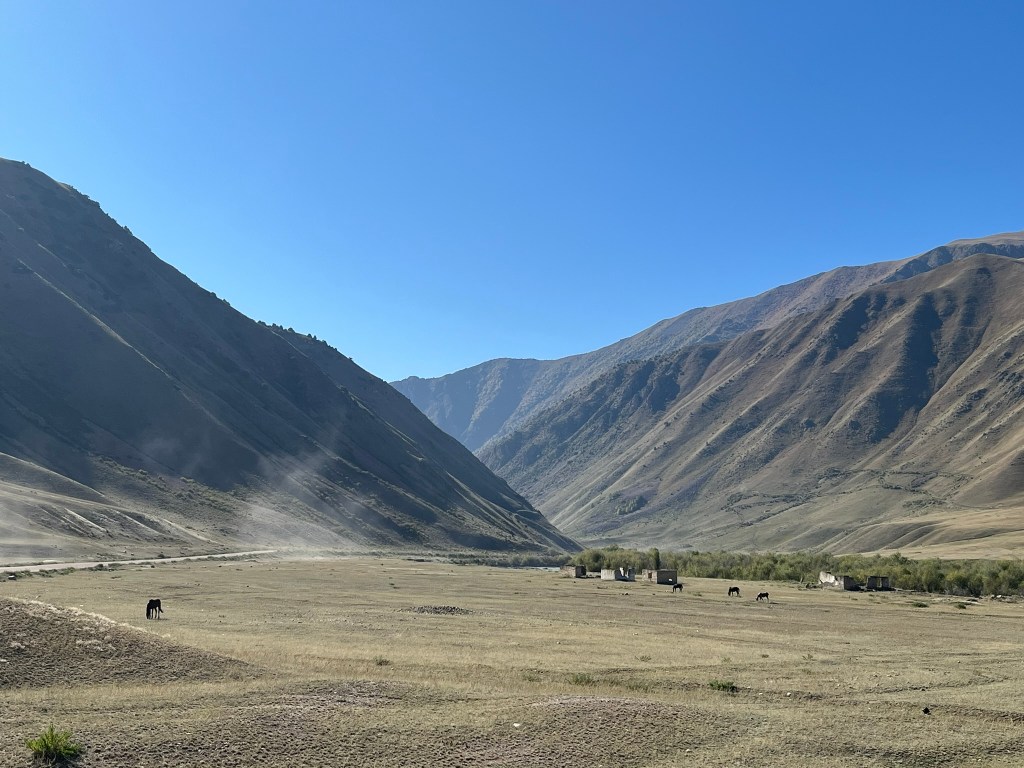
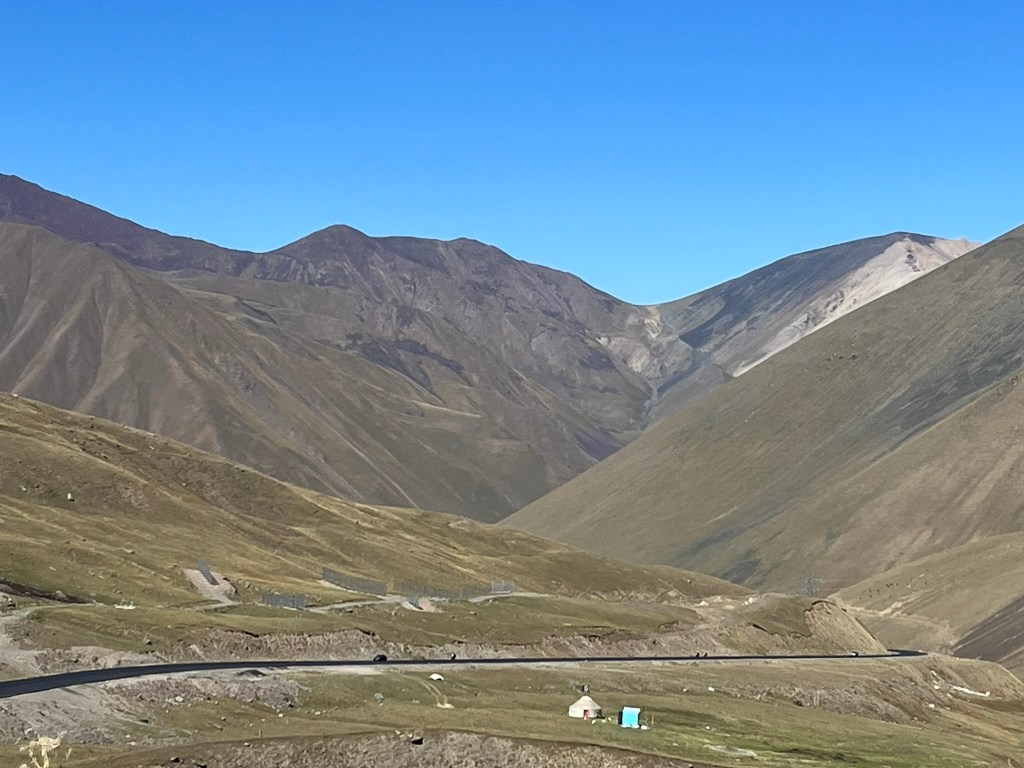
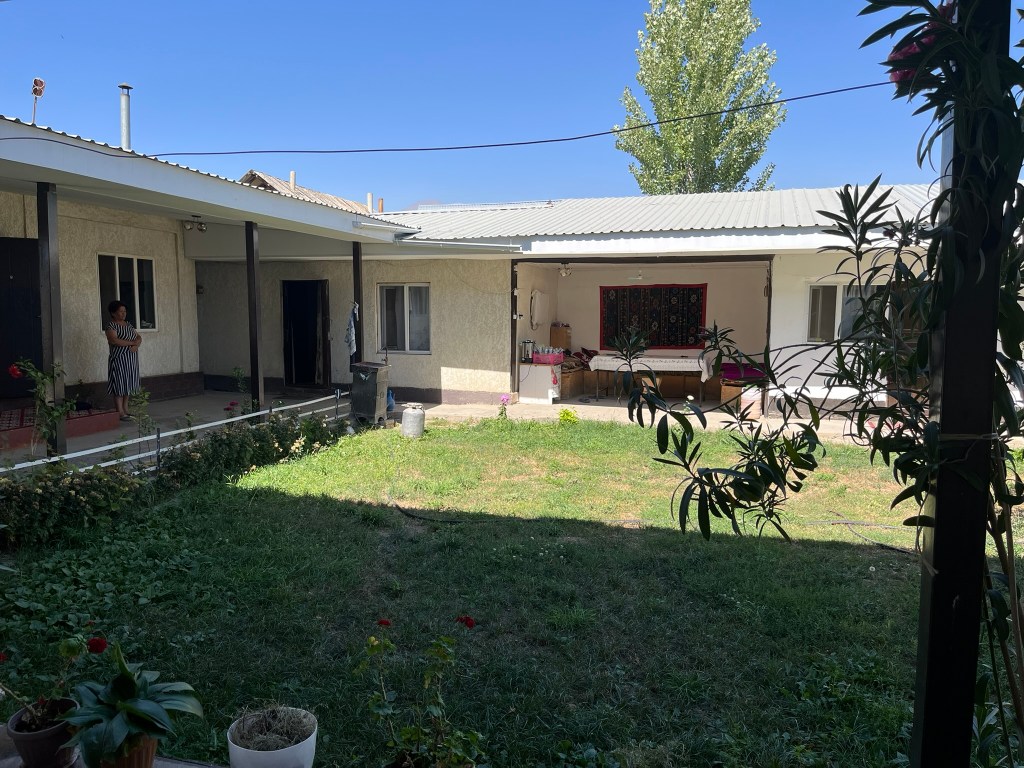
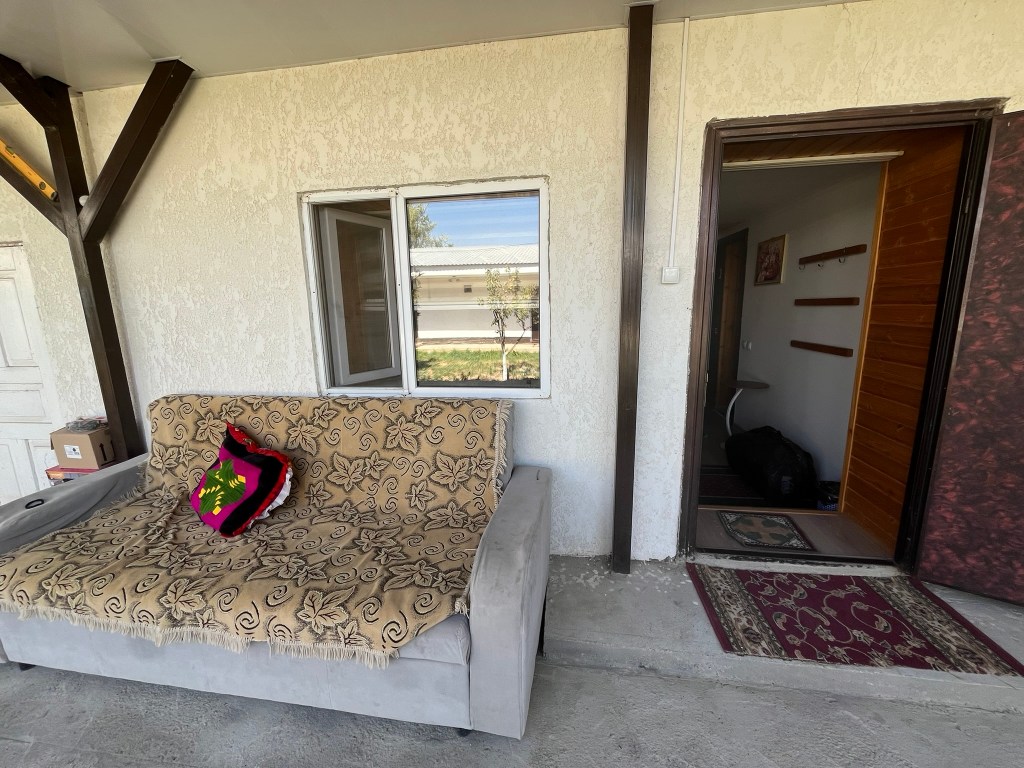
We then drove back into the mountains through Ala-Bel Pass and finally down into Chychkan Gorge, full of juniper and spruce trees climbs up the steep sides of the mountains. We stopped at a local roadside cafe for a lunch of small meat dumplings in a clear broth. And then headed into Toktogul. We are staying in another small guest house tonight, with rooms facing inwards into a small courtyard.


Similar to the places we have stayed for the last few nights, this guesthouse is part of the community-based tourism (CBT) initiative in Krygyzstan. This initiative aims to provide authentic experiences to travellers with homestays, yurt camping, cultural experiences and handicraft demonstrations that engage directly with the local community. This provides incomes to those living in rural or isolated communities, and helps preserve cultural and natural heritage with the community leading these tourism activities and taking the majority of the profit, rather than bringing in big companies to run things and destroying the local economy. This is a great version of sustainable travel.
It is estimated that there are currently 350 families across the country participating in this initiative. Wider economic benefits have already been felt, with local shops, transport, cafes and other services setting up in locations with the most successful CBT initiatives. CBT started in Kyrgyzstan in 2000, spearheaded by a Swiss NGO called Helvetas as part of a wider initiative to support rural development. And then in 2003 the Kyrgyz Community Based Tourism Association was established.
For anyone thinking of coming to Kyrgyzstan I would definitely recommend researching the different CBT options you have as you travel across the country as I have found that this provides you the opportunity to interact with locals more and have an all-around more immersive experience. I have appreciated that my Intrepid small-group tour has used almost exclusively CBT accommodation and activities outside of the major cities we have visited.
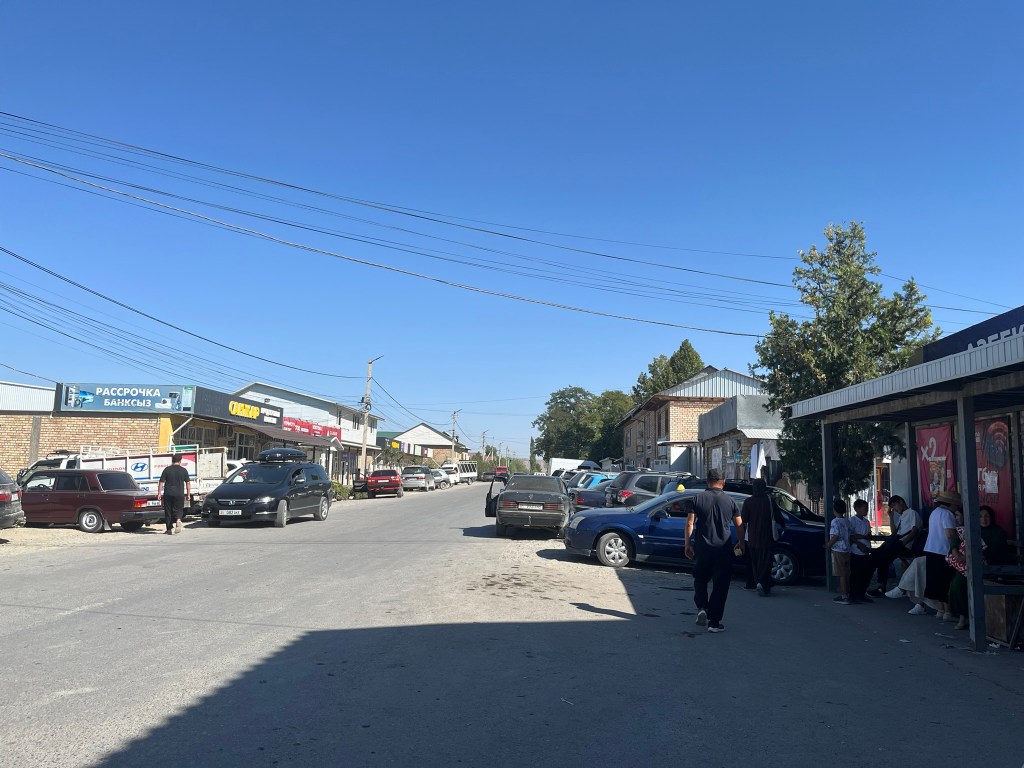
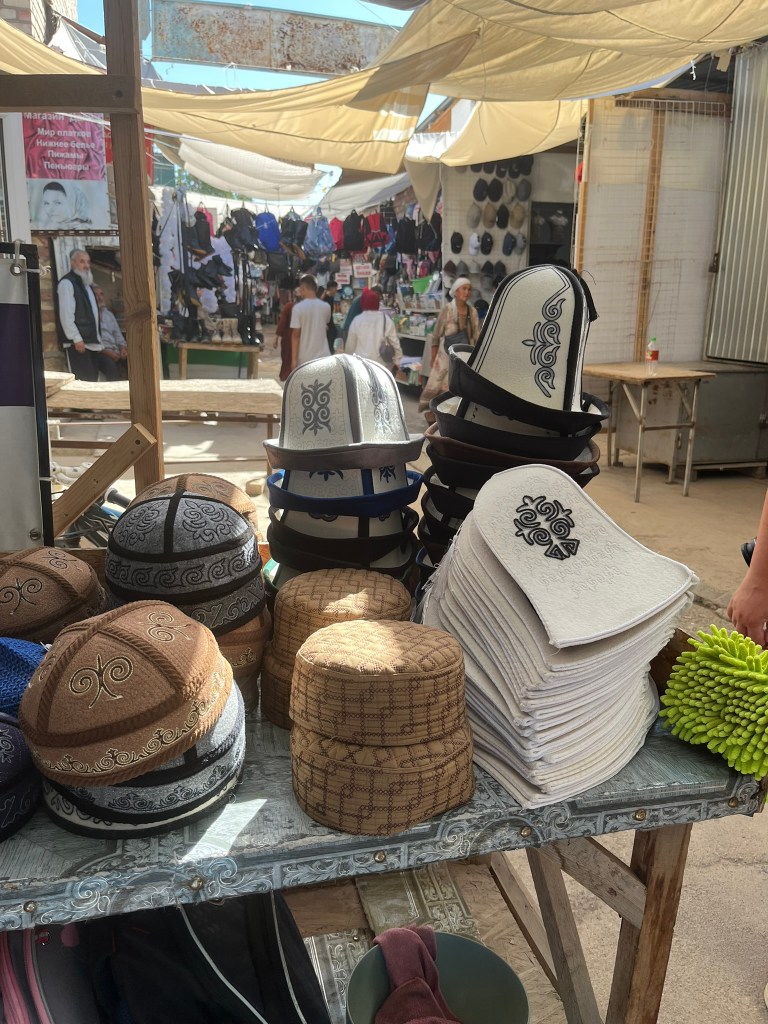
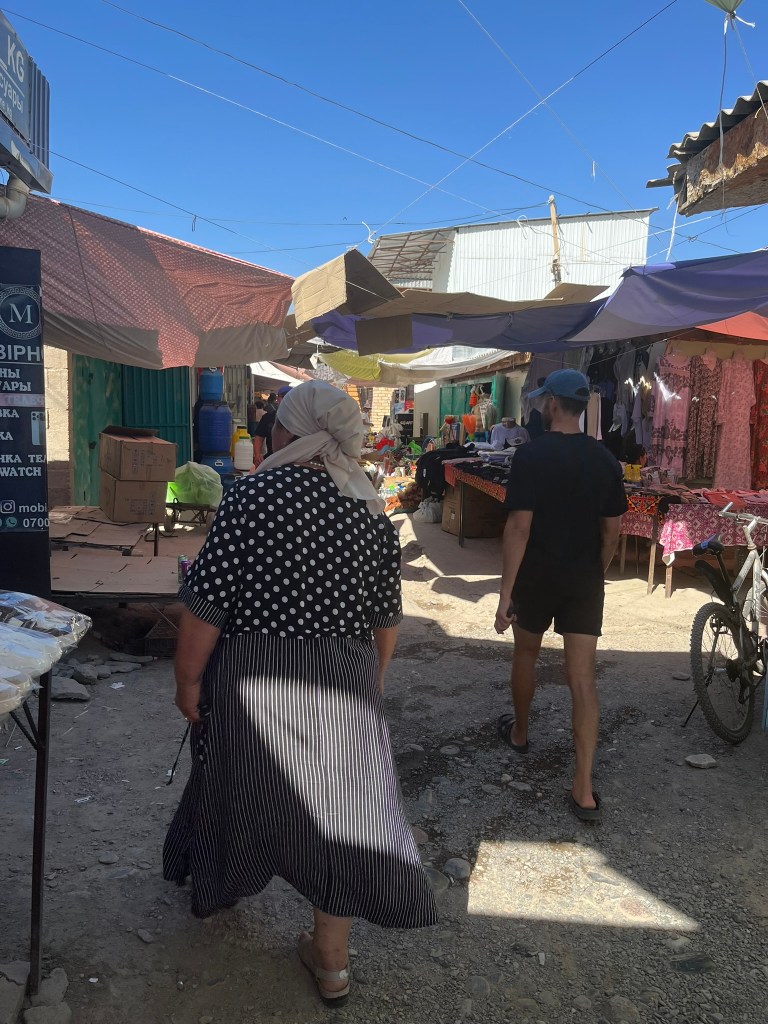
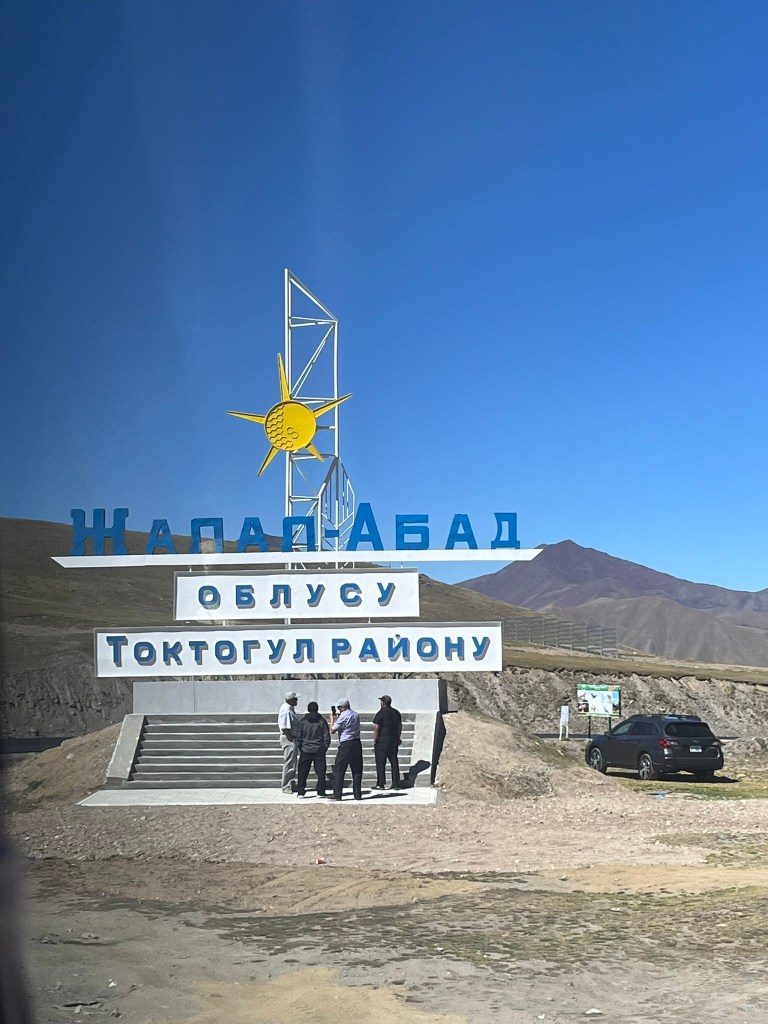
We wrapped up the day with a quick explore of Toktogul. The town sits on the main highway between Bishkek and Osh (our final destination in Kyrgyzstan) and is named after a celebrated local poet. It is a town of 17,000 people and has a small centre of town with a park and a market. There’s not much to see here as its mainly a stop over town for people driving back and forth between the 2 major cities, but it does have one claim to fame, having the largest hydropower station in Kyrgyzstan and supplying the majority of the country’s electricity.
 Colette's Grand Detour
Leave a comment