The Scythians were Iranian-speaking nomads across the Eurasian steppe from the 8th-3rd BC, who originated from earlier Indo-Iranian cultures. In Kazakhstan they are called the Saka. They moved with their herds of horses, sheep and cattle across the steppe, but they also cultivated crops in river valleys. And they were famous for horse-archery and mounted warriors. They were also regarded as master goldsmiths and mostly created gold objects with depictions of birds, snow leopards and deer. They had a belief system centered around the sky, sun and fire (early proto-Zoroastrian) mixed in with shamanistic practices, and burial was an important part of the process to reaching the afterlife. They were not a kingdom or empire, rather a confederation of nomadic tribes whose territory shifted and overlapped.
The Scythians are famous for their burial mounds known as kurgan tombs. On our way back to Almaty from Issyk lake we drove past the Issyk burial mounds, which stretched across fields next to the main road. If our guide had not pointed them out I think I might not have even noticed them. But these burial mounds in particular are very special. There are areas of Saka burial mounds all around the outskirts of Almaty. However most have been looted over the thousands of years that they have been there. Except one.
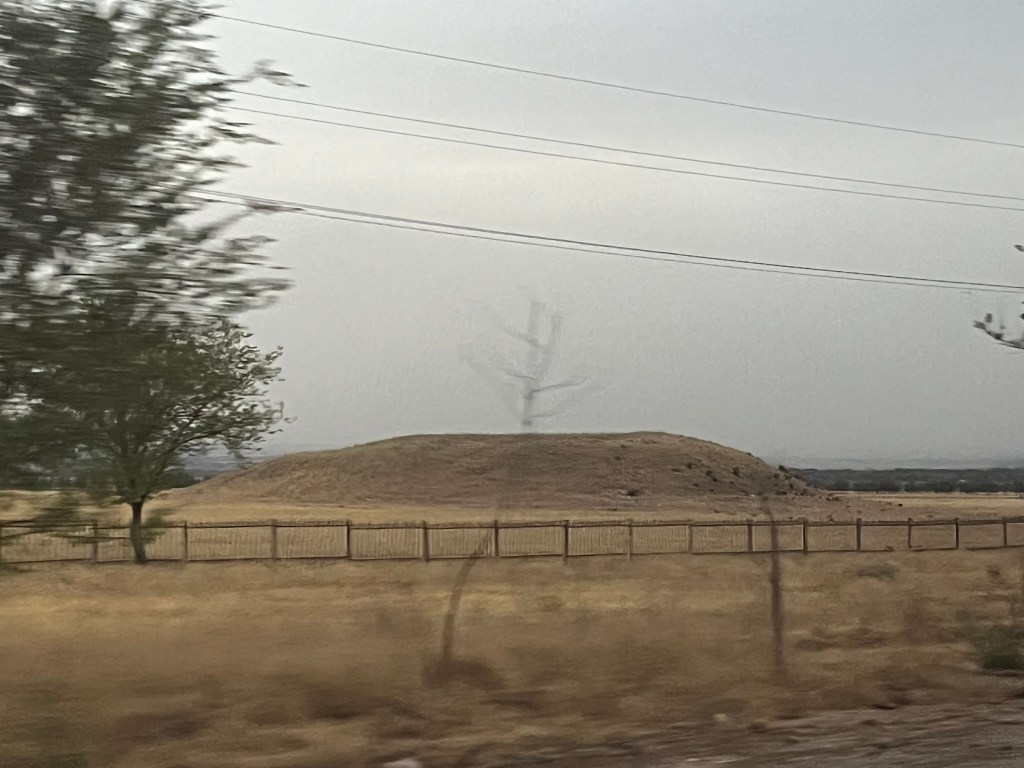
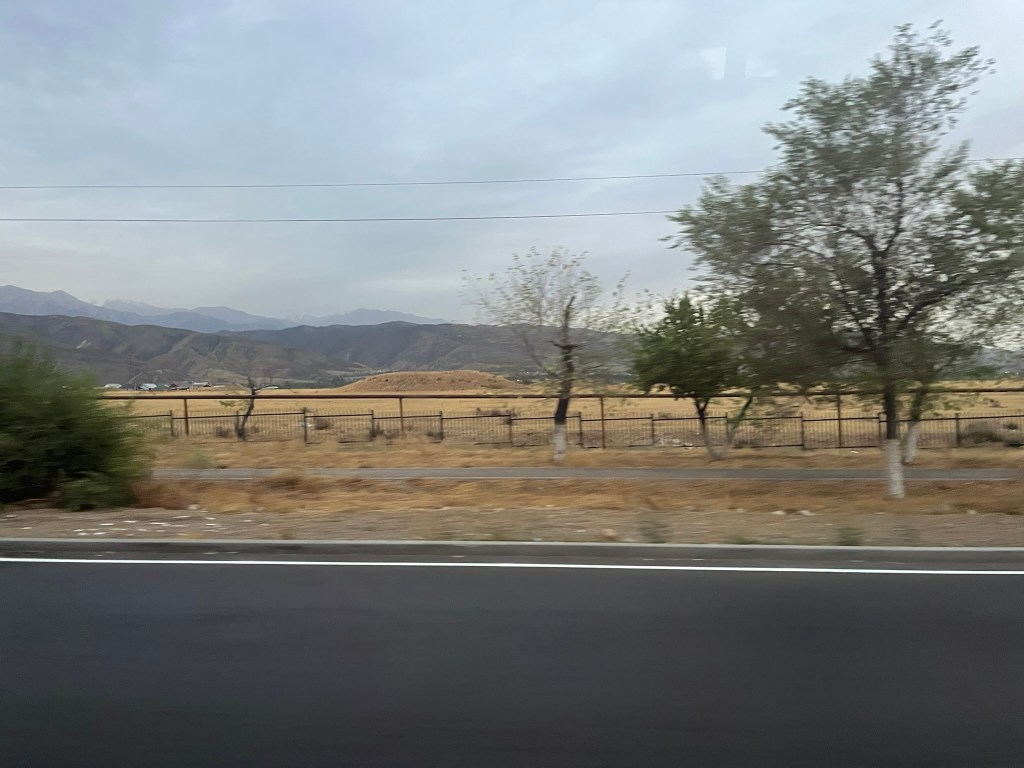
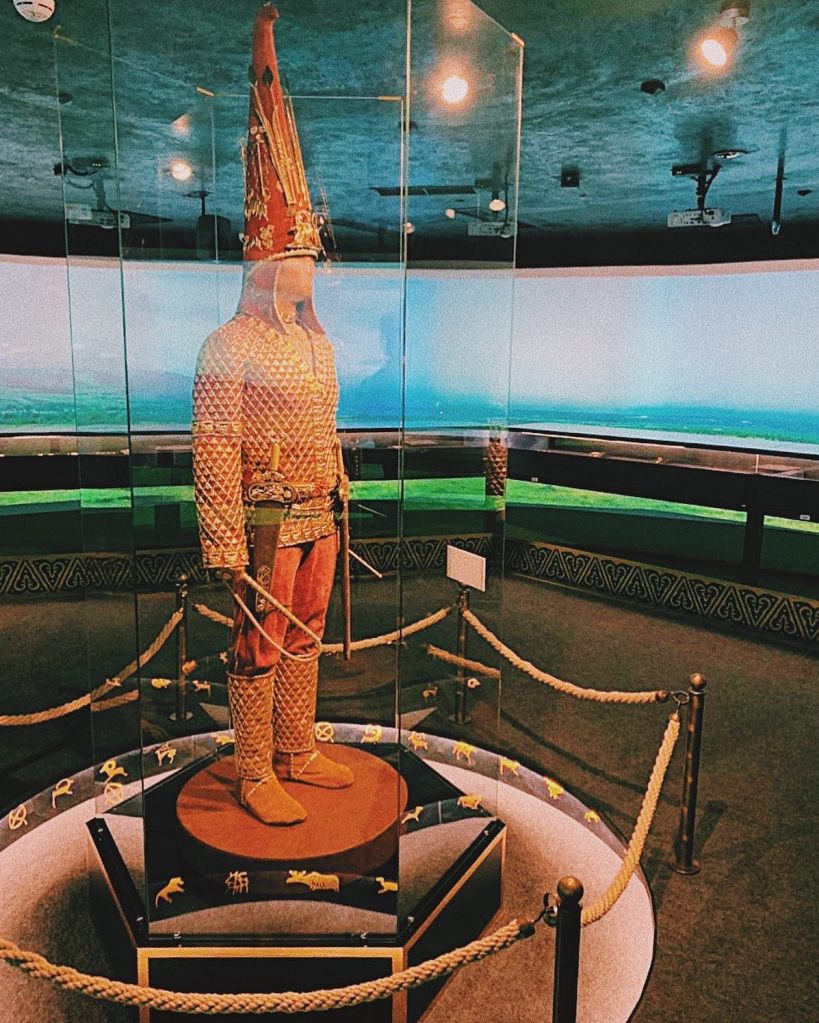
Golden man was discovered here in 1969 during an excavation of the necropolis. When this mound was excavated a timber-lined burial chamber was revealed containing the remains of a young Saka warrior or prince. They were found dressed in a richly decorated costume of over 4000 tiny gold plaques sewn into a red felt tunic and trousers with animal motifs like the snow leopard and birds of prey, and a tall pointed hat decorated with winged horses and animal appliques. There were also gold bracelets, earrings and belts, an iron sword, a golden dagger, and a silver bowl with inscriptions carved into it. The richness of the items they were buried in suggests they were an elite part of Saka society. However, there is not enough left of the skeleton to determine whether it was a prince or a princess.
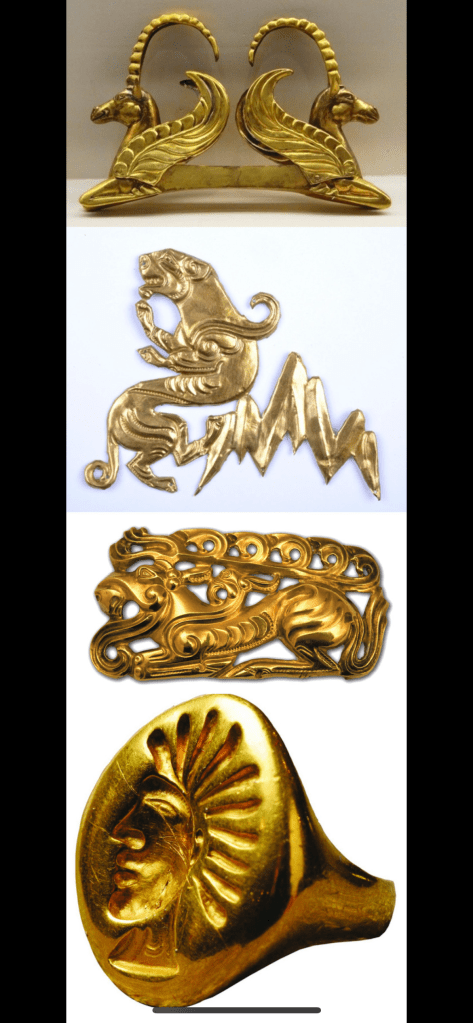
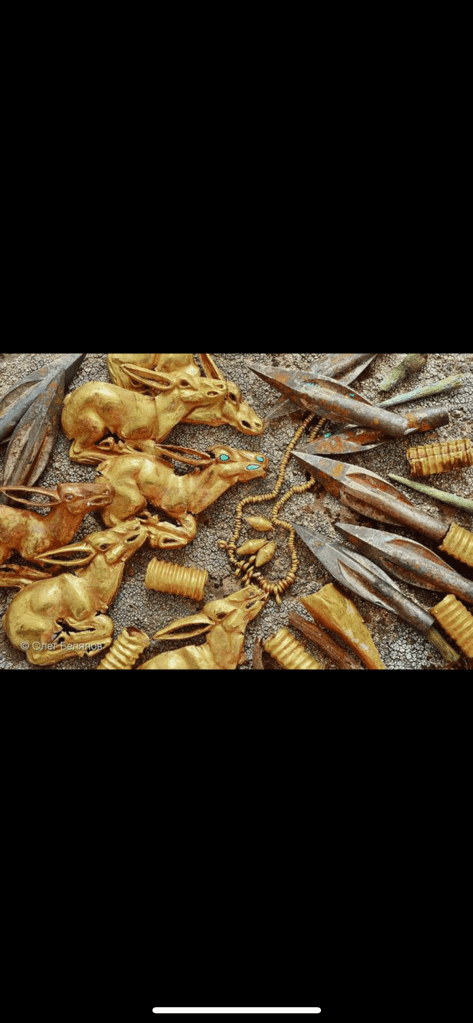
The Golden Man is kept in the National Museum in Astana, which I did not get a chance to visit, which is a shame now I realise there was such an important historical artifact to see there.
The Saka burial mounds and the types of things that have been found in them such as Chinese silk, Persian carpets and things from the Mediterranean, date back to the 5th-4th century BC indicating that the Scythians existed at the dawn of the Silk Road. And much, much earlier than when it is traditionally said to have been opened during the Han dynasty in the 2nd century BC, by the envoy Zhang Qian.
The Saka occupied the Ili Valley and Tien Shan corridors, and this is exactly where the silk road routes would run hundreds of years later. So it’s likely that what happened is that before the more established silk road began, the Saka were acting as middlemen moving goods between different settlements in the region, essentially creating the initial networks that the silk road would later re-ruse.
 Colette's Grand Detour
Leave a comment