Charyn Canyon is about a 3 hour drive from Almaty in the southeastern corner of Kazakhstan. We had amazing views of Zailisky Alatau mountains (part of the Tien Shan range) pretty much all the way there. The canyon is 90km long and the Charyn river flows through it. It has taken million of years to reach its current form. Around 25 million years ago the Indian and Eurasian plate began to collide – this began the Himalayan-Tien Shan mountain building process. As the Tien Shan mountains rose, rivers began to cut deep valleys into the sides of the mountains – including the Charyn River.
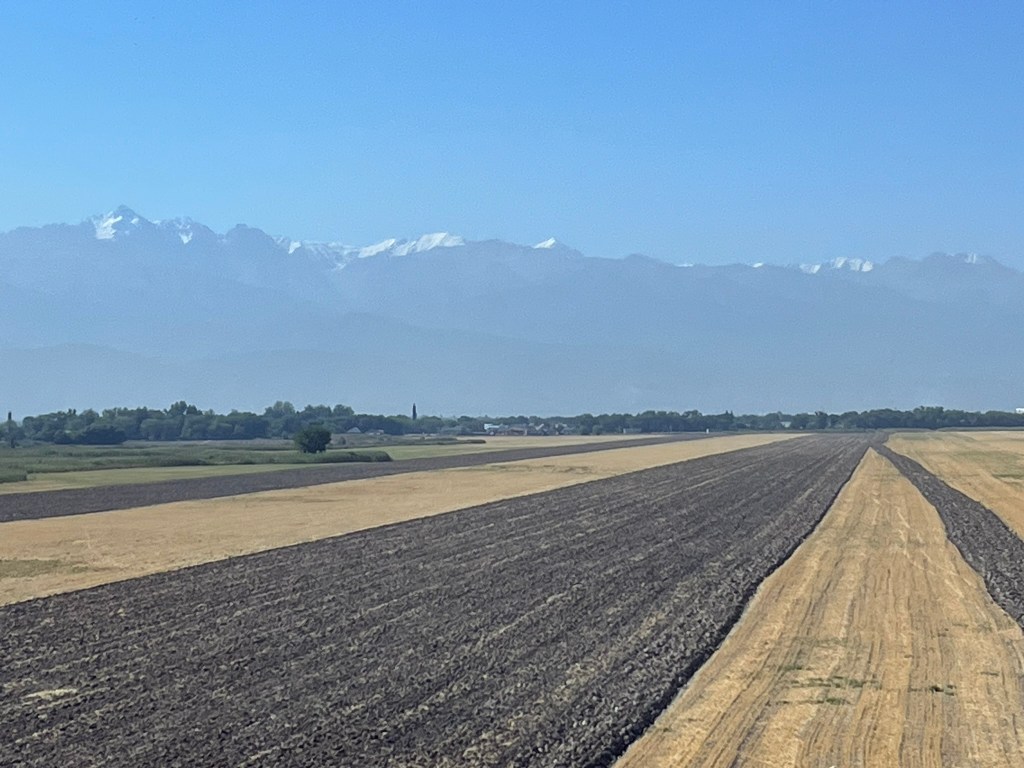
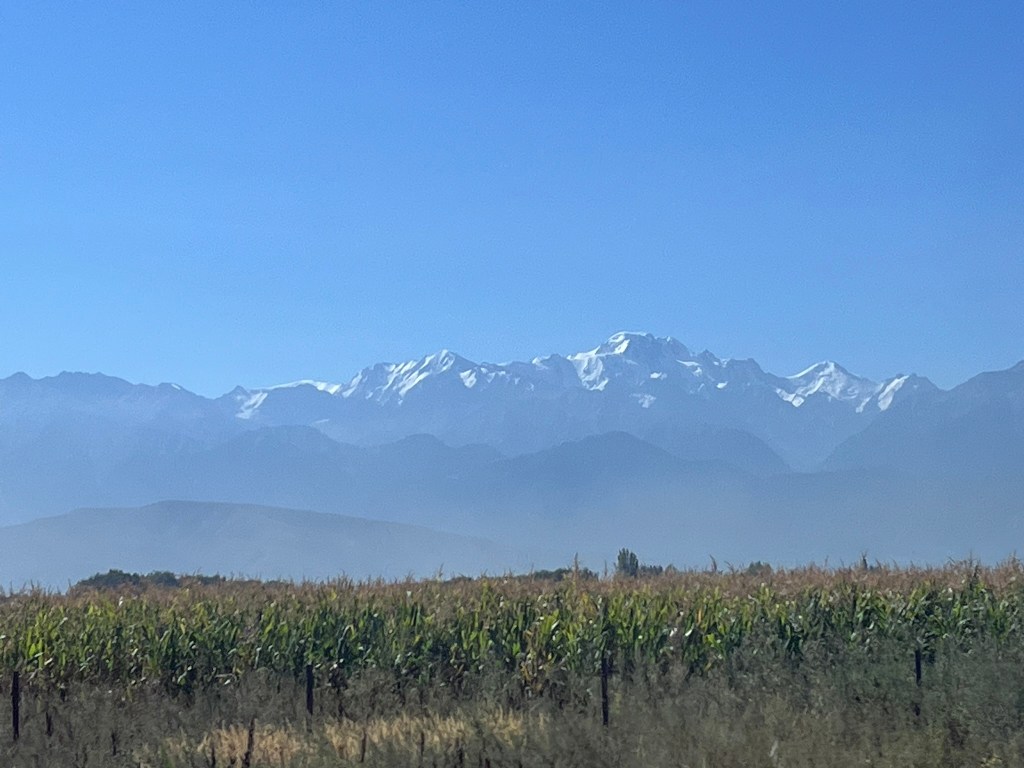
The area where the canyon is now was a flat lowland basin at the edge of these mountains. The rivers carried sand, gravel and clay down from the mountains into the basin and over millions of years this material piled up and compressed into sandstone and conglomerates. The sedimentary rock that is exposed in the canyon today is around 12 million years old. As the mountains continued to uplift, the rivers feeding the basin got stronger and stronger and this began to erode and cut into the sandstone, slowly over millions of years creating the canyon we visited today.
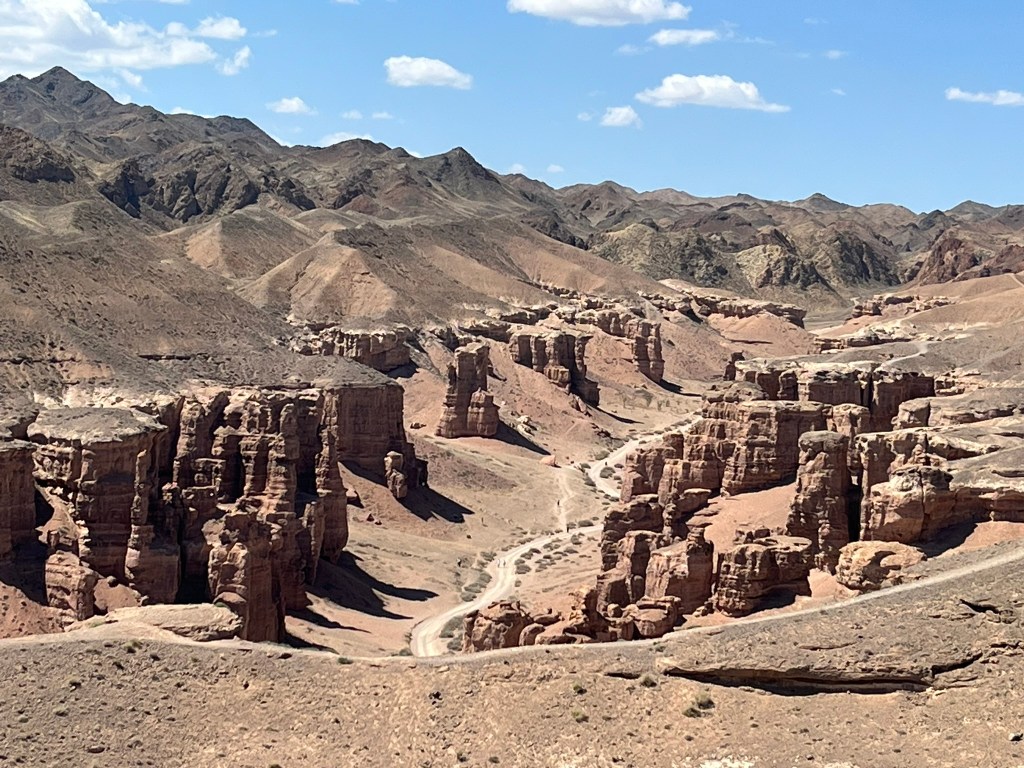
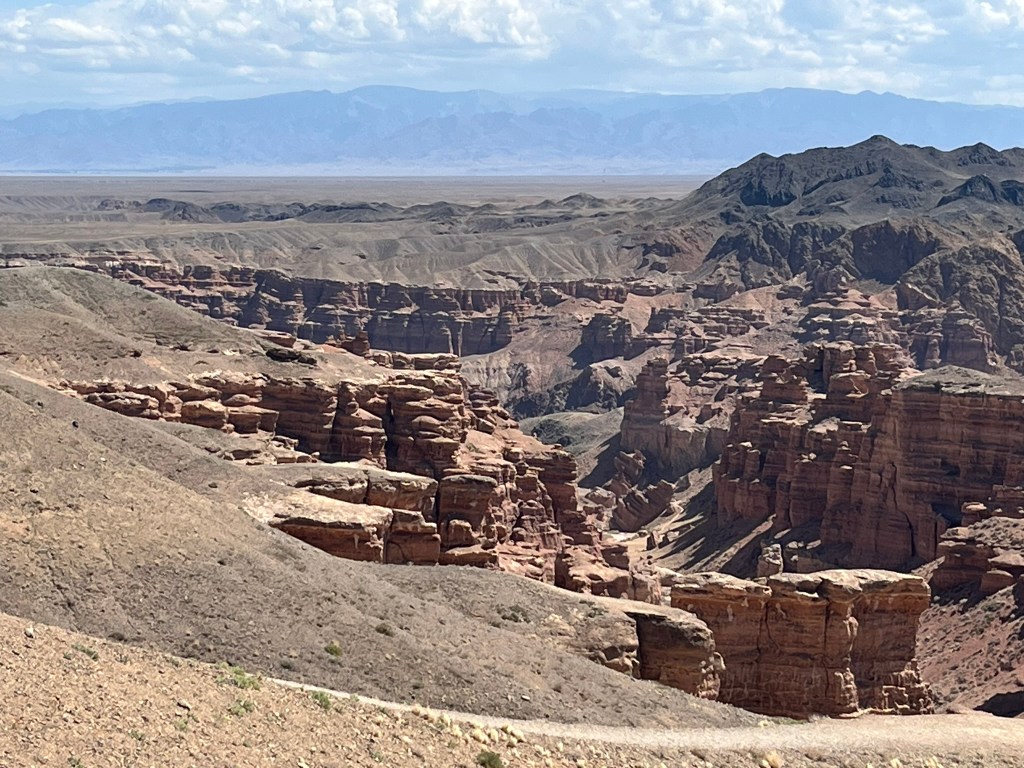
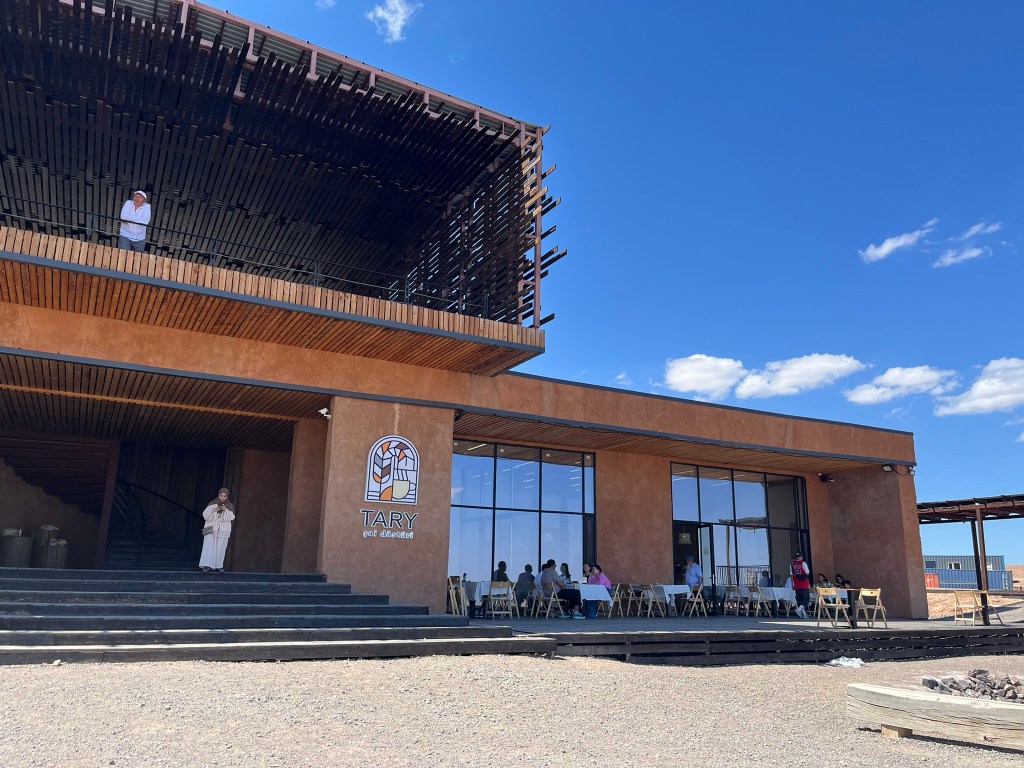
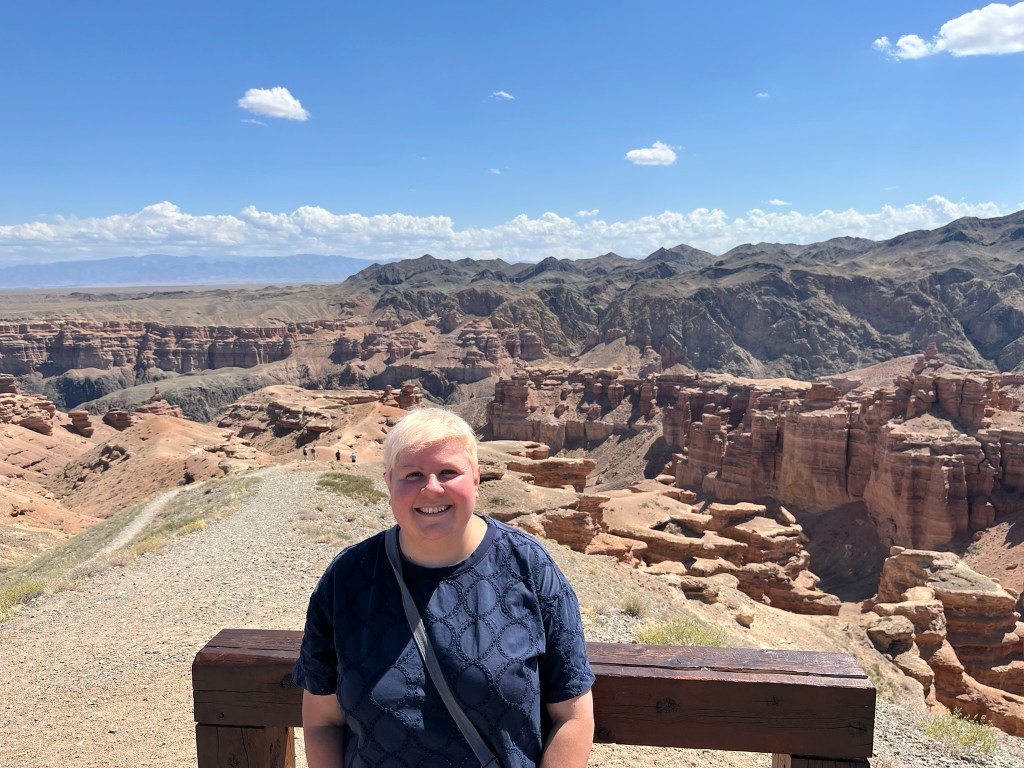
The canyon is not a straight gorge. Other natural processes like flash floods, wind and freeze-thaw cycles have created a world of rock towers, spires and ridges. The first part of the canyon that we visited is called the ‘Valley of the Castles’ because the weathering has created rock shapes that looks like fortresses and castles. There are 2 panoramic viewing platforms you can walk to from the small visitors center which take about 20 minutes easy walking to reach. You can also walk down into the gorge itself and reach the Charyn river and this takes about 45 minutes each way. The visitors center also has a really nice restaurant serving local food.
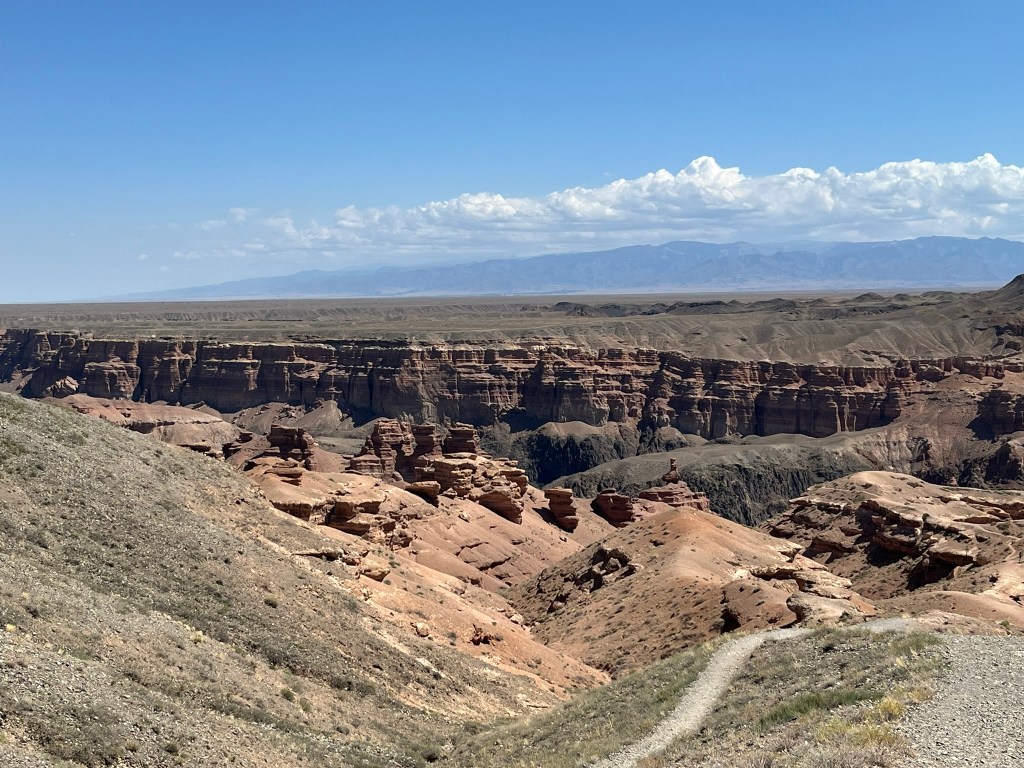
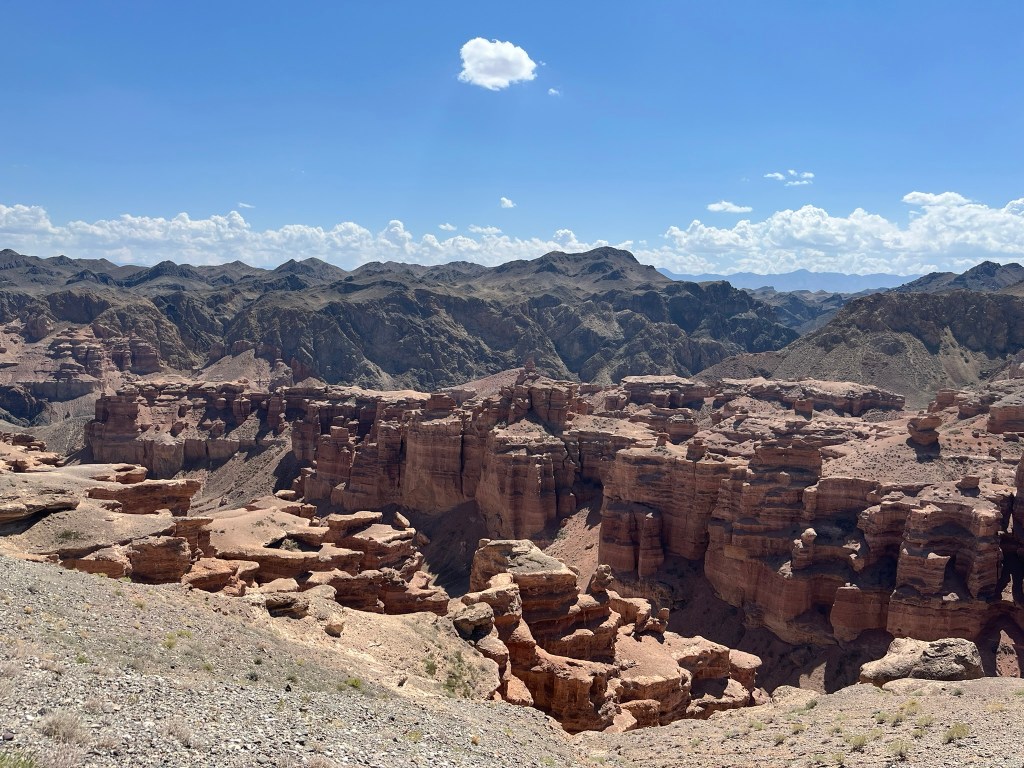
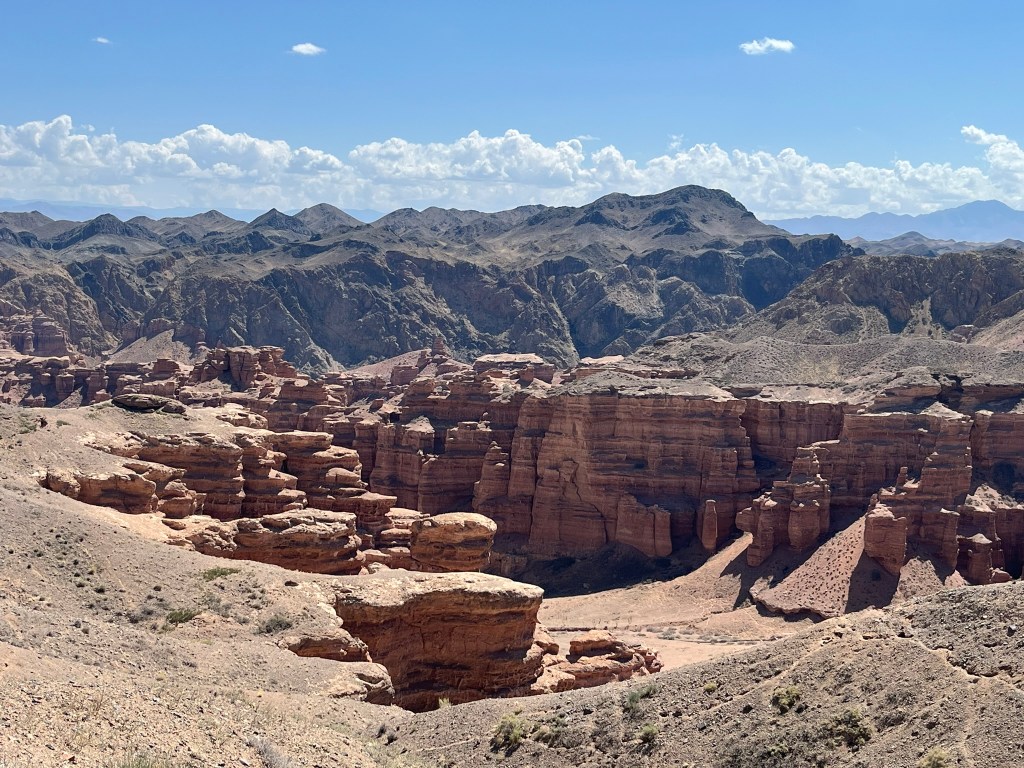
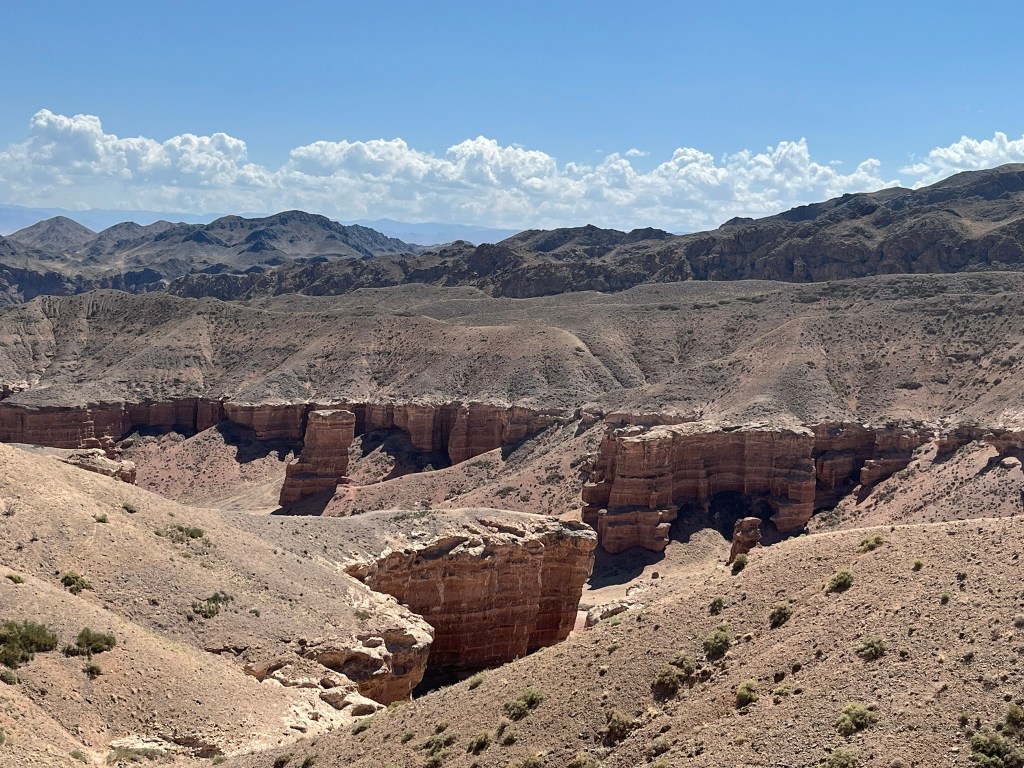
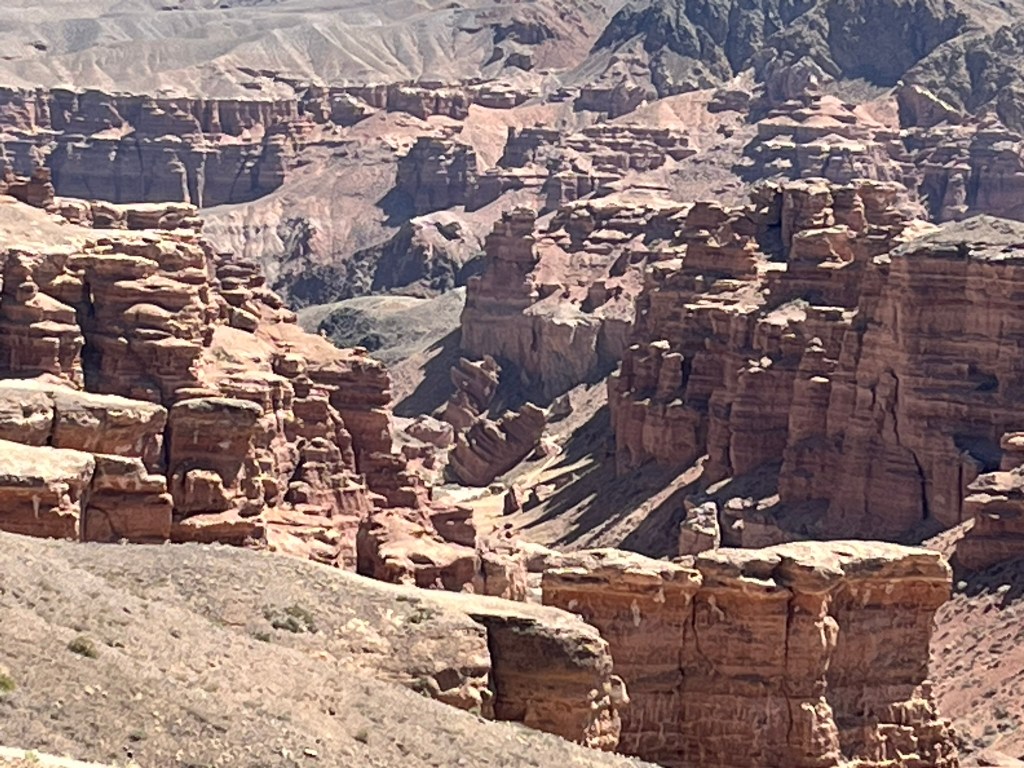
About 45 minutes drive away there is a second set of viewing platforms at Temirlik Canyon (a side branch of the main canyon). This part is much narrower and deeper than the Valley of the Castles and it is possible to see the much older volcanic tuff and basalt that sits below the sandstone. This metamorphic rock is hundreds of millions of years old and was produced by ancient volcanoes and lava fields. This type of rock erodes much more slowly which is why the canyon looks so different here.
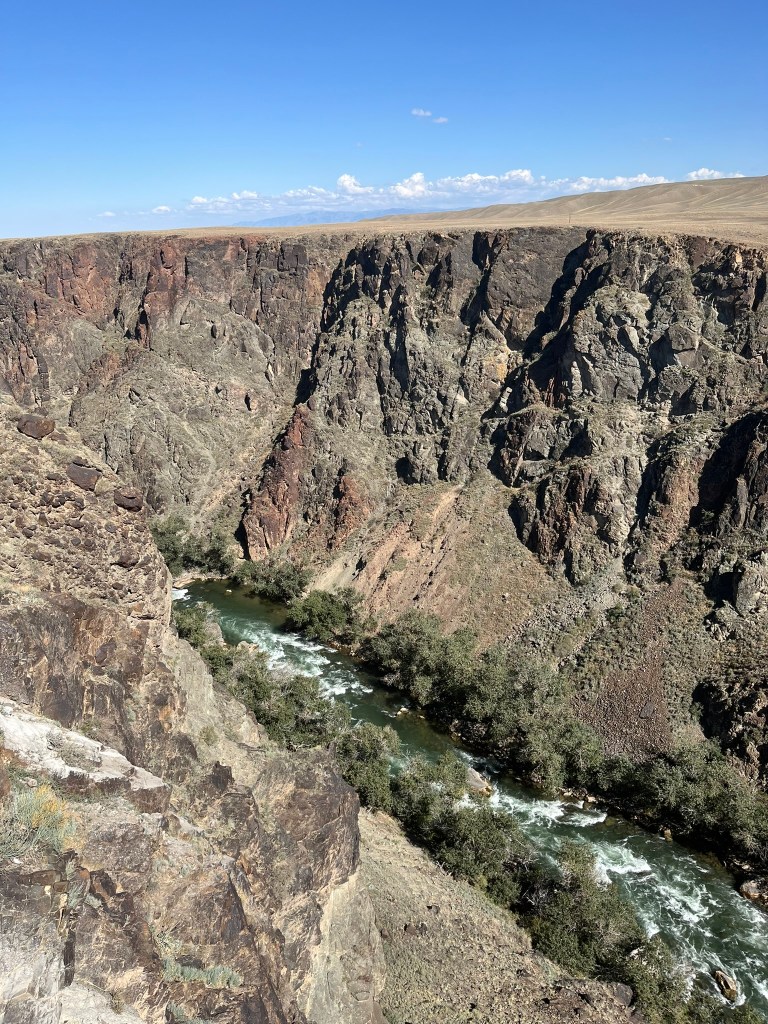
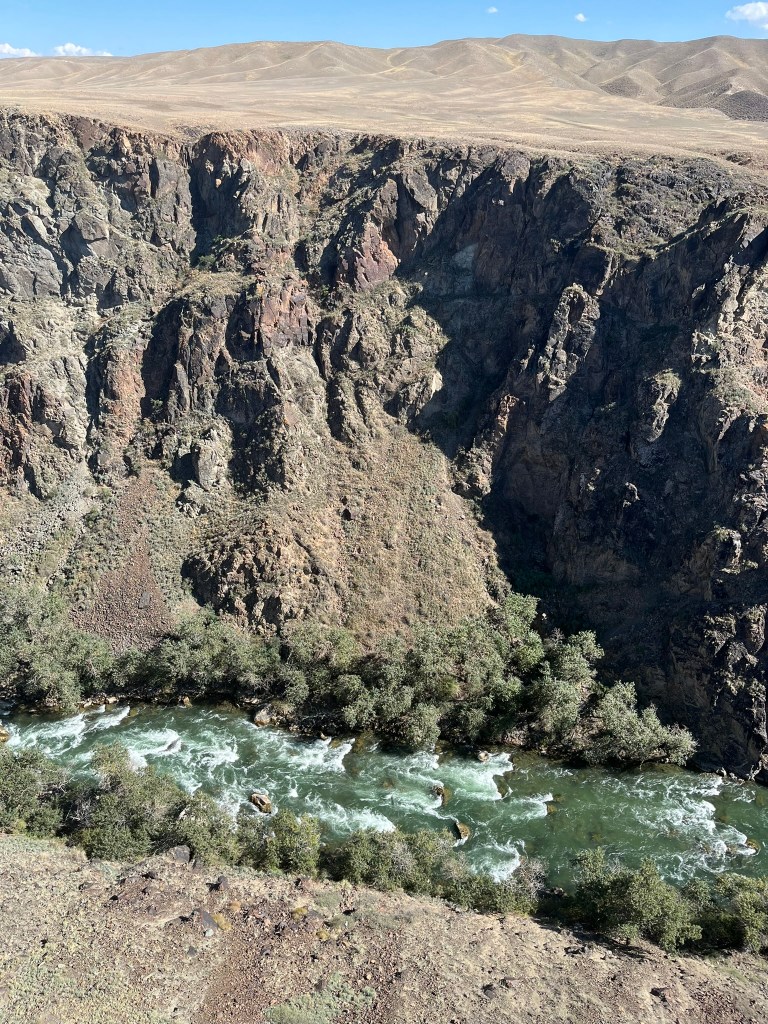
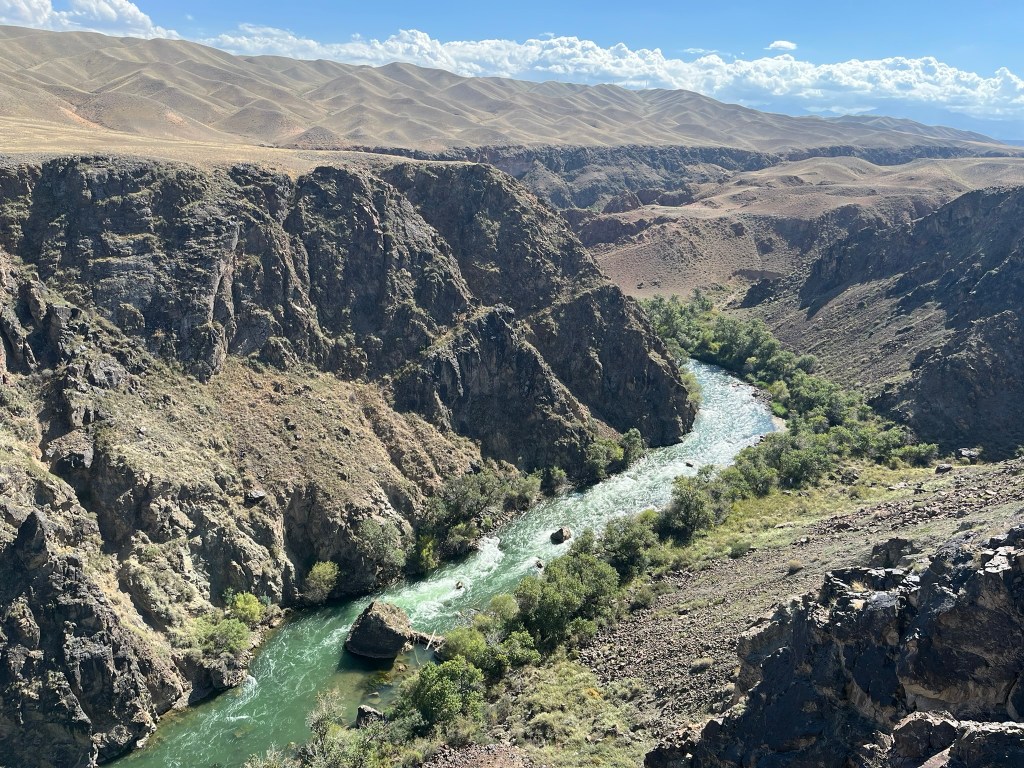
Some of the guide books refer to Charyn Canyon as the younger brother of the Grand Canyon in Arizona, United States. However the sandstone formations in the Valley of the Castles reminded me more of the landscapes in Jordan – Petra and Wadi Rum.
 Colette's Grand Detour
Leave a comment