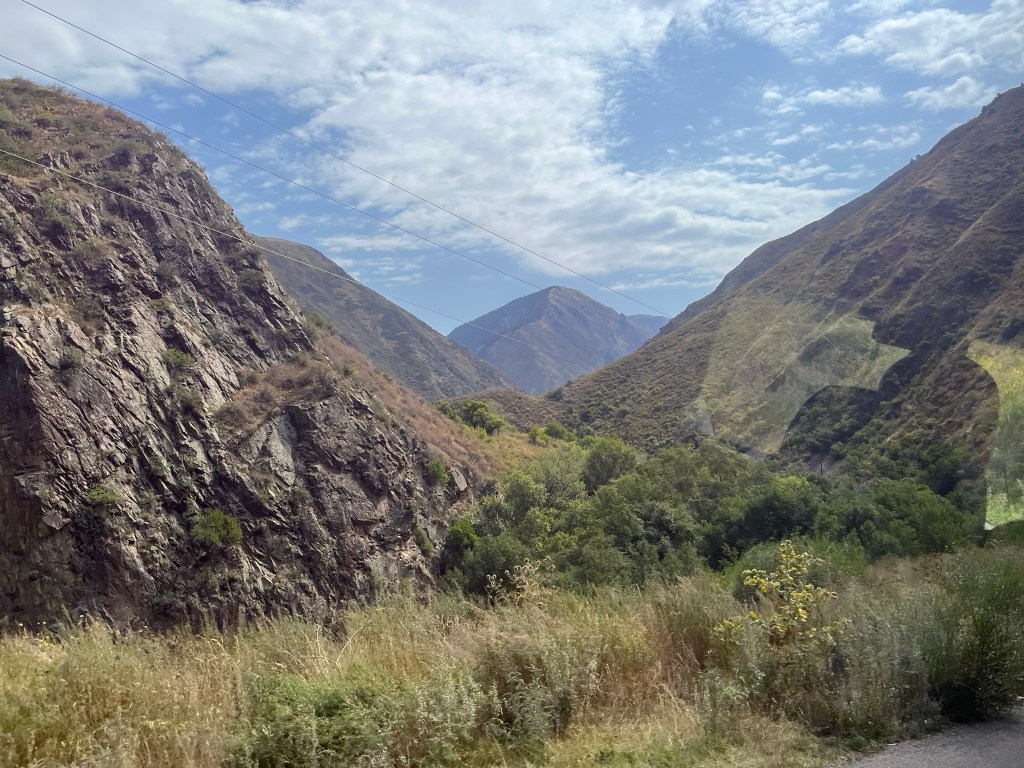
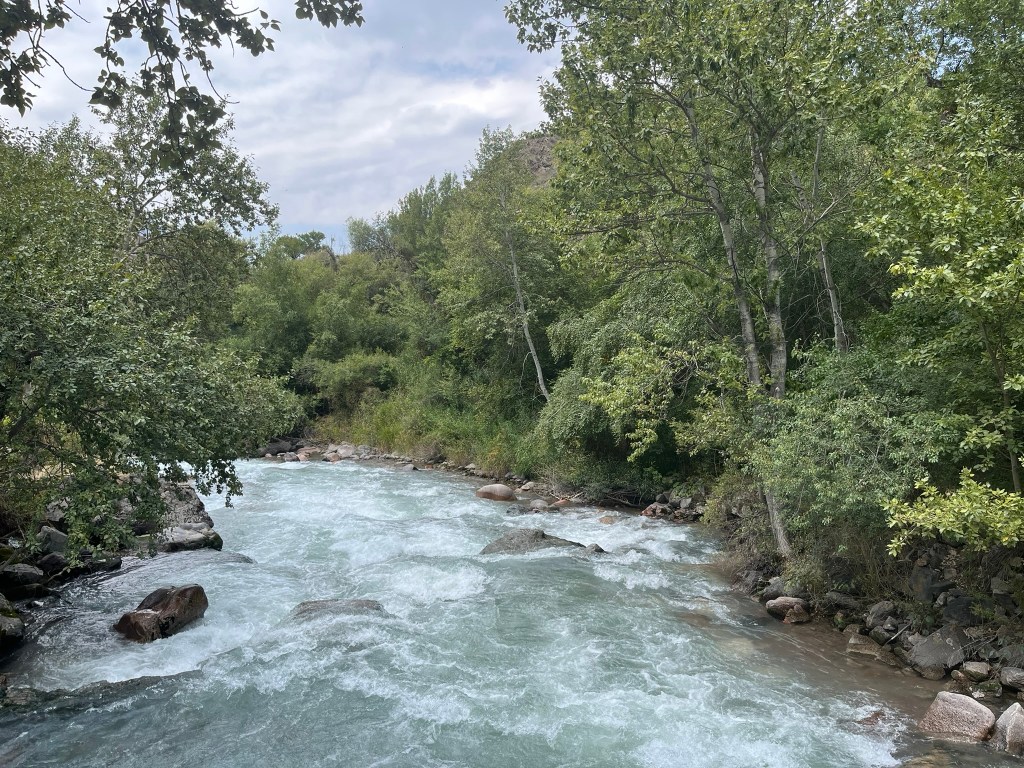
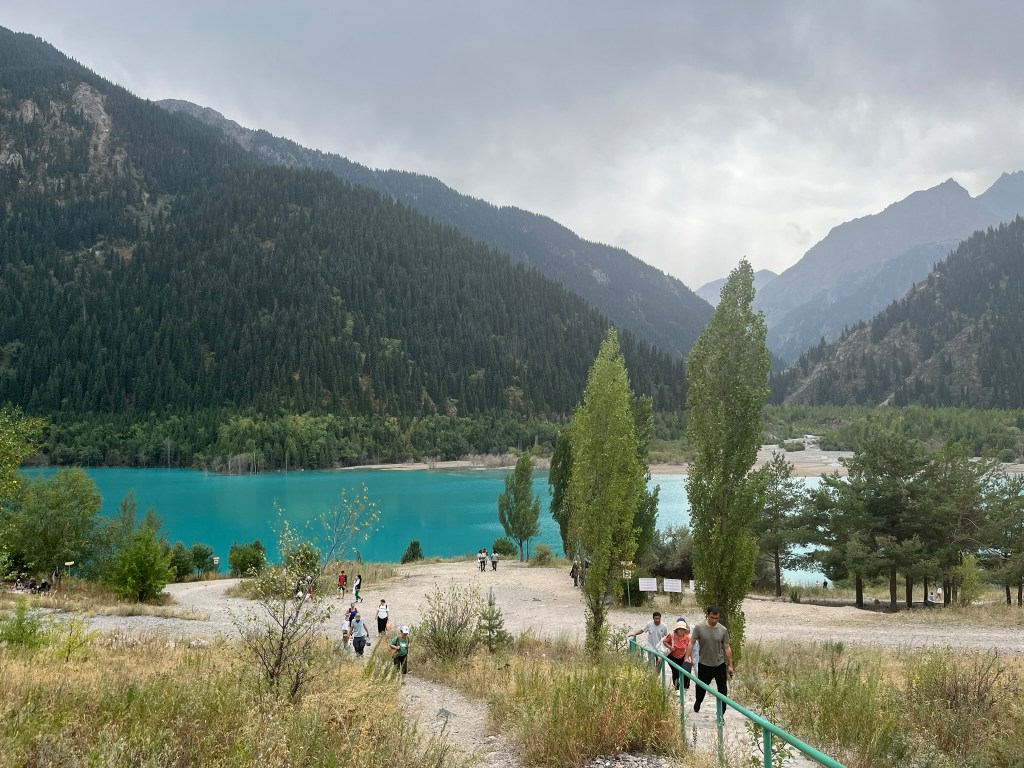
Issyk lake is about 2 hours drive from Almaty in the Trans Ili-Alatau’s mountain range. It is a glacial lake that sits within the Issyk Gorge. From the carpark it takes about 20 minutes easy walking to the shore of the lake. Although you can also get a golf cart there and back for 500 Tenge ($1 USD) each way.


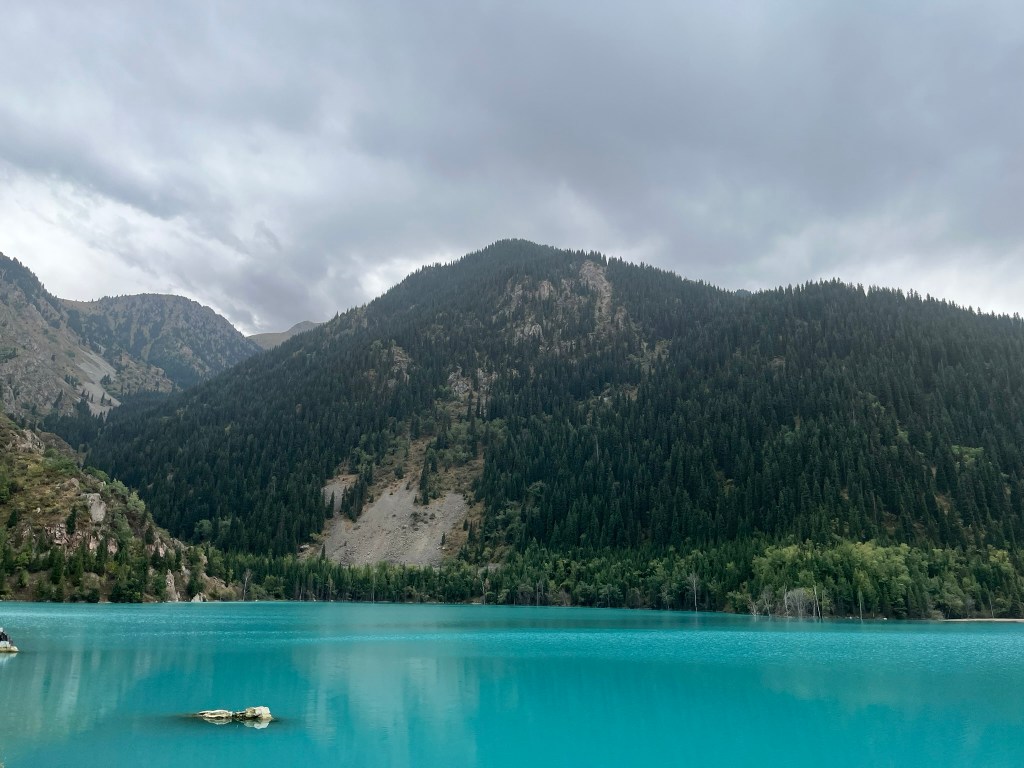
The lake is a stunning blue color, a result of the mineral content and its glacial origins. I did a bit of Googling to better understand how this works and it is caused by something called glacial flour. When glaciers grind against rock beds they generate ultrafine particles like a fine powder. The particles flow down meltwater streams feeding the lake but stay in suspension as they are so light, giving a cloudy appearance. Sunlight hits the lake and the glacial flour scatters the light at shorter wavelengths (blue/green) more strongly that longer wavelengths (red/yellow). The lake was formed 8000 years ago when a massive rock avalanche blocked the Issyk river, creating the natural lake.
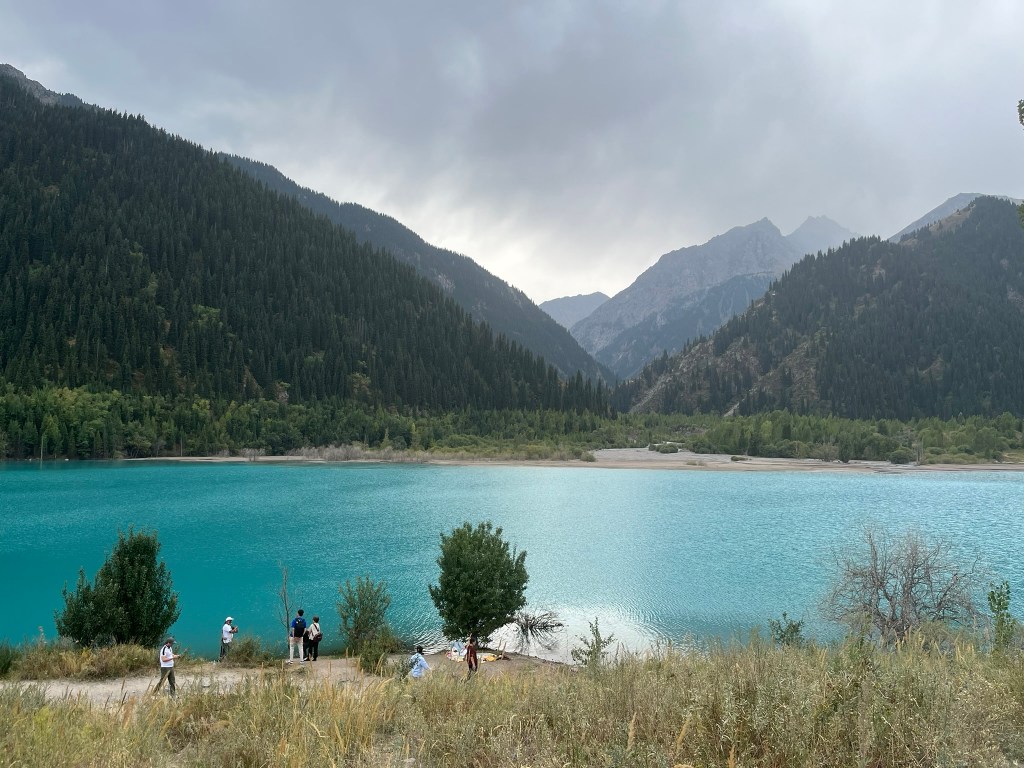
The setting is spectacular with snowcapped peaks in the distance, and pine-covered slopes running down to the waters edge. There is no swimming allowed, so the area is peaceful with local families out for a Saturday away from the city having picnics near the water. During Soviet times, the lake was considered a natural jewel of Kazakhstan and many world leaders were brought here when visiting Almaty.
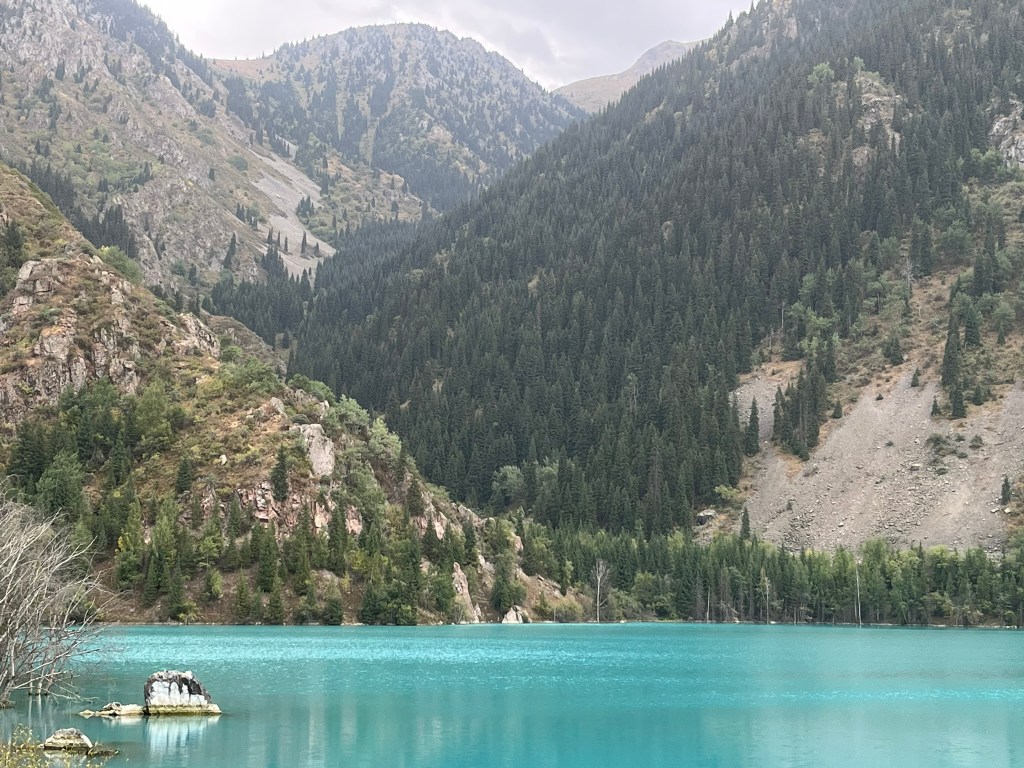
Unfortunately, the lake has a dark past. On July 7th 1963 a devastating mudflow overtopped the lake causing a natural disaster.
After heavy rainfall and rapid glacial melt, landslides were triggered higher up in the mountain range. This caused a catastrophic mud flow to rip through the gorge, breach the ancient natural dam, with rock, ice and mud surging down the valley at high speed. Within just a couple of hours the original lake was almost completely drained. Hundreds were killed, included those spending leisure time at the lake and those who lived in the town of Esik, lower down in the valley. Villages and fields were buried under thick layers of mud, rock and debris. However, the tragedy went almost completely unreported at the time because of Soviet censorship. The cause of this tragedy was natural, however the lack of early warning procedures was why so many died. After this event, the government invested a lot more in monitoring systems for alpine lakes in the Tien Shan mountain range.
Nowadays the lake is much smaller and the old shore line is visible along the slopes. You can also see just how much debris must have flowed down the valley, with mountains of huge boulders sitting along the edge of the path that takes you from the carpark to the shoreline.

With my geophysical hazards background, I found this place super interesting to visit as an example of how fragile alpine lake systems can be, and how crucial early warning is to limit loss of life. It is difficult to imagine just how much debris large-volumes of fast water can carry until you see the size of the rocks it managed to move with your own eyes.
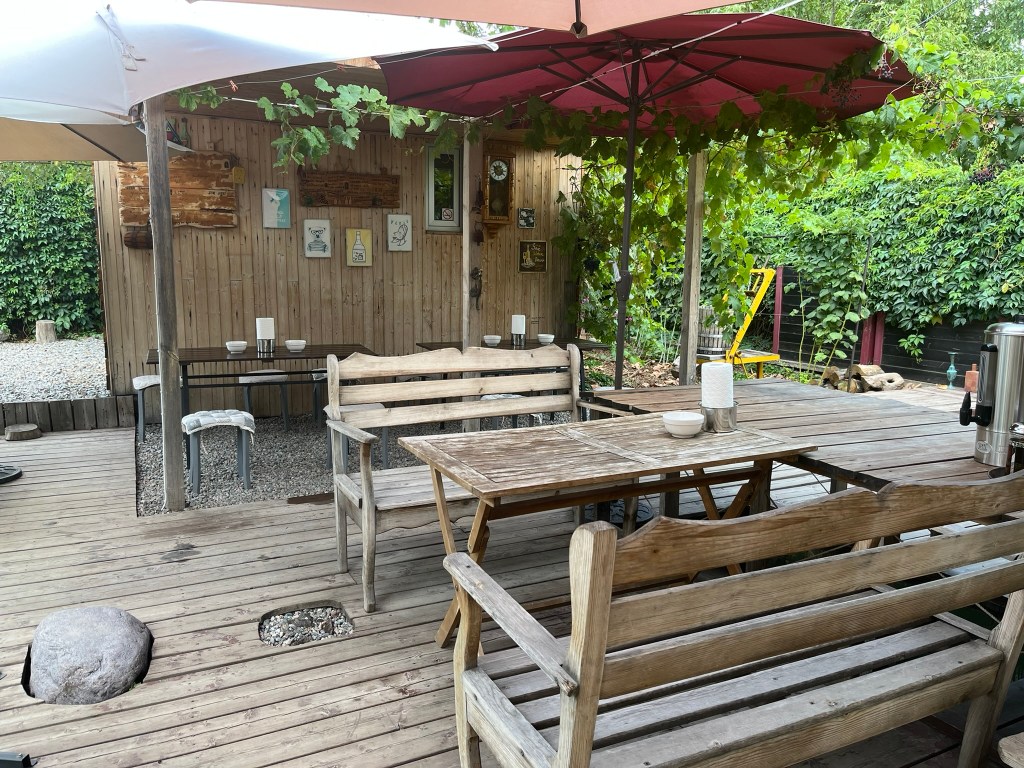
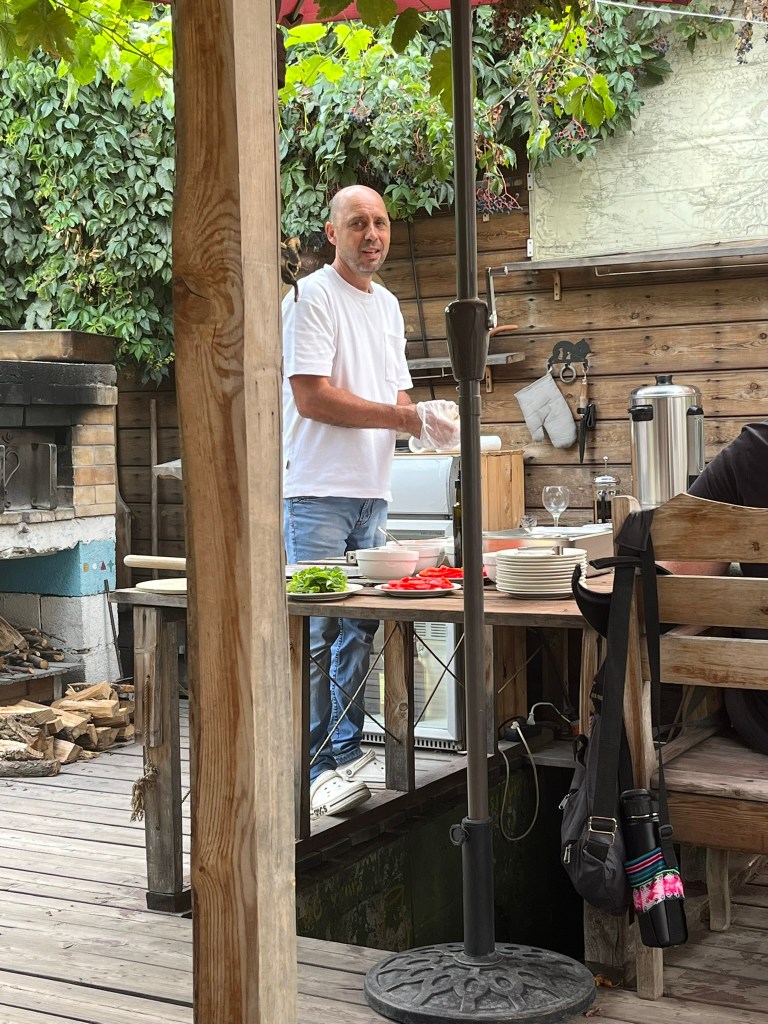
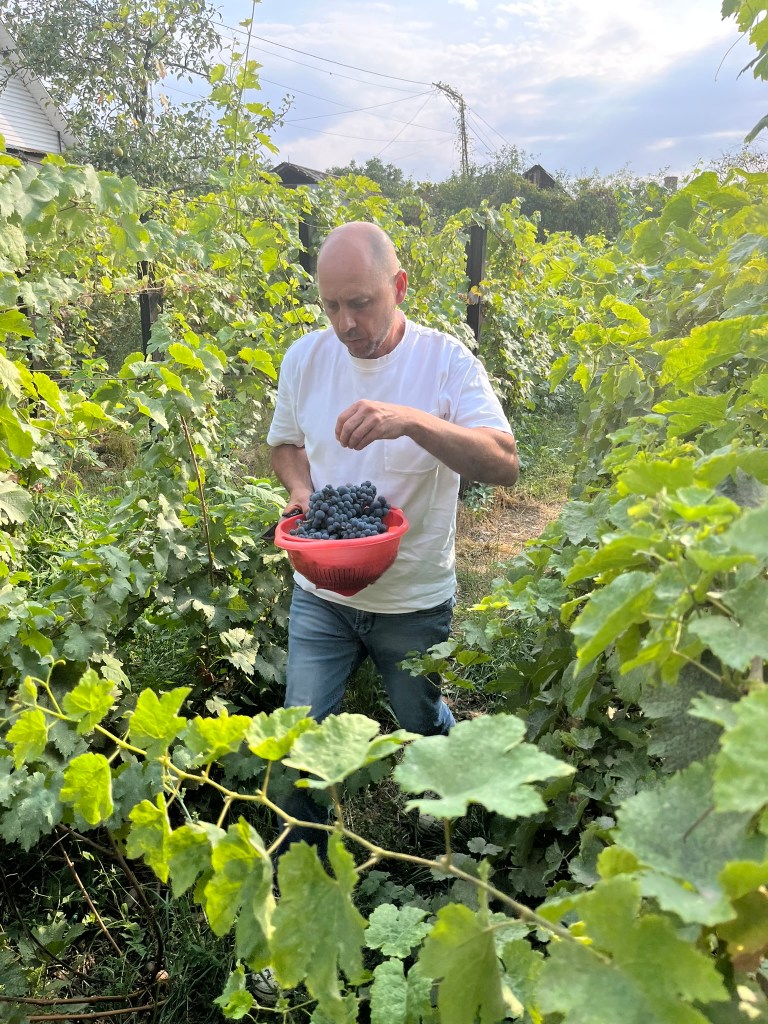
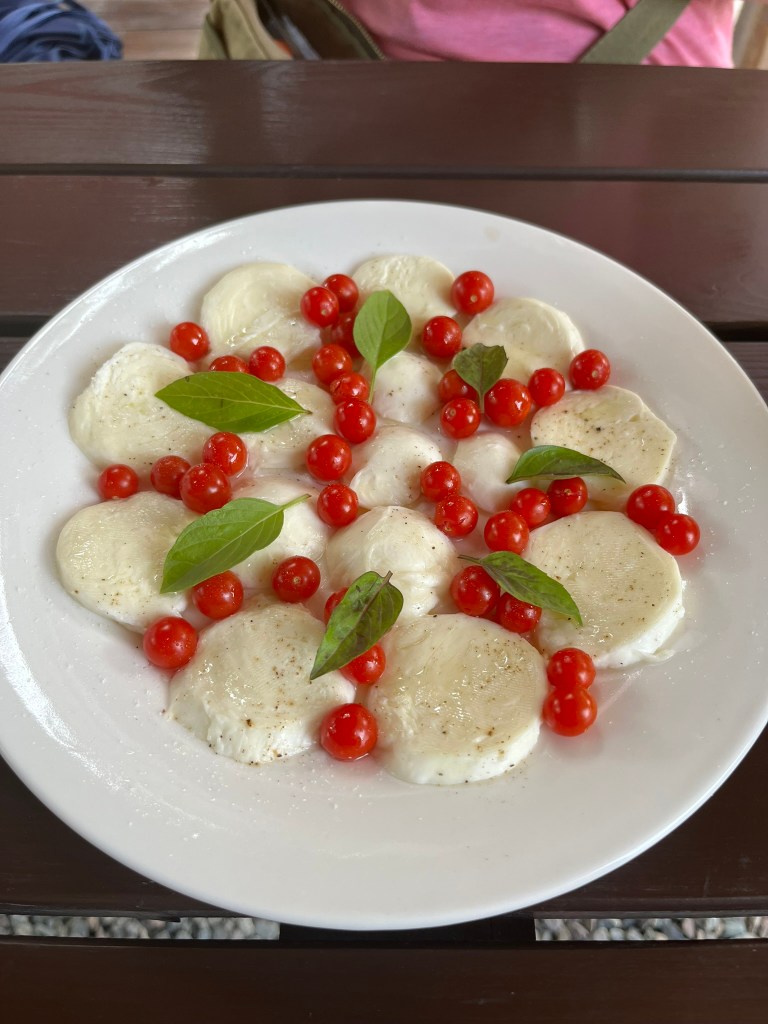
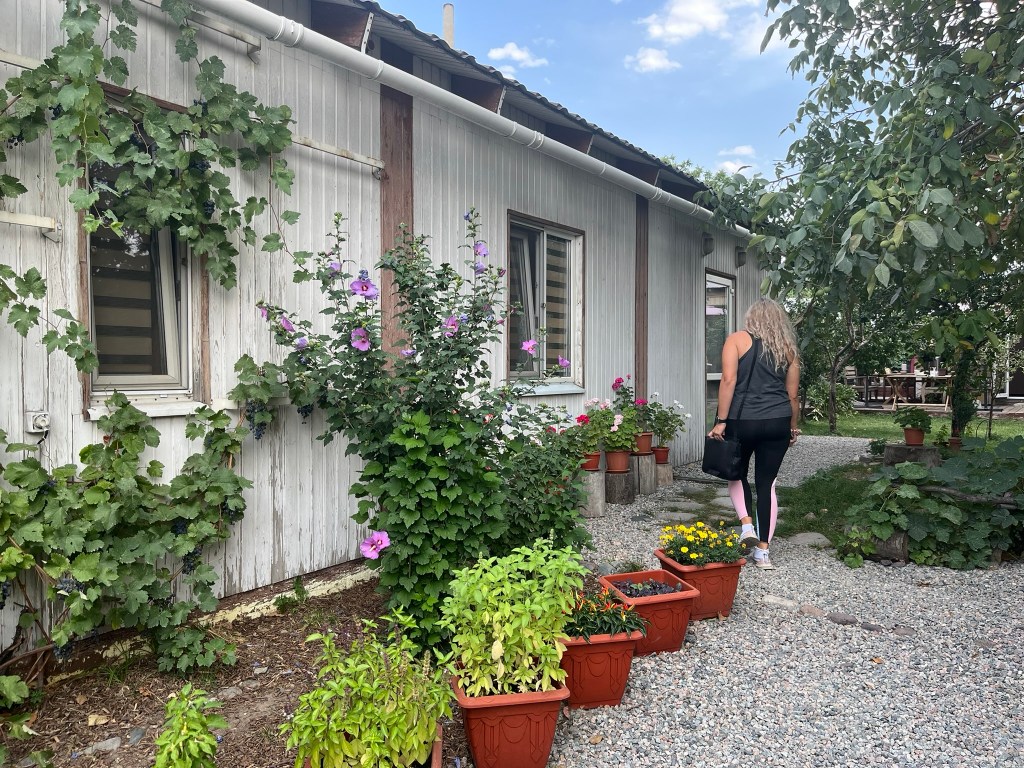
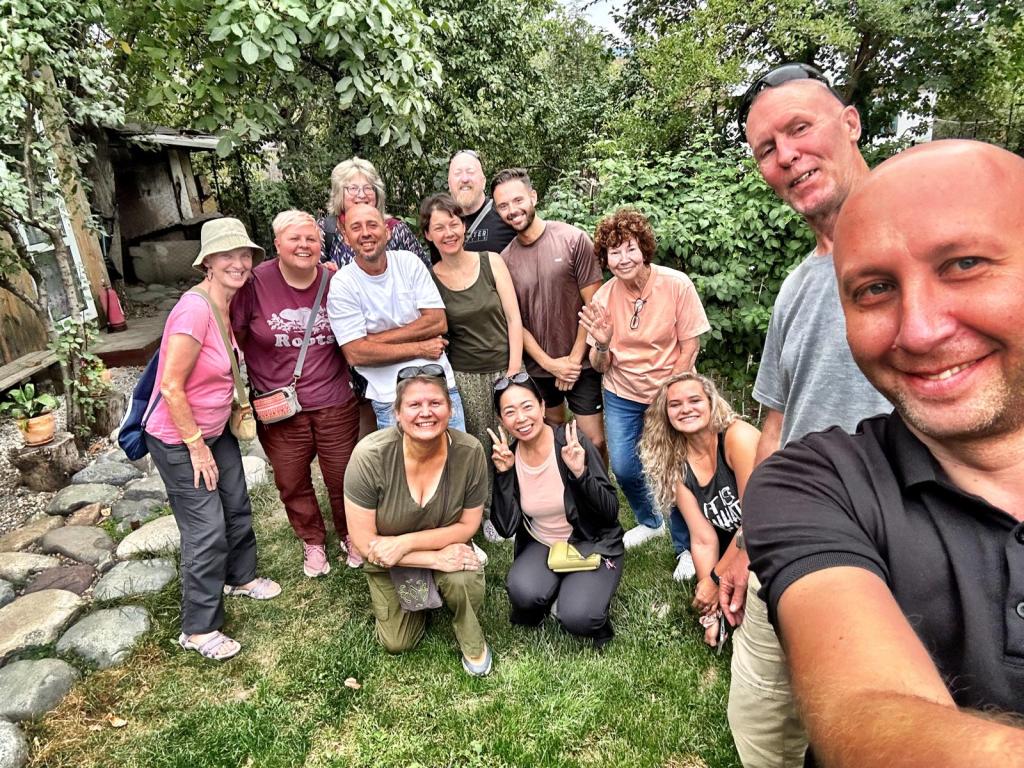
Now we are on our way to visit a couple, Slava and Irina, who run a small restaurant in their garden on the outskirts of Almaty where we will have a late lunch and explore Slava’s vineyard.
 Colette's Grand Detour
Leave a comment