Today we had a full day of exploring this lovely city. Our hotel is centrally located and we could easily walk to the old parts of the city. Firstly I would say this city surprised me. I had no real preconceptions about what the place would be like. But I think I unconsciously assume ex-Soviet places will be quite dreary and grey. I don’t know why I assume that because I have been to many ex-Soviet countries and I know this is generally not the case.
Almaty is a really beautiful city. The wide boulevards are all tree-lined for shade in the hot summers, the buildings, whilst ex-Soviet, are quite beautiful and the general vibe of the place is great. Interestingly, the word Almaty is derived from the Kazakh word for apple, as it is believed that the wild apple trees in the area are the ancestors of all domestic apple varieties in the world.
Almaty is Kazakhstan’s largest city with around 2.2 million people living in the city itself and many hundreds of thousands commuting in from the region for work on a daily basis. It sits in the foothills of the Trans-Ili Alatau mountains and this makes a wonderful backdrop to the city scape. Archeological evidence shows that there have settlements here for many thousands of years, but Almaty itself was founded as a city by the Russian Empire in 1854. At that time it was known as Fort Vernoye, which later evolved into the town of Verny.
It was renamed Alma-Ata in 1921 when it became the capital of the Kazakh SSR within the USSR. And later when Kazakhstan became independent it remained the capital. It was only in 1997, that the capital was moved to Astana. Almaty however remains the cultural, financial and educational hub of the country. For example, the Kazakh stock exchange is still here, and there are many museums, art galleries, theatres and over 200 universities. The feeling of Almaty is very different from Astana. It feels like a city that is lived in and that people enjoy being in.

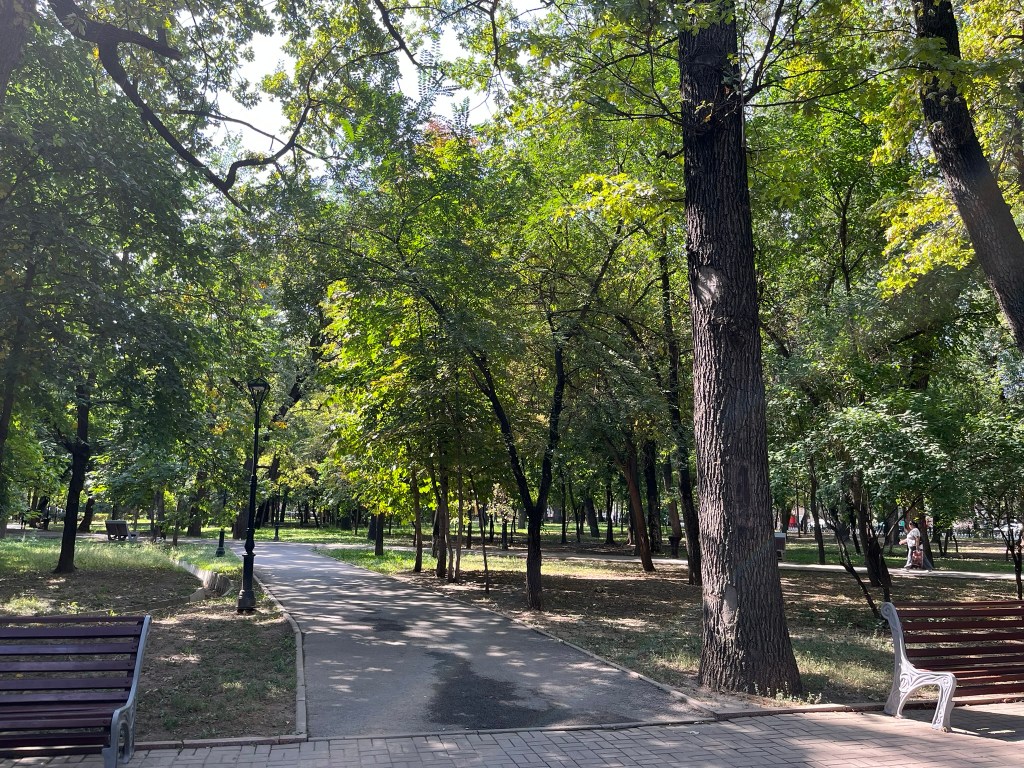
We first headed into 28 Panfilov Guardsmen Park, located in the center of the city. It has 3 key historical sights. The park is named after a unit of Kazakh soldiers who heroically died to stop Hitler from reaching Moscow during WWII. There is a memorial area in the newer part of the park that has an absolutely incredible granite sculpture commemorating the Panfilov Guardsmen. We arrived from behind the statue and as we turned the corner to see its full extent we were all in awe. It really evokes the sense of power and urgency of people at war. The memorial area also has statues for those that died during the October (Bolshevik) Revolution and the Afghanistan war.
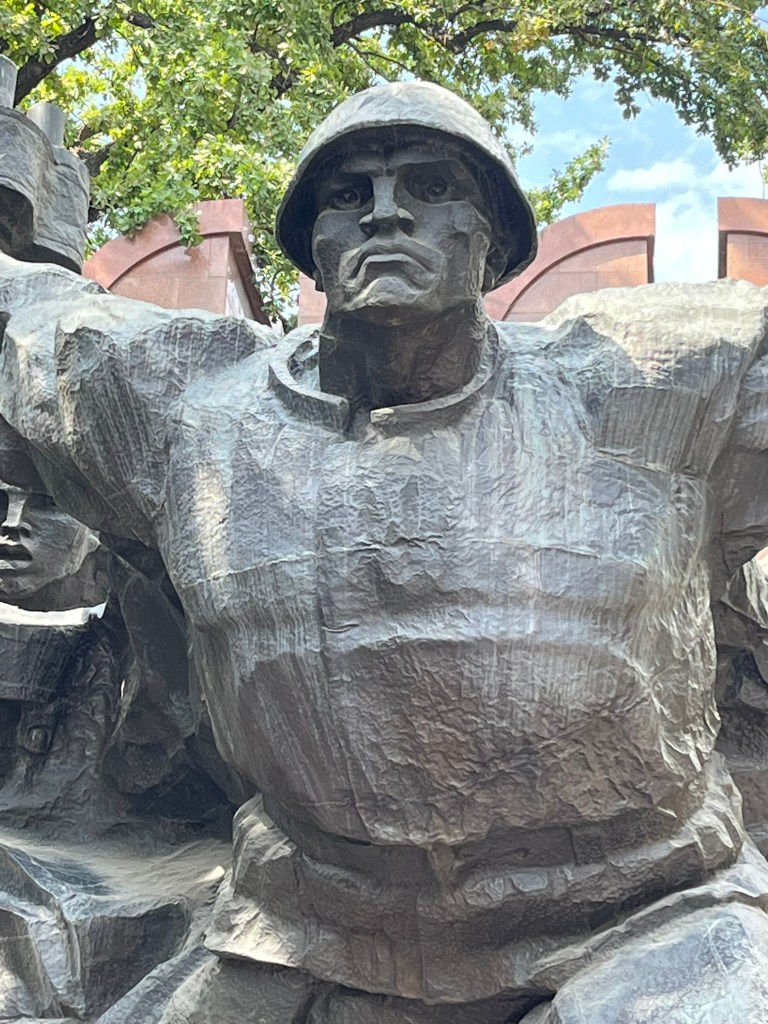
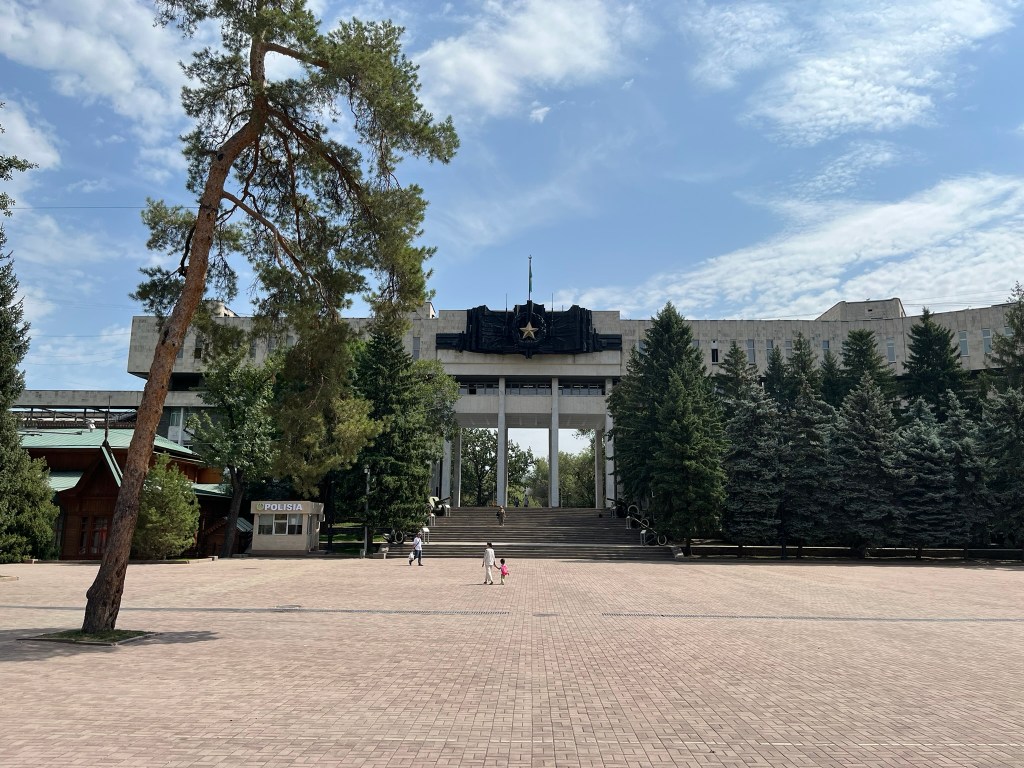
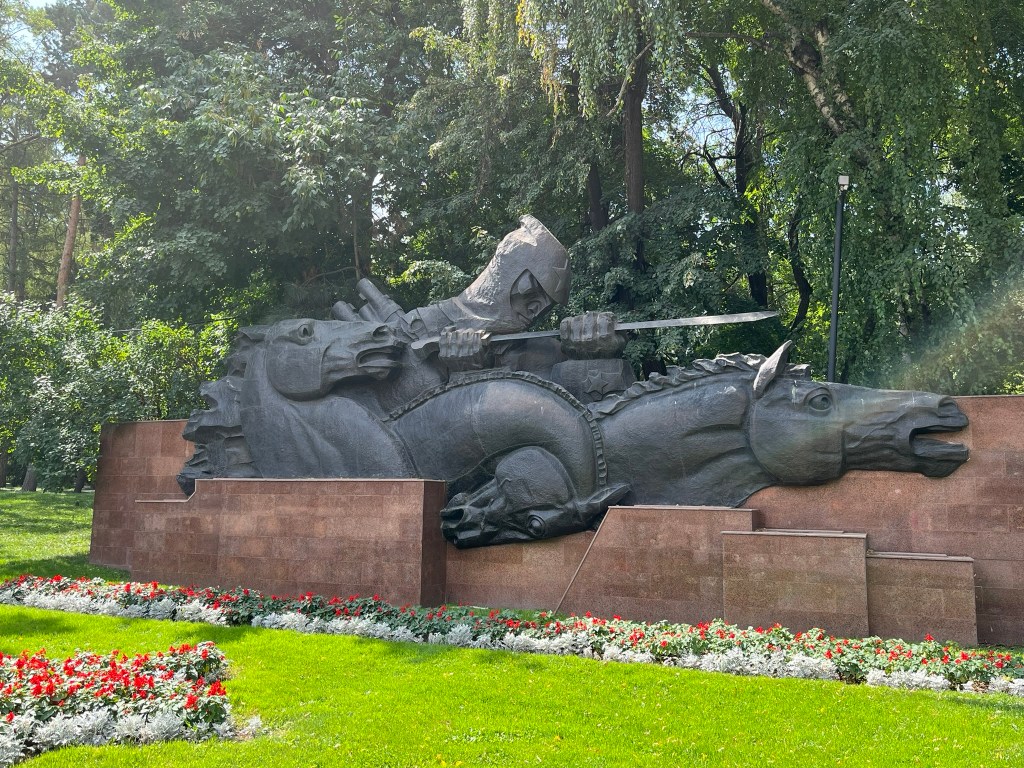
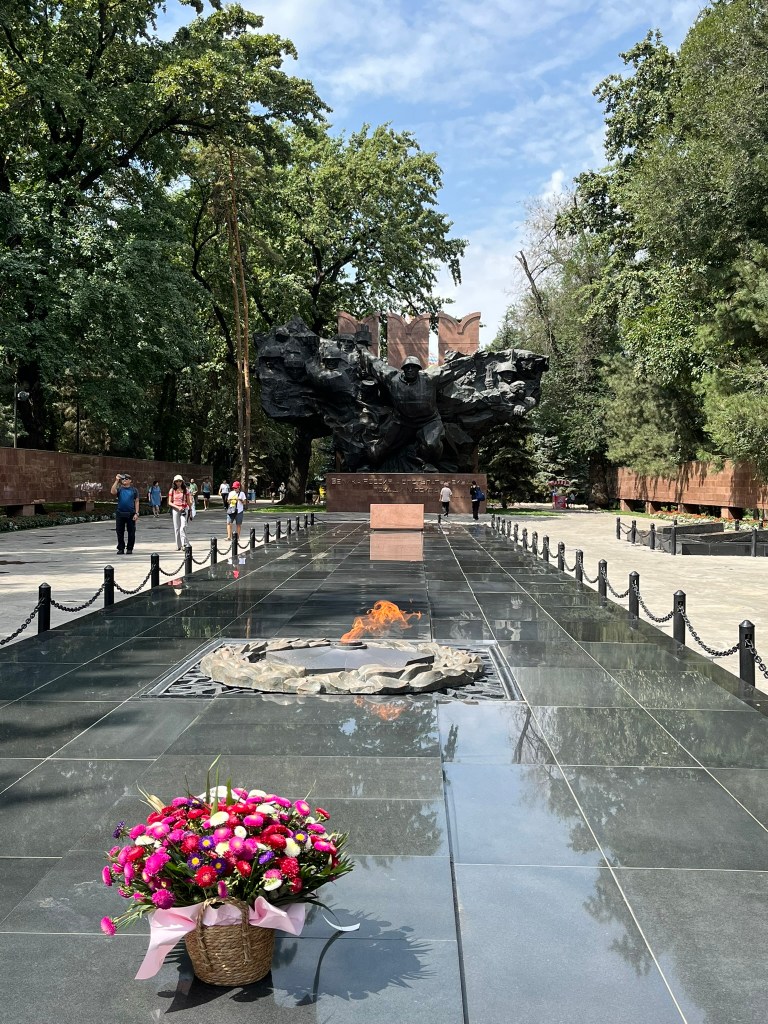
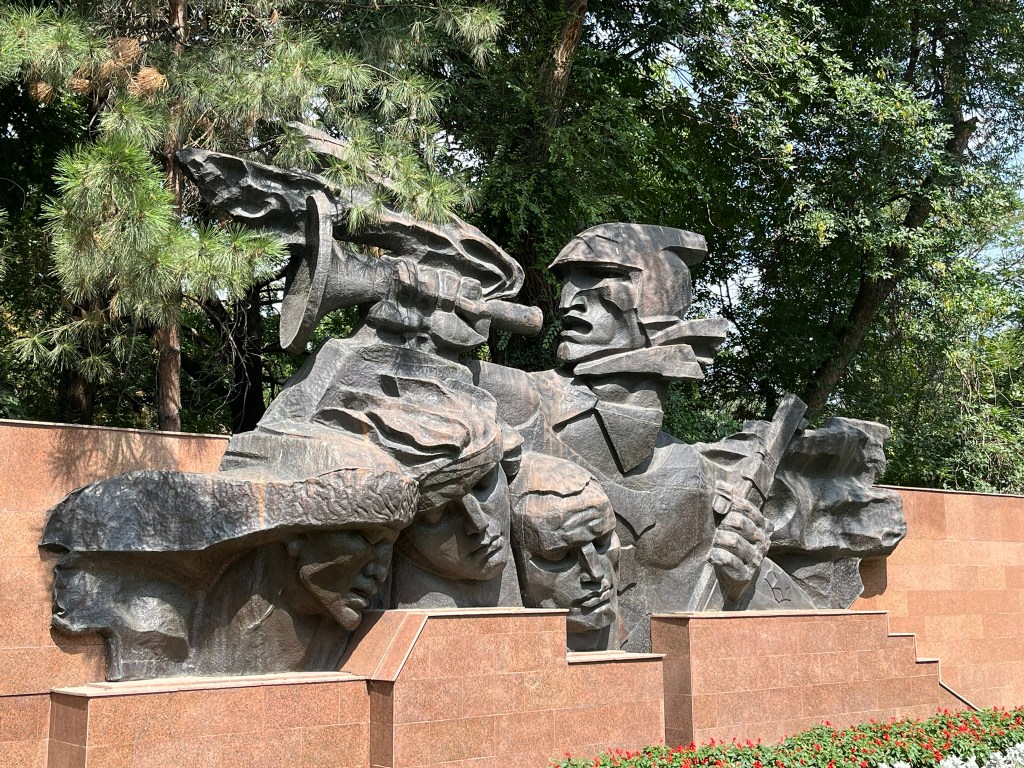
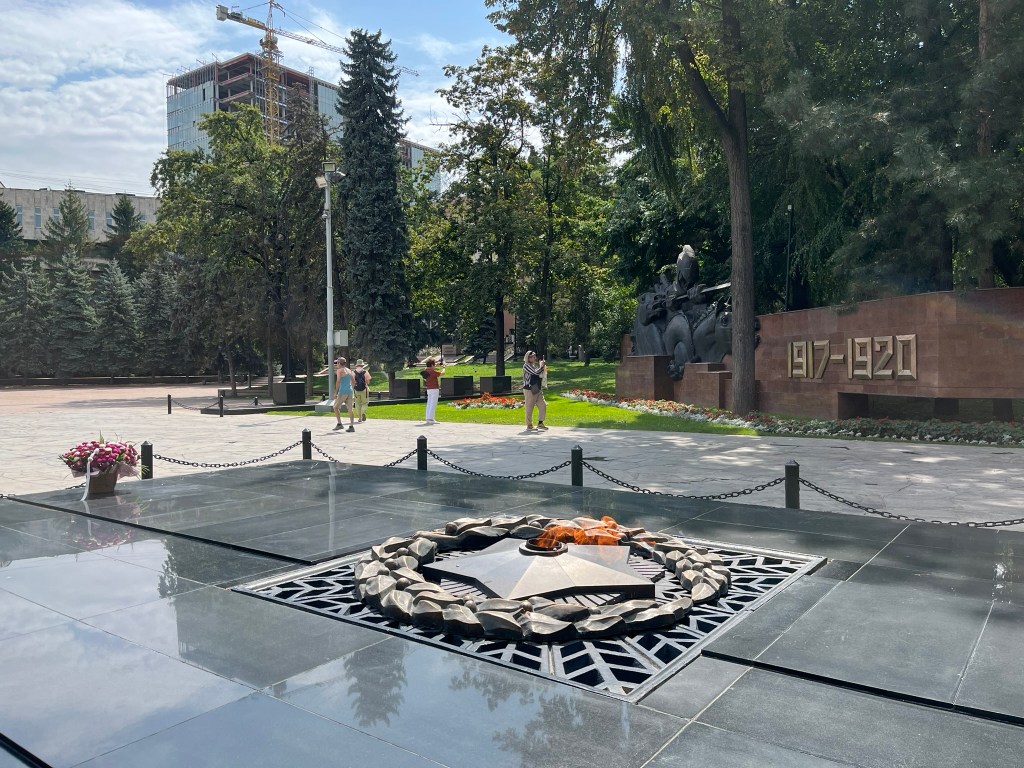

Interestingly, ex-Soviet countries don’t typically refer to WWII, but instead call it the Great Patriotic War. This more specifically references when the USSR entered the war to protect itself, after Nazi Germany invaded USSR in 1941. 28 million USSR citizens lost their lives fighting in this war (compared to 8 million Nazi Germans) and many millions of those people came from Central Asian countries like Kazakhstan. Google tells me that 1.2 million Kazakhs were mobilized out of a population of 6.2 million people (so almost 1 in 5 men went to war) and only 400,000 returned.
I have heard tourists surprised that Central Asia was so involved with WWII because it seems so far away from any of the places where actual fighting was occurring. But the USSR army came from all over its territories and in fact for many years after the war there was a big imbalance in the population because so many young men never returned from the front line.
Next to the memorial area is a small museum of folk musical instruments. It is in a wooden building preserved from the early 20th century that was originally a house for army officers. I wasn’t expecting much of the museum but its actually very well done. On the right side of the building there are 8 rooms filled with over 60 types of traditional Kazakh instruments.
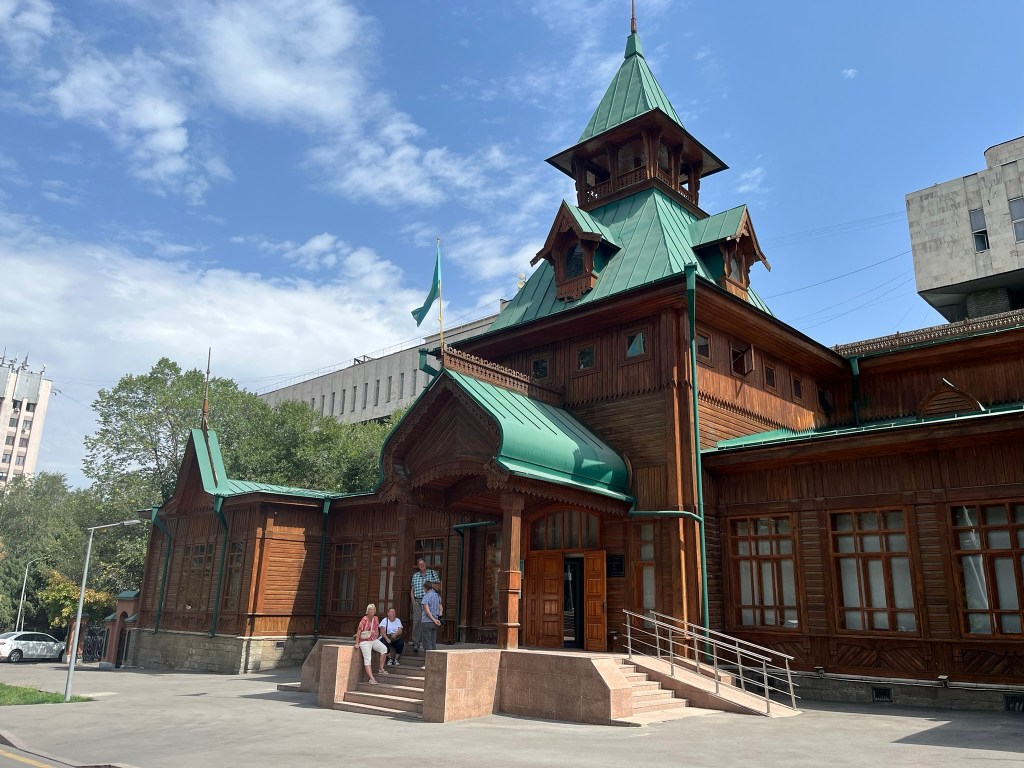
The most famous instruments are the the dombyra which is long-necked 2-stringed lute, the kobyz which is a bowed stringed instrument with a really interesting hollowed bowl shape, and finally the shankobyz which is held between the teeth and plucked with a finger. Our guide played a short piece of modern folks music that a local band called Arkaiym has produced using these instruments and it felt very modern and something you could easily listen to on the radio.
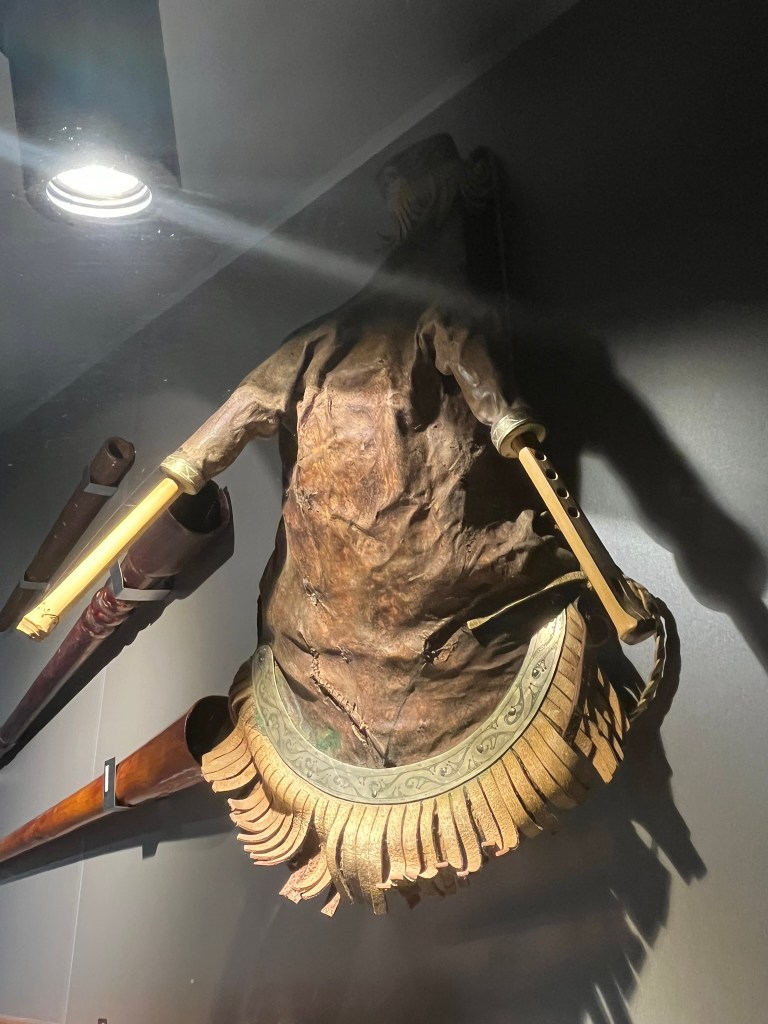
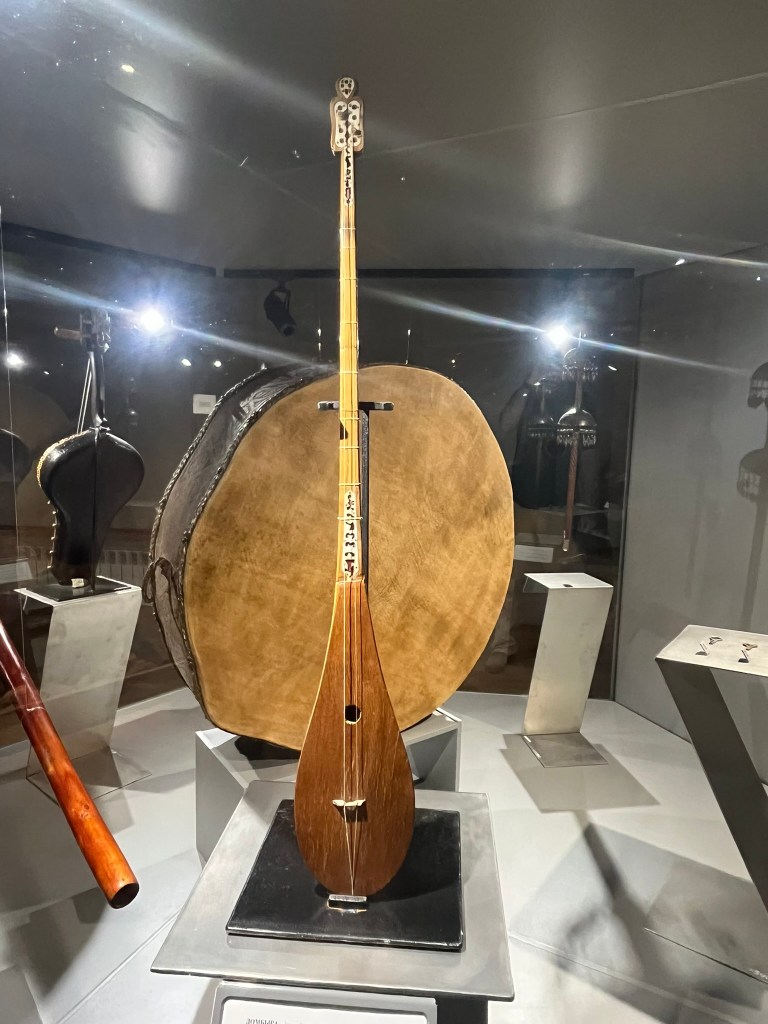
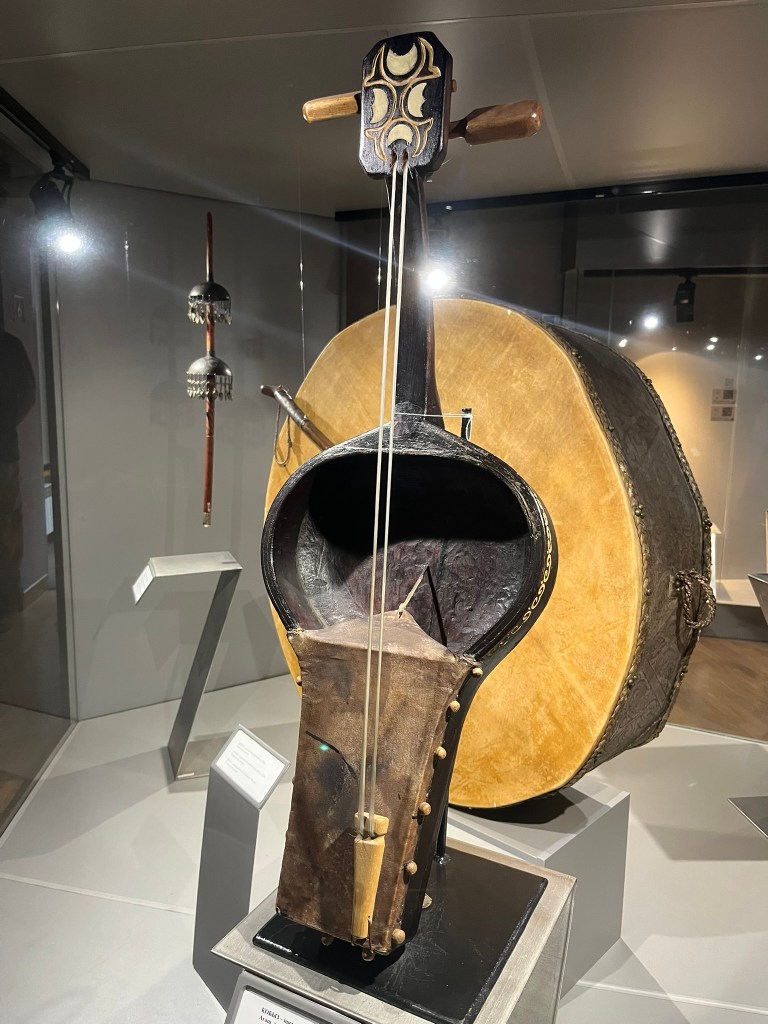
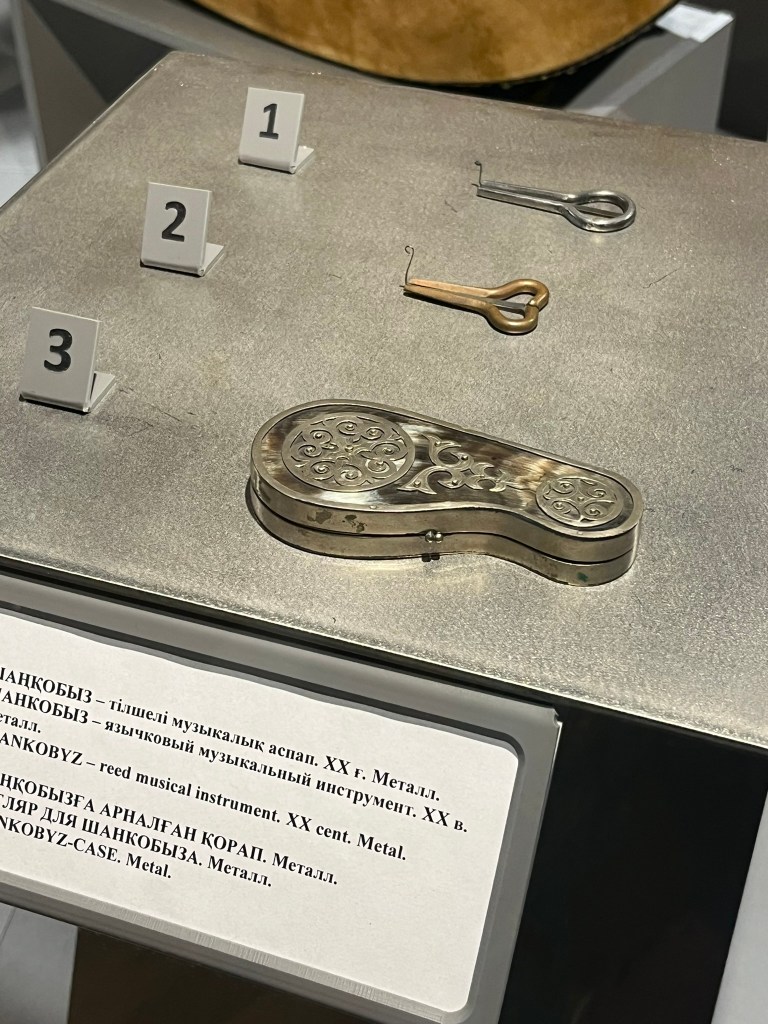
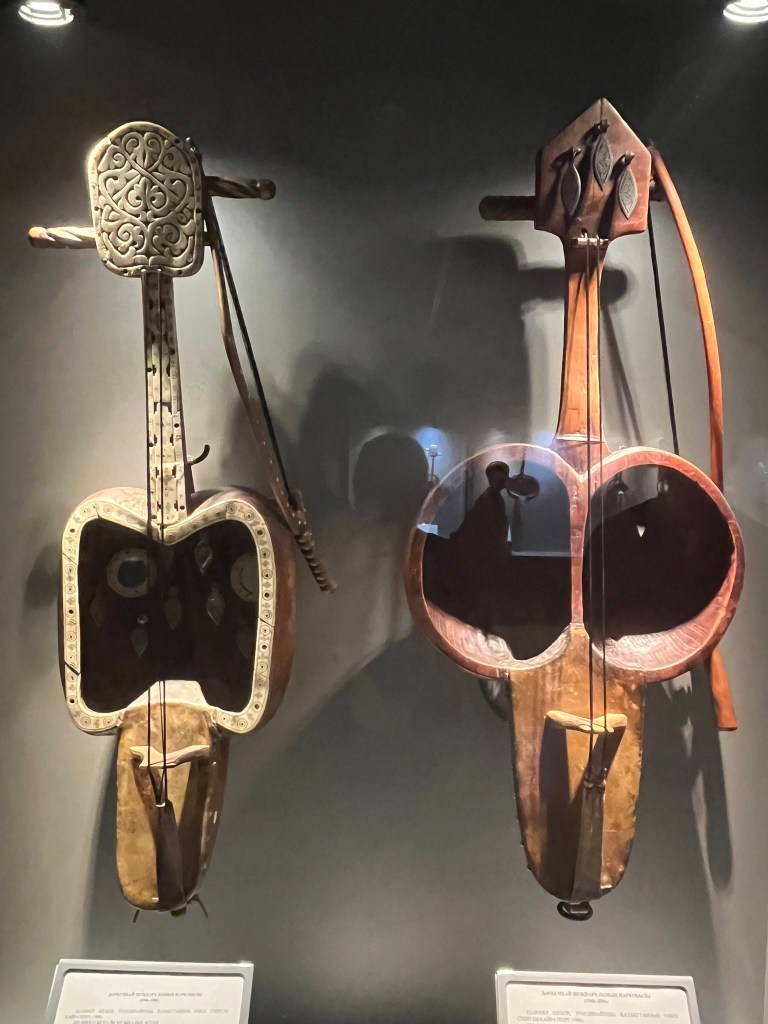
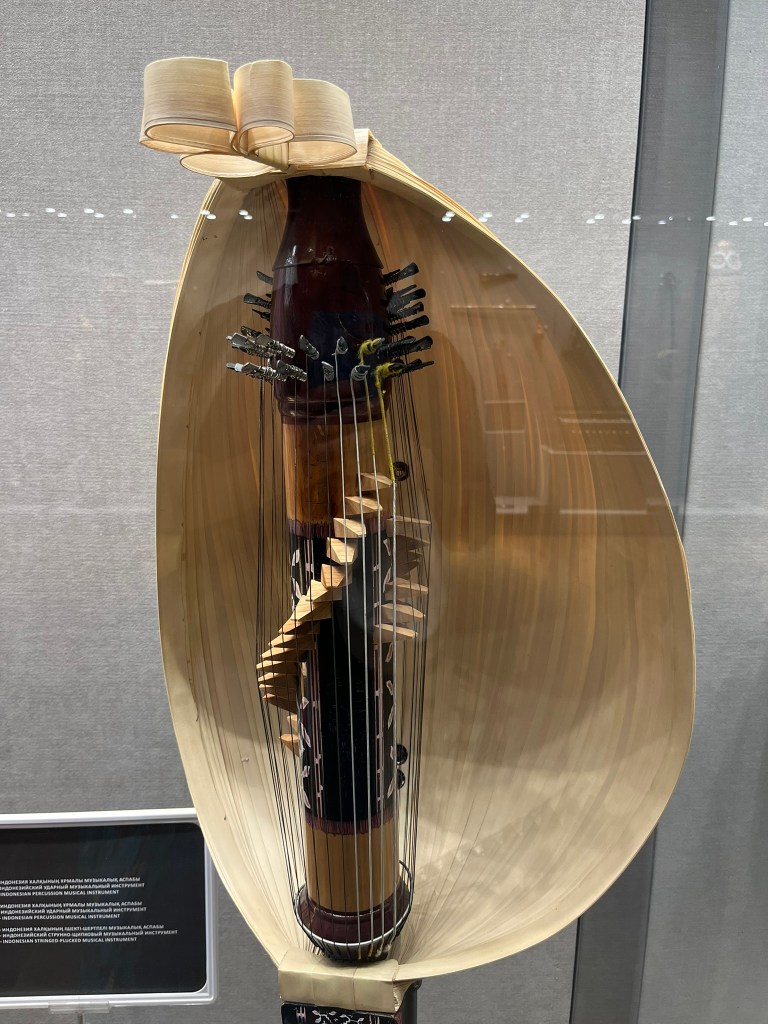
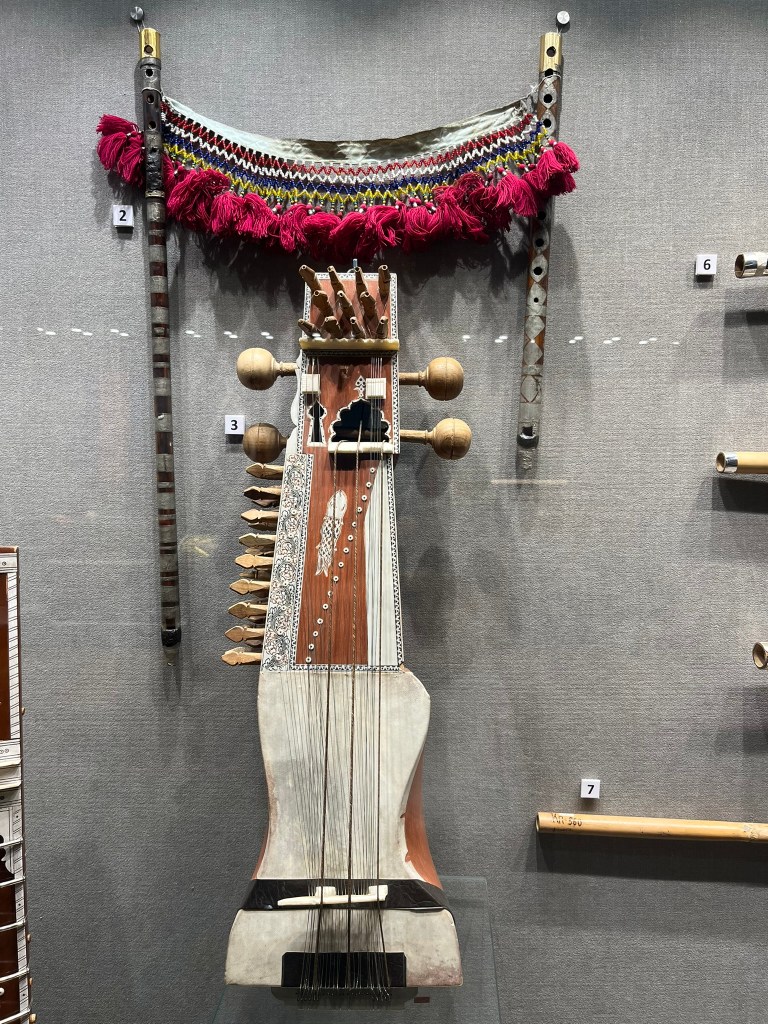
On the left side there is an exhibition of instruments that have been donated from all over the rest of the world. It was such an interesting contrast. With so many instruments in one place you start to see so many similarities even though the decoration or exact design might be a little different. A 20 minute explore of this little museum is nice to do.
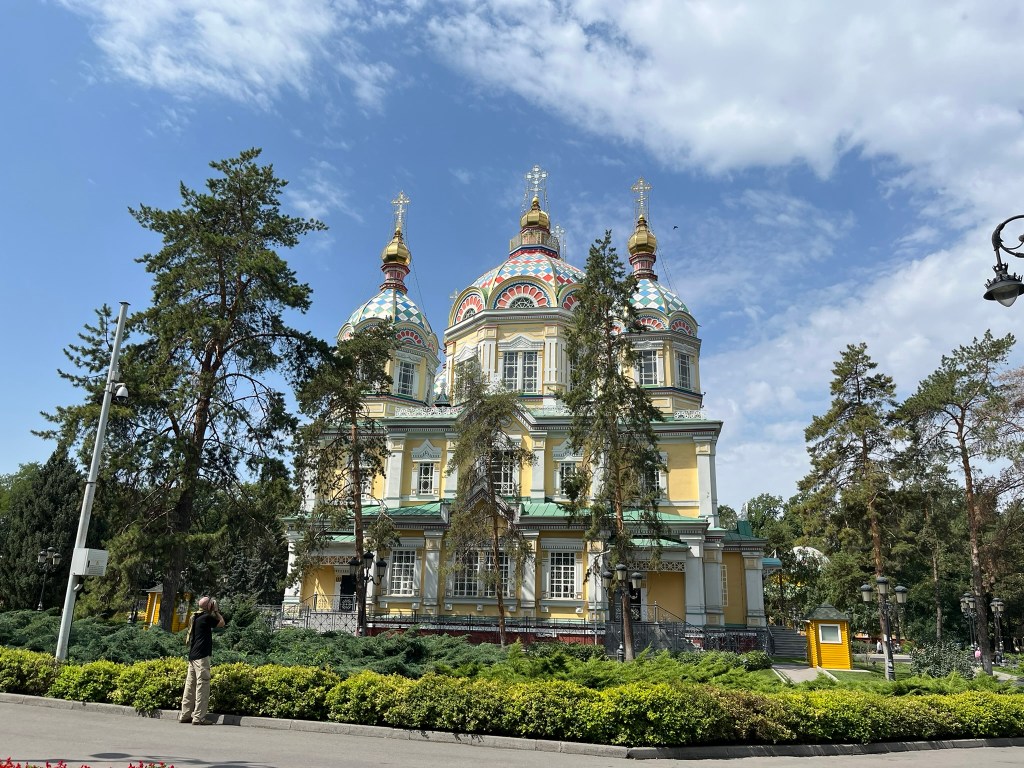
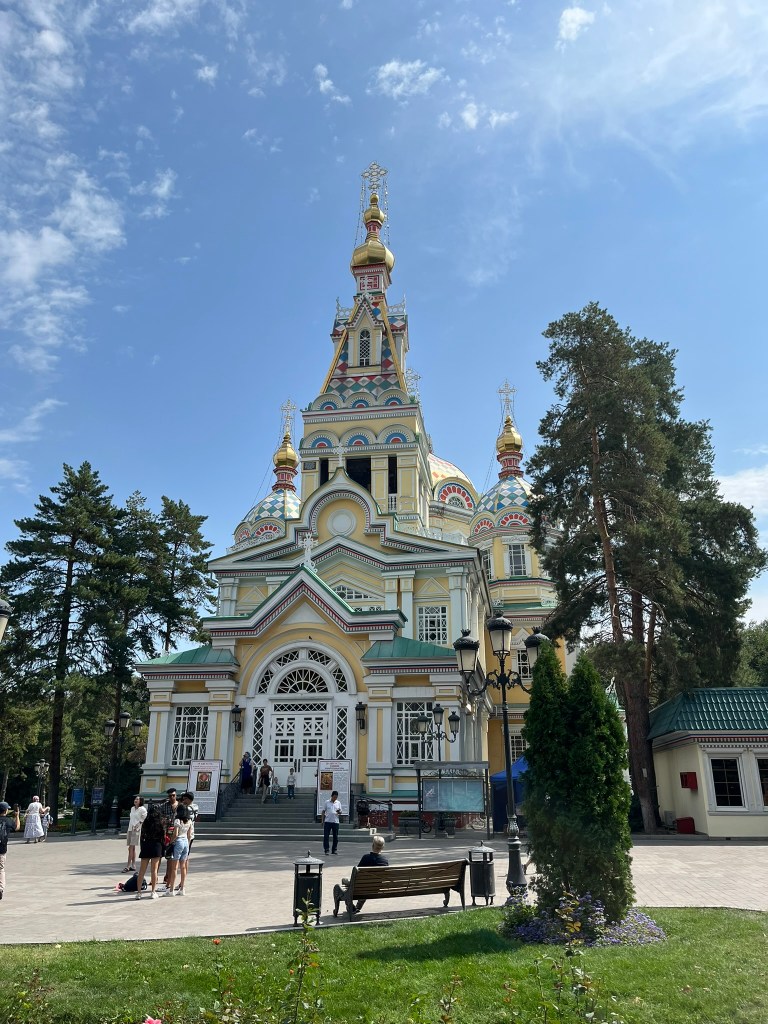
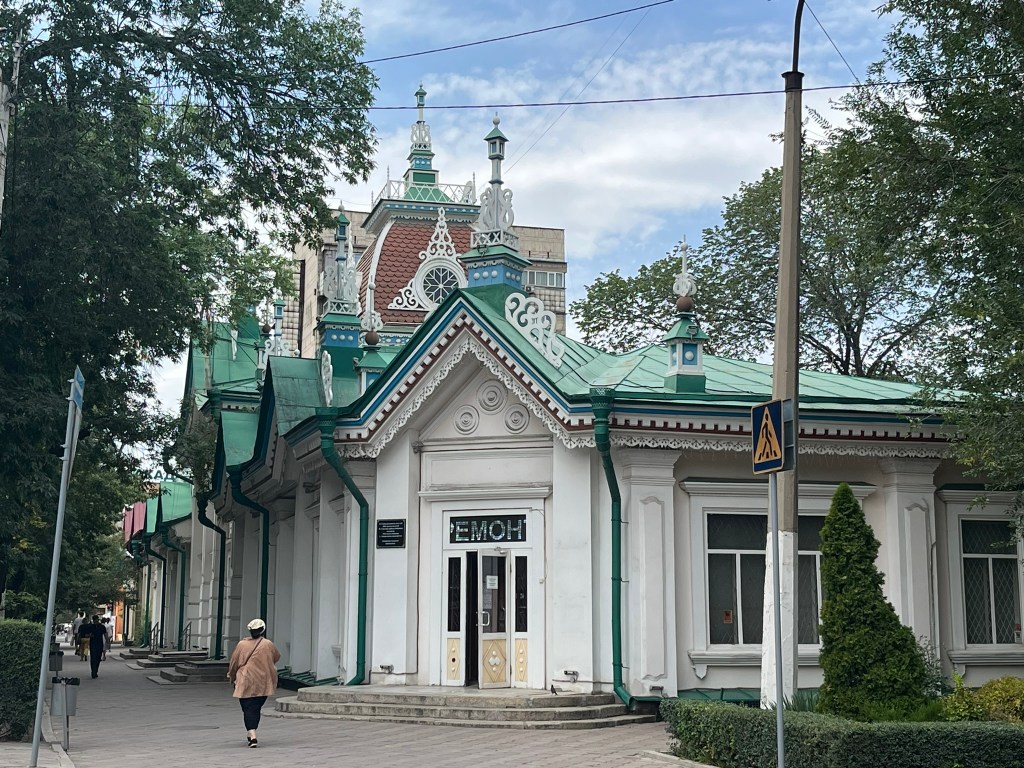
Our final stop in the park was the Zenkov Cathedral. It’s brightly coloured exterior is very striking, and amazingly it is completely wooden. It was built at the turn of the 20th century and survived the large 1911 earthquake, which shows how well wooden buildings can withstand seismic shaking.
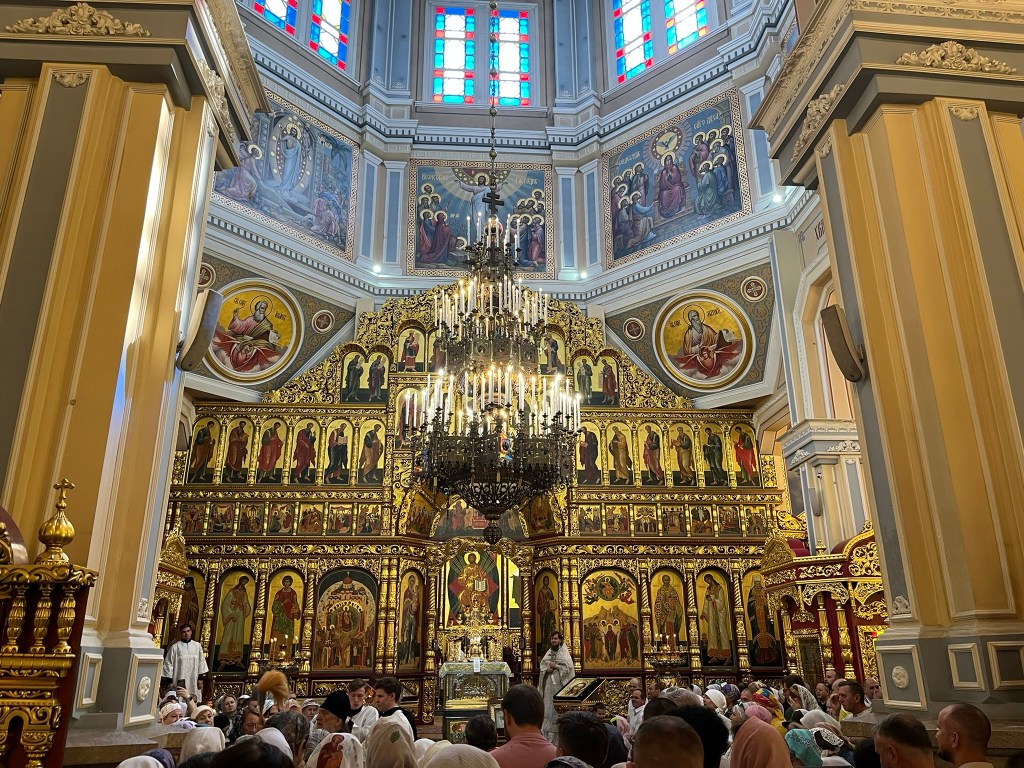
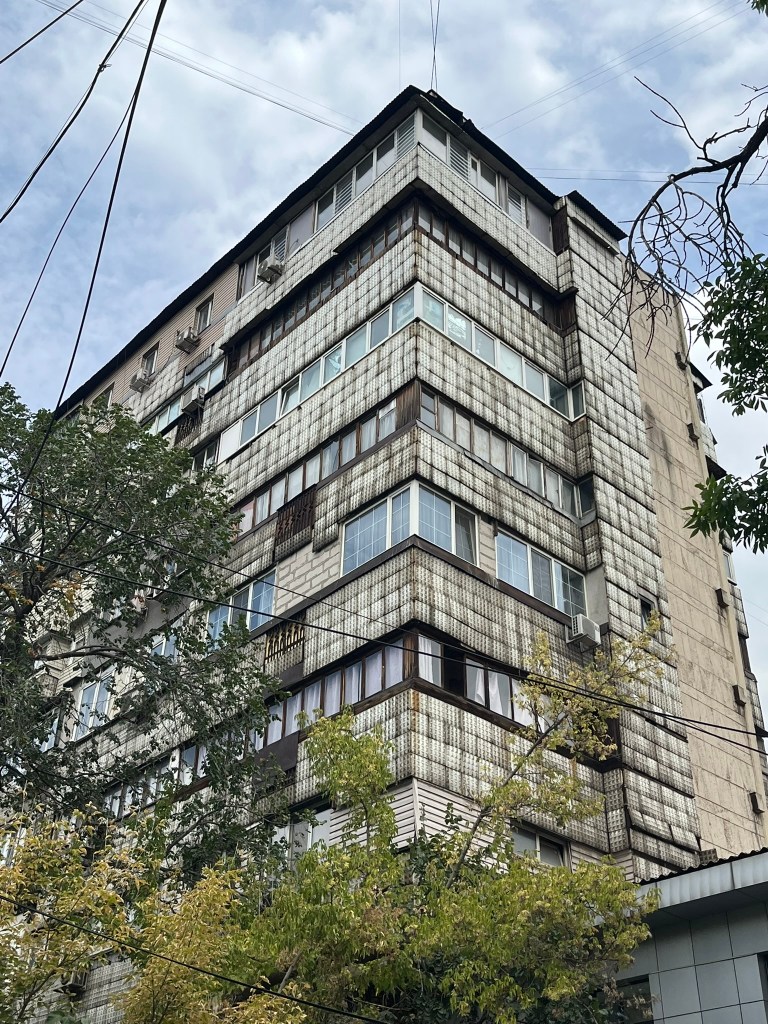
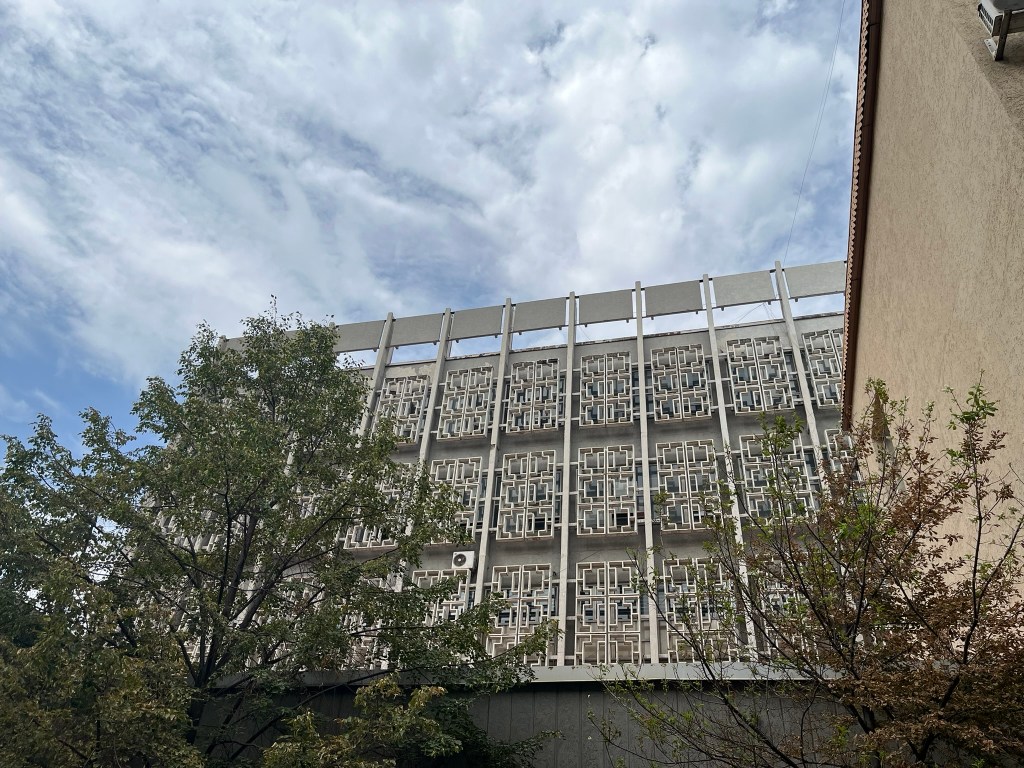
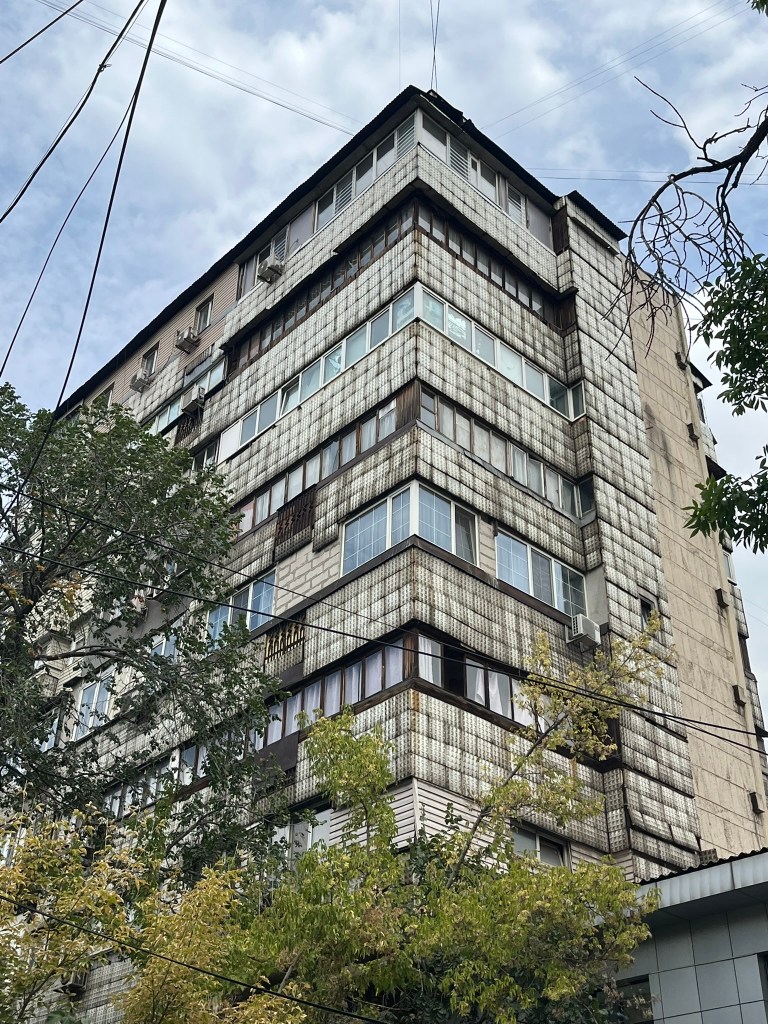
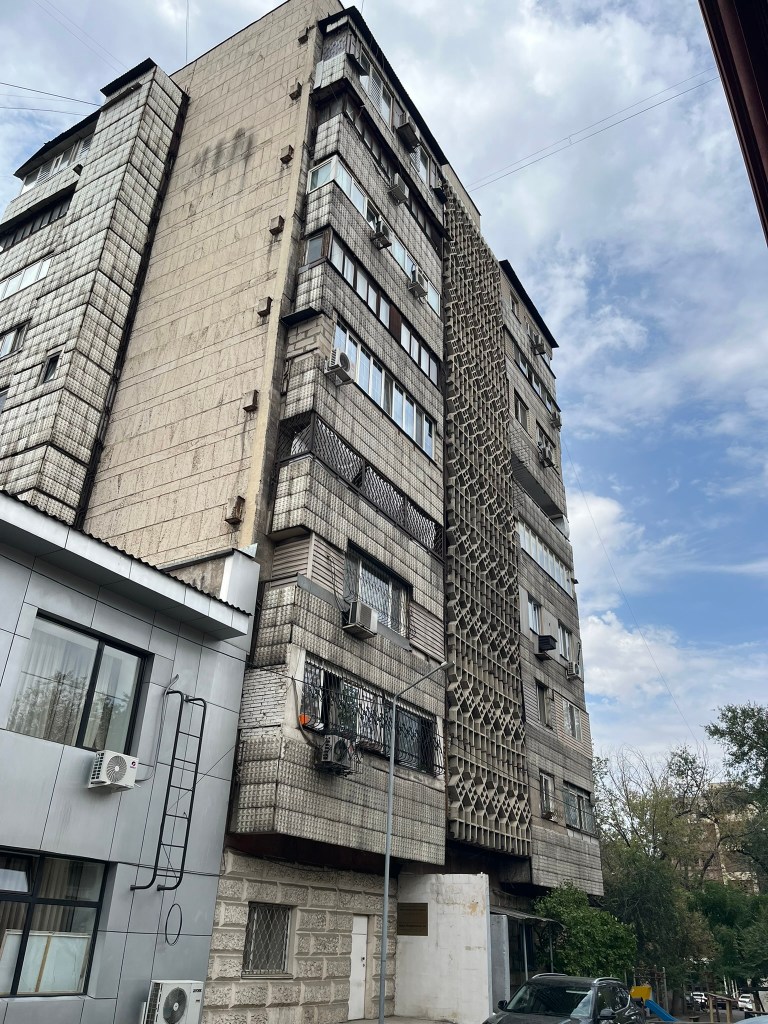
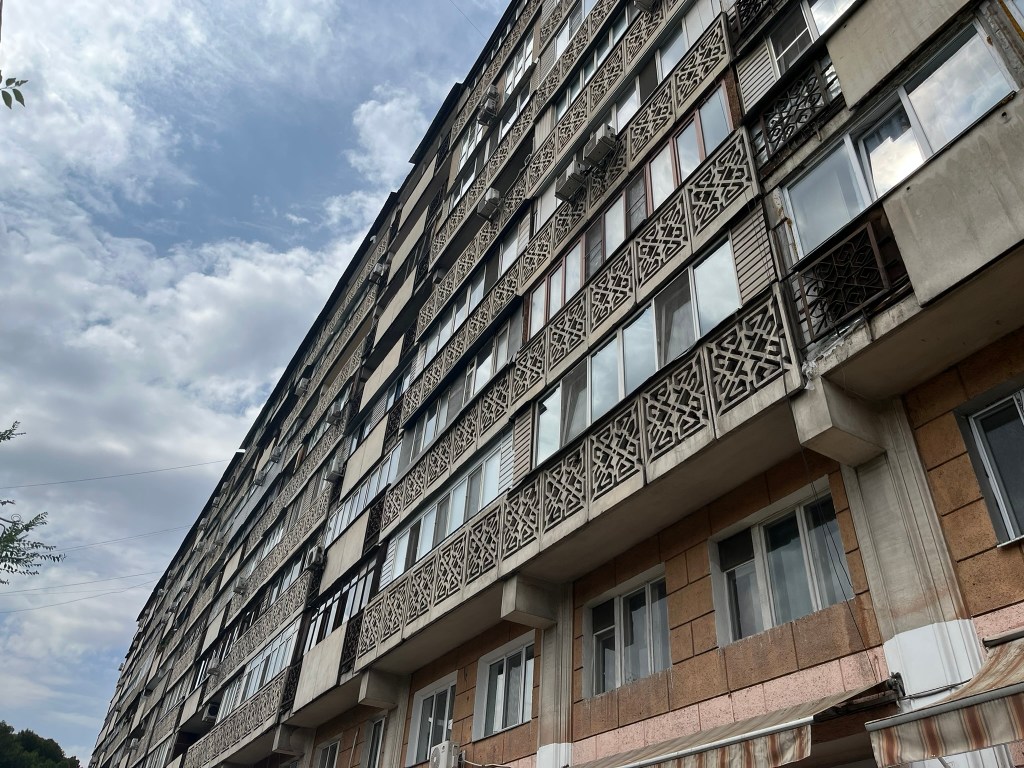
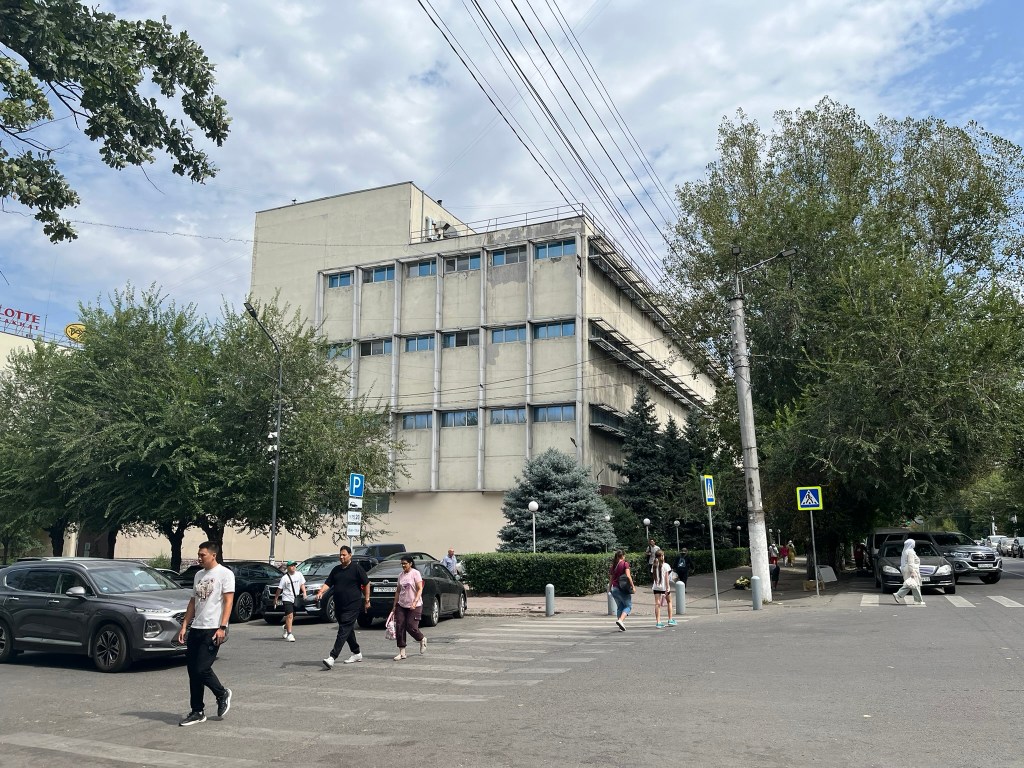
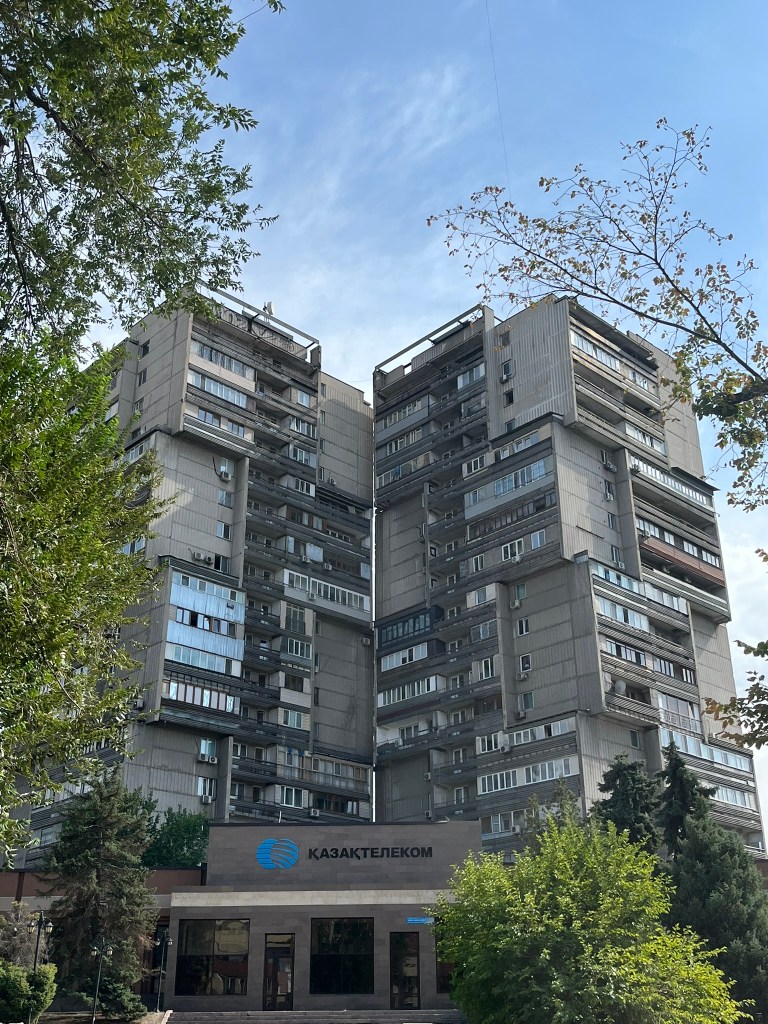
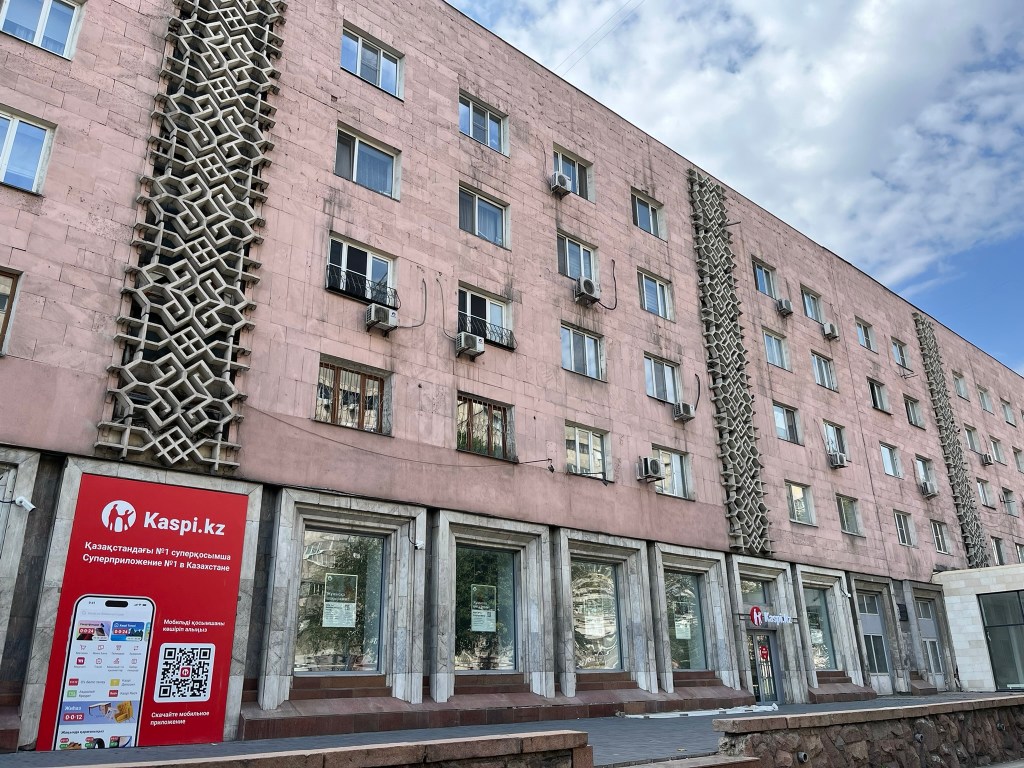
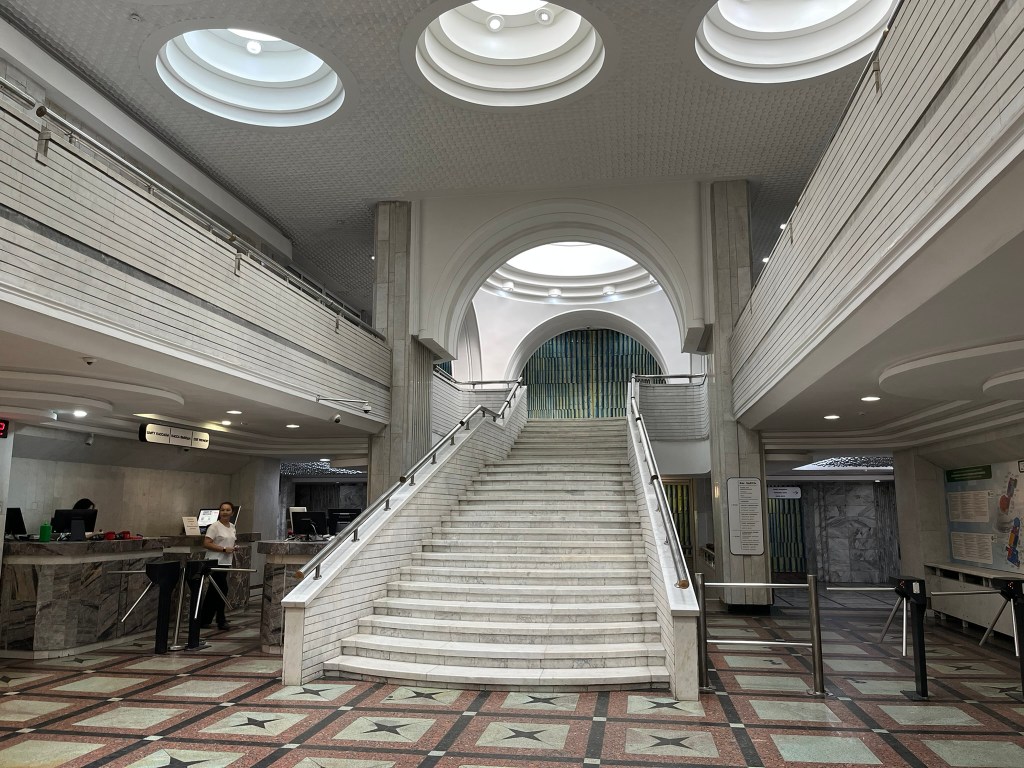
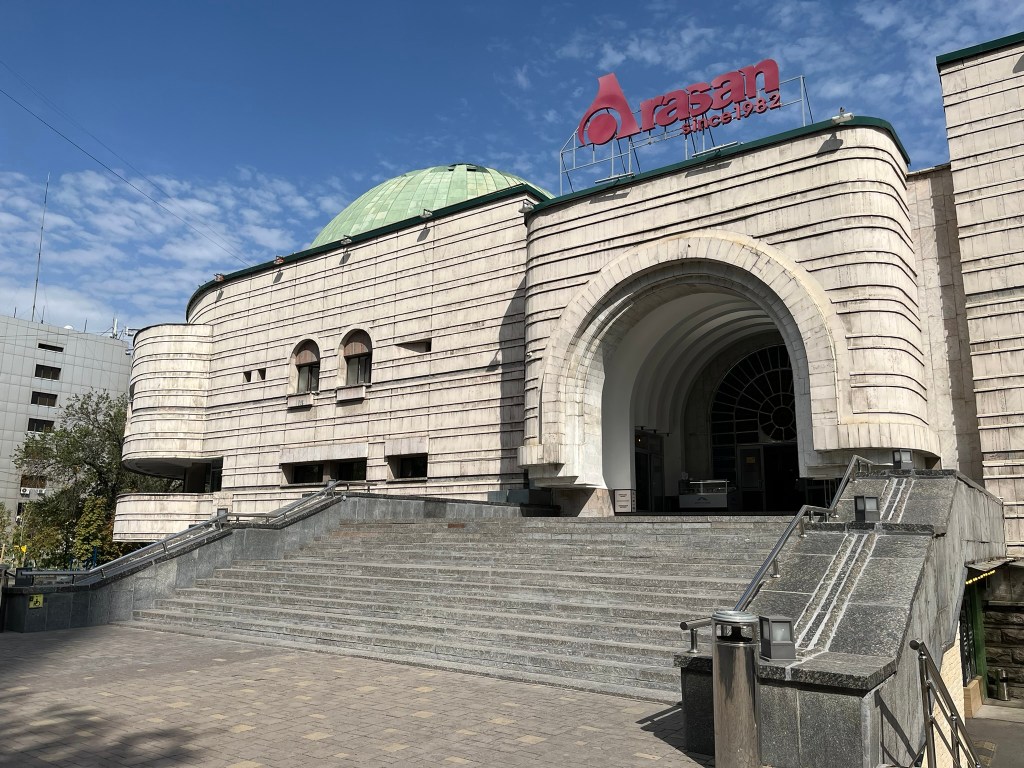
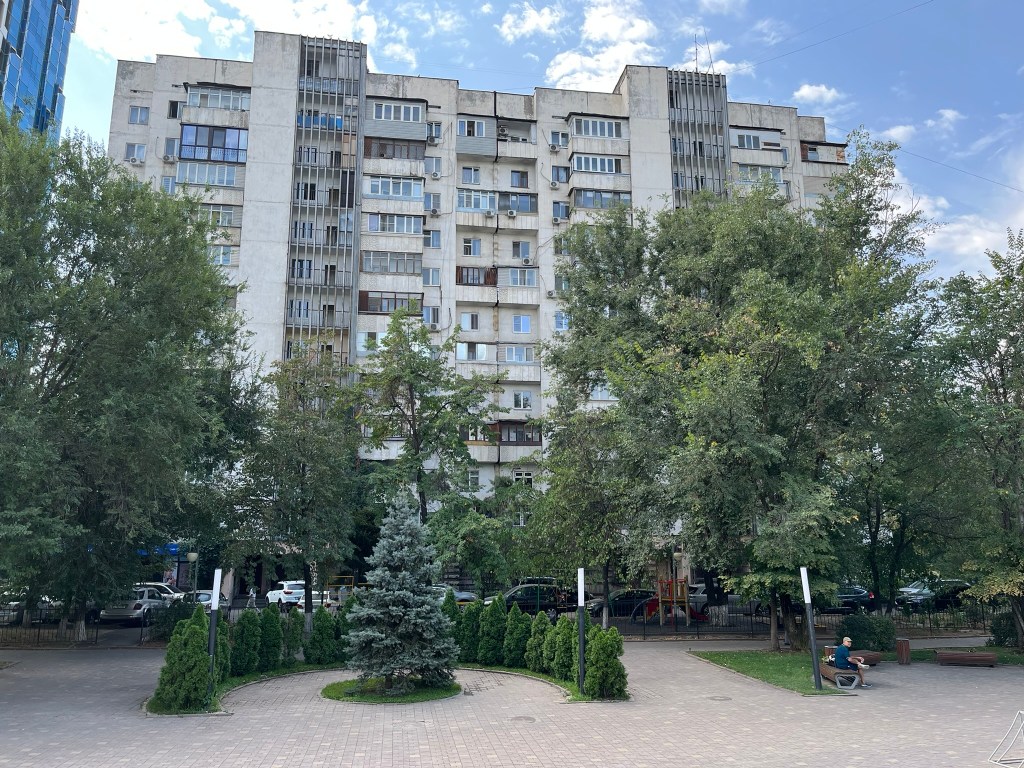
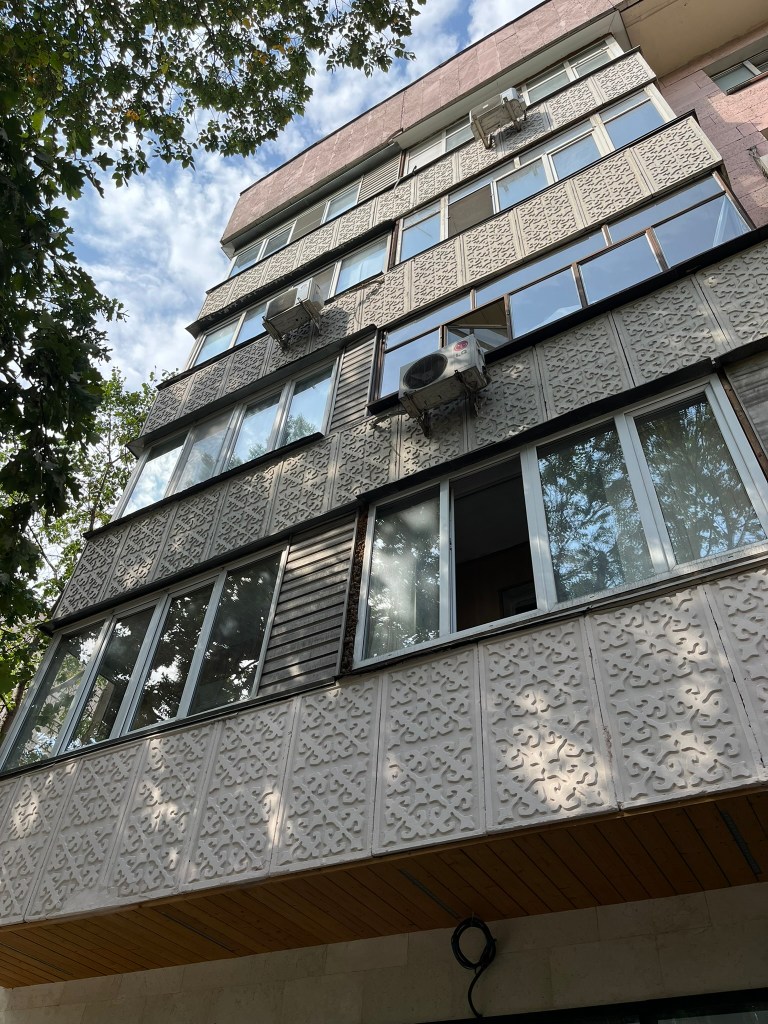
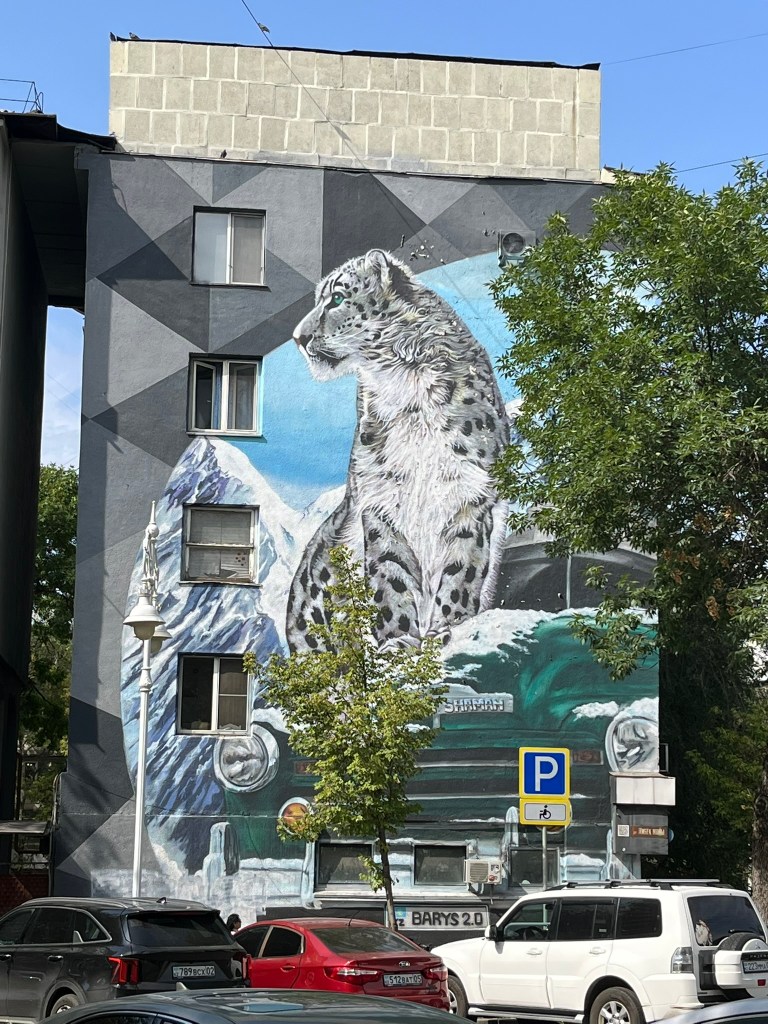
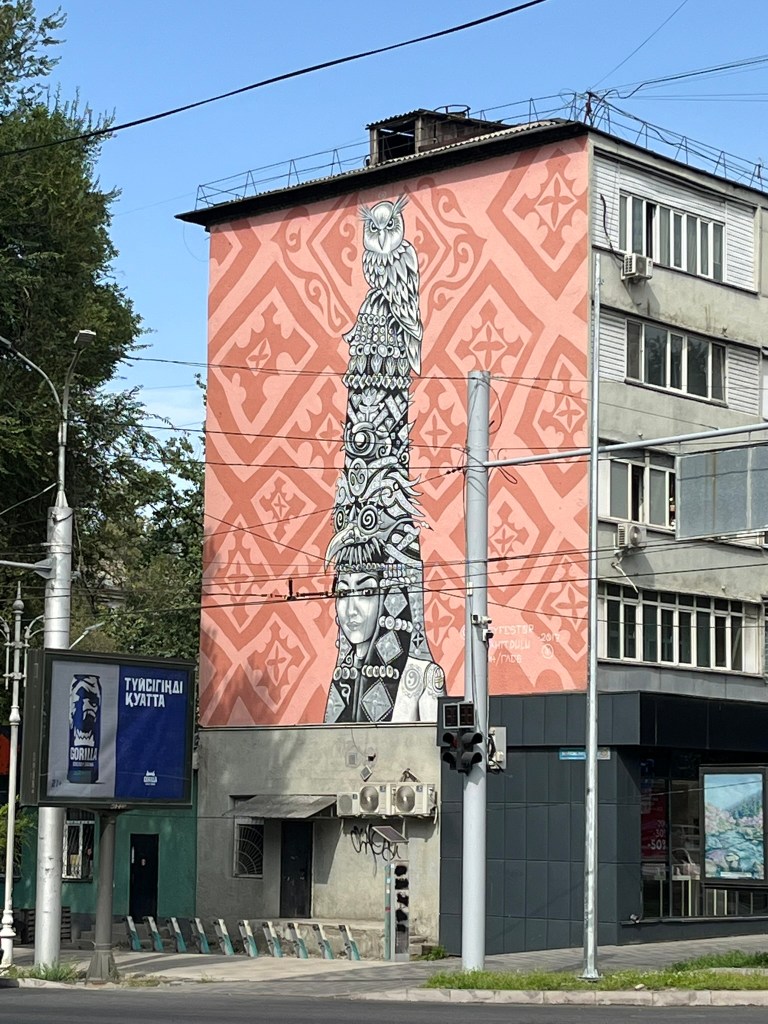
As we left the park and walked towards the Green Bazaar, we passed lots of interesting ex-Soviet apartment buildings, many of which have lovely motifs or designs on the outside that break up their monotonous nature. I enjoyed spotting different styles of building. One particular place we stopped at was the Central Bathhouse, which was built during the Soviet era to cater to the rapidly growing local population, but still remains functional and busy even today. The inside is beautifully decorated in an almost art deco style and the pictures of the pool and sauna looked equally as good.
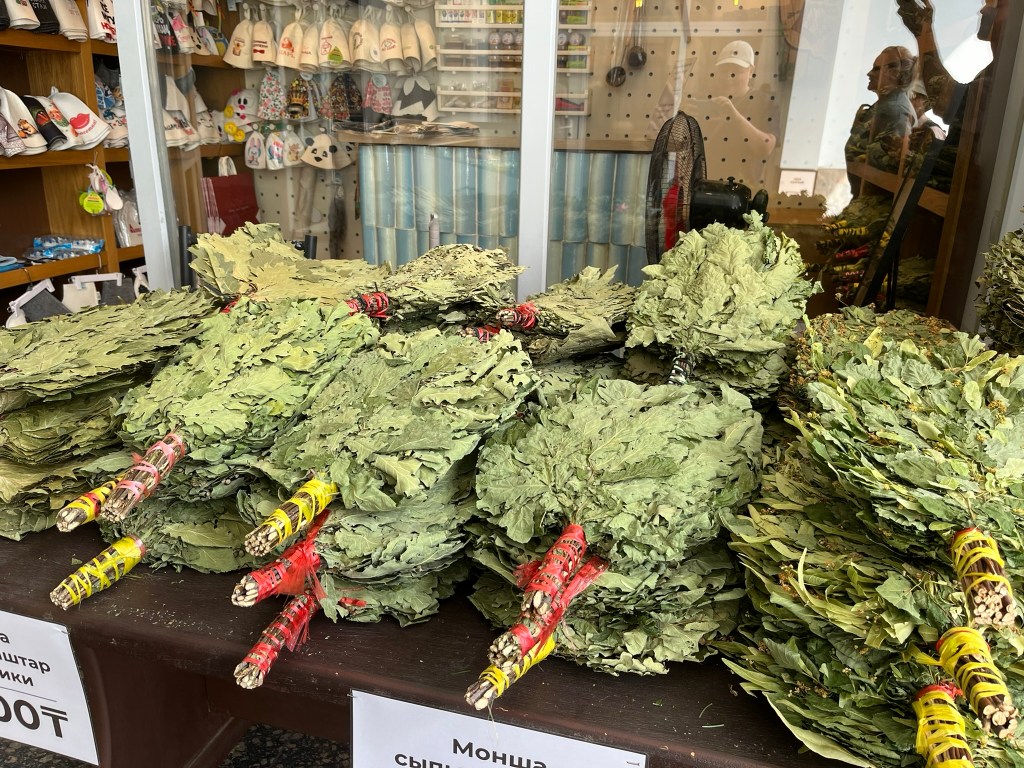
The Green Bazaar is full of locals doing their daily shopping as well as tourists exploring. Unlike other bazaars I have been to in Central Asia, this one had supermarket style trollies and locals were pushing them around buying their goods from seller to seller. It is super clean and the sellers are friendly and happy for you to take a closer look at their stalls. Interestingly there was a big Korean section, as Almaty has a large community of Koreans who have lived here since the Soviet Era.
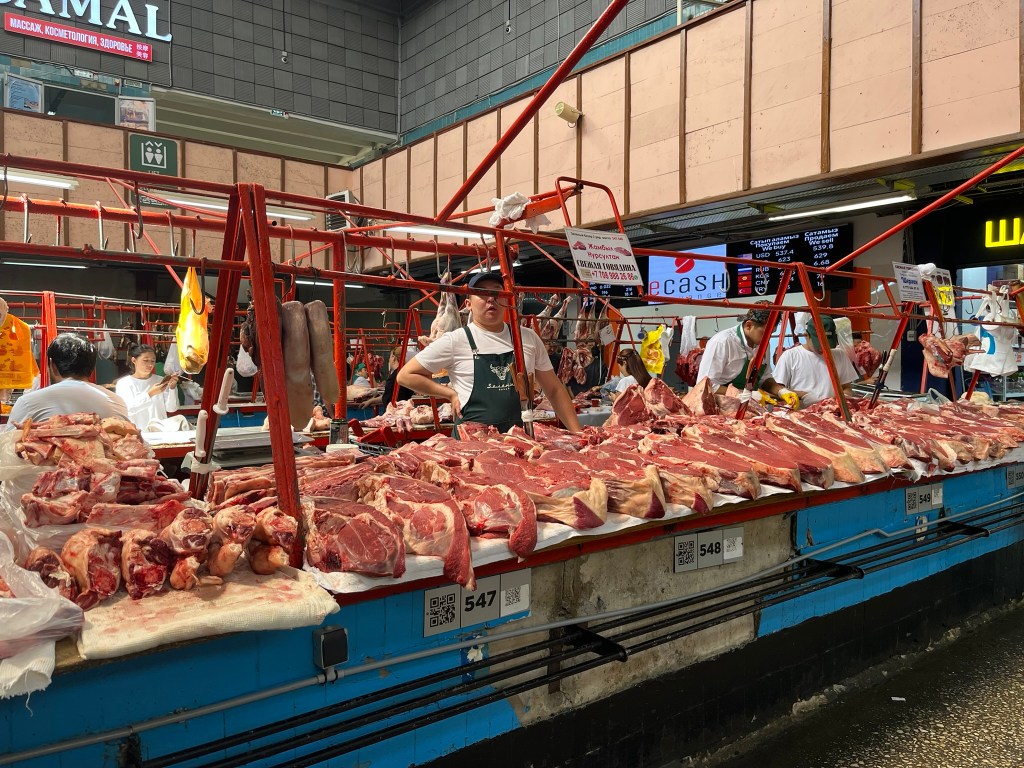
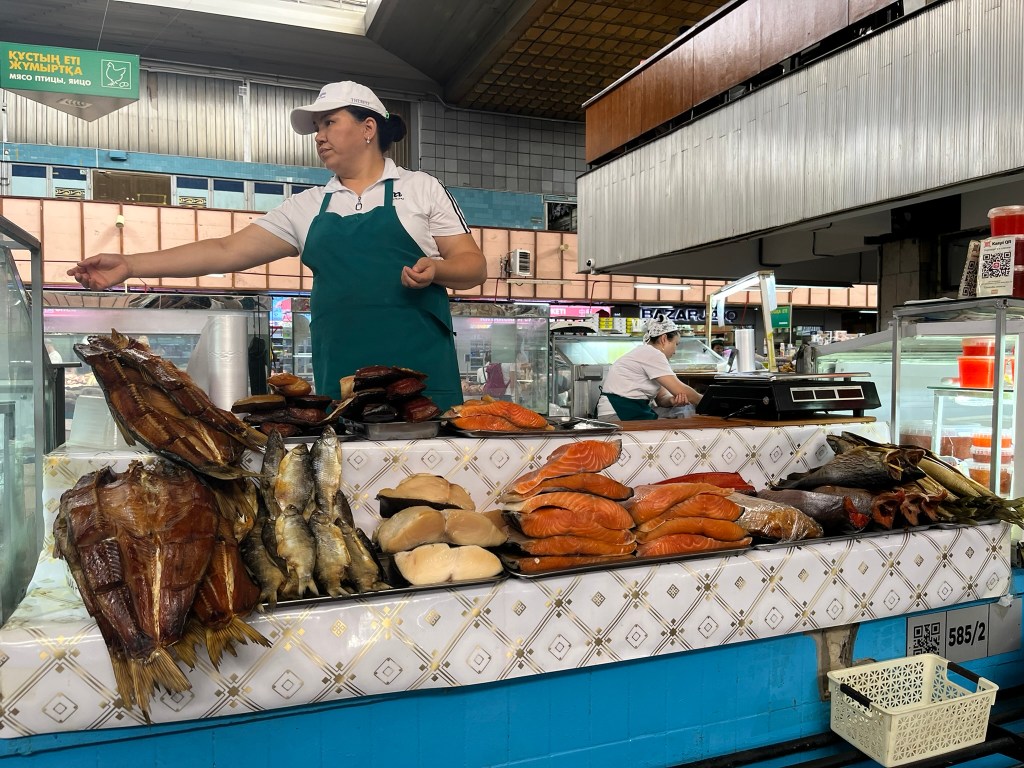
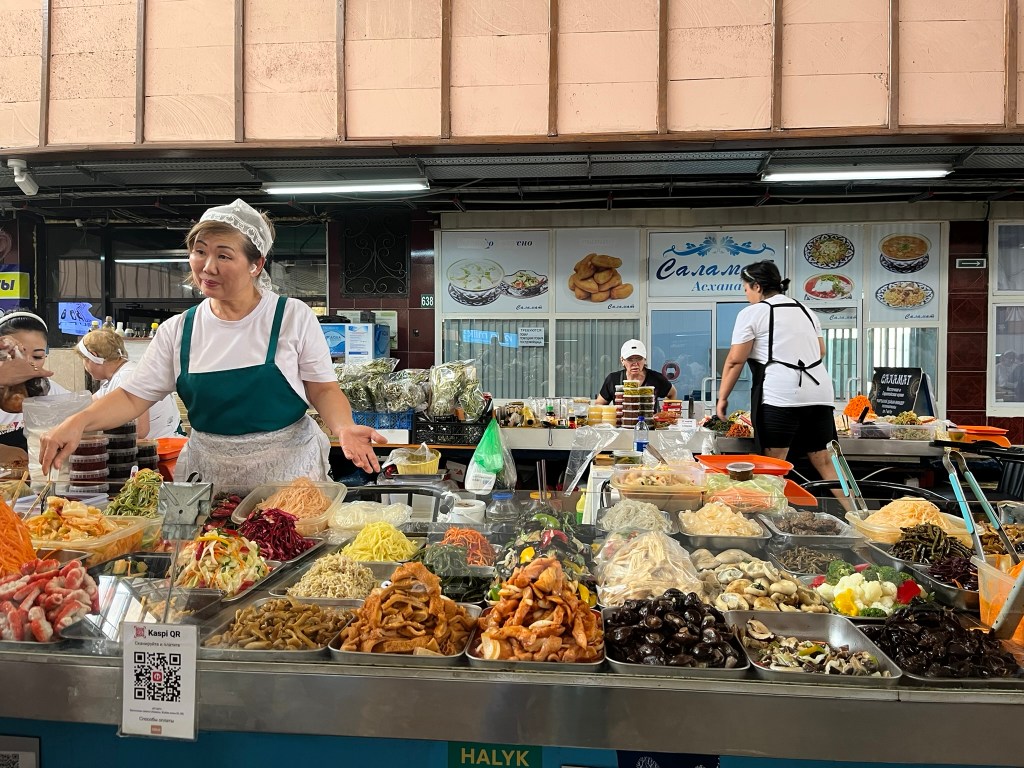
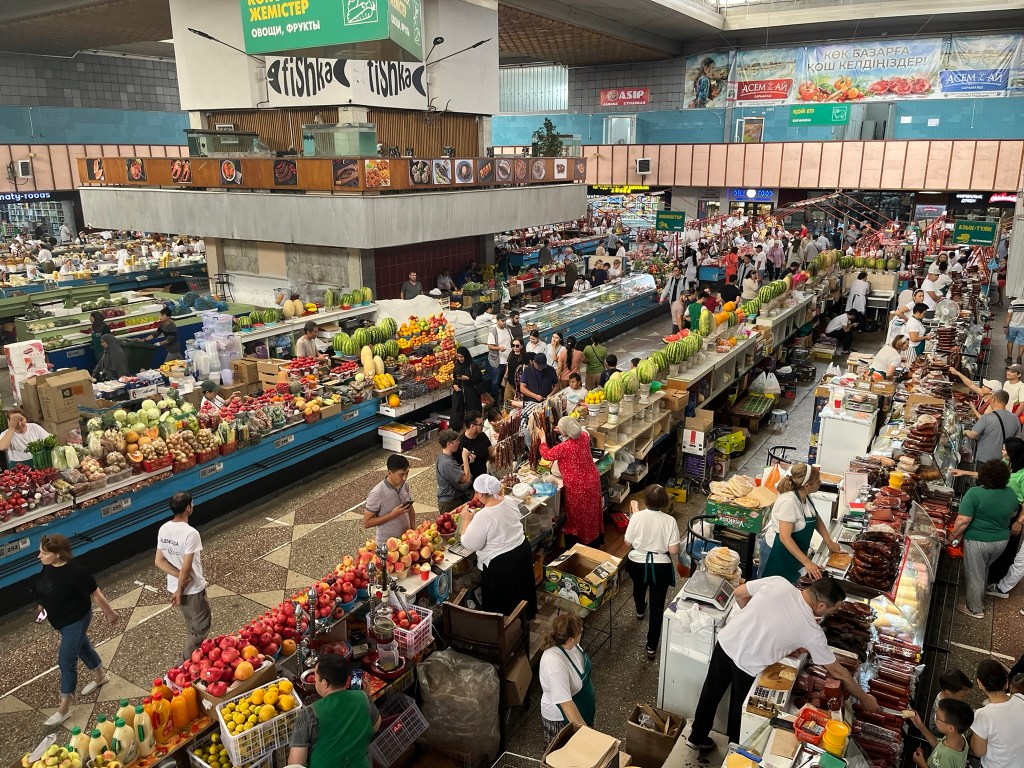
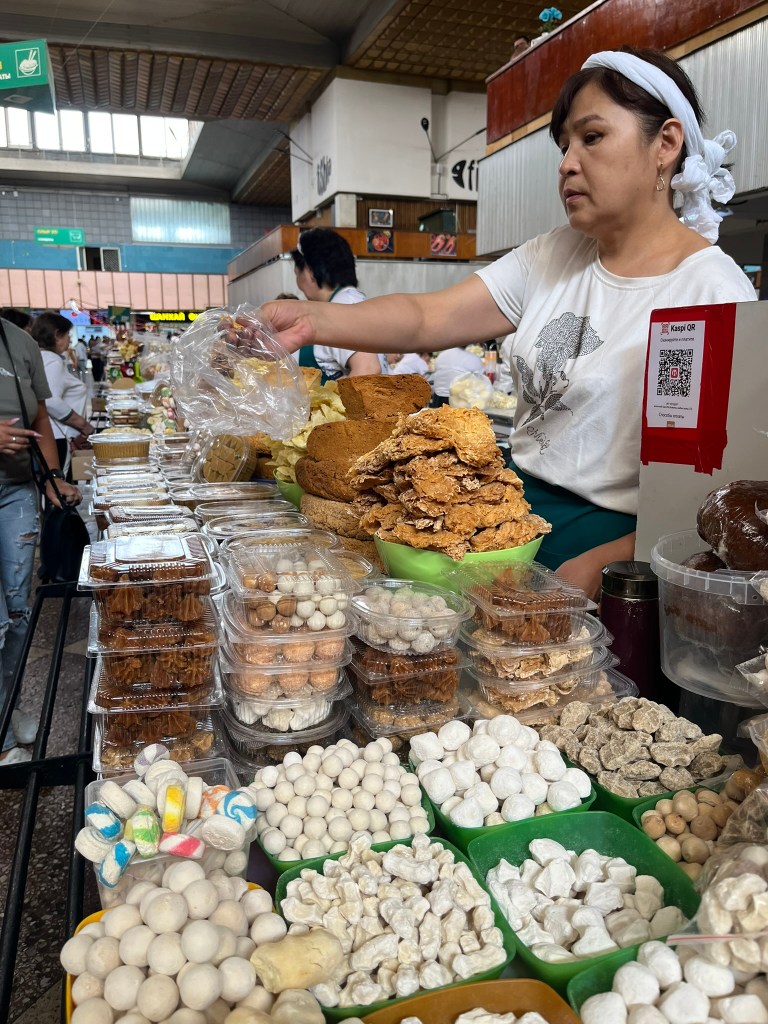
We stopped at the dairy section to do a small tasting of different types of dried cheeses as well as fermented horse and camel milk. Dried cheese is a traditional nomadic food since it is so easy to store and transport over a long period of time. Qurt comes in small round balls that look a bit like chalk but it’s actually dried and fermented salty cheese. The flavour was quite strong and it wasn’t my favourite. It can keep for months or even years without spoiling. We tried some other dried cheeses that I didn’t catch the name of that had an almost caramelized sweet taste that I was quite surprised by. The horse milk tasted like fizzy milk and was ok to drink. However the camel milk had a very strong after taste and I don’t think I’ll be trying that again!
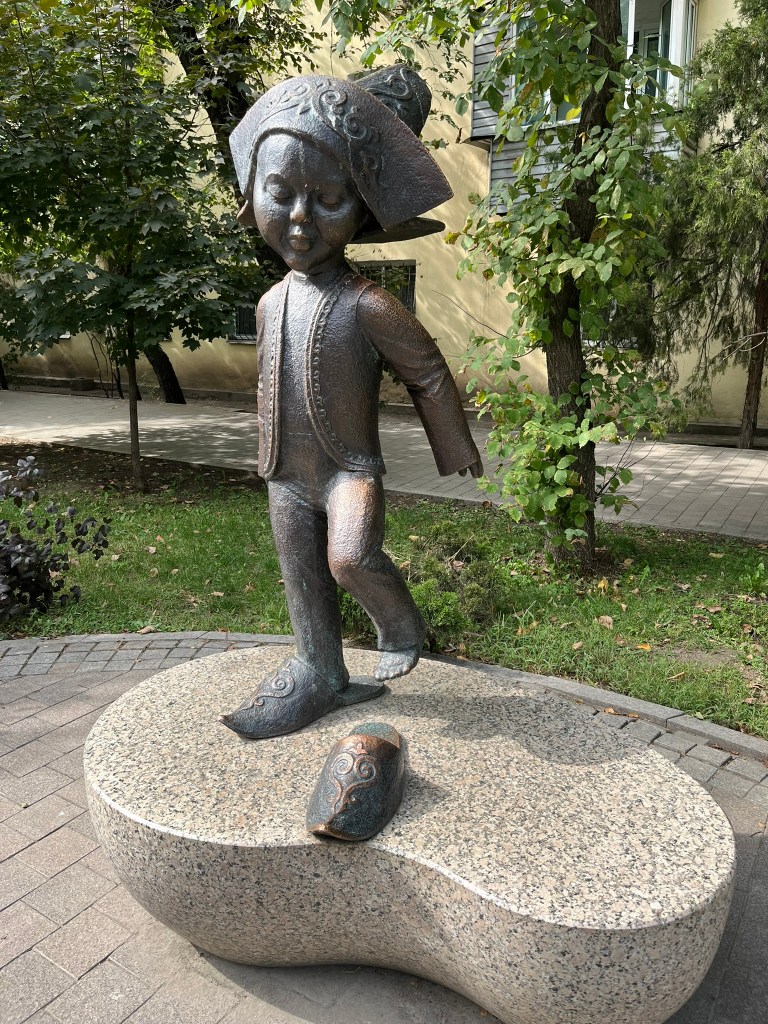
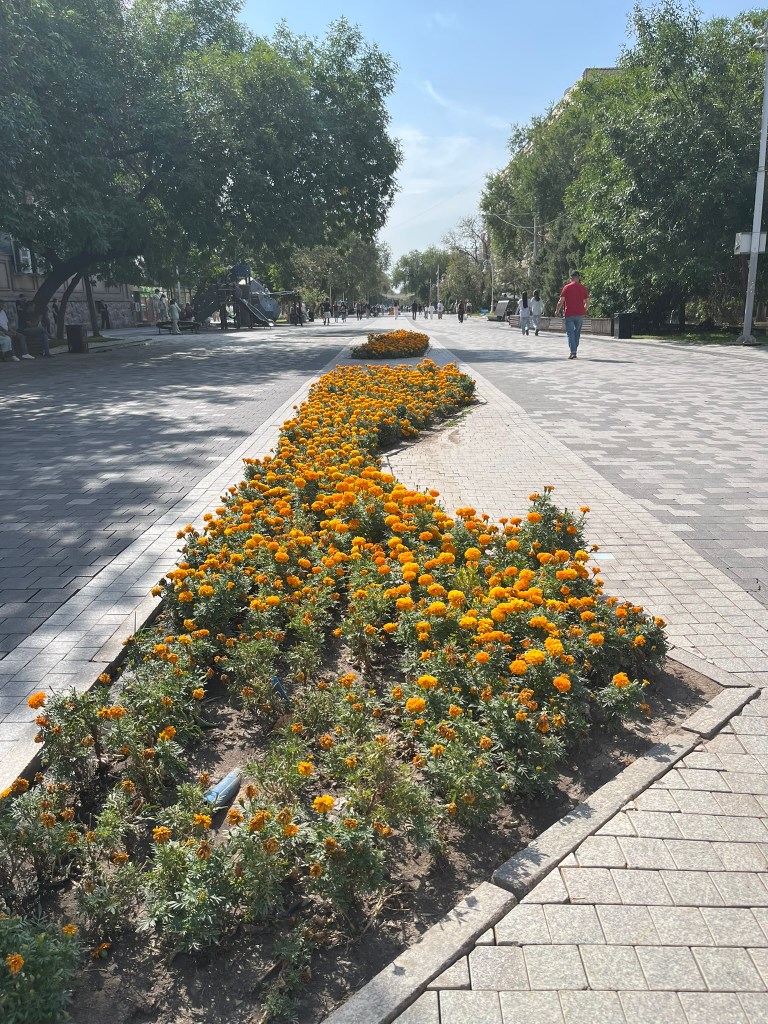
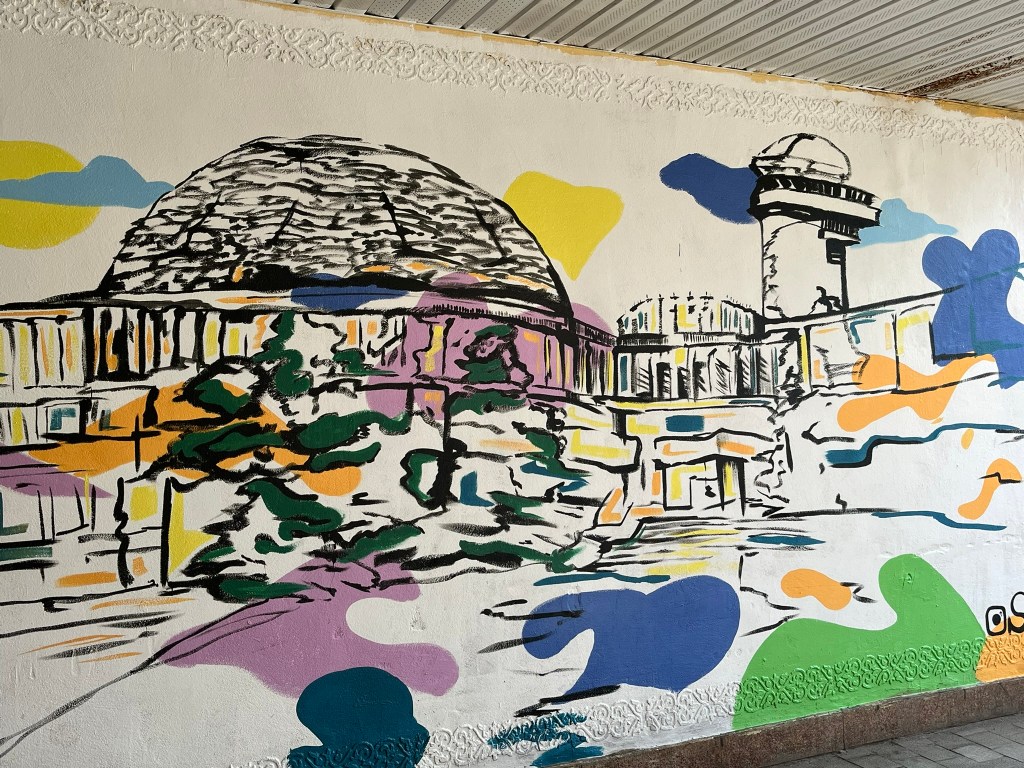
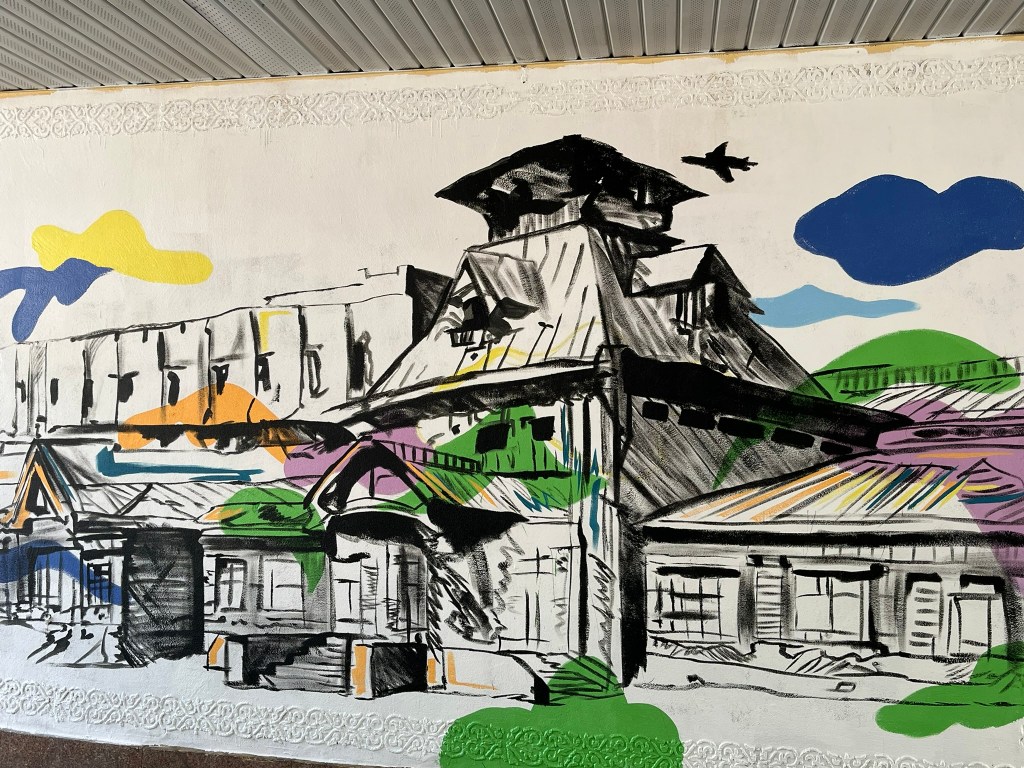
Our final stop was a walk along the pedestrianised Zhibek Zholy Street (translates as Silk Road) but more often referred to as Arbat Street. This is a lively place, with street art, play grounds, water fountains and benches for families to sit at. There are lots of cafes and small vendors and it seems like an important part of city life in Almaty.

Our walk ended at our hotel and I must say Almaty is an impressive city. If you were to travel to Central Asia, this would be a must-do place to stop off at.
 Colette's Grand Detour
Leave a comment