Day 16 (12th August 2025)
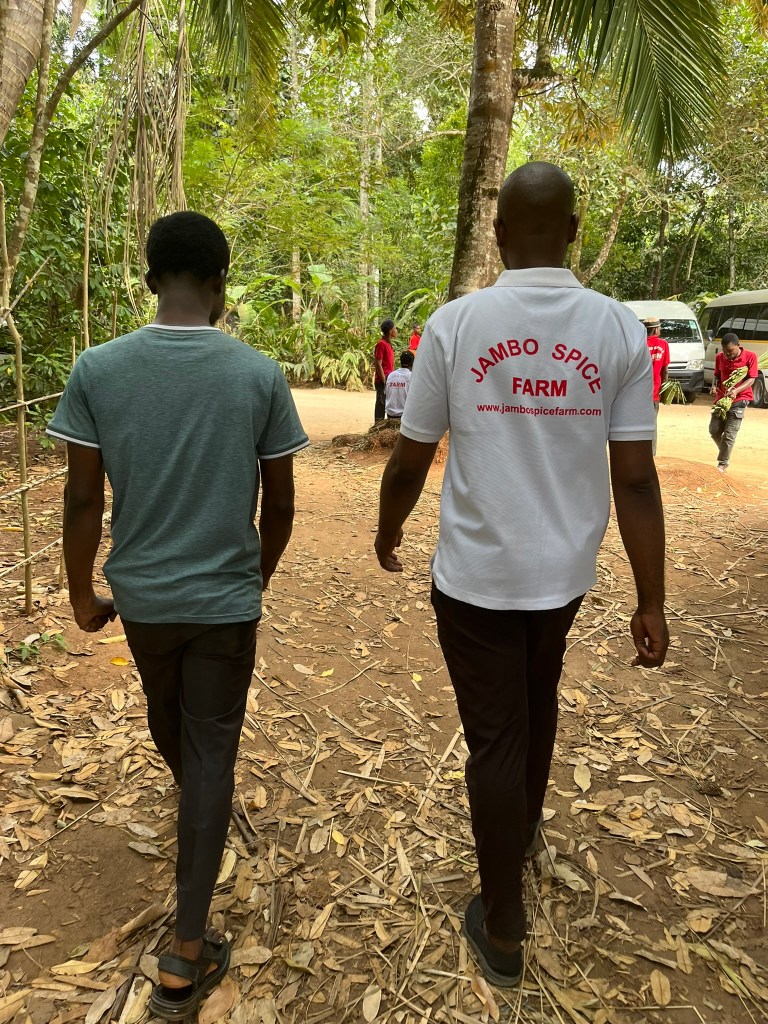
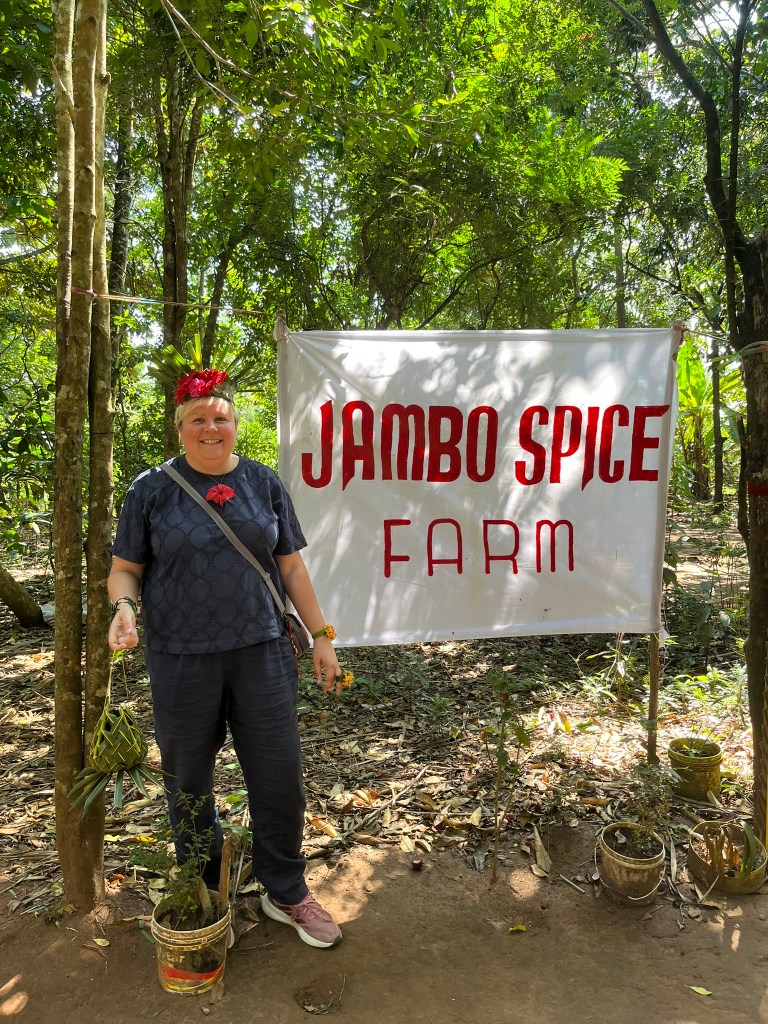
My first stop of the day was to a Spice Farm. I was a little hesitant that this might be a bit meh, but it seemed to be included in every day tour of Stone Town. The tour was actually great and much more than simply a quick walk around a few trees and bushes.
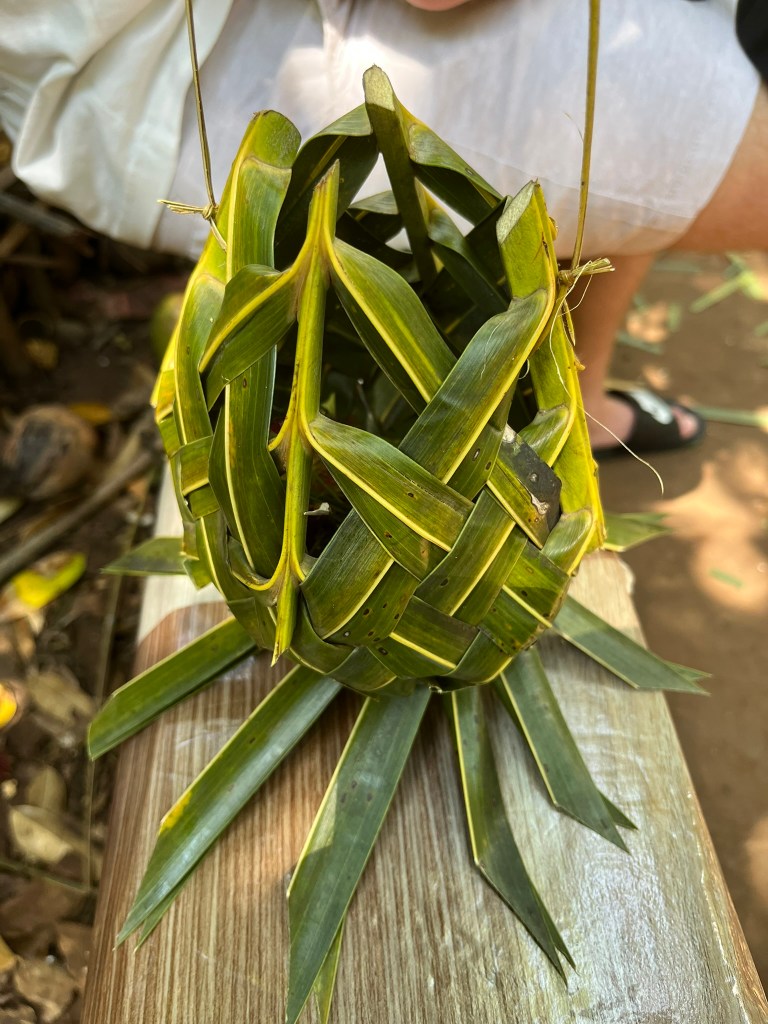
We started by taking a walk around the farm stopping to smell (and sometimes taste) different plants. I was given a freshly-made basket woven of palms to carry around my spice examples. We looked at turmeric, ginger, black pepper, cardamon, nutmeg, cinnamon, cloves, aloe vera and many more. Some spices surprised me in how they grew, for example nutmeg is literally a nut inside a fruit, and cardamon grows on the ground attached the plant. We tasted black pepper which was super hot and aloe vera which was horribly bitter. Our guide explained that some people use nutmeg to get high by mixing it with porridge and it doesn’t take much – just 2 whole nuts.
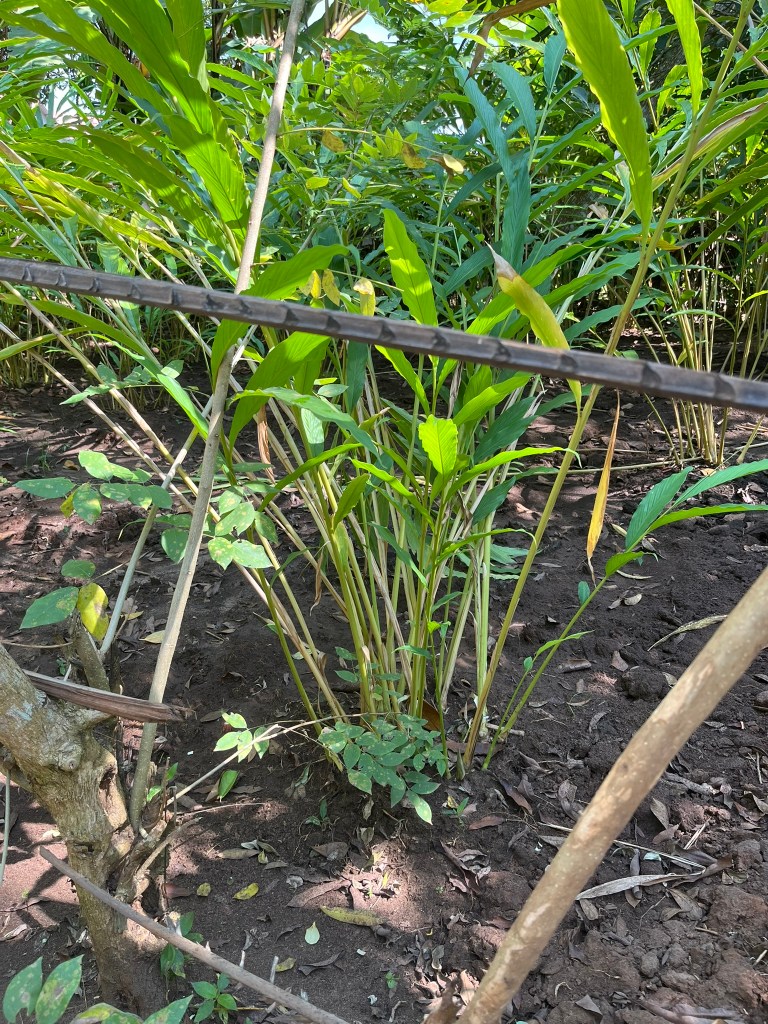
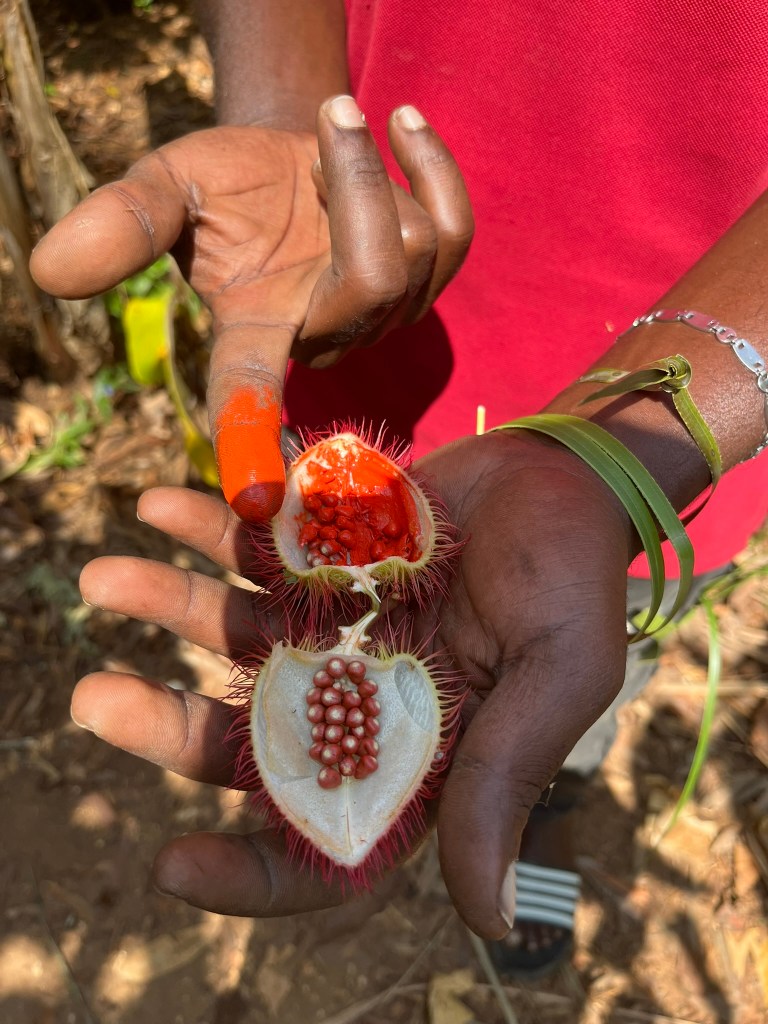
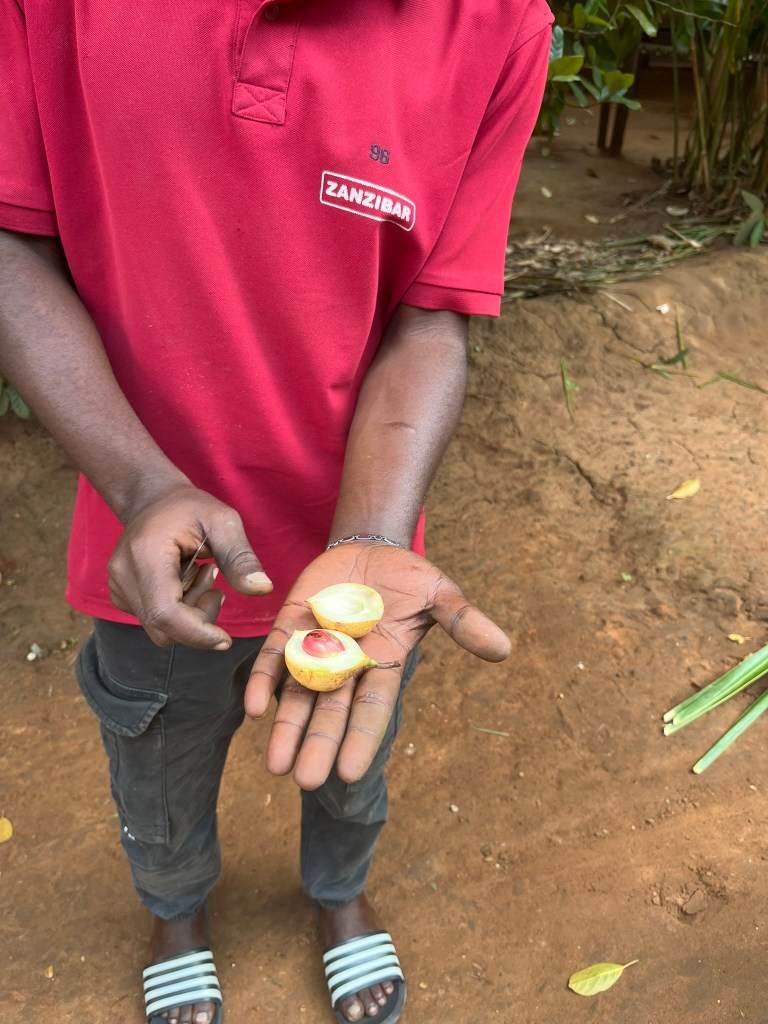

The 2 most interesting plants are what our guide called the King and Queen of Spices. Clove is King. Cinnamon is Queen. To explain their significance I have go back to the history of Zanzibar. From the 19th century onwards, Zanzibar became one of the world’s major producers of valuable aromatic spices. These spices were brought to the island in the early 1800s by the Sultan of Oman, who recognized that there were ideal growing conditions for spice cultivation and who built large plantations all over the island. Spices formed part of the triad of goods (along with slaves and ivory) that were traded from Zanzibar all over the world and brought the island enormous wealth.
Cloves originally come from the Maluku Islands in Indonesia and were brought to Zanzibar in the 19th century via Mauritius. Zanzibar quickly became the world’s largest producer of cloves and this success drove the construction of Stone Town’s grand coral-stone houses and palaces. Back then the Sultan imposed a strict monopoly on the clove trade – farmers had to sell to the government who controlled pricing and exports. And this government control still persists today.
Cinnamon is also an important part of the island’s spice heritage. What is interesting about the cinnamon tree is that everything has a use. The inner bark is the cinnamon spice that most of us are familiar with, either ground into powder or rolled into quills. The outer bark can be burned as a natural mosquito repellant. The leaves have a spicy scent and can be distilled into oil for cosmetics or tea. And the roots have menthol properties and are used for medicinal purposes.

Our final stop was the Ylang Ylang tree, where the flowers are actually the main ingredient of Chanel No 5. And it really did smell like the perfume!
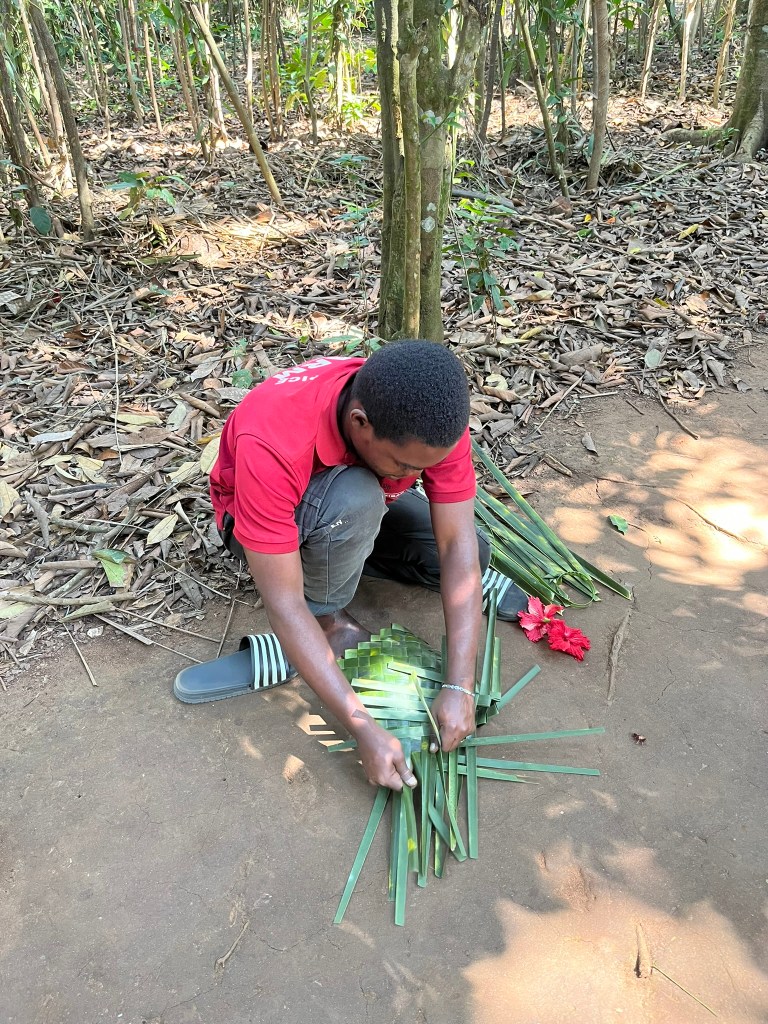
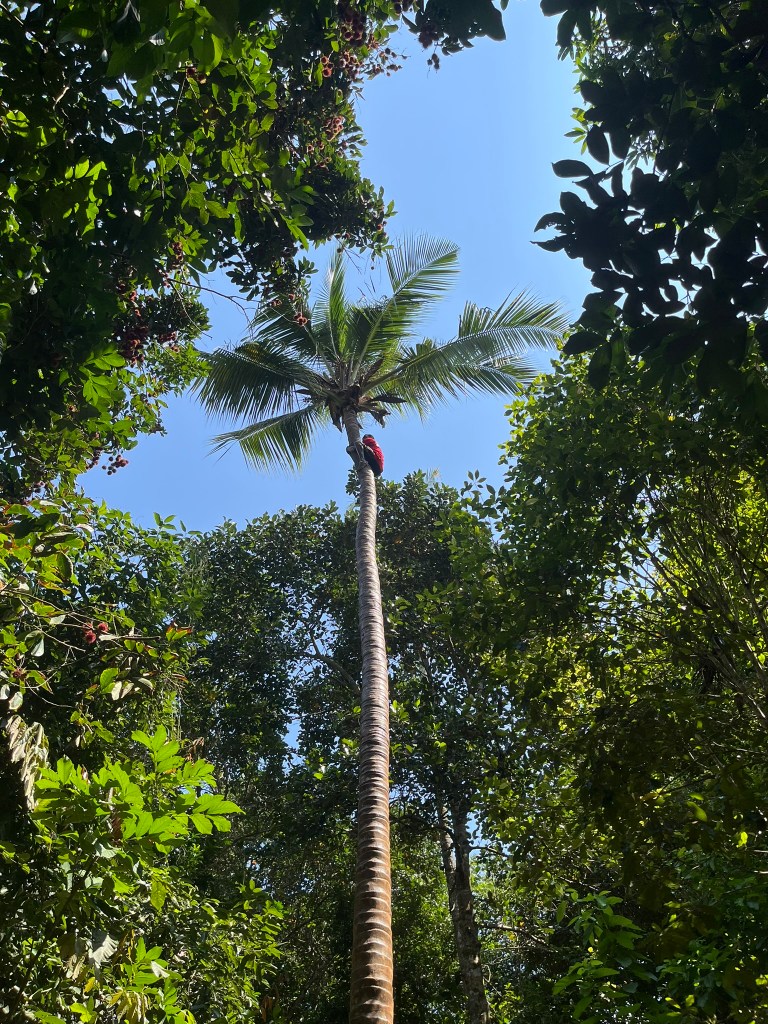
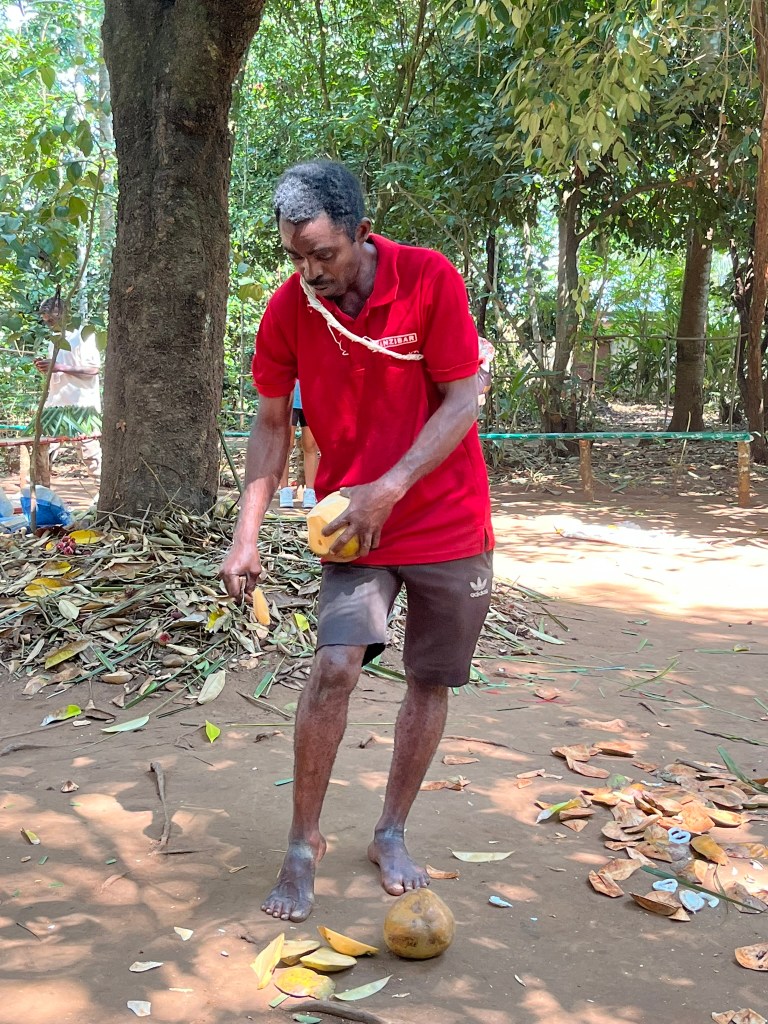
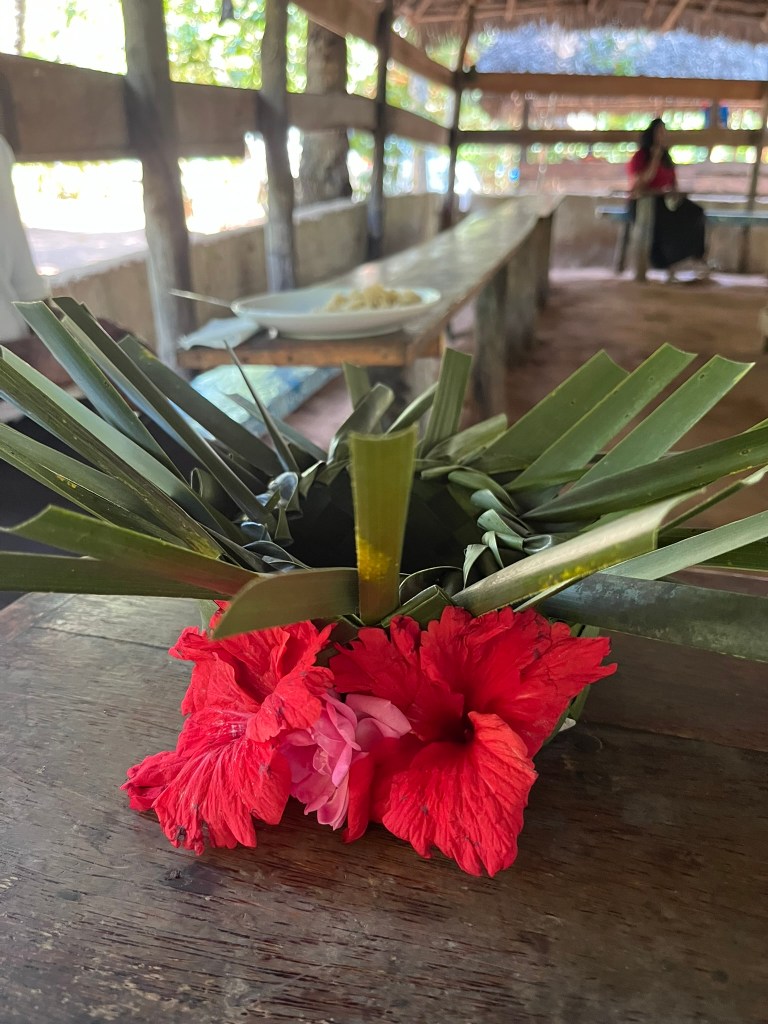
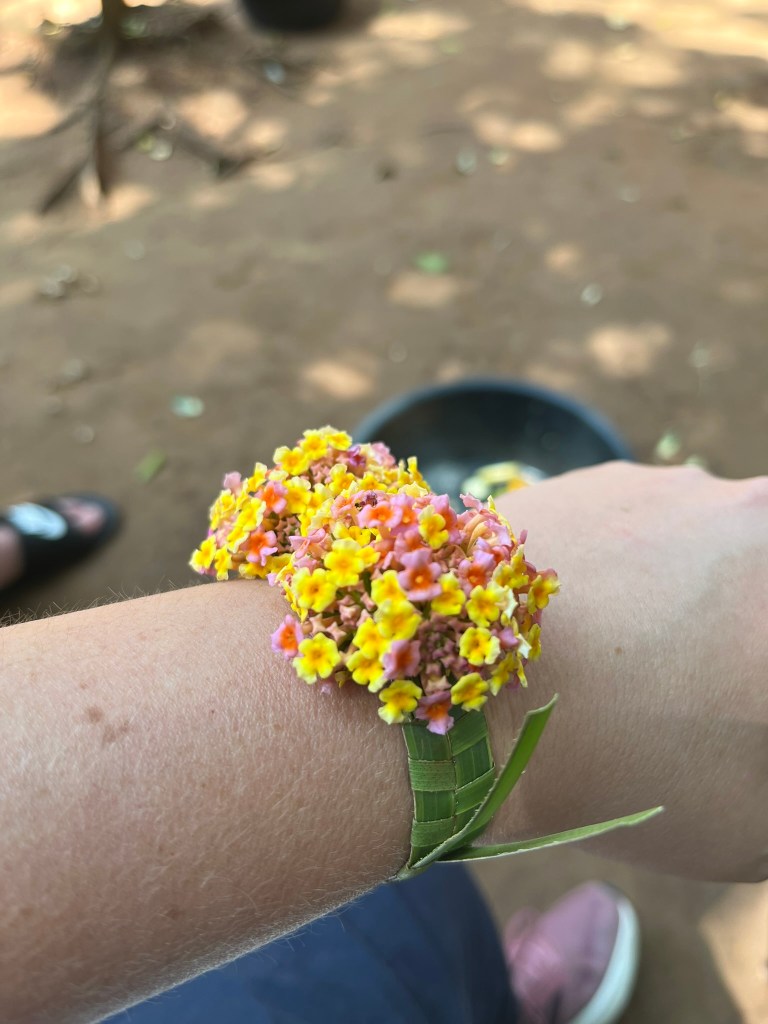
After finishing the spice tour, the man who had made my basket, presented us with flowered crowns, bracelets, rings and necklaces all made from fresh palm leaves and flowers. It was a bit cheesy but he had worked very hard to make everything whilst we were wandering the farm. And for its speedy construction they were actually beautifully made. We watched a man climb a tall palm tree with just a small figure-of-8 of rope tied around his feet and sheer strength. And we drank from a freshly cut coconut. Then we had lunch with pilau (Zanzibar’s version of spiced rice) and fresh tuna, followed by a selection of fruit from the farm, cut fresh in front of us.
The bit I liked best was that the spice farm was in the middle of a community. As we wandered the farm there were local women and children walking alongside us, on their way to somewhere in the village and the houses of the people who work in the farm were close by. The farm wasn’t in a isolated area away from the hustle and bustle of daily life. I enjoyed the morning more than I expected to, so I would say to anyone unsure about booking a tour, go for it. Spices are one of the main reasons the island is like it is today, and without seeing the farms its difficult to connect all the dots in its history.
 Colette's Grand Detour
Leave a comment