Day 13 (9th August 2025)
We reached the rim of the crater at about 11am after a long drive back through the Serengeti and Ngorongoro Conservation area from early this morning. To descend into the caldera there is one road down and one road up and it takes about 20 minutes winding down the steep cliffs of the caldera walls. From the rim to the caldera floor it is about 600m but it felt like much more as we slowly made our way down. Thankfully, the road is now paved as this is also a major migration pathway for elephants and it was becoming difficult for them during the rainy season. I can’t imagine what the road would have been like if they hadn’t laid cobblestones down on it!
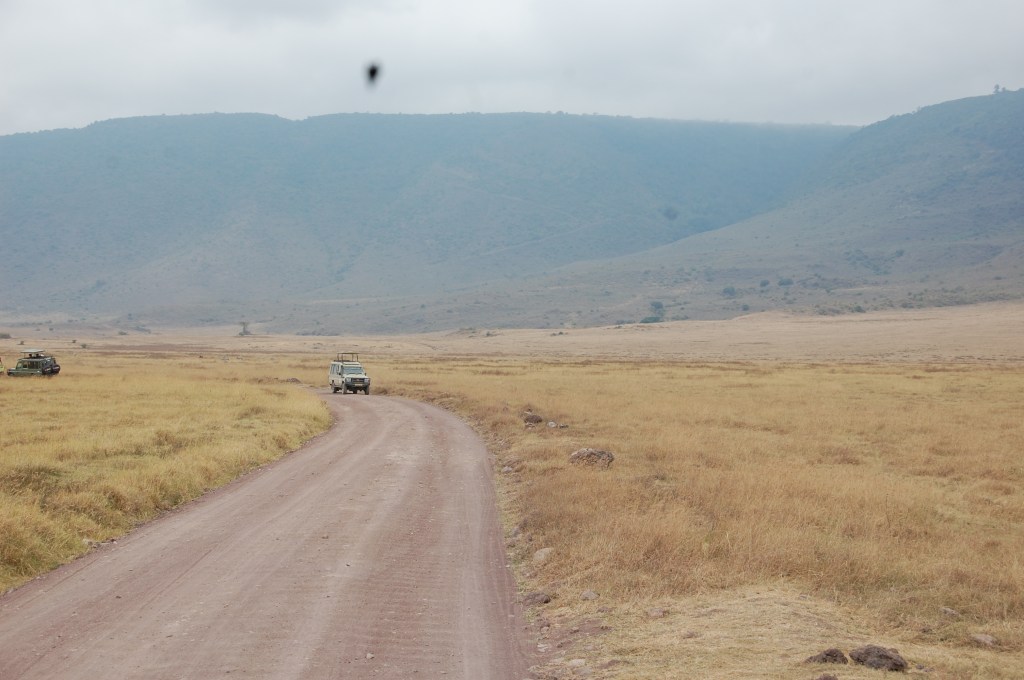
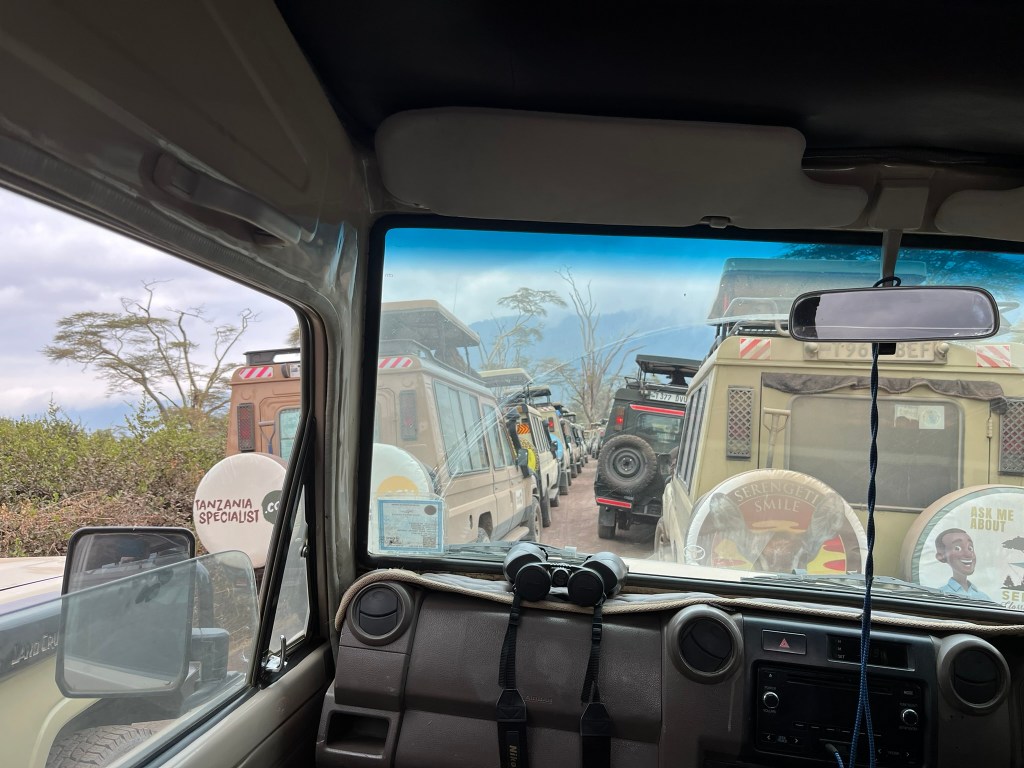
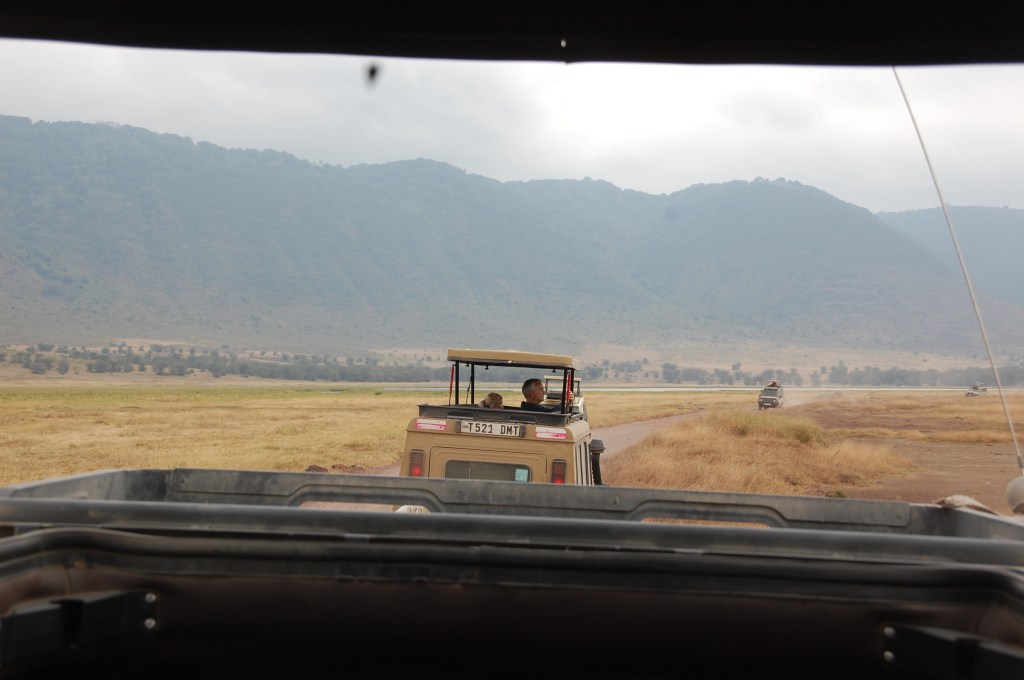
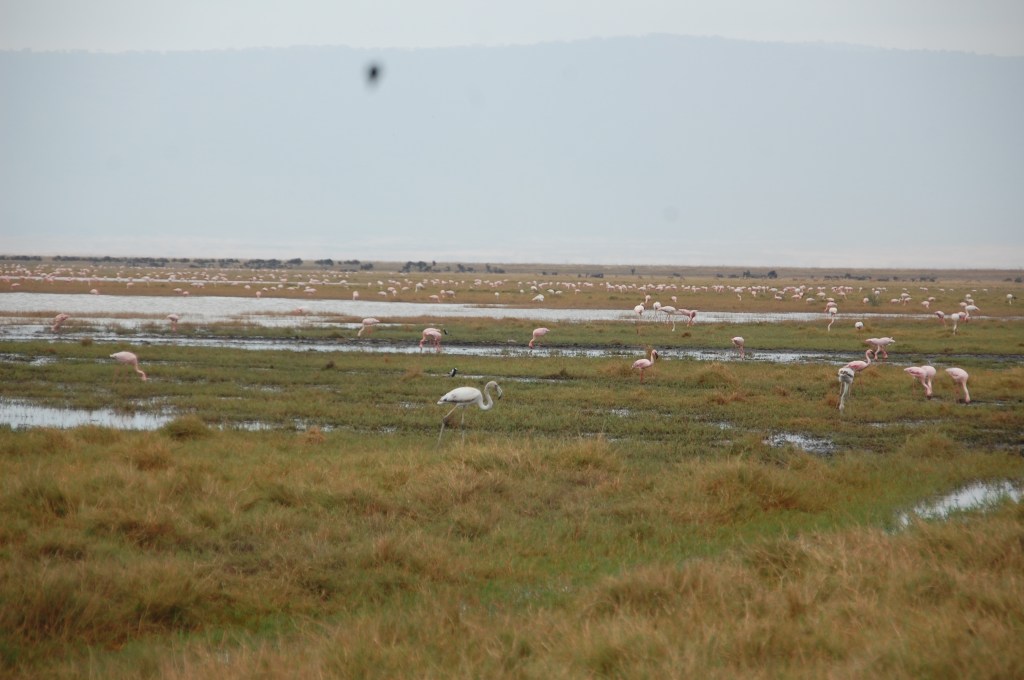
The park is very busy as most people do a game drive here either on their way to, or returning back from, the Serengeti. The park has implemented a system of breaking up the day into 2 sessions – a morning and an afternoon one. Which has helped a little, but because it is quite a small, compact area, it still felt very busy. The park within the crater is 260km^2 and contains a broad range of environments from a big alkaline lake where we got to finally see flamingoes, to swampy areas, open grassland and forested areas. Because it is so small, the concentration of animals is a lot higher.
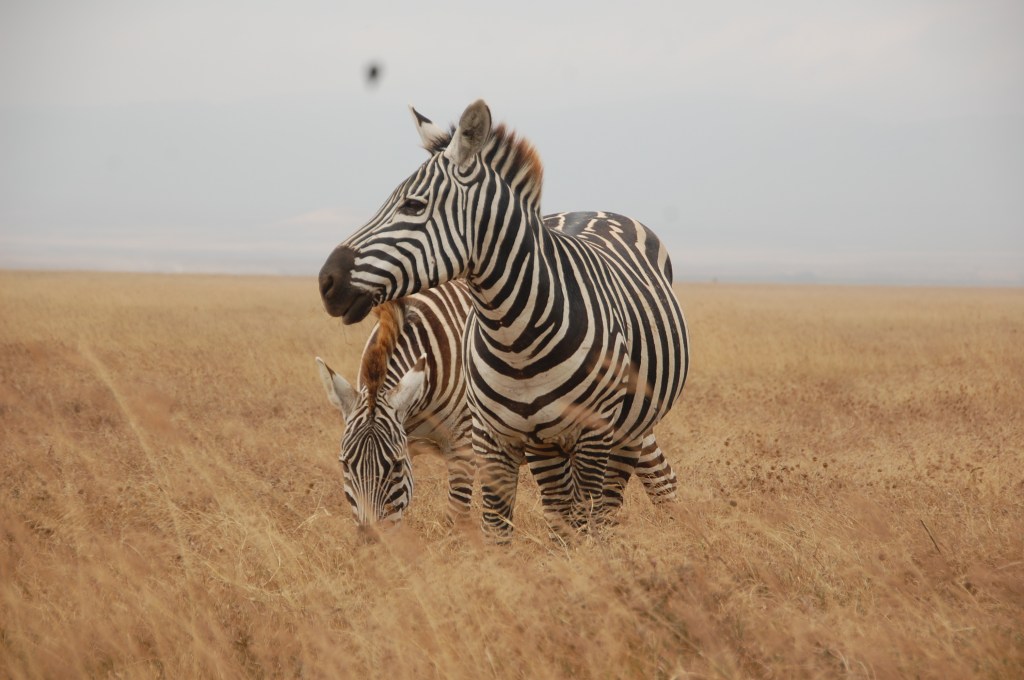
Most of the time we spent down there we were constantly seeing animals, and more often multiple species in the same spot. Many spots we stopped in had lions in the foreground, and in the background, buffalo, gazelle, zebra, wildebeest and birds all together. The lions have to hunt a little differently in this area as there is no where for them to hide and sneak up on the animals so the prey species are a bit more relaxed.
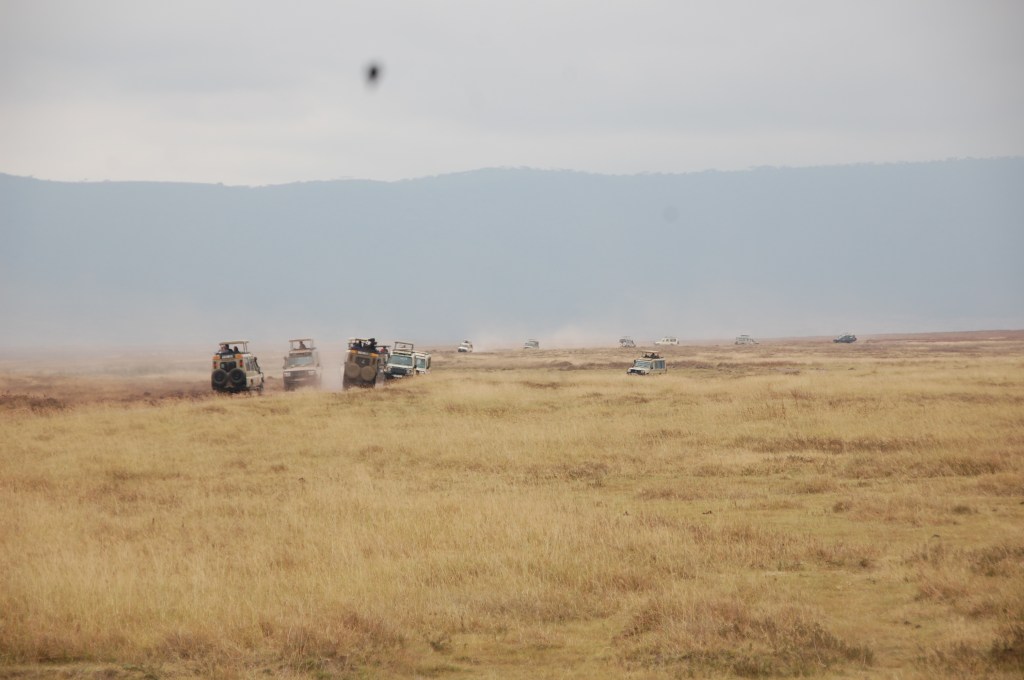
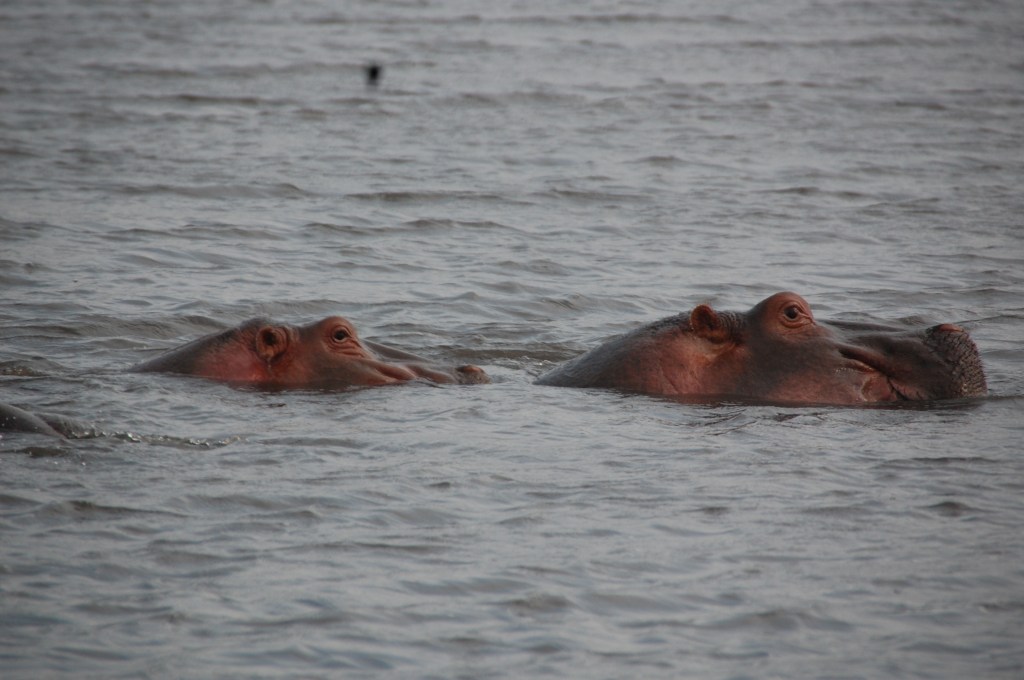
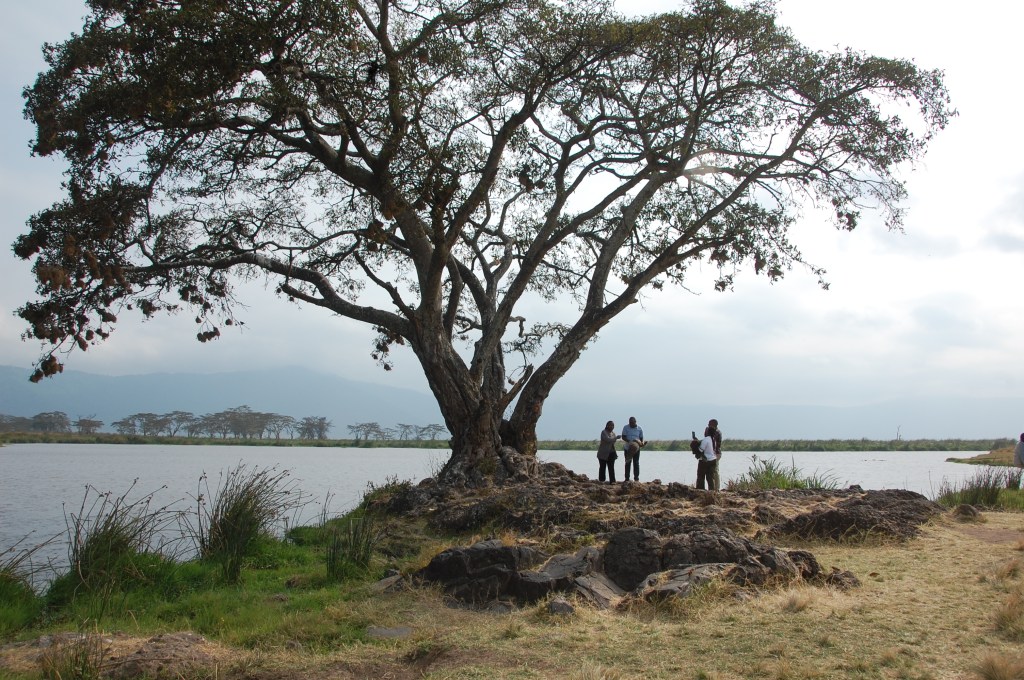
There are black rhino in the park who are incredibly endangered and the ones that stay here are monitored 24/7 for poachers. We spotted a group in a forested area, but they were very far off and even with binoculars they were hard to fully see. We spotted another lone rhino out near the lake, again very far away from the road. I felt very lucky that we had been so close up to one in Lake Nakuru. We saw quite a few lions, mostly relaxing and sleeping near the lake, a huge flock of grey-crowned stork and got close up to hippos in a swampy area that we could walk up to the edge of, to stretch out legs.

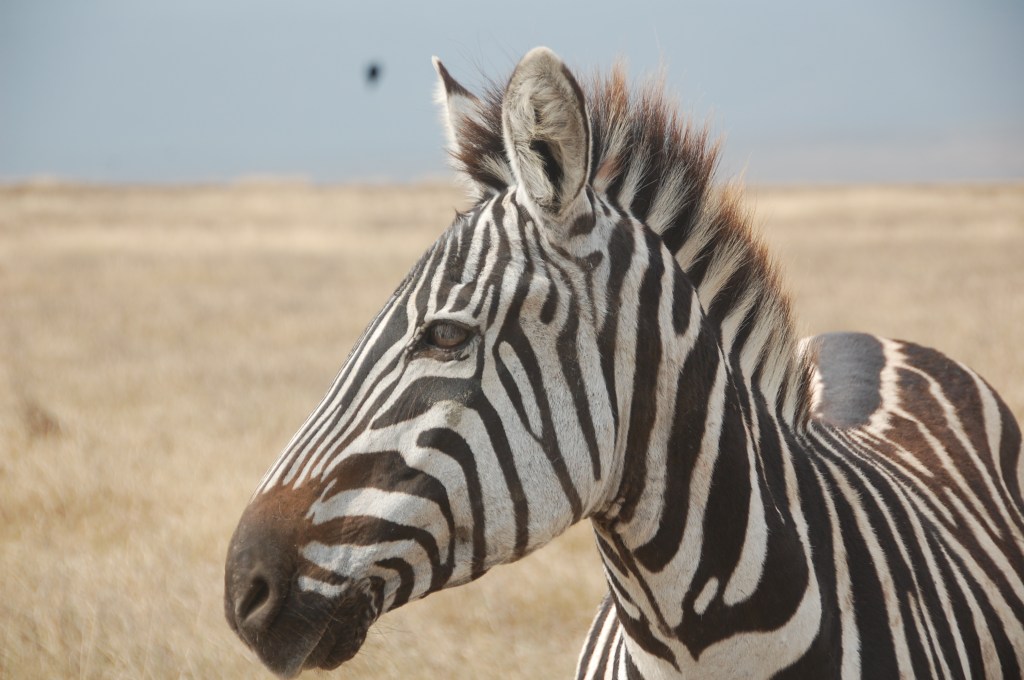
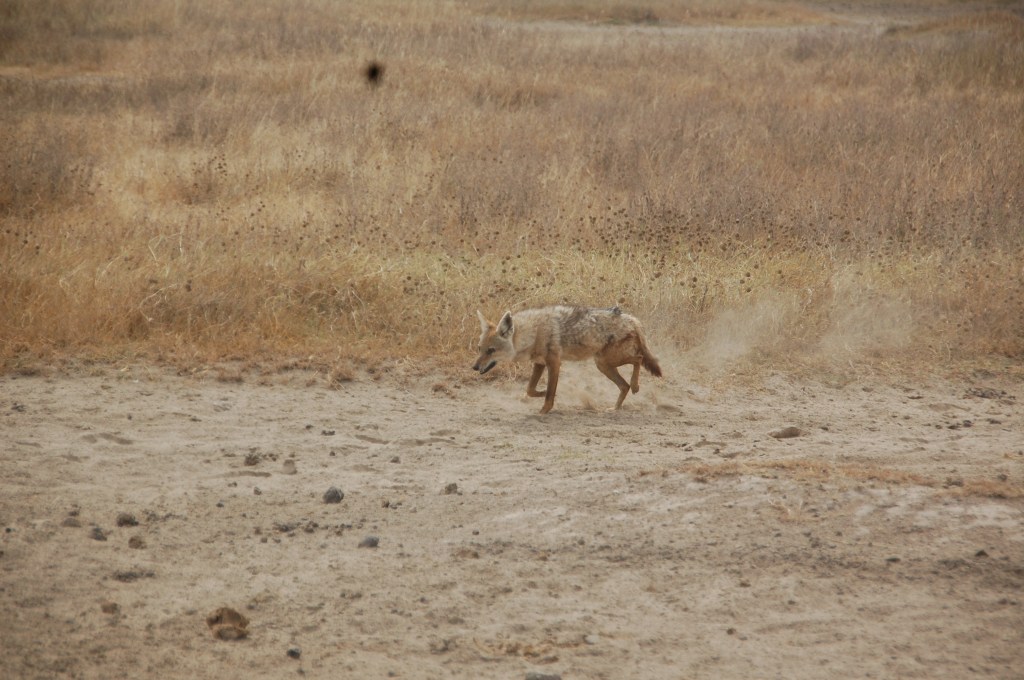
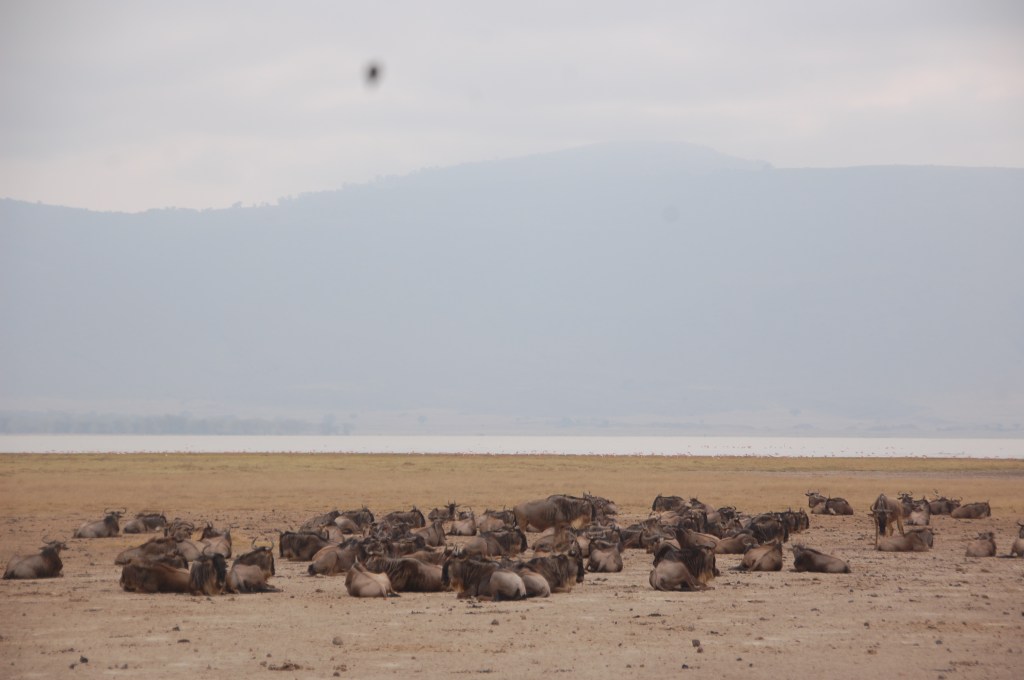
The animals in the crater do not migrate like those in the Serengeti and stay here all-year around, so we got the chance to see some final herds of wildebeest, zebra and wild buffalo on our final game drive of the trip. One of the issues the park is dealing with now is not enough gene-flow within the lion population as there are no lions leaving or entering the crater due to the surrounding areas being used for Maasai pasturelands. This leads to inbreeding in the lion population. If they don’t find a solution there is the potential that the lion population in the crater will slowly decrease causing an imbalance in the ecosystem.
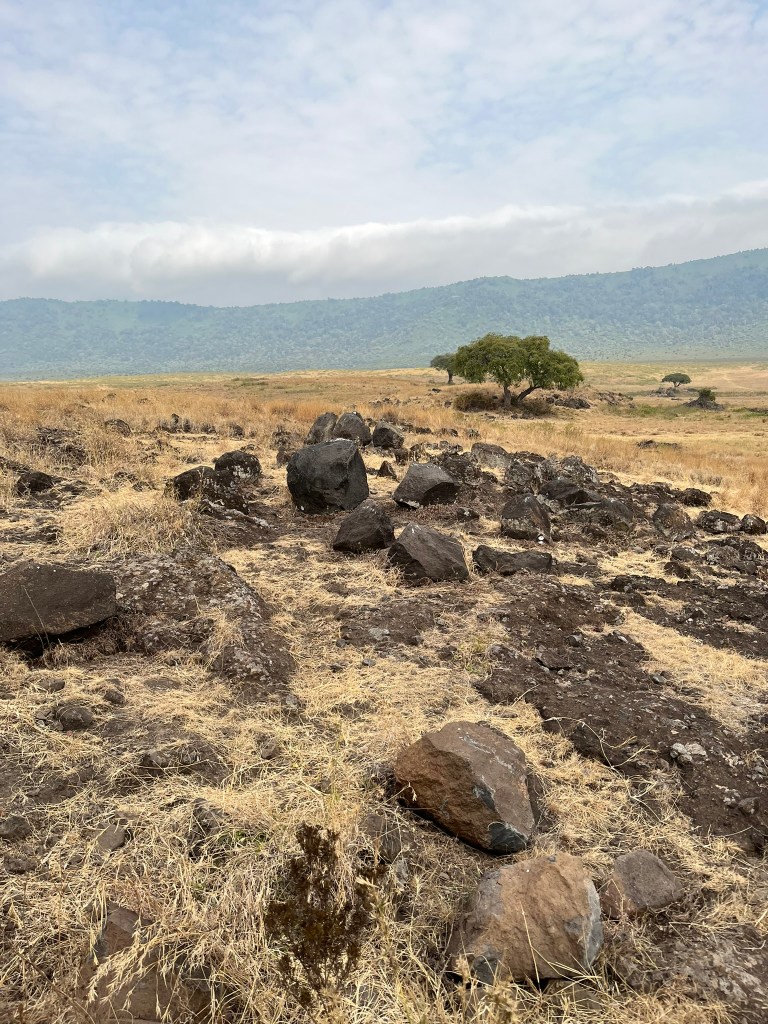
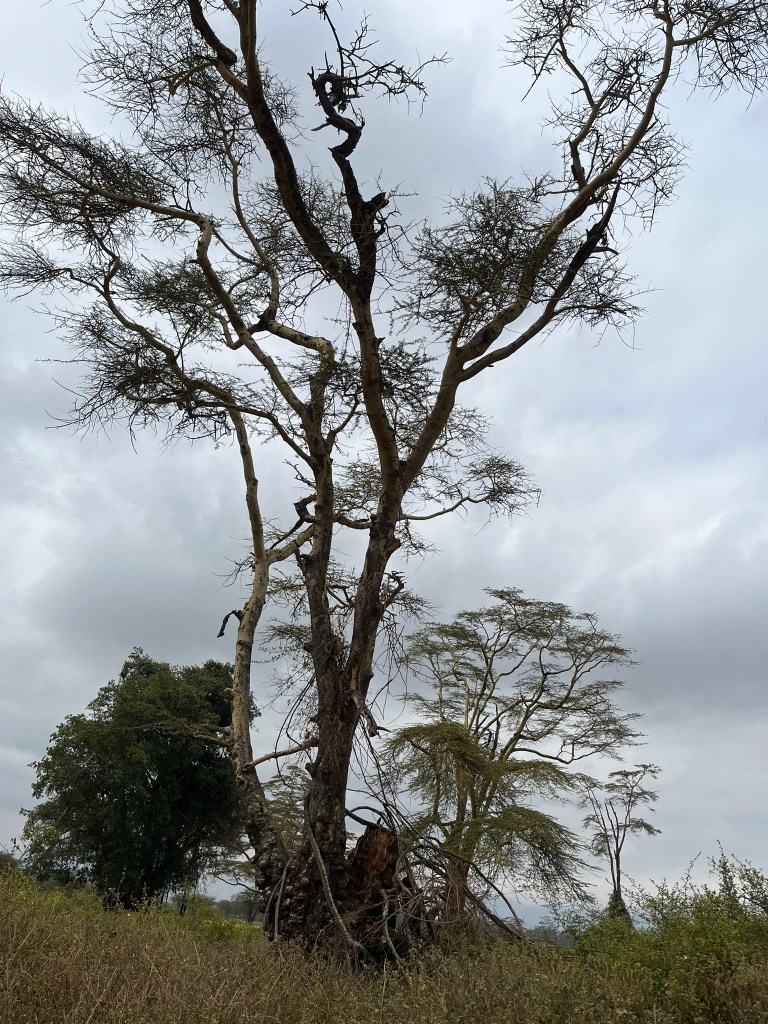
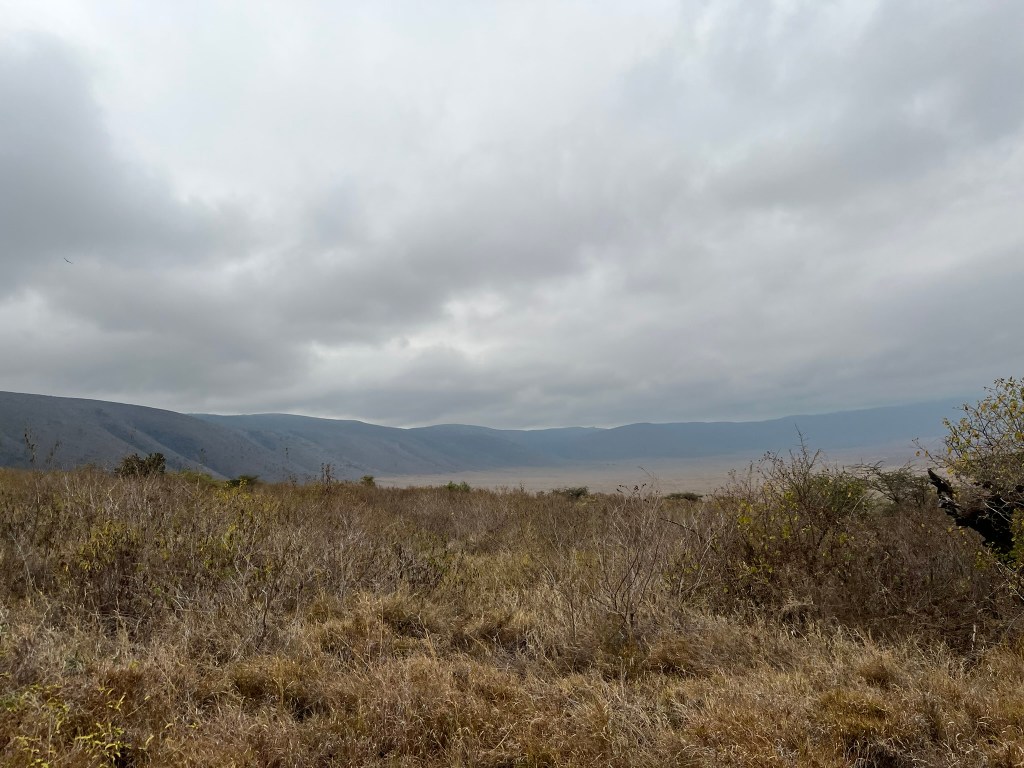
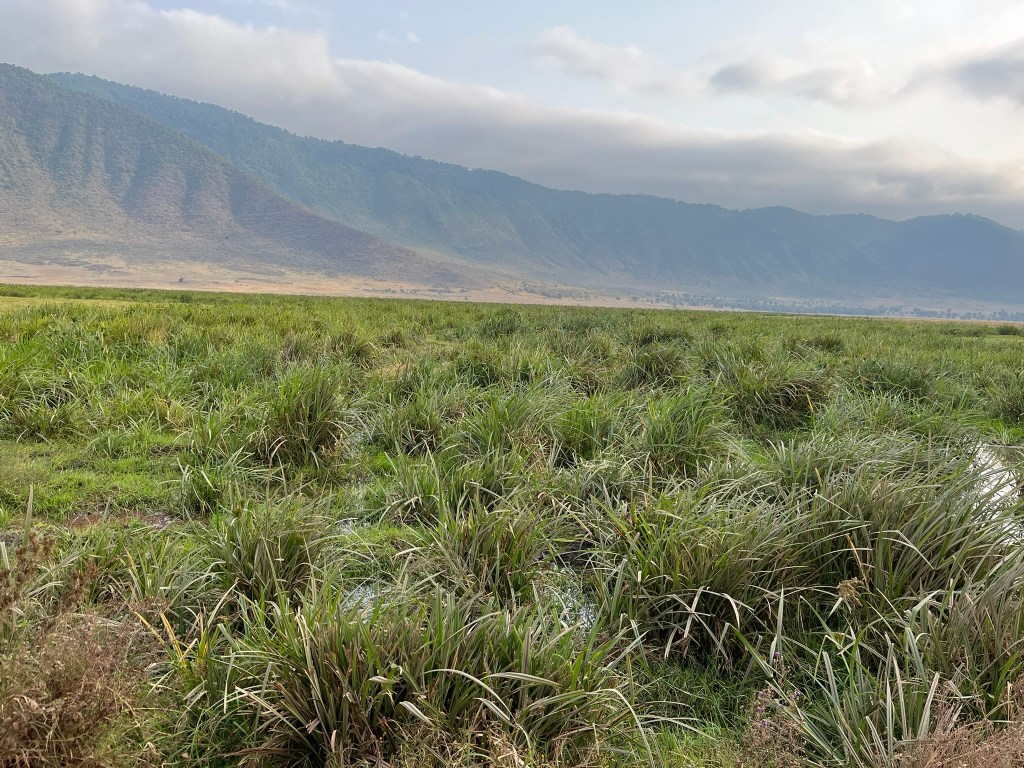

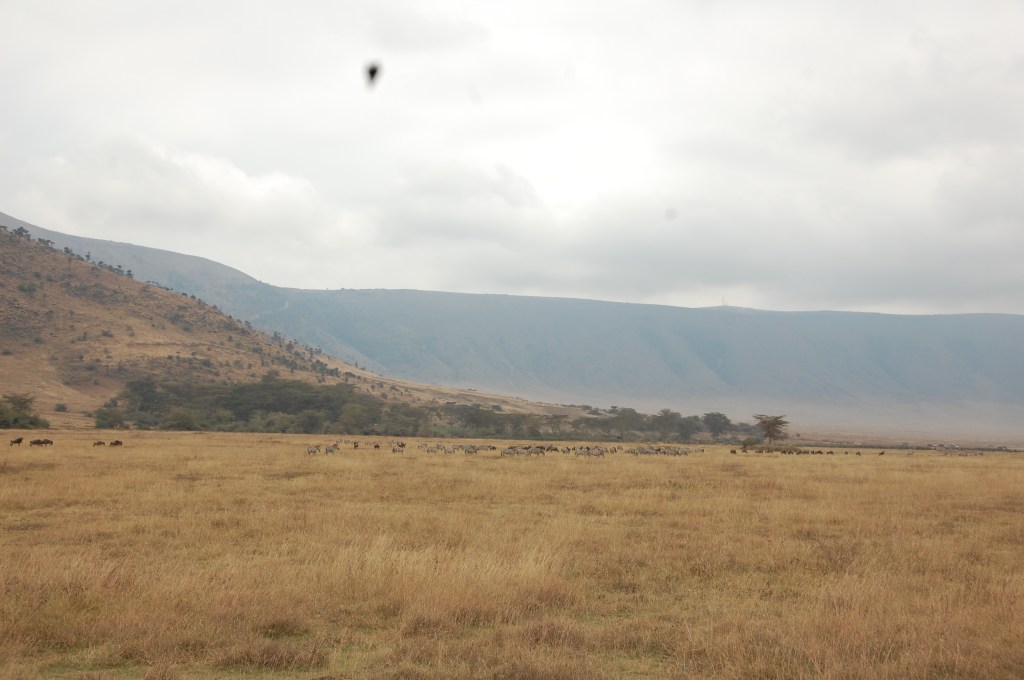
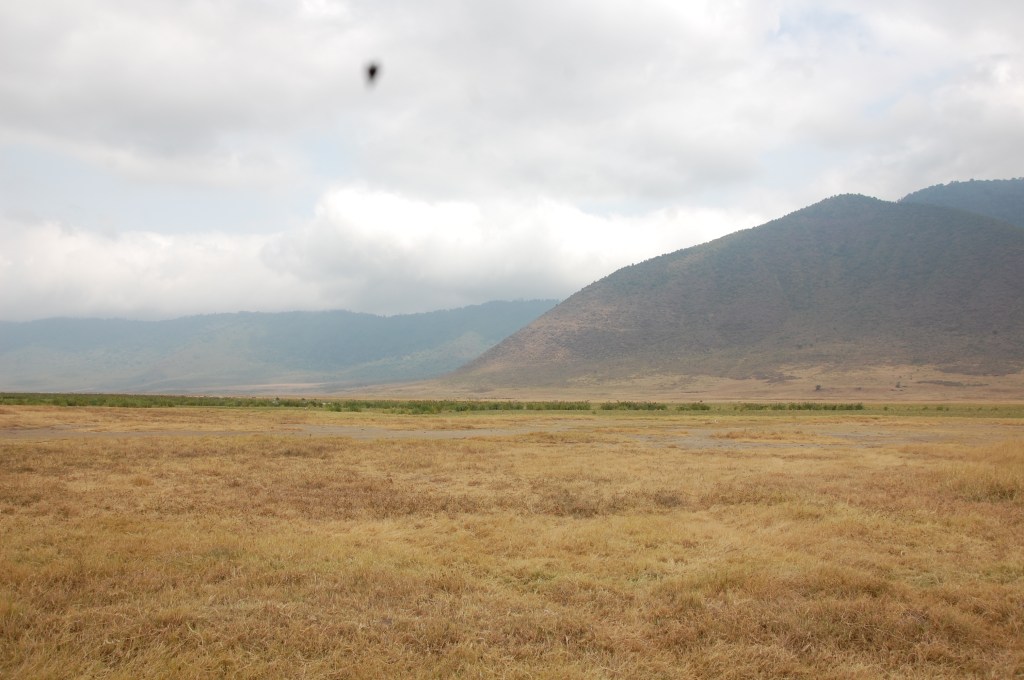
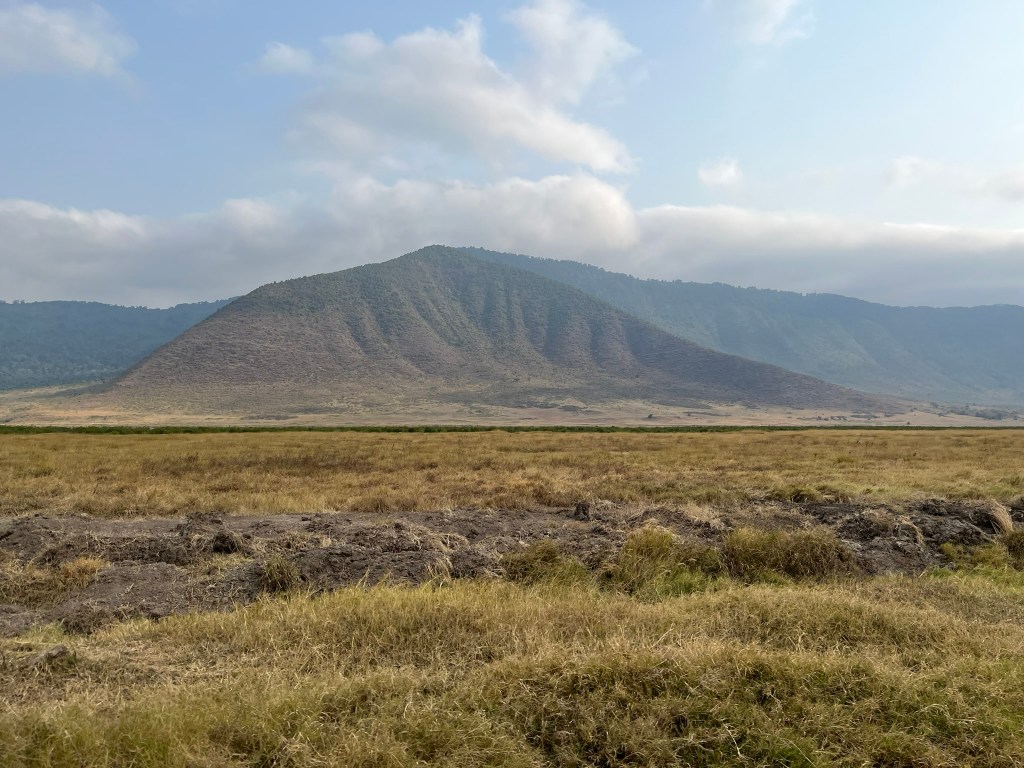
The animal life was great, but it was the setting that was very special. In all directions the walls of the caldera sharply rise into the sky, looming over the grasslands ominously. The landscape was spectacular and for a geographer with a big interest in volcanic environments it was something I will never forget. Its hard to imagine just how big this volcano must have been before it collapsed, and the sound and destruction that must have happened when it did collapse in on itself. Its also fascinating to think that if it hadn’t erupted so violently, millions of years ago, the fossils at Oldupai Gorge would not have been preserved and we would not have such a great window into early hominins evolution.
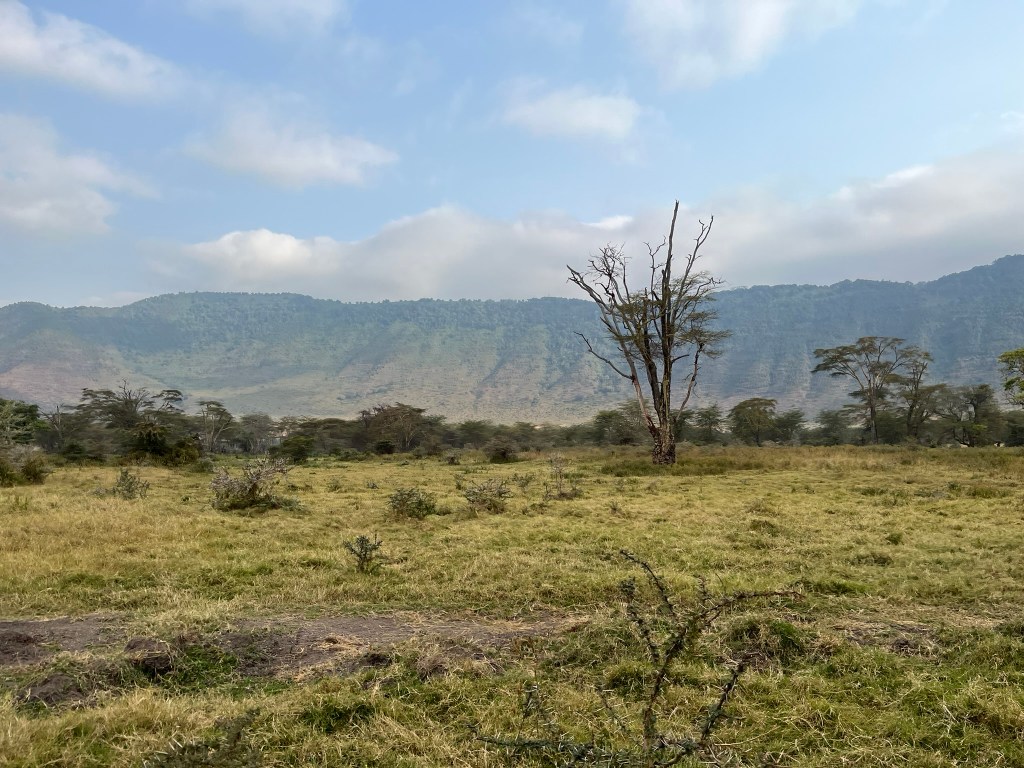
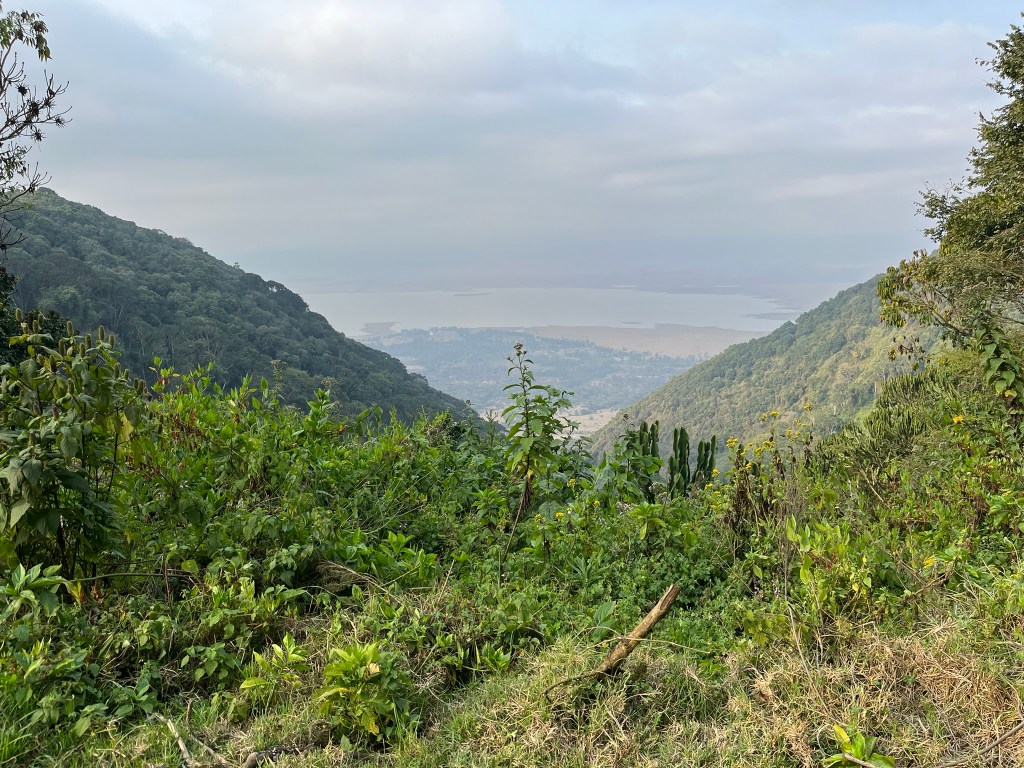
We started our ascent back to the rim at about 5pm and as we wound up through the steep roads it was interesting to see the vegetation change to a more dense jungle. This is where leopards like to live in the crater so I imagine they are very rarely seen. As we exited the park, the group agreed we were all sad that we had no more game drives left on the trip. Safari can be a little bit addictive and I am already thinking about potential future safari trips I can plan.
 Colette's Grand Detour
Leave a comment