Day 14 (10th August 2025)
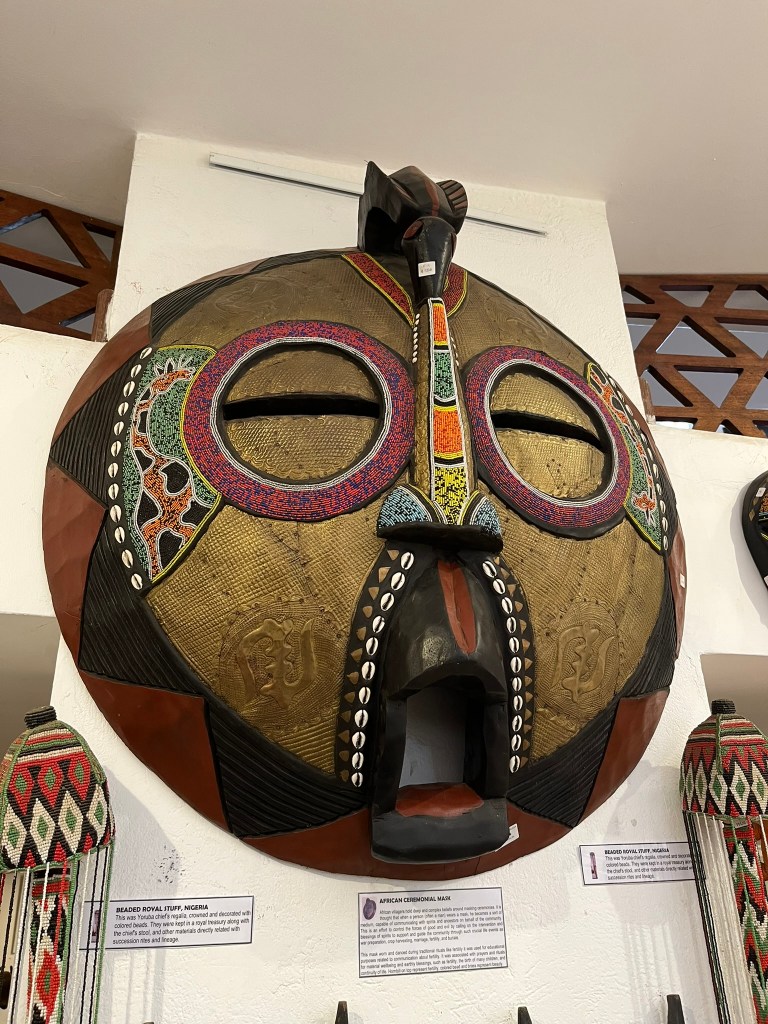
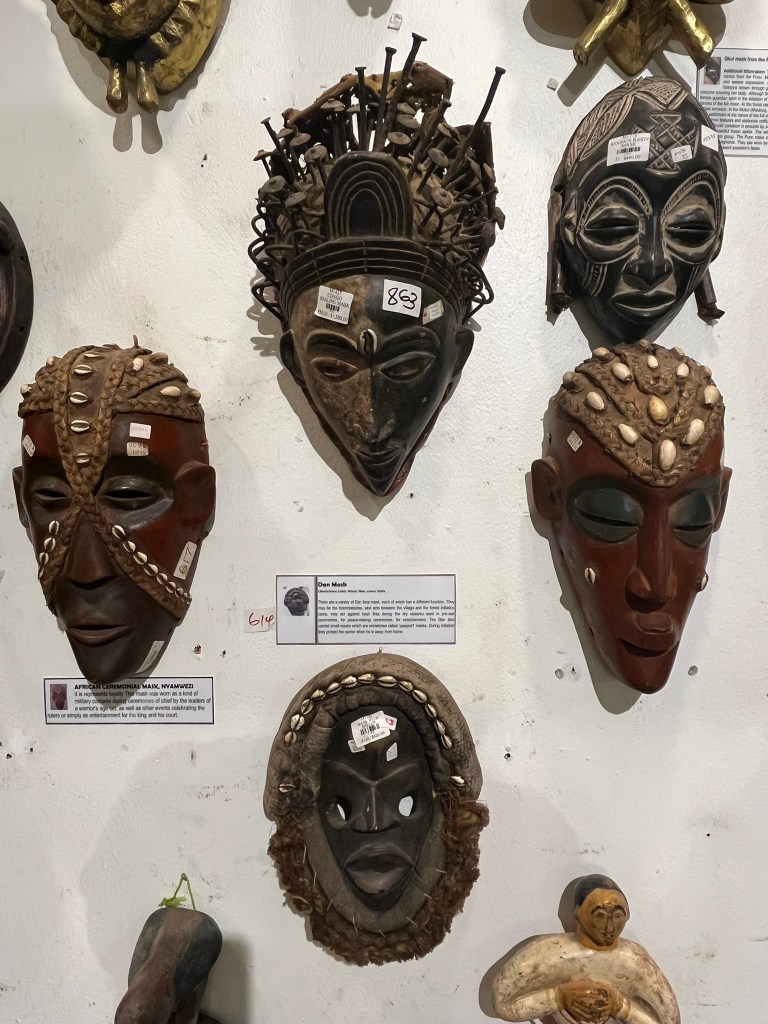
African tribal masks are one of the most recognisable and diverse art forms on the continent and are deeply tied to the cultural identity and spirituality of the communities they come from. They are not just decorative objects, they are functional, symbolic and sacred.
Masks are worn during many different ceremonies throughout the year including harvest time, initiations and funerals. There is a belief that the mask wearer can embody or communicate with spirits and ancestors. And masked dances connect the human and spiritual realms.
Different African regions have different mask styles and traditions. In East Africa, mask-wearing traditions are relatively rare compared to their much heavier use in West and Central Africa. In East Africa, tribal belief systems are more based on oral tradition, song, dance, beadwork and body painting. The exception is the Makonde tribe in Tanzania and Mozambique who use Mapiko masks.
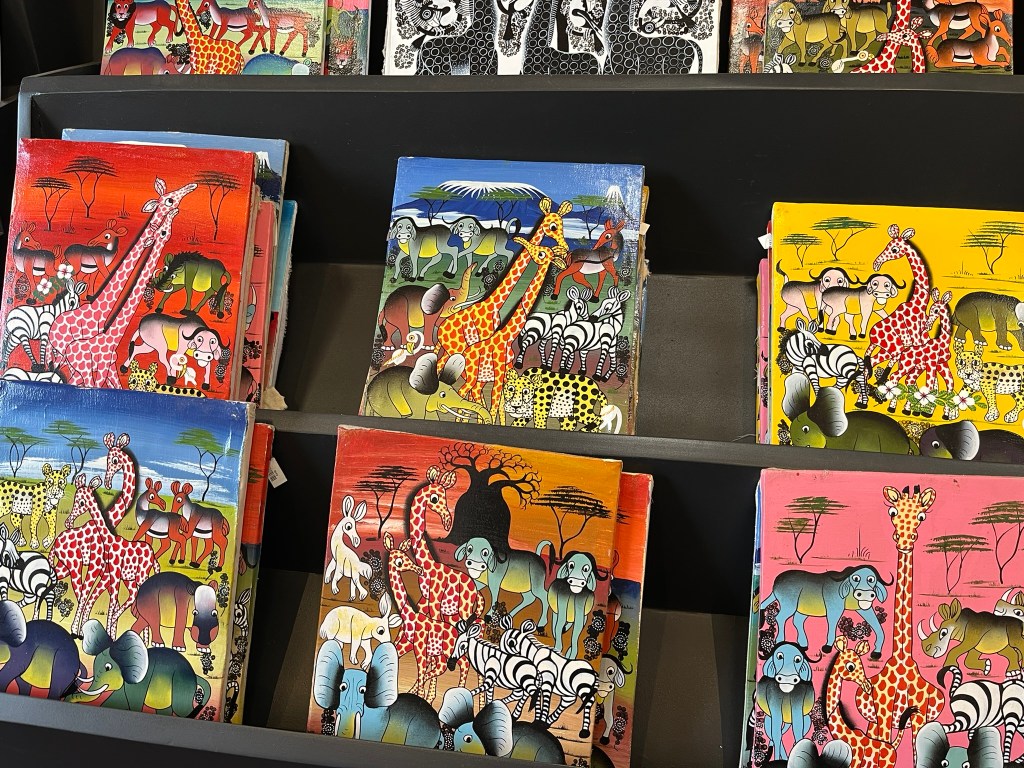
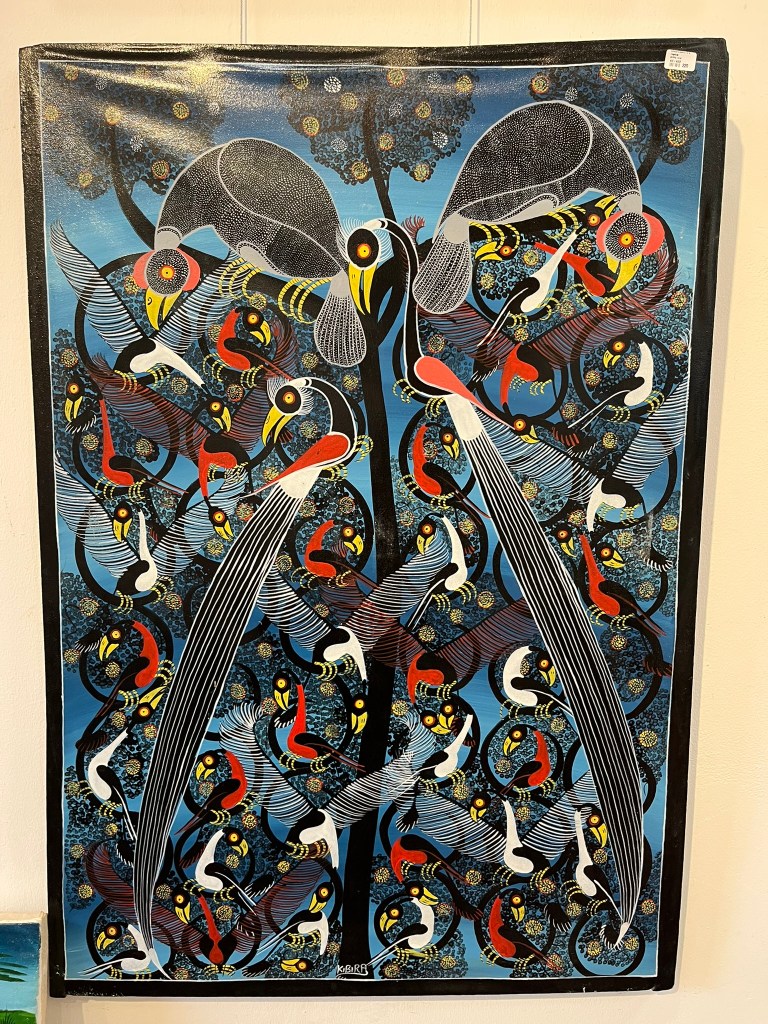
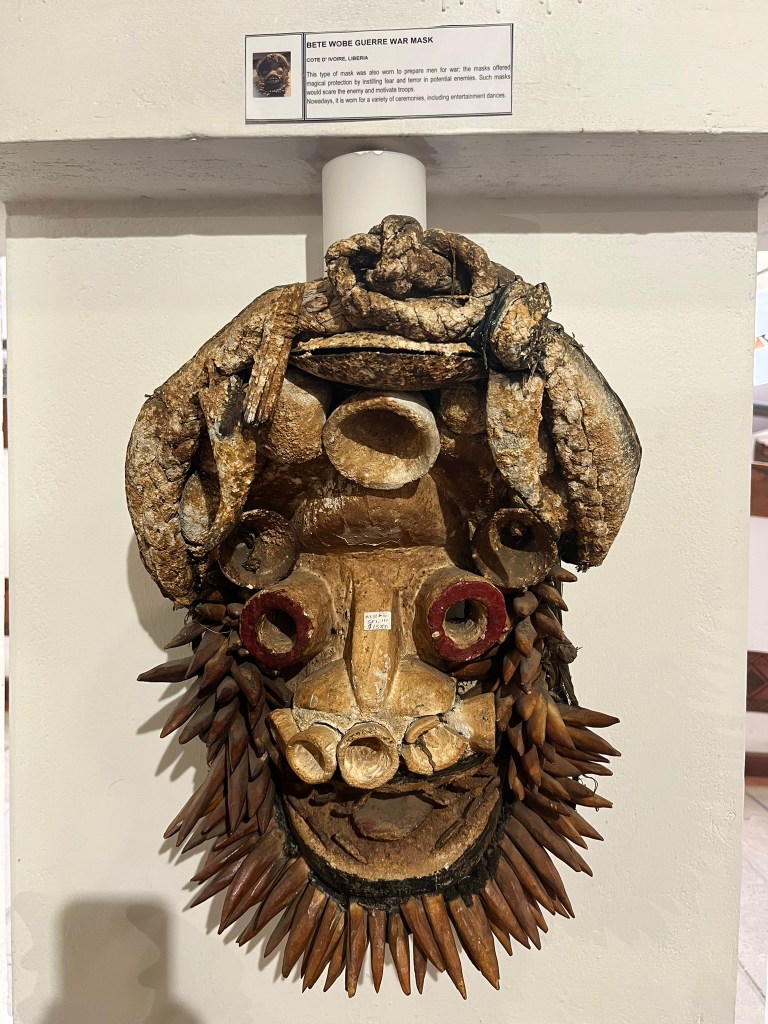
On our way back to Arusha we stopped at 2 places, one for coffee and one for lunch, that had huge collections of masks and other tribal art from all over Africa. Initially I was a bit worried these places would be full of cheap imitations but actually they were more like museums. The first place was called Safari Land, which houses a huge area displaying carvings by the Makonde tribe including absolutely huge (and tremendously expensive) Ujamaa towers. Some of these were the size of fully grown trees.
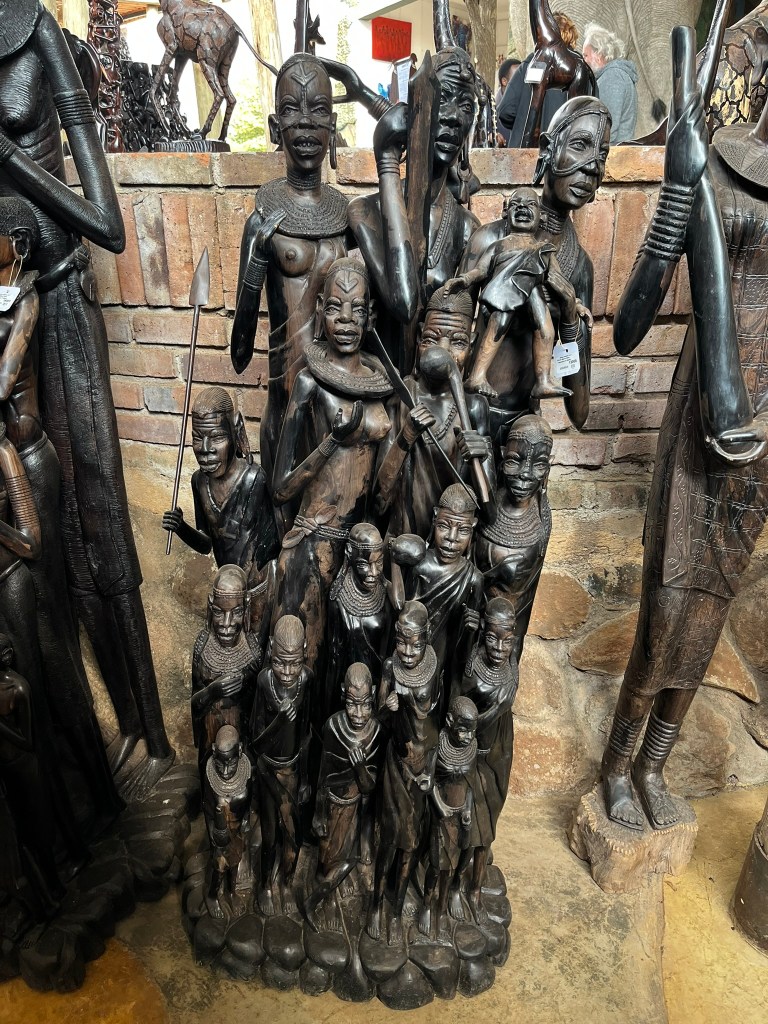
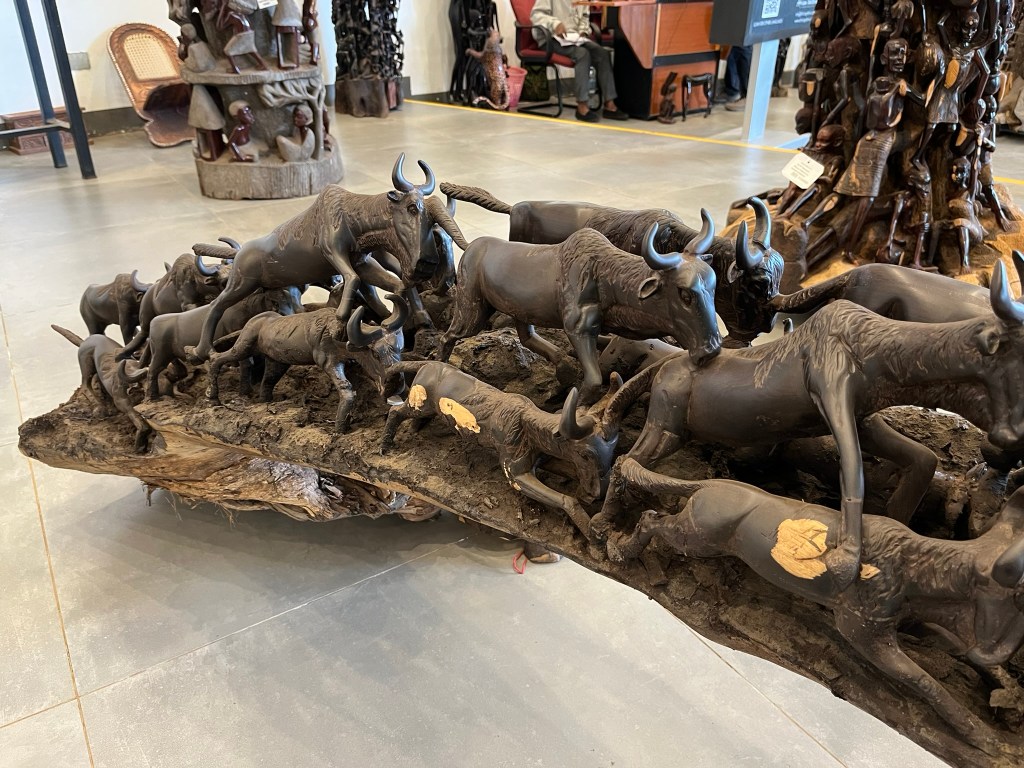
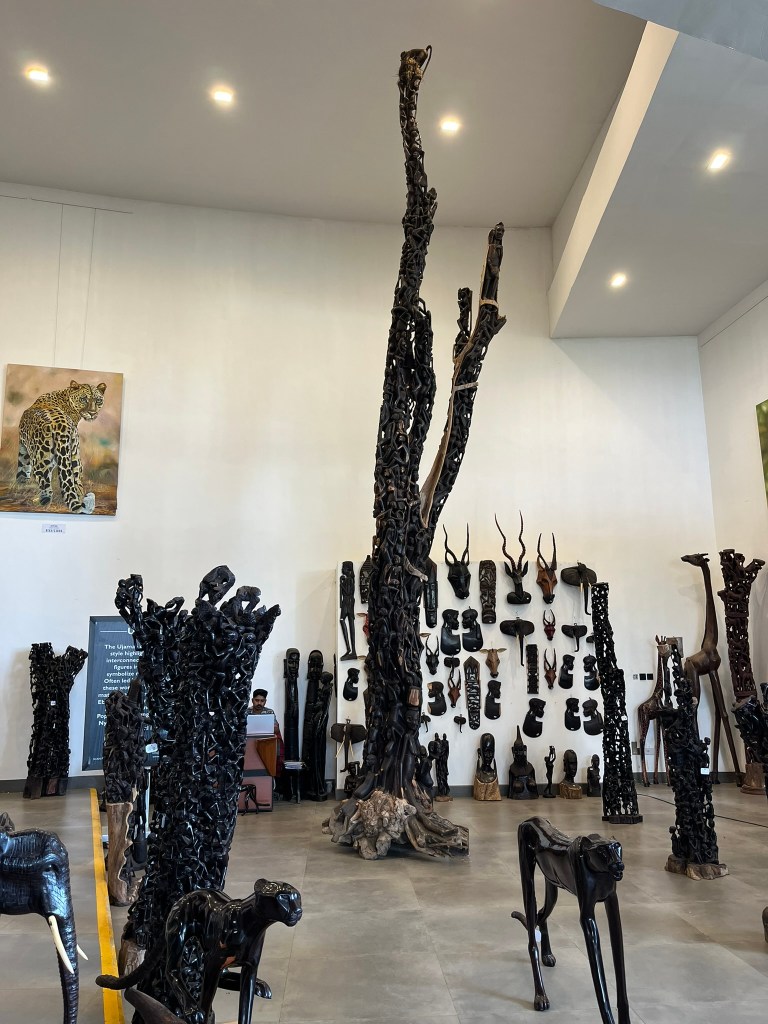
They also had a big art gallery and a lovely sections with tribal masks, textiles and fabric, mostly from West and Central Africa.
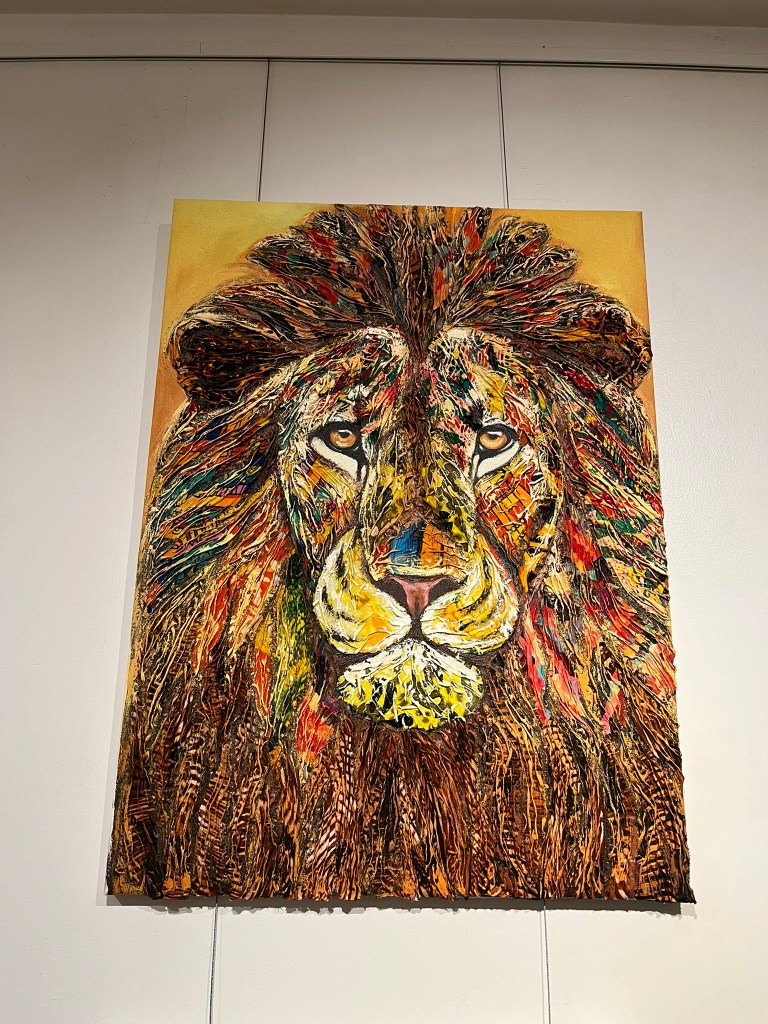
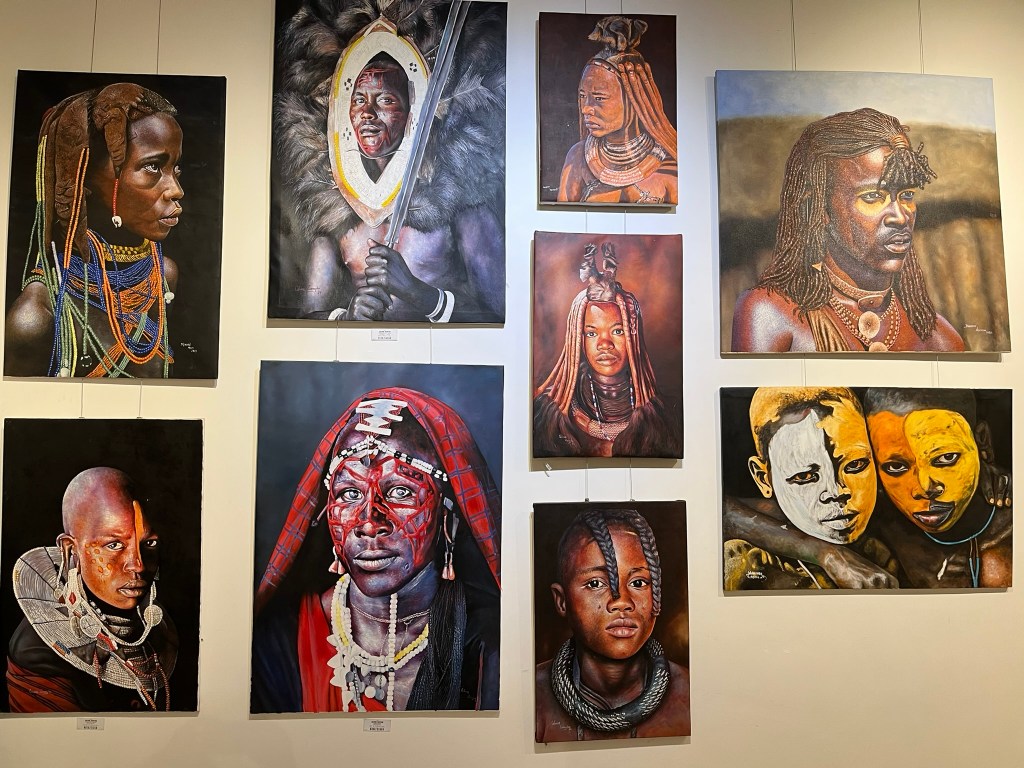
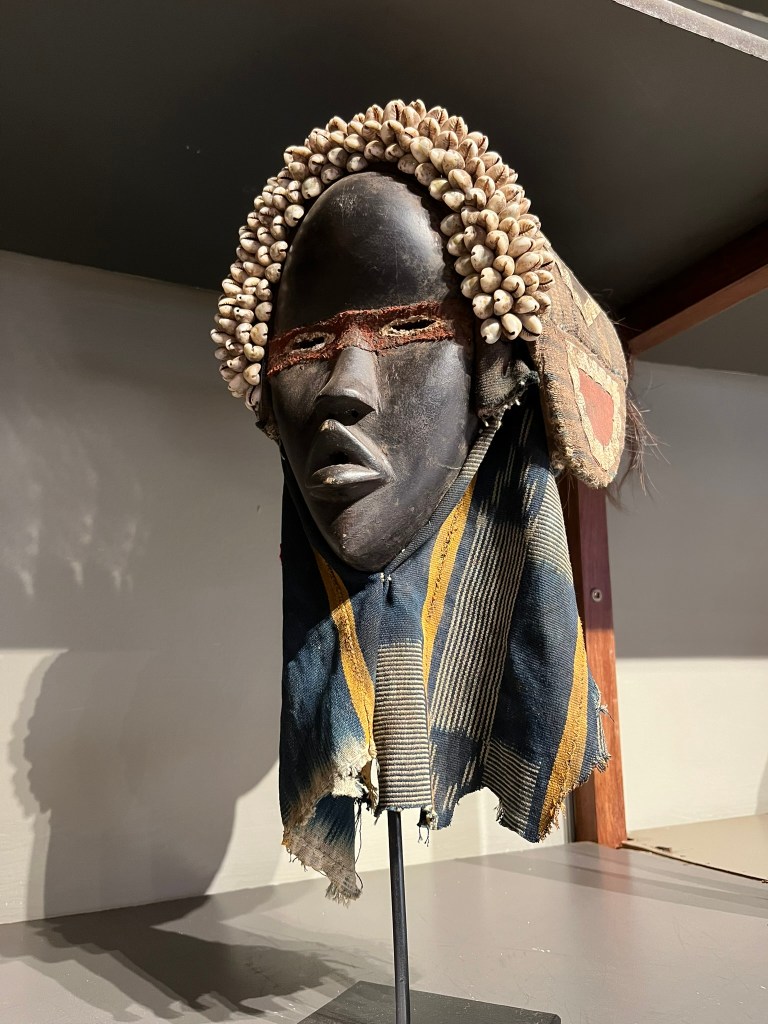
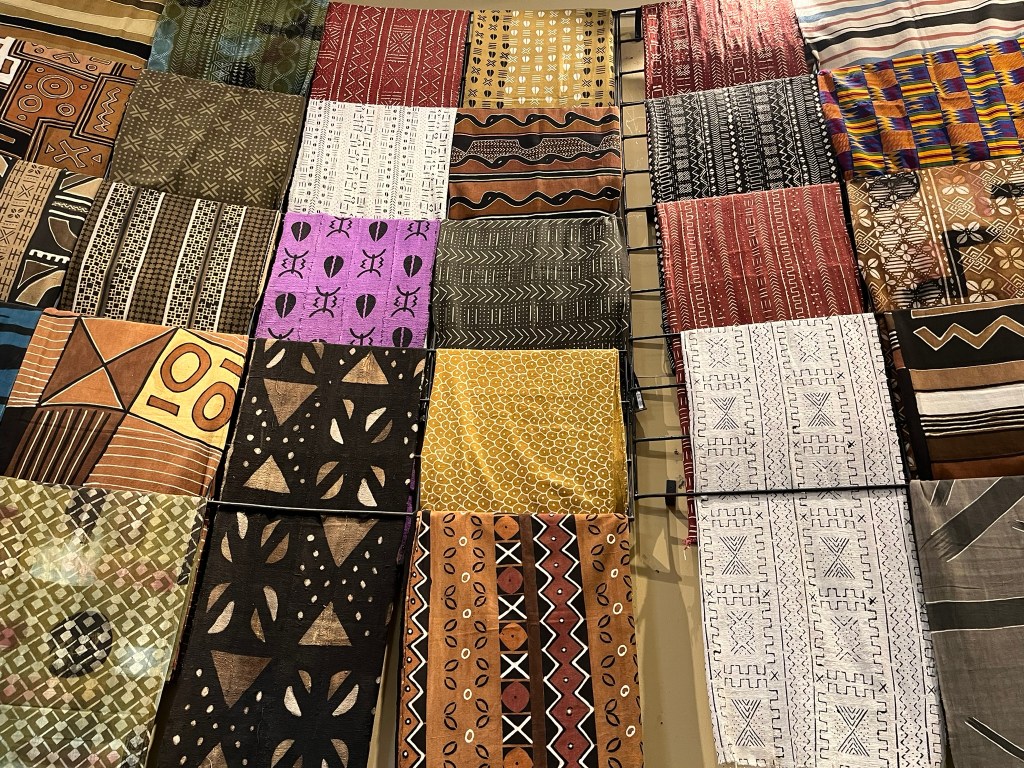
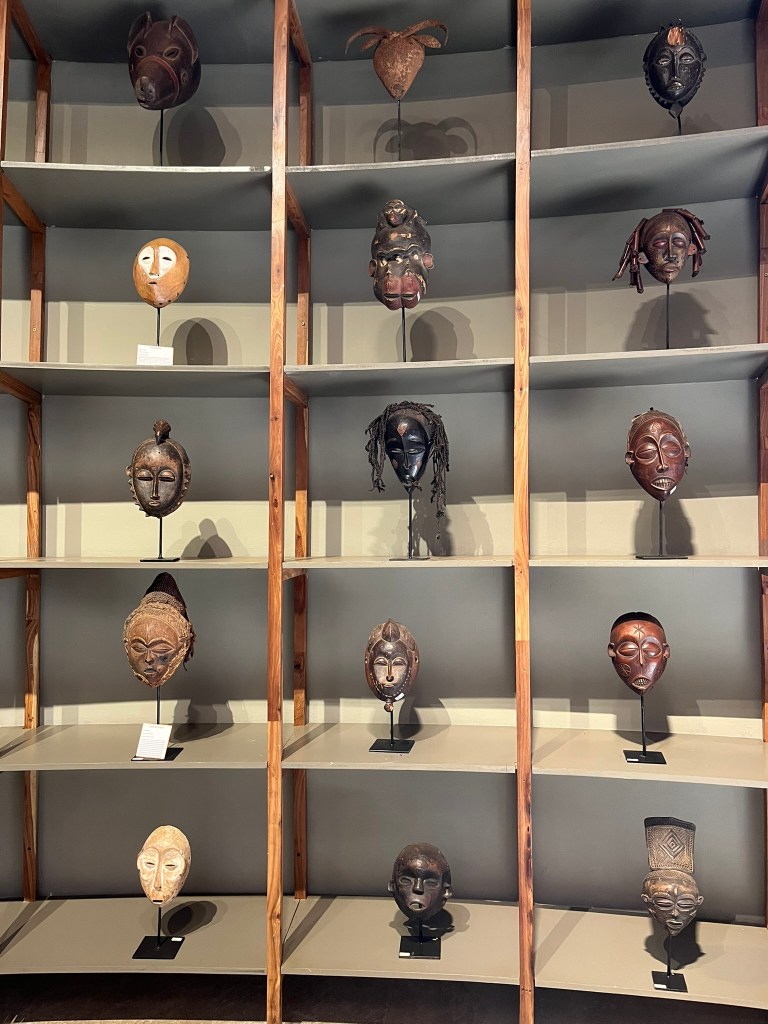
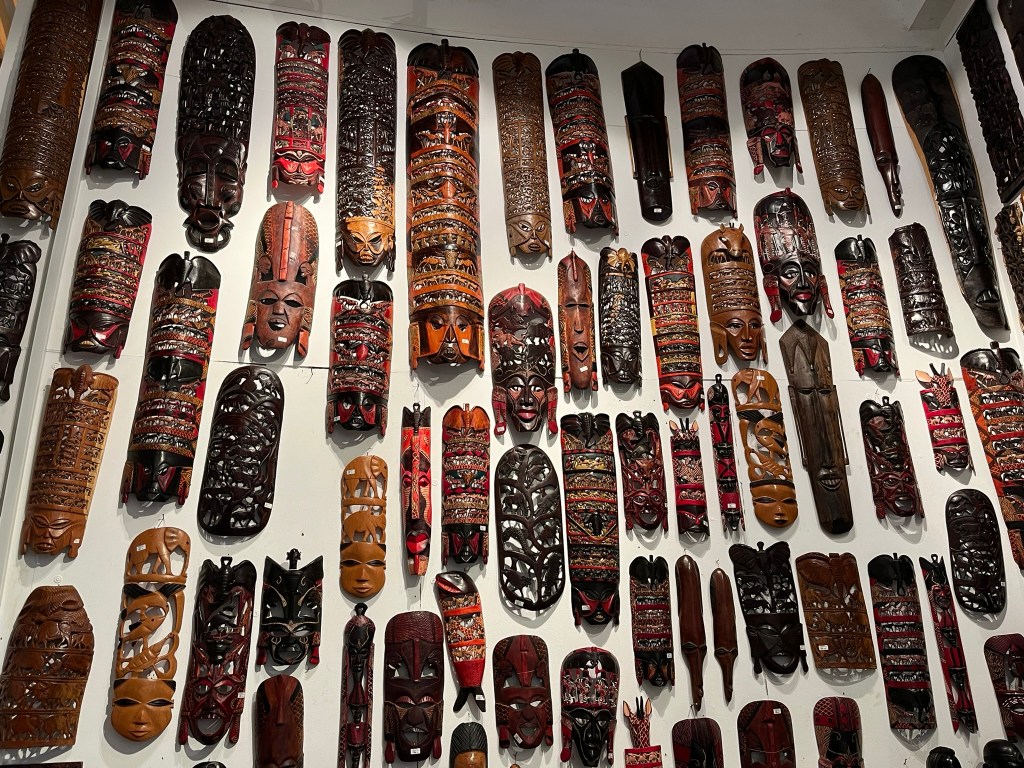
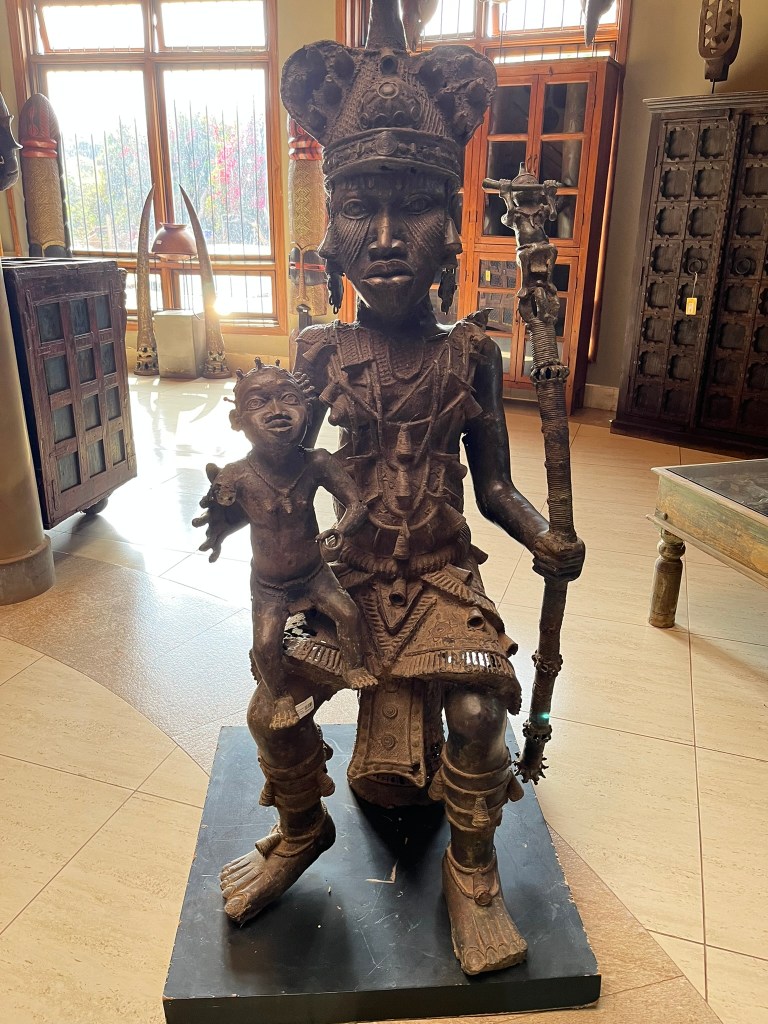
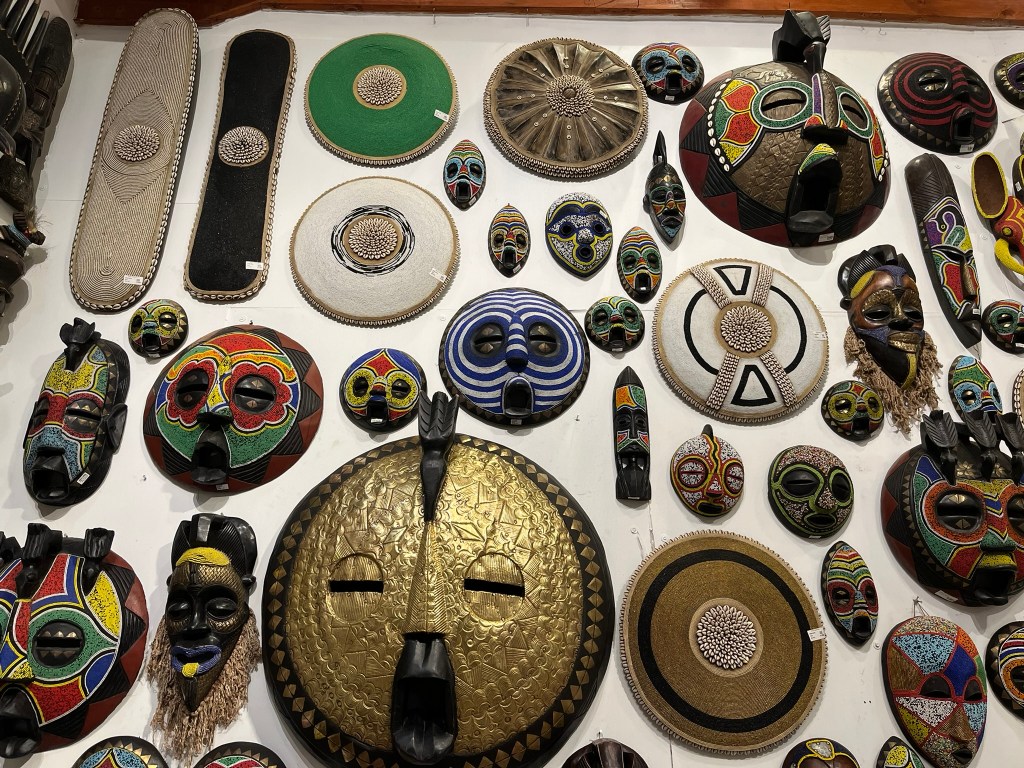
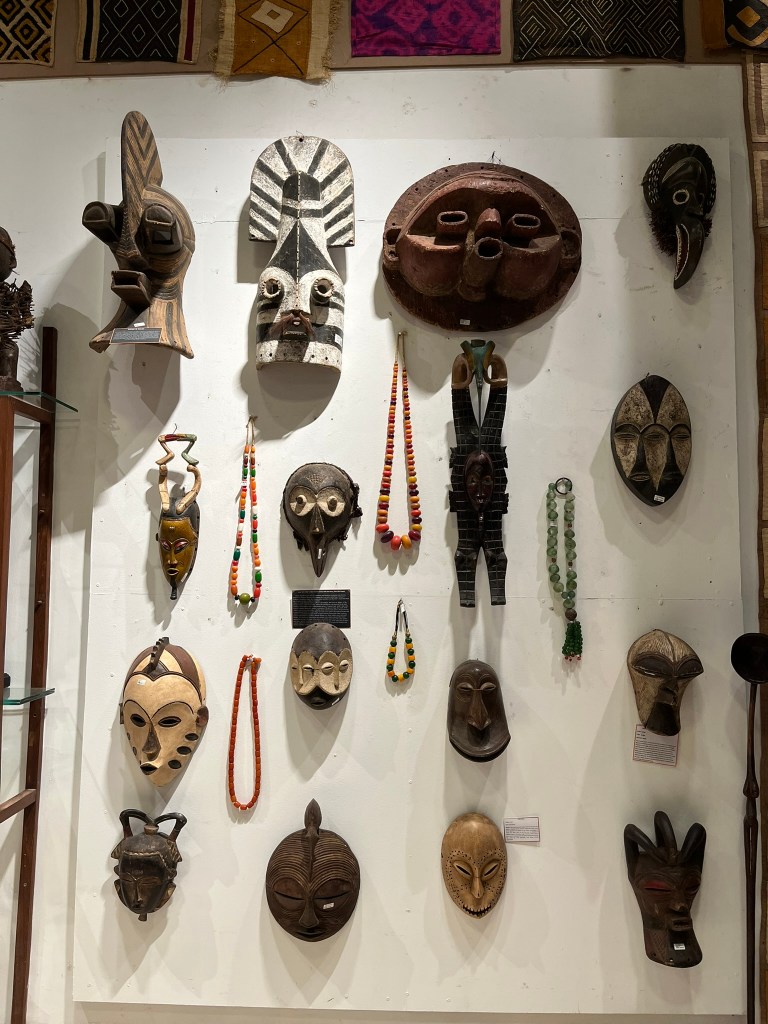
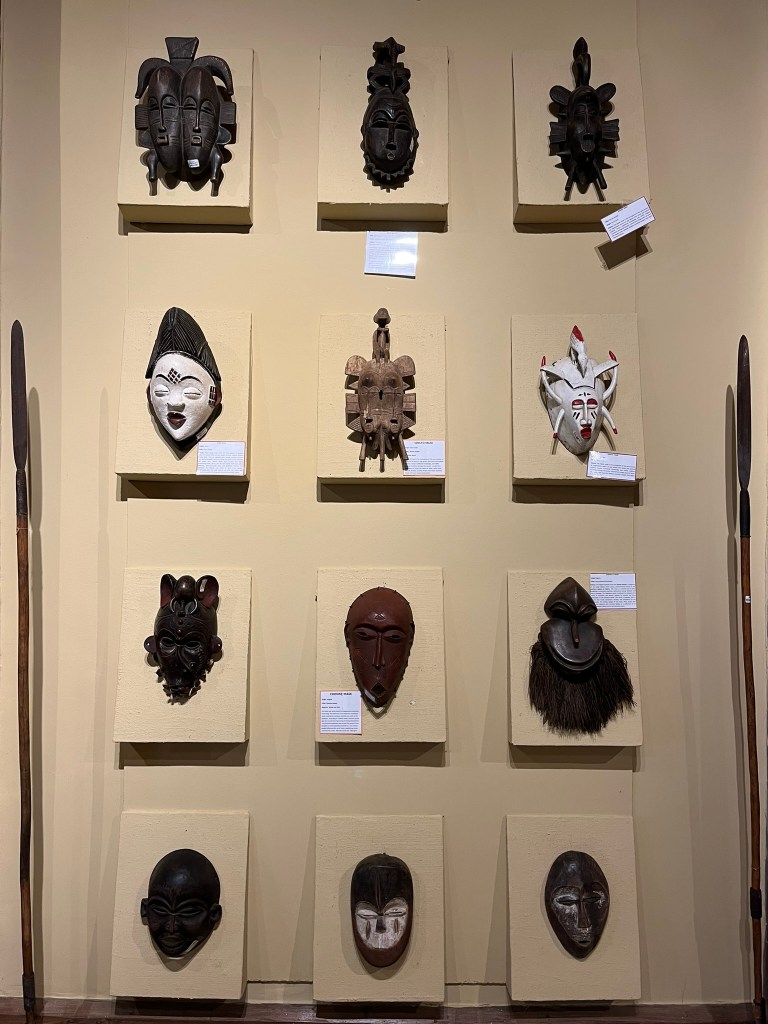
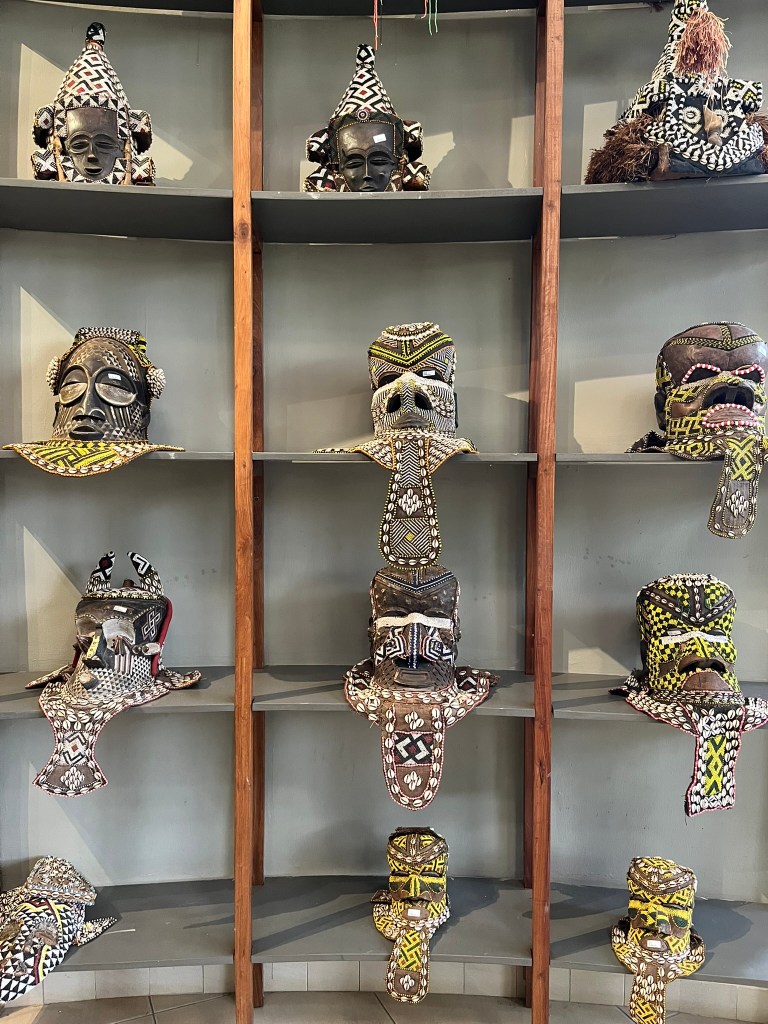
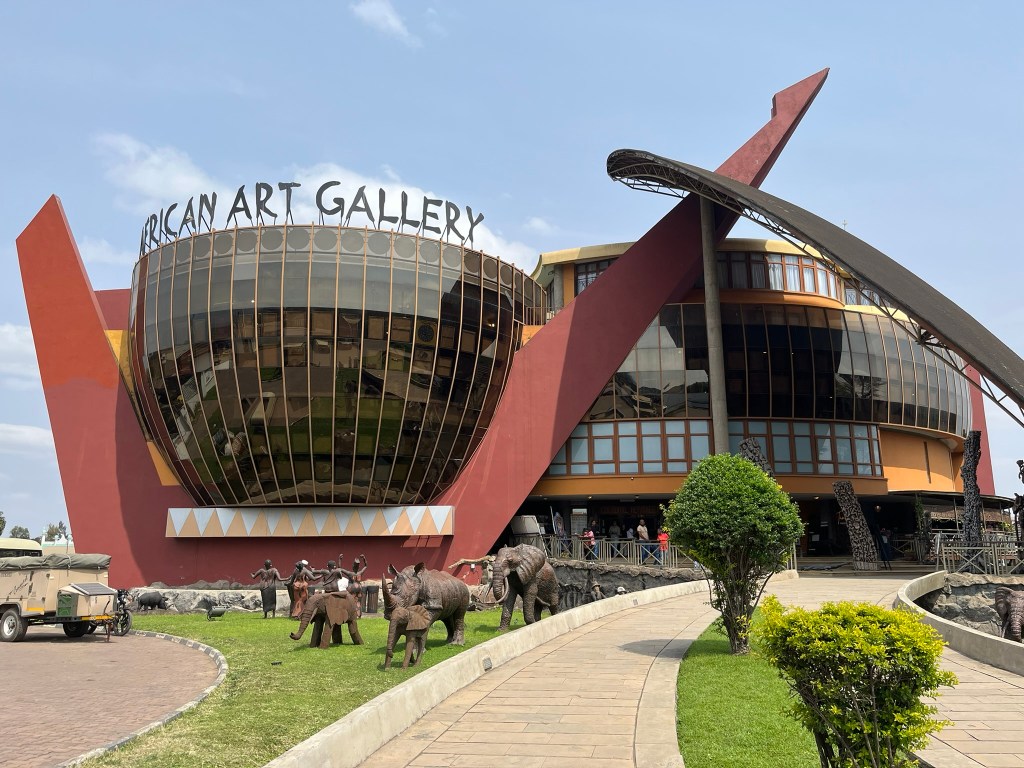
After lunch we had the opportunity to walk around the Arusha Cultural Heritage Centre, which is one of the largest art galleries in Africa. Inside was extremely impressive, with 4 spiral-linked floors wrapping around a central atrium and thousands of paintings, sculptures, bronzes and carvings representing more than 120 African tribes. The best part was the basement floor that had masks and other ceremonial objects from all over Africa.
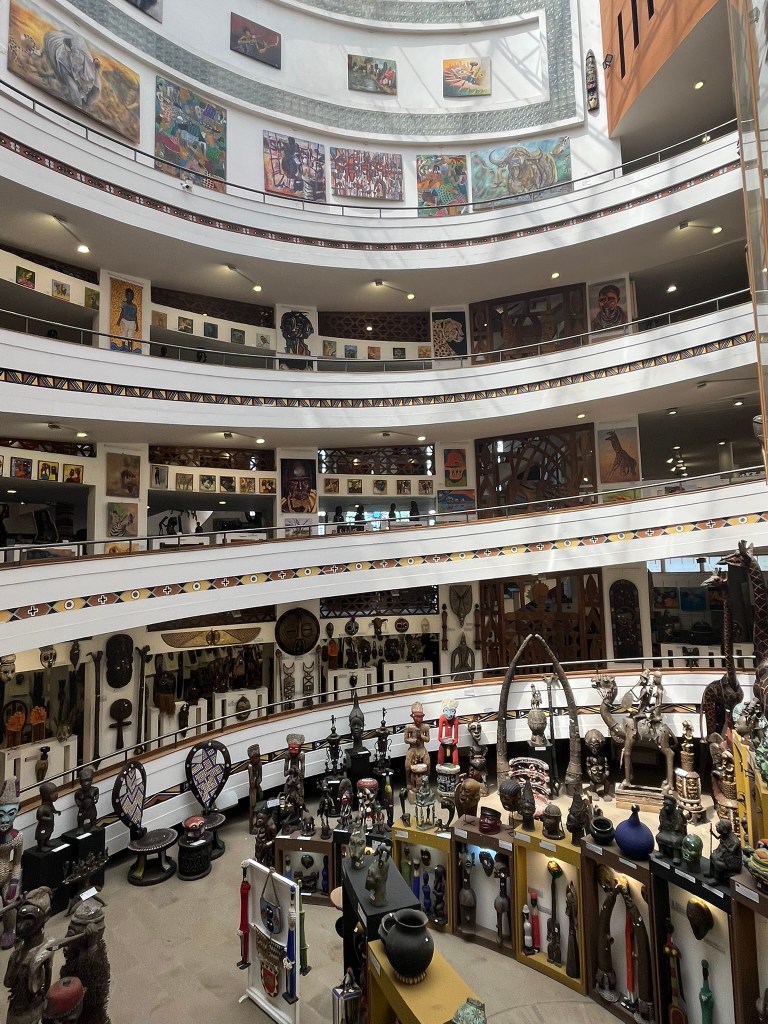
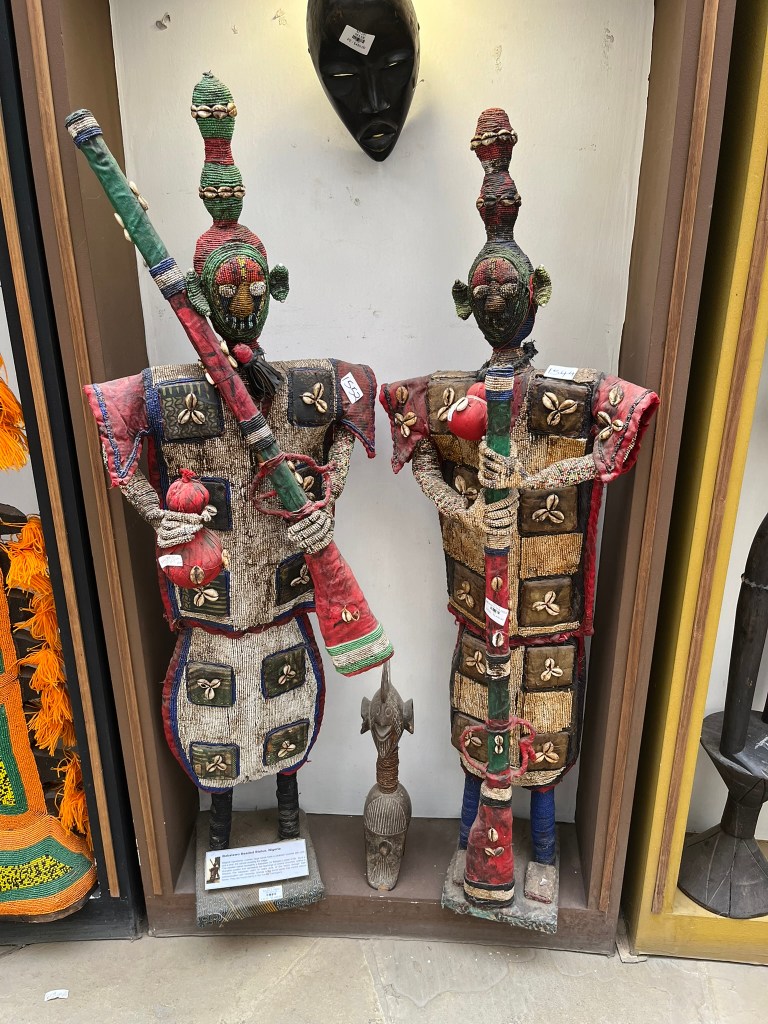
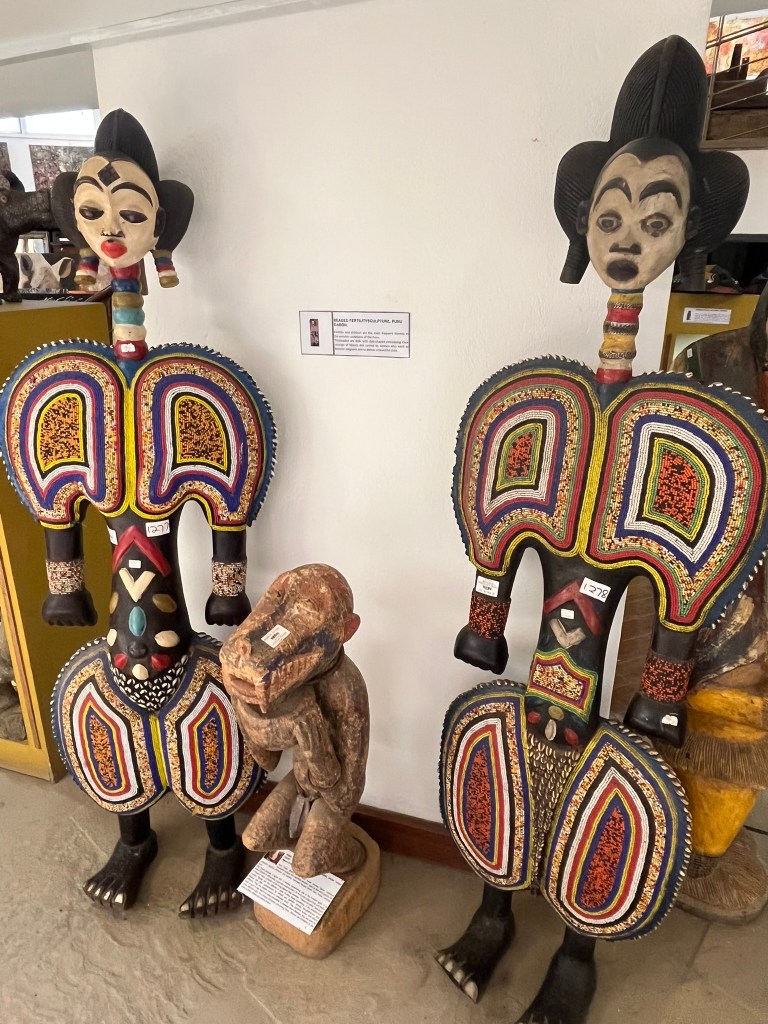
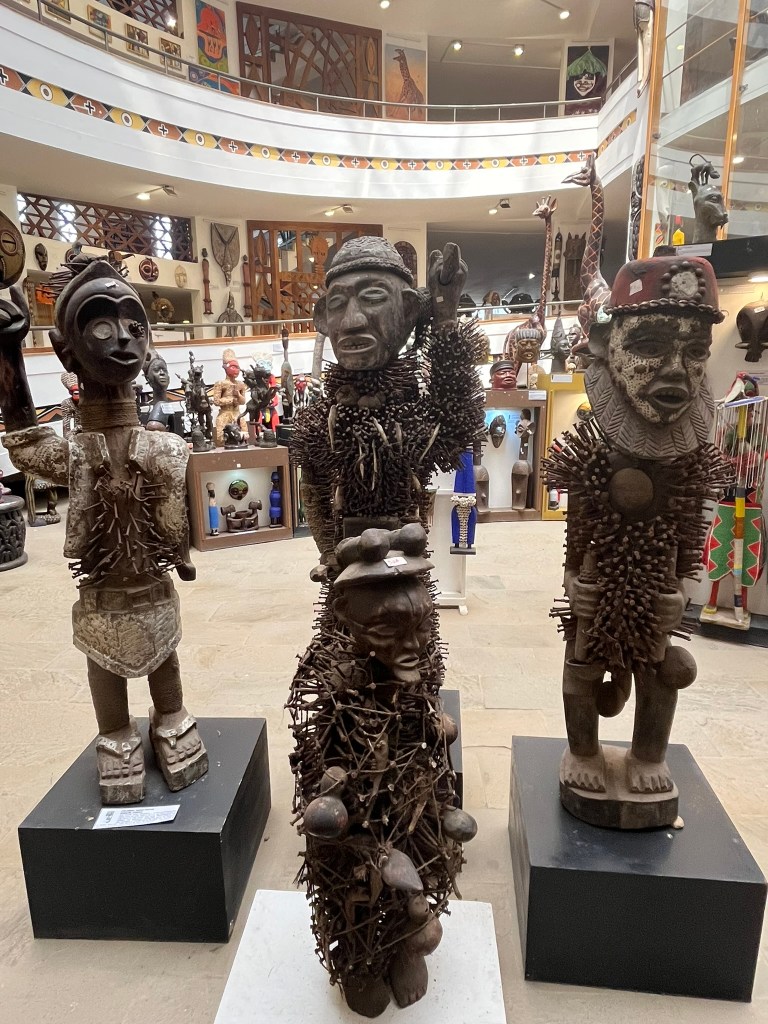
Some of my favourite pieces were the beaded statues. Some were from Nigeria and others from Cameroon. The ones from Nigeria were of Babalawo figures from the Yoruba tribe and represented high priests. These are sacred objects and the beadwork patterns and colours have specific coded meanings. The beads are believes to trap or deflect harmful spiritual energy.
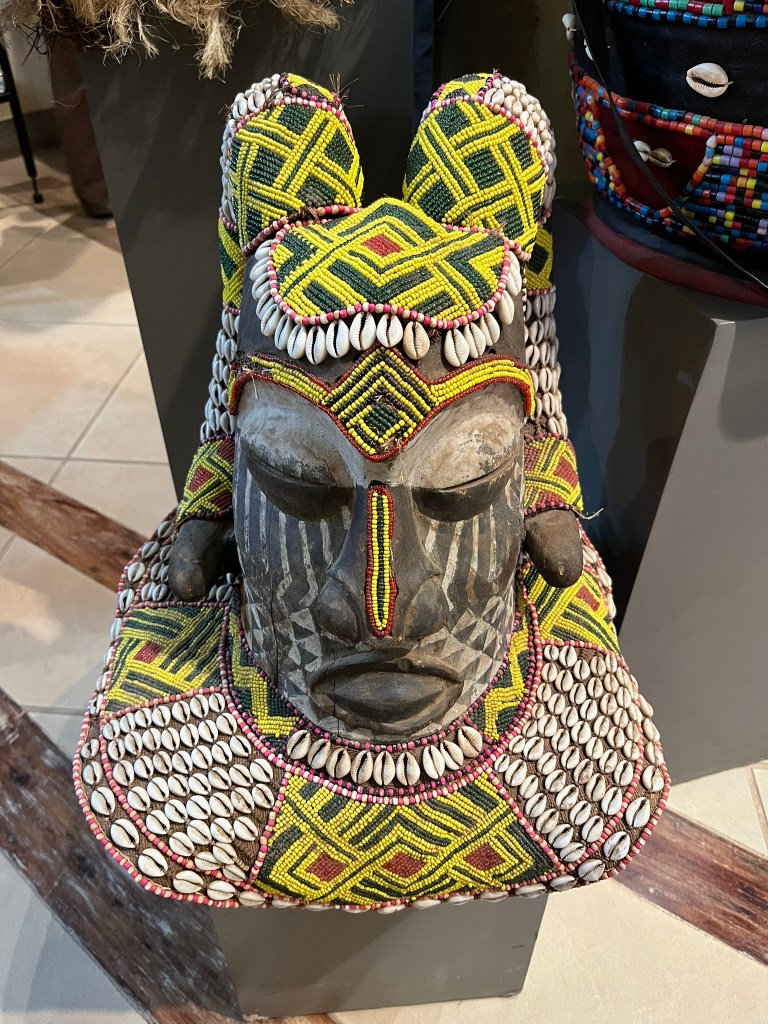
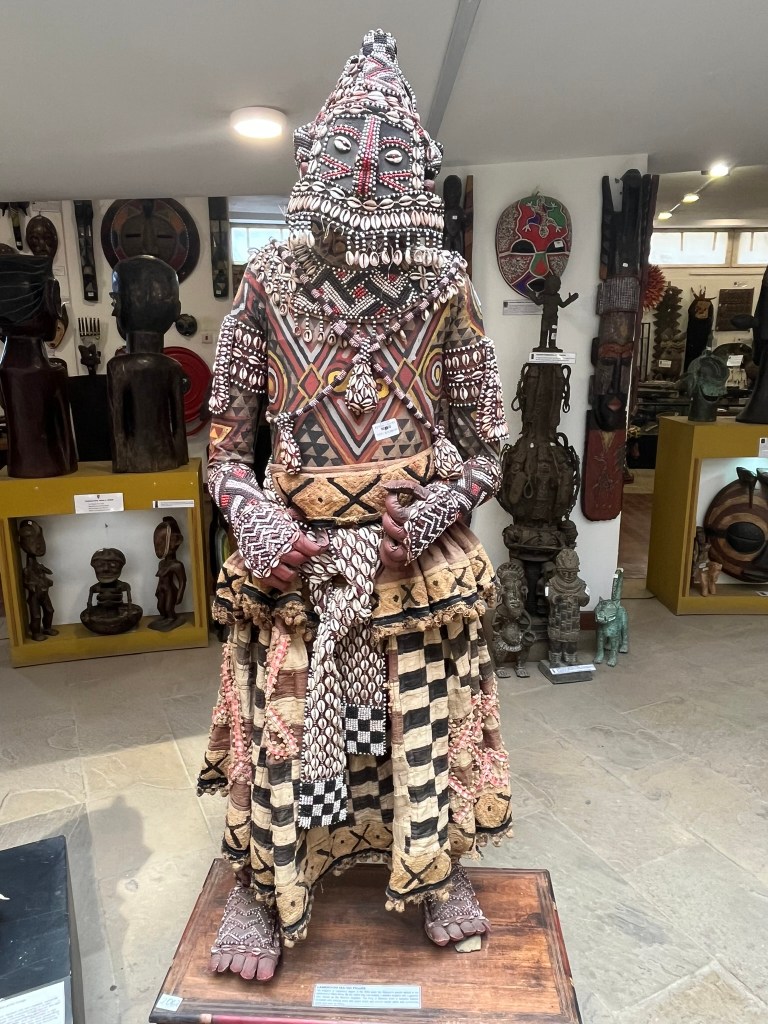
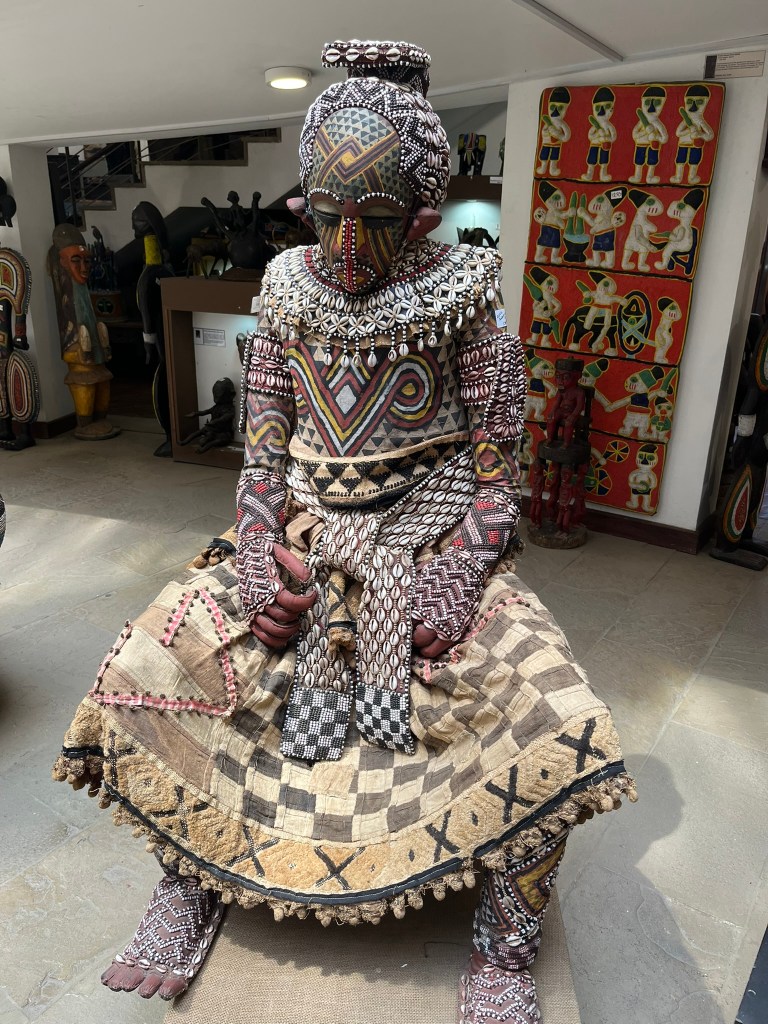
The beaded statues from Cameroon were life-size and very striking. These ones were from the Bamileke tribe and often depicted kings or important court figures. During festivals they would have been paraded to show the kingdom’s wealth and craftmanship.
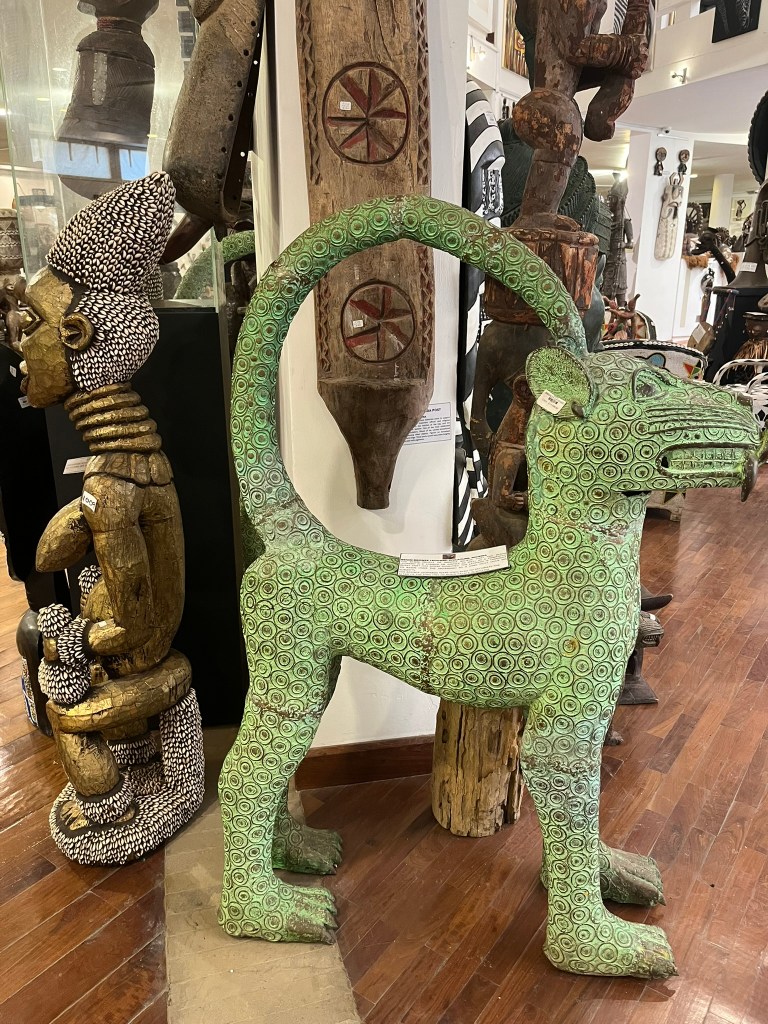
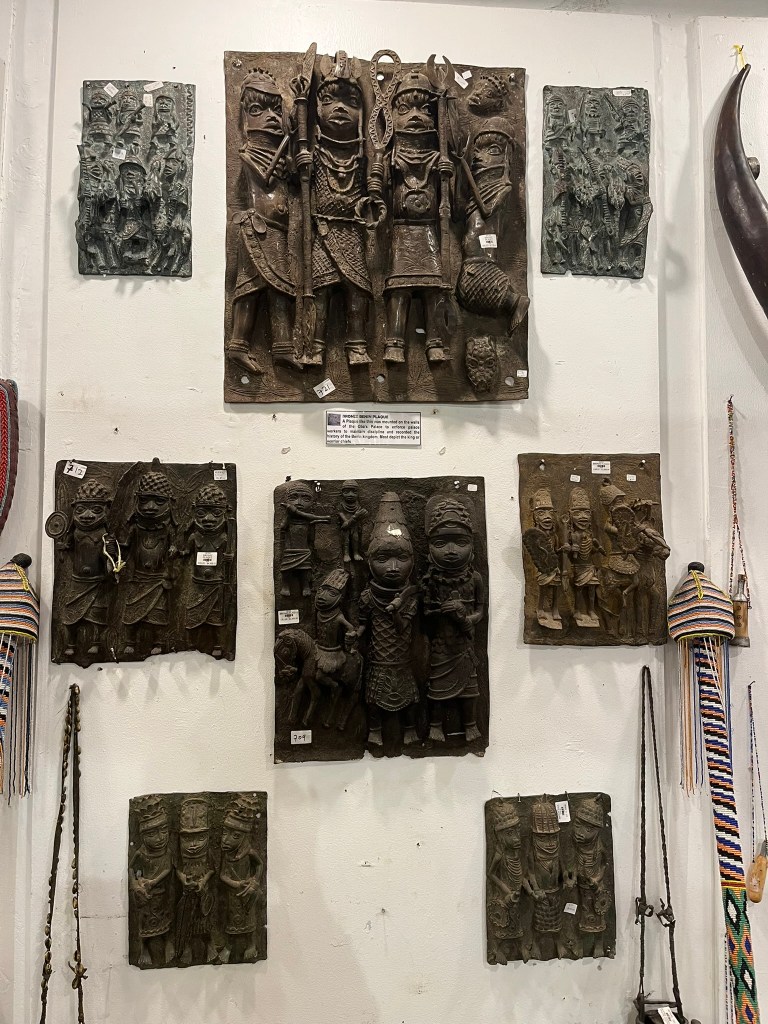
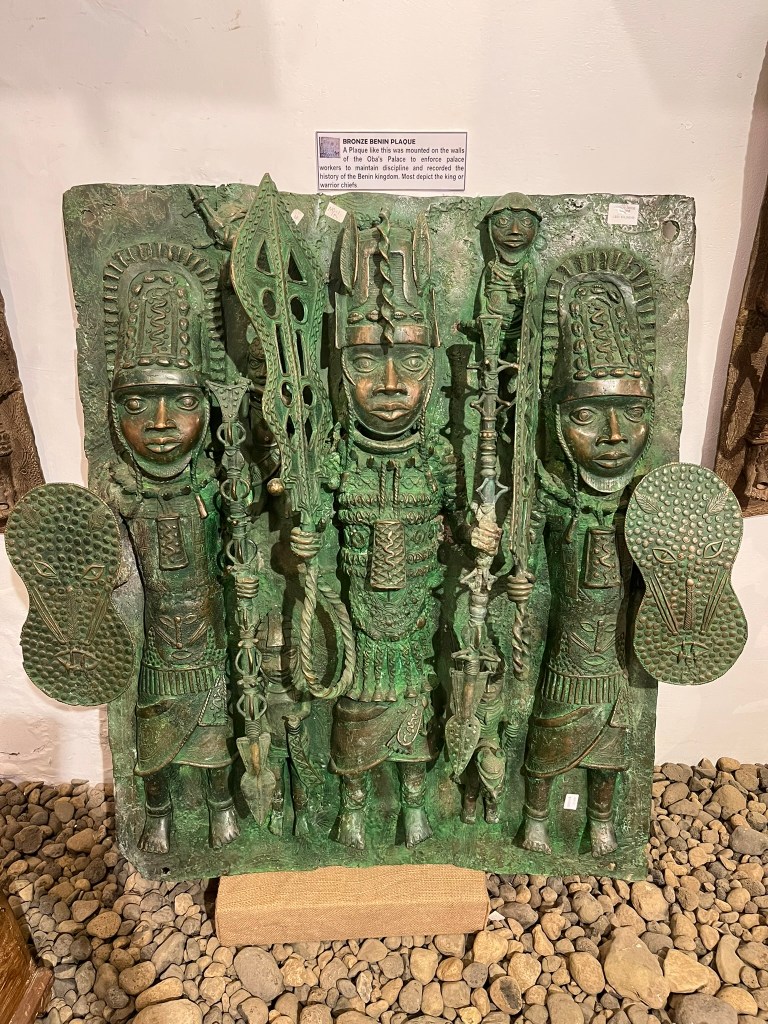
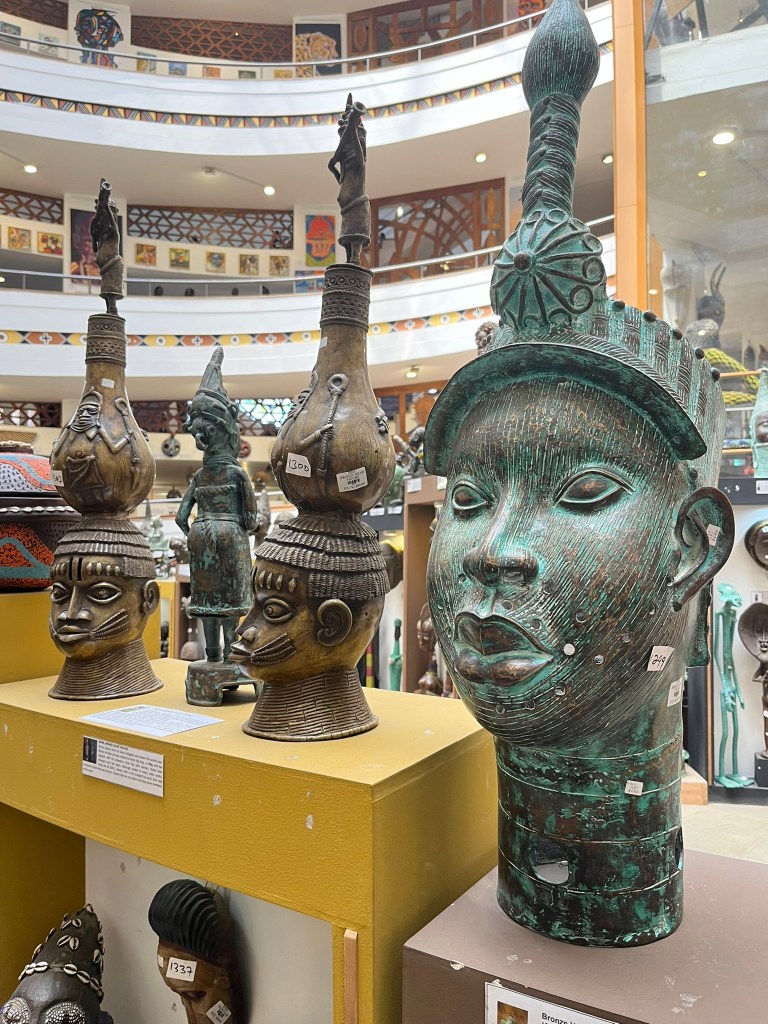
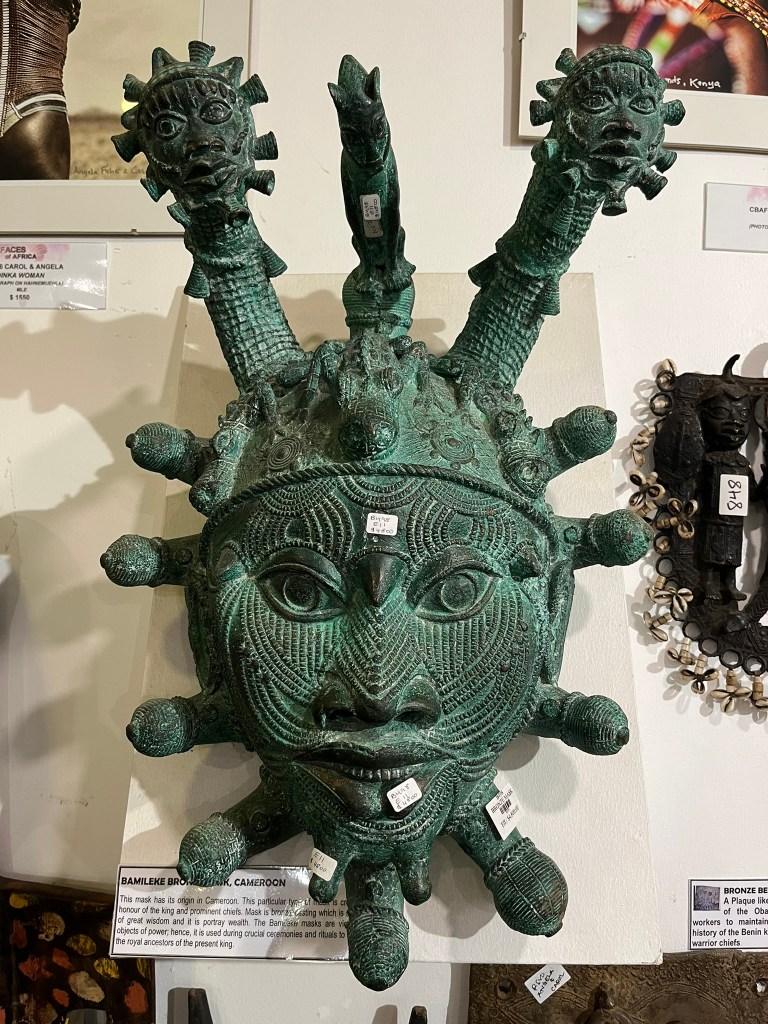
There were some great examples of Benin Bronze craftmanship. There were plaques that would have been similar to those mounted on the palace walls and that recorded the history of the Benin kingdom.
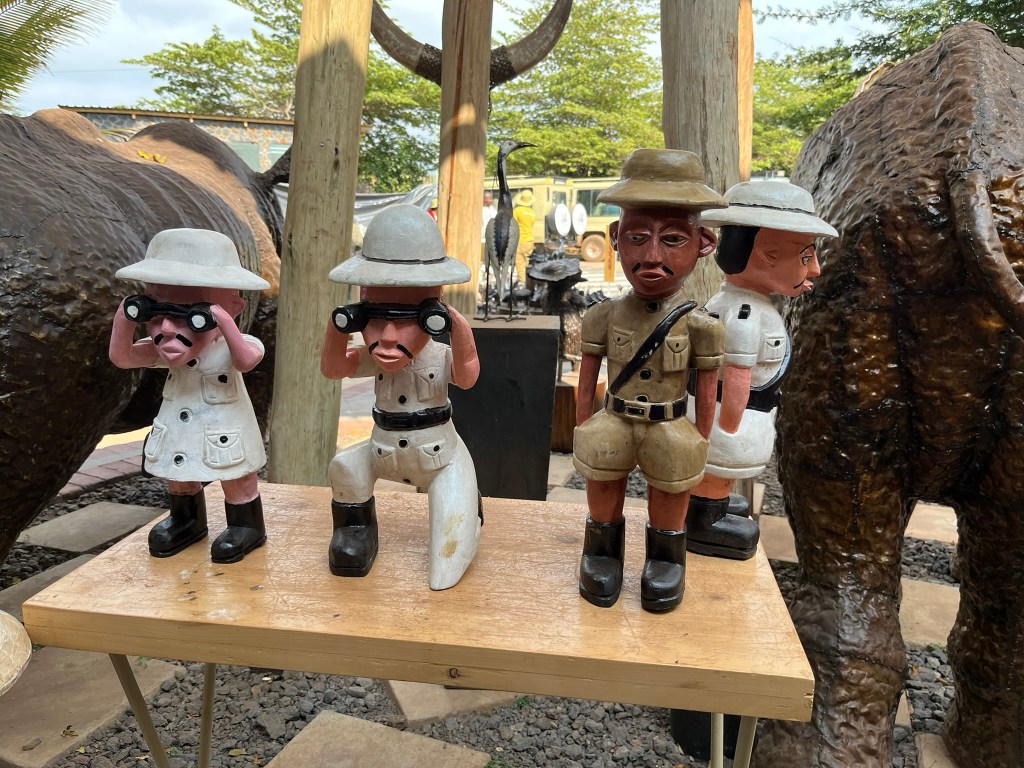
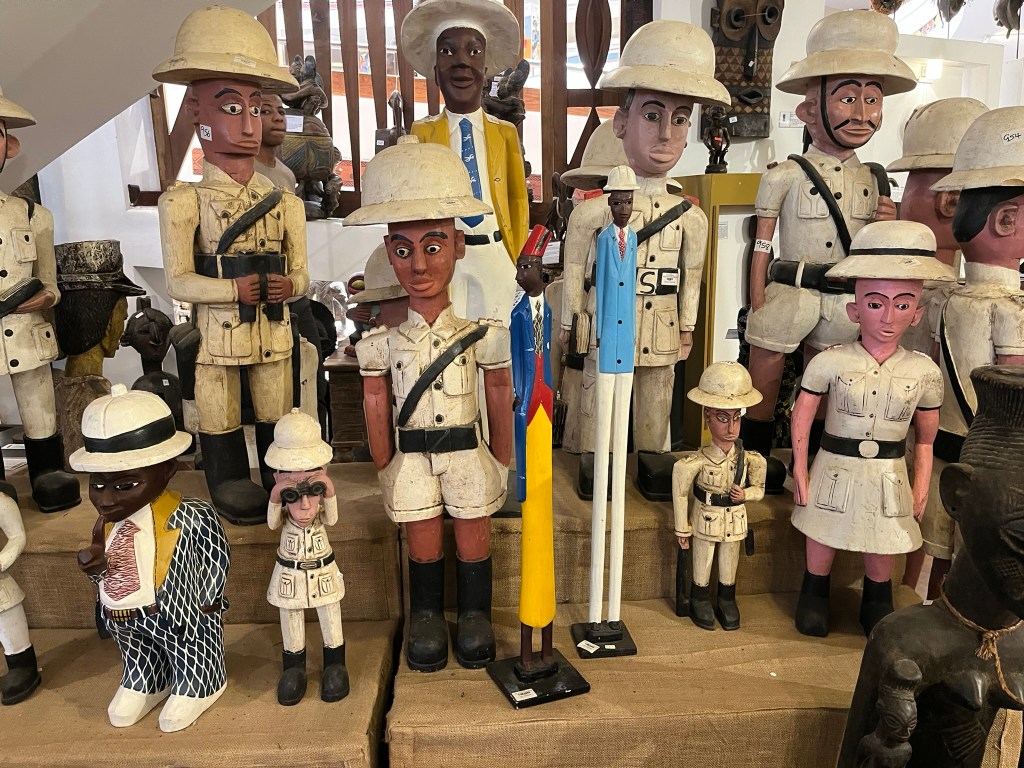
And I also finally found out the origin of the strange little safari-looking figures I had been seeing in tourist shops throughout Tanzania. These were actually statues of Belgian colonial soldiers from the Belgian Congo.
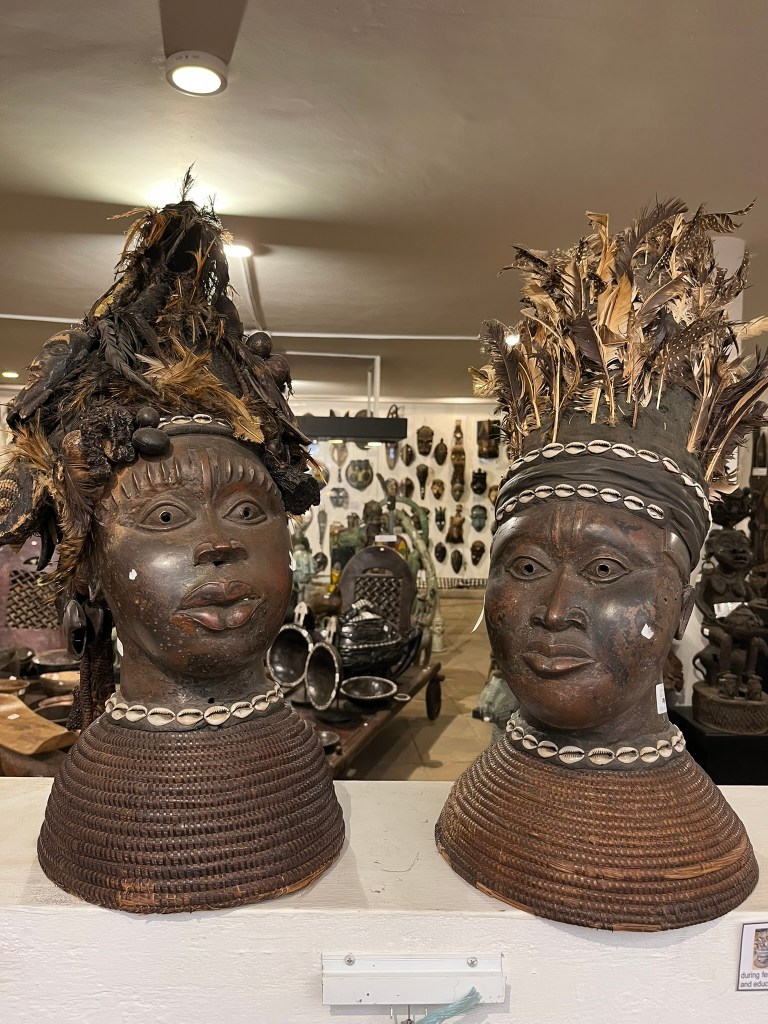
Although both places were technically ‘shops’, they did a great job of displaying an amazing range of cultural heritage. I would recommend stopping by, and just treating both as a museum visit.
 Colette's Grand Detour
Leave a comment