Day 11 (7th August 2025)
Oldupai Gorge (this is the correct spelling and not Olduvai) is one of the most important paleoanthropological sites in the world. It is located in the Ngorongoro Conservation Area and we arrived about 1.5 hours after leaving the rim of Ngorongoro Crater.
Not every tourist stops here. Some continue on to the Serengeti Plains directly. Which is crazy because this site has helped and continues to help shape our understanding of early human evolution. It only takes about an hour to explore the museum and have a short talk with one of the conservators of antiquities, so it really doesn’t cut into safari time and you walk away with a huge appreciation for how important this area has been to humans for millions of years.
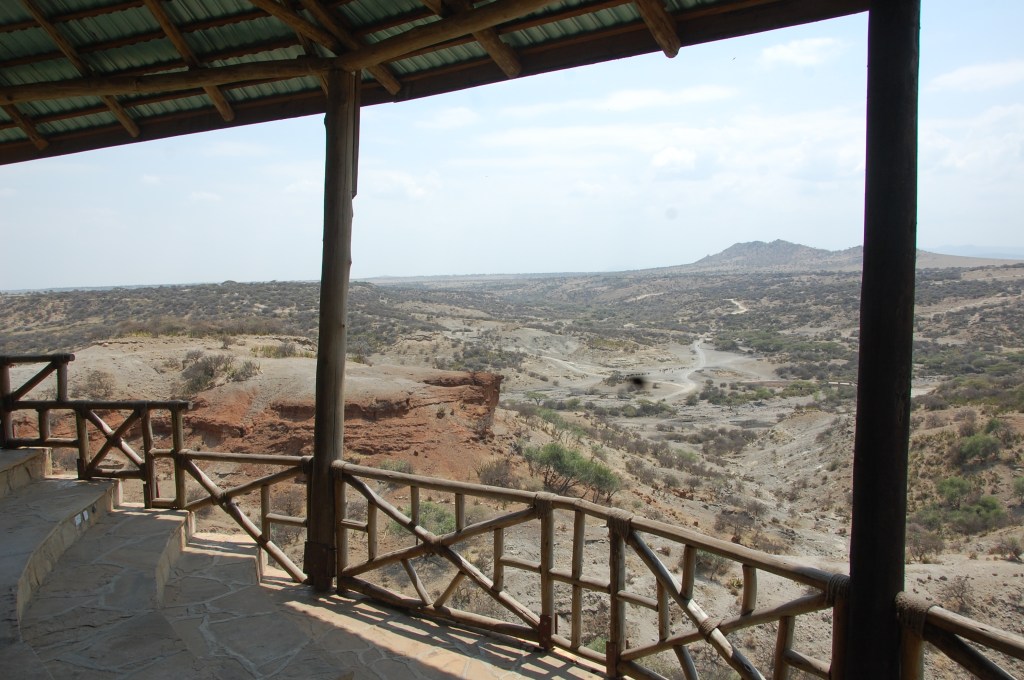
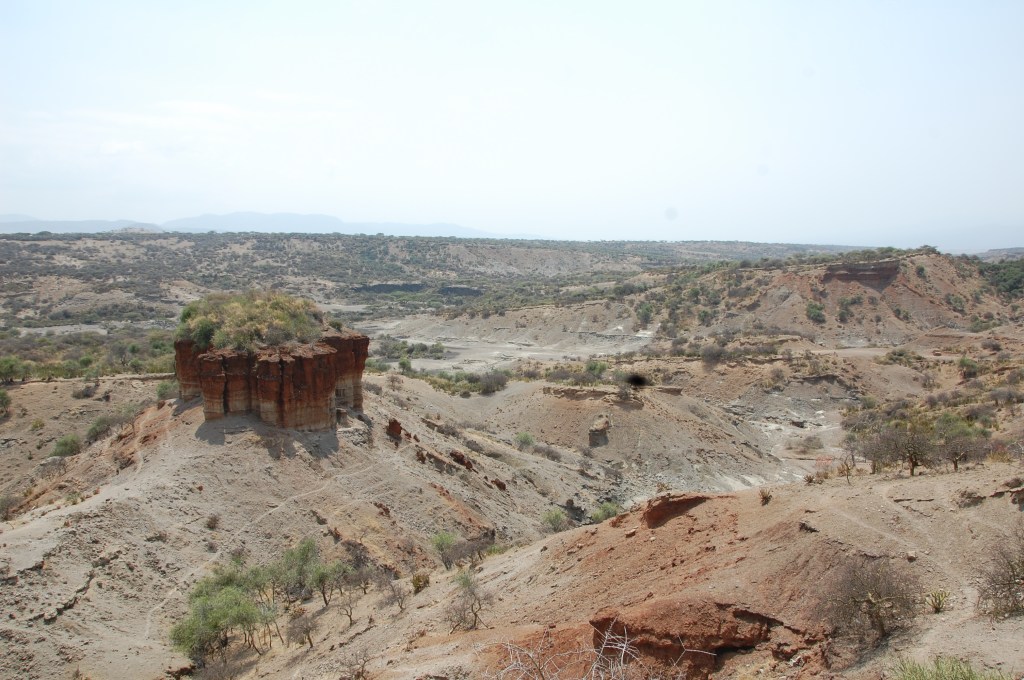
The Oldupai Gorge is about 48km long, is formed from millions of years of erosion and has UNESCO World Heritage status as part of the wider Ngorongoro Conservation area. They have found skeleton fossils for Paranthropus boisei (aka The Nutcracker Man), Homo habilis (one of the earliest members of our genus) and Homo erectus, along with stone tools dating back more than 2 million years. This area has been inhabited by our distance ancestors for millions of years because the volcanic activity created fertile soils and the gorge provided various water sources and diverse habitats. The volcanic activity, in particular the thick layers of ash, are also the reason why so many fossils have been preserved so well, and can be dated so accurately.
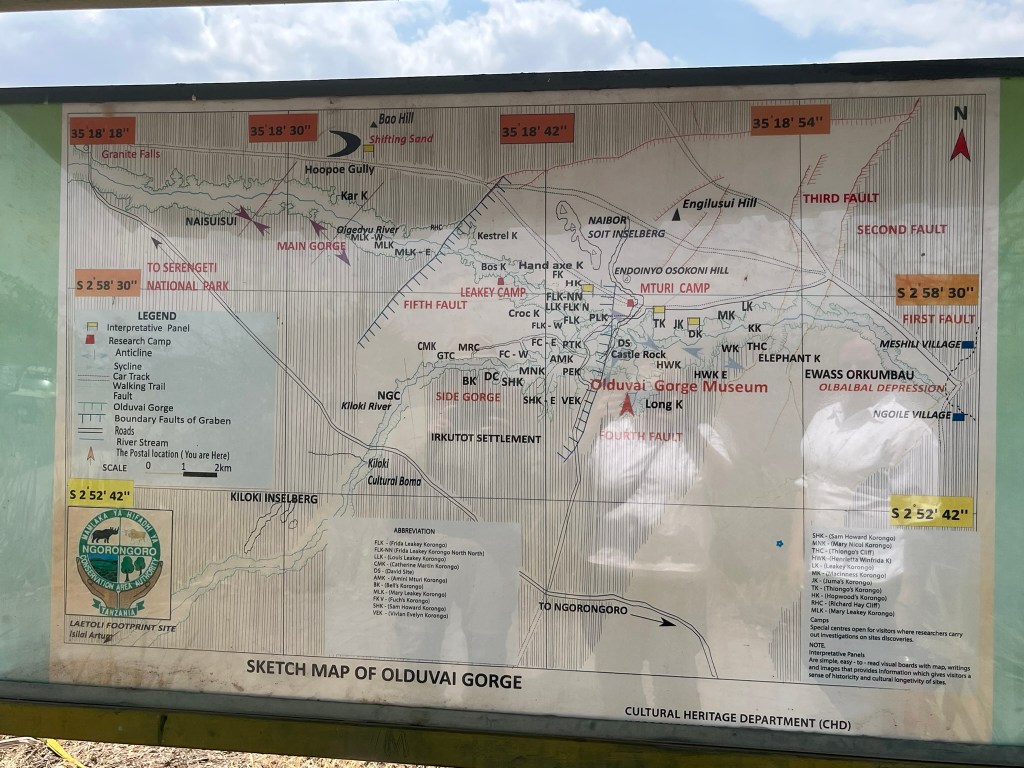
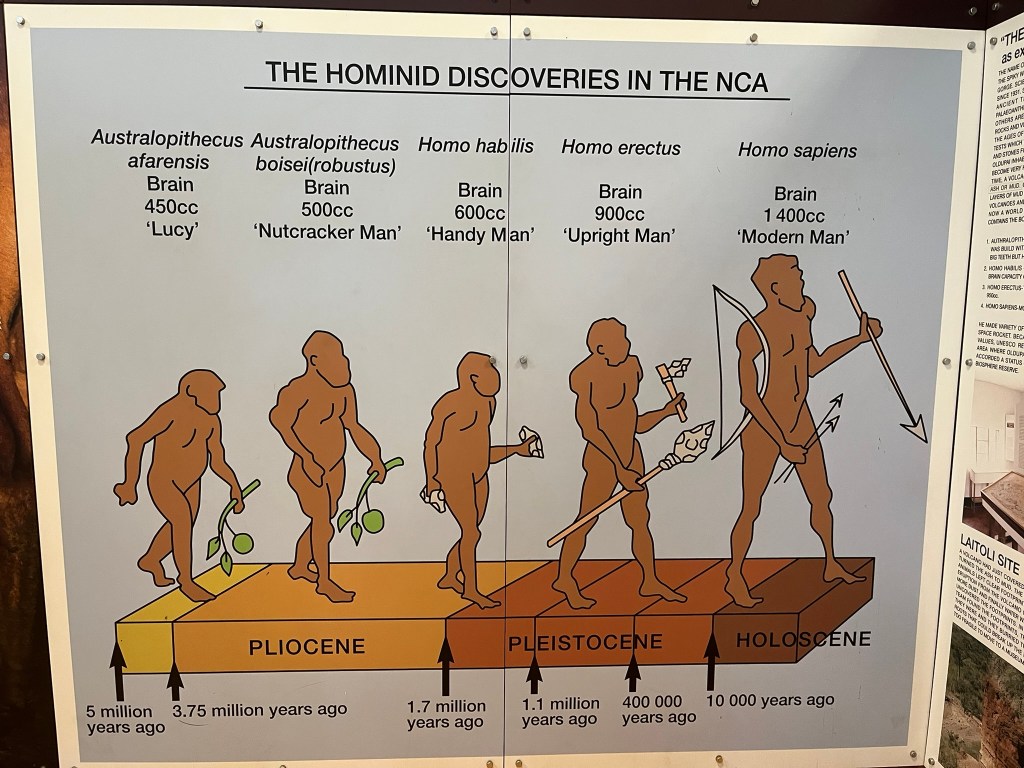
The site became globally famous when Louis and Mary Leakey discovered the fossil skull of Paranthropus boisei in 1959 – nicknamed the Nutcracker Man because of its enormous jaw, huge molars and powerful chewing muscles, suggesting that part of its diet involved cracking nuts. It is thought that this species was a side branch of the human evolutionary tree and co-existed with early members of our genus such as Homo habilis and later Homo erectus around 1.75 million years ago.
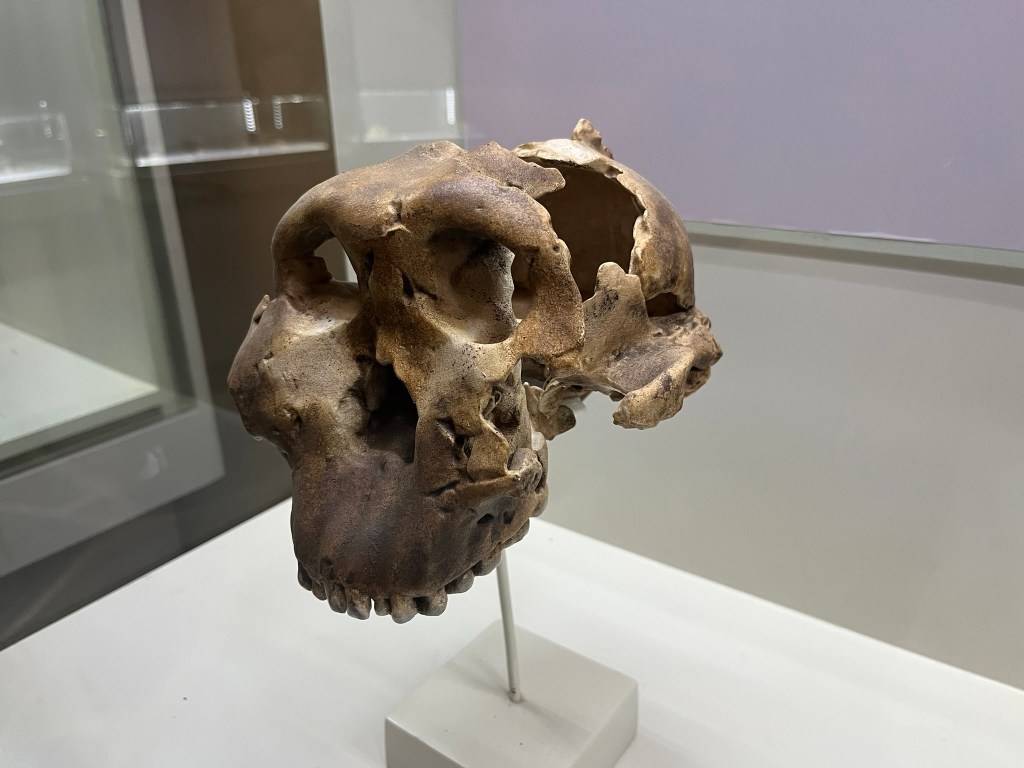
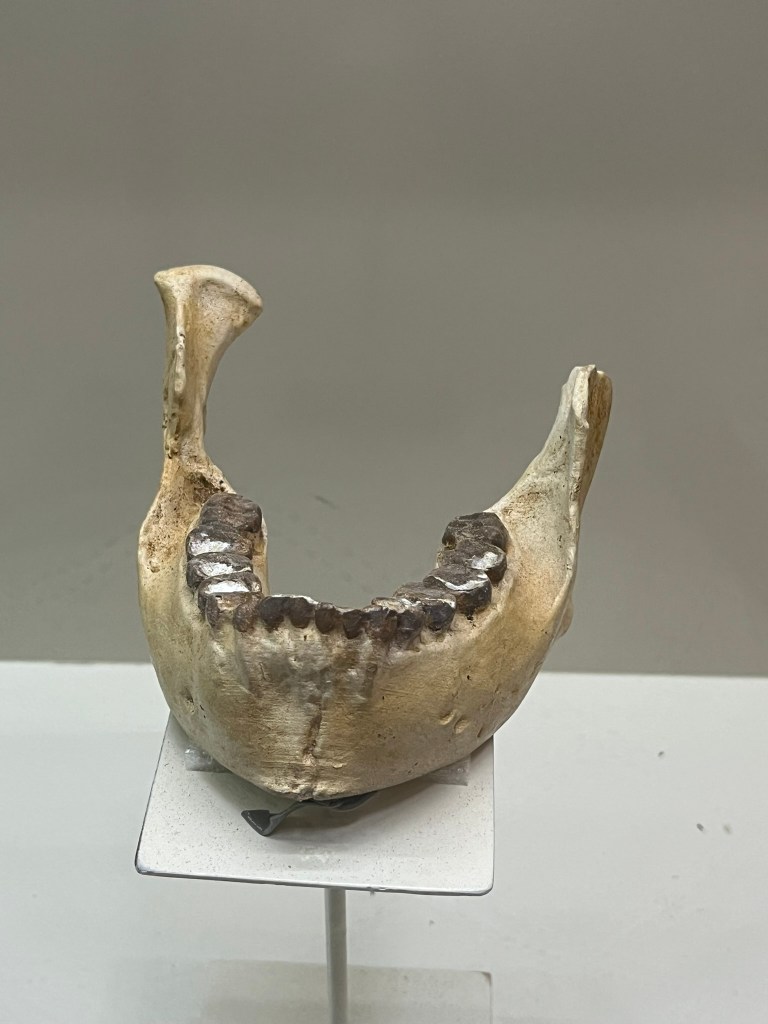
The impact of this discovery shifted the understanding of early hominid evolution from Asia back to Africa as at the time it was the oldest known hominin fossil to have been found. It also helped trace the development of bipedalism, brain capacity and growth, and tool making capabilities.
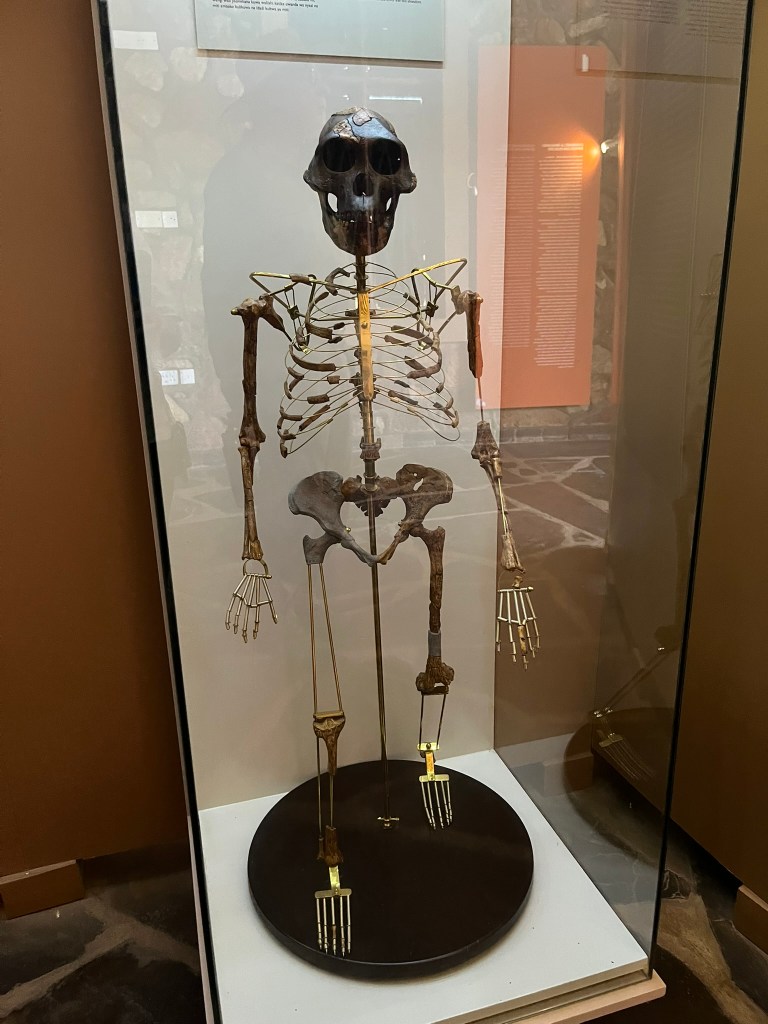
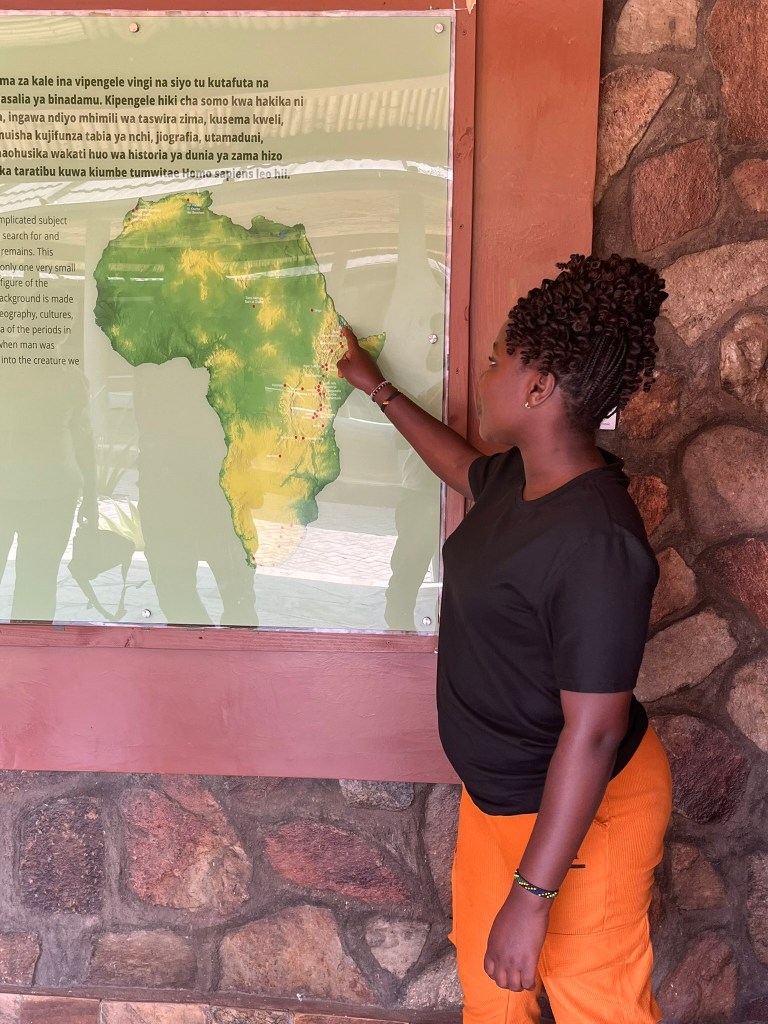
We had a brilliant talk from one of the conservators as we overlooked the gorge, where she pointed out the distinct layers in the gorge and what types of fossils had been found at each layer. We also discussed how the fossils were so well preserved and the history behind their discovery. There is then a small museum that provides examples of the fossils found and provides further explanation on what this has taught us about each species in our journey towards who we are today – Homo sapien sapien. The best non-hominin fossil was the absolutely huge skull of an ancient ancestor of the modern buffalo. The horns must have been 2 meters in length each!

It was well-worth visiting on the way to the Serengeti Plains and should not be missed.
 Colette's Grand Detour
Leave a comment