Day 10 (6th August 2025)
The entrance to Lake Manyara National Park is just a short 5 minute drive from Mto Wa Mbu. One of the big differences between Kenya and Tanzania is that there is no fencing around the parks and reserves in Tanzania. The animals are free to wander where they want which has the huge benefit that they can follow their natural behavior and move across a much larger area if they need to. Tanzania has implemented wildlife corridors across the country to link parks and allow for gene-flow and habitat linking. The drawback is that sometimes they can encroach on where humans live or agricultural areas.
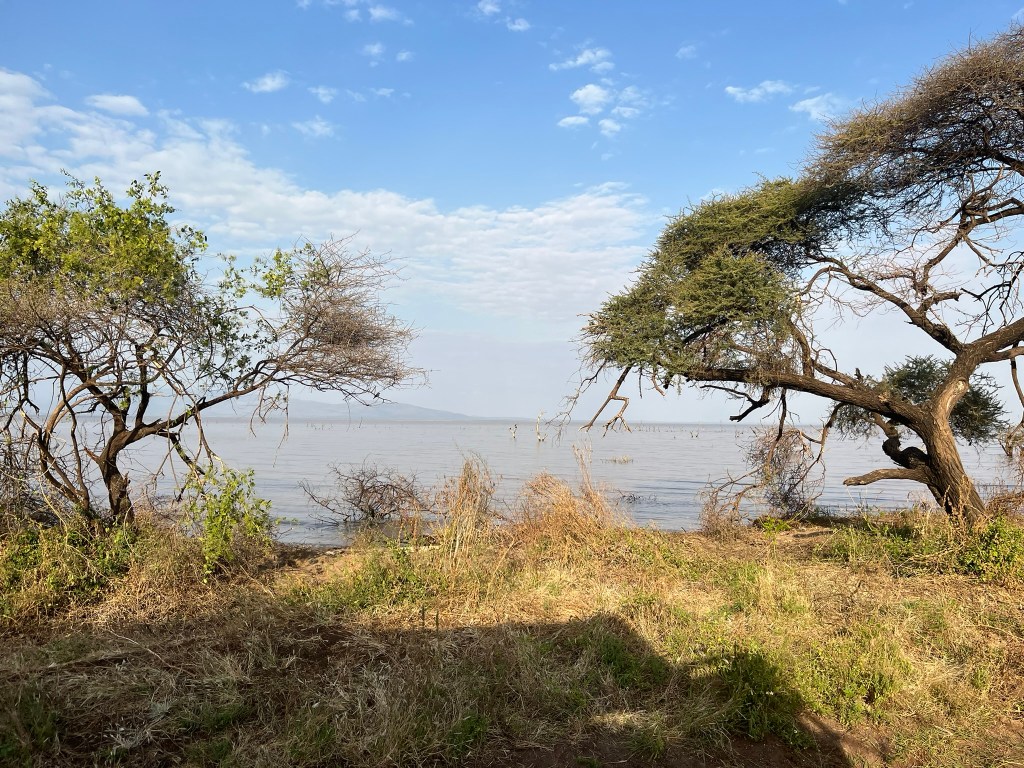
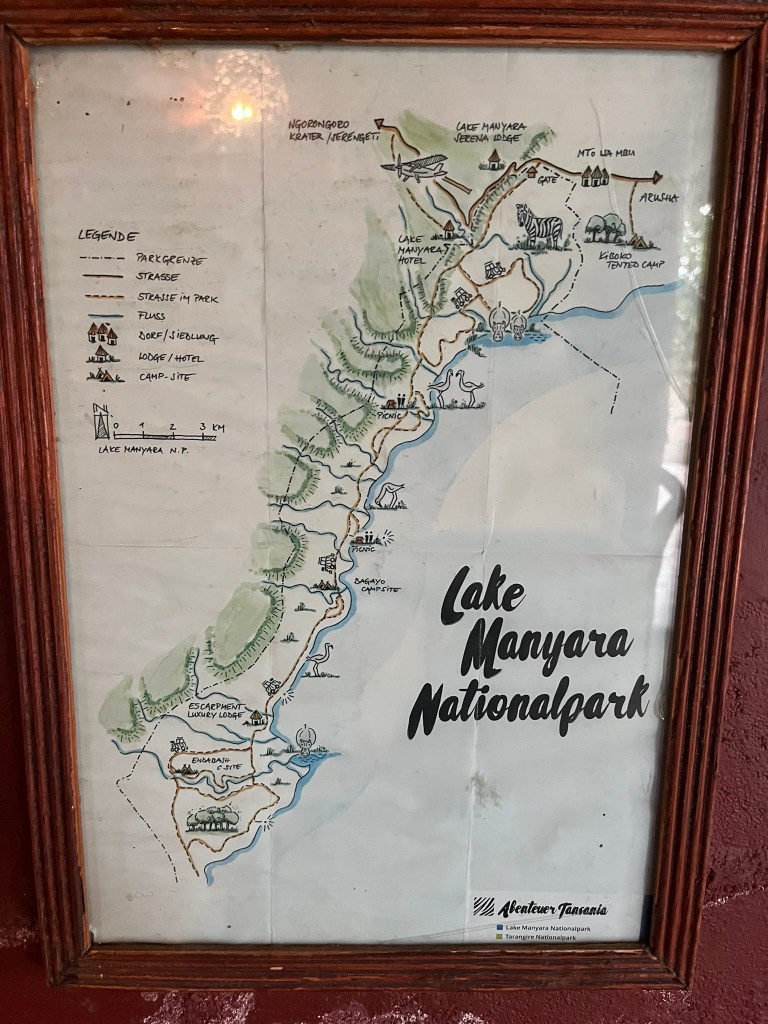
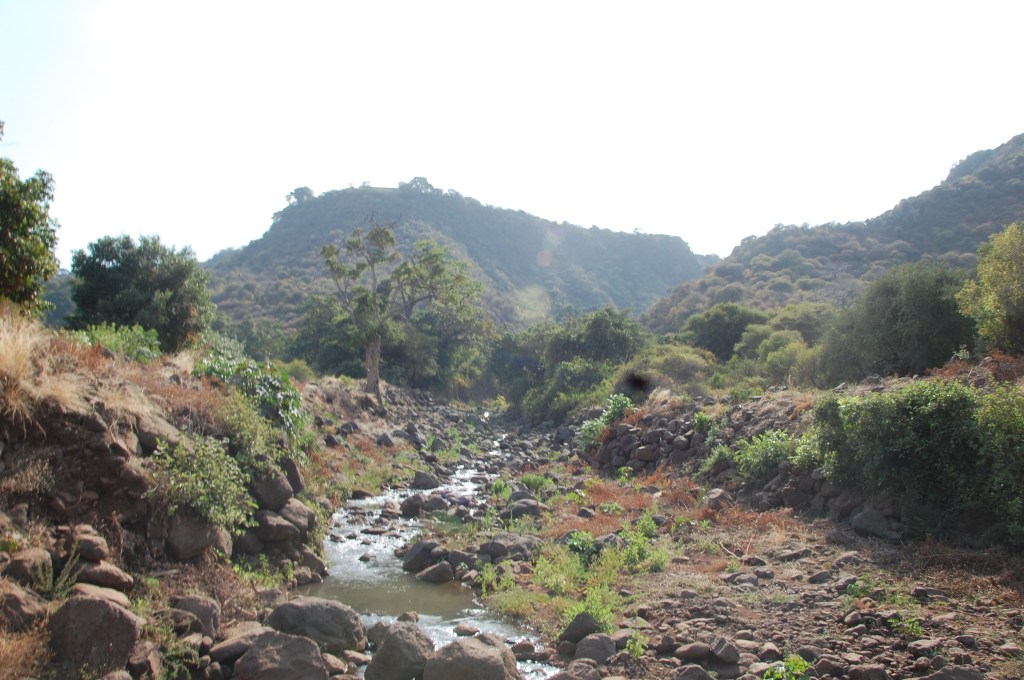
Lake Manyara National Park is a smaller reserve that sits at the base of the Great Rift Valley escarpment and encircles part of Lake Manyara. It is famous for tree-climbing lions, elephants and diverse birdlife. And the forest is fed by groundwater all year around so it doesn’t have a traditional dry season and is lush and green. It was designated a UNESCO Biosphere Reserve for its species richness and ecological biodiversity.

However, just like Lake Nakuru in Kenya, the water level is rising, changing its salinity level which has driven away the flamingos and also flooded a good portion of the flat grassland that was available for grazing animals. This has meant that some of the larger groups of animals like zebra have left for other areas, and those that have stayed have changed their behaviour to adapt. For example, our guide explained that the lion pride in this park have adapted by now hunting for smaller but more abundant prey like baboons and monkeys. Which means they need to hunt more frequently to feed the pride.
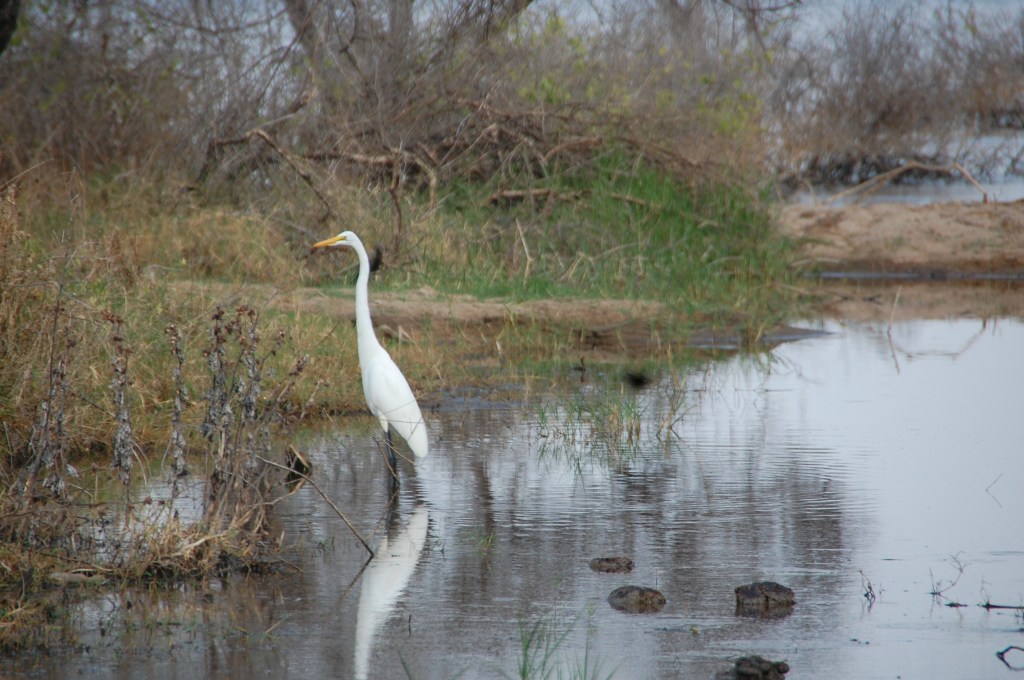
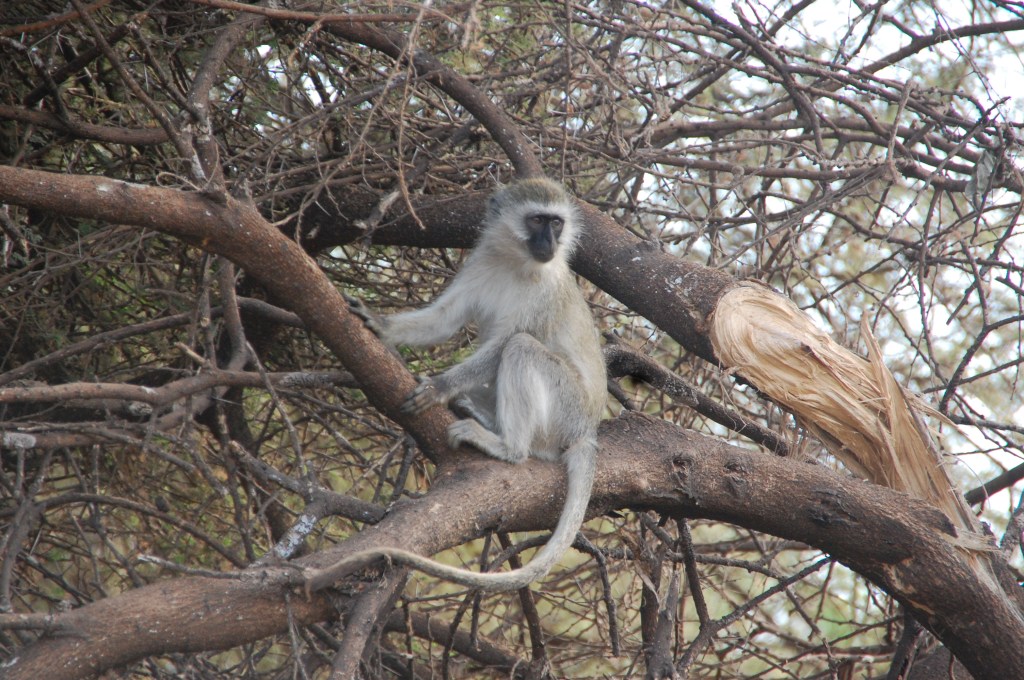
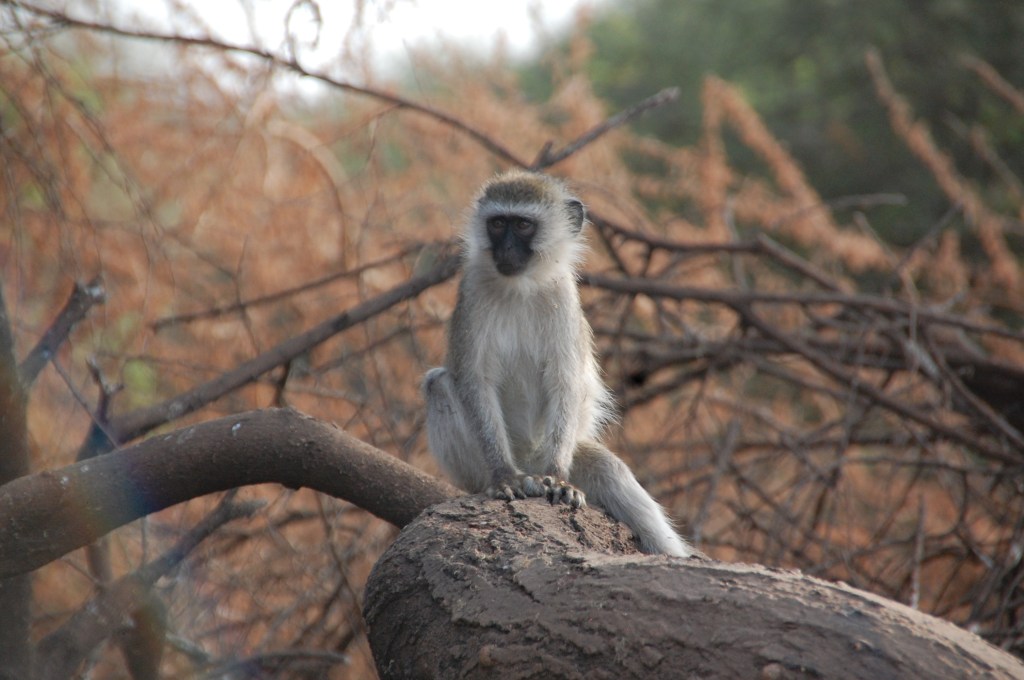
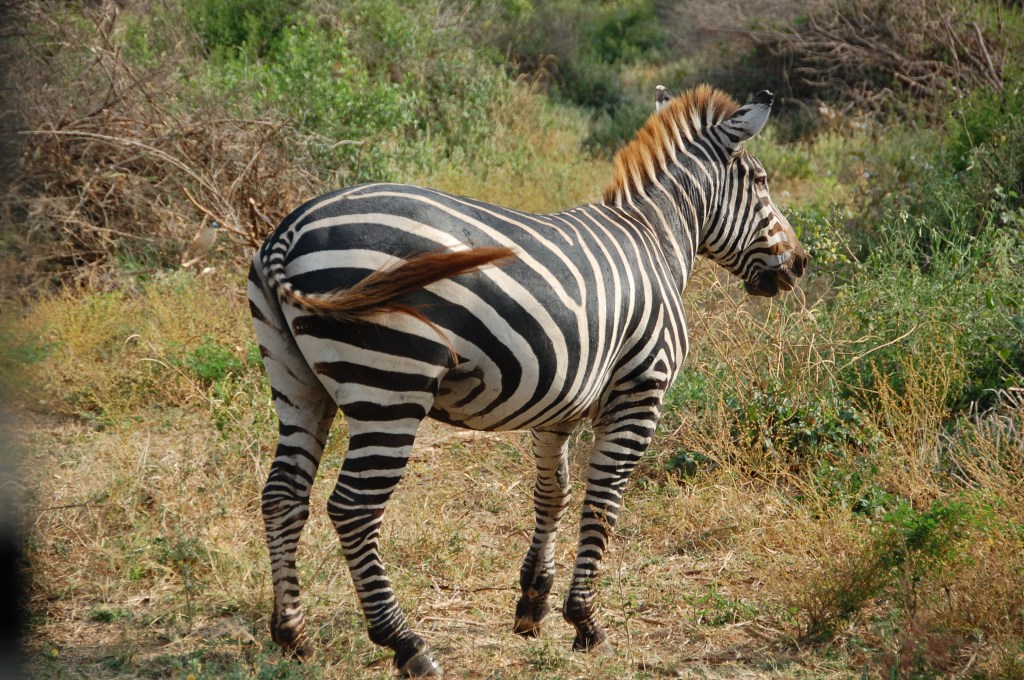
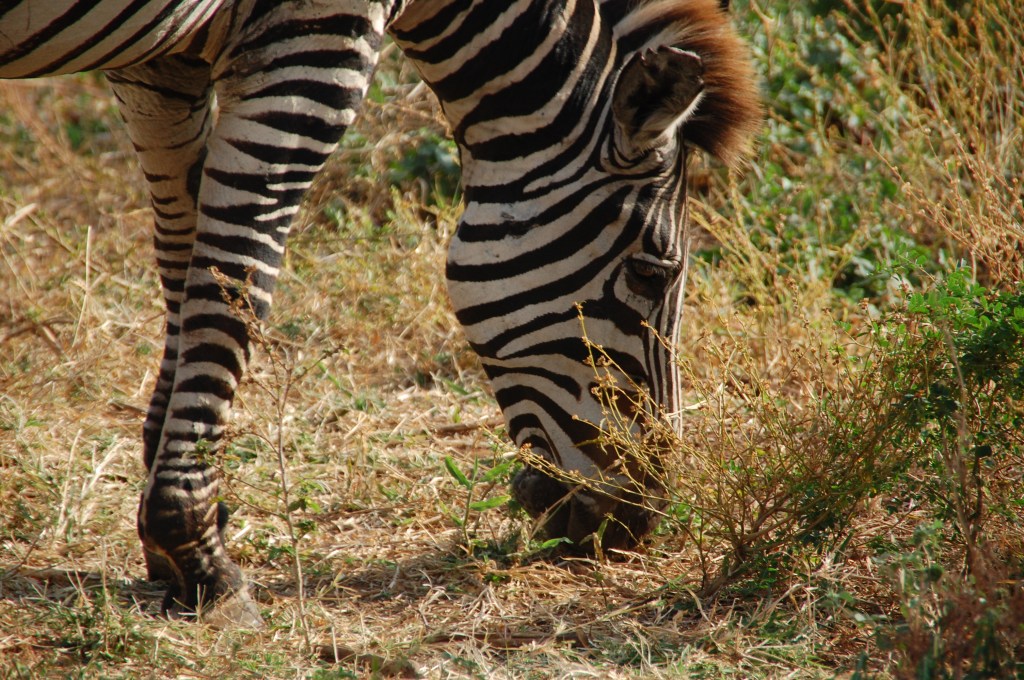
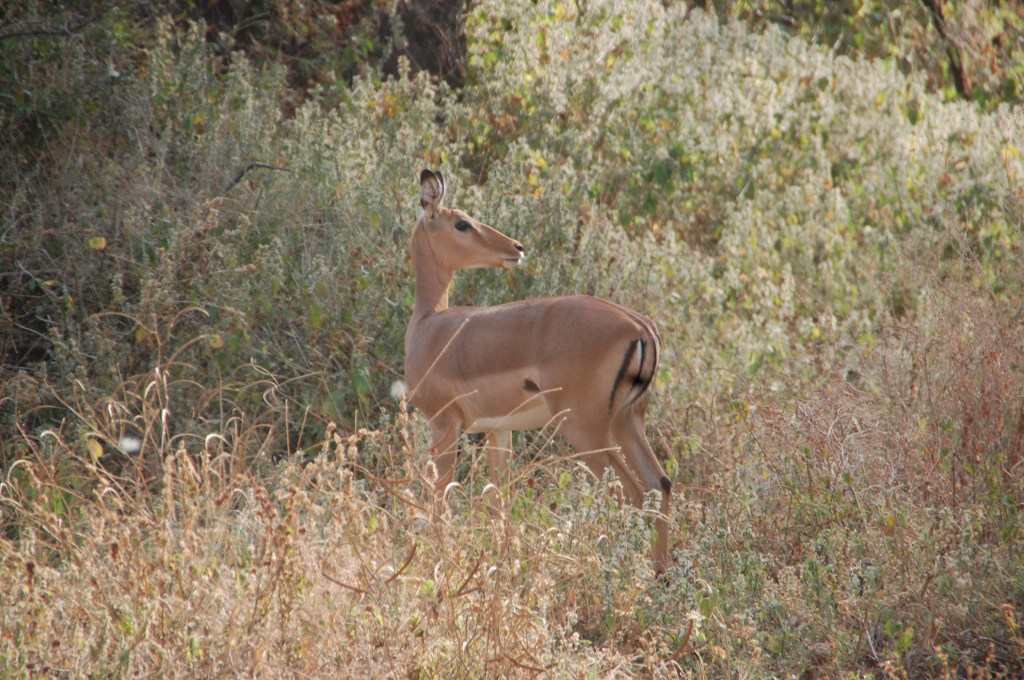
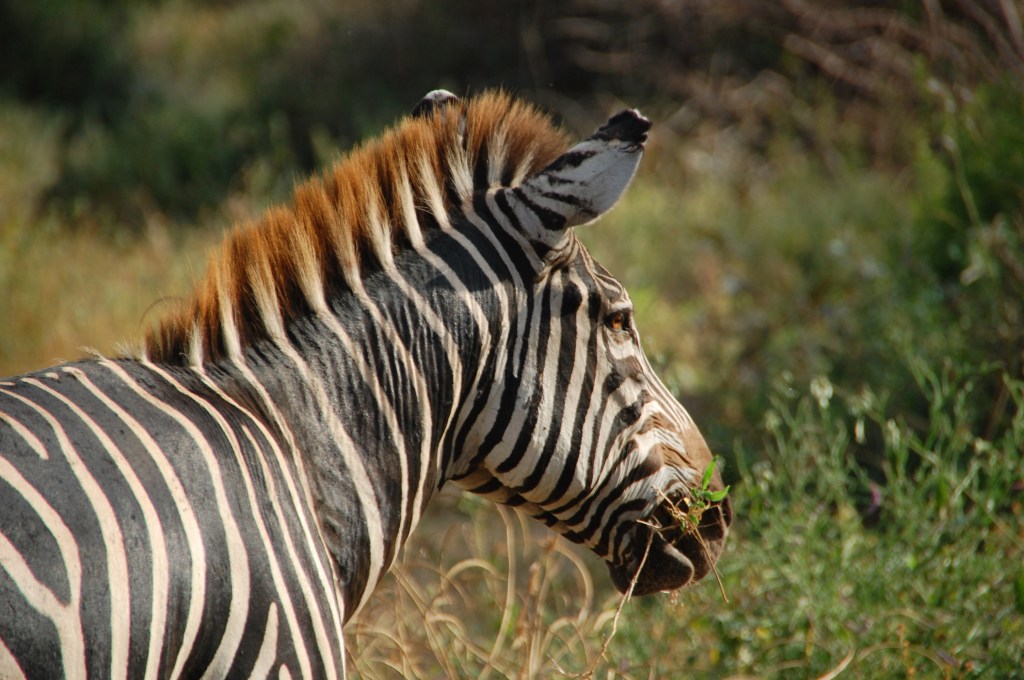
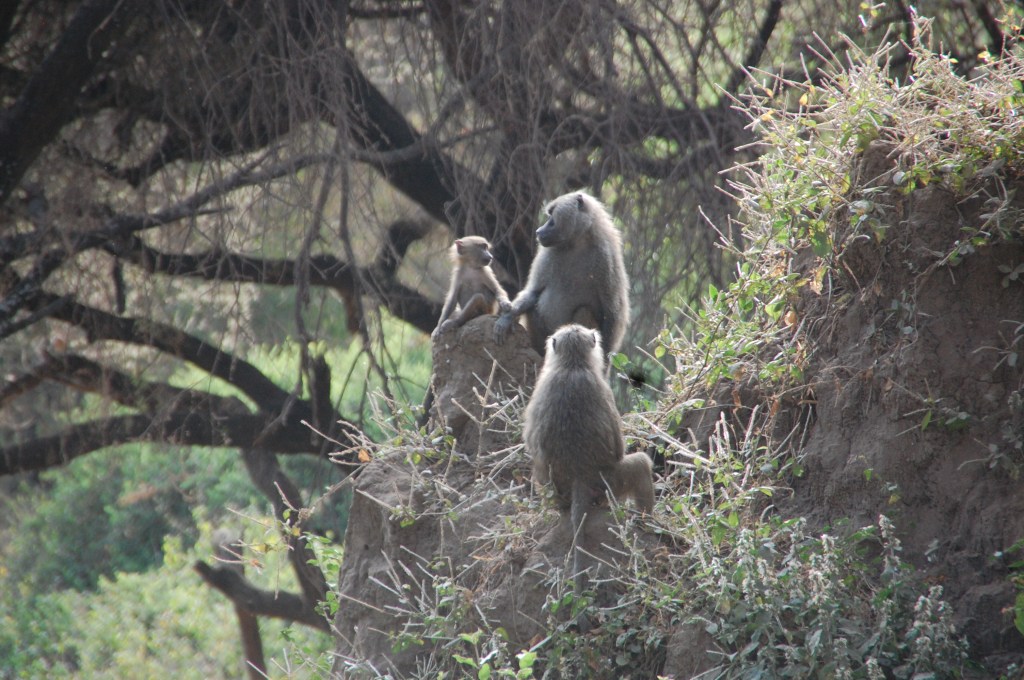
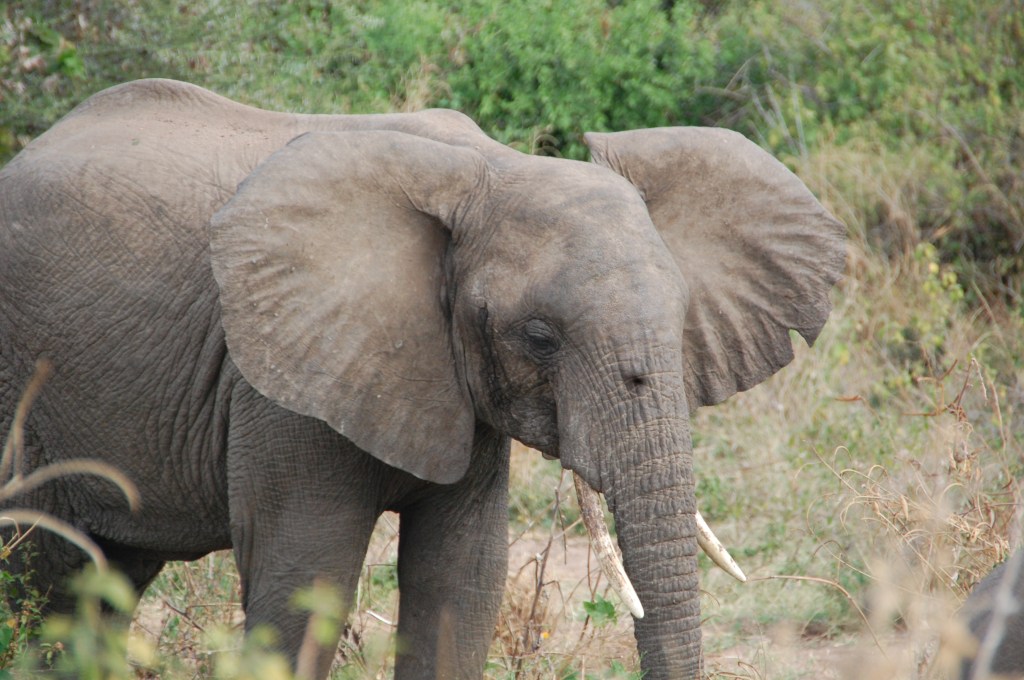
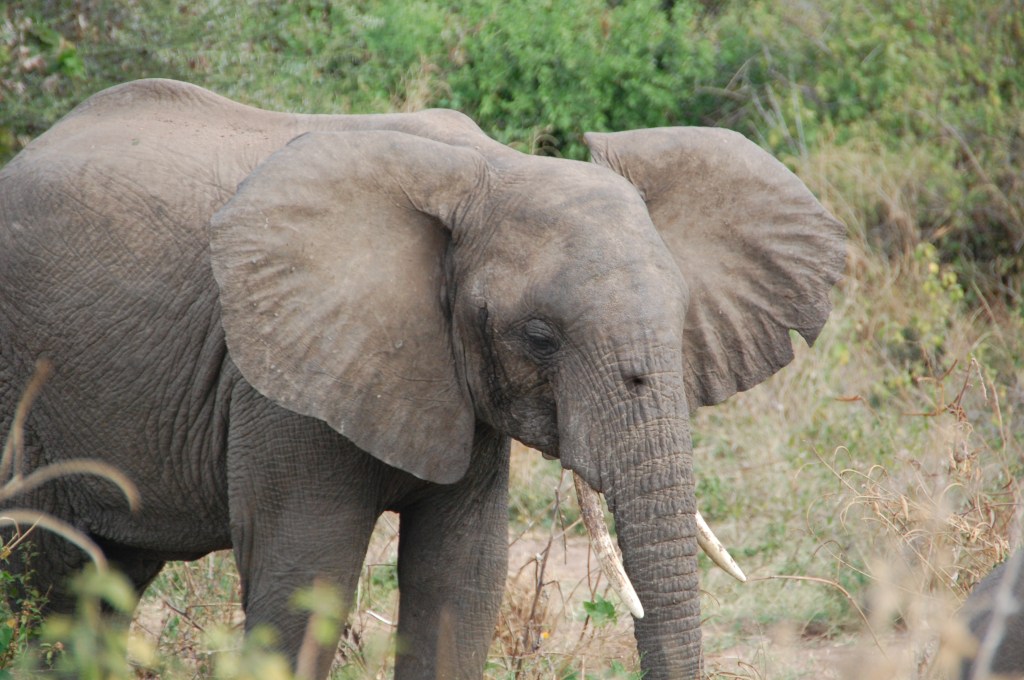
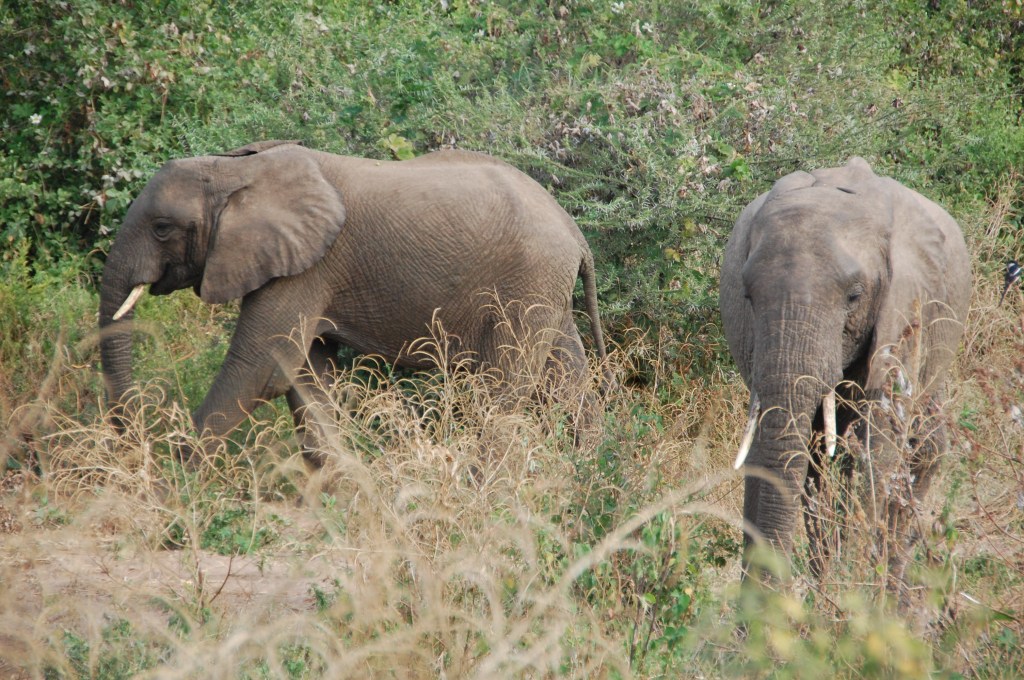
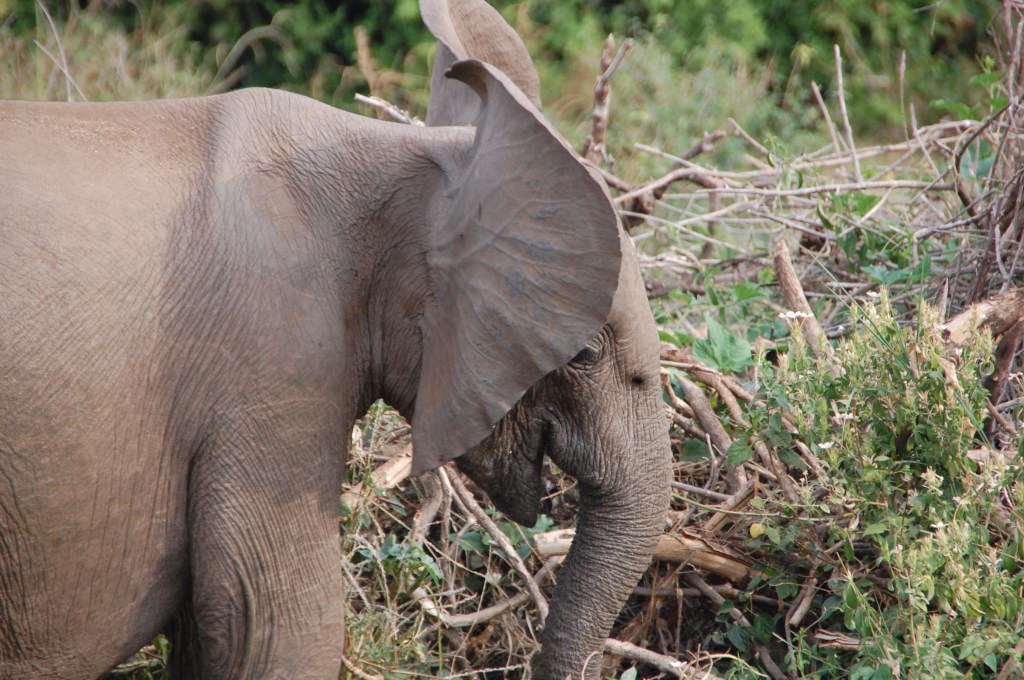
Even though the park is changing we still saw a lot – big troops of baboons and smaller clusters of Vervet monkeys. Water bucks, gazelles, zebra and water buffalo. And a parade of elephants. The elephants in this park are actually a sub-species of the African elephant as the more forested environment means they have adapted by becoming a little smaller and thinner than those you see in the Savannah. We stopped to watch the elephants we spotted for about 15 minutes and it was fascinating to see how they flapped their ears so widely as a way to cool themselves down. Initially we only saw a baby and a juvenile but we knew the mother wouldn’t be too far off and was likely just a few bushes away. We spotted her about 5 minutes later as we drove down the road and she was on her way back to her family.

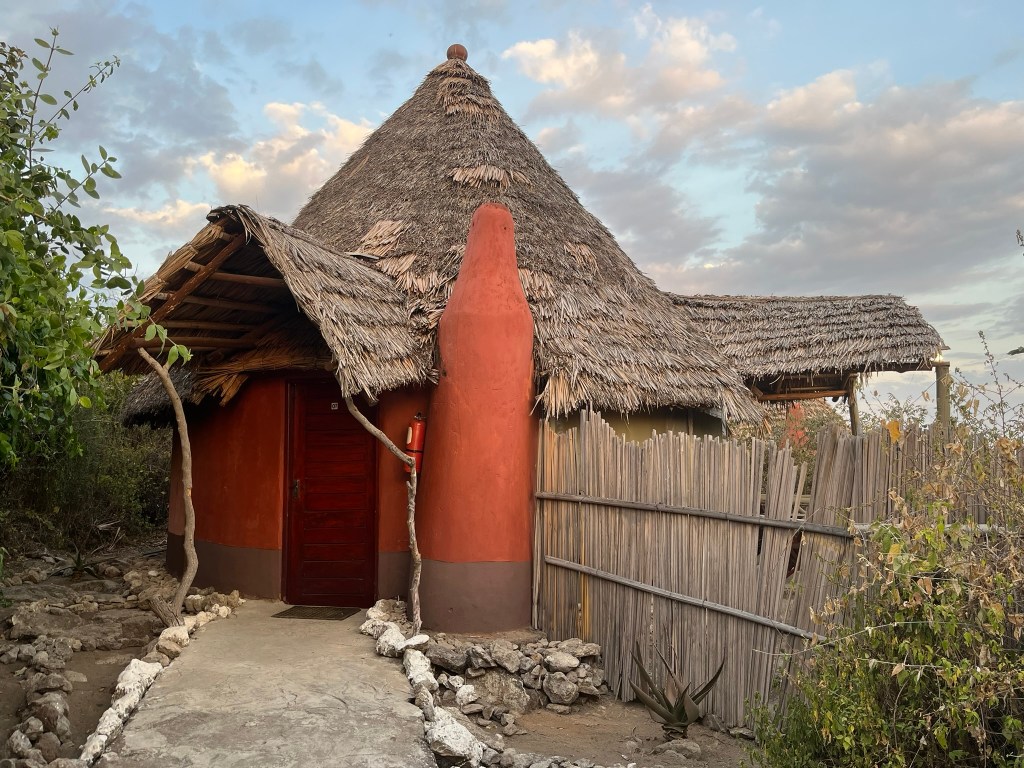
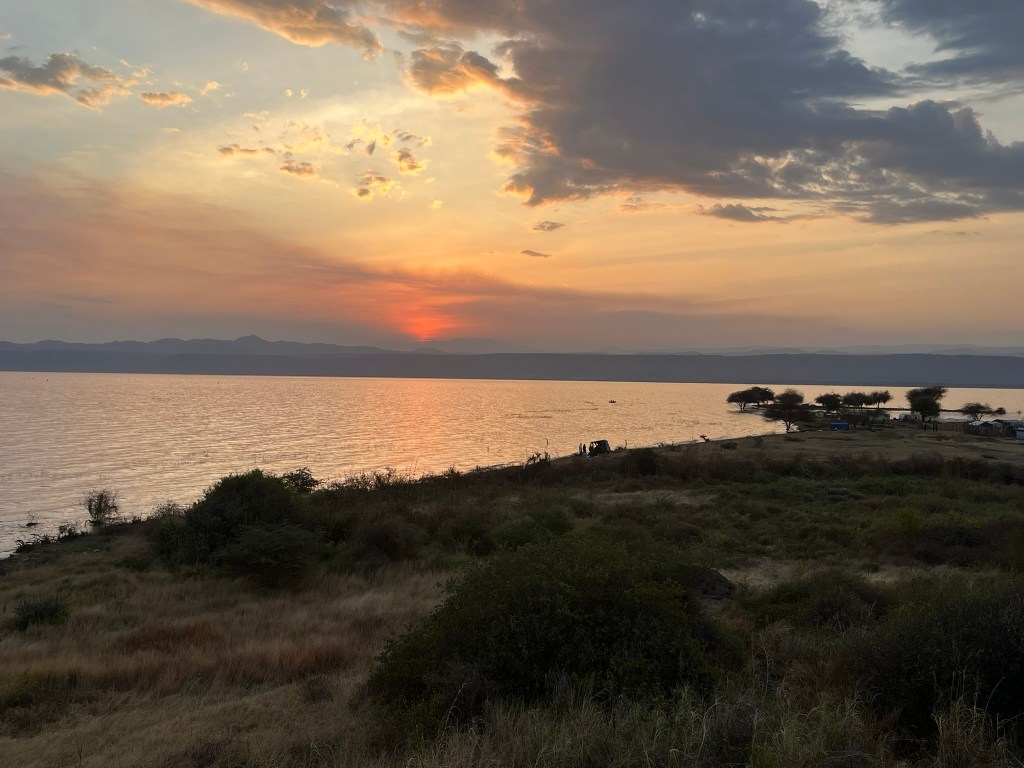
The park is about 3 hours drive from Arusha and is a classic stop on the Northern Circuit Safari route, as a taster for the bigger parks like the Serengeti and Ngorongoro Crater. Our accommodation for the night is called Rift Valley Photographic Lodge and is right on the lake and the rooms are in these amazing individual traditional boma houses (but still with all modern amenities inside!) and we had the most wonderful sunset from the seating area overlooking the lake.
 Colette's Grand Detour
Leave a comment