Day 11 (7th August 2025)
We had the most incredible first afternoon in the Serengeti. Our home for the next 2 nights was going to be Tortillis Camp in the Central Serengeti, within the Seronera region. But we would first explore the grassland areas on the way there, for a couple of hours. This area is peppered with rocky outcrops called Kopjes that give vibes of the Lion King and Pride Rock.
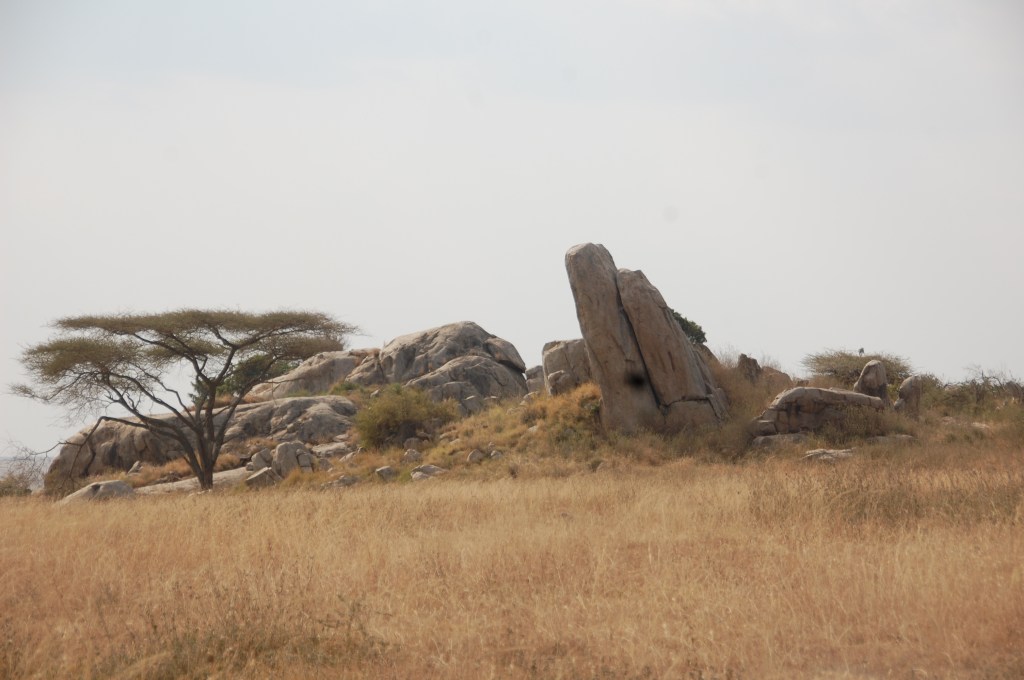
These granite outcrops were formed by volcanic activity and are actually some of the oldest geological features in Africa. Initially the granite was formed when magma was pushed up from deep within the Earth’s crust and then cooled underground, buried under many layers of other rock and soil. Eventually (and by this I mean many millions of years later), tectonic movements within the Rift Valley caused the crust to rise. Softer overlying material wore away through various types of erosion (again over tens of millions of years), eventually just leaving the super hard granite.
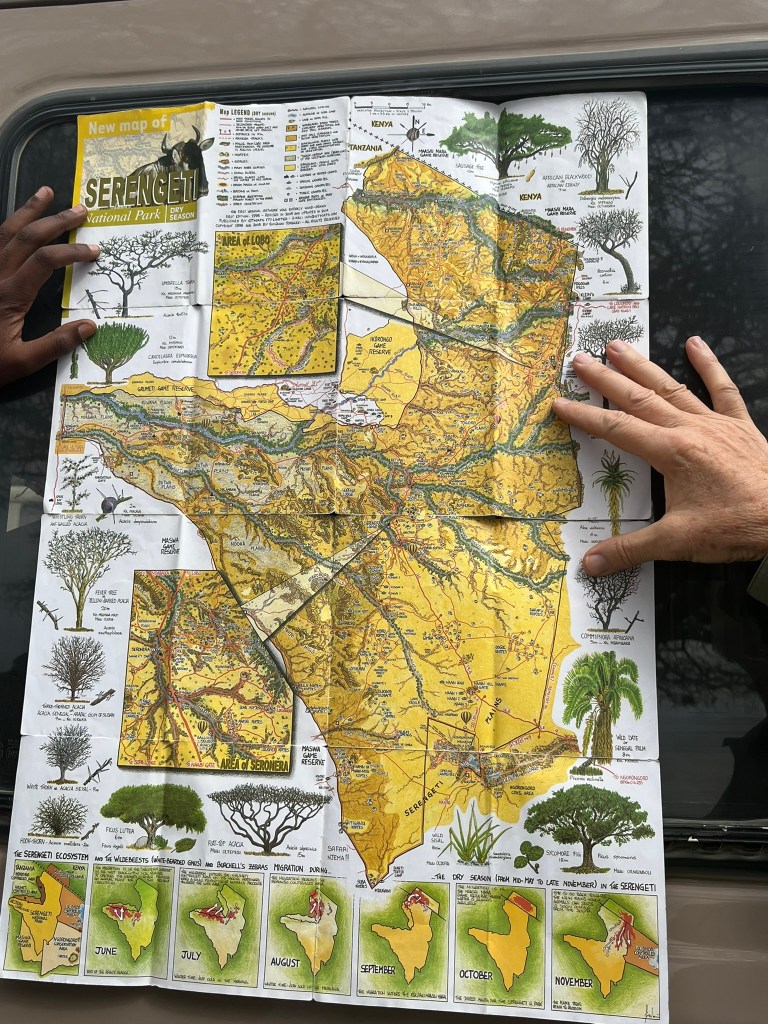
These outcrops provide lots of shade and habitats for animals, especially lions to shelter in, so we were on the look out for what our guide calls ‘African Polar bears’. We really saw so much in just a few short hours that it will be hard to get it all into one post.
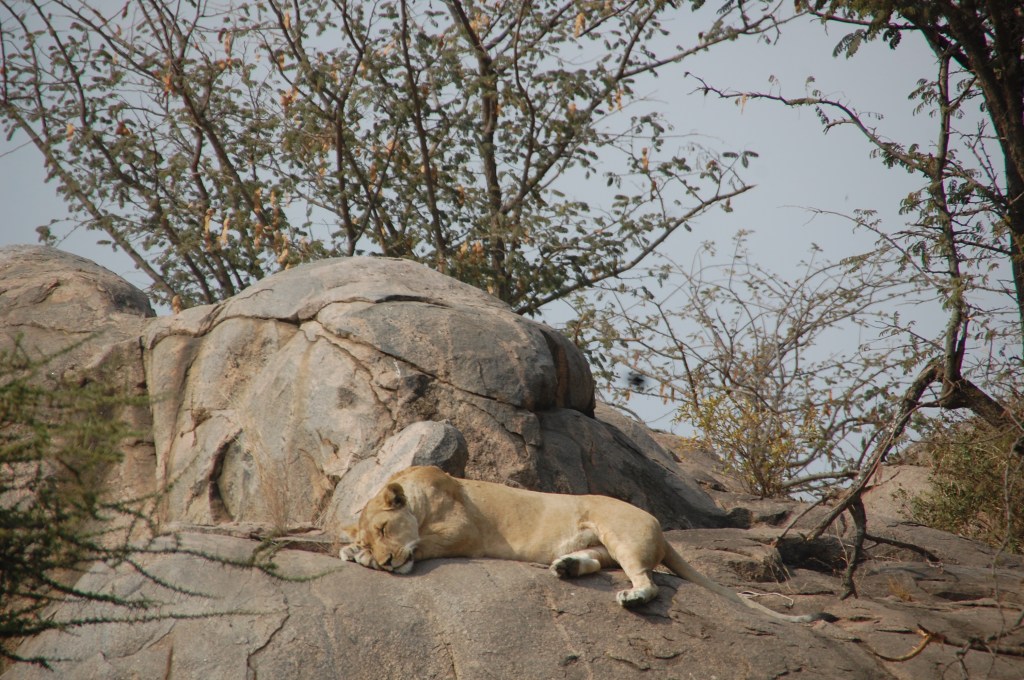
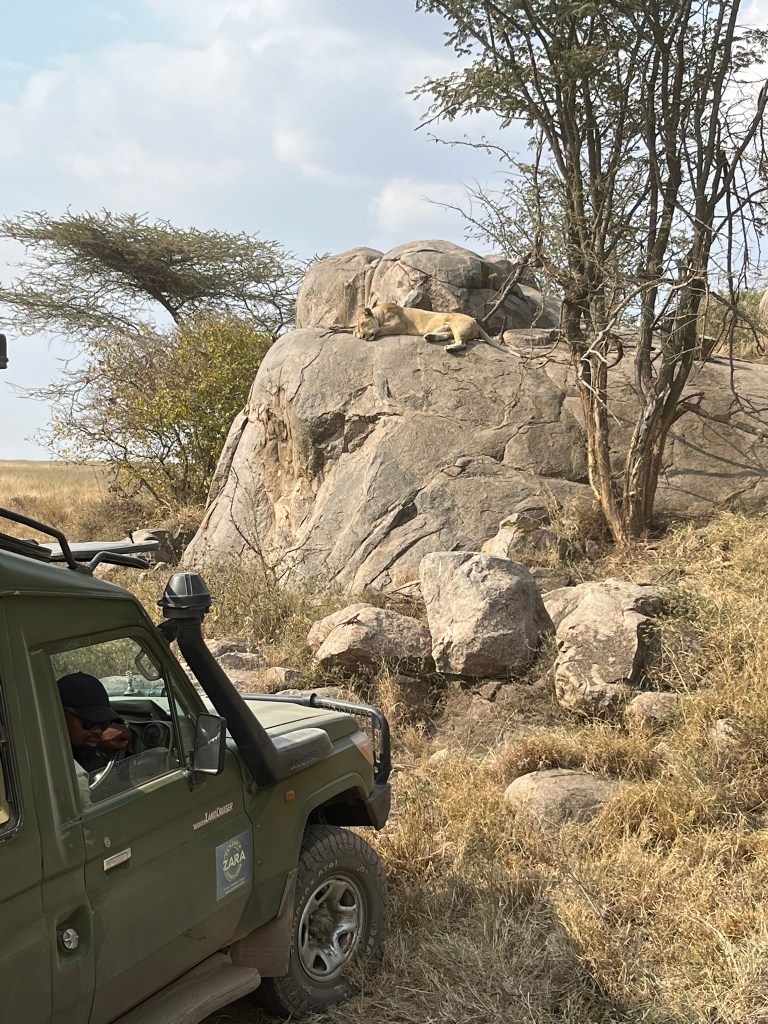
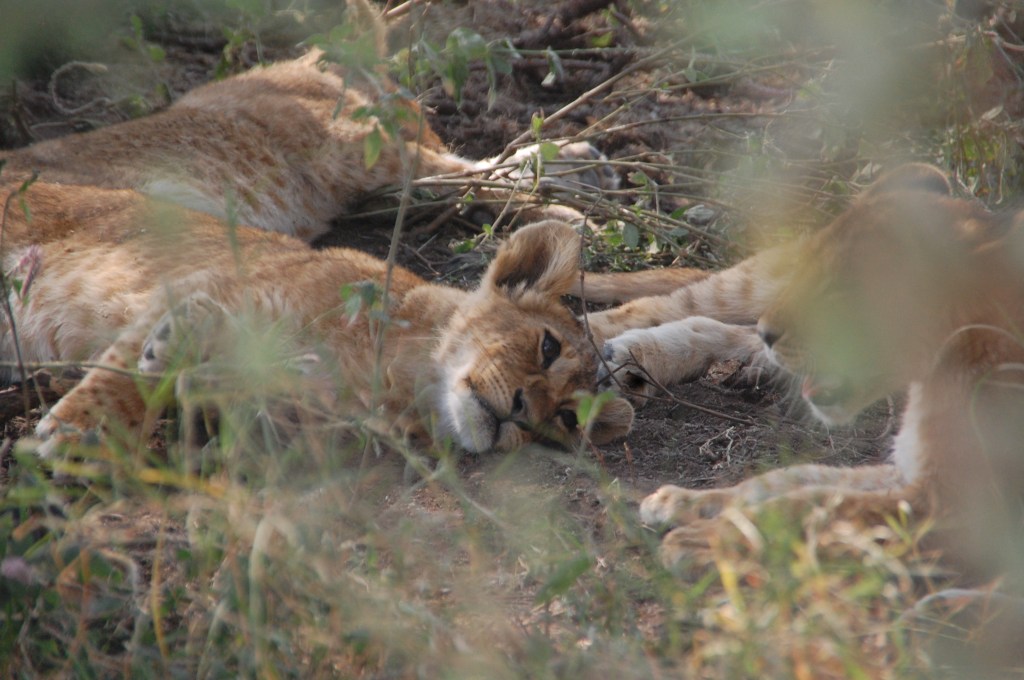
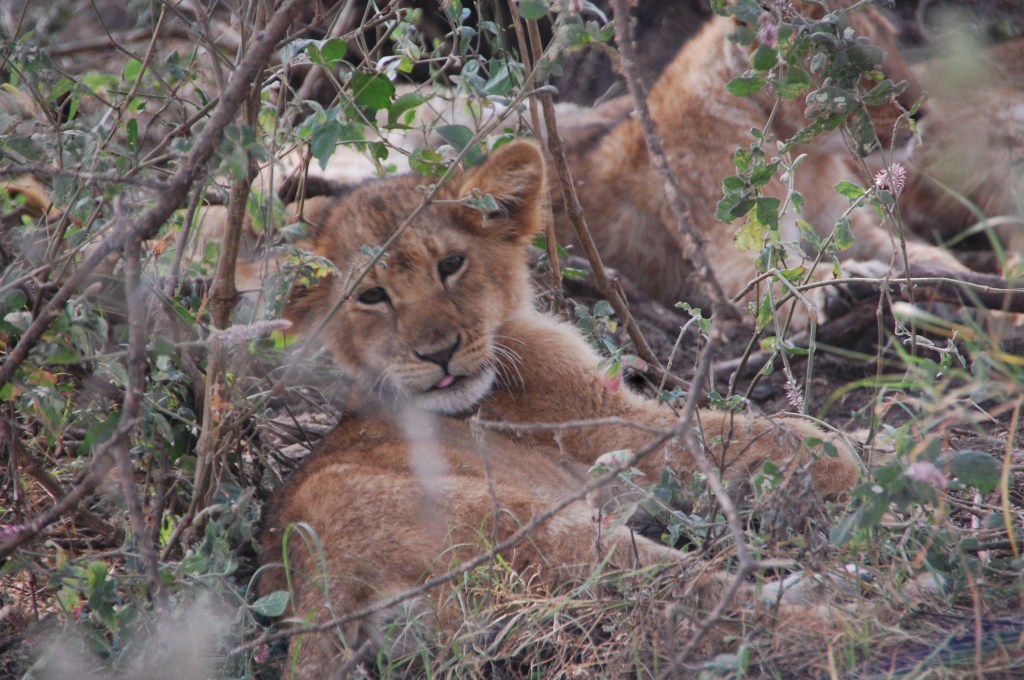
We encountered 3 individual groups of lions. Firstly we had our Lion King moment and found a lioness sleeping on top of one of these granite outcrops. And below her in the bushes we discovered 8 cubs and 2 more lionesses. Our guide explained their behaviour suggested they were quite hungry as the cubs kept on yawning. Which made sense as the area we were in didn’t seem to have much prey as the zebra and wildebeest they would normally hunt have headed north with the great migration. Prides of lions have territories and they cannot simply cross into another pride’s patch to get food.
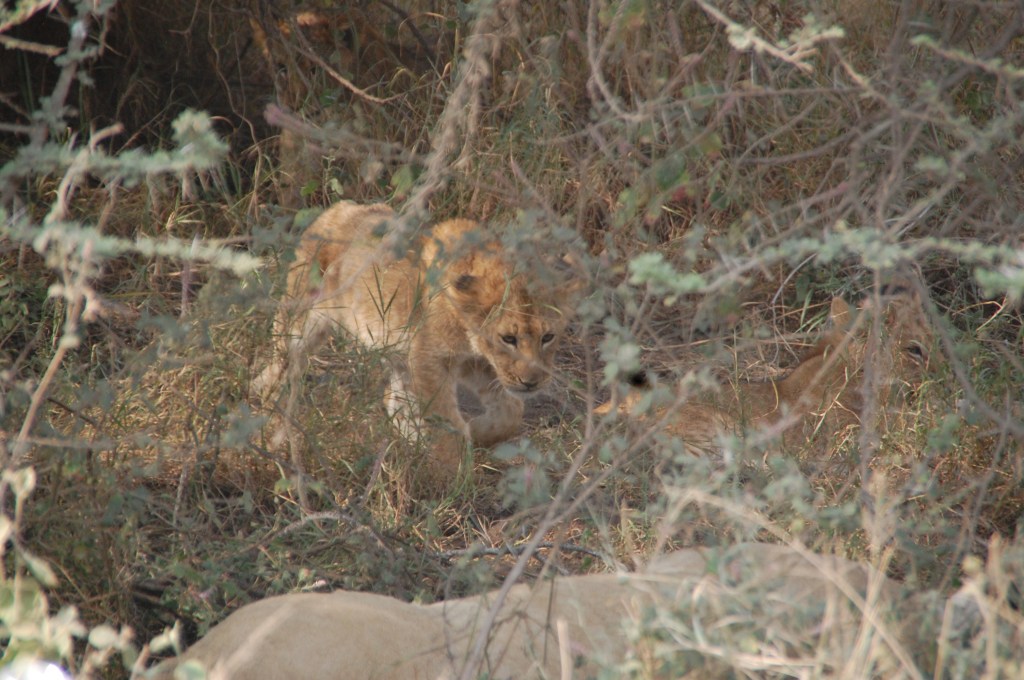

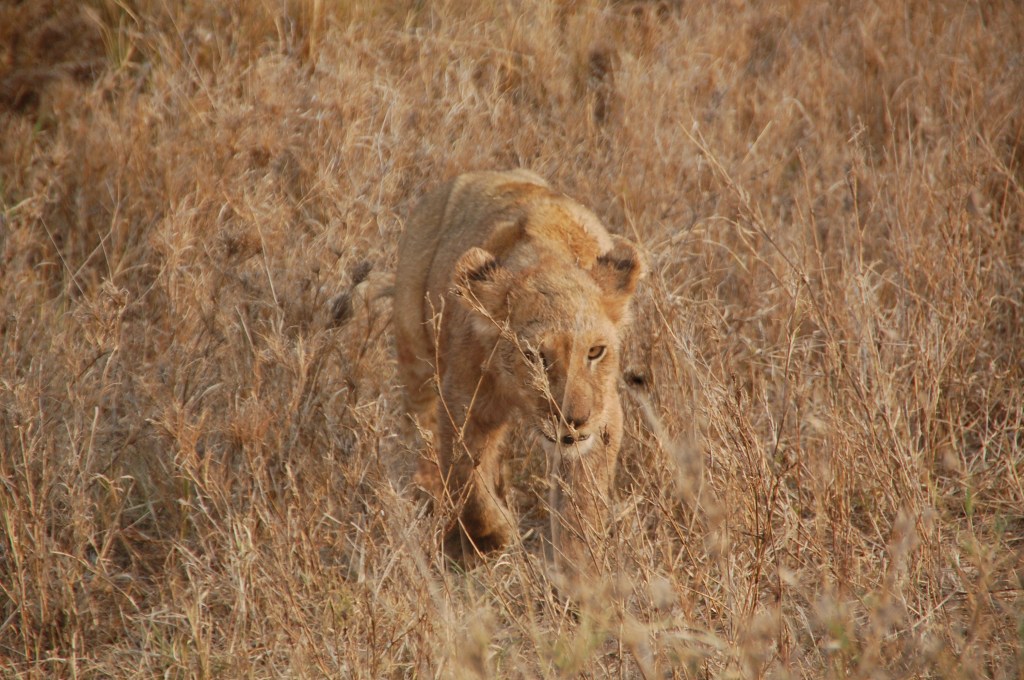
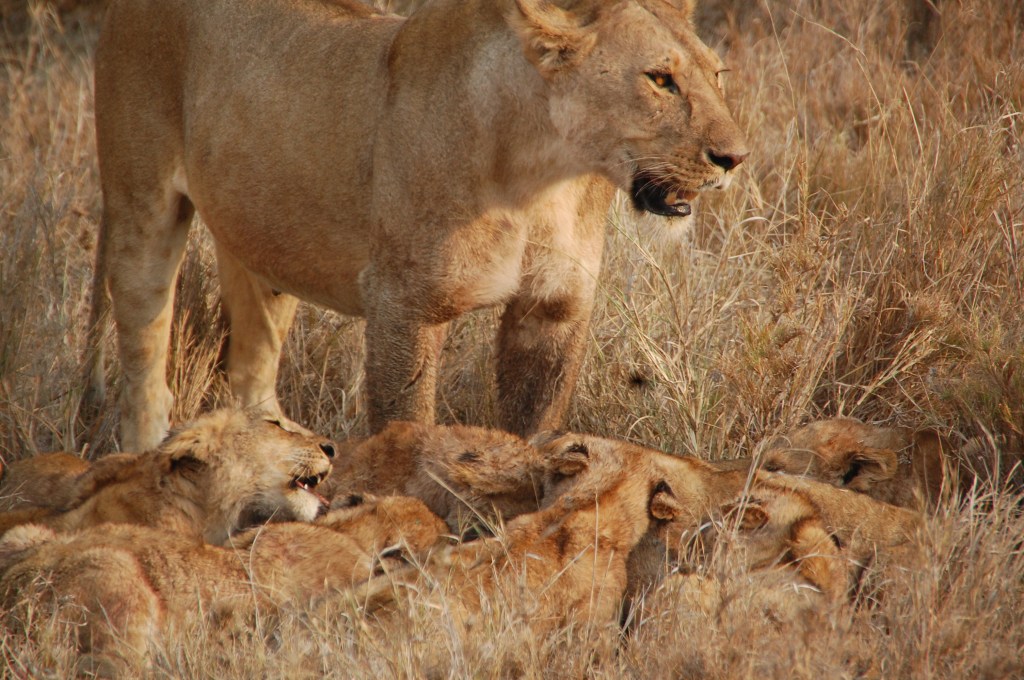
The second group we encountered was another set of 3 lionesses with again around 8 cubs. This time they were out in the open grassland feeding on a kill. The dominant lioness was making sure that all the cubs ate and that the other lionesses did not take away food from the youngest in the pride. She was very vocal, growling frequently and protecting the food. It was difficult to tell what they were eating as there were so many cubs all over the kill, but we could here lots of noises like growling where the male cubs were showing their dominance and cracking of bones.
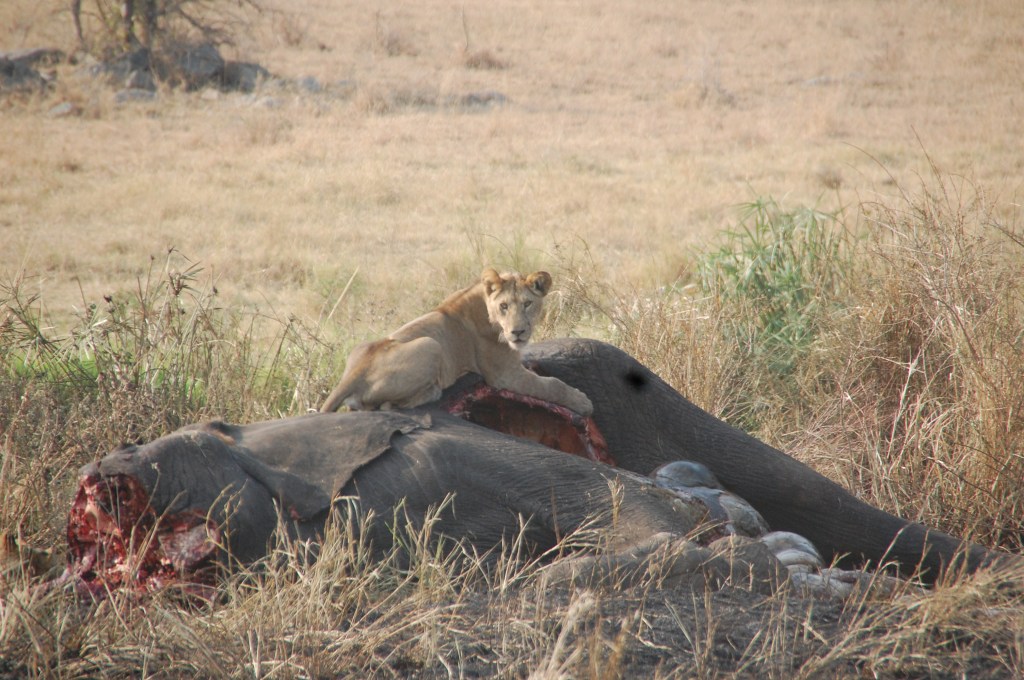
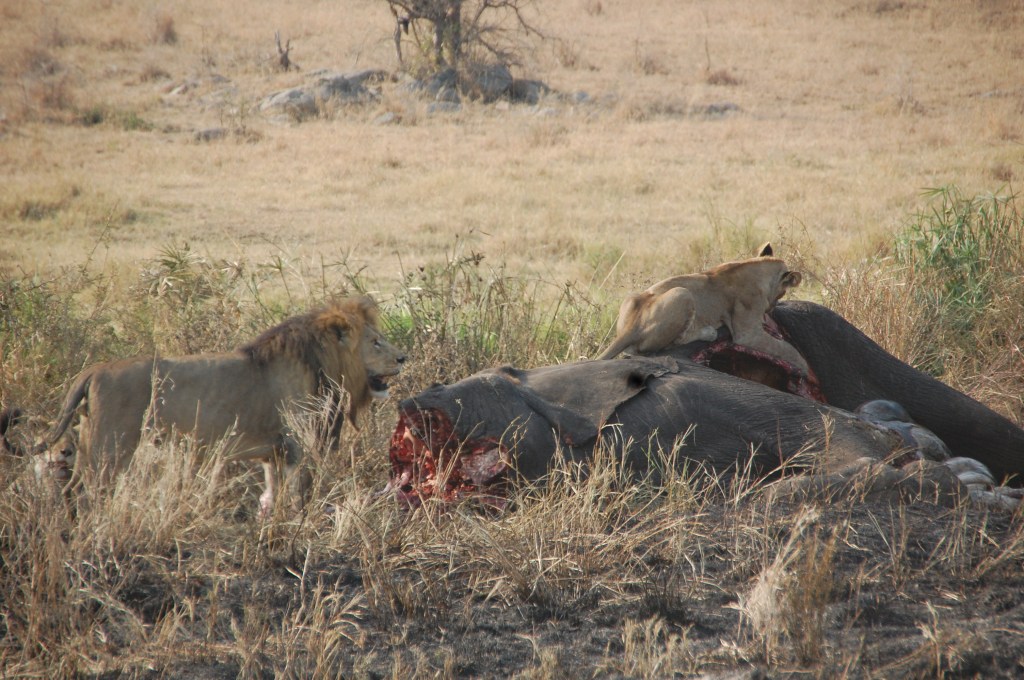
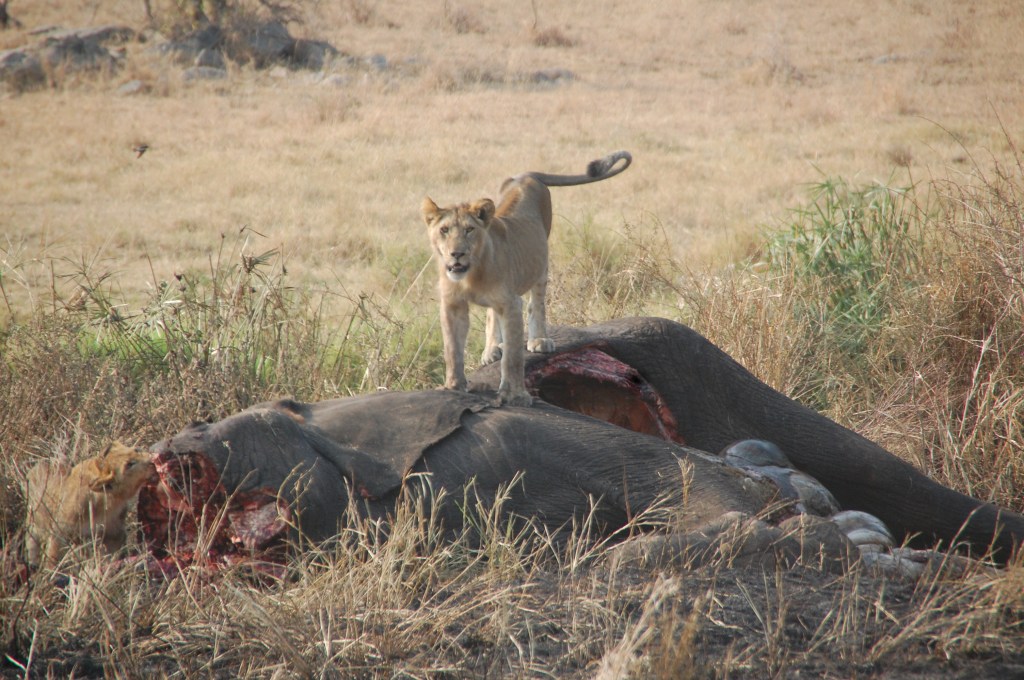
The third group was even more incredible and we saw this just a few kilometers from Tortillis camp! A pride of lions were devouring a huge elephant. It was likely that the elephant had died of natural causes and the lions had found it, as it would be quite rare for lions to kill a full size elephant. The other evidence we had was that actually the majority of the head of the elephant was missing, and this would happen if rangers came to remove the tusks of a dead elephant to deter poaching.
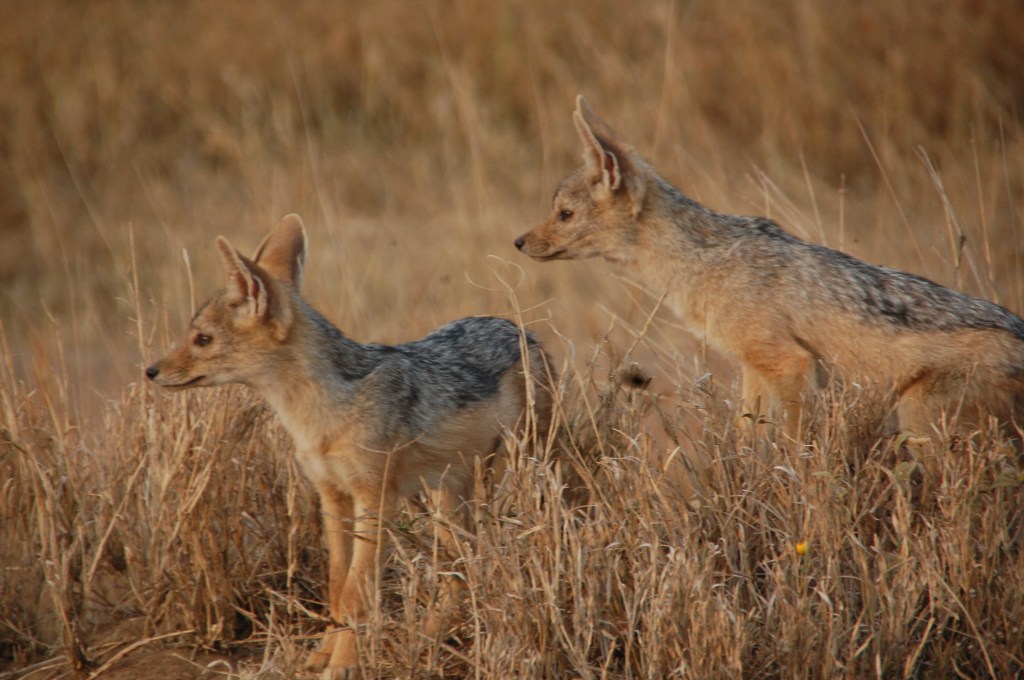
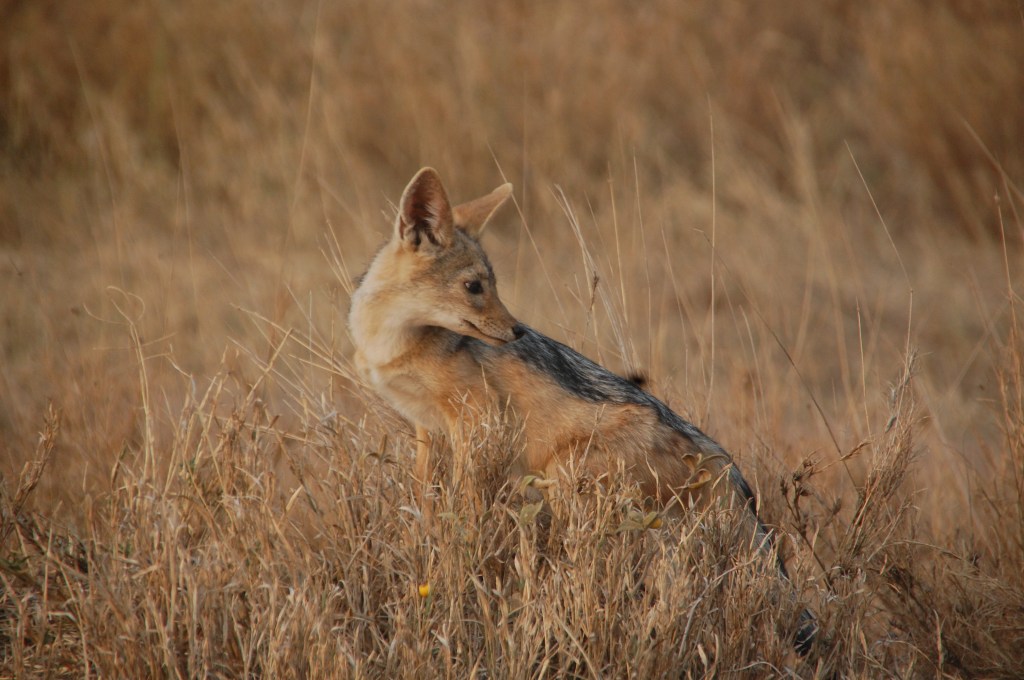
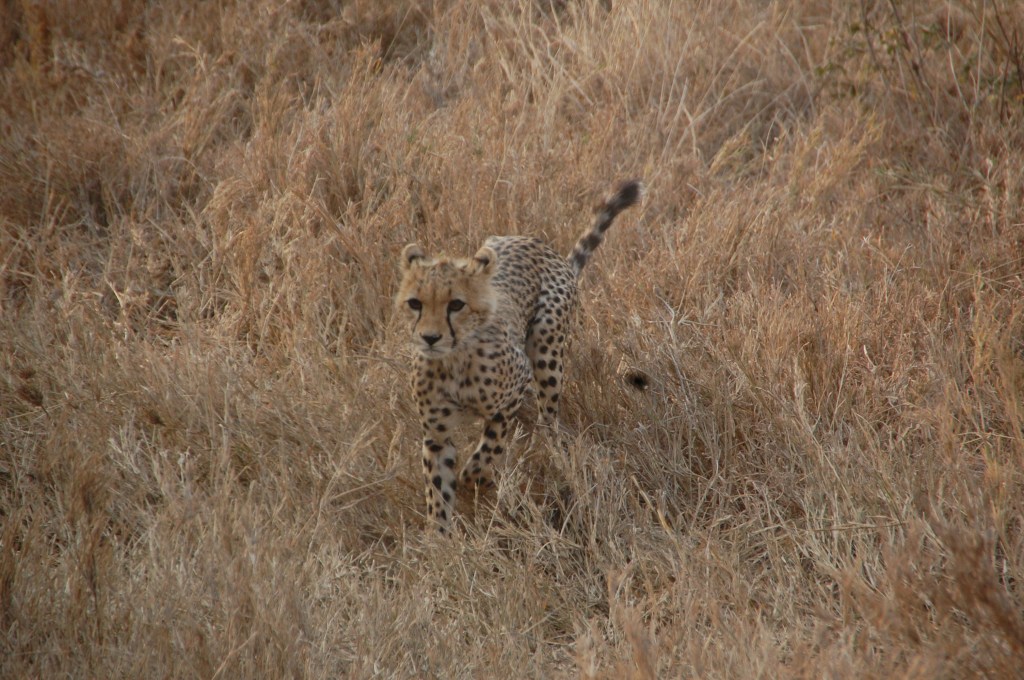
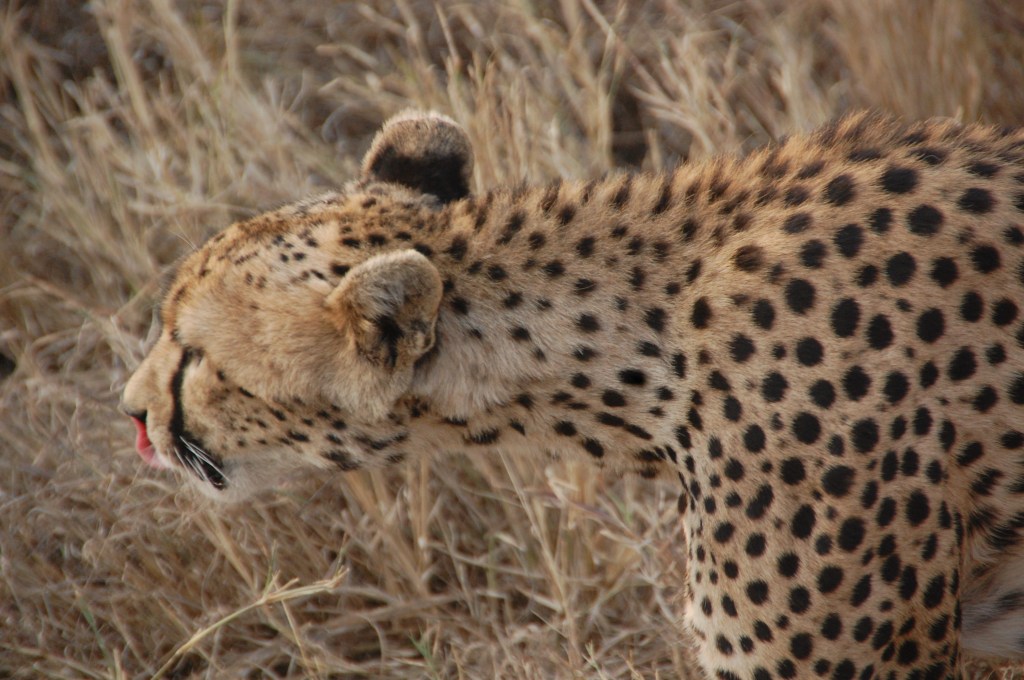
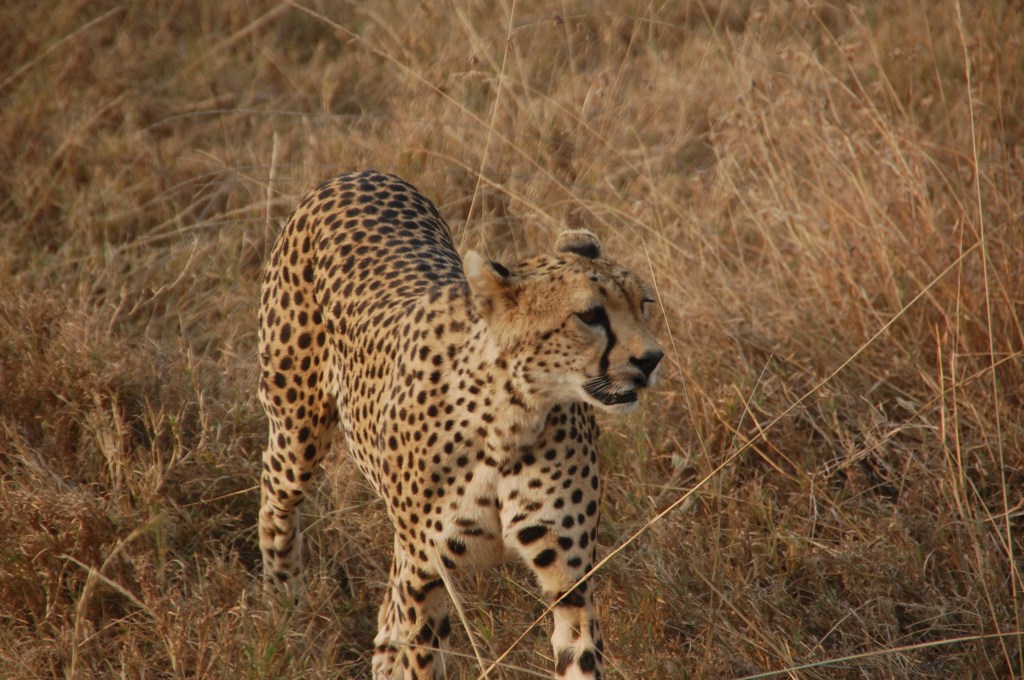
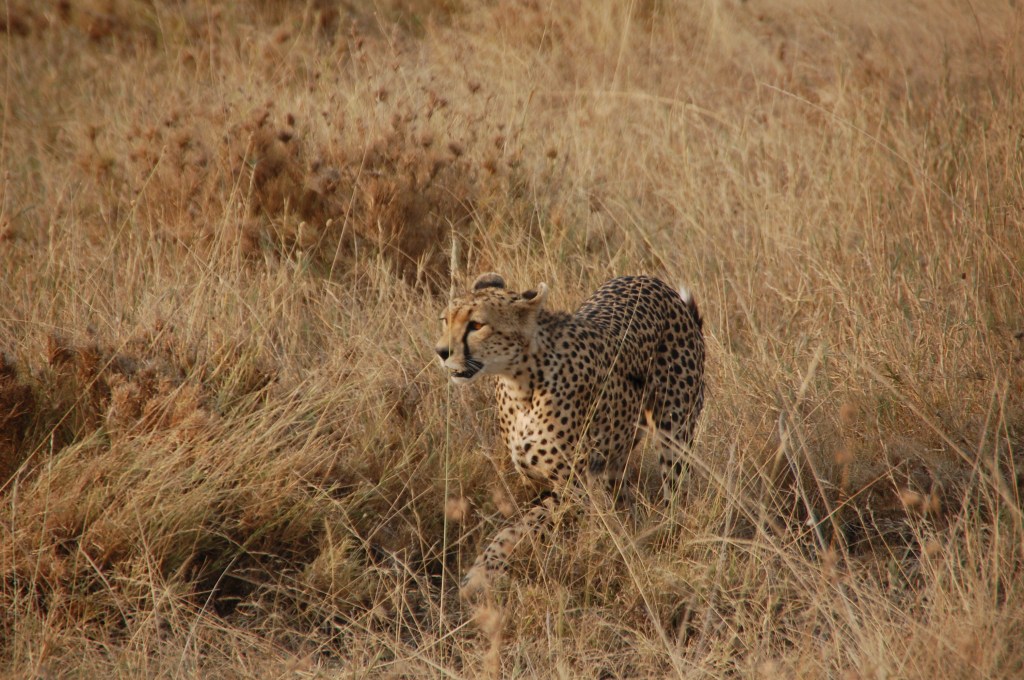
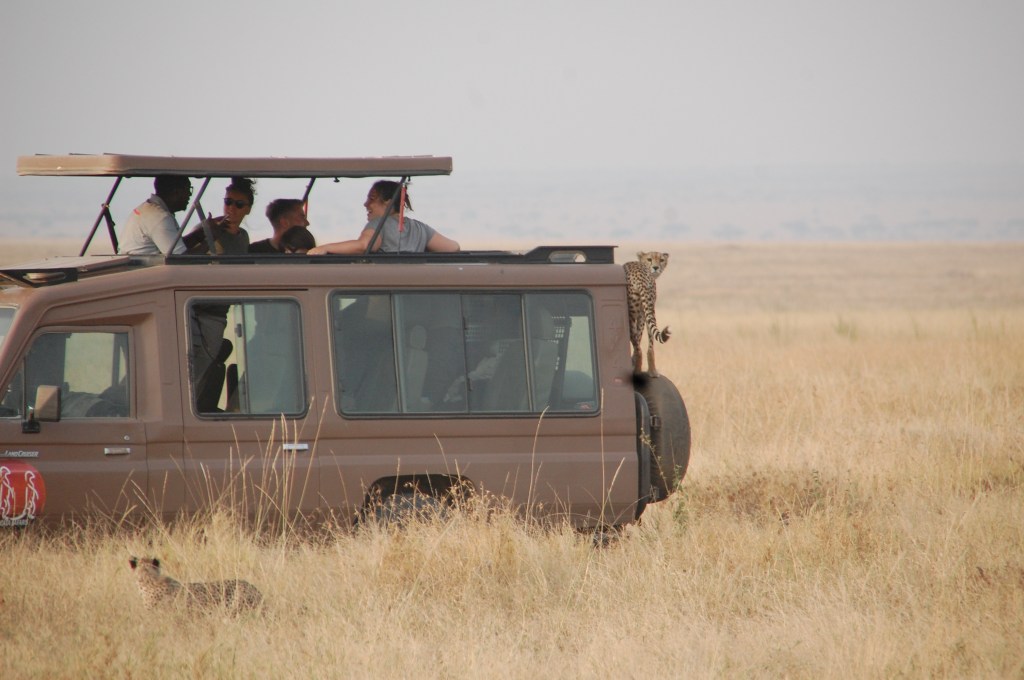
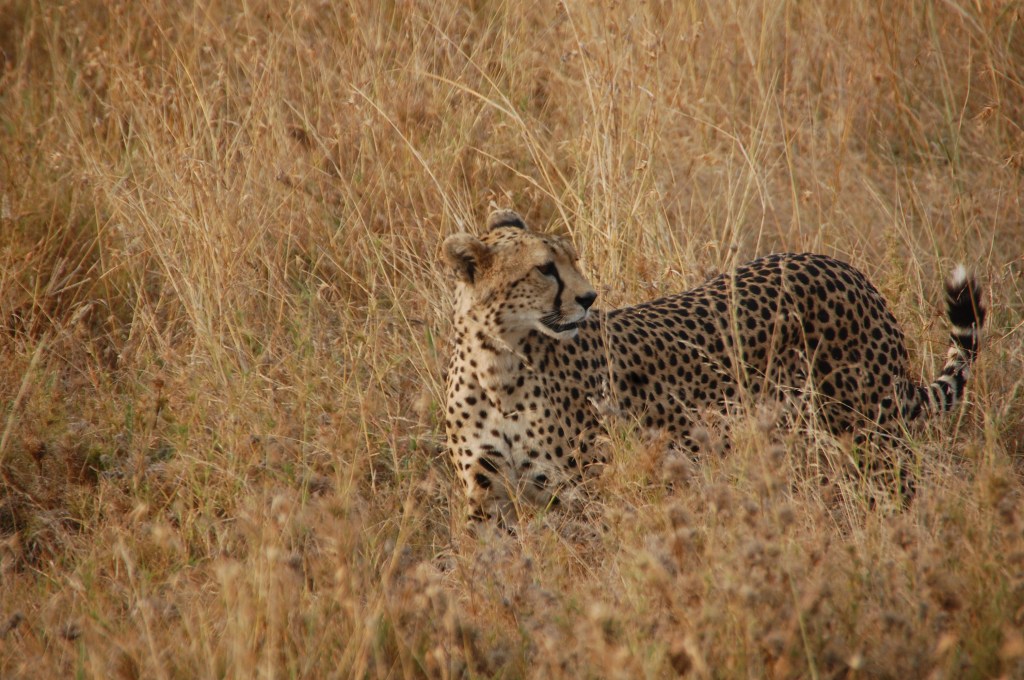
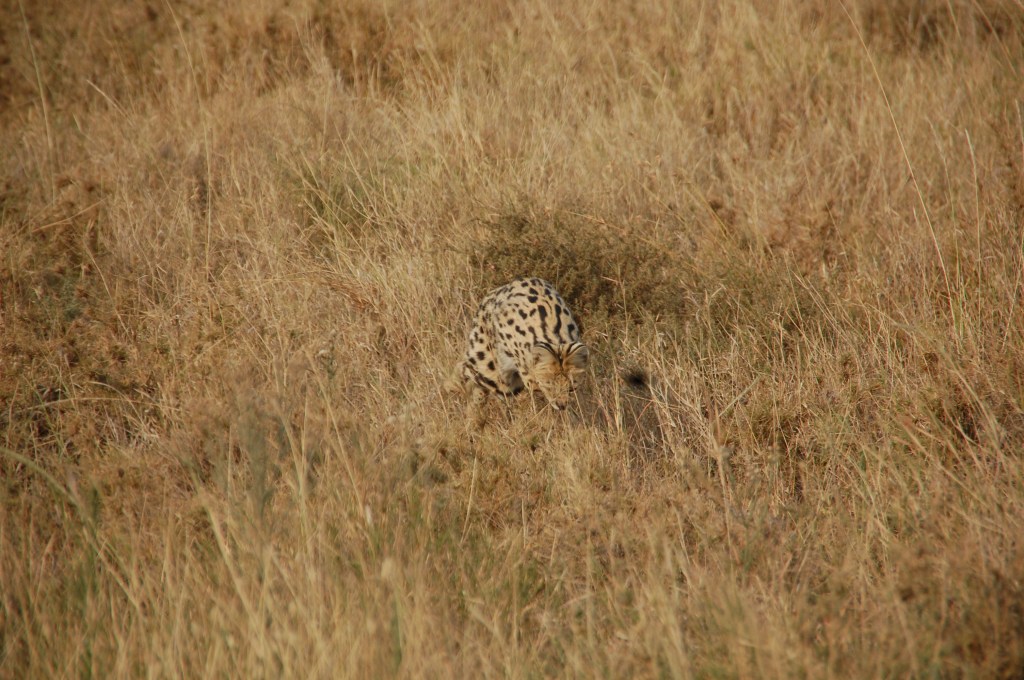
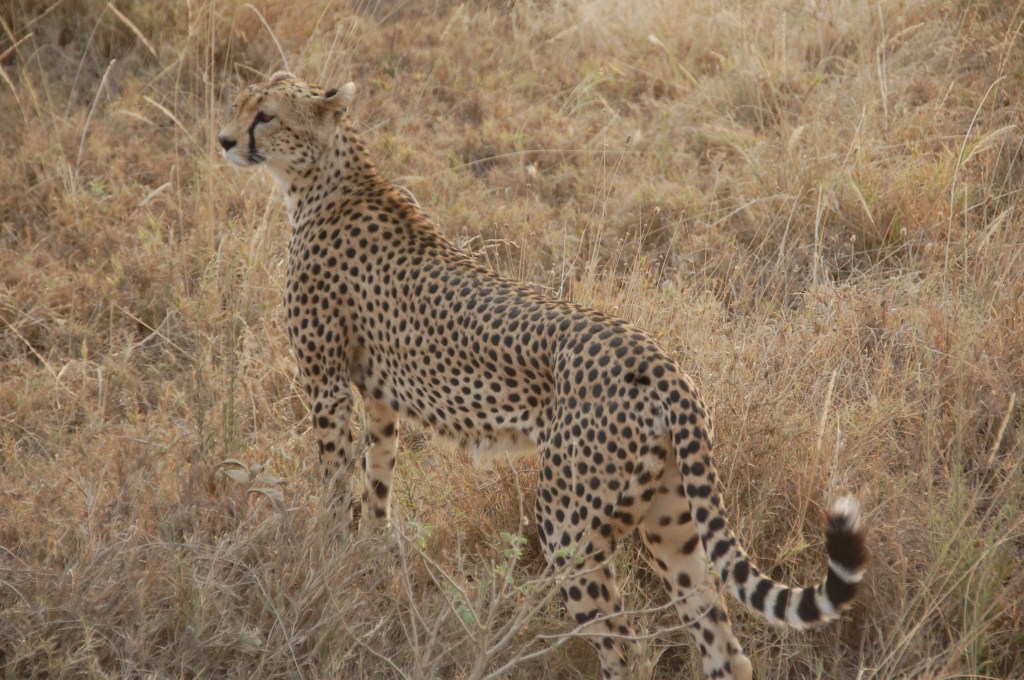
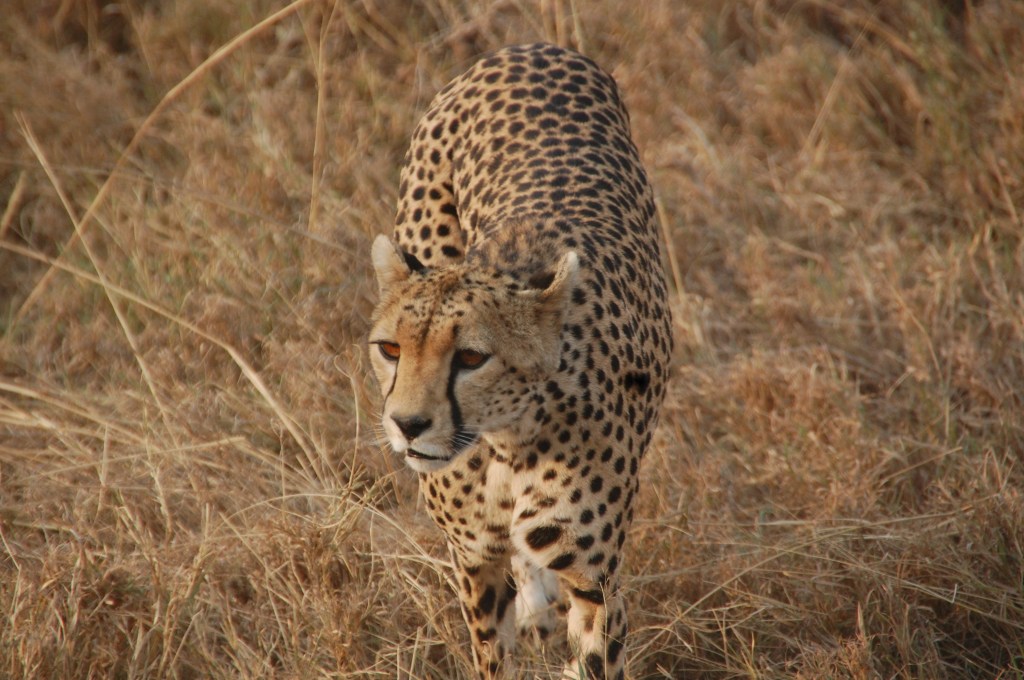
We also saw a cheetah and her cubs walking through the grasslands on their way to find somewhere to sleep tonight. A Serval cat hunting for small prey in the thick grass. And 2 young jackals exploring outside of their den waiting for their mother to return.
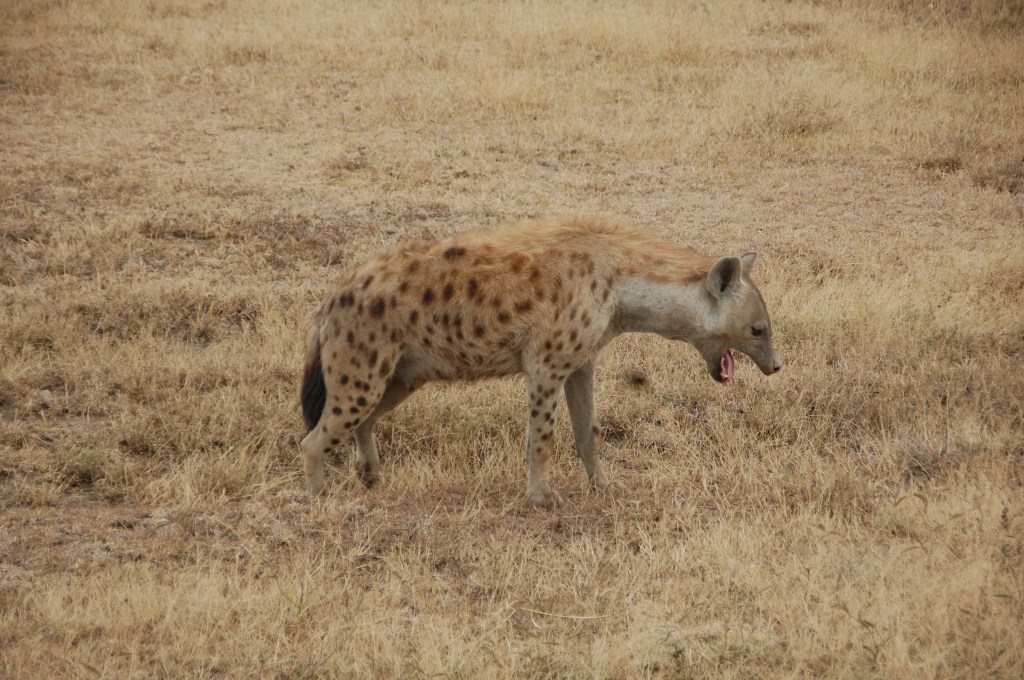
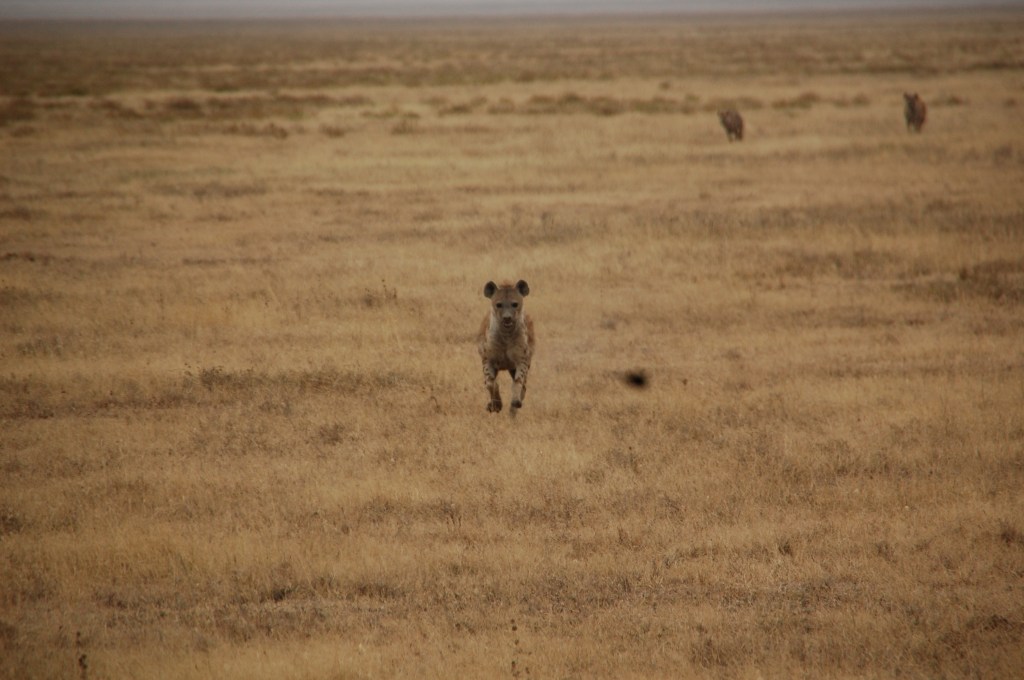
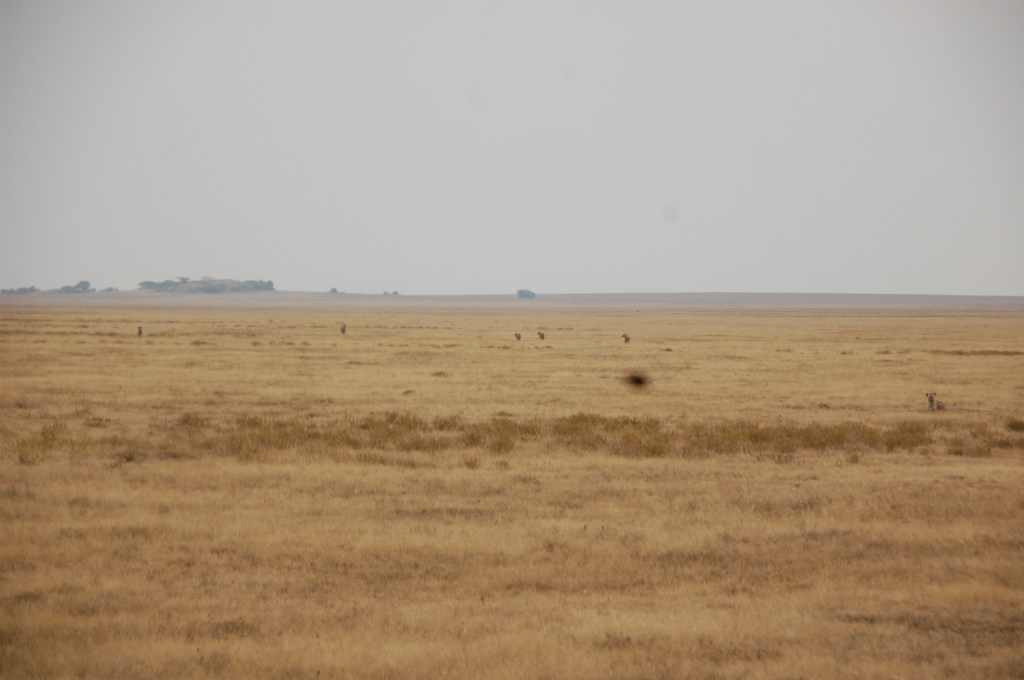
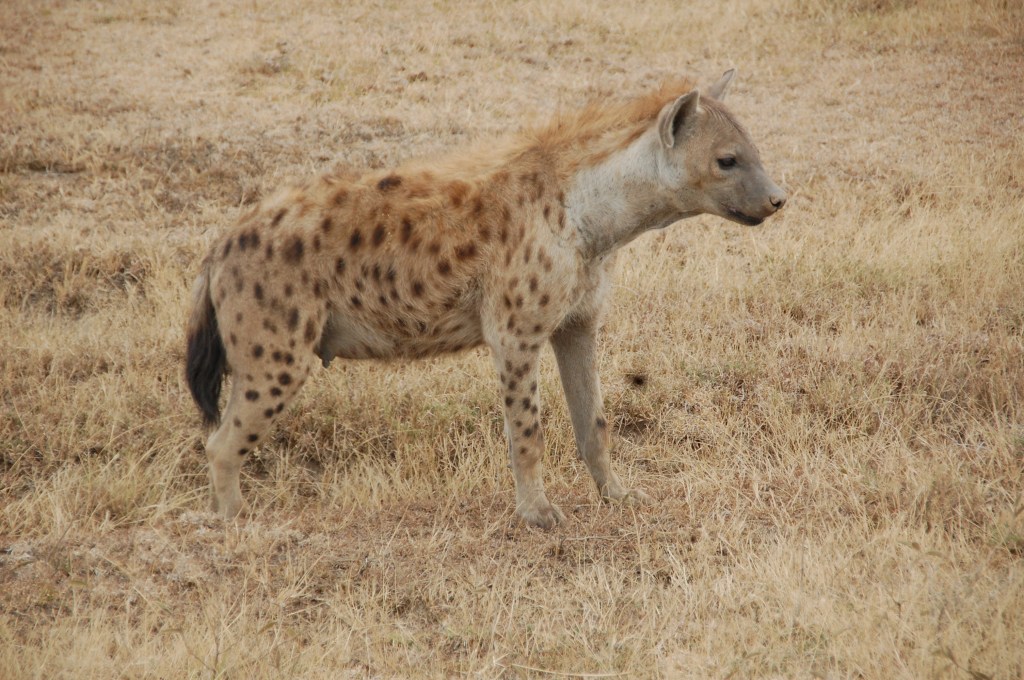
The best experience we had though was with the hyenas. We spotted a single hyena in the distance and stopped to take a look. Our guide explained that likely there were more in the area just laying low. And then he did something amazing. He stuck a little speaker outside of the car and played a hyena call that signalled to the pack that there was food to be had and for everyone to join together. And suddenly, all around the grassland, even a few kilometers away, little heads popped up out of the grass, listening to the call and then even more incredibly they all started to head in our direction to investigate who was calling them. One hyena came incredible close to the vehicle, searching for the source of the call. We were only able to do this because no one else was around. It would have been impossible if other land cruisers had joined us. And it gave us a real insight into how the animals communicate and their behaviour patterns.
We are now in Tortillis Camp which is a row of around 12 tents (which are really lovely and tent isn’t really how you would describe the inside!), a lounge, an eating area and a camp fire. We are completely out in the open, no fences between us and the animals. The Maasai need to escort you to and from your tent and we have walkie talkies to request this. During dinner a herd of wild buffalo arrived in the camp. I thought they had passed by the time we were heading to our tents (mine is aptly named Simba) but some were still hanging around and we found one right outside my tent! The Maasai told us to stay back and if the buffalo did move towards us we were to lie down flat as this would stop them from gouging us with their horns. We crouched low, so that we were ready and the Maasai shone a light in the buffalo’s eyes to try to get it to move on. But it was staring us down. And honestly I was quite scared. But the Maasai were calm and said there was no problem.
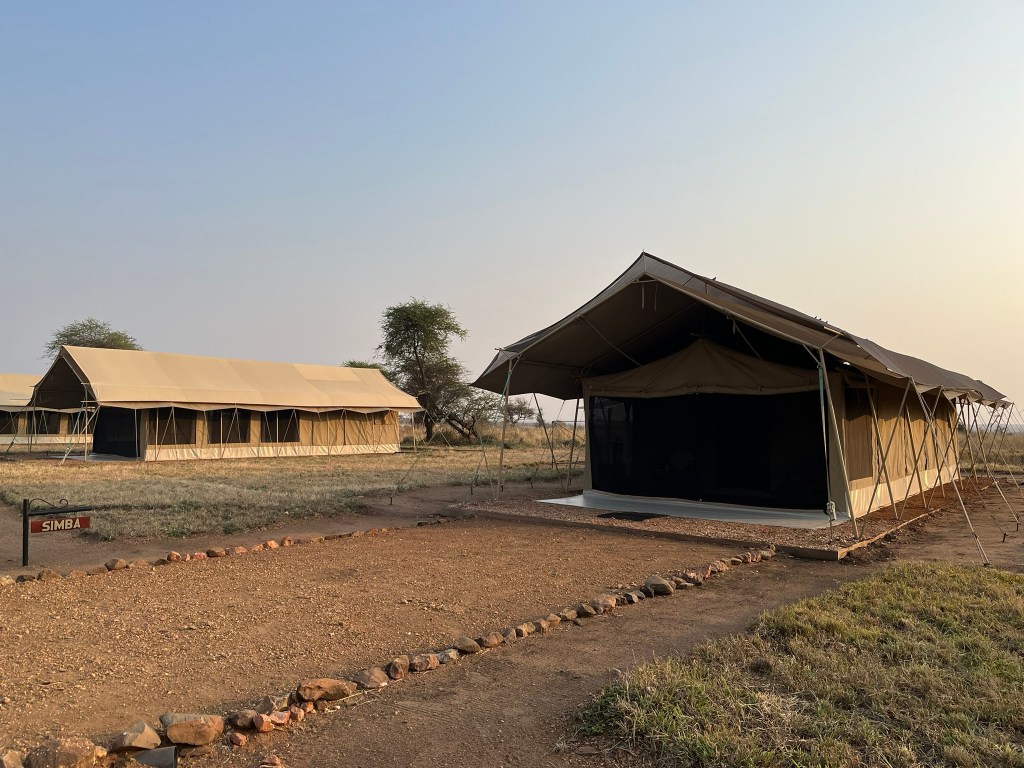
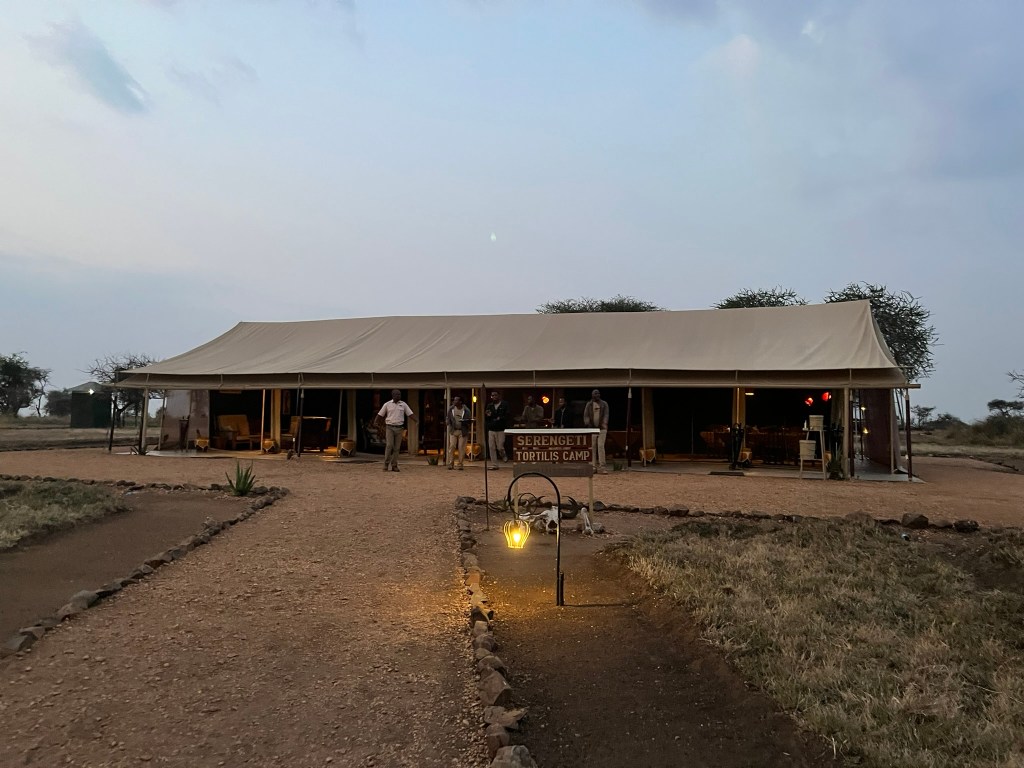
The buffalo moved away from the tent onto the path next to a forested area but was still staring us down. We moved to the side of my next door neighbours tent and dropped them off. And then waited whilst the Maasai chucked rocks into the bushes to try and get the buffalo to move on. Eventually he did, and I got into my tent, but it was a dramatic introduction to the camp! The tent is lovely inside, and really it isn’t camping. There is a four poster bed, full electricity, flushing toilets and hot showers! Now it is nighttime the sounds of the Serengeti are echoing around me and you can hear animals brushing up against the edge of the tents, although I have no idea what they are!
The Maasai patrol the tents all night and I’m told none of the animals are interested in the tents so I am perfectly safe. But it’s still a little scary!
 Colette's Grand Detour
Leave a comment