Day 12 (8th August 2025)
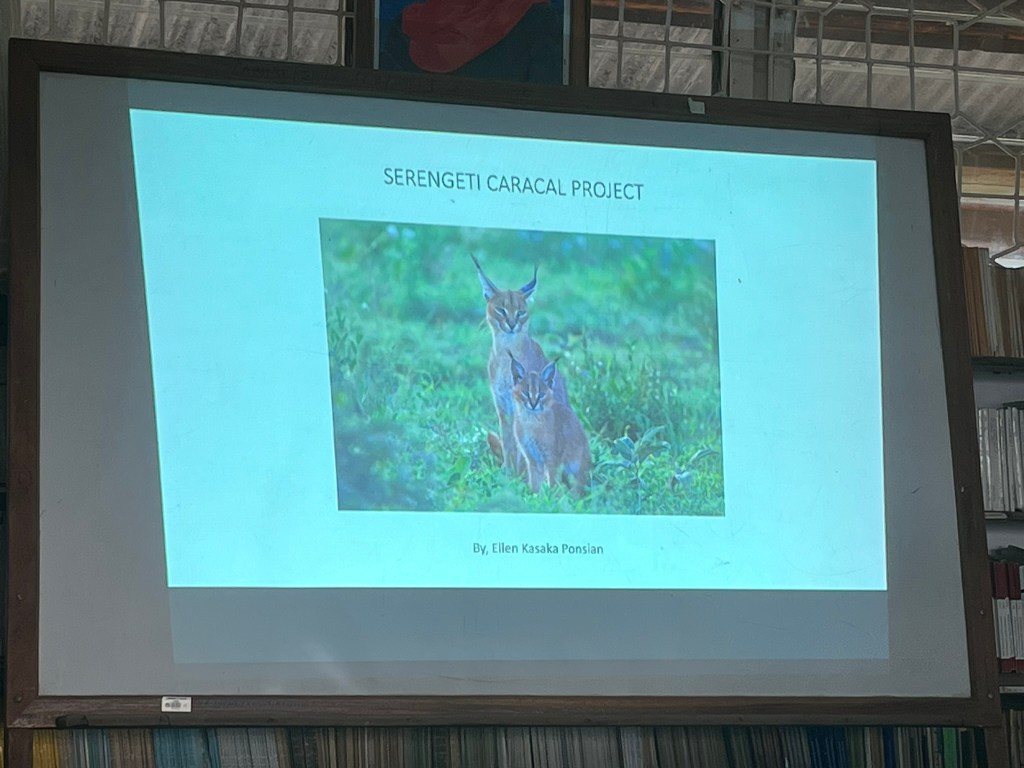
This afternoon we had a talk at the Tanzania Wildlife Research Institute which has a small campus in the Seregenti. Our speaker was a wildlife expert called Ellen who is working on 2 projects – one for lion’s which is well-established and a new project that she has started herself to better develop the research on the Caracal, which is a mid-sized cat in the park.
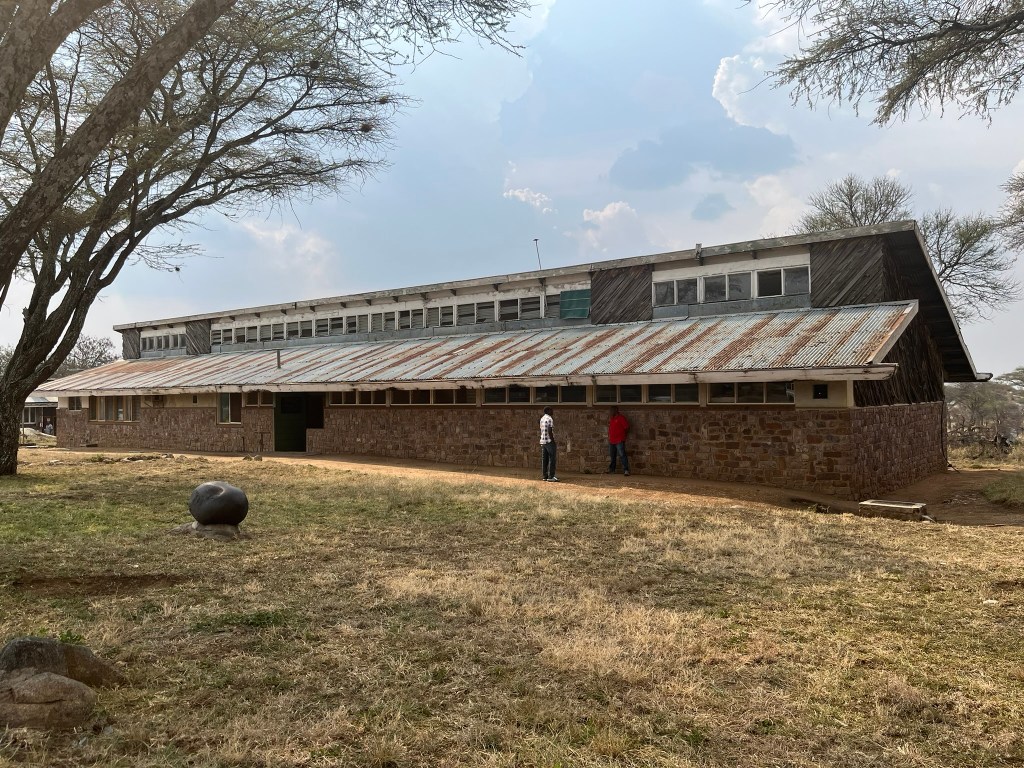

The Tanzania Wildlife Research Institute (TAWIRI) is a government-run institution that was originally started in the Seregenti and has over time expanded its presence across the country. Ellen’s talk to us was on the Lion and Caracal projects. It was great to get a talk on the lions as this is the main predator we have been seeing over the last couple of days. The Institute has a couple of goals with the lions including tracking the prides to get population estimates and further the understanding of their behaviour, seeing how they can manage conflicts with humans at the edges of the park boundary (remember there are no fences in Tanzania!) and disease surveillance and management.
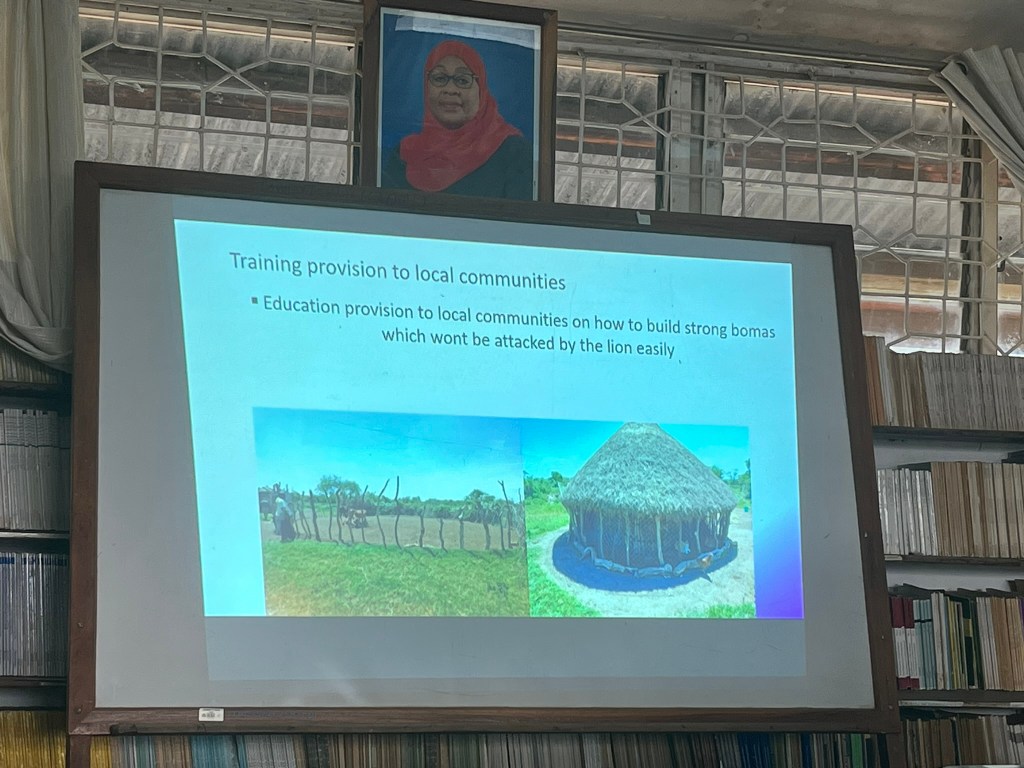
One really interesting thing we talked about was how they track and identify individual lions. Currently the project is tracking 23 prides across the Serengeti but they have also developed methods to know the identity of each lion within a pride. This starts with obvious things like distinctive marks such as scars and ear shapes. But they also use the black whisker marks on the face of each lion – which are apparently totally unique and like a human finger print.
We had seen some quite unique lion behaviour in the last couple of days (see my other blogs for details) so it was great to be able to share what we had seen and ask questions.
Ellen is also pioneering a Caracal project. These are the biggest of the medium-sized cats with very distinct long pointed ears and are very elusive and difficult to spot in the long grasses of the Seregenti. There is not much research on these cats, so she is starting with the initial goal to track their habitat ranges with the hope to collar 4 cats to do this. So far, she has collared 1 cat this year that she is actively tracking, and this cat is also pregnant which adds an extra dimension to the research. She is collaborating with the guides and drivers in the park to get wider reported sightings. I hope she is very successful with her research!
One of the challenges researchers like Ellen face is funding. Equipment like tracker cameras, collars and even their vehicles to get around the park is expensive and a treasured resource and access to a vet to do things like tranquilize an animal in order to fit the collar is limited. In fact, we have been told that there is only a single vet available for the whole of the Serengeti! And not all the funding that is supposed to arrive from the government makes it to its intended destination.
Our guide shared a story of a wealthy individual being interested to make a large donation, and he was encouraged that instead they should send a list of what equipment they need for them to buy, as a way to ensure that 100% of the money was given to the Institute and not siphoned off by government middle men. One of the nice things about our tour including a visit to the Wildlife Institute for a talk is that a small donation is made on our behalf and goes directly to the Institute.
 Colette's Grand Detour
Leave a comment