Day 10 (6th August 2025)
Our first stop today was to the town of Mto Wa Mbu. It is a couple of hours drive from Arusha and sits at the base of the Great Rift Valley escarpment and close to Lake Manyara National Park. It is on the main route to Ngorongoro Crater and the Serengeti meaning that nearly all tourists on the Northern Safari Circuit pass by. The name of the town means ‘River of Mosquitos’ as it was once a very swampy area but now with modern drainage and agriculture this is no longer the case.
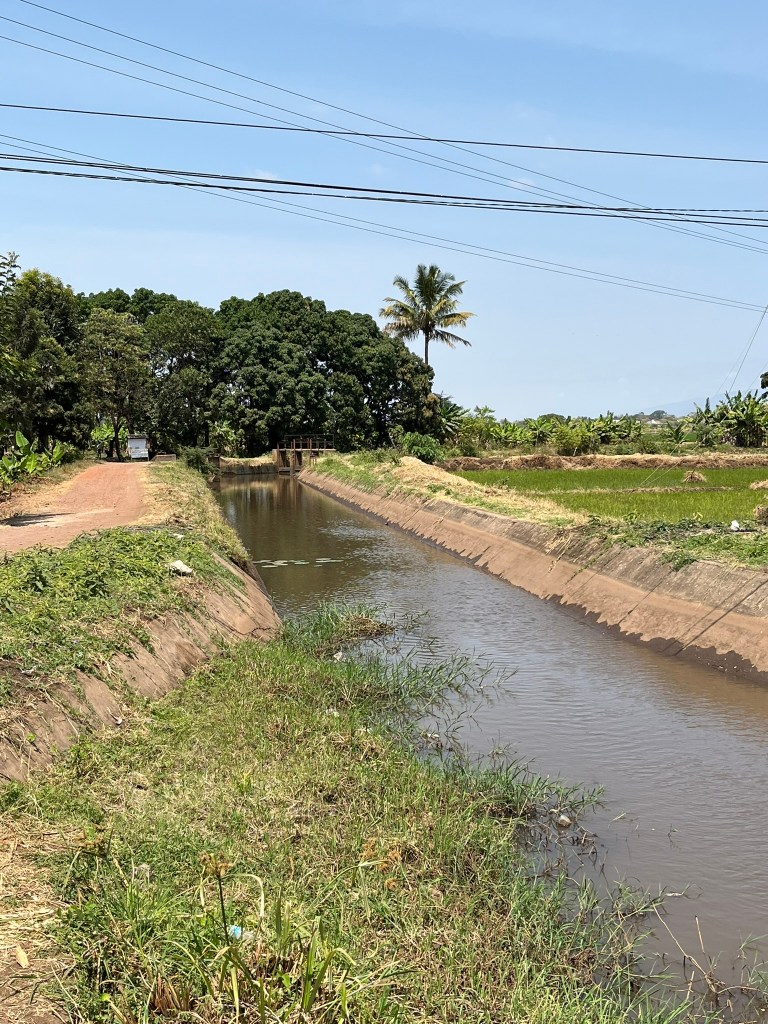
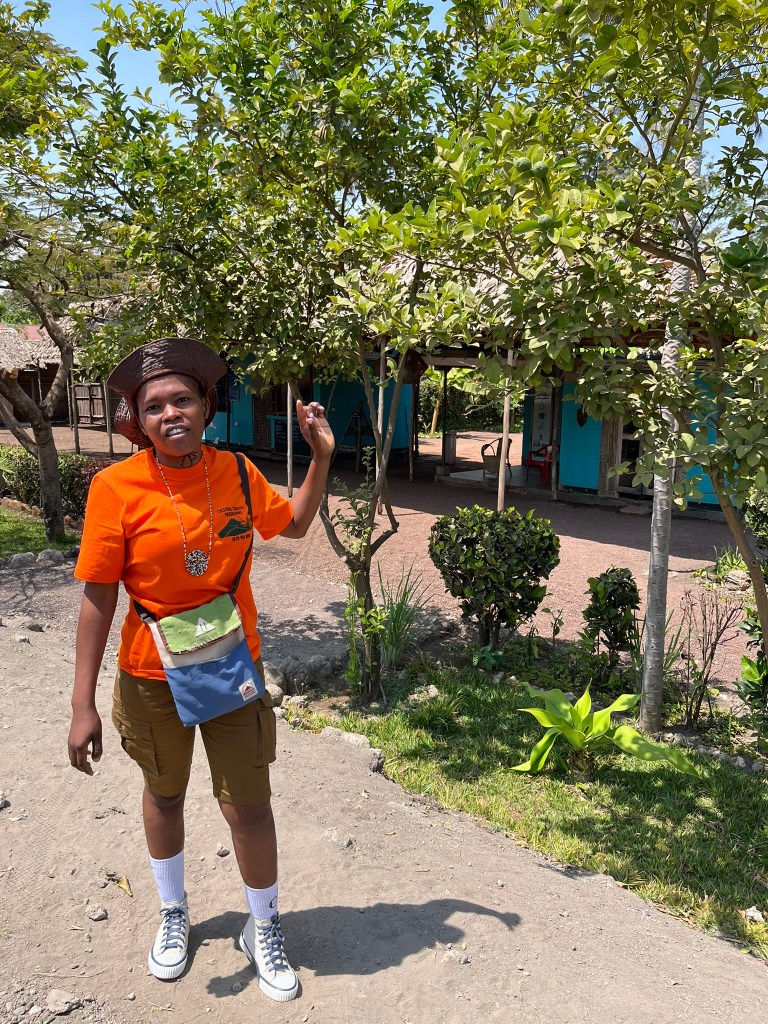
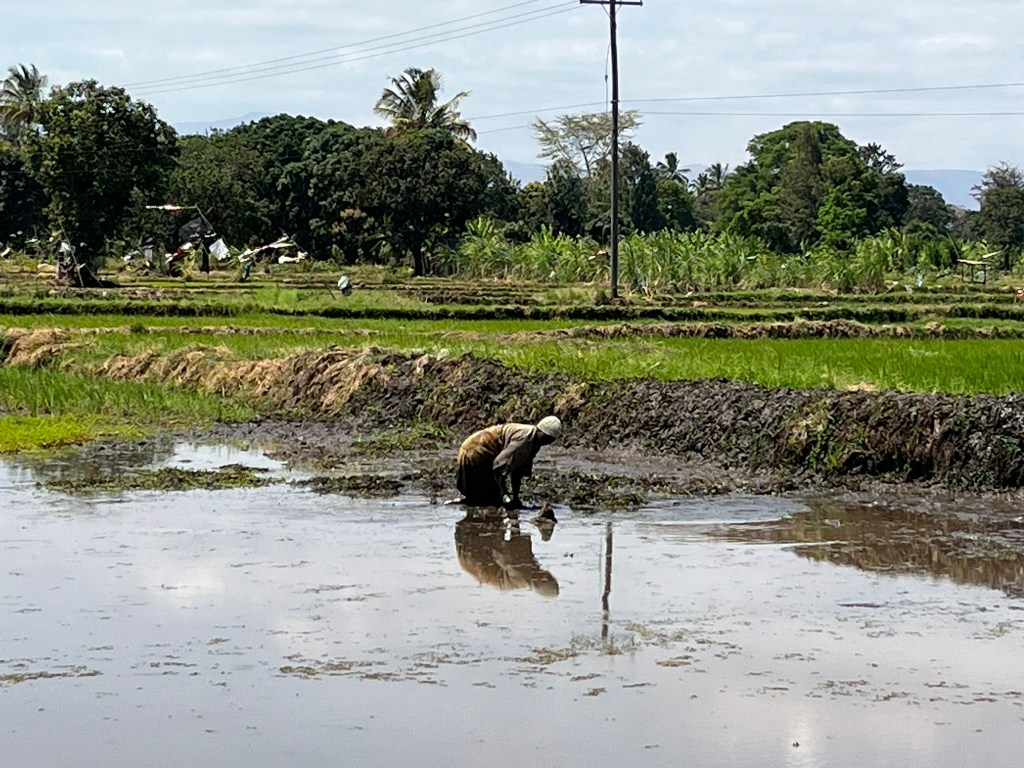
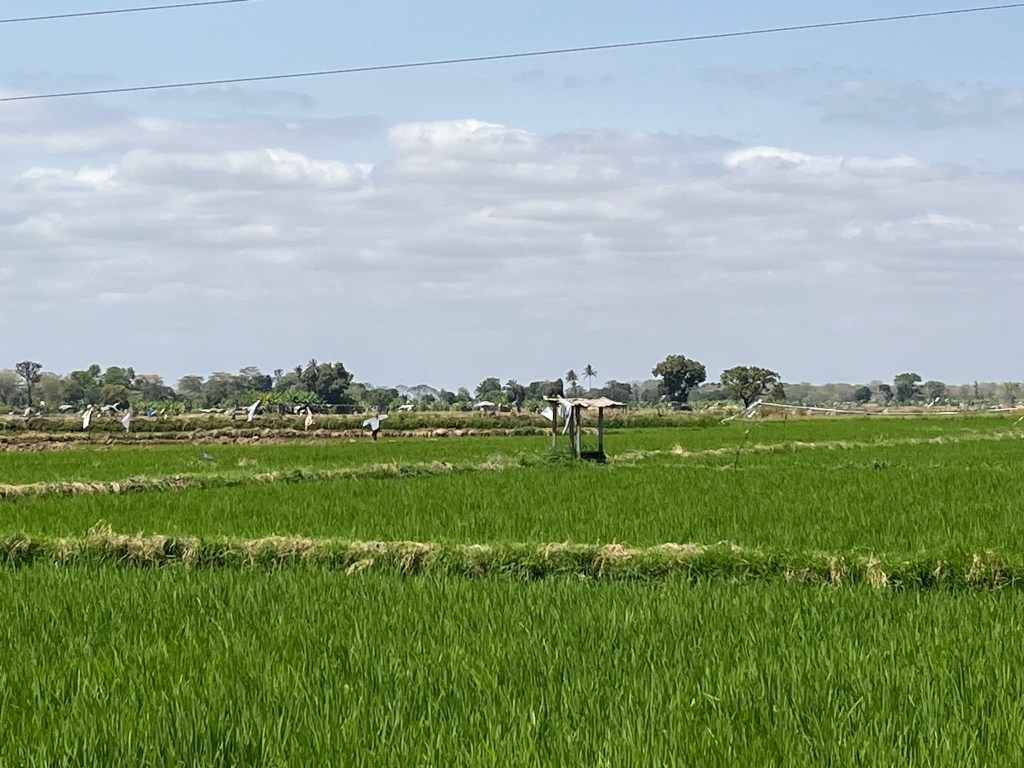
This town is a very special place. And we were fortunate enough that our tour included a cultural walk through the town with a brilliant local guide called Happiness. The area around this town is perfect for agriculture. It is fed year-round from waters coming from the escarpment and has a naturally high water table. So it is extremely green and fertile. We walked amongst rice paddy fields that surround the town that are fed by an irrigation system that has allowed them to grow a huge amount of produce year-round.
So back to why it is special. This green and fertile area has attracted individuals from over 100 tribes from Tanzania and beyond to relocate to the area. The most diverse place per capita in the whole of Tanzania. The agricultural opportunities plus the fact that this is a main route for both tourists and trucks heading across Tanzania and into other countries means there are tons of employment opportunities.
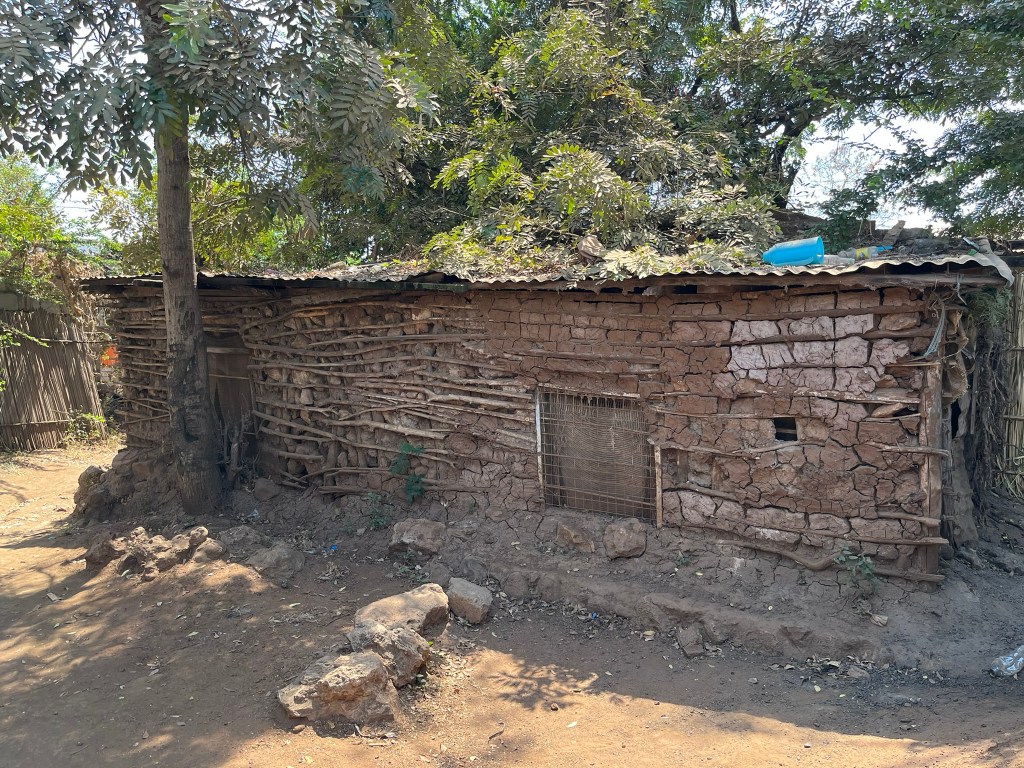
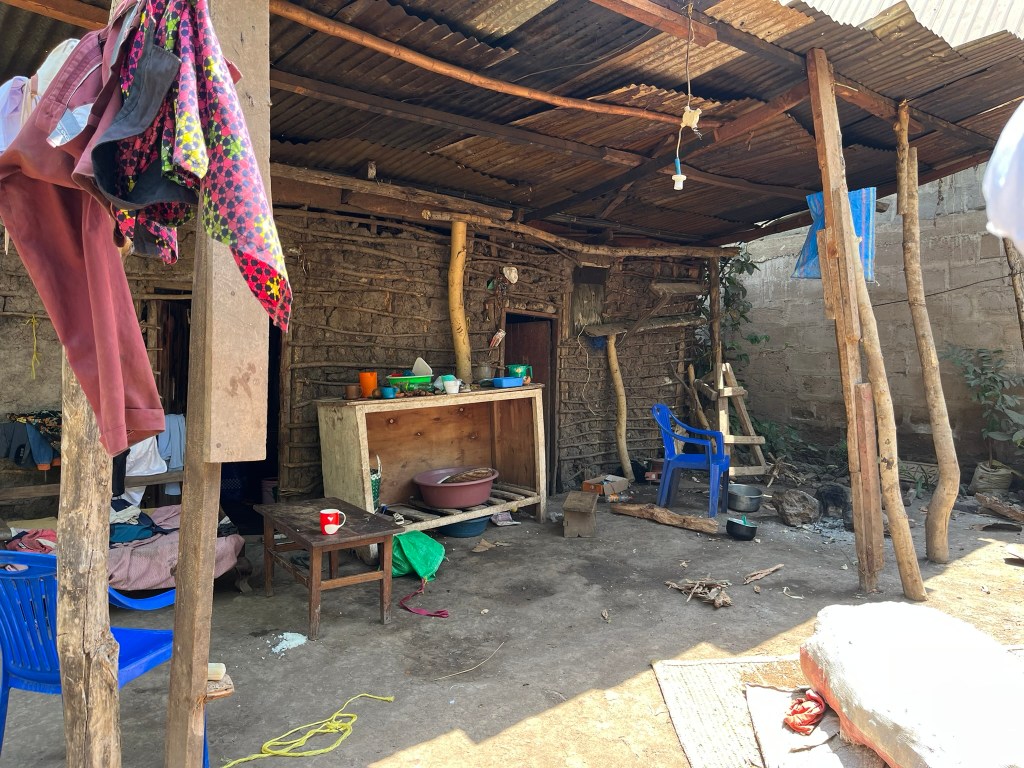
The different tribes intermingle and live side-by-side peacefully in the community. This includes even some tribes from outside of Tanzania such as a group of Makonde who fled Mozambique during the civil war. We walked along the main road of town, and had a chance to look into a traditional home. Most folks when they arrive will build a simple mud brick house (or rent from someone) and as they save money they will slowly buy materials and build a more permanent and modern building. So when you see half-finished buildings, these are not abandoned, the families are just saving and building them over a long period of time.
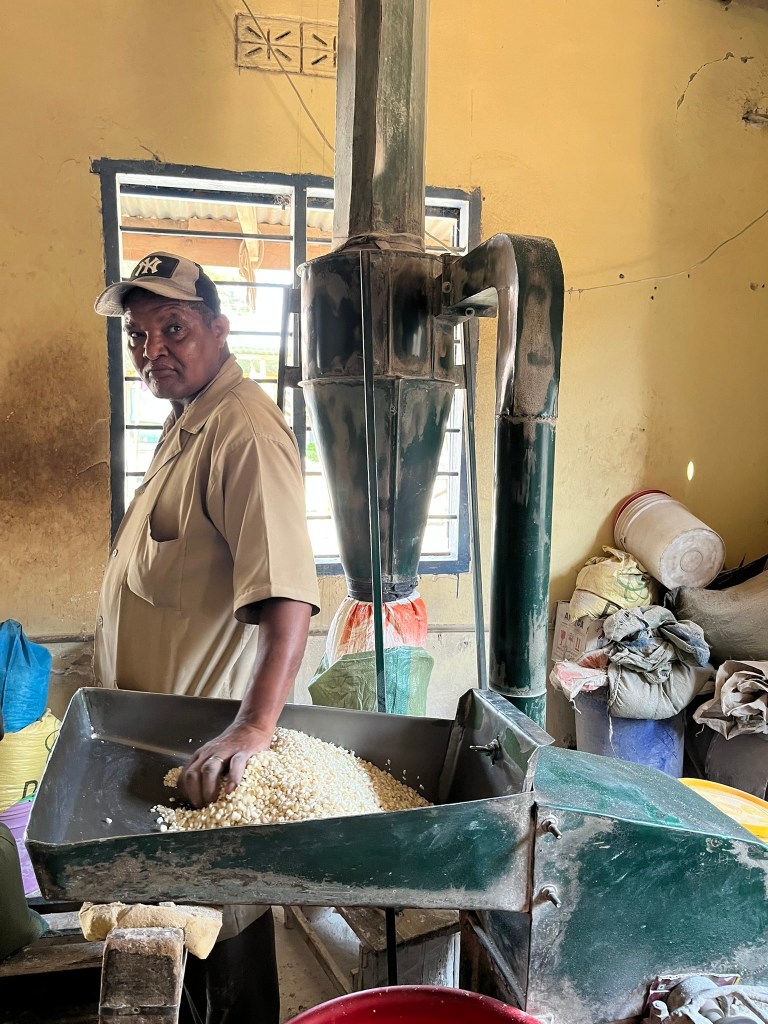
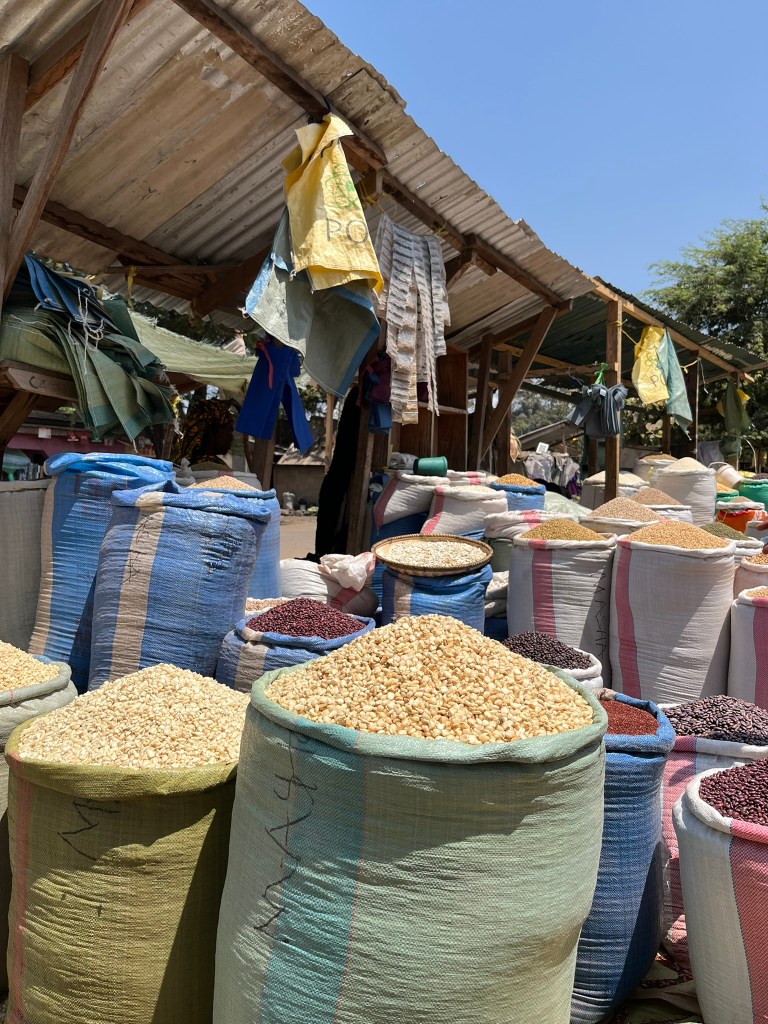
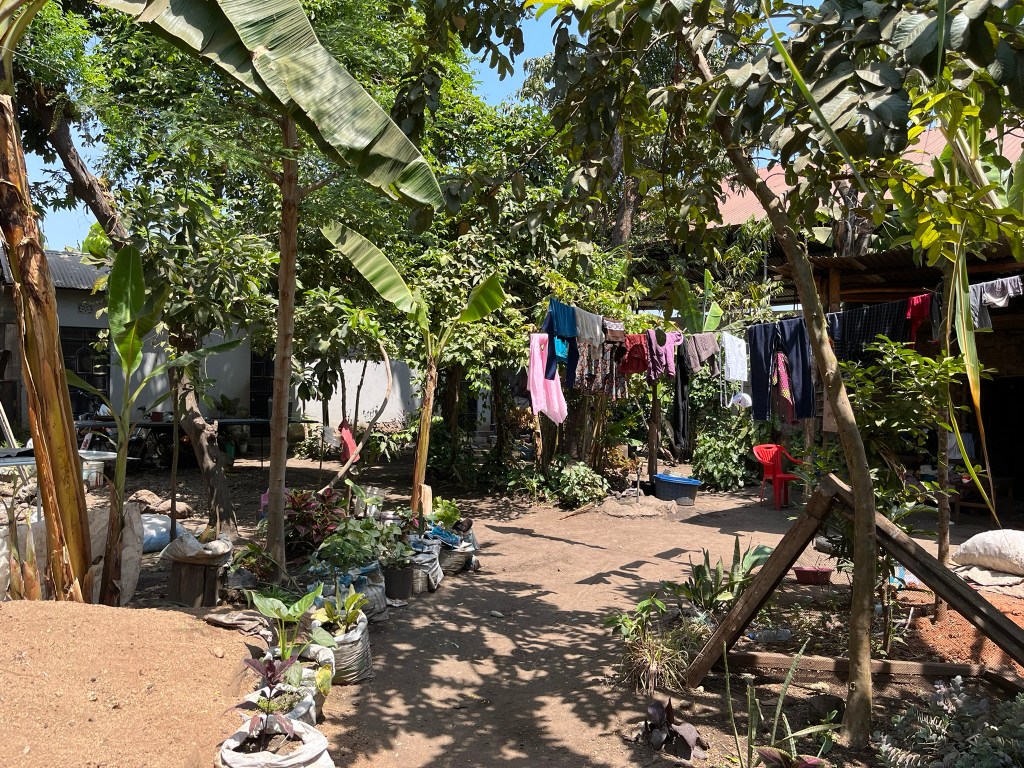
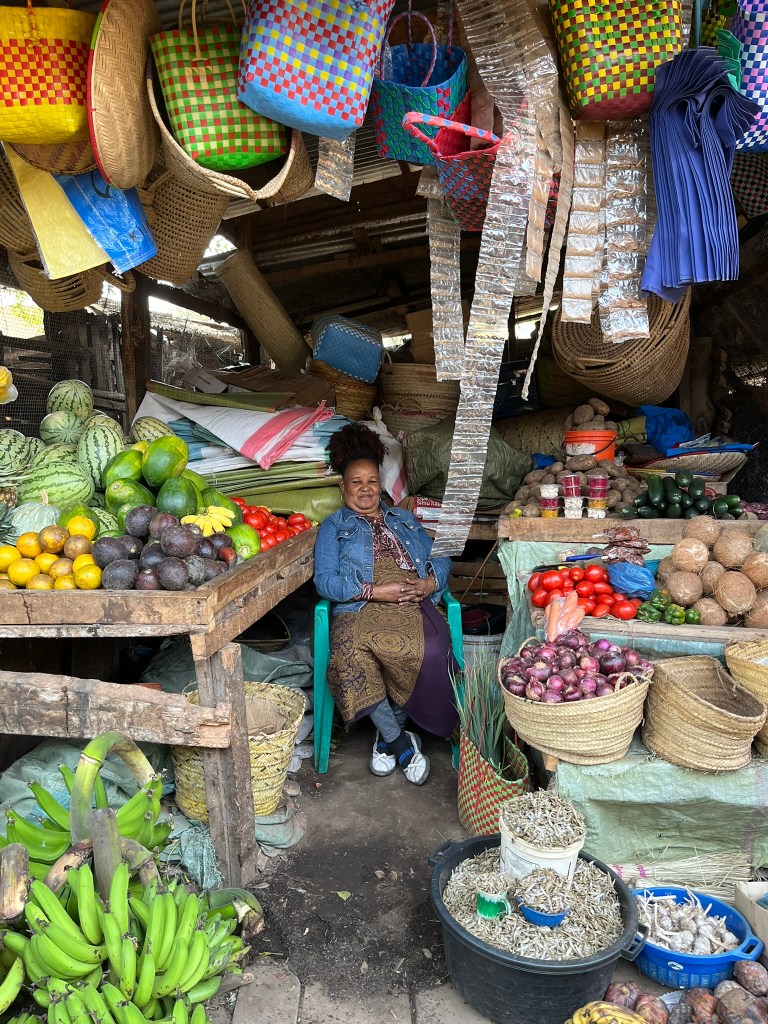
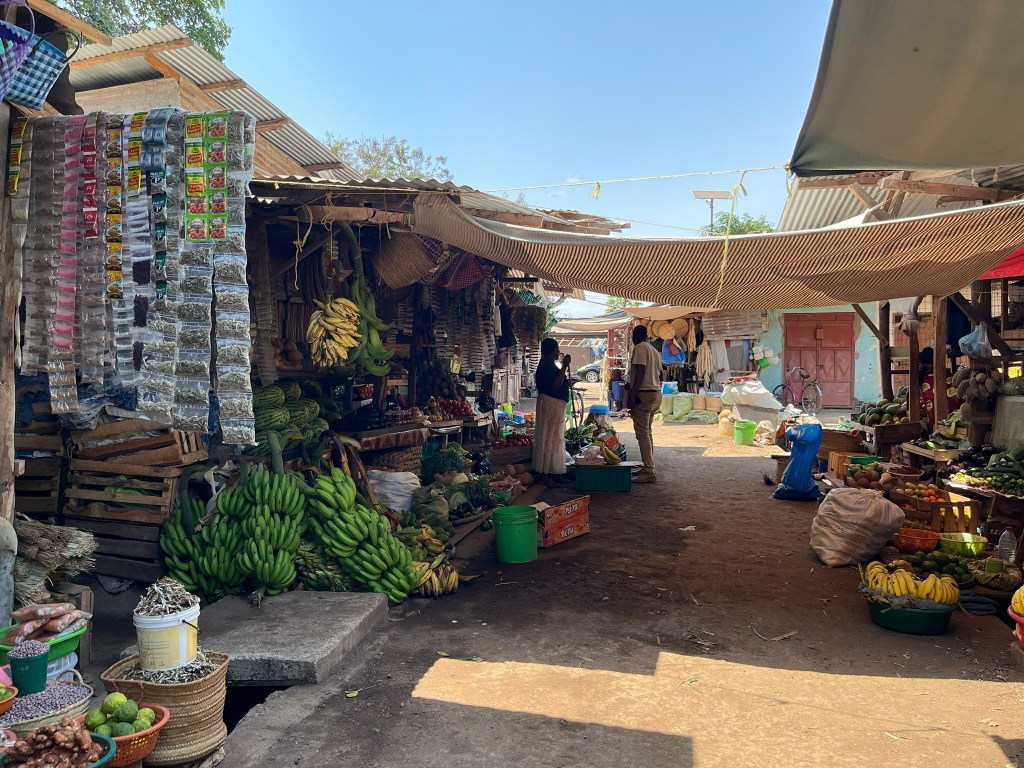
We walked through the town’s market which was brimming with local produce of all kinds and was beautifully presented in each stall. And Happiness explained that the butcher would be extremely fresh, only selling what had been slaughtered that day. We then veered into a residential area and weaved through a maze of homes and small banana plantations. The area grows over 30 types of banana all with different uses and prepared differently. My worst nightmare! (I hate bananas).
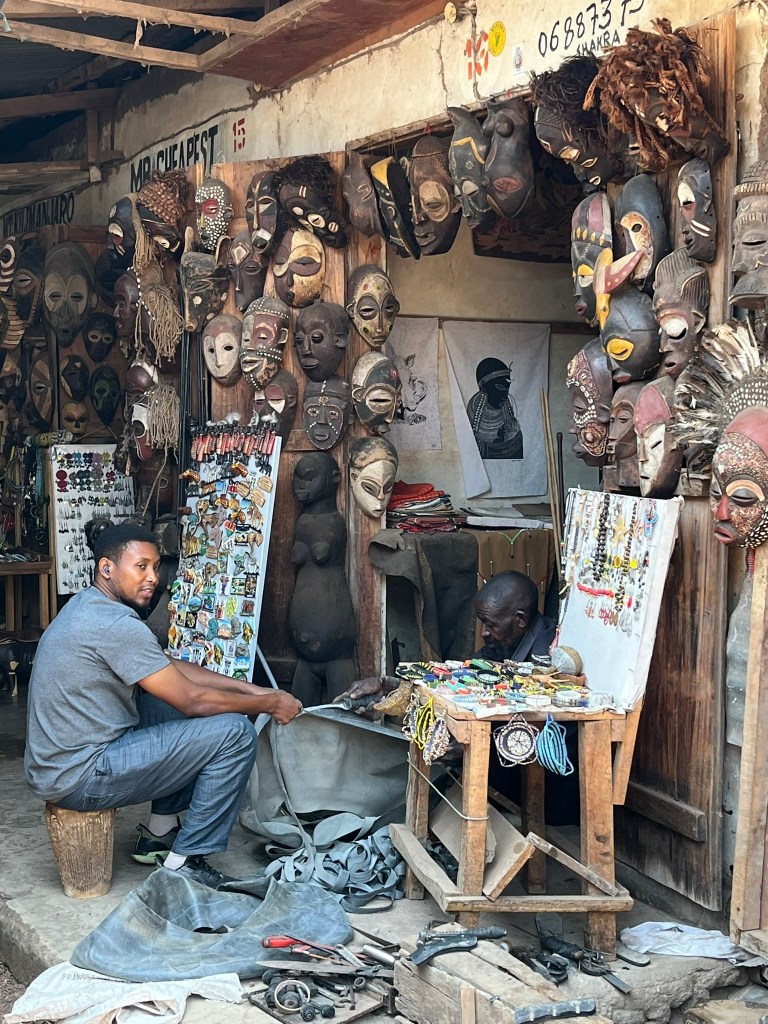
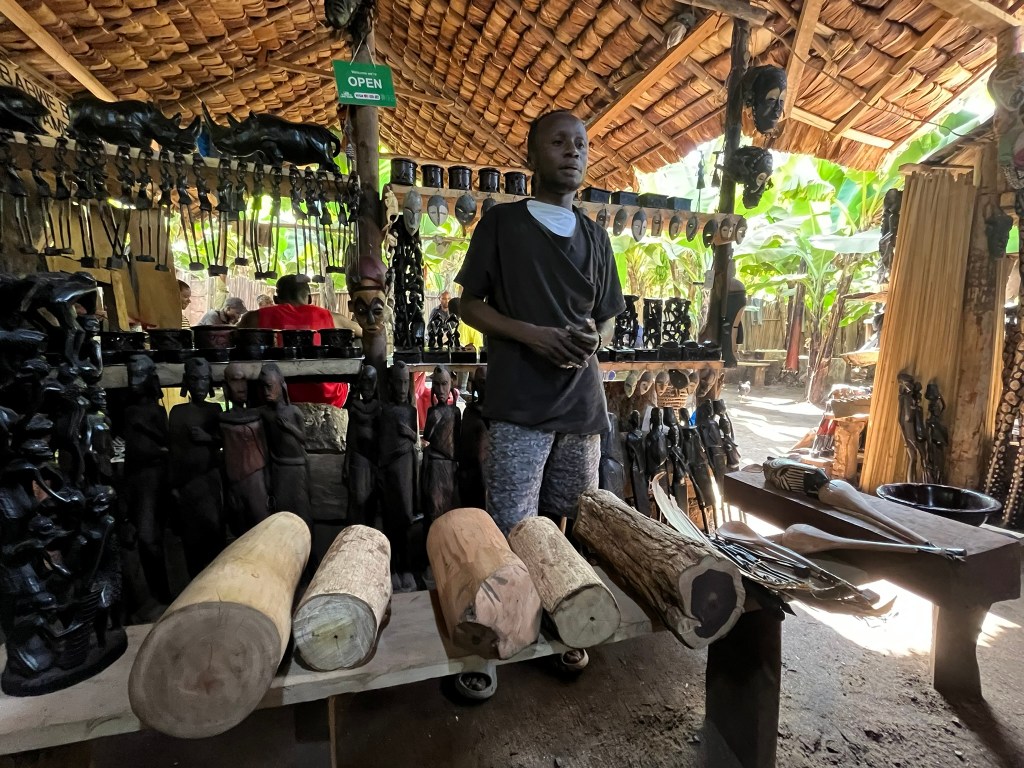
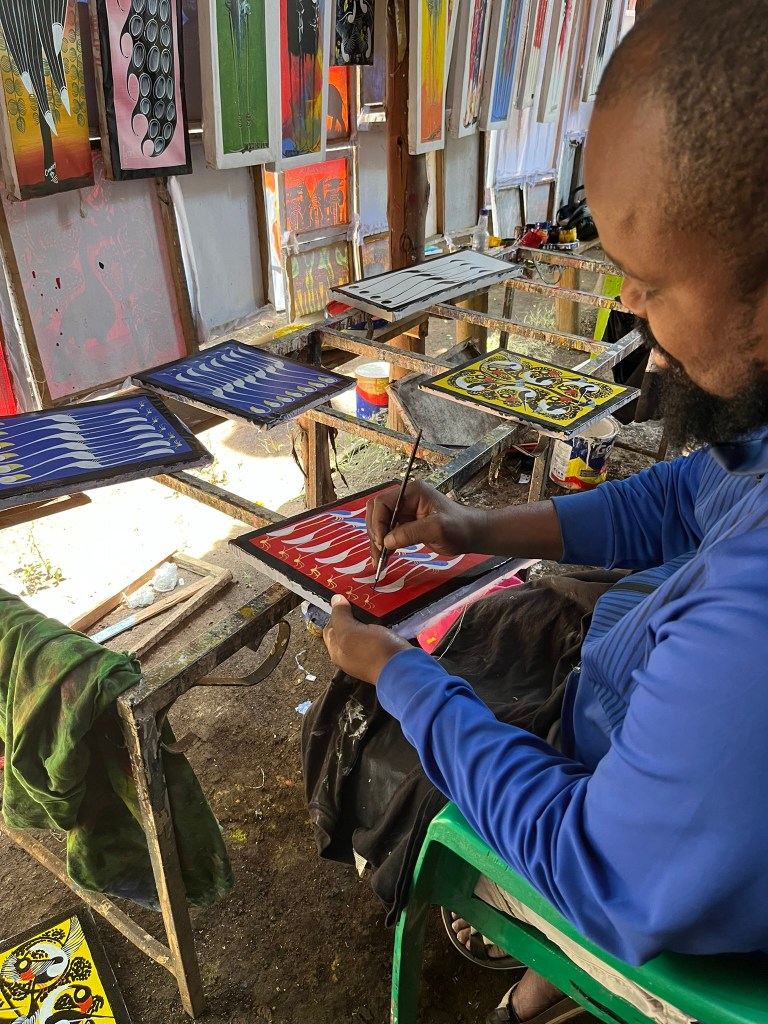
We then spent some time at 2 workshops – one for painting and one for woodcarving. Both were really interesting because this is actually the place supplying a lot of the tourist shops so it was great to interact directly with the artists themselves. Many of the artists were following a particular style of Tanzanian painting called Tinga Tinga. This style was pioneered by Edward Saidi Tingatinga in the 1960’s and is very famous locally, typically using vibrant colors and caricature style drawings of animals. I couldn’t resist and bought a painting with giraffe and birds.
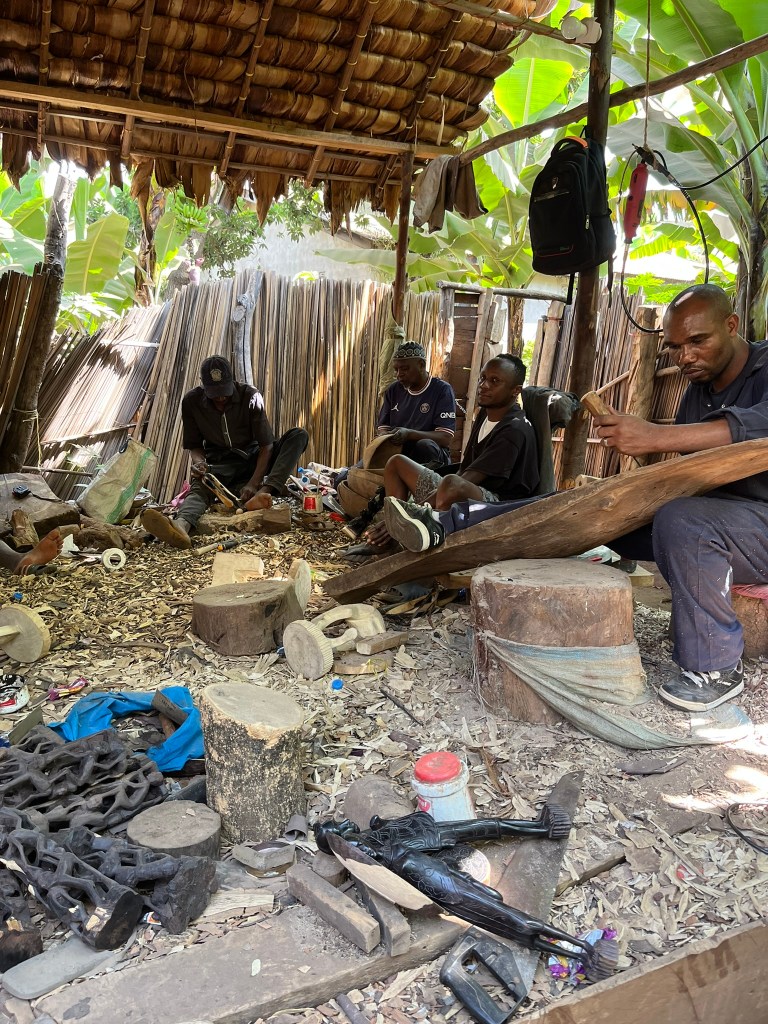
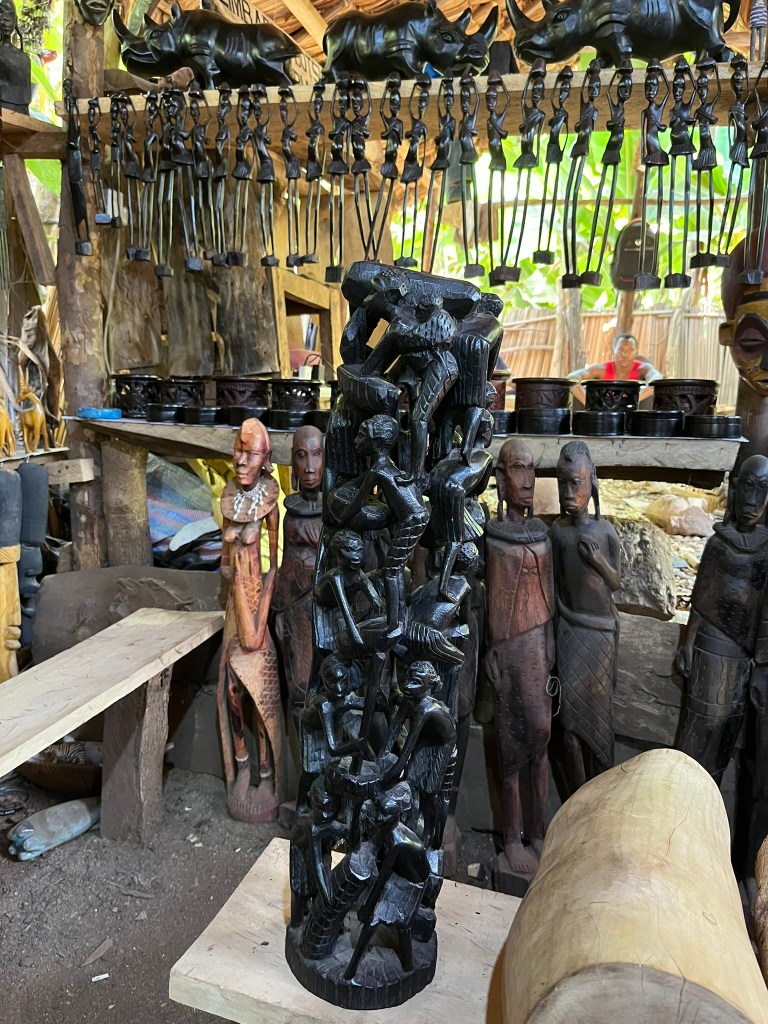
The woodcarving workshop provided us an opportunity to meet the Makonde tribe from Mozambique who specialise in the art-form. We met Steven, who was the son of the master carver Masud, who took us through the types of wood they carve with and the meaning of some of their pieces. The most interesting one they have is a pillar-like sculpture carved from a single trunk depicting interlocking human figures holding each other up. It represents Ujamaa, the cornerstone of the President Nyerere’s socialist vision, but also more broadly referring to community and togetherness. I had seen this carving in a few shops we had visited and had liked it, but now I liked it even more after understanding the meaning and chose to purchase a small version.

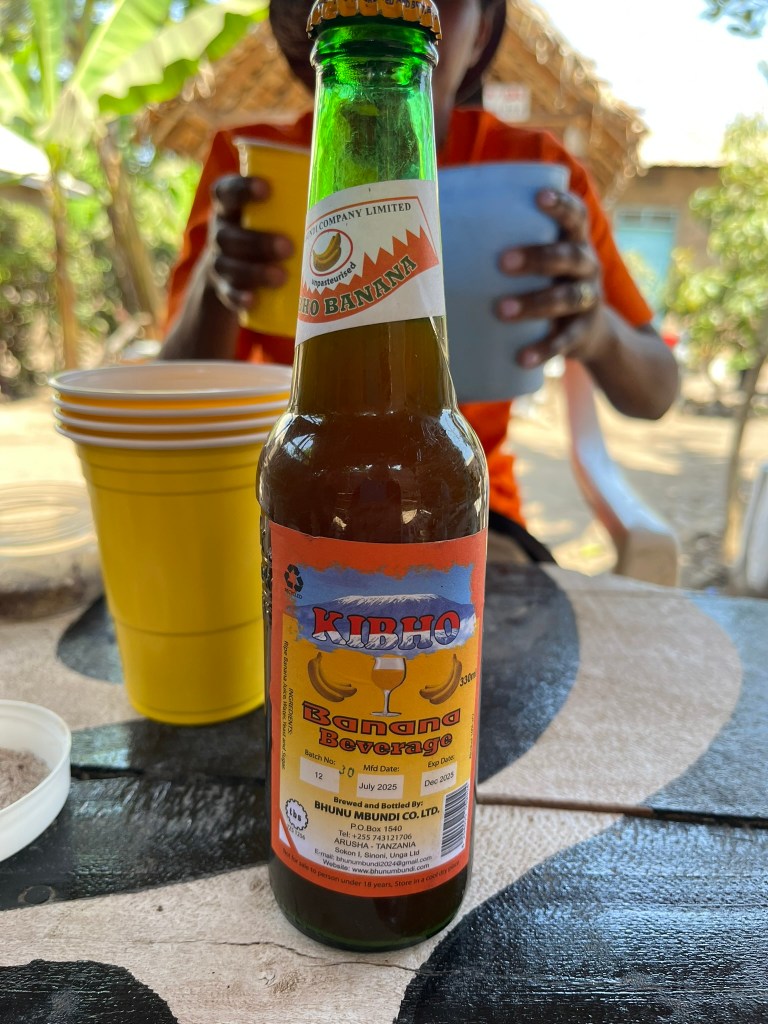
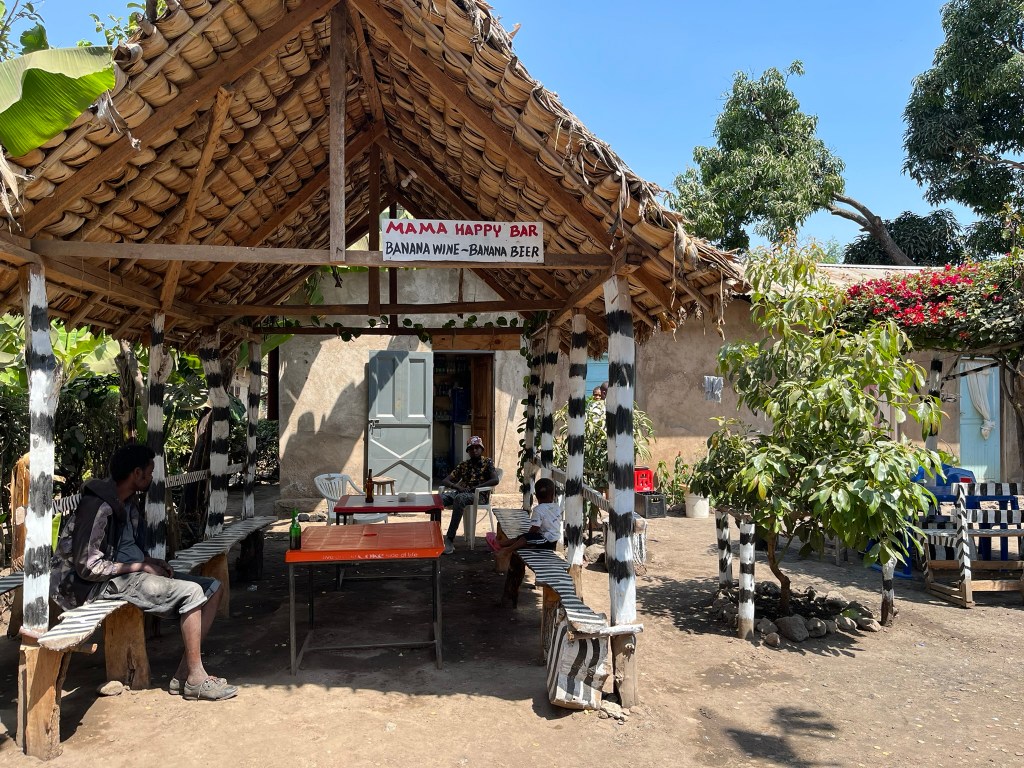
Our final 2 stops were to the local pub where we got the chance to try locally brewed Banana beer and wine and to a local restaurant where we were presented with over 15 different pots of local food to try. Each tribe has their own type of beer that they brew but the most popular style is Banana beer which is made by the Chagga people. Once made, the beer is only good for 3 days to sell so it is extremely fresh. And it is only made with a specific type of banana, that is different from the sweet ones that are eaten raw. The community rotates who will make the next batch to share with each other. The beer was surprisingly tasty and didn’t taste of banana!
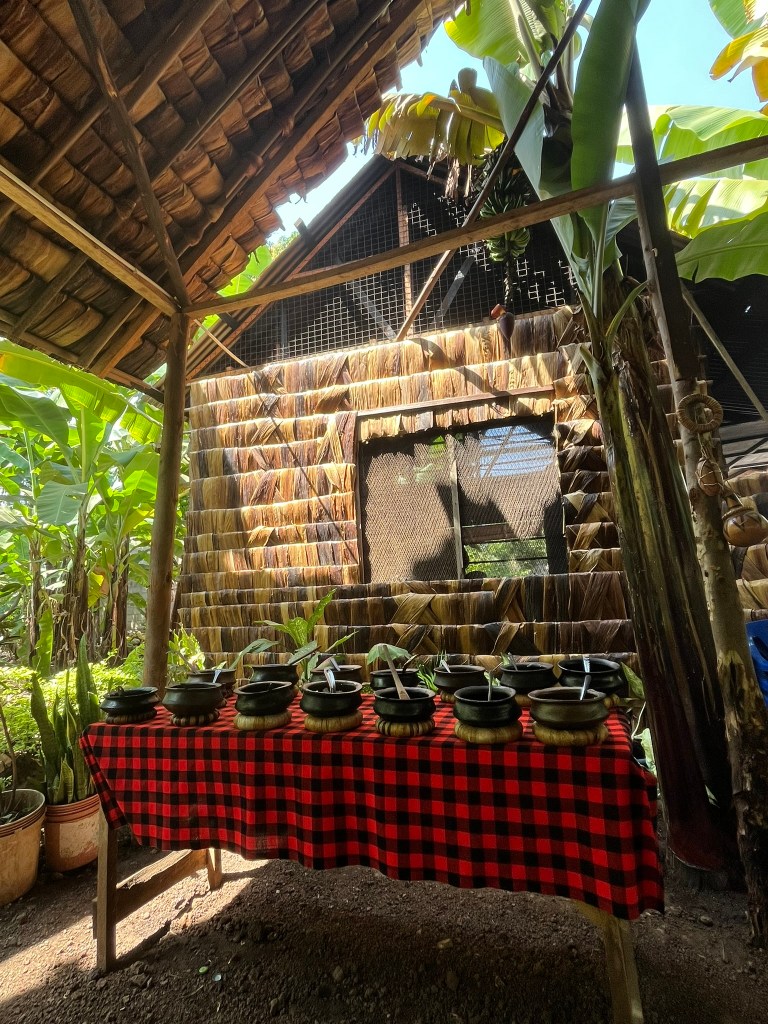
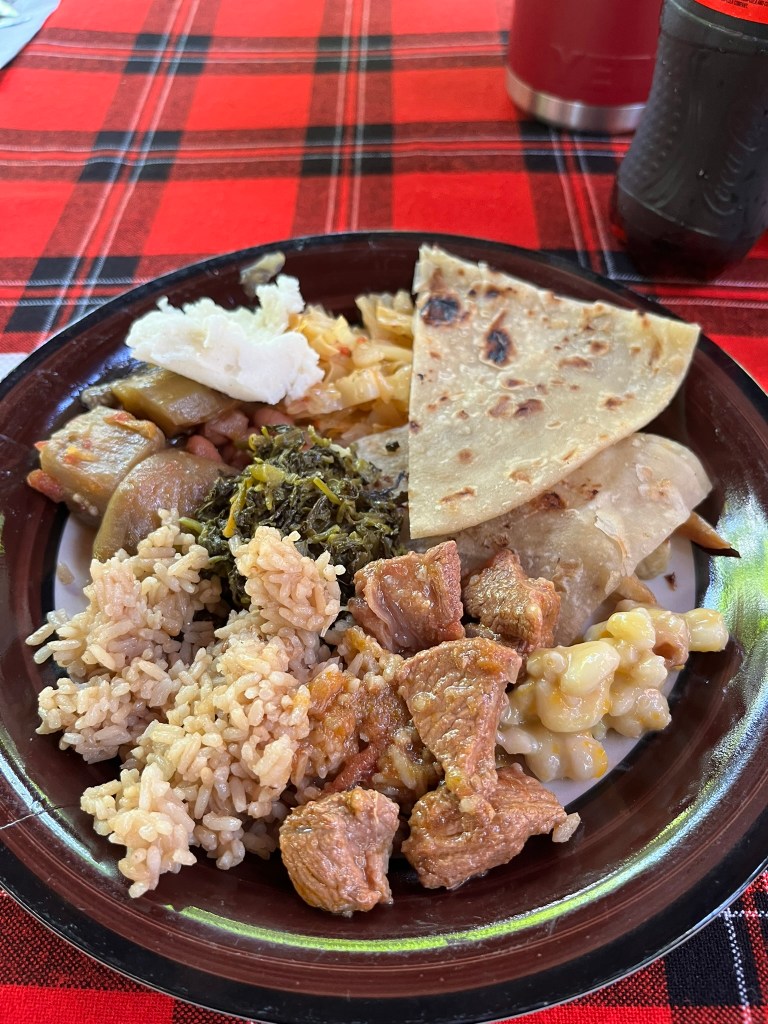
The restaurant was fabulous. The ‘Mama’ of the restaurant was in the kitchen serving up pots and pots of food to each table. Each table had a mini-buffet of around 15 pots to try from, including delicious beef stew, aubergine stew, cabbage, sweet potatoes, rice, chapati and so much more. And everything was locally grown and super fresh. Each day, the restaurant that will serve the tourists having a cultural tour of the town rotates so that each has an opportunity to grow their business.

The whole ambience of the town was brilliant, it was calm but busy at the same time. And felt like a proper glimpse into real life in Tanzania. I was so glad this was included in the itinerary and couldn’t recommend it more. I would 100% recommend taking the cultural walk in this town which is run by Mto wa Mbu Cultural Tourism Enterprises.
 Colette's Grand Detour
Leave a comment