Day 8 (4th August 2025)
As I near the end of my time in Kenya there is still so much wildlife to talk about. The ecosystem of the places we have visited is finely balanced and all the flora and fauna play a key role in maintaining that balance. If you didn’t have the scavengers you would end up with animal carcasses piled up around the parks, leftovers after the main predators are done with their kill.
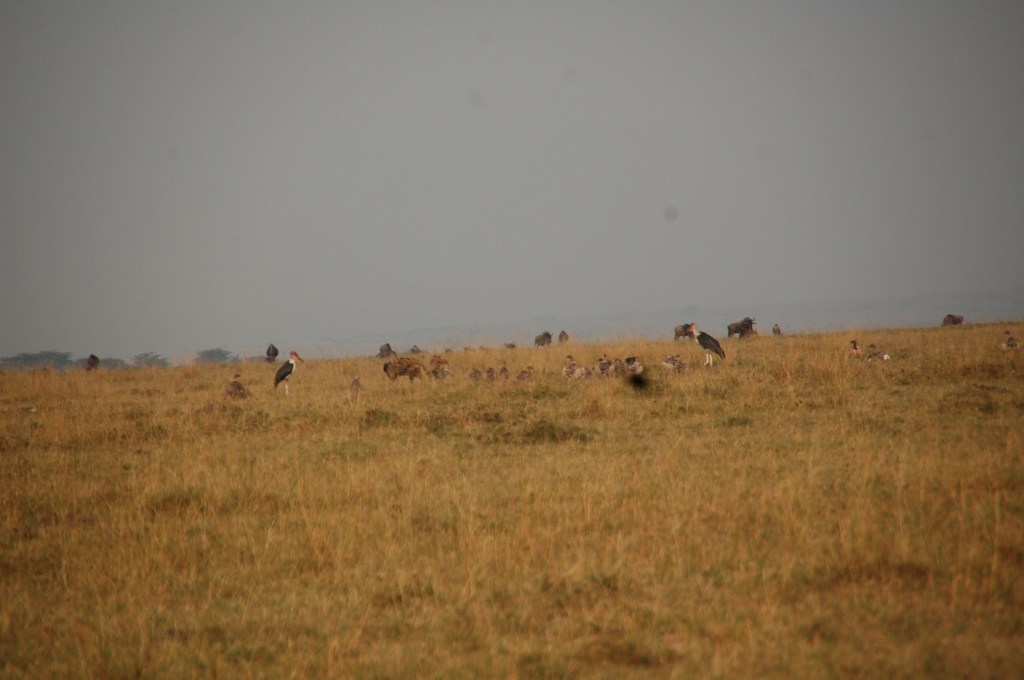
The main scavengers we have seen throughout our journey in Kenya have been Hyenas, Jackals, Vultures and Maribou storks. And there are lots of smaller scavengers we have yet to see and are very difficult to spot. After a predator is finished with the meat of a kill, they will abandon the carcass and this is when each scavenger plays an important role in breaking down what remains until there is nothing left at all.
There is a pecking order for scavenging. First up the predator who made the initially kill will eat first, Then the hyenas eat, as they are able to overpower smaller scavenger mammals and vultures, then the vultures take their turn. And finally the smaller mammals like Jackals have to dart in opportunistically.
Lets start with the birds. Vultures are the most prominent scavenger and are quick to arrive on the scene of a kill, with their sharp eyesight able to spot a kill from kilometers away. You can usually see them gathering in trees or circling in the air near a kill site waiting for the predator to leave. This means you can often spot a potential kill site on safari by watching where the vultures are heading.
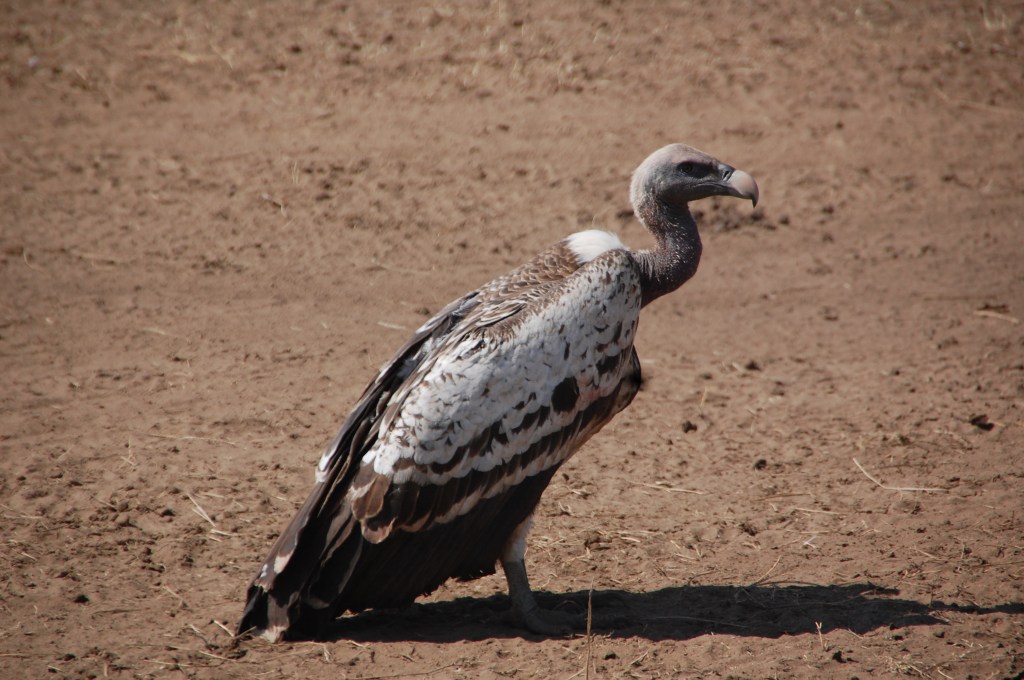
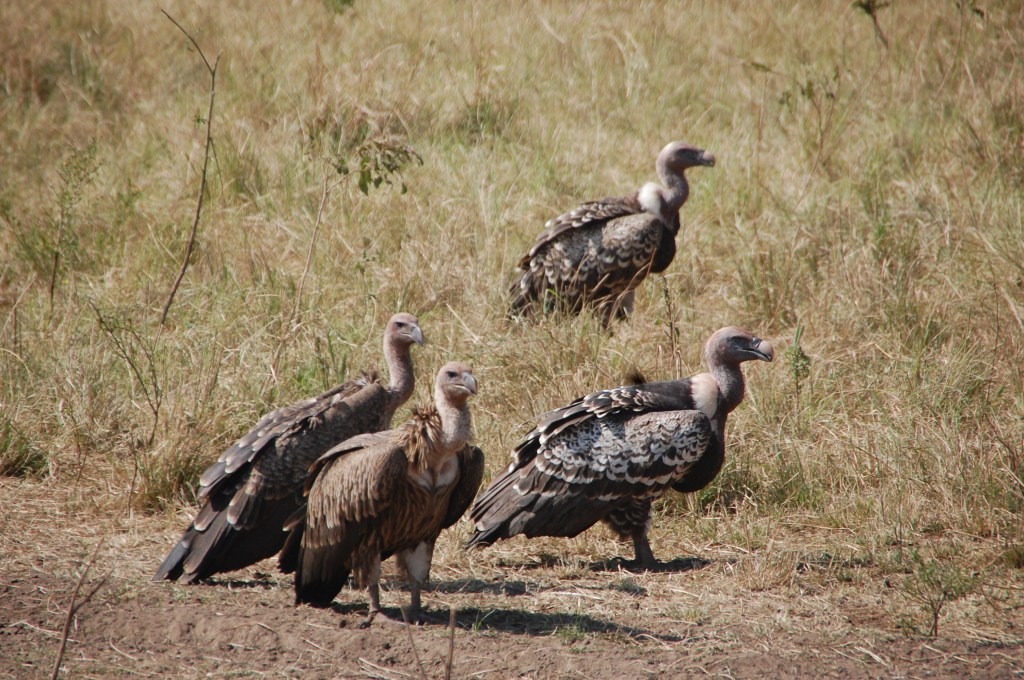
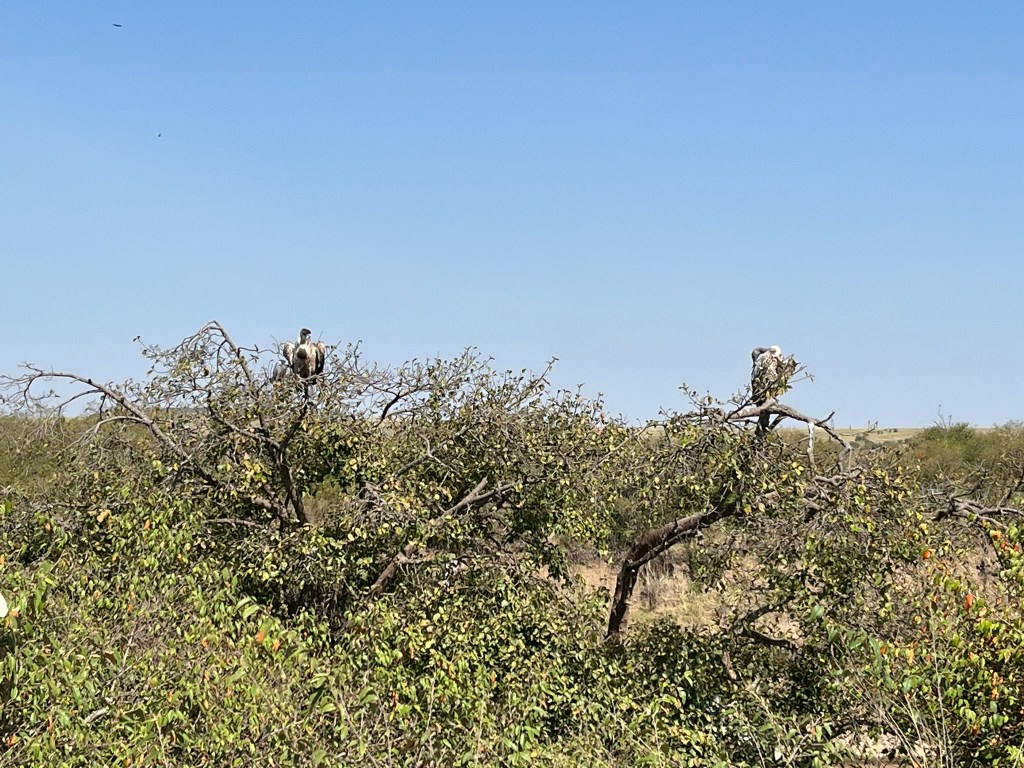
Different vulture species specialise in eating different bits of the carcass (which has an official name called niche partitioning), helping reduce competition between the vultures as well as ensure the carcass is efficiently and completely consumed. For example, the Lappet-faced Vulture is known as ‘the butcher’ and is a muscle specialist, eating the thick skin, tendons and tougher muscles that the predator has left behind. They have adapted to this behavior through a huge powerful beak and strong neck. On the other hand you have the White-backed Vulture known as ‘the gut cleaner’ and the the Hooded Vulture who cleans up behind everyone else and truly eats the very very last leftovers. We saw quite a few different species in the Maasai Mara, both in trees, on the ground surrounding an old carcass and flying in the air.
The other key scavenger bird is the Maribou Stork, with an ominous appearance and forming one of the safari’s ‘ugly five’ which also includes vultures and hyenas. These birds will eat absolutely anything, including human trash.
In terms of mammals, it is the Spotted Hyenas, and the Black-backed and Side-striped Jackals who will scavenge for leftovers. The Spotted Hyena is also a successful hunter, but will take advantage of what the lions leave behind for easy pickings. They are an odd looking creature with hind legs lower than their front legs giving them a somewhat hunchback look to them. And they have extremely strong jaws, able to crush bone, and digest almost anything including hooves and feet! These are not simple animals though. They live in clans and have a complex social hierarchy. If they hunt and make a fresh kill, hyenas must share with their clan or they risk their own family killing them. Scavenging however is done on an individual basis. And they care for the old, sick and young in their clan, bringing back food to their dens to spread amongst the group.
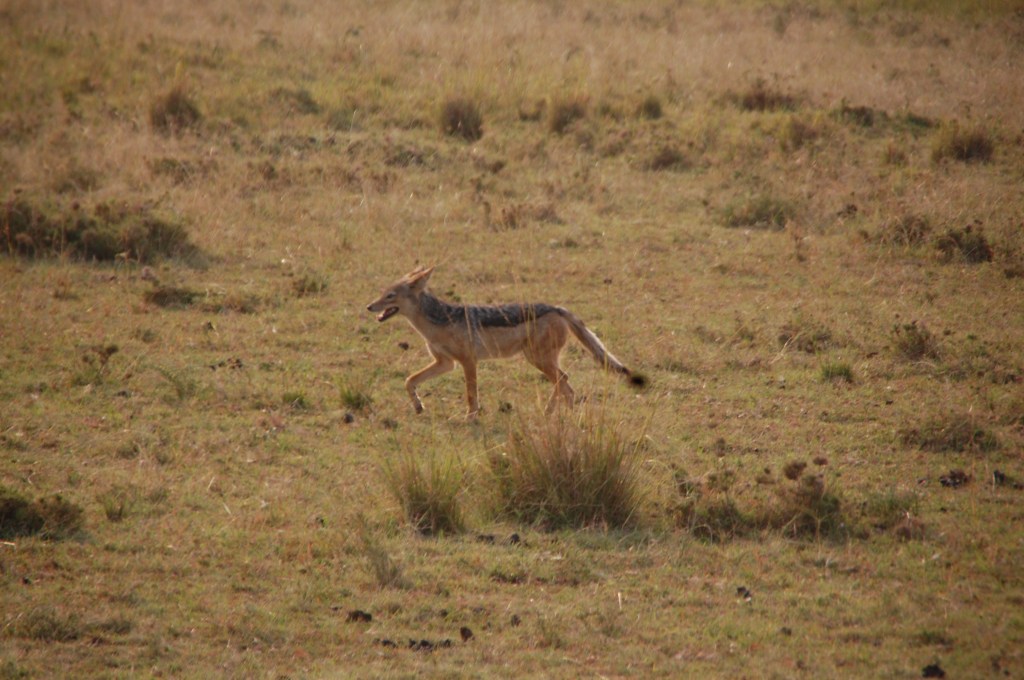
The day we were up in the balloon we saw lots of Hyenas heading home after a long night of hunting and scavengers.
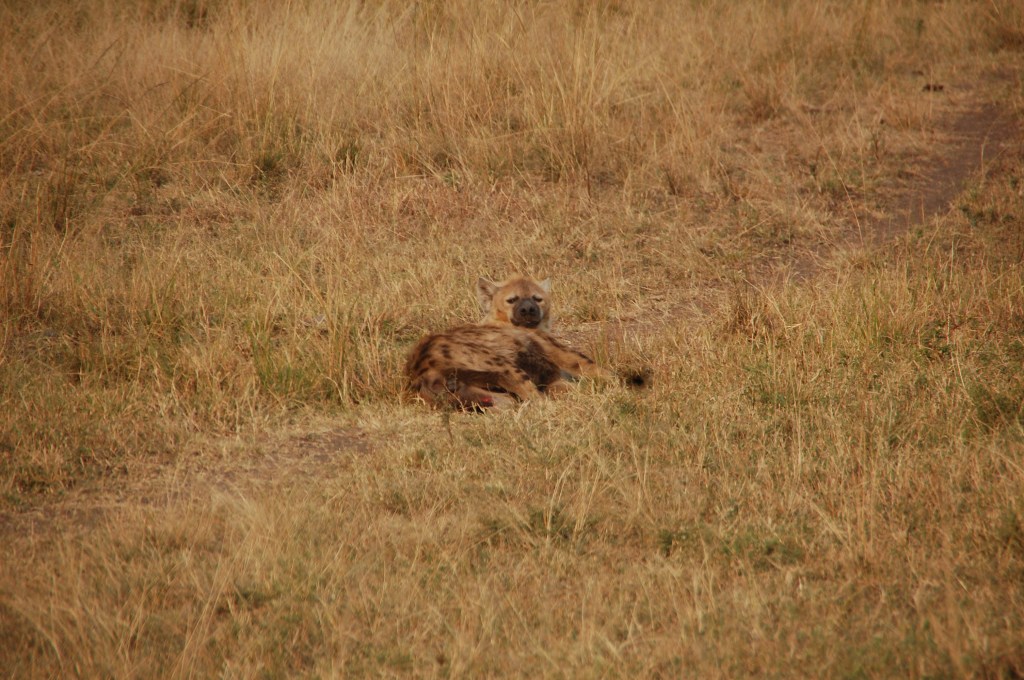
These animals are just as exciting to see as the ‘big five’ and help connect all the dots of what is happening out their in the wild.
PS – The other 2 animals that make up the ugly five are wildebeest (we have seen literally thousands of these) and wild dogs which are incredible hard to see but I did see a whole pack of them chase and devour a wart hog in Botswana a few years ago and I am going to try and dig out the photos and video.
 Colette's Grand Detour
Leave a comment