Day 7 (3rd August 2025)
Each year, over 1.5 million wildebeest, and hundreds of thousands of zebra and antelope make the journey from the Serengeti in Tanzania into the Maasai Mara in Kenya and back again. The animals follow the rainfall that nourish the grasslands.
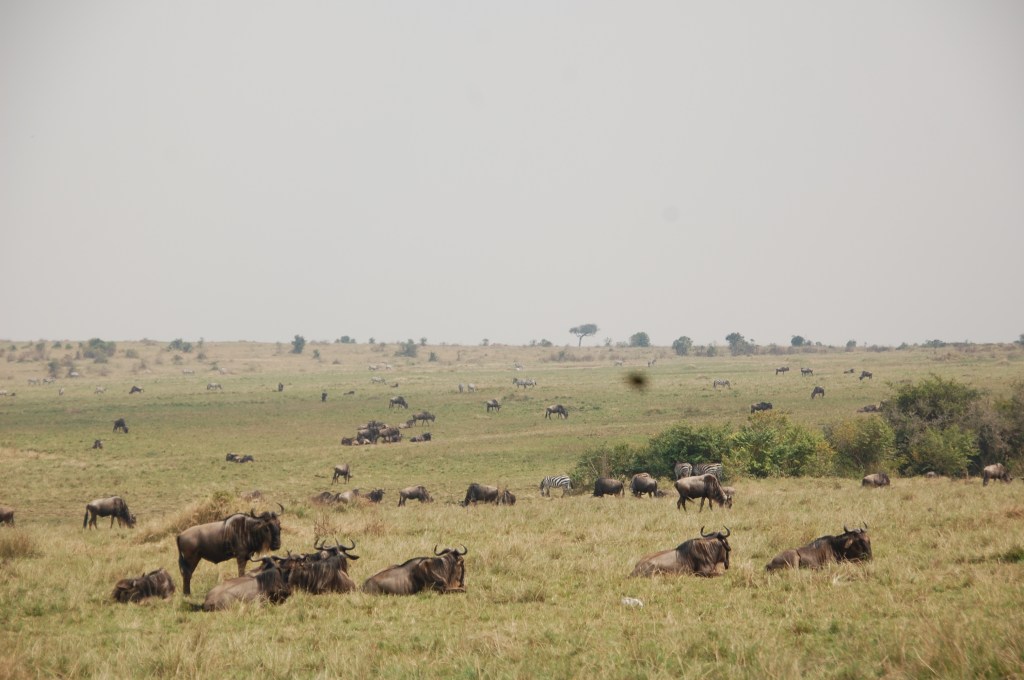
The spectacle happens between late July to September each year and is one of the driving forces around why these months are peak season for safaris in the area. With the arrival of these animals, predator activity increases significantly. As you drive through the reserve you can see huge swaths of grassland occupied by herds (or if you want to use the correct collective noun – a confusion) of wildebeest. They slowly move from one patch of grass to another, occasionally getting skittish if they sense a predator is close by. They intermingle with the zebras and antelope. But the elephants and water buffalo stay away, as they are not fond of the sounds that these mega-herds of wildebeest make.
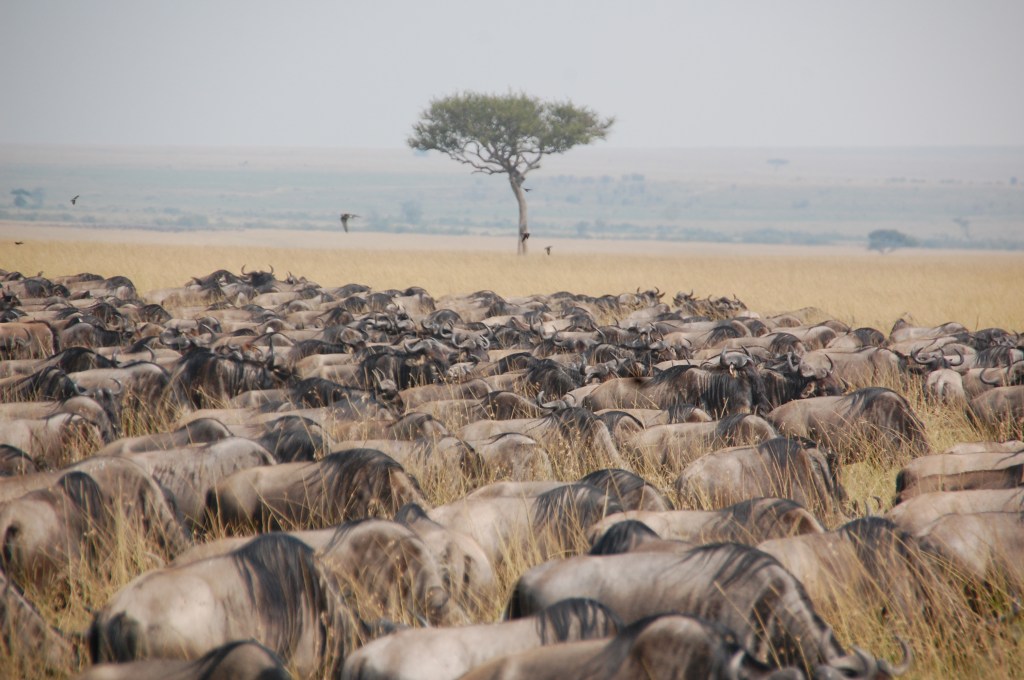
The deadliest part of the animals’ journey is the Mara River crossing. The river has steep sides, that crumble under your feet easily and is filled with predators, particularly crocodiles, who silently wait for an opportune moment. And this is what attracts thousands of tourists each year, for the the chance to see one of nature’s greatest spectacles. Although there are literally millions of animals crossing the river over this 2 month period, to witness a crossing is an elusive sight and one that may require multiple days in the park.

The river is long and the distances between suitable crossing spots far between, so you have to take your chances and head towards where herds have been seen congregating since early morning. The process is not quick. I had imagined we would head to the river after breakfast, which sits right on the border with Tanzania, see where the herd was heading and immediately watch the precarious crossing.
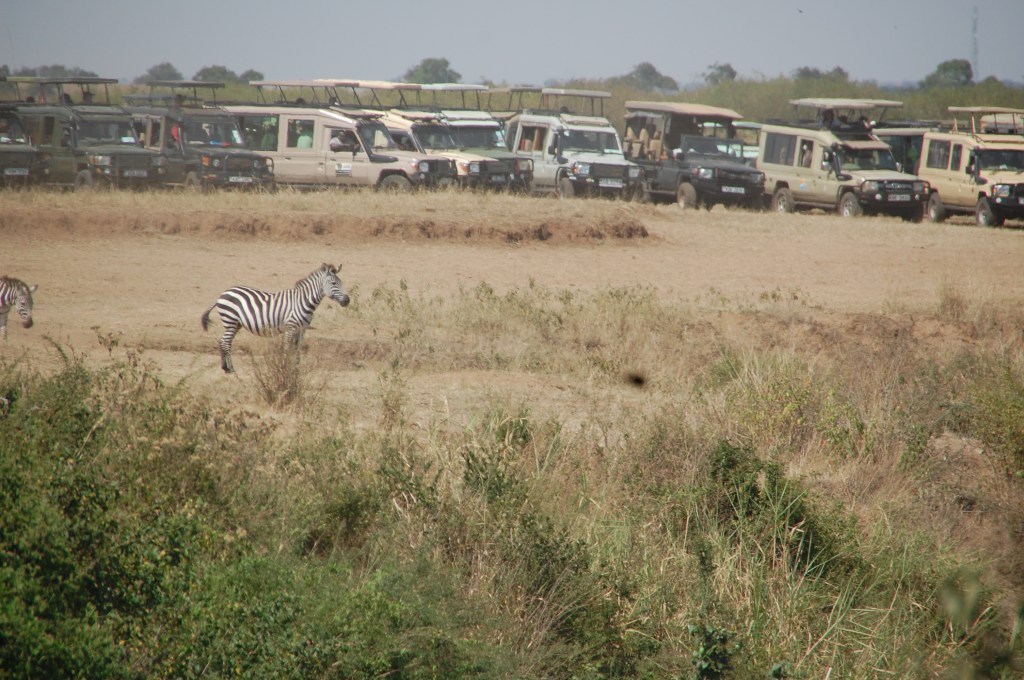
The crossing is not such a straight forward task for these animals though and it can take a very long time for the herds to commit to cross at a particular spot. In fact, we spent our entire morning watching and waiting. We arrived at our first spot a little after 10am and found the best possible viewing spot we could, with many tens of vehicles already lined up to each side of the herd right up to the river. The rangers do a good job of ensuring that plenty of space is given to the herds of animals who at this point were milling around about 30-40 meters away from the edge of the river bank. The migration is not just one moment, it happens many times a day (and night) every day, for many weeks and in each crossing there will be 100’s to 1000’s of animals crossing. Often there are family members on the other side of the bank who have already completed the journey and are waiting for the rest of their gang to join them in the fresh grassland.
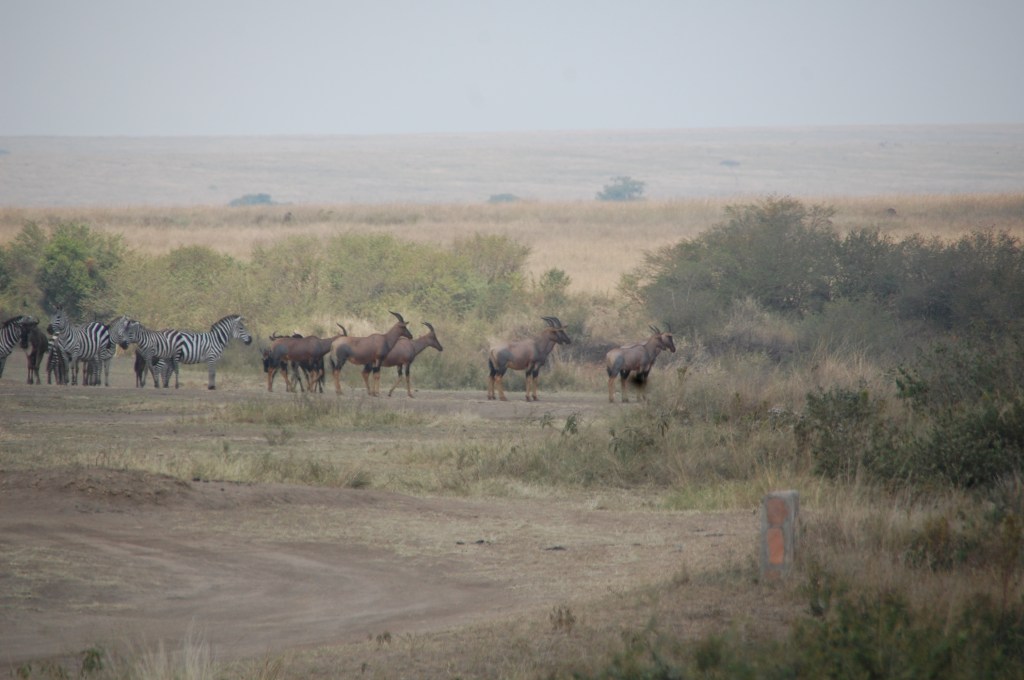
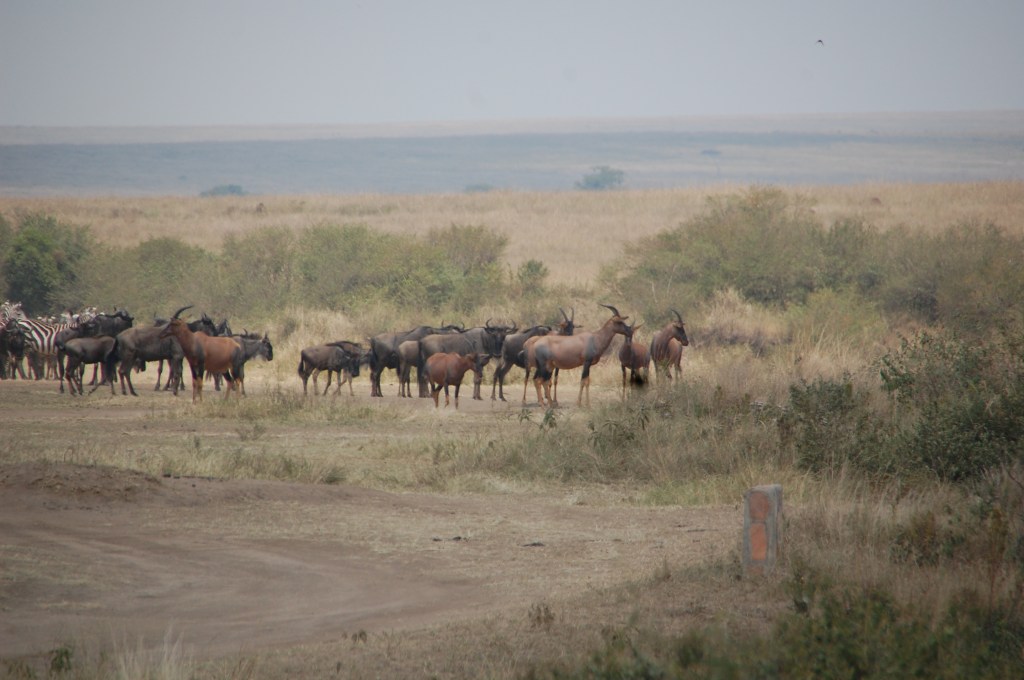
Zebras and antelope do a lot of the scouting work, with the wildebeest sitting back and waiting. Zebra have excellent eyesight and a great sense of smell and they use this to come to the edge of the bank and survey the river below. The questions they are looking to answer – is this a safe spot to cross right now? Are there predators below? Are there lions hiding in the bushes on the other side? The zebra will look around for a little while and then head back to their herd to discuss the situation. The antelope will do the same with their own species. They might go back and forth multiple times, checking and re-checking the river below.

A brave zebra may head down the steep bank a little to take a closer look, they may signal for others to join them, they may scurry back up if they see or smell something that doesn’t feel right. The crocodiles are not going to make it easy for them, they hide and sit upstream waiting to quickly maneuver if they see an opportunity to pounce. And eventually a decision is made. In the case of our first river spot, the animals decided they did not like this place to cross and they set off at a reasonable pace to look for alternative options further down stream. The wildebeest simply follow the choices of the zebra and antelope and don’t dare cross alone.
In late morning we headed downstream (along with a convoy of other migration hunters) to the spot the herds had moved to and Joseph maneuvered into the best spot possible with what was available. Unfortunately there was a big bush that was going to block a portion of the river but we would be able to see the animals headed down and jumping into the water. The whole process started again, the majority of the herds hanging back and individuals from each species coming to the river, inspecting and heading back to have a discussion.
I thought this might be another failed spot after the zebra and antelope went back and forth multiple times and shifted along the river slightly closer to us. But finally we could see that the herds were starting to self-organise and I joke not, queues started to form. A handful of zebra were down right at the waters edge, encouraging the wildebeest to start to follow them and at the last minute the zebra ran back to the top of the bank. But the crossing had begun. Wildebeest were leaping into the water quicker than you could count them. They were rushing down the steep banks in all directions and paddling as fast as they could to the other side. Within a couple of minutes, hundreds of wildebeest and a small herd of antelope were successfully on the other side. With no crocodile in sight. It was short but thrilling, especially after waiting for so long in anticipation and not knowing if it was going to happen.
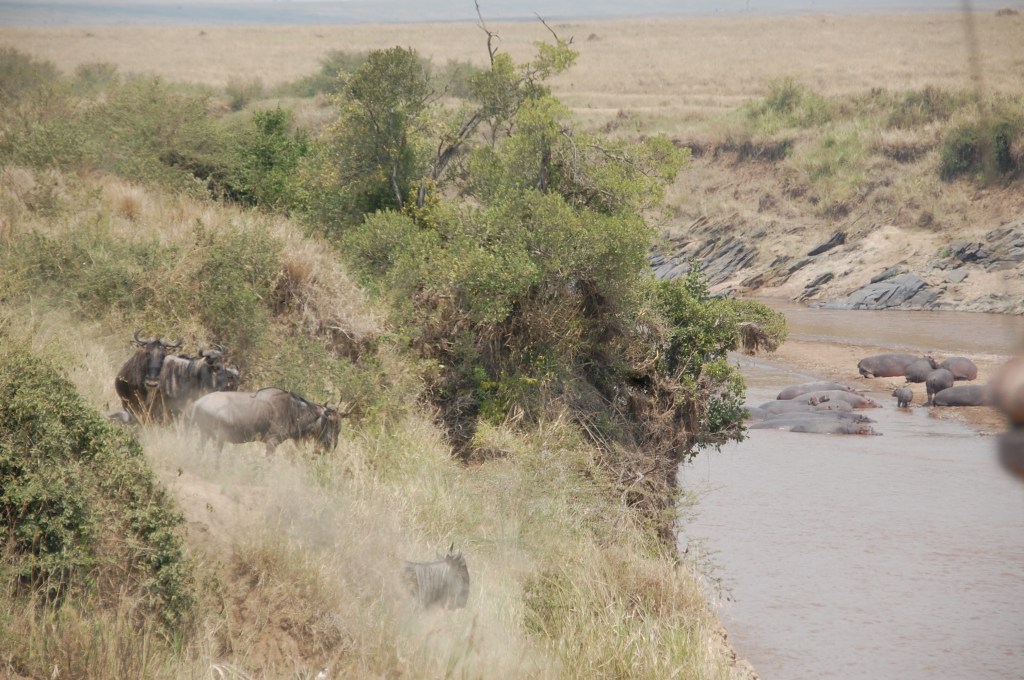
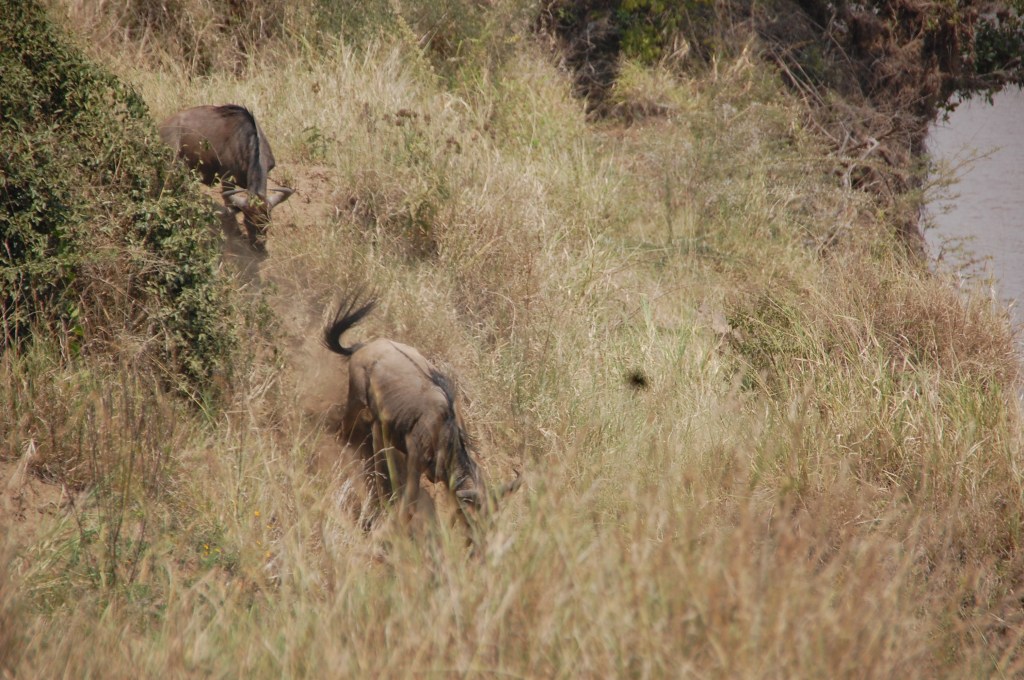
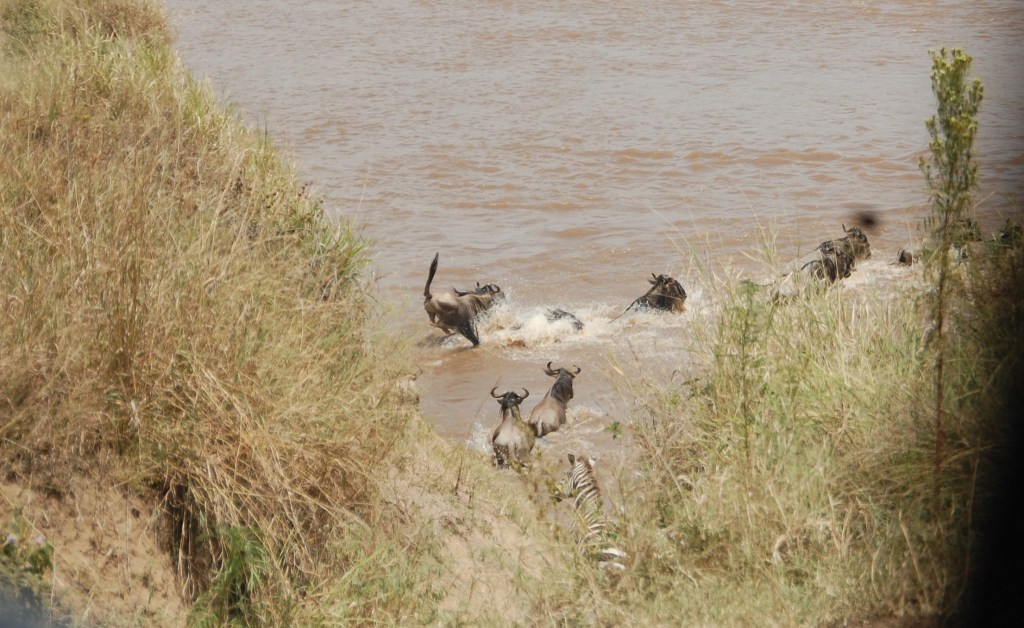

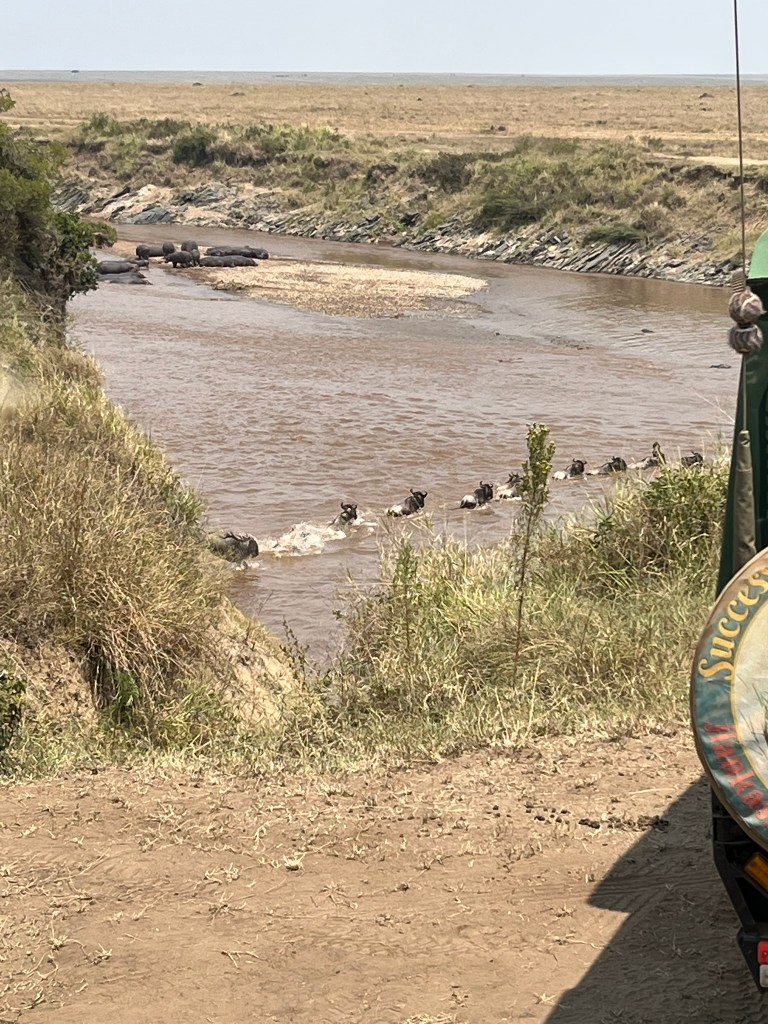
Our guide reliably told us that the zebra are a bit sneaky, and like to trick the wildebeest into thinking it is safe so that they cross first and distract any predators before the zebra attempt the crossing. On this occasion the zebra actually didn’t cross with the wildebeest and sauntered off to look for another spot. The guide also told us, the wildebeest are really not the smartest and regularly they will jump into the river in such volumes that they trample each other to death.
This was an amazing sight to see, but requires patience and it isn’t as easy to catch a river crossing as you might think. I was happy to spend the morning doing this though, as you can only see it at this time of year. I definitely would like to come back and spend longer in the park so that I would have time to see even bigger river crossings. And perhaps stay at one of the exclusive camps that has prime Mara River position.
 Colette's Grand Detour
Leave a comment