Day 6 (2nd August 2025)
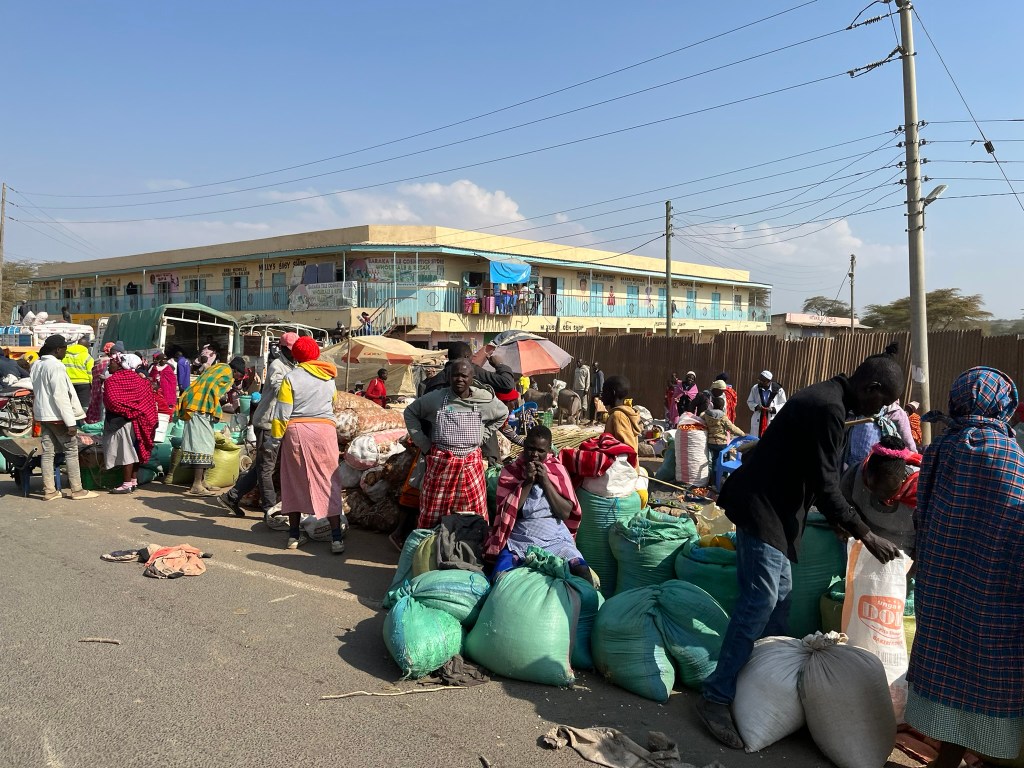
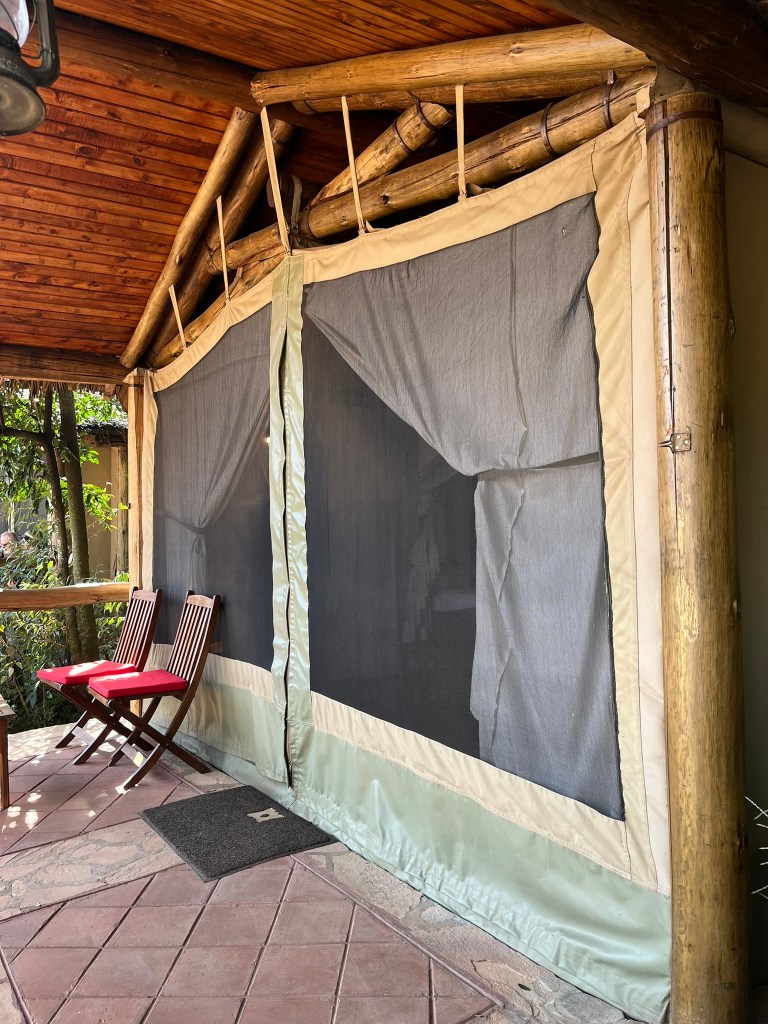
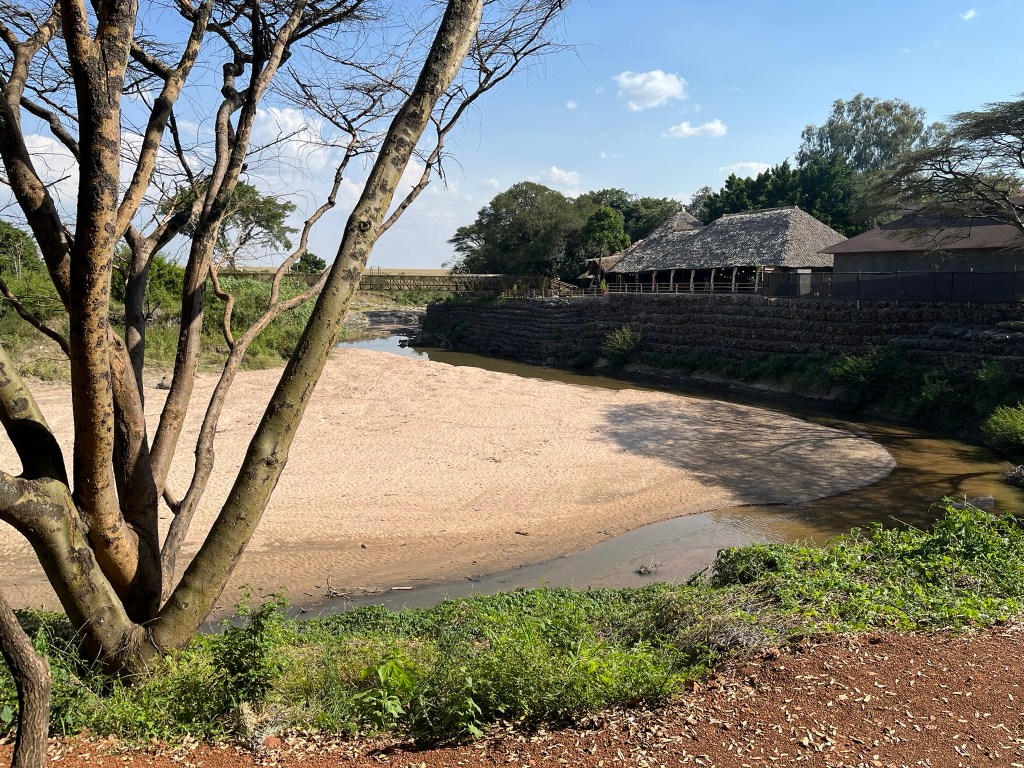
Today we have driven from Lake Naivasha to our new home in the Maasai Mara National Reserve. We will spend 2 nights here at newly re-built Fig Tree Camp which sits right along the edge of a river. The first couple of hours drive was along the main highway that runs through the centre of the country. This is not the just main route for tourists to get between sights but also the main route for trucks heading to and from Uganda and other surrounding countries. The background scenery was spectacular with rolling hills, however closer to the road it was a little more hectic directly as every few kilometres there would small truck stop towns where the drivers could pull over, eat, sleep and refresh themselves. We eventually turned off this main road and headed towards the largest Maasai town – Nakor, which is where the Maasai, as well as all the camps and hotels in the reservation come to stock up on everything they need.
Before we entered the main part of the reserve we had the opportunity to visit a Maasai tribe. I was a little hesitant, worrying that it would be a ‘tourist’ village, but our guide assured us this would be a pretty authentic experience. The tour cost $20 USD which is distributed evenly amongst the families that live in the village. And I’ll start off by saying this is an absolute ‘must-do’ experience when visiting Kenya and its really exceeded my expectations.
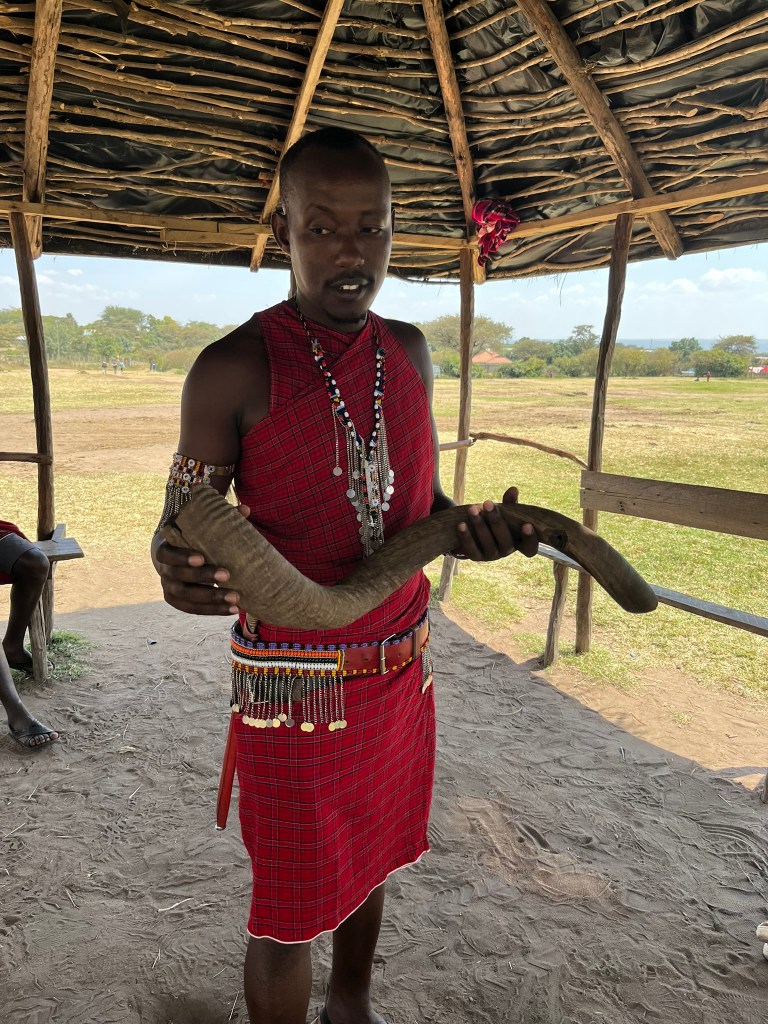
We were met by our guide Joseph (his Maasai name was Saruni) outside of the village, called Orboma, who introduced himself as the grandson of the village chief and the person who would eventually take over once his grandfather and father had passed. He invited me to wear an elaborate traditional beaded necklace for the duration of our tour, and then called over the men and women of the tribe using an instrument fashioned out of an antelope horn, to welcome us to their tribe with traditional dances.
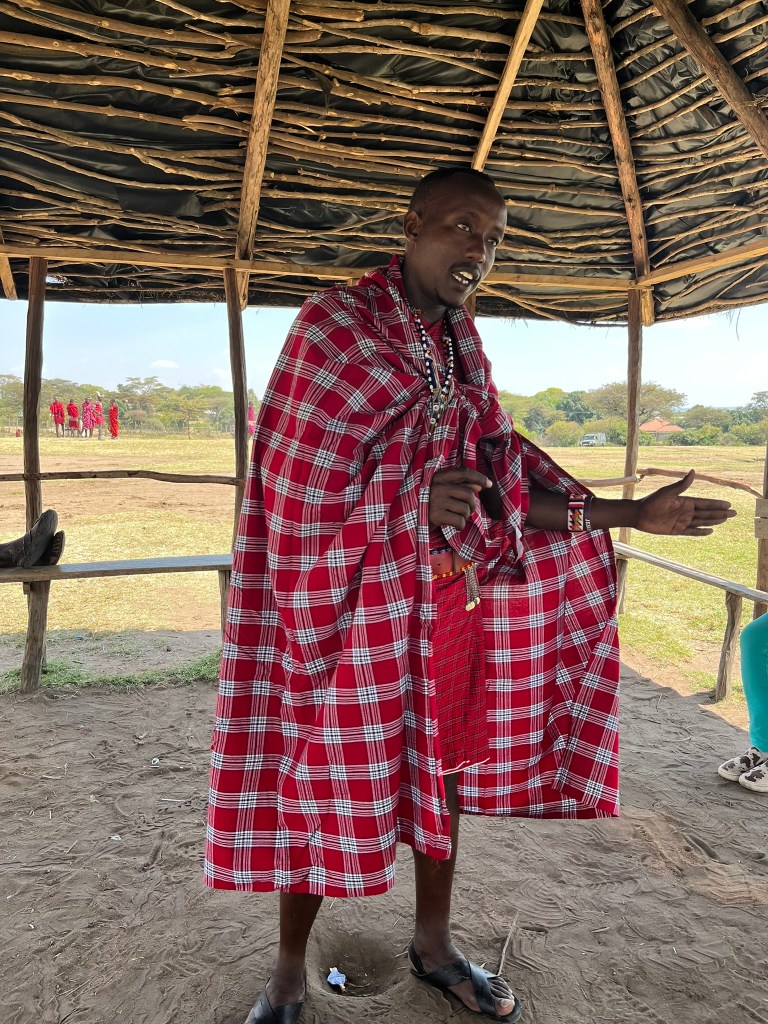

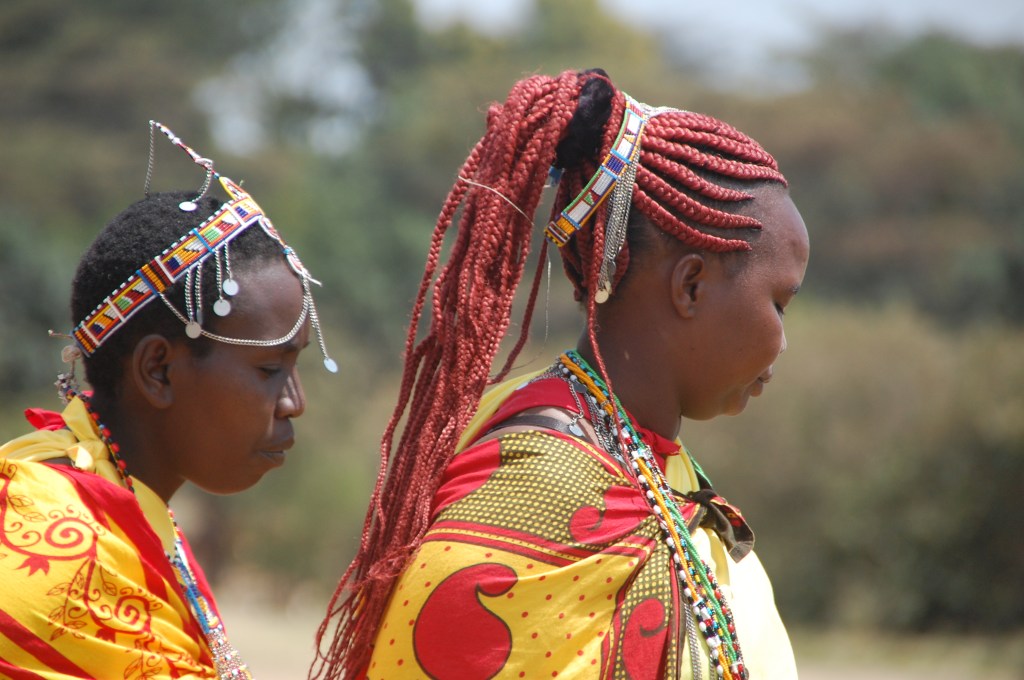
The first dance was to celebrate when a lion was caught (which they don’t do anymore, but still practice the cultural dances) and the men sang making incredible lion type sounds that they learn from a young age. The second dance involved the men proving how high they could jump as a way to compete for the attention of women in the tribe. And some of them could really jump very high! Finally the women sang a song welcoming us to the village. I have some great videos but have not yet upgraded the blog to allow me to upload them!
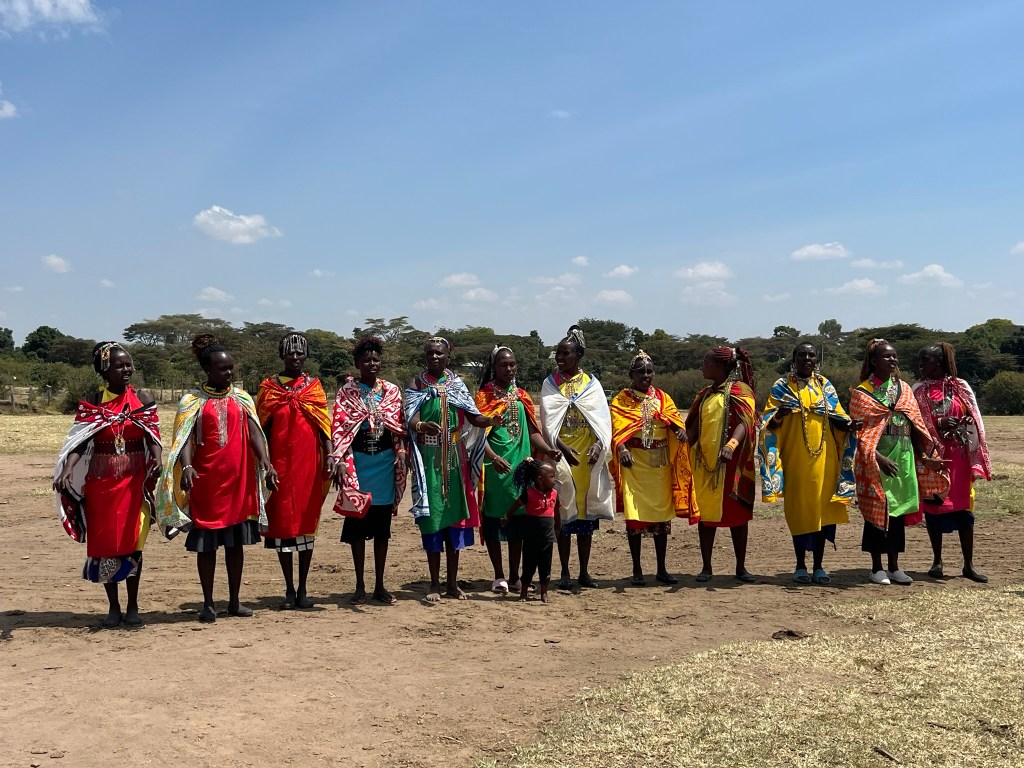
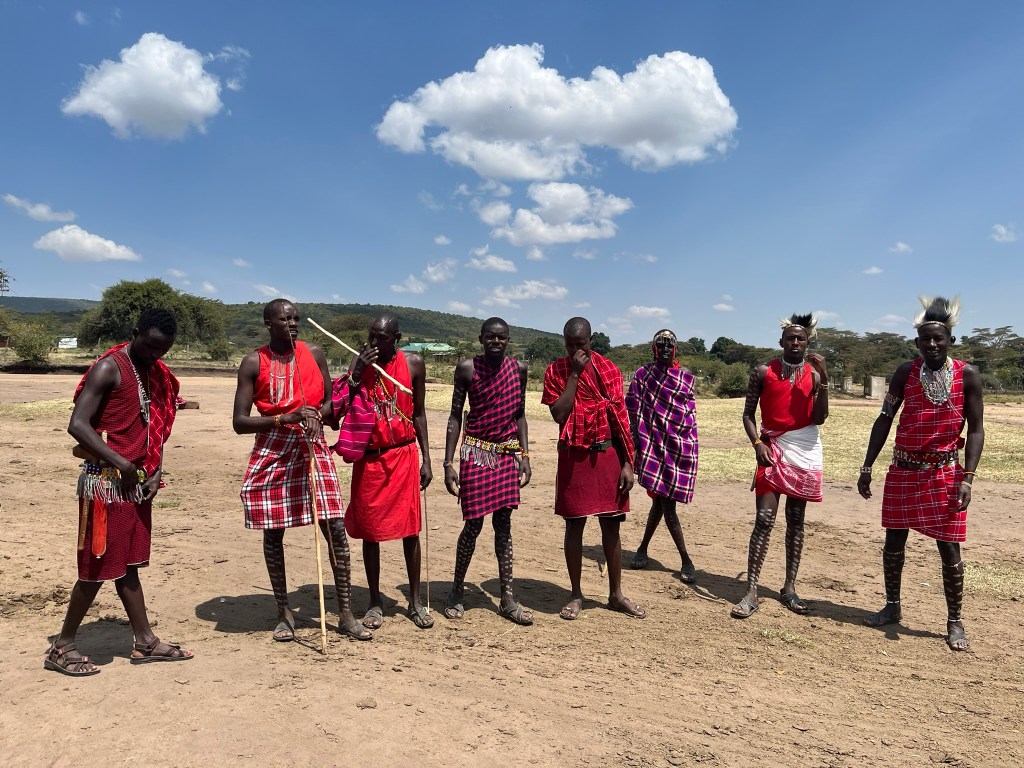

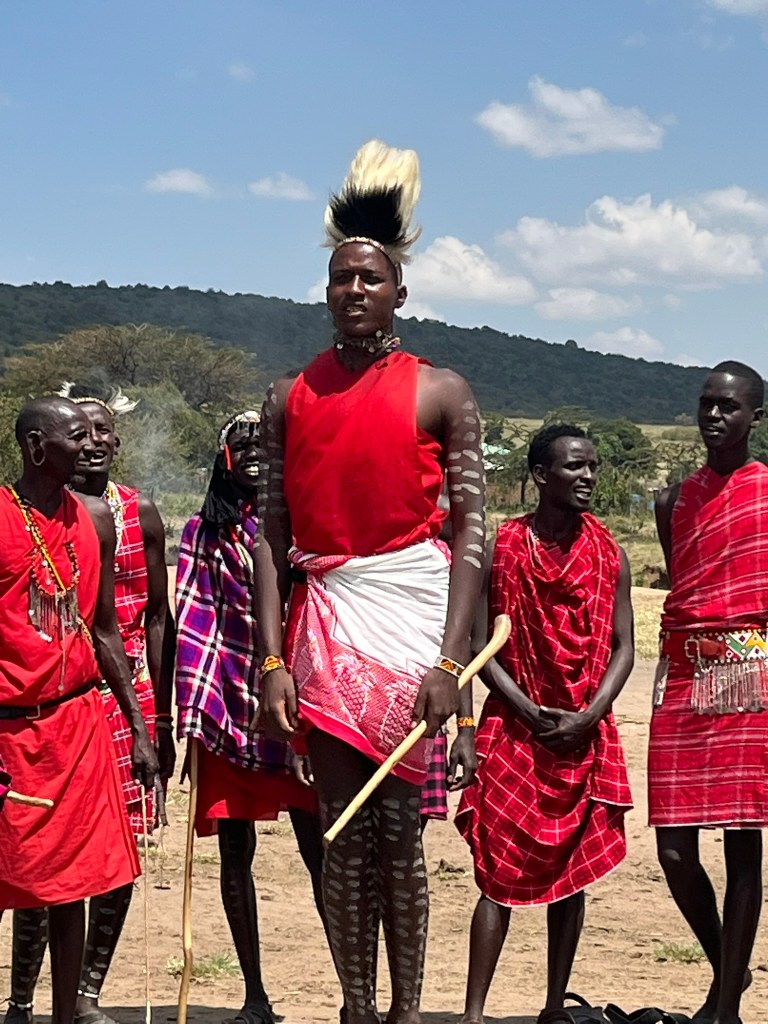
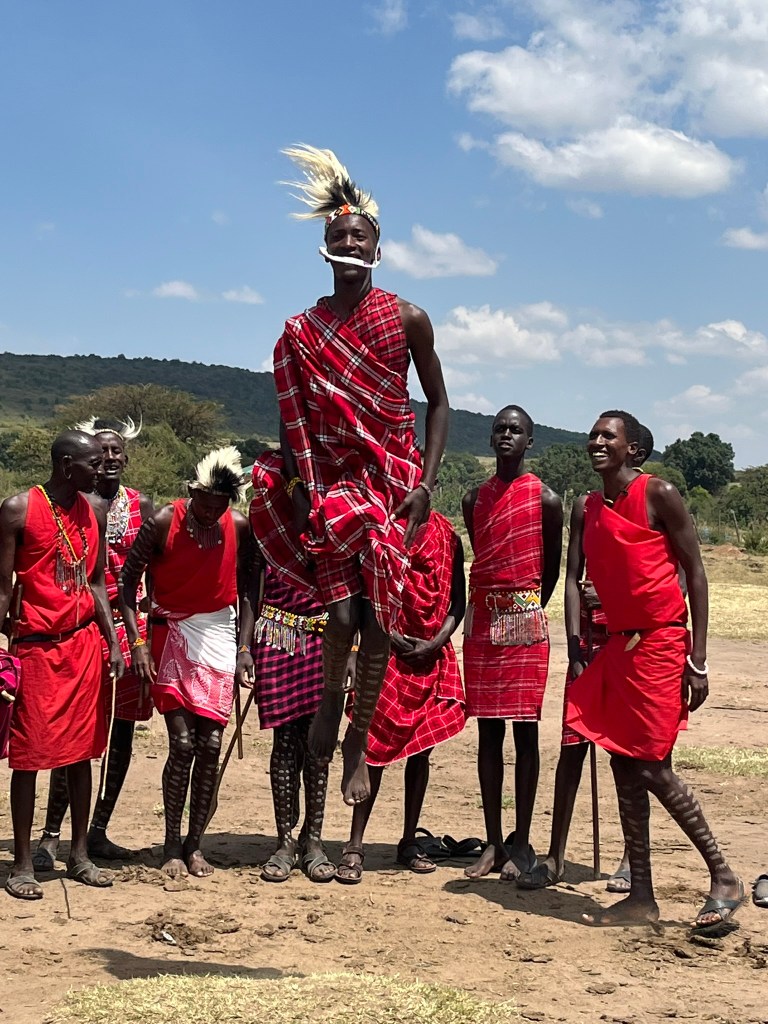

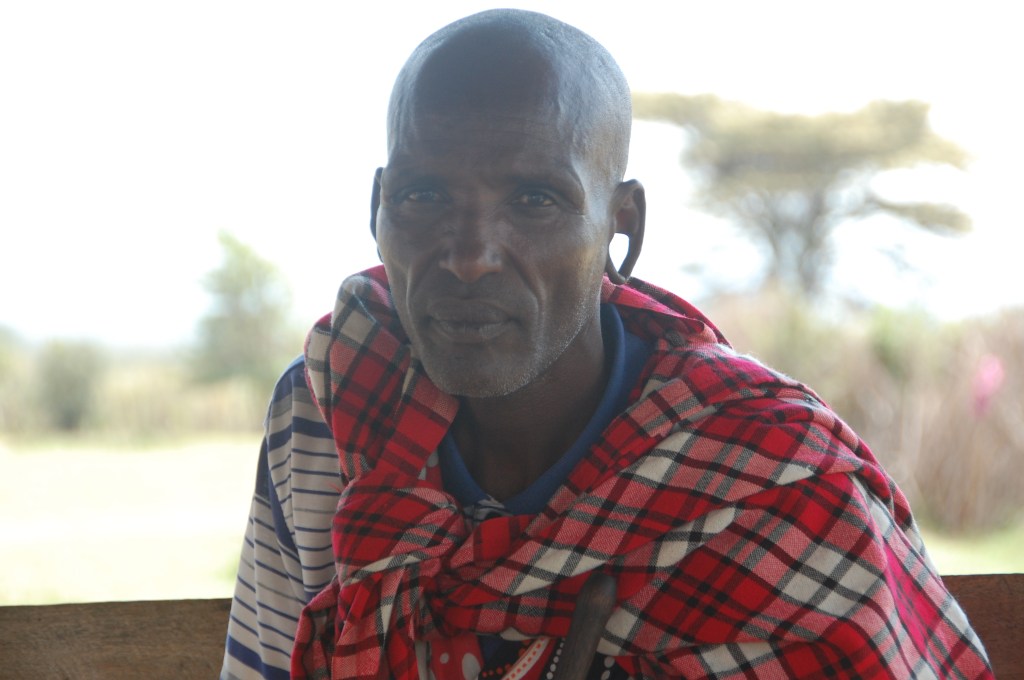
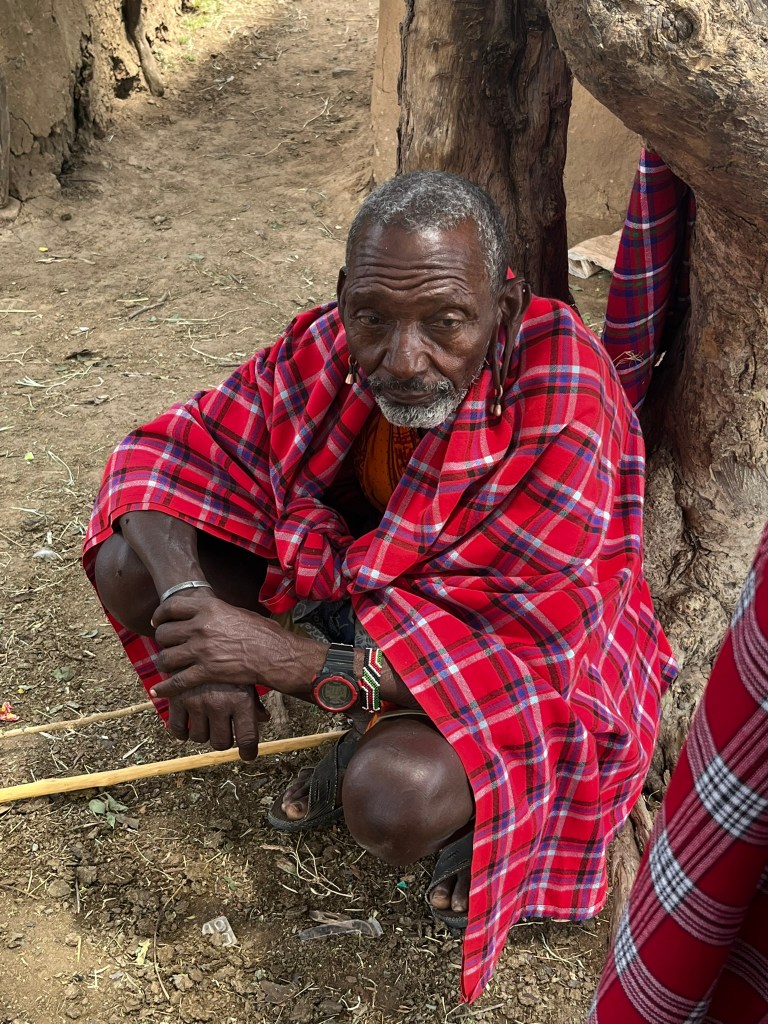
The village formed a circled with the central area left free of buildings and the houses on the outer edge. I estimate there were about 50 small houses and our guide said about 350 people lived there. We met Joseph’s father who had hugely stretched out ear lobes with big dangling earrings. Joseph explained that the younger generation no longer follow this practice as it is not practical for things like sports when the children are at school. He explained the tribe really values education and everyone goes to school and may go on to university like he did.
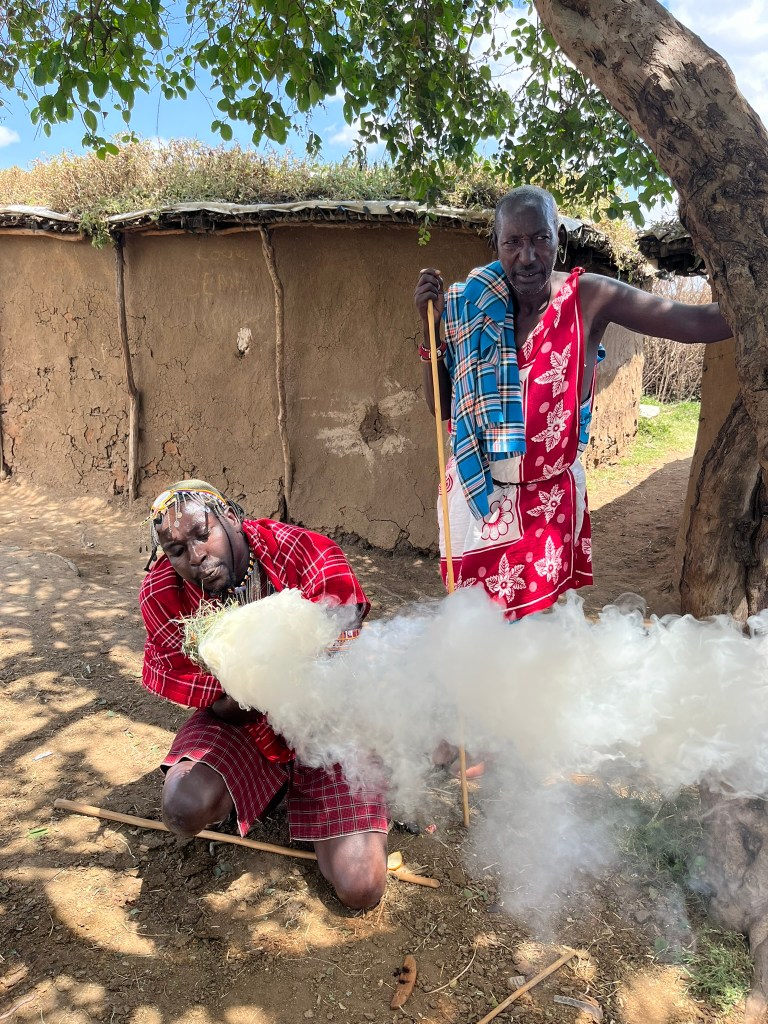
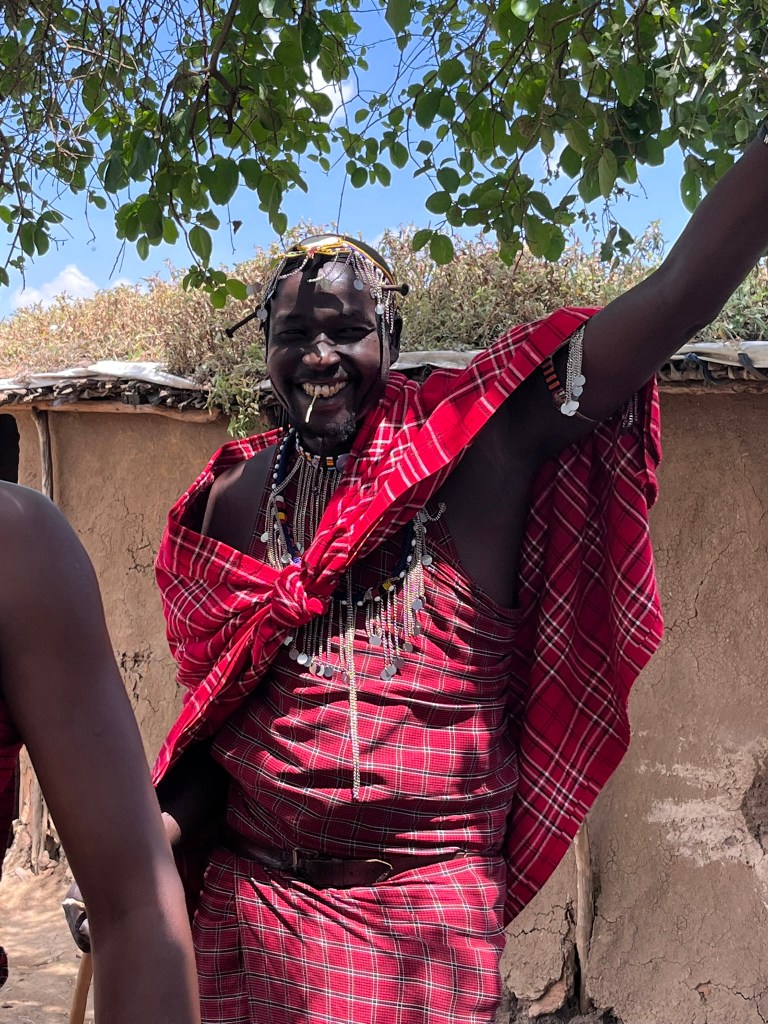
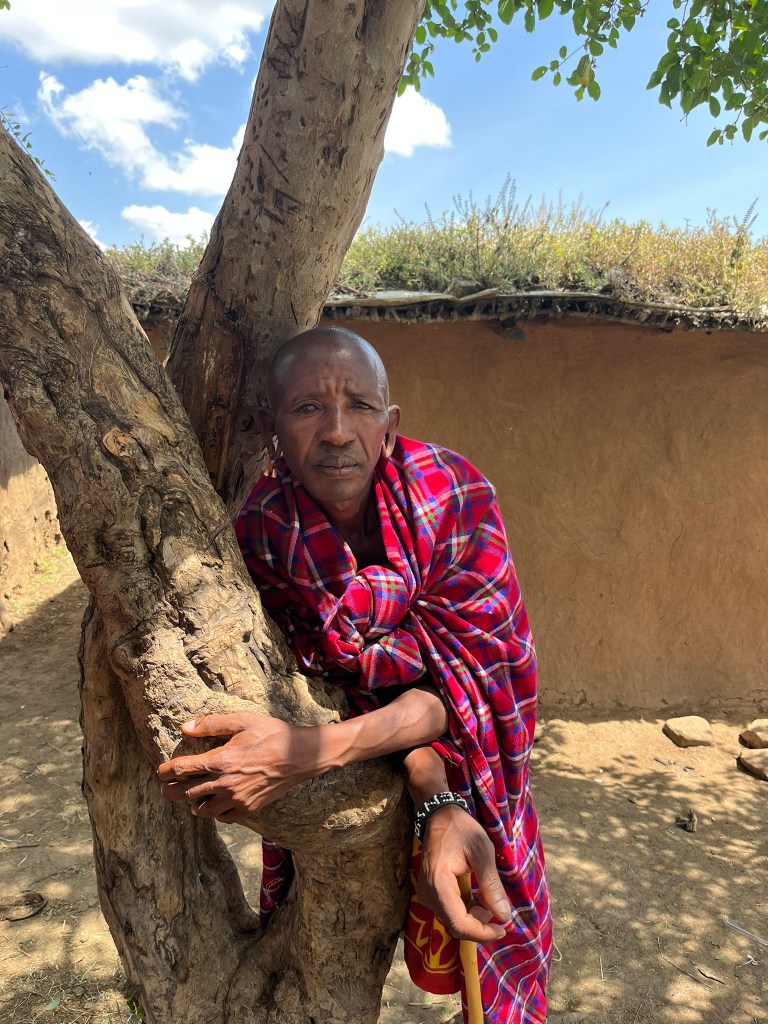
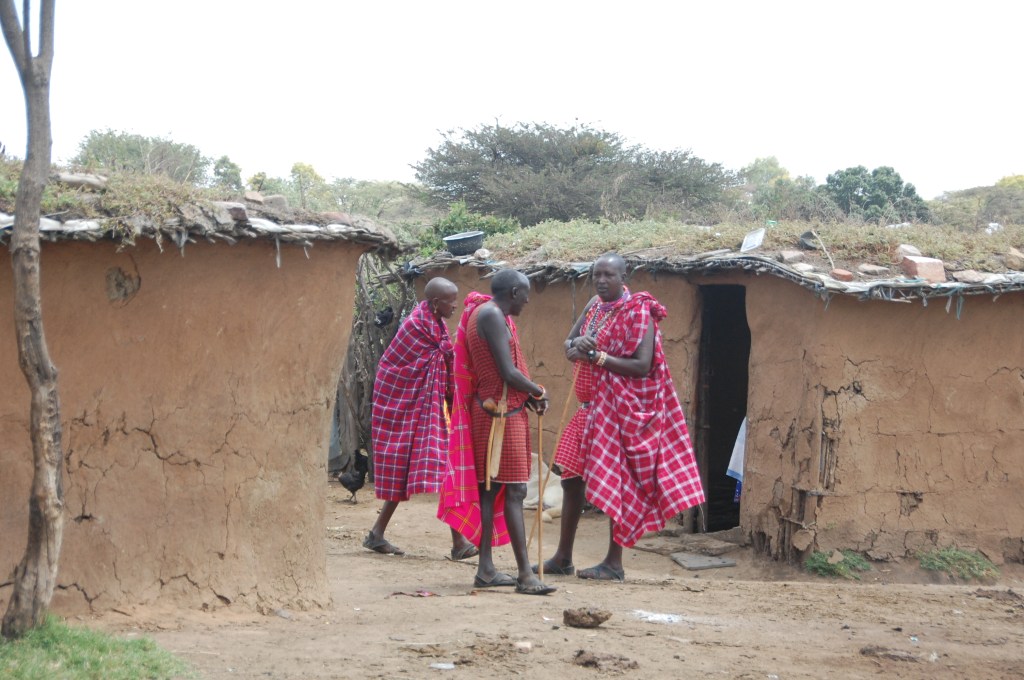
Originally the Maasai people migrated from the lower Nile Valley region, likely where South Sudan now is, around 500-1000 years ago. Sometime between the 15th and 18th centuries they started migrating south through Northern Uganda and Kenya, finally ending up in the Great Rift Valley and central Tanzania. They migrated for a number of reasons including a search for better pastureland for their cattle, environmental pressures and with conflict with neighboring groups. They eventually became the dominant tribe in these areas due to their strong warrior culture and skillful cattle herding. They still live a nomadic lifestyle with each village moving and rebuilding their homes in new pasturelands approximately every 10 years.
The homes are built out of clay, mud and cow dung which creates a strong structure and inside there is a main room for cooking, with small rooms off either side for sleeping. The buildings only have a small window near the kitchen to let smoke escape. Originally they would have used paraffin candles for light but have transitioned to solar power as it is a lot more practical and much safer without the burning smoke. The house he had brought us to was his mother’s house and she stood quietly in the corner as we sat around the small kitchen.
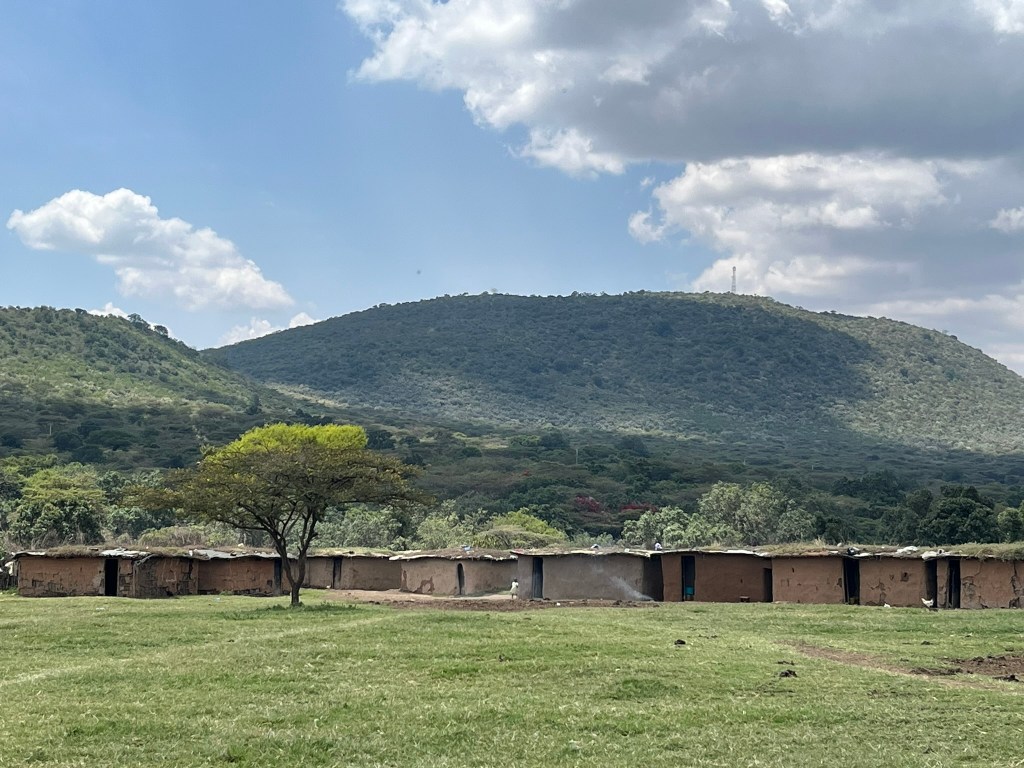
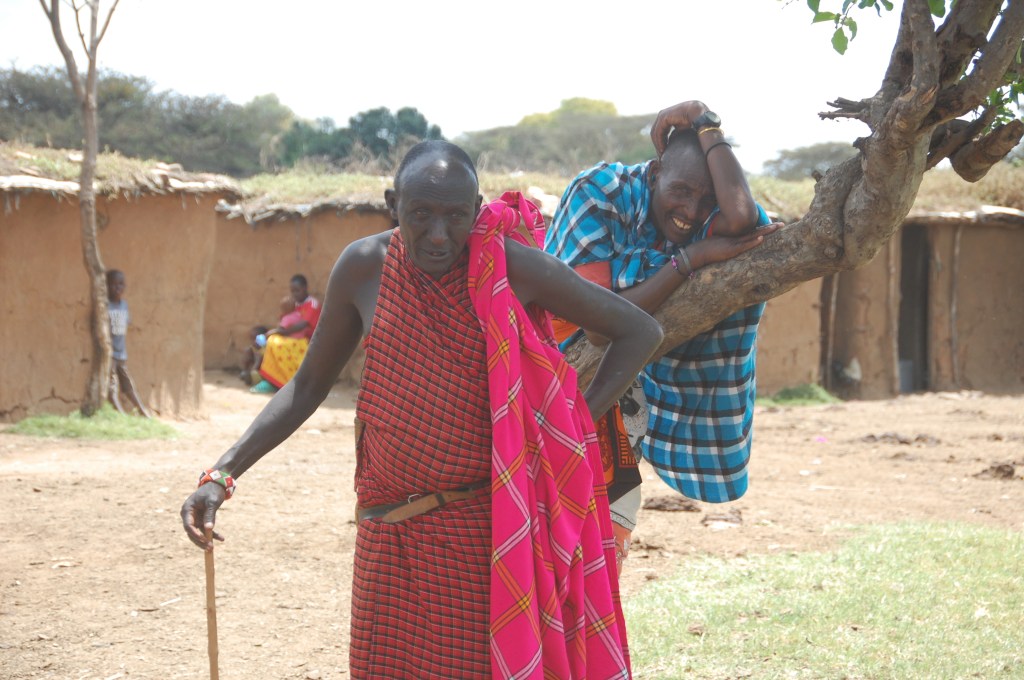
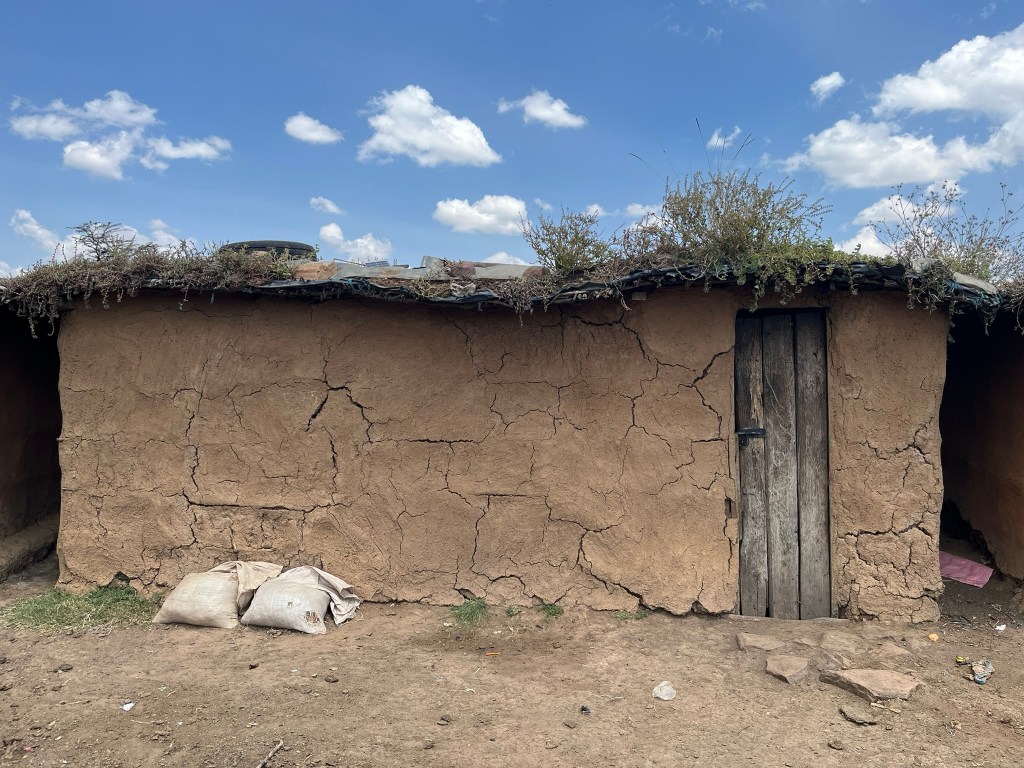
The Maasai do not eat vegetables. Their diet consists entirely of meat, blood and milk from the cows that they raise. They do not even eat chicken, although they do raise them and use the eggs as gifts or to pay for other items they might need. They seemed extremely healthy – Joseph’s grandfather was 94 and his father was 72.
We needed to drive about another hour from the village to our camp for the next 2 nights. And we got a taster of what the next 3 game drives might be like with big herds of wildebeest roaming the landscape, and plains of dry grassland where we hope to see lots of animal action. As I mentioned, it is brand new, as flash floods along the river it sits on, destroyed a big part of the camp about 18 months ago during the wet season. It is beautifully located on the bend of the river, providing sweeping views and there is a lot of bird life. Just sitting here typing I have been visited by an African Paradise Flycatcher.

 Colette's Grand Detour
Leave a comment